From cabinetry choices to décor accents, subtle details can make a big impact in capturing the coastal spirit. With the right balance of textures, colors, and practical features, your kitchen will not only look stunning but function beautifully for daily life or entertaining. Discover easy ways to infuse your kitchen with coastal charm and create a space that celebrates the carefree beauty of the shore.
1. Introduce a Rug with Coastal Character
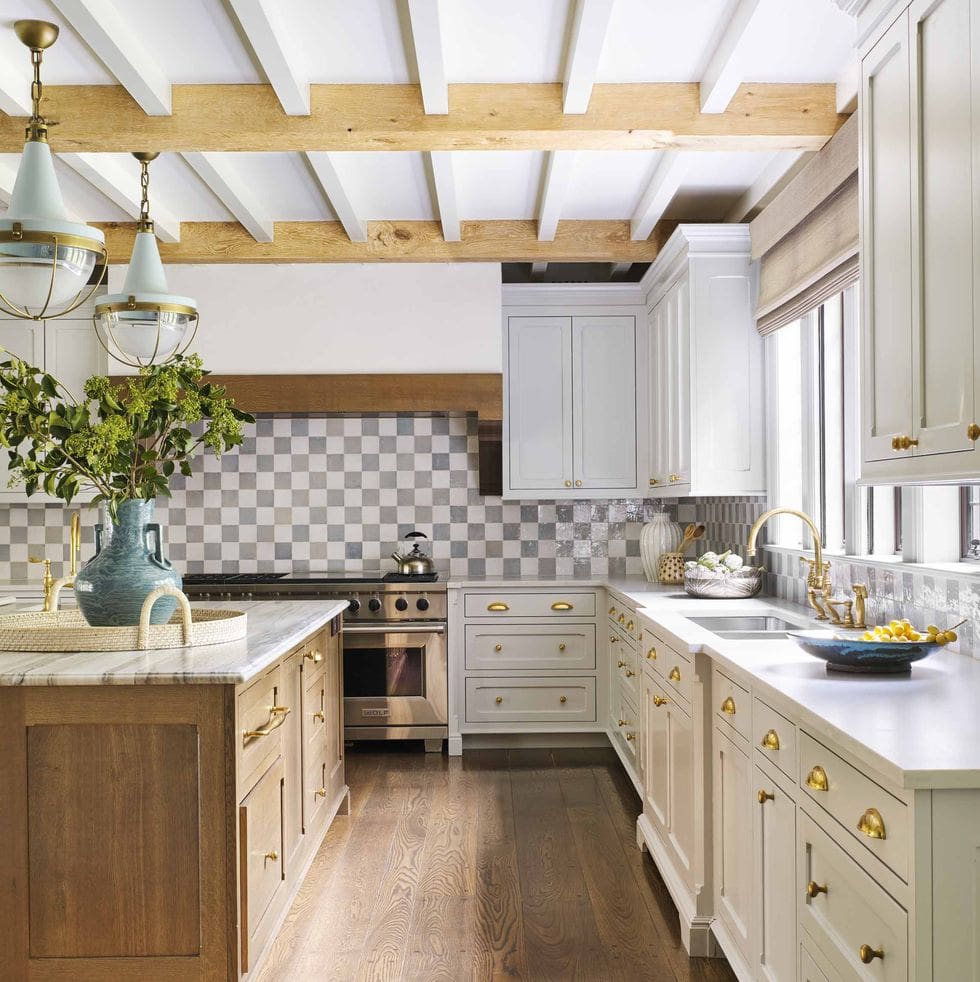
A stylish rug can add warmth and personality to your kitchen while grounding the coastal design. Opt for patterns or textures inspired by nautical themes or natural elements to create a focal point that ties the room together seamlessly.
Key Design Elements
- Choose rugs with stripes, rope motifs, or ocean-inspired patterns.
- Select durable materials suitable for kitchen use, like flatweave or indoor-outdoor fibers.
- Incorporate colors that complement your cabinetry and backsplash.
- Balance texture with smooth surfaces for visual interest.
Pro Tip: Pick a rug size that fits well under your main kitchen area without obstructing cabinet doors or appliances.
2. Embrace Rustic Coastal Elements
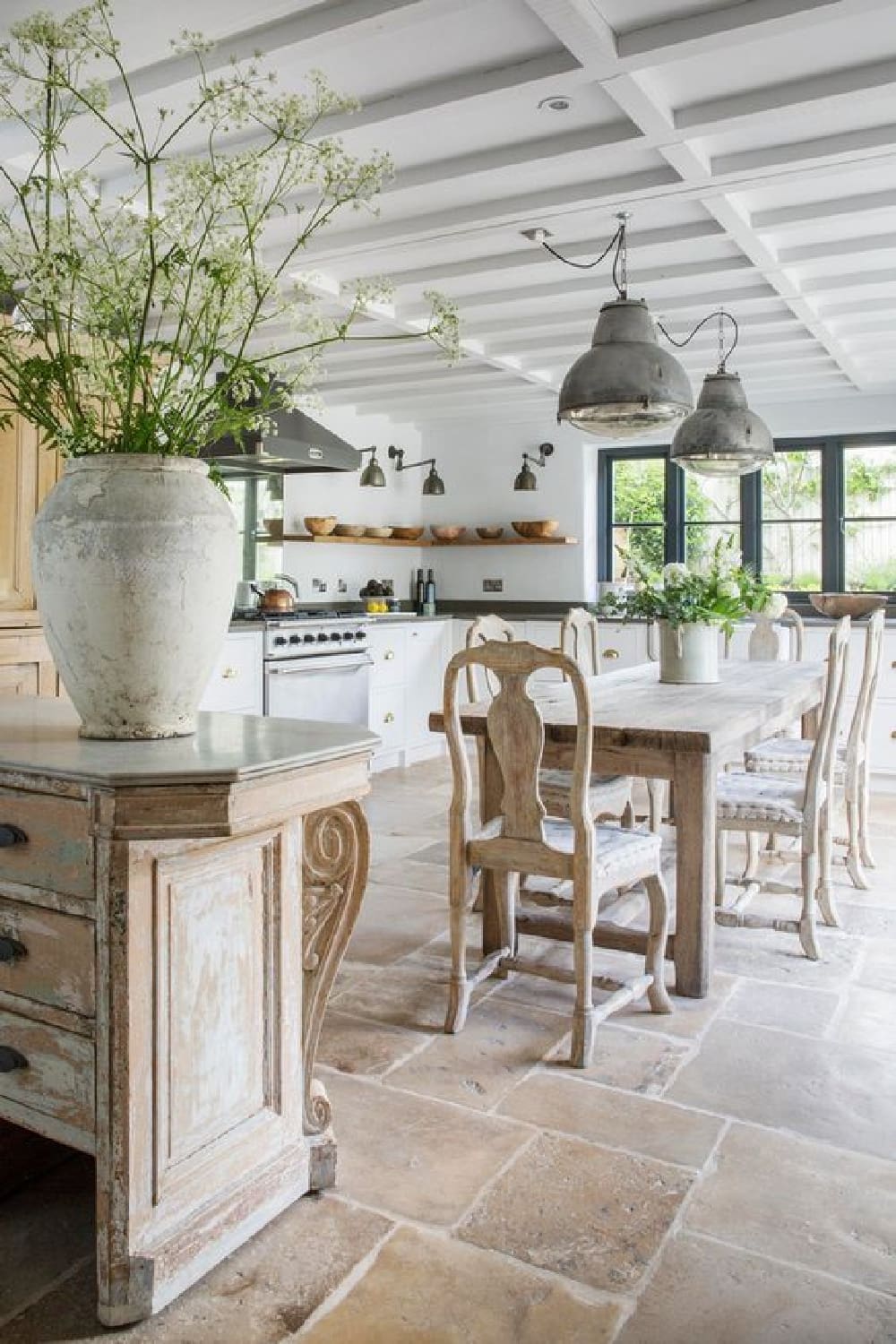
Rustic features harmonize beautifully with coastal style by highlighting the natural beauty of materials. Incorporate reclaimed wood, distressed finishes, and organic textures to echo the rugged charm of seaside landscapes.
Key Design Elements
- Use reclaimed wood beams, shelves, or countertops for an authentic feel.
- Opt for distressed paint or whitewashed surfaces on cabinets and furniture.
- Mix in woven baskets or natural fiber accents to enhance texture.
- Pair rustic pieces with softer coastal colors for balance.
Pro Tip: Introduce rustic elements gradually to maintain a fresh, airy atmosphere without overwhelming the space.
3. Incorporate Subtle Nautical Details

Adding restrained nautical touches can reinforce the coastal vibe without feeling kitschy. Elements like rope hardware, maritime decor, or vintage seafaring prints evoke the spirit of the sea in a tasteful way.
Key Design Elements
- Install drawer pulls or cabinet knobs wrapped in rope or with anchor designs.
- Hang framed maps, ship wheels, or lighthouse artwork as accents.
- Include decorative glass floats or model sailboats sparingly.
- Balance nautical pieces with neutral coastal colors to avoid overdoing the theme.
Pro Tip: Less is more with nautical décor—select a few impactful pieces rather than cluttering the space.
4. Select Cabinets with Classic Coastal Flair
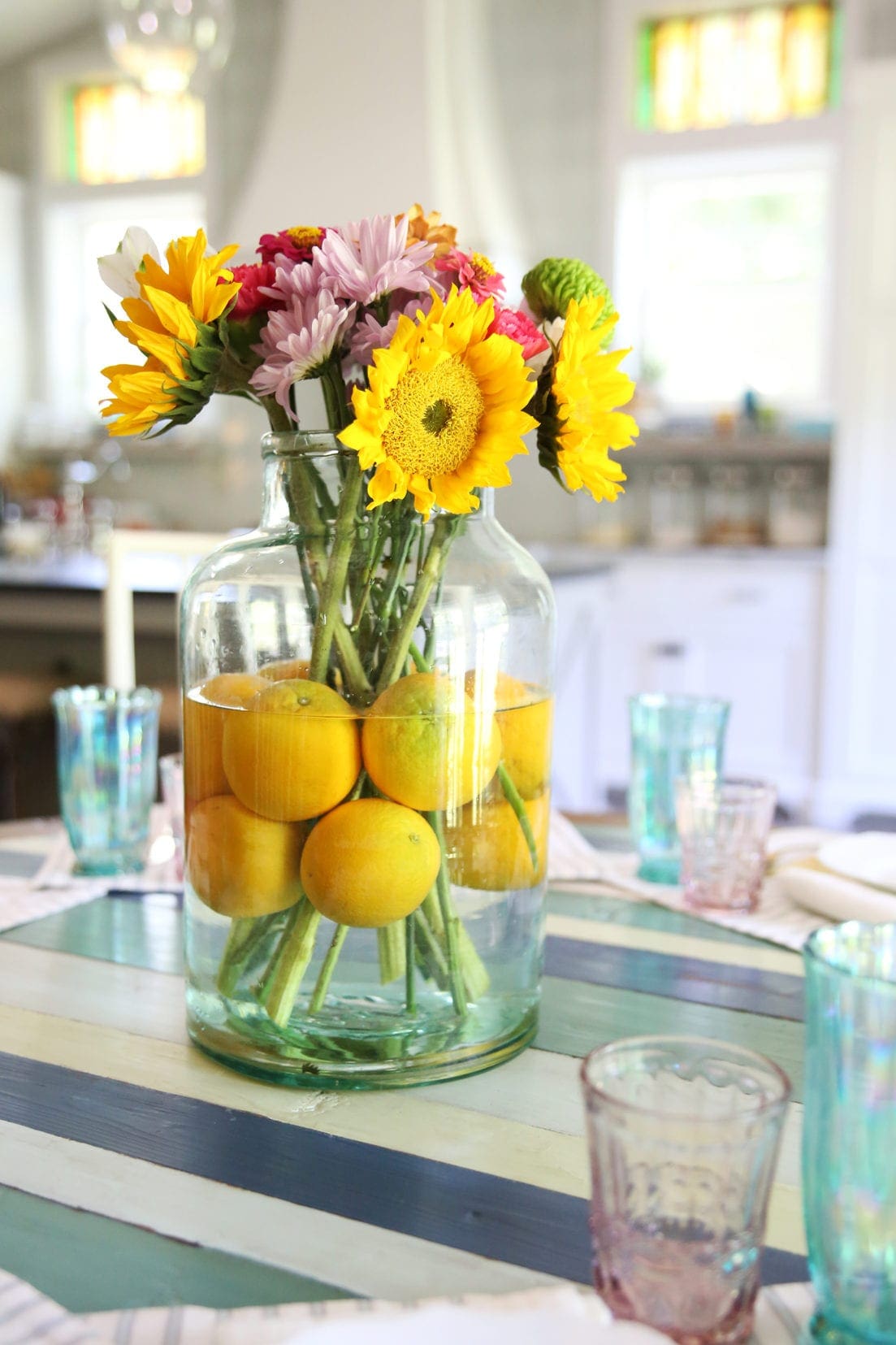
Cabinetry with a simple yet timeless design sets the foundation for a coastal kitchen. Styles like Shaker or beadboard painted in soft blues, whites, or seafoam greens create an inviting and enduring look.
Key Design Elements
- Choose shaker-style or beadboard cabinet doors for a classic touch.
- Paint cabinets in pale coastal colors such as white, light teal, or muted blue.
- Add vintage-style hardware in brass or brushed nickel to complement the look.
- Keep cabinet designs clean and unadorned for a fresh, open feel.
Pro Tip: Consider glass-front cabinets to showcase coastal dishware and enhance light flow.
5. Add a Functional Kitchen Island
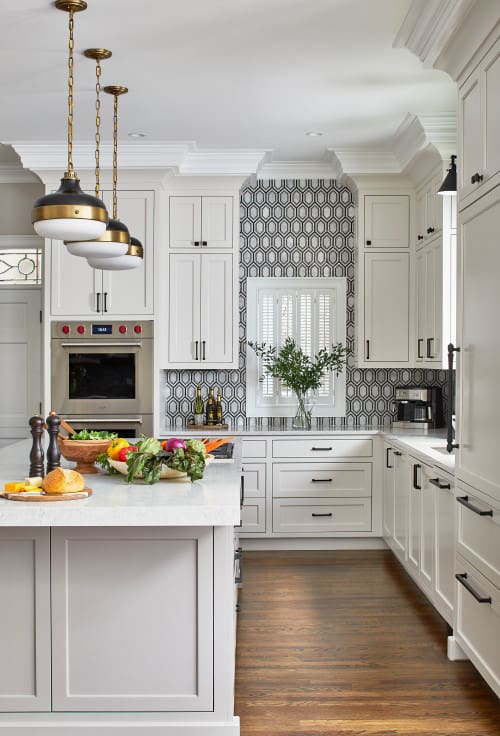
A kitchen island expands your workspace while serving as a social hub in coastal homes. It provides ample surface area for meal preparation, casual dining, or hosting beach-inspired gatherings.
Key Design Elements
- Choose an island with storage options like drawers or open shelving.
- Incorporate seating with stools to create a casual dining area.
- Select materials like reclaimed wood or light-colored stone for the countertop.
- Use the island as a focal point with pendant lighting overhead.
Pro Tip: Integrate multi-functional features like built-in wine racks or cutting boards to maximize island utility.
6. Enhance Your Kitchen with Lush Greenery
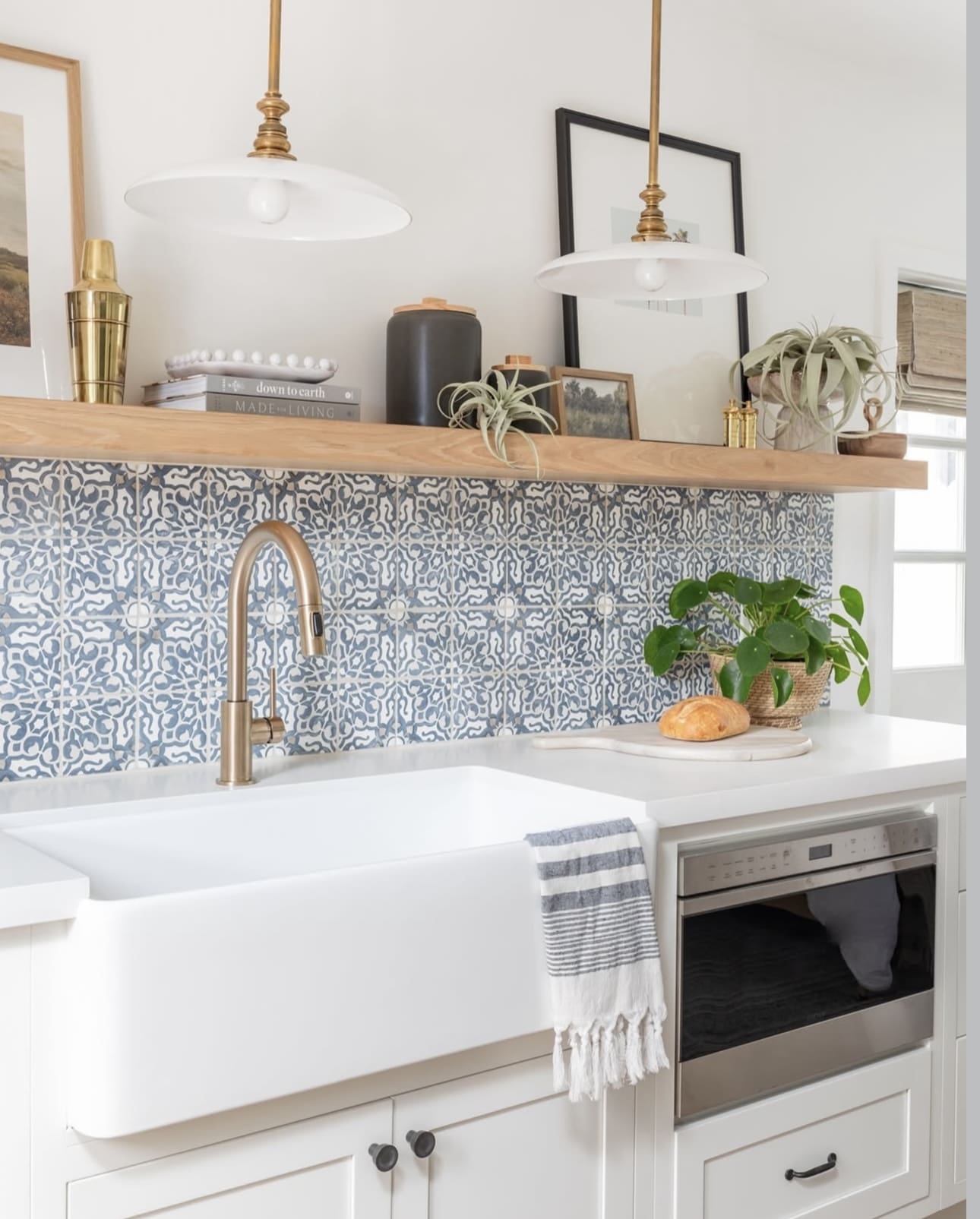
Bringing plants into your coastal kitchen adds vibrant life and refreshes the atmosphere. Tropical varieties like palms or succulents complement the breezy aesthetic while connecting your space to nature.
Key Design Elements
- Place easy-care plants such as Kentia palms or yuccas in corners or on shelves.
- Use hanging planters to save counter space and add dimension.
- Incorporate herbs like basil or mint for both beauty and utility.
- Pair plant pots with coastal colors or natural textures.
Pro Tip: Rotate plants regularly to ensure even sunlight exposure and maintain their health.
7. Blend Contemporary and Rustic Styles
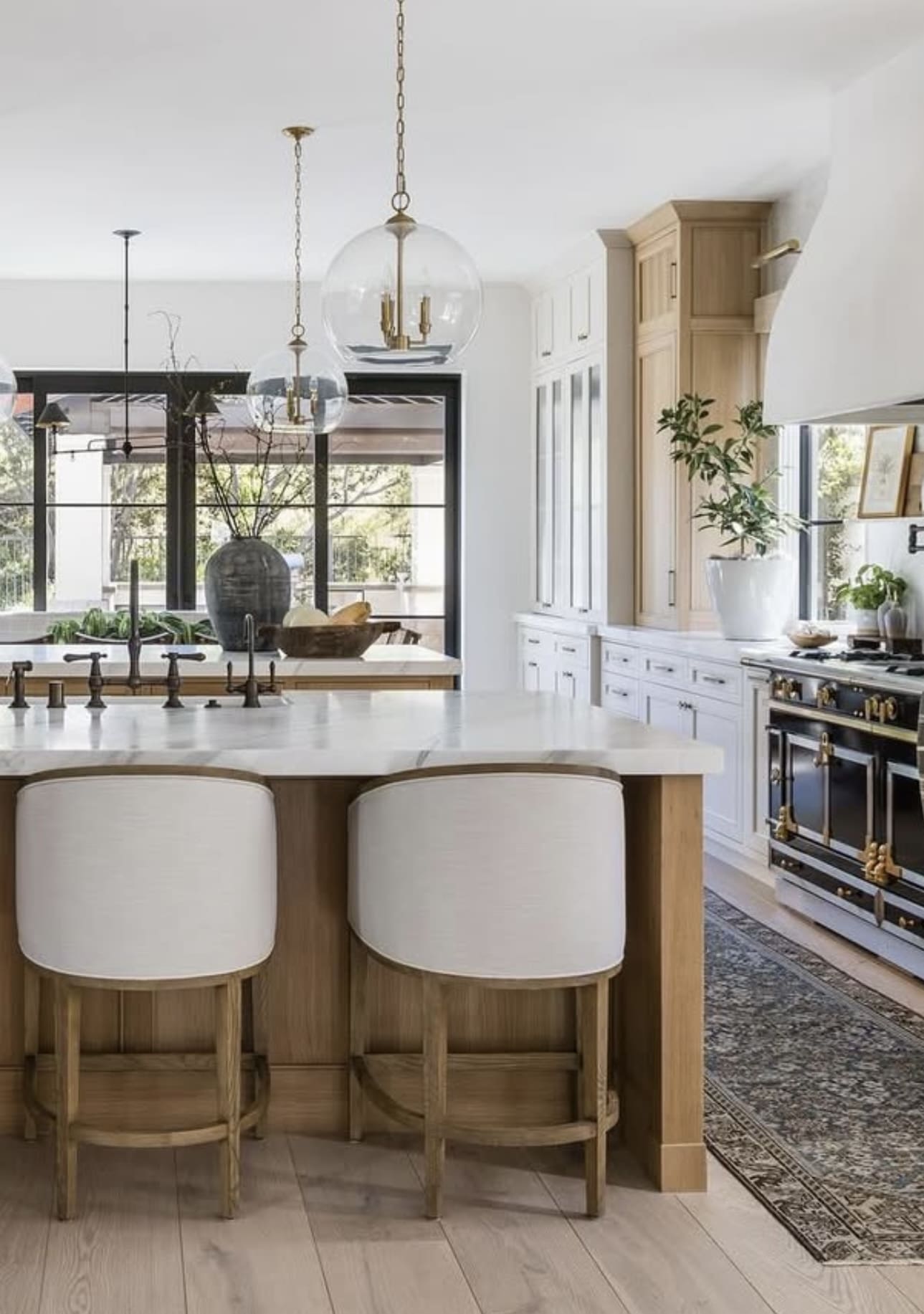
Merging modern conveniences with rustic details creates a balanced coastal kitchen that feels both current and cozy. Sleek appliances combined with weathered woods or reclaimed surfaces keep your space fresh and inviting.
Key Design Elements
- Pair stainless steel appliances with distressed wooden countertops or accents.
- Install a modern tile backsplash alongside vintage-inspired lighting fixtures.
- Mix clean lines with textured, natural materials for contrast.
- Use open shelving to showcase both contemporary and rustic elements.
Pro Tip: Maintain cohesion by sticking to a consistent color palette across modern and rustic pieces.
8. Incorporate Warm Brass Fixtures
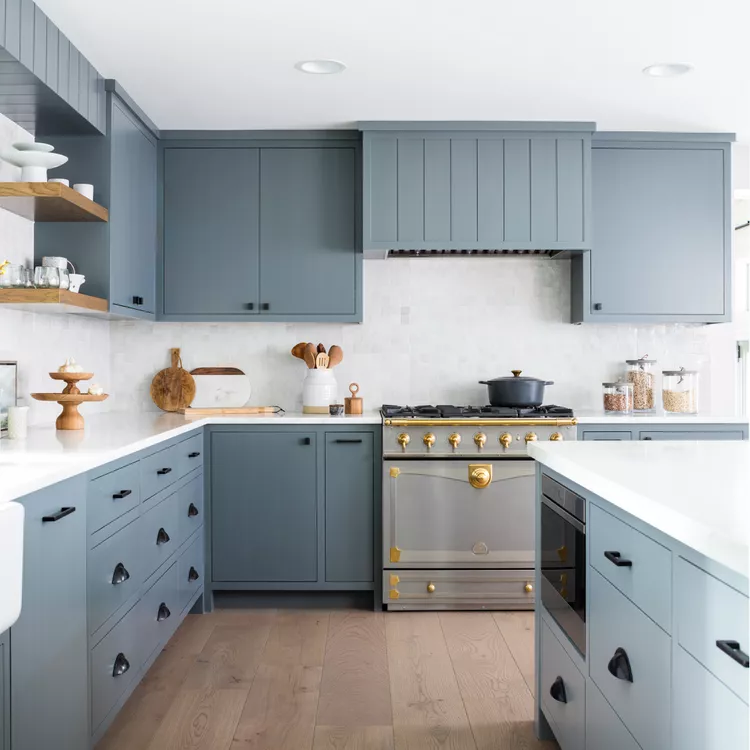
Brass fixtures introduce a warm, inviting glow that complements the light, airy vibe of coastal kitchens. Their golden tones add subtle luxury while harmonizing with natural textures and colors.
Key Design Elements
- Choose brass faucets, cabinet knobs, and lighting fixtures for a cohesive look.
- Mix brass with matte finishes like white or soft blue for balance.
- Use aged brass for a vintage coastal feel or polished brass for a modern touch.
- Coordinate brass elements with other warm accents in the room.
Pro Tip: Polish brass fixtures periodically to maintain their radiant finish and prevent tarnish.
9. Use Coastal-Themed Tile Designs
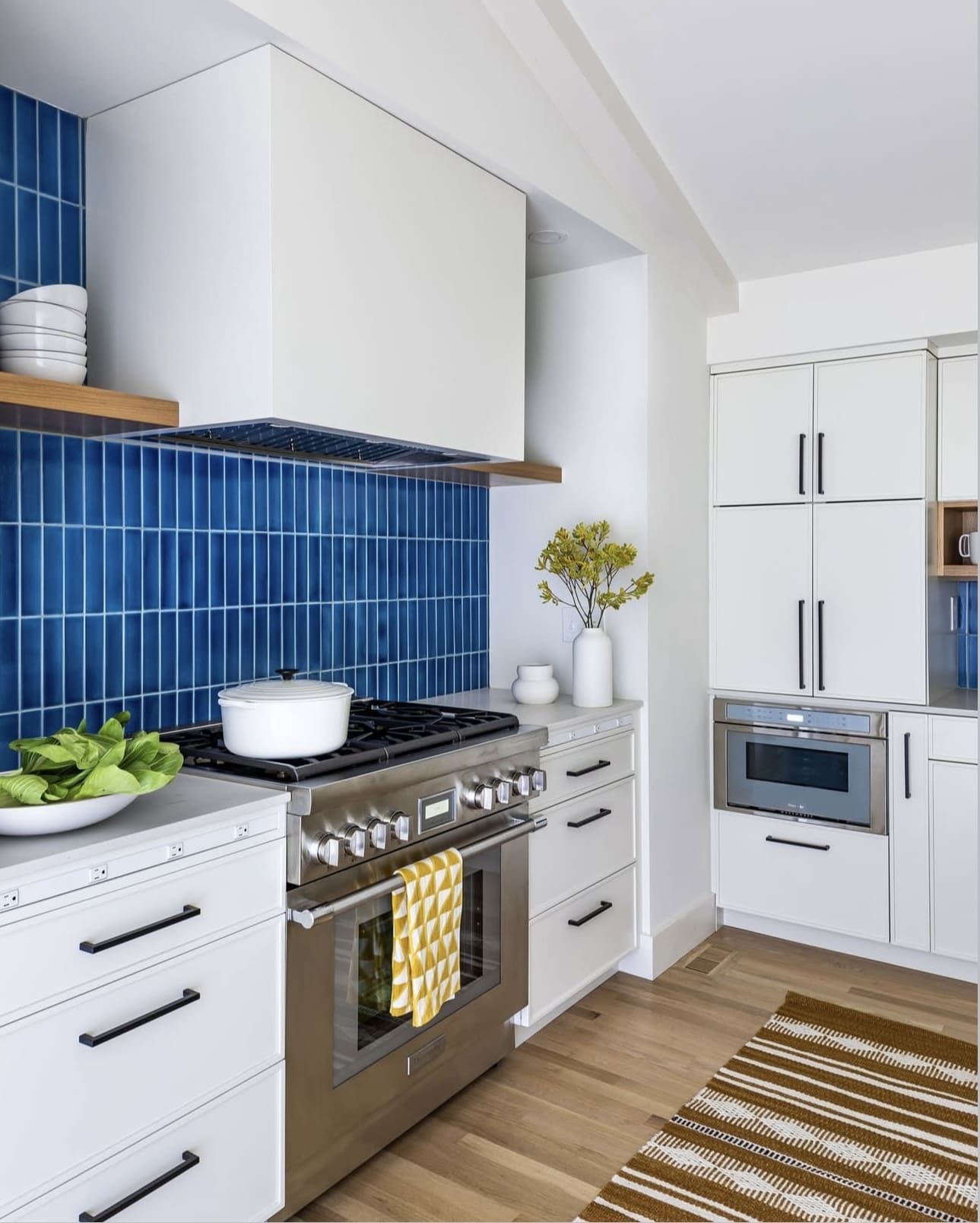
Tiles inspired by the sea, such as fish-scale patterns or oceanic hues, can elevate your coastal kitchen’s design. Applied as backsplashes or accent walls, they reinforce the seaside atmosphere with artistic flair.
Key Design Elements
- Select tiles in sea blues, sandy beiges, or pearly whites.
- Incorporate textures like wavy or scalloped edges to mimic water movement.
- Combine tile patterns with neutral cabinetry for visual balance.
- Use tile accents sparingly to avoid overpowering the space.
Pro Tip: Opt for matte or semi-gloss finishes to reduce glare while highlighting texture.
10. Incorporate Reflective Glass Accents

Glass elements, such as pendant lights, cabinet doors, or backsplash tiles, add an airy openness by reflecting natural and artificial light. They contribute to the fresh, spacious feeling essential to coastal kitchens.
Key Design Elements
- Install glass-front cabinets to showcase colorful dishware and brighten the space.
- Choose glass pendant lights with clear or lightly tinted shades.
- Use glass tiles for backsplashes to add subtle shimmer.
- Combine glass with natural materials for contrast.
Pro Tip: Keep glass surfaces clean and smudge-free to maximize their light-enhancing effect.
11. Select Light Fixtures in Soothing Blue Tones
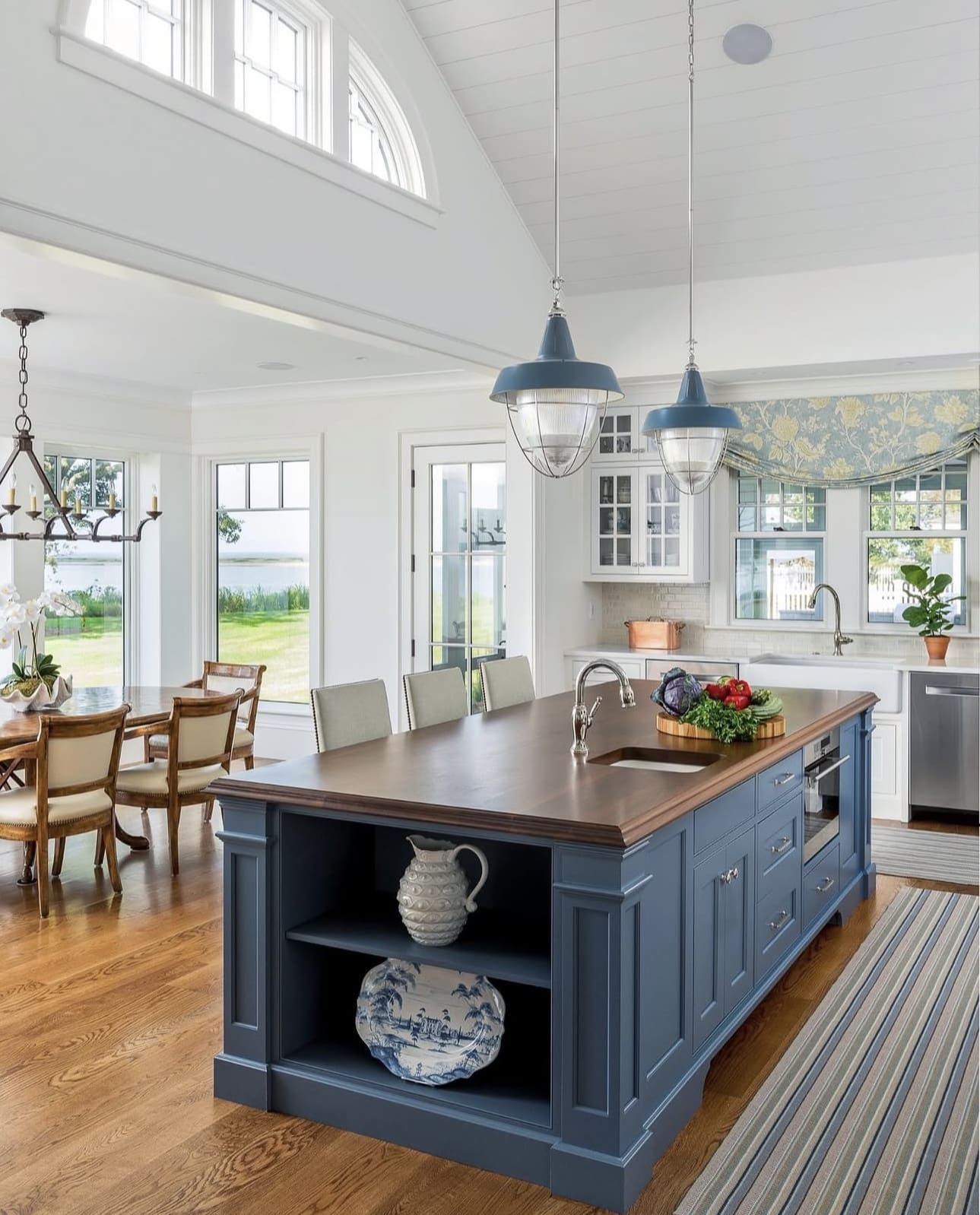
Light fixtures with hints of blue or weathered finishes can anchor your coastal kitchen’s style. These subtle touches reinforce the seaside theme and serve as beautiful focal points within the room.
Key Design Elements
- Choose woven pendant lights with blue accents or natural fibers.
- Incorporate glass lanterns featuring sea-glass hues.
- Opt for fixtures with distressed finishes to complement rustic elements.
- Mix blue-toned lighting with neutral surroundings for a calming effect.
Pro Tip: Position statement fixtures above islands or dining areas to highlight key spaces.
12. Add Versatile Rattan Seating
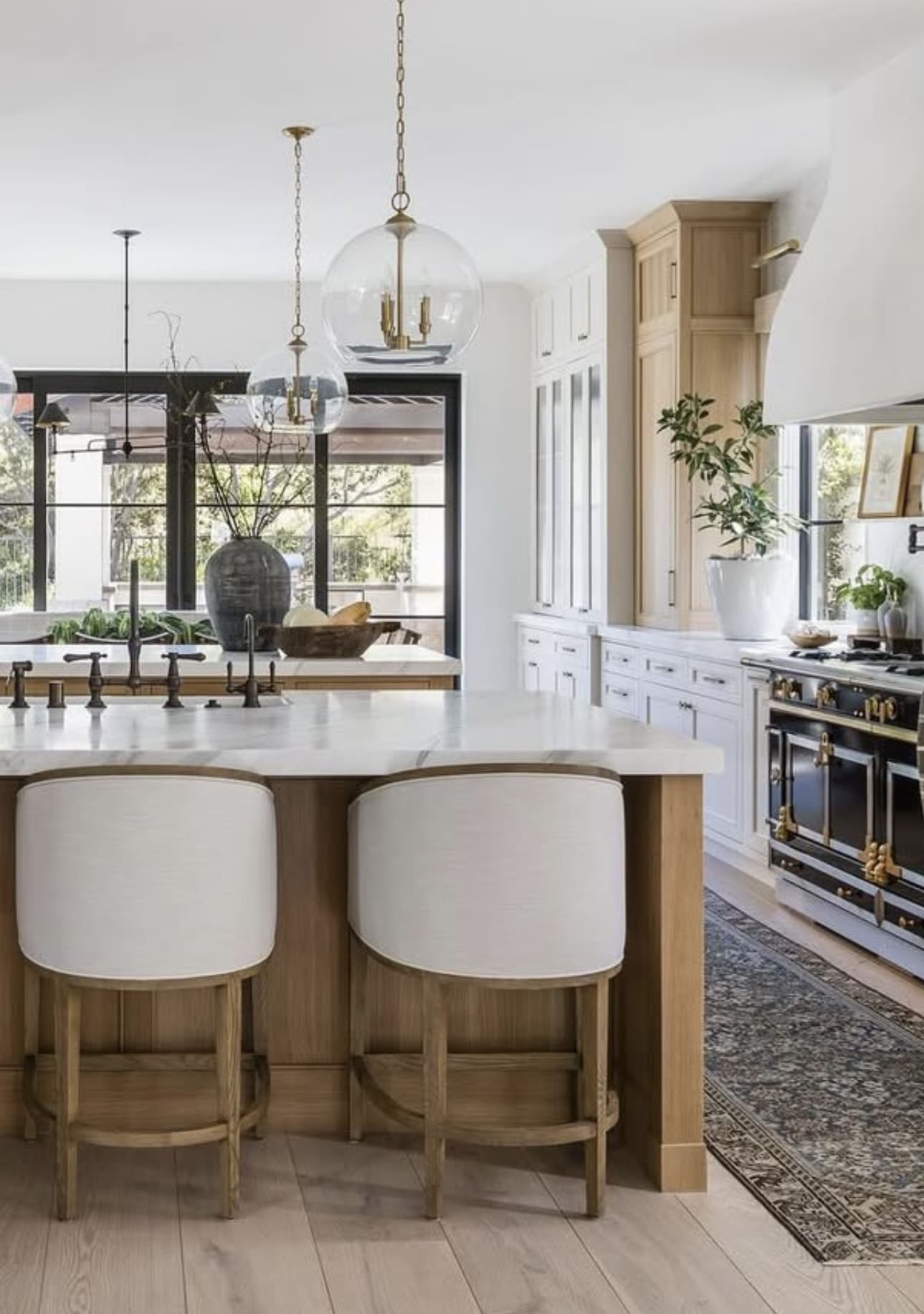
Rattan stools bring natural texture and warmth to your kitchen, softening the harder surfaces. Their casual yet stylish look suits coastal settings, providing functional seating for meals or socializing.
Key Design Elements
- Select stools with comfortable cushions in coastal colors or patterns.
- Use rattan seats around kitchen islands or breakfast bars.
- Mix rattan with other natural materials like wood or linen.
- Choose lightweight designs for easy rearrangement.
Pro Tip: Consider stools with backs for added comfort during longer gatherings.
13. Personalize with Unique Coastal Details
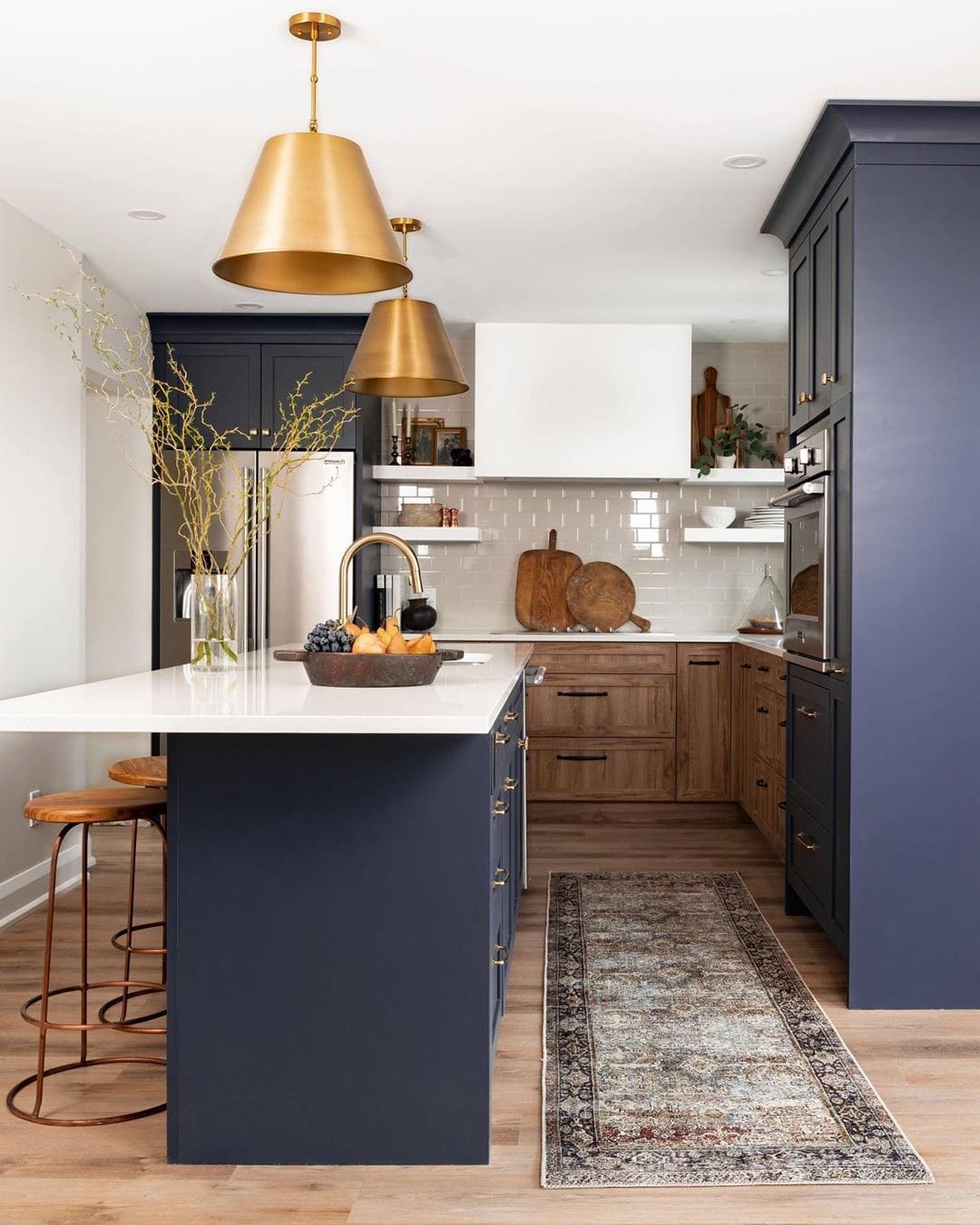
Incorporating your personal style into a coastal kitchen makes the space truly your own. Customized touches reflect your vision of beach living, whether leaning toward relaxed cottages or modern coastal chic.
Key Design Elements
- Display cherished coastal souvenirs or artwork.
- Choose colors and textures that resonate with your lifestyle.
- Integrate handcrafted items like pottery or woven baskets.
- Mix contemporary pieces with vintage finds for a layered look.
Pro Tip: Rotate accessories seasonally to keep your coastal kitchen feeling fresh and inspired.
14. Introduce Shiplap or Beadboard Details
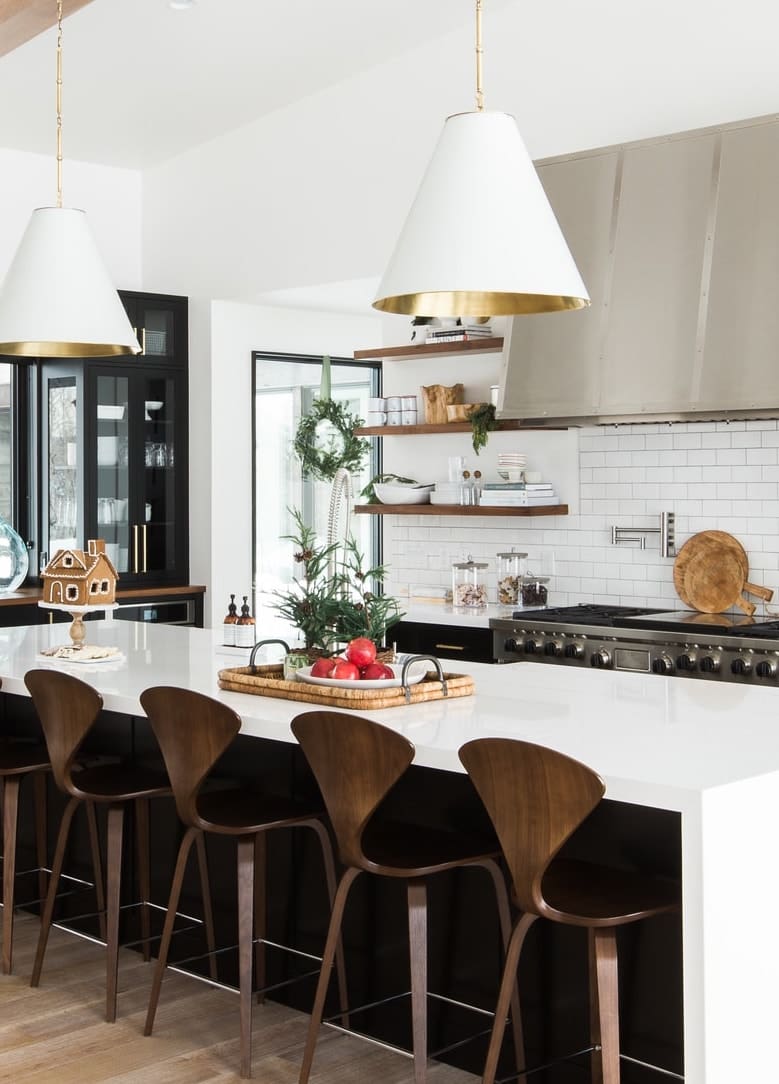
Adding shiplap or beadboard to walls, backsplashes, or kitchen islands infuses your space with classic coastal cottage charm. These textures enhance visual interest while maintaining a light and airy vibe.
Key Design Elements
- Use whitewashed shiplap panels for a clean, beachy look.
- Incorporate beadboard on island fronts or cabinet doors.
- Pair textured walls with smooth countertops and cabinetry.
- Paint shiplap or beadboard in soft coastal hues for subtlety.
Pro Tip: Install shiplap horizontally to elongate walls and enhance the room’s openness.
15. Style Your Countertops Thoughtfully
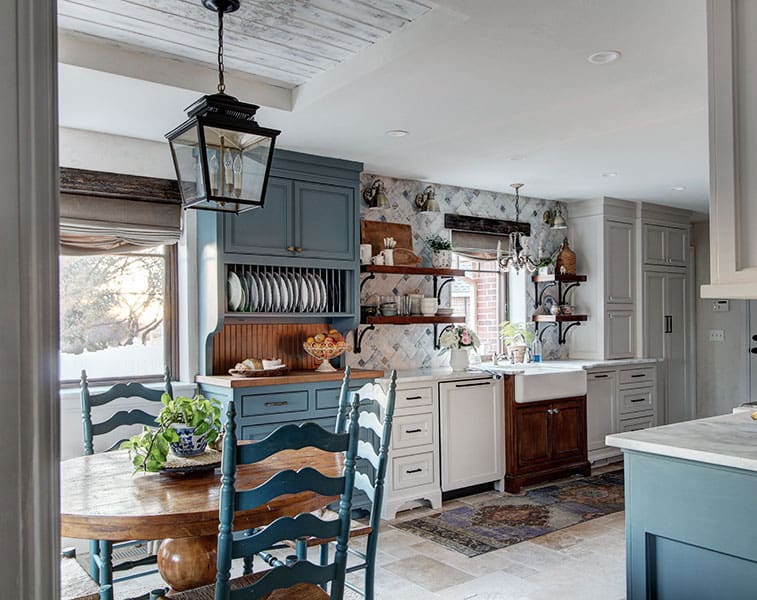
Well-curated countertop décor can elevate your kitchen’s ambiance by adding color, texture, and personality. Thoughtful placement of accessories creates an inviting and functional space that feels connected to the coast.
Key Design Elements
- Display small potted plants or fresh herbs for a natural touch.
- Use decorative bowls or trays to organize utensils and condiments.
- Incorporate coastal-themed art pieces or shells sparingly.
- Keep countertops uncluttered to maintain an open, airy feel.
Pro Tip: Rotate decorative items seasonally to refresh your kitchen’s coastal vibe.
16. Adopt a Simple, Uncluttered Approach
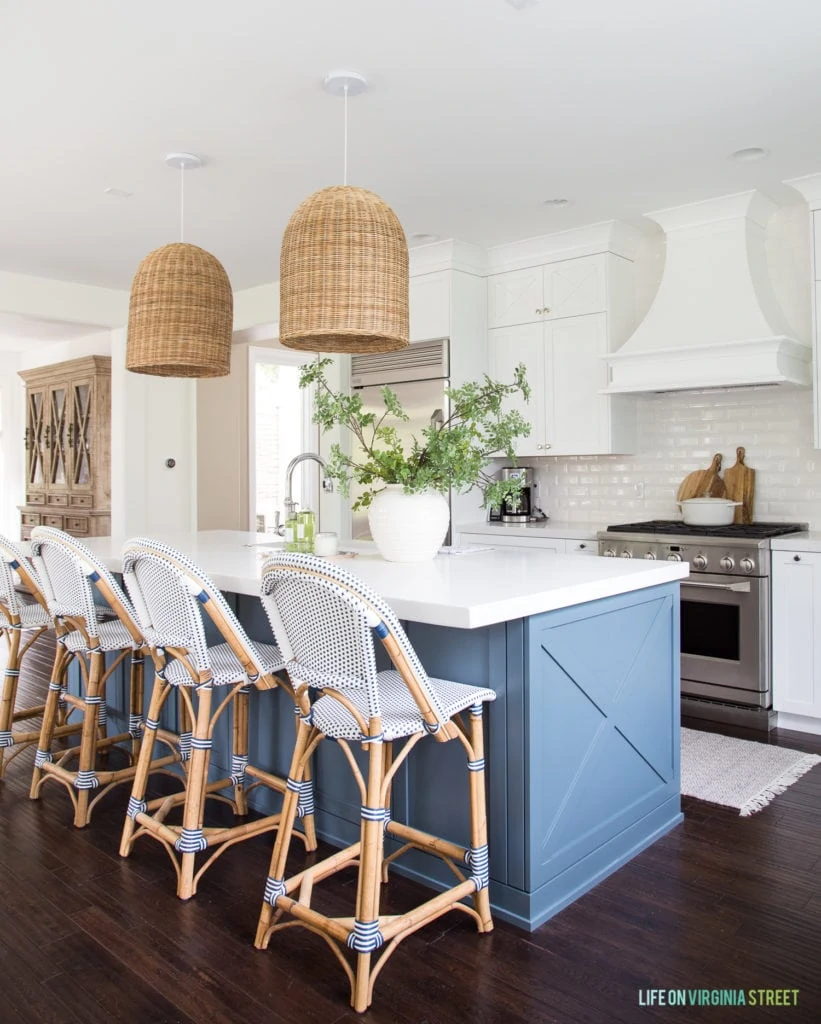
The essence of coastal design is effortless simplicity, allowing natural light, colors, and textures to shine. By keeping your kitchen layout and decor straightforward, the space remains calm, open, and welcoming.
Key Design Elements
- Focus on clean lines and minimal ornamentation.
- Limit color palette to soft neutrals and gentle coastal shades.
- Prioritize functionality and ease of movement in layout.
- Use open shelving or glass cabinets to maintain openness.
Pro Tip: Regularly declutter and organize to preserve the kitchen’s relaxed coastal feel.
17. Choose Coastal-Inspired Lighting Fixtures
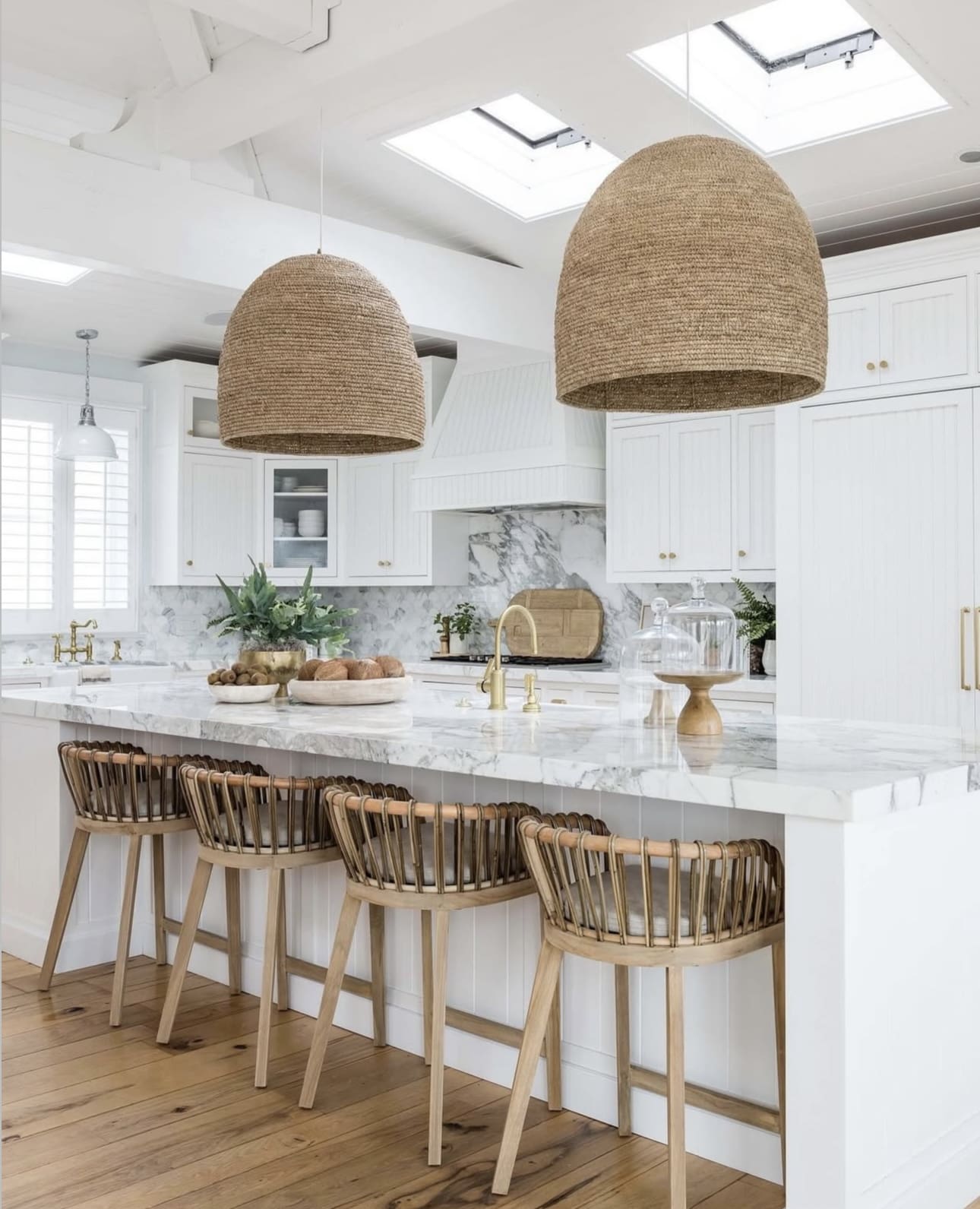
Lighting can make a major impact on a coastal kitchen’s atmosphere. Fixtures that feature woven materials, glass lanterns, or weathered finishes can become striking elements that complement your seaside theme.
Key Design Elements
- Install pendant lights made from natural fibers such as rattan or wicker.
- Use lantern-style fixtures with clear or frosted glass shades.
- Select light fixtures with distressed or aged metal finishes.
- Coordinate lighting with other coastal textures and colors.
Pro Tip: Layer lighting with task and ambient sources for both style and practicality.
18. Consider the Elegance of Marble Countertops
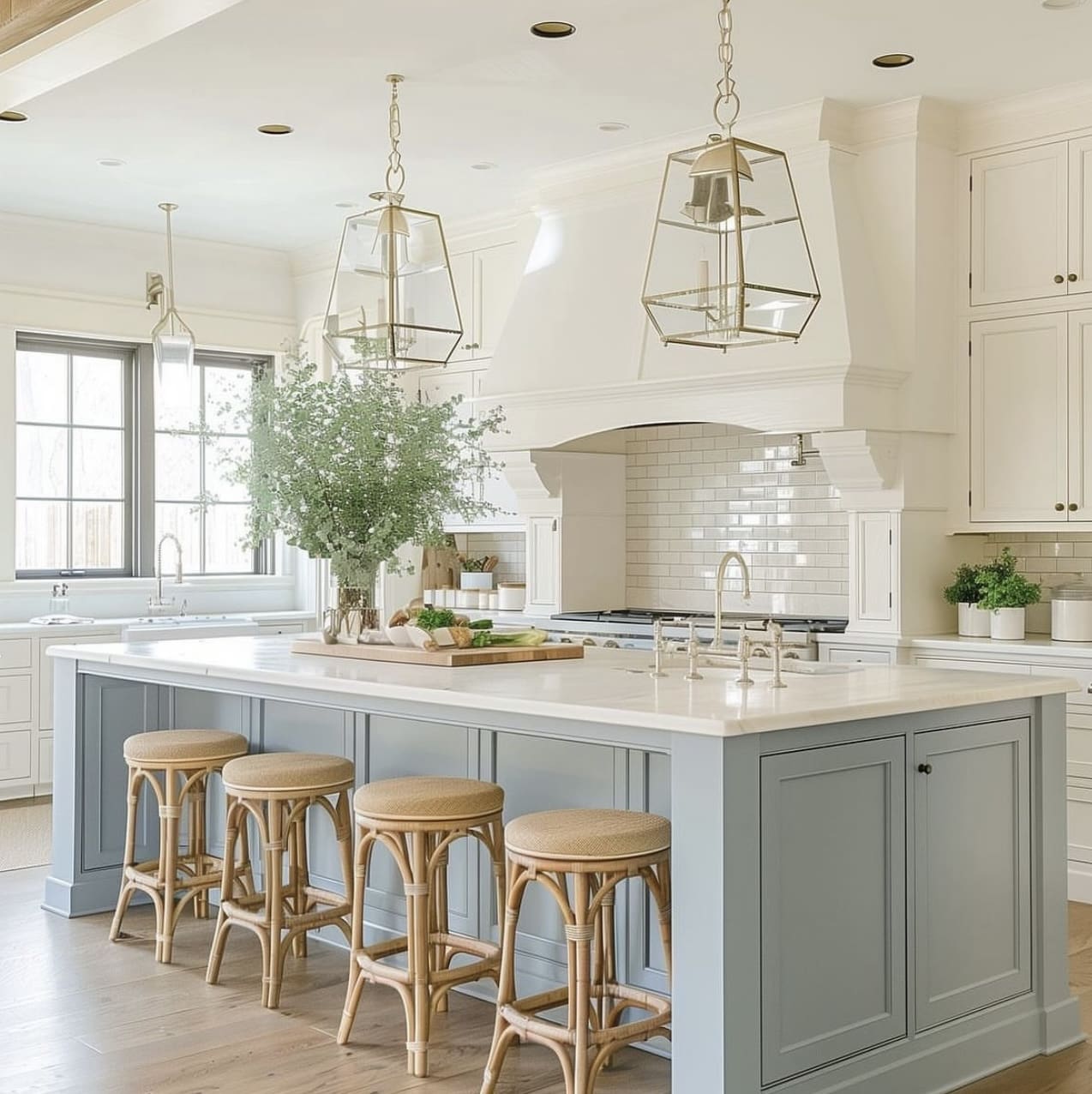
Marble countertops offer a bright, reflective surface that enhances the light and airy qualities of a coastal kitchen. Their natural veining adds sophistication while amplifying the openness of your space.
Key Design Elements
- Select marble with soft veining in gray, blue, or beige tones.
- Pair marble countertops with simple cabinetry to highlight the stone.
- Maintain marble regularly to protect against staining in a busy kitchen.
- Consider marble-inspired quartz for a low-maintenance alternative.
Pro Tip: Use marble as a statement surface, balancing it with matte or textured finishes elsewhere.
19. Opt for Weathered and Whitewashed Finishes
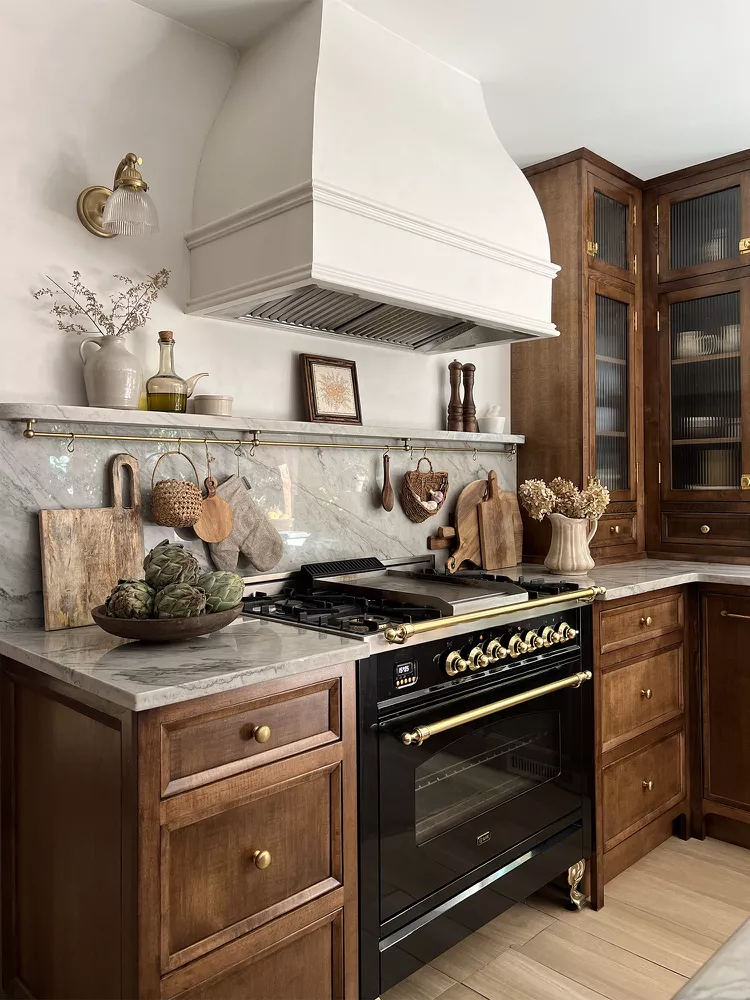
Whitewashed and distressed surfaces bring the weathered charm of coastal cottages into your kitchen. These finishes add history and warmth, evoking the natural driftwood and sun-bleached textures found near the shore.
Key Design Elements
- Apply whitewash or distressing on cabinets, furniture, or wood accents.
- Balance these finishes with fresh white or light blue tones.
- Use finish treatments that highlight wood grain for authenticity.
- Incorporate vintage accessories to enhance the aged look.
Pro Tip: Blend whitewashed elements with clean modern pieces to avoid a dated appearance.
20. Introduce Soft Blue Accents
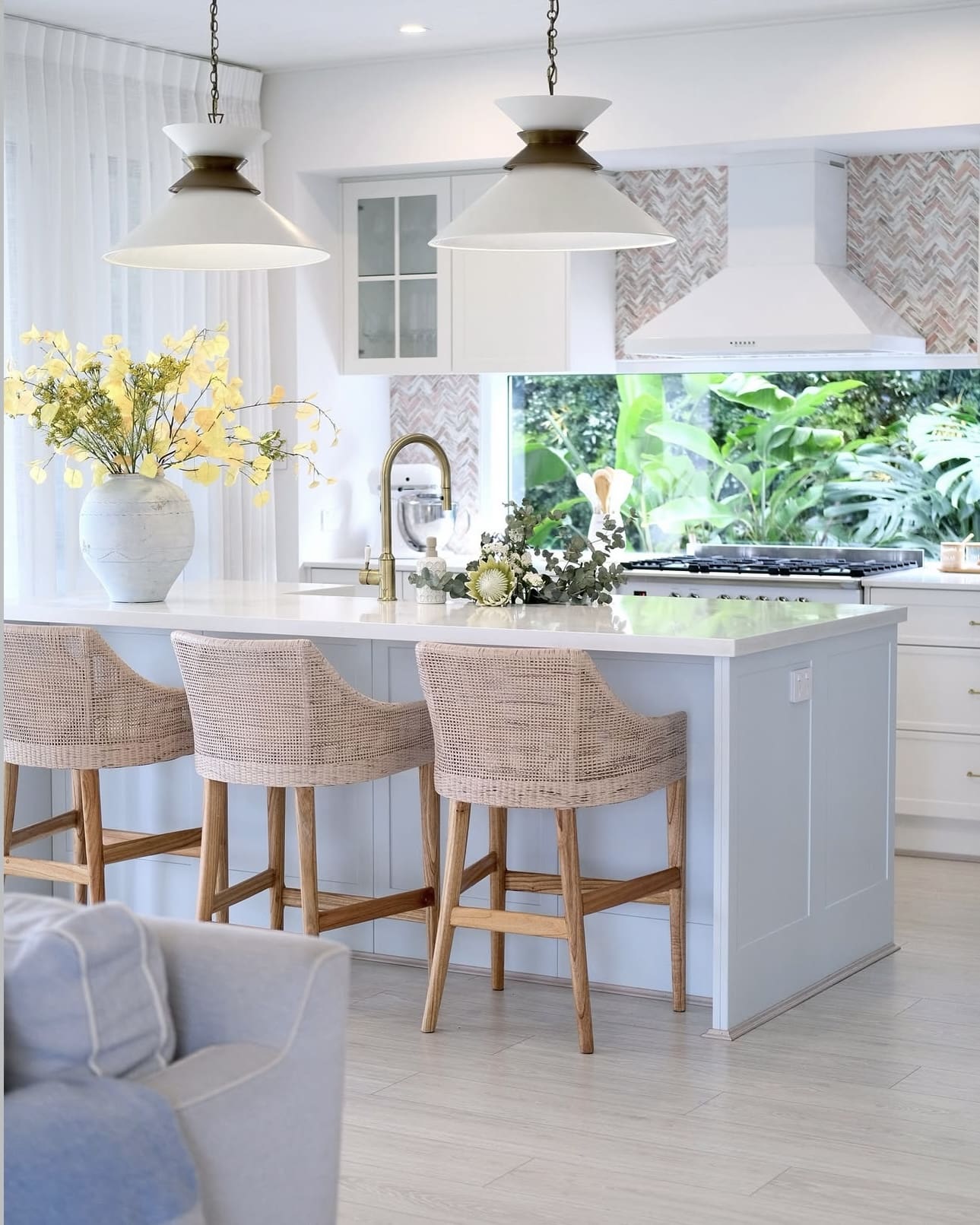
Light blue accents bring the tranquil vibe of the ocean into your kitchen. These hues brighten the space and work beautifully with sandy neutrals and crisp whites to create a peaceful, breezy atmosphere.
Key Design Elements
- Add blue textiles like kitchen towels or seat cushions.
- Use painted accessories such as vases or bowls in pale blue.
- Incorporate blue-toned artwork or wall décor.
- Pair blue accents with natural wood and white surfaces.
Pro Tip: Use blue as an accent rather than the dominant color to maintain lightness.
21. Select Pale Teal Cabinets for a Serene Feel
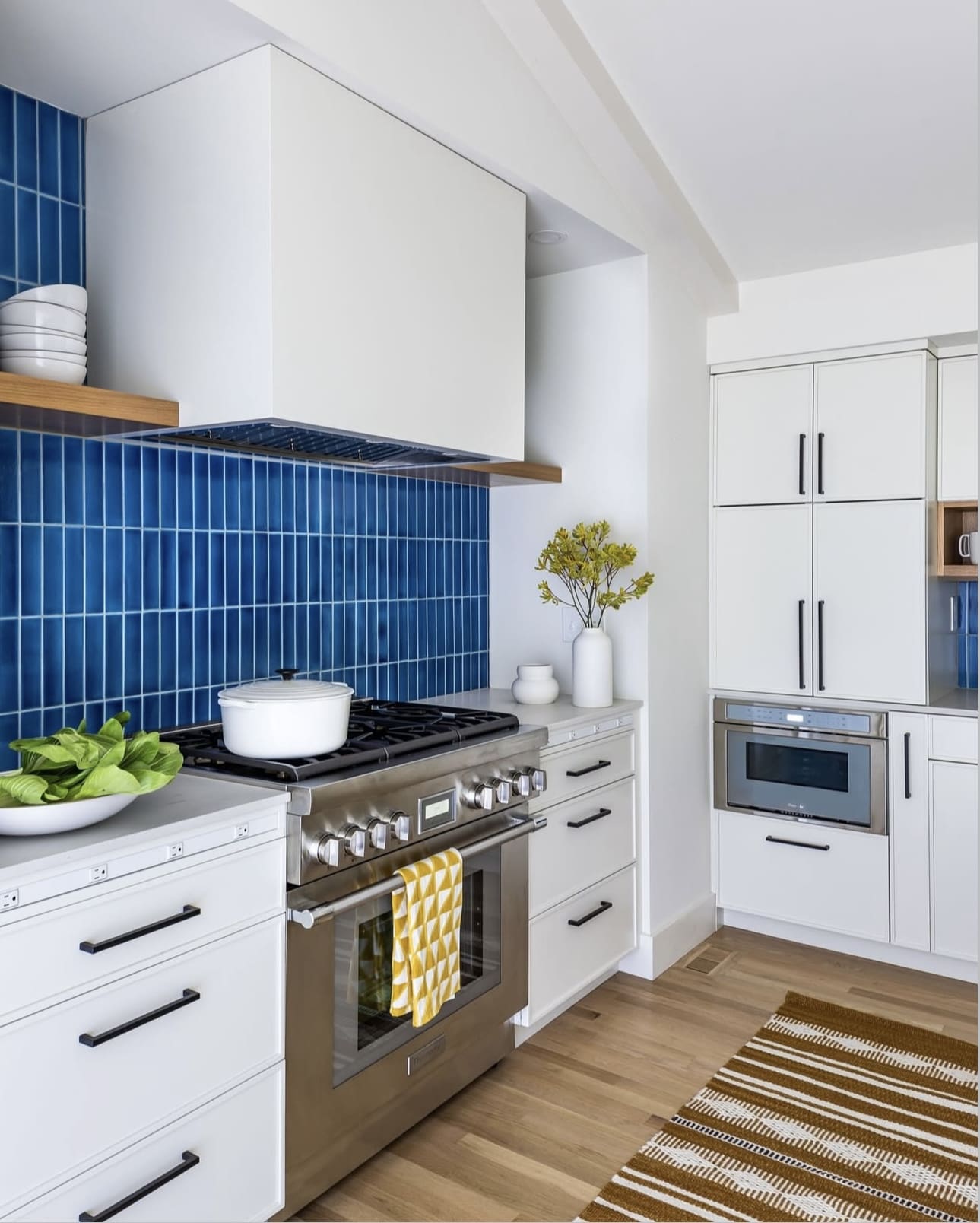
Pale teal cabinetry evokes the calming shades of sea and sky, infusing your kitchen with a serene, coastal-inspired ambiance. This color choice adds gentle depth without overpowering the space.
Key Design Elements
- Pair pale teal cabinets with white or sandy countertops.
- Choose matte or satin finishes for a soft, natural look.
- Add brass or brushed nickel hardware for subtle contrast.
- Balance teal with neutral walls and flooring.
Pro Tip: Test paint samples in natural light to ensure the teal complements your kitchen’s brightness.
22. Brighten Your Kitchen with Gray-Blue Cabinets
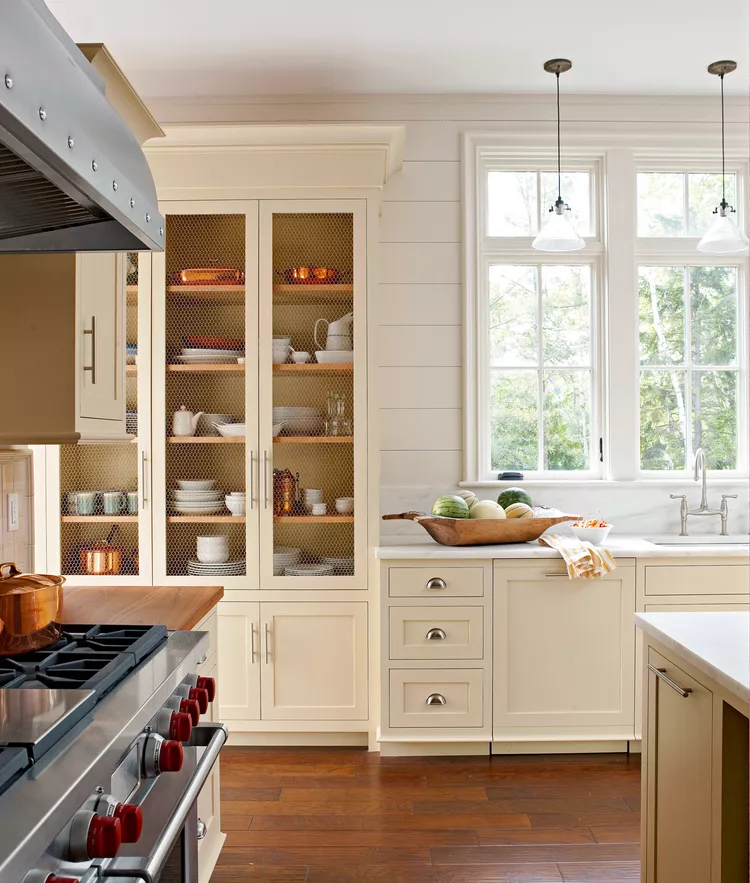
Gray-blue cabinetry reflects light beautifully, enhancing the open and airy feeling key to coastal kitchens. This shade provides a modern twist on traditional coastal colors, making your space feel fresh and inviting.
Key Design Elements
- Combine gray-blue cabinets with white countertops and backsplashes.
- Use brushed or polished hardware in silver or brass.
- Coordinate with natural wood accents for warmth.
- Keep surrounding decor light to maximize brightness.
Pro Tip: Pair gray-blue with warm lighting to soften the cool tones for a welcoming atmosphere.
23. Maximize Abundant Natural Light
Natural sunlight is essential in creating the bright, open feeling of a coastal kitchen. Emphasize windows and minimize heavy treatments to let light flood the space and invigorate every corner.
Key Design Elements
- Use sheer curtains or blinds that allow light through while providing privacy.
- Keep window frames and sills clean and unobstructed.
- Choose reflective surfaces like glossy tiles or light countertops to bounce light.
- Position mirrors strategically to enhance daylight.
Pro Tip: Consider adding a skylight or solar tubes if natural light is limited.
24. Create Warmth with Soft Lighting
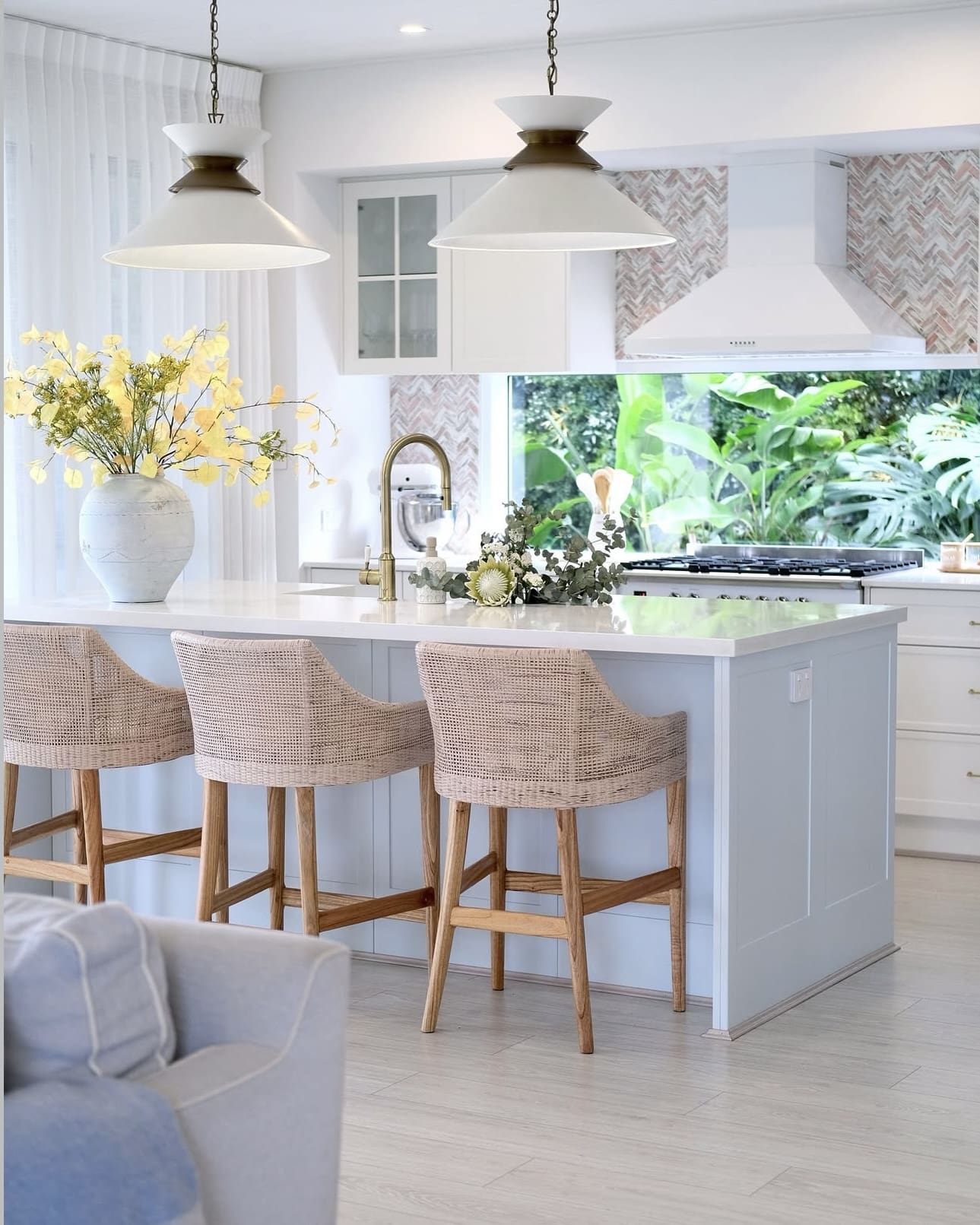
Soft, warm lighting adds coziness and intimacy to your coastal kitchen, balancing the fresh, breezy design. Choose light bulbs and fixtures that cast gentle glows to complement the relaxed vibe.
Key Design Elements
- Use soft white or warm yellow bulbs in overhead and task lighting.
- Incorporate dimmers to adjust brightness according to mood.
- Select fixtures with warm metal finishes like brass or copper.
- Layer lighting with under-cabinet and accent options.
Pro Tip: Avoid harsh, cool lighting which can detract from the inviting coastal ambiance.
25. Enhance Your Space with Coastal Accessories
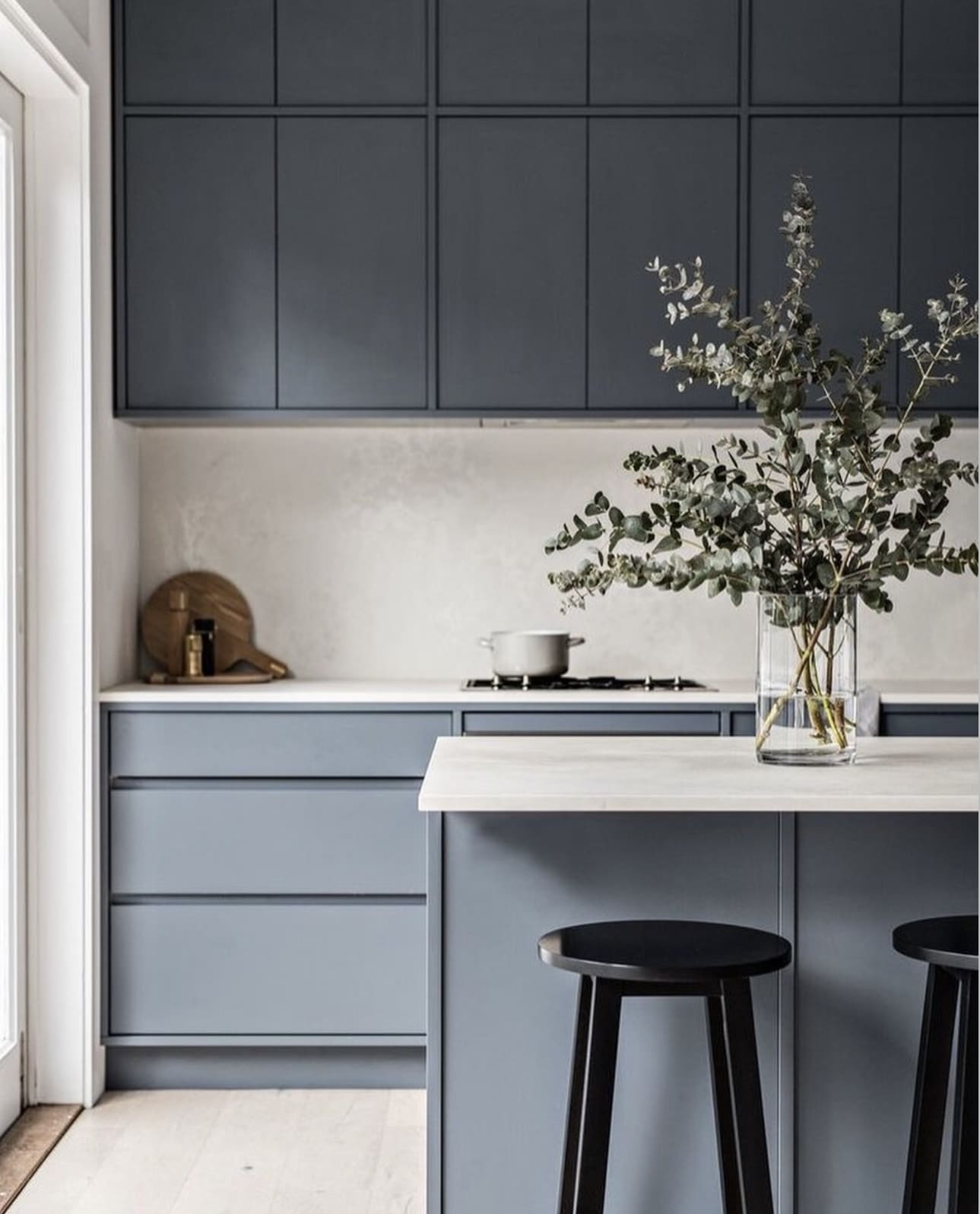
Thoughtfully chosen coastal accessories complete your kitchen’s look by reinforcing the beach-inspired theme. Items like driftwood decor, seashell collections, or ocean-hued glass contribute subtle charm without overwhelming the space.
Key Design Elements
- Place driftwood sculptures or art pieces on open shelving or counters.
- Display shells or coral in glass jars for natural texture.
- Hang artwork depicting ocean scenes or marine life.
- Use glass bottles in turquoise or sea glass colors as accents.
Pro Tip: Rotate accessories seasonally to keep your coastal kitchen feeling fresh and personal.
26. Choose a Light and Airy Color Palette

Light hues like whites, soft blues, and sandy beiges set the soothing tone for a coastal kitchen. This palette evokes the natural shades of the beach, creating a calm and spacious environment.
Key Design Elements
- Paint walls in crisp white or pale neutral tones.
- Mix in soft blue accents for a cool, refreshing touch.
- Select cabinetry and furniture in light wood or white finishes.
- Use natural fiber rugs and textiles in beige or cream.
Pro Tip: Layer different shades within the light palette to add depth and interest.
27. Design a Functional, Relaxed Layout
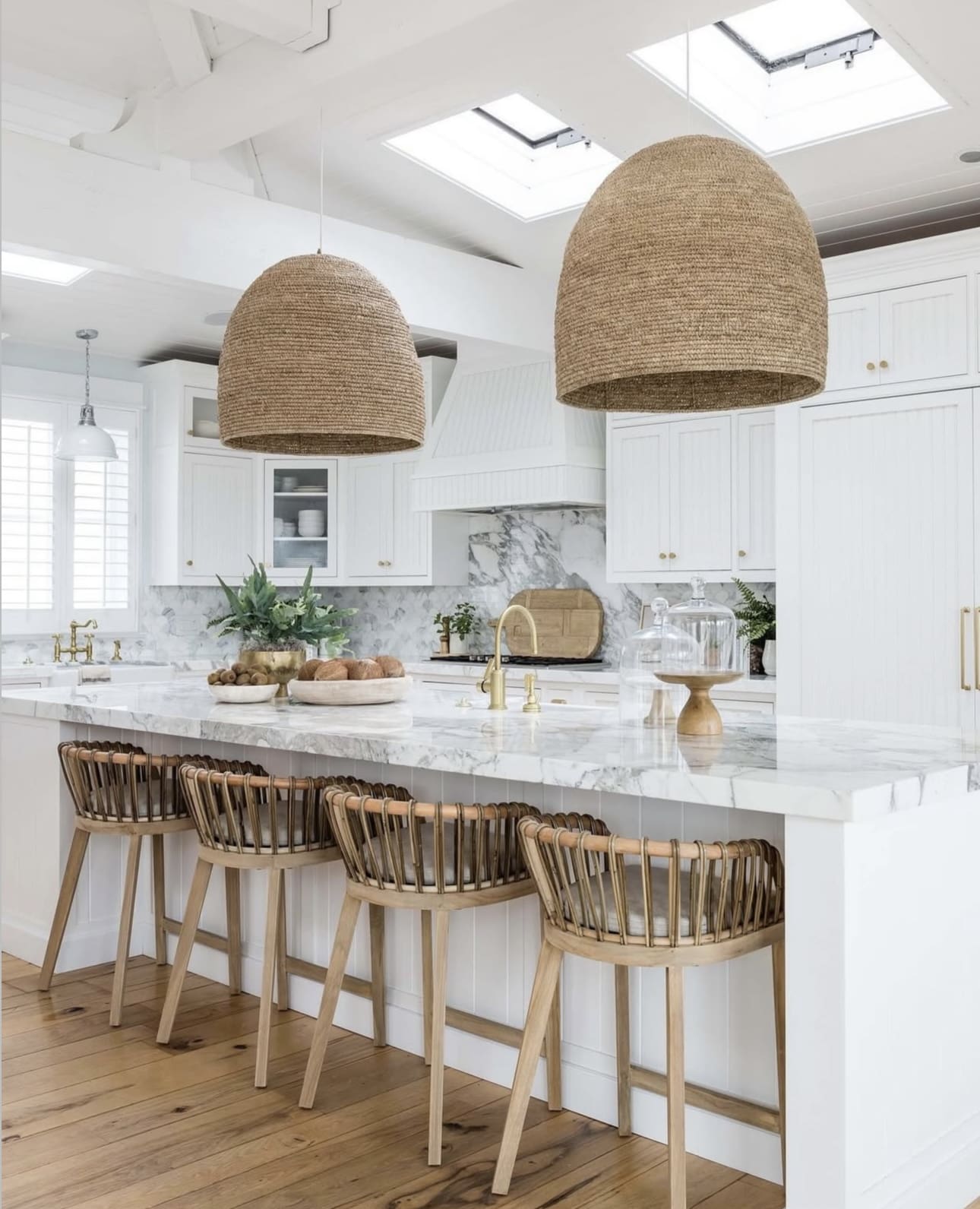
A casual, easy-flowing kitchen layout supports the welcoming spirit of coastal living. Open-plan designs with central islands encourage socializing and efficient movement.
Key Design Elements
- Plan for clear walkways and accessible work zones.
- Incorporate an island for prep, dining, and gathering.
- Use open shelving or glass cabinets to keep the space airy.
- Choose comfortable seating to promote lingering and conversation.
Pro Tip: Keep frequently used items within easy reach to enhance functionality.
28. Utilize Natural Materials for Warmth
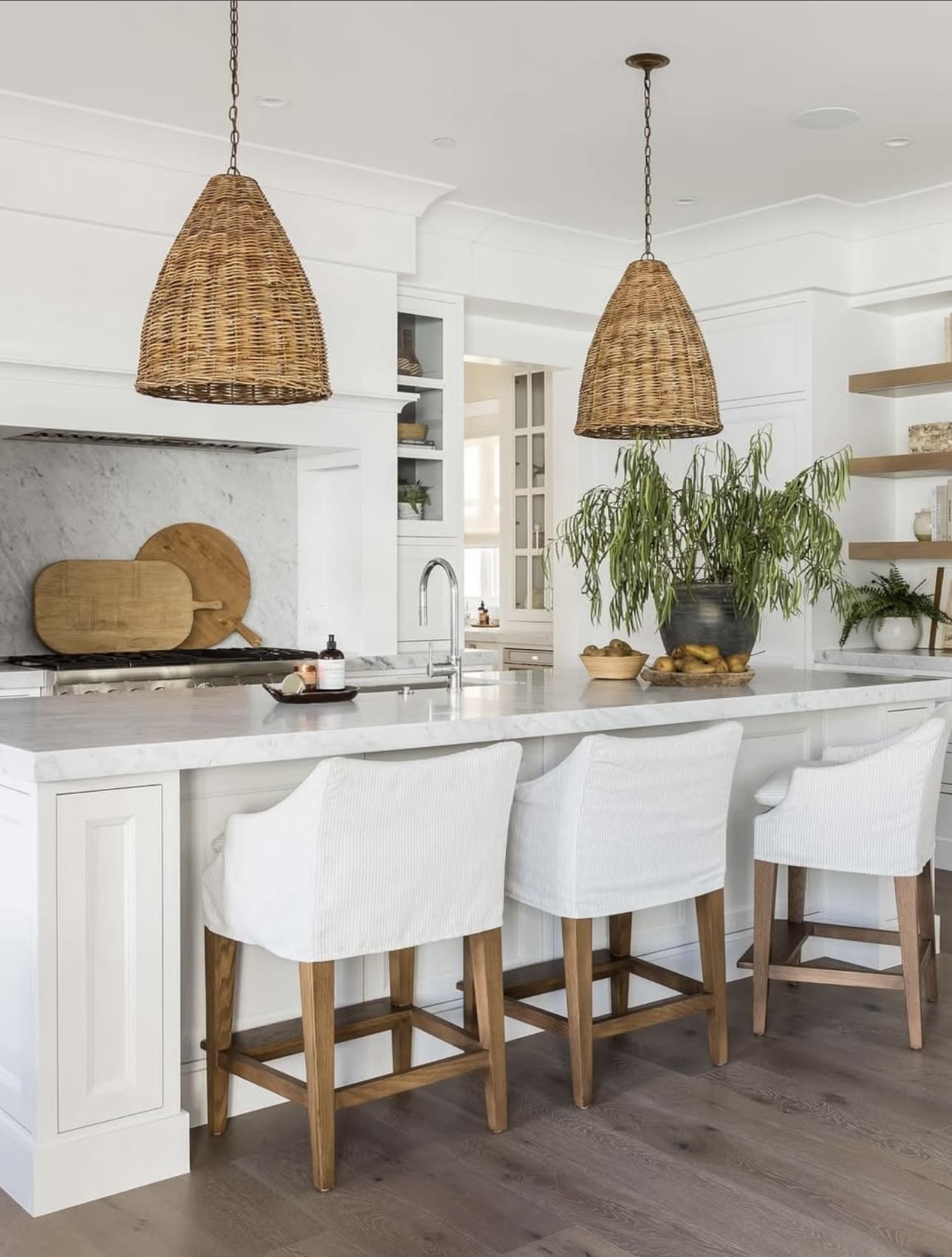
Using natural materials like wood, wicker, and rattan introduces warmth and texture to your kitchen. These elements bring an organic connection to nature that is essential in coastal design.
Key Design Elements
- Incorporate wooden countertops or shelving for rustic charm.
- Use wicker baskets for storage and decorative flair.
- Choose rattan light fixtures or seating to soften the space.
- Combine natural elements with light colors to maintain brightness.
Pro Tip: Balance natural materials with smooth surfaces to avoid heaviness.
29. Add Warmth with Walnut Cabinets
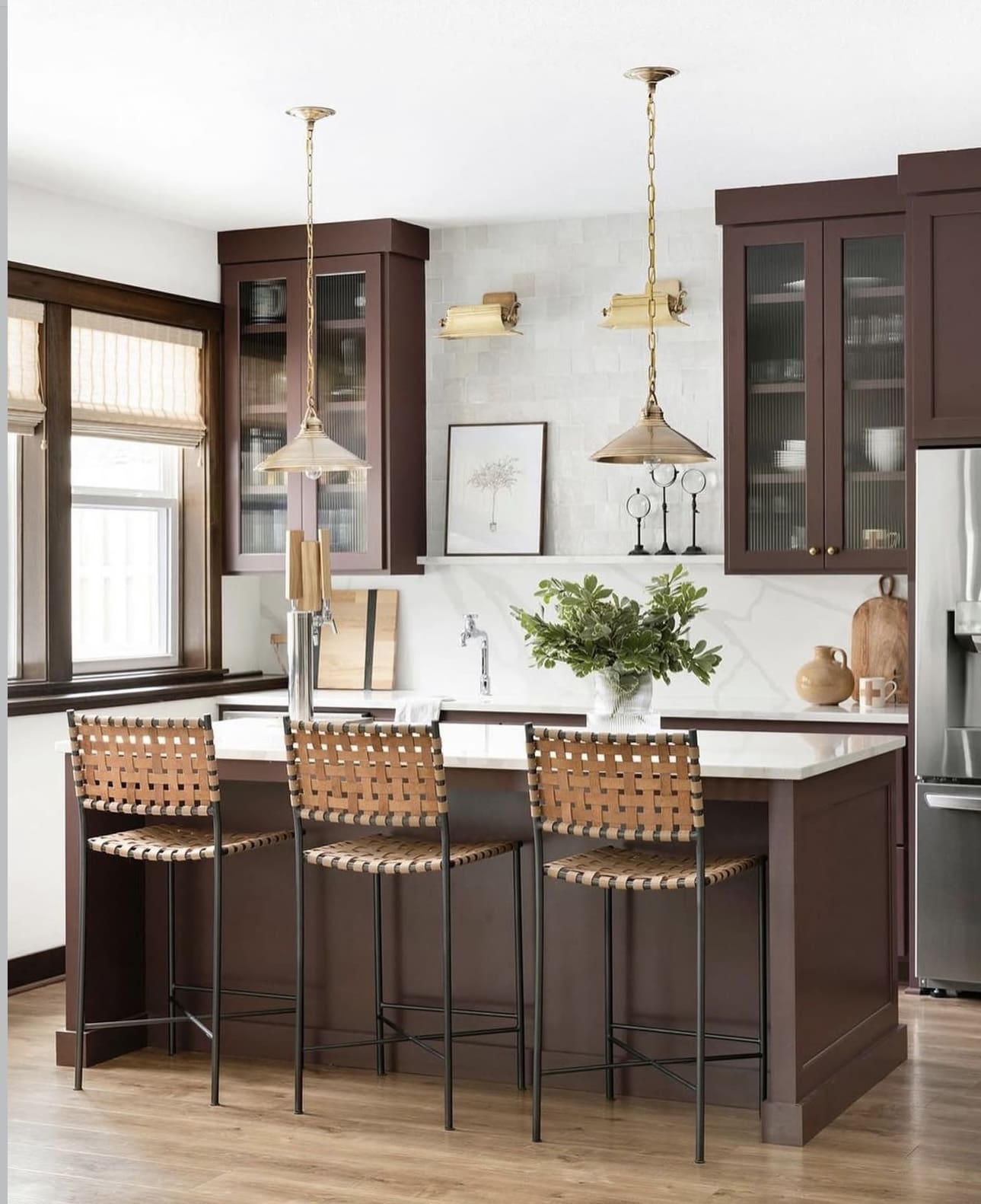
Walnut cabinetry brings rich color and elegant grain patterns that add sophistication to your coastal kitchen. The warmth of walnut wood contrasts beautifully with lighter coastal design elements.
Key Design Elements
- Opt for walnut cabinets to introduce depth and luxury.
- Pair walnut with light-colored countertops and backsplashes.
- Use simple hardware to let the wood’s beauty shine.
- Balance walnut tones with airy décor and plenty of natural light.
Pro Tip: Consider walnut accents if full walnut cabinetry feels too heavy for the space.
30. Incorporate Elegant White or Brass Range Hoods
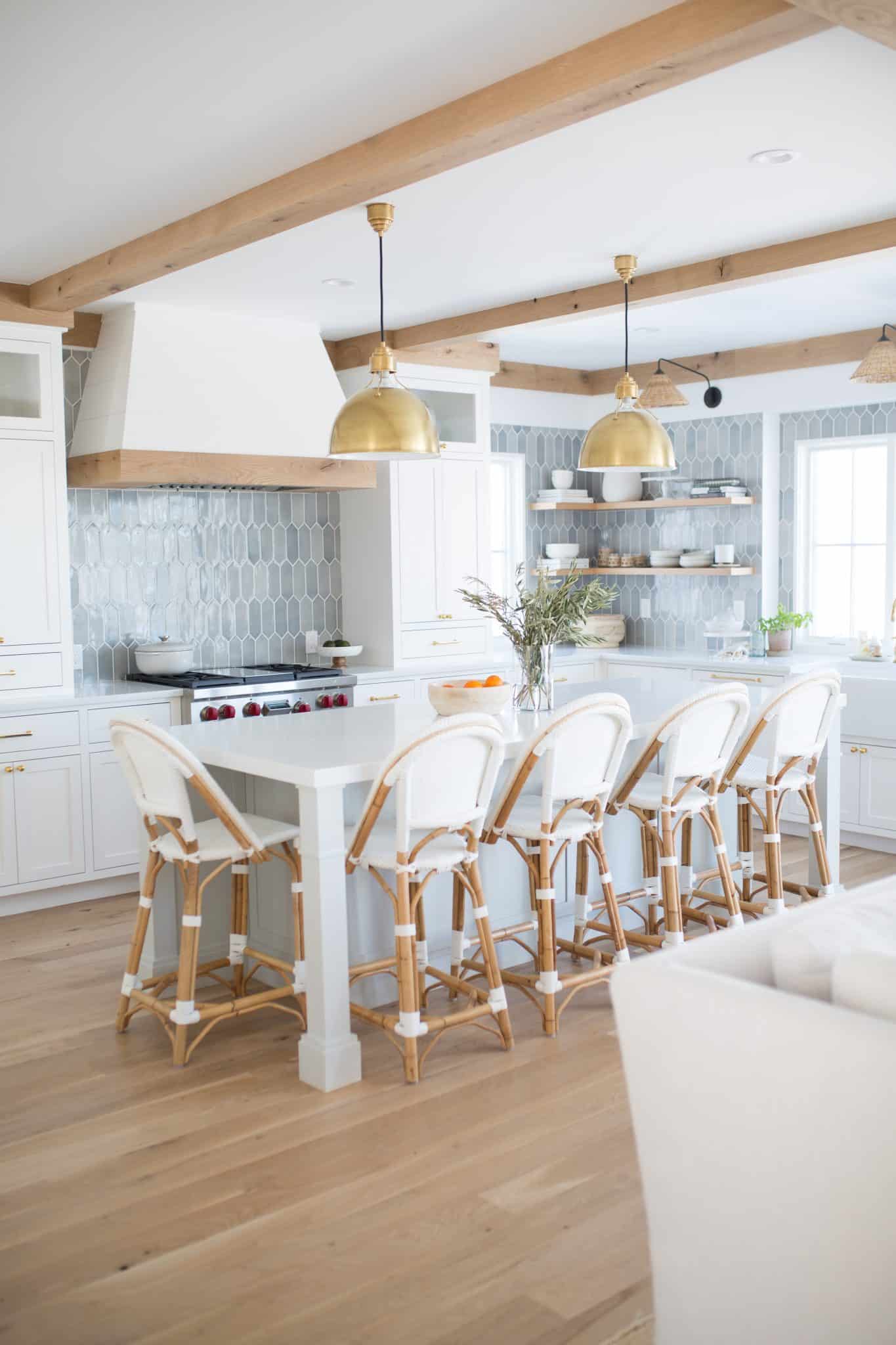
A white or brass range hood adds a polished touch to your kitchen while complementing the coastal aesthetic. White offers timeless sophistication, while brass brings warmth and a nod to natural coastal elements.
Key Design Elements
- Install a white hood for a clean, classic look that blends with cabinetry.
- Choose a brass hood to introduce a warm metallic accent.
- Pair the hood with matching fixtures or hardware for cohesion.
- Keep hood designs simple to maintain an airy, unobtrusive feel.
Pro Tip: Ensure your hood is properly vented and sized for your cooking needs while serving as a stylish focal point.
Conclusion
Remember, the key to a successful coastal kitchen lies in balance and simplicity. Focus on maximizing natural light, maintaining an uncluttered layout, and layering textures and colors inspired by the shore. With these design principles, your kitchen will not only be a functional hub but also a tranquil retreat reminiscent of your favorite beachside escape.
Leave a Reply