Category: Uncategorized

  • Small Space Mistakes: 15 Things Making Your Home Feel More Cramped (And How To Fix Them In 2026)

    We live in an era where square footage is a premium and every inch counts. Yet even perfectly sized apartments and cozy homes can feel suffocating, often because of a few correctable choices. In this guide we walk through the 15 most common small space mistakes that make rooms feel tighter than they are, and offer practical fixes you can carry out in 2026. We’ll focus on layout, furniture, storage, lighting, textiles, and finishing touches so you can stop guessing and start rearranging with confidence. Whether you rent, own, or stage to sell, these tactics are designed to stretch your space visually and functionally without a full renovation.

    Why Small Spaces Still Feel Tight: Key Principles To Understand

    Before we list the mistakes, let’s establish the principles that determine whether a room feels roomy or cramped. Understanding these will help us evaluate each problem and its solution more clearly.

    Sightlines and scale: Our perception of space depends heavily on uninterrupted sightlines and proportional objects. A continuous view across a room makes it read as larger: visual interruptions or oversized pieces break that flow and shrink perceived volume.

    Light and contrast: Bright, evenly distributed light expands space visually. High contrast, deep shadows, and dim corners compress it. Natural light is ideal, but layered artificial lighting can replicate the same effect.

    Negative space and rhythm: Empty space isn’t wasted, it’s the stage for your belongings. Balanced spacing between items creates rhythm, which feels calm and open. Cramped spacing produces visual noise and claustrophobia.

    Function-driven zones: Every area should have a clear purpose. When zones overlap chaotically, like a dining table doubling as a workout area, usage friction creates a sense of disorder that reads as smallness.

    Psychological load: Clutter, too many patterns, and visual interruptions increase cognitive load: our brains interpret that overload as less physical space. Reducing stimuli often increases comfort more than adding square footage.

    Keep these principles in mind as we go through specific mistakes: many fixes are about restoring sightlines, increasing light, clarifying function, and introducing deliberate negative space.

    Layout And Flow: Poor Traffic Patterns, Blocking Sightlines, And Overfilled Zones (Mistakes 1–3)

    Mistake 1, Ignoring natural traffic paths

    One of the quickest ways to make a room feel cramped is to block the paths people naturally use to move through it. We’ve seen layouts where an armchair sits directly in front of a doorway, or a coffee table is centered on a path to the balcony. When we continuously detour around furniture, the space feels constricted and awkward.

    Fix: Map the flow. Stand in each doorway and note where your feet tend to go. Rearrange so the primary paths are at least 2–3 feet wide and clear. Use rugs or subtle lighting to reinforce these routes.

    Mistake 2, Placing tall or visually heavy pieces where they interrupt sightlines

    Tall bookshelves, room dividers, or media units placed mid-room cut sightlines and make sections feel boxed in. Even well-designed pieces can act like walls if poorly placed.

    Fix: Keep tall items against the perimeter or use open shelving with negative space. If you need a divider, choose transparent or low-profile options, glass, open slats, or a slim console that preserves horizontal sightlines.

    Mistake 3, Overfilling zones with excess function

    Trying to cram too many activities into one zone (work, sleep, dining, and storage) without clear separation creates visual chaos. Our eyes can’t parse multiple focal points at once, so the space reads as noisy and smaller than it is.

    Fix: Define zones with subtle cues: a rug for the seating area, a pendant over the dining table, or a different paint or wallpaper accent. Use multipurpose furniture (folding tables, wall beds) strategically rather than stacking functions everywhere.

    Furniture Scale And Placement: Choosing Pieces That Overwhelm The Room

    Selecting the right furniture is less about style and more about scale and proportion. We often default to the pieces we love without testing whether they fit the room’s rhythm.

    Too-Large Sofas And Bulky Arms

    A common mistake is choosing a sofa that fills the room from wall to wall or has massive rolled arms. These shapes block light, create large solid masses, and prevent visual breathing room. Even if length-wise it technically fits, the visual weight can dominate.

    Fix: Opt for streamlined silhouettes, slender arms, low profiles, and exposed legs. Sofa depths of 34–36 inches usually work best in smaller living rooms: lean toward armless or track-armed designs. If you love a deeper seat, consider pairing it with a narrow console behind to maintain proportionality.

    Pushing All Furniture Against Walls Without Defining Zones

    There’s an old rule that pushing furniture to the walls makes a room appear larger, but in many smaller spaces that strategy removes conversational areas and flattens depth. We lose the layered look that creates a sense of spatial richness.

    Fix: Float furniture where possible. Pull seating slightly away from walls, 6–12 inches is often enough, to create a visual perimeter and allow airflow behind pieces. Use rugs to anchor groupings and create depth. If you must push a piece to the wall for traffic reasons, add a slim table or low shelving behind to create a deliberate boundary rather than an afterthought.

    Storage And Clutter: Hidden Hoarding And Inefficient Solutions (Mistakes 7–8)

    We tend to think that stuffing items into storage will solve clutter, but improperly planned storage creates its own visual problems.

    Mistake 7, Using too many opaque storage surfaces

    When every item is behind closed doors in bulky cabinets or chests, you get large, inscrutable blocks of furniture that feel heavy. Closed storage is essential for a tidy look, but overusing it without scale or rhythm leads to visual compression.

    Fix: Mix open and closed storage. Use open shelves sparingly with curated displays and closed drawers for messy items. Choose low-profile, modular units instead of one massive armoire. A few strategic glass-fronted cabinets break up the mass while still hiding clutter.

    Mistake 8, Letting everyday items spill into visible areas

    Shoes, mail, charging cables, and kids’ toys are the real culprits that make a place feel lived-in, and small. Even a professionally designed living room collapses into cramped chaos if daily detritus collects on surfaces.

    Fix: Create landing zones: a slim entry console with concealed drawer, a caddy or bench with shoe storage, and cord management near desks and media centers. Commit to a three-minute nightly reset: we do a quick sweep of surfaces, stow items, and the room immediately breathes easier.

    Lighting And Color: Dim Rooms And Wrong Paint Choices That Shrink Space (Mistakes 9–10)

    Color and light together form the emotional envelope of a room. Get them wrong and even generous square footage can feel oppressive.

    Mistake 9, Relying on a single overhead light or poor bulb choices

    A lone central fixture casts shadows in corners and flattens depth. Warm, low-lumen bulbs can also make surfaces look heavier. Inadequate task and accent lighting increase perceived density.

    Fix: Layer lighting. Combine ambient (ceiling or recessed) with task (tables, reading lamps) and accent (wall washers, picture lights). Use bulbs with CRI 90+ where possible to render colors accurately: daylight-balanced LEDs (around 3000–4000K depending on the room) keep spaces bright without feeling clinical.

    Mistake 10, Choosing extreme or wrong paint palettes

    Very dark walls, heavy contrasts, or overly saturated colors can swallow light and make ceilings feel lower. Conversely, plain flat white with no variation can feel clinical and still fail to create depth.

    Fix: Use light, warm neutrals to reflect light while adding subtle contrast with trim or an accent wall. Paint ceilings one to two shades lighter than walls to boost perceived height. Consider sheens: low-luster eggshell reflects a touch more light than flat paint while hiding imperfections better than gloss.

    Patterns, Textiles, And Too-Many Accessories (Mistakes 11–12)

    Textiles and patterns add character, but they can also create visual clutter when used without restraint.

    Mistake 11, Overloading the room with competing patterns

    When every surface, from curtains to pillows to rugs, fights for attention, the eye has nowhere to rest. That tension translates as cramped energy.

    Fix: Choose one dominant pattern and two complementary supporting solids or textures. Use scale to balance: a large-scale rug, medium-scale pillows, and small-scale patterns on accessories. Neutral grounding pieces help your pattern choices sing instead of shout.

    Mistake 12, Heavy, floor-length drapes and too many accessories

    Bulky curtains pooled on the floor, layered window treatments, and shelves crowded with knickknacks reduce openness. We often think more is better for coziness, but excess soft goods and objects reduce perceived airiness.

    Fix: Go for light, airy window treatments that allow maximum daylight, sheers, top-down shades, or blinds that recess into the window frame. Limit tabletop and shelf items: adopt a rotation strategy where you display a curated selection and store the rest. A few meaningful objects have more impact than a crowded shelf.

    Doors, Window Treatments, And Visual Interruptions That Cut The Room In Half (Mistakes 13–14)

    Architectural elements and treatments can either connect spaces or chop them into tiny islands.

    Mistake 13, Using heavy doors or poor swing directions that interrupt furniture placement

    Doors that swing into valuable floor space or block sightlines fragment the room. Sliding doors can help, but poorly chosen tracks or opaque panels can still create visual breaks.

    Fix: Reconsider swing direction where possible. Replace swinging doors with pocket or sliding doors to maximize usable space. If replacement isn’t an option, use a narrow console or floating shelving to soften the visual impact of an inward-swinging door.

    Mistake 14, Window treatments that visually ‘close’ a room

    Treatments that are too dark, hung too low, or mounted inside the frame can shrink windows visually. Windows are portals, when they read small, the whole room feels smaller.

    Fix: Mount curtains closer to the ceiling and extend them wider than the frame to make windows read larger. Choose lighter fabrics and consider reflective treatments, mirrors or light-colored blinds, to amplify daylight. Where privacy is needed, top-down shades offer control without fully obscuring the upper pane.

    Decor Missteps: Overdecorating One Surface (Mistake 15)

    We often concentrate our decorative energy on a single surface, an entry console, a mantel, or a coffee table, and end up with a cluttered focal point that anchors the room in the wrong way.

    The problem: one hyper-decorated surface becomes a visual attractor that pulls attention and makes the surrounding negative space feel insufficient. It’s a bit like hanging a neon sign in a small shop window: attention collapses around it and the rest of the scene disappears.

    Fix: Distribute visual weight. Instead of a densely packed console, try a single statement object (a sculptural vase or artwork), a small stack of books, and one or two lower-profile items. On a mantel, step back: choose three items max and stagger heights to create a calm composition. For coffee tables, keep the center low and clear, use a shallow tray for essentials and rotate decorative objects seasonally.

    A final note and takeaway (conclusion)

    Small space mistakes are rarely about taste: they’re about perception. If we restore flow, balance scale, declutter thoughtfully, and layer light and texture, our homes will feel bigger overnight. Start with one change, clear a sightline, add a lamp, or remove half the items on a shelf, and you’ll quickly see the compounding effect. With intentional edits rather than wholesale replacements, we can make even the coziest spaces feel open, functional, and intentional in 2026.

  • Small Living Room Ideas That Instantly Open Up Space: 12 Easy Changes You Can Do Today

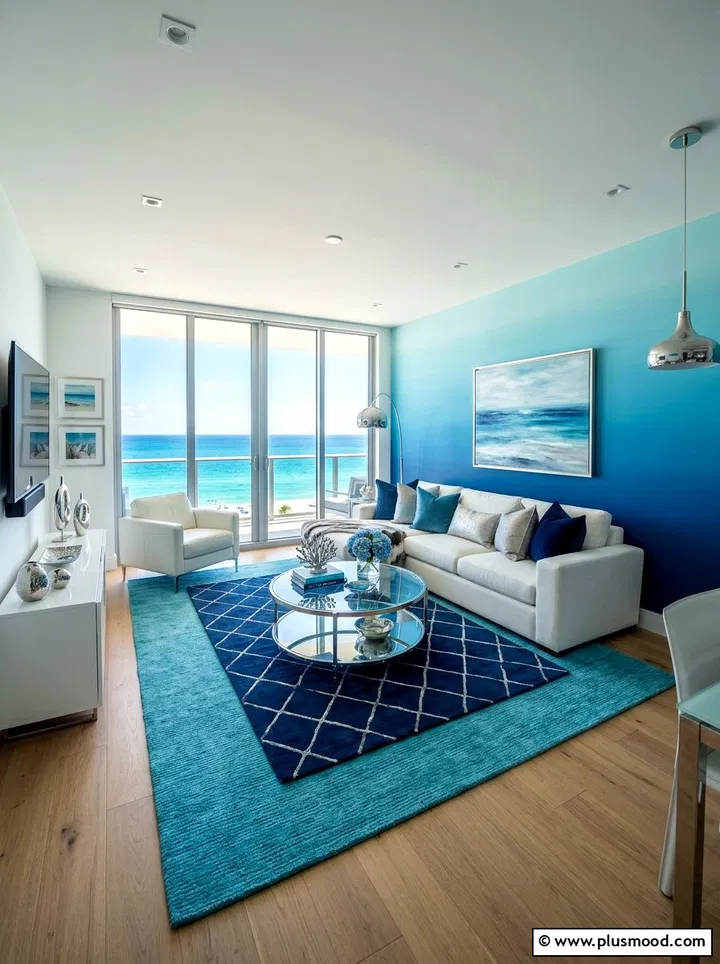
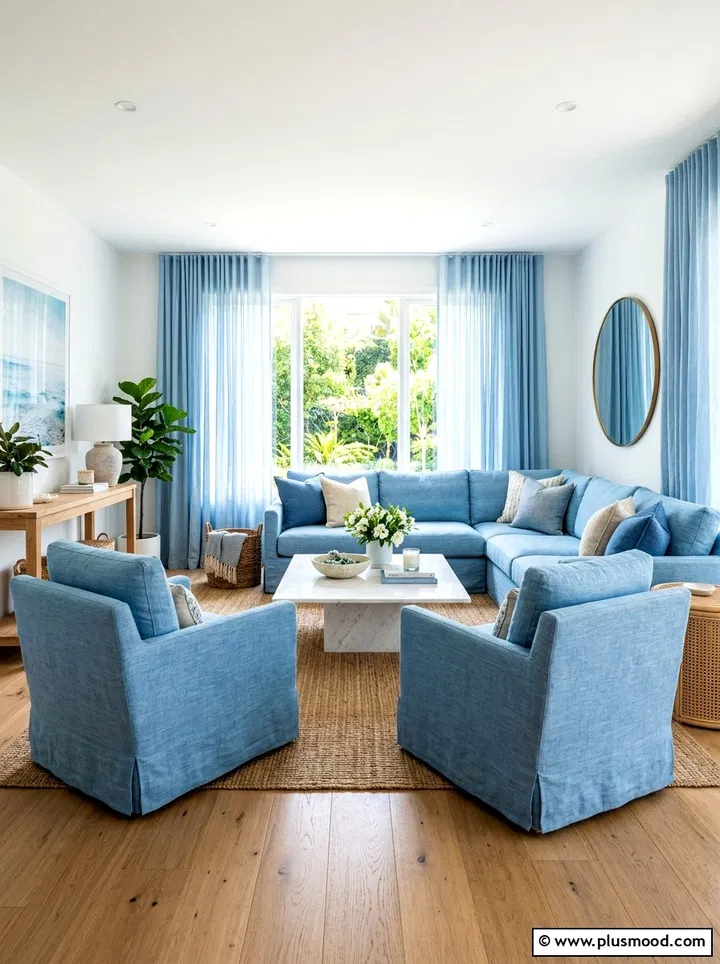
    Small living rooms can feel like a puzzle: we want comfort, style, and storage, but every piece we add seems to make the room smaller. The good news is that a handful of smart moves, think scale, light, and strategic storage, can transform a cramped living room into one that breathes. In this guide we’ll share 12 easy, practical small living room ideas you can carry out today. These are not big renovations: they’re high-impact, low-effort changes that play to visual perception and flow. Whether we’re working with an awkward layout, low ceilings, or a tight footprint, you’ll find real-world tactics to open up the space, increase function, and keep the room feeling cozy rather than claustrophobic. Read on and pick the three changes you can do this weekend to see an instant difference.

    Why Small Living Rooms Feel Cramped (And What To Fix First)

    Before we start rearranging furniture or repainting walls, it helps to know why a room feels small. Often it’s not just square footage: perception plays a huge role. Here are the common causes and the first things we should fix.

    • Poor scale: Oversized sofas, chunky coffee tables, or too many armchairs steal visual breathing room. When furniture dominates the sightline, the room instantly feels boxed in.
    • Blocked sightlines: Too many visual barriers, tall furniture, curtains that cut off windows, or furniture placed in the middle of walkways, interrupt the eye and make space feel compartmentalized.
    • Low or uneven light: Dim corners and single overhead fixtures create pockets of darkness: our brain reads that as tighter space.
    • Clutter and mismatched storage: When storage is inefficient, things pile up on surfaces and floors, reducing perceived room volume.
    • Incohesive scale and color: High-contrast patterns, dark paint on all walls, or many competing focal points can make a space appear busier and hence smaller.

    What we fix first: start with scale and sightlines. Reducing oversized pieces and creating clear walkways gives the quickest visual payoff. After that, boost light and hide clutter, those two moves compound the effect. Think of it as triage: clear the sightlines, correct the scale, and then layer lighting and storage so the room actually functions as it looks.

    Optimize Layout And Furniture Scale

    Getting the layout right is the foundation of every small living room strategy. When we optimize furniture scale and placement for the room’s dimensions, circulation improves and the space reads as larger. Focus on proportion, negative space, and flexible pieces that match how we live.

    Choose Multipurpose And Slimline Furniture

    We should favor multipurpose pieces and slimline silhouettes in a small living room. Here are actionable choices that keep the footprint light without sacrificing comfort:

    • Slim arms and exposed legs: Sofas and chairs with narrow arms and visible legs create more visual air beneath furniture, making floors feel continuous.
    • Narrow-profile sofas or apartment-sized loveseats: These offer seating without dominating the floor plan.
    • Nesting or stackable side tables: They tuck away when not needed and expand for guests.
    • Lift-top or ottoman coffee tables: Provide hidden storage and surface when required.
    • Wall-mounted or floating media units: Free up floor space and reduce bulk: we can route cables behind the wall or use slim cable covers.
    • Murphy or wall beds for studio setups: If the living room doubles as a guest room, a fold-away bed keeps the daytime footprint minimal.

    Think in terms of “less visual mass.” A slim console table or a pair of armless occasional chairs can provide the same function as heavier pieces while preserving openness. When in doubt, pick the piece with thinner profiles and dual functions.

    Arrange For Flow, Sightlines, And Conversation

    How we arrange furniture shapes the room’s perceived size. We want clear pathways, uninterrupted sightlines, and seating that encourages conversation without crowding the center. Try these configuration rules:

    • Anchor, don’t block: Place larger pieces against walls when possible to keep the center open. If the room is oddly shaped, angle a sofa slightly to create the illusion of depth.
    • Leave walkways: Maintain at least 24–30 inches for primary walkways: narrower paths look cramped and interrupt flow.
    • Floating arrangements: In small rooms, pulling furniture a few inches away from the wall can create a sense of depth, just don’t cut off circulation.
    • Visual triangles: Arrange three points of interest (sofa, armchair, media or fireplace) to form a triangle, this feels balanced and draws the eye around the room.
    • Zone with rugs and lighting: Use a rug the right size (at least the front legs of main seating on the rug) to define a seating area without shrinking it. Lighting zones (floor lamp + table lamp) guide the eye upward and outward.

    We should also avoid forcing symmetry when the room is small, asymmetrical groupings often feel more relaxed and spacious. Finally, always test a layout: tape out furniture footprints on the floor before you move heavy pieces. It saves time and prevents mistakes.

    Maximize Light: Natural And Artificial Strategies

    Light is one of the fastest ways to make a small living room feel larger. Our eyes interpret illuminated space as more expansive, so we should optimize both natural and artificial light.

    Natural light tactics:

    • Keep windows unobstructed: Replace heavy drapes with sheer or light-filtering panels mounted high and wide, hung close to the ceiling and extending past the window frame makes the window feel larger.
    • Trim outdoor obstructions: If trees or bushes block sunlight, consider selective pruning to increase daylight.
    • Reflective surfaces: Place mirrors opposite windows or use glossy finishes on a side table to bounce light into darker corners.

    Artificial light tactics:

    • Layer lighting: Combine ambient (overhead), task (reading lamps), and accent lighting (wall sconces or picture lights). Layering prevents one dark spot from shrinking the room.
    • Use wall-mounted fixtures: Sconces free up floor and table space while lifting the eye.
    • Choose warm-bright bulbs: Aim for 2700–3000K for a cozy tone but higher lumens for adequate brightness, use dimmers so we can modulate ambiance.
    • Up-light with floor lamps: A slender floor lamp that directs light upward visually increases ceiling height.

    Color and finish also influence perceived brightness. A light-reflective paint sheen (eggshell rather than matte) and a soft, pale palette will help light travel farther across the room. Small changes, like swapping a heavy curtain for a sheer panel and adding a mirror, can dramatically change how open the space feels.

    Smart Storage That Hides Clutter Without Closing In The Room

    Clutter steals space even when it doesn’t occupy square footage. Our goal is storage that hides the mess while preserving openness. Smart storage keeps surfaces clean, simplifies the visual field, and supports an airy atmosphere. Below are practical strategies to integrate hidden storage without adding bulk.

    Built‑In, Vertical, And Low‑Profile Storage Solutions

    Built-in and vertical storage are lifesavers in small living rooms because they use wall space rather than floor space. Consider these options:

    • Built-in shelving around a media wall: Custom cabinetry can tuck electronics, books, and baskets behind doors while keeping the visual line continuous. If custom is out of budget, modular wall systems give a similar effect.
    • Floor-to-ceiling shelving: Vertical storage draws the eye upward and provides generous storage without spreading across the floor. Use closed doors on lower sections and open shelves higher up to balance openness with hidden storage.
    • Low-profile credenzas and consoles: These provide surface area and concealed storage while keeping sightlines low: they’re ideal under windows or behind sofas.
    • Multipurpose ottomans and benches: Choose seating with internal storage for blankets, magazines, or remote controls.
    • Slim wall hooks and pegboards: For entry-adjacent living rooms, vertical hooks keep coats and bags off chairs and floors.
    • Floating shelves with baskets: Open shelves maintain an airy feel: baskets or decorative boxes hide clutter without a heavy cabinet.

    We should pick storage that complements the room’s lines, low, horizontal pieces can make the space feel wider, while vertical pieces make ceilings read taller. Wherever possible, conceal frequently used items (remotes, chargers, kids’ toys) behind doors or in drawers so tabletops stay clean and the room feels orderly.

    Quick Styling Tips That Visually Open The Space

    Styling choices amplify everything else we do. Small tweaks in color, mirror placement, and accessory scale can dramatically change perceived room size. These quick styling tips are easy to carry out and deliver fast results.

    • Keep larger color fields light: Paint or large fabrics in a light, warm neutral help surfaces recede. Reserve darker or saturated tones for small accents, not entire walls.
    • Use a single, continuous floor material: A consistent floor surface, hardwood, laminate, or a single carpet, avoids chopping the room into visual fragments.
    • Create vertical emphasis: Tall plants, floor-to-ceiling curtains, or vertical stripes direct the eye upward and make ceilings feel higher.
    • Reduce the number of focal points: One or two clear focal areas (a media wall, a fireplace, or a gallery wall) prevent visual competition and make the room feel cohesive.
    • Choose a few larger accessories over many small ones: A single sculptural vase, a showpiece lamp, or a large piece of art will feel less cluttered than an array of small objects.

    We should also be ruthless about editing, if an accessory doesn’t serve a purpose or contribute to the calm palette, it’s okay to store it away. The goal is to present a relaxed, intentional space, not a staged showroom.

    Textiles, Patterns, And Accessory Rules For An Airy Look

    Textiles and patterns have outsized impact in a small living room. The right rules keep the space light and layered without adding visual weight.

    • Scale patterns to the room: Large-scale patterns on upholstery or rugs can actually make a room feel bigger than many small, busy prints. Use one dominant pattern and balance it with solids.
    • Keep textiles lightweight: Linen, cotton, and lightweight wools drape more softly than heavy velvets: they read as airier and less dense.
    • Rugs: Choose a rug that fits the seating area, too small and it fragments the space: oversized rugs that run under most furniture create visual continuity.
    • Curtains: Hang curtains close to the ceiling and extend them beyond the window frame: choose lighter fabrics and avoid heavy prints that draw the eye inward.
    • Accessory scale: Opt for a few medium-to-large accessories rather than many small ones. A single oversized mirror, a large floor plant, or a bold lamp provides presence without clutter.

    We should use patterns as punctuation, not wallpaper. A patterned throw pillow or a feature rug anchored by neutral furniture is enough to bring personality while keeping the room bright and open.

    Conclusion: A Simple Plan To Make Your Small Living Room Feel Bigger Today

    We’ve covered 12 practical small living room ideas, scale down, clear sightlines, maximize light, hide clutter, and style with restraint. To make real progress today, pick three quick wins: rearrange to open a walkway, swap heavy curtains for sheers and hang them high, and declutter visible surfaces by adding one hidden storage piece. These moves compound: better layout improves light flow, which makes storage choices more effective, and styling finishes the look. Start small, test what works, and iteratively refine, within a weekend we can create a living room that feels larger, functions better, and reflects how we live.

  • Tiny Room Lighting Tricks: 12 Easiest Ways To Make Small Spaces Feel Bigger

    We’ve all stood in a small room and wished it somehow felt more open, airier, less boxed-in. The fastest, most cost-effective way to change how a tiny room reads isn’t knocking down a wall, it’s changing the light. With a few thoughtful lighting choices we can alter depth, highlight architecture, and pull the eye upward and outward. In this guide we’ll walk through practical, easy-to-apply lighting tricks that help tiny rooms feel larger immediately. Expect actionable tips you can try in a weekend, including layered lighting strategies, fixture placement, mirror pairings, natural-light boosting tactics, and compact fixtures that punch above their weight. Whether you’re working with a studio, a small bedroom, or a narrow hallway, these ideas will help you make the most of every square foot.

    How Light Affects Perception Of Space

    Light shapes how we perceive volume, depth, and distance. When we enter a room, our brains interpret brightness, shadow, and contrast to judge how far surfaces are and how much space there is. A well-lit wall reads as farther away: a dark corner reads as closer and more cramped. That’s the basic trick we exploit: by brightening boundaries and reducing heavy shadows we can trick the eye into seeing more room than physically exists.

    There are a few science-backed principles to keep in mind. First, brighter colors reflect more light, which increases perceived space: darker tones absorb light and visually pull surfaces inward. Second, diffuse light, the kind that wraps around objects, minimizes harsh shadows that make rooms feel boxy. Third, directional light creates focal points and depth: a layered approach that mixes even ambient light with task and accent sources produces dimensionality without shrinking the room.

    Practically, this means we should avoid single overhead fixtures that cast downward pools of shadow, especially in tight areas. We want multiple, lower-intensity sources at different heights to spread light evenly. Also, increasing vertical illumination (lighting closer to the ceiling or up-lighting) makes ceilings feel higher: drawing light out to corners makes walls recede visually. Throughout this piece we’ll translate these perceptual rules into simple swaps and placements that deliver big impact with minimal fuss.

    Layer Lighting: The Three Must-Have Layers

    Layered lighting is the baseline strategy for making tiny rooms feel larger: ambient, task, and accent. Each layer serves a different visual purpose but together they prevent the flat, shadow-heavy look that shrinks space. Rather than relying on one bright bulb, we create a tapestry of light that defines zones and suggests openness.

    Ambient Lighting: Set The Baseline

    Ambient light is our room’s general illumination, it establishes the overall brightness we use to judge scale. For small spaces, ambient lighting should be soft but sufficient: aim for even coverage rather than a single concentrated source. We often recommend recessed downlights spaced to wash walls lightly, or a semi-flush ceiling fixture that uses multiple bulbs to spread light. When possible, choose bulbs with a neutral to warm color temperature (2700–3000K) so the space feels inviting without appearing dim. Dimmable ambient lighting is ideal because it lets us control perceived volume: brighter levels feel more spacious for tasks or social time, while gentle dimming creates cozy evenings without losing depth.

    Task Lighting: Light Where You Need It

    Task lighting highlights functional areas, reading nooks, kitchen counters, desks, and prevents us from over-illuminating the whole room just to see one spot. By concentrating light where activities occur we reduce glare and keep other areas softer, which enhances the sense of layered depth. Use adjustable wall sconces or swing-arm lamps beside beds and sofas: under-cabinet lighting in kitchens: and focused pendants over dining tables. Having a dedicated task source eliminates the need for a blinding central fixture, and it frames activity zones so the room feels organized and roomy.

    Accent Lighting: Create Depth And Focus

    Accent lighting is the secret sauce for perceived depth. Small directional fixtures, picture lights, tiny spotlights, LED tape along coves, can draw attention to vertical planes and textures, creating deliberate highlights that trick the eye into seeing layers. We use accent lights to illuminate one wall, a bookshelf, or a plant corner: by brightening a background plane relative to the foreground, the room feels deeper. Keep accent beams narrow and purposeful: too many competing highlights create clutter. When paired with ambient and task layers, well-placed accents transform a compact room into a series of visual planes that read much larger than a single flat space.

    Maximize Natural Light For Instant Opening

    Natural light is the fastest route to making a room feel expansive because it’s broad, flattering, and dynamic. Our priority in small rooms is to let daylight in and distribute it evenly. Even modest increases in daylight can change perceived square footage dramatically.

    Start by decluttering windowsills and trimming any outdoor vegetation that blocks glazing. Inside, position low-profile furniture away from window planes, a bench or floating shelf works better than a bulky armchair that interrupts the light path. Consider swapping heavy drapery for lighter treatments (we’ll detail options next) or forgoing curtains entirely where privacy and orientation allow.

    Another practical tip: rotate reflective or light-colored furniture toward the window. A mirrored tabletop, a gloss-finish sideboard, or even a pale rug near the glass will bounce daylight deeper into the room. If you’ve got the budget and building access, enlarging a glazing opening or replacing a solid door with a glazed one transforms circulation spaces like hallways and small entryways astonishingly quickly. But for most of us, rearranging furniture and improving window treatments delivers a big return with zero construction.

    Window Treatments And Reflective Surfaces To Boost Daylight

    How we dress windows and choose surface finishes has a direct effect on how daylight behaves in a room. In small spaces we want treatments that let light pass while still providing privacy and thermal comfort.

    Light-filtering shades, sheer curtains, or top-down/bottom-up blinds give us the best of both worlds: they keep prying eyes out while letting diffuse daylight flood the room. We avoid heavy, dark drapes that act like blackout curtains during the day: if full blackout is necessary for sleeping, keep them layered with sheers and draw them only at night.

    Reflective surfaces multiply daylight. Mirrors are the obvious choice, positioned opposite or adjacent to windows they double the incoming light and visually extend the view. But smaller touches matter too: glossy kitchen backsplashes, satin or semi-gloss paint on trim, glass decor, and metallic finishes on lamps will all catch and re-emit daylight. Even high-sheen flooring or lacquered furniture can help. The trick is balance: too many reflective surfaces in a small room can feel flashy. We recommend one or two strategic reflective elements coupled with light, matte textiles to keep the effect natural and comfortable.

    Scale, Placement, And Space-Saving Fixtures To Visually Expand Rooms

    Fixture size and placement are crucial in tight spaces. Oversized pendant lights or floor lamps with large shades can dominate a small room and break the line of sight: compact, well-placed fixtures preserve openness and still deliver plenty of light.

    Ceiling-mounted fixtures that hug the plane, flush or semi-flush lights, free up visual height. Recessed downlights provide a clean ceiling line, but we place them carefully to avoid creating a bowl of shadow in the center. For vertical expansion, uplights and wall washers are excellent: they push light up the walls and create the illusion of taller ceilings. Picture rails and narrow wall sconces mounted at eye level or higher draw the eye along the wall rather than across the floor, making the footprint feel stretched.

    Space-saving fixture designs also help: LED tape hidden in coves or under shelving provides continuous light without occupying floor space: track lighting gives adjustable directionality from a single slim footprint: clip-on lamps or battery-powered puck lights add task illumination without cords or drilling. In small rooms, we often choose fixtures with smaller diameters but higher lumen output so they illuminate effectively without imposing visually.

    Smart Use Of Mirrors And Glossy Surfaces To Multiply Light

    Mirrors are one of the oldest tricks for enlarging space, and they’re still one of the most effective. But placement and size matter. A large mirror hung opposite a window reflects not just light but also the outdoor view, which visually doubles the perceived depth. If positioning directly across the window isn’t possible, angle a mirror to catch daylight and direct it toward darker corners.

    We recommend full-length or oversized horizontal mirrors for living rooms and bedrooms: horizontal pieces widen the visual field: vertical mirrors emphasize height. Using multiple small mirrors in a gallery arrangement can read as decorative and still boost brightness, but avoid busy patterns that create visual clutter.

    High-gloss and lacquered finishes act like subtle mirrors and are especially useful on low furniture like coffee tables, media consoles, or kitchen islands. Glossy tiles in small bathrooms or kitchens will reflect task lighting and daylight, amplifying perceived space. Another underused option is mirrored furniture with thin frames, they offer reflection without overwhelming the room’s style. Wherever possible, pair mirrored elements with matte textures in textiles to keep the space feeling grounded and not overly glitzy.

    Conclusion

    Tiny rooms don’t have to feel tight. By combining layered lighting, maximizing natural light, choosing the right scale of fixtures, and strategically deploying mirrors and reflective surfaces, we can expand perception without remodeling. Start with ambient evenness, add focused task sources, accent key planes, and let daylight do the heavy lifting. These are small interventions with outsized returns, simple swaps that transform how a room feels and functions. Try one or two of the ideas this week and you’ll notice the space opening up almost immediately.

  • Tiny Home Organization Tips: How To Make Small Spaces Feel Calm — Smart Strategies For 2026

    Living small doesn’t mean living cluttered. As more of us choose tiny homes, vans, and compact apartments, the challenge becomes how to create a calm, functional environment out of limited square footage. In this guide we’ll share practical tiny home organization tips that actually work, strategies born from real experiments, design principles, and everyday habits. You’ll learn how to edit your belongings compassionately, use vertical and hidden storage, pick multi-functional furniture, and build routines that keep your space feeling serene. These aren’t trendy hacks: they’re sustainable practices tuned for 2026 living: efficient, low-stress, and adaptable. Read on and you’ll walk away with a clear plan to turn your small space into a calm home that supports how you want to live.

    Principles Of Calm Tiny Home Design

    Designing for calm in a tiny home begins with a few core principles that guide every decision we make. First: intention. Every object, surface, and layout choice should support the life we want to live, not just fill space. Second: visual quiet. Calm spaces reduce visual noise through limited color palettes, consistent materials, and a handful of meaningful items rather than many competing ones. Third: clear pathways. Even small homes need unobstructed movement: a clear circulation path makes a place feel larger and less stressful. Fourth: adaptability. Our needs change, work zones, sleep arrangements, and storage demands vary, so flexible solutions matter.

    We also prioritize sensory balance. Calm isn’t only visual: it’s about sound, texture, and air. Soft textiles, warm lighting, and a few plants can offset hard edges and compact proportions. Finally, ecosystem thinking: storage and organization must be part of daily routines. A well-placed drawer is worthless if we don’t maintain it. When we apply these principles consistently, small spaces stop feeling squeezed and start feeling intentional, quiet backdrops that let life happen with less friction.

    Declutter Strategically: What To Keep, Donate, And Store

    Decluttering is the foundation of calm in tiny homes, done right, it frees space and reduces decision fatigue. But decisive editing can be emotionally charged, so we approach it with structure and compassion. Begin by sorting items into three categories: keep (daily-use essentials and things that bring clear joy), donate/sell (items in good shape that we no longer need), and store (seasonal or infrequent-use pieces). Use a timer: work in 20–30 minute sessions to avoid burnout, and tackle one zone at a time, kitchen drawers, then clothing, then paperwork.

    Be honest about frequency of use. If we haven’t used something in six months and it’s not seasonal or sentimental, it probably doesn’t belong in a tiny home. Photograph sentimental items before letting them go: a digital memory often preserves value without taking physical space. For things we decide to store, choose compact, labeled containers and a single, designated storage spot, scattered boxes defeat the purpose. Finally, set realistic disposal plans: schedule donation pickups or drop-offs so items leave quickly. The faster things exit the home, the sooner we feel the benefit.

    How To Edit Your Belongings Quickly And Compassionately

    Editing doesn’t have to be brutal. We use a blend of objective criteria and gentle techniques to move fast without regrets. Start by asking three quick questions for each item: Have I used it in the last six months? Do I own an adequate replacement? Does it add meaningful value or joy? If the answer is no to two or more, it’s a candidate to leave. Keep decision rules simple to avoid second-guessing.

    Use compassion, not shame. Many of us hold items for complex reasons, memory, guilt, or imagined future use. We acknowledge those feelings, then separate the memory from the object: photograph, write a note, or keep a single representative item rather than the whole set. If parting is hard, box items for a ‘maybe’ period (30–90 days) and store the box out of sight: if we don’t open it, we donate the contents. Editing quickly requires momentum, play upbeat music, set a timer, and celebrate small wins. Editing well is less about ruthless minimalism and more about aligning possessions with present needs.

    Rotation, Seasonal Storage, And The One-In/One-Out Rule

    Rotation and seasonal storage let us keep tiny homes functional year-round without overcrowding. We maintain a compact seasonal kit: off-season clothing in vacuum bags, holiday décor in slim bins, and bulky outdoor gear in a dedicated loft or external storage locker when possible. Label bins clearly and list contents on the lid, so we can find things without unpacking several boxes.

    The one-in/one-out rule is simple but powerful: when we bring a new non-essential item home, we remove one similar item. It prevents slow accumulation and creates a built-in decision moment, do we actually need this new thing? For families sharing a tiny home, make the rule household policy so everyone follows the same standard.

    Rotation also extends to daily-use items. Keep frequently used kitchen tools within reach and move specialty gadgets to labeled storage. Every 3–6 months, do a quick scan: if stored items haven’t been needed, consider donating them. That ongoing pruning keeps our small space from becoming a storage museum and helps maintain the calm we built during the initial declutter.

    Maximize Vertical And Hidden Storage Without Clutter

    When floor area is precious, vertical and hidden storage are our best friends. Think upward: tall cabinets, floor-to-ceiling shelving, and wall-mounted racks free the floor and create the illusion of height. Use slim, deep shelves for books and décor, and reserve open shelving for items that contribute to calm: too many exposed items read as clutter. Integrate closed cabinetry lower down to keep visual lines tidy.

    Hidden storage, under-bed drawers, toe-kick drawers beneath kitchen cabinets, bench seating with internal bins, keeps necessary items accessible but out of sight. We also repurpose unexpected vertical zones: the back of doors for shoe or accessory organizers, the side of kitchen islands for spice rails, and high narrow shelves for light seasonal items. Magnetic strips and pegboards on walls organize tools, utensils, and craft supplies without bulky containers.

    When installing vertical systems, maintain balance and proportion. Heavy items should sit lower for safety and visual anchoring. Use consistent hardware and finishes to create cohesion. The goal is functional density: holding more without making the space feel crowded or chaotic.

    Multi-Functional Furniture And Thoughtful Zoning

    In tiny homes, every furniture piece should earn its place. Multi-functional furniture multiplies usefulness: beds with storage drawers, fold-down desks, sofa beds, and tables with nesting chairs. When selecting pieces we ask, what does this do at minimum three times per day or significantly improve our comfort? If the answer is no, we look for alternatives.

    Thoughtful zoning lets us define purpose within compact footprints. Rather than rigid rooms, we create zones: a sleep zone, a work/desk nook, a dining/meal zone, and a relaxation area. We define zones with furniture arrangement, rugs, lighting, and subtle visual cues like shelving orientation. Zoning helps the brain categorize activities, which reduces cognitive load and supports calm.

    We also favor pieces that collapse or reconfigure: drop-leaf tables expand for guests then tuck away: murphy beds free daytime floor space: rolling carts serve as mobile prep stations or office storage. Investing a bit more in a convertible, high-quality piece often pays off through years of efficient use and fewer replacements.

    Choosing Convertible Pieces And Defining Flexible Zones

    Choosing the right convertible pieces requires honest assessment of daily routines. We start by mapping how we use the space across a typical day: when we work, cook, socialize, and sleep. From that map we identify when areas need to transform. For instance, a daytime work area that converts to an evening dining spot benefits from a small folding table and a chair that stacks or tucks away.

    When picking convertible pieces, check durability and ease of transition. Mechanisms should be smooth and secure, annoying hardware kills the usefulness of convertible furniture. Evaluate weight (lighter options are easier to move) and storage footprint when folded. For zoning, use rugs to anchor areas, and adjust lighting layers, task lights for work, warm ambient lights for relaxation. Open shelving can act as a soft divider between zones while providing storage. The net effect: flexible zones let one small space do many jobs, and when transitions are quick and intuitive, the home stays calm rather than feeling like a compromise.

    Smart Organization Systems, Habits, And Routines

    Organization systems are only as good as the habits that support them. We pair built-in systems with daily and weekly routines that keep maintenance low-effort. Start with clear homes for everything, every item should have a named place. Use labeled containers, drawer dividers, and consistent trays so returning things becomes instinctive. For visible surfaces, adopt a one-minute rule: if a flat surface has something out of place, spend one minute returning items to their zones.

    Create low-friction routines: a five-minute tidy before bed, a weekly 20-minute surface reset, and a monthly inventory of stored bins. Use checklists during season changes to rotate clothing and swap storage. Digital reminders help until routines feel automatic: calendar blocks for decluttering sessions or seasonal swaps reduce procrastination.

    We also use habit stacking, attach a small organization habit to an existing daily routine. For example, after morning coffee we put away any dishes left out: after showering we spot-check the laundry basket. Habit stacks make maintenance frictionless. Eventually, organization in tiny homes is less about perfect systems and more about reliable tiny actions that prevent disorder from accumulating.

    Use Color, Light, And Texture To Create A Calm Atmosphere

    A calm tiny home is more than tidy storage, it’s an atmosphere crafted with color, light, and texture. We favor cohesive, restrained color palettes that visually expand space: warm neutrals, soft pastels, or monochrome schemes with a single accent hue. Light colors reflect more light and reduce visual busyness, but contrast and accents add personality without clutter.

    Layered lighting is crucial. Combine ambient light (overhead fixtures), task lighting (under-cabinet strips, reading lamps), and accent lights (LED strips, small spotlights) to control mood. Dimmable fixtures let us shift energy from productive daytime to relaxed evening. Natural light is a premium, keep windows unobstructed, use lightweight window treatments, and place mirrors strategically to bounce daylight into darker corners.

    Texture softens compact proportions. Introduce tactile elements, wool throws, woven baskets, linen curtains, to add warmth and depth without adding objects. Choose materials intentionally: built-in wood tones, matte metals, and fabric finishes that coordinate across zones. The goal is a curated sensory experience: calm, tactile, and visually cohesive, where every element earns its place.

    Conclusion: Maintain Calm In Your Tiny Home Long Term

    Sustaining calm in a tiny home is an ongoing practice, not a one-time project. By following core design principles, decluttering with compassion, maximizing vertical and hidden storage, choosing multi-functional furniture, and building simple daily routines, we create a resilient system that supports calm living. Remember: small, consistent actions, one-in/one-out decisions, a five-minute nightly tidy, seasonal rotation, deliver the biggest returns.

    As we move through 2026, flexibility and intention are our best tools. Tiny home living asks us to be deliberate about what matters and to design spaces that reflect that clarity. Adopt these tips, adapt them to your rhythms, and you’ll find a small space can feel expansive, slow, and calm, exactly what home should be.

  • Tiny Bathroom Upgrades That Feel Surprisingly Luxurious: Space-Saving Tricks For Big Impact In 2026

    We’ve all stood in a cramped bathroom and wished for more elbow room, without a full renovation. In 2026, smart design and a few targeted upgrades let us reclaim space and add real luxury without gutting walls or blowing the budget. This guide walks us through a quick audit to find the highest-impact swap, shows fixtures that save space while feeling high-end, and outlines storage, lighting, and finish tricks that visually expand a small bathroom. We’ll focus on solutions that are easy to execute, proven to work in tight footprints, and deliberately chosen to give a luxe feel: tactile finishes, layered lighting, clever storage, and fixtures that read premium. Read on and you’ll walk away with a prioritized plan, what to change first, what to save for later, and how to make every square inch feel bigger and more refined.

    Quick Audit: How To Identify The Highest-Impact Space Savings

    Before we buy a single fixture or hang a new mirror, we do a quick audit to find the highest-impact interventions. Start by mapping the circulation path: draw the outline of the room and mark the door swing, access to the toilet, sink, and shower. Note obstructions, towel racks, laundry baskets, storage towers, that interrupt sightlines and movement. Measure the clearances: typical minimums are 21 inches in front of a toilet and 24 inches for a sink, but in tight spaces we look for opportunities to reclaim every inch.

    Next, classify items by impact and cost: “low cost/high impact” (decluttering, changing door swing, adding a mirror), “medium” (slimline vanity, wall-mounted toilet), and “high” (moving plumbing, replacing tub with shower). We prioritize low-to-medium changes first: they often yield the biggest perceived gain for the least disruption.

    We also check vertical space. Many small baths have wasted height above doors, toilets, or beside mirrors. Measuring wall height and noting usable vertical zones helps us plan for recessed niches, tall cabinets, and layered lighting. Finally, take photos from the doorway and standing in the room, the camera exaggerates scale and highlights awkward shadows. Those images guide what to change to create a more open, luxurious feel.

    Space-Saving Fixtures That Actually Feel Luxurious

    Choosing the right fixtures is where small bathrooms transform from cramped to curated. We want pieces that reduce footprint while reading upscale, clean lines, tactile materials, and smart proportions. Below are specific fixtures that deliver space savings and a luxe presence.

    Wall-Mounted Toilets, Slimline Vanities, And Floating Sinks

    Wall-mounted toilets free floor space and create a continuous visual plane, making the room feel larger. We opt for a concealed in-wall tank system with a slim flush plate: modern designs come with soft-close seats and quiet flush mechanics so they don’t sacrifice comfort for compactness. Slimline vanities, 12–18 inches deep rather than the standard 21–24, give us sink space and under-shelf storage without projecting into circulation paths. Pairing a slim vanity with a floating sink or wall-hung basin clears the floor visually and makes cleaning easier. For a luxury touch, choose a stone or solid-surface top with an integrated trough sink or a matte, low-porosity finish.

    Compact Shower Solutions And Space-Saving Bathtub Alternatives

    In small bathrooms, showers often win for spatial efficiency. Curbless, corner, or neo-angle showers reduce required footprint and improve accessibility. We like frameless glass to minimize visual barriers, the clearer the glass, the less the shower interrupts the room. When a tub is non-negotiable, consider a Japanese soaking tub or a shorter alcove tub that’s deeper but takes less floor length: these feel indulgent without demanding a long bay. Another trick: a wet-room approach with a single drain can visually expand the space, but requires good waterproofing and slope planning. For luxury, choose large-format tile on the shower wall, a rain-head plus hand shower combo, and a built-in niche with accent lighting for a salon-like finish.

    Smart Storage Strategies For A Clutter-Free, High-End Look

    Storage is the difference between a tight room and a tranquil retreat. We aim for solutions that eliminate countertop clutter, keep essentials out of sight, and use dead zones effectively. The goal is a clean, high-end aesthetic where every item has a home.

    Vertical, Recessed, And Corner Shelving To Reclaim Floor Space

    When floor space is scarce, vertical is our friend. Tall, shallow cabinets take advantage of height without intruding into the room. Recessed medicine cabinets and shelving are especially valuable: they add storage within the wall cavity and produce flush surfaces that feel custom. Corner shelving, either fixed glass tiers in a shower or built-in wood/stone shelves in the vanity area, uses otherwise wasted niches. Open vertical shelving above the toilet is a classic move, but we prefer closed cabinetry or baskets to maintain a serene, hotel-like look.

    Multi-Functional Fixtures, Hidden Organizers, And Towel Storage

    We prioritize multi-functional solutions: vanities with integrated laundry hampers, mirrored cabinets with built-in lighting and electrical outlets, and drawers with removable inserts for grooming tools. Hidden organizers, pull-out trays, toe-kick drawers, and sliding trays behind mirrors, make small storage highly usable. For towels, wall-mounted heated towel rails double as drying and warming units without bulky towers: towel rings, hooks, and recessed rails near the shower reduce the need for freestanding storage. Every organizer should be specified by function: shaving tools near the mirror, daily toiletries in the top drawer, less-used items higher up. That intentionality yields the decluttered, luxury feel we want.

    Light, Mirror, Surface, And Finish Tricks To Visually Expand And Elevate

    Beyond fixtures and storage, finishes and lighting shape perception of space. We use reflective surfaces, layered lighting, and contrasting textures to create depth and a sense of scale. The aim is to make the room look and feel larger while reading polished and intentional.

    Layered Lighting, Mirror Placement, And Reflective Surfaces

    Layered lighting is non-negotiable: ambient overhead, task lighting around mirrors, and accent lights in niches create hierarchy and soften shadows. We prefer a dimmable overhead fixture or recessed LEDs with a warm color temperature (2700K–3000K) combined with vertical wall sconces flanking the mirror to reduce facial shadows. Large mirrors instantly double perceived space by reflecting the room and bouncing light: mounting a mirror across the vanity or installing a full wall mirror can transform a tiny bathroom.

    Reflective finishes amplify light. Glossy subway tile or a calibrated metallic accent wall behind the vanity adds glamour and depth, while large-format tiles with minimal grout lines visually expand surfaces. Matte countertops paired with polished fixtures create a tactile contrast that feels premium. We also use consistent grout tone and minimal transitions between wall and floor to avoid visual breaks that shrink the space. Finally, choosing monochromatic or near-monochromatic palettes with a pop of texture, natural stone, fluted cabinetry, or a woven wall panel, keeps the look layered and luxurious without cluttering the eye.

    Conclusion

    Small bathrooms don’t require grand structural changes to feel luxurious. By auditing the space, prioritizing interventions, and selecting space-saving fixtures, smart storage, and refined finishes, we turn constraints into design strengths. Start with a short list: wall-mounted toilet or slimline vanity, improved lighting and a larger mirror, and a few hidden organizers, those three moves alone deliver noticeable breathing room and an elevated look. As we plan, we stay deliberate: measure twice, choose finishes that reflect light, and prioritize usability. With focused upgrades, a tiny bathroom can feel calm, expansive, and surprisingly luxurious, even in 2026.

  • Minimalist Small Space Ideas: How Less Furniture Creates Bigger, Calmer Rooms In 2026

    We’ve all felt the squeeze of a small apartment or a cozy home office: too many pieces, too little breathing room, and a constant visual noise that makes the space feel smaller than it is. In 2026, minimalist small space ideas aren’t about austerity, they’re about choosing the right things, placing them well, and letting light, proportion, and purpose do the heavy lifting. In this guide we’ll explain why less furniture often looks better in small rooms, the design principles to follow, how to pick pieces that disappear visually, layout tactics that boost flow, and practical styling and budget tips you can use this weekend. Expect clear examples, simple rules of thumb, and a checklist to keep your small spaces feeling larger, calmer, and more intentional.

    Why Less Furniture Often Looks Better In Small Spaces

    When we remove furniture, the most immediate change is visual, open sightlines and uninterrupted floor area trick the eye into perceiving more room. But the effect goes deeper than that. Less furniture reduces cognitive load: our brains don’t have to process as many objects, patterns, or competing focal points, so the space feels calmer. In small rooms, every object competes for attention. A single bulky sofa, an ornate side table, and an oversized rug create visual clutter even if they technically fit.

    We should also think in terms of negative space. Empty floor and wall areas are design elements in their own right: they give surrounding pieces room to breathe and emphasize their shape and function. The result isn’t minimalism as a cold aesthetic, but minimalism as spatial clarity: each remaining piece looks intentional, proportional, and valuable. That’s why less furniture often looks better, it amplifies what’s left and creates a sense of order.

    Finally, less furniture improves flow and flexibility. If we keep fewer fixed pieces, the room can adapt to different activities (work, dining, relaxing) without a complete reconfiguration. In short, removing nonessential items is a force multiplier: it increases perceived size, reduces stress, and makes the space more usable.

    Core Principles Of Minimalist Small‑Space Design

    Minimalist small-space design rests on a few repeatable principles. If we internalize these rules, we can make confident choices instead of guessing.

    • Prioritize scale and proportion over trend. Small spaces need furniture sized for the room: compact, lower-profile pieces often work better than scaled-down versions of luxury items.
    • Emphasize sightlines and negative space. Avoid placing tall, solid pieces in the center of view corridors. Let light travel through.
    • Choose multi-functionality. Each item should ideally serve more than one purpose.
    • Use color, texture, and contrast sparingly to create depth without noise.

    We’ll unpack two of these principles next, scale, proportion and visual weight: and negative space, light and sightlines, since they’re the foundation of everything else.

    Choosing Multi‑Functional Furniture That Disappears

    Multi-functional furniture is the backbone of effective small-space living. But not all multi-purpose pieces are created equal: the best ones ‘disappear’ visually and functionally when not in use.

    Look for furniture that performs multiple roles at once: a storage ottoman that’s also a coffee table, a sofa bed with a slim profile, nesting tables that tuck away, or a wall bed with integrated shelving. The trick is to prioritize pieces with clean lines and neutral finishes so they blend into the room’s background when idle. Avoid overly mechanical or bulky mechanisms: they draw the eye.

    Materials matter. Lightweight frames in metal or walnut veneer often read less imposing than solid block pieces. Upholstery in mid-tone neutrals hides wear without calling too much attention. We recommend choosing one anchor piece (a sofa or bed) and then building flexible layers around it: stackable stools, a slim console that doubles as a desk, and lighting that clips or straps rather than standing fixtures.

    Finally, think about storage as furniture. Wall-mounted cabinets and open shelving keep things off the floor. When storage is integrated and stylistically consistent, the room feels tidy and breathable, the best kind of invisibility.

    Layout Strategies To Maximize Flow And Perceived Space

    A thoughtful layout makes the difference between a cramped room and a roomy-feeling one. Layout is less about filling space and more about choreographing movement: where we enter, how we move, and where activities happen.

    Start by mapping activities: sleeping, working, eating, relaxing. Place the largest piece for each activity first, then arrange secondary pieces to support it without blocking paths. In studio apartments, orient the bed so it’s not the first thing seen from the entrance: a low bookshelf or a curtain can create a subtle visual partition without closing the room off.

    We should allow 30–36 inches of circulation in primary pathways and 18–24 inches around seating and tables for comfort. Floating furniture away from the walls can actually increase perceived depth, it creates space behind objects so light and shadow give the room dimensionality. Conversely, too many pieces pushed tightly against walls create a museum-like, static feel that can read smaller.

    If we must place a TV, mounting it on the wall saves floor space and avoids creating a large visual mass. Use thin area rugs to anchor zones rather than large rugs that swallow the room. Small changes in furniture placement can unlock an otherwise suffocating layout, so experiment with temporary solutions (folding chairs, cushions) before committing to heavy purchases.

    Color, Texture, Decluttering, And Smart Storage

    Color and texture give personality while decluttering and storage keep that personality readable. We approach color like a three-tone outfit: a dominant neutral, a secondary mid-tone, and one accent. Neutral walls (soft whites, warm greys, pale taupes) reflect light and act as a forgiving backdrop. Add mid-tone furniture and a single accent color in soft furnishings to create depth.

    Texture replaces visual clutter. A boucle pillow, a wool throw, or a woven basket adds tactile interest without introducing more objects. We use texture strategically to make minimalist spaces feel warm and layered.

    Decluttering is ongoing. Adopt a one-in-one-out rule for small spaces: when a new item comes in, reassess something else. Regularly audit surfaces: clear them every few weeks so visual boundaries remain sharp. Smart storage makes minimalism sustainable: under-bed drawers, vertical built-ins, and furniture with hidden compartments keep essentials accessible yet out of sight.

    Label containers, keep daily items at arm’s reach, and slow the accumulation of decorative objects. When everything has a place, the room reads as intentional rather than sparse.

    Practical Styling Checklist, Common Mistakes, And Budget Shopping Tips

    Practical Styling Checklist

    • Start with a single anchor piece and plan the rest around scale.
    • Keep visible surfaces to one or two curated items (lamp + plant, tray + book).
    • Use legs-on furniture to reveal floor area.
    • Limit palette to three colors and vary texture instead of adding more hues.
    • Invest in flexible lighting: dimmers, layered lamps, and adjustable wall sconces.

    Common Mistakes to Avoid

    • Buying furniture that’s too large because it ‘fills’ the space, oversized items can shrink perception.
    • Matching everything exactly: too much uniformity can be boring. Mix materials subtly.
    • Ignoring storage needs: storage solves more layout problems than decoration.
    • Over-committing to trends that add visual complexity (heavy patterns, ornate frames).

    Budget Shopping Tips

    We can make a tight budget work. Look for secondhand mid-century pieces with simple lines: they often have smaller proportions and quality construction. Floating shelves, modular shelving cubes, and flat-pack console tables give high impact at low cost. Thrift stores and local marketplaces are great for lamps and small side tables. When buying new, prioritize key functional pieces (a good sofa or mattress) and save on accessories. Finally, try DIY paint or reupholstery to refresh older items rather than replacing them.

    Conclusion

    Less furniture isn’t about stripping a room bare, it’s about making deliberate choices so what stays matters more. By honoring scale, maximizing negative space, choosing invisible multi-functional furniture, and organizing with intent, we can make small rooms feel larger, calmer, and more adaptable. Start with one area: remove one oversized piece, add a storage solution, or reorient your layout. Small, thoughtful changes compound quickly. In 2026, minimalist small space ideas mean living smarter, not emptier, and the payoff is a home that looks and feels like it breathes.

  • Small Space Decorating That Actually Works: 2026 Trends, Tricks, and Real-Life Looks

    Living small doesn’t mean living without style. In 2026, the smartest small space decorating blends clever engineering with quiet aesthetics so our homes feel roomy, functional, and distinctly ours. In this guide we’ll walk through the core principles that make compact rooms work, the furniture choices that save space without sacrificing style, and the color, pattern, and material tricks that expand visual space. We’ll also cover storage that doubles as design and lighting, layout, and zoning strategies that create flow and function. Expect practical, real-world solutions you can carry out this weekend, no hero-level DIY required.

    The Core Principles That Make Small Spaces Work

    When we talk about small space decorating, we’re really talking about problem-solving. The core principles below form the foundation for every successful compact home: clarity of purpose, prioritized function, visual continuity, and intentional editing.

    Clarity of purpose: Every zone should have a clear job. Is that corner for reading, working, or displaying plants? When we decide purpose first, furniture and accessories follow, and the space stops feeling like it’s trying to do everything at once.

    Prioritize function: We always ask: which items do we use daily? Those stay. The rest go in storage. That instinct keeps surfaces clear and reduces visual clutter, arguably the single most effective thing we can do to make a space feel larger.

    Visual continuity: Using a consistent color palette and repeating a few materials (wood tone, brass, matte black) helps the eye move across a room without frequent stops. That continuous visual flow tricks the brain into reading a small footprint as more cohesive and hence larger.

    Intentional editing: We’re ruthless about editing accessories. A handful of well-chosen objects, art, and plants read as curated: lots of small, mismatched items read as clutter. We recommend rotating decorative items seasonally, storing rather than displaying everything at once.

    Circulation and negative space: Allow breathing room around furniture. Narrower clearances can work (28–30 inches for major pathways) but we avoid cramming furniture lengthwise against every wall. Negative space, the empty areas, becomes a design element that gives the eye places to rest.

    Vertical thinking: Small footprints demand vertical solutions. Wall-mounted storage, tall narrow shelving, and window-hugging planters reclaim floor area. We also think vertically for sightlines: drawing the eye upward with tall art or crown molding adds perceived height.

    Flexibility as a rule: Finally, we design for change. Our needs evolve, guest needs, work-from-home demands, or new hobbies, so the best small spaces are inherently adaptable. When we choose pieces that can multitask or be reconfigured, our homes remain functional without constant upheaval.

    Smart Furniture Choices That Save Space Without Sacrificing Style

    Choosing furniture for a small space is about economies: the more utility per square inch, the better. We focus on multipurpose pieces, proportionate scale, and seating that adapts to different scenarios.

    Multipurpose And Modular Pieces

    Multipurpose furniture is the backbone of small space decorating. We favor sofas with hidden storage under cushions, ottomans that become coffee tables or extra seating, and bench seating with drawers beneath. Convertible beds, murphy beds and daybeds with trundles, are classic moves, but in 2026 we’re also seeing fold-away desks that tuck into credenzas and wall beds with integrated shelving that look custom-built.

    Modular seating is another big win. A set of lightweight modular ottomans or sectional pieces can be pushed together for a movie night and dispersed for a dinner party. The advantage is twofold: versatility and the ability to scale the layout to the occasion. We prefer modulars on casters or with handles so we can move them without dragging heavy furniture across floors.

    Scale, Clearance, And Flexible Seating

    Scale matters as much as style. Oversized furniture overwhelms: too-small pieces look insubstantial. We measure thoughtfully: a sofa should provide comfortable seating without blocking flow, and tables should allow about 18–24 inches from chair seat to tabletop edge. Clearances are practical: maintain a 28–30 inch main path and at least 18 inches between a sofa and coffee table for easy movement.

    Flexible seating options, stackable chairs, nesting stools, and slim-profile benches, let us add capacity without permanent bulk. We also love fold-flat furniture for guests: a compact folding dining table or chairs that stow in a closet are lifesavers for those who entertain intermittently.

    Material choices play into perceived weight. Lighter visual weight, open legs, streamlined frames, and upholstery with vertical seams, reads less heavy than solid blocky silhouettes. Glass-topped tables and acrylic chairs are stylistic tools that reduce visual mass while keeping a room functional.

    When we buy, we ask three questions: does it serve more than one purpose? Does it fit the circulation? Will it feel heavy in the room? If the answer to any is no, we keep looking.

    Color, Pattern, And Material Tricks To Expand Visual Space

    Color and materials are our optical tool kit. The right combinations can lighten a room, add depth, and create the impression of scale beyond the actual square footage.

    Start with a cohesive base: a restrained palette of two to three colors. Soft neutrals, warm greige, ivory, or muted sage, still dominate because they reflect light and simplify the visual field. But 2026 trends show color confidence: instead of painting every wall white, we’ll often paint one wall in a saturated tone (deep teal, terracotta, or inky blue) to create perceived depth when paired with lighter surrounding walls.

    Use accents strategically. Patterned rugs, small-scale wallpaper on a narrow wall, or a textured fabric can add personality without overwhelming. We stick to scale rules: larger patterns feel proportionate in larger rooms, while small-scale, repeated motifs are better in compact spaces. A geometric or diamond pattern rug in a neutral palette can visually lengthen a room when placed longitudinally.

    Create contrast with materials. Mixing matte brass with warm wood and matte black hardware creates layers that feel intentional. Reflective surfaces, mirrors, gloss trims, and metallic accents, bounce light and open sightlines. One of our favorite tricks: flank a window with narrow mirrors instead of solid art to amplify natural light and extend the view.

    Ceilings and trim: Paint ceilings a shade lighter than walls to heighten perceived volume. Alternatively, paint the ceiling a bold color to make a low room feel purposefully cozy. Thin crown molding painted the same as the wall draws the eye upward without creating a visual break.

    Rugs for proportion: A correctly sized rug anchors a seating area: too small and it fragments the space. We aim for furniture at least partly on the rug or for rugs that extend beyond key pieces to create unified zones. Transparent or low-pile rugs keep sightlines clear and reduce visual clutter.

    Finally, texture is essential. In a small space we can’t rely on scale alone, so texture, bouclé cushions, woven baskets, and linen drapery, adds tactile depth and keeps the room interesting without increasing visual noise.

    Storage Solutions That Double As Design

    Effective small space decorating hides and showcases storage simultaneously. The best storage solutions are thoughtful, stylish, and integrated into the architecture or furniture so they feel intentional rather than an afterthought.

    Built-ins and bespoke shelving: When budget allows, built-ins transform awkward nooks into purposeful storage. A tall built-in bookshelf with closed cabinets at the base creates display opportunities above and concealed storage below. If custom isn’t possible, modular shelving systems that fit wall-to-wall offer a similar effect: we select finishes that match wall trim to maintain visual continuity.

    Multi-function furniture: We mentioned sofas with storage, but there are subtler options too: console tables with drawers that double as mail centers, beds with drawers beneath, and stair-tread storage in multi-level lofts. We often repurpose kitchen cabinetry in the living room, stacked shallow cabinets become a media wall with enclosed wiring, keeping surfaces clean.

    Open vs closed storage balance: Closed storage hides the mess but can feel heavy: open storage displays objects but requires editing. A hybrid approach works best: closed lower cabinets for items we don’t want visible, open upper shelves for carefully curated objects. We use baskets and boxes in natural materials to group smaller items on open shelves so they read as intentional styling.

    Hidden solutions: Toe-kick drawers under kitchen cabinets, pull-out pantry units, and under-sofa drawers reclaim overlooked spaces. Wall-mounted fold-down desks that close to reveal art or cabinetry are excellent in studio apartments.

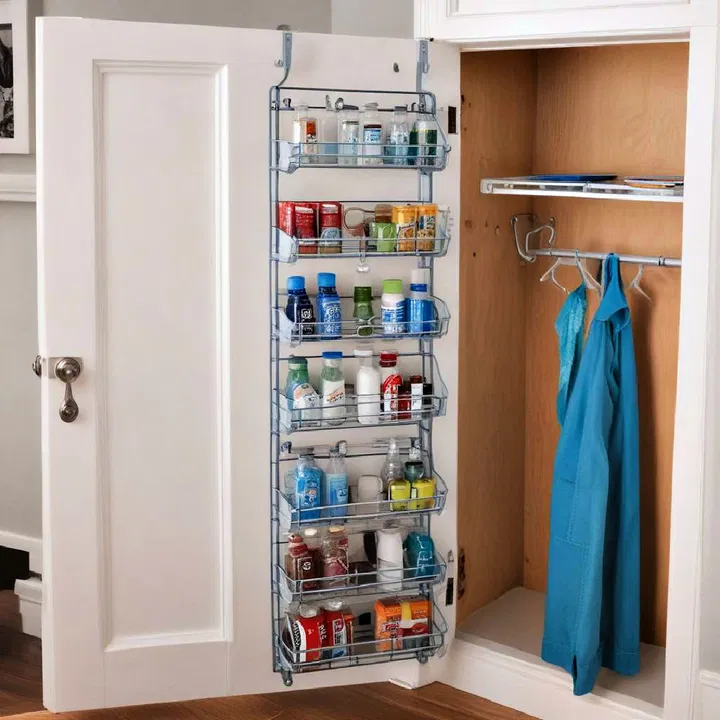
    Use vertical storage strategically: Over-door organizers, high shelves for infrequently used items, and pegboard walls in entryways or kitchens create function without sacrificing floor area. In closets, we add double hanging rods and slim shelving for shoes to maximize capacity.

    Styling as a storage tactic: We make storage part of the decor, stacked woven baskets, curated book spines, and neatly folded textiles become visual features. Labels and uniform containers reduce visual clutter and help maintain the system. The psychological benefit is important: if storage is attractive, we’re likelier to use it correctly.

    Lighting, Layout, And Zoning For Flow And Function

    Lighting and layout are the connective tissue of small space decorating. Good lighting opens a room: poor lighting flattens it. Similarly, a thoughtful layout and clear zoning let us live large in a small footprint.

    Layered lighting: We always use a three-layer approach, ambient, task, and accent. Ambient light comes from overhead fixtures or well-placed floor lamps. Task lighting focuses on work areas: an adjustable desk lamp or directional pendant over the kitchen counter. Accent lighting, picture lights, LED strips behind shelving, or a small uplight, adds mood and highlights focal points. Dimmers are essential in small spaces: they allow us to change the room’s perceived size and mood instantly.

    Maximizing natural light: Keep window treatments minimal. Sheer curtains, top-mounted blinds, or no obstructions at all preserve daylight. Positioning mirrors opposite windows or on adjacent walls multiplies incoming light. When natural light is limited, increase ambient layers with warm yet bright LEDs (2700–3000K) to create an inviting, sunlit effect.

    Layout principles for flow: We arrange furniture to support primary movement paths rather than pushing everything to the perimeter. Anchoring seating around a focal point, window, fireplace, or TV, creates purpose. Avoid blocking the line from the entryway to major zones: even a small foyer rug and a slim console can define an entry without crowding.

    Zoning in open plans: Area rugs, lighting, and furniture orientation separate functions in studio or open-plan layouts. Instead of full-height dividers, we use low shelving, open bookcases, or glass partitions to delineate zones while maintaining sightlines. Channeling circulation along one side of the room keeps the central area free for flexible use.

    Acoustics and comfort: Hard surfaces amplify noise in compact spaces. Rugs, upholstered panels, and curtains help dampen sound. We incorporate soft textiles not only for comfort but to create an intimate, pleasant acoustic environment that feels larger because it’s more comfortable to inhabit.

    Technology and wiring: Concealed wiring and smart plug solutions prevent cords from becoming visual clutter. Wall-mounted TVs at ergonomic heights and integrated charging stations in consoles reduce countertop chaos. Smart lighting scenes controlled by voice or app simplify changing the mood and function of a room on the fly.

    Finally, test the layout before committing: use painter’s tape to outline furniture footprints or place boxes where large pieces will go. Living with the taped outline for a weekend often reveals obstacles we’d miss on paper.

    Conclusion

    Small space decorating in 2026 is less about fitting everything in and more about designing what truly matters. By applying core principles, clarity of purpose, visual continuity, and intentional editing, paired with smart furniture, layered materials, integrated storage, and purposeful lighting, we create compact homes that feel open, comfortable, and personal.

    Start small: pick one zone to optimize this weekend, swap a bulky table for a modular alternative, add a mirror opposite a window, or declutter and add a couple of baskets. These focused changes compound quickly. When we approach our small spaces with strategy and restraint, the result is not just functional, it’s stylish, livable, and unmistakably ours.

  • Small Bedroom Fixes: 15 Clever Design Tricks To Make Any Tiny Room Feel Bigger In 2026

    When a bedroom feels cramped, it affects sleep, mood, and how we use the rest of the home. We’ve learned that making a small bedroom feel larger isn’t about knocking down walls, it’s about how we design, edit, and light the space so our eyes perceive more room. This guide compiles 15 practical, contemporary tricks that work together: color, furniture choices, storage, lighting, mirrors, flooring, and daily habits. Each tactic is actionable, budget-aware, and suited to modern 2026 aesthetics, whether you’re renting, staging for resale, or finally tackling a long-postponed makeover. Read on and pick the three changes we can carry out this weekend to start seeing immediate visual gain.

    Why Visual Space Matters: Function, Comfort, And Resale Value

    Perceived space, what our eyes tell our brains, is arguably more important than square footage. When a bedroom looks open, it changes how we use the room: we sleep better, we can add a workspace or reading nook, and guests feel welcome. For homeowners, visual space impacts resale. Listings that photograph as airy and uncluttered consistently attract more views and higher offers. From an emotional standpoint, cramped bedrooms elevate stress and inhibit restful routines. Practically, small but smart design choices allow us to fit essentials without creating visual noise. That means prioritizing multifunctional furniture, streamlining patterns and colors, and preserving clear sightlines. We’ll cover solutions that increase perceived roominess without costly renovations, strategies that realtors, designers, and rental-minded owners can carry out quickly. The aim isn’t deception: it’s making the most of what we have so the room supports sleep, storage, and style. Throughout this piece we’ll balance aesthetics with function, offering tricks that look intentional rather than “small-space afterthoughts.”

    Use A Light, Cohesive Color Palette To Open The Room

    Color is the single most efficient visual trick to enlarge a room. Light, cohesive palettes reflect more light and blur boundaries between floor, walls, and ceiling, so walls seem to recede and ceilings feel higher. We recommend starting with a dominant neutral (soft white, warm cream, pale greige) and introducing one or two muted accent tones in linens or art. Keep contrast low to moderate: high-contrast stripes or dark feature walls close space: subtle tonal contrasts expand it. For a modern 2026 update, try warm off-whites paired with a single desaturated color, sage, dusty blue, or blush, used sparingly. Maintain consistent trim and door colors instead of painting them dark: uniformity lengthens sightlines. If you crave pattern, choose large-scale, low-contrast patterns rather than busy small prints. Finally, test paint colors in the room at different times of day: natural and artificial light change how a shade reads, and the wrong “light” color can appear dingy. With a cohesive palette, our furnishings read as part of one continuous environment rather than competing visual elements.

    Furniture Strategy: Create Flow Without Clutter

    Furniture dictates how our eyes travel through a room. In small bedrooms, the wrong pieces or placement kill flow and make the space feel congested. We should prioritize a calm arrangement that preserves walking paths and visual breathing room. Start by measuring the room and the bed: a queen in a very narrow room may feel overpowering, consider a full-size bed or a low-profile platform instead. Keep larger pieces against walls to open central floor space, and avoid floating too many items in the middle. Choose furniture with exposed legs or slender frames to increase the sense of openness: solid, blocky silhouettes sit visually heavy. Finally, create purposeful negative space: an intentionally empty corner or a clear pathway near the door gives the eye room to rest, which contributes disproportionately to perceived spaciousness.

    Multi-Functional Pieces That Save Space And Look Intentional

    We can dramatically reduce clutter by choosing furniture that earns its place. Think storage beds with drawers, headboards with built-in shelving, or nightstands that double as slim desks. Wall-mounted fold-down desks and Murphy beds are more refined than they used to be, many modern options are streamlined and look built-in rather than mechanical. Bench storage at the foot of the bed provides seating and hides bulky items. Look for ottomans with removable tops, nesting tables, and slender chests that can function as nightstands and dressers. When selecting multi-use pieces, favor consistent materials and finishes to avoid a mismatched, ad-hoc feel. The key is to design solutions that read like intentional furniture choices, not last-minute hacks.

    Scale And Placement: How To Choose And Position Furniture For Maximum Visual Space

    Scale matters. Oversized headboards, thick mattresses, and deep armchairs shrink visual space. We recommend a low-profile headboard and a shallower mattress depth (but not at the expense of comfort). Place the bed so the longer side faces into the room rather than the foot, this reduces the sensation of a barrier at the doorway. Keep nightstands small and avoid blocking windows with tall dressers. If we must include a dresser, place it opposite the bed to create balance and reflective sightlines. Floating shelves are preferable to bulky bookcases because they preserve wall continuity. As we reposition, we should walk the path ourselves to ensure movement feels natural: if our route requires sidestepping furniture, it’s a sign we need to scale down or relocate pieces.

    Smart Storage Solutions That Hide Stuff And Free Visual Real Estate

    Visible clutter is one of the fastest ways to make a room look small. Storage that hides belongings while staying accessible improves both function and perception. Under-bed storage is the most underused asset: shallow rolling bins hold out-of-season clothes, while deeper drawers store bulky bedding. Built-in wardrobes with flush doors create a monolithic wall that reads as architecture rather than furniture. For renters, sleek armoires or tall narrow dressers provide vertical storage with a small footprint. Use uniform baskets or bins inside open shelving to avoid visual chaos. Another trick: move the laundry basket out of view, placing it inside a closet or a storage bench maintains calm. We also recommend a dedicated drop zone, one slim tray or shallow wall hook near the door, so small items don’t accumulate on surfaces. When storage looks organized and consistent, the room breathes.

    Layered Lighting, Mirrors, And Reflective Surfaces To Expand Depth

    Lighting and reflection manipulate depth more convincingly than expensive renovations. Layered lighting, ambient, task, and accent, adds dimension. Overhead fixtures should be soft and diffuse: combine them with bedside sconces or pendant lights to free up nightstand surface area. Task lighting for reading or dressing keeps activity zones defined. Mirrors are essential: a full-length mirror placed opposite a window or behind a light source doubles perceived depth by bouncing light and sightlines. Consider mirrored closet doors for a large visual punch, or a strategically hung horizontal mirror above the headboard to widen the room. Reflective surfaces don’t have to be full mirrors: glossy lacquered furniture, a polished metal lamp, or even a subtle metallic wallpaper on one wall can increase brightness and perceived space. Use mirrors thoughtfully, avoid placing them where they simply reflect clutter. The goal is depth and light, not visual repetition of mess.

    Flooring, Rugs, And Visual Lines That Extend The Room

    The floor is an underappreciated tool for elongating a bedroom. Continuous flooring throughout the apartment or from the hallway into the bedroom creates flow and seamless transition, making the room feel like part of a larger whole. Choose long planks or narrow tiles laid lengthwise with the longest dimension of the room, the resultant lines guide the eye outward. Rugs should be large enough so at least the front two-thirds of the bed sit on them: a tiny rug isolates the bed and fragments the visual field. If using multiple rugs, keep textures and tones similar to avoid a patchwork effect. For renters, a single neutral rug and consistent flooring tones in visible adjoining spaces will yield the best optical expansion. We also recommend minimizing abrupt thresholds, raised door sills or mismatched flooring breaks create perceived boundaries that shrink space.

    Edit, Declutter, And Maintain Clear Sightlines Daily

    Design tricks work best when paired with simple daily habits. We advocate a five-minute nightly reset: clear surfaces, fold or hang clothes, stash anything left out in designated bins. A nightly ritual resets our visual field and prevents cumulative clutter. We should be ruthless about what stays on display, limit surfaces to a lamp, one framed photo, and perhaps a plant. Keep windows unobstructed: curtains that pool or heavy drapery block light and shrink the room. For artwork, one large, well-placed piece creates a stronger sense of scale than multiple small frames. Maintain sightlines by avoiding stacks of items in corners or on window sills: if we can see from one side of the room to the other without interruption, the space will feel larger. Finally, schedule quarterly purges: clothing that hasn’t been worn, accessories we don’t use, and décor that doesn’t contribute to function should go. Small, consistent housekeeping beats occasional deep cleans for preserving perceived space.

    Conclusion

    Small bedroom fixes compound. When we pair a light, cohesive palette with scaled furniture, smart hidden storage, layered lighting, and disciplined editing, the room reads larger even without structural changes. Start with two visible wins, a lighter paint and a large mirror, and layer in functional pieces like a storage bed or wall-mounted lights. These choices deliver immediate visual payoff and long-term comfort, increasing both daily satisfaction and market appeal. Remember: perceived space is as much about restraint as it is about design savvy. With a few intentional swaps and simple habits, any tiny bedroom can feel open, restful, and distinctly ours.

  • Space-Saving Decor Ideas: Stylish Tricks To Reduce Visual Clutter In Every Room (2026 Guide)

    Small spaces don’t have to look cramped. In fact, with the right space-saving decor ideas we can make tiny rooms feel calm, functional, and intentionally styled, not like a storage unit. This 2026 guide focuses on practical, stylish tricks that reduce visual clutter while keeping living areas usable and inviting. We’ll explain why visual clutter makes small rooms feel worse, outline core design principles, and give hands-on solutions: multifunctional furniture, vertical storage strategies, decorative containers, and smart use of color and lighting. Read on and you’ll come away with actionable ideas you can apply today, whether you’re in a studio, a narrow hallway, or a family home with tight corners.

    Why Visual Clutter Hurts Small Spaces — And How Better Design Helps

    Visual clutter is more than an aesthetic gripe: it changes how we perceive space and how we feel inside it. When surfaces are piled, walls are busy, and items are uncontained, our brains register chaos. That adds stress and makes rooms feel smaller than they are. In small apartments and modest rooms, every object competes for attention: a mismatched stack of books, cords, random décor, and overflowing furniture can fragment sightlines and make circulation feel awkward.

    Better design reduces competing elements and creates intentional focal points. Instead of trying to cram storage solutions everywhere, we prioritize a few tidy zones: a clear pathway, one accent wall, and designated storage that hides what we don’t need every day. This is where space-saving decor ideas earn their keep, they combine function with restraint. For example, selecting furniture with hidden storage or choosing consistent containers means fewer visual interruptions. The result is a space that reads as larger, calmer, and more thoughtfully curated. We’ll show practical tactics that accomplish that balance without turning your home into a minimalist showroom you can’t actually live in.

    Core Principles Of Clutter-Minimizing Decor

    Before choosing pieces, we follow a set of core principles that guide every decision and keep clutter at bay.

    1. Edit ruthlessly: The single most effective move is removing what we don’t use. Less stuff equals fewer visual interruptions. We recommend a seasonal edit, quarterly quick passes to purge and rehome extras.
    2. Group and contain: Objects that belong together should live together. Grouping reduces the visual rhythm of small items and creates tidy islands of purpose: a reading nook, a coffee station, a kid’s play corner.
    3. Prioritize multifunction: When furniture doubles as storage or a surface becomes a sculptural container, we reduce the number of standalone items that crowd a room.
    4. Consistent visual language: Choose a limited palette of materials and finishes. When baskets, trays, and furniture share tones or textures, the eye reads them as a cohesive system rather than competing pieces.
    5. Maintain sightlines and negative space: Leave breathing room around furniture and artwork. Negative space helps the eye rest and makes key pieces feel intentional instead of crowded.

    These principles inform the tactical ideas we cover next, each recommendation is meant to be combined rather than applied in isolation.

    Choose Multifunctional Furniture That Hides And Serves

    Multifunctional furniture is the backbone of most space-saving decor ideas. The right piece gives us storage without adding visual weight.

    Start with beds: lift-up platform storage or beds with built-in drawers reclaim under-bed volume that often becomes wasted. Daybeds and sleeper sofas provide seating by day and guests’ beds by night. For living rooms, ottomans with internal storage or coffee tables with drawers keep remotes, throws, and magazines out of sight but within reach.
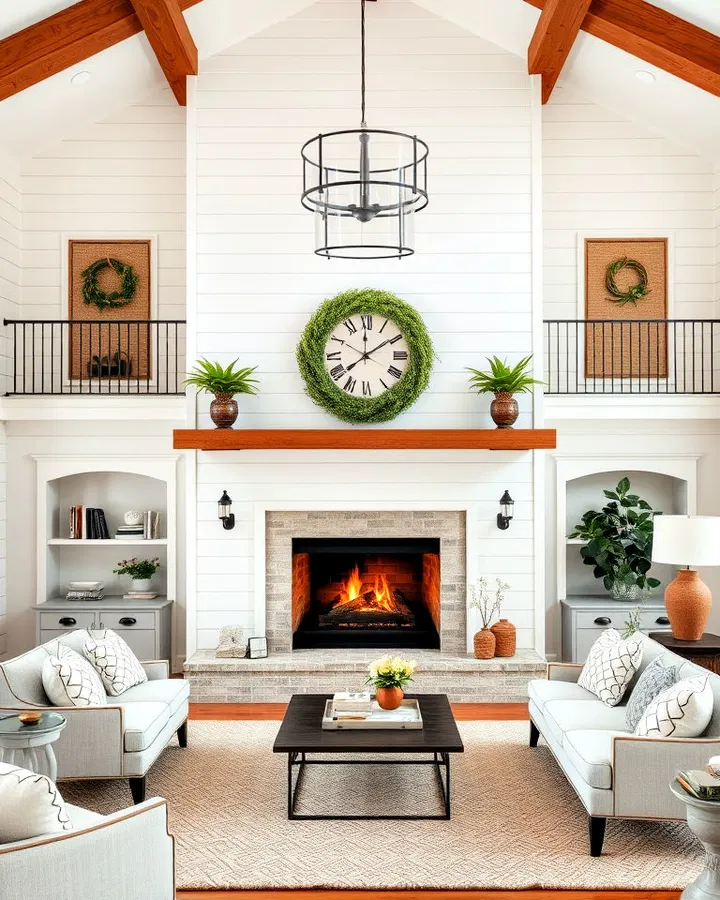
    Dining spaces benefit from extendable tables and benches with hidden compartments. In small kitchens, a cart on casters can store prep gear and tuck against a wall when not in use. Floating desks and wall-mounted fold-down tables create work zones that disappear visually when closed.

    When selecting multifunctional pieces, watch for two pitfalls: oversized silhouettes that overwhelm the room and visible clutter inside open storage. Choose streamlined profiles in lighter finishes for small spaces, and pair hidden storage with a disciplined approach to what we store. Functionality is vital, but the goal is to reduce the number of visible objects, not replace them with bulky furniture.

    Maximize Vertical Real Estate With Smart Wall Storage

    In tight rooms, the floor is precious, we reclaim it by building up. Vertical storage shifts storage load to walls, freeing circulation and expanding perceived space.

    The trick is layering: a mix of open shelves for display, closed cabinets for hidden items, and hooks or rails for everyday essentials. Done well, vertical systems become architectural features rather than afterthoughts.

    We recommend planning height zones: lower storage for heavier, frequently used items: mid-level for reachable display: and higher shelves for seasonal or infrequent belongings. Use a step stool that tucks away to maintain access without cluttering the floor. Paint higher shelving the same color as the wall to visually push it back: contrast for lower shelves to create intentional focal points.

    Vertical storage also helps define zones in open-plan spaces. A tall bookcase with backboard can act as a divider that contains items on both sides while keeping the floor largely open. Next we’ll get specific about shelf types and overhead options that work best.

    Decorative Storage That Doubles As Art

    Storage doesn’t have to be hidden to reduce visual clutter, it can be beautiful and purposeful. Decorative storage items act like functional art, giving us contained utility while contributing to a curated aesthetic.

    Baskets woven in natural tones add warmth and texture, and grouped in sets they look intentional. Trunks serve as coffee tables and hold blankets: choose one with a low profile so it reads as furniture rather than a pile. Stylish bins and lidded boxes in matching colors unify odd-sized items and keep surfaces visually calm.

    We can also display select items in deliberate ways: a row of matching glass jars for pantry staples, or a neatly arranged stack of suitcases at the foot of a bed for a travel-inspired vignette. When we display storage, the rule is consistency, common material, color, or scale ties the composition together and prevents it from appearing chaotic.

    Decorative storage becomes especially powerful in entryways and open shelving, where it transforms necessary containment into part of the room’s design language.

    Use Color, Pattern, And Lighting To Minimize Visual Noise

    Color, pattern, and lighting are powerful tools for reducing visual clutter without removing items. A limited color palette ties a room together and reduces the number of competing focal points. We suggest choosing two dominant neutrals and one accent color: repeat them across textiles, containers, and furniture.

    Patterns should be scaled and used sparingly. In a small room, large-scale patterns can make surfaces feel busy: instead, opt for subtle textures or one patterned element like a rug or throw. Patterns that echo the room’s color palette feel cohesive rather than chaotic.

    Lighting changes perception: well-placed lights create depth and highlight key zones. Layer ambient light with task and accent lighting, a narrow floor lamp near a reading chair, under-cabinet LEDs in the kitchen, or picture lights to draw attention to a single art piece. Good lighting reduces reliance on multiple small lamps or decorative items that contribute to clutter.

    Finally, paint storage interiors the same color as their doors to disguise them when closed. When we control color and light carefully, the room feels intentionally edited instead of overwhelmed.

    Right-Size Furniture Placement, Scale, And Negative Space

    Proper placement and scale turn good pieces into great layouts. A too-large sofa or an awkwardly placed side table can break circulation and create visual crowding. We prioritize appropriately scaled furniture and deliberate spacing to preserve negative space, the unoccupied areas that let the room breathe.

    Start by measuring. Know the dimensions of your room and furniture before buying or rearranging. Leave at least 24–30 inches of clear pathway in high-traffic routes: in very tight zones, aim for a minimum of 18 inches but compensate by simplifying surrounding elements.

    Orientation matters: floating a sofa away from the wall can create an open, conversational layout, while anchoring a rug under key pieces helps define zones without extra furnishings. Use low-profile furniture to maintain sightlines: legs that expose floor beneath pieces give the impression of more space than solid bases.

    We also recommend single-purpose focal points: a statement mirror can reflect light and amplify perceived size, while a single oversized artwork creates drama without visual clutter. Resist the urge to fill every wall, negative space is an intentional design choice. In practice, right-sizing is about restraint and clarity: choose fewer, better things and position them to honor movement, light, and sightlines.

    Conclusion, Quick Takeaways and Next Steps

    We’ve covered a toolkit of space-saving decor ideas that reduce visual clutter while keeping spaces warm and functional. To start: edit belongings, invest in multifunctional pieces, build upward with vertical storage, and use decorative containers that unify rather than scatter. Pay attention to color, scale, and lighting, those subtle moves deliver big perceptual gains. Try one change this weekend: swap a messy coffee table for a storage ottoman or add a row of hooks in your entry. Small, consistent edits compound quickly, and before long, your place will feel calmer, larger, and more intentionally yours.

  • 14-Day High Fiber + High Protein Meal Plan (With Full Recipes)

    A two-week meal plan is an ideal starting point for anyone looking to build healthier eating habits without the overwhelm of a month-long commitment. Fourteen days is long enough to establish a routine, experience the benefits of consistent high-protein and high-fiber eating, and develop familiarity with a core set of nutritious recipes. It is short enough to feel manageable and achievable.

    This 14-day plan is built around meals that deliver at least 20 grams of protein and 5 grams of fiber per serving. The recipes are diverse, practical, and genuinely delicious — designed to make healthy eating something you look forward to rather than endure. Every recipe used in the plan is included in full at the end of this article.


    How to Use This Plan

    Each day includes breakfast, lunch, and dinner. The plan is designed for one person; multiply ingredient quantities for families. Snacks can be added from the separate snack recipe collection to meet individual calorie needs.

    Daily Nutritional Targets:

    • Protein: 100–130g per day
    • Fiber: 28–40g per day
    • Calories: approximately 1,600–2,000 (adjust portions as needed)

    Weekly Meal Prep Checklist:

    • Cook a large batch of quinoa, brown rice, or farro (covers 4–5 meals)
    • Hard-boil 6 eggs for the week
    • Roast a sheet pan of mixed vegetables
    • Prepare one batch of overnight oats or chia pudding
    • Cook a pot of lentils or beans

    The 14-Day Plan

    Day 1 — Monday

    MealRecipe
    BreakfastGreek Yogurt Power Bowl with Berries and Hemp Seeds
    LunchChicken and Avocado Grain Bowl
    DinnerHoney Garlic Salmon with Roasted Asparagus and Quinoa

    Daily Totals: ~125g protein, ~32g fiber


    Day 2 — Tuesday

    MealRecipe
    BreakfastOvernight Oats with Chia Seeds and Almond Butter
    LunchTuna and Chickpea Salad
    DinnerChicken and Lentil Stew with Kale

    Daily Totals: ~118g protein, ~36g fiber


    Day 3 — Wednesday

    MealRecipe
    BreakfastSpinach and Feta Egg White Omelette
    LunchLentil and Roasted Vegetable Wrap
    DinnerShrimp and Vegetable Curry with Brown Rice

    Daily Totals: ~116g protein, ~34g fiber


    Day 4 — Thursday

    MealRecipe
    BreakfastBanana Protein Pancakes
    LunchTurkey and Quinoa Soup
    DinnerLemon Herb Baked Chicken with White Beans and Spinach

    Daily Totals: ~128g protein, ~34g fiber


    Day 5 — Friday

    MealRecipe
    BreakfastSmoked Turkey and Avocado Breakfast Wrap
    LunchSalmon and Brown Rice Power Bowl
    DinnerBeef and Broccoli with Brown Rice

    Daily Totals: ~132g protein, ~30g fiber


    Day 6 — Saturday

    MealRecipe
    BreakfastShakshuka with Whole Grain Bread
    LunchChickpea and Spinach Stew
    DinnerBaked Halibut with Lentil Salad

    Daily Totals: ~112g protein, ~36g fiber


    Day 7 — Sunday

    MealRecipe
    BreakfastSteel-Cut Oats with Walnuts and Blueberries
    LunchShrimp and Quinoa Salad
    DinnerChicken Fajita Bowl with Black Beans

    Daily Totals: ~122g protein, ~32g fiber


    Day 8 — Monday

    MealRecipe
    BreakfastPea Protein Smoothie Bowl
    LunchBlack Bean and Corn Quesadilla
    DinnerCod and Vegetable Bake with Chickpeas

    Daily Totals: ~116g protein, ~38g fiber


    Day 9 — Tuesday

    MealRecipe
    BreakfastSavory Egg and Lentil Bowl
    LunchTofu and Kale Caesar Salad
    DinnerTurkey and Vegetable Meatloaf with Roasted Green Beans

    Daily Totals: ~118g protein, ~30g fiber


    Day 10 — Wednesday

    MealRecipe
    BreakfastHigh-Protein French Toast
    LunchChicken and White Bean Soup
    DinnerTempeh and Vegetable Stir-Fry with Peanut Sauce

    Daily Totals: ~112g protein, ~34g fiber


    Day 11 — Thursday

    MealRecipe
    BreakfastQuinoa Porridge with Almond Milk and Berries
    LunchEgg and Vegetable Fried Rice
    DinnerChicken and Mushroom Barley Risotto

    Daily Totals: ~118g protein, ~30g fiber


    Day 12 — Friday

    MealRecipe
    BreakfastLox and Cream Cheese Whole Wheat Bagel
    LunchSmoked Salmon and Avocado Salad
    DinnerBaked Trout with Lemon, Dill, and Roasted Vegetables

    Daily Totals: ~116g protein, ~26g fiber


    Day 13 — Saturday

    MealRecipe
    BreakfastEgg and Veggie Breakfast Casserole
    LunchHarissa Chicken and Lentil Bowl
    DinnerBlack Bean and Quinoa Chili

    Daily Totals: ~114g protein, ~38g fiber


    Day 14 — Sunday

    MealRecipe
    BreakfastMango and Coconut Protein Overnight Oats
    LunchQuinoa and Roasted Vegetable Salad
    DinnerLemon Garlic Chicken with Roasted Fennel and White Beans

    Daily Totals: ~118g protein, ~34g fiber


    Complete Recipe Index

    The following section contains the full recipe for every meal used in this 14-day plan.


    Recipe 1: Greek Yogurt Power Bowl with Berries and Hemp Seeds

    Nutritional Highlights: ~22g protein, ~6g fiber per serving

    Ingredients:

    • 1 cup plain nonfat Greek yogurt
    • 1/2 cup mixed berries (blueberries, raspberries, strawberries)
    • 1 tbsp hemp seeds
    • 1 tbsp ground flaxseed
    • 1/4 cup high-protein granola
    • 1 tsp honey
    • 1/4 tsp cinnamon

    Instructions:

    1. Spoon Greek yogurt into a bowl.
    2. Top with mixed berries and granola.
    3. Sprinkle with hemp seeds, flaxseed, and cinnamon.
    4. Drizzle with honey.
    5. Serve immediately.

    Recipe 2: Chicken and Avocado Grain Bowl

    Nutritional Highlights: ~44g protein, ~10g fiber per serving

    Ingredients:

    • 5 oz grilled chicken breast, sliced
    • 1/2 cup cooked farro
    • 1/2 avocado, diced
    • 1/2 cup roasted sweet potato
    • 1/4 cup cherry tomatoes
    • 2 tbsp lemon-tahini dressing
    • Fresh herbs to taste

    Instructions:

    1. Grill chicken breast and slice.
    2. Roast sweet potato at 400°F for 25 minutes.
    3. In a bowl, layer farro as the base.
    4. Arrange chicken, avocado, sweet potato, and cherry tomatoes on top.
    5. Drizzle with lemon-tahini dressing.
    6. Garnish with fresh herbs and serve.

    Recipe 3: Honey Garlic Salmon with Roasted Asparagus and Quinoa

    Nutritional Highlights: ~42g protein, ~8g fiber per serving

    Ingredients:

    • 6 oz salmon fillet
    • 1/2 cup cooked quinoa
    • 1 bunch asparagus, trimmed
    • 2 tbsp honey
    • 2 cloves garlic, minced
    • 1 tbsp low-sodium soy sauce
    • 1 tbsp olive oil
    • Salt and pepper to taste

    Instructions:

    1. Preheat oven to 400°F (200°C).
    2. Mix honey, garlic, and soy sauce. Brush over salmon.
    3. Toss asparagus with olive oil, salt, and pepper.
    4. Place salmon and asparagus on a baking sheet.
    5. Bake for 12–15 minutes until salmon is cooked through.
    6. Serve over quinoa.

    Recipe 4: Overnight Oats with Chia Seeds and Almond Butter

    Nutritional Highlights: ~20g protein, ~10g fiber per serving

    Ingredients:

    • 1/2 cup rolled oats
    • 1 cup unsweetened almond milk
    • 1 tbsp chia seeds
    • 1 tbsp almond butter
    • 1 tsp honey
    • 1/2 tsp cinnamon
    • 1/4 tsp vanilla extract
    • Toppings: fresh fruit, sliced almonds

    Instructions:

    1. Combine oats, almond milk, chia seeds, honey, cinnamon, and vanilla in a jar.
    2. Stir well, seal, and refrigerate overnight.
    3. In the morning, stir in almond butter.
    4. Top with fresh fruit and sliced almonds.
    5. Serve cold or at room temperature.

    Recipe 5: Tuna and Chickpea Salad

    Nutritional Highlights: ~36g protein, ~12g fiber per serving

    Ingredients:

    • 1 can (5 oz) tuna in water, drained
    • 1/2 cup canned chickpeas, rinsed
    • 2 cups mixed greens
    • 1/4 cup diced cucumber
    • 1/4 cup cherry tomatoes
    • 2 tbsp olive oil
    • 1 tbsp red wine vinegar
    • 1 tsp Dijon mustard
    • Salt and pepper to taste

    Instructions:

    1. Combine tuna and chickpeas in a bowl.
    2. Add mixed greens, cucumber, and cherry tomatoes.
    3. Whisk together olive oil, red wine vinegar, and Dijon mustard.
    4. Drizzle dressing over the salad and toss.
    5. Season with salt and pepper and serve.

    Recipe 6: Chicken and Lentil Stew with Kale

    Nutritional Highlights: ~44g protein, ~16g fiber per serving

    Ingredients:

    • 5 oz chicken breast, diced
    • 1/2 cup dry green lentils, rinsed
    • 2 cups chopped kale
    • 1 medium onion, diced
    • 3 cloves garlic, minced
    • 1 can (14 oz) diced tomatoes
    • 3 cups low-sodium chicken broth
    • 1 tsp cumin
    • 1 tsp smoked paprika
    • 1 tbsp olive oil
    • Salt and pepper to taste

    Instructions:

    1. Heat olive oil in a large pot. Sauté onion for 4 minutes.
    2. Add garlic, cumin, and paprika; cook for 1 minute.
    3. Add chicken and cook for 3–4 minutes.
    4. Add lentils, tomatoes, and broth. Bring to a boil.
    5. Simmer for 30 minutes until lentils are tender.
    6. Add kale and cook for 5 more minutes.
    7. Season with salt and pepper and serve.

    Recipe 7: Spinach and Feta Egg White Omelette

    Nutritional Highlights: ~26g protein, ~4g fiber per serving

    Ingredients:

    • 5 large egg whites
    • 1 whole egg
    • 1/2 cup fresh spinach
    • 2 tbsp crumbled feta
    • 1/4 cup diced tomato
    • 1/4 cup diced red onion
    • 1 tsp olive oil
    • Salt, pepper, and oregano to taste

    Instructions:

    1. Whisk egg whites and whole egg with salt, pepper, and oregano.
    2. Heat olive oil in a nonstick skillet over medium heat.
    3. Sauté onion for 2 minutes, then add spinach and cook until wilted.
    4. Pour egg mixture over vegetables. Cook for 2 minutes undisturbed.
    5. Add feta and tomato. Fold omelette in half.
    6. Slide onto a plate and serve immediately.

    Recipe 8: Lentil and Roasted Vegetable Wrap

    Nutritional Highlights: ~22g protein, ~14g fiber per serving

    Ingredients:

    • 1/2 cup cooked green lentils
    • 1 whole wheat tortilla
    • 1/2 cup roasted vegetables (zucchini, bell pepper, onion)
    • 2 tbsp hummus
    • 1/4 cup baby spinach
    • 1 tbsp lemon juice
    • Salt, pepper, and cumin to taste

    Instructions:

    1. Roast vegetables with olive oil, salt, and pepper at 400°F for 20 minutes.
    2. Warm tortilla in a dry skillet.
    3. Spread hummus over the tortilla.
    4. Layer lentils, roasted vegetables, and spinach.
    5. Drizzle with lemon juice and season with cumin.
    6. Roll tightly and serve.

    Recipe 9: Shrimp and Vegetable Curry with Brown Rice

    Nutritional Highlights: ~32g protein, ~8g fiber per serving

    Ingredients:

    • 5 oz large shrimp, peeled and deveined
    • 1/2 cup cooked brown rice
    • 1 cup mixed vegetables (broccoli, bell pepper, snap peas)
    • 1 can (14 oz) light coconut milk
    • 1 tbsp red curry paste
    • 1 clove garlic, minced
    • 1 tsp fresh ginger
    • 1 tbsp fish sauce
    • 1 tsp lime juice
    • Fresh cilantro and lime for serving

    Instructions:

    1. Heat a wok over medium-high heat. Add curry paste and cook for 1 minute.
    2. Add garlic and ginger; cook for 30 seconds.
    3. Add vegetables and stir-fry for 3 minutes.
    4. Add coconut milk and fish sauce. Bring to a simmer.
    5. Add shrimp and cook for 3–4 minutes until pink.
    6. Stir in lime juice.
    7. Serve over brown rice with cilantro.

    Recipe 10: Banana Protein Pancakes

    Nutritional Highlights: ~28g protein, ~5g fiber per serving

    Ingredients:

    • 1 ripe banana, mashed
    • 2 large eggs
    • 1/4 cup oat flour
    • 1 scoop vanilla protein powder
    • 1/4 tsp cinnamon
    • 1/4 tsp baking powder
    • Pinch of salt
    • Toppings: Greek yogurt, fresh berries

    Instructions:

    1. Mash banana thoroughly in a bowl.
    2. Whisk in eggs until combined.
    3. Add oat flour, protein powder, cinnamon, baking powder, and salt. Mix well.
    4. Heat a nonstick skillet over medium heat. Lightly grease.
    5. Pour 1/4 cup batter per pancake. Cook 2–3 minutes per side.
    6. Serve topped with Greek yogurt and fresh berries.

    Recipe 11: Turkey and Quinoa Soup

    Nutritional Highlights: ~38g protein, ~8g fiber per serving

    Ingredients:

    • 4 oz lean ground turkey
    • 1/4 cup dry quinoa
    • 1 medium carrot, diced
    • 2 stalks celery, diced
    • 1 small onion, diced
    • 2 cloves garlic, minced
    • 4 cups low-sodium chicken broth
    • 1 tsp thyme
    • 1 tbsp olive oil
    • Salt and pepper to taste

    Instructions:

    1. Heat olive oil in a pot. Brown ground turkey for 4–5 minutes.
    2. Add onion, carrot, and celery. Cook for 4 minutes.
    3. Add garlic and thyme; cook for 1 minute.
    4. Add quinoa and broth. Bring to a boil.
    5. Simmer for 20 minutes until quinoa is cooked.
    6. Season with salt and pepper and serve.

    Recipe 12: Lemon Herb Baked Chicken with White Beans and Spinach

    Nutritional Highlights: ~48g protein, ~12g fiber per serving

    Ingredients:

    • 6 oz chicken breast
    • 1 cup canned white beans, rinsed
    • 2 cups fresh spinach
    • 2 cloves garlic, minced
    • 2 tbsp lemon juice
    • 1 tbsp olive oil
    • 1 tsp fresh thyme
    • 1 tsp fresh rosemary
    • Salt and pepper to taste

    Instructions:

    1. Preheat oven to 400°F (200°C).
    2. Season chicken with lemon juice, thyme, rosemary, salt, and pepper.
    3. Place chicken in a baking dish and bake for 22–25 minutes.
    4. Meanwhile, heat olive oil in a skillet. Sauté garlic for 1 minute.
    5. Add white beans and cook for 2 minutes. Add spinach and cook until wilted.
    6. Season with salt, pepper, and lemon juice.
    7. Serve chicken over the white bean and spinach mixture.

    Recipe 13: Smoked Turkey and Avocado Breakfast Wrap

    Nutritional Highlights: ~32g protein, ~8g fiber per serving

    Ingredients:

    • 3 oz smoked turkey breast
    • 1 whole wheat tortilla (10-inch)
    • 1/2 avocado, sliced
    • 2 large eggs, scrambled
    • 1/4 cup black beans, rinsed
    • 2 tbsp salsa
    • Salt and pepper to taste

    Instructions:

    1. Scramble eggs with salt and pepper in a nonstick skillet.
    2. Warm tortilla in a dry skillet.
    3. Layer turkey, eggs, black beans, avocado, and salsa down the center.
    4. Roll tightly and slice in half.
    5. Serve immediately.

    Recipe 14: Salmon and Brown Rice Power Bowl

    Nutritional Highlights: ~38g protein, ~7g fiber per serving

    Ingredients:

    • 5 oz baked salmon, flaked
    • 1/2 cup cooked brown rice
    • 1/2 cup steamed broccoli
    • 1/4 avocado, sliced
    • 1 tbsp low-sodium soy sauce
    • 1 tsp sesame oil
    • 1 tsp rice vinegar
    • Sesame seeds and green onions

    Instructions:

    1. Bake salmon at 400°F for 12–15 minutes. Flake.
    2. Steam broccoli for 4–5 minutes.
    3. In a bowl, layer brown rice as the base.
    4. Arrange salmon, broccoli, and avocado on top.
    5. Whisk together soy sauce, sesame oil, and rice vinegar. Drizzle over bowl.
    6. Garnish with sesame seeds and green onions.

    Recipe 15: Beef and Broccoli with Brown Rice

    Nutritional Highlights: ~38g protein, ~7g fiber per serving

    Ingredients:

    • 4 oz lean beef sirloin, thinly sliced
    • 2 cups broccoli florets
    • 1/2 cup cooked brown rice
    • 2 cloves garlic, minced
    • 1 tsp fresh ginger
    • 3 tbsp low-sodium soy sauce
    • 1 tbsp oyster sauce
    • 1 tsp sesame oil
    • 1 tsp cornstarch
    • 1 tbsp vegetable oil

    Instructions:

    1. Marinate beef in soy sauce, cornstarch, and a pinch of pepper for 10 minutes.
    2. Heat vegetable oil in a wok over high heat. Stir-fry beef for 2–3 minutes. Remove.
    3. Add broccoli and stir-fry for 3–4 minutes.
    4. Add garlic and ginger; cook for 1 minute.
    5. Return beef to wok. Add oyster sauce and sesame oil. Toss.
    6. Serve over brown rice.

    Recipe 16: Shakshuka with Whole Grain Bread

    Nutritional Highlights: ~22g protein, ~6g fiber per serving

    Ingredients:

    • 2 large eggs
    • 1 cup canned diced tomatoes
    • 1/4 cup diced bell pepper
    • 1/4 cup diced onion
    • 1 clove garlic, minced
    • 1/2 tsp cumin
    • 1/2 tsp smoked paprika
    • 1/4 tsp cayenne
    • 1 tbsp olive oil
    • Salt and pepper to taste
    • 2 slices whole grain bread

    Instructions:

    1. Heat olive oil in a skillet. Sauté onion and bell pepper for 3 minutes.
    2. Add garlic, cumin, paprika, and cayenne; cook for 1 minute.
    3. Add diced tomatoes. Simmer for 10 minutes until sauce thickens.
    4. Create 2 wells in the sauce. Crack an egg into each.
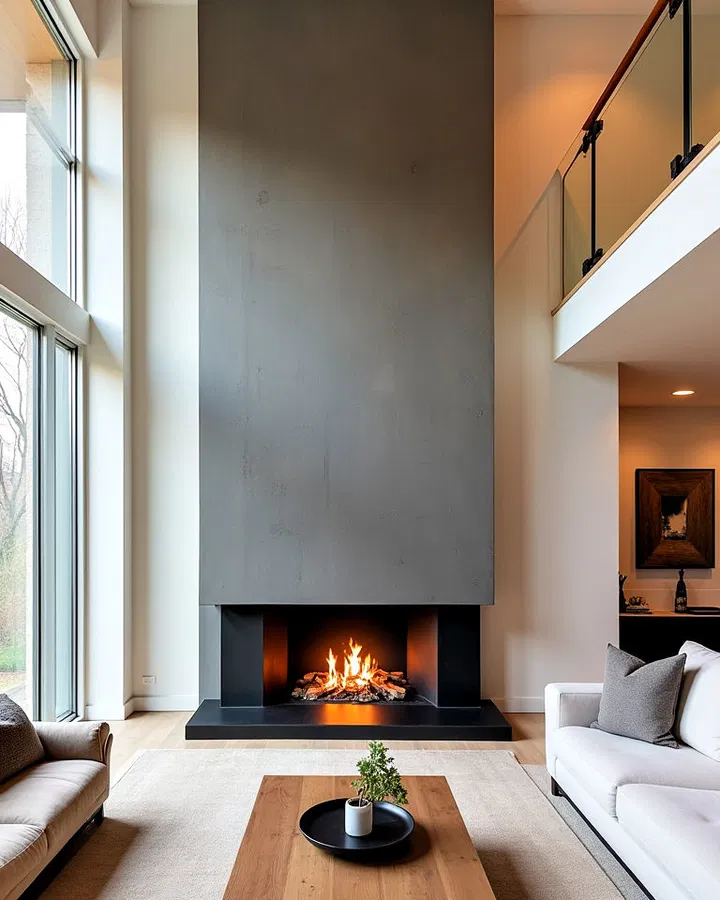
    5. Cover and cook for 4–5 minutes until whites are set.
    6. Season with salt and pepper. Serve with whole grain bread.

    Recipe 17: Chickpea and Spinach Stew

    Nutritional Highlights: ~20g protein, ~16g fiber per serving

    Ingredients:

    • 1 can (15 oz) chickpeas, rinsed
    • 2 cups fresh spinach
    • 1 can (14 oz) diced tomatoes
    • 1 medium onion, diced
    • 2 cloves garlic, minced
    • 1 tsp cumin
    • 1 tsp smoked paprika
    • 1 tbsp olive oil
    • Salt and pepper to taste
    • Whole grain bread for serving

    Instructions:

    1. Heat olive oil in a pot. Sauté onion for 4 minutes.
    2. Add garlic, cumin, and paprika; cook for 1 minute.
    3. Add chickpeas and diced tomatoes. Simmer for 20 minutes.
    4. Add spinach and cook for 2 minutes until wilted.
    5. Season with salt and pepper.
    6. Serve with whole grain bread.

    Recipe 18: Baked Halibut with Lentil Salad

    Nutritional Highlights: ~44g protein, ~12g fiber per serving

    Ingredients:

    • 6 oz halibut fillet
    • 1/2 cup cooked green lentils
    • 1/2 cup cherry tomatoes, halved
    • 1/4 cup diced cucumber
    • 2 tbsp olive oil
    • 1 tbsp lemon juice
    • 1 tsp Dijon mustard
    • Fresh herbs
    • Salt and pepper to taste

    Instructions:

    1. Preheat oven to 400°F (200°C). Season halibut with salt, pepper, and 1 tbsp olive oil.
    2. Bake for 12–15 minutes until fish flakes easily.
    3. Whisk together remaining olive oil, lemon juice, and Dijon mustard.
    4. Toss lentils, cherry tomatoes, and cucumber with the dressing.
    5. Serve halibut over the lentil salad with fresh herbs.

    Recipe 19: Steel-Cut Oats with Walnuts and Blueberries

    Nutritional Highlights: ~18g protein, ~9g fiber per serving

    Ingredients:

    • 1/2 cup steel-cut oats
    • 1.5 cups water
    • 1/2 cup almond milk
    • 2 tbsp chopped walnuts
    • 1/2 cup fresh blueberries
    • 1 tbsp ground flaxseed
    • 1 tsp honey
    • 1/4 tsp cinnamon
    • 1/4 cup plain Greek yogurt

    Instructions:

    1. Bring water and almond milk to a boil. Add oats, reduce heat, and simmer for 20–25 minutes.
    2. Stir in flaxseed and cinnamon during the last 5 minutes.
    3. Transfer to a bowl and top with Greek yogurt.
    4. Add walnuts and blueberries.
    5. Drizzle with honey and serve.

    Recipe 20: Shrimp and Quinoa Salad

    Nutritional Highlights: ~34g protein, ~7g fiber per serving

    Ingredients:

    • 5 oz cooked shrimp
    • 1/2 cup cooked quinoa
    • 1 cup arugula
    • 1/4 cup diced cucumber
    • 1/4 cup cherry tomatoes
    • 2 tbsp lemon juice
    • 1 tbsp olive oil
    • Salt, pepper, and fresh herbs

    Instructions:

    1. Combine quinoa, arugula, cucumber, and cherry tomatoes in a bowl.
    2. Add cooked shrimp.
    3. Whisk together lemon juice and olive oil.
    4. Drizzle dressing over the salad and toss.
    5. Season with salt, pepper, and fresh herbs.
    6. Serve immediately.

    Recipe 21: Chicken Fajita Bowl with Black Beans

    Nutritional Highlights: ~44g protein, ~14g fiber per serving

    Ingredients:

    • 5 oz chicken breast, sliced into strips
    • 1/2 cup black beans, rinsed
    • 1/2 cup cooked brown rice
    • 1/2 cup sliced bell peppers (mixed colors)
    • 1/4 cup sliced onion
    • 1 tsp fajita seasoning
    • 1 tbsp olive oil
    • 1/4 avocado, diced
    • 2 tbsp salsa
    • Lime juice and cilantro

    Instructions:

    1. Season chicken with fajita seasoning.
    2. Heat olive oil in a skillet. Cook chicken for 5–6 minutes until cooked through. Remove.
    3. In the same skillet, cook bell peppers and onion for 3–4 minutes.
    4. Warm black beans.
    5. In a bowl, layer brown rice, then beans, then chicken and vegetables.
    6. Top with avocado, salsa, lime juice, and cilantro.

    Recipe 22: Pea Protein Smoothie Bowl

    Nutritional Highlights: ~30g protein, ~8g fiber per serving

    Ingredients:

    • 1 scoop pea protein powder
    • 1 cup frozen peas
    • 1/2 frozen banana
    • 1/2 cup unsweetened almond milk
    • 1 tbsp almond butter
    • Toppings: granola, sliced kiwi, chia seeds, hemp seeds

    Instructions:

    1. Blend pea protein, frozen peas, banana, and almond milk until smooth and thick.
    2. Pour into a bowl.
    3. Top with granola, kiwi, chia seeds, and hemp seeds.
    4. Drizzle with almond butter.
    5. Serve immediately.

    Recipe 23: Black Bean and Corn Quesadilla

    Nutritional Highlights: ~24g protein, ~12g fiber per serving

    Ingredients:

    • 2 whole wheat tortillas (8-inch)
    • 1/2 cup black beans, rinsed
    • 1/4 cup corn kernels
    • 1/4 cup shredded low-fat cheddar
    • 1/4 cup diced tomato
    • 1/4 cup diced red onion
    • 1/2 tsp cumin
    • Salsa and Greek yogurt for serving

    Instructions:

    1. Mix black beans, corn, tomato, onion, and cumin.
    2. Place one tortilla in a skillet over medium heat.
    3. Spread bean mixture over half the tortilla. Top with cheese.
    4. Fold tortilla in half. Cook for 2–3 minutes per side until golden.
    5. Slice into wedges and serve with salsa and Greek yogurt.

    Recipe 24: Cod and Vegetable Bake with Chickpeas

    Nutritional Highlights: ~40g protein, ~14g fiber per serving

    Ingredients:

    • 6 oz cod fillet
    • 1/2 cup canned chickpeas, rinsed
    • 1 cup cherry tomatoes
    • 1/2 cup diced zucchini
    • 2 cloves garlic, minced
    • 2 tbsp olive oil
    • 1 tbsp lemon juice
    • 1 tsp Italian seasoning
    • Salt and pepper to taste
    • Fresh parsley

    Instructions:

    1. Preheat oven to 400°F (200°C).
    2. Toss chickpeas, cherry tomatoes, and zucchini with olive oil, garlic, Italian seasoning, salt, and pepper.
    3. Spread in a baking dish. Place cod on top.
    4. Drizzle cod with lemon juice and season with salt and pepper.
    5. Bake for 20–25 minutes until cod is cooked through and vegetables are tender.
    6. Garnish with fresh parsley and serve.

    Recipe 25: Savory Egg and Lentil Bowl

    Nutritional Highlights: ~28g protein, ~14g fiber per serving

    Ingredients:

    • 2 large eggs, fried
    • 1/2 cup cooked green lentils
    • 1/4 cup diced tomato
    • 1/4 cup diced cucumber
    • 1 tbsp olive oil
    • 1 tbsp lemon juice
    • 1/2 tsp za’atar
    • Salt and pepper to taste
    • Fresh parsley

    Instructions:

    1. Cook lentils if not already prepared.
    2. Fry eggs to your preference.
    3. In a bowl, combine lentils, tomato, and cucumber.
    4. Drizzle with olive oil and lemon juice. Season with za’atar, salt, and pepper.
    5. Top with fried eggs and fresh parsley.
    6. Serve immediately.

    Recipe 26: Tofu and Kale Caesar Salad

    Nutritional Highlights: ~22g protein, ~6g fiber per serving

    Ingredients:

    • 4 oz baked crispy tofu, cubed
    • 3 cups chopped kale
    • 1/4 cup whole grain croutons
    • 2 tbsp light Caesar dressing
    • 1 tbsp nutritional yeast
    • Lemon juice and black pepper to taste

    Instructions:

    1. Massage kale with a pinch of salt and lemon juice until softened.
    2. Add Caesar dressing and toss to coat.
    3. Top with crispy tofu and croutons.
    4. Sprinkle with nutritional yeast.
    5. Season with black pepper and serve.

    Recipe 27: Turkey and Vegetable Meatloaf with Roasted Green Beans

    Nutritional Highlights: ~38g protein, ~7g fiber per serving

    Ingredients:

    • 5 oz lean ground turkey
    • 1 large egg
    • 1/4 cup whole wheat breadcrumbs
    • 1/4 cup diced onion
    • 1/4 cup diced bell pepper
    • 1 clove garlic, minced
    • 1 tbsp Worcestershire sauce
    • 2 tbsp ketchup (for topping)
    • 2 cups green beans
    • 1 tbsp olive oil
    • Salt and pepper to taste

    Instructions:

    1. Preheat oven to 375°F (190°C).
    2. Combine turkey, egg, breadcrumbs, onion, bell pepper, garlic, Worcestershire, salt, and pepper.
    3. Form into a small loaf in a baking dish. Top with ketchup.
    4. Toss green beans with olive oil, salt, and pepper. Place around the meatloaf.
    5. Bake for 35–40 minutes until cooked through.
    6. Let rest for 5 minutes before slicing and serving.

    Recipe 28: High-Protein French Toast

    Nutritional Highlights: ~28g protein, ~4g fiber per serving

    Ingredients:

    • 2 slices whole grain bread
    • 2 large eggs
    • 1/4 cup skim milk
    • 1/2 scoop vanilla protein powder
    • 1/2 tsp cinnamon
    • 1/4 tsp vanilla extract
    • 1 tsp olive oil or butter
    • Toppings: Greek yogurt, fresh fruit

    Instructions:

    1. Whisk together eggs, milk, protein powder, cinnamon, and vanilla.
    2. Dip bread slices in the egg mixture, coating both sides.
    3. Heat oil in a skillet over medium heat.
    4. Cook bread for 2–3 minutes per side until golden.
    5. Serve topped with Greek yogurt and fresh fruit.

    Recipe 29: Chicken and White Bean Soup

    Nutritional Highlights: ~42g protein, ~12g fiber per serving

    Ingredients:

    • 5 oz chicken breast, diced
    • 1 cup canned white beans, rinsed
    • 2 cups chopped kale
    • 2 medium carrots, diced
    • 2 stalks celery, diced
    • 1 medium onion, diced
    • 3 cloves garlic, minced
    • 4 cups low-sodium chicken broth
    • 1 tsp Italian seasoning
    • 1 tbsp olive oil
    • Salt and pepper to taste

    Instructions:

    1. Heat olive oil in a large pot. Sauté onion, carrots, and celery for 4–5 minutes.
    2. Add garlic and Italian seasoning; cook for 1 minute.
    3. Add chicken and cook for 3–4 minutes.
    4. Add white beans and broth. Bring to a boil.
    5. Simmer for 20 minutes.
    6. Add kale and cook for 5 more minutes.
    7. Season with salt and pepper and serve.

    Recipe 30: Tempeh and Vegetable Stir-Fry with Peanut Sauce

    Nutritional Highlights: ~28g protein, ~9g fiber per serving

    Ingredients:

    • 4 oz tempeh, sliced
    • 2 cups mixed vegetables (broccoli, snap peas, carrots, bell pepper)
    • 1/2 cup cooked brown rice
    • 3 tbsp natural peanut butter
    • 2 tbsp soy sauce
    • 1 tbsp lime juice
    • 1 tsp honey
    • 1 clove garlic, minced
    • 1/4 cup warm water
    • 1 tbsp vegetable oil

    Instructions:

    1. Whisk together peanut butter, soy sauce, lime juice, honey, garlic, and warm water.
    2. Heat vegetable oil in a wok. Cook tempeh for 3–4 minutes per side until golden. Remove.
    3. Stir-fry vegetables for 3–4 minutes.
    4. Return tempeh to wok. Pour peanut sauce over everything and toss.
    5. Serve over brown rice.

    Recipe 31: Quinoa Porridge with Almond Milk and Berries

    Nutritional Highlights: ~18g protein, ~7g fiber per serving

    Ingredients:

    • 1/2 cup dry quinoa
    • 1 cup unsweetened almond milk
    • 1/2 cup water
    • 1/2 cup mixed berries
    • 1 tbsp hemp seeds
    • 1 tsp honey
    • 1/4 tsp vanilla extract
    • 1/4 tsp cinnamon

    Instructions:

    1. Rinse quinoa thoroughly.
    2. Combine quinoa, almond milk, and water in a saucepan. Bring to a boil.
    3. Reduce heat and simmer for 15 minutes until liquid is absorbed.
    4. Stir in vanilla and cinnamon.
    5. Transfer to a bowl and top with berries, hemp seeds, and honey.

    Recipe 32: Egg and Vegetable Fried Rice

    Nutritional Highlights: ~22g protein, ~6g fiber per serving

    Ingredients:

    • 2 large eggs, beaten
    • 1 cup cooked brown rice (day-old)
    • 1/2 cup frozen peas
    • 1/4 cup diced carrots
    • 2 cloves garlic, minced
    • 2 tbsp low-sodium soy sauce
    • 1 tsp sesame oil
    • 1 tbsp vegetable oil
    • Green onions for garnish

    Instructions:

    1. Heat vegetable oil in a wok over high heat.
    2. Scramble eggs until just set. Remove and set aside.
    3. Add garlic and carrots. Stir-fry for 2 minutes.
    4. Add peas and brown rice. Stir-fry for 3–4 minutes.
    5. Return eggs to wok. Add soy sauce and sesame oil. Toss.
    6. Garnish with green onions and serve.

    Recipe 33: Chicken and Mushroom Barley Risotto

    Nutritional Highlights: ~42g protein, ~10g fiber per serving

    Ingredients:

    • 5 oz chicken breast, diced
    • 1/2 cup pearl barley
    • 2 cups sliced mushrooms
    • 1 small onion, diced
    • 2 cloves garlic, minced
    • 2 cups low-sodium chicken broth
    • 1/4 cup dry white wine (optional)
    • 2 tbsp grated Parmesan
    • 1 tbsp olive oil
    • Fresh thyme and parsley
    • Salt and pepper to taste

    Instructions:

    1. Heat olive oil in a pot. Sauté onion for 3 minutes.
    2. Add garlic and mushrooms; cook for 4 minutes.
    3. Add chicken and cook for 3–4 minutes.
    4. Add barley and wine if using; cook for 1 minute.
    5. Add broth gradually, 1/2 cup at a time, stirring until absorbed (about 40 minutes).
    6. Stir in Parmesan. Season with salt and pepper.
    7. Garnish with fresh herbs and serve.

    Recipe 34: Lox and Cream Cheese Whole Wheat Bagel

    Nutritional Highlights: ~28g protein, ~5g fiber per serving

    Ingredients:

    • 1 whole wheat bagel, toasted
    • 2 oz lox (cured salmon)
    • 2 tbsp reduced-fat cream cheese
    • 1/4 avocado, sliced
    • 1 tbsp capers
    • Thin red onion slices
    • Fresh dill
    • Lemon wedge

    Instructions:

    1. Toast the whole wheat bagel.
    2. Spread cream cheese on both halves.
    3. Layer lox on top.
    4. Add avocado, capers, and red onion.
    5. Garnish with fresh dill and a squeeze of lemon.
    6. Serve open-faced.

    Recipe 35: Smoked Salmon and Avocado Salad

    Nutritional Highlights: ~28g protein, ~8g fiber per serving

    Ingredients:

    • 3 oz smoked salmon
    • 1/2 avocado, sliced
    • 3 cups mixed greens
    • 1/4 cup cucumber, sliced
    • 1/4 cup cherry tomatoes
    • 1 tbsp capers
    • 2 tbsp lemon-dill vinaigrette
    • Fresh dill

    Instructions:

    1. Arrange mixed greens on a plate.
    2. Top with smoked salmon, avocado, cucumber, and cherry tomatoes.
    3. Add capers.
    4. Drizzle with lemon-dill vinaigrette.
    5. Garnish with fresh dill and serve.

    Recipe 36: Baked Trout with Lemon, Dill, and Roasted Vegetables

    Nutritional Highlights: ~40g protein, ~8g fiber per serving

    Ingredients:

    • 6 oz trout fillet
    • 1 cup mixed roasted vegetables (asparagus, cherry tomatoes, zucchini)
    • 1/2 cup cooked quinoa
    • 2 tbsp lemon juice
    • 1 tbsp olive oil
    • Fresh dill
    • Salt and pepper to taste

    Instructions:

    1. Preheat oven to 400°F (200°C).
    2. Season trout with lemon juice, olive oil, dill, salt, and pepper.
    3. Toss vegetables with olive oil, salt, and pepper.
    4. Place trout and vegetables on a baking sheet.
    5. Bake for 15–18 minutes until trout is cooked through.
    6. Serve over quinoa.

    Recipe 37: Egg and Veggie Breakfast Casserole

    Nutritional Highlights: ~30g protein, ~5g fiber per serving

    Ingredients:

    • 6 large eggs
    • 1/2 cup diced bell pepper
    • 1/2 cup diced zucchini
    • 1/4 cup diced onion
    • 1/2 cup chopped spinach
    • 1/4 cup shredded low-fat cheddar
    • 1/4 cup skim milk
    • Salt, pepper, and garlic powder to taste
    • Cooking spray

    Instructions:

    1. Preheat oven to 375°F (190°C). Grease an 8×8 inch baking dish.
    2. Whisk eggs with milk, salt, pepper, and garlic powder.
    3. Stir in vegetables.
    4. Pour into baking dish and top with cheese.
    5. Bake for 25–30 minutes until set.
    6. Cool slightly, cut into 4 portions, and serve.

    Recipe 38: Harissa Chicken and Lentil Bowl

    Nutritional Highlights: ~44g protein, ~14g fiber per serving

    Ingredients:

    • 5 oz chicken breast, grilled
    • 1/2 cup cooked green lentils
    • 1/4 cup roasted red peppers
    • 2 cups arugula
    • 2 tbsp harissa sauce
    • 1 tbsp olive oil
    • 1 tbsp lemon juice
    • Salt and pepper to taste

    Instructions:

    1. Grill chicken breast and slice.
    2. In a bowl, combine lentils, arugula, and roasted red peppers.
    3. Drizzle with olive oil and lemon juice. Toss.
    4. Top with sliced chicken.
    5. Drizzle with harissa sauce.
    6. Season with salt and pepper and serve.

    Recipe 39: Black Bean and Quinoa Chili

    Nutritional Highlights: ~22g protein, ~18g fiber per serving

    Ingredients:

    • 1 cup canned black beans, rinsed
    • 1/2 cup cooked quinoa
    • 1 can (14 oz) diced tomatoes
    • 1 medium onion, diced
    • 2 cloves garlic, minced
    • 1 medium zucchini, diced
    • 1 cup corn kernels
    • 1 tsp chili powder
    • 1 tsp cumin
    • 1/2 tsp smoked paprika
    • 1 cup vegetable broth
    • 1 tbsp olive oil
    • Salt and pepper to taste

    Instructions:

    1. Heat olive oil in a pot. Sauté onion for 3 minutes.
    2. Add garlic, chili powder, cumin, and paprika; cook for 1 minute.
    3. Add zucchini and corn; cook for 2 minutes.
    4. Add black beans, quinoa, tomatoes, and broth. Stir.
    5. Bring to a boil, reduce heat, and simmer for 20 minutes.
    6. Season with salt and pepper.
    7. Serve with toppings of choice.

    Recipe 40: Mango and Coconut Protein Overnight Oats

    Nutritional Highlights: ~22g protein, ~8g fiber per serving

    Ingredients:

    • 1/2 cup rolled oats
    • 1 cup coconut milk
    • 1 scoop vanilla protein powder
    • 1/2 cup diced mango
    • 2 tbsp toasted coconut flakes
    • 1 tbsp chia seeds
    • 1 tsp honey

    Instructions:

    1. Combine oats, coconut milk, protein powder, chia seeds, and honey in a jar.
    2. Stir well and refrigerate overnight.
    3. In the morning, top with diced mango and toasted coconut flakes.
    4. Add a splash of coconut milk if too thick.
    5. Serve cold.

    Recipe 41: Quinoa and Roasted Vegetable Salad

    Nutritional Highlights: ~18g protein, ~9g fiber per serving

    Ingredients:

    • 1/2 cup cooked quinoa
    • 1 cup roasted vegetables (eggplant, zucchini, bell pepper)
    • 1/4 cup canned chickpeas, rinsed
    • 2 cups arugula
    • 2 tbsp balsamic vinaigrette
    • 2 tbsp crumbled feta
    • Fresh herbs

    Instructions:

    1. Roast vegetables with olive oil, salt, and pepper at 400°F for 25 minutes.
    2. In a bowl, combine quinoa, roasted vegetables, chickpeas, and arugula.
    3. Drizzle with balsamic vinaigrette and toss.
    4. Top with crumbled feta and fresh herbs.
    5. Serve warm or at room temperature.

    Recipe 42: Lemon Garlic Chicken with Roasted Fennel and White Beans

    Nutritional Highlights: ~48g protein, ~12g fiber per serving

    Ingredients:

    • 5 oz chicken breast
    • 1 cup canned white beans, rinsed
    • 1 medium fennel bulb, sliced
    • 3 cloves garlic, minced
    • 2 tbsp lemon juice
    • 1 tbsp olive oil
    • 1 tsp fresh thyme
    • Salt and pepper to taste
    • Fresh parsley

    Instructions:

    1. Preheat oven to 400°F (200°C).
    2. Toss fennel with olive oil, garlic, thyme, salt, and pepper. Roast for 20 minutes.
    3. Season chicken with lemon juice, salt, and pepper. Add to the pan.
    4. Roast for 20–25 more minutes until chicken is cooked through.
    5. Add white beans to the pan in the last 10 minutes.
    6. Garnish with fresh parsley and serve.

    This 14-day meal plan contains 42 complete recipes. All nutritional values are estimates and may vary based on specific brands and portion sizes used. Consult a registered dietitian for personalized nutritional guidance.