A thriving garden attracts birds, butterflies, and beneficial wildlife, but most homeowners would rather not welcome snakes into their outdoor spaces. While snakes play an important role in nature, many people look for safe and natural ways to discourage them from settling near patios, walkways, and garden beds.
One popular solution is strategic planting. Certain plants are believed to help repel snakes because of their strong scents, dense foliage, or physical structure. Whether you’re creating a backyard retreat or improving your home’s curb appeal, these snake-repellent plants can add beauty and function to your landscape.
1. Lavender
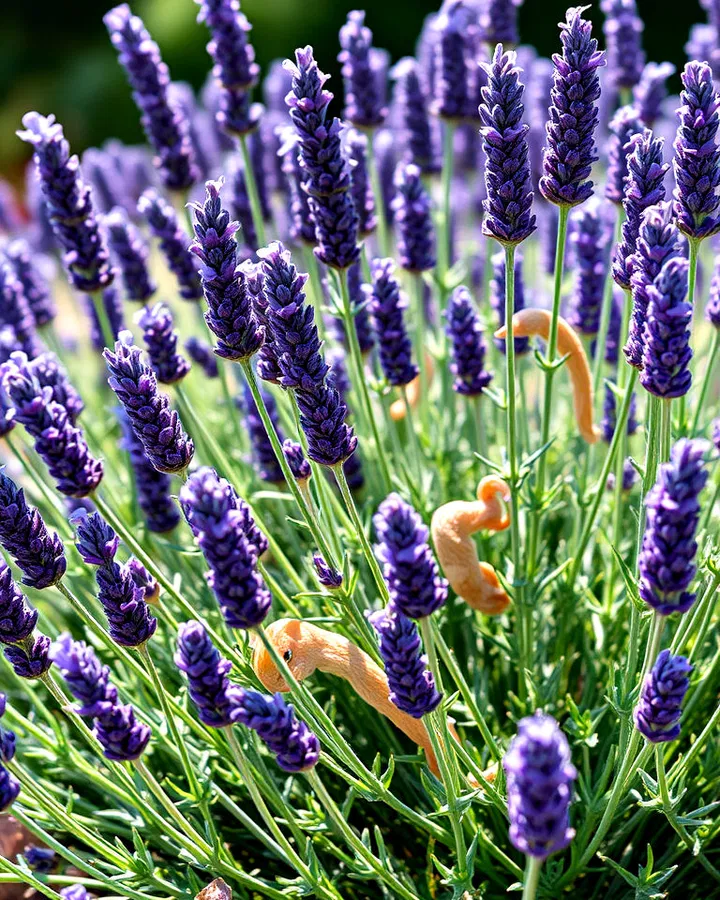
Lavender is famous for its soothing fragrance and beautiful purple blooms, but the strong aroma that people love may be less appealing to snakes. Its fragrant oils create a pleasant atmosphere for homeowners while potentially making the area less inviting to unwanted visitors.
Plant lavender along pathways, near patios, or around seating areas. Its drought tolerance and low-maintenance nature make it an excellent choice for busy gardeners.
2. Marigolds
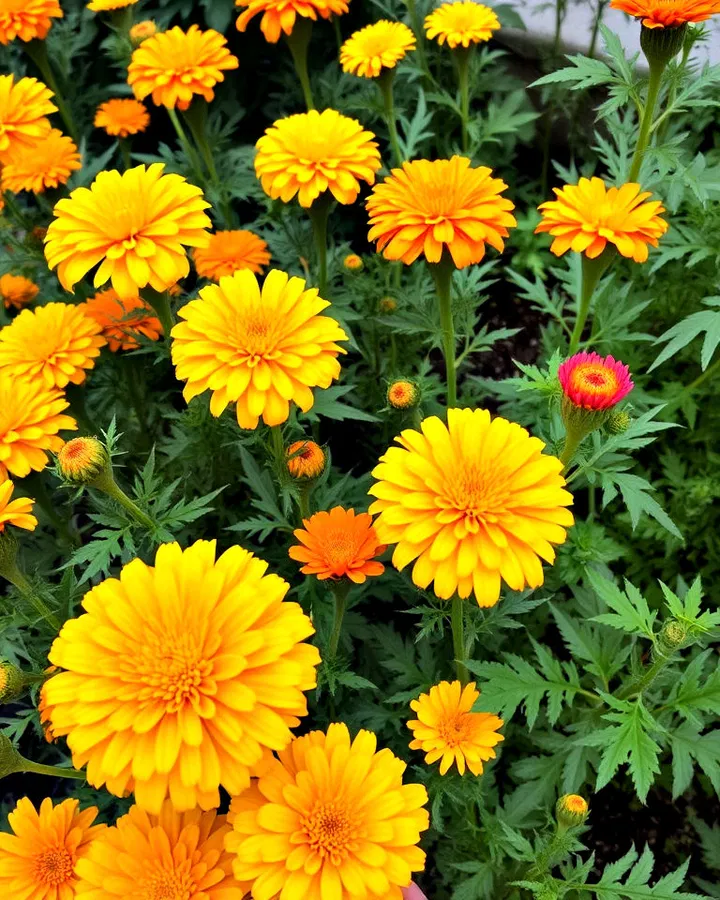
With their vibrant orange and yellow flowers, marigolds bring cheerful color to any garden. These popular annuals are often recommended as natural snake deterrents because of their strong scent and aromatic roots.
Use marigolds along borders, garden edges, and entryways to create a colorful barrier while helping repel other common garden pests.
3. Lemongrass
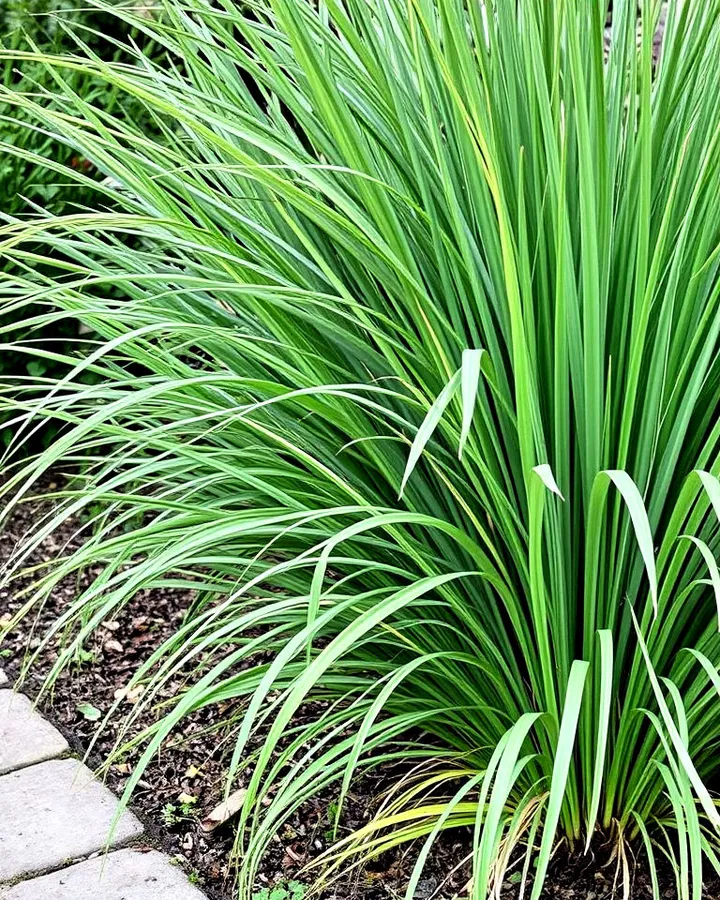
Lemongrass produces a strong citrus fragrance that many gardeners believe helps discourage snakes. Its tall, graceful blades create visual interest while forming a natural border around outdoor spaces.
This fast-growing plant thrives in sunny locations and can also help reduce mosquito activity, making it a valuable addition to entertaining areas.
4. Snake Plant (Mother-in-Law’s Tongue)
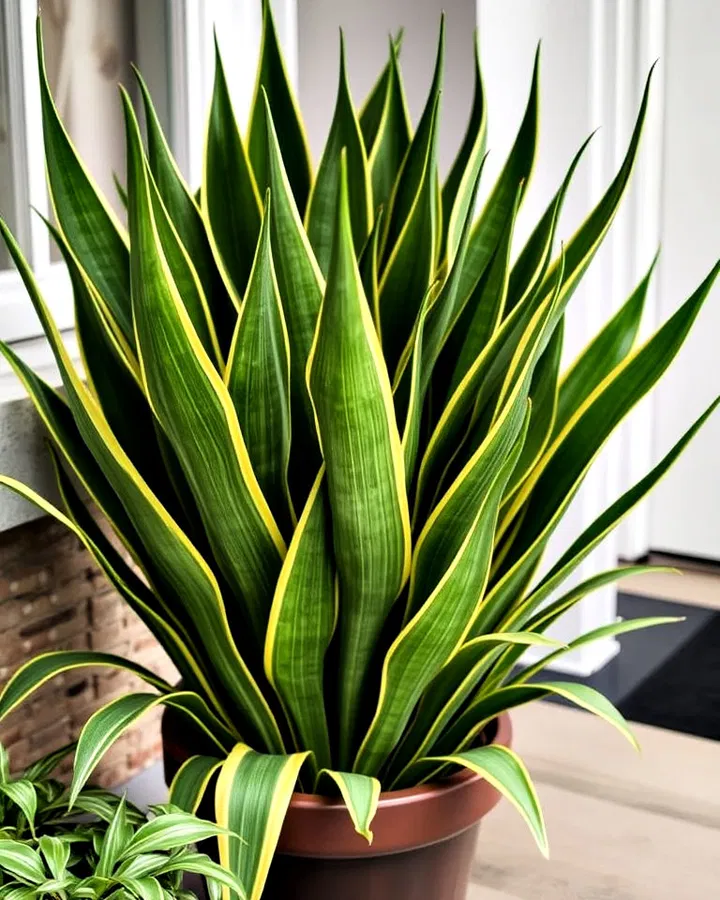
The Snake Plant is known for its tall, upright leaves and exceptional durability. Its dense growth pattern and sharp-looking foliage may help make certain areas less attractive to snakes seeking shelter.
Whether planted outdoors or displayed in decorative containers, this striking plant adds a modern touch to any landscape.
5. Mint
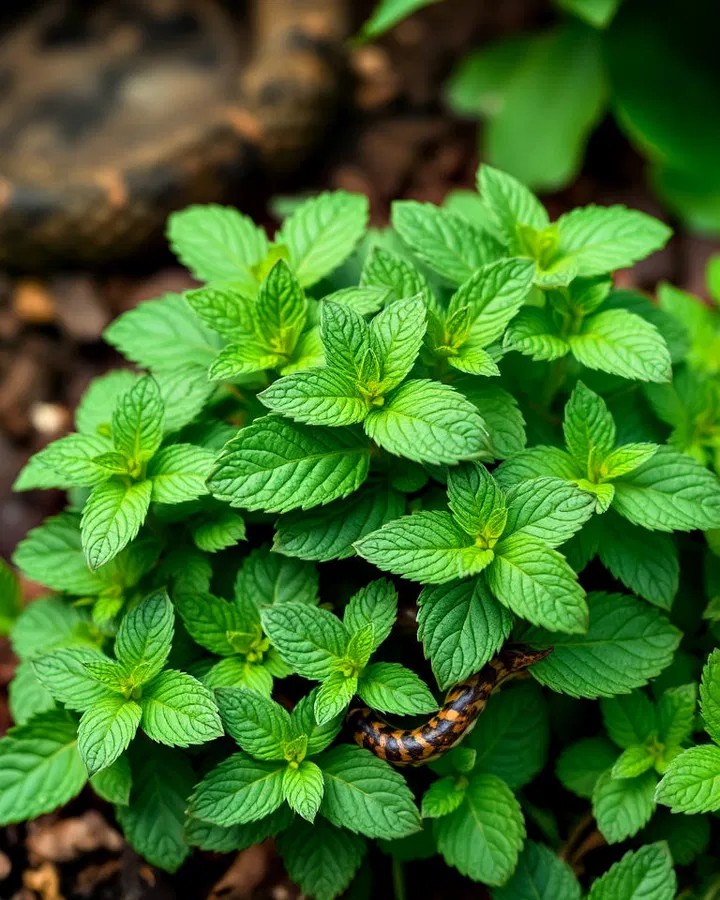
Mint’s refreshing scent is pleasant to people but may discourage snakes and other pests. Its vigorous growth habit makes it useful for creating natural borders around gardens and walkways.
Because mint spreads quickly, many gardeners prefer growing it in containers where it can be easily controlled.
6. Garlic
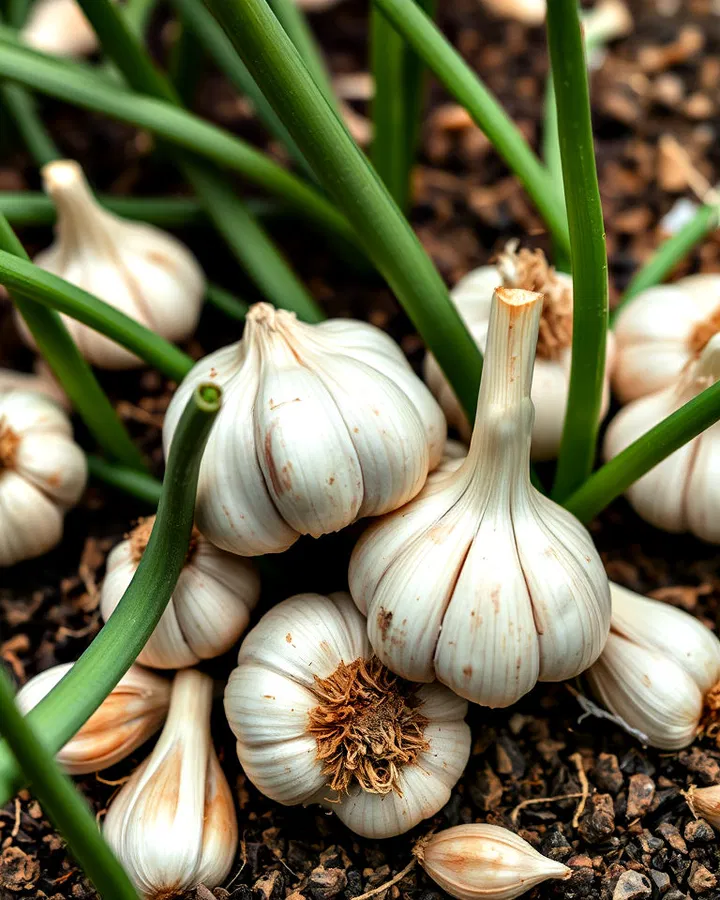
Garlic is a practical plant that offers both culinary and garden benefits. The sulfur compounds responsible for its strong aroma are often associated with natural pest control, including snake deterrence.
Plant garlic around vegetable gardens, flower beds, and property lines for added protection and a steady harvest.
7. Holy Basil (Tulsi)
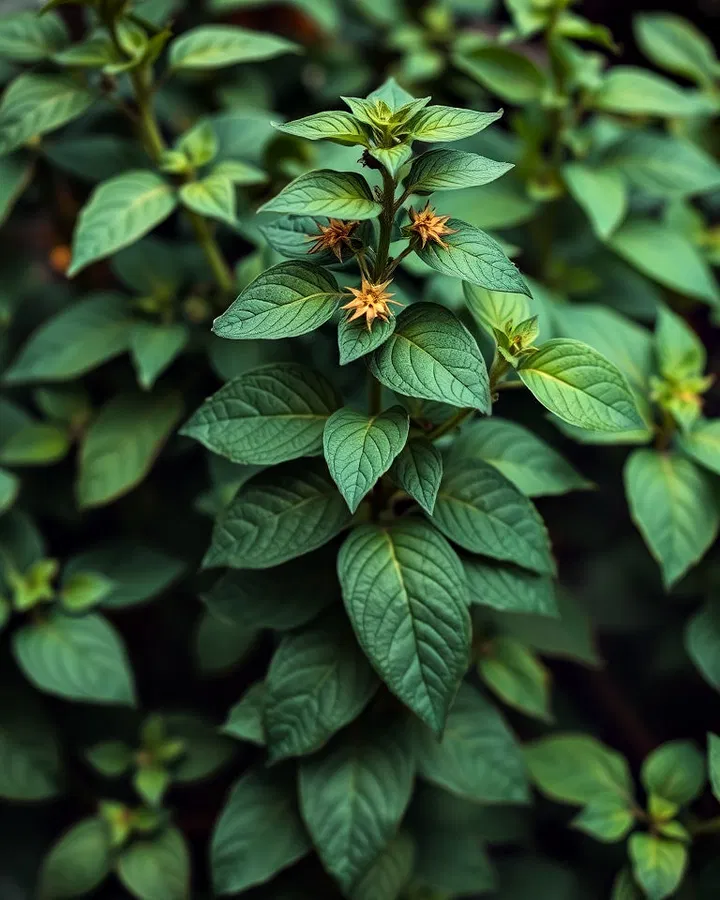
Holy Basil is valued for its spiritual significance, medicinal properties, and fragrant leaves. Its strong scent may help create an environment that snakes prefer to avoid.
This versatile herb grows well in pots or garden beds and provides year-round beauty and usefulness.
8. Geraniums
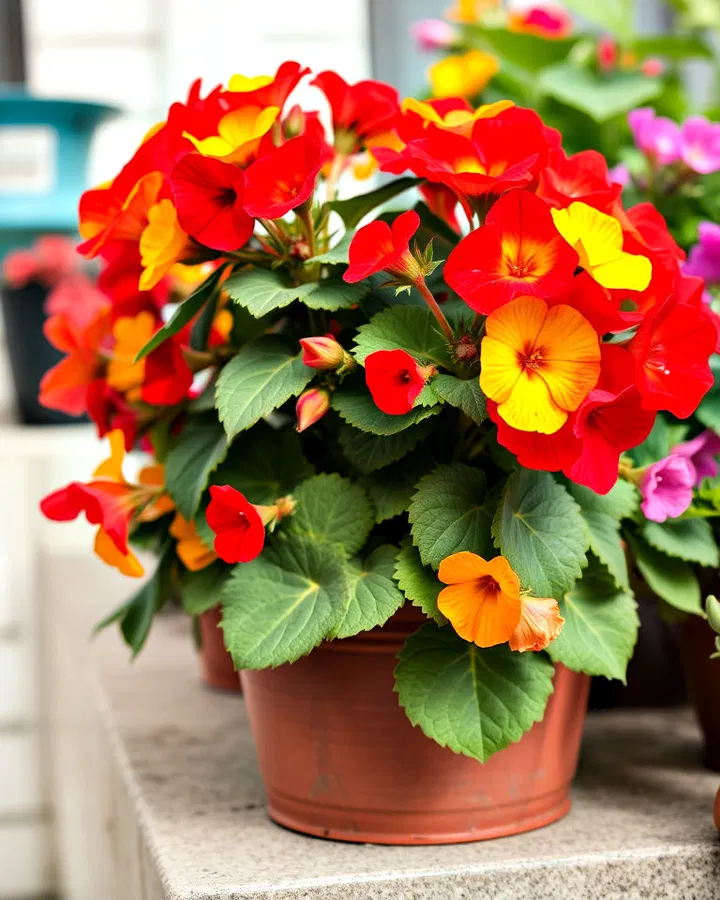
Geraniums combine bright blooms with aromatic foliage, making them both decorative and functional. Their scent may help discourage snakes while adding vibrant color to porches, patios, and flower beds.
Available in a wide range of colors, geraniums easily complement many garden styles.
9. Citrus Trees
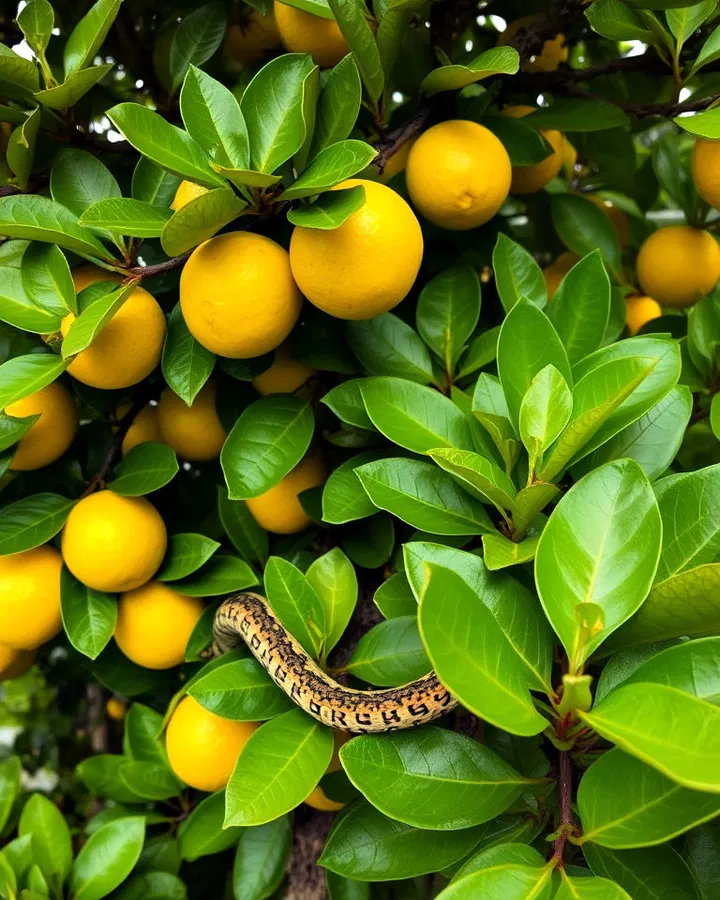
Lemon, lime, and orange trees offer more than delicious fruit. Their fragrant leaves and peels release natural citrus oils that may help repel snakes from nearby areas.
In addition to their protective qualities, citrus trees provide shade, seasonal interest, and increased curb appeal.
10. Pink Agapanthus
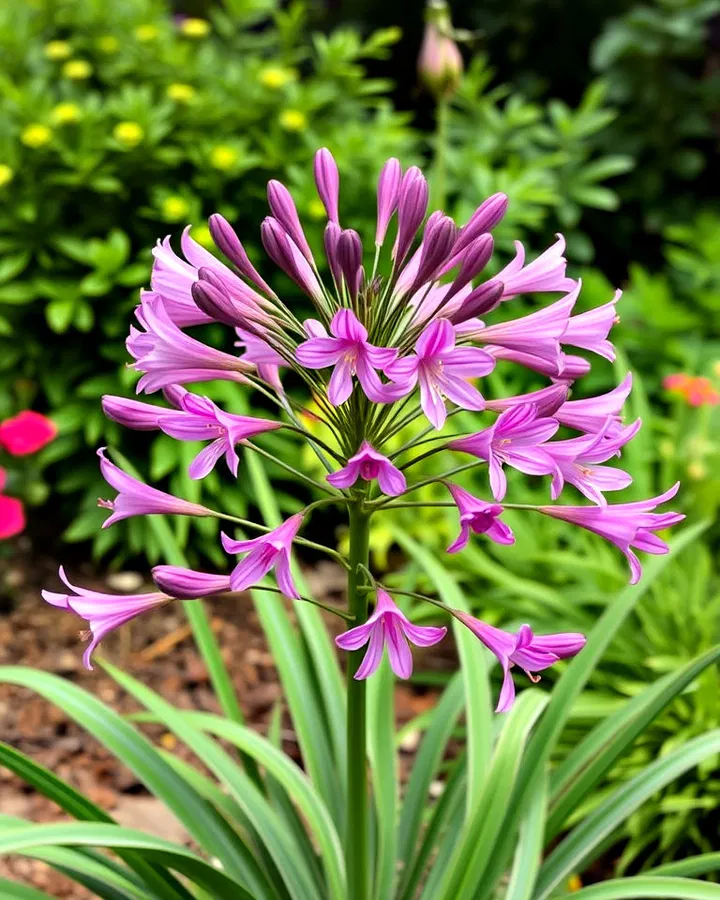
Pink agapanthus produces stunning clusters of flowers that instantly elevate garden borders. Many gardeners believe its scent contributes to a less inviting environment for snakes.
Its elegant appearance makes it a perfect choice for adding beauty while serving a practical purpose.
11. Onions
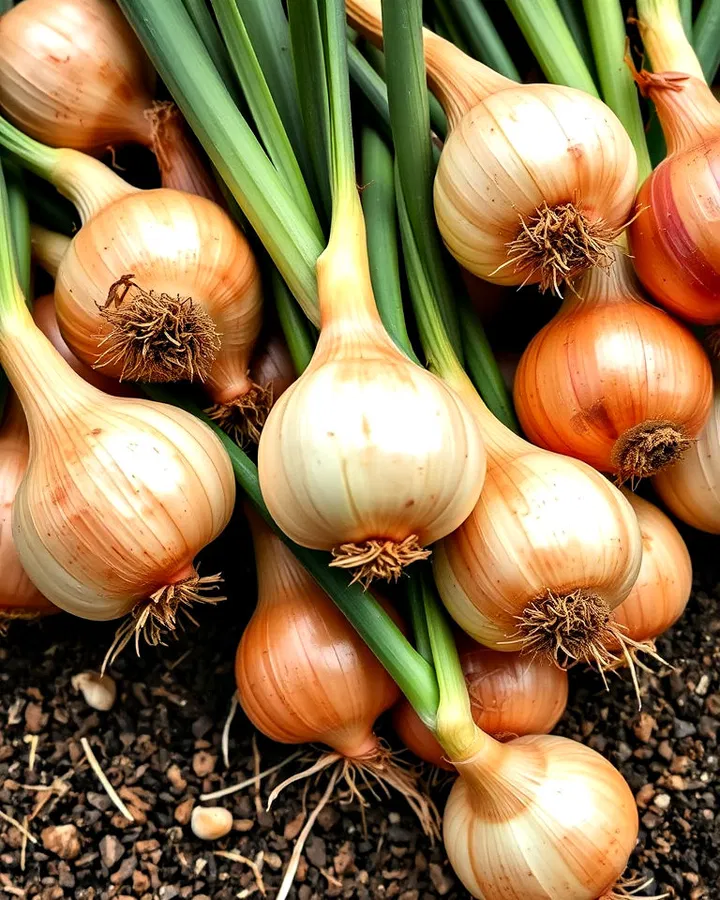
Onions contain sulfur-rich compounds similar to garlic, producing a strong scent that may help keep snakes away. They are easy to grow and fit seamlessly into vegetable gardens and mixed planting beds.
Their usefulness in the kitchen makes them one of the most practical options on this list.
12. Clove Basil
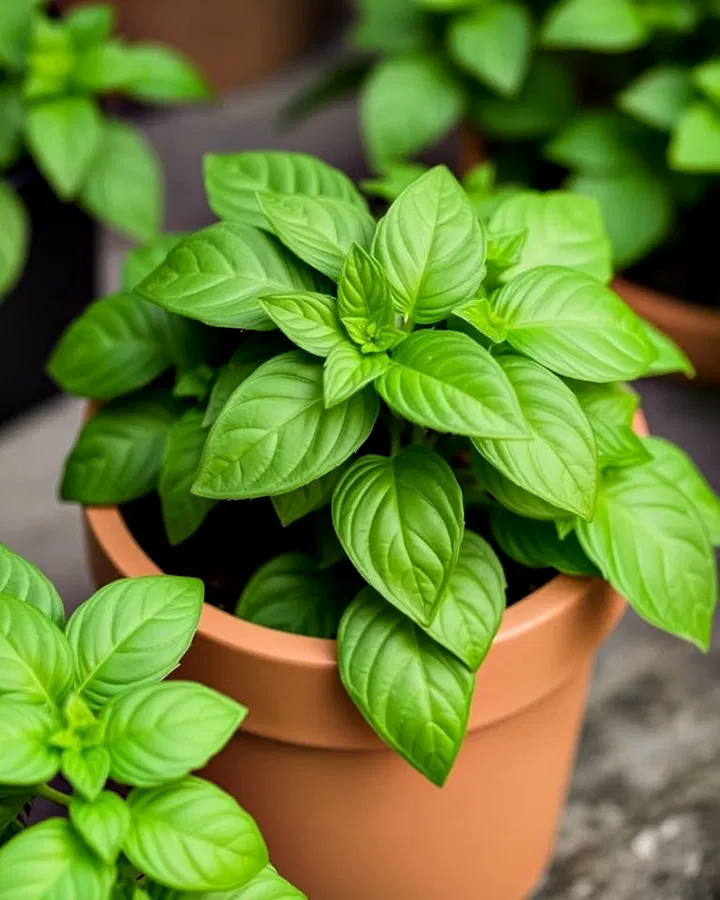
Clove basil offers a spicy fragrance that can help create a natural barrier against unwanted pests. Its attractive foliage and culinary value make it a favorite among home gardeners.
Plant it near patios, doorways, or outdoor seating areas to enjoy its aroma and potential protective benefits.
13. Wormwood
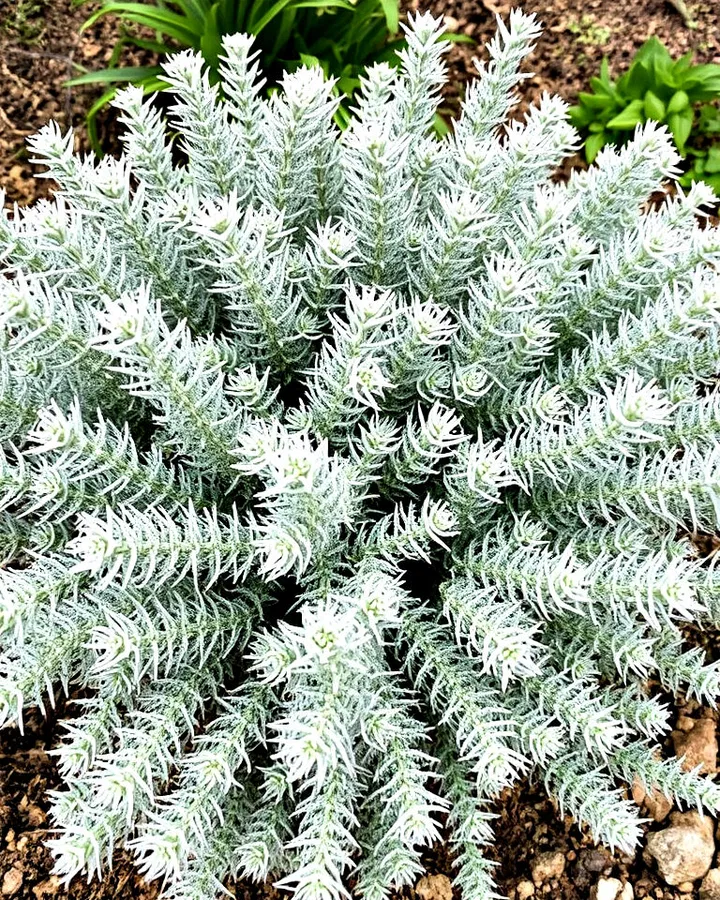
Wormwood is recognized by its silvery foliage and intensely aromatic leaves. This hardy perennial may help deter snakes while adding texture and contrast to the landscape.
Its drought tolerance makes it an excellent option for low-maintenance gardens.
14. Rue
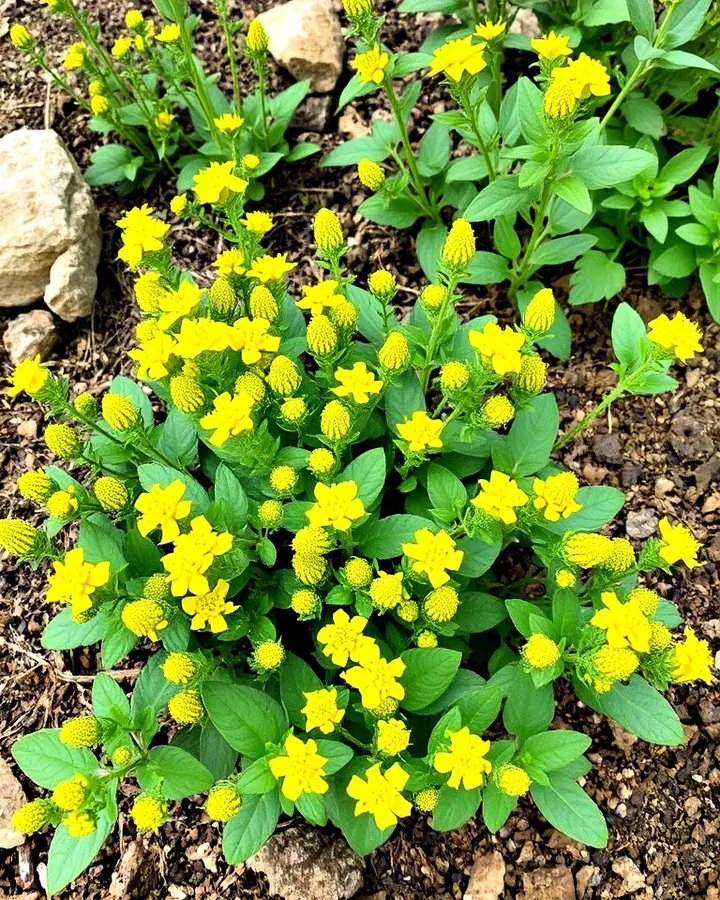
Rue has been grown for centuries as a protective garden plant. Its bitter taste and strong scent may help discourage snakes from frequenting the area.
The plant’s distinctive blue-green foliage adds unique character to flower beds and borders.
15. Pennyroyal
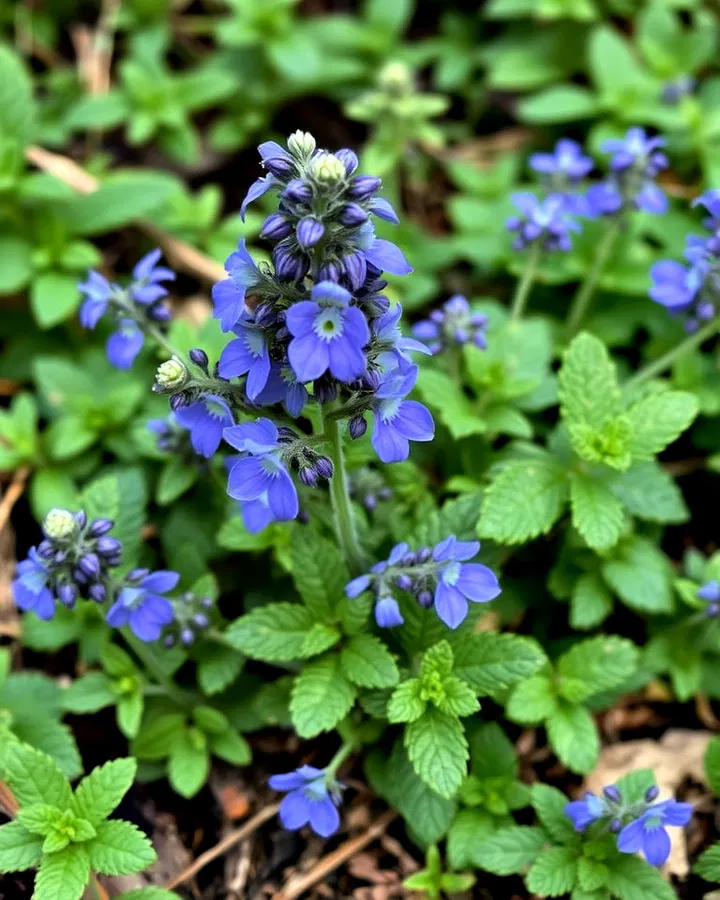
Pennyroyal is a member of the mint family known for its powerful fragrance. Its low-growing habit makes it useful as ground cover while potentially helping reduce snake activity.
Plant it near pathways and patios where its scent can be most effective.
16. Mugwort
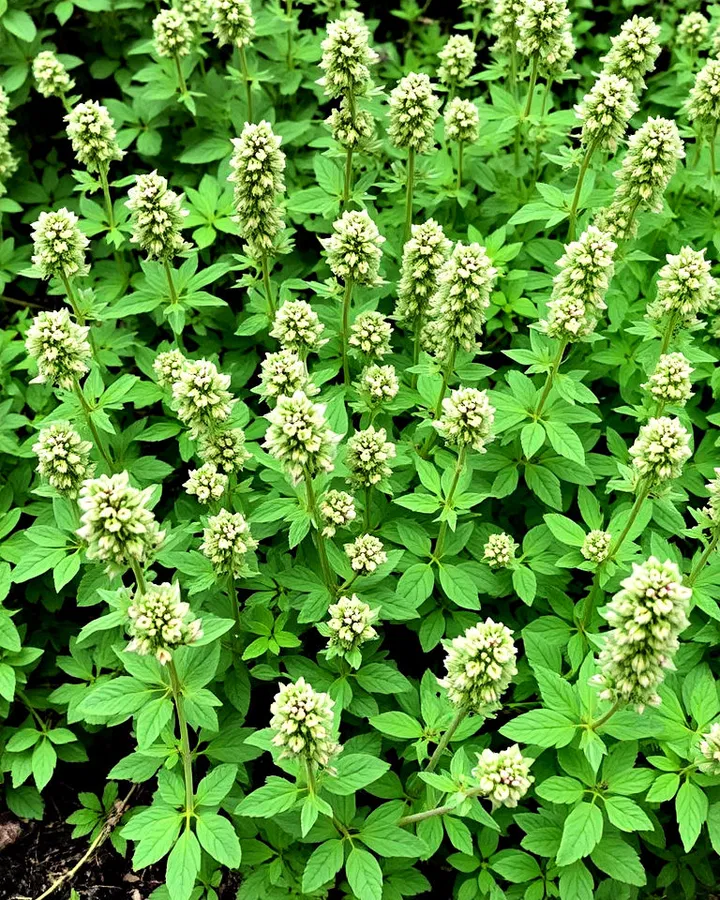
Mugwort is a fast-growing perennial that produces a distinctive aroma. Its dense foliage can help reduce hiding spots while creating a natural barrier around vulnerable areas.
It works particularly well near sheds, compost piles, and garden boundaries.
17. West Indian Lemongrass
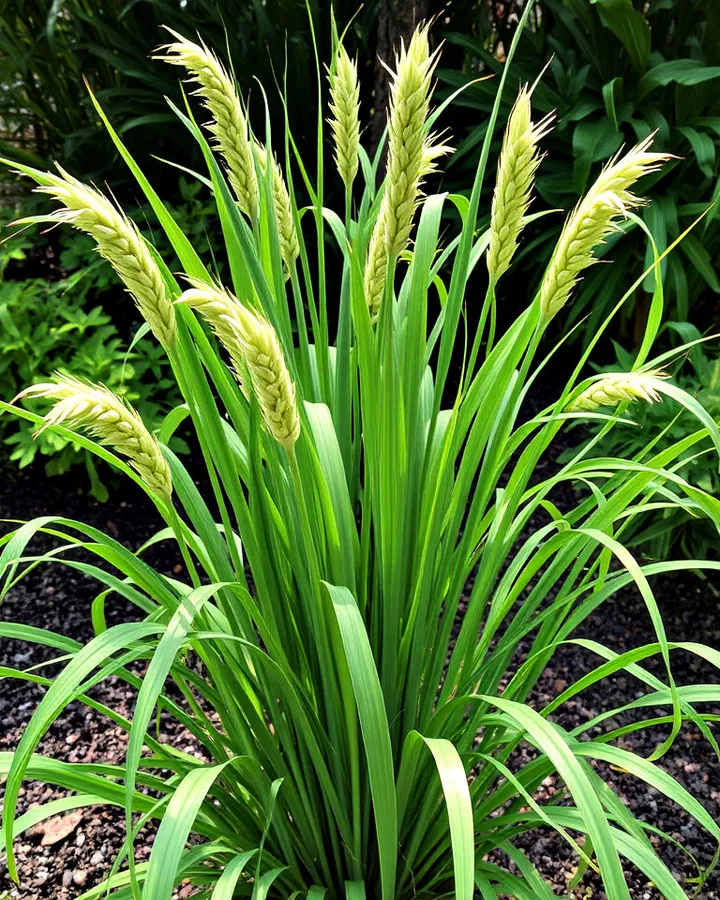
This variety of lemongrass is especially prized for its strong citrus scent. Its tall growth provides privacy, visual interest, and potential snake-deterring benefits.
Plant it along fences or property lines for maximum impact.
18. Indian Snakeroot
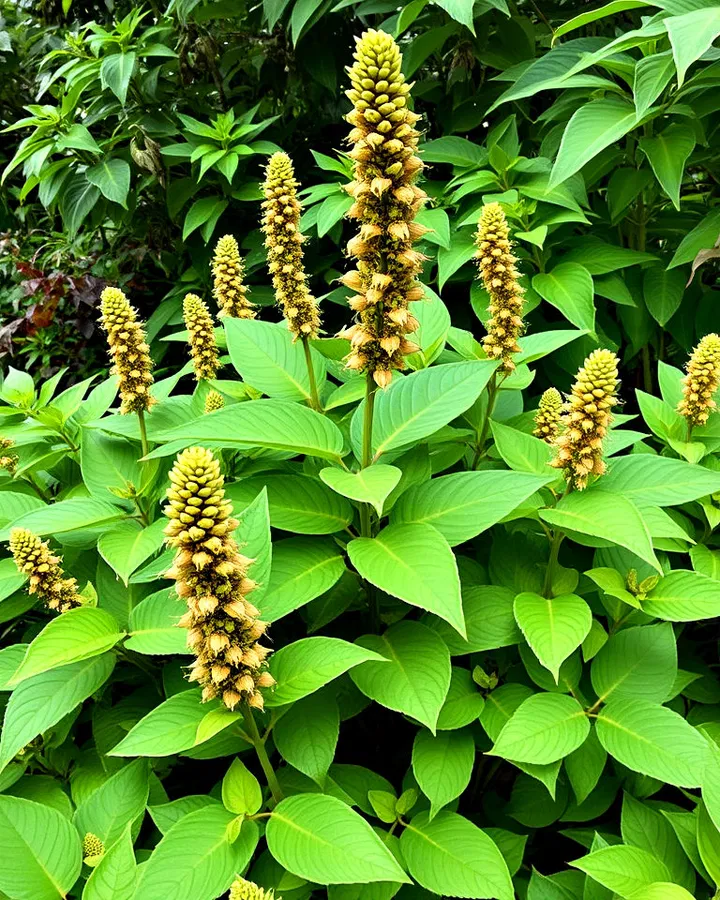
Indian snakeroot is often valued for its lush foliage and historical medicinal uses. Its strong scent may help discourage snakes while contributing greenery to tropical-style gardens.
It thrives in warm climates and works well along property borders.
19. Andrographis

Andrographis is a hardy herb known for its bitter aroma and dense growth habit. Many gardeners include it in natural pest-management strategies because of its potential repelling properties.
Its adaptability makes it suitable for a wide range of garden conditions.
20. Tobacco
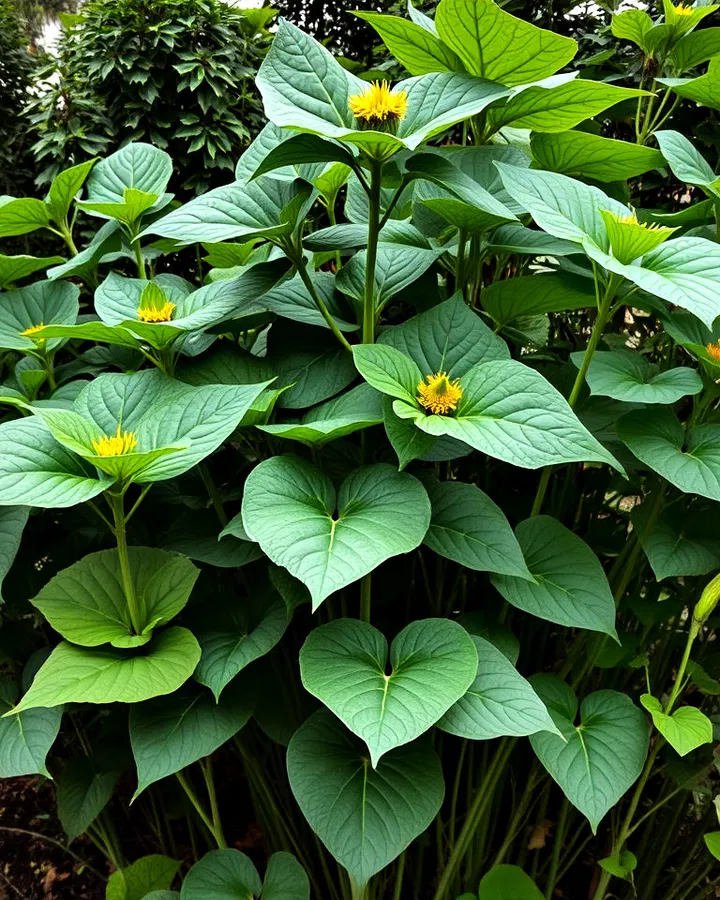
Tobacco plants feature large leaves and a strong scent that may help make an area less appealing to snakes. Their tall stature also adds visual drama and privacy to outdoor spaces.
Because tobacco contains toxic compounds, it should be planted carefully and kept away from children and pets.
Conclusion
Creating a garden that feels safe and welcoming doesn’t require harsh chemicals or complicated solutions. By incorporating fragrant herbs, colorful flowers, and strategically placed foliage plants, you can naturally make your landscape less attractive to snakes while enhancing its beauty.
Whether you choose elegant lavender, practical garlic, vibrant marigolds, or productive citrus trees, these plants can become part of a comprehensive garden design that balances function and style. Combined with regular yard maintenance and good landscaping practices, they can help create an outdoor space that is both beautiful and comfortable for your family to enjoy.
Leave a Reply