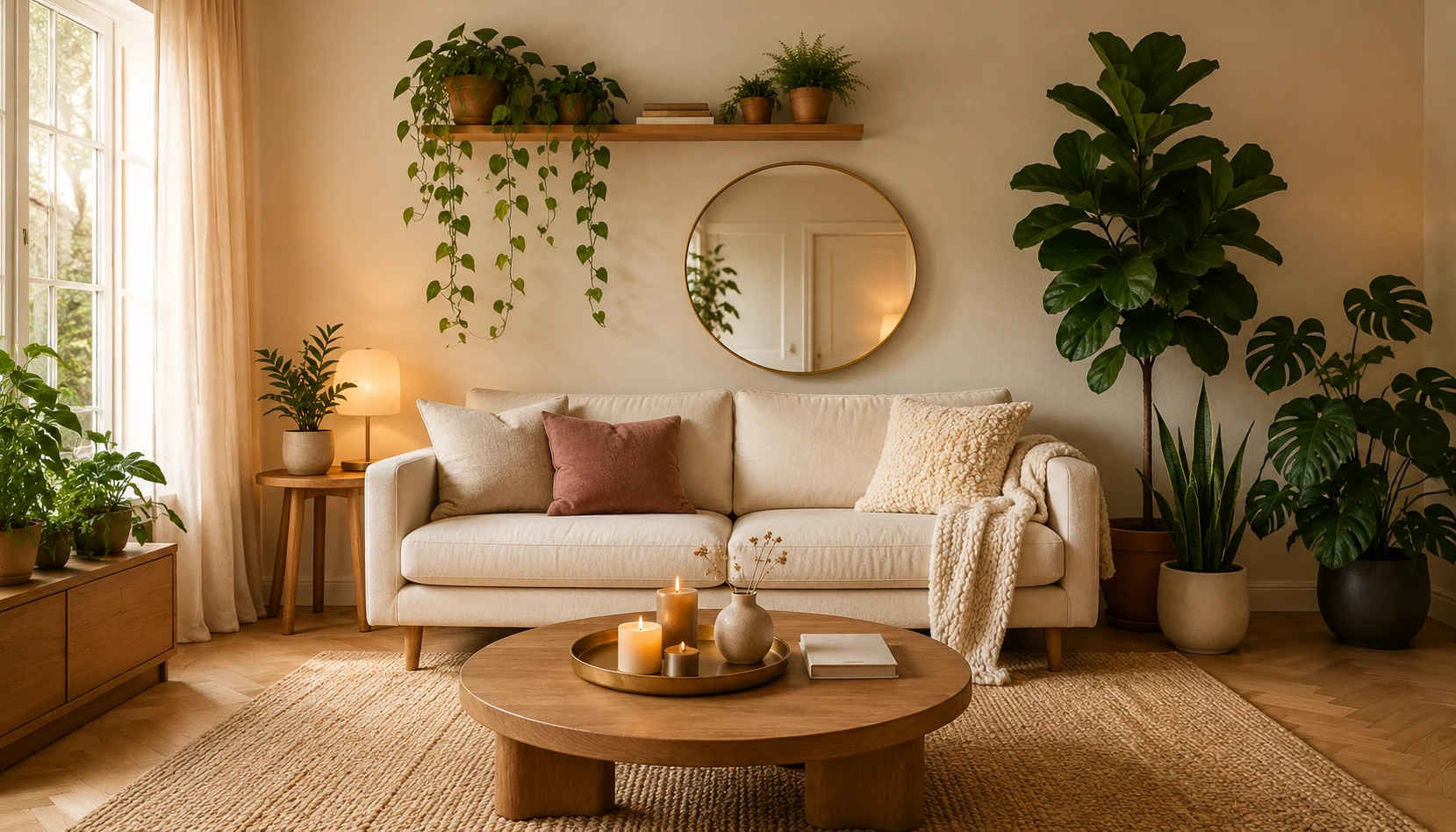
There’s something undeniably magical about having a touch of greenery in your living room. Beyond their obvious beauty, houseplants bring life, color, and a soothing sense of calm to the heart of your home. Whether you’re curling up with a book, entertaining friends, or simply unwinding after a long day, the right plant can transform your space into a breath of fresh air—both literally and figuratively.
But choosing the perfect plants for your living room isn’t just about picking something pretty. It’s about finding greenery that thrives in your lighting conditions, fits your style, and adds a bit of personality to your everyday environment. In this post, we’ll explore some of the best houseplants suited for living rooms, from low-maintenance beauties to statement-making showstoppers. Ready to greenify your space? Let’s dive in!
The Trending Beauty
1. Monstera Deliciosa — The Iconic Split Leaf
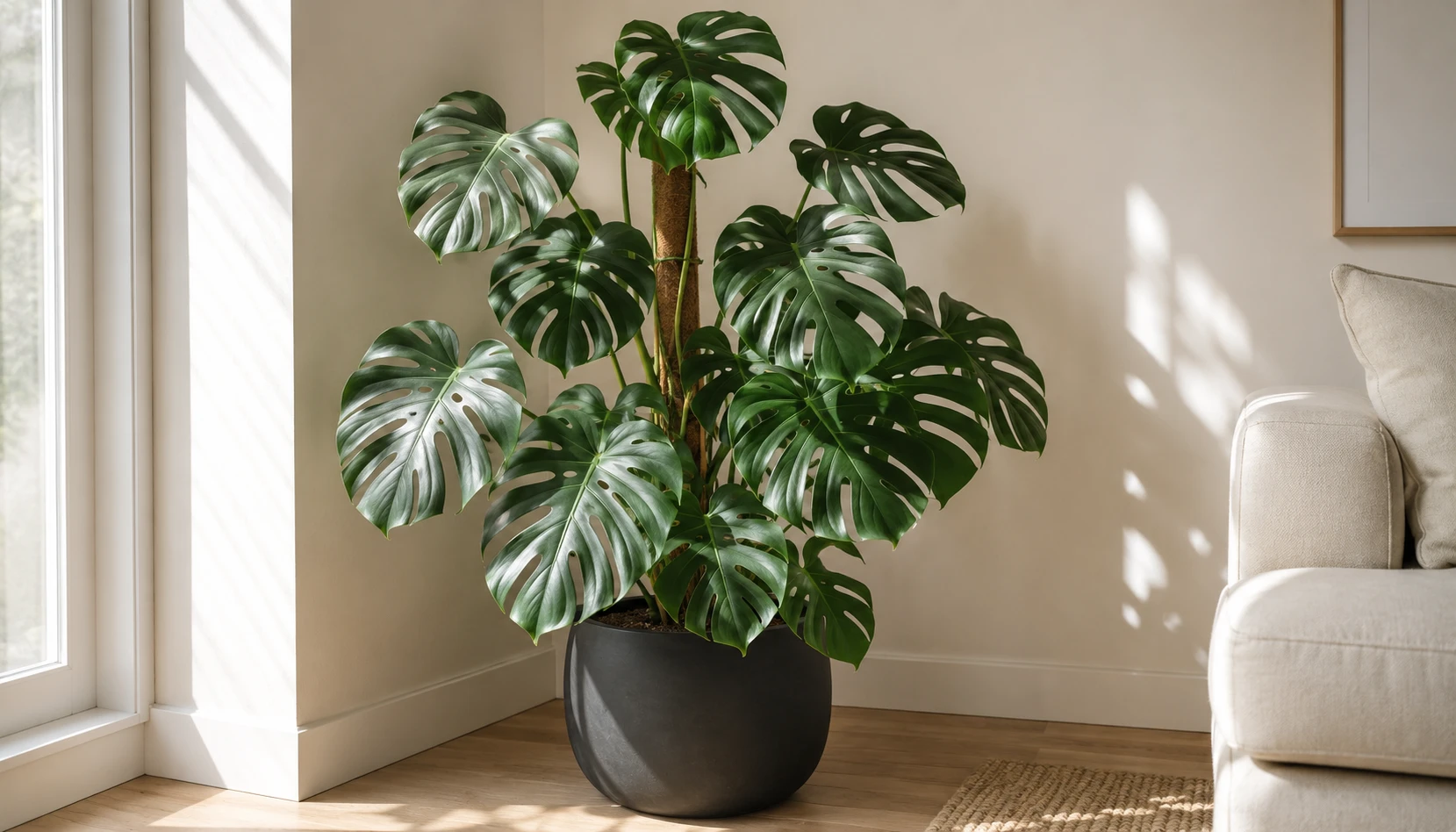
If the fiddle leaf fig dominated the past decade, the Monstera Deliciosa is undoubtedly stealing the spotlight today. Those instantly recognizable, dramatic split leaves—known as fenestrations—have become a staple in contemporary interiors, offering a bold, organic shape that elevates any space.
Light requirements: Thrives in bright, indirect light. While it can survive in medium light, those iconic leaf splits only fully develop when the plant receives plenty of brightness.
Watering schedule: Typically once a week, with a lighter touch during the colder months. Always let the top two inches of soil dry out before giving it a drink.
Ideal placement in the living room: Think of it as a lush sidekick beside your sofa, nestled in a sunny corner, or positioned near expansive floor-to-ceiling windows. Keep in mind—Monsteras grow impressively large, so give it plenty of breathing room.
Styling advice: Encourage your Monstera to climb by adding a moss pole or a simple wooden stake. This vertical support not only mimics its natural environment but also showcases those stunning leaves at their best.
Why it shines in today’s homes: The bold, sculptural foliage makes for striking photos and adds an architectural element to your décor. Every leaf tells a story with its unique pattern of splits and holes, making the plant a living piece of art.
Growth tip: What starts as a modest nursery find can quickly transform into a towering, 5-foot centerpiece within just a couple of years if cared for properly. Make sure you’re ready for its impressive size.
A friendly caution: Monstera leaves contain toxins harmful to pets if ingested, and those big leaves can sometimes topple onto curious furry friends. Be sure to firmly secure any climbing supports to keep everyone safe and happy.
The Low-Light Hero
2. ZZ Plant (Zamioculcas Zamiifolia) — Darkest Corner Champion
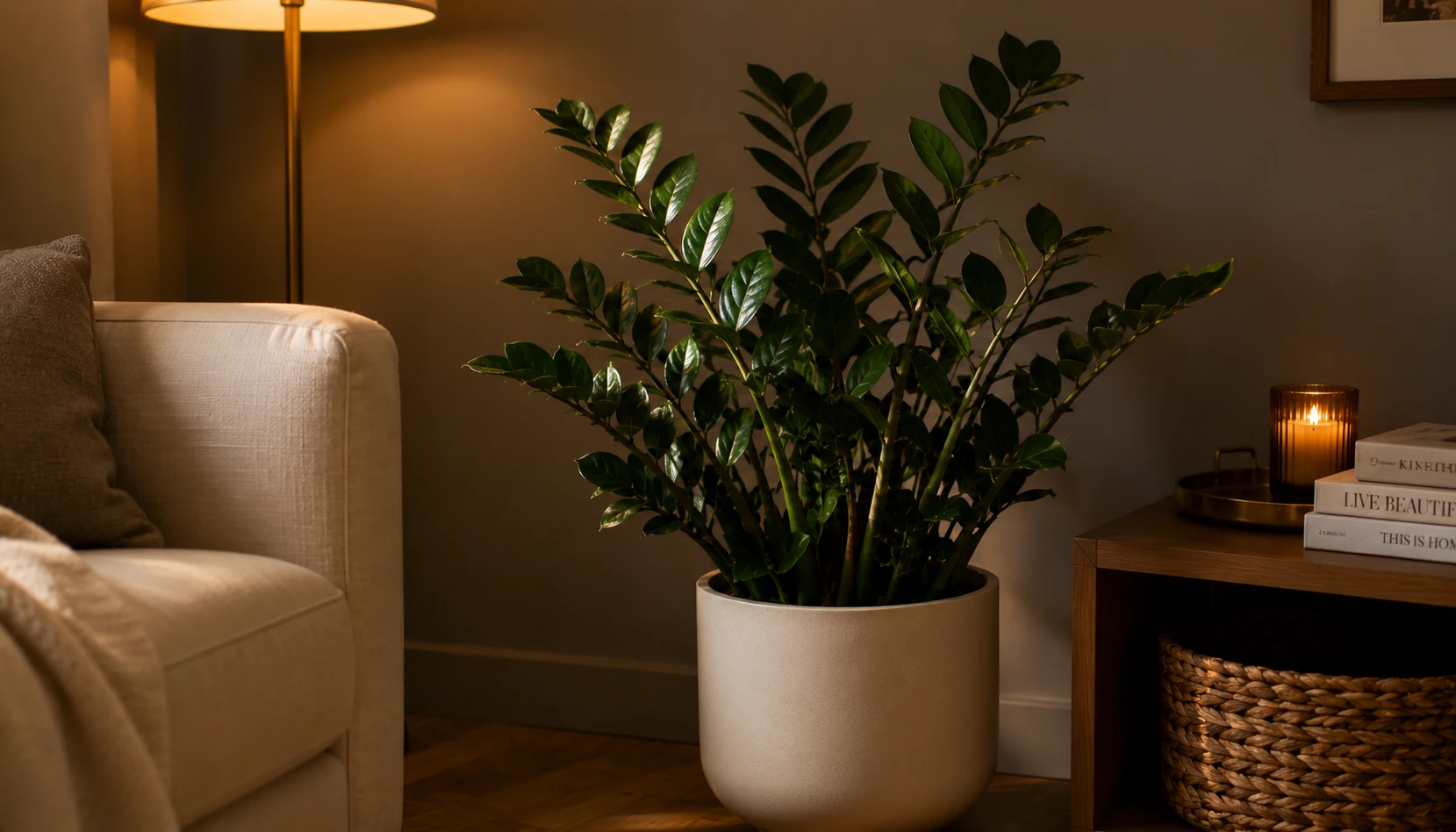
If your space struggles with natural light, meet the ZZ plant—the ultimate survivor for those dim corners where most greenery would give up. This resilient beauty flourishes in spots where other plants simply can’t compete.
Light needs: ZZ plants are incredibly adaptable, thriving in everything from low to bright indirect light. Alongside snake plants, they’re the champions of low-light living.
Watering: Every 2 to 3 weeks does the trick. Thanks to their succulent-like stems, they store water efficiently, making underwatering much safer than drowning them.
Best spots in your home: Think dark nooks, next to your TV stand, tucked into windowless alcoves—any place where other plants would wither away.
Styling tip: Those shiny, deep green leaves pop beautifully against matte cream or terracotta pots. The luscious gloss paired with a muted finish creates a stylish, contemporary vibe.
Why it’s a 2026 living room favorite: The ZZ’s glossy foliage catches and reflects whatever light filters in, making it an eye-catching presence even in shadowy corners. Plus, its architectural form brings a modern, curated touch to your decor.
Growth note: ZZ plants take their time growing, so pick one at the size you want. A medium-sized ZZ is likely to stay that way for quite a while.
A quick caution: All parts of this plant are toxic to pets if ingested, and its sap can irritate skin—so be sure to wash your hands after handling.
The Drama Plant
3. Bird of Paradise (Strelitzia) — Tropical Statement
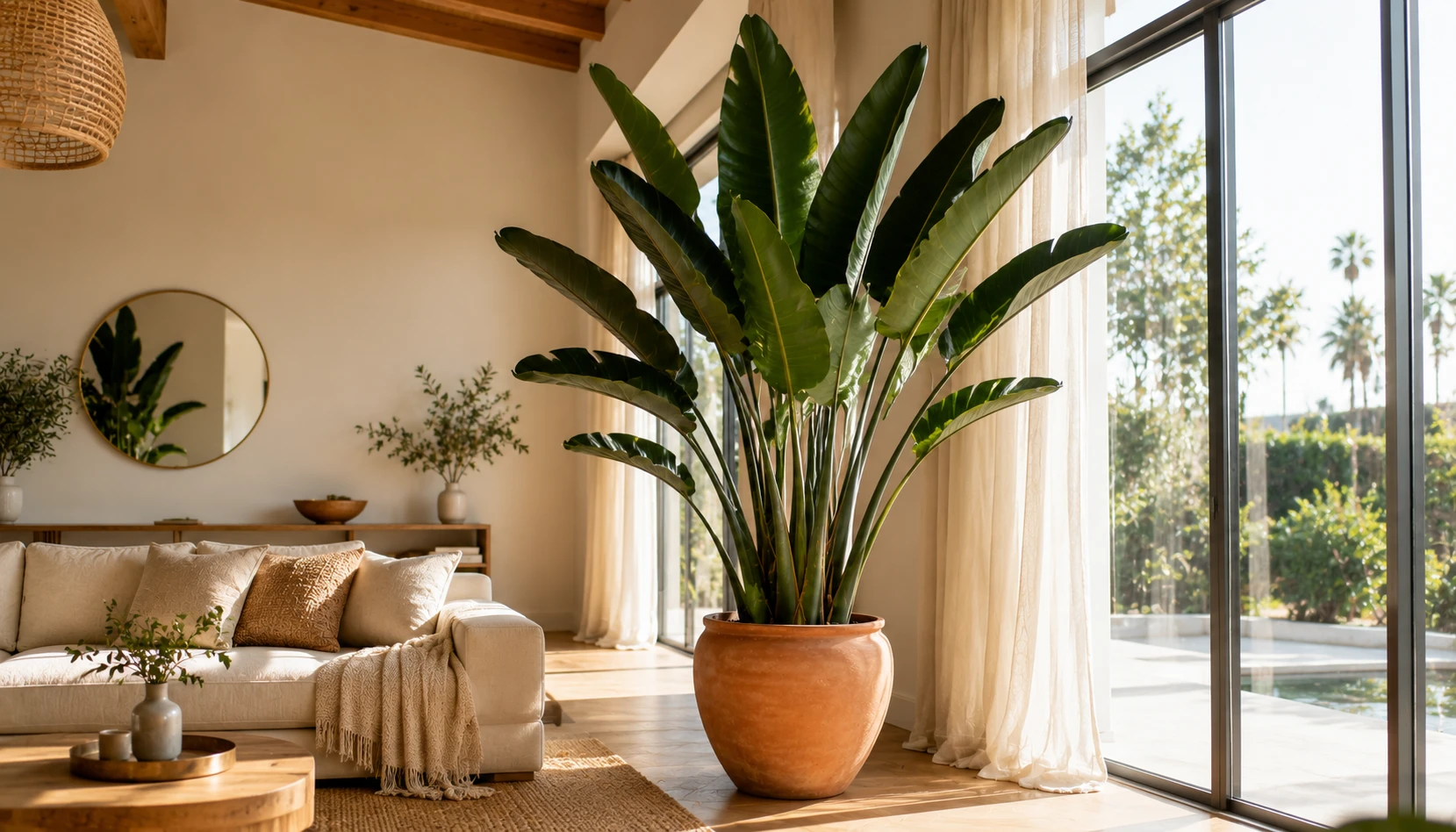
If you’re lucky enough to have a spacious living room with soaring ceilings and plenty of sunlight, the Bird of Paradise is your go-to plant for making a bold, tropical statement. Its towering stems crowned with broad, paddle-shaped leaves instantly transform any corner into a lush, exotic retreat.
Light requirements: This beauty thrives in bright, direct or strong indirect light. It really needs a well-lit spot to flourish, so avoid dim or shaded rooms.
Watering routine: During its growing months, plan on watering once a week, tapering off gently in the cooler winter season. It’s thirstier than many houseplants, so staying consistent is key.
Ideal placement: Think large, sunny corners near floor-to-ceiling windows, sunrooms, or areas where skylights flood the space with light. Keep in mind these giants can reach an impressive height of 6 to 8 feet indoors, so allow room to grow.
Styling suggestion: Pair your Bird of Paradise with a generously sized terracotta pot or a chic fluted ceramic planter. The plant’s striking foliage steals the show, so keep the pot simple yet stylish.
Why it’s a 2026 must-have: This plant delivers a slice of tropical paradise right inside your home, adding an air of luxury and a dramatic focal point that photographs beautifully for your social feeds.
Growth insight: Although it takes its time to reach full grandeur, the wait is absolutely worth it. Younger specimens can be budget-friendly, but the mature plants truly steal the spotlight.
A word of caution: Bird of Paradise is toxic to pets if ingested, so keep it out of reach. Also, its leaves are prone to tearing in busy, high-traffic spots, so it’s best placed away from playful tails and bustling activity.
The Pet-Conscious Beauty
4. Peace Lily (Spathiphyllum) — Elegant and Easy
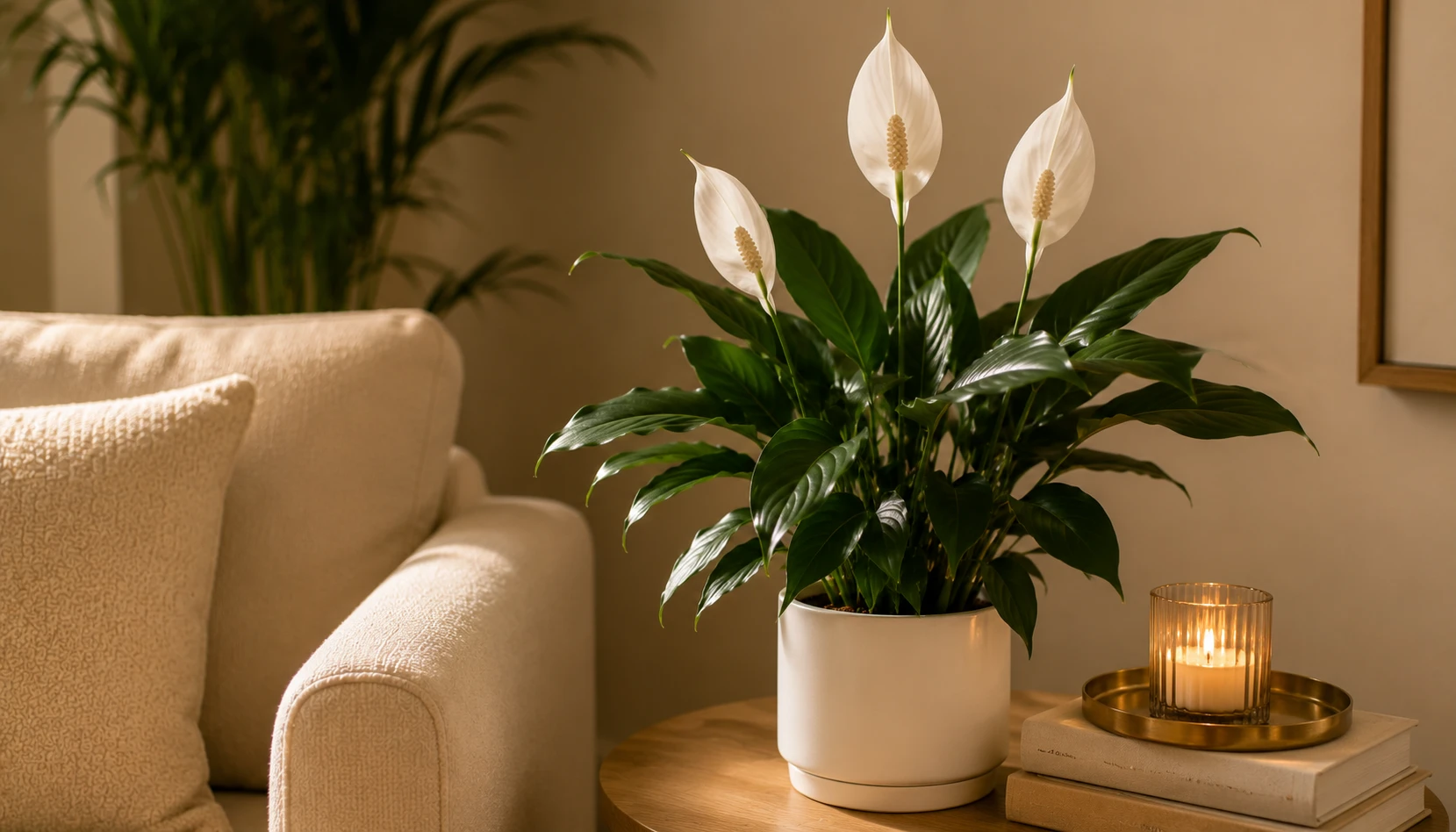
The peace lily stands out among houseplants thanks to its stunning ability to bloom indoors. Its graceful white flowers, known as spathes, emerge several times a year, beautifully set against lush, deep green leaves, making it a truly captivating addition to any home.
Light requirements: Thrives in medium to low indirect light. Keep it out of harsh direct sunlight, which can scorch its leaves. This plant is impressively tolerant of lower light conditions, making it perfect for less sunny spots.
Watering routine: Aim to water about once a week. When thirsty, the peace lily dramatically wilts—an unmistakable sign it’s time for a drink—and it perks right back up just a few hours after watering.
Ideal placement: Place it in a moderately bright corner, perhaps near a bookshelf or on a side table. It’s especially suited for smaller living rooms where oversized plants might feel overwhelming.
Styling suggestion: Pair your peace lily with a simple white or cream ceramic pot that echoes its elegant blooms. Avoid brightly colored containers that can draw attention away from its delicate flowers.
Why it’s a winner for 2026 living rooms: The blooming cycles add dynamic, seasonal interest, while the dark, glossy foliage offers a sophisticated contrast against lighter décor schemes.
Important caution: Despite its gentle name and graceful look, peace lilies are toxic to both pets and humans if ingested. Their flowers contain calcium oxalate crystals, so be sure to keep them out of reach of curious animals and children.
Looking for truly pet-friendly alternatives? Boston ferns, Calatheas, parlor palms, and Areca palms all bring lush greenery to your living space without the risk.
The Trailing Beauty
5. Pothos (Epipremnum) — The Trailing Champion
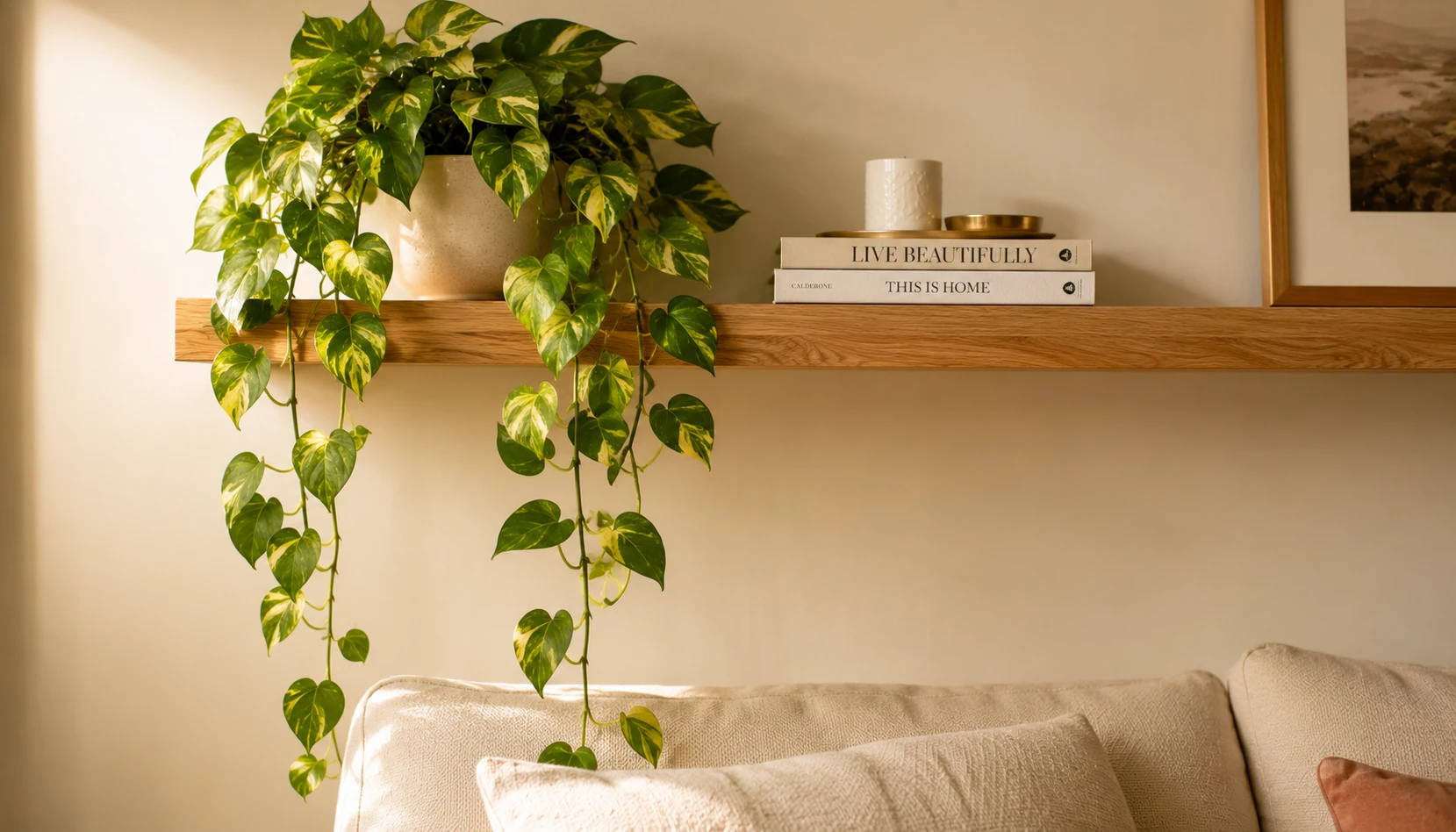
Looking to add a splash of graceful greenery that effortlessly spills and winds around your room? Meet the pothos—a true trailing superstar. Its lush vines extend with minimal fuss, cascading beautifully from shelves, baskets, or high spots, bringing a touch of natural elegance wherever it goes.
Light requirements: Thrives in bright, indirect light but is famously forgiving, even flourishing in low-light nooks where many plants would struggle.
Watering routine: A weekly drink usually does the trick. If the leaves start to droop, it’s your plant’s gentle way of asking for a little hydration.
Ideal spots for your living room: Floating shelves are perfect for letting those vines tumble down freely. Try placing it atop tall bookcases or suspending it in a hanging basket near a window. Positioning it next to a mirror adds an enchanting leafy frame effect.
Styling advice: Resist the urge to prune too soon. Allowing the vines to reach lengths of 3 to 4 feet creates a stunning, flowing look. You can gently guide the vines along the edges of shelves or trailing down walls for a dynamic, natural vibe.
Why it’s a winner in 2026 interiors: The soft, trailing silhouette helps balance the sharp, clean lines of modern design, adding warmth and organic softness that truly elevates your space.
Varieties worth exploring: Golden Pothos with its sunny yellow accents, Marble Queen’s elegant white variegation, the lively Neon Pothos in bright lime, and the cool-toned Cebu Blue—all share the same easy-going care and vibrant charm.
A quick caution: These beauties are toxic to pets if nibbled on, so it’s best to hang or position them out of paw’s reach for a happy, safe home.
The Sculptural Form
6. Rubber Plant (Ficus Elastica) — Architectural Beauty
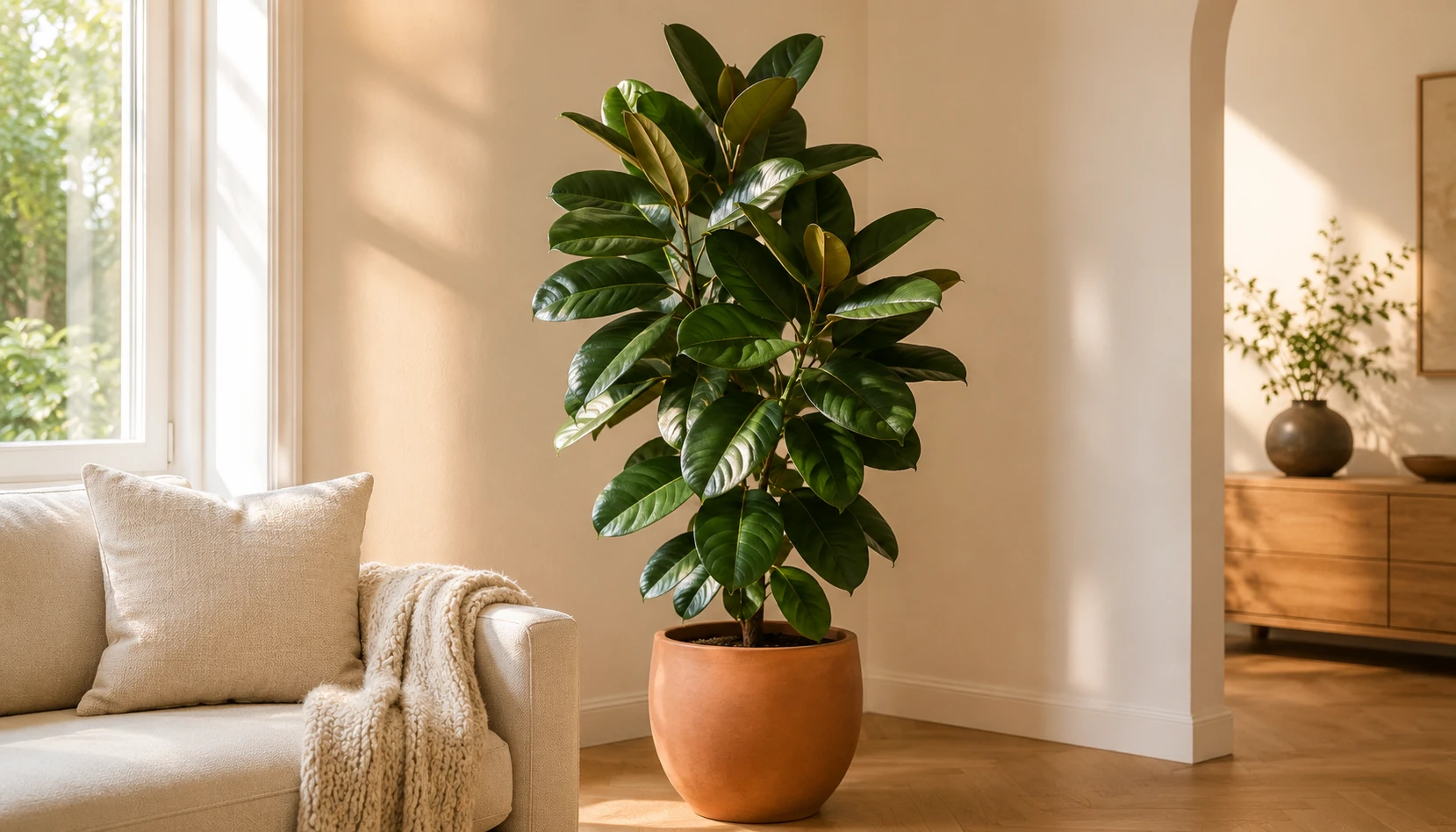
If you love the bold presence of a fiddle leaf fig but crave something a bit more low-maintenance, meet the rubber plant. With its glossy, oversized leaves and striking, architectural shape, it offers drama without fuss—making it a favorite for stylish interiors.
Light requirements: Thriving in bright, indirect light or even moderate lighting, this plant is much more adaptable than its fiddle leaf cousin.
Watering routine: Typically, a weekly drink is enough. Just make sure the top couple of inches of soil feel dry before you water again.
Ideal spot in your living room: Position it tall and proud in a sunny corner or near a window where soft, filtered light streams in. Placing it beside your sofa makes a bold, natural statement piece.
Styling suggestion: Those thick, shiny leaves are a dream for photos! To emphasize its sleek look, try a matte black planter for a modern edge, or warm things up with a classic terracotta pot.
Why it’s a showstopper for 2026 homes: Its sculptural form adds instant architectural interest, and it demands far less attention than fiddle leaf figs. Plus, varieties like Burgundy and Tineke bring beautiful hues that enrich your space even more.
Varieties worth exploring: The traditional Robusta with rich green leaves, the dramatic Burgundy sporting deep red tones, and the eye-catching Tineke, with its creamy variegated foliage.
Growth considerations: Rubber plants can grow impressively tall—up to 8 feet indoors—so keep your ceiling height in mind before making your pick.
A quick caution: This beauty is mildly toxic to pets, and its sap may irritate your skin. Always wear gloves when pruning to stay safe.
The Easiest Plant
7. Snake Plant (Sansevieria) — The Beginner Hero
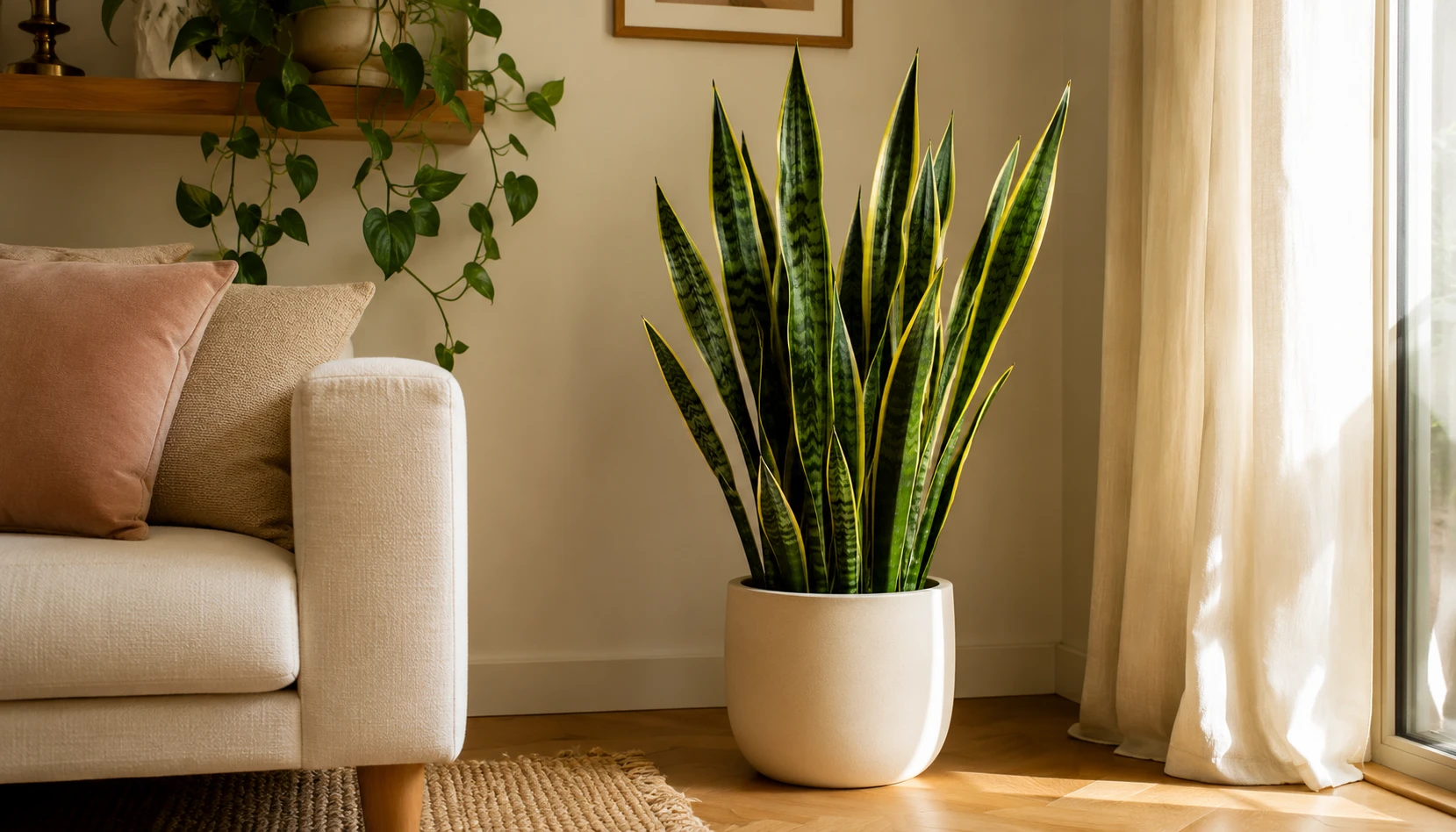
If you’ve struggled to keep houseplants alive, the snake plant is your new best friend. Renowned for its resilience, this green warrior thrives on minimal attention and can shrug off conditions that would send most plants packing. Whether you’re forgetful about watering or limited on sunlight, the snake plant has your back.
Light requirements: Almost anywhere. While it flourishes in bright, indirect light, it’s famously adaptable, tolerating dim nooks where other plants would fade away.
Watering schedule: Water sparingly—about every two to three weeks in warmer months, stretching to once every four to six weeks when it’s cooler. Overwatering is the number one culprit that harms snake plants, so it’s safer to underwater than to flood.
Ideal spot in your living room: Position it in a tall, somewhat empty corner that needs a burst of height. It also shines beside a couch or next to a sideboard, where its upright, sword-like foliage can really make a statement.
Styling advice: Pair your snake plant with a matte-finish ceramic pot in neutral tones like cream, terracotta, or black. The plant’s sleek, architectural leaves look fantastic with minimalist, modern planters. Avoid overly small pots, as they can make the plant prone to tipping—choose one just a touch bigger than the root ball.
Why it fits perfectly into 2026 living rooms: Its striking vertical silhouette enhances contemporary interiors, lending an artful, curated vibe rather than just greenery for greenery’s sake.
A quick caution: Snake plants are mildly toxic to pets if ingested in large amounts. If you have curious cats or dogs, keep your plant safely out of reach.
The Statement Maker
8. Fiddle Leaf Fig (Ficus Lyrata) — The Pinterest Star
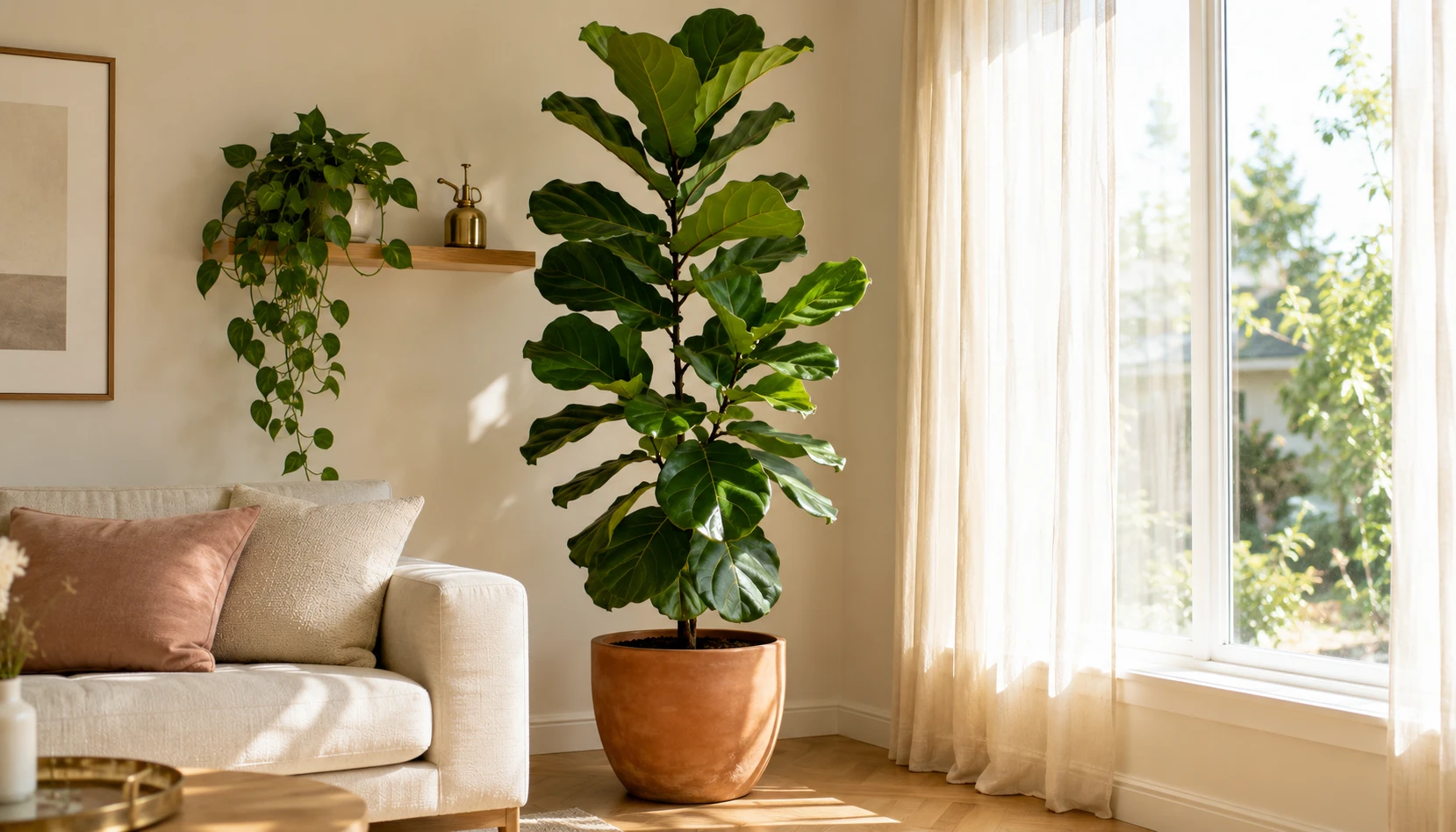
If there’s one plant that has become synonymous with chic interiors over the last few years, it’s the fiddle leaf fig. With its broad, glossy leaves shaped like tiny violins and a sturdy, tree-like stature, it’s truly the signature piece for modern living spaces.
Light requirements: Loves bright, indirect sunlight. Avoid placing it in harsh direct rays that can scorch its foliage, and steer clear of dim corners, which often lead to leaf drop. A spot a few feet away from a south- or west-facing window strikes the perfect balance.
Watering routine: Usually once a week works well, but always check that the top inch of soil has dried out before giving it a drink. Irregular watering can cause those beautiful leaves to fall off, so consistency is key.
Ideal placement in your living room: Position it in a sunny nook that helps ground the space—whether that’s next to a fireplace, near an expansive window, or tucked into an empty corner. Its tall frame adds much-needed vertical drama, especially in rooms with soaring ceilings.
Styling advice: Let this plant’s natural flair shine by opting for a clean, matte ceramic pot in neutral shades like cream or terracotta. Skip the busy, patterned containers—they can distract from the fiddle leaf fig’s impressive foliage. This plant is the star of the show.
Why it’s a must-have for 2026 interiors: Those large, sculptural leaves give your room a powerful focal point, perfectly balancing sofas, shelves, and other furniture pieces. A 5-6 foot fiddle leaf fig effortlessly fills awkward spaces, turning them into intentional design moments.
A word of caution: These plants are notorious for their dislike of relocation. Pick a spot you love and stick with it—constant moving or weekly rotations will stress the plant out. Also, if you have pets, be mindful that fiddle leaf figs are toxic if chewed.
Smaller Spaces
9. Best Plants for Small Living Rooms
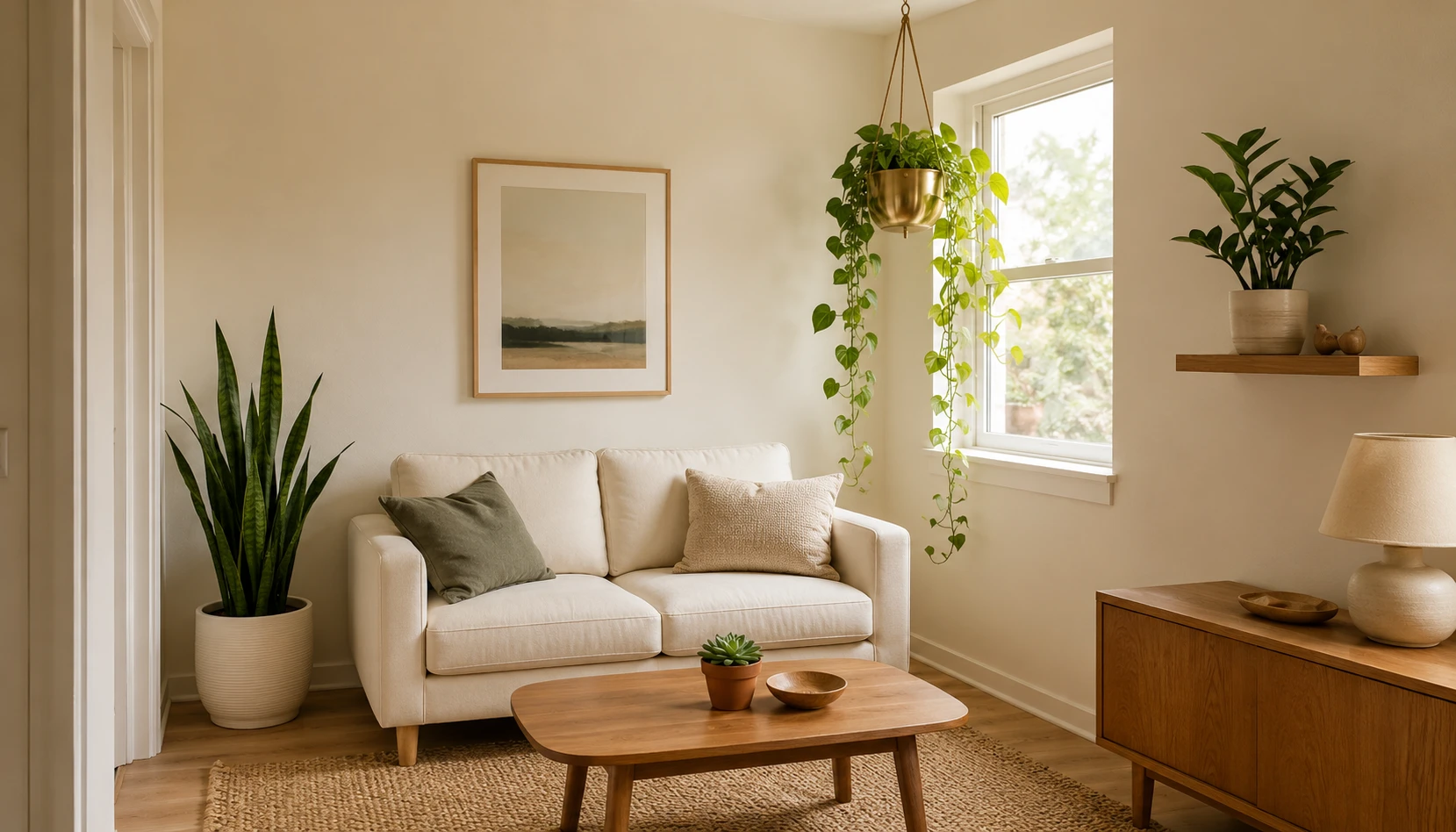
Even the coziest living rooms can thrive with a touch of greenery—it’s all about picking the right plants and using your space thoughtfully so you don’t feel cramped.
Top picks for small living spaces:
– Pothos in a hanging planter: This plant cleverly uses the air above instead of valuable floor space. Its trailing vines create a lush, layered look that adds dimension without crowding your room.
– Petite snake plant on a shelf: Standing tall but slim, a small snake plant (around 12 inches) placed on a floating shelf brings a sculptural vibe to your walls without demanding extra room.
– Trailing pothos atop a bookcase: Merging storage with style, the dangling vines soften the lines of furniture, making your bookcase feel more inviting and less rigid.
– Compact ZZ plant in a corner: Perfect for dimmer spots often found in apartments, the ZZ plant stays neat and manageable while thriving in lower light.
– Small peace lily on a side table: This charming bloomer adds delicate flair and freshness, all while fitting neatly on a side surface without taking up floor real estate.
Helpful hints for green decorating in tight spaces:
– Choose one standout plant rather than a cluster of smaller ones to keep things clean and focused.
– Think vertically—using shelves or hanging pots frees up your floors for movement.
– Let trailing plants do the work of adding visual interest without encroaching on walkways.
– Coordinate your pot colors with your room’s palette for a harmonious look.
– Practice restraint—overloading a tiny room with plants can feel chaotic, but a curated approach elevates your design.
Make It Beautiful
10. How to Style Houseplants in Your Living Room
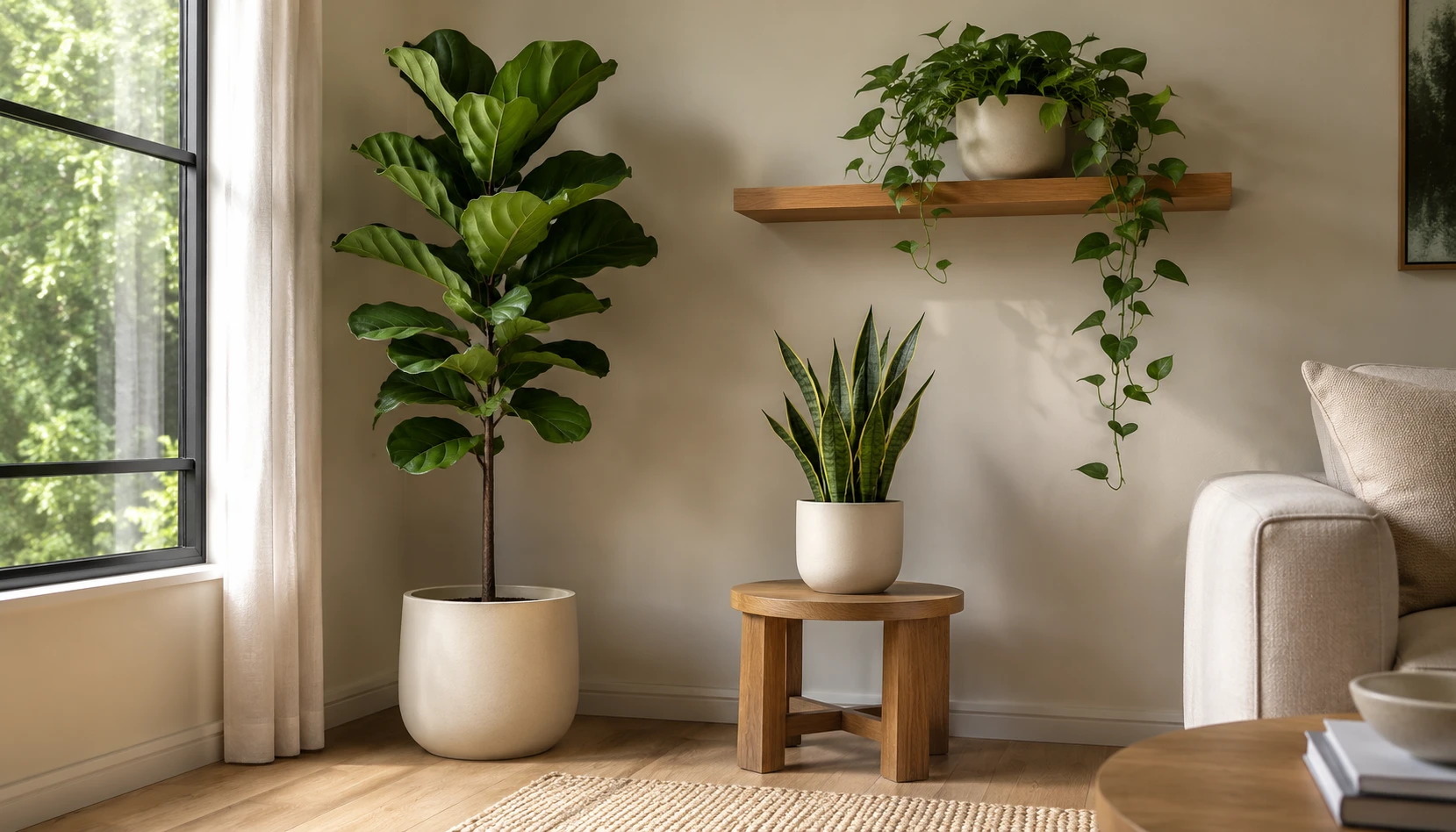
Houseplants can transform your living room from ordinary to effortlessly stylish, but it’s all about how you arrange them. A thoughtfully curated plant display can bring harmony and life to your space, while a haphazard setup might feel cluttered and overwhelming. Here’s how to master the art of living room plant styling:
Play with varying heights by mixing a tall floor-standing plant, a mid-sized tabletop favorite, and a trailing vine cascading from a shelf. This layering adds dimension and keeps your arrangement visually engaging.
Embrace the magic of threes. Grouping plants in sets of three with different shapes and sizes feels balanced and intentional, whereas pairs can come off as rigid or overly symmetrical.
Stick to a cohesive pot color scheme to unify your collection—think warm creams paired with terracotta, classic black combined with natural tones, or a similar limited palette. Avoid mismatched pots that compete for attention and create chaos.
Match the size of the pot to the plant it houses. A tiny plant lost in an oversized pot or a large plant squeezed into a small container disrupts balance. Aim for pots just slightly bigger than the plant’s root ball for a polished look.
Opt for natural materials like terracotta, ceramic, woven baskets, or wood to complement the organic vibe of your plants. Whenever possible, steer clear of plastic for a more elevated feel.
Position your plants near windows or other light sources to keep them healthy and vibrant. Bonus tip: placing a plant under a strategically placed lamp adds an inviting glow and highlights your greenery beautifully after dark.
Don’t be afraid to edit your plant lineup. A selection of three well-chosen, artfully arranged plants will always trump a crowded, cluttered collection. Less truly is more when it comes to plant styling.
Leave enough breathing room around each plant. Crowding them together can create visual confusion, while space allows each one to shine individually.
Finally, consider adjusting your plants’ spots throughout the year. Seasonal shifts in natural light mean that moving your greenery can encourage better growth and keep your living room looking fresh all year round.
Don’t Do This
11. Common Living Room Plant Mistakes to Avoid
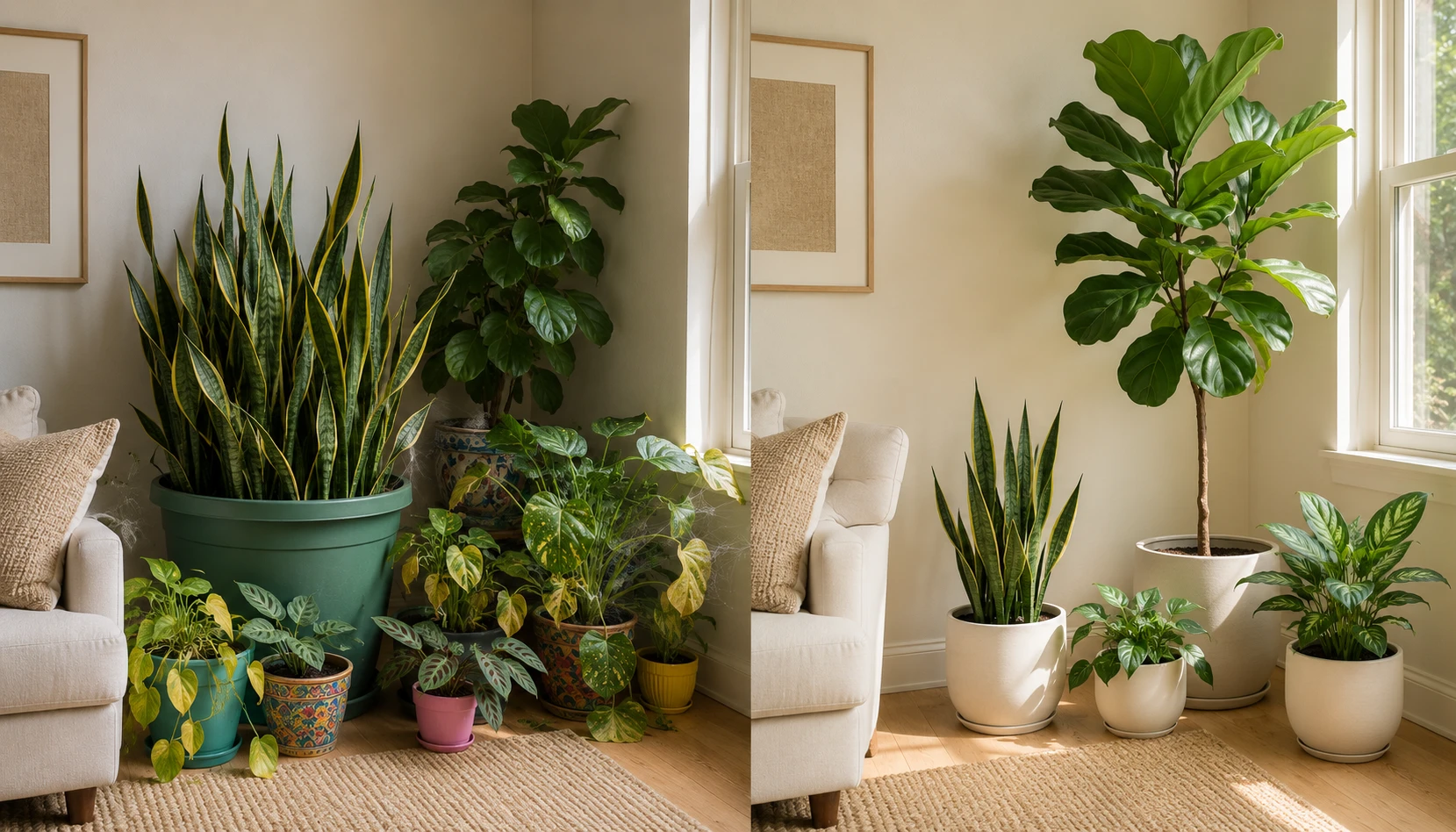
Before you bring lush greenery into your living space, it’s helpful to be aware of the pitfalls that can hold your plants back from thriving. Many common mistakes can unintentionally stress your plants or stunt their growth — but a little know-how goes a long way toward keeping your indoor jungle happy and healthy.
Mistake 1: Overwatering. This is hands down the number one way to send houseplants into decline. More often than not, drowning roots cause more damage than a little dryness. Always test the soil moisture before reaching for the watering can.
Mistake 2: Ignoring light needs. Placing a sun-loving plant in a dim nook is a recipe for slow decline. It’s essential to match your plant’s light preferences to the actual brightness of its new home for long-term success.
Mistake 3: Prioritizing aesthetics over care. Sure, a fiddle leaf fig is stunning, but it demands commitment. If you have a busy schedule, travel frequently, or tend to forget watering, opt for resilient options like snake plants or ZZ plants that forgive a little neglect.
Mistake 4: Using pots without drainage. Gorgeous pots without drainage holes might look great, but they trap excess water, which can suffocate roots. Always use containers with drainage holes or nest a smaller pot inside a decorative one to keep your plants safe.
Mistake 5: Constantly relocating plants. Plants settle into their spots over time, and frequent moves can stress them out. Find the ideal location and give your leafy friend space to acclimate and flourish.
Mistake 6: Overlooking humidity. Many indoor plants originate from humid jungles, yet our homes, especially in winter, tend to be dry. Boost humidity by grouping plants together, misting leaves regularly, or investing in a small humidifier to replicate their natural environment.
Mistake 7: Choosing pots that are too big. Repotting too early into oversized containers can lead to soggy soil and root rot. Increase pot size gradually as your plant grows to keep moisture levels balanced.
Mistake 8: Skipping regular pest inspections. Tiny invaders like spider mites and mealybugs love to sneak onto indoor plants. Make a habit of checking your leaves regularly to catch infestations early before they spread.
Mistake 9: Mixing too many plant styles at once. While variety is exciting, cluttering one corner with an eclectic mix of five different plants can create visual confusion. Group plants with similar shapes or textures together for a cohesive, stylish display.
Mistake 10: Diving in too fast. Instead of buying a handful of plants all at once, start with one and get to know its needs and quirks. This slow and steady approach builds your confidence and helps you develop a green thumb without feeling overwhelmed.
Final Thoughts
Starting with just one houseplant can be the first step toward creating a living room that feels truly alive and inviting. As you nurture your new green companion, you’ll discover the simple joy and calm it brings, inspiring you to gradually build a collection that reflects your personality and style. Each plant adds its own unique touch, transforming your space into a vibrant sanctuary where nature and comfort coexist beautifully.
Remember, cultivating a plant family is a journey—one filled with growth, patience, and plenty of rewards. So take a deep breath, pick the plant that speaks to you, and watch as your living room blossoms into a haven of freshness and tranquility. With every leaf and stem, you’re not just decorating a room—you’re creating a home filled with life and possibility.


Leave a Reply