Picture this: you’ve fallen in love with the timeless elegance of mid-century modern furniture, but your heart also pulls toward the cozy charm of rustic farmhouse accents. Sticking to just one style feels limiting, almost like trying to tell your whole story with only a few chapters. If you’ve ever stared at your living room and wished it reflected more of who you truly are—an eclectic blend of tastes and memories—you’re not alone. Mixing interior design styles isn’t just a trend; it’s a way to create a home that’s uniquely yours.
When you blend different design styles thoughtfully, the result is a space that feels layered, dynamic, and deeply personal. Rather than a showroom stripped of character, your home becomes a curated collection of your favorite influences and inspirations. Combining the sleek lines of modern minimalism with the warmth of vintage textiles, or pairing industrial metals with soft, bohemian hues, invites a narrative that’s far more interesting than sticking to a single aesthetic. It’s this harmony of contrast that transforms a room from merely beautiful to truly meaningful.
In this post, I’ll guide you through the art of mixing styles with confidence and flair—no design degree required. From balancing color palettes and textures to selecting statement pieces that tie diverse elements together, you’ll discover practical tips that make the process feel fun and manageable. Embrace your inner tastemaker, and let’s turn your home into a vibrant reflection of all the styles you love—woven seamlessly into one stunning story.
1. Let Your Style Journey Lead the Way
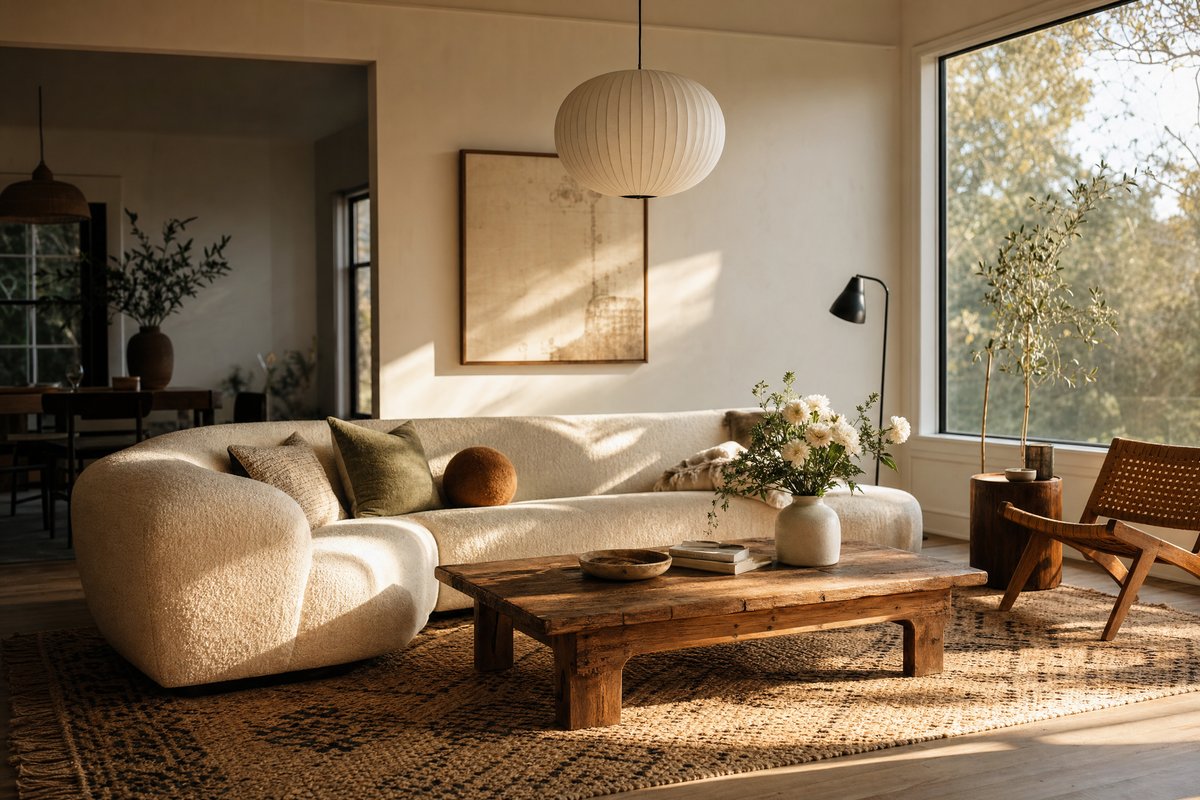
Interior design isn’t about following a strict set of rules or fitting into a particular mold; it’s a personal adventure that reflects your unique taste and experiences. Instead of worrying about whether your choices perfectly align with a designated style, focus on what genuinely resonates with you. Whether that means pairing sleek mid-century pieces with bohemian textiles or layering vintage finds with contemporary art, your home becomes a canvas for your evolving story. Over time, these thoughtful blends create an inviting, authentic space that feels lived-in and deeply yours, rather than showroom-perfect but impersonal. Embracing imperfections and unexpected combinations often results in a home full of character and warmth.
Key Design Elements
- Mix different eras and textures to add depth and intrigue—combine a rustic wooden table with a modern acrylic chair, for example.
- Don’t be afraid to layer patterns and colors you love, even if they come from contrasting palettes or styles.
- Incorporate meaningful objects collected over time to tell your story and make the space uniquely yours.
- Trust your instincts when it comes to furniture placement or décor accents—if it feels right, it probably is.
Pro Tip: Start by choosing one piece you adore, then build around it with complementary items that speak to your personal taste, not a rulebook.
2. The Power of Pause: Let Your Space Breathe
When blending various design styles, it’s tempting to showcase every favorite piece, but filling every nook and cranny can quickly overwhelm a room. Instead, think of your space as a canvas—sometimes the most compelling art is what’s left blank. Leaving room for the eye to rest not only prevents visual chaos but also highlights the elements you truly love. Rather than packing shelves and walls to the brim, aim for thoughtful placement that allows each item to shine individually. A little breathing room transforms a busy room into a curated experience, giving the space an inviting and refined feel.
Key Design Elements
- Start by assessing your room and removing anything that feels redundant or out of place.
- Choose statement pieces that reflect your style and let them have space to command attention.
- Resist the urge to fill every wall—leave some areas bare to create balance and contrast.
- Use empty corners as visual pauses rather than storage catch-alls or decoration zones.
Pro Tip: Before adding new decor, clear out three existing items to keep your space intentional and fresh.
3. Creating Timeless Spaces by Mixing Eras
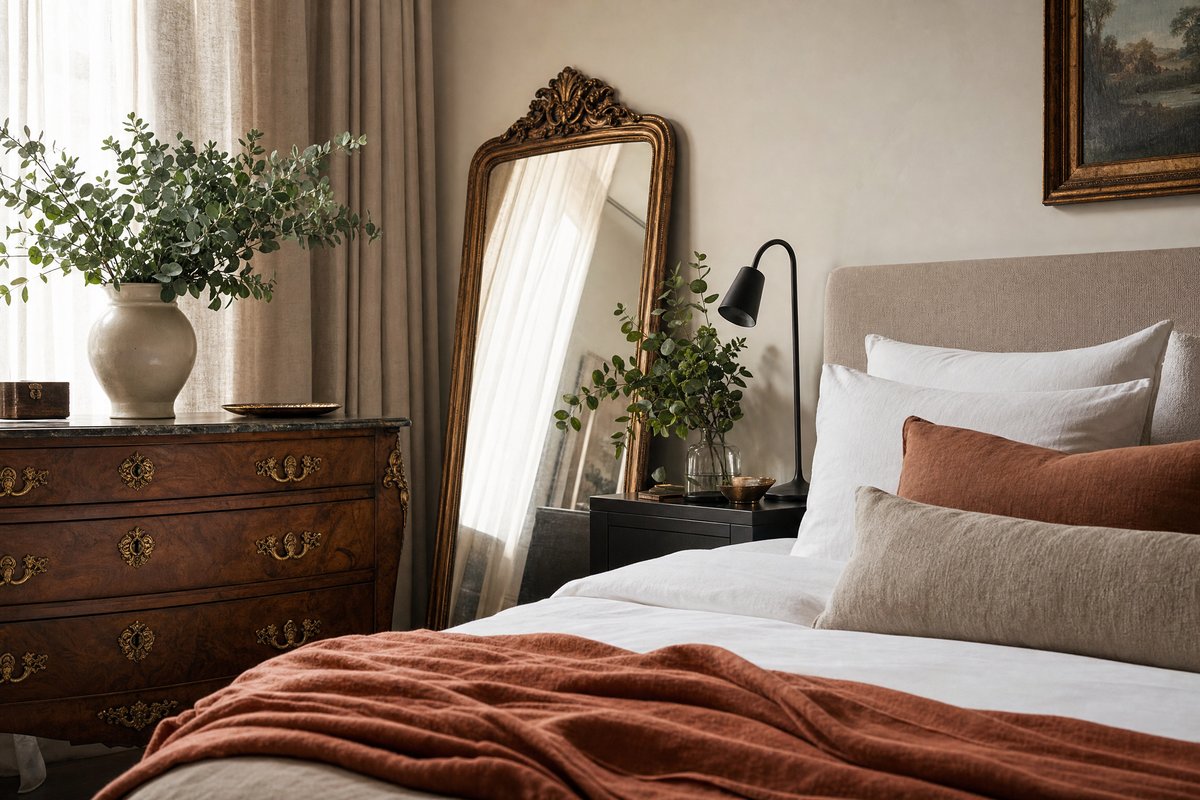
Incorporating pieces from different time periods can transform a room from ordinary to captivating. When you blend antiques with contemporary items, you add layers of interest and personality that make a space feel truly lived-in and unique. Instead of aiming for a perfectly matched set, think about how contrasting styles complement one another — like a mid-century armchair paired with a sleek, modern coffee table. This approach steers away from overly curated or monotonous interiors, giving your home a natural, warm vibe that tells a story through its layers. Plus, combining eras invites you to experiment and bring in meaningful finds from flea markets or family heirlooms alongside clean-lined, new purchases.
Key Design Elements
- Pair a classic leather tufted sofa with geometric metallic light fixtures for a striking balance.
- Add character to a minimalist dining area with a reclaimed wood table topped by contemporary chairs.
- Use vintage rugs and cushions to soften and enrich an otherwise modern color palette.
- Layer an antique framed painting over a simple, neutral wall to create an eye-catching focal point.
Pro Tip: Start small by integrating one vintage piece in a modern room—it’s the easiest way to add warmth without overwhelming your space.
4. Create Harmony by Sticking to a Signature Color Story
When designing your space, selecting a unified color scheme acts as the foundation that brings all elements into balance. Even if your furniture pieces hail from different eras or styles—think a sleek mid-century couch paired with a rustic farmhouse coffee table—the consistent hues you choose will weave them together seamlessly. This approach eliminates visual chaos and helps transform a collection of diverse items into a thoughtfully curated room. Before you start hunting for decor or furnishings, pinpoint the colors that resonate with your vibe to guide your purchases and prevent overbuying. Whether you prefer muted tones, bold contrasts, or nature-inspired palettes, committing to a color story simplifies decisions and elevates your overall aesthetic.
Key Design Elements
- Define 3-4 core colors that complement each other and use them as your decorating compass.
- Incorporate your chosen colors across different textures—like fabrics, woods, metals, and wall finishes—to create depth.
- Use accent colors sparingly to add interest without disrupting the cohesiveness.
- Keep a color swatch or palette saved on your phone for easy reference when shopping or browsing online.
Pro Tip: Lock in your palette early—shopping with a clear color plan stops impulse buys and keeps your look effortlessly coordinated.
5. Create Harmony Through Repeated Elements
Blending different design styles in your space can feel tricky, but finding common threads through materials and textures helps tie everything together seamlessly. When you echo a particular surface or finish across diverse pieces, it gives the room a sense of unity, even if the furniture styles contrast sharply. For example, pairing a sleek metal-framed couch with cozy, rustic accents becomes much more cohesive if you weave in similar metallic details throughout the space. Texture is the secret ingredient that elevates a room’s flow, making an eclectic mix appear thoughtfully curated rather than chaotic. By thoughtfully repeating tactile elements, you invite warmth and rhythm into your interiors, creating an inviting atmosphere that feels intentional and balanced.
Key Design Elements
- Choose a key material or texture to repeat, such as brass, natural wood, or woven fibers, to anchor your room’s palette.
- Incorporate that element in unexpected spots—think metallic lamp bases, wooden picture frames, or jute rugs.
- Mix and match styles by focusing on texture compatibility; smooth glass pairs beautifully with handwoven fabrics, for instance.
- Use soft textiles like velvet or boucle to soften industrial or minimalist furniture for added depth and comfort.
Pro Tip: Pick one texture or finish to repeat in at least three places—this subtle rhythm instantly brings balance to any mixed-style space.
6. Illuminate Your Space: Harmonizing Styles Through Thoughtful Lighting
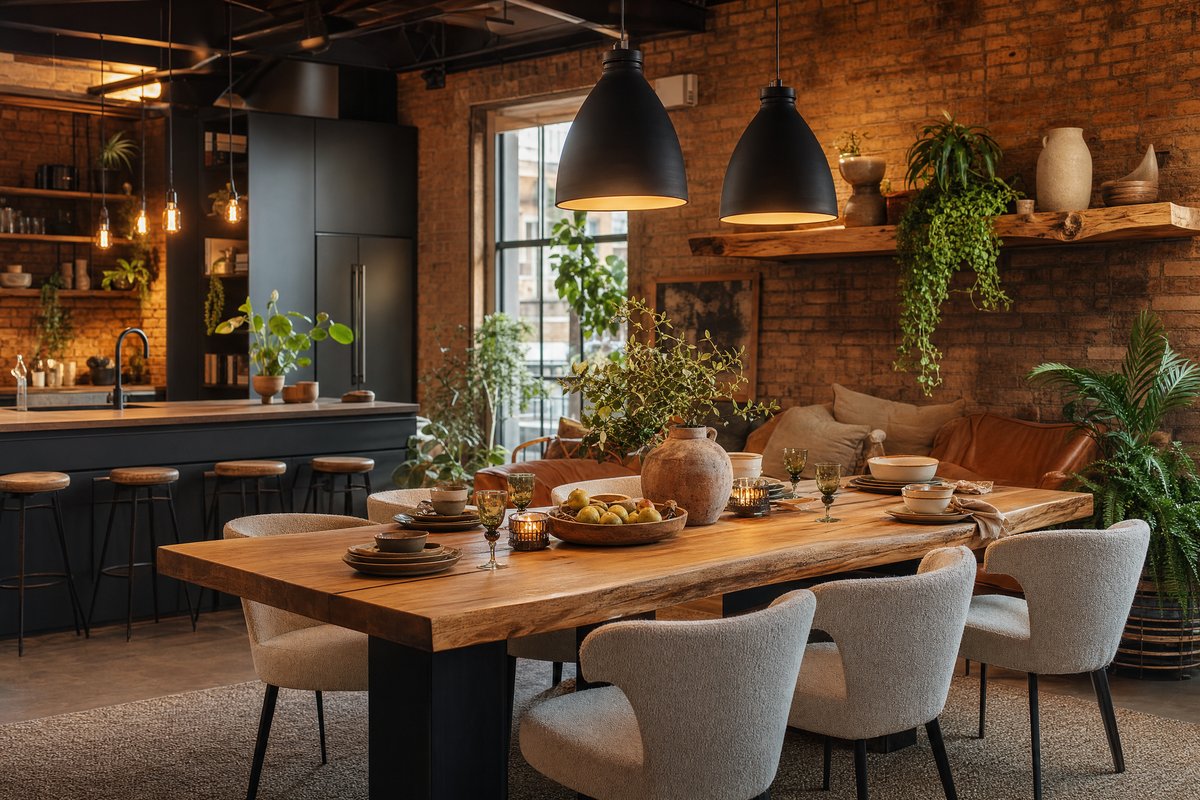
Lighting plays a transformative role in tying together varied interior styles, turning a mismatched collection into a harmonious haven. When you layer different types of light sources—think cozy table lamps alongside sleek pendant fixtures—you create depth and warmth that invite people in. Soft, warm lighting not only enhances textiles and colors but also softens contrasts between design elements, making the entire room feel more intentional and welcoming. By carefully balancing illumination levels and styles, you can craft an environment where eclectic pieces naturally complement each other rather than compete for attention.
Key Design Elements
- Incorporate multiple lighting layers: combine overhead lights, task lighting, and accent lamps.
- Choose bulbs with a warm color temperature (2700K to 3000K) for a cozy ambiance.
- Mix materials and finishes in your light fixtures to reflect the diversity of your decor.
- Use dimmers to adjust light intensity throughout the day and set different moods.
- Add candles or string lights for subtle, flickering warmth that enhances texture and depth.
Pro Tip: Swap out harsh white bulbs for warm-toned LED alternatives to instantly soften the room’s vibe and unify diverse design pieces.
7. Create a Cohesive Vibe by Choosing Your Leading Style
When designing a room, think of one predominant style as the foundation that sets the tone and ties the space together. Without a clear focal aesthetic, your room can easily feel chaotic, as if every piece is pulling in a different direction. For instance, imagine a cozy reading nook grounded in Scandinavian minimalism, accented with warm mid-century modern furniture and a splash of eclectic art. Because one style leads the way, the additional elements enhance without overwhelming, creating a balanced and inviting environment. Approach your design like a story where the main theme guides the supporting characters, ensuring each detail complements the others.
Key Design Elements
- Start by selecting a primary style that resonates with you and suits the room’s function.
- Use key pieces like a sofa, rug, or lighting fixture to anchor this main style.
- Introduce secondary influences sparingly—think one or two accent motifs rather than a mix of many.
- Keep color palettes consistent with your leading style to maintain harmony throughout the space.
Pro Tip: Aim for an 80/20 ratio: let 80% of your room reflect your dominant style and reserve 20% for accent elements that add personality and flair.
8. Let Your Star Piece Shine: Crafting a Balanced Room
When designing a room, it’s tempting to fill every corner with bold, eye-catching items. However, if everything competes for attention, the overall effect can feel chaotic and overwhelming rather than stylish. Instead, focus on selecting a single standout piece in each space—a vibrant armchair, an intricate coffee table, or a striking chandelier—to serve as the focal point. Surround this showstopper with more subdued, complementary items that support without stealing the spotlight. This approach creates harmony and sophistication, allowing your statement element to truly captivate and your room to breathe.
Key Design Elements
- Pick one focal piece per room that reflects your personality or style.
- Use neutral colors or simple shapes for surrounding furniture and accessories.
- Incorporate texture or subtle patterns in the supporting elements to add interest without noise.
- Ensure lighting highlights the hero item, drawing the eye naturally.
- Avoid clustering multiple loud pieces together; space them out to give each room balance.
Pro Tip: Choose your statement piece first, then build the room’s palette and furniture choices around it for a cohesive, polished look.
Final Thoughts
Embracing the art of mixing interior design styles invites us to move beyond the confines of rigid, single-style thinking and instead celebrate the creative freedom that comes with blending diverse elements. This mindset shift encourages us to see our spaces not as templates bound by rules, but as evolving stories that reflect our unique tastes and experiences. By weaving together different textures, eras, and colors, we craft a home that truly feels alive, personal, and endlessly inspiring.
So, give yourself permission to experiment boldly and trust the instincts that guide you toward what feels right. There’s no perfect formula—just your authentic vision waiting to unfold. Remember, the most memorable interiors aren’t those that follow every trend, but those that shine with the confidence of a well-loved, well-lived space. Let your home be a joyful expression of your creativity, a place where every corner whispers your story and every detail sparks delight.
Leave a Reply