Japanese interior design, deeply rooted in the philosophy of wabi-sabi, embraces simplicity, natural beauty, and the charm of imperfection. It focuses on clean lines, functional spaces, and a deep connection to nature. Whether you live in a traditional home or a modern apartment, incorporating Japanese aesthetics can transform your living room into a peaceful retreat.
Here are 18 ideas—rearranged by theme and expanded with a new concept—to help you cultivate a serene, Japanese-inspired living space.
Architectural Elements & Layout
1. Shoji Screens
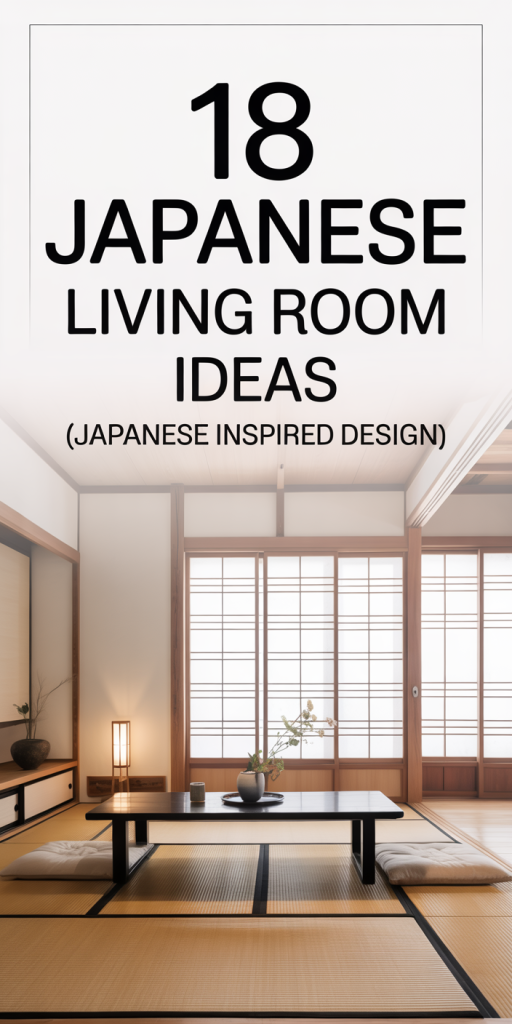
Shoji screens are a hallmark of Japanese design. These lightweight, translucent panels, traditionally crafted with wooden frames and rice paper, serve beautifully as room dividers or window treatments. They allow soft, diffused natural light to filter through while maintaining privacy, adding an airy and mysterious quality to the room.
2. Fusuma (Sliding Doors)
Another iconic architectural feature is fusuma, or sliding doors. They are perfect for dividing spaces or concealing storage without taking up the swing space of traditional doors. Adorned with subtle paintings or calligraphy, they contribute to an open, flowing layout while adding artistic flair.
3. Tokonoma Alcove
A tokonoma is a dedicated recessed alcove used to display prized items or seasonal decor. It acts as a focal point in the room. By dedicating a small wall space to a simple scroll, a bonsai, or an Ikebana arrangement, you create a minimalist display that draws the eye without cluttering the space.
4. Embrace Empty Space (Ma)
The Japanese concept of ma celebrates the beauty and necessity of empty space. Rather than filling every corner, allow the room to breathe. This minimalist approach avoids clutter and excess, fostering a relaxed and open atmosphere where the mind can rest.
Furniture & Flooring
5. Minimalist, Low-Lying Furniture
To complement the concept of ma, opt for furniture with clean lines and simple silhouettes. Low-lying pieces, such as a chabudai (short-legged table) paired with floor cushions, enhance the feeling of spaciousness and encourage an informal, grounded lifestyle.
6. Tatami Mats
Traditional Japanese flooring relies on Tatami mats, woven from rice straw. They provide a slightly springy, comfortable surface underfoot and emit a subtle, earthy scent. You can use them wall-to-wall or to define a specific zone, like a meditation corner.
7. Futon Beds for Versatility
For smaller living rooms or multi-purpose spaces, traditional Japanese futons are incredibly practical. Consisting of a thick mattress and quilt, they can be rolled out for lounging or sleeping and easily stored away during the day to free up valuable floor space.
Natural Materials & Lighting
8. Authentic Natural Materials
A core tenet of Japanese design is the use of authentic, natural materials. Incorporate wood, bamboo, stone, and paper into your decor. Whether through bamboo blinds, a stone accent wall, or wooden furniture, these elements ground the space and connect the indoors with the natural world.
9. Neutral, Earthy Color Palette
Set a calming foundation with a neutral color scheme. Earthy tones like white, beige, soft browns, and muted greens create a serene backdrop. This understated palette allows the textures of natural materials and carefully chosen accents to stand out.
10. Maximize Natural Light
Natural light is vital for creating an open, airy feel. Replace heavy drapes with sheer curtains or simple blinds to let sunlight flood the room. Strategically placed mirrors or skylights can also help bounce light into darker corners, enhancing the room’s harmony.
11. Japanese Paper Lanterns
When artificial light is needed, Japanese lanterns made of paper or bamboo are ideal. Whether hung from the ceiling or used as floor lamps, they cast a warm, soft glow. The gentle light filtering through the paper creates beautiful shadows and an intimate ambiance.
Nature & Greenery
12. Bonsai Trees
Bonsai, the meticulous art of cultivating miniature trees, brings the outdoors inside while symbolizing patience and harmony. Placing a bonsai on a dedicated stand or coffee table adds a captivating, living sculpture to your living room.
13. Ikebana Flower Arrangements
Ikebana is the traditional art of flower arranging, focusing on lines, form, and negative space rather than mere abundance. A carefully crafted Ikebana display adds elegance, balance, and a touch of seasonal beauty to your decor.
14. Miniature Zen Garden (Karesansui)
A karesansui, or dry landscape garden, uses sand, rocks, and sometimes moss to represent nature. Creating a small Zen garden in a shallow tray allows for interactive mindfulness, as you can use a small rake to draw calming patterns in the sand.
Art & Accessories
15. Calligraphy Art (Shodo)
Japanese calligraphy, or shodo, is a profound art form where a single brushstroke conveys deep emotion and meaning. Framing a piece of elegant calligraphy adds cultural depth and sophisticated visual interest to your walls.
16. Noren Curtains
Noren are short fabric dividers traditionally hung in doorways. They offer a soft separation between rooms or can be used to hide shelving. Available in various colors and patterns, they bring a functional yet decorative Japanese charm to the space.
17. Origami Decorations
The art of paper folding, origami, showcases precision and craftsmanship. Displaying delicate paper cranes or flowers on shelves, or hanging them from the ceiling, adds a whimsical and artistic touch to the room.
18. Japanese Tea Set
A traditional ceramic or cast-iron tea set is both a beautiful decorative object and a functional tool for mindfulness. Displaying it on a tray invites the ritual of tea preparation, promoting tranquility and connection within your living space.
19. Kintsugi-Inspired Decor (New Idea)
Kintsugi is the Japanese art of repairing broken pottery with lacquer dusted or mixed with powdered gold, silver, or platinum. It treats breakage and repair as part of the history of an object, rather than something to disguise. Incorporating Kintsugi-style ceramics—such as a repaired vase or decorative bowl—into your living room not only adds a stunning visual element with its golden veins but also serves as a beautiful reminder of resilience and the wabi-sabi appreciation of imperfection.
By thoughtfully integrating these elements, you can design a living room that is not just a place to sit, but a sanctuary that nurtures peace, mindfulness, and a deep appreciation for the simple things in life.
Leave a Reply