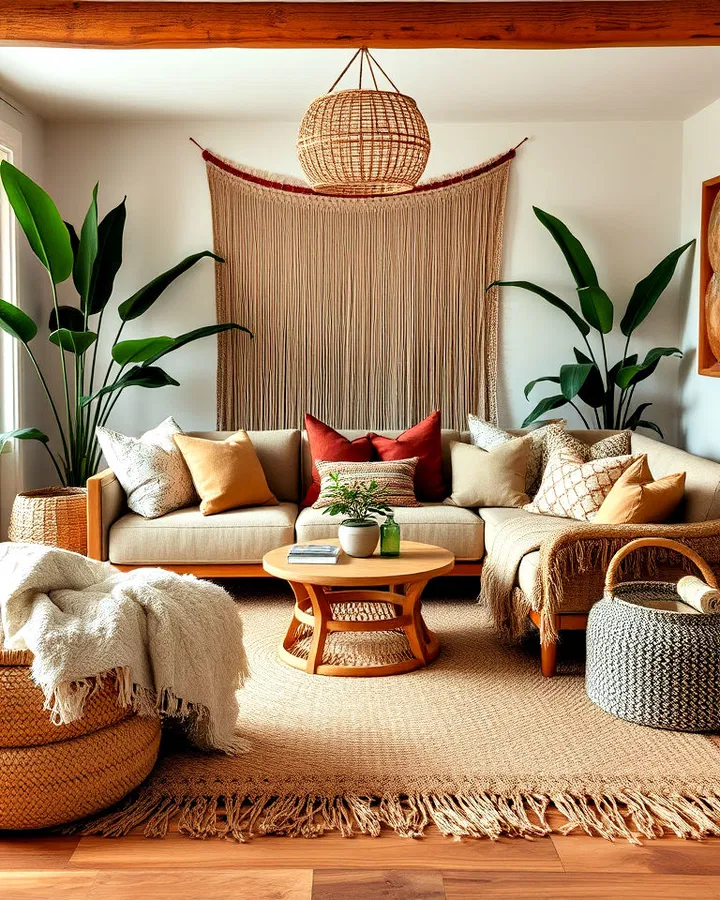
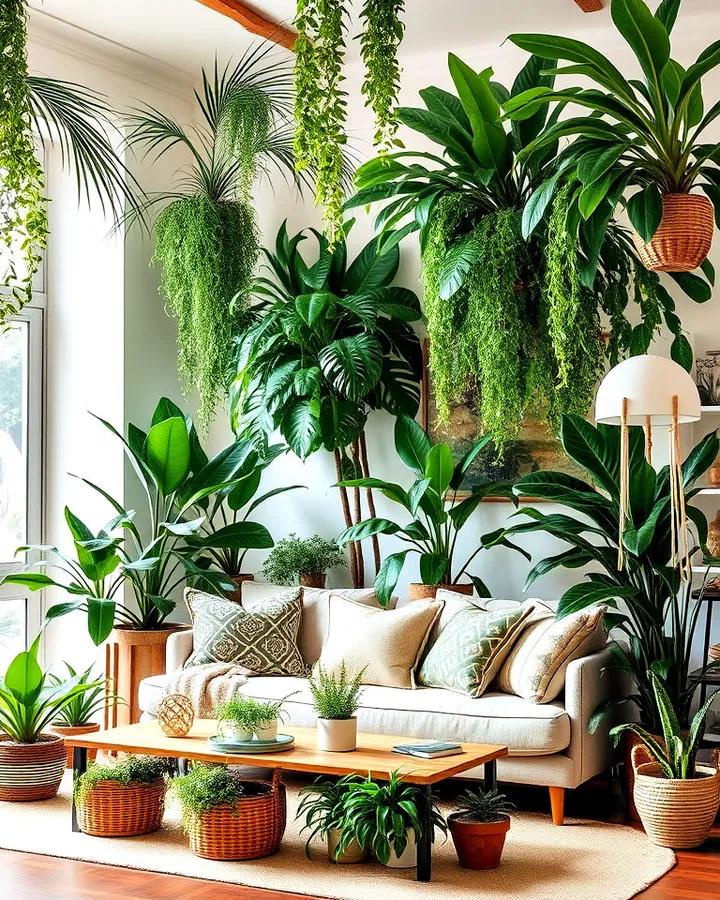
Author: Nick Garcia

  • How to Declutter Your Home for Fall (Step-by-Step Guide)

    As the seasons shift, your home should too. Fall is the perfect time to reset your space—clearing out what you no longer need and making room for a cozy, organized environment. Instead of feeling overwhelmed, follow this structured approach to declutter efficiently and create a home that feels calm, functional, and ready for the colder months.

    1. Start With Storage Zones for Maximum Impact

    Before tackling visible areas, begin with hidden storage spaces like closets, linen cabinets, and utility areas.

    Empty each space completely and sort items into three categories: keep, donate, and discard. Check for anything broken, expired, or unused. Once sorted, reorganize using shelf dividers, labeled bins, and vertical storage solutions.

    This step creates an immediate sense of control and frees up space for seasonal items you’ll be bringing out.

    2. Transition Your Wardrobe for the Season

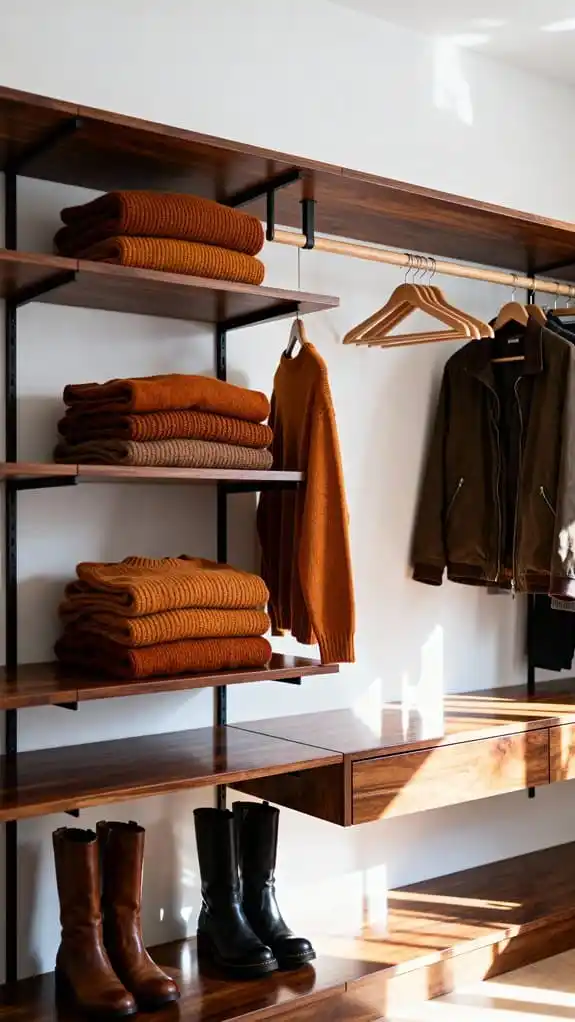
    With cooler weather approaching, now is the time to rotate your clothing.

    Remove all summer clothes and shoes, then evaluate each item honestly:

    • Keep items that fit well and are still in good condition
    • Donate pieces you didn’t wear this year
    • Discard anything worn out or damaged

    Store off-season clothing in under-bed containers or vacuum bags to maximize space. This keeps your closet functional and clutter-free.

    3. Eliminate Broken and Unused Household Items

    Clutter often hides in plain sight through items that no longer serve a purpose.

    Walk through each room and identify:

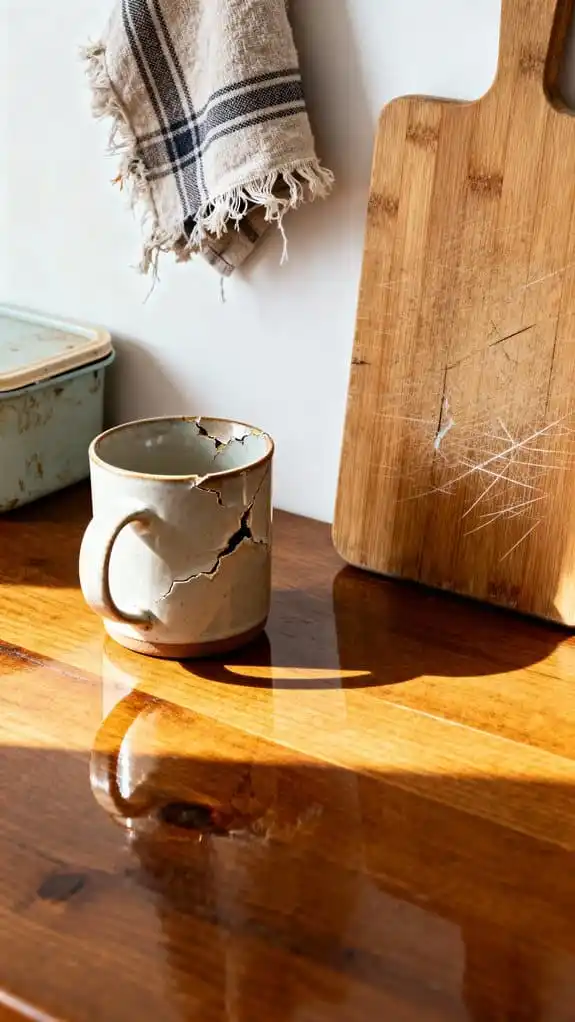
    • Broken appliances
    • Damaged furniture
    • Items you’ve been meaning to fix but haven’t

    If something hasn’t been repaired in months, it’s time to let it go. Removing these items instantly improves both space and visual clarity.

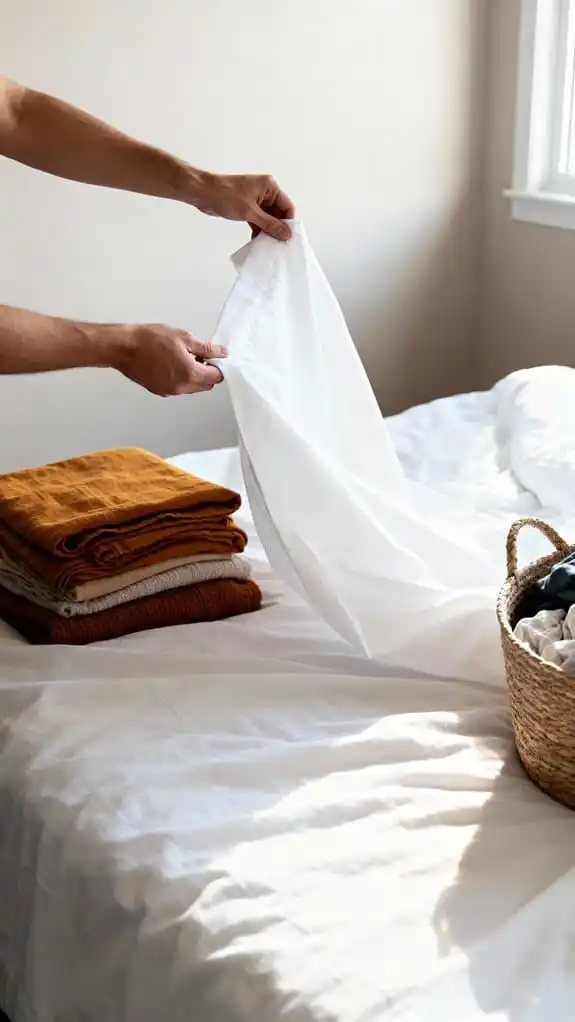
    4. Refresh Your Bedding for Cooler Weather

    Fall is the ideal time to inspect stored linens and prepare for colder nights.

    Check blankets, comforters, and sheets for:

    • Mold or mildew
    • Tears or excessive wear

    Replace lightweight summer bedding with warmer materials like fleece or wool. Donate items that are still usable but no longer needed.

    This ensures comfort while maintaining a clean, fresh sleeping environment.

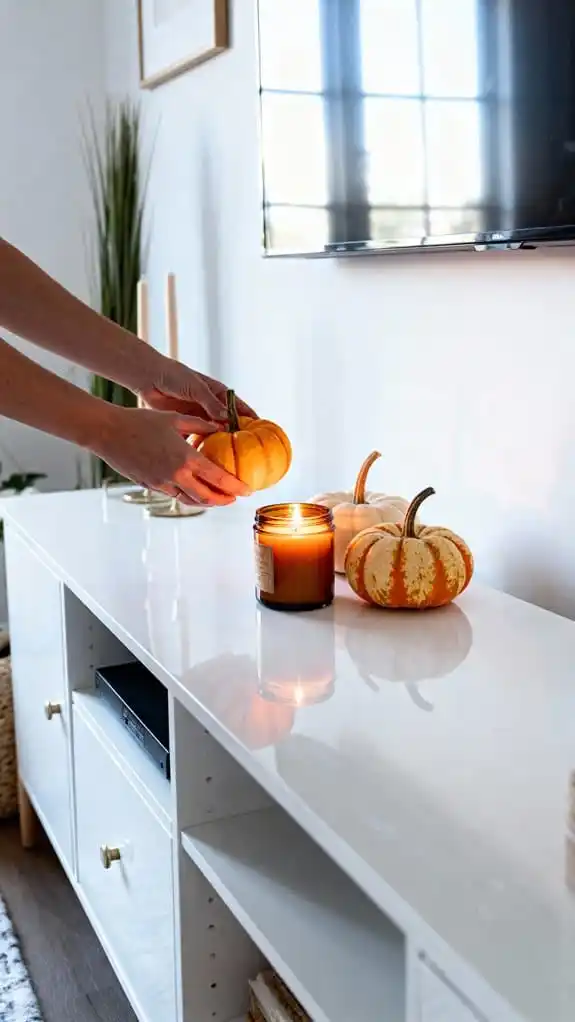
    5. Declutter and Update Seasonal Decorations

    Seasonal decor can easily pile up over the years.

    Sort your decorations into:

    • Keep: versatile and frequently used items
    • Donate: duplicates or items in good condition
    • Discard: broken, faded, or outdated decor

    Focus on pieces that work across multiple occasions rather than storing items you rarely use. Updating your decor keeps your home feeling intentional and current.

    6. Deep Clean and Organize Your Pantry

    Your kitchen pantry is one of the most overlooked clutter zones.

    Start by checking expiration dates and removing anything expired. Then:

    • Group similar items together
    • Place frequently used products at eye level
    • Use clear containers to track quantities easily

    This not only declutters your space but also prevents overbuying and food waste.

    7. Prepare Outdoor Areas for Winter

    Before the cold sets in, take time to declutter and organize your outdoor spaces.

    Focus on:

    • Removing dead plants and broken tools
    • Storing or covering patio furniture
    • Discarding damaged garden supplies

    Organizing these areas now prevents bigger cleanup tasks when spring arrives.

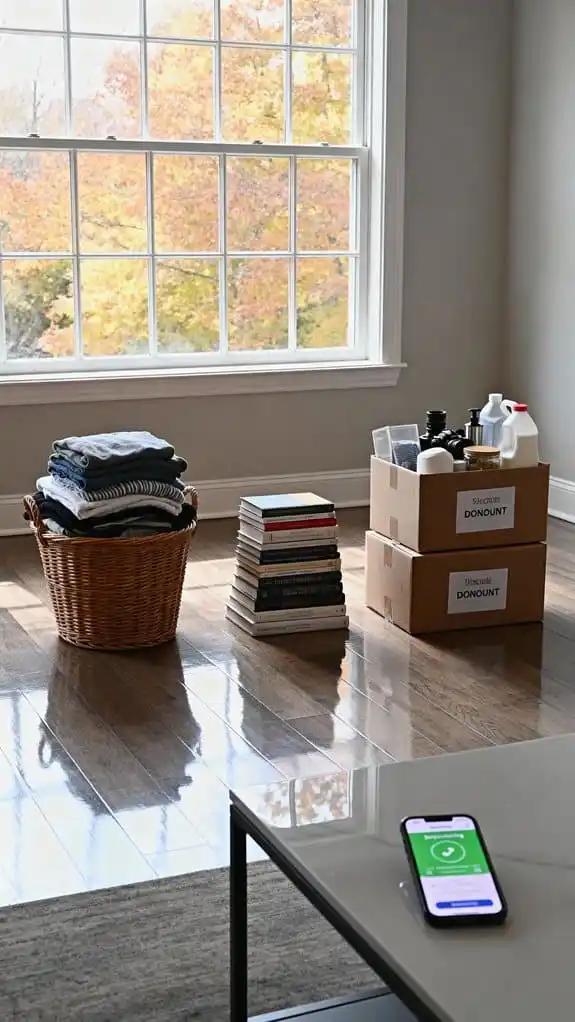
    8. Create a Donation System and Schedule Pickups

    Once you’ve gathered unwanted items, don’t let them sit around.

    Sort donations into categories like clothing, household goods, and seasonal items. Research local charities and schedule a pickup in advance.

    Keeping this step timely ensures your decluttering efforts are completed and your space stays clear.

    Conclusion

    Decluttering for fall isn’t just about cleaning—it’s about resetting your environment for comfort and functionality. By working through storage spaces, clothing, household items, and outdoor areas in a strategic order, you create a home that feels lighter, more organized, and ready for the season ahead.

    The key is consistency. Once you’ve completed this process, maintaining it becomes easier—and your home stays a place you truly enjoy spending time in.

  • How to Design a Cozy Rustic Front Porch on a Budget

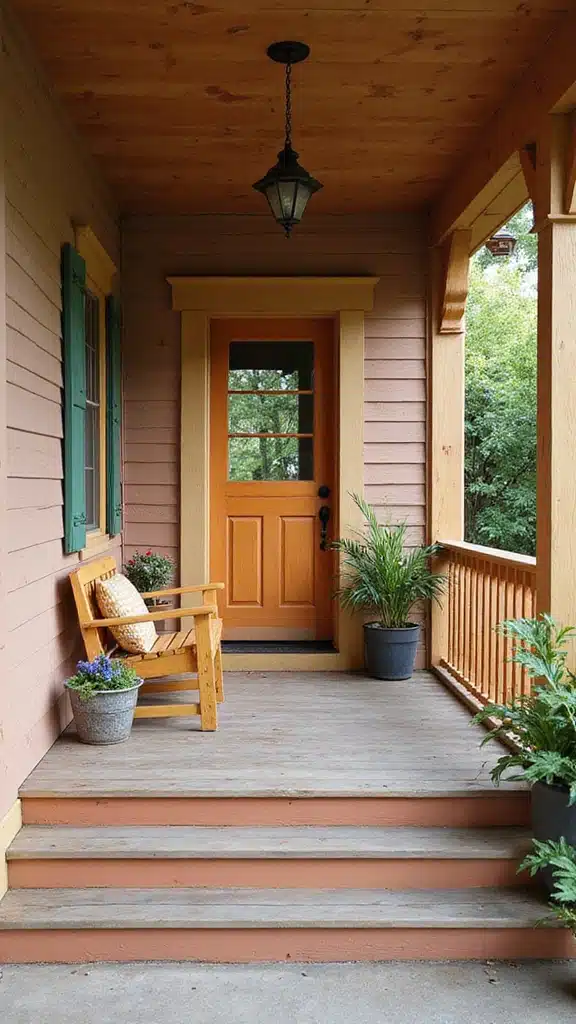
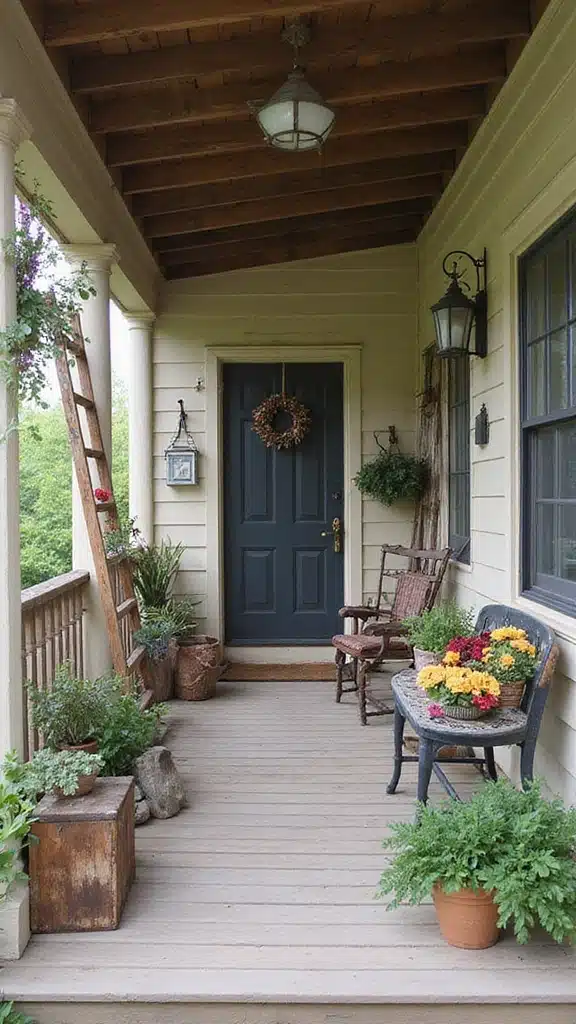
    Creating a rustic front porch doesn’t require a big budget—just creativity, resourcefulness, and a few thoughtful touches. With the right mix of textures, materials, and DIY charm, you can transform your porch into a warm and inviting space that feels both stylish and personal.

    Below are 10 refreshed and restructured ideas to help you achieve that perfect rustic look without overspending.

    1. Start with a Warm, Earthy Color Base

    Before adding decor, set the tone with color. Rustic spaces thrive on natural hues like soft greens, weathered browns, muted blues, and creamy whites.

    A fresh coat of paint on railings, walls, or furniture can instantly revive your porch and create a cohesive foundation. Consider a two-tone approach for added depth—like darker railings paired with lighter walls.

    2. Use Reclaimed Wood for Authentic Character

    Nothing says “rustic” like reclaimed wood. It adds texture, history, and a naturally aged look that new materials simply can’t replicate.

    You can use it for:

    • A DIY bench
    • Accent walls
    • Porch rail details

    It’s also budget-friendly and eco-conscious, making it a win on all fronts.

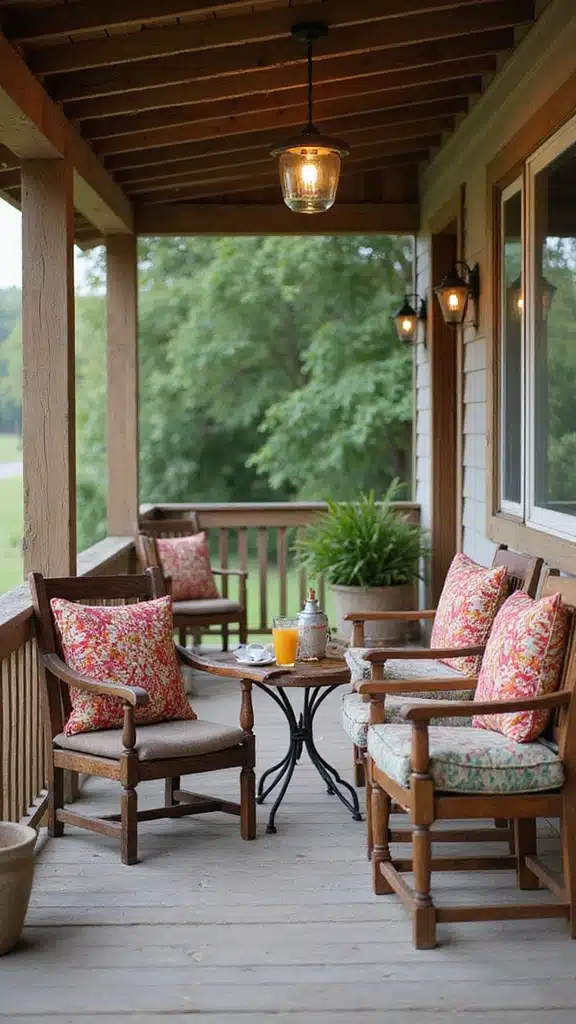
    3. Create a Relaxing Seating Area

    Your porch should feel like an extension of your living space. Instead of buying expensive furniture, consider:

    • Upcycling old chairs
    • Thrift store finds
    • DIY benches

    Add cushions, throws, and a small table to create a cozy setup perfect for coffee mornings or evening unwinding. Comfort is key to making the space truly inviting.

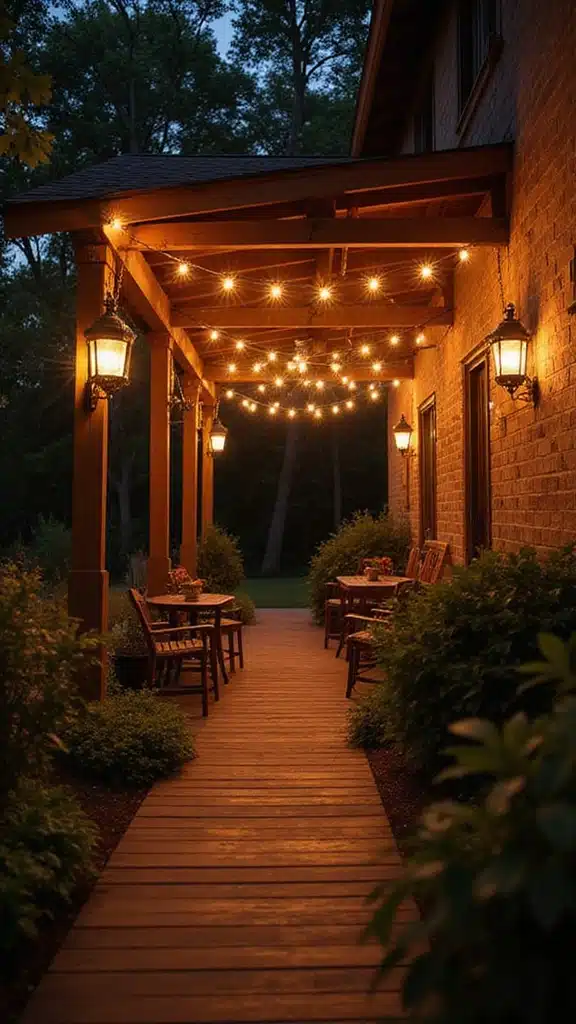
    4. Layer Lighting for a Cozy Evening Glow

    Lighting can completely transform the mood of your porch. Aim for soft, layered lighting rather than one harsh source.

    Try combining:

    • String lights for ambiance
    • Lanterns for warmth
    • Solar lights for efficiency

    This mix creates a relaxing atmosphere that makes your porch usable even after sunset.

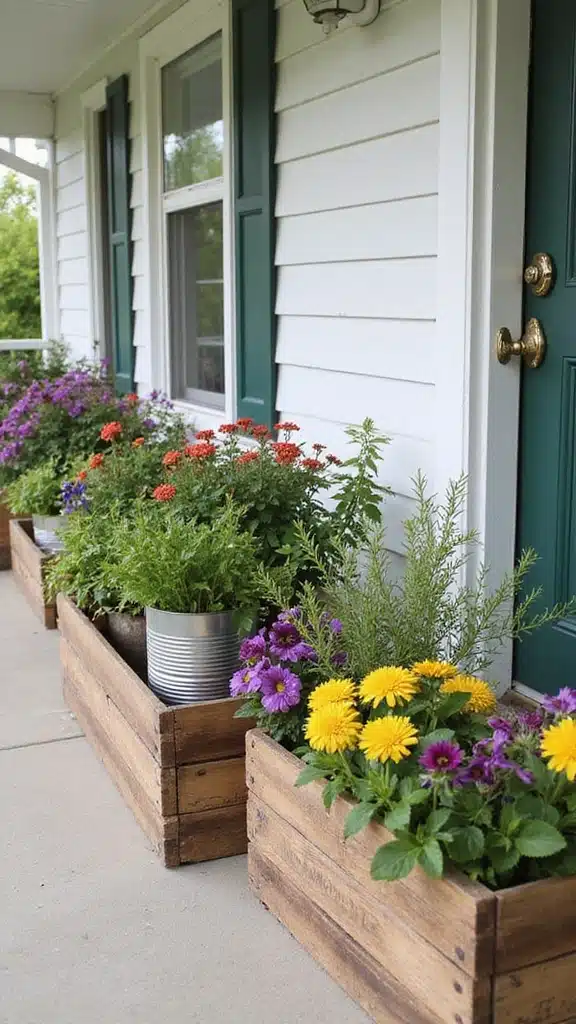
    5. Add Greenery with DIY Planters

    Plants instantly bring life to any space—but you don’t need expensive pots.

    Get creative with:

    • Wooden crates
    • Metal buckets
    • Tin cans
    • Repurposed barrels

    A simple coat of paint or distressing technique can turn everyday items into charming rustic planters.

    6. Incorporate Natural Textiles

    Soft furnishings play a huge role in creating that cozy rustic feel. Focus on natural fabrics like:

    • Burlap
    • Linen
    • Cotton

    Use them for pillows, table runners, or throws. These materials not only look authentic but are also durable for outdoor use.

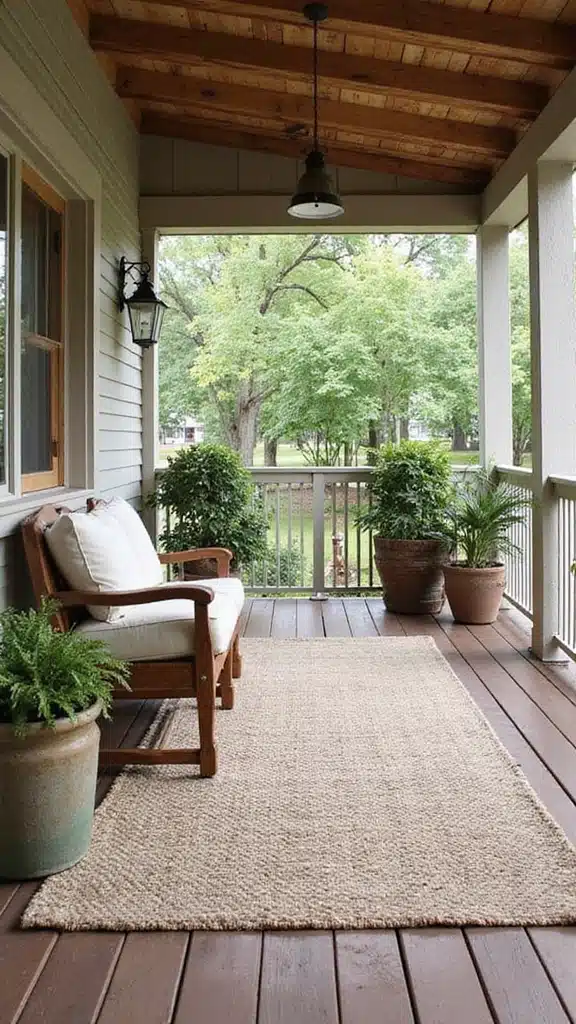
    7. Define the Space with an Outdoor Rug

    An outdoor rug helps anchor your seating area and makes the porch feel complete.

    Choose one that is:

    • Weather-resistant
    • Easy to clean
    • Neutral or nature-inspired in color

    It adds comfort underfoot while tying all your design elements together.

    8. Decorate with Vintage and Repurposed Pieces

    Rustic style thrives on character and history. Look for unique items at thrift stores or flea markets, such as:

    • Old signs
    • Antique tools
    • Vintage chairs
    • Decorative figurines

    You can even repurpose items—like using an old ladder as a plant stand—for a creative and personal touch.

    9. Personalize with Handmade Decor

    DIY art adds personality and makes your porch truly one-of-a-kind.

    Consider:

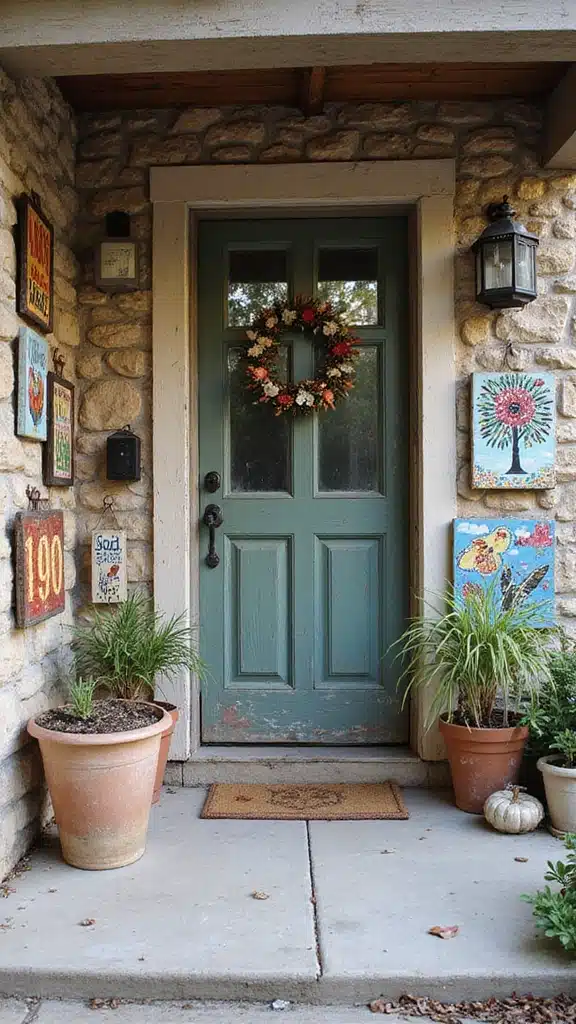
    • Hand-painted signs
    • Wooden pallet art
    • Mosaic accents

    These pieces reflect your style and make the space feel more meaningful and lived-in.

    10. Refresh the Look with Seasonal Updates

    Keep your porch feeling fresh year-round by rotating decor with the seasons:

    • Spring: Flowers and pastel tones
    • Summer: Light fabrics and greenery
    • Fall: Pumpkins and warm textures
    • Winter: Cozy blankets and wreaths

    Small seasonal changes can make a big visual impact without requiring a full redesign.

    Conclusion

    Designing a rustic front porch on a budget is all about creativity and thoughtful details. By mixing DIY projects, natural materials, and vintage charm, you can create a welcoming space that feels warm, stylish, and uniquely yours.

    Start small, build gradually, and enjoy the process—your dream porch is closer than you think.

  • 10 Living Room Trends That Will Define 2026

    Living room design in 2026 is all about building spaces from the ground up—starting with mood and materials, then layering in form, function, and personality. This reordered guide follows a more natural design process, helping you visualize how to bring everything together cohesively.

    1. Color-Drenched Interiors Set the Foundation

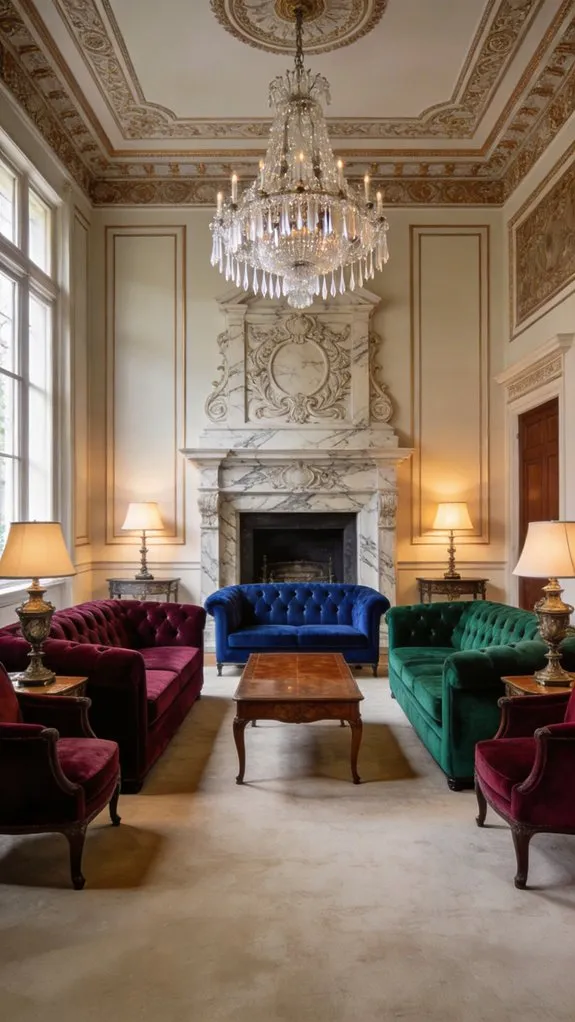
    Every great living room starts with its overall mood—and in 2026, that mood is bold and immersive. Color-drenching transforms spaces by applying a single rich hue across walls, ceilings, and trim.

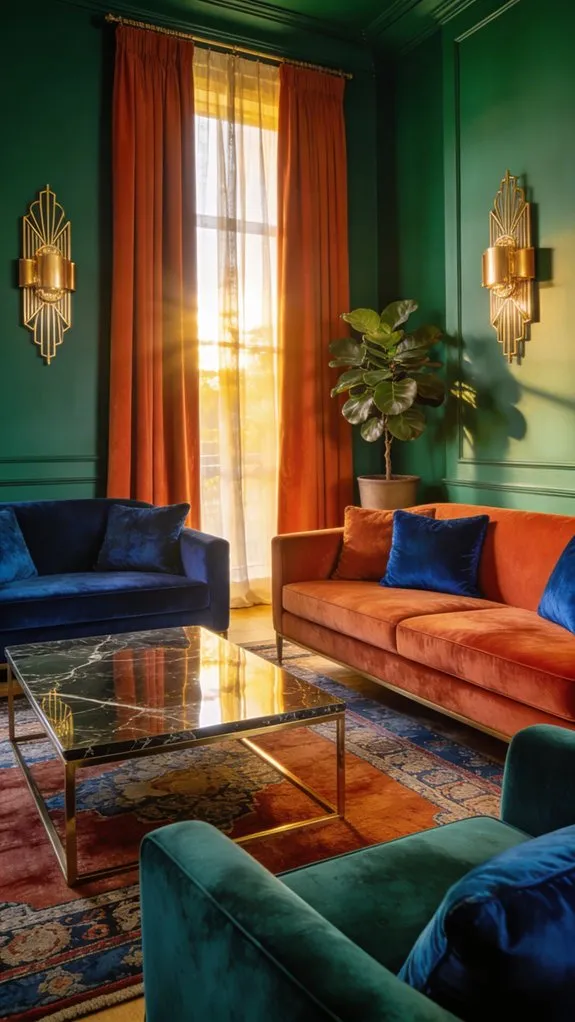
    Deep tones like emerald, burgundy, and navy create a cocoon-like atmosphere that instantly feels curated and intentional. This approach replaces stark minimalism with warmth and personality, making it the perfect starting point for any design.

    2. Textured Walls Add Depth and Dimension

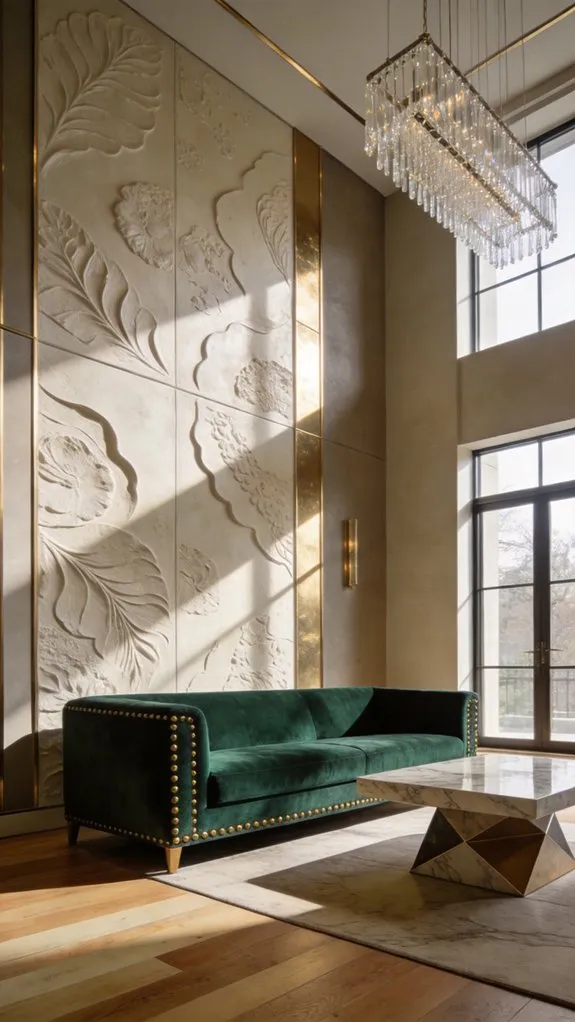
    Once the color palette is established, texture brings it to life. Flat walls are being replaced with finishes like limewash, plaster, and tactile wallpapers.

    These materials add subtle movement and variation, catching light differently throughout the day. The result is a richer, more layered backdrop that elevates the entire room without overwhelming it.

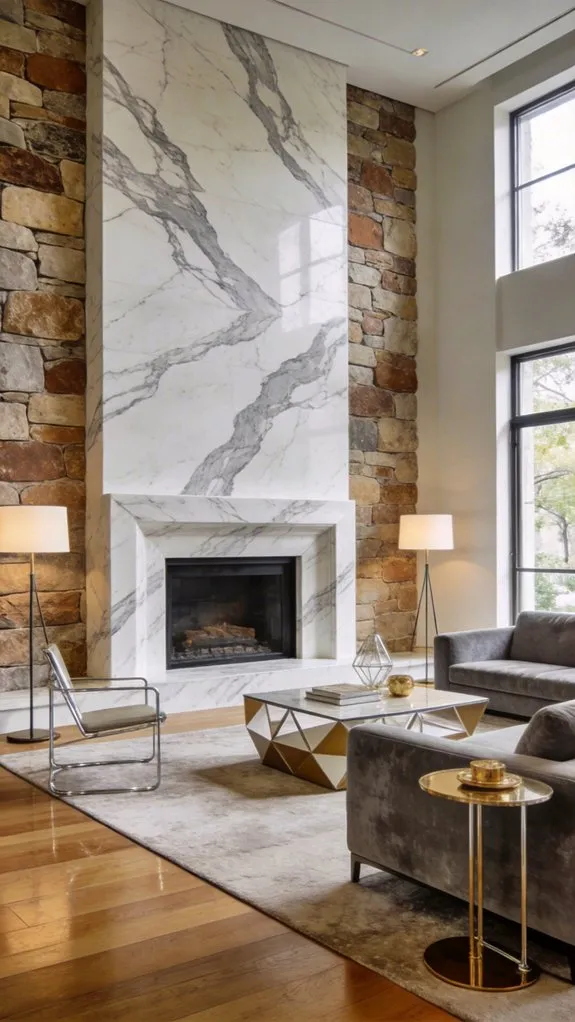
    3. Marble and Stone Introduce Architectural Impact

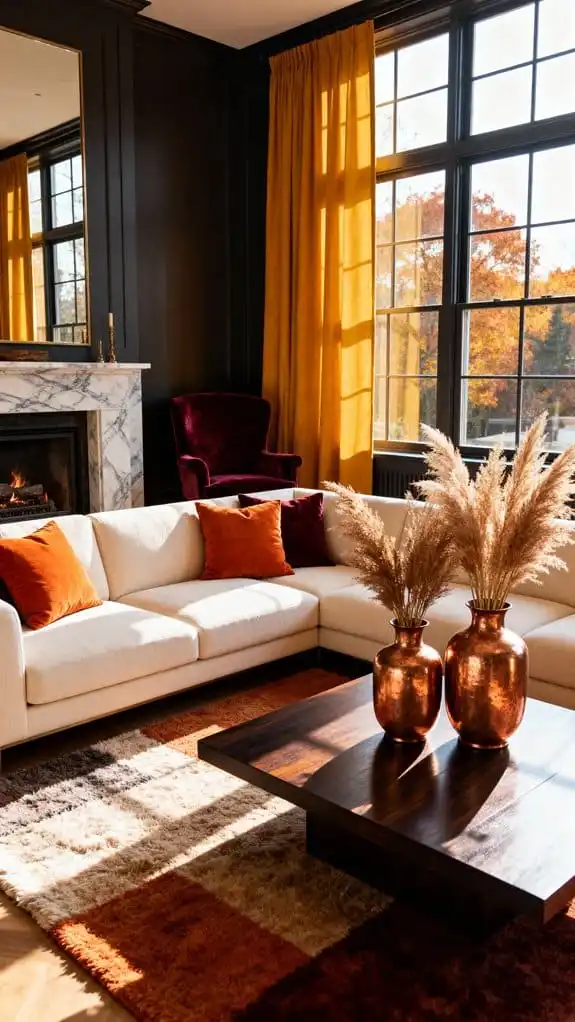
    With the foundation in place, architectural elements like fireplaces, shelving, and surfaces take center stage. Marble and stone add natural drama and timeless elegance.

    Bold veining and organic textures create focal points that ground the space while enhancing its sophistication. These materials bridge the gap between modern design and classic luxury.

    4. The Return of the Modern Parlor Layout

    Now comes the structure of the space. Living rooms are being reimagined as intentional gathering areas inspired by traditional parlors.

    Layouts focus on conversation and connection, with furniture arranged to encourage interaction rather than screen time. Flexible seating and multifunctional pieces make these spaces both practical and inviting.
    5. Curved Sofas & Sculptural Seating Define the Layout

    Furniture selection builds on the layout, and curved pieces are leading the way. Sofas and chairs with soft, rounded edges create flow and movement within the room.

    These sculptural forms feel approachable and comfortable while doubling as artistic elements. They soften the overall look and make the space feel more relaxed and welcoming.

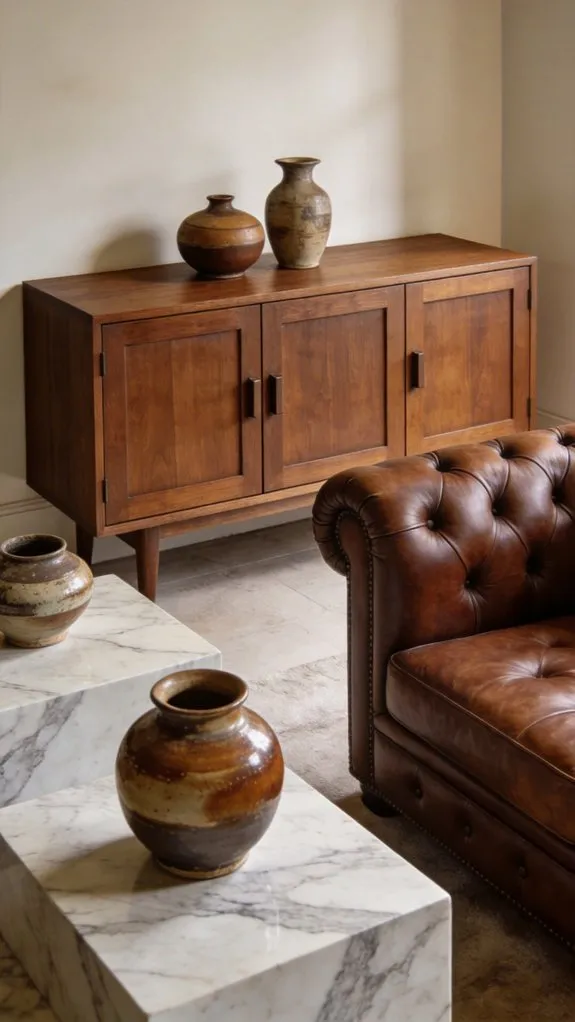
    6. Heirloom Furniture Anchors the Space

    Instead of filling rooms with fast decor, homeowners are investing in fewer, better pieces. Heirloom-quality furniture adds weight, meaning, and longevity to a space.

    Craftsmanship, durable materials, and timeless design ensure that each item contributes to a cohesive and lasting aesthetic. This approach turns living rooms into curated collections rather than temporary setups.

    7. Grandmillennial Details Add Character

    With the main pieces in place, it’s time to layer in personality. Skirted furniture, fringe, and decorative trims bring softness and charm.

    These traditional elements create contrast against modern forms, resulting in spaces that feel both nostalgic and fresh. It’s a celebration of detail, texture, and storytelling.

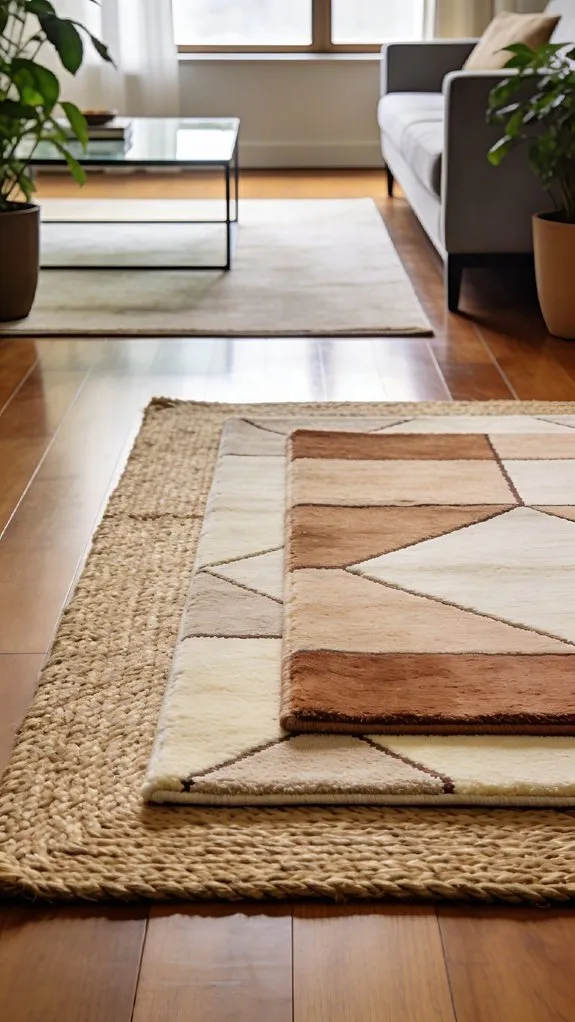
    8. Layered Rugs Bring Warmth and Cohesion

    Floor styling plays a key role in tying everything together. Layered rugs add depth, define zones, and introduce texture.

    A large neutral base rug anchors the room, while a smaller patterned rug adds personality. This technique creates a lived-in, collected look that enhances comfort and visual interest.

    9. Statement Window Treatments Frame the Room

    Windows are no longer an afterthought—they’re part of the design story. Bold drapery, rich fabrics, and decorative trims turn them into focal points.

    These treatments frame the space, add vertical interest, and enhance the overall sense of luxury. Thoughtfully styled windows can completely transform the feel of a room.

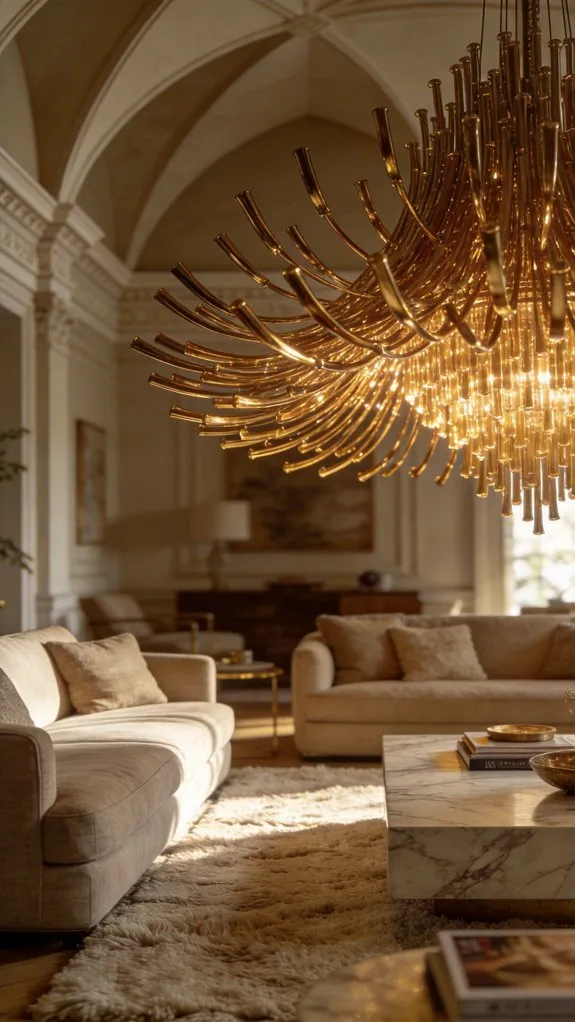
    10. Statement Lighting Completes the Look

    Finally, lighting acts as the finishing touch that defines the room’s atmosphere. Sculptural chandeliers, bold pendants, and artistic fixtures become instant focal points.

    The right lighting not only illuminates the space but also reinforces its style—whether dramatic, cozy, or elegant. It’s the final layer that brings everything together seamlessly.

    Conclusion

    Designing a living room in 2026 is about layering with intention—from bold foundational choices to refined finishing details. By following this structured approach, you can create a space that feels cohesive, elevated, and deeply personal.

    Each element builds on the next, resulting in a living room that isn’t just stylish—but thoughtfully designed for how you live, connect, and relax.

  • 15 Stylish Concrete Floor Finishes to Transform Any Space

    Concrete flooring has come a long way from its purely functional origins. Today, it’s one of the most adaptable and design-forward materials you can use in both residential and commercial spaces. Whether you want a sleek modern interior, a rustic outdoor patio, or a bold artistic statement, concrete finishes offer unmatched flexibility.

    What makes concrete truly stand out is its ability to combine strength, longevity, and aesthetic versatility in one surface. With the right finish, you can achieve anything from a polished showroom look to a natural, textured outdoor feel—all while keeping maintenance relatively low.

    Epoxy-Coated Concrete for High-Performance Spaces

    Epoxy coatings are one of the most durable upgrades you can apply to concrete floors. This finish creates a non-porous, seamless layer that protects against moisture, stains, chemicals, and heavy foot or vehicle traffic.

    Because of its resilience, epoxy is commonly used in garages, warehouses, and basements—but it’s also becoming popular in modern homes. With decorative flakes, metallic pigments, or solid colors, epoxy can be both practical and visually striking.

    Best for: garages, basements, commercial spaces
    Why choose it: extreme durability + easy cleaning

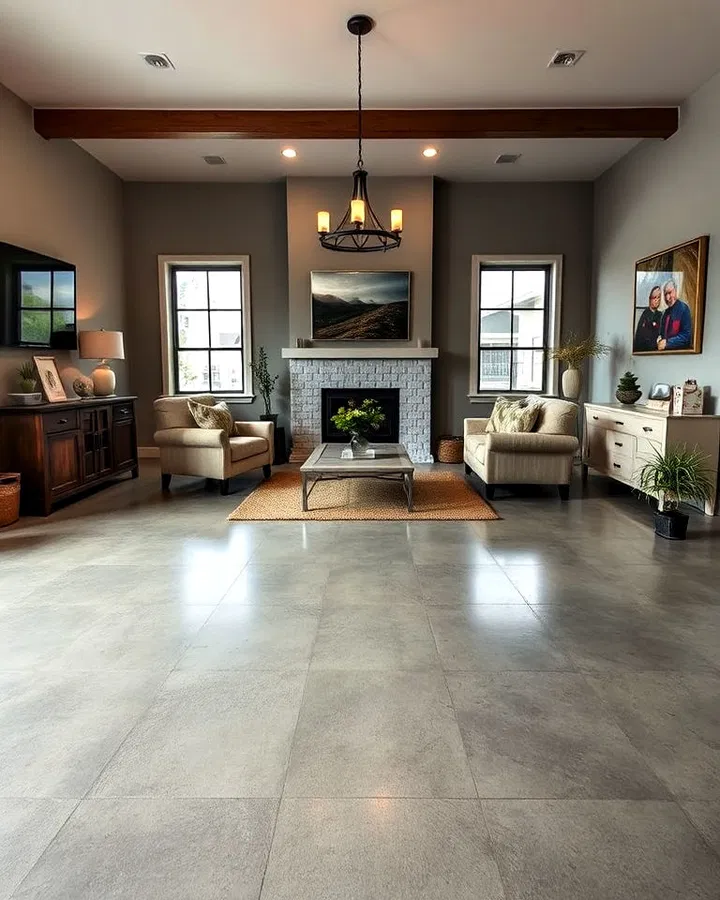
    Polished Concrete for a Sleek Modern Look

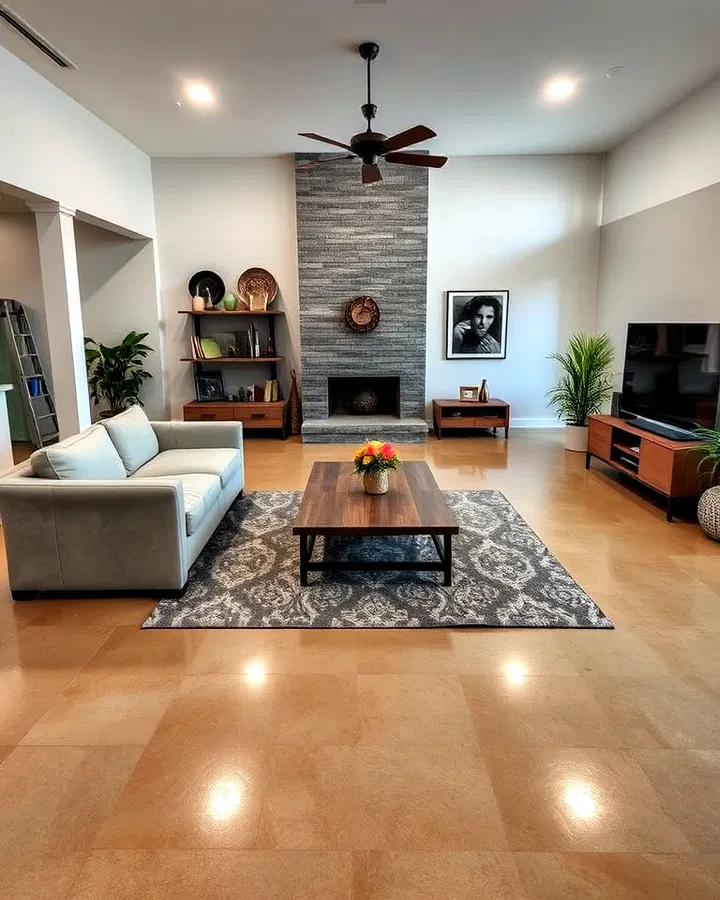
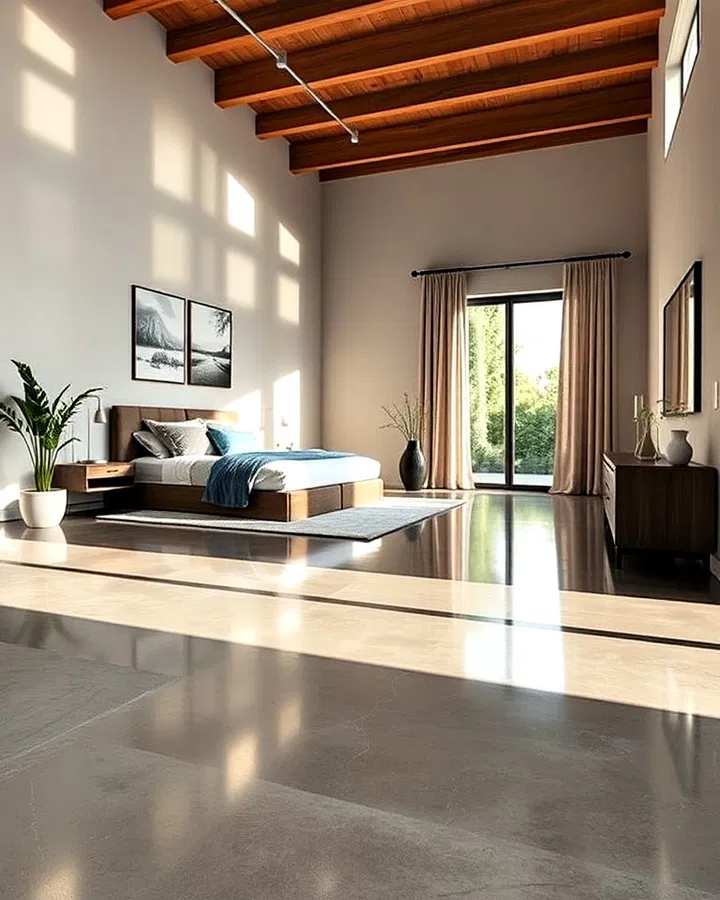
    Polished concrete is achieved through a multi-step grinding process that smooths and refines the surface to a glossy finish. The result is a luxurious, reflective floor that enhances natural light and makes spaces feel larger and brighter.

    It’s also one of the most low-maintenance options—no waxing required, just occasional cleaning. This makes it ideal for busy households or high-traffic commercial areas.

    Best for: living rooms, offices, retail spaces
    Why choose it: modern aesthetic + energy efficiency

    Stained Concrete for Rich, Custom Color

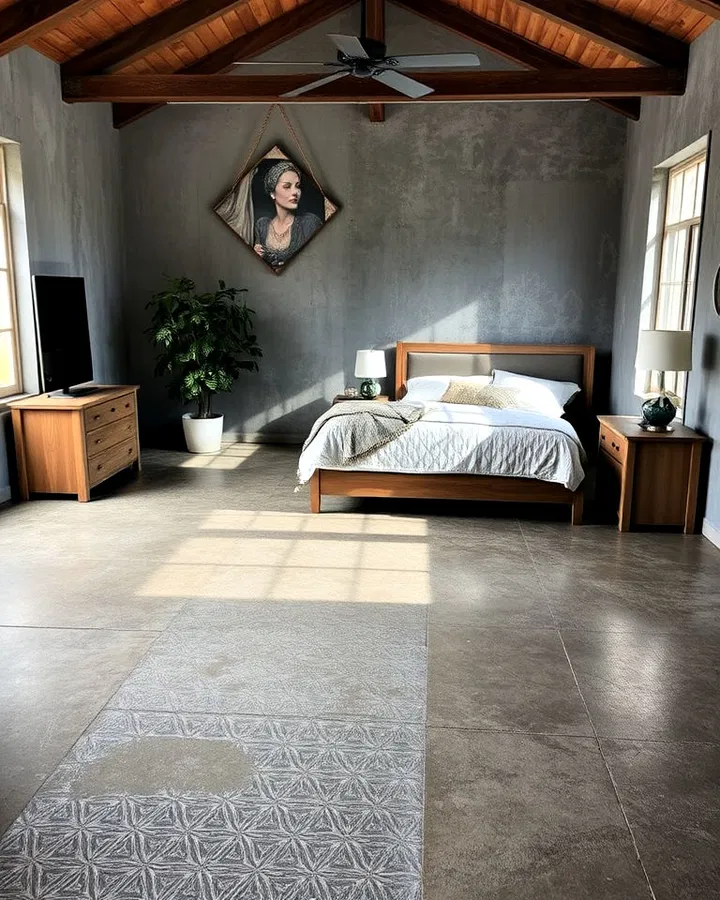
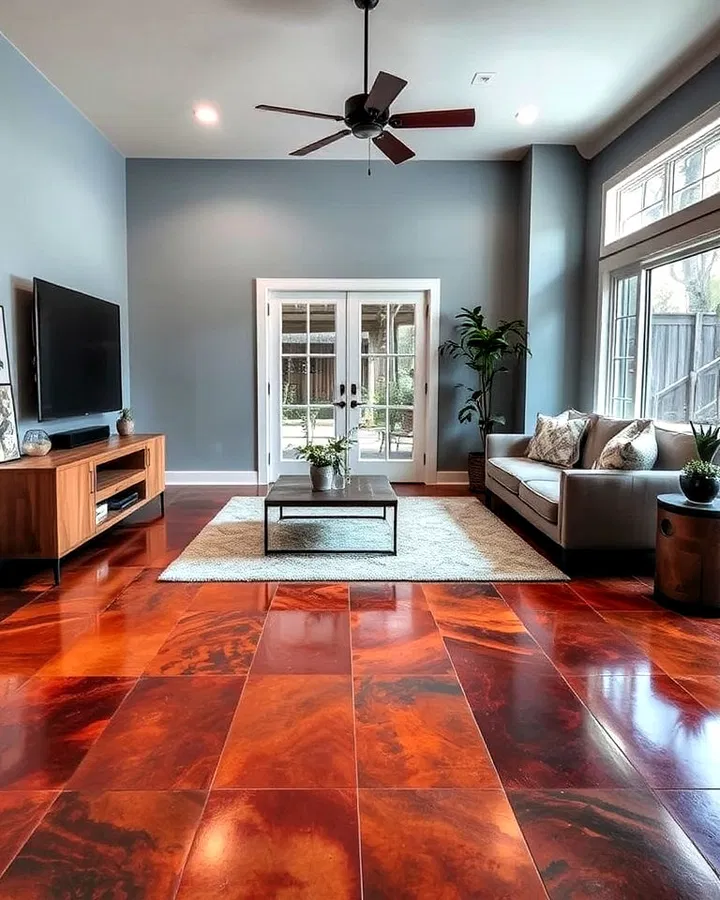
    Staining adds depth and personality to concrete by penetrating the surface with color. Unlike paint, stains don’t peel—they become part of the concrete itself.

    You can achieve earthy tones, bold hues, or even patterns that mimic marble or wood. This makes stained concrete a favorite for homeowners who want something unique without sacrificing durability.

    Best for: interiors, patios, artistic spaces
    Why choose it: long-lasting color + custom designs

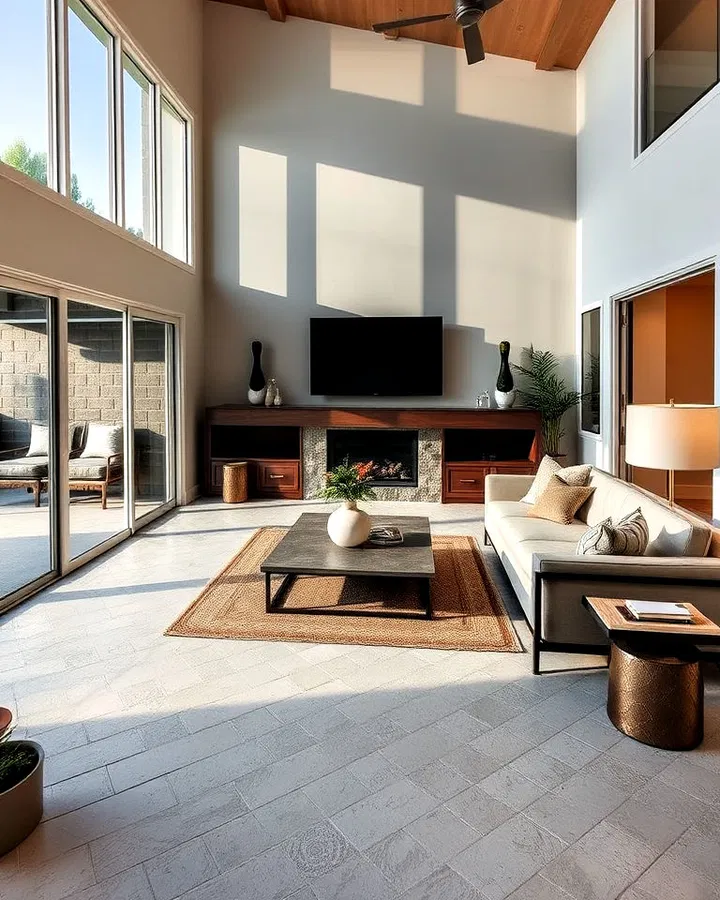
    Stamped Concrete for Decorative Texture

    Stamped concrete is designed to replicate premium materials like stone, brick, slate, or tile. Using molds and coloring techniques, it creates a textured surface that looks high-end but costs significantly less.

    It’s especially popular outdoors, where it adds visual interest while maintaining durability and slip resistance.

    Best for: patios, pool decks, driveways
    Why choose it: decorative look without high material cost

    Metallic Finishes for a Luxurious Statement

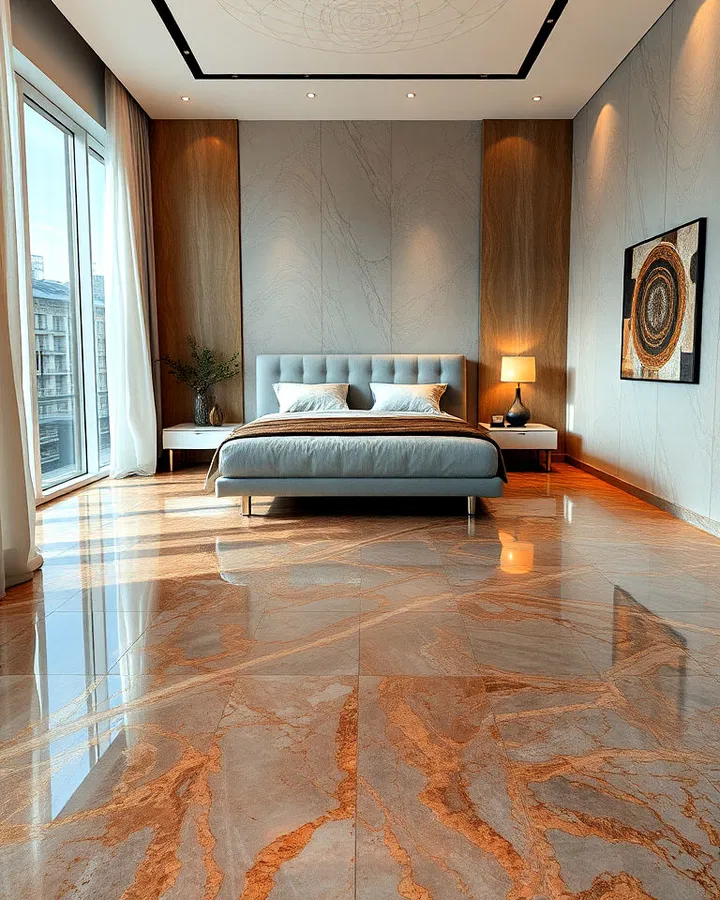
    Metallic concrete floors are all about drama and uniqueness. By mixing metallic pigments into coatings, you get a surface that resembles liquid metal, marble, or even clouds.

    No two floors look the same, making this a standout choice for modern interiors or commercial spaces that want to impress.

    Best for: showrooms, modern homes, boutiques
    Why choose it: one-of-a-kind luxury finish

    Painted Concrete for Budget-Friendly Creativity

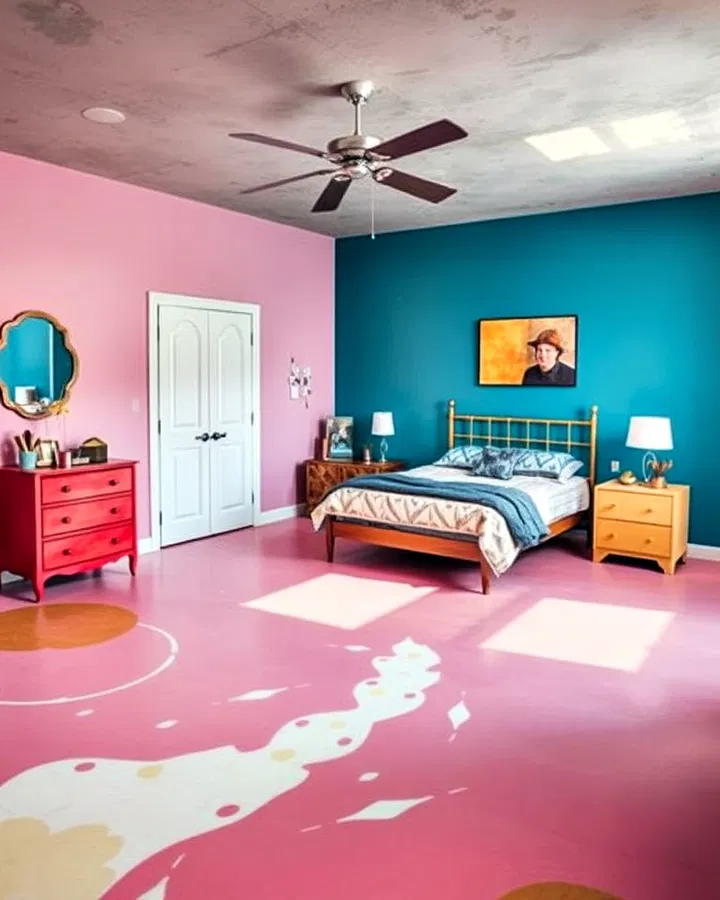
    Painted concrete is one of the easiest and most affordable ways to upgrade your floors. With the right paint, you can create solid colors, geometric designs, or even murals.

    While it’s not as durable as other finishes, sealing the surface can extend its lifespan and maintain its look.

    Best for: basements, kids’ rooms, DIY projects
    Why choose it: affordable + customizable

    Micro-Topping for Surface Renewal

    Micro-topping is a thin overlay applied over existing concrete, making it perfect for reviving worn or damaged floors. It can be finished smooth or textured and customized with stains or dyes.

    This is a great solution if you want a brand-new look without removing your current flooring.

    Best for: renovations, resurfacing projects
    Why choose it: cost-effective floor makeover

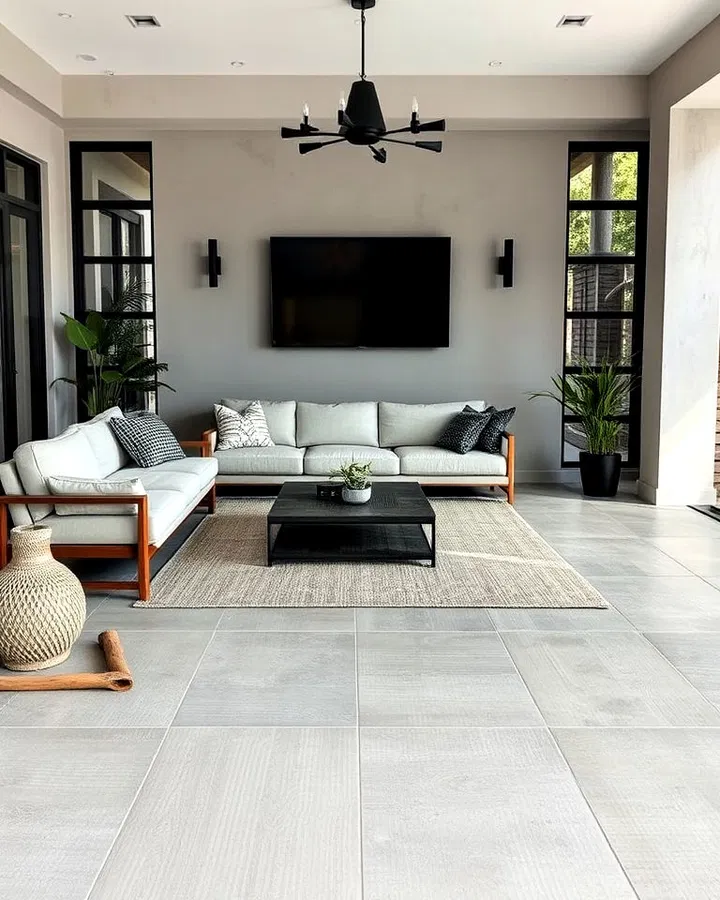
    Burnished Concrete for Subtle Elegance

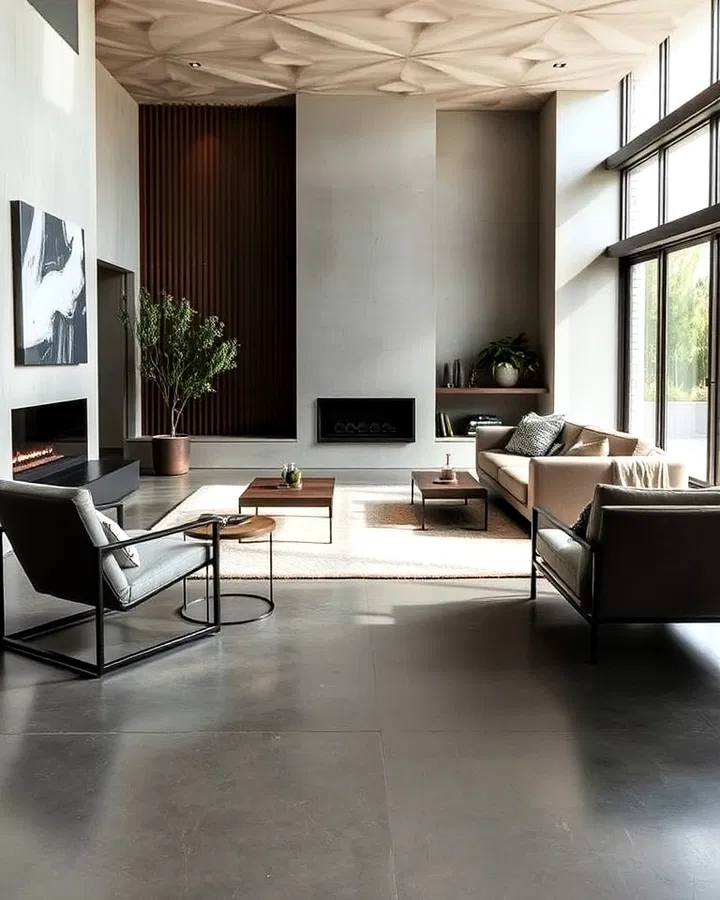
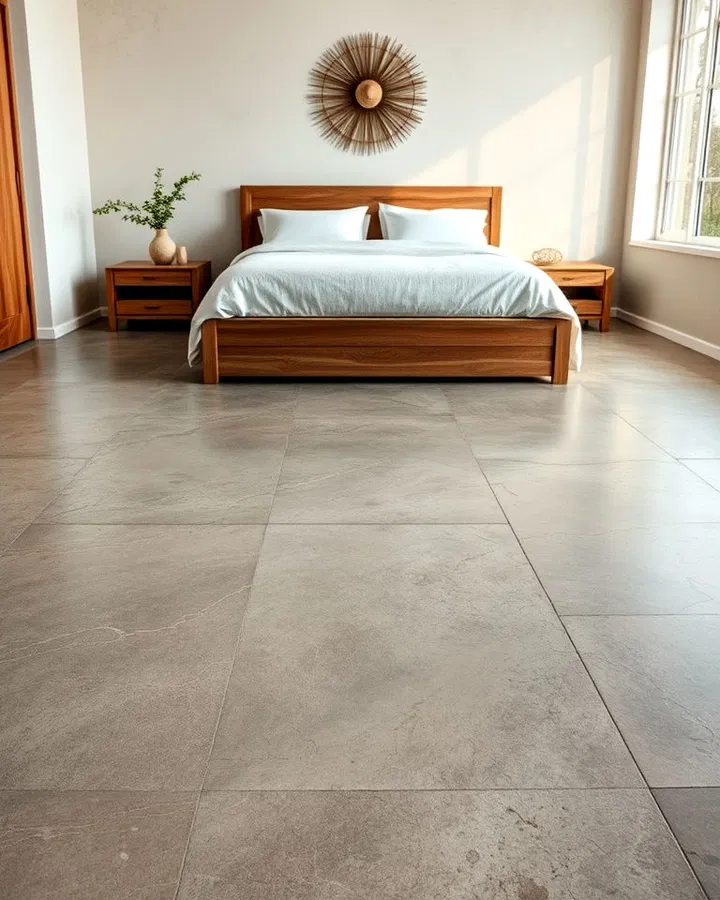
    Burnished concrete offers a refined, matte finish with a soft sheen. It’s created by mechanically smoothing the surface, resulting in a floor that’s both durable and visually understated.

    This finish is perfect for spaces where you want a clean look without the high gloss of polished concrete.

    Best for: industrial interiors, offices
    Why choose it: minimal look + durability

    Trowel-Finished Concrete for Classic Simplicity

    Trowel finishing is one of the most straightforward methods, producing a smooth and even surface. While it may seem basic, it serves as a great foundation for additional finishes like stains or sealers.

    It’s widely used in both residential and commercial settings because of its practicality.

    Best for: garages, warehouses, basic interiors
    Why choose it: simple, durable, and versatile

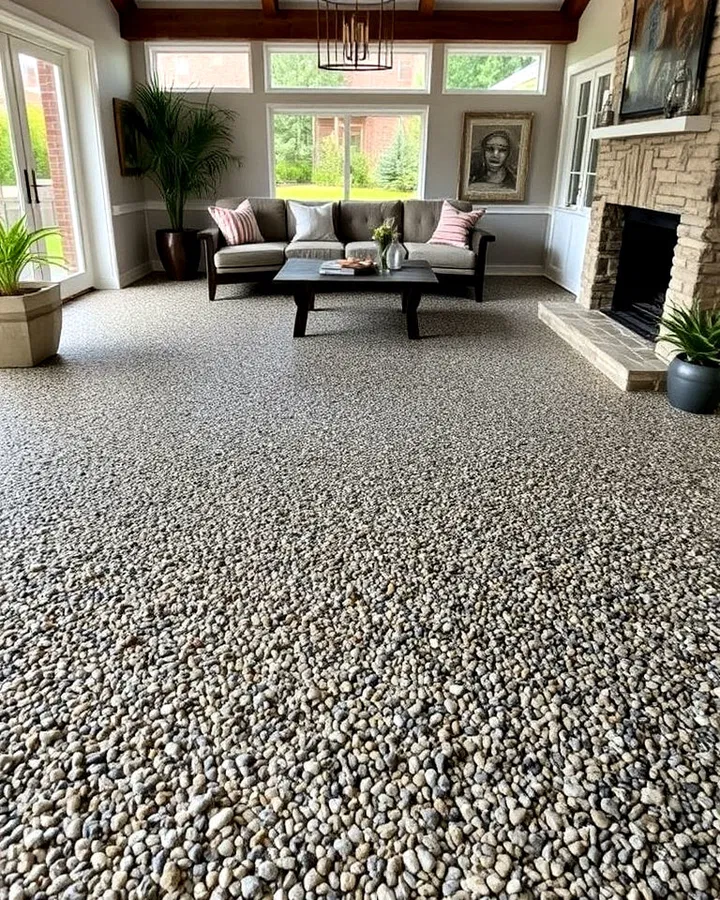
    Exposed Aggregate for Natural Texture

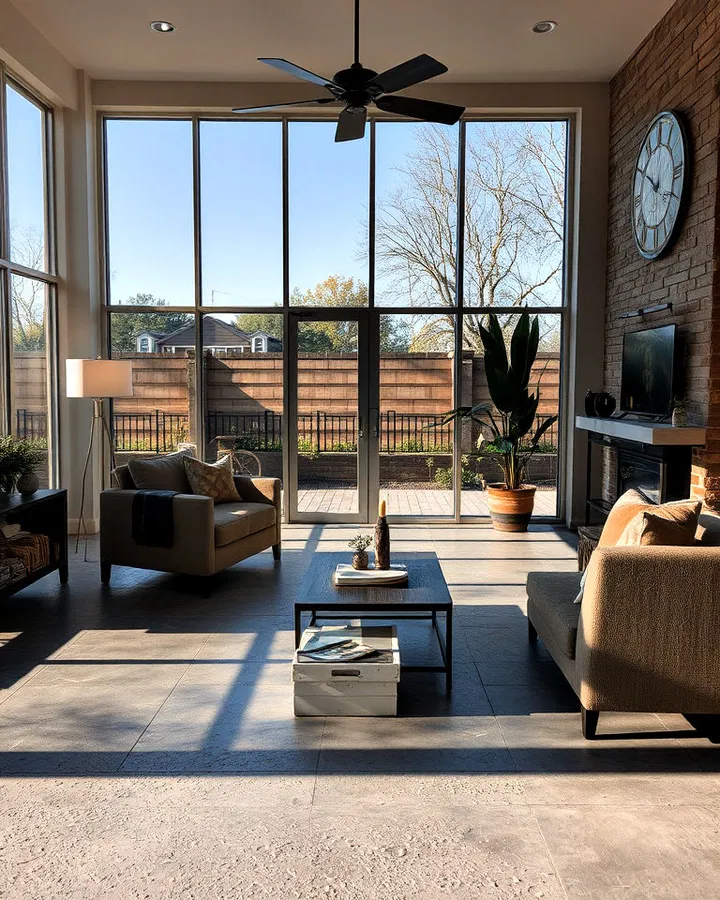
    This finish reveals the stones or decorative materials embedded within the concrete. The result is a textured, visually appealing surface that adds character and improves traction.

    It’s especially effective outdoors, where slip resistance is important.

    Best for: walkways, patios, driveways
    Why choose it: natural look + added grip

    Brushed Concrete for Everyday Practicality

    Brushed concrete is created by dragging a broom across the surface before it fully sets. This creates subtle grooves that improve traction.

    It’s one of the most practical finishes for outdoor use, combining safety with a clean, simple appearance.

    Best for: sidewalks, driveways
    Why choose it: slip-resistant + low maintenance

    Salt-Finished Concrete for Subtle Patterns

    Salt finishing creates small indentations on the surface by pressing salt crystals into wet concrete and washing them away.

    The result is a lightly textured finish that offers both visual interest and improved grip, making it ideal for outdoor areas.

    Best for: patios, pool decks
    Why choose it: subtle texture + safety

    Sandblasted Concrete for Enhanced Grip

    Sandblasting roughens the surface by blasting it with abrasive materials. This creates a highly textured finish that improves traction and durability.

    It can also be used decoratively to create patterns or highlight sections of a floor.

    Best for: outdoor walkways, driveways
    Why choose it: strong grip + durability

    Acid-Etched Concrete for Artistic Appeal

    Acid etching creates soft, natural patterns by reacting chemically with the concrete surface. The result is a unique, slightly textured finish with subtle color variations.

    It’s both functional and decorative, making it a great option for those who want something different.

    Best for: bathrooms, patios, decorative interiors
    Why choose it: artistic + slip-resistant

    Floating Terrazzo for Timeless Luxury

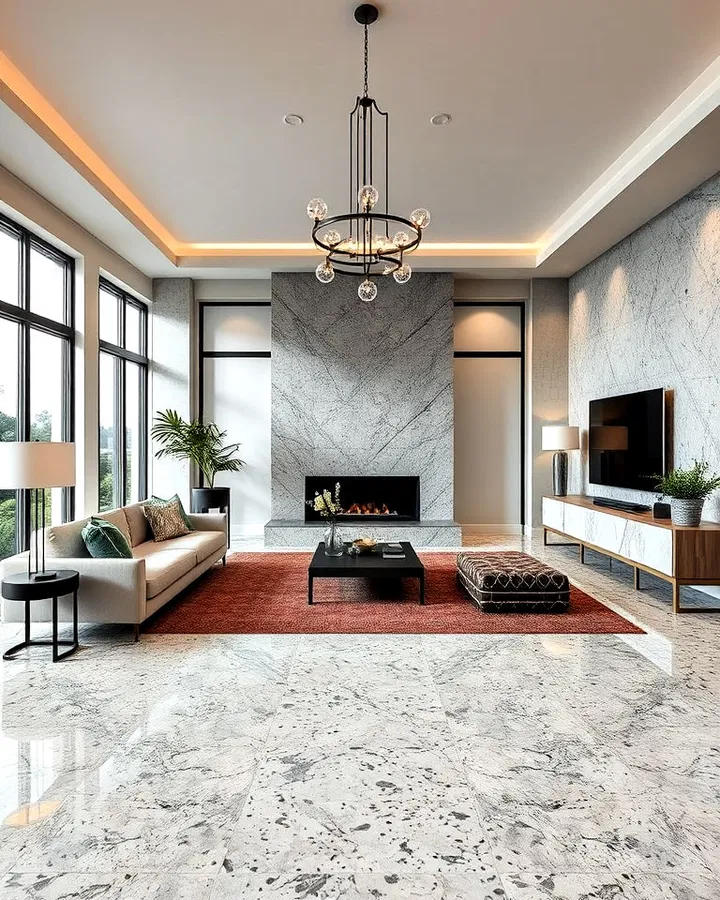
    Terrazzo is a premium finish that combines concrete with marble, glass, or quartz chips. Once polished, it creates a smooth, high-end surface that’s both elegant and durable.

    It’s also eco-friendly, as it often incorporates recycled materials.

    Best for: luxury homes, commercial spaces
    Why choose it: timeless design + sustainability

    Conclusion

    Concrete flooring is no longer just a practical choice—it’s a design opportunity. With so many finishes available, you can tailor your floors to match your style, whether that’s modern, rustic, or luxurious.

    By choosing the right finish and maintaining it properly, you’ll have a floor that not only looks incredible but also lasts for decades.

  • 15 Boho Jungle Living Room Designs That Bring Nature Indoors

    1. Floor-to-Ceiling Greenery for a True Jungle Feel

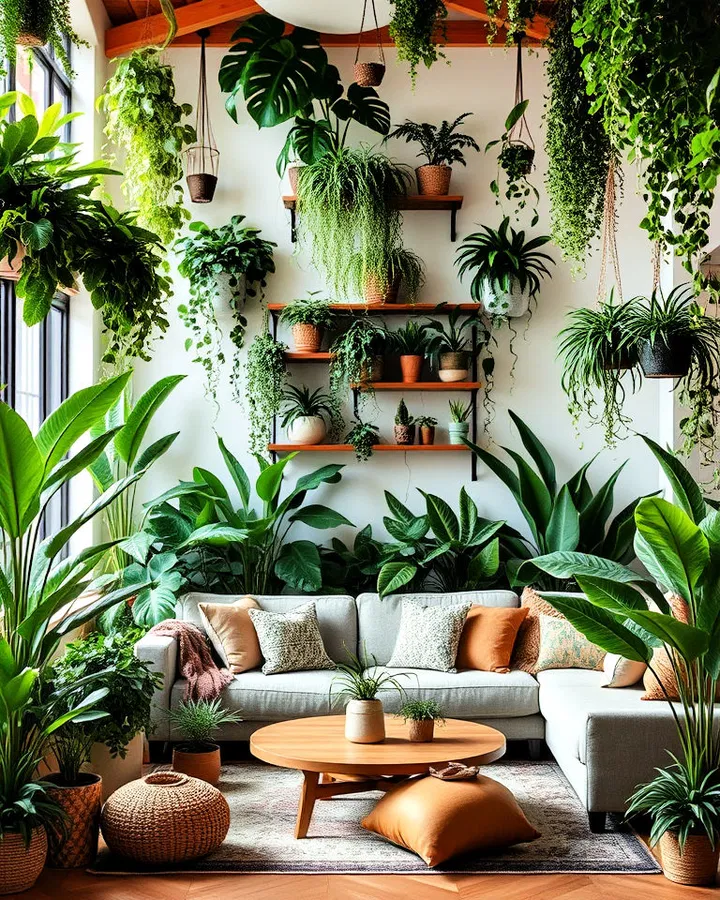
    Turn your living room into a lush sanctuary by embracing vertical greenery. Use tall indoor plants like palms or fiddle-leaf figs, combined with plant shelves or vertical gardens. Arrange them near windows to maximize natural light and create an immersive jungle vibe that feels vibrant and alive.

    2. Natural Materials That Ground the Space

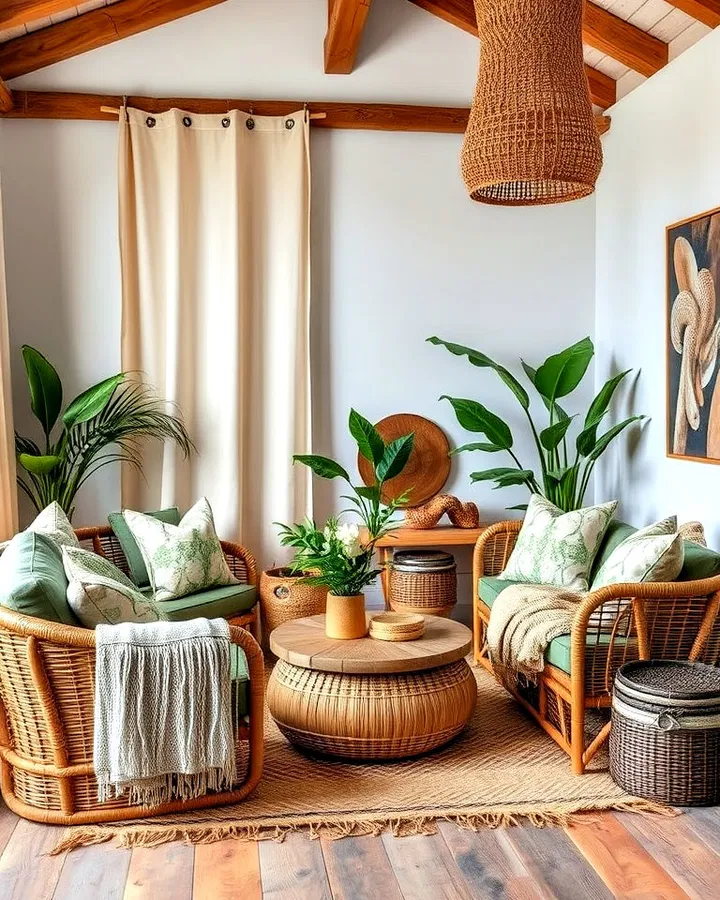
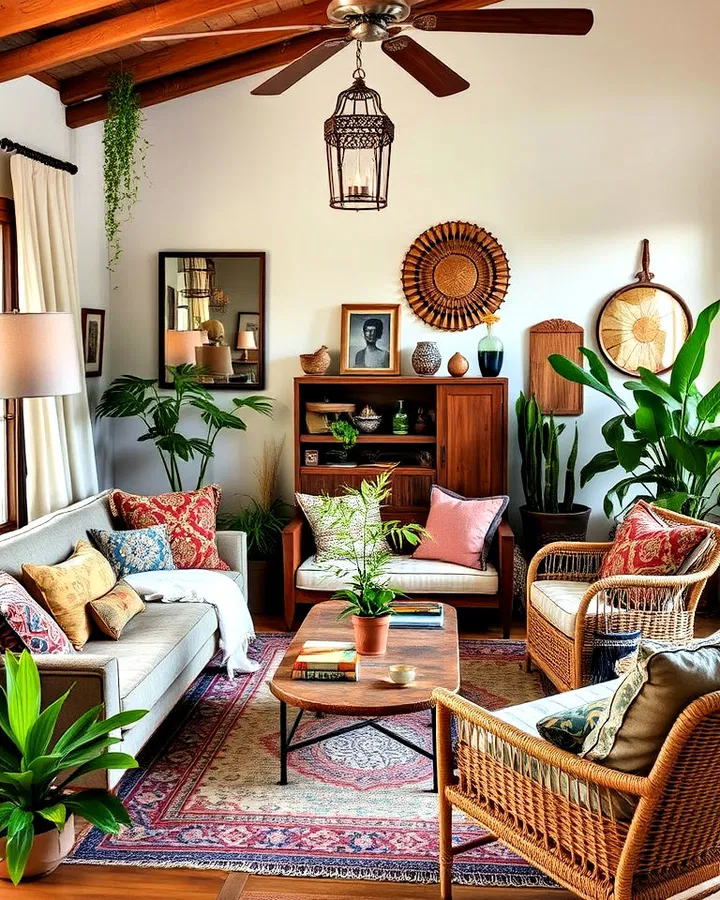
    Introduce raw, organic materials such as bamboo, rattan, reclaimed wood, and jute. These elements instantly warm up the space while reinforcing the connection to nature. Pair them with woven textiles and earthy décor for a cohesive boho jungle aesthetic that feels both relaxed and intentional.

    3. Hanging Planters for a Layered Look

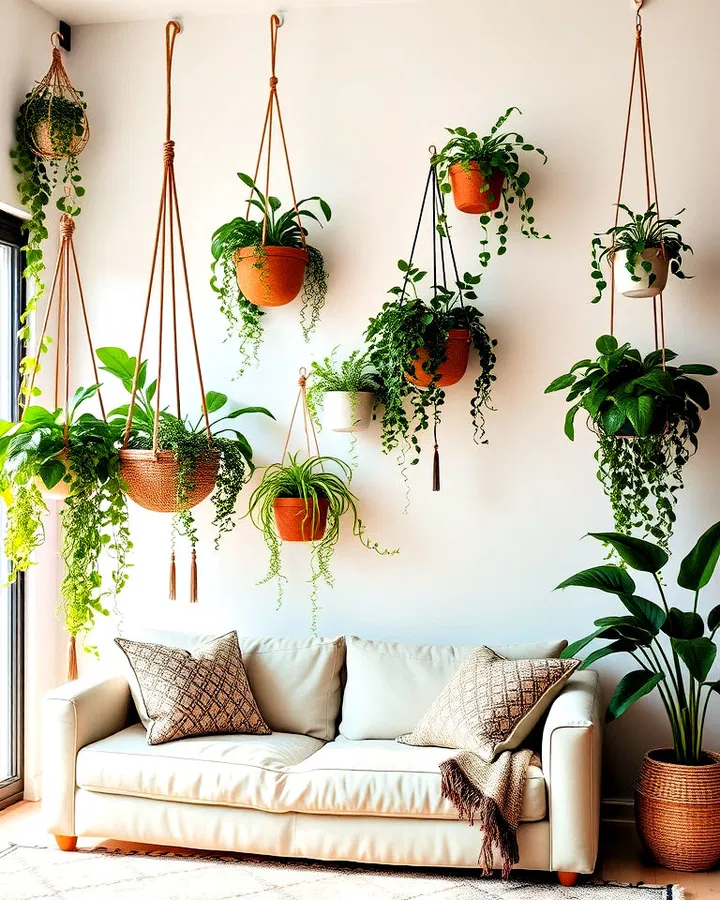
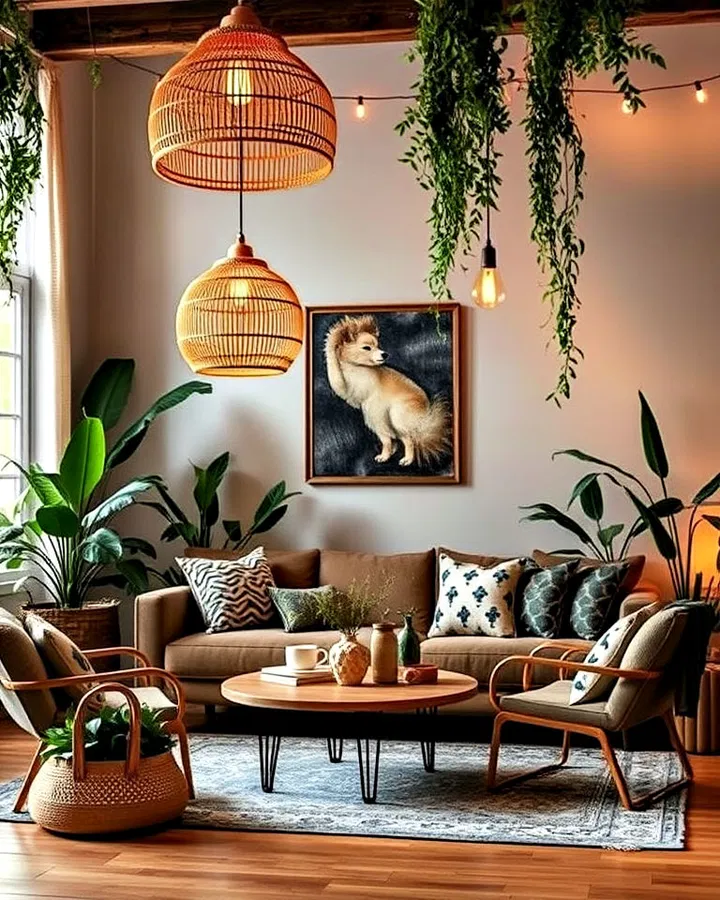
    Elevate your greenery by suspending plants from the ceiling using macramé hangers or wall-mounted planters. This technique adds dimension and visual interest without crowding your floor space. Cascading plants like ivy or string of pearls enhance the effortless, wild jungle effect.

    4. Earth-Toned Palette with Lush Green Highlights

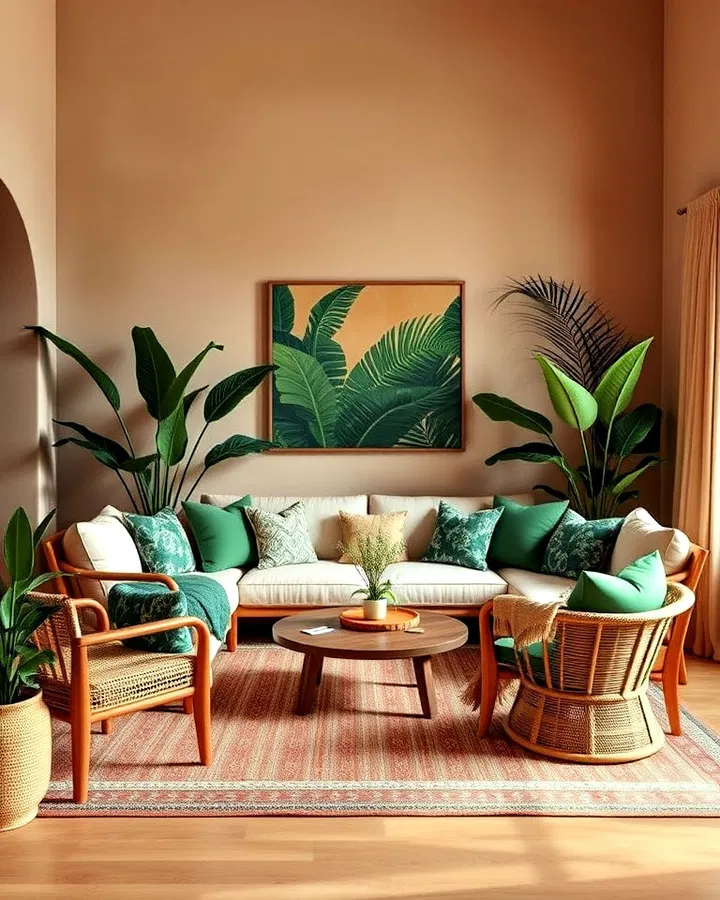
    Build your color scheme around warm neutrals like beige, terracotta, and soft browns, then layer in vibrant green accents. This combination balances calmness with energy, allowing the jungle elements to pop while maintaining a grounded boho feel.

    5. Low Seating for a Relaxed Boho Atmosphere

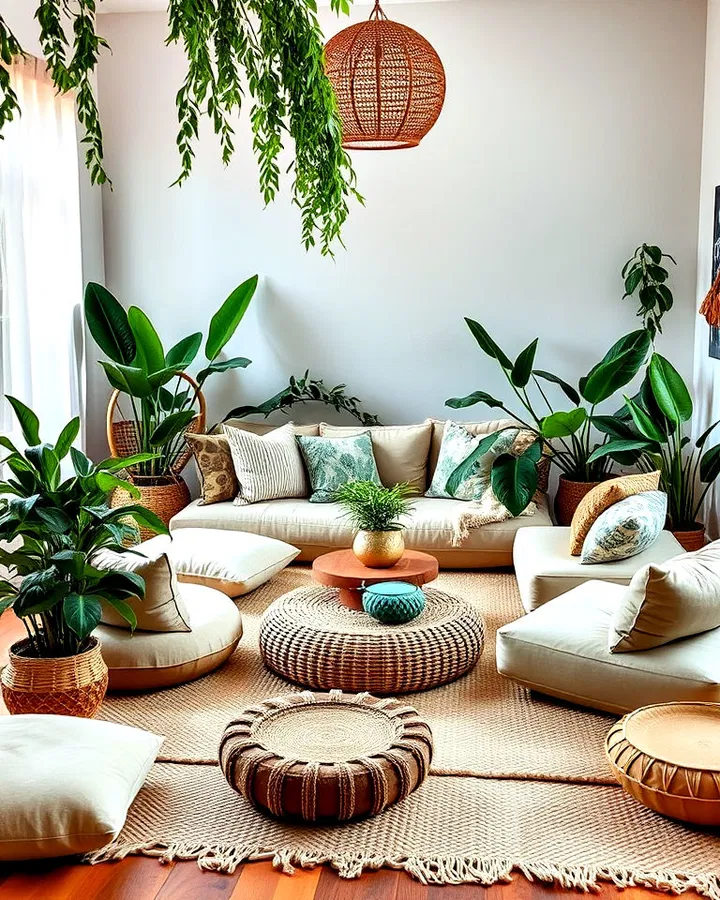
    Create a laid-back lounge area with floor cushions, poufs, or low-profile sofas. Add a large textured rug underneath and surround the seating with plants for a cozy, grounded layout that invites relaxation and conversation.

    6. Statement Lighting with Organic Materials

    Choose lighting fixtures made from woven fibers like bamboo, rattan, or wicker. Pendant lights, lanterns, or even string lights can create a soft, ambient glow that highlights your greenery and enhances the warm, inviting mood.

    7. Bold Jungle-Inspired Wall Art

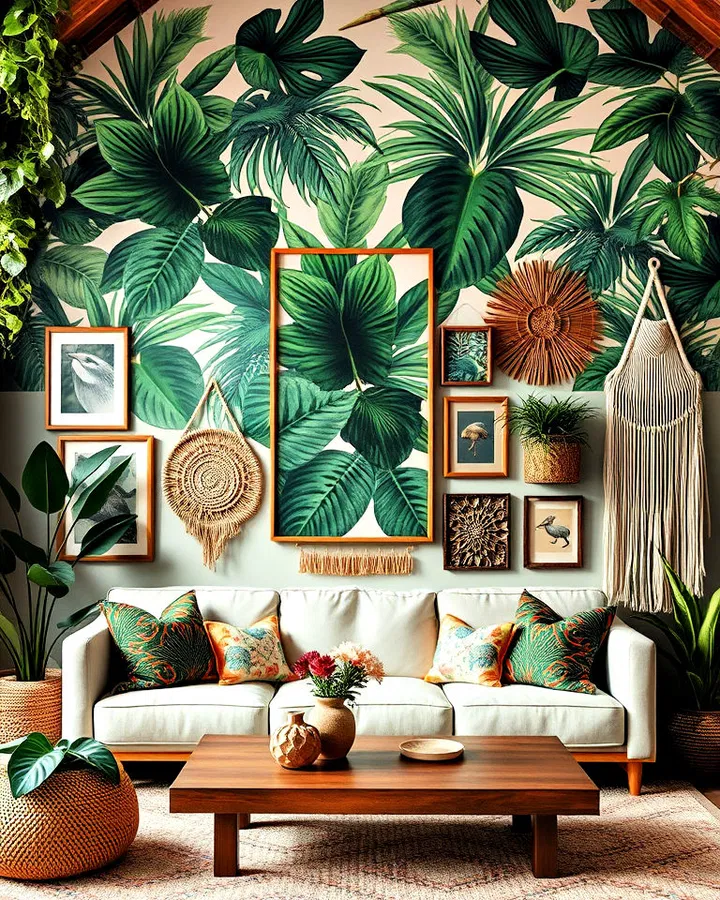
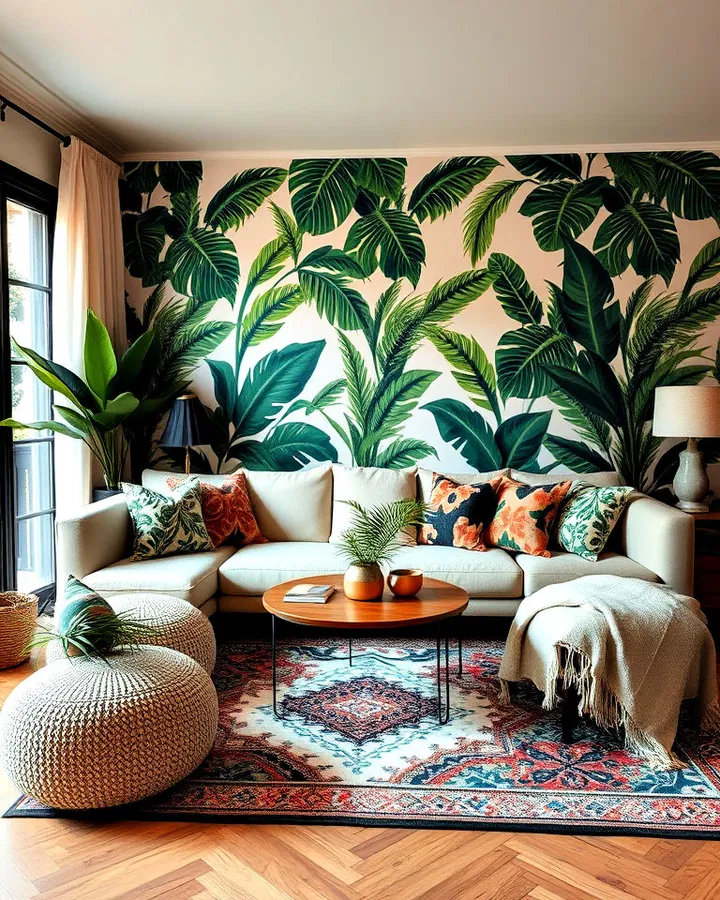
    Make your walls come alive with large botanical prints, tropical leaf patterns, or exotic animal artwork. Combine these with macramé hangings or vintage frames to keep the look eclectic and true to boho style.

    8. Sheer Curtains to Let Nature In

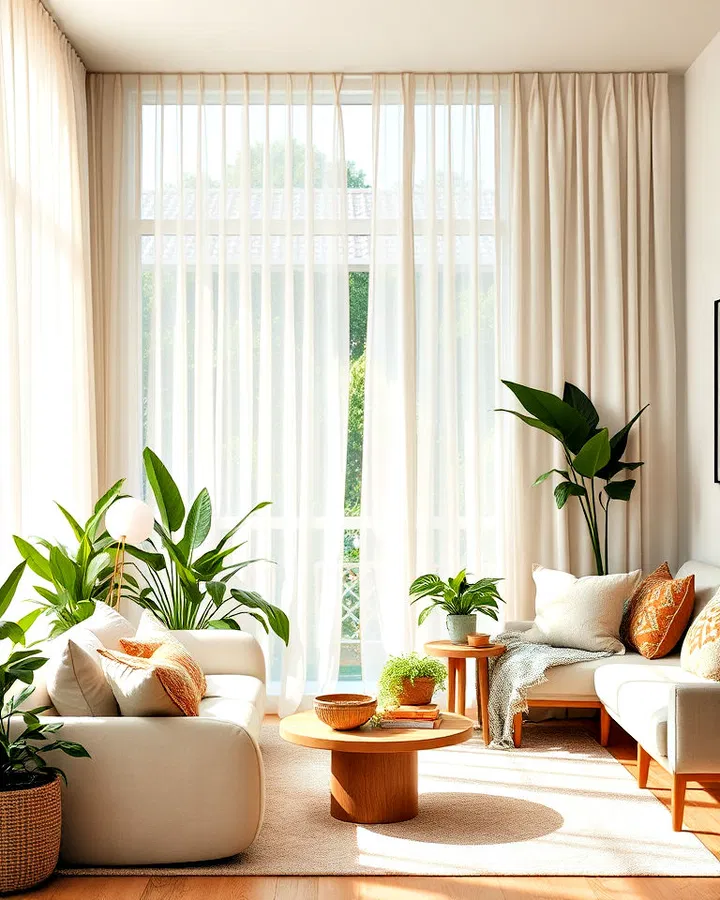
    Maximize natural light by using airy, sheer curtains in neutral tones. These allow sunlight to filter gently through the room, enhancing the greenery and creating a fresh, breezy atmosphere that complements the jungle theme.
    9. Rattan and Wicker Furniture Accents

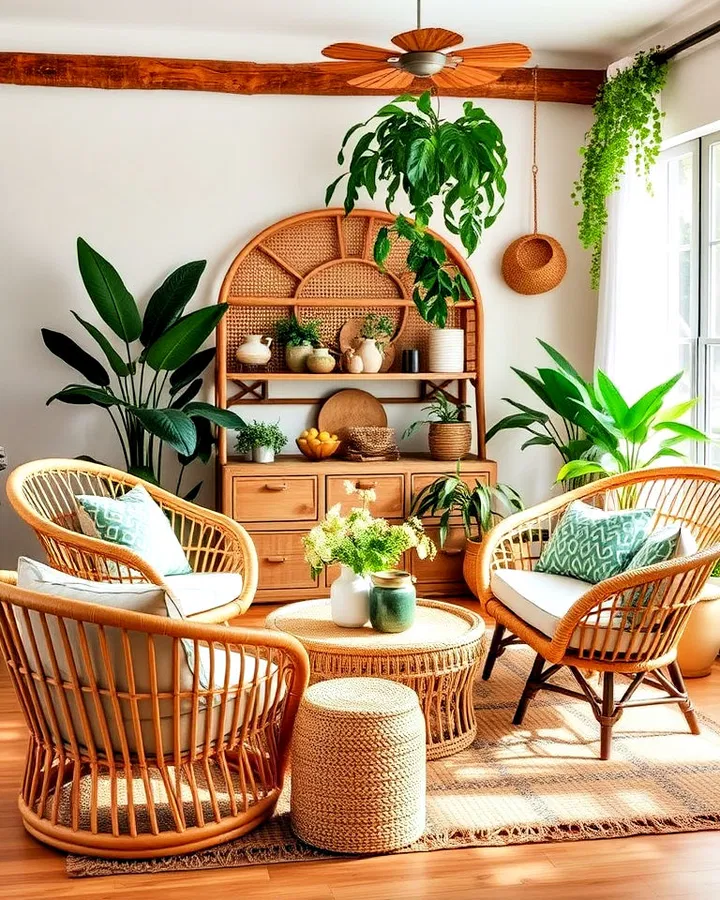
    Incorporate furniture pieces like wicker chairs, rattan coffee tables, or open shelving units. These materials are lightweight yet visually rich, adding texture while seamlessly blending with plants and textiles.

    10. Vintage Pieces for Character and Charm

    Mix in antique or thrifted décor such as weathered tables, old mirrors, or retro lighting. Pair them with global-inspired accents like Moroccan lanterns or tribal prints to create a curated, well-traveled aesthetic.

    11. Patterned Textiles with a Wild Twist

    Introduce bold patterns through cushions, rugs, or throws featuring leaf motifs, tribal designs, or animal prints. Balance these with neutral pieces to avoid overwhelming the space while still capturing the energy of the jungle.
    12. Open Shelving to Showcase Decor
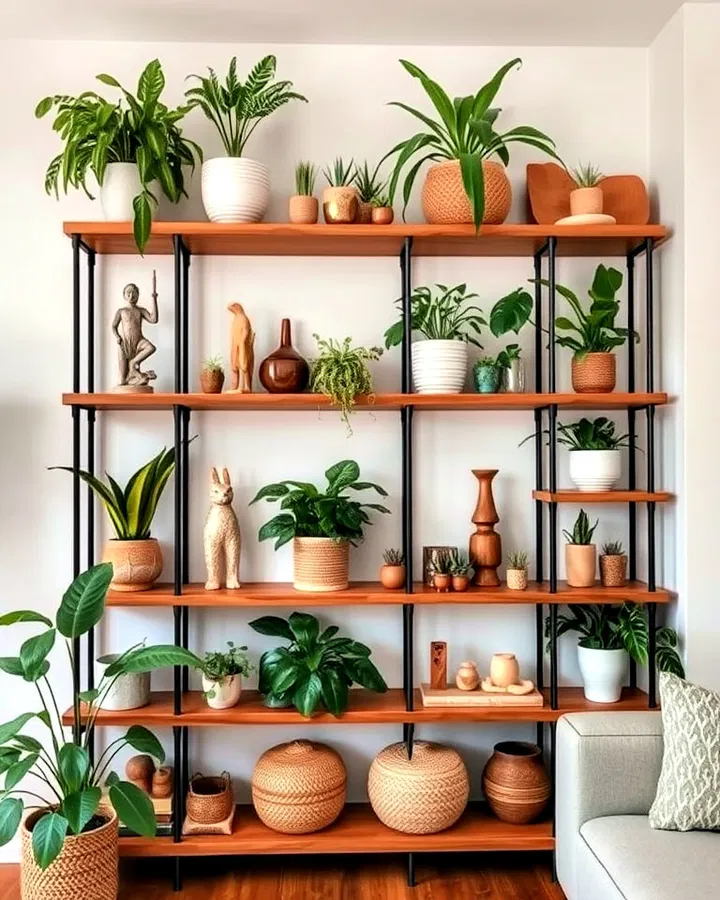
    Use wooden or bamboo open shelves to display plants, sculptures, and curated boho pieces. Layering different objects adds personality and keeps the room feeling lived-in yet stylish.

    13. Large Statement Rugs to Anchor the Room

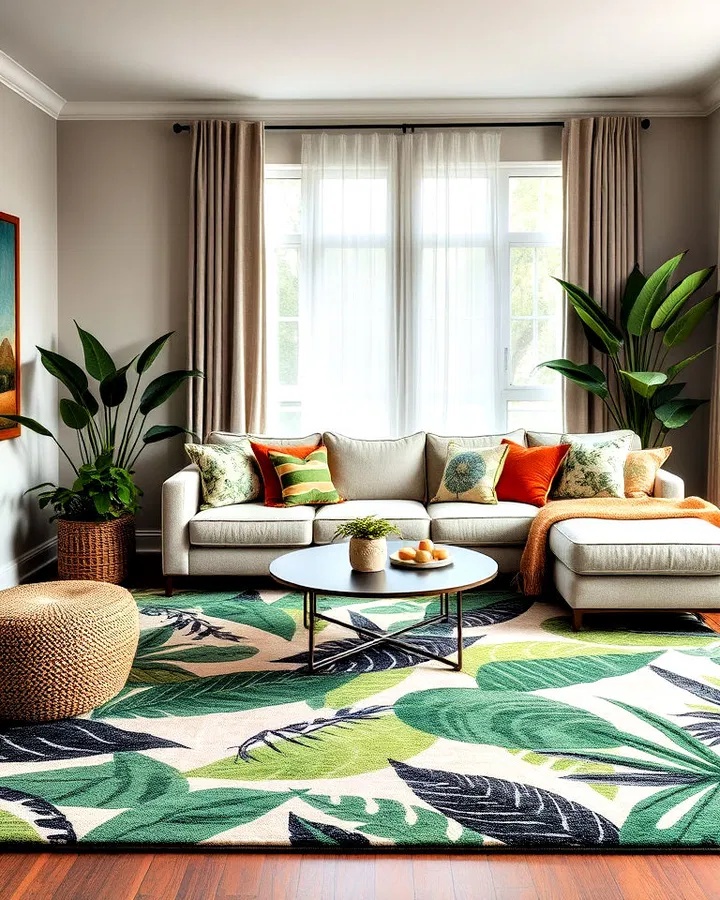
    Ground your space with a bold rug featuring tropical or botanical patterns. This not only ties the design together but also adds warmth and comfort underfoot.

    14. Layered Textures for Depth and Comfort

    Combine soft fabrics like velvet cushions and fringed throws with rougher materials like jute and wood. This contrast creates depth and makes the room feel cozy, inviting, and visually rich.

    15. Abundant Indoor Plants as the Main Feature

    Fill your space with a mix of plant types—tall, trailing, and compact—to create a dynamic and natural look. Use decorative pots, baskets, and stands to vary heights and textures, turning your living room into a peaceful indoor oasis.