Living room design in 2026 is all about building spaces from the ground up—starting with mood and materials, then layering in form, function, and personality. This reordered guide follows a more natural design process, helping you visualize how to bring everything together cohesively.
1. Color-Drenched Interiors Set the Foundation
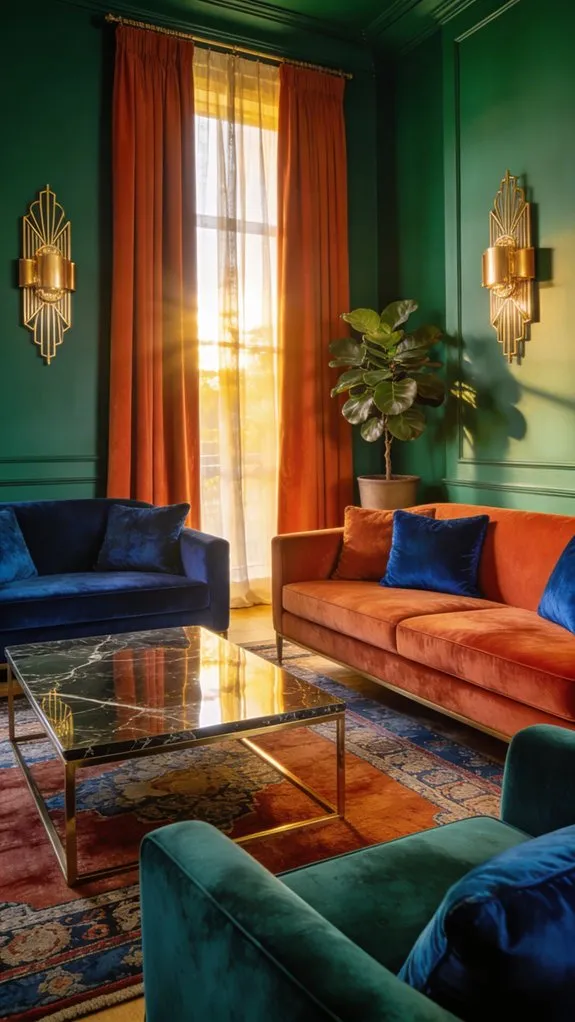
Every great living room starts with its overall mood—and in 2026, that mood is bold and immersive. Color-drenching transforms spaces by applying a single rich hue across walls, ceilings, and trim.
Deep tones like emerald, burgundy, and navy create a cocoon-like atmosphere that instantly feels curated and intentional. This approach replaces stark minimalism with warmth and personality, making it the perfect starting point for any design.
2. Textured Walls Add Depth and Dimension
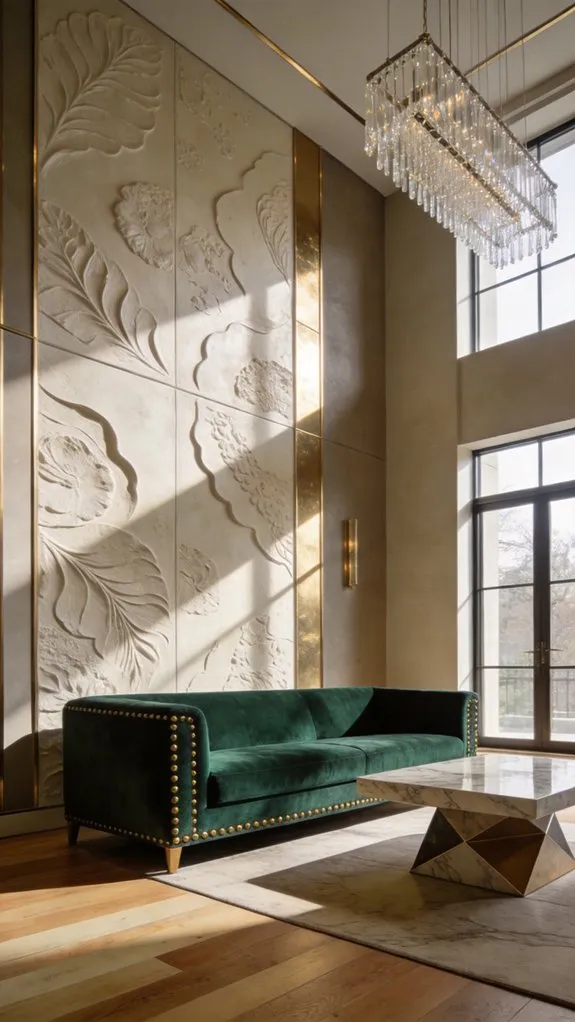
Once the color palette is established, texture brings it to life. Flat walls are being replaced with finishes like limewash, plaster, and tactile wallpapers.
These materials add subtle movement and variation, catching light differently throughout the day. The result is a richer, more layered backdrop that elevates the entire room without overwhelming it.
3. Marble and Stone Introduce Architectural Impact
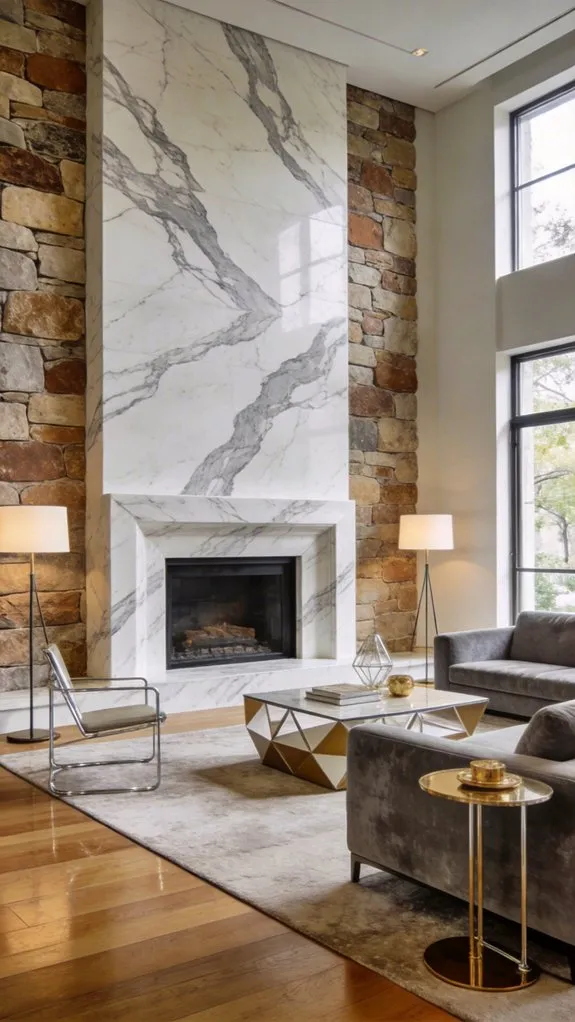
With the foundation in place, architectural elements like fireplaces, shelving, and surfaces take center stage. Marble and stone add natural drama and timeless elegance.
Bold veining and organic textures create focal points that ground the space while enhancing its sophistication. These materials bridge the gap between modern design and classic luxury.
4. The Return of the Modern Parlor Layout
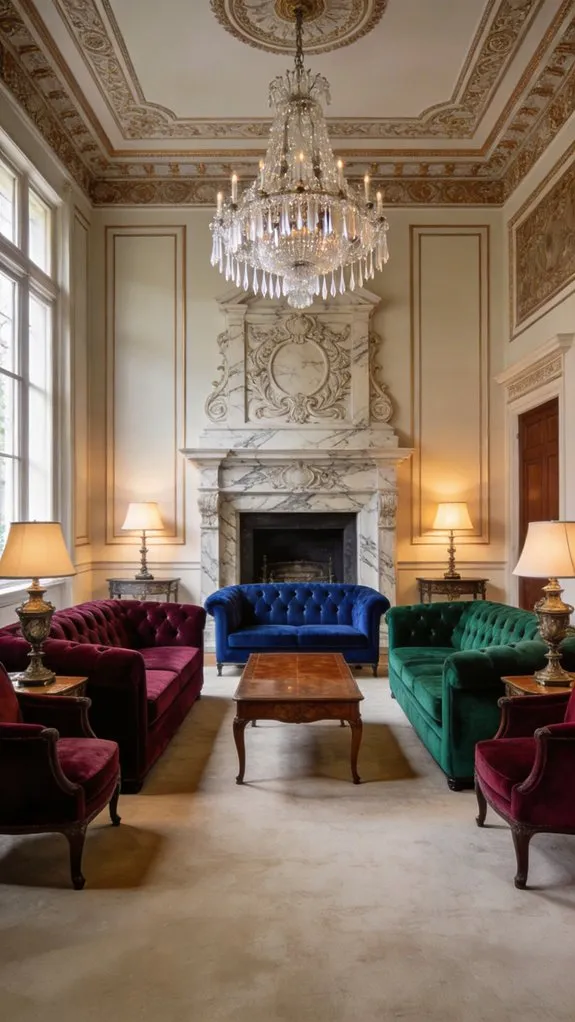
Now comes the structure of the space. Living rooms are being reimagined as intentional gathering areas inspired by traditional parlors.
Layouts focus on conversation and connection, with furniture arranged to encourage interaction rather than screen time. Flexible seating and multifunctional pieces make these spaces both practical and inviting.
5. Curved Sofas & Sculptural Seating Define the Layout

Furniture selection builds on the layout, and curved pieces are leading the way. Sofas and chairs with soft, rounded edges create flow and movement within the room.
These sculptural forms feel approachable and comfortable while doubling as artistic elements. They soften the overall look and make the space feel more relaxed and welcoming.
6. Heirloom Furniture Anchors the Space
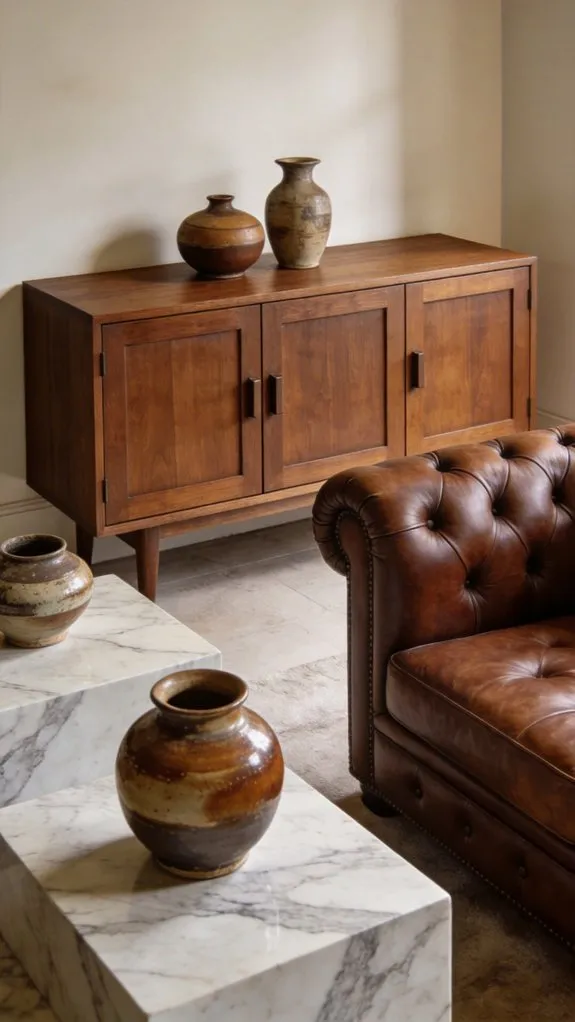
Instead of filling rooms with fast decor, homeowners are investing in fewer, better pieces. Heirloom-quality furniture adds weight, meaning, and longevity to a space.
Craftsmanship, durable materials, and timeless design ensure that each item contributes to a cohesive and lasting aesthetic. This approach turns living rooms into curated collections rather than temporary setups.
7. Grandmillennial Details Add Character

With the main pieces in place, it’s time to layer in personality. Skirted furniture, fringe, and decorative trims bring softness and charm.
These traditional elements create contrast against modern forms, resulting in spaces that feel both nostalgic and fresh. It’s a celebration of detail, texture, and storytelling.
8. Layered Rugs Bring Warmth and Cohesion
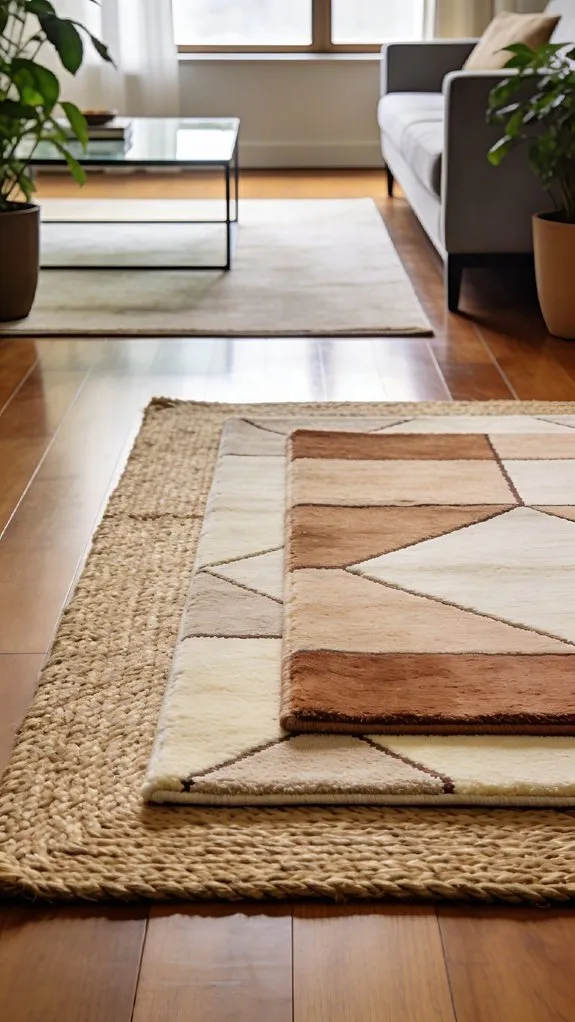
Floor styling plays a key role in tying everything together. Layered rugs add depth, define zones, and introduce texture.
A large neutral base rug anchors the room, while a smaller patterned rug adds personality. This technique creates a lived-in, collected look that enhances comfort and visual interest.
9. Statement Window Treatments Frame the Room

Windows are no longer an afterthought—they’re part of the design story. Bold drapery, rich fabrics, and decorative trims turn them into focal points.
These treatments frame the space, add vertical interest, and enhance the overall sense of luxury. Thoughtfully styled windows can completely transform the feel of a room.
10. Statement Lighting Completes the Look
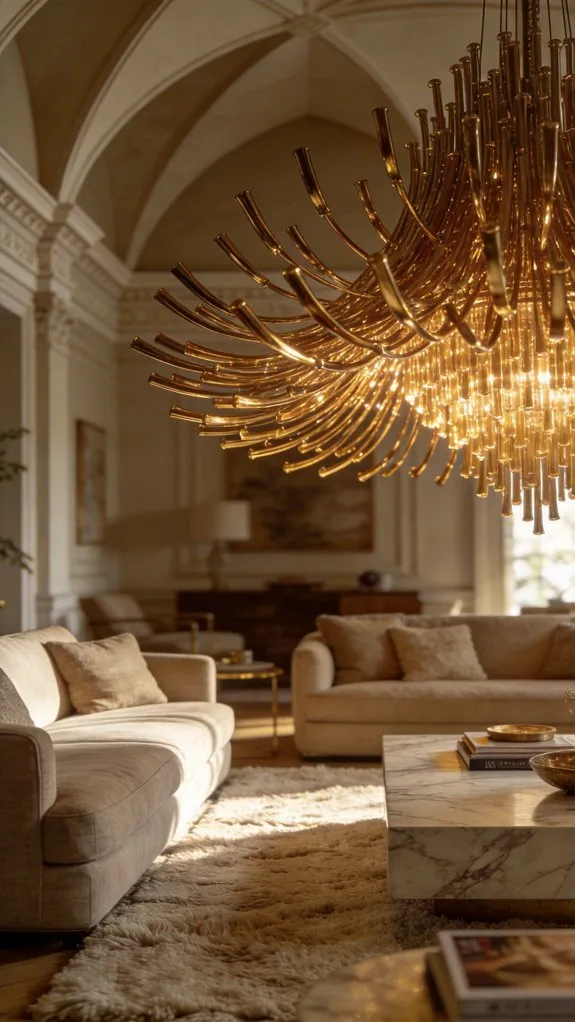
Finally, lighting acts as the finishing touch that defines the room’s atmosphere. Sculptural chandeliers, bold pendants, and artistic fixtures become instant focal points.
The right lighting not only illuminates the space but also reinforces its style—whether dramatic, cozy, or elegant. It’s the final layer that brings everything together seamlessly.
Conclusion
Designing a living room in 2026 is about layering with intention—from bold foundational choices to refined finishing details. By following this structured approach, you can create a space that feels cohesive, elevated, and deeply personal.
Each element builds on the next, resulting in a living room that isn’t just stylish—but thoughtfully designed for how you live, connect, and relax.
Leave a Reply