Living in a tiny house is all about making intentional choices. With less square footage available, every corner, wall, and hidden nook has the potential to become valuable storage space. The good news is that you don’t have to sacrifice comfort or style to stay organized. Smart storage solutions can help you keep your belongings accessible while maintaining an open, uncluttered atmosphere.
Whether you’re designing a new tiny home or simply looking for ways to optimize your current space, creative storage ideas can make everyday living easier and more enjoyable. From hidden compartments to multi-purpose furniture and vertical organization systems, these practical solutions prove that even the smallest homes can feel spacious and functional.
1. Install Hidden Floor Storage Compartments
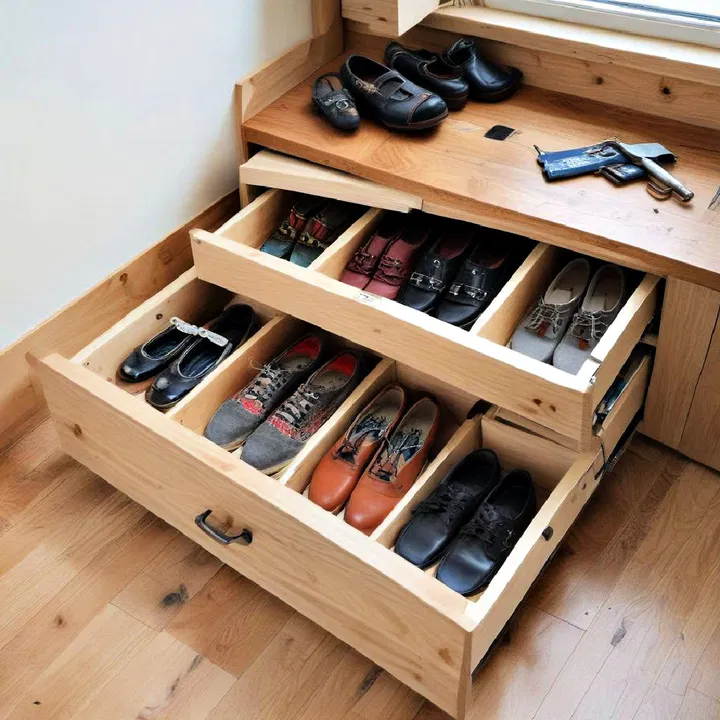
One of the smartest ways to create extra storage in a tiny house is by making use of the space beneath your feet. Hidden floor compartments provide discreet places to store items you don’t need every day, such as seasonal clothing, emergency supplies, shoes, tools, or keepsakes.
These concealed storage areas keep clutter out of sight while preserving the clean lines of your interior. Hinged floor panels or lift-up sections can be seamlessly integrated into your flooring design, making them both practical and visually appealing. Because they utilize otherwise wasted space, they add storage capacity without taking away valuable living area.
2. Invest in Foldable and Convertible Furniture
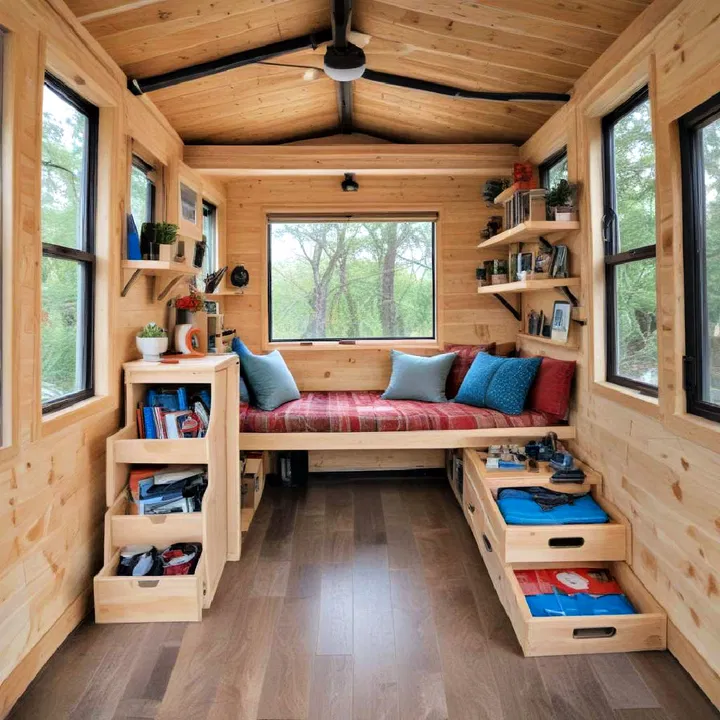
Furniture that serves more than one purpose is essential in a compact home. Foldable tables, wall-mounted desks, convertible sofas, and expandable dining sets allow you to quickly adapt a room to different activities without overcrowding the space.
For example, a dining table can fold flat against the wall when not in use, instantly creating extra room for movement. Likewise, a sofa bed provides comfortable seating during the day and transforms into a sleeping area at night. Choosing flexible furniture helps maximize functionality while keeping your home feeling open and uncluttered.
3. Take Advantage of Lofted Storage Spaces
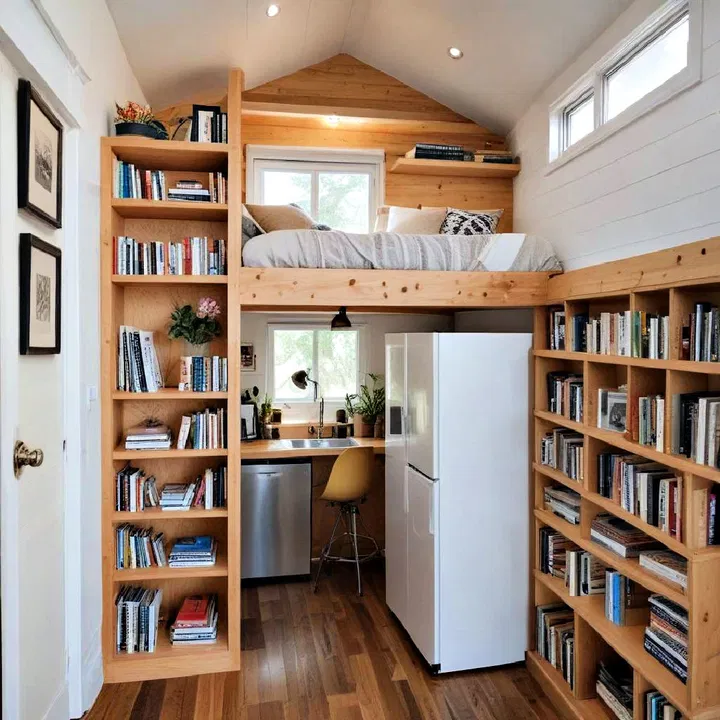
When floor space is limited, the best solution is often to build upward. Lofted storage areas make excellent use of vertical space that might otherwise go unused. Cabinets, shelves, or dedicated loft platforms can hold luggage, books, seasonal decorations, spare bedding, or other infrequently used items.
Adding storage above living spaces keeps your essentials organized while freeing up lower areas for everyday activities. Pair loft storage with baskets or labeled containers to make retrieval easier and maintain a tidy appearance. By thinking vertically, you can significantly increase your home’s storage potential without expanding its footprint.
4. Add Magnetic Strips for Everyday Essentials
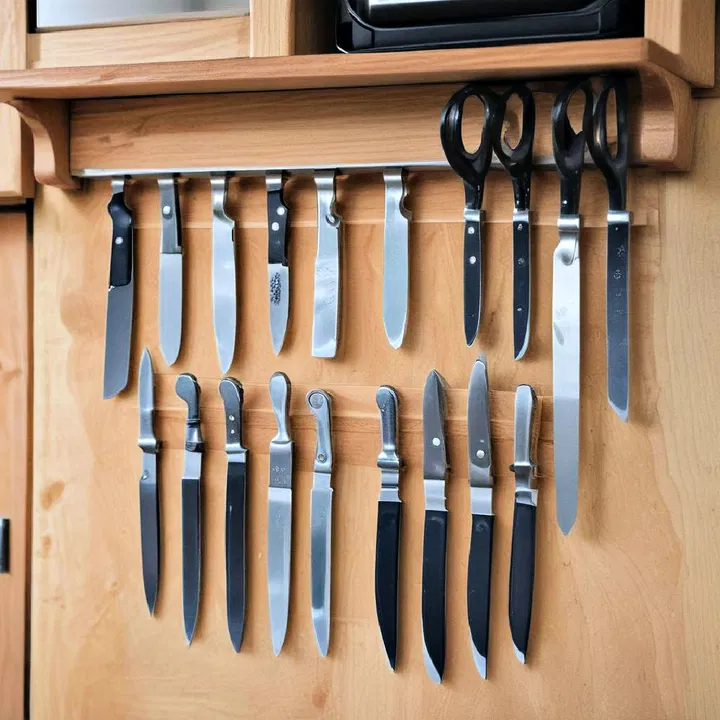
Magnetic strips are an inexpensive yet highly effective way to free up drawer and countertop space. Mounted on a kitchen backsplash, workshop wall, or entryway, they can securely hold knives, metal utensils, scissors, keys, and small tools that would otherwise clutter your cabinets.
Beyond their practicality, magnetic strips make frequently used items easier to access while adding a sleek, organized appearance. In a tiny home where every inch matters, moving storage onto the walls is a simple upgrade that delivers immediate benefits.
5. Transform Your Stairs into Storage Drawers
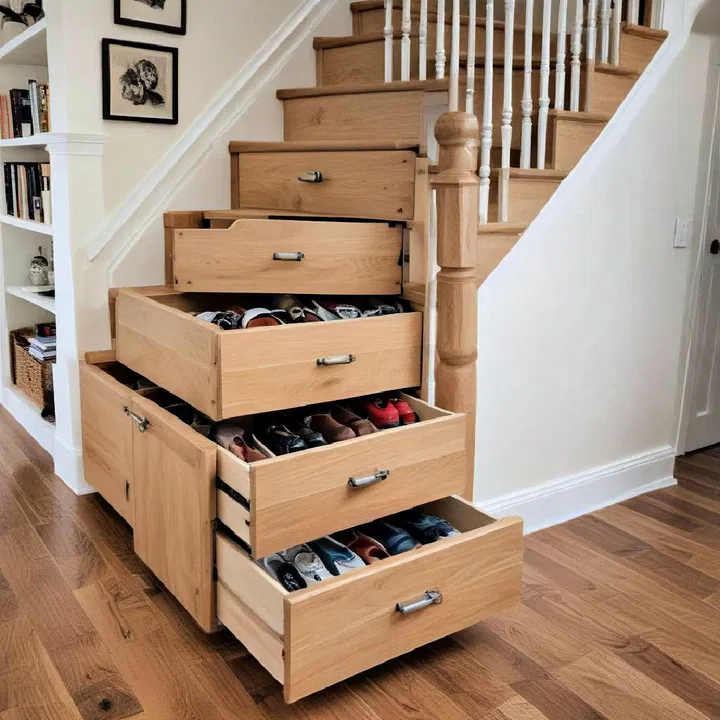
If your tiny house includes a staircase leading to a loft, don’t let the space inside each step go to waste. Custom-built drawers or lift-up compartments can turn every stair into a hidden storage unit perfect for shoes, clothing, pet supplies, books, or household essentials.
This clever design keeps belongings neatly tucked away while maintaining a clean aesthetic. Stair storage is especially useful because it utilizes an area that already exists, increasing functionality without requiring additional furniture or square footage.
6. Install Versatile Pegboard Walls
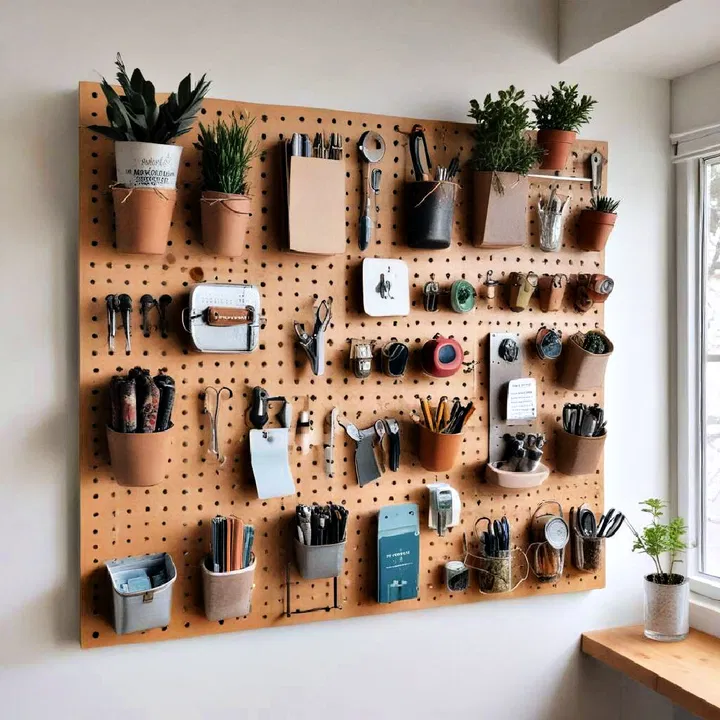
Pegboard walls offer one of the most adaptable storage systems available for compact living. By combining hooks, baskets, shelves, and hanging containers, you can create a customized organization center that evolves with your needs.
In the kitchen, pegboards can hold cookware and utensils. In a home office, they keep supplies within reach, while in craft spaces or workshops they provide an efficient way to organize tools and materials. Because accessories can be repositioned whenever needed, pegboard walls offer exceptional flexibility and help prevent clutter from accumulating on counters and tables.
7. Maximize Narrow Spaces with Sliding Pantry Shelves
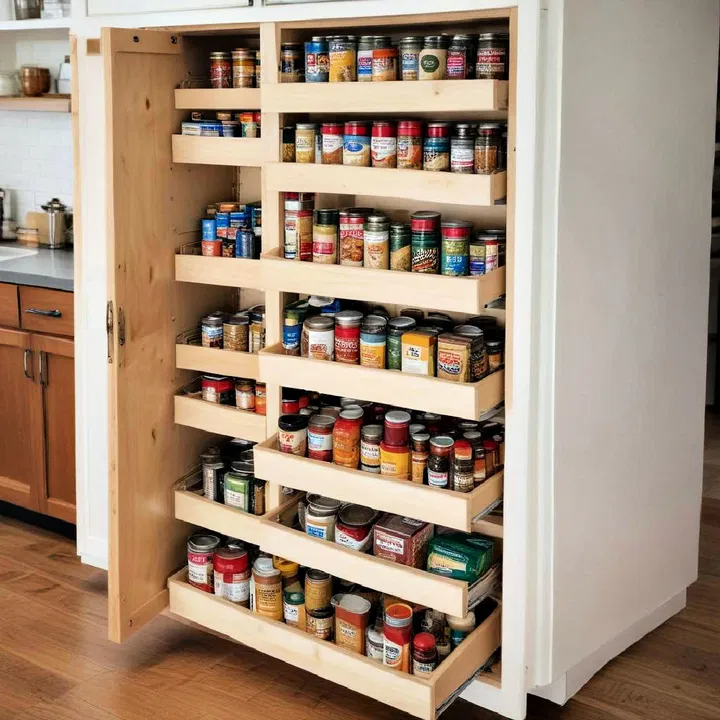
Tiny kitchens often have awkward gaps that seem too small to be useful, but sliding pantry shelves can transform those spaces into highly functional storage zones. Pull-out shelves allow you to store canned goods, spices, dry ingredients, and cooking supplies while providing easy access to everything with a simple glide.
Unlike traditional cabinets where items can get lost in the back, sliding shelves let you see and reach everything at once. They also make organizing groceries simpler and reduce wasted space, making them an excellent addition to any compact kitchen.
8. Create a Flexible Workspace with a Fold-Down Desk
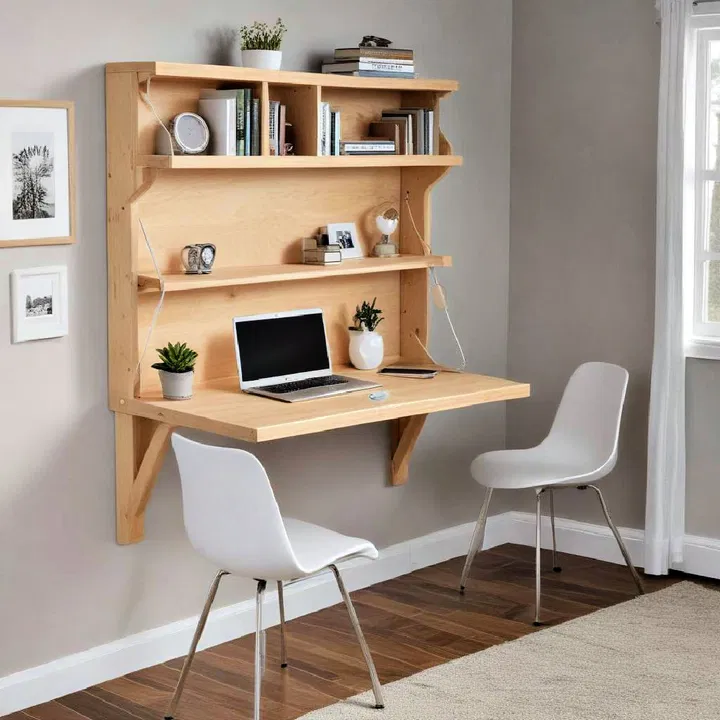
Working or studying from home in a tiny house doesn’t require dedicating an entire room to an office. A fold-down desk mounted to the wall provides a sturdy work surface when needed and folds neatly away when you’re finished.
Some designs even include built-in shelves or hidden compartments for office supplies, allowing you to keep notebooks, chargers, and stationery organized. This solution is perfect for homeowners who want the convenience of a desk without permanently sacrificing valuable floor space.
9. Save Space with a Murphy Bed
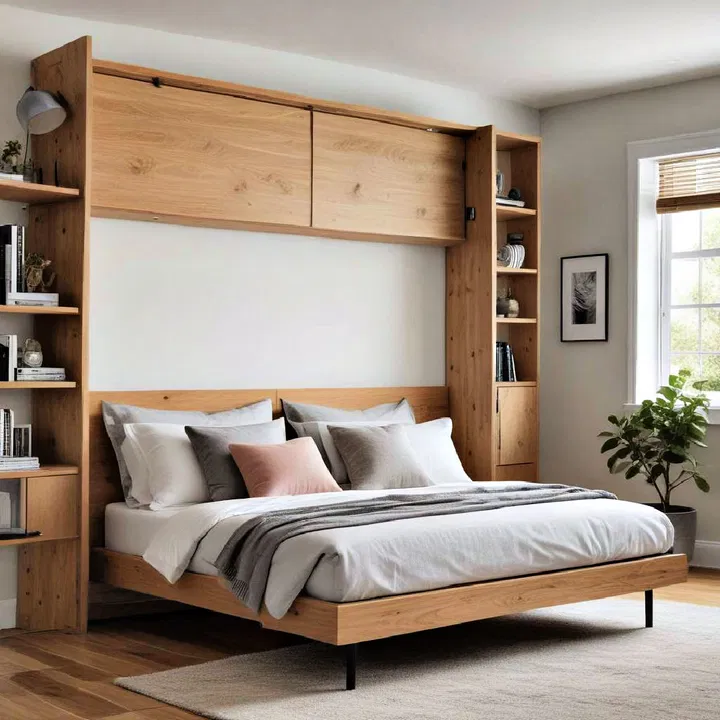
A Murphy bed is one of the most iconic space-saving features for small homes, and for good reason. By folding vertically into a cabinet or wall unit during the day, it instantly converts a bedroom into a living room, office, or exercise area.
Modern Murphy beds often include integrated shelving, side cabinets, or even sofas, making them even more practical. This multi-functional approach allows one room to serve several purposes without feeling crowded, helping tiny homes remain both comfortable and efficient.
10. Make Use of the Space Above Doorways
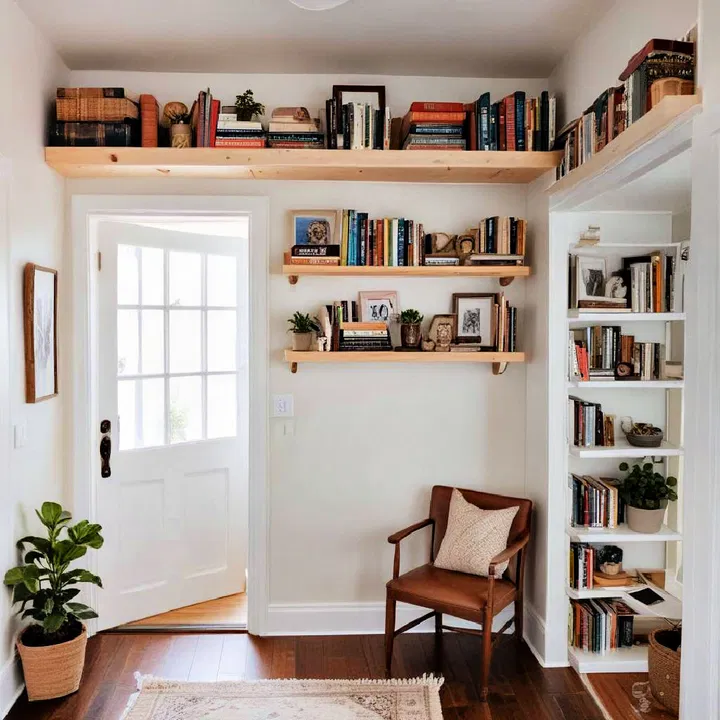
The area above doors is often overlooked, but it can provide valuable storage in a tiny house. Installing sturdy shelves above door frames creates the perfect spot for books, decorative baskets, extra linens, or seasonal items that you don’t need to access every day.
Because these shelves sit high on the wall, they keep belongings out of the way while making excellent use of vertical space. To maintain a tidy appearance, use matching bins or baskets that complement your home’s décor and keep smaller items organized.
11. Choose a Multi-Functional Coffee Table
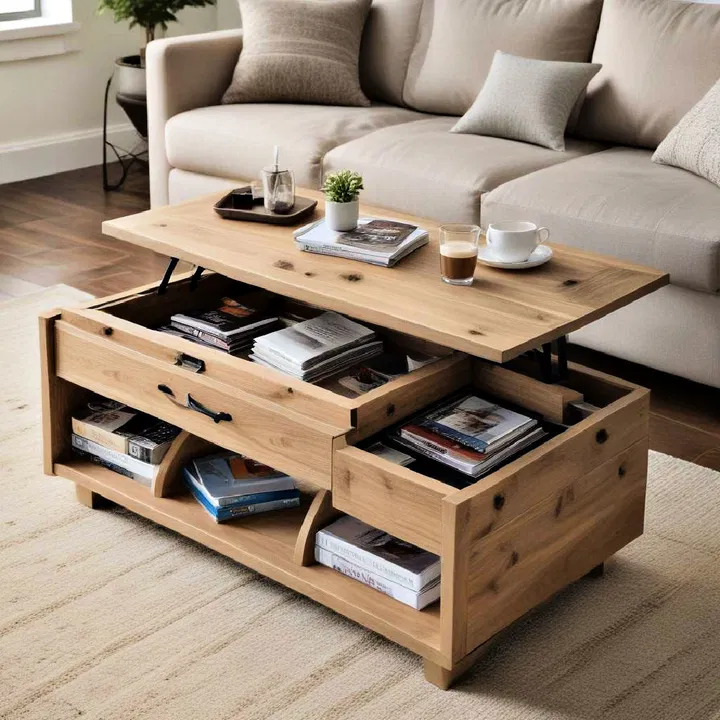
Your coffee table can do much more than hold drinks and magazines. Models with built-in drawers, hidden compartments, or lift-top surfaces provide convenient storage for remote controls, blankets, board games, electronics, and everyday essentials.
Some lift-top designs even convert into compact workstations or dining surfaces, making them especially useful in tiny homes where furniture needs to perform multiple functions. By combining style and practicality, a storage coffee table helps reduce clutter without adding extra pieces to the room.
12. Install Over-the-Door Organizers
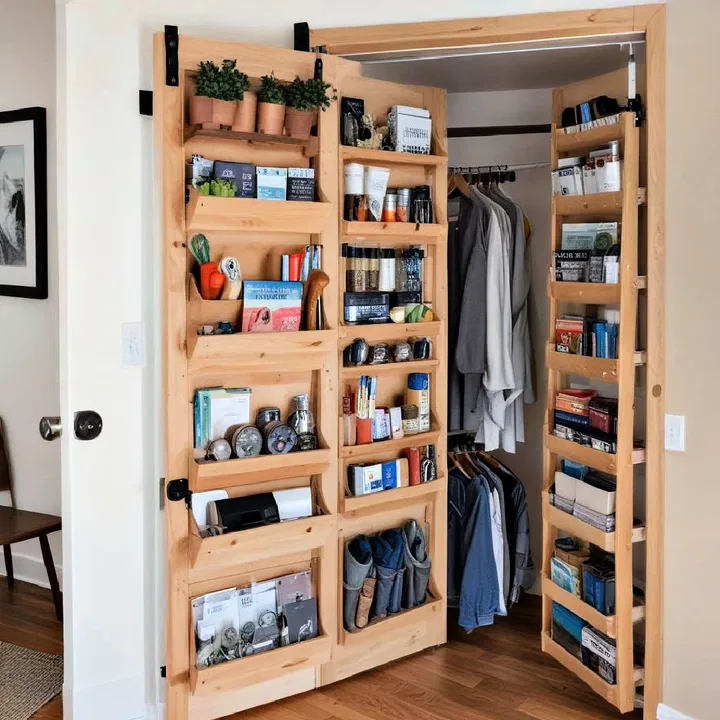
Doors offer untapped storage opportunities that can significantly improve organization in small spaces. Over-the-door organizers come in a wide range of styles, including pocket organizers, hanging racks, and basket systems designed to hold shoes, toiletries, pantry goods, cleaning supplies, or accessories.
Because they require no permanent remodeling, these organizers are easy to install and ideal for renters or homeowners alike. They instantly create extra storage while keeping frequently used items visible and within easy reach, helping every room stay neat and functional.
13. Bring Nature Indoors with a Vertical Garden Wall
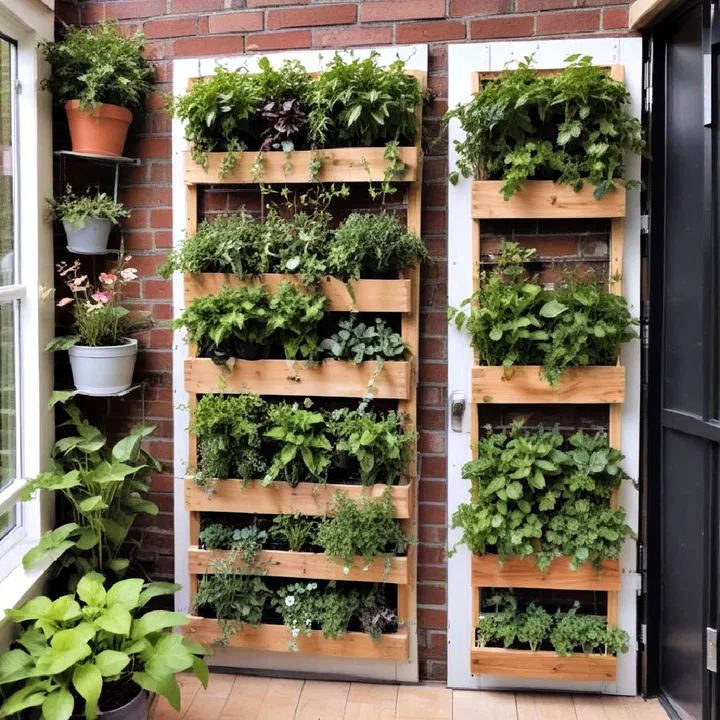
A vertical garden is a beautiful way to add greenery to a tiny home without taking up precious floor space. By mounting planters or modular growing systems on a wall, you can cultivate herbs, succulents, flowers, or even small vegetables while keeping countertops and shelves clear.
In addition to providing fresh ingredients and natural décor, living walls improve visual appeal and make compact spaces feel more vibrant. They’re an excellent solution for homeowners who want to combine functionality with a touch of nature.
14. Build Custom Bookcases into Unused Spaces
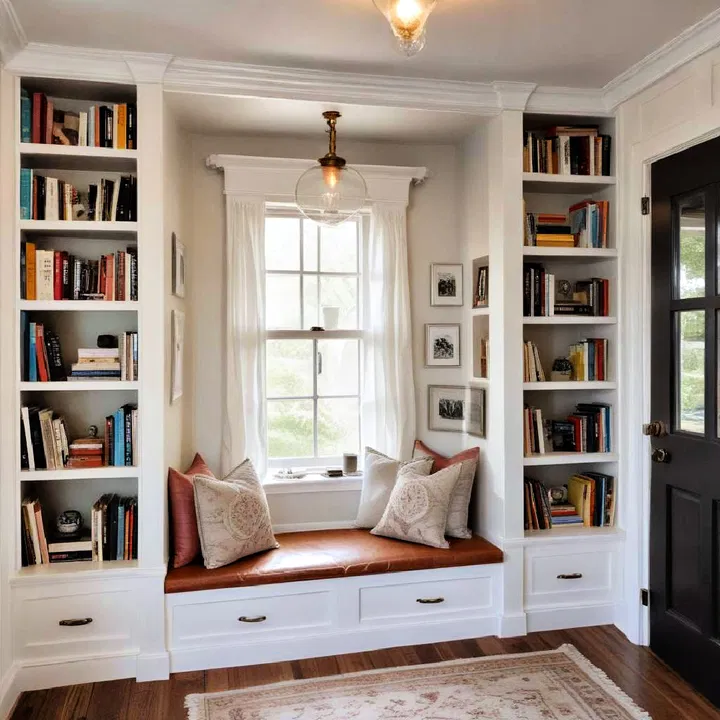
Built-in bookcases make excellent use of awkward nooks, alcoves, or empty wall sections that might otherwise go unused. Unlike freestanding shelves, custom units can be designed to fit your home’s exact dimensions, creating seamless storage without occupying unnecessary floor space.
Beyond books, these shelves can display decorative accents, framed photos, storage baskets, or collectibles. The result is a polished, organized look that enhances both storage capacity and the overall character of your tiny home.
15. Keep Storage Flexible with Collapsible Bins
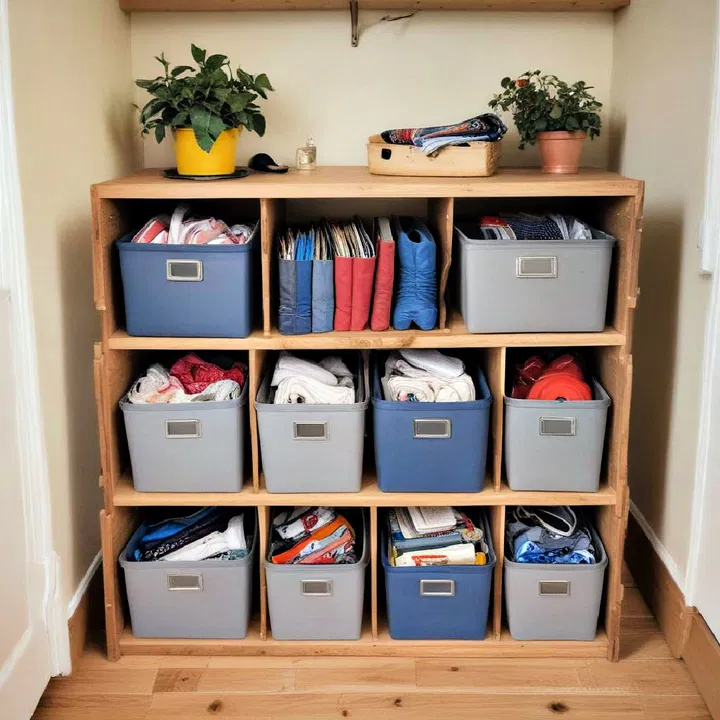
Collapsible storage bins are a practical solution for people who need organization without permanent bulk. When filled, they neatly hold clothing, toys, linens, craft supplies, or seasonal decorations. When empty, they fold flat for easy storage, saving valuable room.
Available in a variety of sizes, colors, and materials, these bins fit neatly into closets, shelves, or under furniture. Their versatility makes them especially useful in tiny houses where storage needs may change over time, allowing you to stay organized without sacrificing flexibility.
16. Use Rolling Carts for Portable Storage
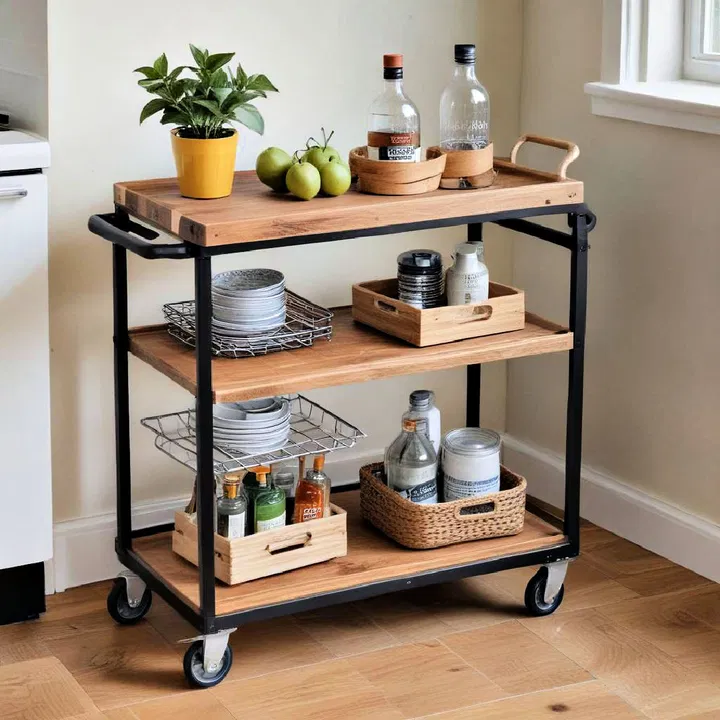
Rolling carts are one of the most versatile storage solutions for tiny homes because they can easily move wherever extra organization is needed. Whether used in the kitchen for pantry items, in the bathroom for toiletries, or in a home office for supplies, these mobile units provide convenient storage without requiring permanent installation.
Many carts feature multiple tiers, allowing you to separate items by category while keeping everything within reach. When not in use, they can be tucked into narrow spaces or corners, making them an excellent option for maximizing every inch of your home.
17. Free Up Floor Space with Wall-Mounted Bicycle Racks
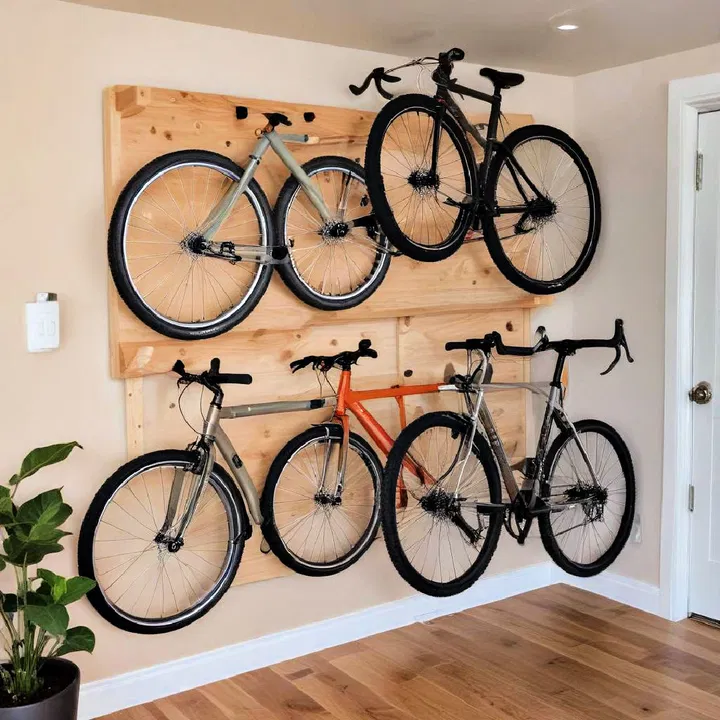
For cycling enthusiasts, storing a bike indoors can quickly consume valuable living space. A wall-mounted bicycle rack solves this problem by lifting the bike off the floor and turning it into a stylish display piece.
These racks not only protect your bicycle from damage but also keep hallways and living areas clear of obstacles. Some designs even include small shelves or hooks for helmets and accessories, creating a complete storage station that blends functionality with modern design.
18. Maximize the Area Beneath Your Bed
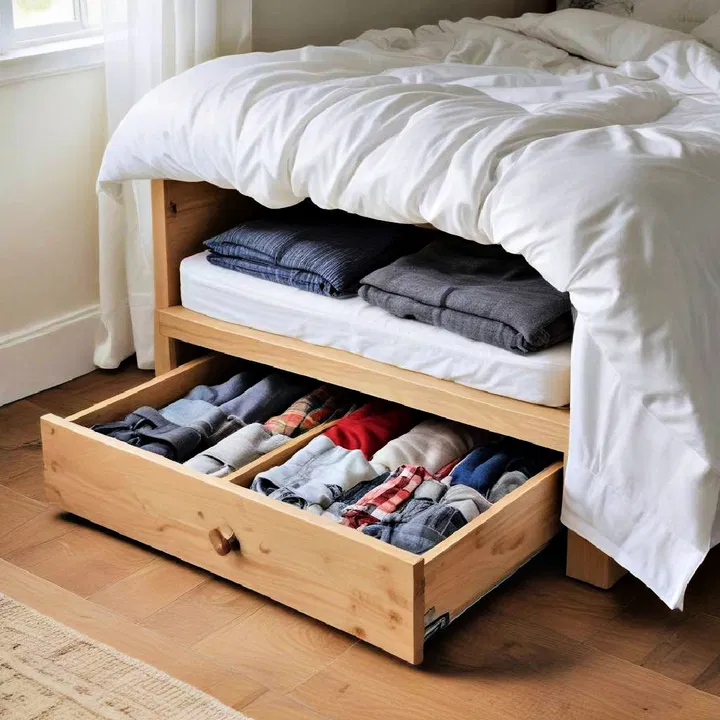
The space under a bed is often underutilized, yet it offers a significant amount of hidden storage. Low-profile bins, rolling drawers, vacuum-sealed bags, or built-in compartments can be used to store off-season clothing, shoes, bedding, luggage, or sentimental items that don’t require daily access.
Keeping these belongings neatly organized beneath the bed reduces closet clutter while making efficient use of otherwise wasted space. Choosing labeled containers or transparent bins can make it easier to locate items whenever you need them.
19. Turn Empty Corners into Functional Storage
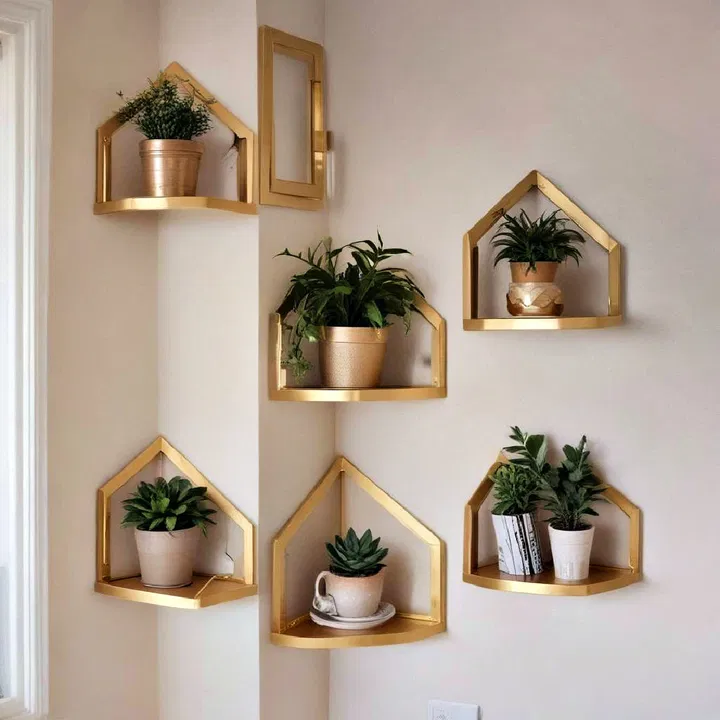
Corners are often overlooked when planning storage, but they can become valuable organizational spaces with the right design. Installing floating corner shelves or corner cabinets allows you to display decorative accents while also storing books, plants, baskets, or everyday essentials.
By utilizing these awkward areas, you free up wall space elsewhere and make the room feel more balanced. In a tiny house, even the smallest unused corner can contribute to a more efficient and clutter-free layout.
20. Install Hook and Rail Systems Throughout Your Home
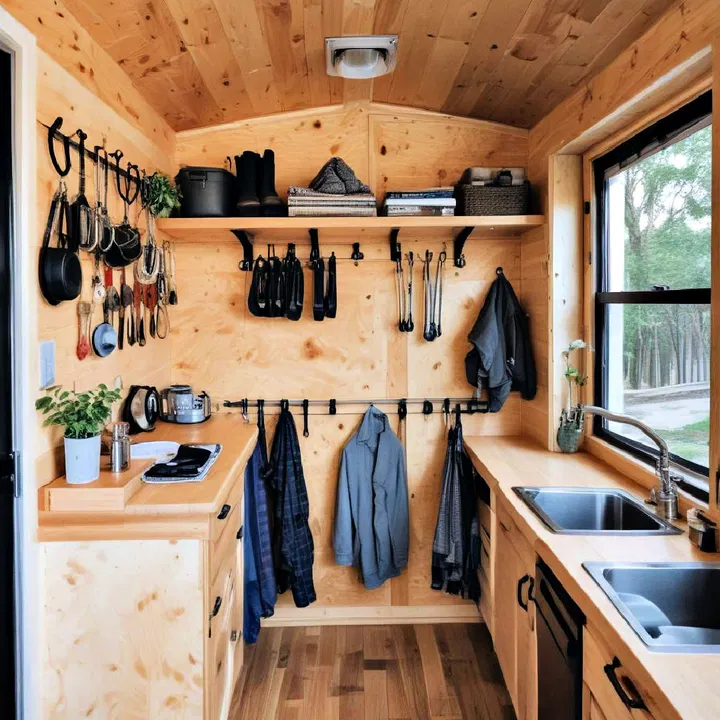
Simple hook and rail systems provide an easy and affordable way to keep frequently used items organized. Mounted in entryways, kitchens, bathrooms, or bedrooms, they can hold coats, hats, bags, towels, cooking utensils, mugs, or cleaning tools without taking up cabinet or drawer space.
Because they keep belongings visible and within easy reach, hook rails encourage daily organization while adding a touch of practical charm. Their flexibility also allows you to rearrange or expand your storage as your needs change.
21. Choose a Drop-Leaf Table for Flexible Living
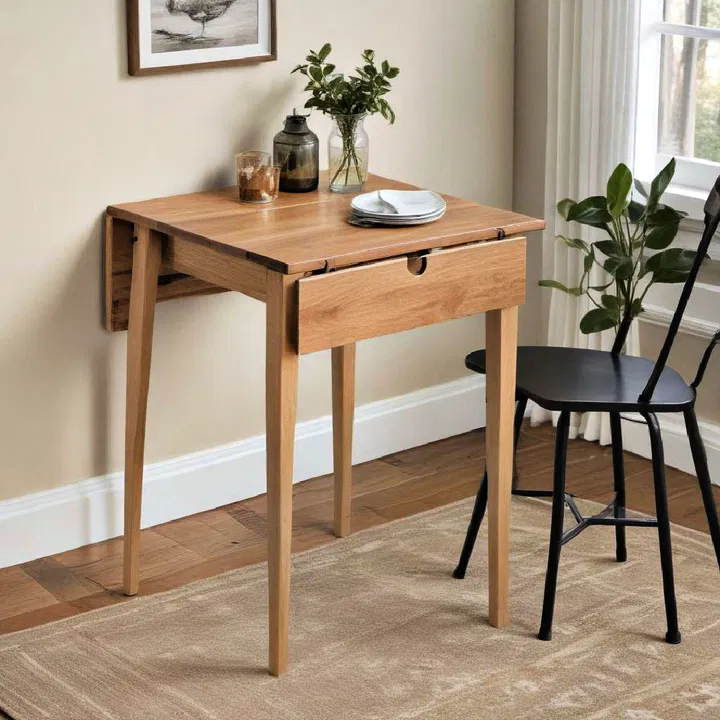
A drop-leaf table is a smart investment for tiny homes where space must serve multiple purposes. With hinged sides that fold down when not in use, this type of table can function as a compact console most of the time and expand into a dining table or workspace whenever needed.
Its adaptability makes it ideal for entertaining guests, enjoying family meals, or tackling projects without permanently occupying valuable floor space. When paired with foldable chairs, a drop-leaf table creates a highly efficient setup that disappears when no longer needed.
22. Create a Compact Workspace with a Wall-Mounted Desk
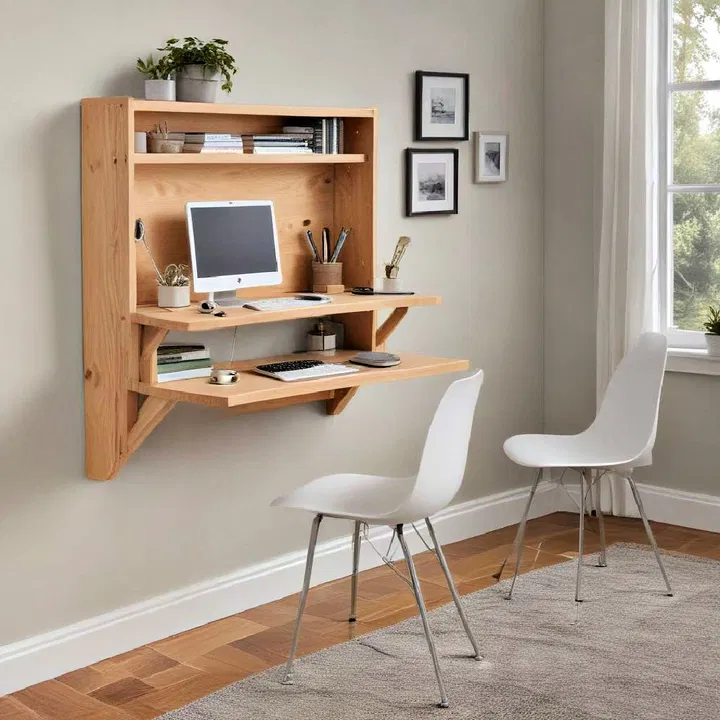
A wall-mounted desk is an excellent solution for tiny homes where every square foot serves multiple purposes. Unlike traditional desks that permanently occupy floor space, these units fold neatly against the wall when not in use, instantly opening up the room.
Many models include built-in shelves, cubbies, or hidden compartments for storing office supplies, chargers, and notebooks. Whether you’re working remotely, paying bills, or helping children with homework, a wall-mounted desk provides a dedicated workspace that can disappear in seconds when the task is complete.
23. Utilize Ceiling-Mounted Storage for Rarely Used Items
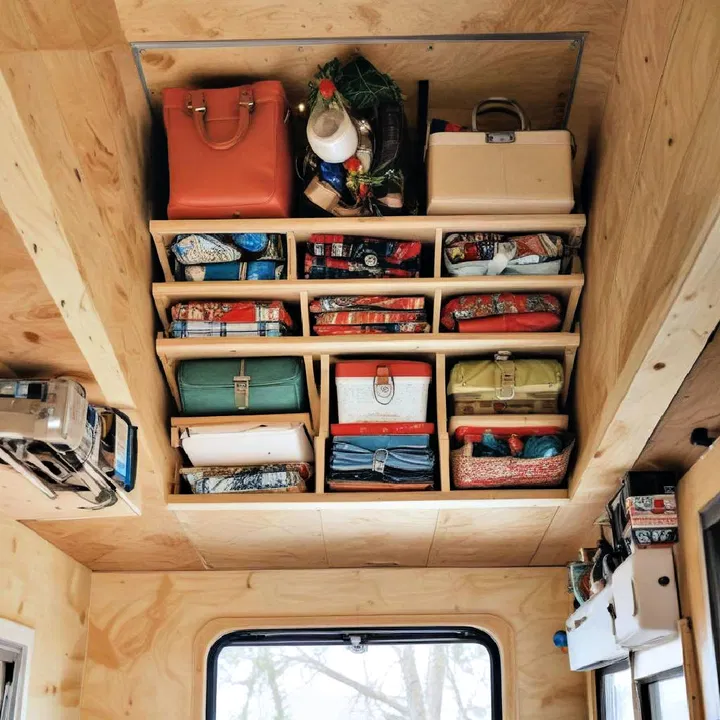
When walls and floors are full, the ceiling offers another valuable opportunity for storage. Ceiling-mounted racks or suspended shelving systems are ideal for keeping bulky or infrequently used belongings safely out of the way, including luggage, holiday decorations, camping equipment, or extra storage bins.
This approach is particularly useful in garages, utility rooms, or homes with high ceilings. By relocating seldom-used items overhead, you preserve your everyday living areas for the things you need most while maintaining a clean and organized environment.
24. Organize Efficiently with Stackable Storage Solutions
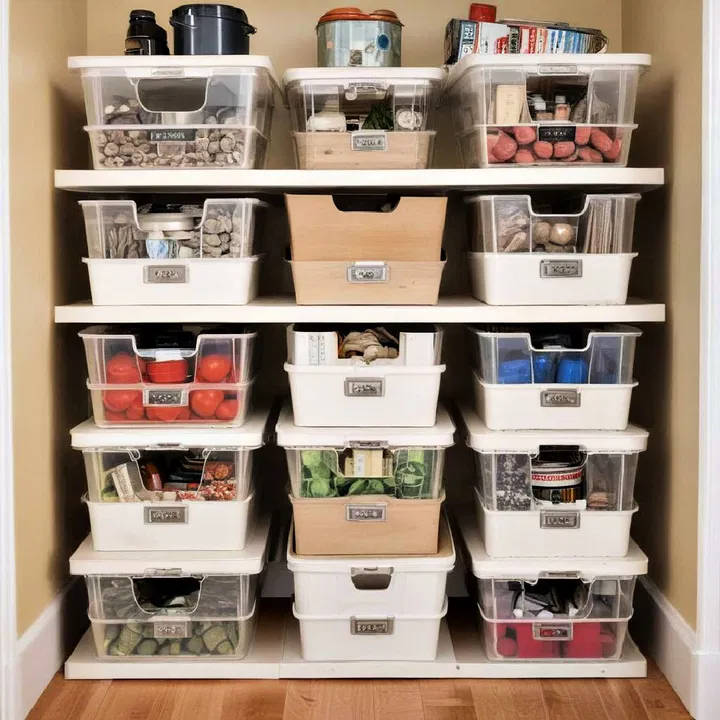
Stackable containers and modular storage boxes make it easy to maximize vertical space without creating clutter. Their uniform design allows them to fit securely on top of one another, helping you organize closets, pantries, cabinets, and storage nooks more effectively.
Using clear or labeled containers makes it simple to identify contents at a glance, reducing the need to rummage through multiple boxes. Stackable systems are also highly adaptable, allowing you to expand or rearrange your storage setup as your needs evolve over time.
25. Hide Waste with Pull-Out Trash and Recycling Bins
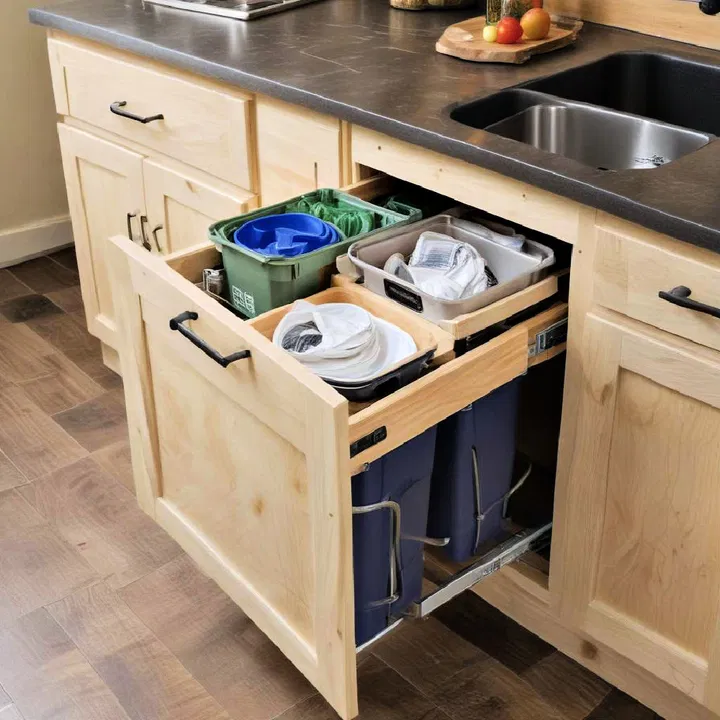
Keeping trash and recycling bins concealed can make a tiny kitchen feel cleaner and more spacious. Pull-out systems installed inside cabinets allow bins to slide out only when needed, eliminating visual clutter while keeping waste conveniently accessible.
In addition to improving appearance, these built-in solutions help reduce odors, simplify cleanup, and free up valuable floor space. Pairing separate compartments for trash and recycling also encourages better household organization and makes sustainable living easier in a compact home.
Conclusion
Living in a tiny house doesn’t mean compromising on organization or comfort. With thoughtful planning and creative storage solutions, you can transform even the smallest footprint into a highly functional and inviting home. Hidden compartments, multi-purpose furniture, vertical storage, and customizable organization systems all contribute to making every square inch work harder.
The key is to think beyond traditional storage methods and embrace designs that maximize unused areas while keeping your home tidy and visually appealing. By implementing these 25 smart storage ideas, you’ll create a space that feels larger, operates more efficiently, and supports a simpler, less cluttered lifestyle.
Leave a Reply