Transforming your backyard into a culinary haven has never been more popular, and with good reason. An outdoor kitchen not only elevates your home’s entertainment potential but also creates a warm, inviting space where family and friends can gather to enjoy delicious meals and memorable moments. Whether you’re a seasoned chef or simply love the idea of cooking al fresco, the right outdoor kitchen design can turn your backyard into an extension of your living space, blending functionality with style to suit your lifestyle and taste.
Designing and building an outdoor kitchen requires thoughtful planning and expertise to ensure it meets your needs while enhancing your outdoor environment. From choosing durable materials to optimizing layout and incorporating smart appliances, expert tips can guide you through every step of the process. In this post, we’ll explore top outdoor kitchen designs and share practical advice to help you create a stunning, efficient cooking space that will transform your backyard into the ultimate destination for outdoor dining and entertaining.
1. Maximize Your Outdoor Kitchen’s Storage Space
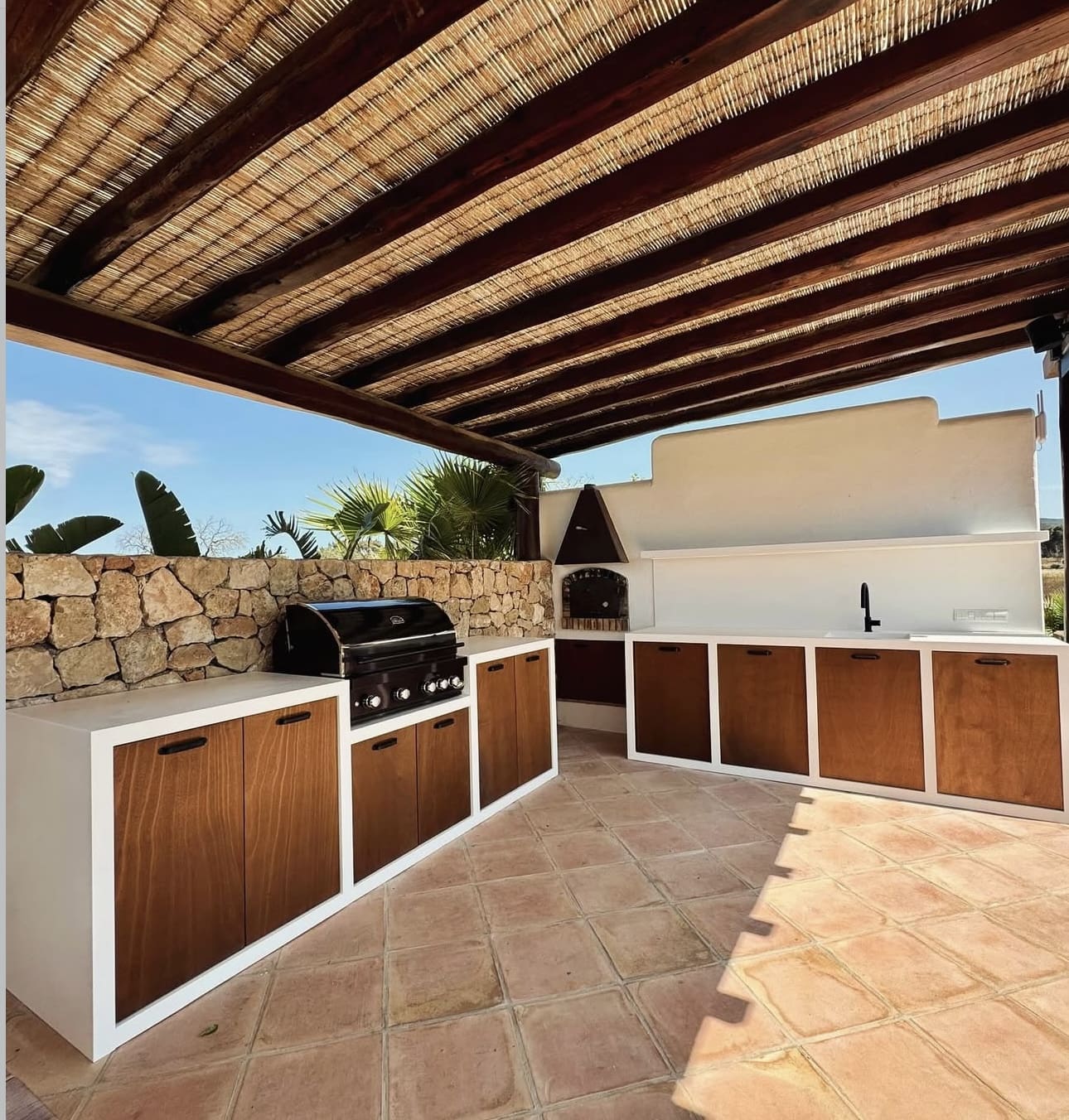
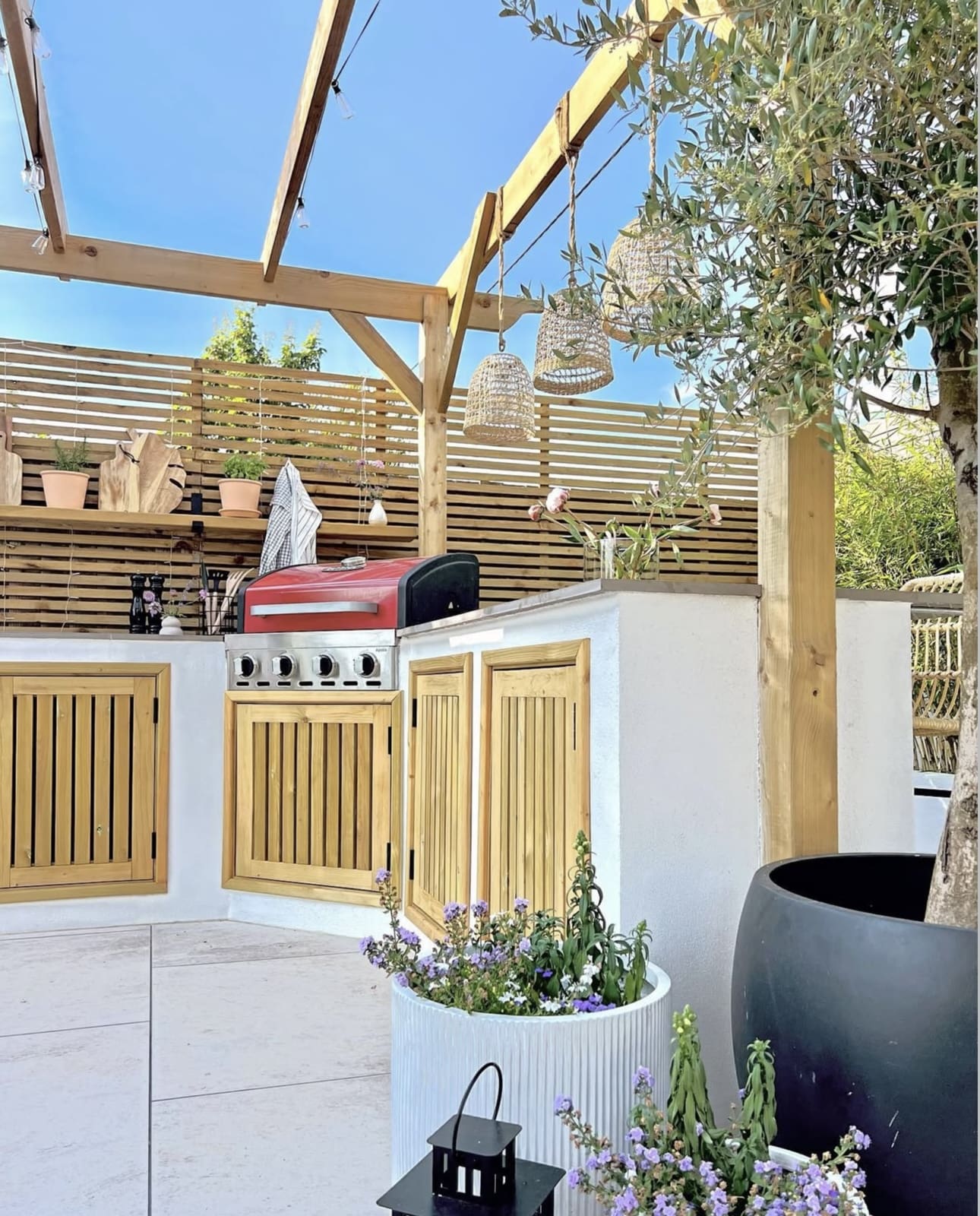
Efficient storage solutions are essential for maintaining a neat and functional outdoor kitchen. Incorporate various compartments to keep utensils, cookware, and serving essentials neatly tucked away. Built-in sections for grilling gear, seasonings, and a small fridge to chill drinks will streamline your cooking process.
- Install weather-resistant cabinets and drawers for all your tools and dishes.
- Designate specific spots for grilling accessories and frequently used spices.
- Add a compact refrigerator to keep beverages and perishables close at hand.
- Use modular storage units that can be customized to fit your cooking style.
Pro Tip: Opt for storage solutions with secure latches to protect your items from outdoor elements.
2. Select Weather-Resistant Materials
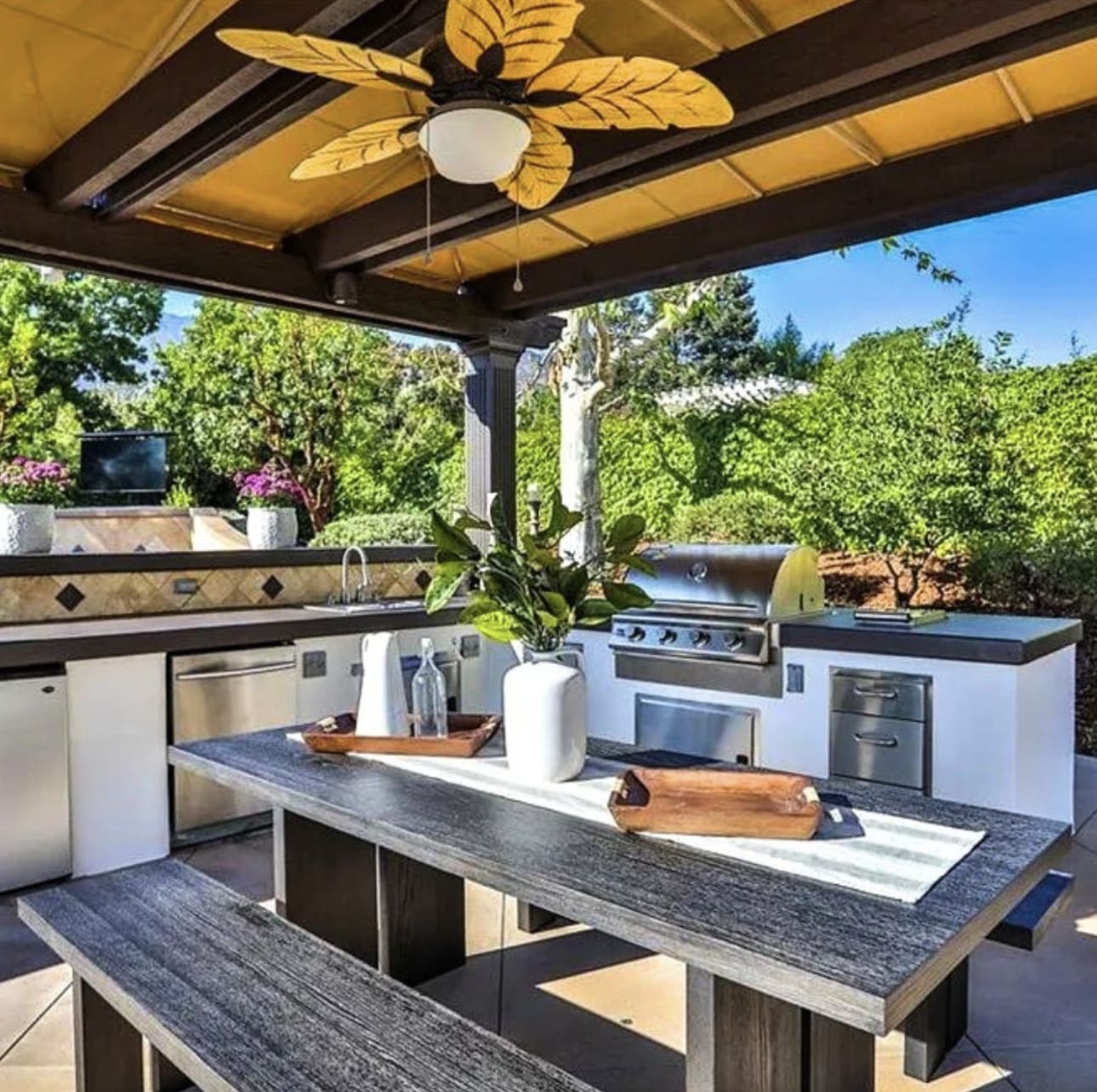
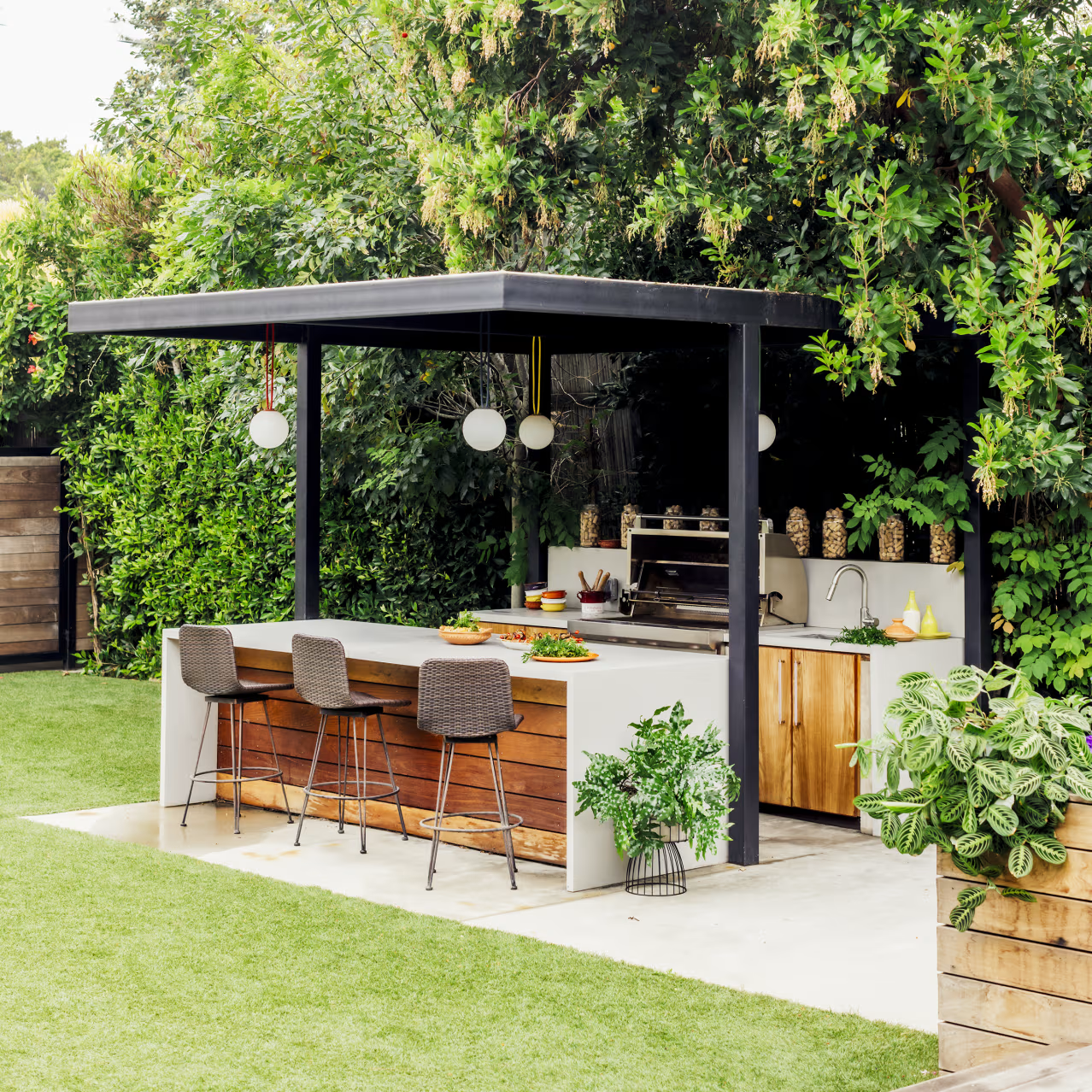
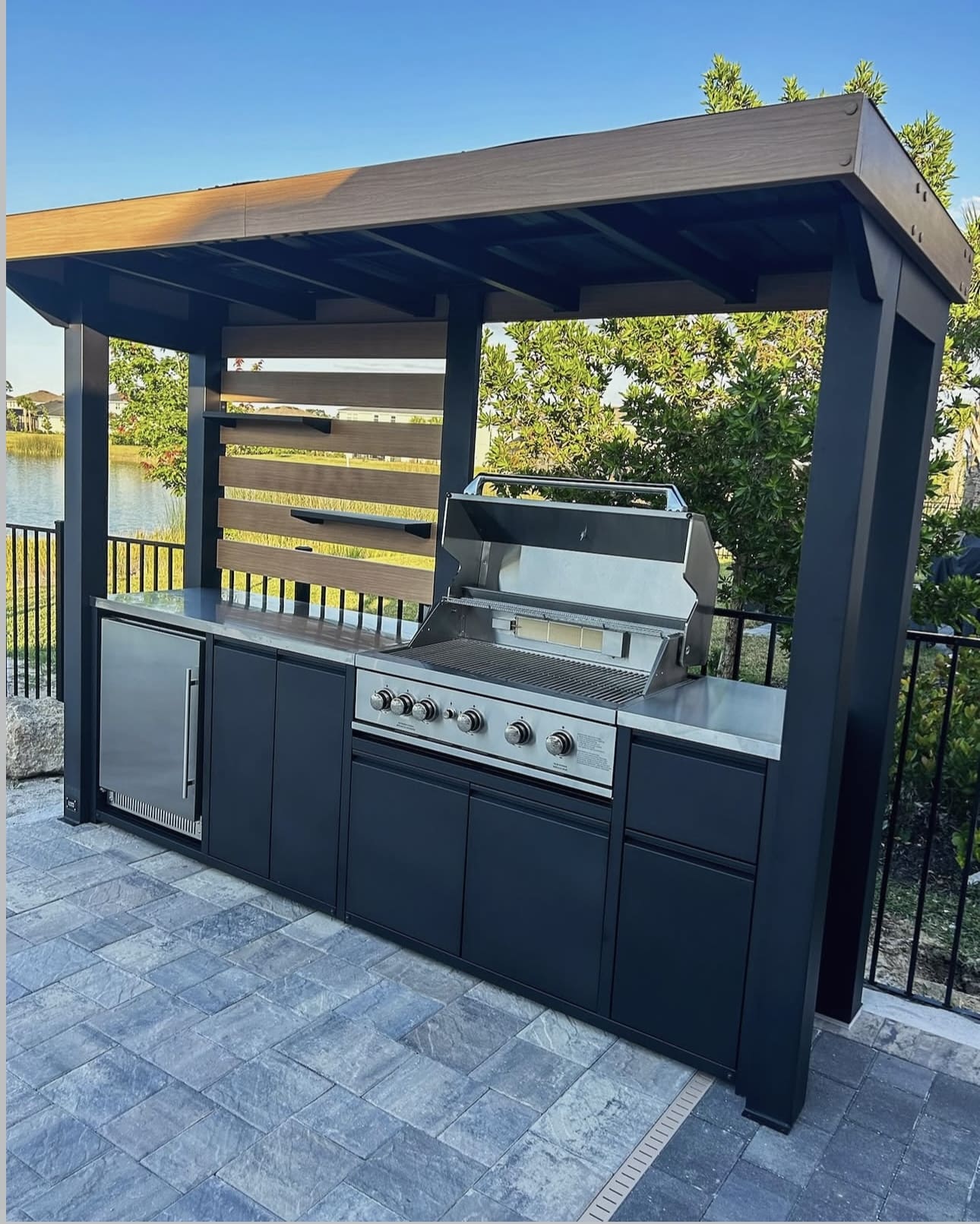
When designing an outdoor kitchen, it’s important to pick materials that can handle exposure to the elements while maintaining an attractive look. Appliances crafted from stainless steel are ideal because they’re tough and simple to clean. For countertops, durable options like granite or concrete offer excellent resistance to heat and stains, and using weatherproof cabinets made from stainless steel or marine-grade polymers ensures longevity.
- Opt for stainless steel appliances to resist rust and simplify maintenance.
- Choose granite or concrete countertops for their heat and stain-resistant properties.
- Install cabinets made from marine-grade polymer or stainless steel for enhanced weather protection.
- Seal porous surfaces regularly to prevent moisture damage and staining.
Pro Tip: tize materials that combine durability with low maintenance to keep your outdoor kitchen looking great year-round.
3. Design a Cozy Outdoor Dining Spot
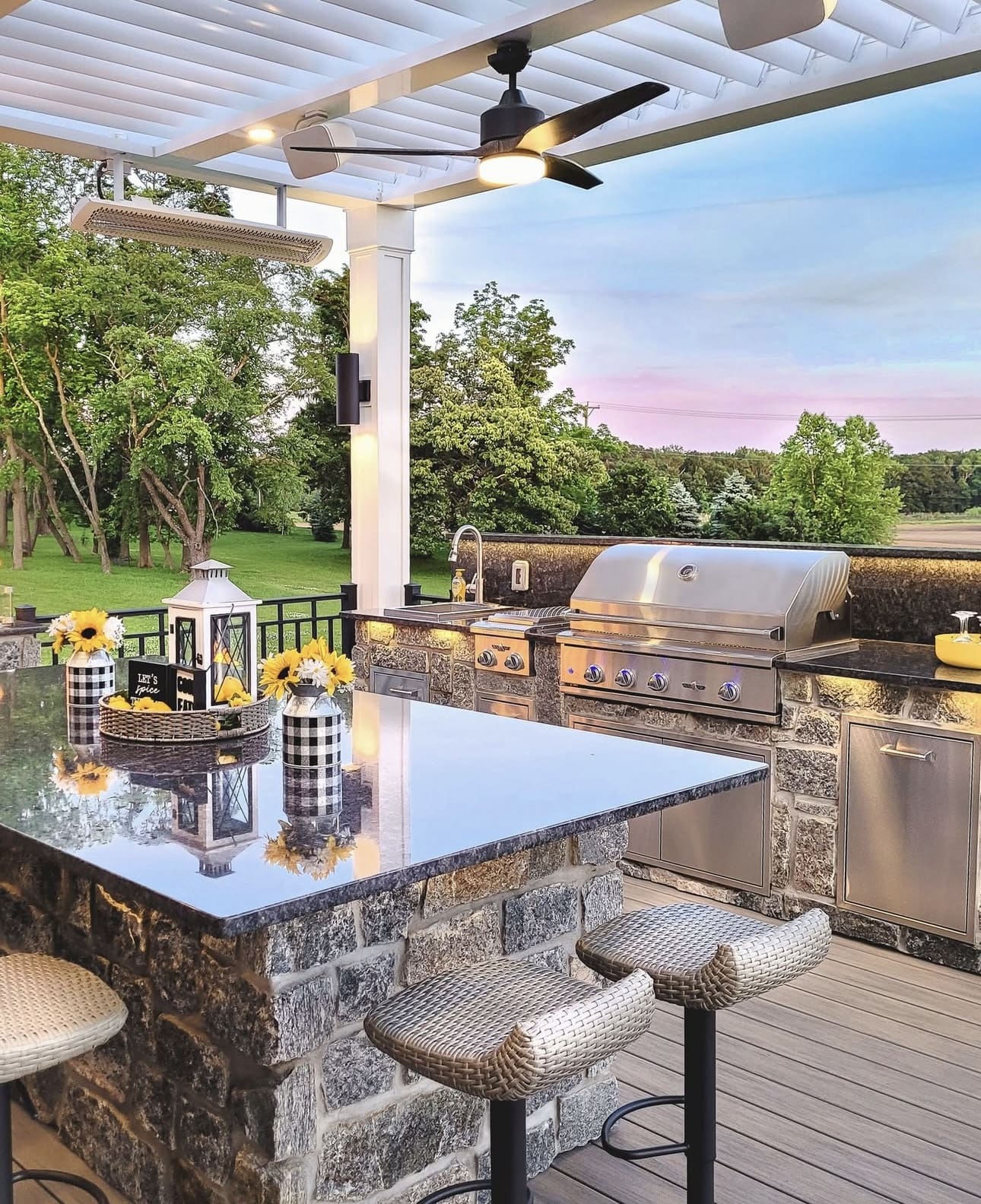
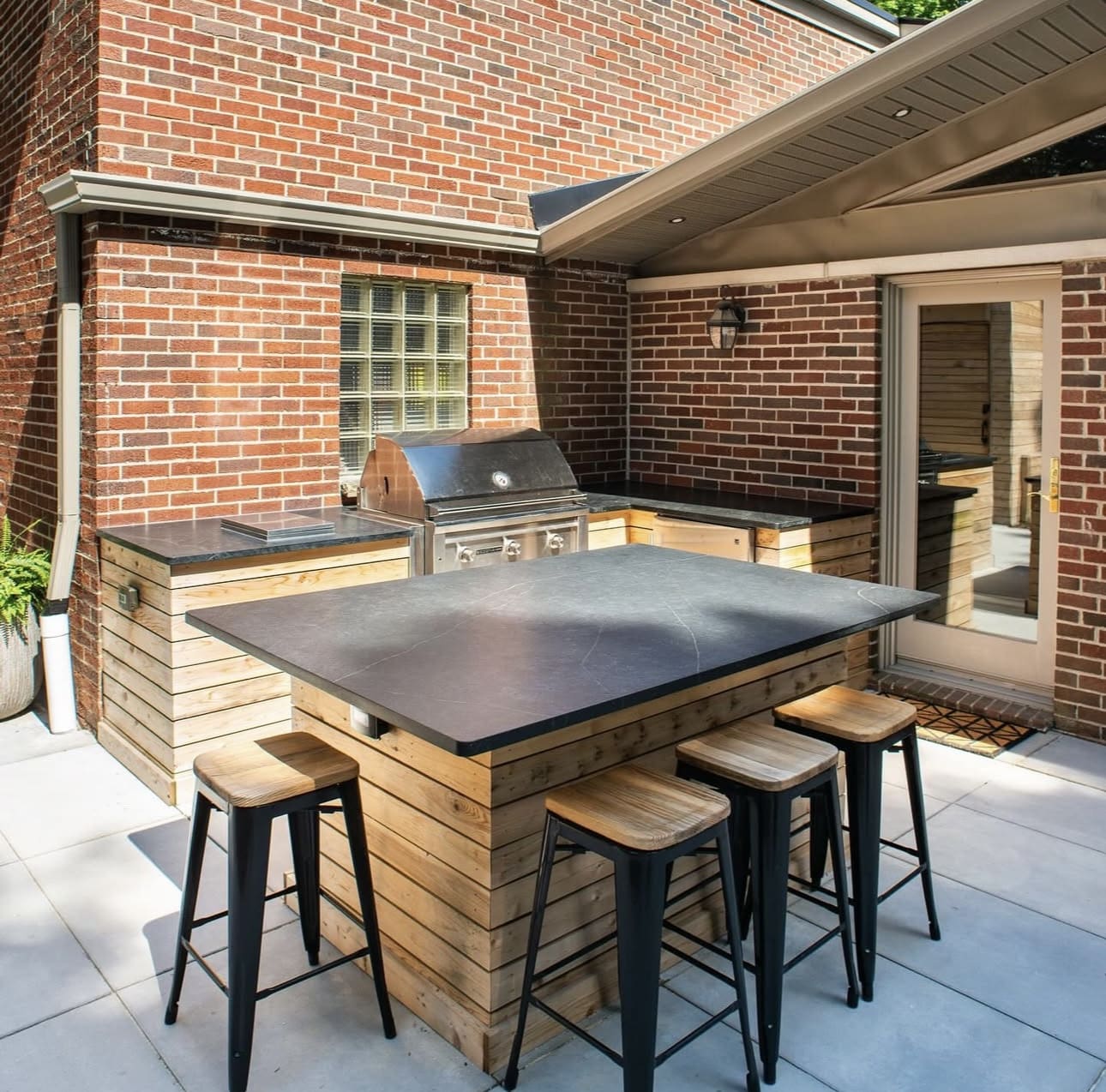
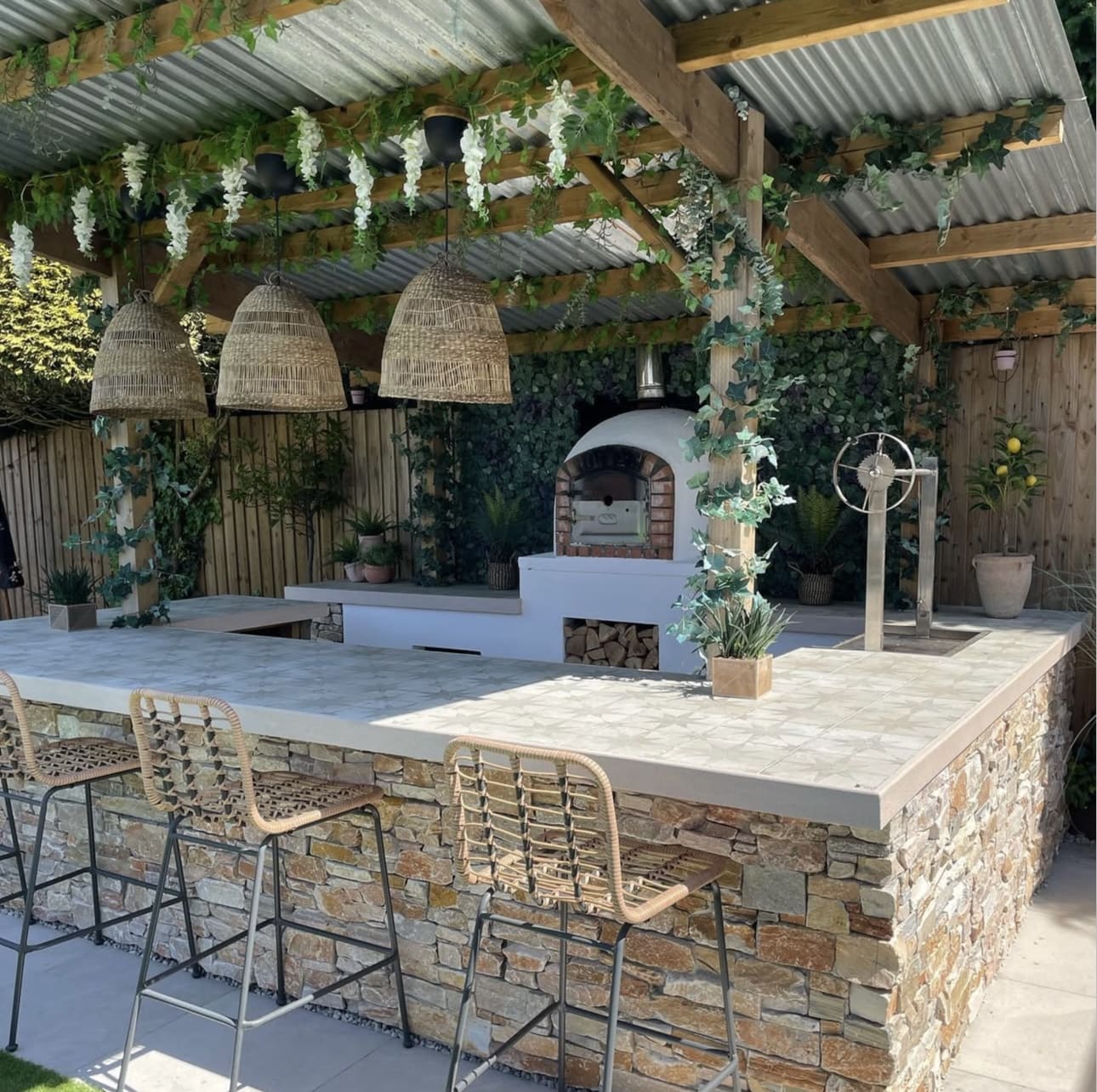
Make your outdoor kitchen a welcoming place not just for cooking but also for enjoying meals and good company. Set up a seating area that invites relaxation and conversation, whether it’s a laid-back bar with stools or a spacious dining table. Be sure to pick durable, weather-proof furniture and think about incorporating a shade element like an umbrella or pergola to keep guests comfortable.
- Select furniture made from materials that withstand sun and rain.
- Arrange seating to encourage easy interaction among guests.
- Add cushions or throw pillows with weather-resistant fabrics for extra comfort.
- Include adjustable shade options to adapt to changing sunlight throughout the day.
Pro Tip: sition your dining area near the cooking zone to keep the energy lively and food service efficient.
4. Keep the Air Flowing
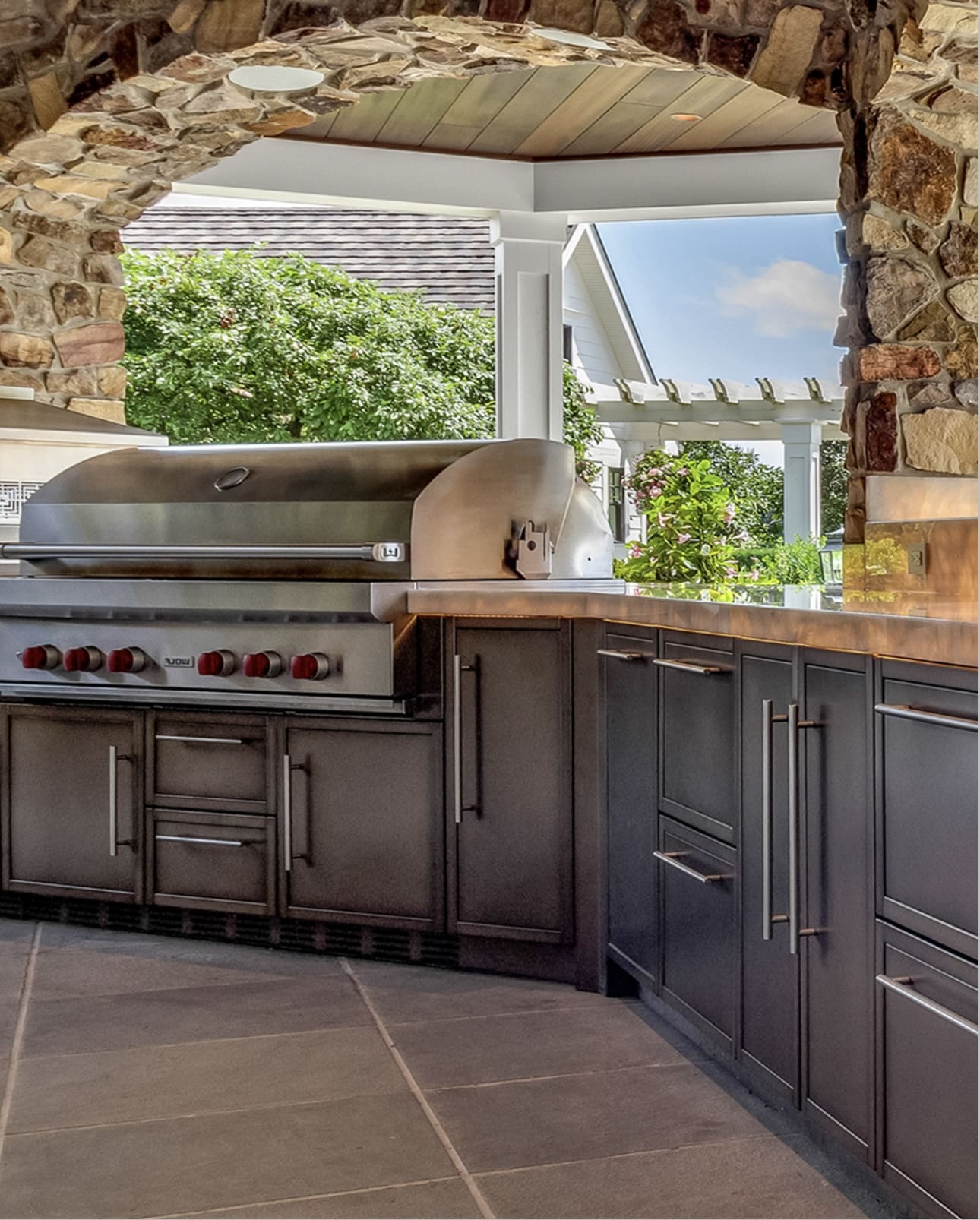

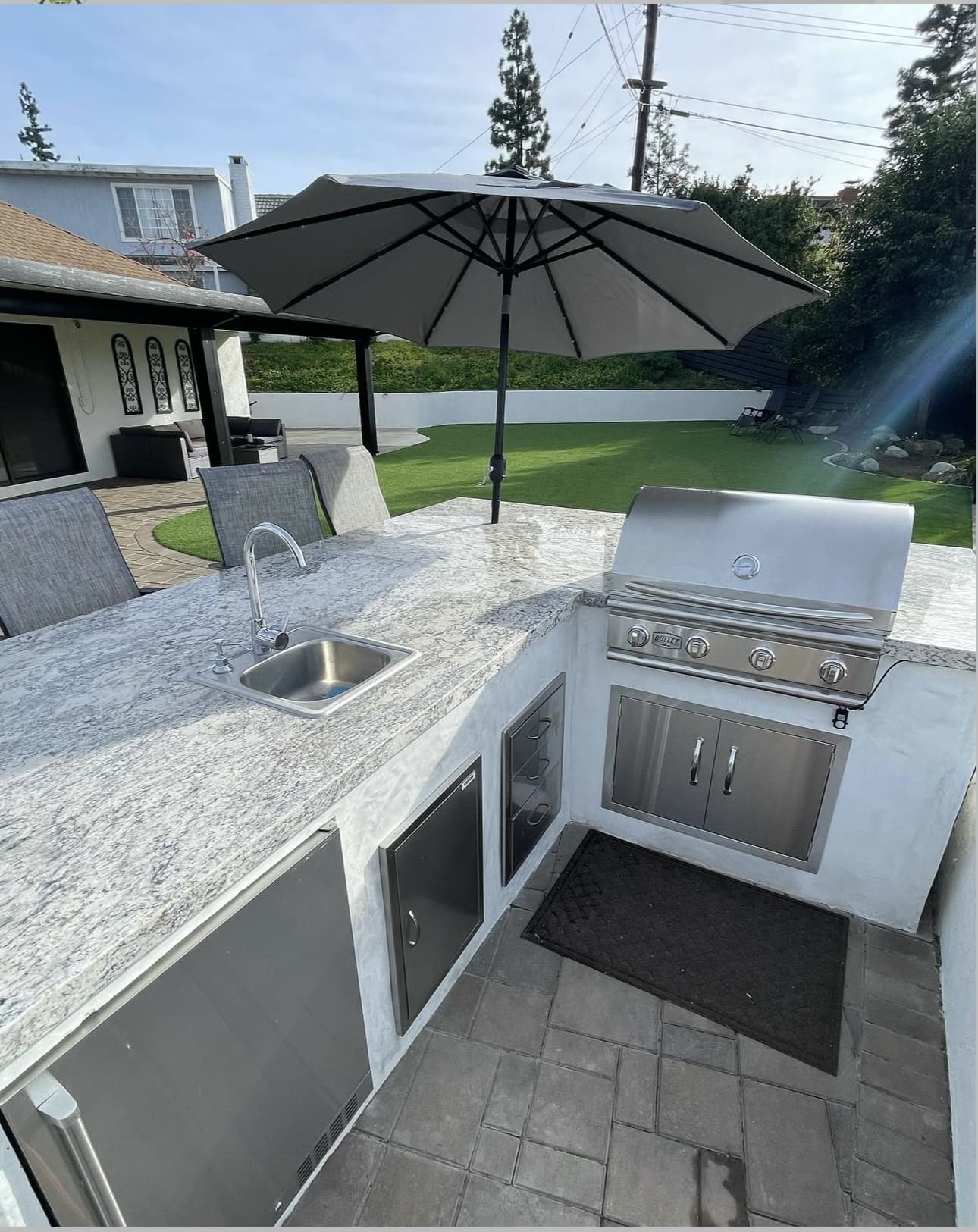
Even when cooking outside, smoke and lingering smells can build up, especially under a roofed space. To maintain a comfortable environment, make sure your outdoor kitchen has ample airflow. Installing exhaust systems or using fans can help clear the air efficiently.
- Incorporate a quality vent hood above your cooking area.
- Position fans to direct smoke away from seating zones.
- Leave openings or windows nearby to encourage natural air circulation.
- Regularly clean ventilation components to ensure optimal performance.
Pro Tip: Choose a vent hood with a quiet motor to keep the atmosphere pleasant while cooking.
5. Shield Your Outdoor Kitchen from the Elements
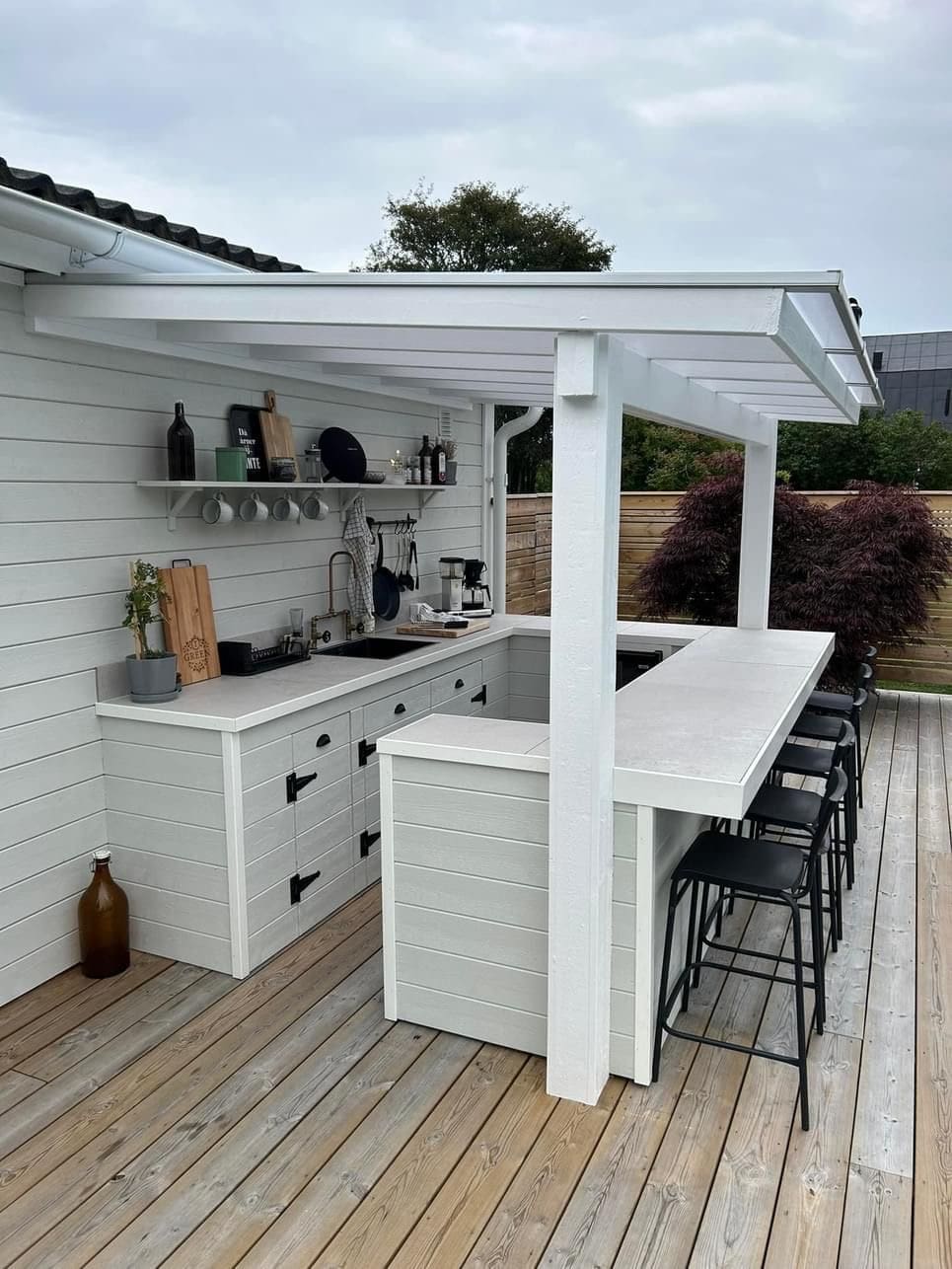
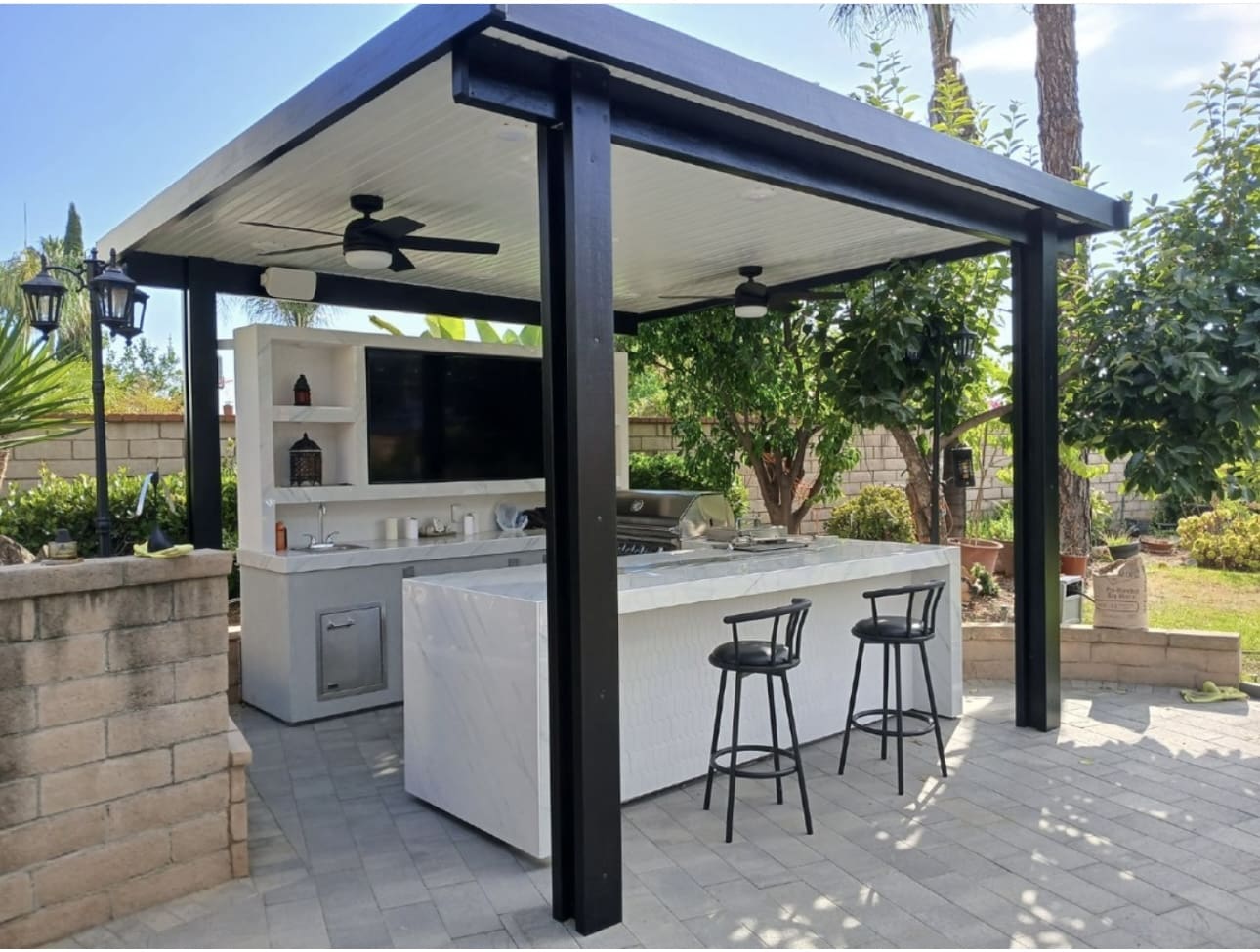
To keep your outdoor kitchen functional and looking great, it’s important to protect it from sun, rain, and wind. Installing structures like a pergola, canopy, or retractable awning can provide much-needed shelter and comfort. Additionally, using weather-resistant covers and preparing your kitchen for colder months will help maintain its durability throughout the year.
- Add a pergola or awning to block direct sunlight and reduce heat exposure.
- Use waterproof covers on grills and furniture when not in use.
- Secure loose items to prevent wind damage during storms.
- Prepare your kitchen for winter by draining water lines and covering appliances.
Pro Tip: Choose UV-resistant materials for all covers and shade structures to ensure long-lasting protection.
6. Optimize Layout for Seamless Cooking
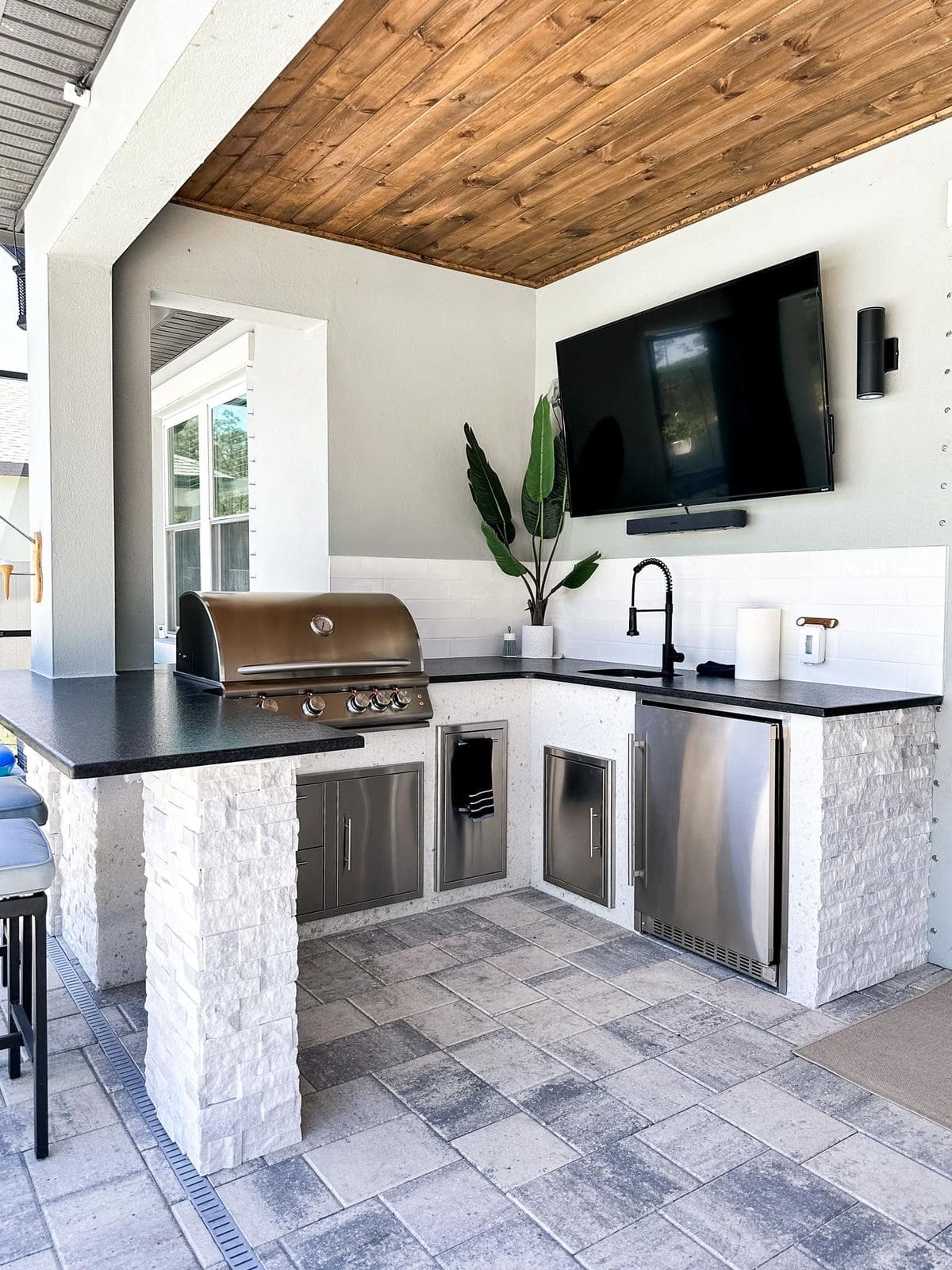
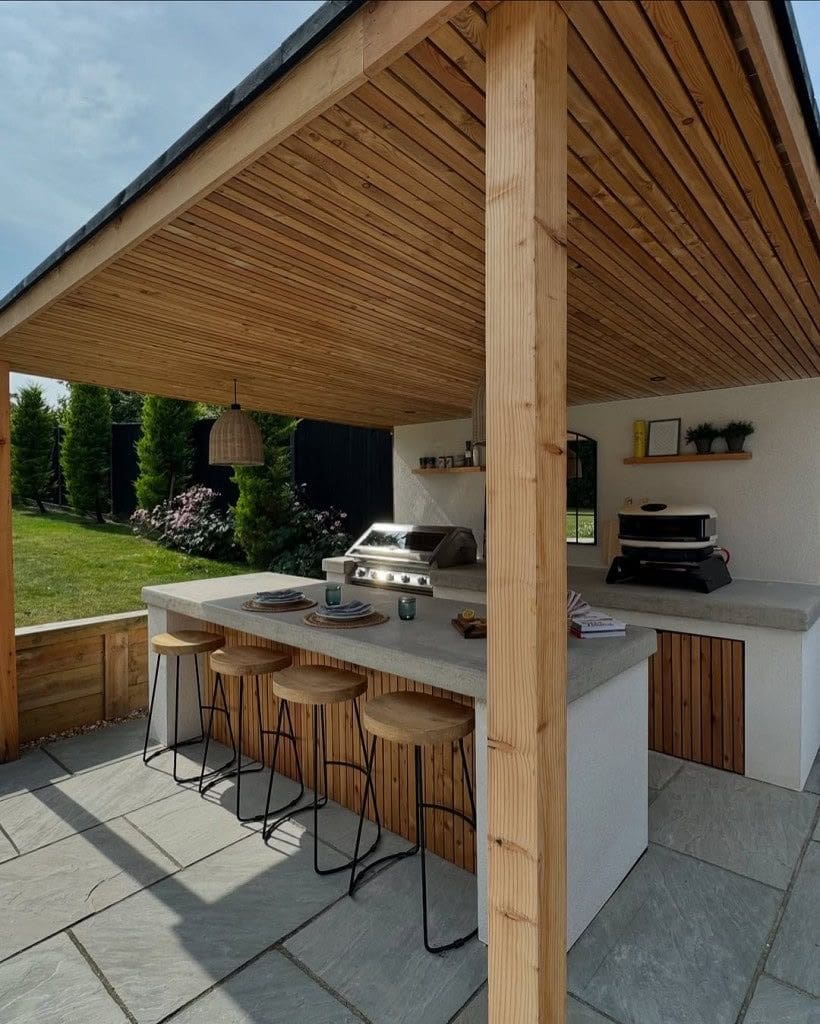
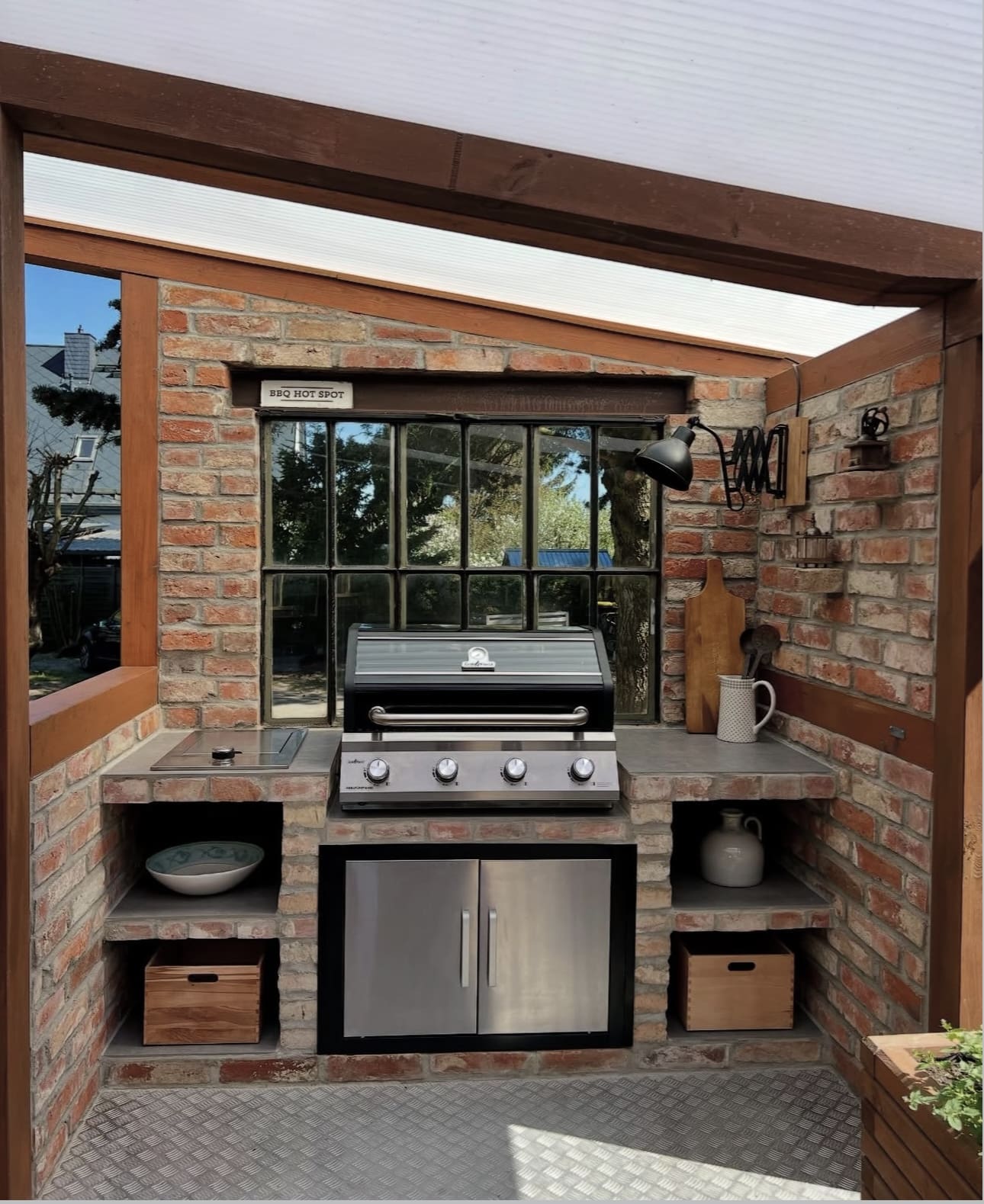
Design your outdoor kitchen to facilitate effortless movement and quick access to key areas. Position the grill, sink, and fridge close together to streamline your cooking process. Ample countertop space and unobstructed walkways are essential for both food preparation and easy navigation.
- Arrange major appliances in a compact, convenient triangle to reduce steps.
- Include generous prep surfaces near cooking and cleaning zones.
- Keep pathways wide and free of obstacles to maintain smooth traffic.
- Plan storage areas within easy reach to avoid unnecessary trips.
Pro Tip: tize a logical flow when planning your outdoor kitchen to make meal prep enjoyable and efficient.
7. Broaden Your Outdoor Cooking Horizons
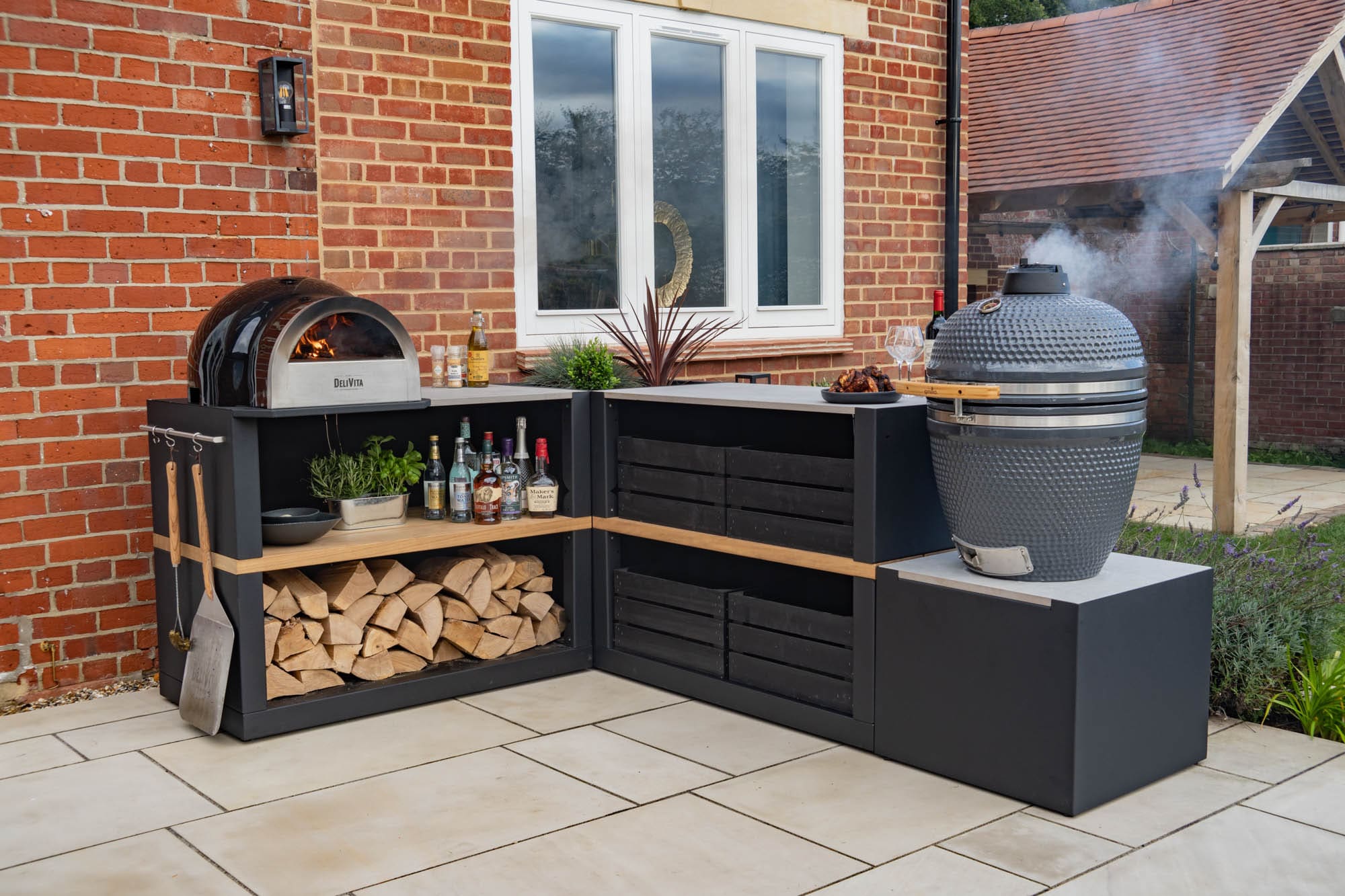
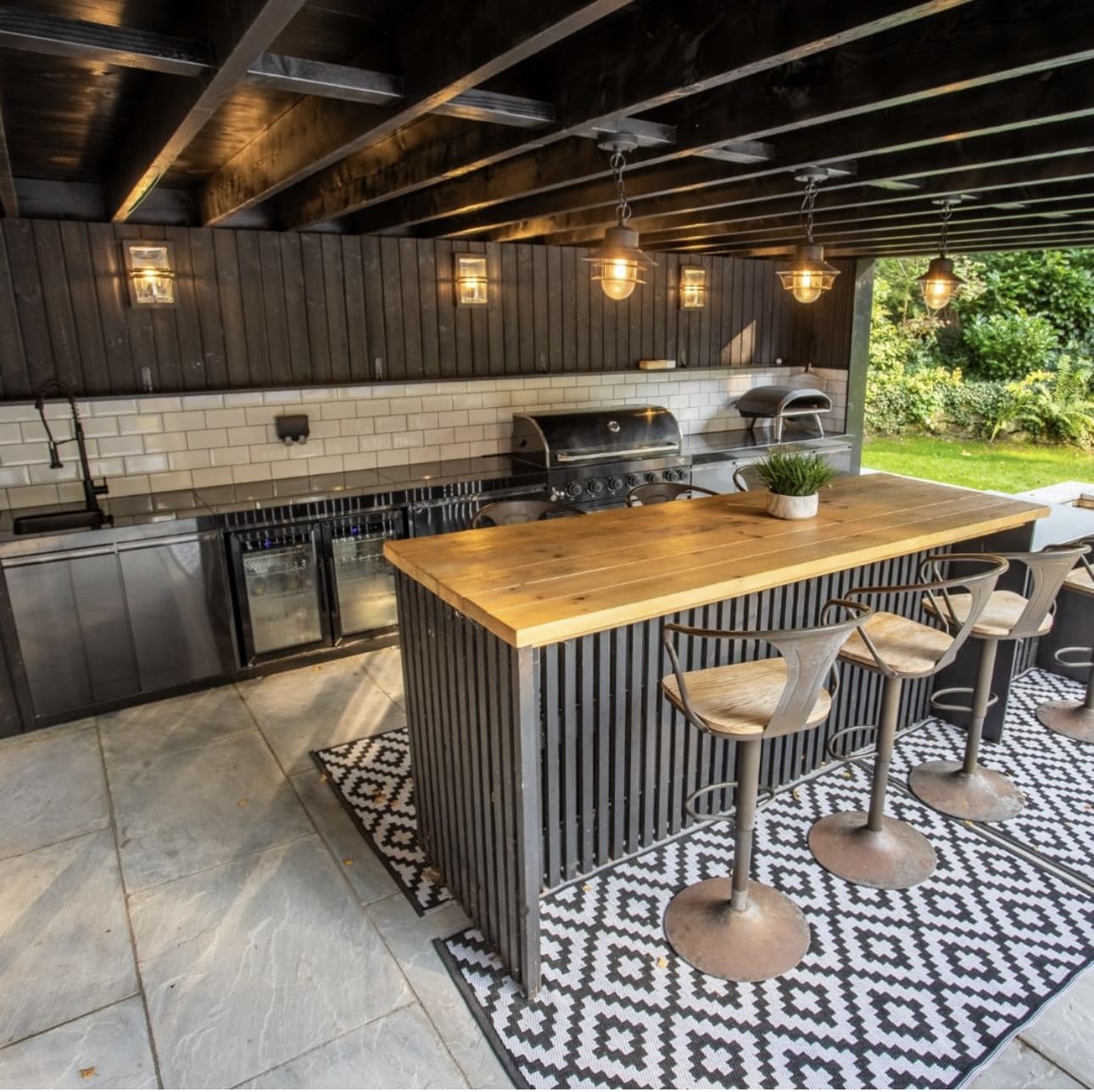
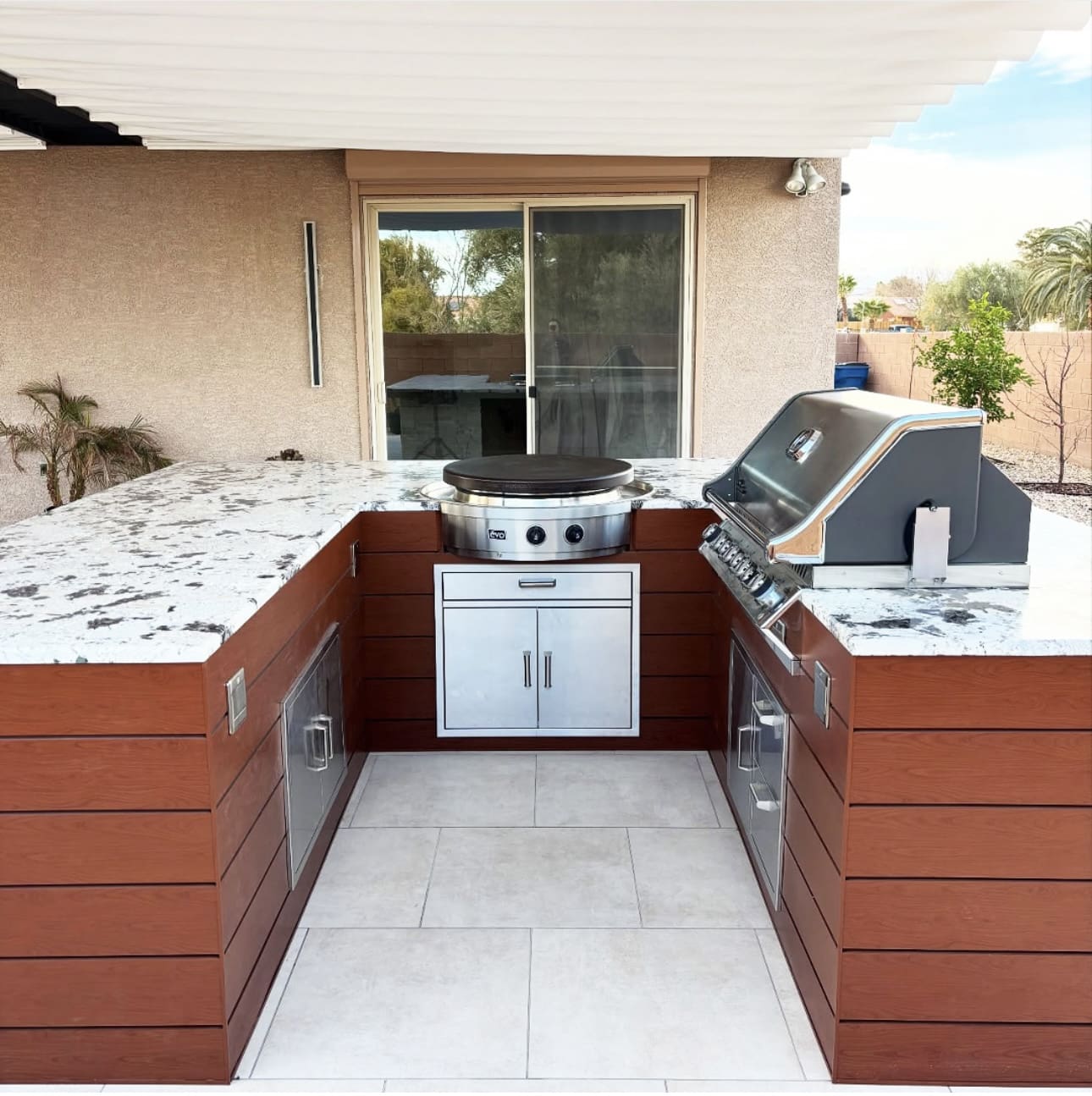
While the grill often takes center stage in an outdoor kitchen, incorporating a range of cooking tools can elevate your food prep. Adding items like pizza ovens, smokers, and side burners opens up new flavor possibilities. Just be sure each device has enough room and proper airflow for safe operation.
- Include a variety of appliances to create diverse dishes outdoors.
- Plan your layout to ensure each cooking station has sufficient ventilation.
- Allocate enough countertop space for prepping and resting food.
- Choose equipment designed for outdoor use to withstand the elements.
Pro Tip: sition high-heat appliances away from seating areas to keep guests comfortable and safe.
8. Design Your Outdoor Kitchen with Intention
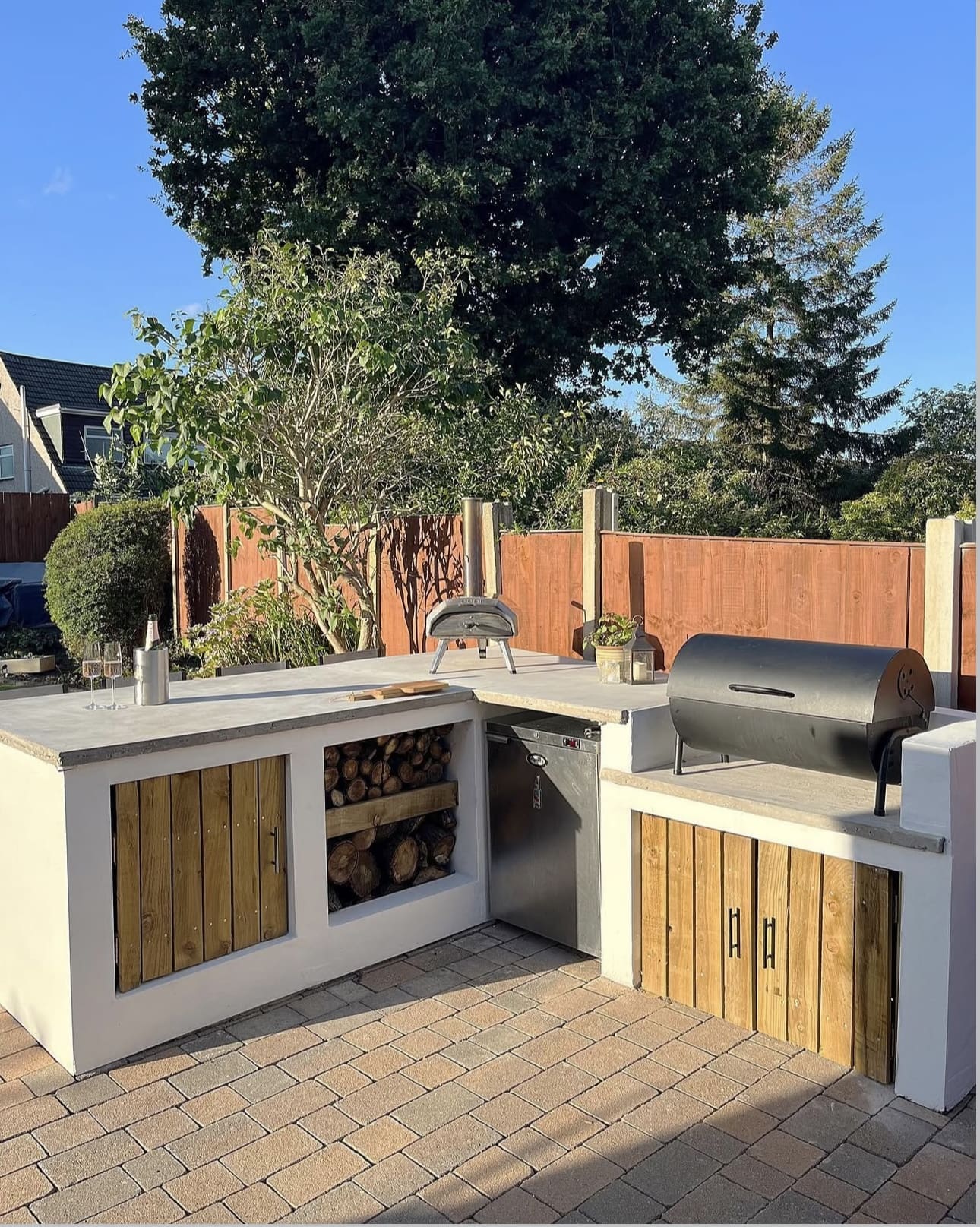
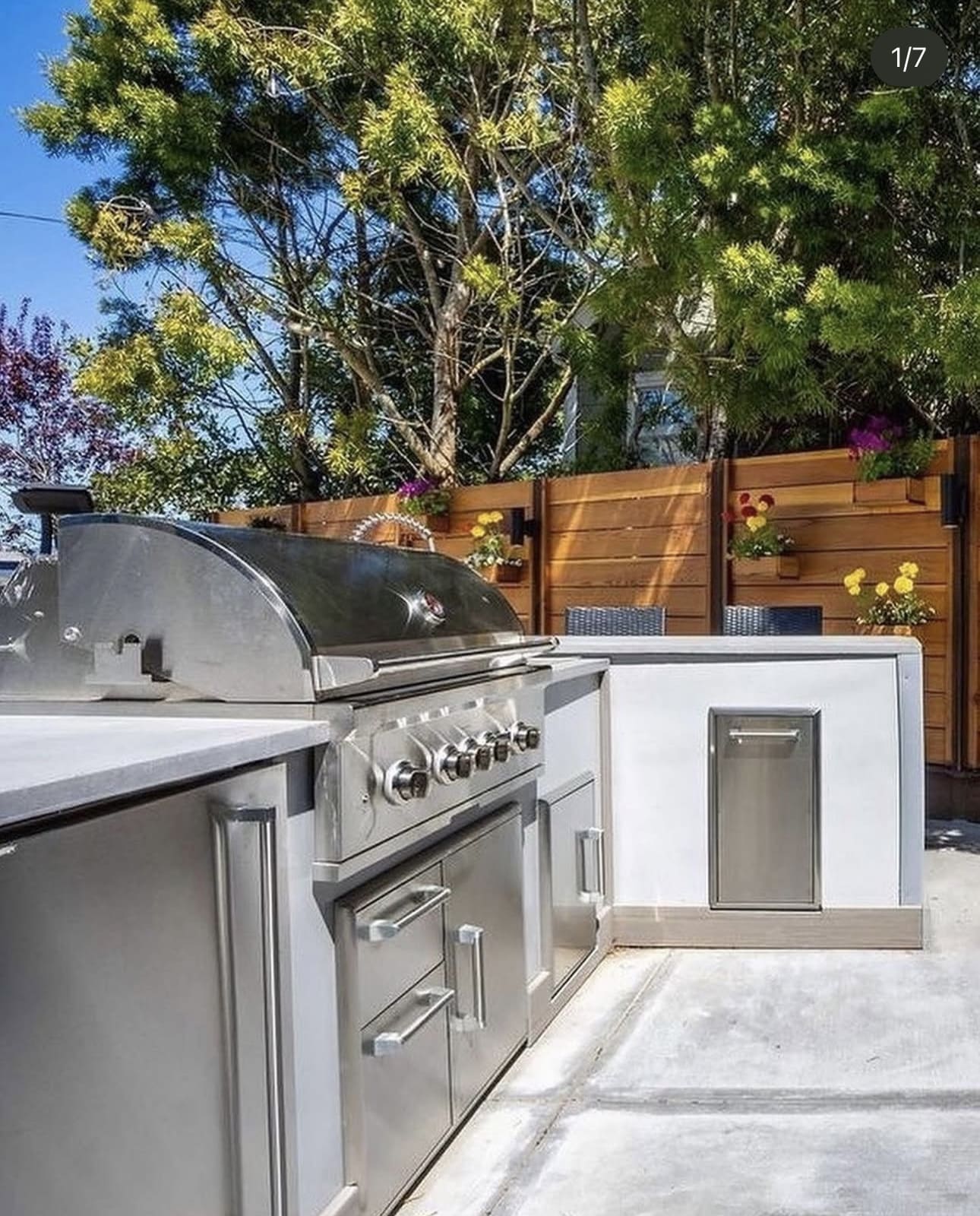
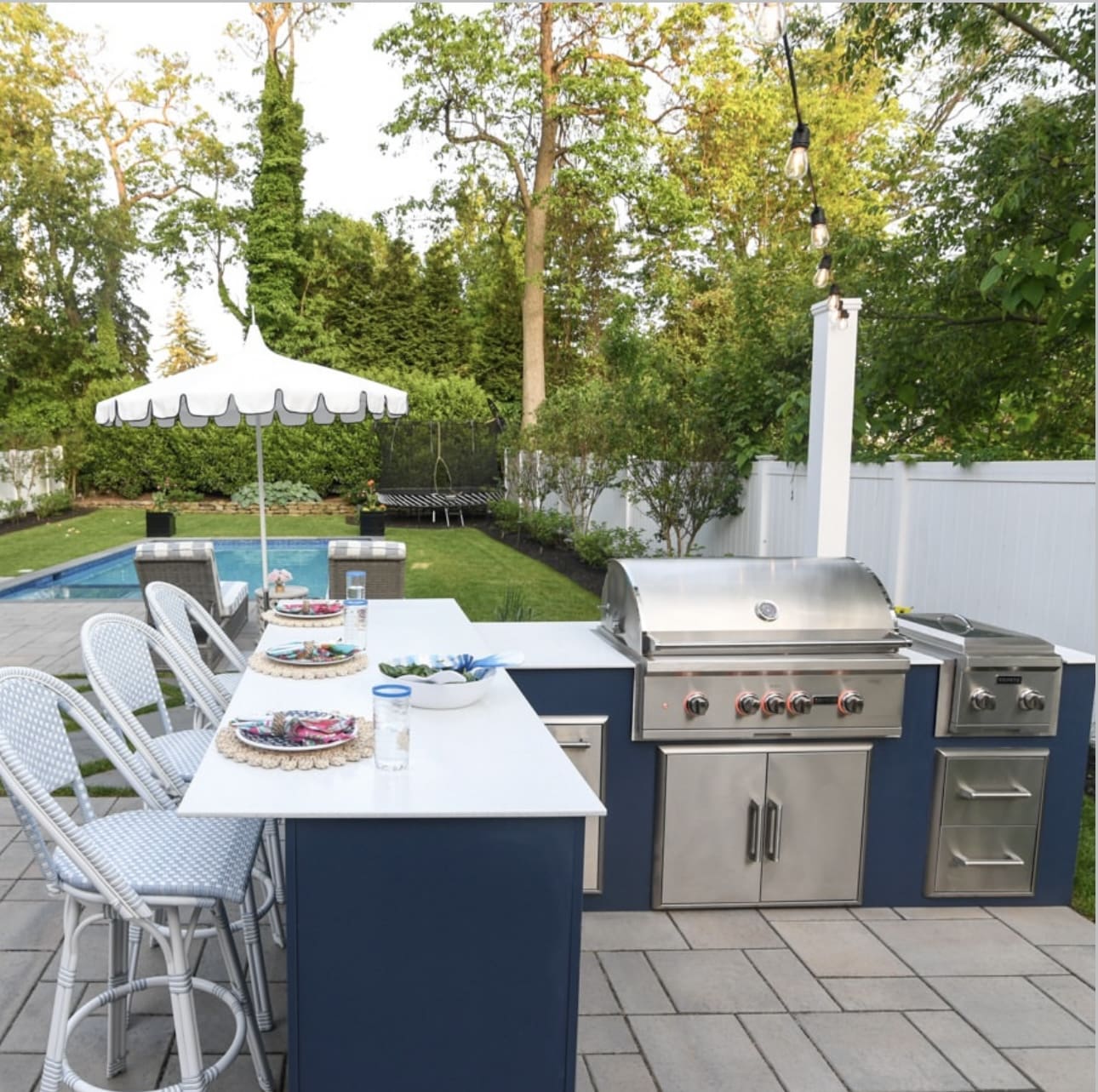
Before purchasing appliances or beginning construction, take time to carefully plan your space and how it will be used. Draft a detailed layout that incorporates all desired elements like a grill, sink, fridge, countertops, and storage, while also ensuring there’s ample room for dining and entertaining. Thoughtful planning upfront will help you avoid costly changes and frustration later.
- List all the essential features and appliances you want to include.
- Consider traffic flow and how people will move around the space.
- Allocate enough countertop and prep areas for convenience.
- Plan for seating and social zones to encourage gatherings.
Pro Tip: Use graph paper or design software to visualize your layout before committing to any purchases.
9. Personalize Your Outdoor Cooking Area
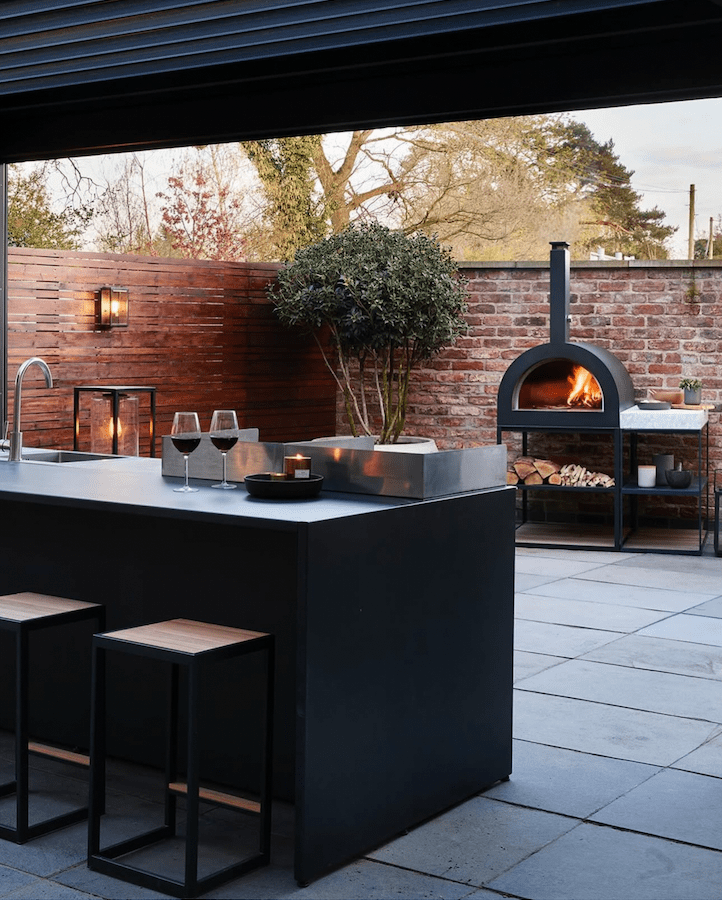
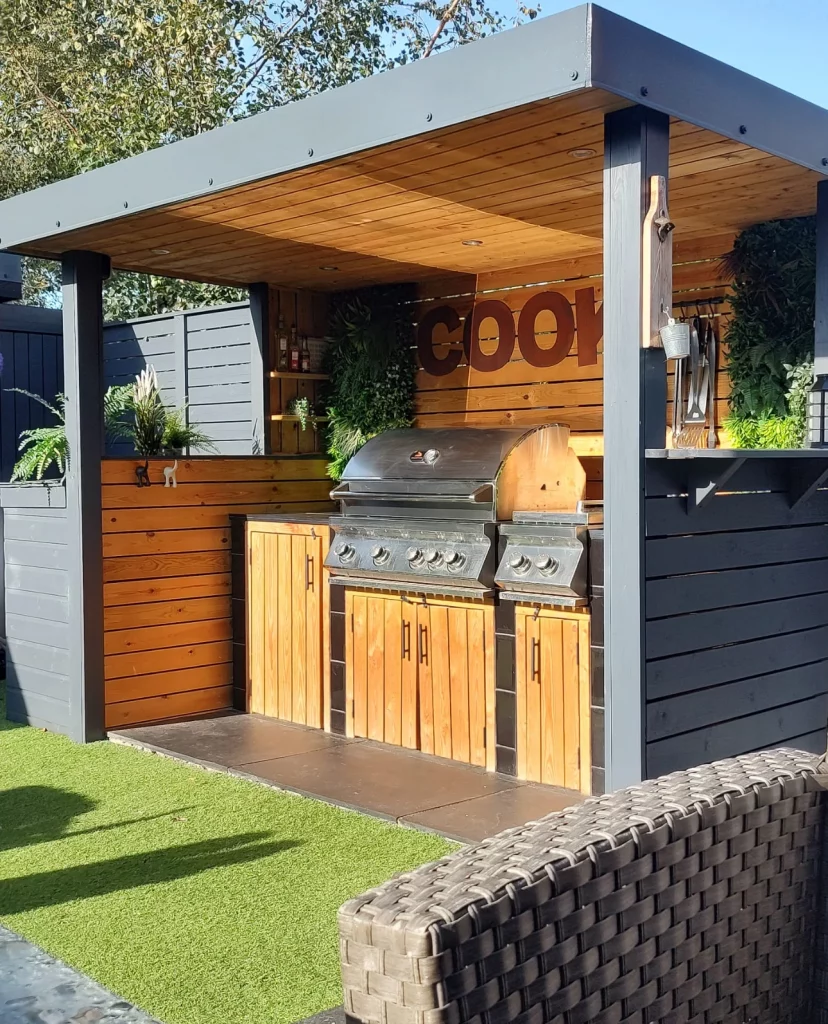
Transform your outdoor kitchen into a cozy and welcoming retreat by incorporating elements that reflect your personality. Bright cushions, stylish rugs, and thoughtfully arranged tableware can bring charm and comfort. Add greenery like potted herbs or soft ambient lighting to create a distinctive and inviting atmosphere.
- Choose vibrant cushions and throws to brighten seating areas.
- Use outdoor rugs to define and warm up the space.
- Grow a small herb garden nearby for fresh ingredients and natural beauty.
- Install string lights or lanterns to enhance evening ambience.
Pro Tip: Refresh your décor seasonally to keep your outdoor kitchen feeling fresh and inspiring.
10. Set Up Essential Services
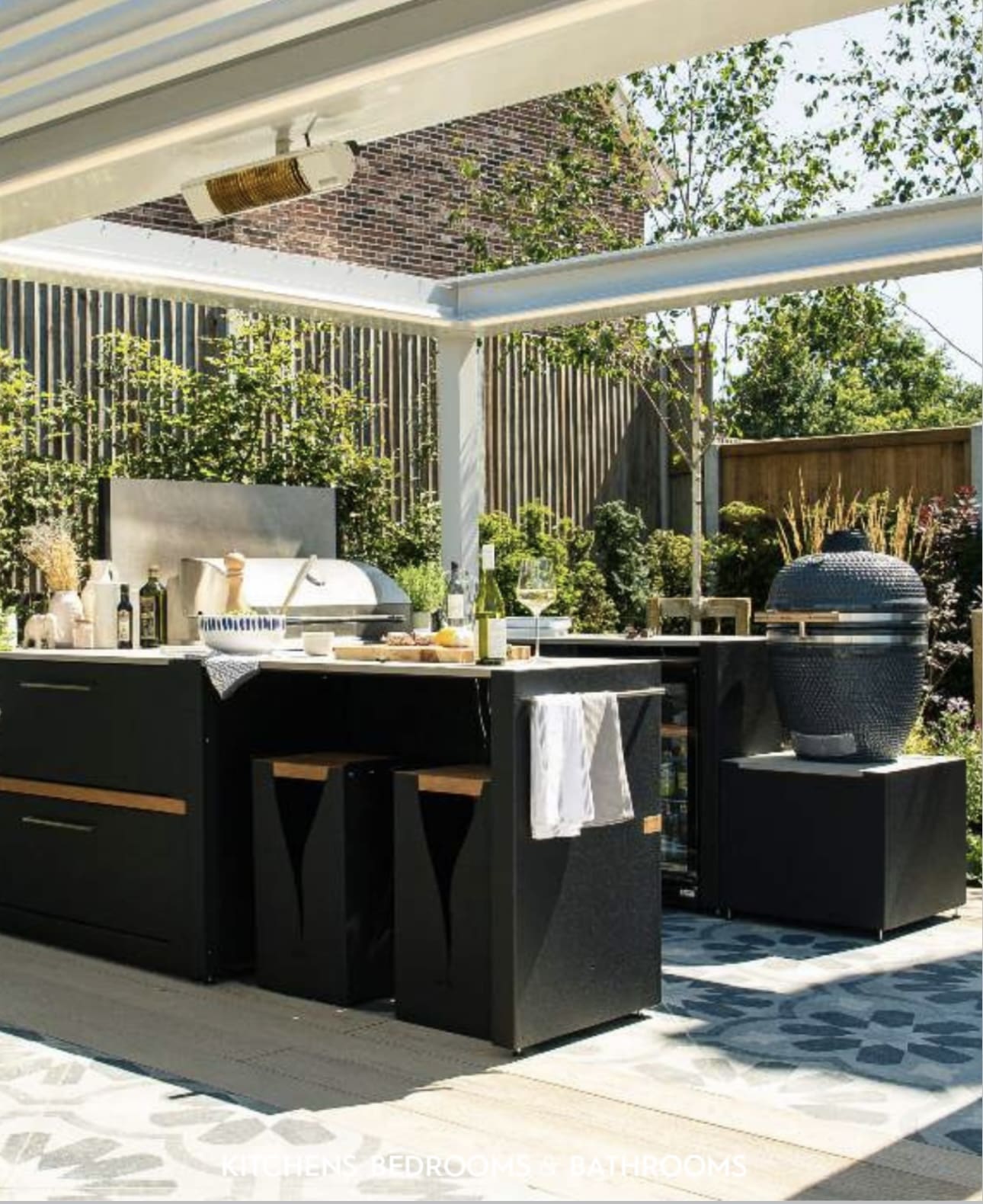
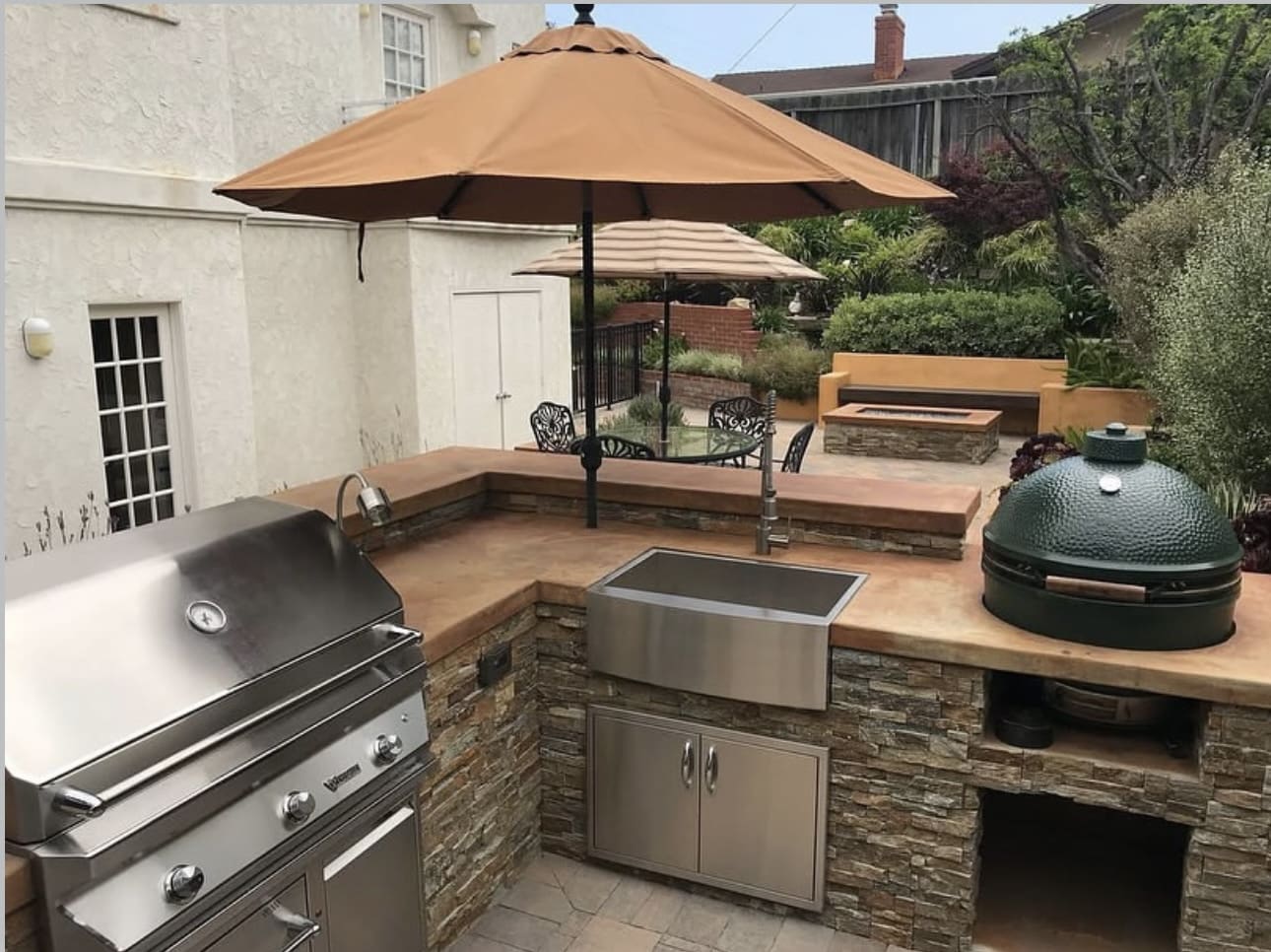
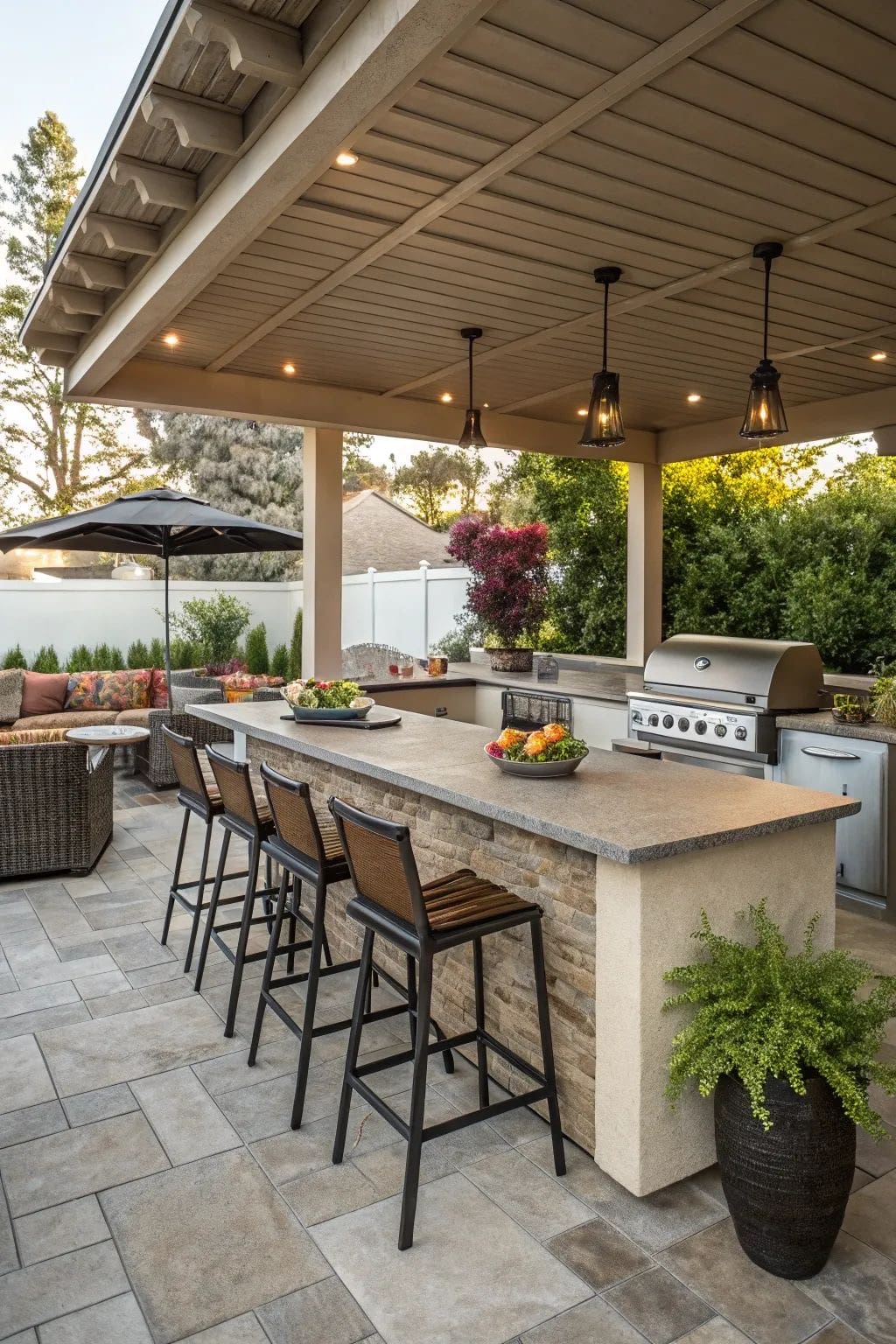
To create an effective outdoor kitchen, it’s important to have water, power, and possibly gas connected properly. Coordinate with qualified experts to ensure your installations comply with all safety regulations. Make sure plumbing and fuel lines are easily accessible, and provide ample electrical outlets for your appliances and lighting needs.
- Consult licensed professionals to handle utility hookups safely and legally.
- Position water lines near your sink area for easy access and maintenance.
- Install gas connections close to your grill for efficient fuel delivery.
- Include multiple electrical outlets to power devices and illuminate your space.
Pro Tip: lan your utility layout early to avoid costly adjustments during construction.
11. Illuminate Your Outdoor Space Wisely
Good lighting enhances both the usability and mood of your outdoor kitchen. Position focused lights over cooking and prep zones to ensure clear visibility, while softer lights like fairy lights or lanterns set a warm, inviting tone for nighttime get-togethers. Consider solar-powered fixtures for an environmentally friendly, hassle-free setup.
- Use bright, directed lights above grills and countertops for safe meal preparation.
- Incorporate string lights or decorative lanterns to add charm and warmth.
- Choose solar-powered lighting to save energy and simplify installation.
- Mix different lighting types to balance practicality with ambience.
Pro Tip: Install dimmer switches to easily adjust lighting levels based on mood and activity.
Conclusion
Creating the perfect outdoor kitchen is more than just adding appliances; it’s about crafting a welcoming space where memories are made, flavors come alive, and your backyard becomes an extension of your home. By thoughtfully considering layout, materials, and functionality, you can design an outdoor cooking area that not only enhances your lifestyle but also adds lasting value to your property. Whether you prefer sleek modern designs or rustic charm, the key is to tailor the space to fit your unique needs and style.
Now is the time to take those ideas off the page and start bringing your dream outdoor kitchen to life. Begin by sketching your vision, exploring materials, and consulting with professionals to turn your backyard into the ultimate gathering spot. Remember, every great outdoor kitchen starts with a single step—so don’t wait to create the space where delicious meals and unforgettable moments await. Your perfect backyard oasis is within reach.


Leave a Reply