Spring is the perfect time to refresh your space—but that doesn’t mean you need to buy anything new. With a bit of creativity, the items already in your home can be transformed into a light, layered, and beautifully styled mantel.
By mixing textures, playing with height, and incorporating natural elements, you can create a seasonal look that feels both effortless and intentional.
Here are 20 newly arranged ideas to inspire your spring mantel refresh.
1. Bring Nature Indoors With Branches and Blooms
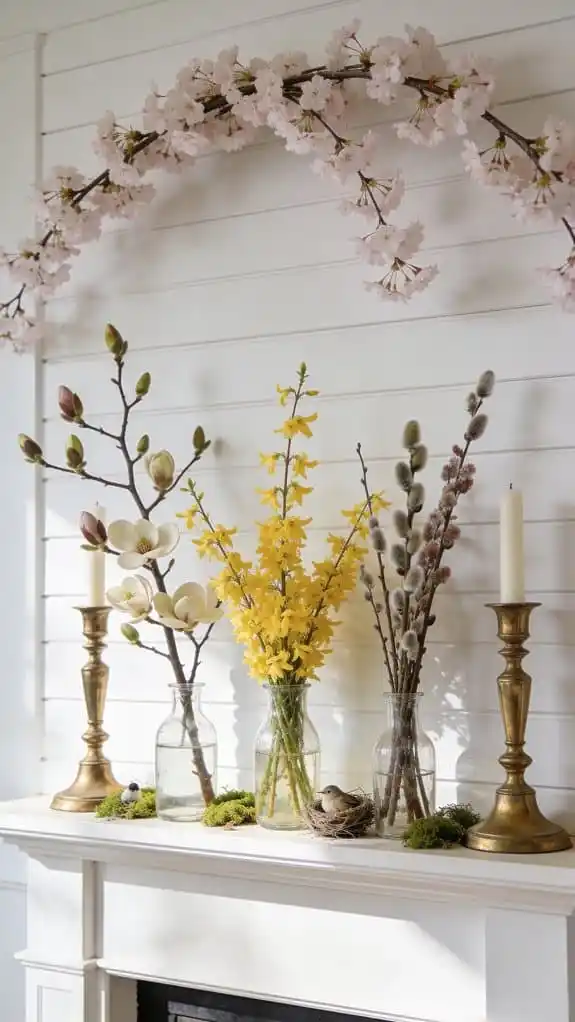
Start with the simplest and most impactful element—nature. Clip branches, fresh flowers, or greenery from your yard and place them in vases or jars.
Vary the heights and shapes to create movement and a naturally styled look that instantly signals spring.
2. Combine Heights and Textures for a Balanced Look
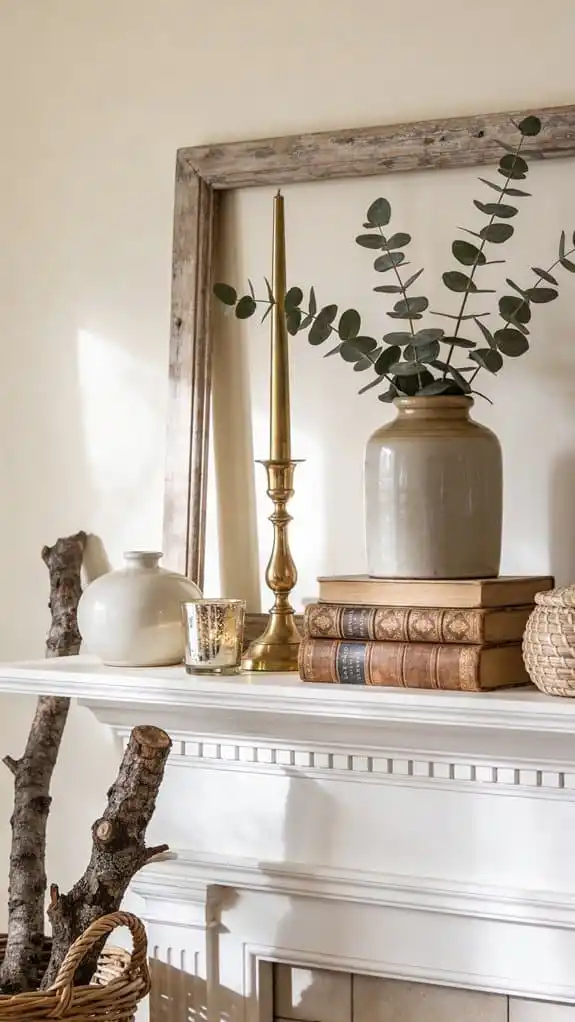
A well-styled mantel relies on contrast. Mix tall and short objects, smooth and textured surfaces, and structured and organic elements.
This layered approach creates a natural flow that guides the eye across the entire display.
3. Stack Books Vertically for Instant Structure
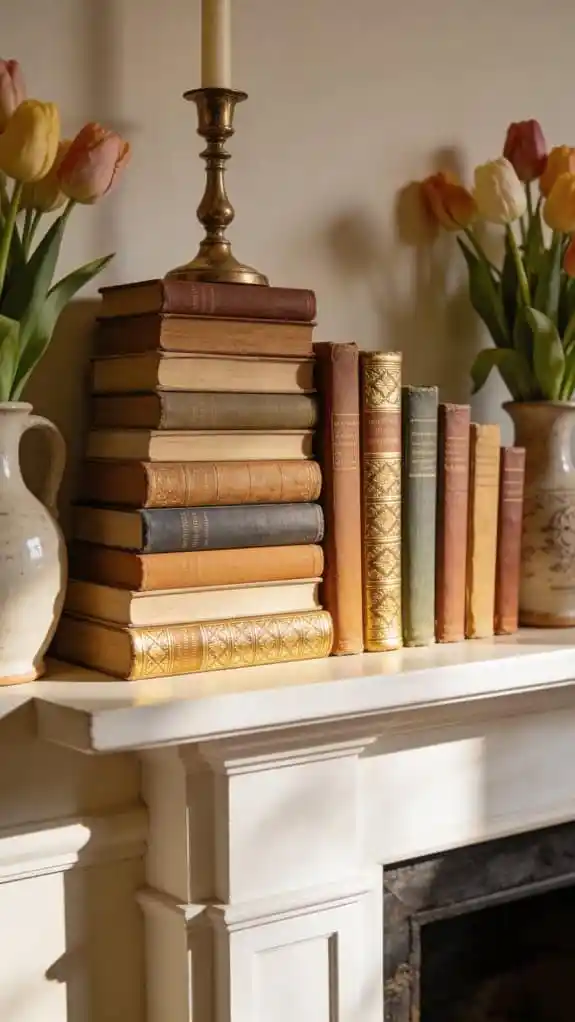
Books can act as both decor and foundation pieces. Stack them vertically to add height and create platforms for smaller decorative items.
Stick to neutral or pastel tones to keep the palette light and cohesive.
4. Rotate Artwork From Other Rooms
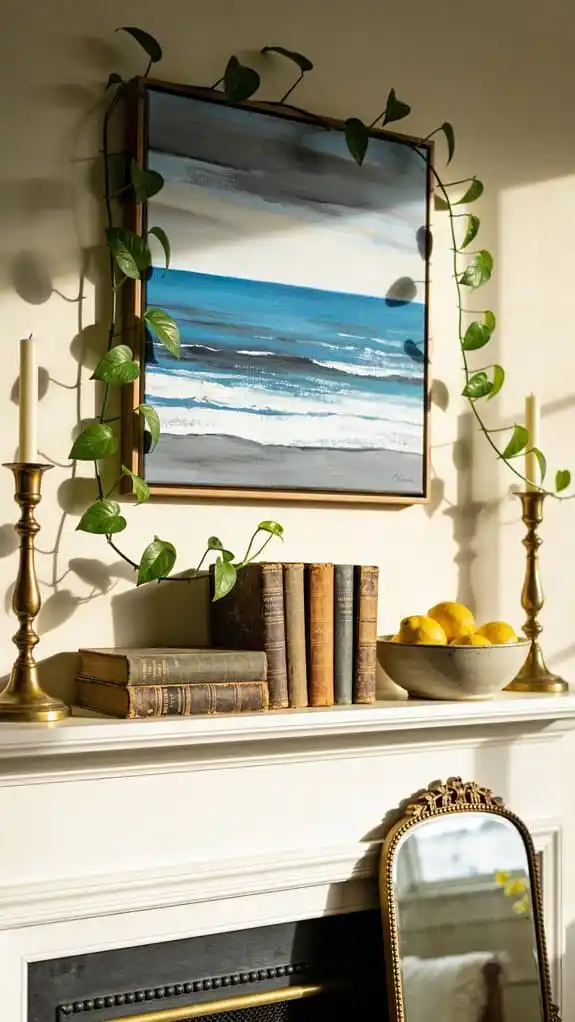
Instead of buying new pieces, walk through your home and select artwork that fits a spring palette.
This simple swap refreshes your mantel while also giving other rooms a subtle update.
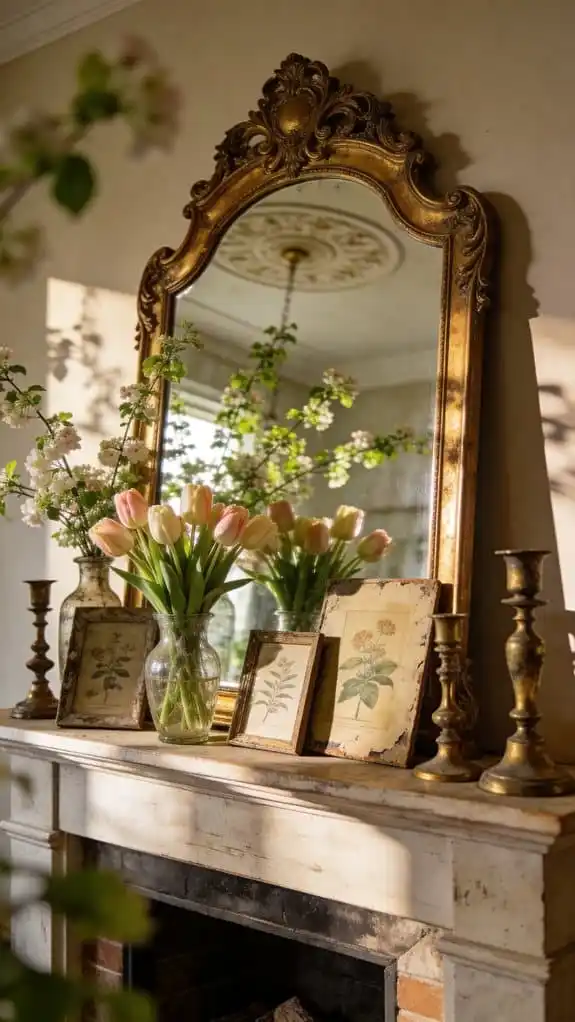
5. Layer Mirrors to Brighten the Space
Mirrors help reflect light and create depth. Place one or more behind your decor to make the entire arrangement feel larger and more open.
Leaning mirrors instead of hanging them adds a relaxed, casual touch.
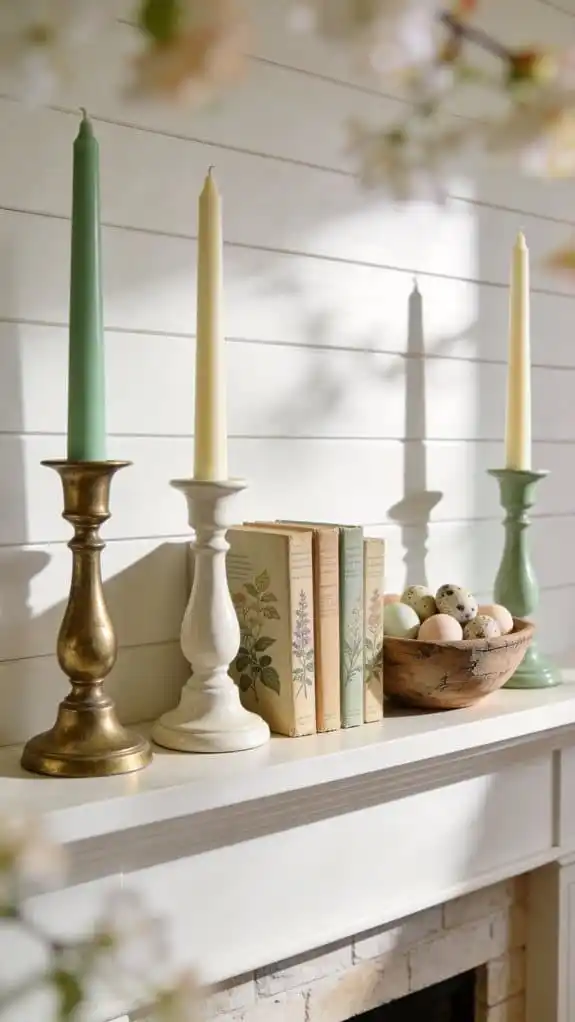
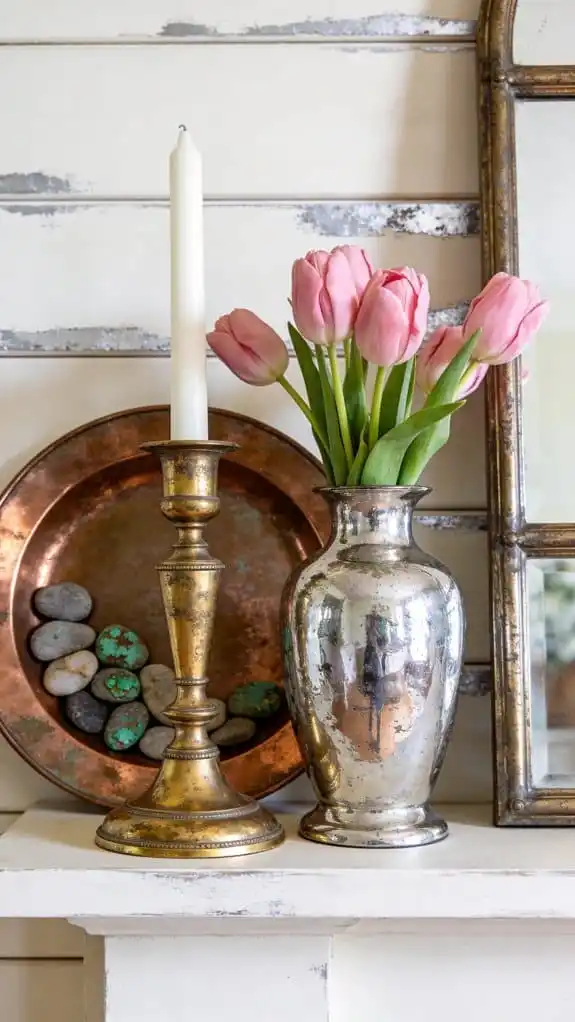
6. Use Candlesticks for Visual Rhythm
Candlesticks in varying heights create a gentle flow across your mantel.
Mix finishes like brass, silver, or ceramic, and use soft-colored candles to enhance the seasonal feel.
7. Start With a Seasonal Photo Refresh
Swap out darker, wintery photos for lighter images filled with greenery, florals, or outdoor scenes.
Use light-colored frames to reflect more light and create an airy atmosphere.
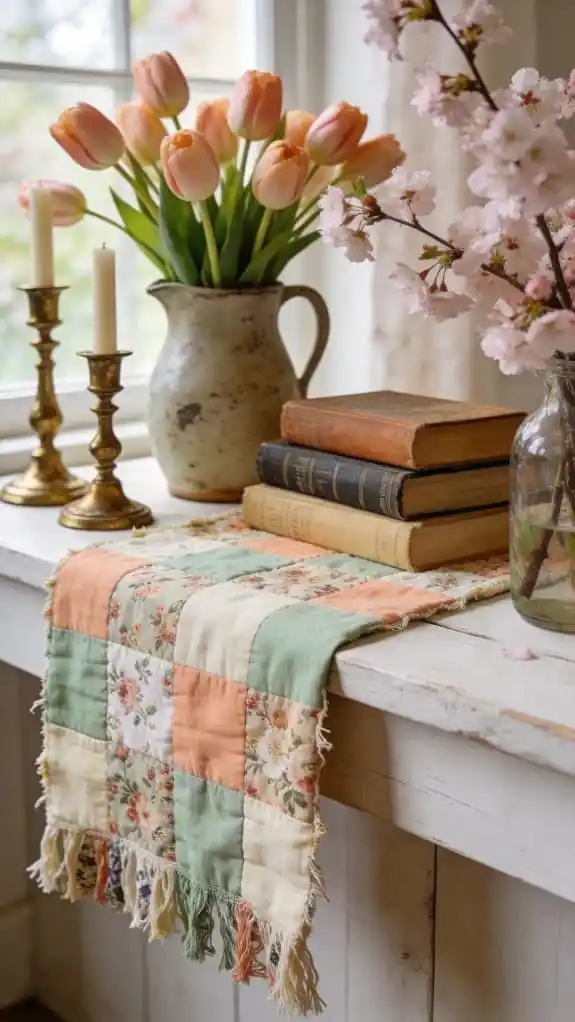
8. Add a Fabric Layer for Softness
Lay a scarf, tea towel, or fabric piece across your mantel to introduce texture.
This acts as a subtle base layer that ties all your decor elements together.
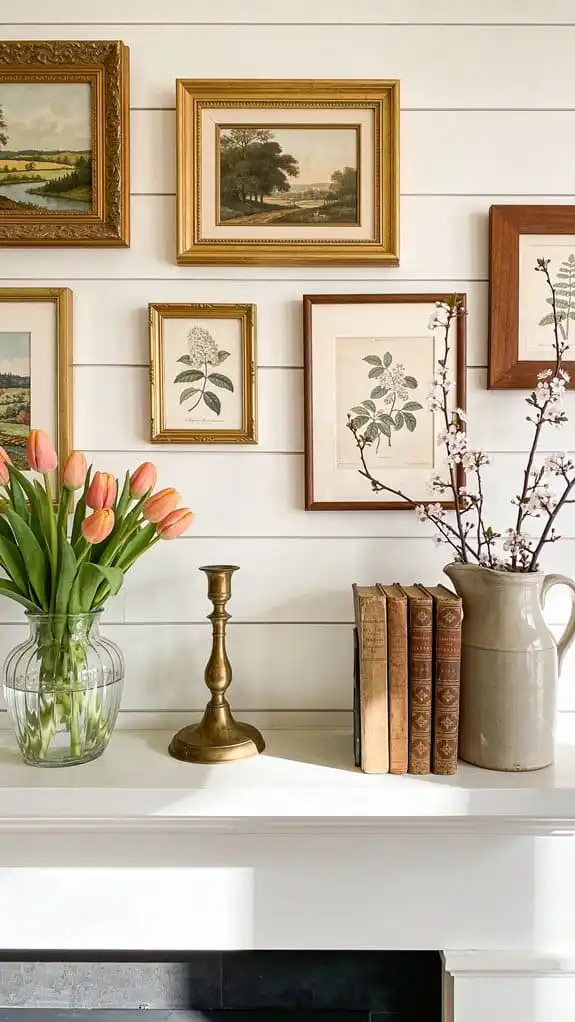
9. Create a Mini Gallery With Small Frames
Group smaller frames together for a curated gallery look.
Mix sizes and finishes, and arrange them in odd-numbered groupings for a more natural composition.
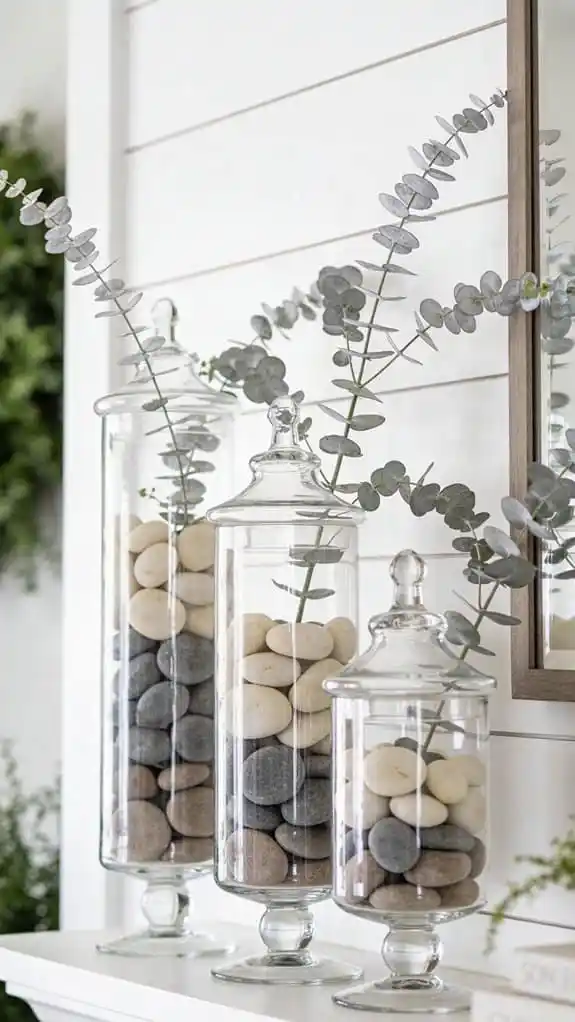
10. Use Glass Jars for Simple Layered Decor
Fill glass jars with stones, moss, or greenery to create a clean, layered effect.
The transparency adds depth while keeping the look light and uncluttered.
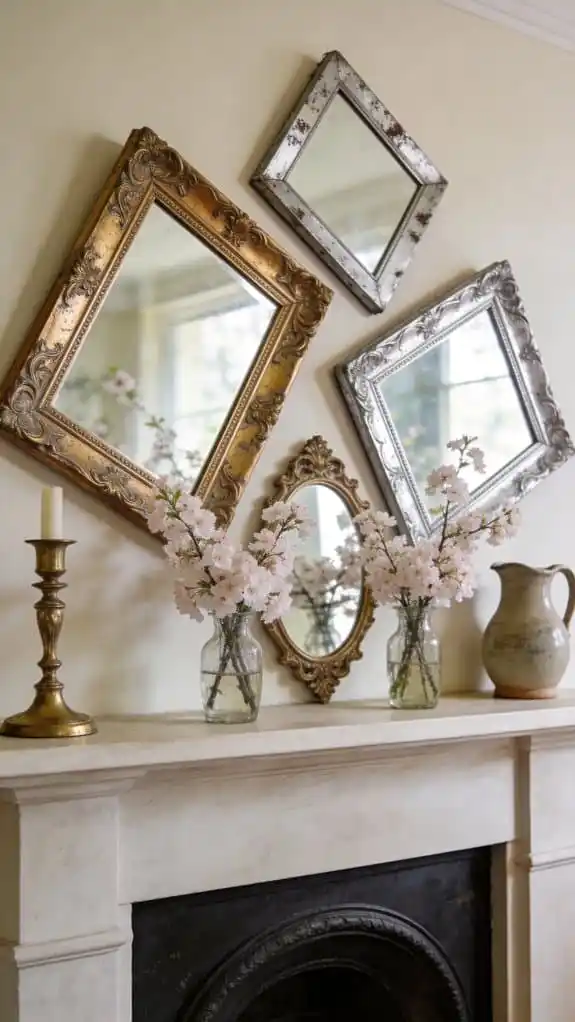
11. Arrange Mirrors at Casual Angles
Instead of perfectly aligning mirrors, tilt them slightly or overlap them.
This relaxed arrangement feels more organic and less staged—perfect for spring styling.
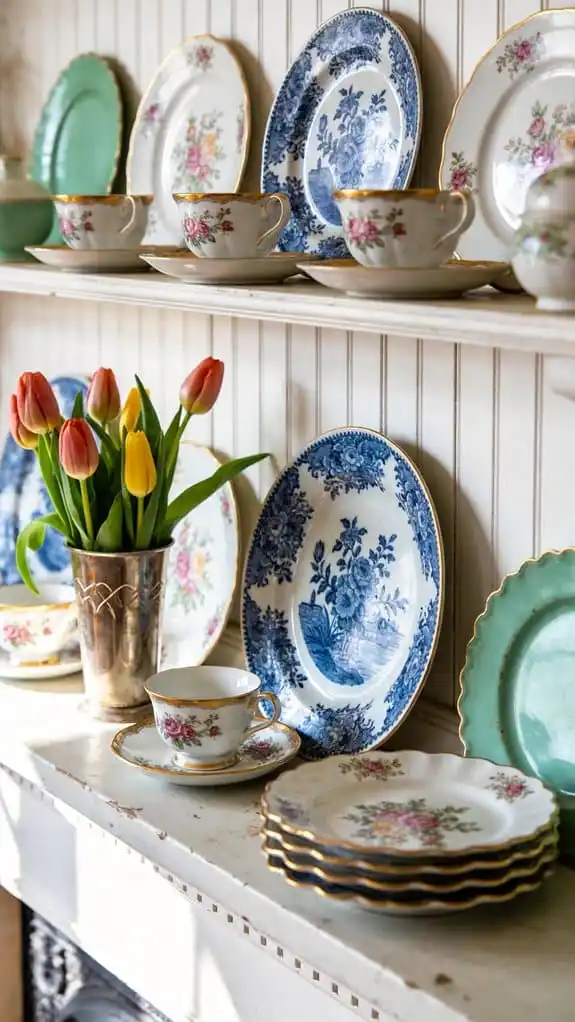
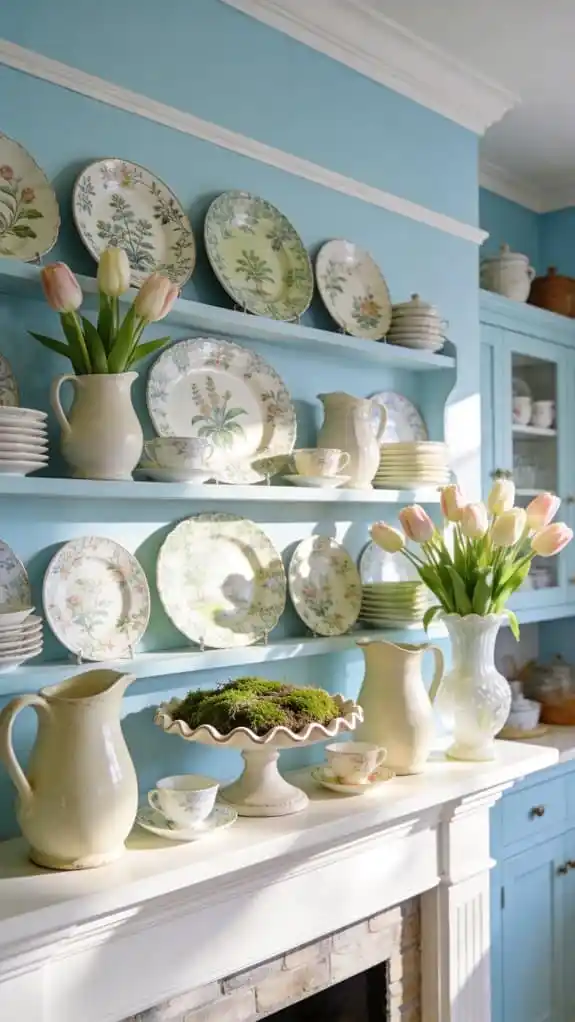
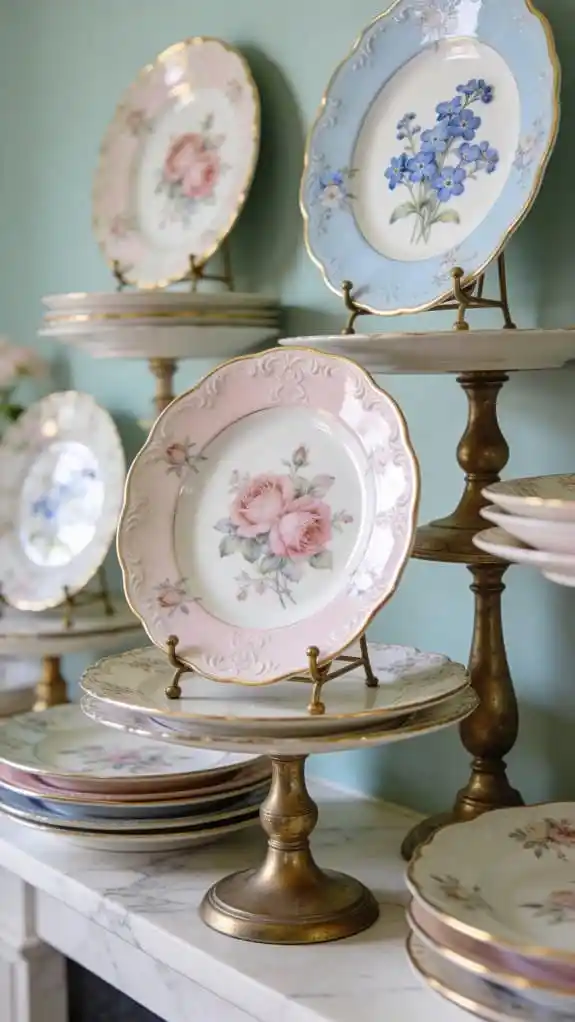
12. Display Heirloom Dishes for Character
Bring out plates, teacups, or serving pieces from storage and use them as decor.
Layer them or lean them against the wall to create a charming, personal display.
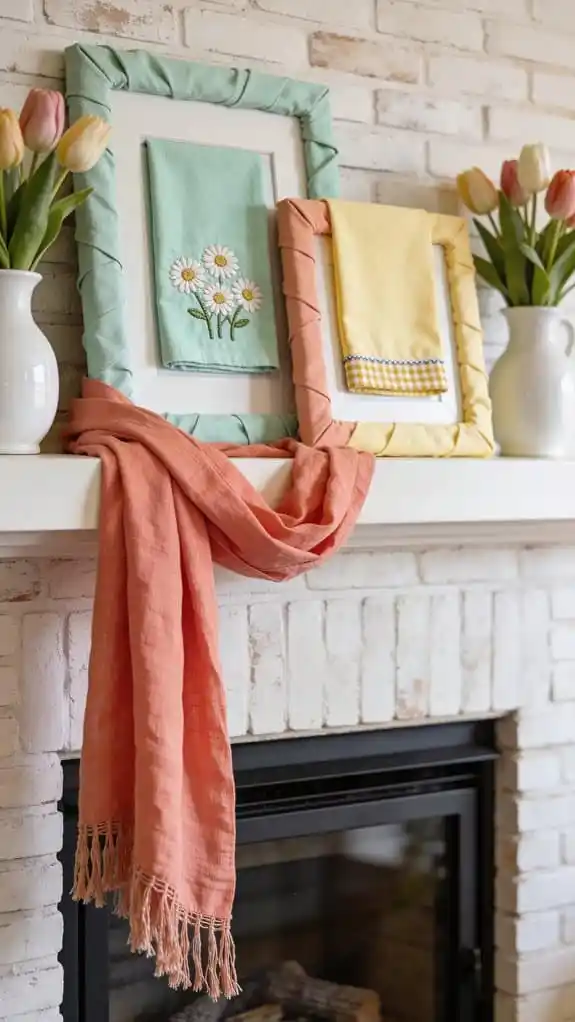
13. Wrap Frames With Fabric for a Fresh Update
Transform old frames by wrapping them in patterned fabric like florals or soft stripes.
This simple trick adds color and personality without needing new decor.
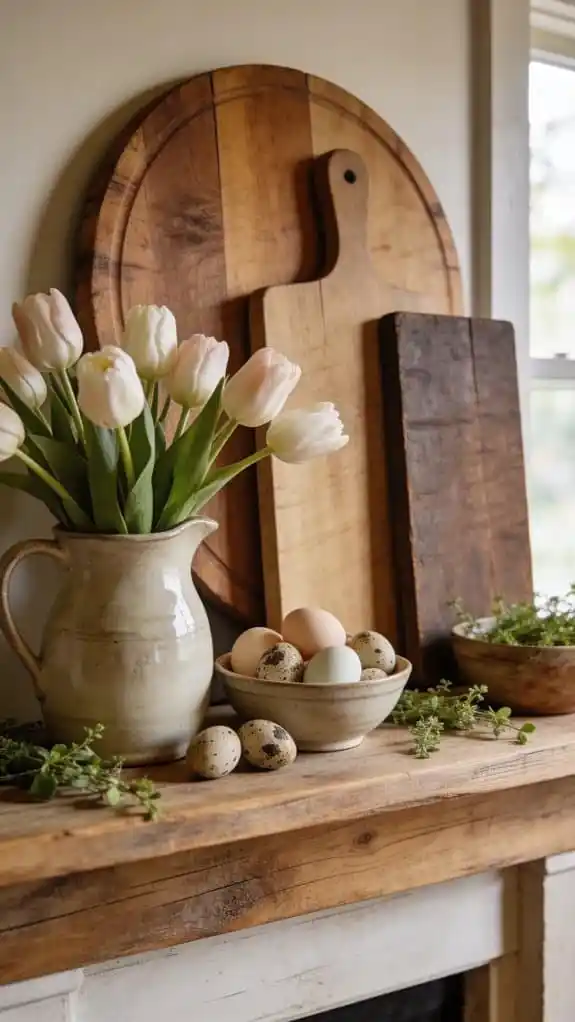
14. Use Cutting Boards as Warm Backdrops
Lean wooden cutting boards behind your decor to add natural texture.
Their warm tones help ground lighter elements and create contrast.
15. Highlight Your Personal Collections
Showcase items you’ve collected over time—glassware, ceramics, or small decorative objects.
Group them thoughtfully and vary their heights to create a curated feel.
16. Reframe Existing Art With Vintage Frames
Switch out plain frames for more decorative or vintage ones you already own.
Keeping a consistent tone (like all gold or wood) helps tie everything together.
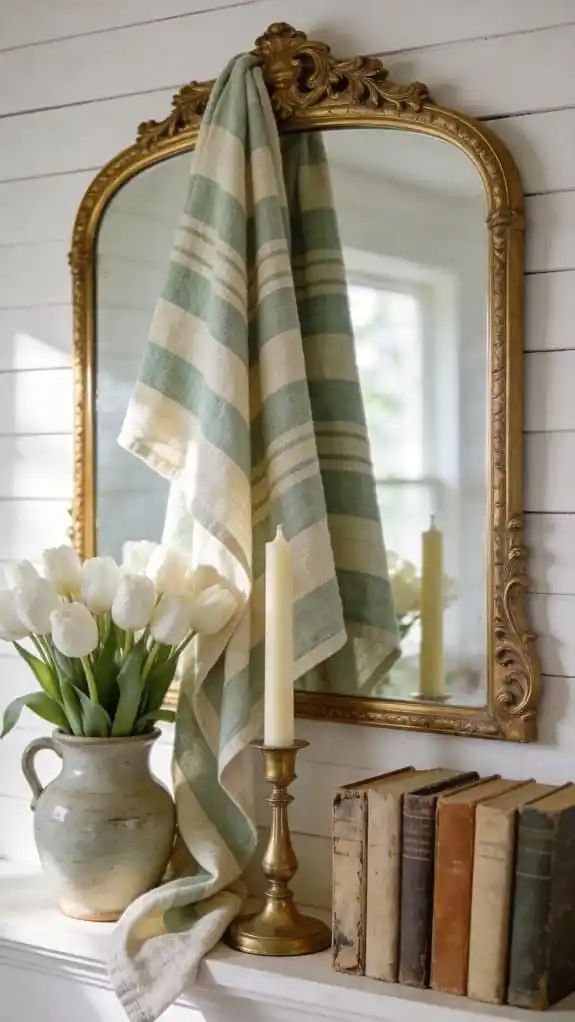
17. Drape Tea Towels as Decorative Accents
Use tea towels in unexpected ways—drape them over frames, tuck them behind decor, or layer them along the mantel.
They add softness, pattern, and movement.
18. Build Depth With Plate Layering
Use plate stands to layer different sizes and patterns.
Position them at slight angles to create dimension and keep the display dynamic.
19. Mix Metallic Finishes for Texture
Combine brass, silver, and copper accents throughout your mantel.
Distribute them evenly so light reflects across the display, adding subtle shine.
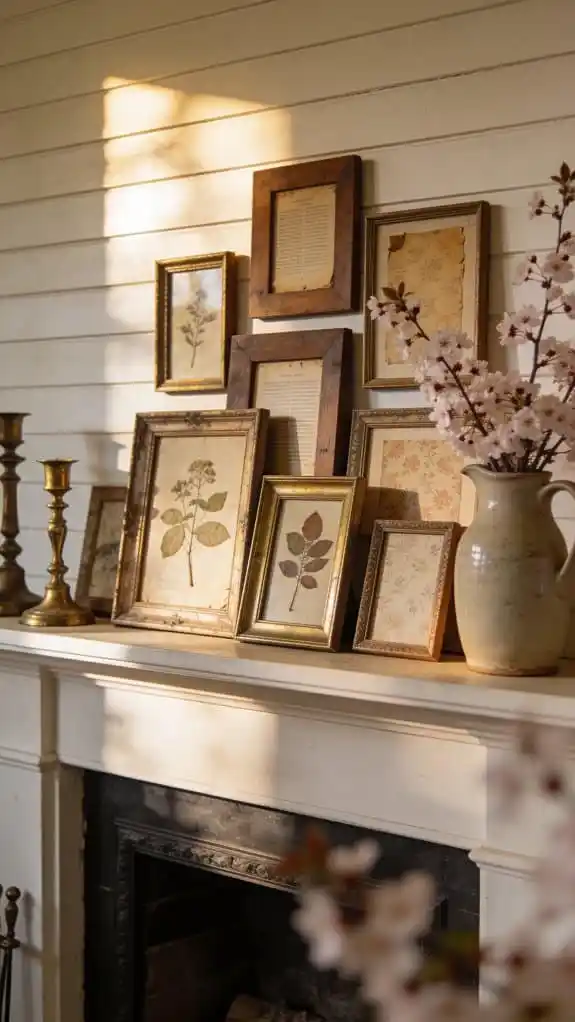
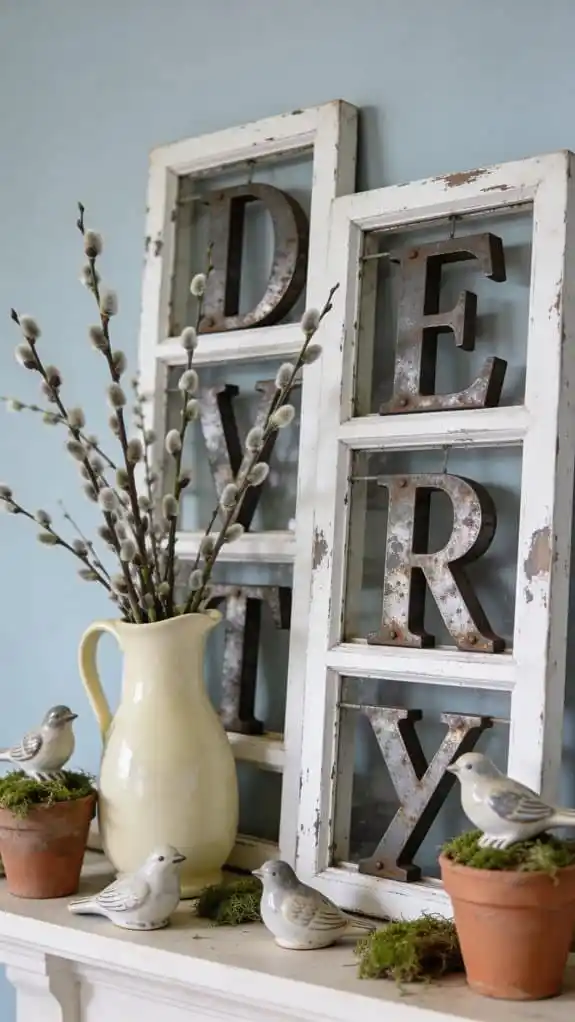
20. Frame Letters and Paper Keepsakes
Display handwritten notes, postcards, or vintage paper pieces in frames.
Pair them with pressed flowers for a soft, nostalgic, and meaningful finishing touch.
Conclusion
Refreshing your mantel for spring doesn’t require new purchases—it simply requires a fresh perspective.
By rearranging what you already own, layering textures, and bringing in natural elements, you can create a space that feels bright, intentional, and full of life.
Sometimes, the most beautiful transformations come from rediscovering what’s already yours.
Living room design in 2026 is all about building spaces from the ground up—starting with mood and materials, then layering in form, function, and personality. This reordered guide follows a more natural design process, helping you visualize how to bring everything together cohesively.
1. Color-Drenched Interiors Set the Foundation
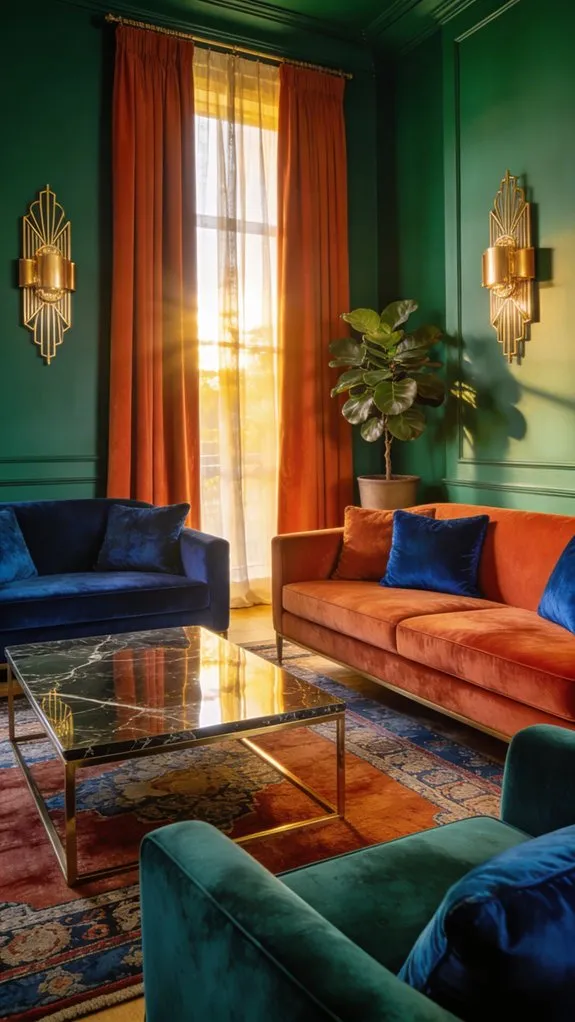
Every great living room starts with its overall mood—and in 2026, that mood is bold and immersive. Color-drenching transforms spaces by applying a single rich hue across walls, ceilings, and trim.
Deep tones like emerald, burgundy, and navy create a cocoon-like atmosphere that instantly feels curated and intentional. This approach replaces stark minimalism with warmth and personality, making it the perfect starting point for any design.
2. Textured Walls Add Depth and Dimension
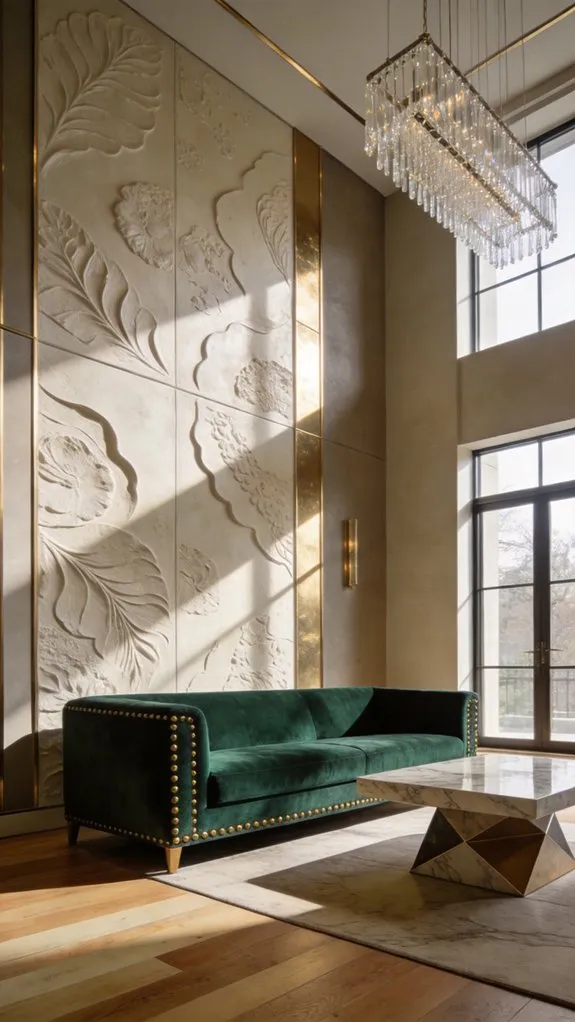
Once the color palette is established, texture brings it to life. Flat walls are being replaced with finishes like limewash, plaster, and tactile wallpapers.
These materials add subtle movement and variation, catching light differently throughout the day. The result is a richer, more layered backdrop that elevates the entire room without overwhelming it.
3. Marble and Stone Introduce Architectural Impact
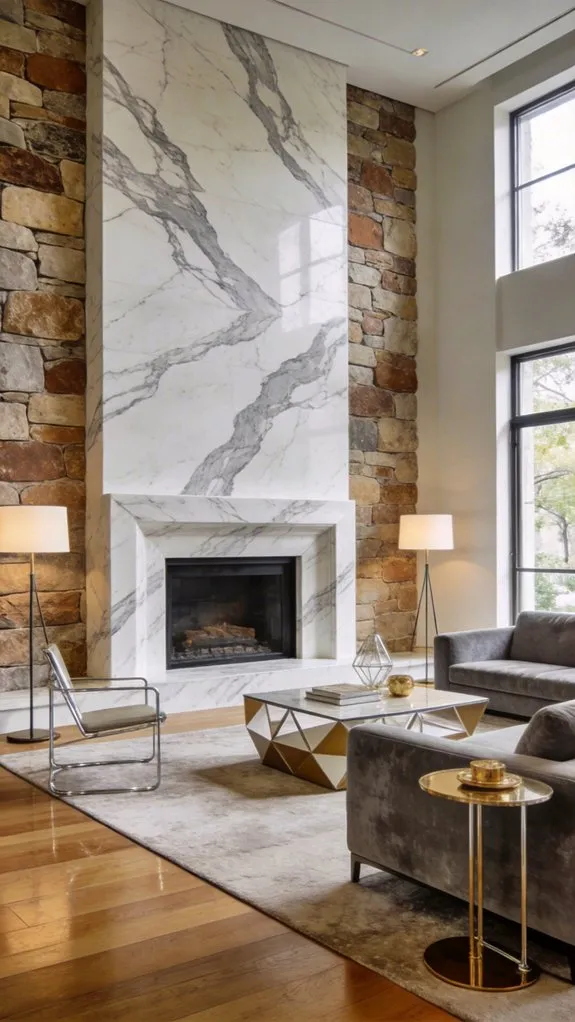
With the foundation in place, architectural elements like fireplaces, shelving, and surfaces take center stage. Marble and stone add natural drama and timeless elegance.
Bold veining and organic textures create focal points that ground the space while enhancing its sophistication. These materials bridge the gap between modern design and classic luxury.
4. The Return of the Modern Parlor Layout
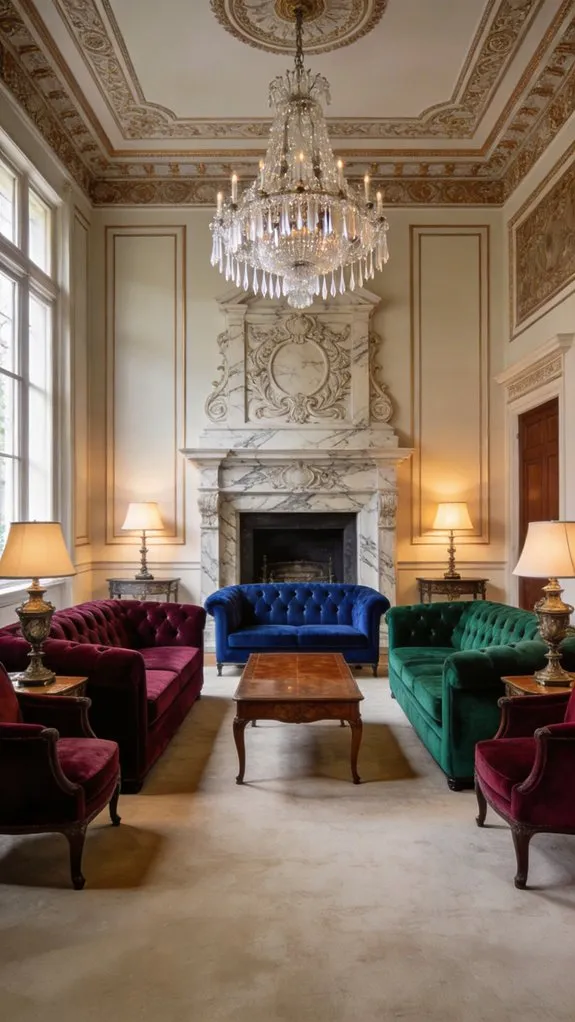
Now comes the structure of the space. Living rooms are being reimagined as intentional gathering areas inspired by traditional parlors.
Layouts focus on conversation and connection, with furniture arranged to encourage interaction rather than screen time. Flexible seating and multifunctional pieces make these spaces both practical and inviting.
5. Curved Sofas & Sculptural Seating Define the Layout
Furniture selection builds on the layout, and curved pieces are leading the way. Sofas and chairs with soft, rounded edges create flow and movement within the room.
These sculptural forms feel approachable and comfortable while doubling as artistic elements. They soften the overall look and make the space feel more relaxed and welcoming.
6. Heirloom Furniture Anchors the Space
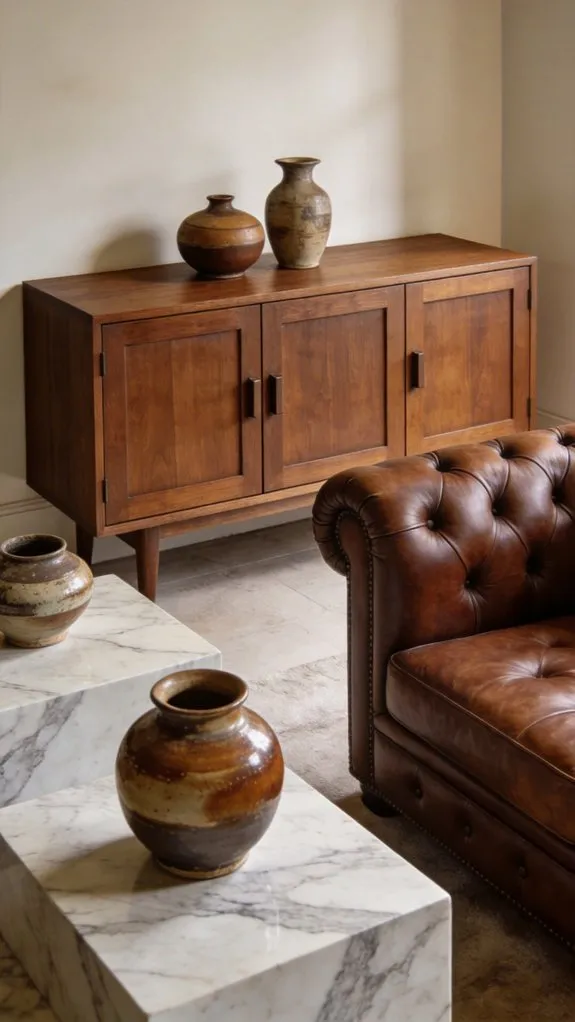
Instead of filling rooms with fast decor, homeowners are investing in fewer, better pieces. Heirloom-quality furniture adds weight, meaning, and longevity to a space.
Craftsmanship, durable materials, and timeless design ensure that each item contributes to a cohesive and lasting aesthetic. This approach turns living rooms into curated collections rather than temporary setups.
7. Grandmillennial Details Add Character
With the main pieces in place, it’s time to layer in personality. Skirted furniture, fringe, and decorative trims bring softness and charm.
These traditional elements create contrast against modern forms, resulting in spaces that feel both nostalgic and fresh. It’s a celebration of detail, texture, and storytelling.
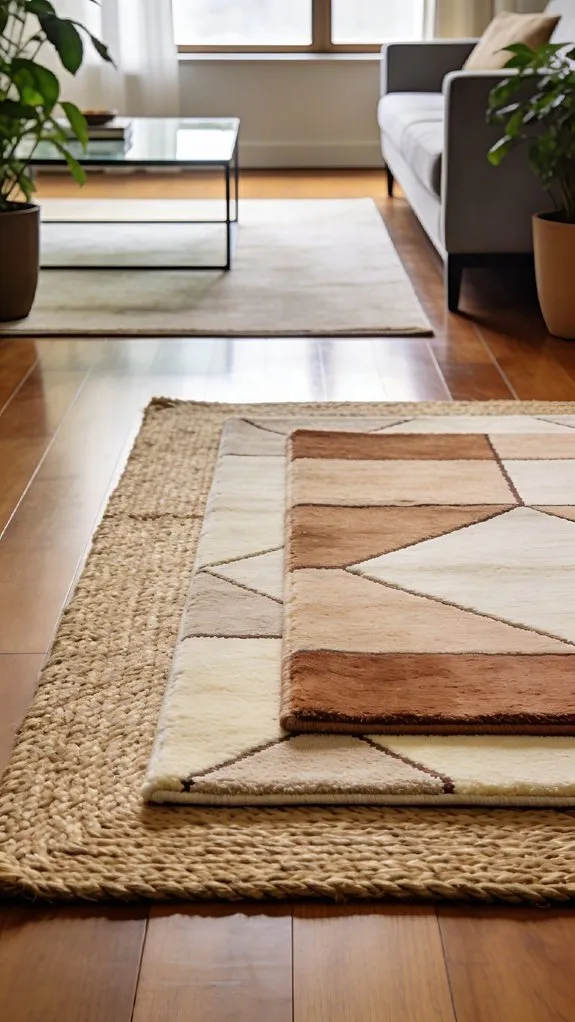
8. Layered Rugs Bring Warmth and Cohesion
Floor styling plays a key role in tying everything together. Layered rugs add depth, define zones, and introduce texture.
A large neutral base rug anchors the room, while a smaller patterned rug adds personality. This technique creates a lived-in, collected look that enhances comfort and visual interest.
9. Statement Window Treatments Frame the Room
Windows are no longer an afterthought—they’re part of the design story. Bold drapery, rich fabrics, and decorative trims turn them into focal points.
These treatments frame the space, add vertical interest, and enhance the overall sense of luxury. Thoughtfully styled windows can completely transform the feel of a room.
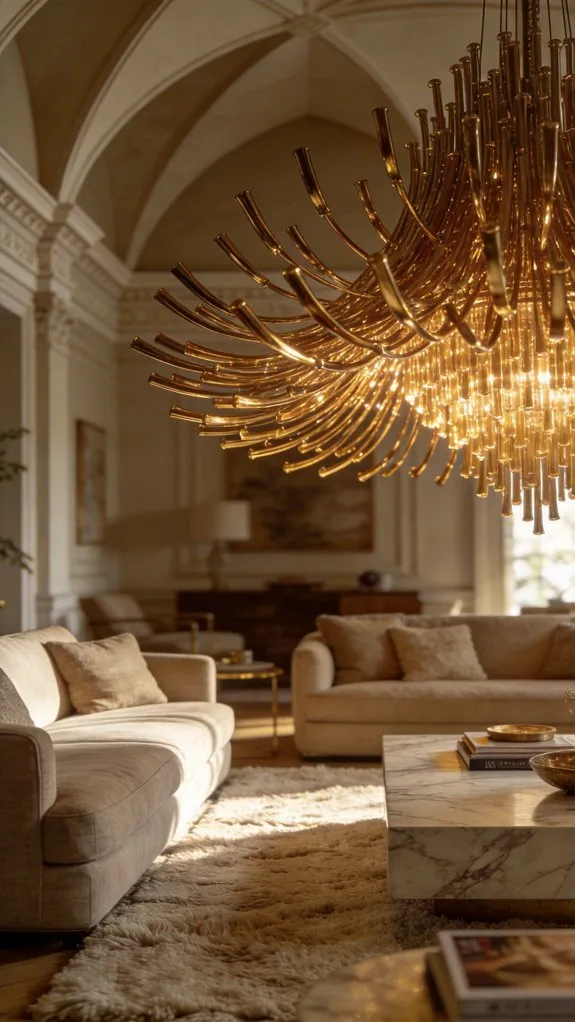
10. Statement Lighting Completes the Look
Finally, lighting acts as the finishing touch that defines the room’s atmosphere. Sculptural chandeliers, bold pendants, and artistic fixtures become instant focal points.
The right lighting not only illuminates the space but also reinforces its style—whether dramatic, cozy, or elegant. It’s the final layer that brings everything together seamlessly.
Conclusion
Designing a living room in 2026 is about layering with intention—from bold foundational choices to refined finishing details. By following this structured approach, you can create a space that feels cohesive, elevated, and deeply personal.
Each element builds on the next, resulting in a living room that isn’t just stylish—but thoughtfully designed for how you live, connect, and relax.
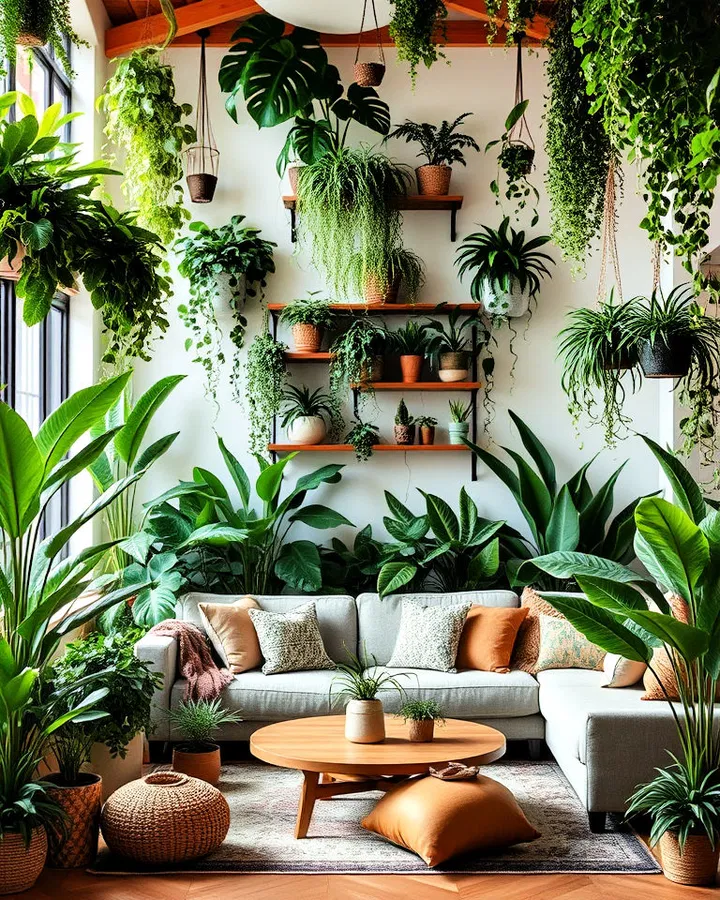
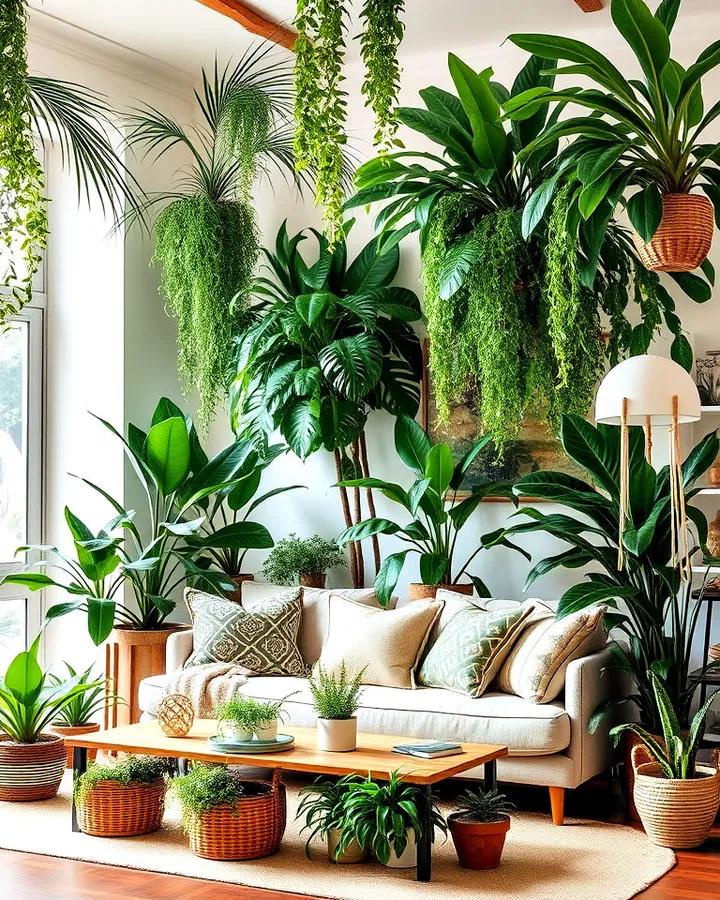
1. Floor-to-Ceiling Greenery for a True Jungle Feel
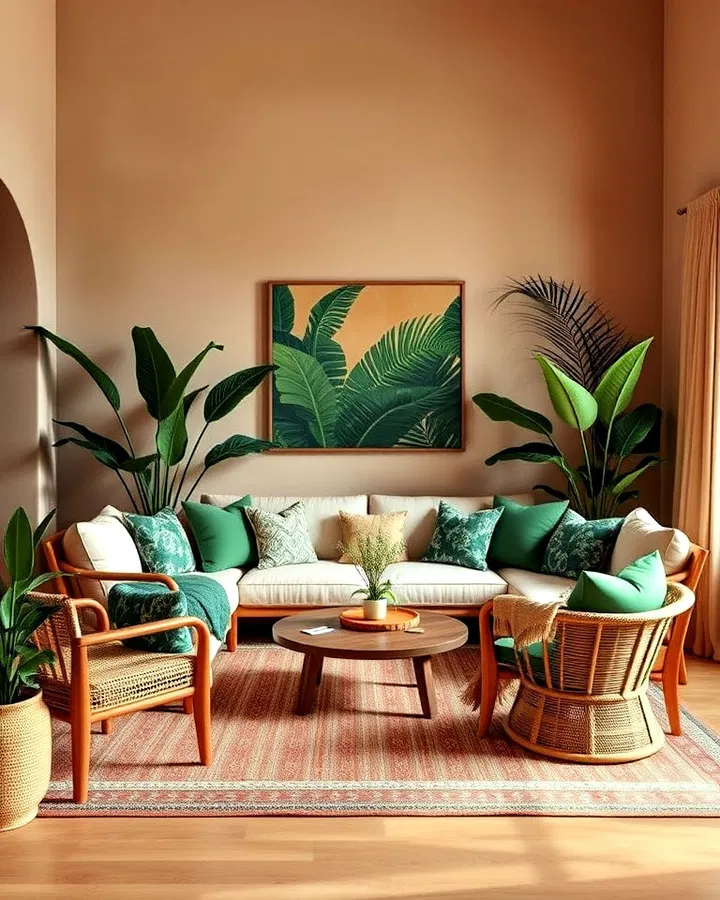
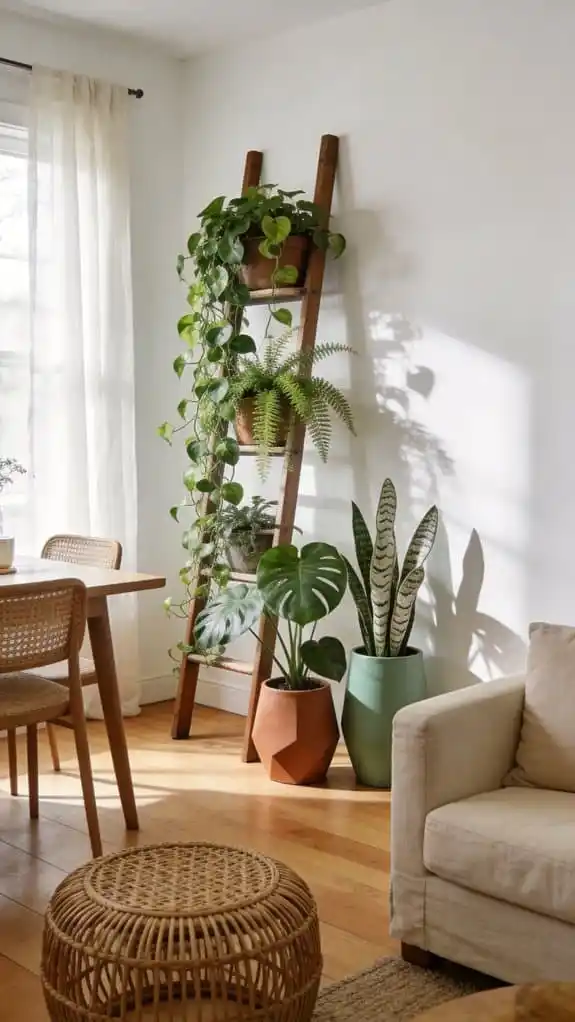
Turn your living room into a lush sanctuary by embracing vertical greenery. Use tall indoor plants like palms or fiddle-leaf figs, combined with plant shelves or vertical gardens. Arrange them near windows to maximize natural light and create an immersive jungle vibe that feels vibrant and alive.
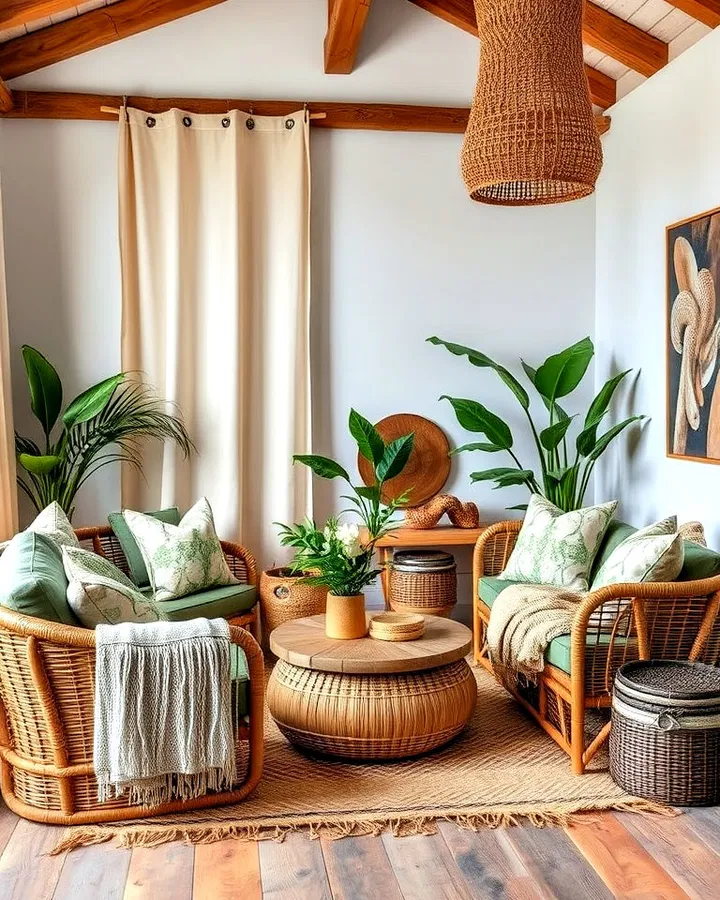
2. Natural Materials That Ground the Space
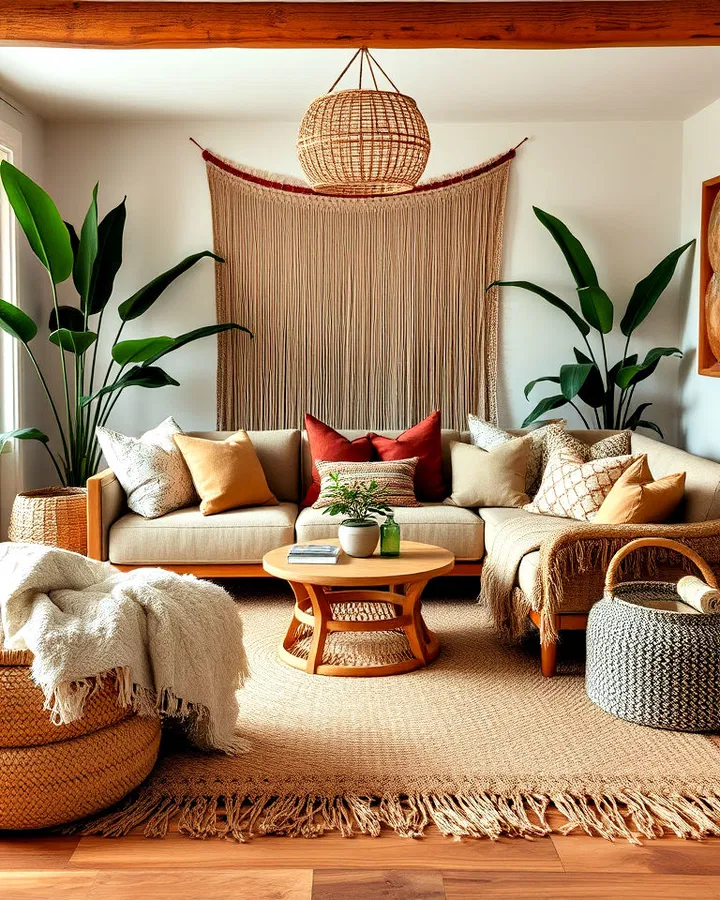
Introduce raw, organic materials such as bamboo, rattan, reclaimed wood, and jute. These elements instantly warm up the space while reinforcing the connection to nature. Pair them with woven textiles and earthy décor for a cohesive boho jungle aesthetic that feels both relaxed and intentional.
3. Hanging Planters for a Layered Look
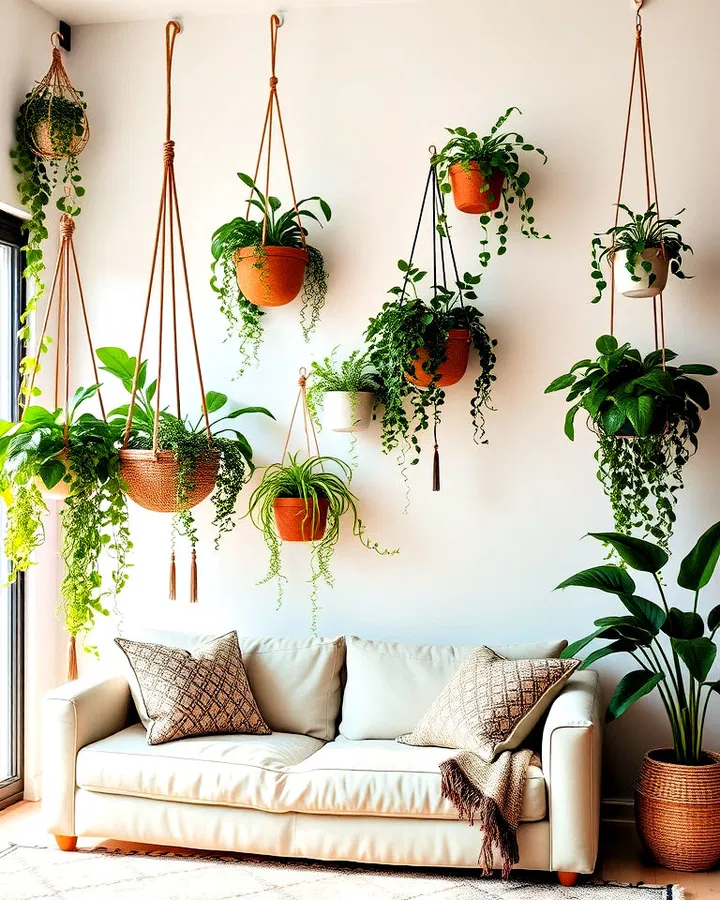
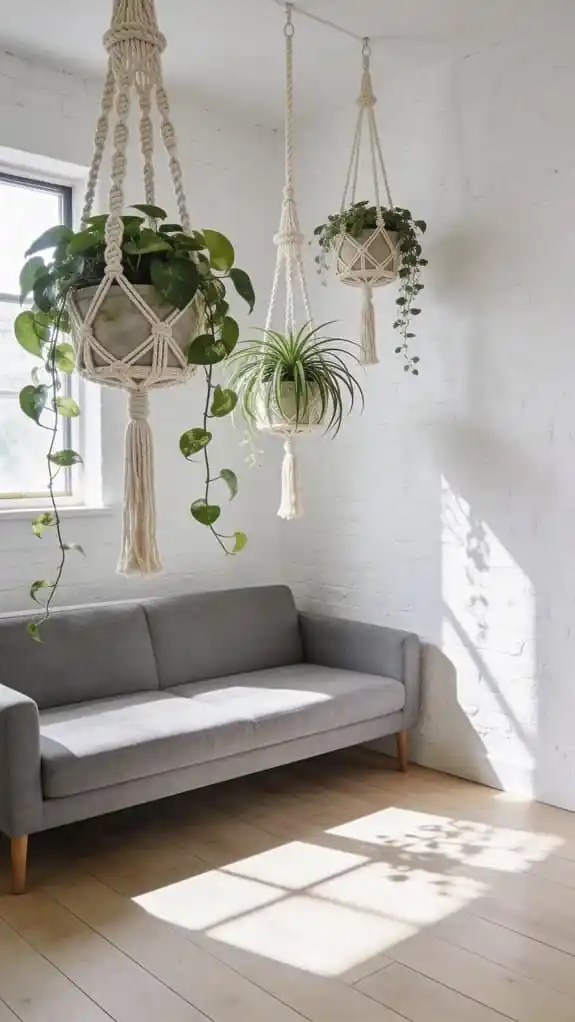
Elevate your greenery by suspending plants from the ceiling using macramé hangers or wall-mounted planters. This technique adds dimension and visual interest without crowding your floor space. Cascading plants like ivy or string of pearls enhance the effortless, wild jungle effect.
4. Earth-Toned Palette with Lush Green Highlights
Build your color scheme around warm neutrals like beige, terracotta, and soft browns, then layer in vibrant green accents. This combination balances calmness with energy, allowing the jungle elements to pop while maintaining a grounded boho feel.
5. Low Seating for a Relaxed Boho Atmosphere
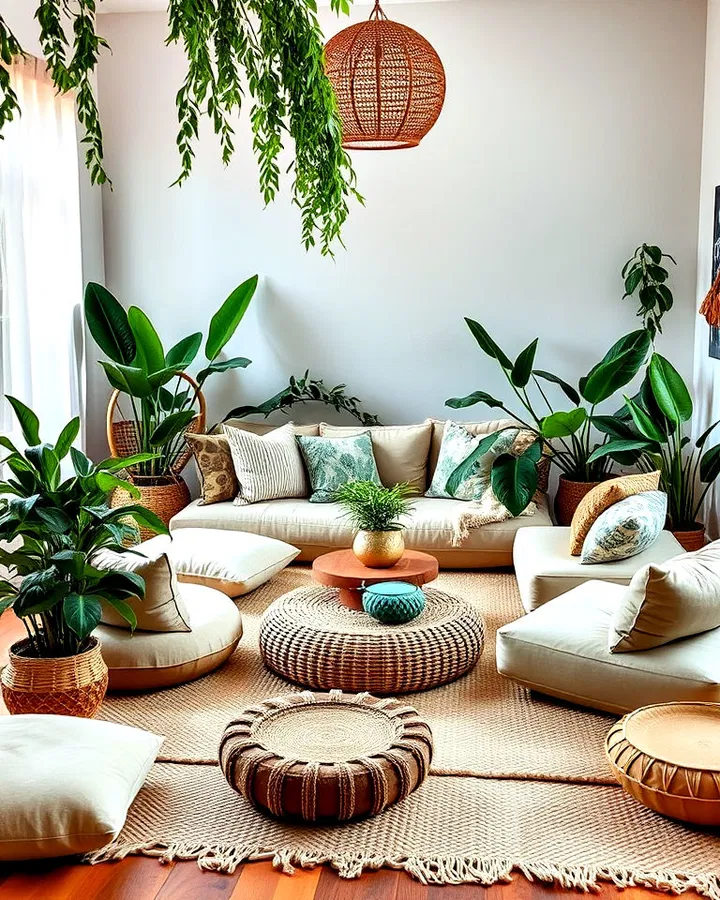
Create a laid-back lounge area with floor cushions, poufs, or low-profile sofas. Add a large textured rug underneath and surround the seating with plants for a cozy, grounded layout that invites relaxation and conversation.
6. Statement Lighting with Organic Materials
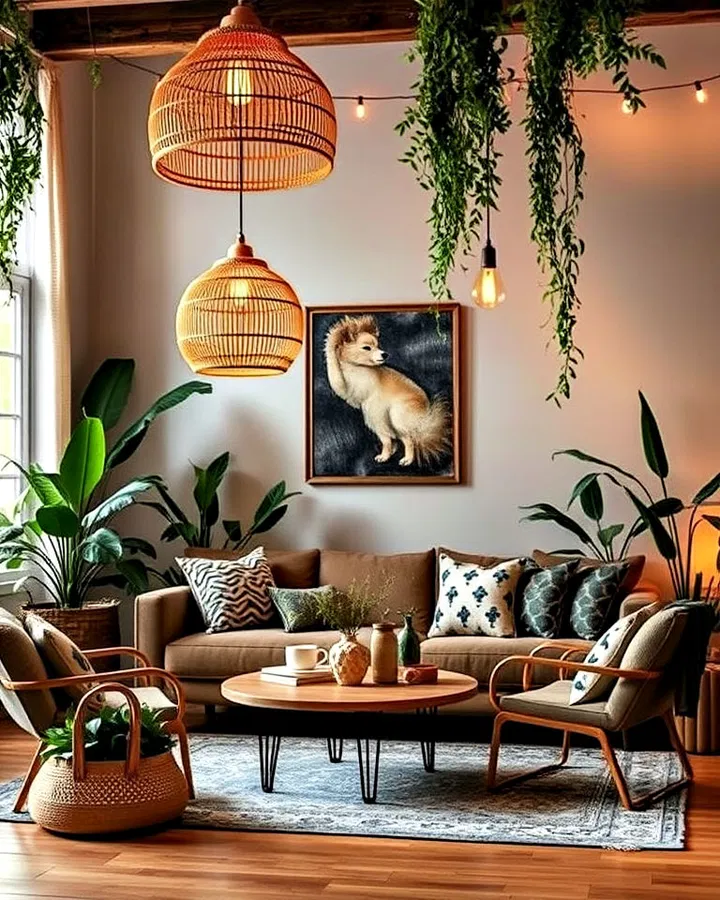
Choose lighting fixtures made from woven fibers like bamboo, rattan, or wicker. Pendant lights, lanterns, or even string lights can create a soft, ambient glow that highlights your greenery and enhances the warm, inviting mood.
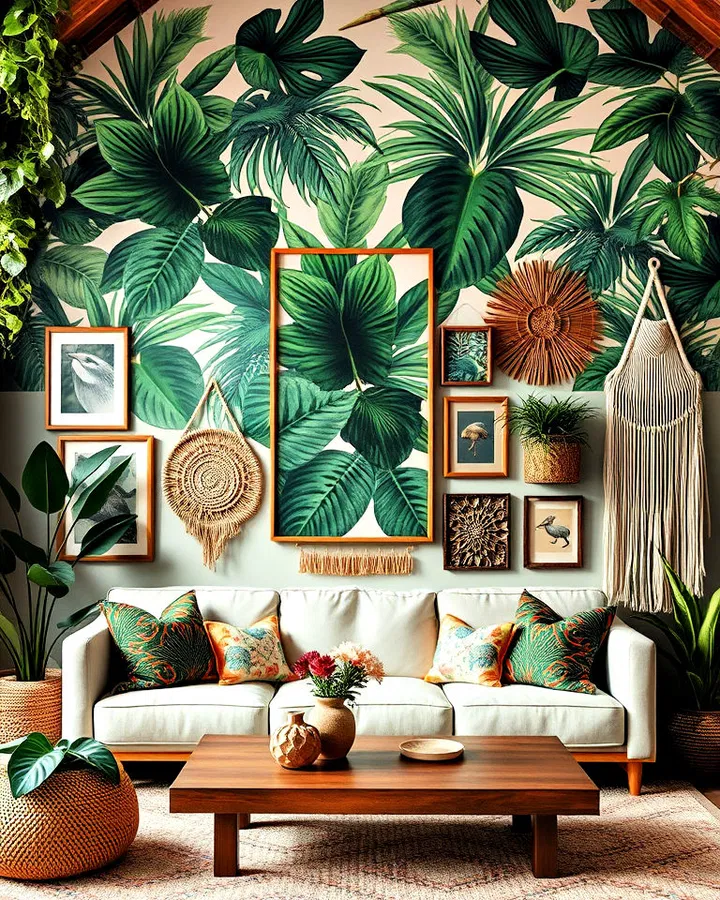
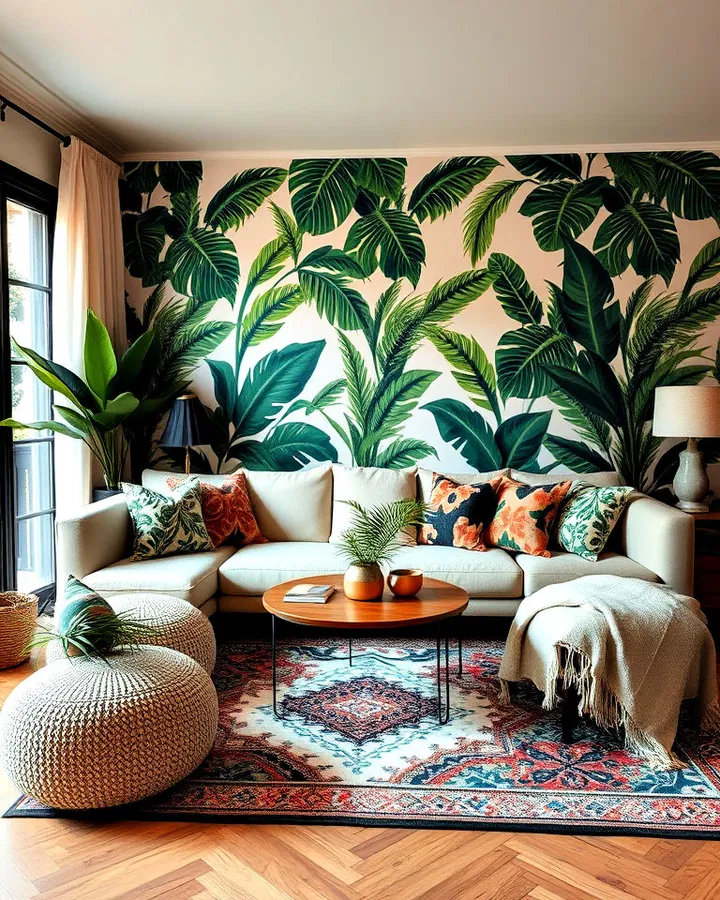
7. Bold Jungle-Inspired Wall Art
Make your walls come alive with large botanical prints, tropical leaf patterns, or exotic animal artwork. Combine these with macramé hangings or vintage frames to keep the look eclectic and true to boho style.
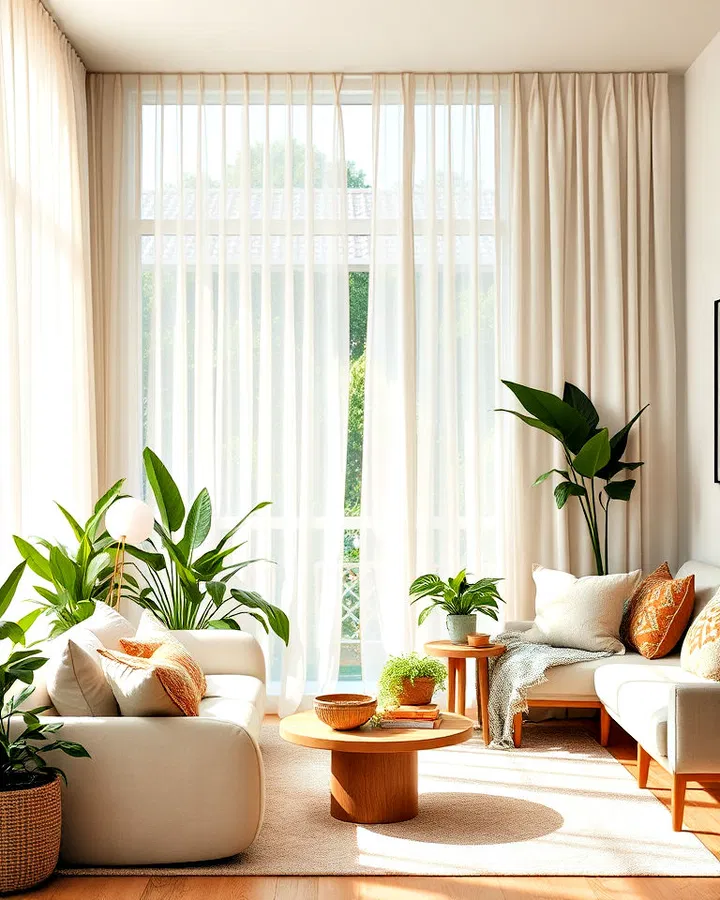
8. Sheer Curtains to Let Nature In
Maximize natural light by using airy, sheer curtains in neutral tones. These allow sunlight to filter gently through the room, enhancing the greenery and creating a fresh, breezy atmosphere that complements the jungle theme.
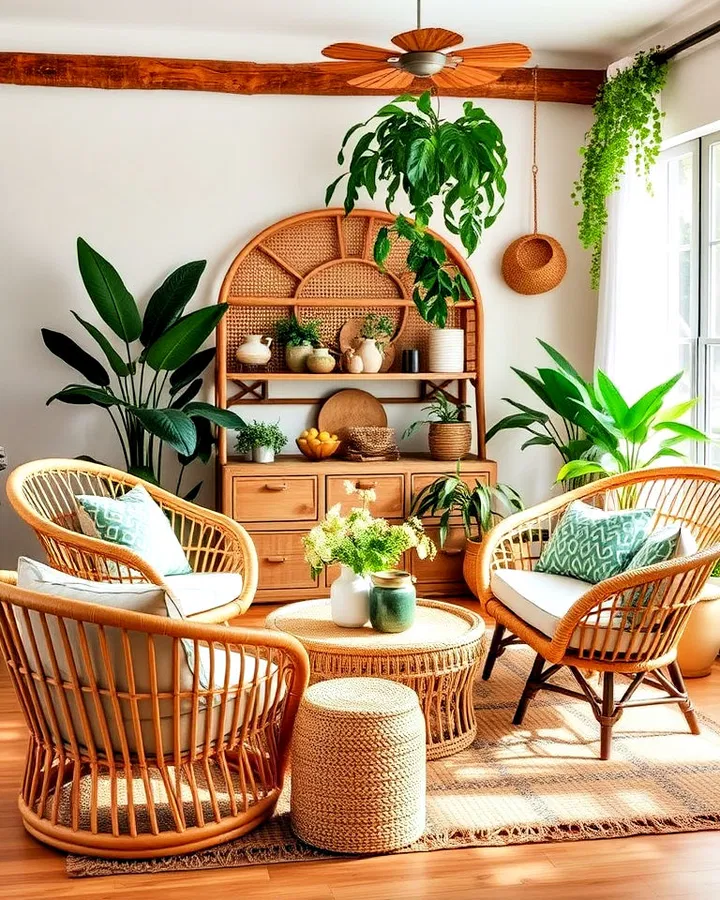
9. Rattan and Wicker Furniture Accents
Incorporate furniture pieces like wicker chairs, rattan coffee tables, or open shelving units. These materials are lightweight yet visually rich, adding texture while seamlessly blending with plants and textiles.
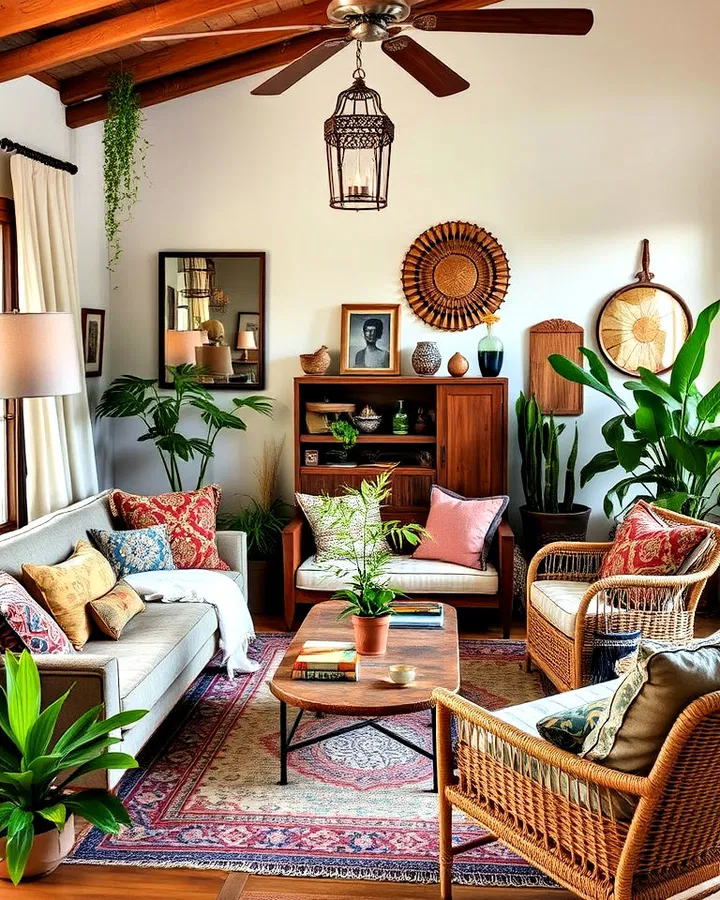
10. Vintage Pieces for Character and Charm
Mix in antique or thrifted décor such as weathered tables, old mirrors, or retro lighting. Pair them with global-inspired accents like Moroccan lanterns or tribal prints to create a curated, well-traveled aesthetic.
11. Patterned Textiles with a Wild Twist
Introduce bold patterns through cushions, rugs, or throws featuring leaf motifs, tribal designs, or animal prints. Balance these with neutral pieces to avoid overwhelming the space while still capturing the energy of the jungle.
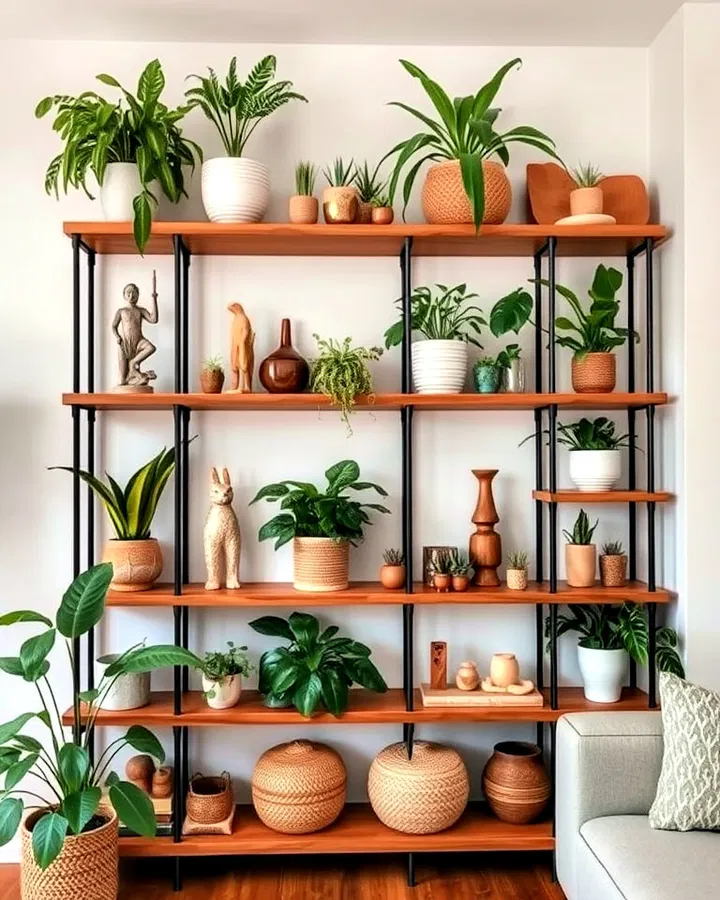
12. Open Shelving to Showcase Decor
Use wooden or bamboo open shelves to display plants, sculptures, and curated boho pieces. Layering different objects adds personality and keeps the room feeling lived-in yet stylish.
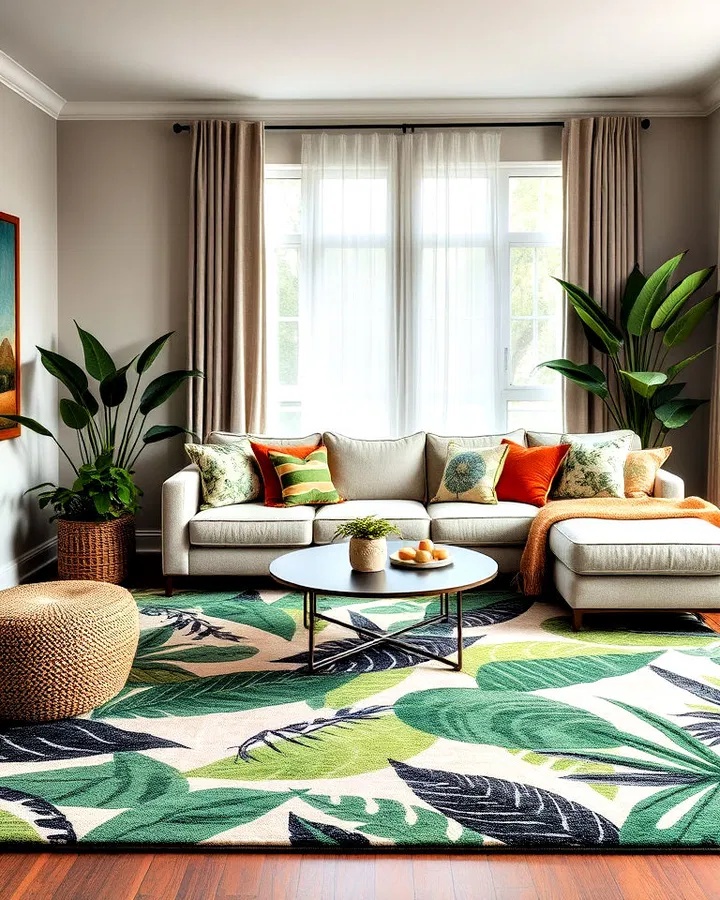
13. Large Statement Rugs to Anchor the Room
Ground your space with a bold rug featuring tropical or botanical patterns. This not only ties the design together but also adds warmth and comfort underfoot.
14. Layered Textures for Depth and Comfort
Combine soft fabrics like velvet cushions and fringed throws with rougher materials like jute and wood. This contrast creates depth and makes the room feel cozy, inviting, and visually rich.
15. Abundant Indoor Plants as the Main Feature
Fill your space with a mix of plant types—tall, trailing, and compact—to create a dynamic and natural look. Use decorative pots, baskets, and stands to vary heights and textures, turning your living room into a peaceful indoor oasis.
Transforming a cramped city apartment into a lush, nature-filled retreat is entirely possible with biophilic design. You do not need a sprawling home to create a green sanctuary; smart strategies that layer plants, natural textures, and organic elements can revitalize even the tiniest living room. These twenty-three ideas work beautifully whether you are renting a studio or maximizing a modest one-bedroom. By thoughtfully sequencing your design choices—from foundational layout decisions to finishing sensory details—you can craft a cohesive, restorative space.
Phase 1: Establish the Foundation (Layout & Light)
Before bringing in plants or decor, optimize your room’s layout and natural light to create a welcoming environment for both you and your future greenery.
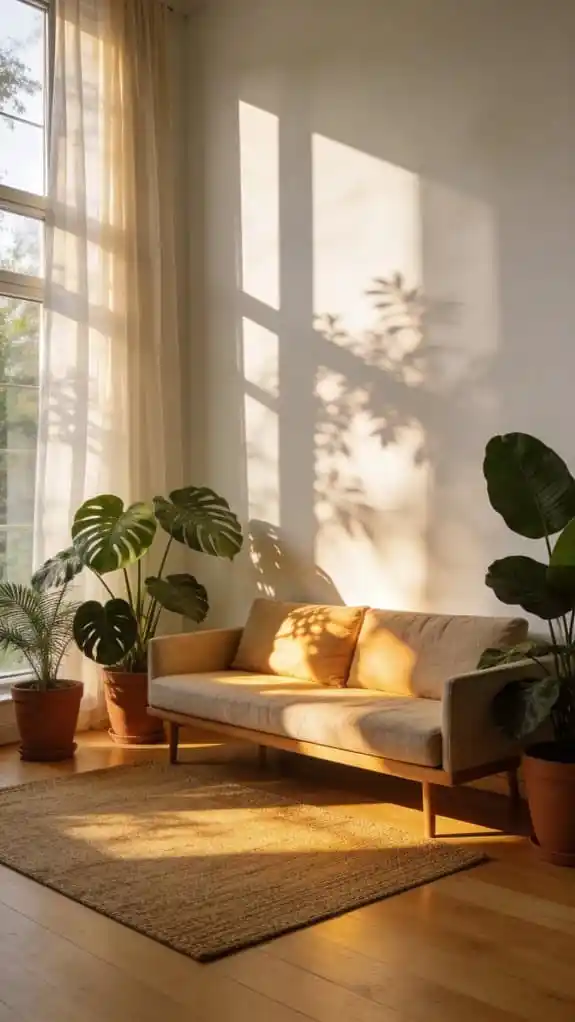
1. Position Your Sofa Near Windows for Sunlight
Positioning your sofa where sunlight streams through windows creates an immediate connection to the outdoors that transforms ordinary relaxation into a restorative experience. Natural light flooding your seating area brightens the space, elevates your mood, regulates your circadian rhythm, and makes your living room feel expansive.
2. Frame Outdoor Views as Living Artwork
Why confine nature’s beauty to potted plants when your windows offer an ever-changing masterpiece? Strategic window framing transforms ordinary glass panes into curated galleries of the natural world. Remove heavy curtains that block scenery, replacing them with sheer panels that filter light while preserving your view. Position furniture to face windows, creating intentional sightlines that draw eyes outward.
3. Use Mirrors to Reflect Natural Light and Greenery
Strategically placed mirrors multiply the biophilic impact by capturing and reflecting both natural light and your carefully curated greenery throughout the room. Position mirrors opposite or perpendicular to windows to bounce sunlight deeper into your apartment and create the illusion of expanded space. Floor-length mirrors offer perfect proportions for small apartments, drawing the eye upward while maximizing reflections.
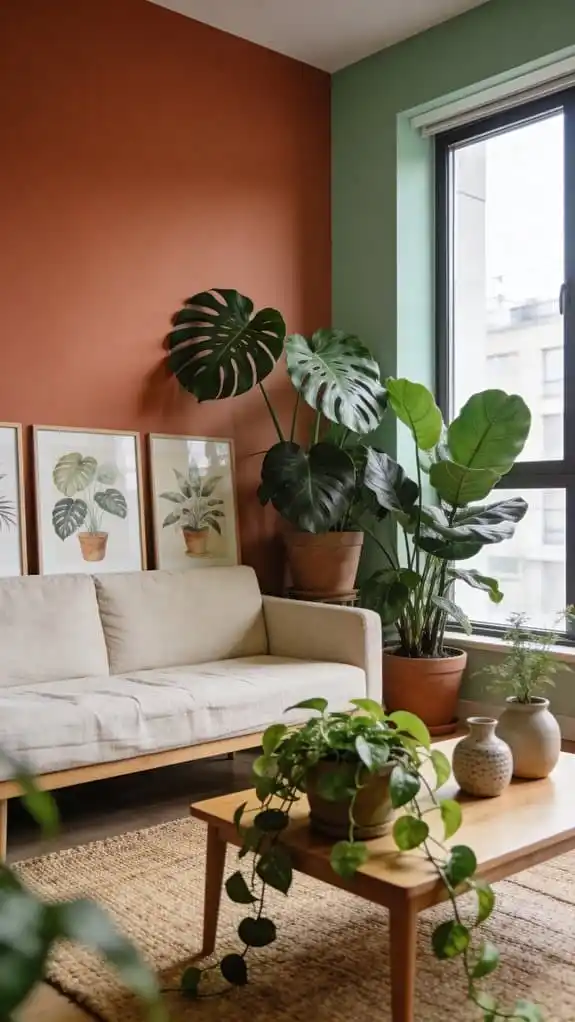
4. Paint Walls in Earthy Terracotta and Sage Tones
Color is a powerful tool for grounding your living room in nature’s palette. Earthy terracotta and sage tones transform bare walls into warm, nurturing backdrops. These hues connect you directly to sunbaked clay and forest canopies. Paint an accent wall in rich terracotta while keeping remaining walls in soft sage to create a soothing ambiance.
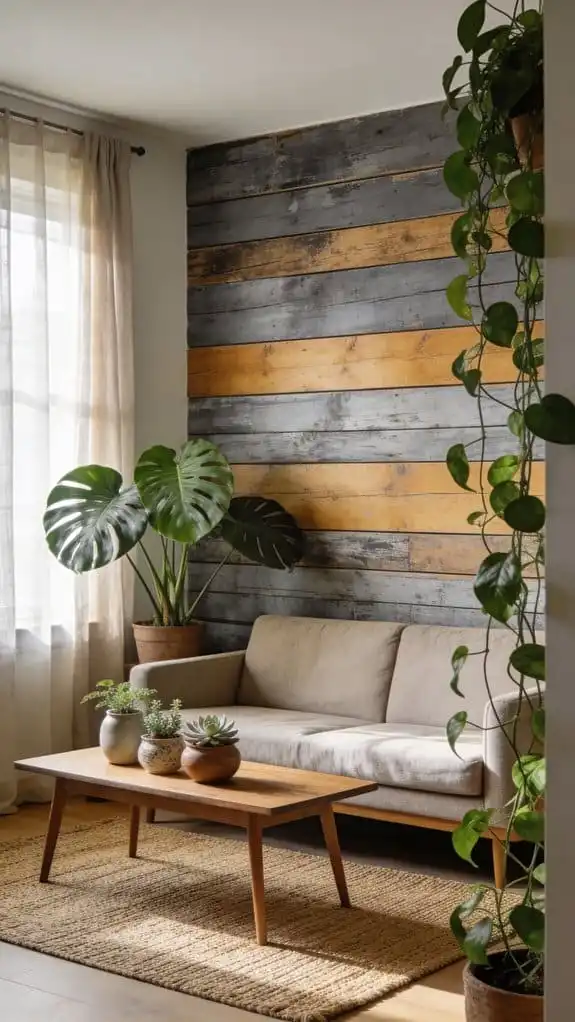
5. Add Reclaimed Wood Accent Walls
Reclaimed wood accent walls introduce dramatic vertical interest that transforms ordinary spaces into nature-inspired retreats. The wood grain patterns create authentic natural texture that draws your eye upward. Install weathered barn wood planks horizontally or arrange vertical wood strips to emphasize ceiling height, bringing authentic character while supporting sustainable design principles.
Phase 2: Select Organic Furniture & Textures
With the layout and backdrop established, choose furniture and textiles that mimic the natural world.
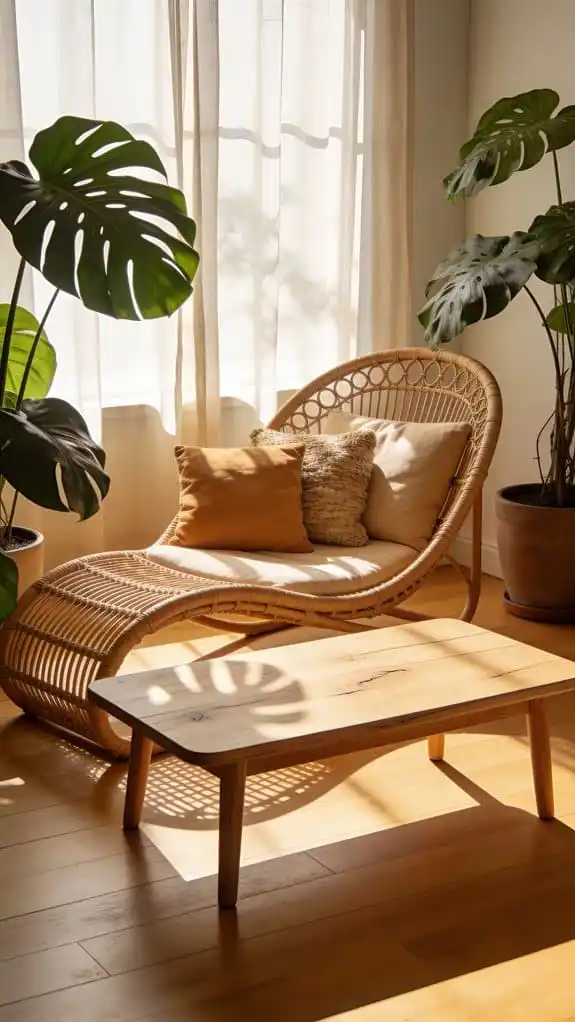
6. Choose Furniture Made From Natural Wood and Rattan
Natural materials speak a primal language that connects us to the organic world. In small spaces, consider biophilic furniture choices like rattan accent chairs that introduce texture while maintaining visual lightness, walnut or oak coffee tables with live edges, and bamboo shelving units. Mixing smooth finished wood with textured rattan weaving creates harmony within your curated living space.
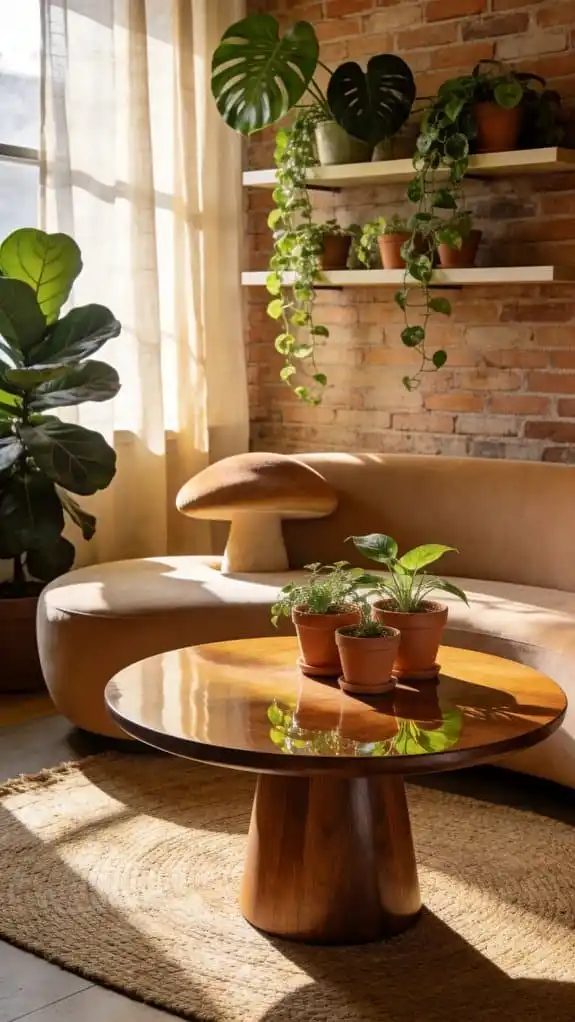
7. Select Curved Sofas and Round Coffee Tables
Biophilic design extends to the furniture that shapes your living room’s flow. Curved sofas and round coffee tables mimic the organic forms found in nature. These pieces create harmony through soft edges that encourage movement and conversation. Crescent-shaped sectionals, oval coffee tables, and rounded armchairs reduce visual clutter, making your compact living room feel larger and calmer.
8. Layer Jute Rugs With Linen Throw Pillows Texture’s transformative power becomes apparent when you combine jute’s earthy, tactile foundation with linen’s soft, inviting drape. Achieve compelling texture contrast by positioning a chunky jute rug beneath your seating area, then scattering linen throw pillows across your sofa in warm neutrals. These natural layers soften hard surfaces while maintaining an organic aesthetic.
Phase 3: Maximize Space with Vertical & Structural Greenery
Now, introduce plants strategically to define zones and draw the eye upward without cluttering the floor.
9. Use Multifunctional Planters as Room Dividers
In an open-concept apartment or studio, strategically positioned planters filled with tall greenery create natural boundaries. These living walls carve out private zones without the permanence of traditional walls. Use tall, narrow planters to maximize vertical impact without consuming precious floor space.
10. Place a Statement Fiddle Leaf Fig in Empty Corners
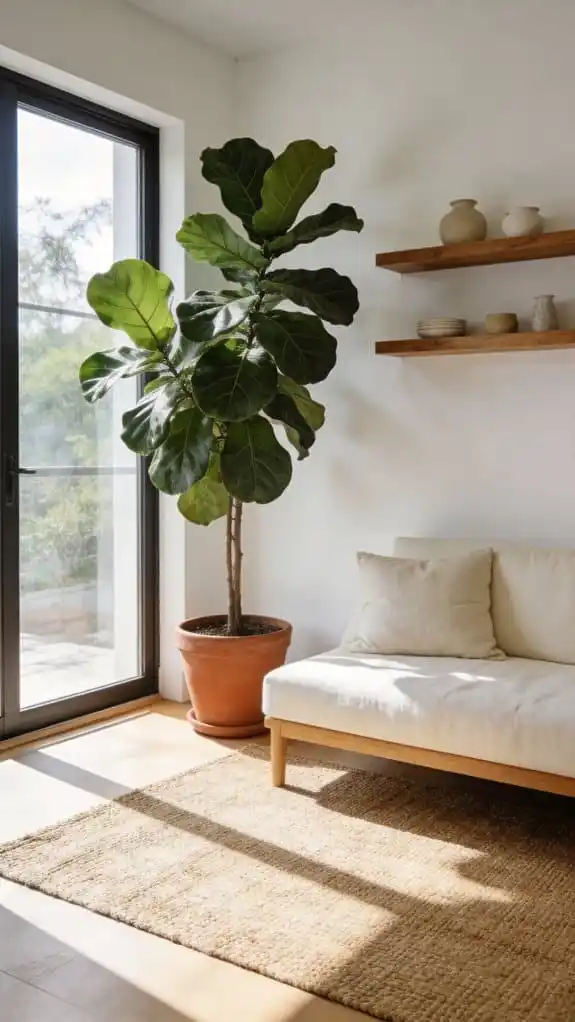
Empty corners create visual dead zones, but a towering fiddle leaf fig becomes an architectural focal point that fills vertical space with drama. Position your fig where it will receive bright, indirect sunlight. This single statement plant transforms forgotten corners into intentional design moments.
11. Create a Living Wall With Vertical Planters
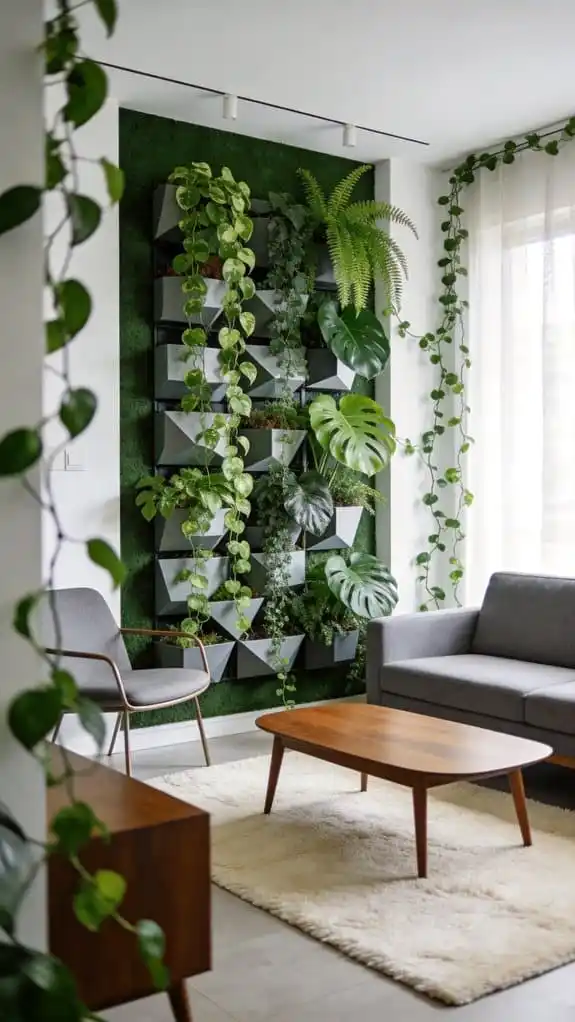
A living wall transforms an ordinary vertical surface into a stunning focal point that brings the outdoors inside. Modular vertical planters offer flexibility in arrangement, allowing you to create custom patterns that suit your space perfectly. Start with a small section to build confidence, then expand your living tapestry as you gain experience. Choose low-maintenance varieties like pothos, ferns, or succulents that thrive indoors. This vertical installation maximizes limited floor space while delivering maximum visual impact, turning a blank wall into a breathing artwork that purifies your air.
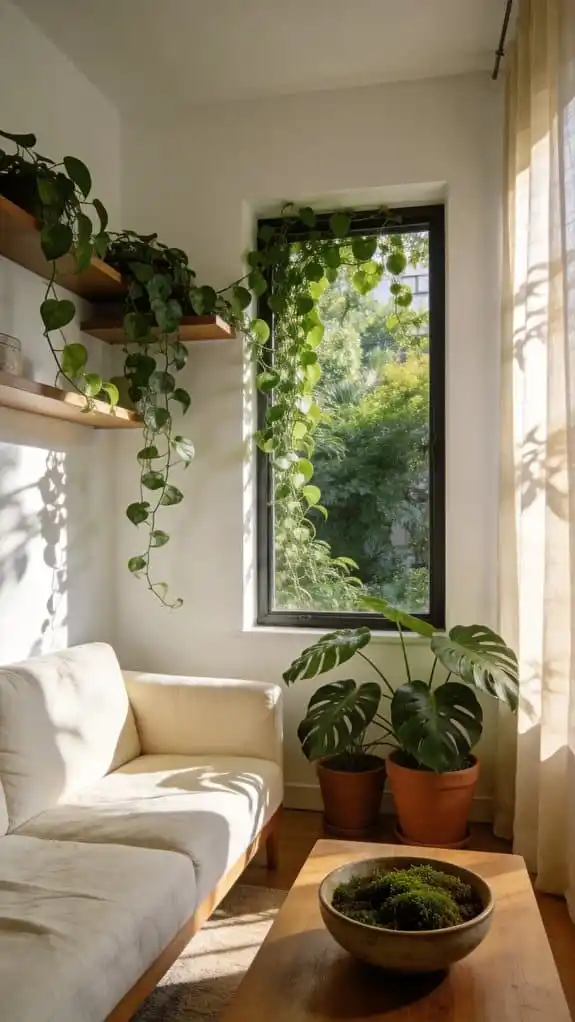
12. Install Floating Shelves for Cascading Plants
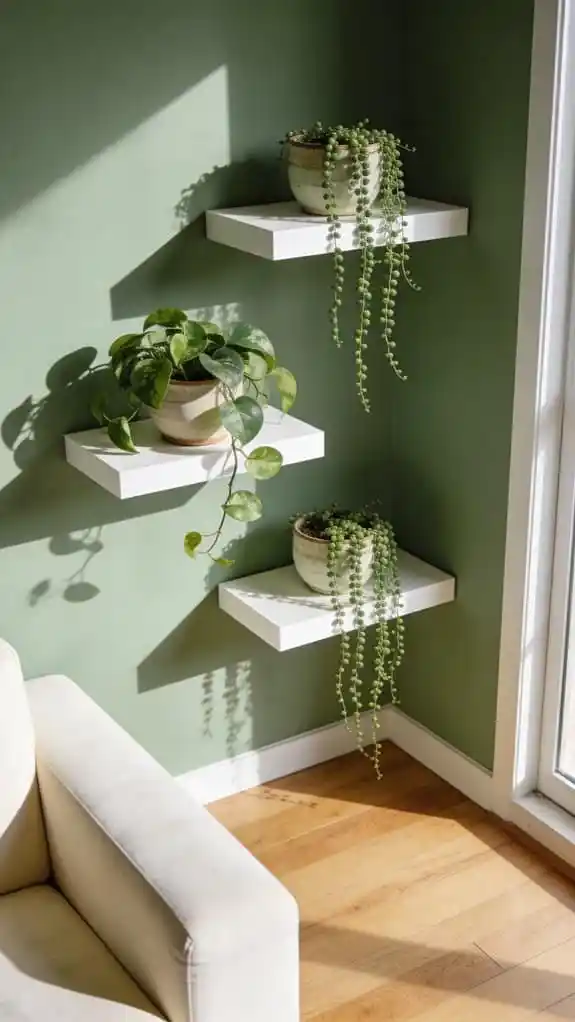
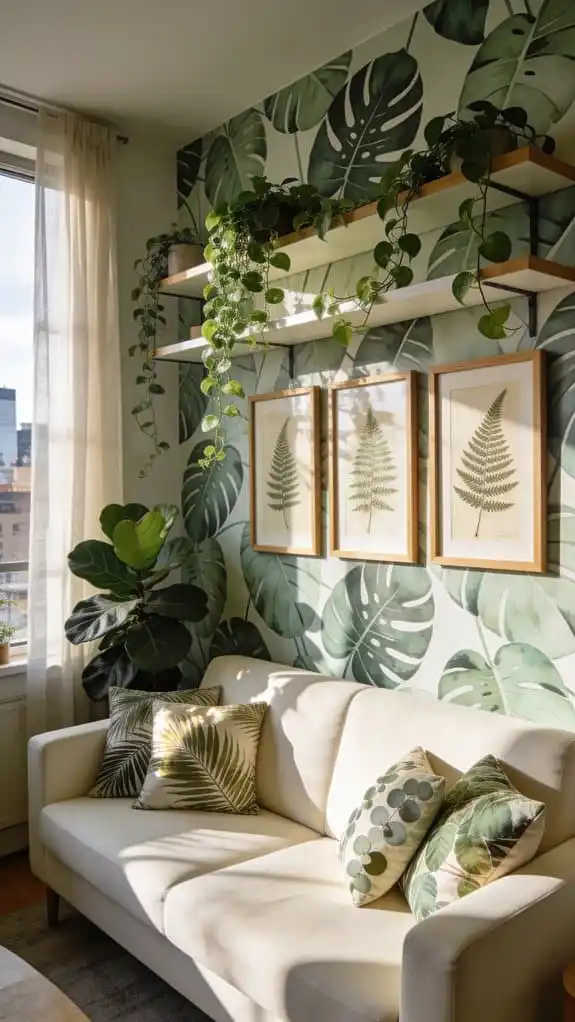
While living walls make a bold statement, floating shelves offer a more flexible approach that is easier to install and adjust as your plant collection grows. Arrange pothos, string of pearls, and trailing philodendrons across staggered shelf heights to create natural waterfalls of greenery that draw the eye upward and make your space feel larger. Choose shelf materials wisely—rustic wood adds warmth, sleek metal provides modern aesthetics, and minimalist glass disappears into the background.
13. Hang Macramé Plant Hangers to Save Floor Space
Macramé plant hangers bring vertical dimension to your living room without claiming precious square footage. They are perfect if you are working with limited space or want to keep surfaces clear for other decorative pieces. Suspend trailing pothos, delicate ferns, or cascading spider plants from ceiling hooks to create lush layers of greenery. Hang multiple planters at varying heights to build depth, and position them near windows where your plants will thrive.
Fill in the gaps with plants that are easy to care for and provide immediate benefits.
14. Choose Low-Maintenance Air-Purifying Plants
Snake plants, pothos, and spider plants work double duty by filtering toxins from the air while requiring almost no effort to keep alive. They are perfect choices if you are new to indoor gardening or have a busy schedule. Position them near seating areas where you will breathe cleaner air while relaxing.
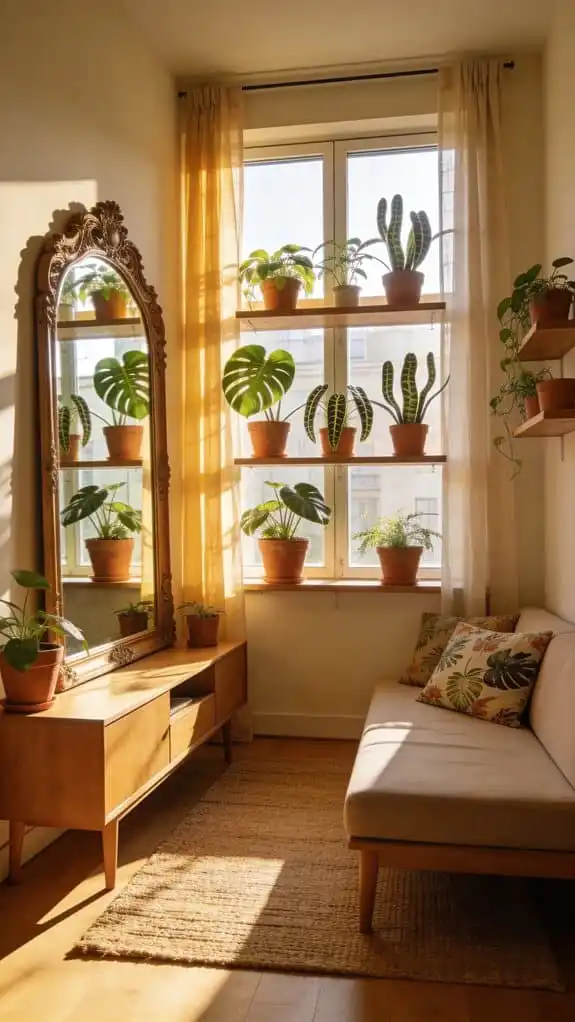
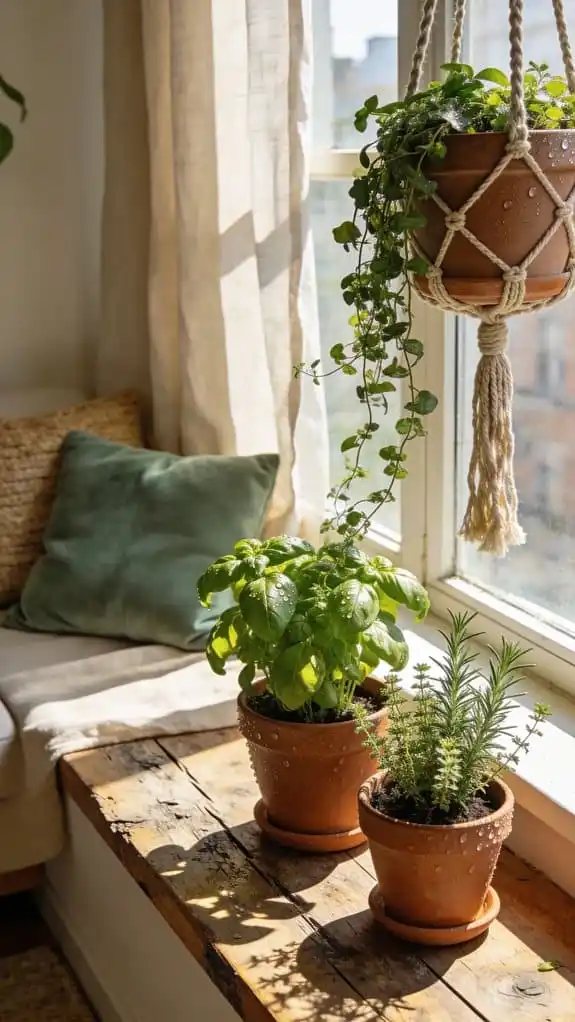
15. Turn Windowsills Into Mini Herb Gardens
Transform sunny windowsills into productive, fragrant herb gardens that bring fresh flavors to your cooking while filling your living room with natural greenery. Start with beginner-friendly herbs like basil, mint, and rosemary in shallow containers. This simple transformation combines practical kitchen functionality with biophilic design principles.
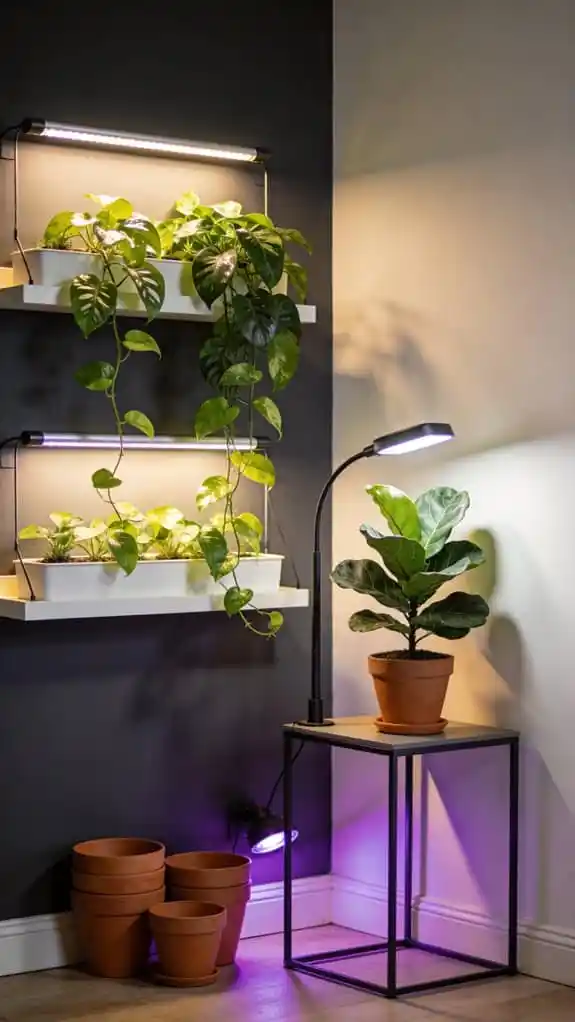
16. Install Grow Lights for Dark Corners
When shadowy corners threaten to limit your plant collection, grow lights become your secret weapon. Transform dim spaces into thriving green sanctuaries by using LED grow lights, which consume less electricity while providing ideal spectrum output. Full-spectrum bulbs mimic natural sunlight patterns for healthier plant development, turning your darkest corners into verdant focal points.
Phase 5: Add Nature-Inspired Art & Decor
Enhance the biophilic atmosphere with artwork and decorative elements that echo the outdoors.
17. Add Leaf Prints and Botanical Wallpaper
Botanical wallpaper transforms your walls into living galleries of nature. Create instant visual impact with nature-inspired designs featuring intricate leaf patterns or sprawling fern fronds. Apply botanical prints to a single accent wall to maximize impact while preventing visual overwhelm in compact spaces.
18. Display Framed Nature Photography Above the Sofa
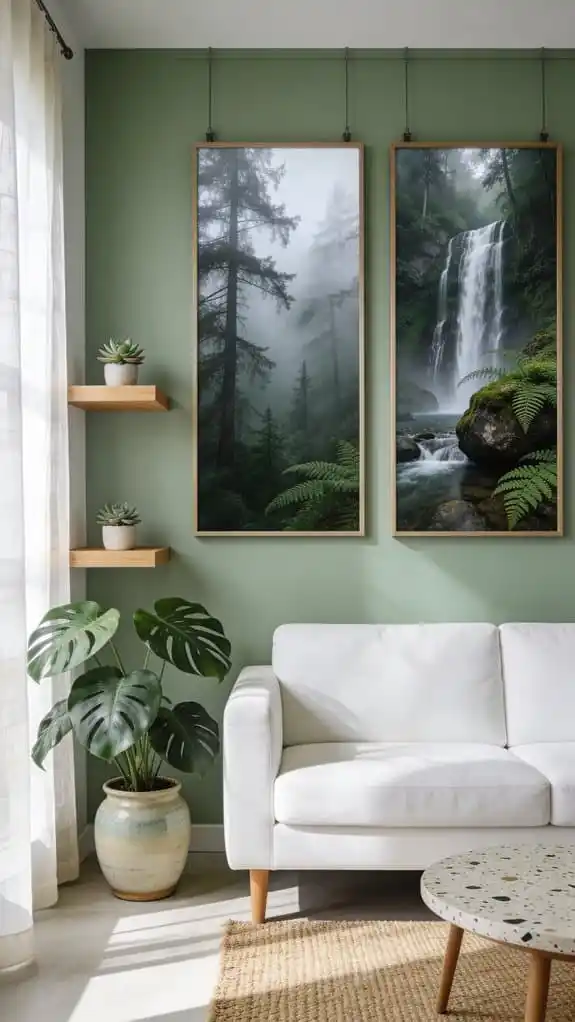
Make a strong statement by placing framed nature photography directly above your sofa. Create a gallery wall featuring forest scenes, ocean waves, and mountain vistas that transport your mind outdoors. Ensure your nature print curation follows a cohesive color palette to elevate your entire living space.
19. Create Moss Wall Art for Textural Interest
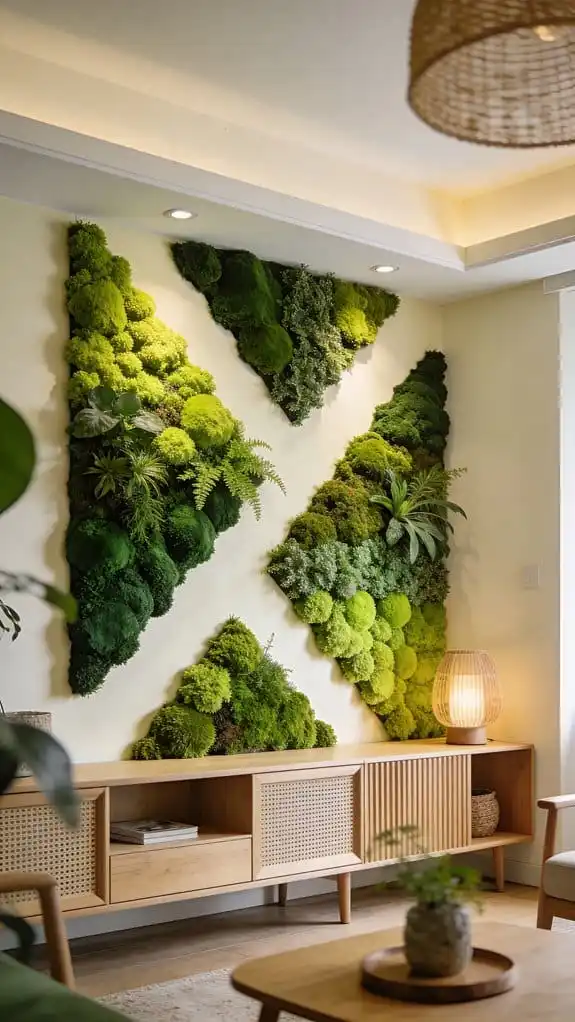
Moss wall art brings the forest floor’s lush, velvety texture directly into your living room. This three-dimensional natural masterpiece draws the eye and invites touch. Use preserved reindeer or sheet moss varieties that do not need watering or sunlight, making this design choice perfect for busy apartment dwellers.
Phase 6: Refine with Sensory Details
Complete your sanctuary by engaging the senses of touch, smell, and sound.
20. Introduce River Rocks and Stone Coasters
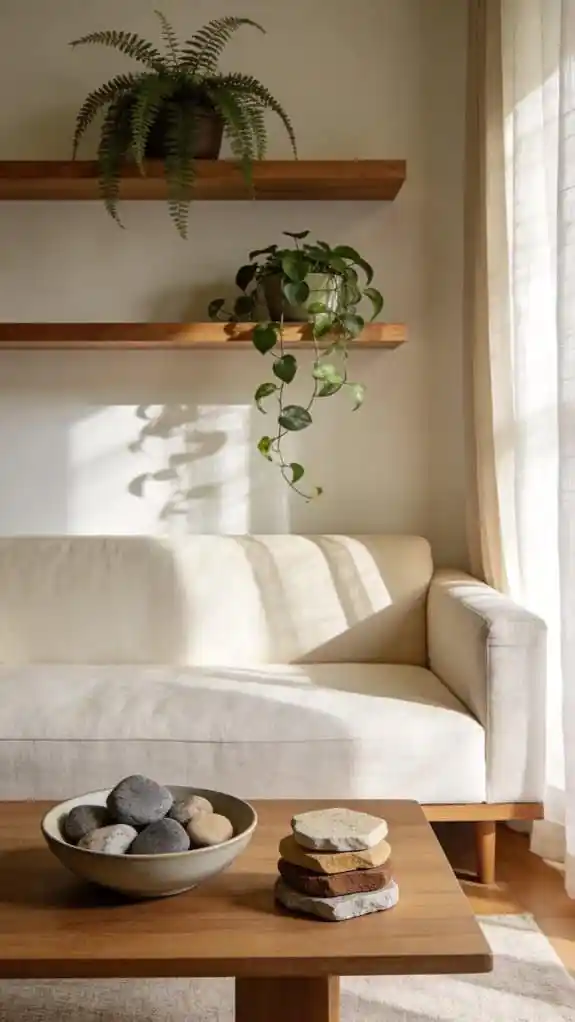
Smooth river rocks and handcrafted stone coasters bring earth’s geological beauty directly into your living space. Arrange a collection of polished river rocks in a shallow wooden bowl on your coffee table, allowing guests to feel their smooth surfaces. Use stone coasters beneath your beverages to protect furniture while adding earthy elegance.
21. Display Small Terrariums on Coffee Tables
Small terrariums create stunning focal points on your coffee table, bringing miniature landscapes of moss and succulents into arm’s reach. These tiny ecosystems thrive inside glass enclosures, requiring minimal maintenance while delivering maximum biophilic impact.
22. Fill Vases With Eucalyptus and Fresh Flowers
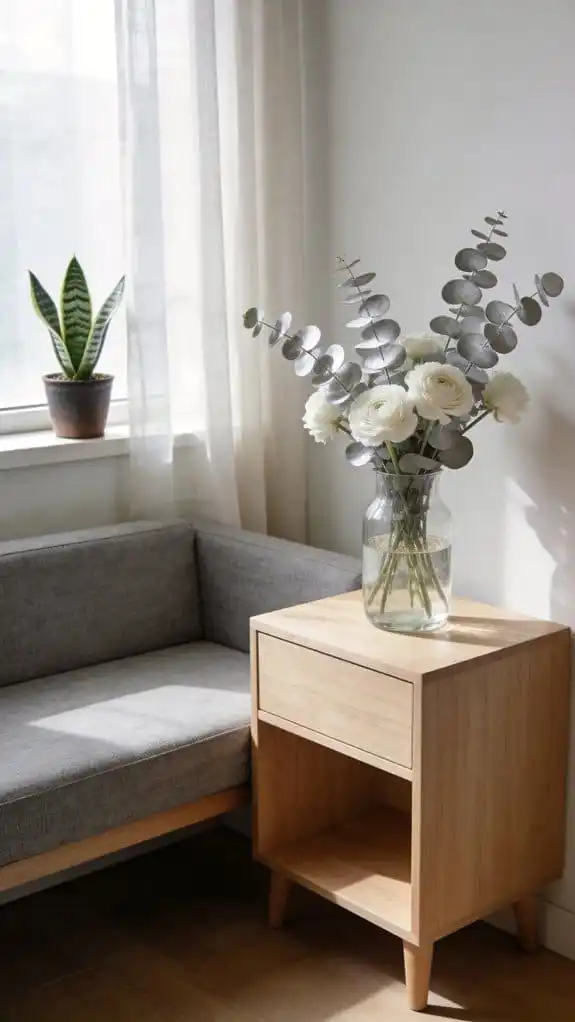
Fresh botanical arrangements transform your living room into a sensory-rich space. The therapeutic properties of eucalyptus combine with the vibrant beauty of seasonal blooms to create an ever-changing display. Eucalyptus releases stress-relieving compounds while fresh flowers inject color and life into your apartment.
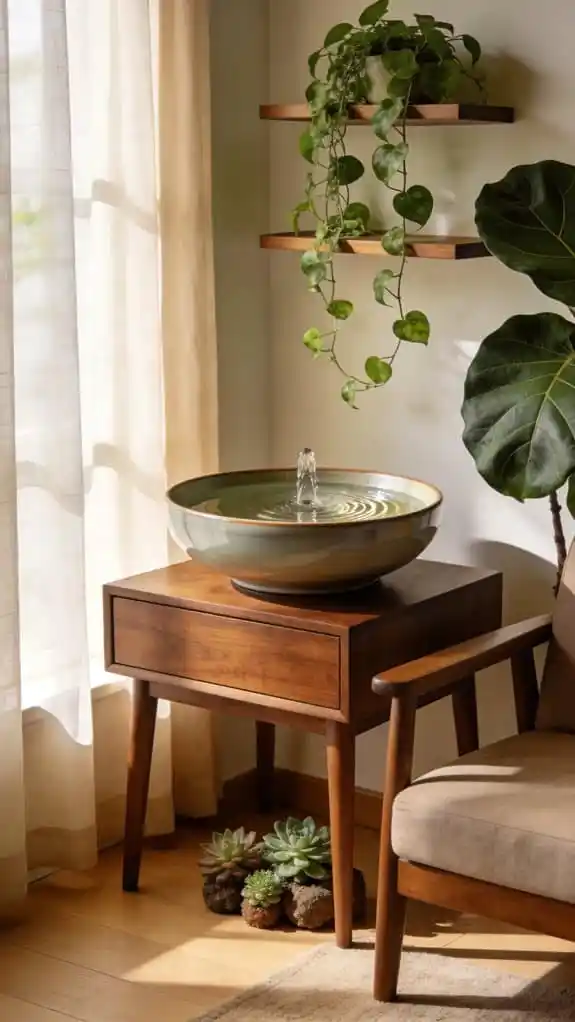
23. Install a Tabletop Water Fountain for Ambient Sound
Sound plays a powerful role in creating a biophilic sanctuary. A tabletop water fountain introduces the gentle, rhythmic sound of water flow that naturally calms your nervous system. The continuous natural soundtrack masks urban noise pollution, helping you disconnect from city stress.
Frequently Asked Questions
How Do I Prevent Overwatering Plants in a Small Apartment? Prevent overwatering by checking soil moisture before watering—stick your finger one inch deep into the soil. Use pots with proper drainage solutions, including drainage holes and well-draining potting mix to avoid root rot.
What’s the Ideal Humidity Level for Biophilic Living Rooms? Maintain 40-60% humidity for ideal plant health and comfort. Use humidity meters to monitor levels, especially during winter months when indoor heating dries the air.
How Often Should I Rotate Plants for Even Growth? Rotate your plants every week or two. Rotating guarantees balanced light exposure, prevents lopsided growth patterns, and keeps your plants symmetrical. Quarter-turn rotations work best.
Can Biophilic Design Work in Apartments With Pets or Children? Yes, you can succeed with biophilic design around pets and children by prioritizing safety. Choose non-toxic plants, use sturdy planters, elevate shelving, and secure pots to protect everyone.
What’s the Average Cost to Create a Biophilic Living Room? You can expect to spend $200-$2,000 depending on your budget planning approach. Plant selection markedly impacts costs—start with affordable pothos and snake plants, then add natural materials and lighting as finances allow.
By mastering the art of strategic plant placement, good lighting, and natural textures, you can transform your cramped apartment into a lush urban jungle. Nature has moved in, and it is paying rent in oxygen.