Category: Uncategorized

  • 17 Home Mistakes That Are Killing Your First Impression — Quick Fixes That Actually Work (2026)

    First impressions aren’t fair, but they’re decisive. Whether we’re showing a house to potential buyers, preparing for guests, or just trying to feel proud of our space, the first 10–30 seconds set the emotional tone. In our experience, small, fixable issues are the real culprits, not the big renovation projects. This guide walks through the most common home mistakes that silently sabotage first impressions and gives quick, realistic fixes you can carry out today. We’ll focus on what visitors notice first, what truly matters to buyers, and the practical steps that make the biggest impact without draining time or budget.

    Neglected Curb Appeal: The First 10 Seconds That Determine Interest

    Curb appeal is theater for the driveway: it creates expectation before anyone steps inside. We’ve seen listings lose attention within seconds because the lawn was patchy, the mailbox was leaning, or the front path was cluttered. Buyers and visitors form an emotional impression quickly, and it’s surprisingly hard to overwrite a negative one once it’s anchored.

    When we coach homeowners, we focus on three quick wins: clean lines, a hint of color, and a sense of care. Trim hedges, mow or edge the grass, clear debris from walkways, and sweep the porch. Small plantings like a pair of matching potted plants by the door or a seasonal wreath signal upkeep and warmth. Don’t forget the details: a working porch light, a fresh house number, and a tidy mailbox add up to perceived value.

    We recommend photographing the house from the street at the same time a buyer would approach it: if the shot looks uninviting, fix what you see. Curb appeal doesn’t require perfect landscaping, it requires obvious maintenance. That single afternoon of effort often pays off in more showings and better offers.

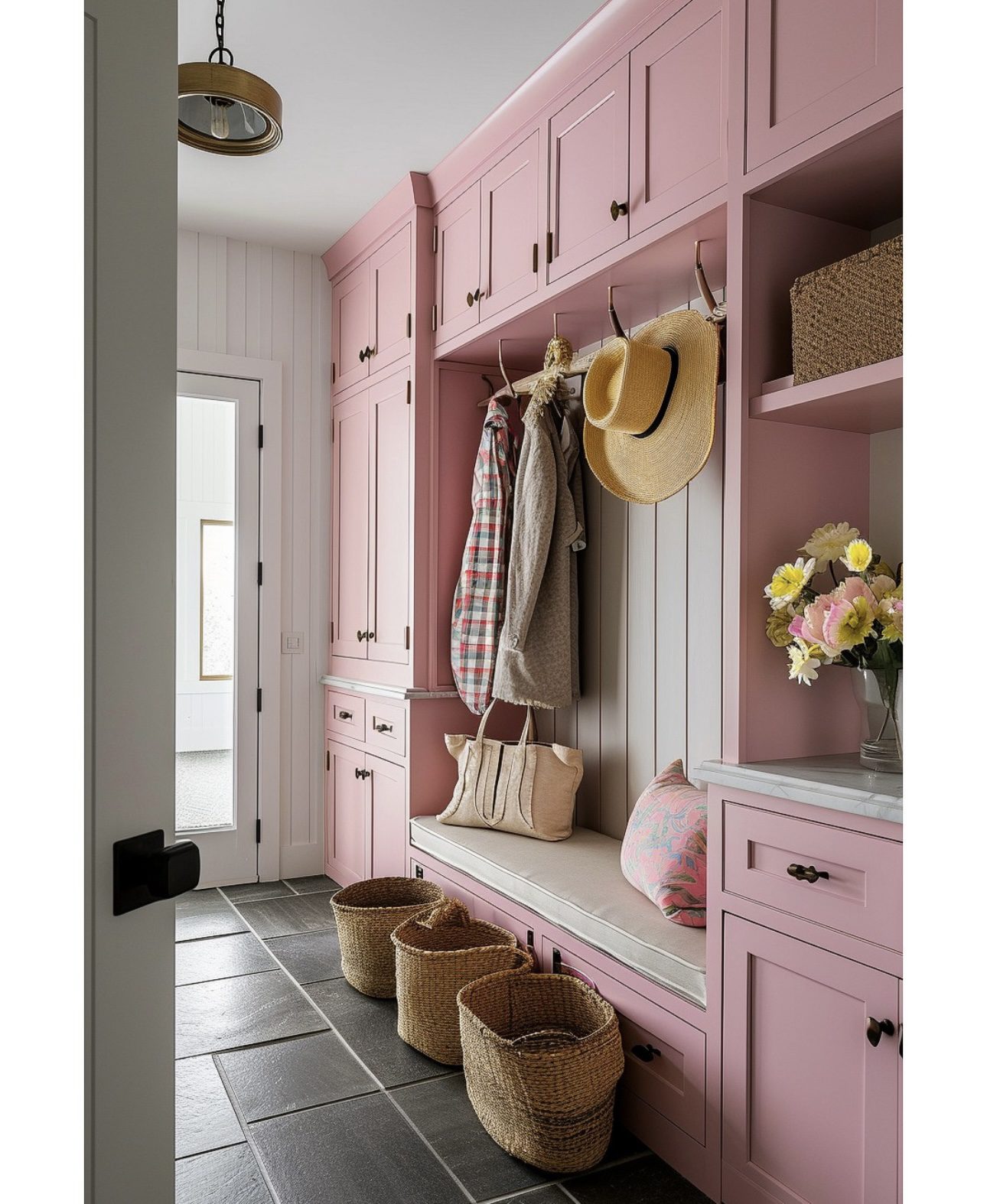
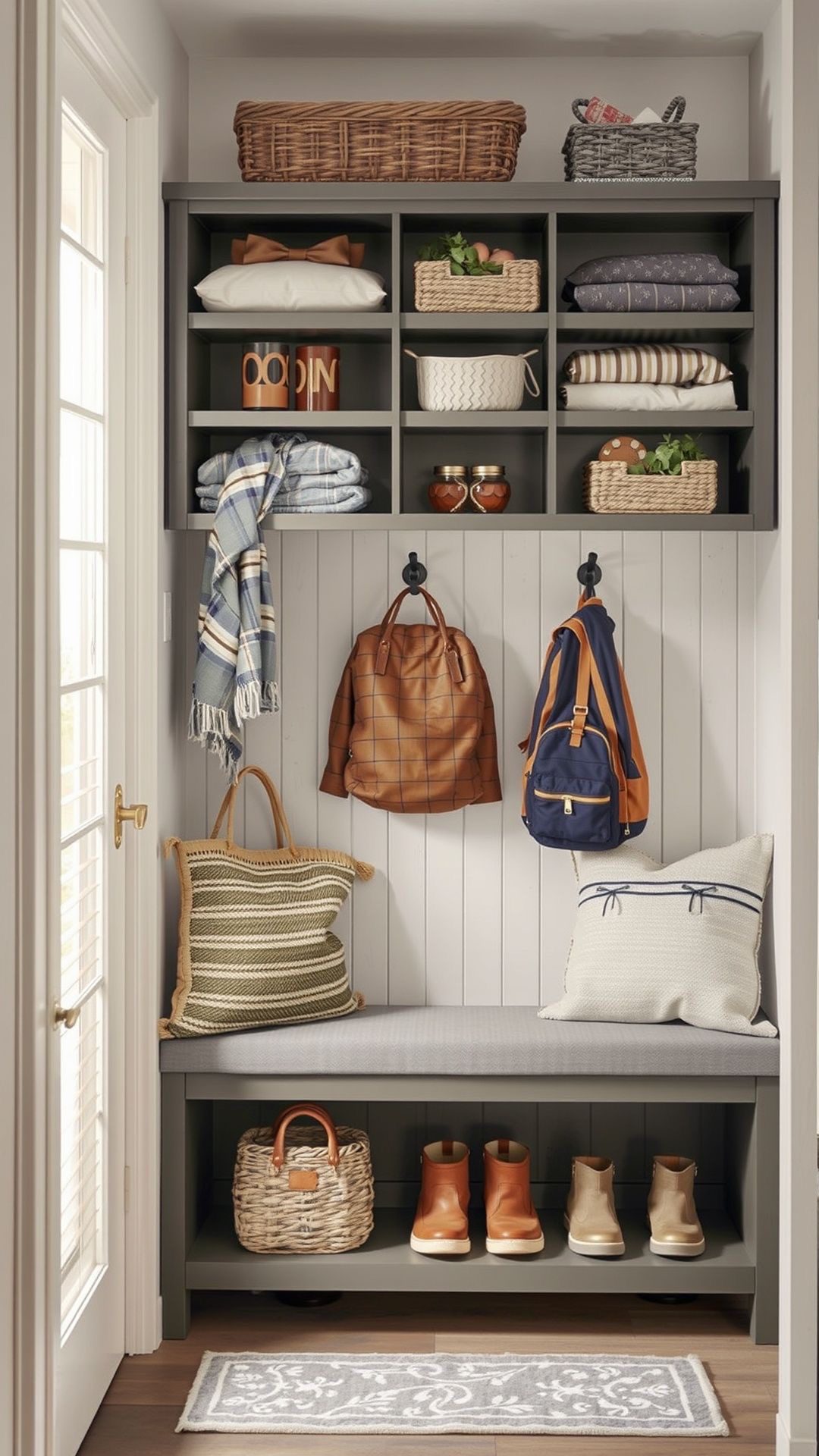
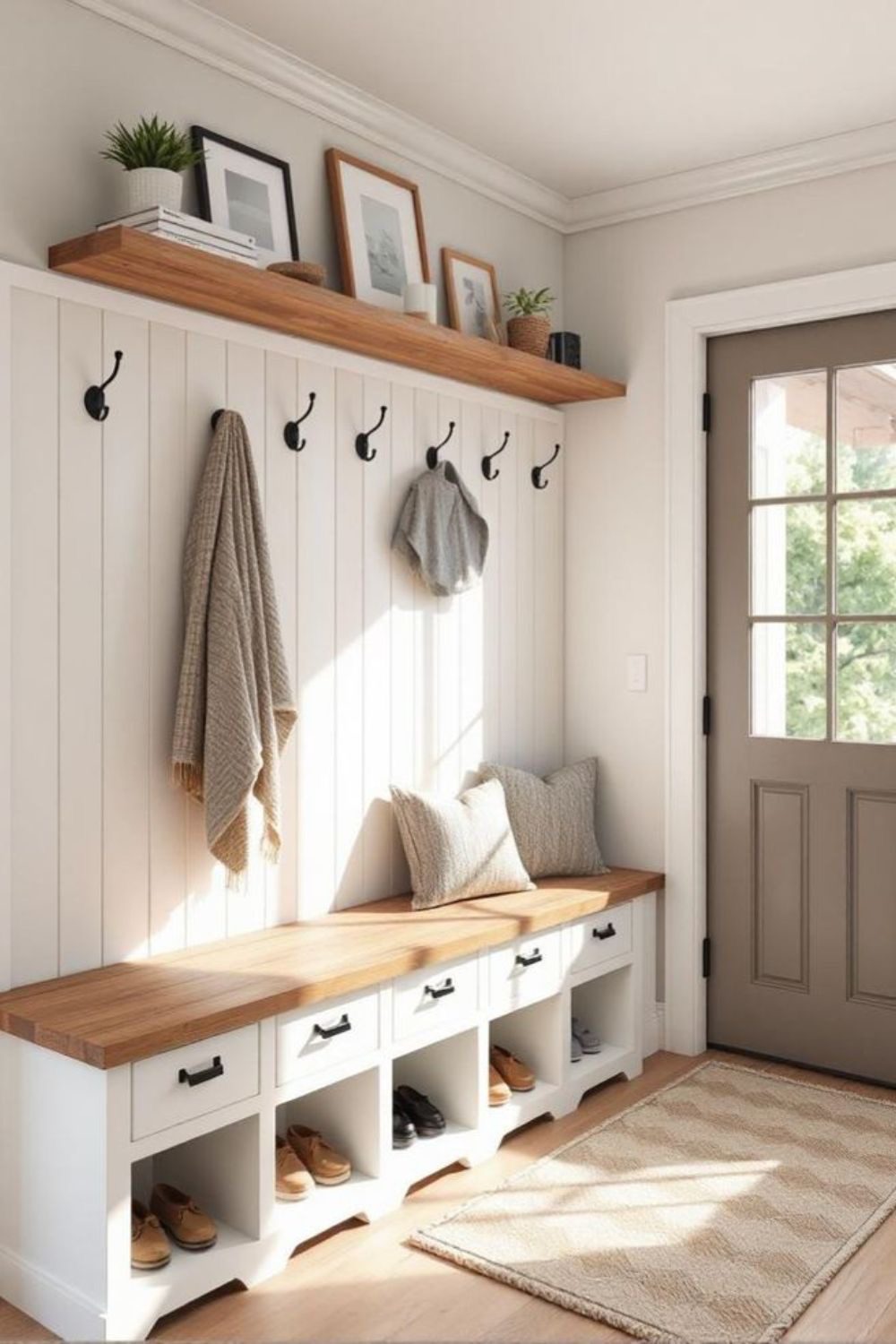
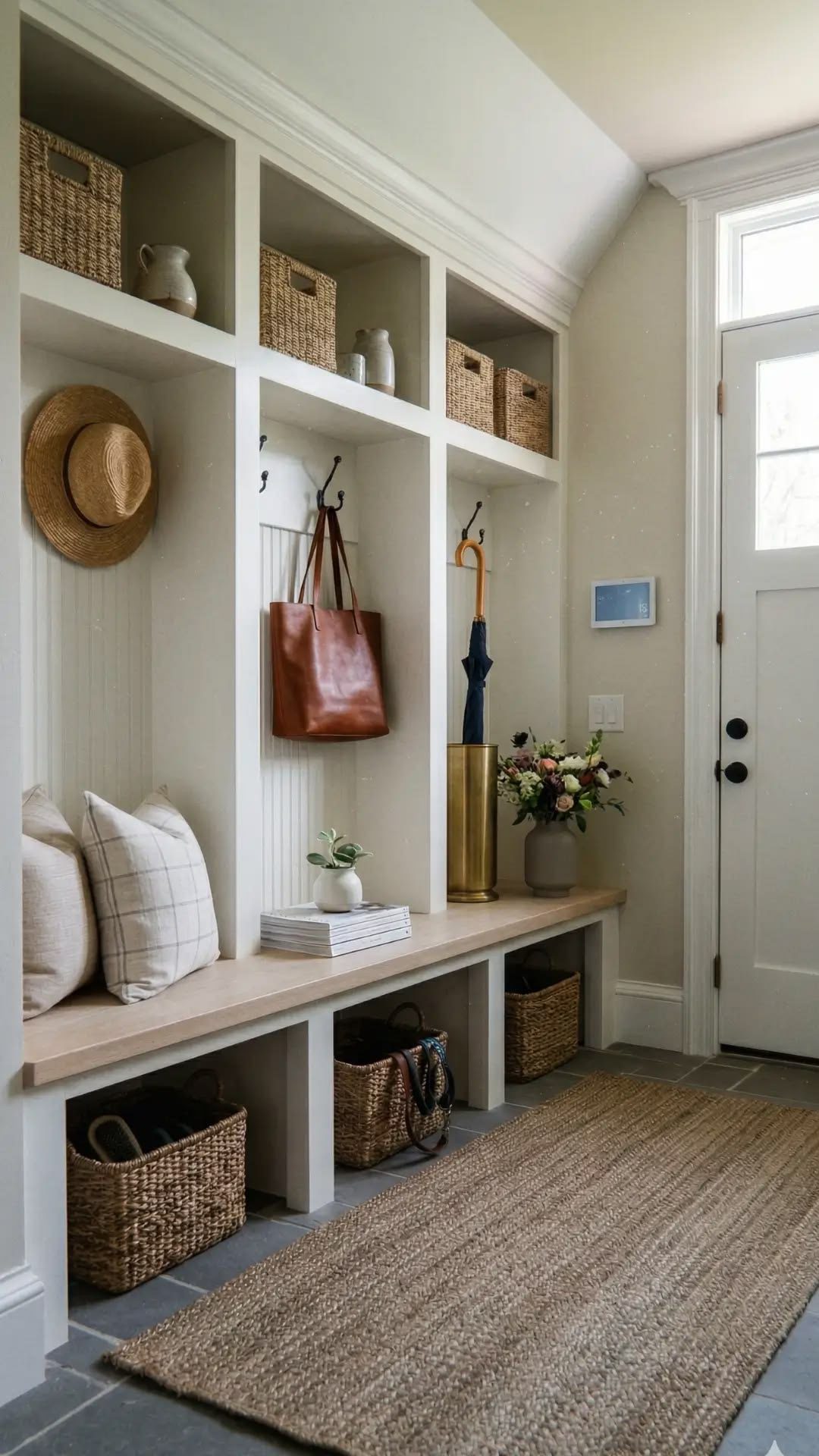
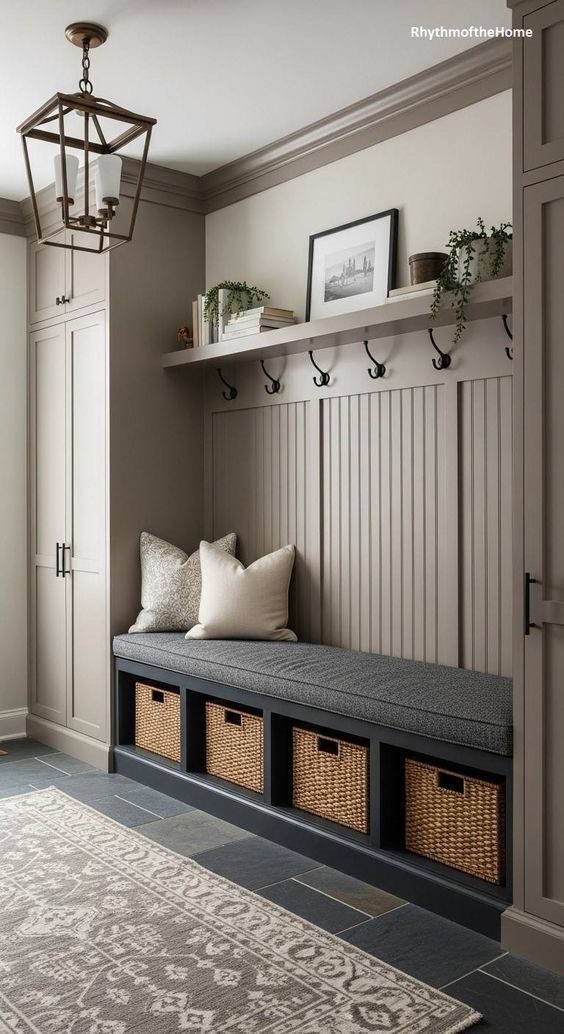
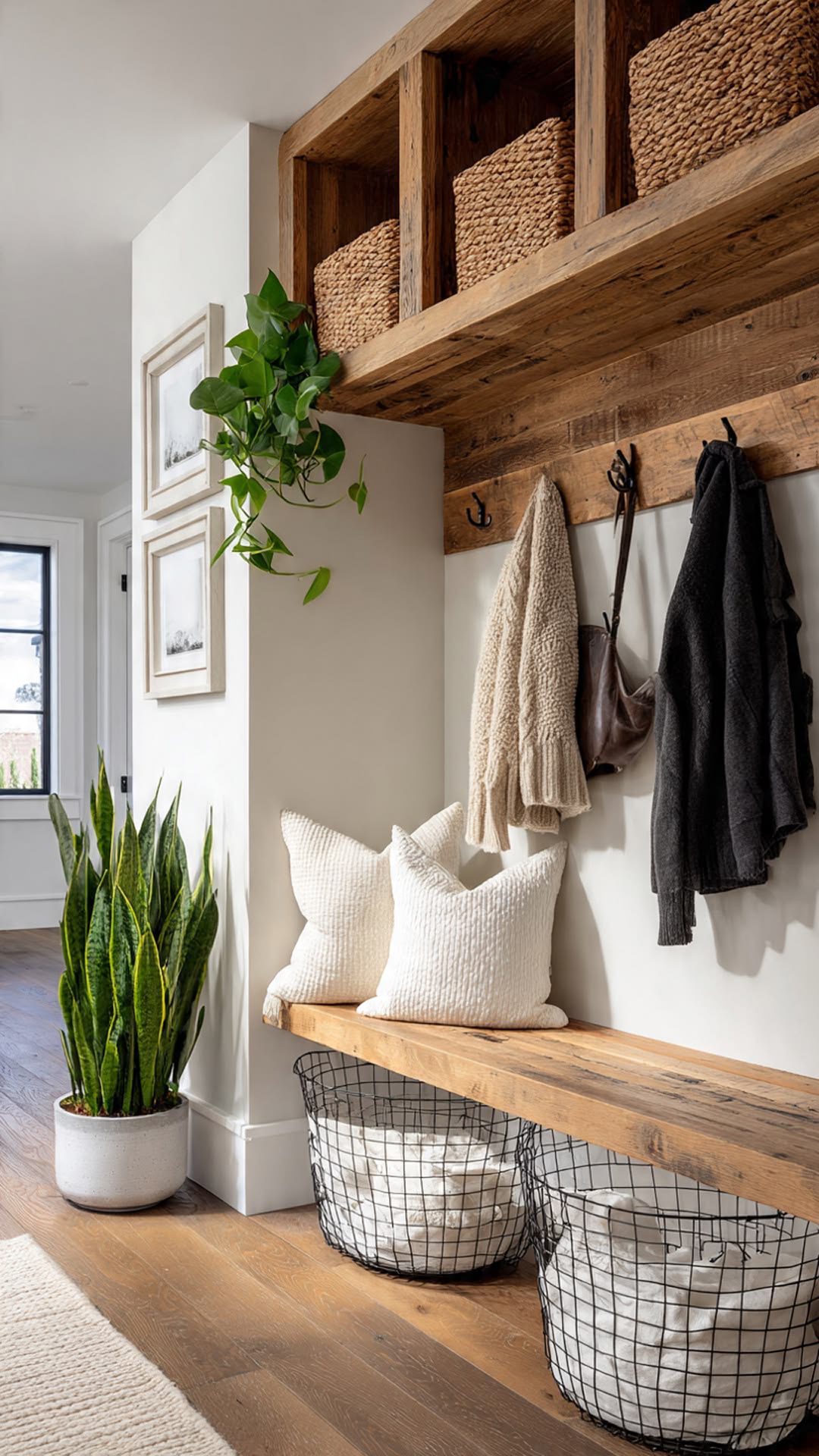
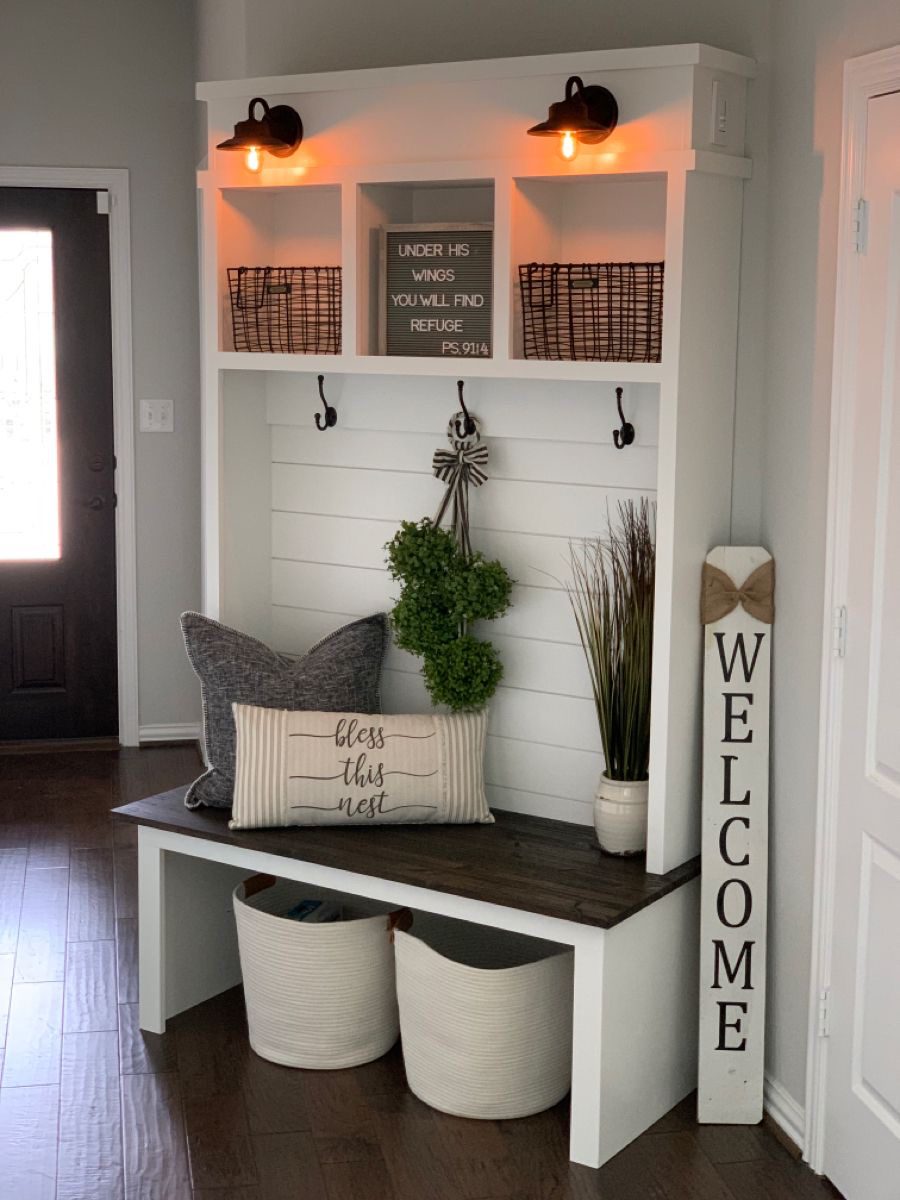
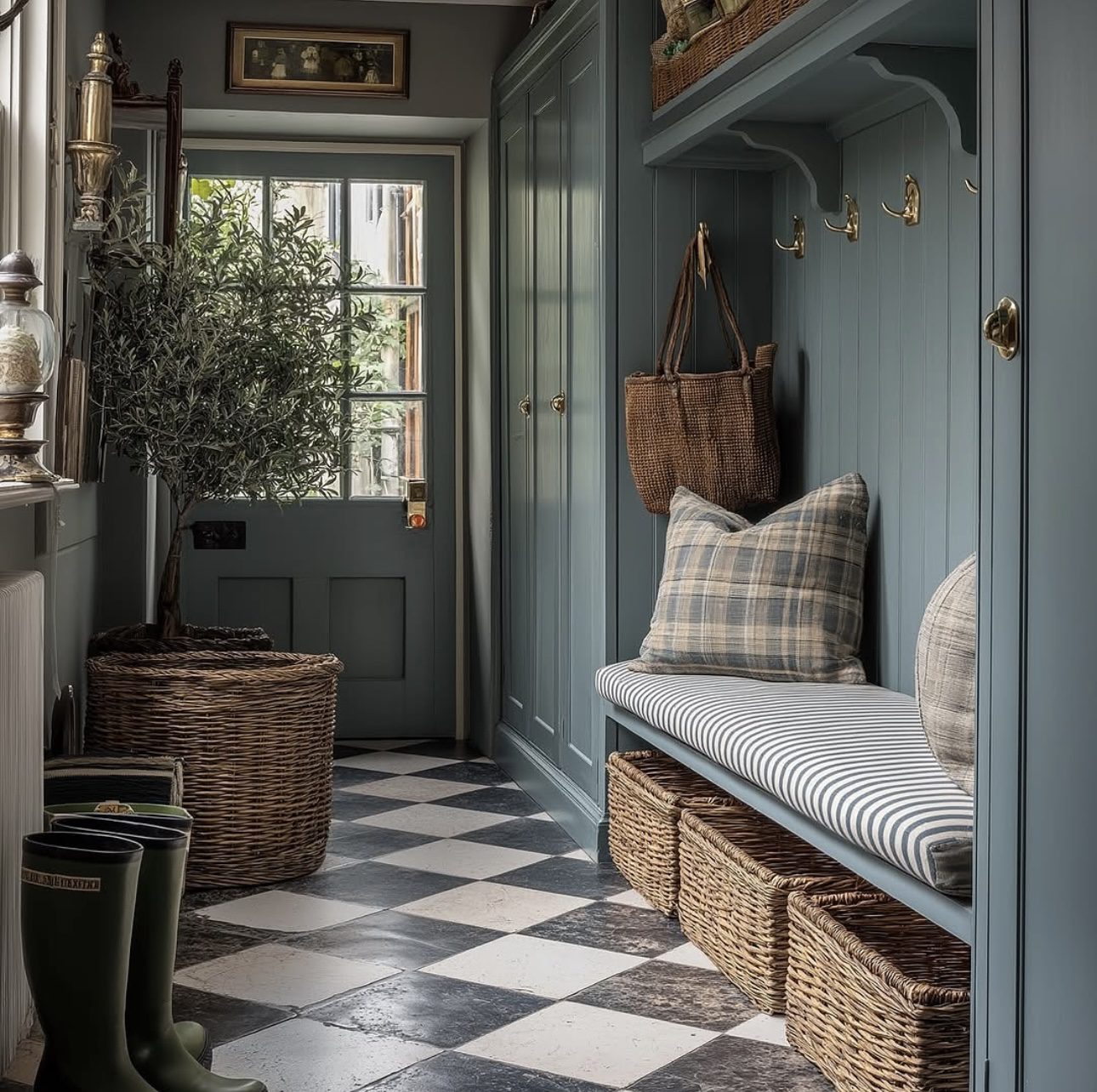
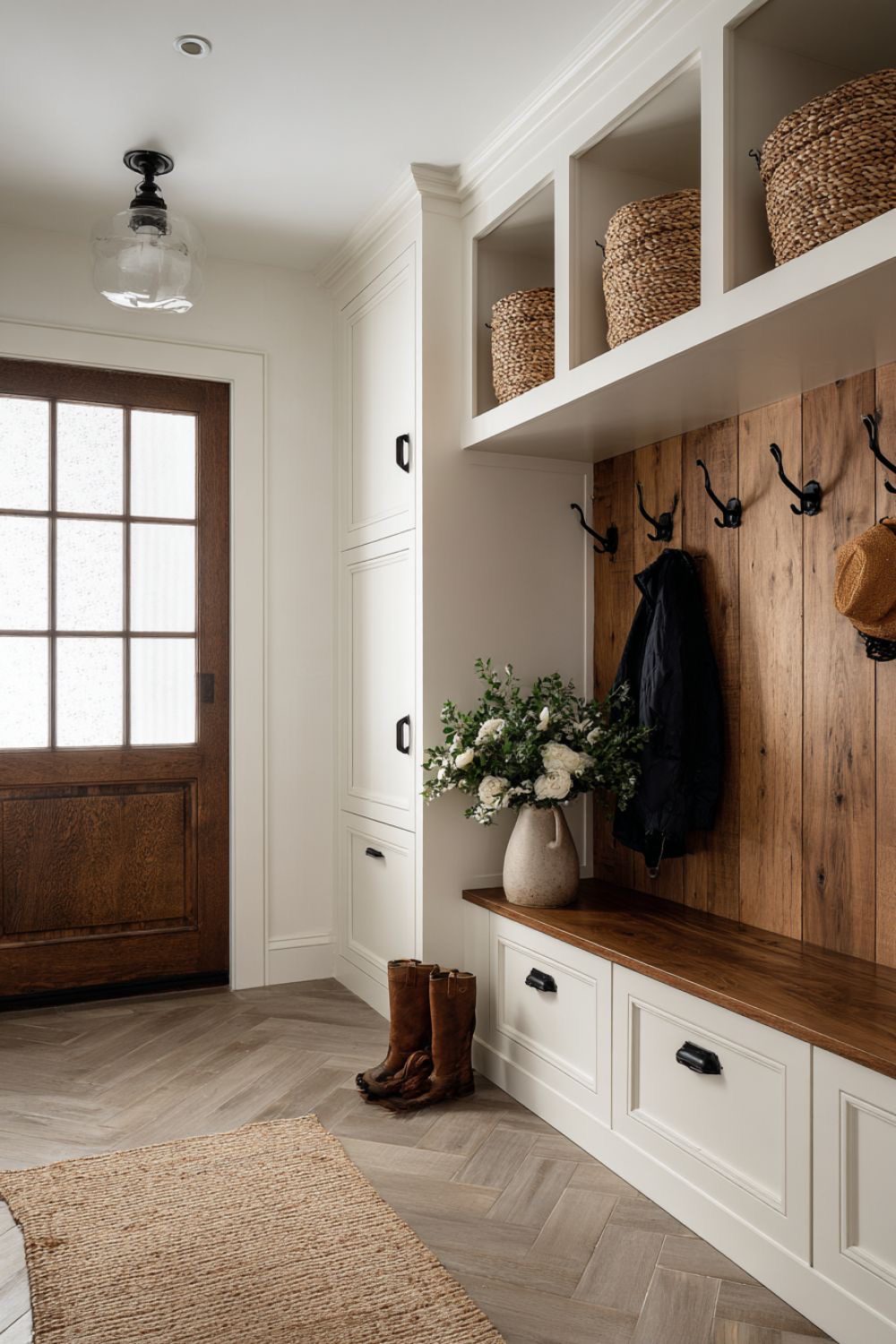
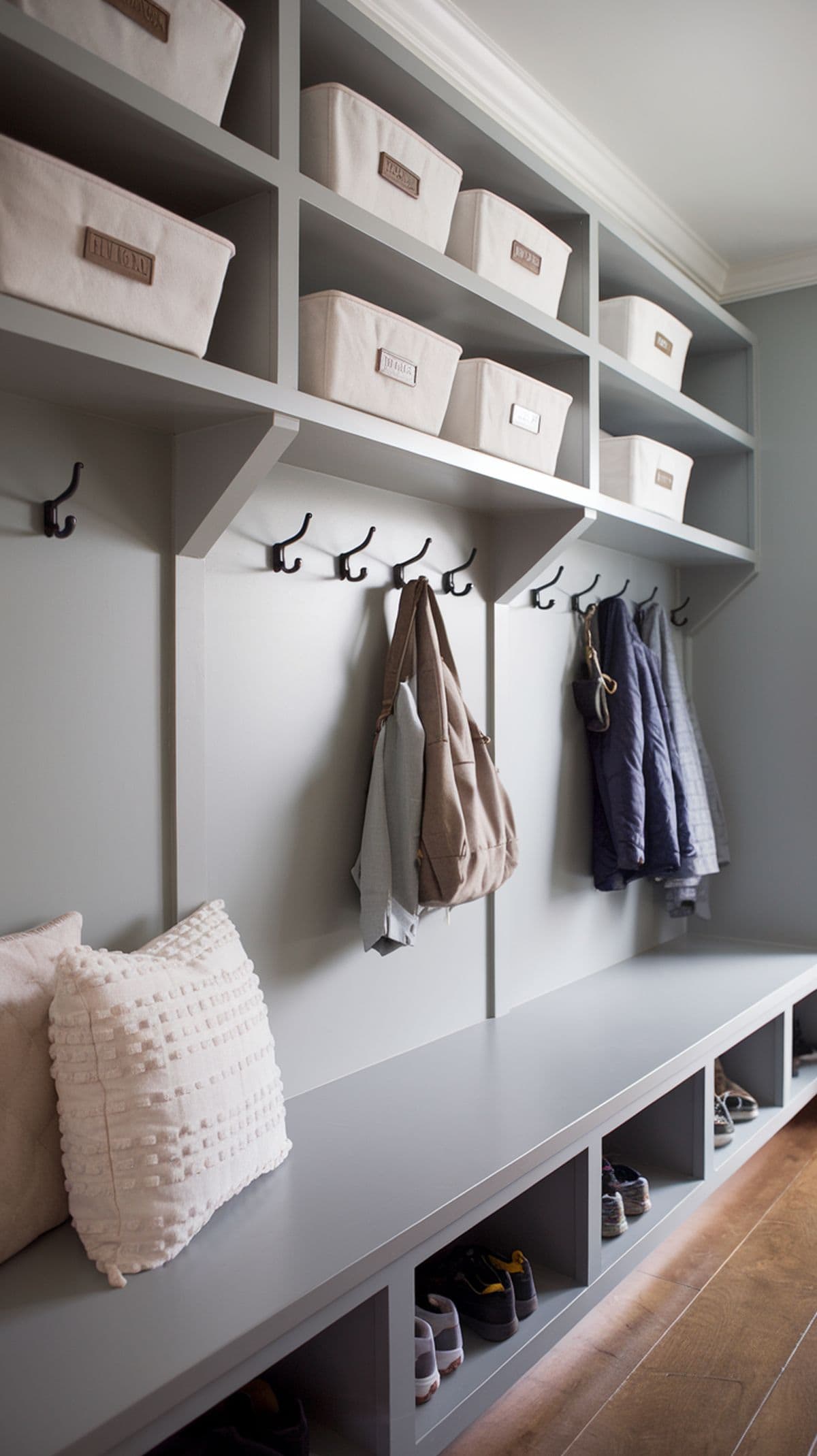
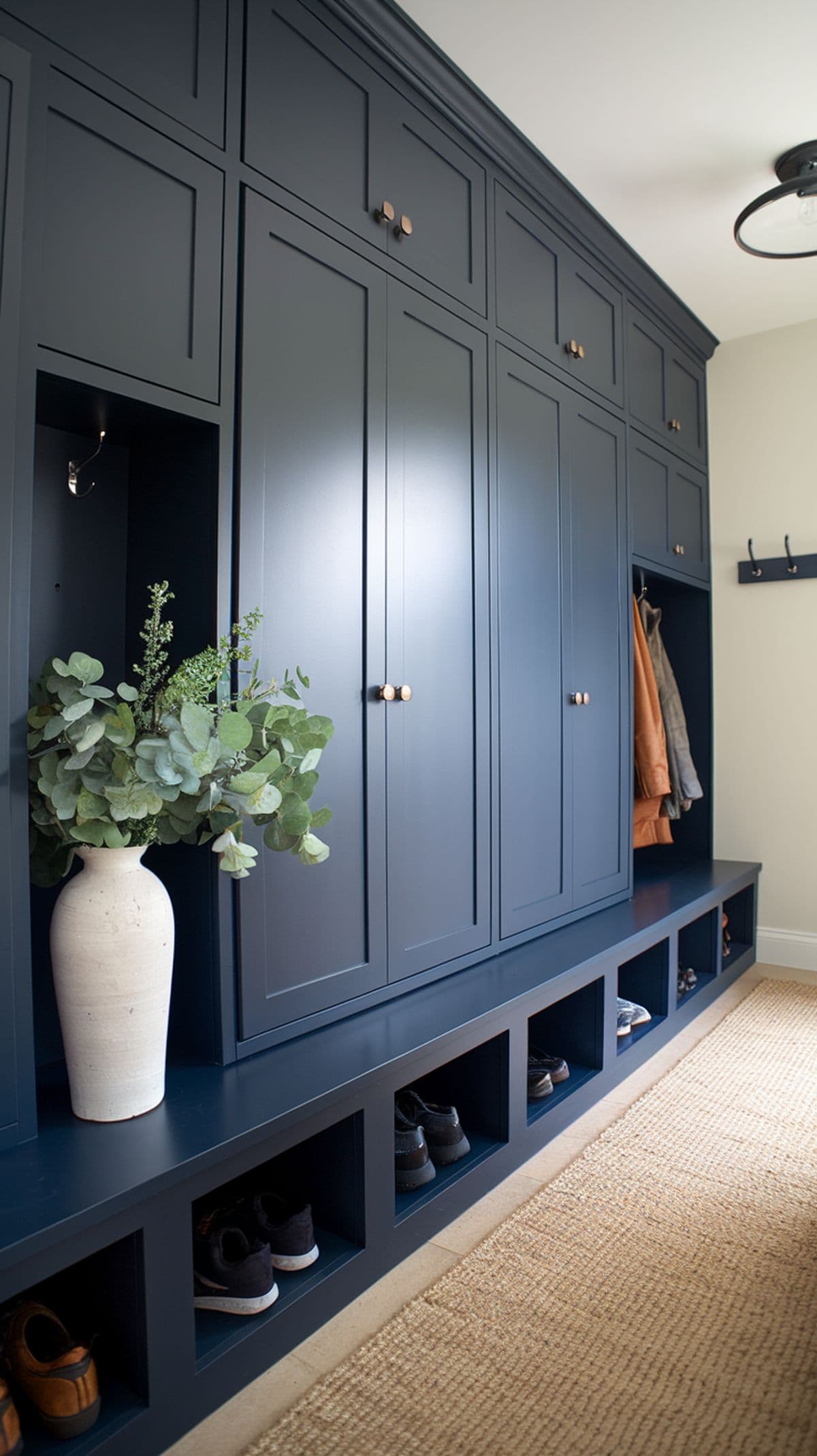
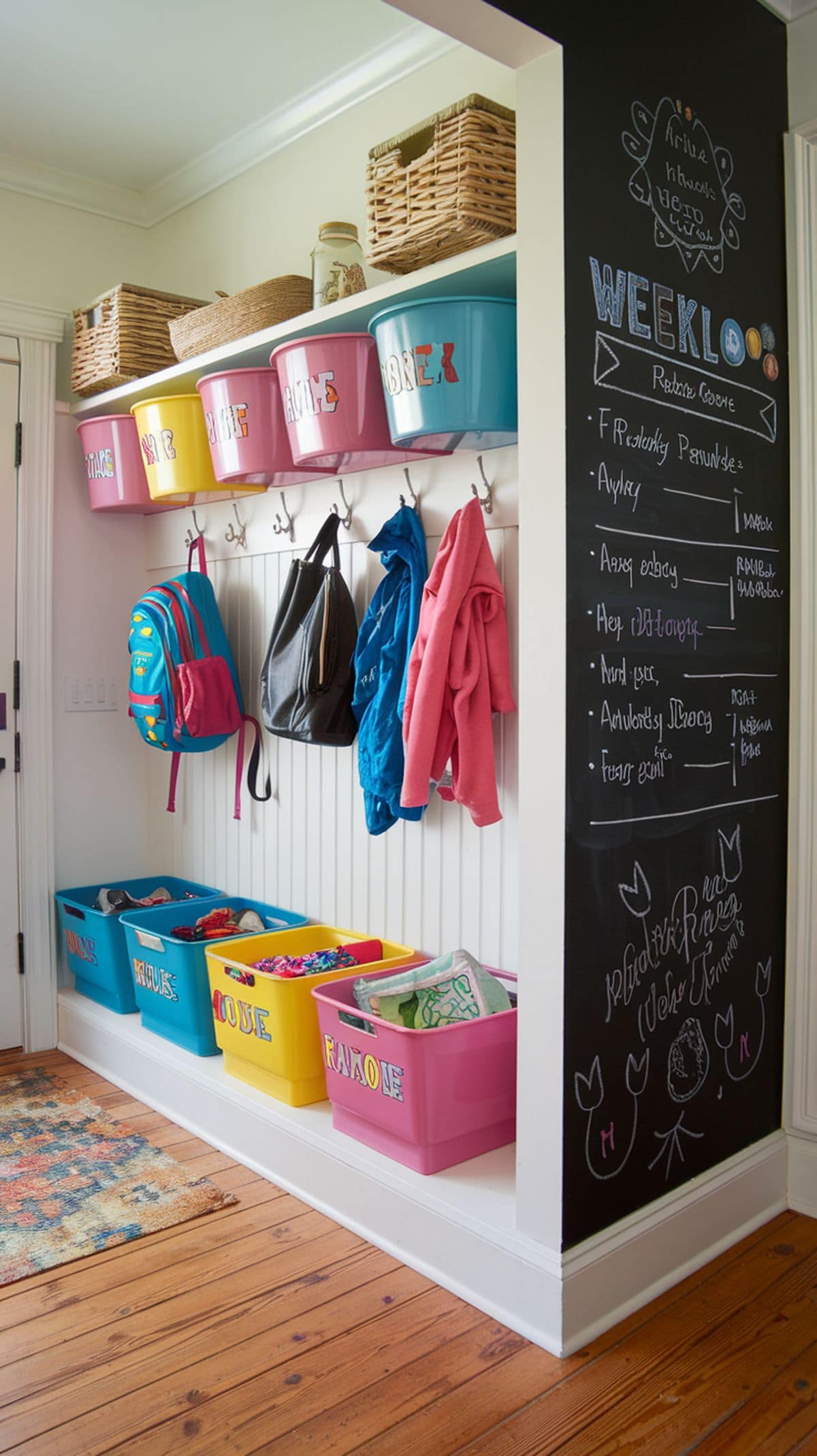
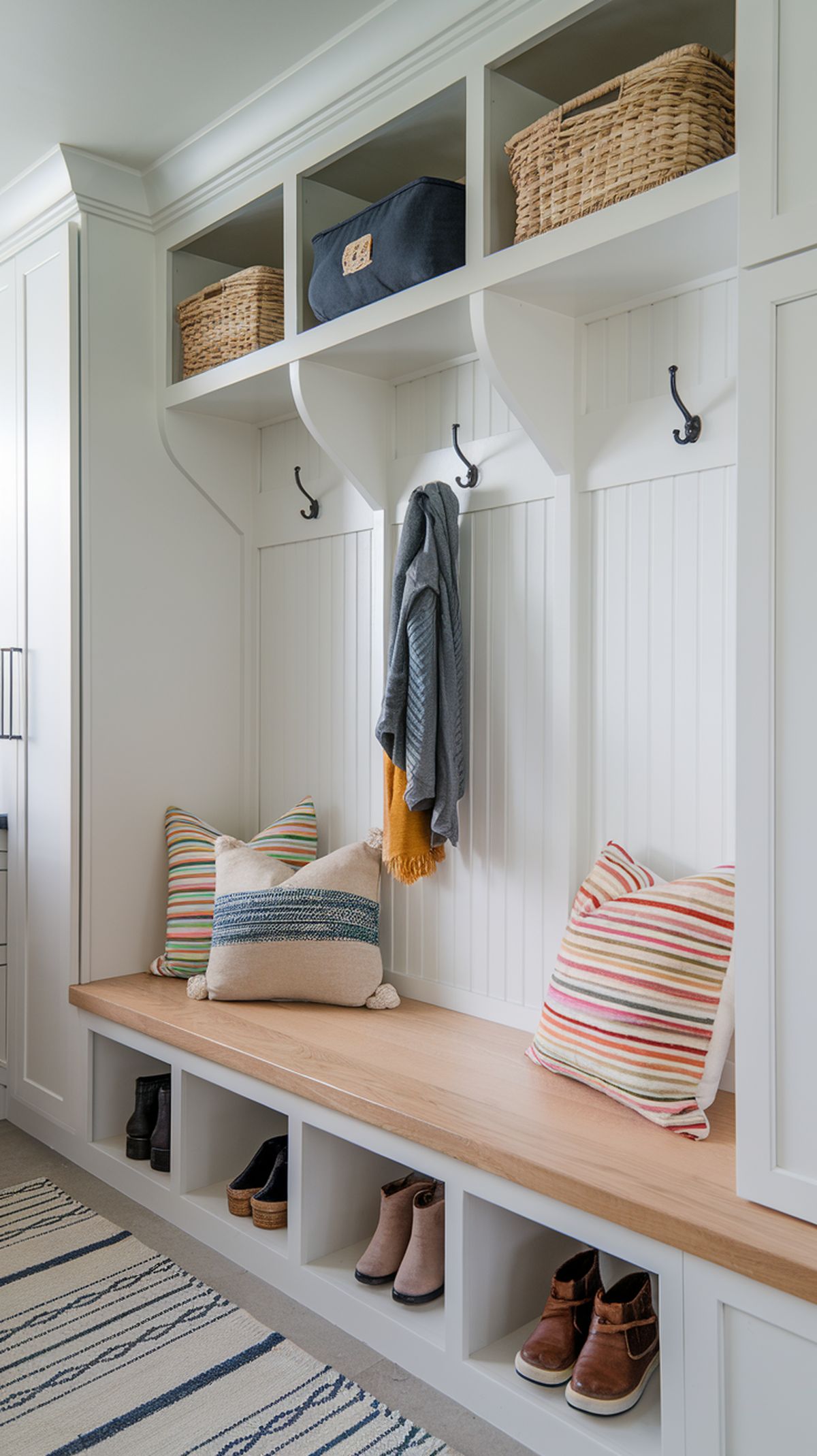
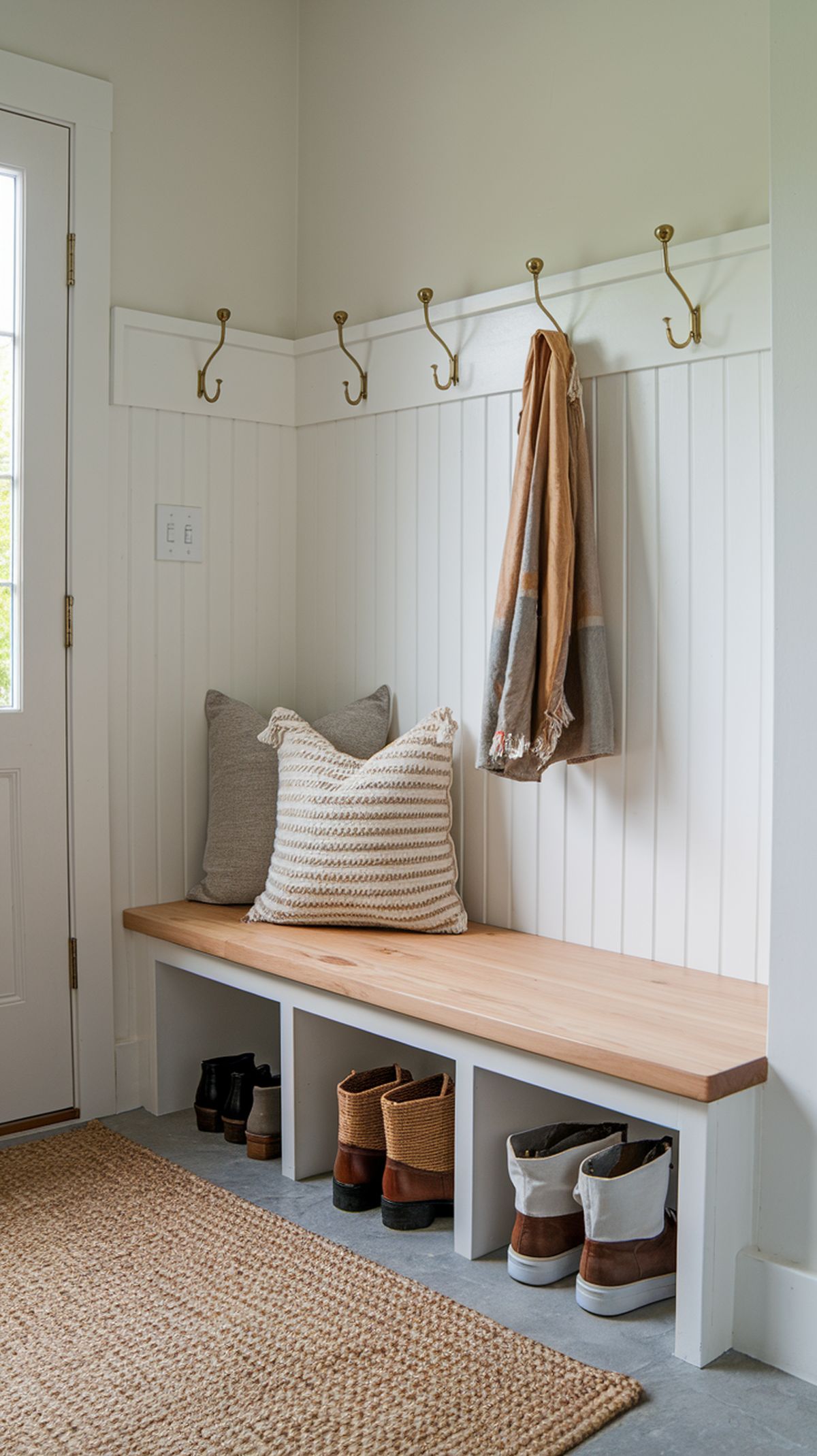
    Cluttered, Ungroomed Entryway And Mudroom

    The entryway is the handshake of the home. A messy, shoe-strewn entry signals disorder and raises questions about how the rest of the house is kept. We’ve noticed that buyers mentally subtract value when they encounter clutter right away: it’s an emotional shortcut to “this place needs work.”

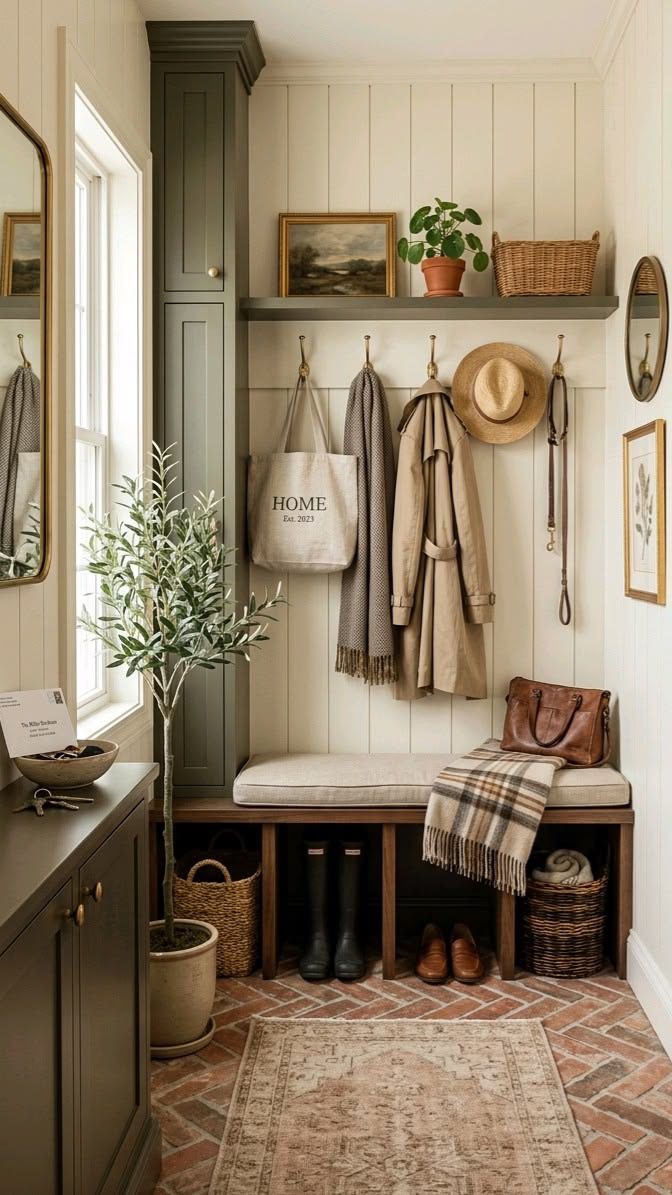
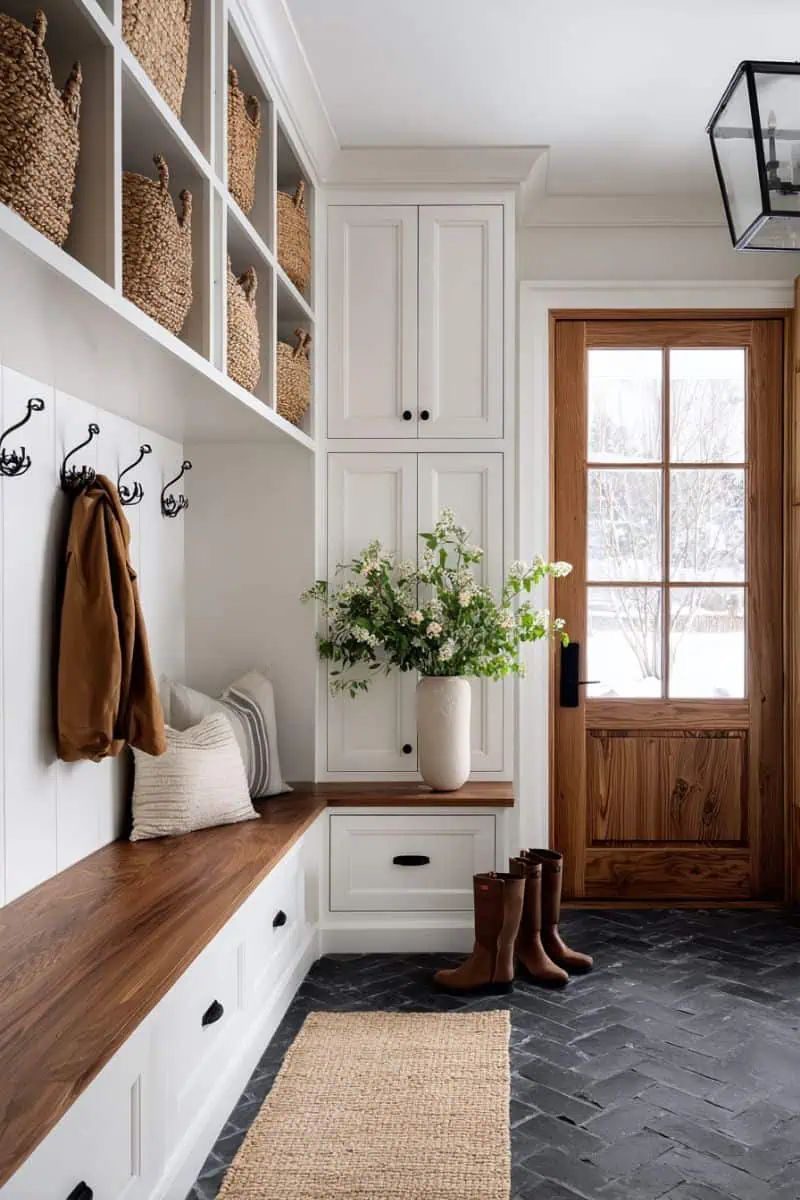
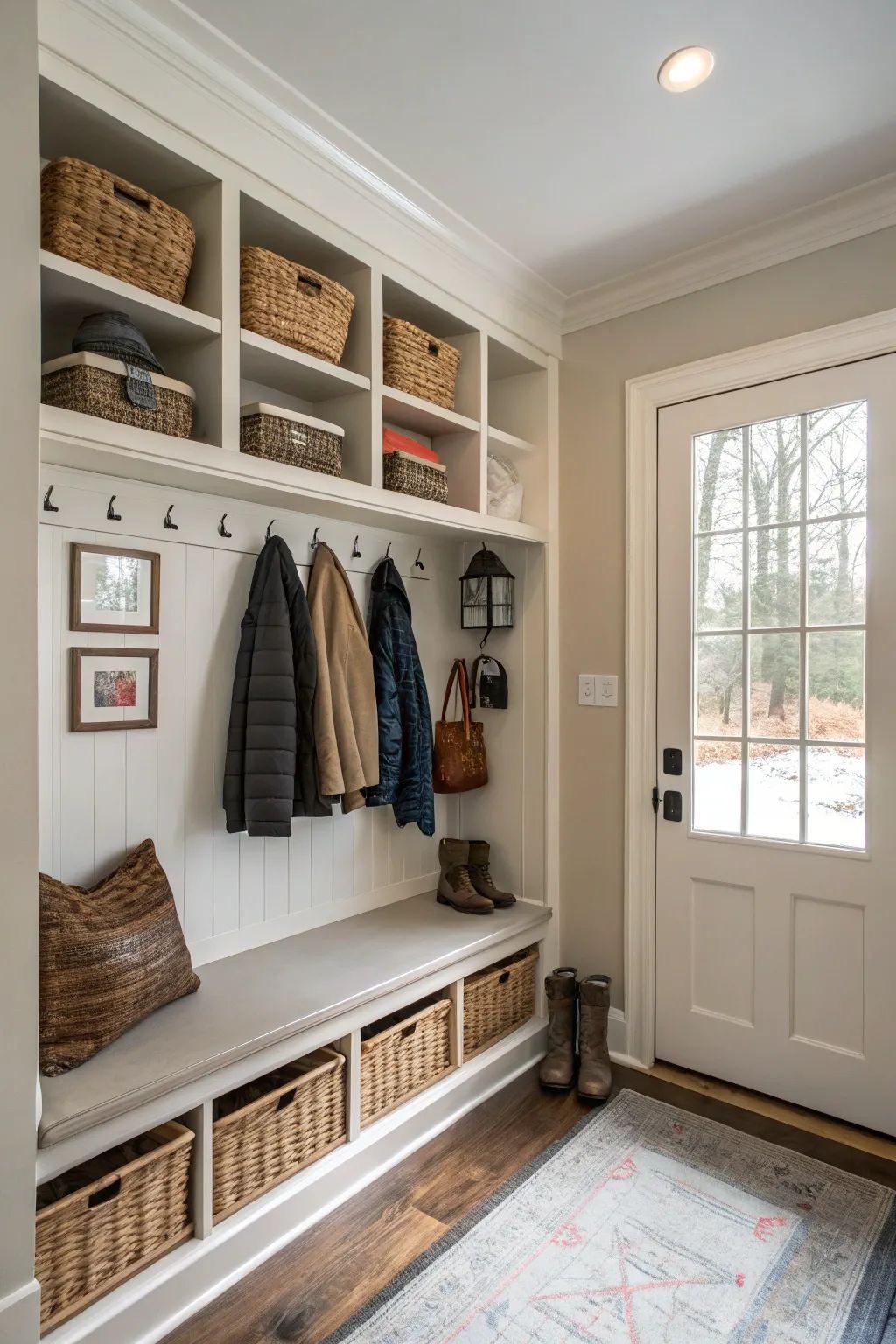
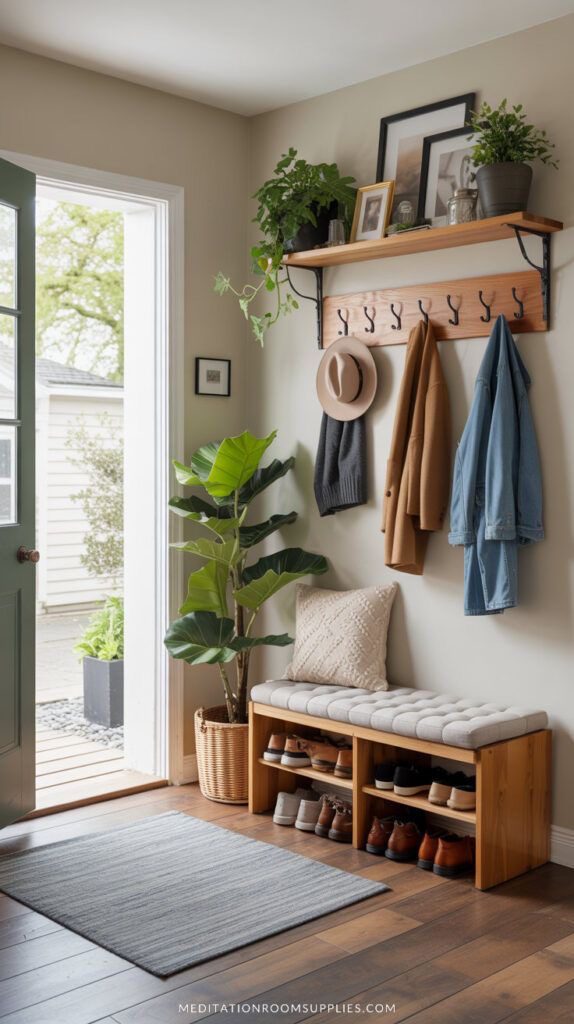
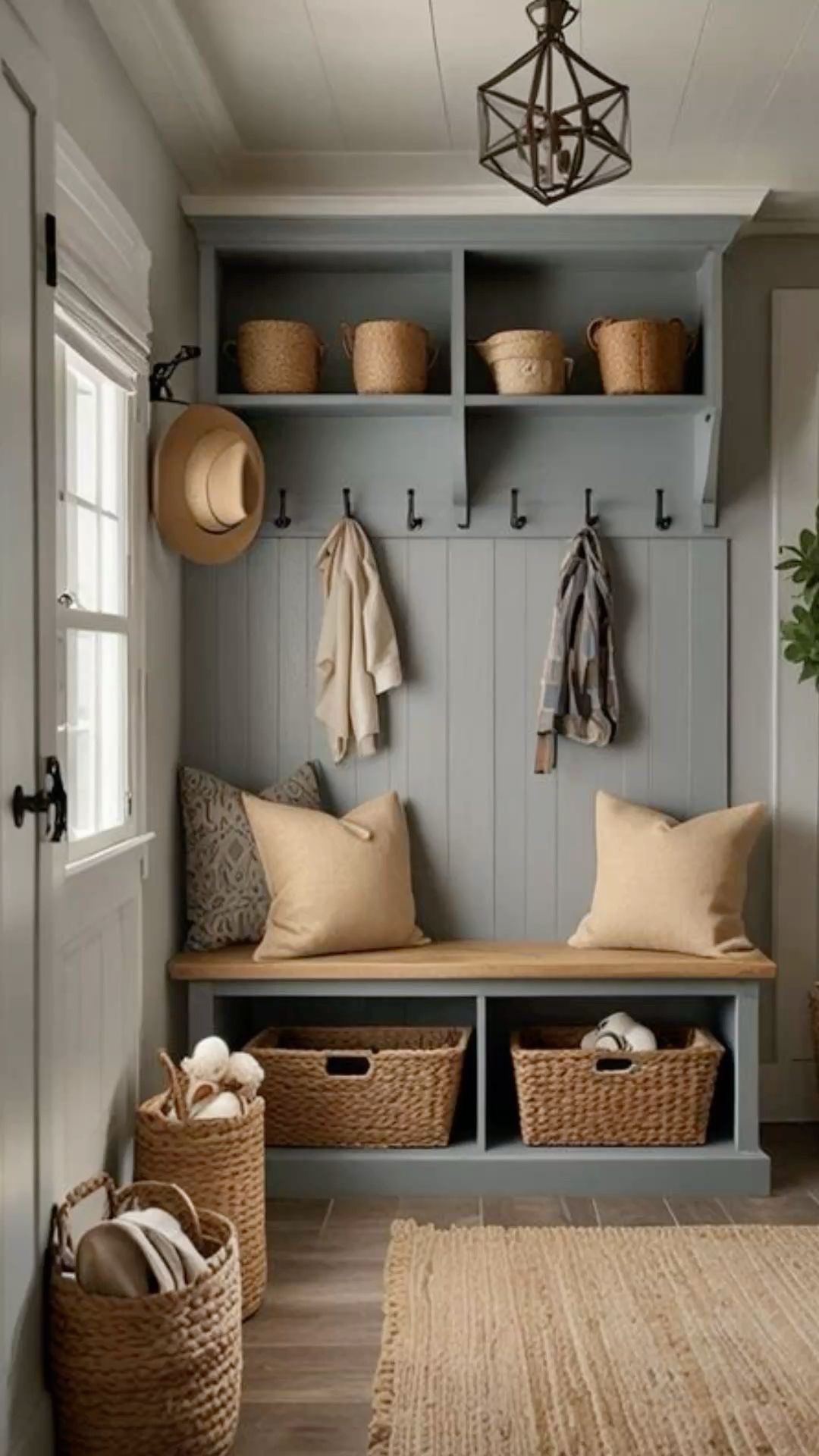
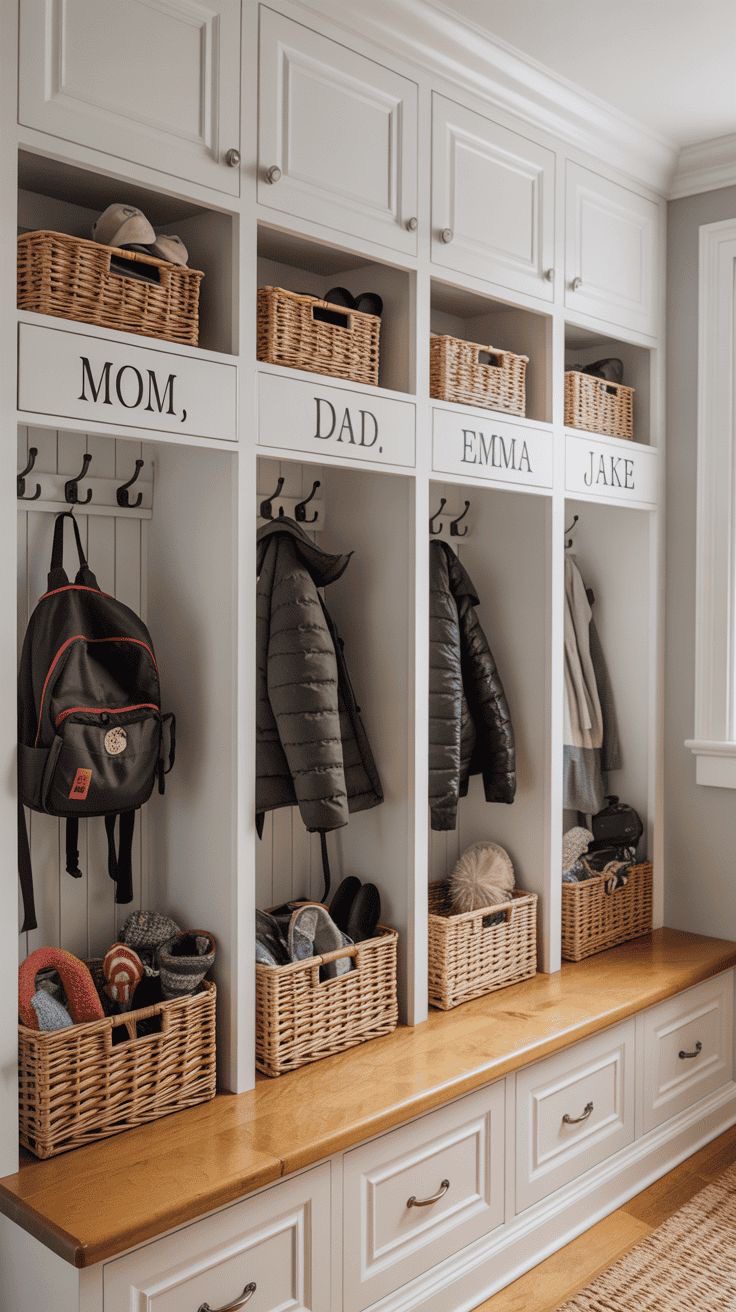
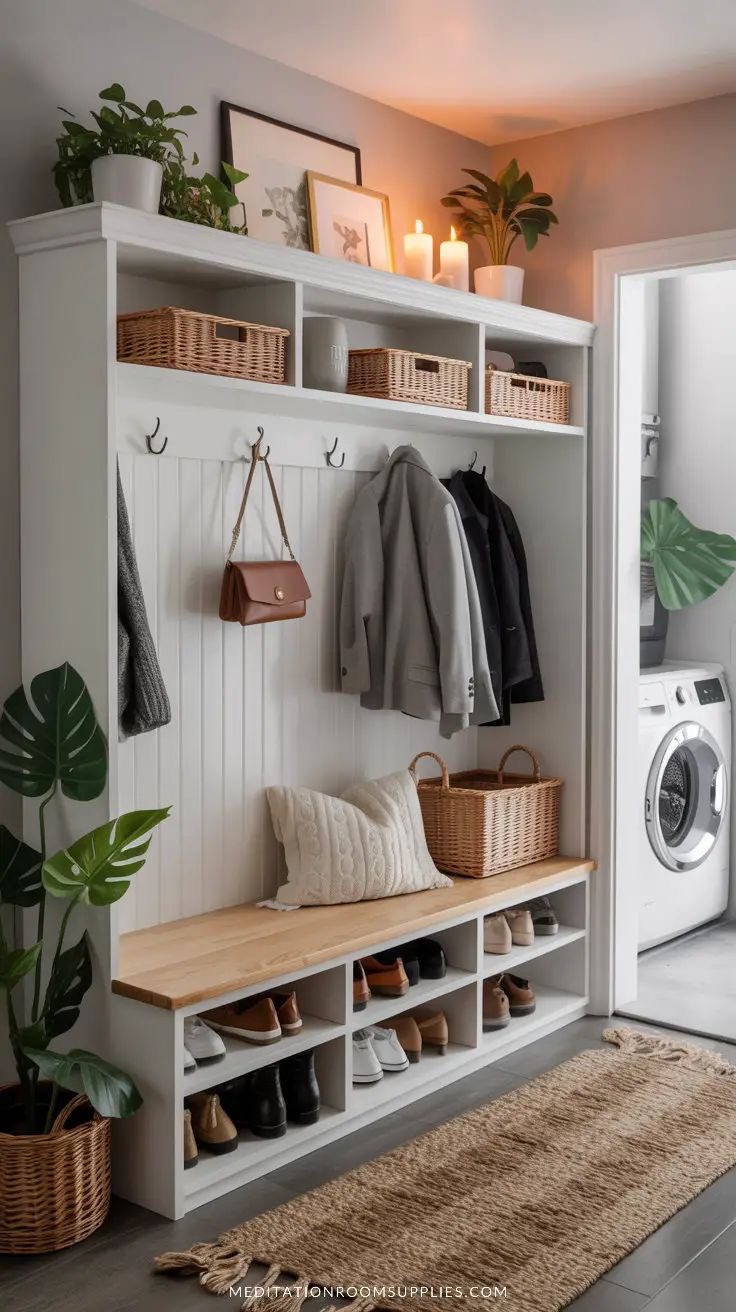
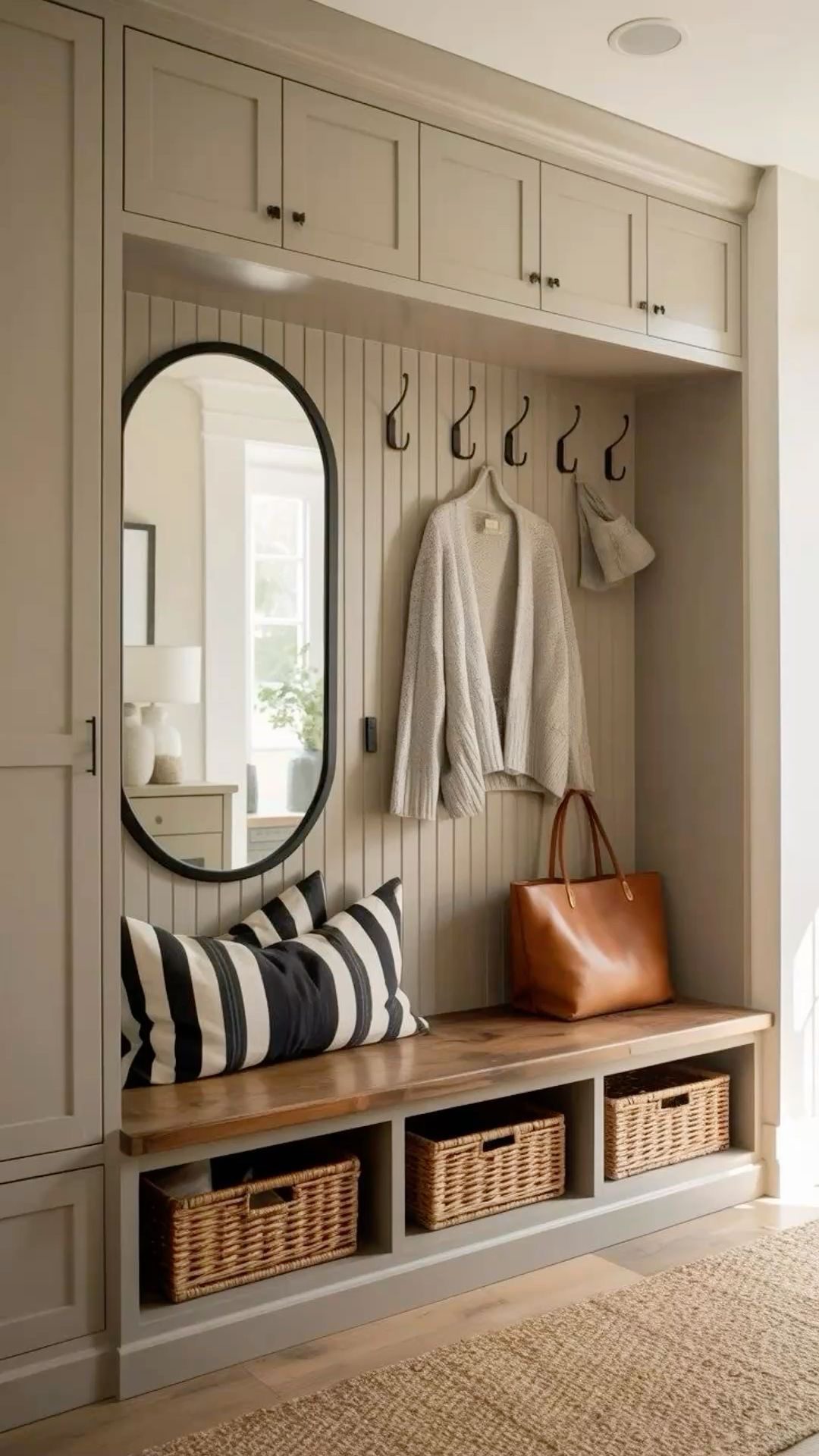
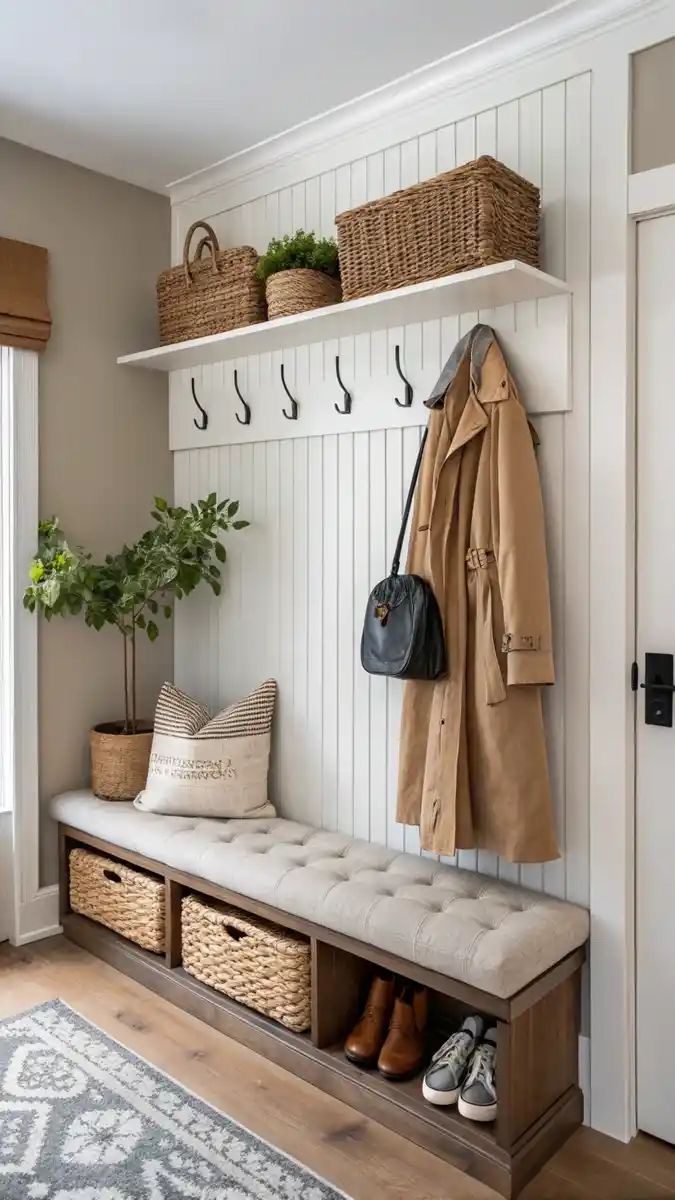
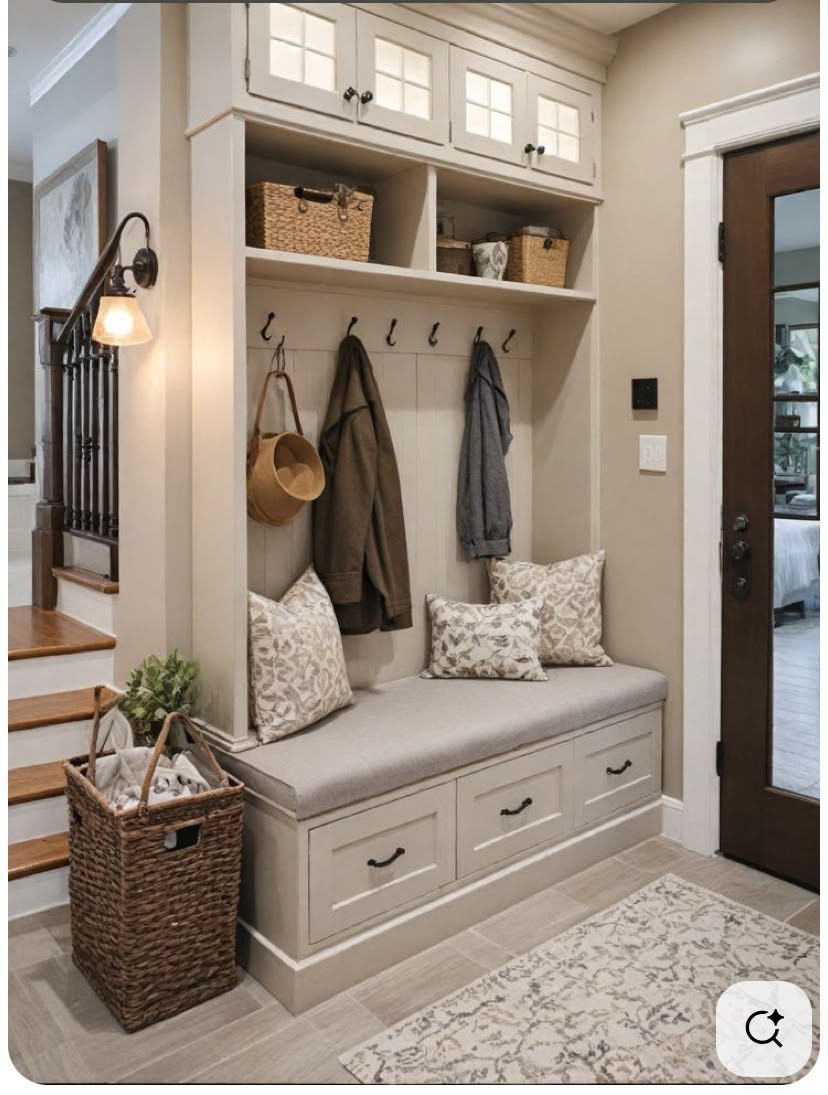
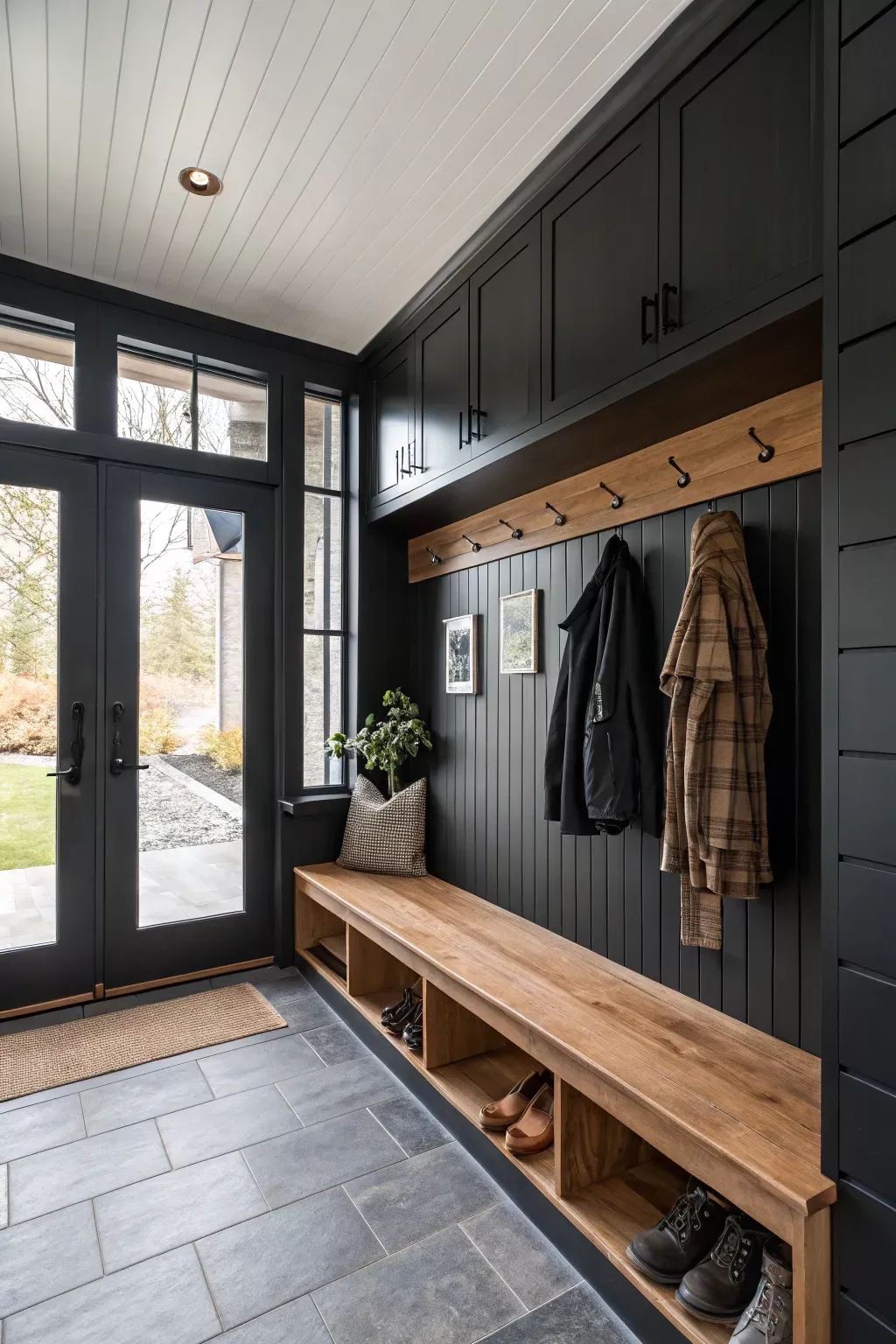
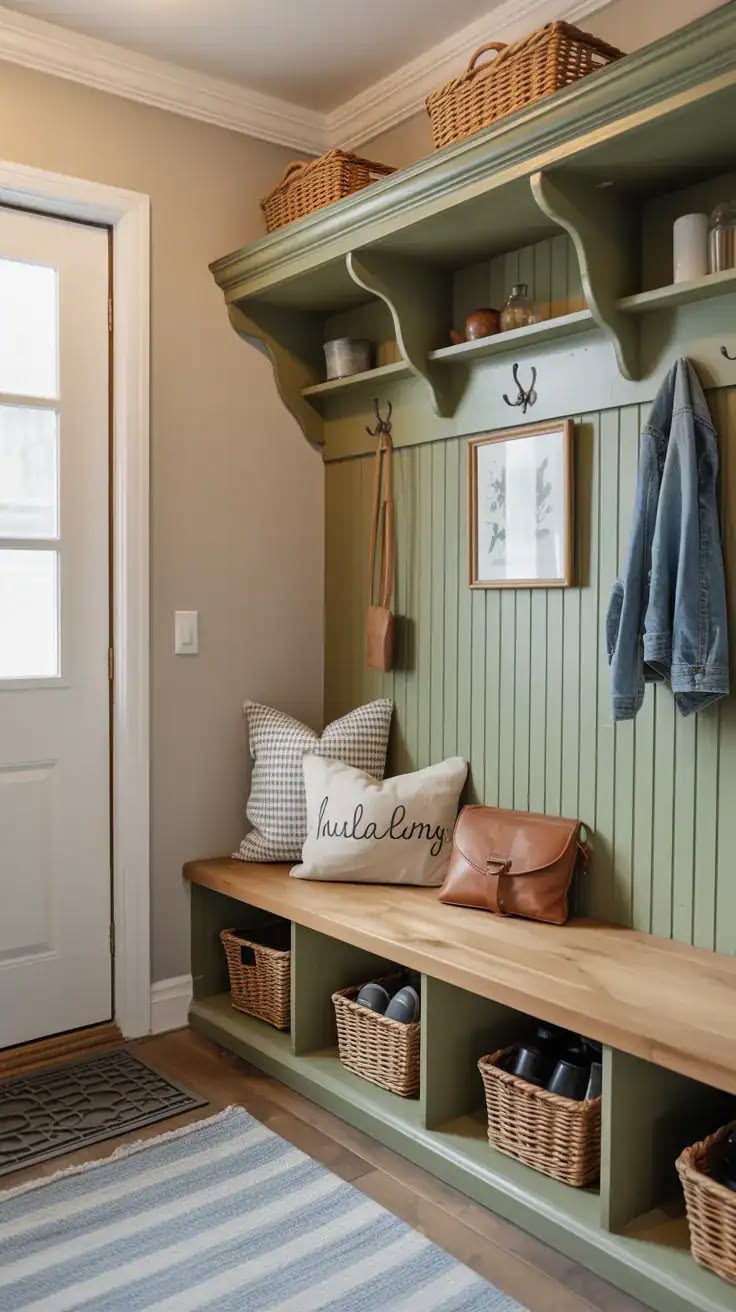
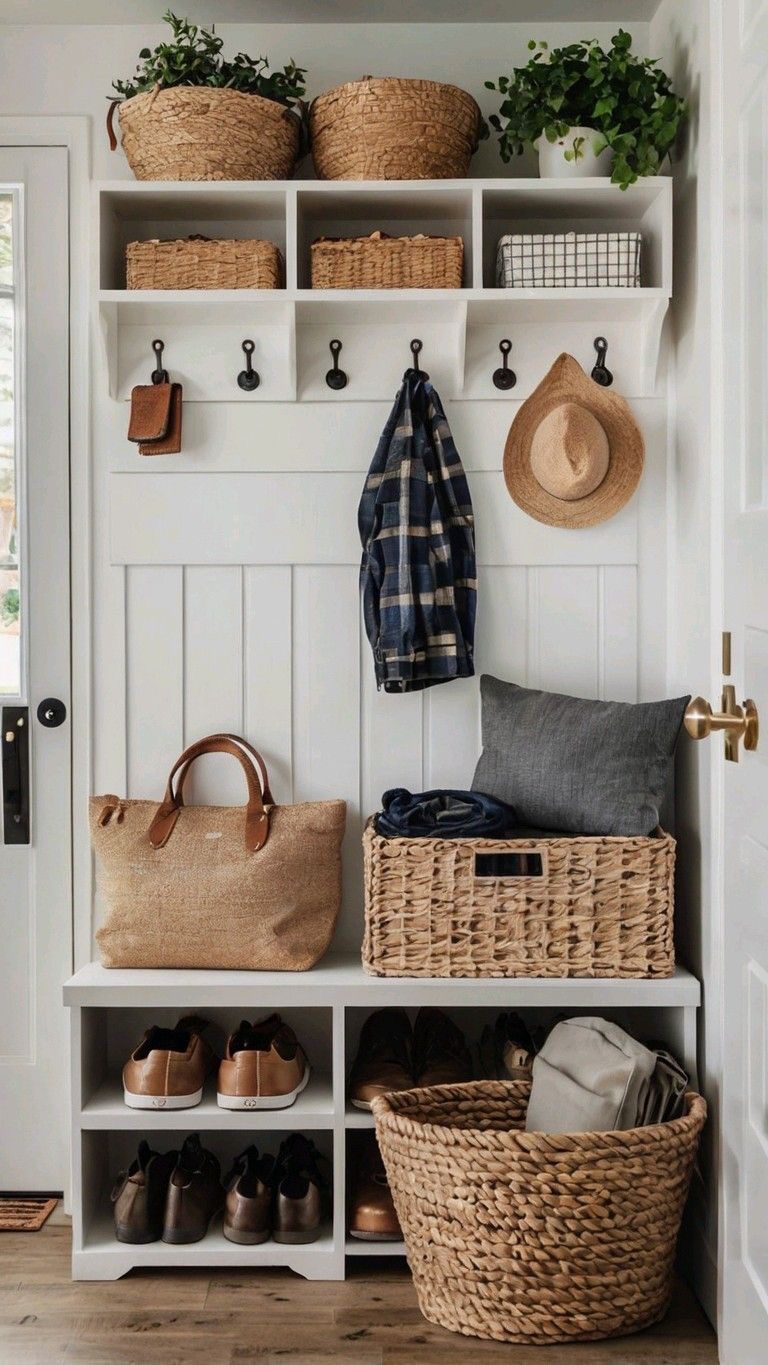
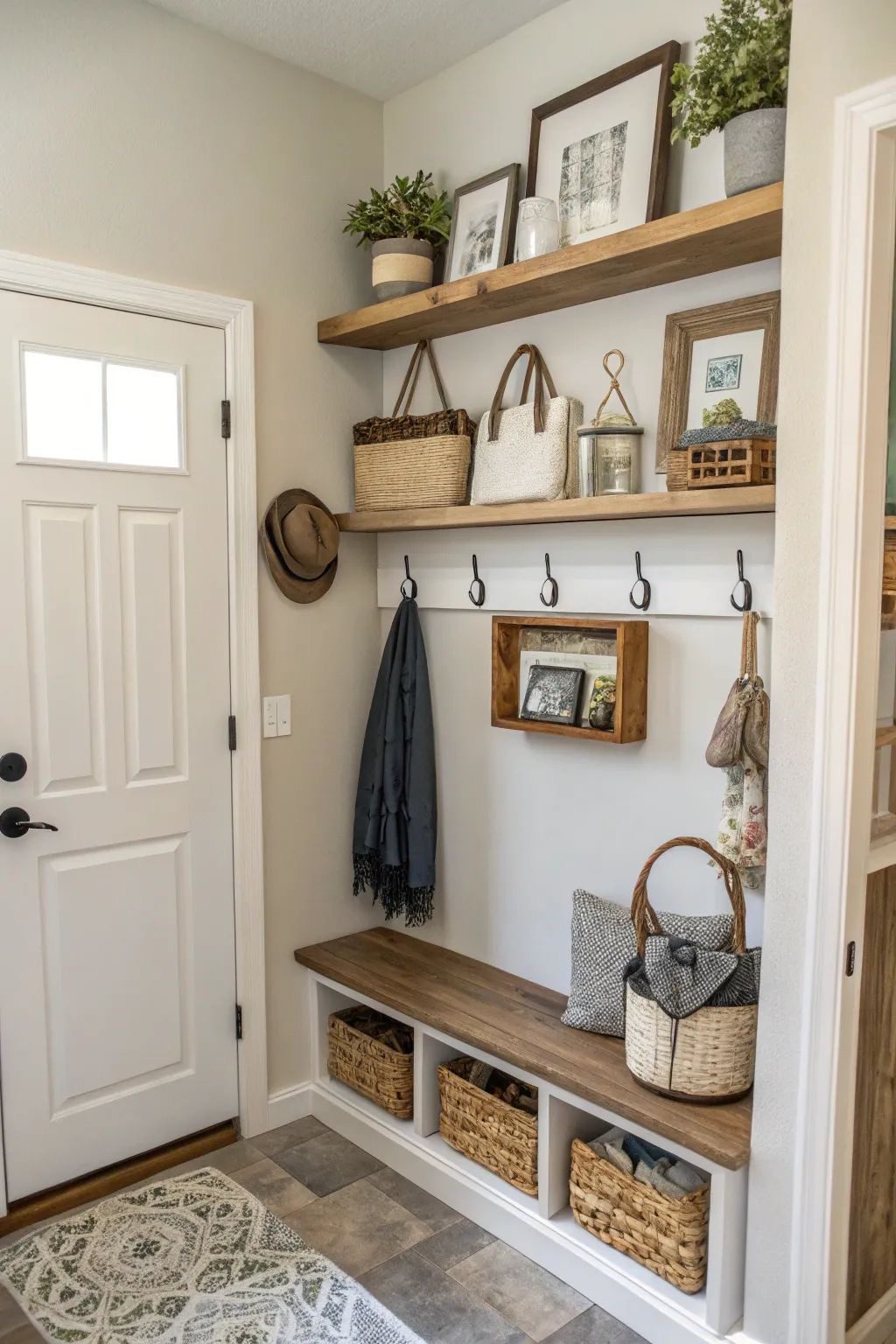
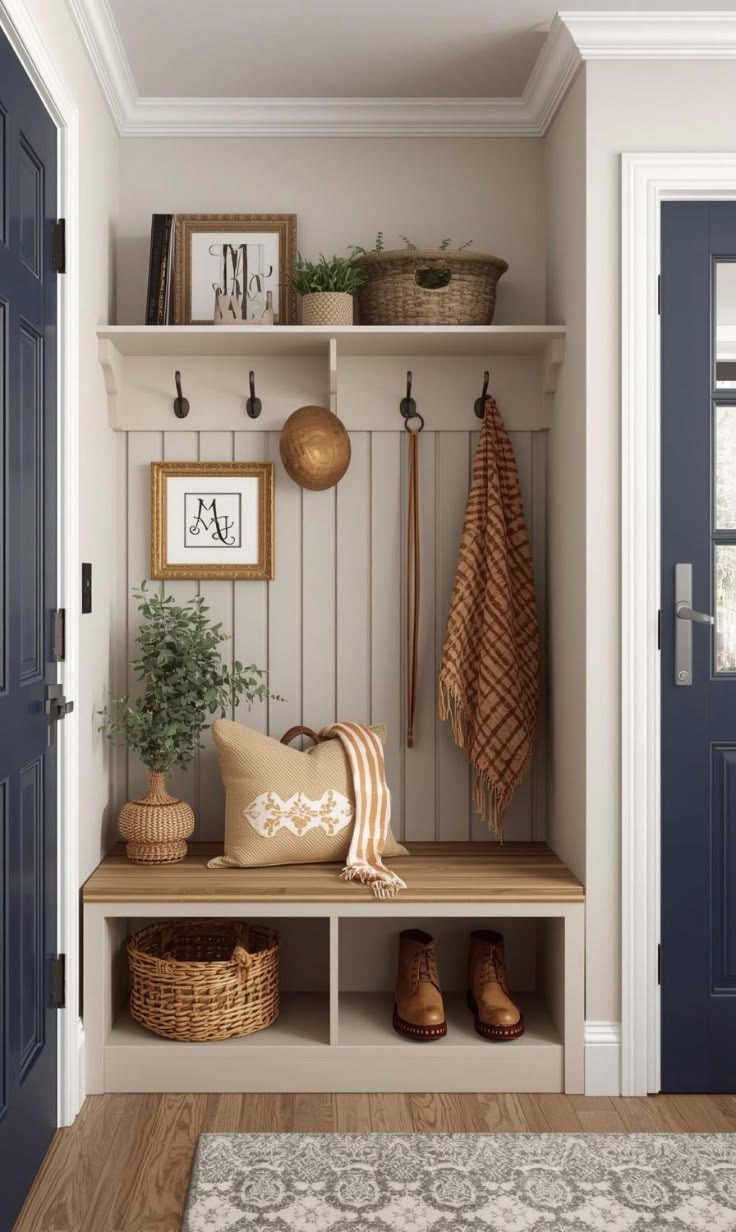
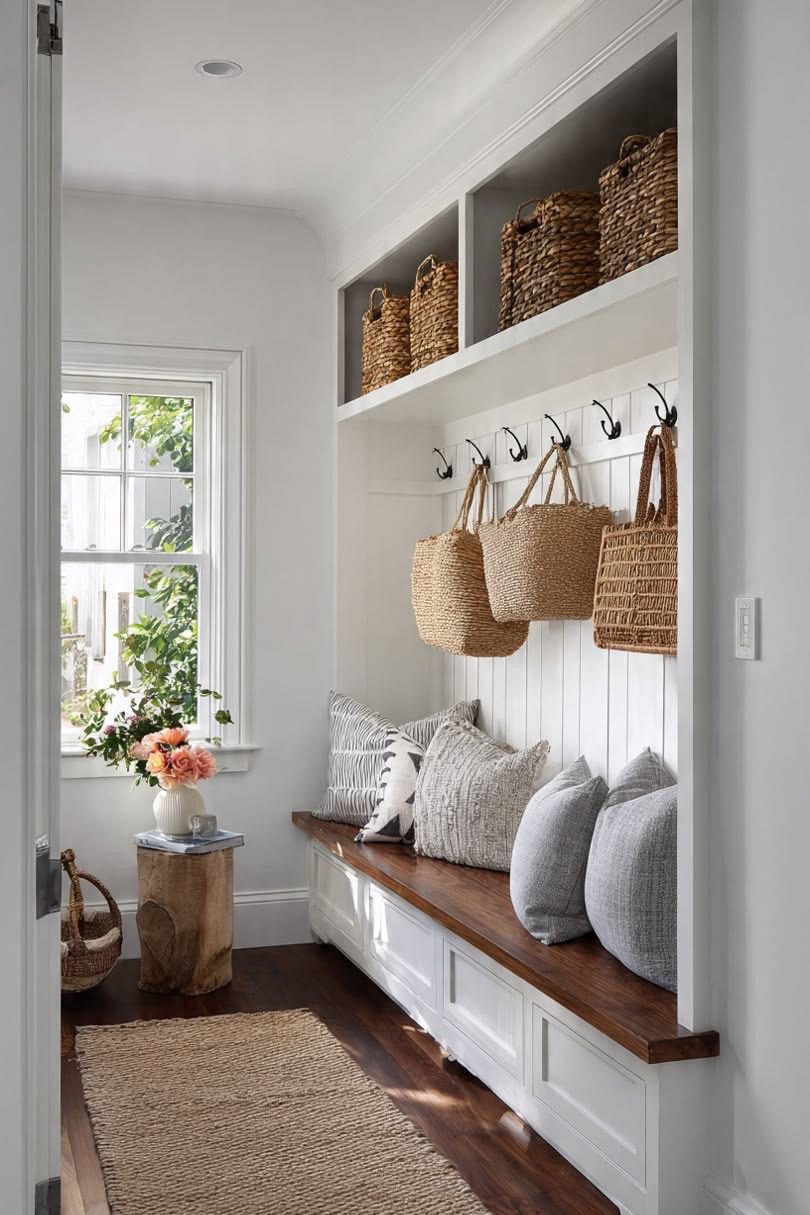
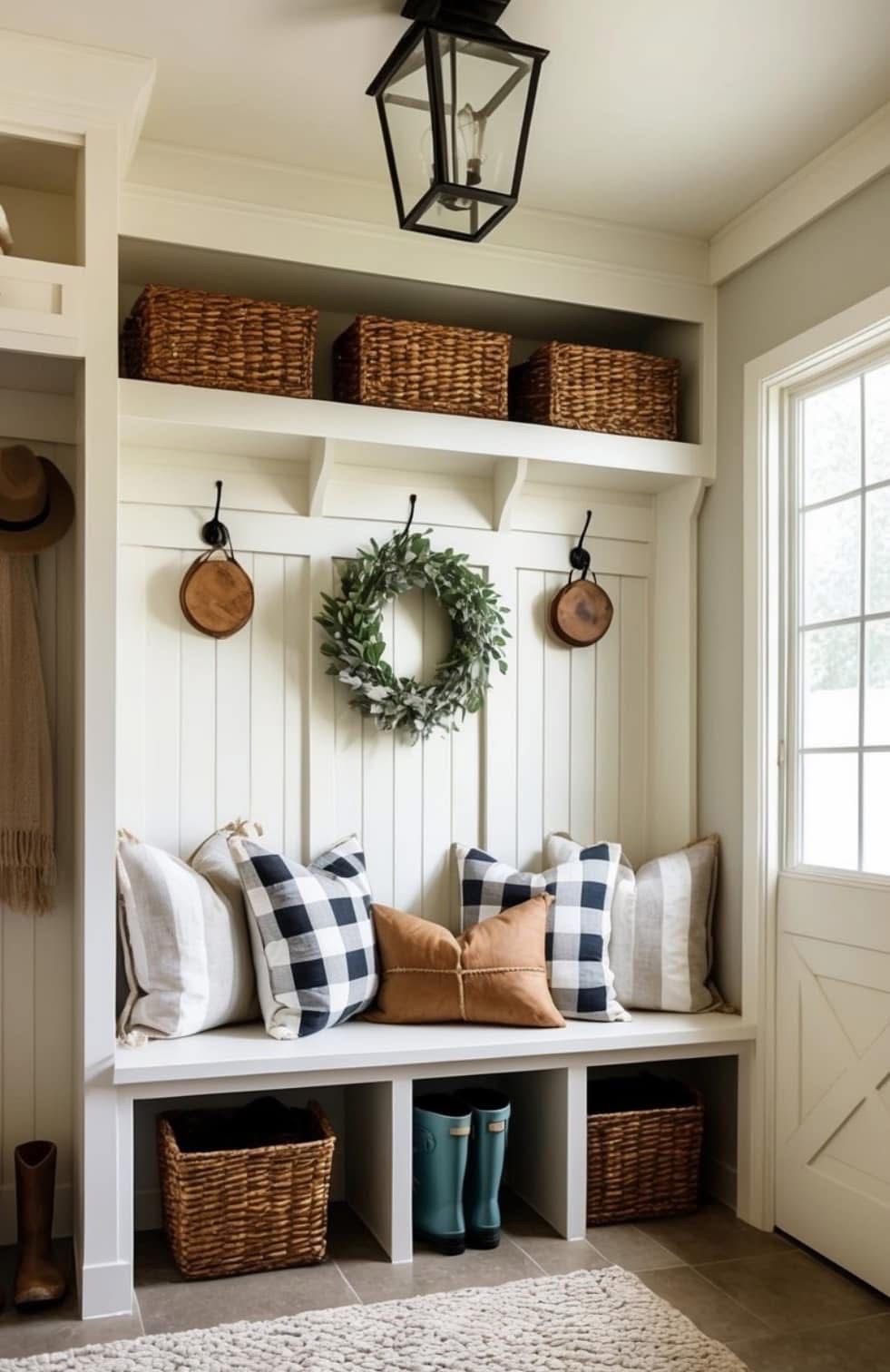
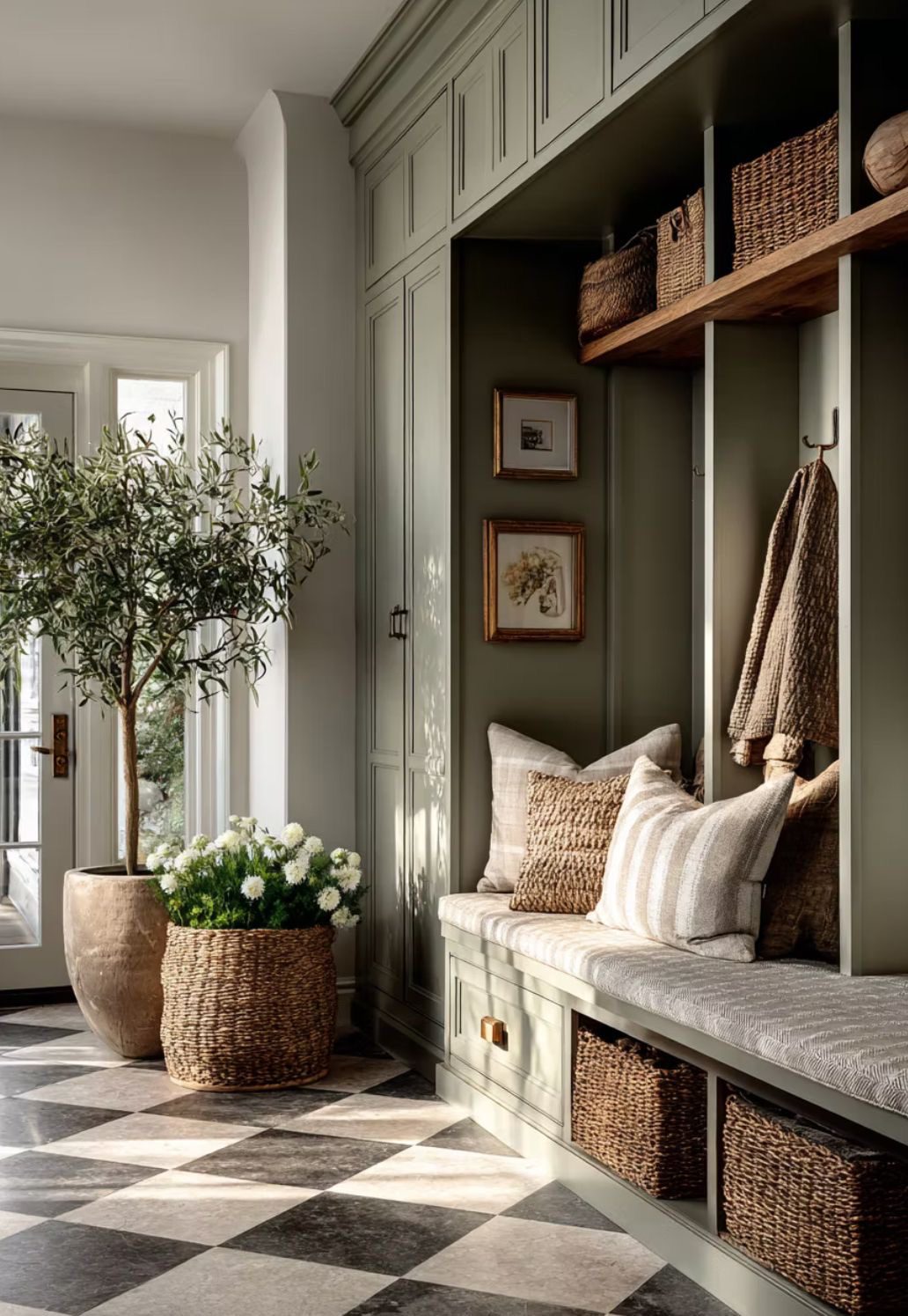
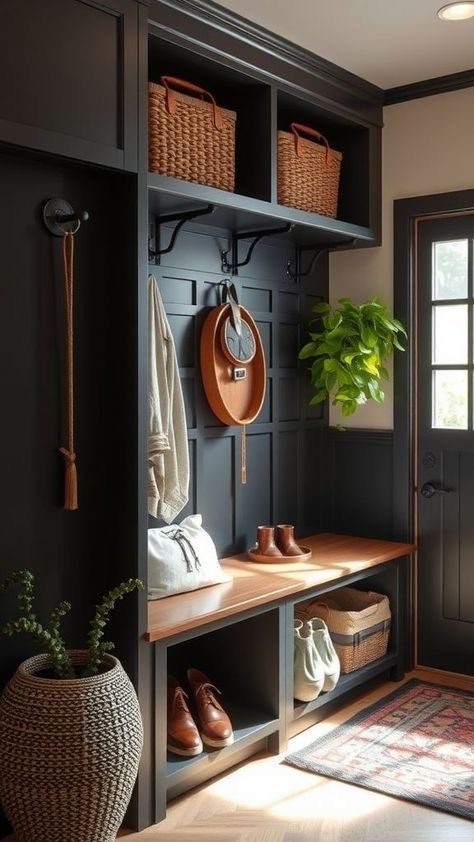
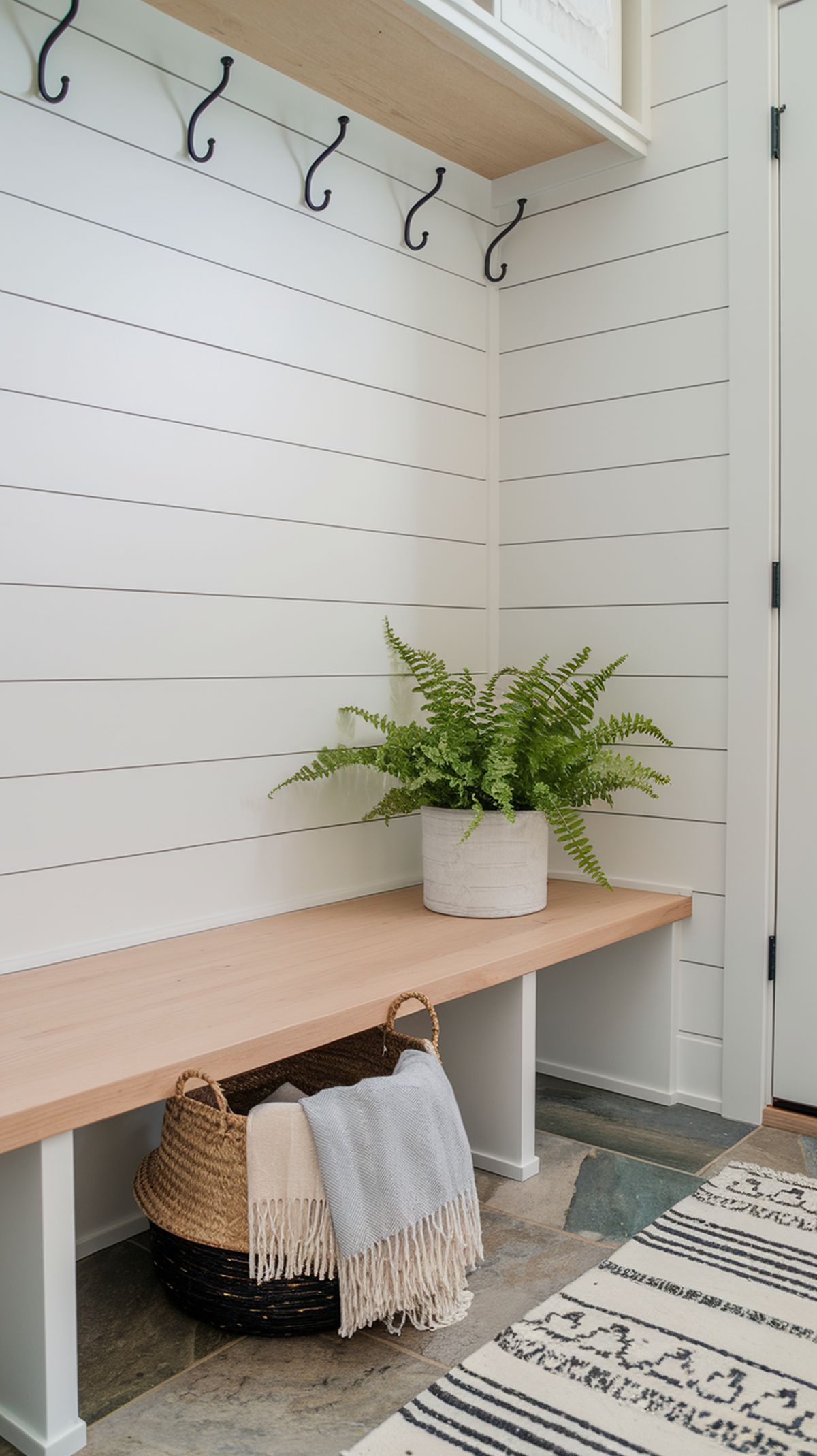
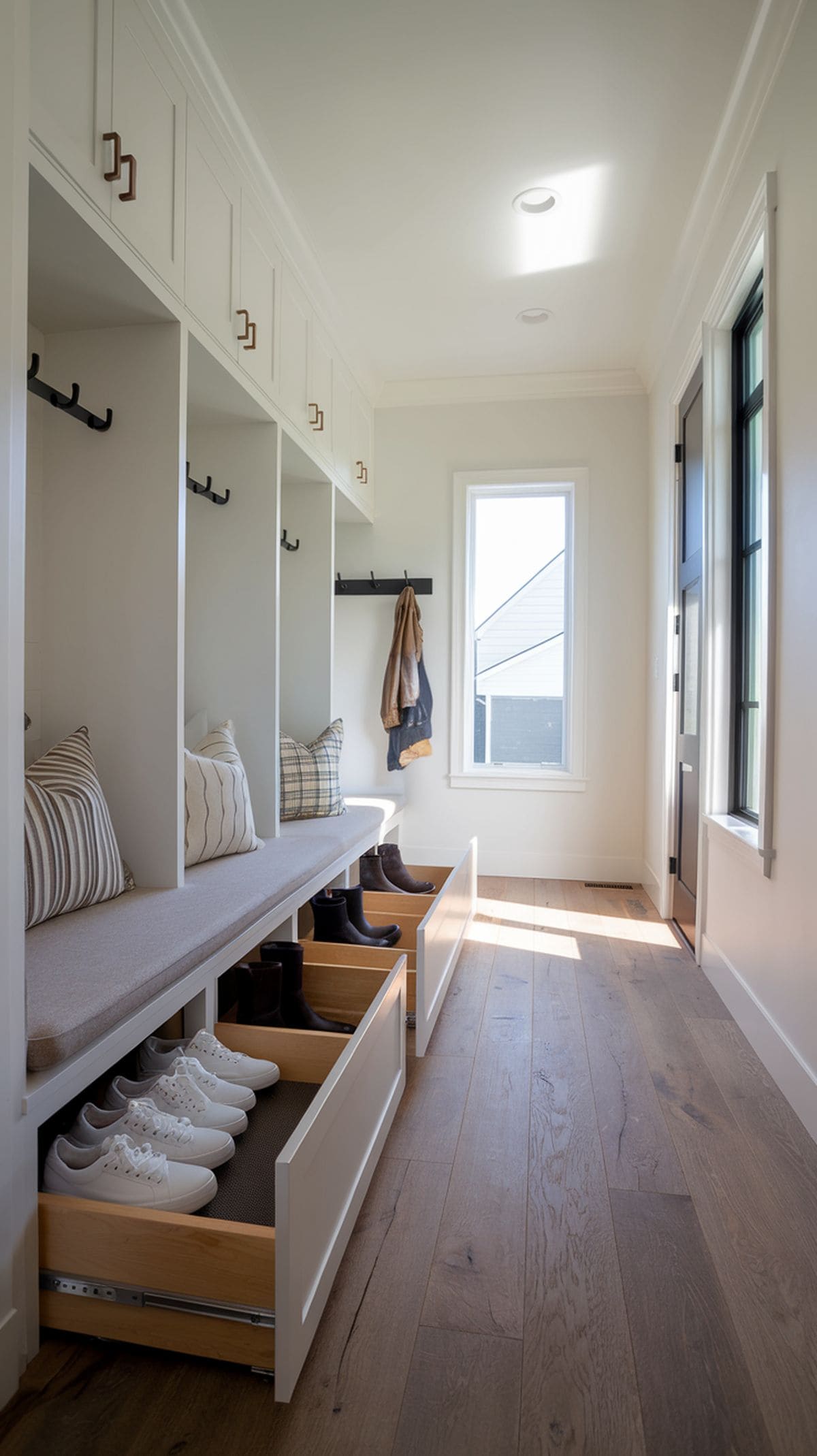
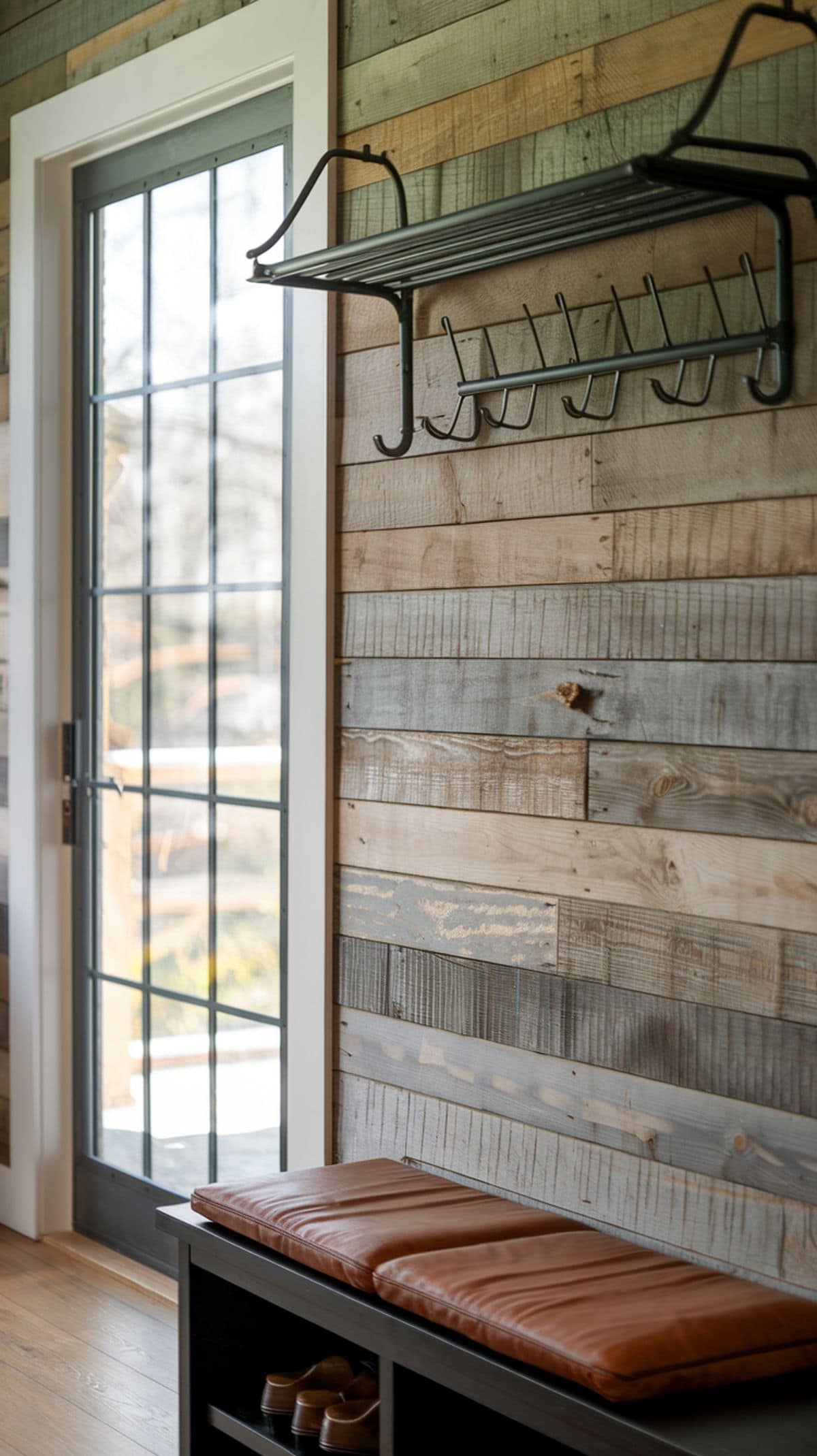
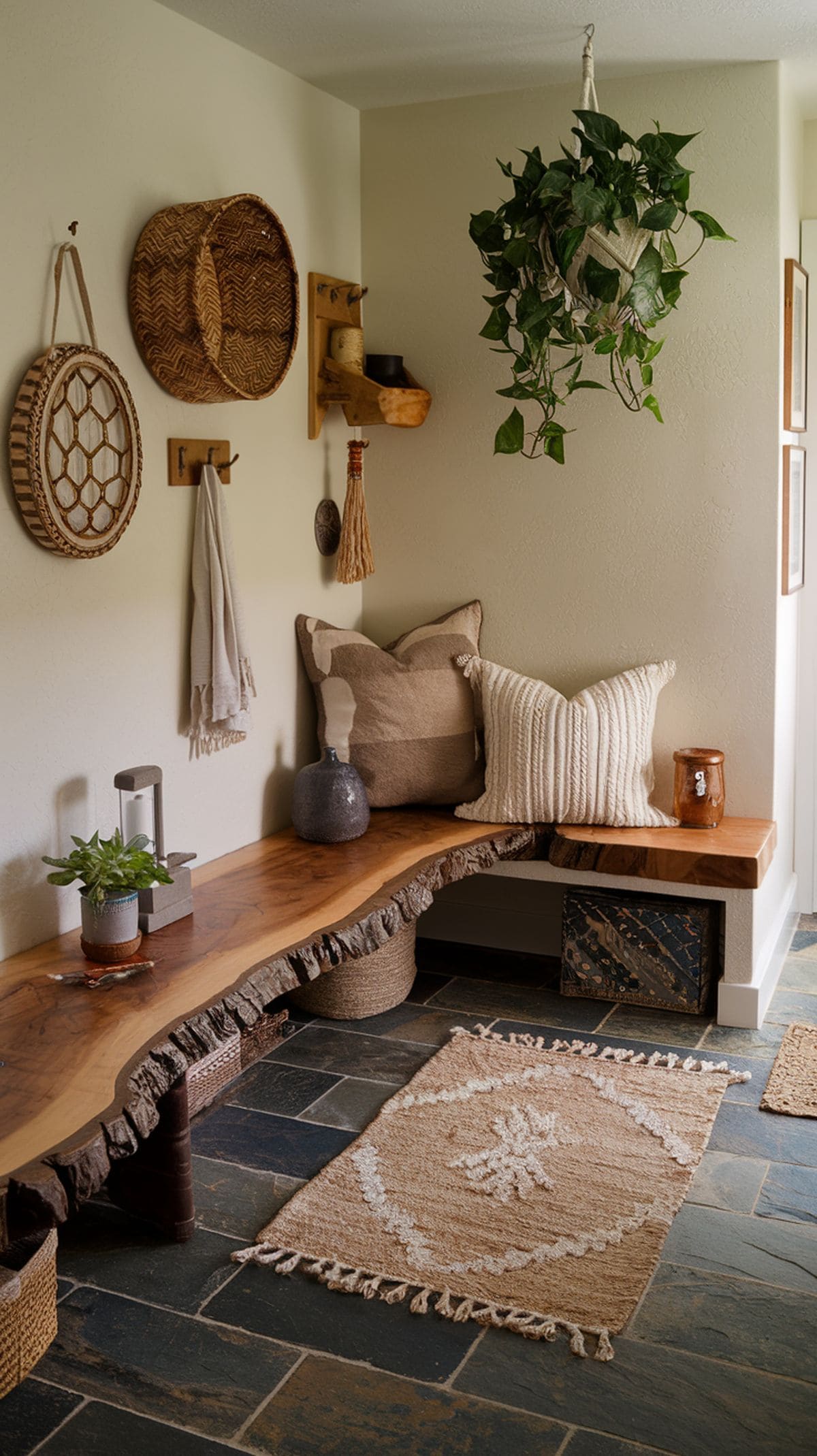
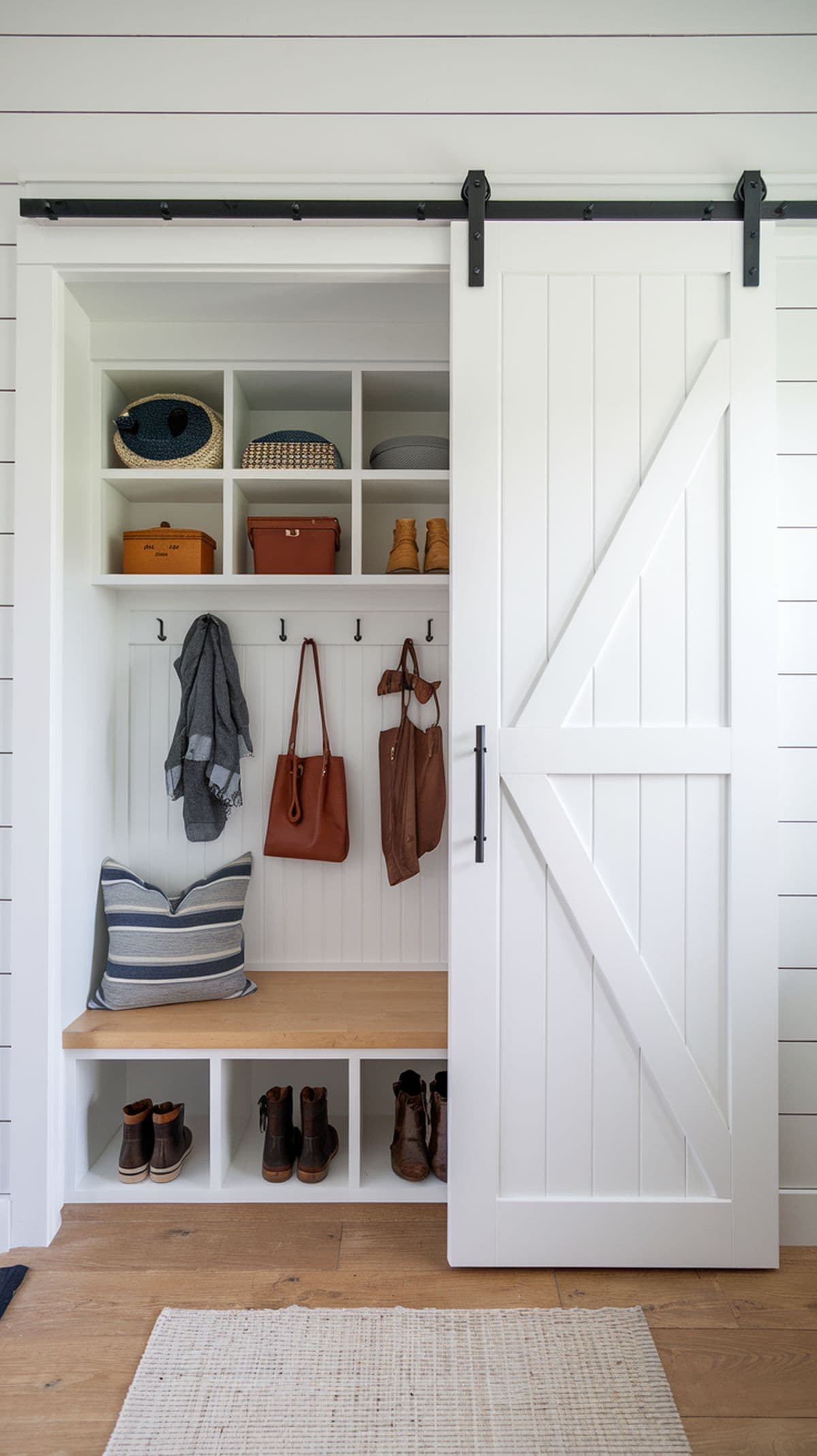
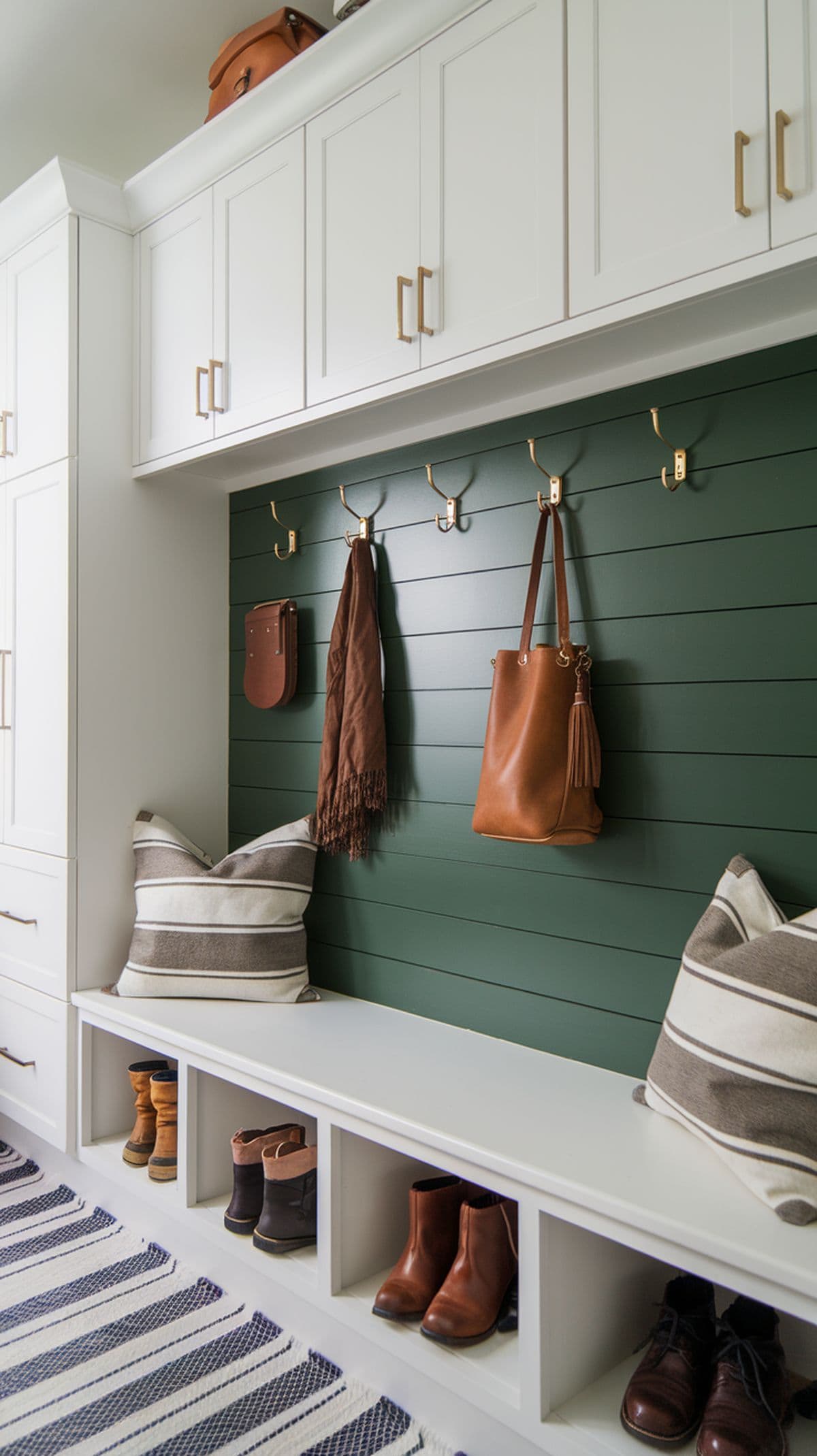
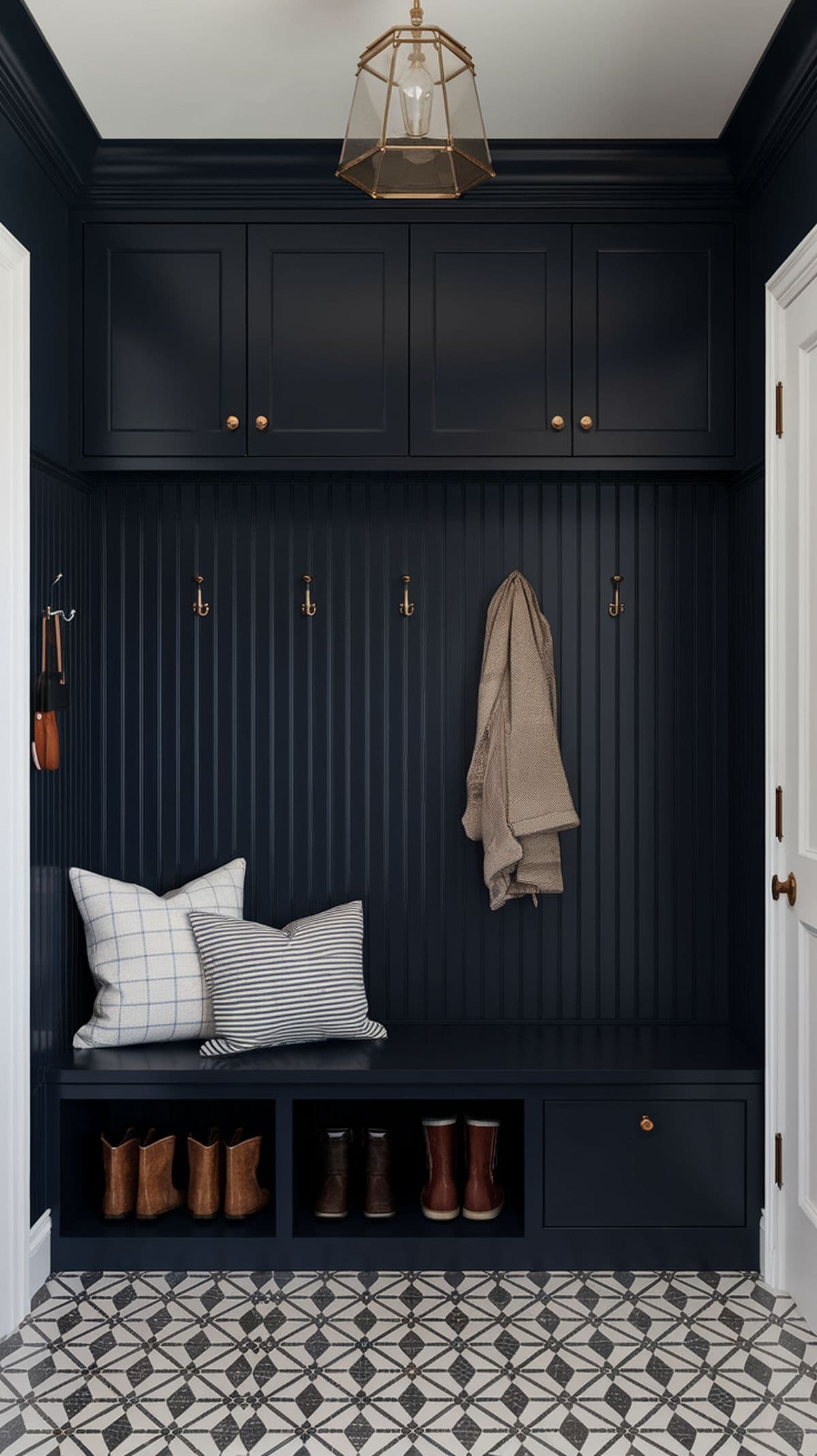
    Quick fixes: clear the floor, add a catch-all tray for keys, and store shoes out of sight in a closed unit or bin. Hooks or a small bench with hidden storage instantly read as intentional design choices. If your mudroom is a dumping ground, we suggest a 30-minute purge: sort items into keep, donate, and relocate piles. Then wipe down surfaces, dust, scuffs, and cobwebs are small but telling flaws.

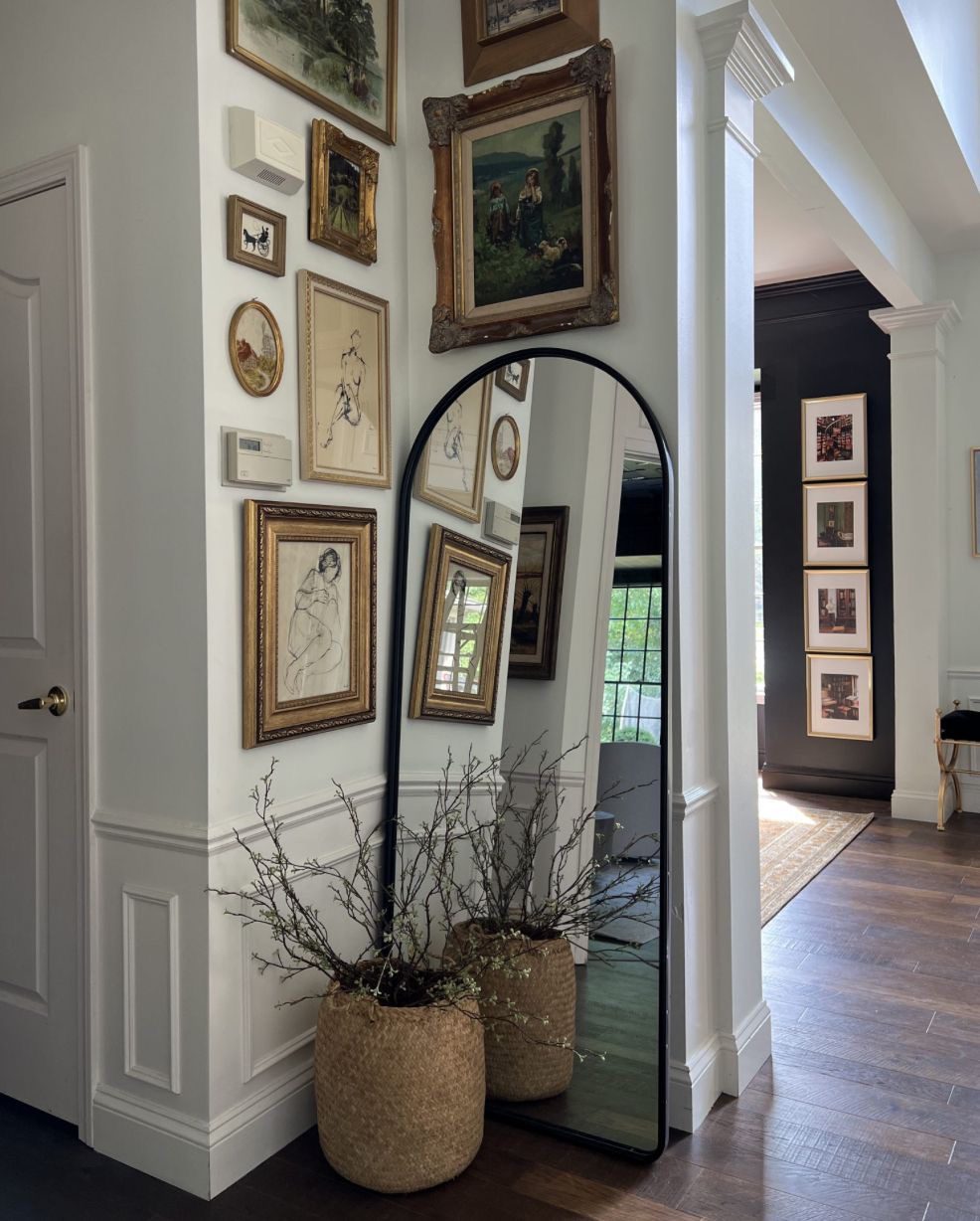
    Staging tip: keep one or two tasteful elements, a small rug, a mirror, or a plant, to guide the eye. Mirrors make the space feel larger and more inviting, and a simple rug establishes a clean boundary between outdoors and interior. These gestures help visitors feel welcome and confident as they move into the rest of the house.

    Poor Lighting And Dark, Uninviting Rooms

    Lighting is more than brightness: it’s mood, perceived space, and functionality. Dark rooms feel smaller and neglected, and that perception hits faster than structural issues in the buyer’s brain. We’ve walked through otherwise lovely homes and immediately wished for more light.

    Start by replacing dim or mismatched bulbs with warm-white LED bulbs at a consistent color temperature (2700K–3000K). Clean every fixture and lamp shade: grime reduces output noticeably. Use layered lighting: ambient (ceiling), task (under-cabinet, reading lamps), and accent (picture lights, floor lamps) to create depth. Open curtains and blinders during showings to maximize daylight and remove heavy drapes that block light.

    Consider inexpensive upgrades: add plug-in wall sconces, swap outdated fixtures for contemporary ones, or install dimmers to control ambiance. If a room still reads dark even though these efforts, strategically placed mirrors reflect natural light and give the impression of a larger, brighter room. Proper lighting not only lifts mood but boosts perceived square footage and value.

    Wrong Furniture Scale, Poor Layout, And Blocked Sightlines

    Furniture that’s too large or poorly arranged can make a home feel cramped, even when square footage is ample. We often see oversized sofas pressed against walls, coffee tables that interrupt flow, or ottomans placed where a visitor’s eye should travel. These missteps kill flow and distract from architectural strengths.

    Begin by evaluating sightlines from the entry: can you see the focal points, fireplace, view, kitchen? If not, rearrange. Pull furniture a few inches away from walls to create depth, and choose pieces proportional to the room: smaller-scale sofas and leggy chairs visually open a space. Remove nonessential pieces, fewer, well-placed items work better than cluttered abundance.

    Define zones with rugs sized to anchor furniture clusters (front legs on the rug is a good rule). Ensure at least a 30–36 inch traffic path for comfortable movement. For smaller rooms, swap bulky pieces for streamlined alternatives: armless chairs, nesting tables, and transparent materials (glass or acrylic) which reduce visual weight. Thoughtful layout showcases a home’s potential and helps buyers imagine living there.

    Visible Wear And Tear: Floors, Walls, And Rugs

    Scratches, scuffed baseboards, stained carpets, these are the visual shorthand of neglect. We don’t need renovations to fix many of these issues: targeted repairs can change perception dramatically. Buyers notice flooring first because it’s pervasive and hard to conceal.

    For hardwood, a quick buff and a small repair kit can disguise scratches. For visible gaps or wear, consider a professional refinish if within budget: otherwise, area rugs can mask trouble spots while adding style. With carpets, a professional deep clean often renews appearance more effectively than replacement, unless the carpet is dated or badly stained.

    Walls tell a similar story. Fill nail holes, touch up paint, and remove permanent scuffs with a magic eraser or a small repaint. If you have high-traffic zones near doors, consider a semi-gloss trim paint that’s easier to keep clean. Rugs should be clean and flat: curled edges look careless. These relatively small investments signal maintenance and reduce buyer objections that equate wear with hidden problems.

    Neglected Kitchen And Bathroom Details That Scream ‘Needs Work’

    Kitchens and bathrooms sell houses. Even minor issues here, loose cabinet hinges, grout mildew, or mismatched hardware, can undermine confidence. In our experience, buyers scrutinize these rooms for signs of deferred maintenance more than any other.

    Start with the basics: tighten cabinet hardware, clean or re-caulk around tubs and sinks, and replace worn faucet aerators for better flow. Swap out dated knobs and pulls for a cohesive finish: it’s a small change with a modernizing effect. Clean grout lines with an oxygen bleach product or regrout in small areas where mildew persists.

    Appliance condition matters but so do perception cues. Clear countertops of clutter, store small appliances, and stage with a couple of tasteful items (a wooden cutting board, a bowl of fruit) to emphasize utility. In bathrooms, replace cheap shower curtains with glass or crisp new ones, and ensure towels are fresh and folded neatly. These details reduce red flags and reassure visitors that the house has been cared for.

    Strong Odors, Pet Signs, And Lingering Smells

    Smell is a powerful, unconscious cue. We’ve lost interest in otherwise beautiful homes because of persistent odors: pet smells, cooking, smoke, or mustiness. Unlike visual flaws, smells are hard to ignore and even harder to erase from a buyer’s memory.

    First, identify and eliminate sources. Deep-clean carpets, wash curtains, and launder upholstery covers. If pets live in the house, groom and bathe them before showings and clear litter boxes. For kitchens, clean garbage disposals and drains and empty trash regularly. If a musty odor exists, check for hidden moisture, basements, crawlspaces, and attic vents, as odors may indicate a real problem.

    Avoid masking smells with strong air fresheners: they can be off-putting or suggest you’re covering something up. Instead use subtle strategies: ventilate rooms before showings, bake something mild like a tray of sliced lemons (or simulate with citrus-scented, low-intensity diffusers), and use clean linens. Air purifiers with activated carbon filters help remove volatile compounds and are a discreet, effective investment.

    Overly Personalized Or Dated Decor That Distracts Buyers

    Personal touches make a house a home, but when preparing for showings, personalization becomes a distraction. We find that buyers need to imagine their lives in the space: photos of family vacations, political posters, and eccentric décor narrow that imagination. Similarly, very dated wallpaper, neon paint, or themed rooms can anchor a buyer in the past.

    Depersonalize with intention: pack away most family photographs, remove bold artwork that dominates a room, and neutralize color palettes where possible. Repainting in neutral, warm tones restores flexibility and improves photographic appeal. Replace dated fixtures (think brass light switches, ornate towel bars) with simple, contemporary options to broaden appeal.

    Staging is not about making everything bland, it’s about creating a neutral canvas with defined accents. Add a few modern, inoffensive accessories (pillows, throws, a sculptural vase) to convey lifestyle without dictating it. When buyers can mentally reorganize the space to fit their tastes, they linger longer and consider higher offers.

  • Why Your Room Feels “Off”: 18 Subtle Design Mistakes And How To Fix Them (Practical Tips For 2026)

    We’ve all walked into a room that felt oddly wrong, not ugly, not broken, just…off. You can’t point to a single element, but something about the proportions, light, or layout puts your brain on edge. That sensation usually comes from a handful of repeatable design mistakes. In this text we break down 18 subtle issues that sabotage a room’s comfort and cohesion, explain why your space reacts the way it does, and give straightforward fixes you can carry out this weekend. Our focus is practical: scale, sightlines, lighting, texture, and simple behavioral tweaks that make rooms feel composed instead of chaotic. Read on and we’ll walk you through the common traps and how to repair them so your home feels intentional, not just stylish.

    Out-of-Scale Furniture And Poor Proportions

    One of the fastest ways to make a room feel off is to use furniture that’s out of scale. A massive sectional in a modest living room overwhelms circulation: a tiny coffee table disappears in front of a deep sofa and leaves the design feeling unanchored. Human perception responds to proportion, when pieces are too large or too small relative to the room and one another, our brains detect imbalance.

    How to diagnose it

    • Measure first: note room length, width, ceiling height, and major openings. Compare those with the furniture footprint before buying.
    • Visual distance: if you can’t place two people comfortably on a sofa without their knees touching, it’s probably too small. If a rug doesn’t at least tuck under the front legs of the seating, it’s too small.

    Practical fixes

    • Right-size the rug: aim for a rug that at least fits the front legs of all primary seating. In open-plan rooms go larger, 8×10 becomes 9×12 for the same furniture group in a bigger space.
    • Scale in layers: pair larger pieces with smaller ones only when they share a common visual weight. For example, a large sofa balanced with a robust media console and a substantial floor lamp.
    • Use negative space intentionally: don’t cram every inch. Letting breathing room around furniture clarifies proportion and makes pieces feel intentional.

    Quick swaps to try this weekend

    • Swap a low, delicate coffee table for something more substantial to anchor a deep sofa.
    • Replace a tiny armchair with two slim but taller accent chairs to improve balance.

    When we correct scale, rooms immediately read as composed. Proportion is a quiet rule, follow it and the room stops whispering “off.”

    Awkward Traffic Flow And Misplaced Focal Points

    Traffic flow and focal points are about choreography. If people keep cutting across a carefully arranged seating area, or if your eye repeatedly lands on a TV or closet instead of the fireplace or view, the room feels dysfunctional.

    Why flow matters

    Our spatial comfort depends on unobstructed routes and clear destinations. Interruptions, like a coffee table blocking a natural path, create tension. Similarly, competing focal points leave the eye unsettled because there’s no single place to rest.

    How to improve flow and focal clarity

    • Map movement paths: walk through the room and note the natural routes. Arrange seating and tables so paths remain clear and circulation is at least 30–36 inches wide where people pass.
    • Define a single focal point: emphasize the most compelling element (fireplace, window, or art). If the TV is not the primary focus, disguise or flank it with shelving, artwork, or a painted surround to reduce its visual dominance.
    • Use layout anchors: rugs, lighting, and furniture groups direct attention. Align the rug and sofa to the focal point to make the composition cohesive.

    Design tweaks that help immediately

    • Angling one chair slightly toward the main focal point can redirect sightlines without moving large items.
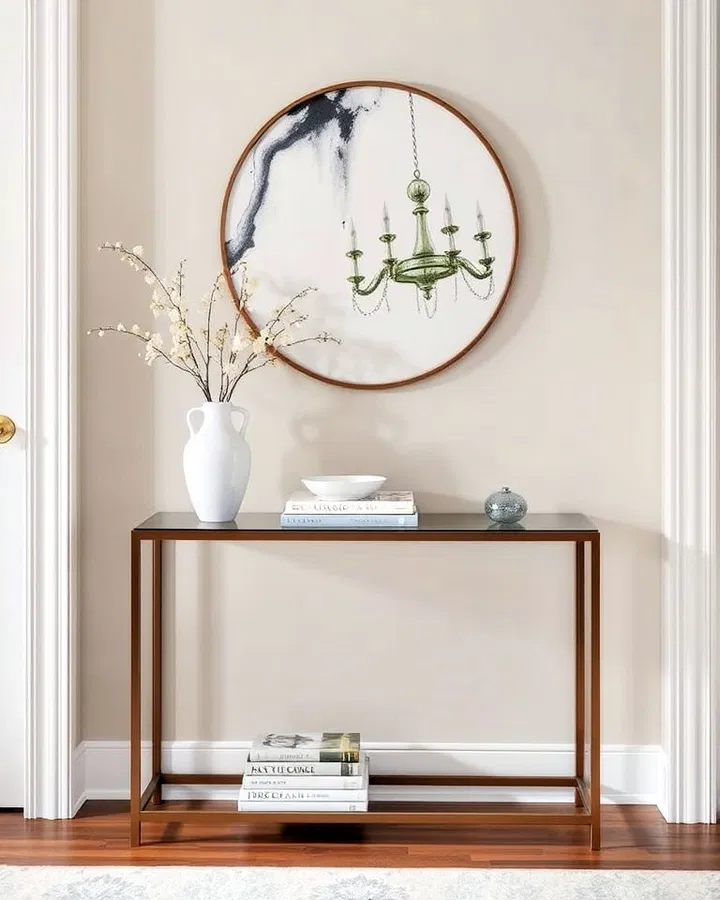
    • Replace a console that interrupts traffic with a narrower alternative or move it to a wall where it helps define the entry rather than block it.

    We find that when traffic becomes predictable and focal points are clear, rooms feel purposeful and calmer, which is exactly what a living space should be.

    Flat, Unlayered Lighting That Kills Ambience

    Lighting is a language: mood, depth, and function are all conveyed by light. Relying on a single overhead fixture creates flatness, hard shadows, and a clinical vibe. Conversely, layered lighting, ambient, task, and accent, creates depth and warmth.

    Common lighting sins

    • Only overhead light: makes faces look washed out and surfaces dull.
    • Wrong bulb color temperature: too cool (5000K+) feels institutional: too warm (below 2700K) can muddy colors.
    • No dimming: everything feels either too bright or too dark with no middle ground.

    How we fix it

    • Layer three types: ambient (soft overhead or multiple sources), task (reading lamps, under-cabinet in kitchens), and accent (art lights, uplights for plants). Each layer should be controllable.
    • Match color temperature: keep most fixtures within one color family, usually 2700K–3000K for living spaces in 2026 homes for a warm, modern look that still renders color accurately.
    • Add dimmers and zones: dimmers and smart switches let us tune mood for morning routines, movie nights, and entertaining.

    Practical swaps

    • Replace a single pendant with a cluster of pendants at varying heights over a dining table.
    • Add a floor lamp behind a sofa and plug-in wall sconces beside bedside tables if rewiring isn’t an option.

    When light is layered correctly, the room gains dimension and our brains interpret it as inviting and well-composed, an immediate psychological upgrade.

    Wrong Color Choices And Poor Contrast

    Color is powerful but tricky. The wrong hue or lack of contrast flattens a room or causes visual fatigue. Designers use color to guide attention and create depth: when we get it wrong, spaces feel murky or dissonant.

    Where people slip up

    • Using only one tone: monochrome rooms without contrast can read as washed out.
    • Picking paint from small swatches: tiny samples don’t show the full effect across a wall under different light.
    • Ignoring undertones: whites, grays, and beiges each have warm or cool undertones that shift with lighting.

    How to choose color that works

    • Test big: paint large sample swatches and observe at different times of day.
    • Create three levels of contrast: background (walls), mid-tone (sofas, rugs), and accents (pillows, art). That hierarchy gives depth.
    • Use color psychology sparingly: blues calm, greens soothe, and warm terracottas energize. But personal preference should guide primary choices.

    Simple fixes to add contrast

    • Introduce a darker accent wall or a bold piece of furniture to anchor a light room.
    • Swap neutral pillows for richer tones and mixed textures to bring the palette to life without repainting.

    We’ve found that even small injections of contrast (a navy pillow, a wood console) immediately readjust the eye and make the space feel deliberate rather than accidental.

    Cluttered Layouts And Poor Use Of Negative Space

    Clutter isn’t just about mess: it’s about too many competing visual elements. A room filled with objects of similar scale, color, and texture reads noisy. Negative space, the deliberate empty areas around objects, allows focal pieces to shine.

    Understanding visual clutter

    • Overlapping patterns and finishes create visual competition.
    • Too many small items on surfaces reduces legibility and makes cleaning difficult.
    • Open shelving that’s fully packed becomes a visual wall of clutter.

    How to apply negative space

    • Edit ruthlessly: keep surfaces to three-to-five meaningful objects maximum. Use trays to group smaller items so they read as one unit.
    • Add breathing room: leave empty wall or shelf segments intentionally blank to create rhythm.
    • Rotate collections: swap decorative items seasonally so displays remain fresh and minimal.

    Organizational strategies

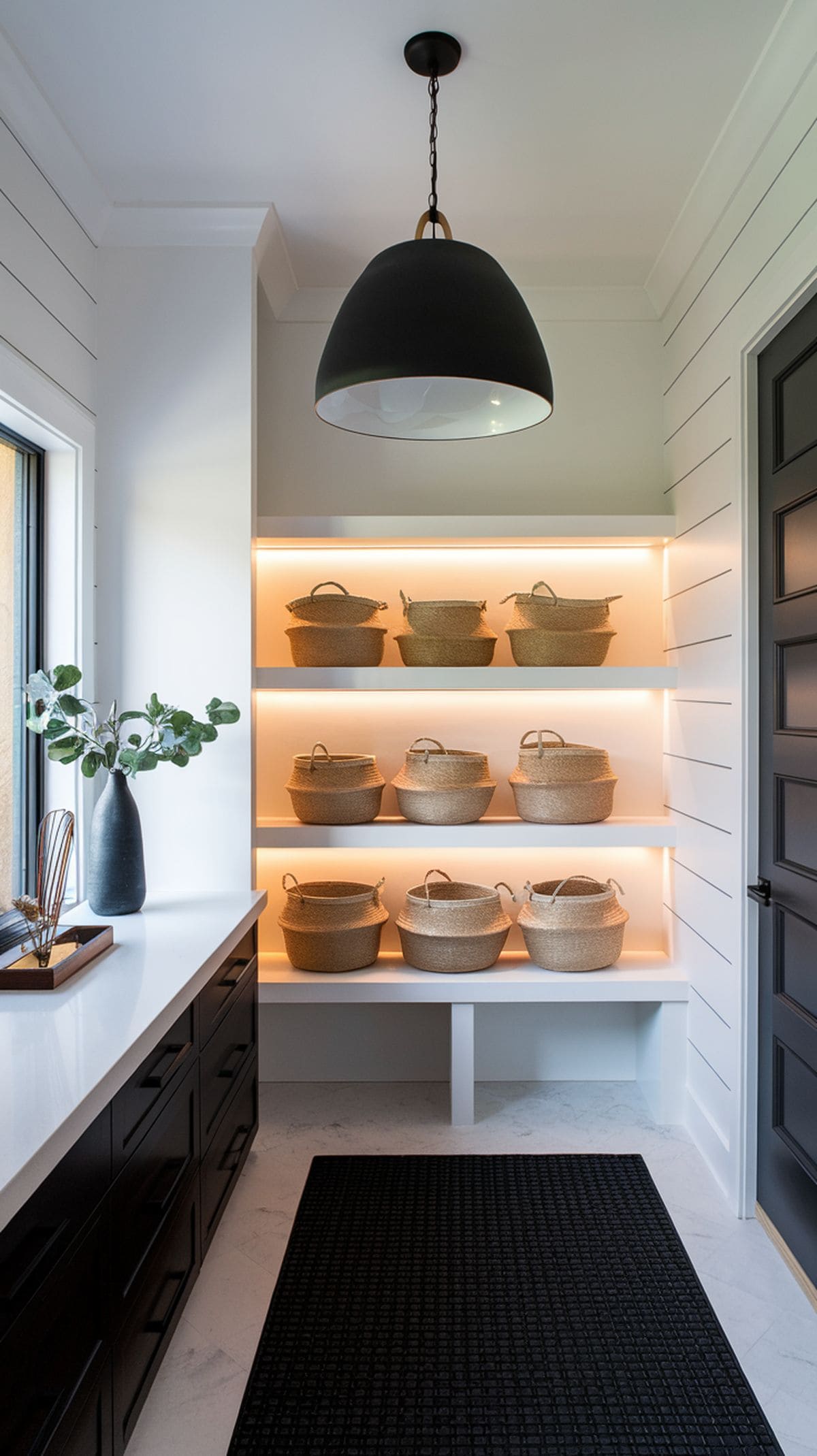
    • Hidden storage: baskets, lidded bins, and furniture with drawers keep necessary items out of sight.
    • Zoned storage: designate specific containers for chargers, mail, and kid’s toys to prevent drift.

    When we reduce visual clutter and respect negative space, rooms feel larger, calmer, and more curated. That sense of calm is often what people mean when they say a space feels “right.”

    Ignoring Sightlines, Visual Anchors, And Balance

    Sightlines and anchors are subtle compositional tools that guide how we experience a room. If furniture blocks views or anchors are missing, the room feels disjointed. Balance, visual weight distributed across the space, keeps things grounded.

    Common problems

    • Blocking important views: a tall bookcase in front of a window or a sofa that interrupts the sightline between rooms.
    • No anchor: seating that floats without a rug, art, or console to tie it to the space.
    • Uneven visual weight: heavy items clustered on one side leave the other side feeling empty.

    Fixes that create cohesion

    • Reframe sightlines: angle furniture or swap tall items so windows and doorways remain visible. A low media console instead of a tall cabinet preserves the view.
    • Add anchors: rugs, lighting, and artwork act as visual anchors. Always consider an anchor when you design a seating group.
    • Balance asymmetrically: mirror visual weight rather than shapes. A tall plant can balance a stack of low bookshelves.

    Micro-adjustments that help

    • Move a rug slightly under the front legs of seating rather than centered in the room to better anchor a conversation area.
    • Place a taller lamp opposite a bulky sofa to balance vertical mass.

    We notice that once sightlines are respected and anchors added, rooms feel intentional. Balance isn’t symmetry: it’s a visual compromise that satisfies the eye.

    Texture, Pattern, And Material Mismatches

    Texture and pattern are where rooms gain personality. But conflicting scales, competing patterns, or materials that clash (like multiple metals without a common thread) throw off cohesion.

    The issues we see often

    • Too many patterns at one scale: large florals, big geometrics, and bold stripes all fighting for attention.
    • Texture mismatch: pairing slippery leather, glossy acrylic, and lightweight linen without a unifying element creates a disjointed tactile story.
    • Material chaos: mixed metals and finishes with no repetition feel accidental.

    How to harmonize materials and patterns

    • Limit pattern families: pick one dominant, one supporting, and one accent pattern. Vary scale, large, medium, small, for balance.
    • Repeat a material three times: repeat wood, brass, or matte black three times across the room to create cohesion.
    • Mix textures intentionally: balance soft textures (wool, velvet) with harder ones (wood, stone) to create tactile interest without visual conflict.

    Quick swaps to harmonize

    • Swap one patterned pillow for a textured solid to reduce competition.
    • Introduce a unifying trim or color that repeats across textiles and surfaces to tie disparate materials together.

    When we orchestrate texture and pattern with restraint, rooms feel rich rather than chaotic, more curated gallery than flea market.

    Inconsistent Style, Finishes, Or Hardware

    A mix-and-match approach can be charming, but inconsistency in style and finishes often produces a disjointed effect. Mismatched hardware, wildly different leg styles, or an inconsistent finish palette make the design look accidental rather than edited.

    Where inconsistency creeps in

    • Buying pieces over time without a guiding aesthetic or finish palette.
    • Swapping out hardware in one area but not another, creating visual interruptions.
    • Pairing modern, minimalist pieces with ornate traditional items with no common thread.

    How we align style and finishes

    • Choose a base finish palette: pick two primary finishes (for example, warm wood and matte black) and use them consistently for hardware and larger pieces.
    • Edit with a rule: allow one contrasting accent style (a vintage piece in an otherwise modern room) but keep it purposeful.
    • Standardize hardware: swapping kitchen and bathroom hardware to a consistent finish immediately reads as cohesive.

    Practical projects to unify a room

    • Refinish or sand-and-stain a thrifted table to more closely match other wood tones.
    • Replace mismatched drawer pulls with a single style and finish throughout a cabinet run.

    When finishes and styles relate to one another, the room reads as a single, intentional composition rather than a collage of choices.

    Functional Blind Spots: Storage, Acoustics, And Usability

    Sometimes rooms feel wrong for practical reasons: poor storage leads to perpetual clutter, bad acoustics make conversations tiring, and layouts that ignore daily routines create friction. These functional blind spots quietly degrade comfort.

    Common functional flaws

    • Insufficient storage: open surfaces covered in necessities (keys, mail, chargers) make the room look unfinished.
    • Harsh acoustics: hard floors and bare walls bounce sound and make rooms feel echoey and unsettled.
    • Poor ergonomics: seating too low for consoles, insufficient task lighting, or outlet placement that forces extension cords across walkways.

    How to fix functional issues

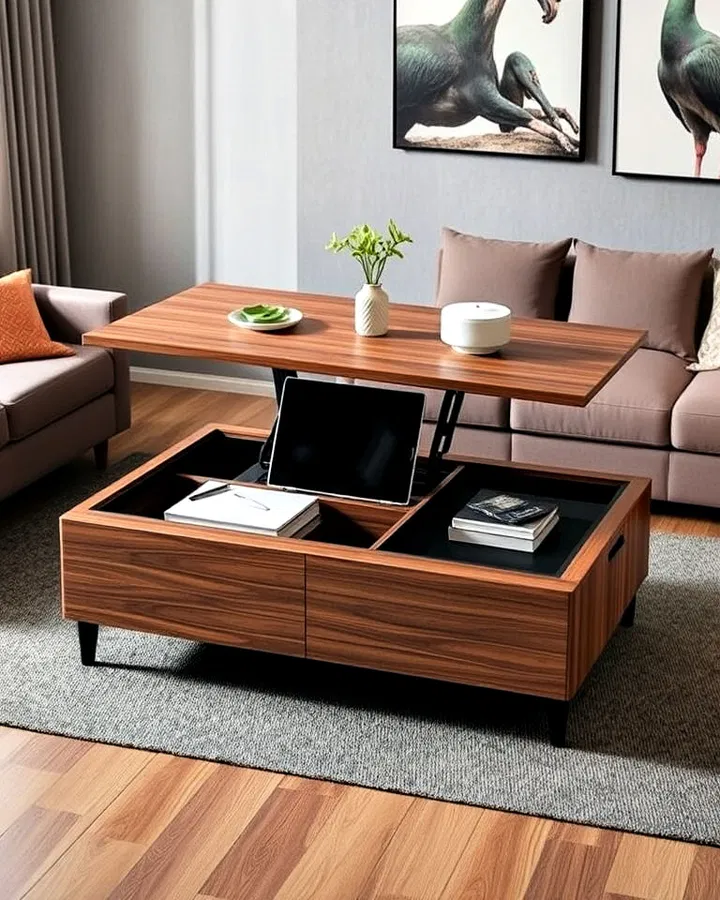
    • Add purposeful storage: built-ins, multi-functional furniture (beds with drawers, ottomans with lift tops), and attractive baskets reduce visible clutter.
    • Improve acoustics: rugs, upholstered furniture, curtains, and acoustic panels absorb sound. Even a large bookshelf with mixed objects can soften reflections.
    • Audit usability: evaluate daily routines and adjust. Move charging stations to a drawer, relocate a workspace near natural light, or add a few strategically placed outlets.

    Small upgrades with big impact

    • Add a bench with cubbies at the entry to contain shoes and bags.
    • Hang heavy curtains to both frame windows and improve acoustics.

    When we address these blind spots, spaces become not only prettier but more livable. Usability is the silent partner of good design, neglect it and the room will always feel out of step with how we actually live.

    Conclusion

    When a room feels “off” it’s rarely one problem, it’s a constellation of small mismatches: scale, light, sightlines, texture, and function. Our favorite approach is a quick audit: measure scale, map traffic, layer lighting, add contrast, and edit objects. Make one change at a time and observe: these incremental corrections compound quickly. With a few targeted tweaks, right-sized furniture, clearer focal points, layered light, thoughtful texture, and improved storage, your space will stop nagging at your brain and start supporting how you live. Let’s fix one thing this weekend, then the next: the momentum makes the room, and your home, finally feel right.

  • 17 Decor Habits That Make Your House Feel Cluttered (Even When It’s Clean) — How To Edit Your Space For Calm In 2026

    We keep our surfaces wiped, linens folded, and floors vacuumed, yet our homes still feel busy, chaotic, or suffocating. That’s because visual clutter isn’t the same as dirt. It’s a language our brains read: too many objects, competing patterns, inconsistent scale, and visible ‘necessities’ all shout for attention even when everything’s technically tidy. In this piece we walk through 17 common decor habits that make a home feel cluttered and, more importantly, how to edit them away so our spaces feel calmer and more intentional in 2026. Expect practical rules, quick edits you can do in an afternoon, and principles that keep personality without the visual noise.

    Overloaded Surfaces: Why Flat Spaces Read As Busy

    We think a cleaned tabletop equals calm, but layered items across flat surfaces create a visual field that never rests. When every horizontal plane, coffee table, console, kitchen island, dresser top, is covered with a mix of objects, our eyes have nowhere to land. The result: a feeling of constant activity even though nothing is dirty.

    Why this happens

    • Horizontal surfaces are primary sightlines. When you enter a room your gaze naturally travels across them, so clutter there becomes clutter everywhere.
    • Mixed object types (books, candles, plants, mail) create micro-conversations. Instead of a single visual statement they argue with each other.
    • Repetition without rhythm reads as chaos. Ten unrelated items scattered across a console are louder than three curated pieces placed with intention.

    Quick edits that change the room’s “volume” immediately

    • Apply the 3-2-1 rule: aim for no more than three objects in each cluster, organized in groups of three, two, and one by height or scale. That creates rhythm instead of randomness.
    • Create negative space deliberately. Leave at least one flat surface largely empty: even a purposeful empty spot calms the whole room.
    • Use trays and shallow bowls to corral small items. Rather than scattering, grouping on a tray reads as a single element.
    • Rotate display objects seasonally. Keep a short-term rotation box: swap items monthly to avoid accumulation.

    Styling principles to adopt

    • Think in layers: base (large item like a book stack), middle (plant or sculptural object), and top (small accent). This layered approach keeps surfaces from feeling “flat noise.”
    • Limit materials per surface. If you have glass and brass on a table, avoid adding ceramics unless they’re color-coordinated.

    A practical afternoon exercise

    Pick one prominent surface and edit it down to three objects. Photograph before and after. The contrast will show how much visual weight a few small choices can remove. Once we do the exercise in one spot, the rest of the house feels easier to tackle.

    Too Many Small Decorative Objects And Trinkets

    We adore souvenirs, gifts, and the little things that make a house feel like ours, but when every shelf and mantel becomes a museum of tiny items, the overall effect is clutter. Small objects are deceptive: individually they’re charming, but collectively they create a noisy texture that’s hard to ignore.

    Why tiny objects accumulate

    • Sentimentality: we’re emotionally attached and hesitate to remove items.
    • The ‘it will look better with something’ trap: we add another small piece to fill a perceived gap, and soon there’s no gap left.
    • Scale blindness: small items demand proximity to be appreciated, so placing many of them at eye level overwhelms the viewer.

    How to edit without losing meaning

    • Choose a few display narratives. Instead of showing all trinkets, pick two storytelling themes per shelf (family travel, pottery, vintage tools). Group similar items together rather than scattering them.
    • Use repetition for calm. Display three similar objects rather than six different ones. Repetition creates visual unity.
    • Photograph and store. For objects kept for memory rather than display, a high-quality photo in a digital album preserves the memory without occupying visual real estate.
    • Invest in a single landmark piece per shelf. A sculptural object, oversized book, or framed photo anchors the space so smaller objects subordinate rather than compete.

    Editing tactics

    • The one-in-one-out rule: for every new decorative purchase, let one item go. This simple habit prevents the collection from ever growing disproportionately.
    • Set a tiny-object budget: decide we’ll keep no more than four small items per shelf or vignette. Enforce with shelf dividers or decorative boxes to physically limit capacity.

    When objects matter most

    Keep sentimental items in rotation rather than permanent display. A small, curated rotating cabinet or a closed-front bookcase lets us showcase treasured pieces without visual overload. That balance preserves sentiment while safeguarding calm.

    Hidden Storage Is Missing: Visible Necessities Create Visual Noise

    Open storage solutions are fashionable, but they expose the tools of daily life, mail, chargers, cleaning supplies, kids’ artwork. When functional items are visible, they interrupt the decor narrative and turn our rooms into operating stations rather than restful spaces.

    Problems caused by missing hidden storage

    • Everyday necessities create clutter patterns. The things we use most are also the easiest to leave out.
    • Open shelving tempts accumulation. If every shelf is a display case, it will be filled with both decorative and practical items indistinguishably.
    • Mismatched containers and visible cords add friction to an otherwise composed aesthetic.

    Smart storage strategies that restore calm

    • Prioritize closed-front cabinetry in high-use zones. Kitchen counters, entryways, and living-room consoles benefit most from concealed drawers or doors that hide the practical stuff.
    • Designate daily-use bins. A single, attractive basket or drawer for daily mail, keys, and chargers keeps essentials contained.
    • Hide cables with simple hardware: cord clips, small cable boxes, or built-in grommets. Eliminating visible cords drops a room’s perceived clutter dramatically.
    • Use furniture with built-in storage: ottomans, benches with lids, and coffee tables with drawers both serve function and reduce visible noise.

    Aesthetic plus utility

    We don’t have to sacrifice style for storage. Choose cabinetry and baskets in finishes that echo the room’s palette. Matching a woven basket to the sofa throw, or selecting drawer faces that read like furniture instead of cabinets, integrates storage as part of the design rather than an afterthought.

    A weekend project

    Audit every visible container and surface for functional items. Move anything that’s used less than daily into closed storage. The immediate result is often a calmer room and a clearer sense of what we actually use.

    Mixing Too Many Patterns, Colors, Or Finishes

    A lively mix of texture and pattern gives a room personality, but when we ignore proportion and connection, the result is visual static. Our brains look for relationships: repeating colors, complementary patterns, and coherent finishes. Without those ties, variety becomes chaos.

    Why overloads happen

    • Desire to keep things interesting leads us to add more patterns rather than edit what’s already working.
    • Thinking ‘more = richer’ without considering how patterns scale relative to each other.
    • Buying pieces separately over time without a unifying palette or finish plan.

    How To Edit Patterns And Color Without Losing Personality

    How To Edit Patterns And Color Without Losing Personality

    • Start from a dominant neutral. Choose a grounding color or texture that occupies roughly 60% of the room (walls, large rug, main sofa). This neutral anchor gives us permission to add variety elsewhere.
    • Use the 60-30-10 rule for distribution. 60% dominant color/texture, 30% secondary, 10% accent. That keeps visual balance without restricting palette.
    • Control pattern scale. Pair one large-scale pattern, one medium, and one small. For example: a large geometric rug, medium striped curtains, and small-scale patterned pillows. This creates hierarchy and lets each pattern breathe.
    • Keep a shared color thread. Even wildly different patterns will read cohesive if they share one or two colors.
    • Limit saturated colors to accent doses. Bright hues are powerful, use them sparingly so they energize rather than dominate.

    Simple Rules For Choosing Finishes And Palette Limits

    Simple Rules For Choosing Finishes And Palette Limits

    • Pick two dominant finishes (e.g., matte wood and brushed brass). Use a third as an accent if needed. Too many metals or wood tones fragment the look.
    • Match finish warmth. If most of our metals are warm (brass, bronze), avoid adding cool metals (chrome) unless we intentionally want contrast.
    • Use texture to substitute for additional colors. A chunky knit throw or a rough linen pillow can add depth without introducing another hue.
    • Create a mood board before buying. A quick phone collage of existing items helps prevent mismatched additions.

    A calibration exercise

    Lay three representative items on the floor (rug swatch, throw, lamp). If they look like they belong in separate rooms, edit until there’s a thread connecting them, color, finish, or texture. This small test prevents pattern and color overload before purchases are permanent.

    Scale Issues: Furniture That’s Too Small, Too Large, Or Overstocked

    Scale determines how objects relate to the room and to each other. Pieces that are too small feel fussy and can make a space appear cluttered because they multiply visually. Conversely, oversized furniture can dominate awkwardly and force us to pack the rest of the room with smaller items.

    Common scale mistakes

    • Too many small items filling a large room. A dozen small tables, stools, and chairs fill the eye without providing a restful focal point.
    • Oversized furniture blocking sightlines. A massive sectional placed incorrectly breaks the room into disconnected zones that feel crowded.
    • Unbalanced groupings. A low coffee table paired with towering floor lamps and tiny side tables creates tension rather than harmony.

    How to correct scale problems

    • Measure before you buy. Use painter’s tape to map out proposed furniture footprints on the floor. Seeing the shape at actual size prevents regrettable purchases.
    • Choose fewer, larger pieces over many small ones. One well-proportioned sofa and a single substantial coffee table often read cleaner than multiple small seating options.
    • Maintain sightlines. Arrange furniture so we can see across the room to the focal point (a window, fireplace, or artwork). Open sightlines give the sense of space even in smaller rooms.
    • Balance vertical and horizontal weight. If we have tall bookcases on one wall, counter with a low, long console on the opposite side to stabilize the room visually.

    Smart grouping for less visual busyness

    • Anchor seating with a rug sized for the furniture, not just the coffee table. Rugs that are too small fragment the space into disjointed islands.
    • Edit the number of side tables. We don’t need a table next to every seat: choose two good ones and use ottomans or shared surfaces instead.

    A practical edit

    Walk through the room and remove the smallest or most decorative piece you find. Chances are the room will feel more spacious. If it doesn’t, try replacing two small pieces with one medium-sized item and observe the difference.

    Conclusion

    Visual clutter hides in habits more than dust. By editing overloaded surfaces, reducing tiny-object noise, integrating hidden storage, controlling pattern and finish variety, and getting scale right, we create rooms that feel calm even when life is lived in them. Start with one surface, one shelving edit, or one furniture swap, small, intentional changes compound. Our homes should support our days, not demand our attention. With these 17 habits in mind, we can edit for calm in 2026 without losing the personality that makes a house our home.

  • 16 Design Mistakes That Make Your Home Feel Smaller — And How To Fix Them In 2026

    We often think a home feels cramped because it’s small on paper, but more often it’s the way we design and arrange space that shrinks it. In 2026, design trends and new lighting technology give us better tools than ever to open up rooms, but those gains are undone when we repeat the same layout, color, and storage mistakes. In this guide we’ll walk through the 16 most common design mistakes that make your home feel smaller and, more importantly, practical fixes you can carry out today. We’ll blend visual principles, modern products, and simple behavioral tweaks so you can create rooms that look, and feel, larger without a renovation.

    Poor Furniture Layout And Blocked Traffic Flow

    One of the quickest ways to make a room feel cramped is to disrespect how people move through it. When furniture blocks natural pathways or is clustered too tightly around a focal point, the space becomes difficult to navigate and, psychologically, feels smaller. We’re not talking about strict rules, layouts are flexible, but about respecting circulation and sightlines.

    Why it matters: Our perception of space depends on unobstructed visual and physical flow. When a couch cuts off a walkway or a console table sits directly behind a door, the room feels segmented and claustrophobic.

    Common examples

    • Placing a sofa with its back to the entry without enough clearance. People squeeze past rather than walk freely.
    • Floating furniture too close together to “fill” the room, which creates visual clutter.
    • Television or media centers dominating the longest wall so everything funnels toward a single point.

    How we fix it

    • Measure circulation paths: Allow at least 30–36 inches (76–91 cm) for main walkways: 24–28 inches can work for secondary paths. These small clearances make a big difference in how spacious a room feels.
    • Use zoning, not clustering: Instead of crowding chairs around a coffee table, create conversational zones that still allow flow. Angling a chair or using a slim console to define a path keeps the room airy.
    • Embrace scaled furniture: Swap an oversized sectional for a slightly smaller sofa plus a pair of slim chairs. The air between pieces becomes a visual rest.
    • Keep sightlines open: Position lower-profile furniture near windows and doorways, and avoid tall pieces that interrupt views. If you need storage near an entry, choose shallow consoles or wall-mounted shelves.

    Quick tweaks with big impact

    • Move the largest piece first: Re-center the sofa and adjust secondary pieces around a clear path.
    • Pick multi-purpose pieces on casters to rearrange easily for different needs.
    • Add a rug that defines but doesn’t confine, a rug that’s too small can make seating feel crowded: a properly sized rug provides unity and perceived expansion.

    When space is tight, we sometimes try to cram more function into a footprint and forget how much we value empty space. Respecting movement and visibility is the low-cost, high-impact way to make rooms breathe.

    Wrong Color Choices And Ignoring Natural Light

    Color and light are twin engines of perception. The wrong combination can squash a room: the right one can make it feel airy and expansive. Many people still cling to dark, saturated hues or paint ceilings the same color as walls, unintentionally lowering perceived height and volume.

    Why it matters: Lighter colors reflect more light and reduce visual weight, expanding perceived space. Natural light amplifies this effect, but only if we let it in.

    Common color mistakes

    • Using deep, dark colors on all four walls and the ceiling, especially in rooms with limited windows.
    • High-contrast trim that creates a strong frame around a small area, making it feel boxed in.
    • Matchy-matchy monochrome schemes with no tonal variation or texture, they can feel flat rather than open.

    Natural light mistakes

    • Heavy window treatments that block daytime light.
    • Overlooking the placement of mirrors or reflective surfaces that could bounce light into dark corners.
    • Failing to consider the direction of windows: north-facing rooms need different strategies than southern exposures.

    How we fix it

    • Aim for a light, warm base: Soft neutrals with subtle warm or cool undertones (based on sun exposure) create depth without closing in. Off-whites, warm greiges, and pale, muted pastels in 2026 color palettes work well.
    • Paint the ceiling a shade lighter than the walls or a crisp white to visually lift the plane. For low ceilings, even a satin finish can add perceived height.
    • Use semi-gloss or satin finishes selectively: Reflective surfaces on trims or doors can catch light, but avoid high-gloss on large expanses where it draws attention to imperfections.
    • Maximize daylight: Use sheer or top-down shades, mount curtains high and wide to make windows read larger, and keep furniture clear of window sash lines.
    • Mirror strategically: Place mirrors across from windows to double daylight. Large, slim-framed mirrors add depth without bulk.

    Lighting design in 2026

    LED technology now gives us tunable white lighting that mimics daylight cycles. Use layered lighting, ambient (recessed or ceiling fixtures), task (reading lamps), and accent (wall washers, picture lights), to keep rooms uniformly bright without harsh shadows. Investing in dimmable, color-temperature-adjustable fixtures makes small rooms feel adaptable and larger throughout the day.

    Furniture That’s Too Bulky Or Wrongly Scaled

    Furniture scale is deceptively simple: too big, and a room closes in: too small and the space feels oddly empty. The problem isn’t always size, it’s proportion and visual weight. Bulky silhouettes, overstuffed upholstery, and heavy frames eat up perceived space even when they physically fit.

    Why it matters: Our eyes read mass and scale before measuring dimensions. Heavy pieces create visual anchors that make remaining areas look smaller.

    Typical scale mistakes

    • Oversized sectionals that press against walls and obscure pathways.
    • Large coffee tables with wide legs that block sightlines and footspace.
    • Furniture pushed flush to walls without breathing room, which flattens depth perception.

    How we fix it

    • Choose pieces with lighter profiles: Exposed legs, lower backs, and slim arms reduce visual weight. A sofa with an elevated base and tapered legs reveals floor beneath, which helps the room feel more expansive.
    • Prioritize proportions over absolute size: Measure sightlines and choose furniture that leaves negative space around it. Aim for at least 12–18 inches between a sofa and coffee table for comfortable movement and to avoid crowding.
    • Mix scales mindfully: Pair one larger anchor piece with several smaller, lighter items rather than multiple heavy pieces. For example, a modest sofa plus two airy armchairs reads lighter than a single massive sectional.
    • Opt for multifunctional, slimline furnishings: Narrow console tables, floating vanities, and wall-mounted media units free up floor space.
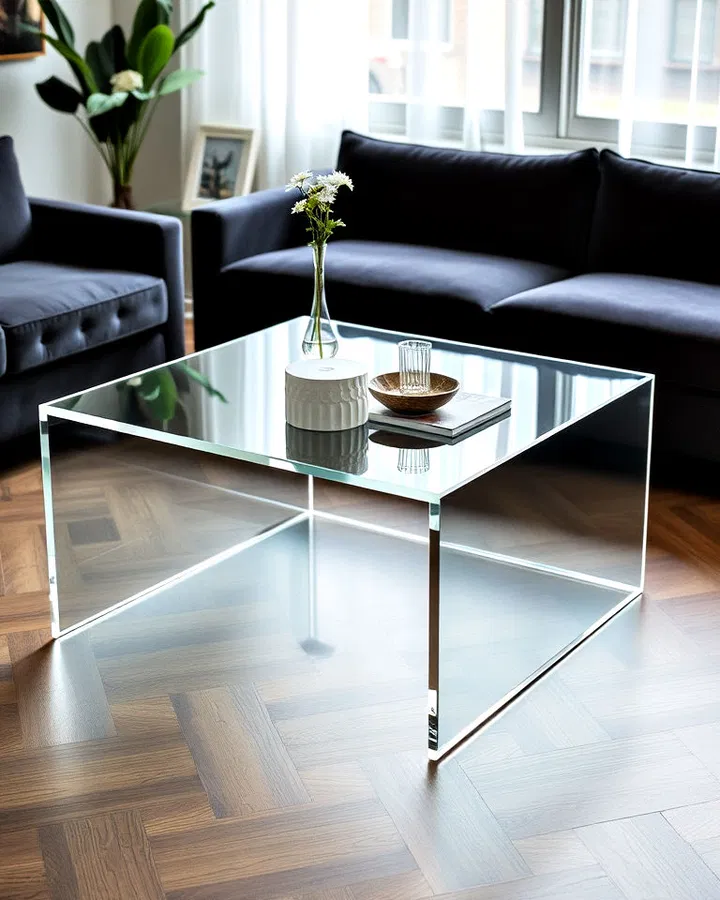
    • Use transparent or glass pieces: A glass coffee table or acrylic side chairs occupy visual space but not visual weight, which tricks the eye into seeing more room.

    Materials and finishes

    Light-colored or low-contrast upholstery works well in small rooms: patterned or dark fabrics amplify mass. If you love texture, try looped weaves, corduroys, or subtle herringbones that read textured without heavy visual bulk.

    We recommend creating a furniture plan before buying. Tape out the footprint on the floor to visualize scale, and sit in the space if possible. Our perception changes when we physically experience circulation and sightlines.

    Overuse Of Patterns, Heavy Textiles, And Dark Finishes

    Patterns and textiles bring personality, but overdoing them compresses space. Dense prints, floor-to-ceiling drapery in heavy fabrics, and dark wood finishes can all make a room read as smaller than it actually is. The trick is to balance interest with restraint.

    Why it matters: Busy visual information reduces the brain’s ability to parse depth and scale. That creates an impression of enclosure.

    Common missteps

    • Applying large-scale patterned wallpaper on every wall in a small room.
    • Layering heavy curtains, valances, and pelmets that block light and add visual weight.
    • Using dark-stained floors or furniture across the room without contrast or texture to break the visual plane.

    How we fix it

    • Use pattern as an accent, not a default: Choose one wall, a rug, or cushions to introduce pattern. In small spaces, scaled-down patterns and more negative space around motifs help maintain openness.
    • Choose lightweight window treatments: Linen blends and sheers allow light in while adding softness. If you want full blackout, choose a light-colored blackout lining rather than heavy fabric facing the room.
    • Layer textiles thoughtfully: Instead of three heavy layers, pick one functional layer and one decorative lighter layer. For example, a slim roller shade for privacy plus a sheer curtain for softness.
    • Reconsider dark finishes: If you love dark wood, offset it with lighter walls, area rugs with light fields, or metal and glass accents that break the weight. Alternatively, use dark finishes sparingly as punctuation, a coffee table or credenza rather than an entire wall of cabinetry.
    • Use texture to add depth: Textural fabrics, nubby wools, boucle, or ribbed ceramics, add interest without the busy-ness of pattern. Texture catches light differently and creates perceived depth instead of compression.

    Styling tips

    Keep smaller décor items to a curated minimum. Vignettes with too many small objects scatter attention: instead, group items in odd numbers and leave some breathing room. This restraint keeps visual noise low and makes the room feel larger.

    Insufficient Storage And Visible Clutter

    Clutter is the silent space thief. A room with visible items stacked, cables spilling, or toys strewn across the floor instantly reads smaller. The solution isn’t minimalism as a style, it’s deliberate storage and habit changes that keep surfaces calm.

    Why it matters: Clutter adds layers of visual information that break rhythm and compress the perceived size of a room. When belongings define the space, the architecture disappears.

    Common clutter sources

    • Open shelving overloaded with mismatched objects.
    • Bulky storage furniture that’s inefficient (deep cabinets in narrow rooms).
    • Lack of drop-zone storage near entries causing items to pile on surfaces.

    How we fix it

    • Prioritize concealed storage: Built-ins with door fronts, baskets inside cabinets, and ottomans with lift tops keep items out of sight. Concealed storage reduces visual noise and creates clean planes that feel expansive.
    • Use vertical space: Tall cabinets, wall-mounted shelving set high, and peg rails free floor area. But balance vertical storage with open wall segments to avoid a claustrophobic effect.
    • Design functional drop zones: Near entries, include a shallow cabinet, drawer unit, or stack of labeled baskets for mail, keys, and daily items, this prevents surface creep.
    • Create storage that complements the room: Low-profile media consoles, wall-hung dressers, and modular units that can be resized prevent bulk.
    • Carry out daily habits: A five-minute nightly reset where we clear countertops and stash loose items has a cumulative effect on how spacious our homes feel.

    Tech and organization hacks for 2026

    Magnetic cable organizers, slim docking stations, and integrated charging drawers reduce visible electronics. Subscription boxes for rotating décor (we’re not joking, they help avoid accumulation) and label-friendly storage systems make ongoing organization easy. Small investments in clever hardware and fitting interiors transform messy cabinets into invisible order.

    Small Or Poorly Treated Windows And Window Placement Mistakes

    Windows are the eyes of a home. Small or badly handled windows are like squinting: you lose light, view, and a sense of connection to outside, all of which shrink interior space. Sometimes the problem is the window itself: other times it’s how we frame and treat it.

    Why it matters: Windows provide daylight, views, and a visual extension of the room. When they’re underutilized, rooms feel boxed in.

    Common window mistakes

    • Installing curtains inside the window frame and stopping short of the wall, which makes windows appear smaller.
    • Choosing deeply colored or patterned blinds that draw focus inward.
    • Placing large furniture directly in front of lower windows, blocking light and horizon lines.

    How we fix it

    • Go high and wide with window treatments: Mount curtain rods close to the ceiling and extend them several inches beyond the jamb. This makes windows read larger and brings the eye upward, increasing perceived height.
    • Consider floor-length sheer panels to lengthen the vertical plane. In rooms where privacy is a concern, combine a slim roller shade with a sheer overlay for a layered solution.
    • Use glazing and frame choices to maximize view: In 2026 there are slim-profile, thermally efficient frames that minimize visual obstruction while improving performance. If replacing windows is possible, choose options with narrow sightlines.
    • Don’t block windows with heavy furniture: If a sofa must sit beneath a window, choose a lower-backed option. Use floating shelving or wall-mounted storage instead of tall bookcases that cut the light.
    • Add reflective surroundings: Pale window seats, light sill treatments, or even a low bench in a reflective finish can bounce natural light back into the room.

    When placement is the issue

    If your home has small or awkwardly placed windows and changing them isn’t feasible, amplify artificial daylight with wall-washing fixtures, uplights, and strategically placed mirrors. Even a well-placed picture light can give a sense of height by illuminating a vertical plane.

    Conclusion

    In 2026, making a home feel larger is about smarter choices, not bigger budgets. We’ve covered 16 design mistakes, from blocked traffic flow and poor color decisions to wrong-scale furniture, overused patterns, inadequate storage, and neglected windows, and given practical fixes you can carry out this weekend or plan into future updates. The throughline is simple: reduce visual weight, maximize light, and honor circulation. Start with one change, move the sofa, rehang curtains, or add a mirror, and you’ll see how quickly a room opens up. Small interventions compound. When we design with light, scale, and storage in mind, our homes grow without walls being moved.

  • 18 Signs Your Room Looks Half-Finished (And How To Fix Them Fast)

    We’ve all walked into a room that feels like someone hit pause midway through decorating: walls mostly painted, a lamp on a box, and a floor transition that screams “not done.” Those half-finished cues drain a space’s personality and make even the nicest furniture look out of place. In this guide we’ll walk through 18 common things that make your space look incomplete, from paint mishaps and exposed wiring to empty walls and mismatched trim, and give practical, fast fixes you can carry out this weekend. Our goal is simple: help you see the small details that make a big difference and give step-by-step solutions that don’t require a full renovation. Read on and let’s finish your room the right way.

    Uneven Or Incomplete Paint Coverage

    Nothing ages a room faster than patchy paint. Uneven sheen, roller marks, visible brush strokes, and patchy coverage where primer wasn’t applied all scream “unfinished.” We often underestimate how much paint quality, surface prep, and technique affect the outcome. The easiest way to tell if paint is the culprit: stand across the room and look at the wall from multiple angles. Light will reveal all inconsistencies.

    Quick fixes we recommend: touch up small areas with matching paint, but don’t try to blend single patches, repaint the whole wall when possible. Always start by cleaning surfaces: dust and grease repel paint and cause patchiness. Use primer on patched or repaired areas: primer seals the substrate and gives topcoat paint a uniform base. Choose a high-quality roller cover (3/8″ nap for smooth walls, 1/2″–3/4″ for lightly textured) and keep a wet edge while rolling to avoid lap marks.

    If sheen looks uneven, the issue may be varying finish levels or poor-quality paint. Flat and eggshell reflect differently: if you’re repainting, pick a finish that suits the room and be consistent. For a fast weekend refresh, two thin coats of better-quality paint applied with consistent technique beat one thick coat every time. And when in doubt, hire a pro for large walls or high ceilings, proper paint work instantly elevates a space from half-done to polished.

    Unfinished Or Jarring Flooring Transitions

    Flooring transitions are tiny design moments that either whisper cohesion or shout “unfinished.” When hardwood meets tile, or carpet hits laminate, abrupt edges, missing transition strips, or inconsistent heights make the whole room feel like a project still in progress. Transitions also pose a safety risk, trip hazards and exposed underlayment are both unsightly and dangerous.

    Start by identifying the type of transition you need: a T-molding for floors of equal height, a reducer for a higher-to-lower change, and a threshold or grout strip for tile-to-wood. Many hardware stores stock premade transition pieces that match common floor finishes: for an invisible look, choose ones that coordinate with your flooring tone. If the floors differ in height by more than 1/4″, sanding or adding a thin underlayment might be necessary before installing a reducer.

    For a quick aesthetic fix, add a narrow runner rug to visually bridge two materials, or use a decorative metal or wood threshold as a deliberate design detail. If transitions are unfinished because flooring stops short, consider continuing the primary floor through the doorway or installing an intentional border. Proper transitions make a room feel intentional: investing a few hours and a modest budget here pays big returns in perceived completeness.

    Exposed Wiring, Bare Bulbs, Or Temporary Light Fixtures

    Lighting is both functional and atmospheric. Exposed wiring, dangling temporary fixtures, and bare bulbs give a workspace vibe rather than a lived-in home. These elements tell visitors the room isn’t finished, and they can be safety hazards too.

    First, prioritize safety: if wiring is exposed, switch off power at the breaker before touching anything and call a licensed electrician for anything beyond swapping a fixture. For cosmetic quick wins, replace bare bulbs with simple, matching pendants or semi-flush fixtures, this alone can make the ceiling feel attended to. Use canopy covers and cord clips to tidy visible cables. If the wiring is aesthetic (like exposed conduit in industrial lofts), make it intentional: paint conduit the same color as the wall or ceiling, or use decorative conduit that fits the style.

    Avoid obvious temporary solutions like clamp lamps on furniture or lamps perched on boxes. Instead, choose a balanced mix of ambient, task, and accent lighting. A floor lamp or table lamp placed correctly can mask a lacking overhead fixture. Dimmers are an affordable upgrade that immediately makes lighting feel finished, allowing you to tailor mood and function without rewiring. Finished lighting equals a finished room.

    Empty Walls, Floating Furniture, And Awkward Scale

    Empty walls or misplaced furniture make a room read as incomplete. A sofa shoved against a wall with a huge expanse of blank paint above it, a lone chair that looks tiny in a large space, or furniture that’s too large for the room, all create awkward visual imbalance. Empty walls aren’t just about missing art: they reveal a lack of composition.

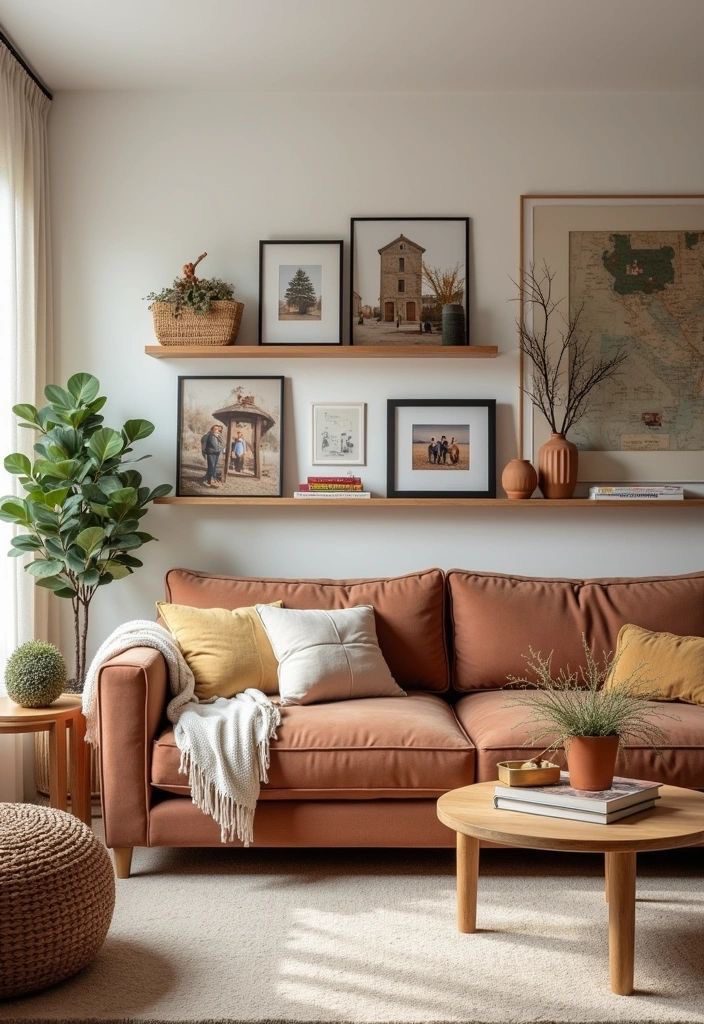
    We suggest starting with scale. Measure your wall and furniture before moving pieces. For statement walls, large-scale art or a gallery arrangement works better than tiny frames randomly spaced. A simple rule: artwork should span roughly 60–75% of the furniture width it’s above. Use layered lighting, picture lights, sconces, or floor lamps, to draw attention and add depth.

    Floating furniture (pieces not anchored to anything) looks indecisive. Create intentional groupings: place rugs to define conversation zones, add occasional tables beside seating, or assemble a console behind a sofa to visually support it. Mirrors are an inexpensive way to add presence and bounce light into empty walls. If you’re working with awkward scale, too much negative space or crowded corners, bring in plants, a bookcase, or a sculptural floor lamp to fill voids without cluttering. Thoughtful composition turns blankness into balance.

    Cluttered Storage, Half-Assembled Furniture, And Visible Boxes

    Visible clutter tells a story: either you have nowhere to store things, or you’re mid-move. Stacks of boxes, half-assembled furniture with loose hardware, and open storage that looks chaotic make even a stylish room feel transitional. We’ve found that storage solutions that look intentional, baskets, closed cabinets, and labeled bins, transform chaos into curated content.

    Attack the problem in three steps. First, clear and categorize: sort items into keep, donate, and discard piles. Second, conceal: use furniture with hidden storage like ottomans, storage benches, or media consoles with doors. If you must use open shelving, corral items in uniform containers so the shelf reads organized rather than messy. Third, complete the assembly. Don’t live with furniture in pieces: set aside a dedicated block of time to finish hardware and install any missing components. Keep a small box of extras (screws, anchors, instructions) in a drawer so future touch-ups are painless.

    For short-term fixes during moves, use decorative bins or fabric boxes that look intentional. A well-placed basket or vintage trunk not only hides clutter but adds texture. When storage is part of the design rather than an afterthought, the room instantly reads finished rather than staged.

    Missing, Damaged, Or Mismatched Trim And Baseboards

    Trim and baseboards are the punctuation marks of a room. When they’re missing, damaged, or mismatched, everything else looks unfinished. Gaps at the floor, uneven caulk lines, chipped paint, or different profiles from room to room disrupt flow and call attention to small deficiencies.

    Consistent trim ties rooms together visually and covers the seams between surfaces. If you’re replacing trim, choose a profile that complements your home’s style, simple square casings for modern rooms, or profile with a small ogee for traditional spaces. Paint trim in a semi-gloss to resist scuffs and make cleaning easier. Don’t forget the corners: filled and sanded miters look much nicer than visible gaps. When baseboards are damaged, replace only the affected sections rather than patching in mismatched pieces that will still read wrong.

    Small details matter: use paintable caulk to seal gaps between trim and wall, and touch up nail holes with wood filler before painting. When trim meets flooring, ensure the baseboard covers the flooring expansion gap for a clean edge. These fixes can take a weekend but make a dramatic difference in how finished the space appears.

    How To Properly Install Trim And Baseboards For A Polished Finish

    Installing trim so it looks custom requires a few practical steps. Measure twice and cut once: accurate measurements cut down on gaps. Use a miter saw for clean 45-degree cuts on corners: if you don’t have one, many local hardware stores will cut pieces to size. Dry-fit before nailing to ensure alignment.

    Nail trim into studs or use a nailer to set the board then countersink nails and fill holes with wood filler. Apply paintable caulk along the top edge between trim and wall to hide small inconsistencies. For inside corners, cope the joint, cut the profile of one piece to fit the contour of the other, this gives tighter seams than two mitered joints over time. Finish with two coats of paint or stain for protection and uniform color.

    If you’re uncomfortable with power tools, a qualified finish carpenter can do the job quickly and affordably: the cost is often worth the professional polish you’ll get in return.

    Conclusion: Small Fixes That Deliver A Finished, Cohesive Space

    We don’t need full renovations to make rooms feel finished, attention to paint, transitions, lighting, walls, storage, and trim does most of the heavy lifting. Tackle the visible details first: even paint touch-ups, installing proper transition strips, swapping temporary lighting for proper fixtures, arranging furniture with scale in mind, finishing assembly, and installing consistent trim will make your space feel intentional and complete.

    Start with a checklist of the items above and schedule small projects across a few weekends. The payoff is immediate: less visual noise, better flow, and a home that finally feels like it belongs to you. Let’s finish it right and enjoy the room the way we intended.

  • 19 Home Design Mistakes That Make Your Space Feel Cold (And How To Warm It Up in 2026)

    We’ve all walked into a home that looks polished but somehow feels unwelcoming, like a showroom rather than a lived-in space. In 2026, as design trends favor clean lines and minimal palettes, it’s easy to cross the line from modern to chilly. The difference between a cool, composed room and a cold, uninviting one usually comes down to a few consistent mistakes: layout choices that block flow, lighting that lacks depth, materials that prioritize style over comfort, and a hesitation to personalize. In this guide we’ll identify 19 common design missteps that make homes feel cold and give practical, up-to-date fixes so you can make your home feel warmer, cozier, and genuinely inviting, without undoing the aesthetic you love.

    Poor Layout And Blocked Flow

    A room’s layout is the skeleton of how it feels. When circulation is awkward or seating faces walls instead of one another, a space can feel sterile and unwelcoming. We often see rooms where furniture is pushed against walls to maximize floor space, entryways get cluttered, or focal points (like a fireplace or window) are ignored, all of which interrupt natural flow.

    Why it feels cold: A blocked layout creates friction. People instinctively avoid spaces that require awkward navigation or force them to sit away from conversational hubs. The result? A room that’s efficient but emotionally distant.

    How to warm it up:

    • Create conversational groupings: Pull seating into pods that encourage eye contact. Even in small rooms, angling a chair toward a sofa invites interaction.
    • Define pathways: Leave clear walking lanes (roughly 30–36 inches). Use low-profile furniture or rugs to subtly indicate routes.
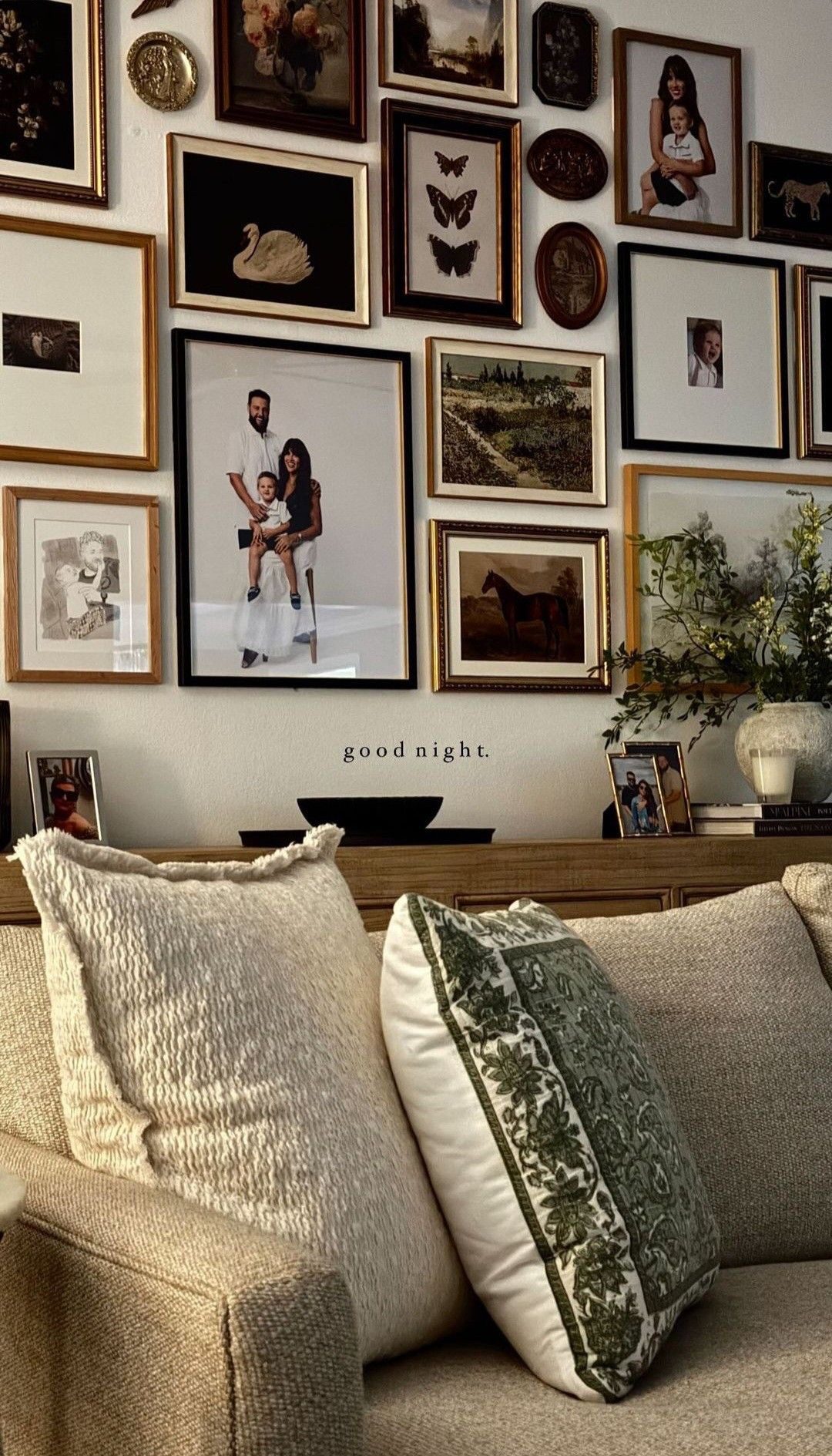
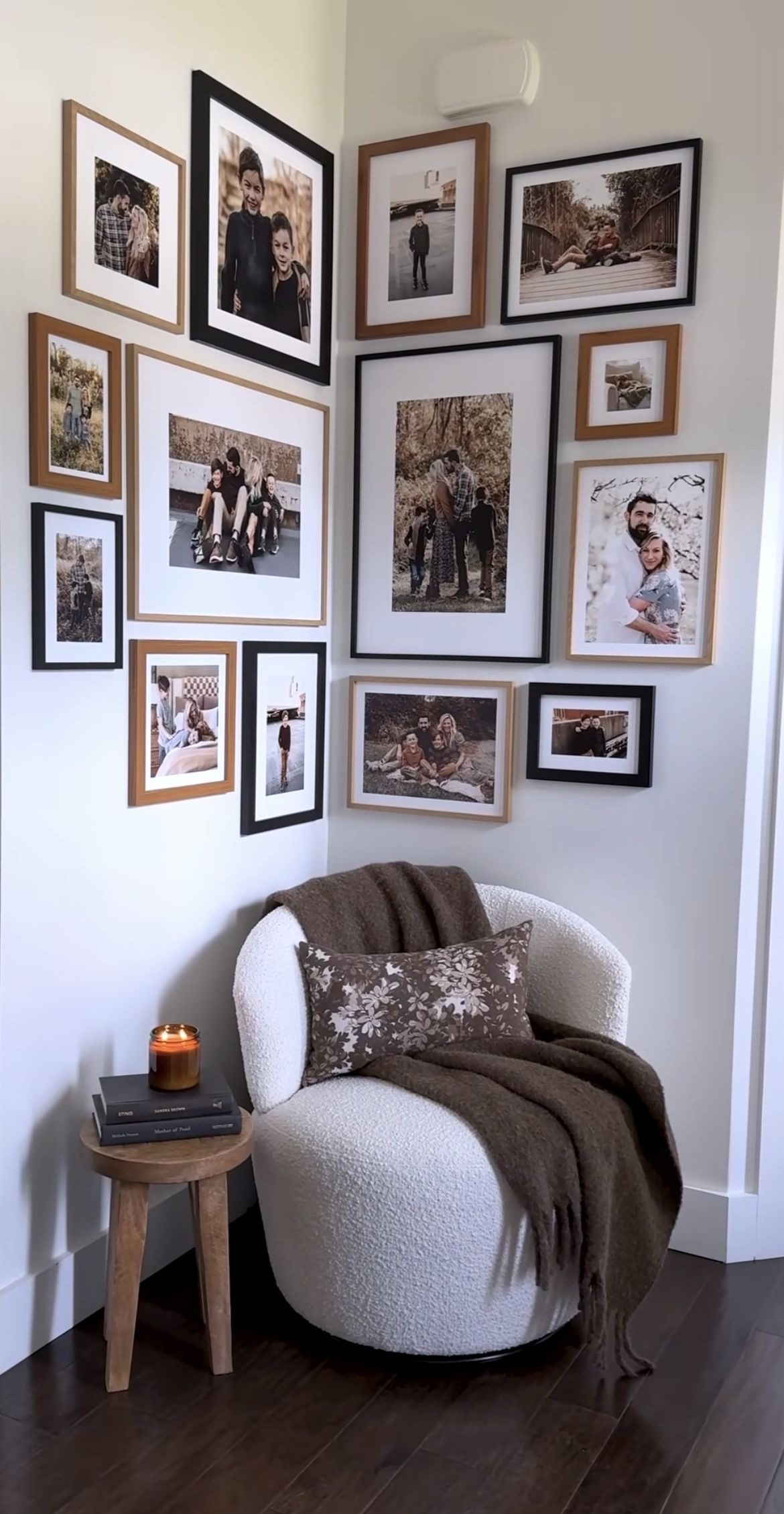
    • Anchor with a focal point: If you don’t have one, create it, a gallery wall, a statement light, or a warm-textured rug will give people somewhere natural to gather.
    • Mix scales thoughtfully: Instead of lining a long sofa with tiny side tables, balance scale with a larger communal coffee table to make the zone feel intentional.

    Small changes here pay big emotional dividends. Rearranging for flow costs little but often transforms a formal-feeling room into one that invites people to stay a while.

    Harsh, One-Dimensional Lighting Or Insufficient Layers

    Lighting is one of the quickest ways to change how a room is perceived. Bright overhead fixtures that cast hard shadows, or single-source lighting that leaves corners in gloom, can make a space feel clinical or gloomy rather than cozy.

    Why it feels cold: Without layered lighting, ambient, task, and accent, rooms lack depth. Overhead fluorescents or naked bulbs create flatness and spotlight imperfections. Conversely, under-lighting leaves a space feeling dreary and uninviting.

    How to warm it up:

    • Build three layers: Start with a dimmable ambient source (recessed trim with warm LED or a pendant), add task lights where needed (reading lamps, under-cabinet lights), and finish with accent fixtures (wall washers, picture lights, table lamps).
    • Choose warmer color temperatures: Aim for 2700–3000K in living spaces. LEDs have improved: pick high CRI (90+) bulbs so colors stay true and skin tones look warm.
    • Use dimmers and smart controls: Being able to change intensity lets us shift mood from energetic to intimate in seconds.
    • Embrace multiple small sources: Clusters of table lamps, floor lamps, and candles create pools of light that feel human-scale and inviting.

    Lighting is an inexpensive lever for mood. Even swapping a single harsh bulb for a warm, diffused lamp can immediately soften a room’s personality.

    Cold, Monochrome Color Schemes And Overuse Of White

    White and monochrome palettes have a strong place in contemporary design, but when everything is flat and the same temperature, the space can read as hospital-like rather than serene. An all-white kitchen or living room with zero contrast, texture, or accent color often lacks visual and emotional warmth.

    Why it feels cold: Color carries temperature associations. Pure whites and cool grays skew toward an impersonal feel, especially under cool lighting. Without contrasts or warm accents, surfaces can appear sterile.

    How to warm it up:

    • Layer in warm neutrals: Introduce beiges, warm grays, tans, or greiges to soften stark whites without abandoning a minimalist aesthetic.
    • Add accent colors: Even a single warm accent, terracotta, mustard, olive, or dusty rose, can shift perception of the entire space.
    • Use undertones intentionally: Note that not all whites are created equal. Creamy whites with warm undertones will read cozier than blue-based whites.
    • Balance with natural elements: Wood tones, woven textiles, and matte earthenware bring color depth subtly.

    We don’t have to abandon a light, airy palette to create warmth. Thoughtful color layering and intentional accents preserve the aesthetic while making the room feel lived-in and welcoming.

    Hard Materials Without Soft Textures

    Minimalist interiors frequently showcase concrete, marble, metal, and glass, all beautiful, enduring materials. But when a room is dominated by hard surfaces with no soft counterpoints, it can feel unapproachable and echoey.

    Why it feels cold: Hard surfaces reflect sound and light, creating sharp edges in both acoustics and visual temperature. Without plush textiles to absorb sound and add tactile contrast, the space feels more like an exhibit than a home.

    How to warm it up:

    • Introduce layered textiles: Rugs, throws, cushions, and curtains in varied weaves add depth. Think chunky knits, linen blends, and wool for seasonal variety.
    • Balance materials: Pair a marble coffee table with a rounded upholstered ottoman, or temper stainless steel with a natural wood console.
    • Add soft window treatments: Sheers or heavier drapery warm window areas and improve acoustics.
    • Consider acoustic panels that double as art: These solve echo issues while appearing intentional and textured.

    Texture is a silent warmth-bringer. We recommend starting small, a rug and a few pillows, and building tactile layers until the room feels like someplace we want to linger.

    Furniture That’s Sparse, Misscaled, Or Arranged Poorly

    Furniture that’s too small, too large, or placed without considering human use makes a room feel either oddly empty or crowded. A massive sofa pushed against a wall with one lonely side table, or a tiny coffee table lost in a large seating area, disrupts the sense of comfort.

    Why it feels cold: Misscaled or sparse furniture sends a subtle signal that the room is staged, not inhabited. Poor arrangement prevents a space from supporting the activities we want: reading, socializing, relaxing.

    How to warm it up:

    • Right-size pieces: Measure and choose furniture that fills the space without overpowering it. Area rugs should anchor all main seating (or at least the front legs) to create unity.
    • Create purpose-driven zones: Define areas for conversation, reading, and work with appropriate furniture in each.
    • Opt for rounded edges and comfortable proportions: Overly angular, low-profile modern pieces can read as hostile: soften them with curves and cushions.
    • Add secondary seating: A bench, pouf, or accent chair makes a room feel ready for guests and shows a willingness to accommodate people.

    We often find that swapping one undersized coffee table for a larger, softer ottoman transforms both the look and the usability of a room. Little investments in scale have outsized comfort returns.

    Lack Of Personalization, Art, And Layered Accessories

    A space without personal items, photos, books, art, travel mementos, feels curated for a showroom rather than life. Minimalism is useful, but when it excludes the traces of people, the home loses warmth.
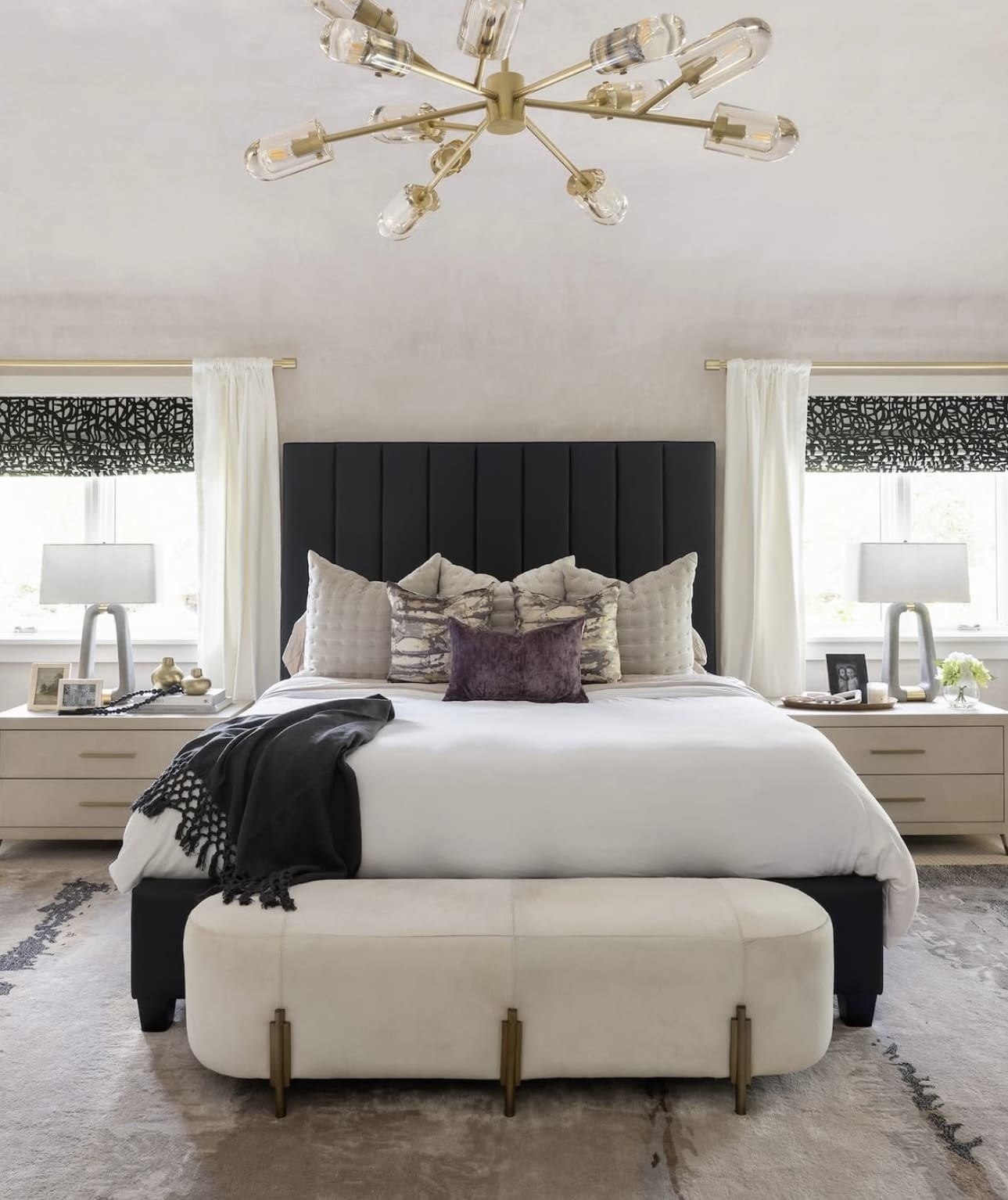
    Why it feels cold: Personalized items create stories and context. They signal history, personality, and lived experience. Without them, rooms look flat and disconnected from the people who occupy them.

    How to warm it up:

    • Curate a purposeful display: Rotate a small selection of framed photos, meaningful objects, and a couple of coffee table books rather than cluttering surfaces.
    • Layer accessories in odd numbers: Group objects in 3s or 5s across varying heights for a collected look.
    • Invest in art with emotional resonance: You don’t need an expensive piece, local artists, prints, or family-made work add warmth.
    • Keep it curated, not crowded: The goal is personality, not clutter. A few well-placed items make the biggest impact.

    We like the ‘lived but curated’ approach: let personality shine through in deliberate spots rather than scattering it everywhere. It feels homey without looking messy.

    Uninviting Senses: Smells, Sound, And Visual Clutter

    Design often focuses on sight, but smell and sound shape emotional responses quickly. A perfect vignette can’t override stale air or a space that echoes like a cathedral. Likewise, visual clutter or, conversely, sterile perfection, affects comfort.

    Why it feels cold: Unpleasant odors or excessive echo create subconscious discomfort. Overly sparse surfaces or over-curated perfection can make people feel like they’ll break something by touching it. Visual clutter, meanwhile, creates cognitive overload and stress.

    How to warm it up:

    • Attend to scent: Use layered fragrance strategies, subtle diffusers for daily ambiance, seasonal candles for a welcoming change, and kitchen ventilation to avoid lingering cooking odors.
    • Improve acoustics: Add rugs, wall textiles, bookshelves, and soft furnishings to absorb sound. In open-plan homes, consider area rugs and fabric partitions to reduce noise travel.
    • Control visual clutter: Carry out smart storage, baskets, closed cabinets, and designated drop zones. Keep surfaces tidy but personal.
    • Introduce natural soundscapes: A small fountain, indoor plants that rustle, or a curated playlist can create a soothing background texture.

    Senses compound. A room that smells pleasant, sounds calm, and looks thoughtfully arranged will feel warmer on first impression and more comfortable over time.

    Conclusion

    Warming a cold-feeling home is about intention more than trend-chasing. We don’t have to pick between modern aesthetics and comfort, the two coexist when we prioritize flow, layered lighting, tactile materials, right-scaled furniture, and personal touches. Start small: rearrange seating for conversation, swap a bulb for a warmer temperature, add a rug or a few curated accessories. Those adjustments compound quickly, transforming a technically perfect room into a welcoming home that invites people in and keeps them there. In 2026, good design is not just how a space looks, it’s how it makes us feel, and with a few focused changes, we can make ours feel like home.

  • 12 Rental-Friendly Spring Porch Ideas That Instantly Transform Your Space

    Transform your porch into a fresh, inviting spring retreat—without risking your security deposit. These ideas focus on flexibility, portability, and style, so you can create a space that feels like home while staying completely renter-safe.
    1. Start With a Flexible Seating Foundation

    Create a comfortable base by choosing lightweight, movable furniture. Folding chairs, compact sofas, and stackable tables let you easily rearrange your layout depending on your needs—whether it’s morning coffee or hosting friends. Weather-resistant materials like aluminum or treated wood ensure durability without adding bulk.
    2. Define Zones With Layered Outdoor Rugs

    Give your porch structure by layering rugs. Start with a neutral base, then add a smaller patterned rug on top to create visual contrast. This technique helps separate areas like seating and plant corners while adding warmth and personality underfoot.

    3. Add Functional Storage With Ottomans

    Keep your porch clutter-free by incorporating storage ottomans. These dual-purpose pieces provide extra seating while hiding items like cushions, gardening tools, or décor. Foldable options are especially practical for renters who need easy portability.

    4. Soften the Space With Cushions and Textiles

    Introduce comfort and color with removable outdoor cushions, pillows, and throws. Mix patterns like florals and stripes or use coordinated colors for a cohesive look. These elements instantly make your porch feel cozy and can be swapped out seasonally.

    5. Bring Life With Freestanding Planters

    Use planters of varying heights to create depth and visual interest. Combine materials like ceramic, metal, and woven textures for a layered look. Fill them with flowers, herbs, or trailing plants to turn your porch into a lush, flexible garden.

    6. Maximize Vertical Space With Plant Stands and Trellises

    Draw the eye upward using freestanding trellises and tiered plant stands. These add dimension without taking up much floor space. Climbing plants like jasmine or morning glories enhance the effect, creating a vibrant vertical garden.
    7. Use Railing Planters for Extra Greenery

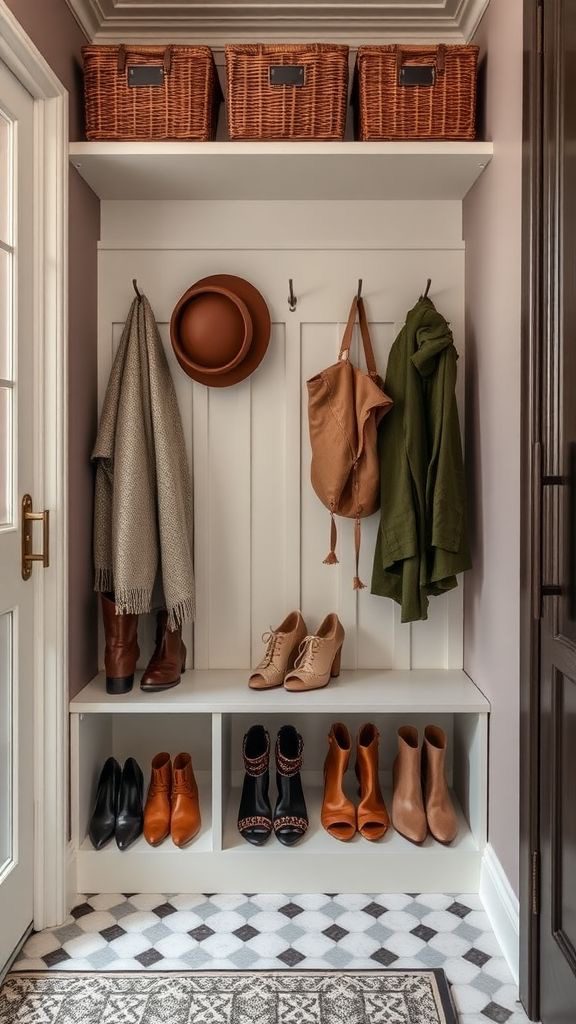
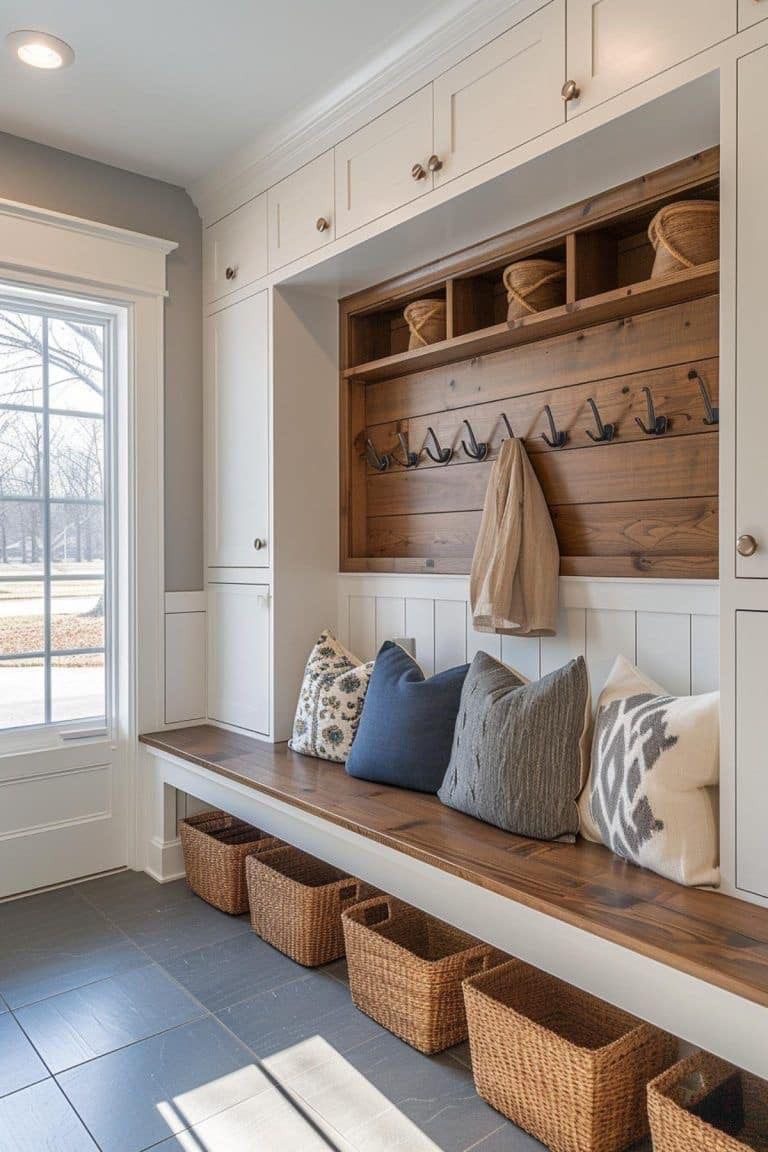
    Take advantage of unused railing space by adding hook-on or clamp-style planters. These allow you to grow flowers or herbs without sacrificing floor area, making them perfect for smaller porches.

    8. Enhance Railings With No-Drill Planter Boxes

    Upgrade your railing further with bracket-mounted planter boxes. These create a fuller, layered greenery effect and help soften hard architectural lines, making your porch feel more expansive and inviting.

    9. Create Privacy With Screens and Tall Plants

    Turn your porch into a secluded retreat by adding freestanding screens or lattice panels. Pair them with tall plants like bamboo or ornamental grasses to block unwanted views while maintaining a natural, airy feel.

    10. Install String Lights Using Adhesive Hooks

    Set the mood with overhead lighting using Command hooks or adhesive strips. Hang string lights along railings or ceilings to create a soft glow. Solar or battery-powered options make installation even easier without needing outlets.

    11. Add Warmth With Lanterns and Flameless Candles

    Layer your lighting with battery-powered candles and lanterns. Group them on tables or along railings to create a warm, flickering ambiance that feels cozy and elegant—without any fire risk or lease concerns.

    12. Personalize With Removable Décor and Art

    Finish your porch with personality using removable wall art, decals, or hanging décor. Command strips, freestanding easels, and temporary wallpaper let you express your style while keeping everything damage-free.

    Conclusion

    You don’t need permanent changes to create a beautiful porch. By layering furniture, greenery, lighting, and décor in a thoughtful order, you can design a space that feels intentional, stylish, and completely your own—all while staying renter-friendly.

  • 15 Dark Green Front Door Ideas for Bold, Elevated Curb Appeal

    A dark green front door isn’t just a color choice—it’s a design statement. Deep, rich, and incredibly versatile, dark green brings together elegance, warmth, and a natural connection to the outdoors. Whether your home leans modern, rustic, or traditional, this timeless shade can instantly elevate your exterior and create a memorable first impression.

    1. Midnight Green for Subtle Drama

    For a bold yet refined look, midnight green offers an almost-black tone with deep green undertones. It’s perfect for homeowners who want drama without going fully black. Pair it with light stone or brick exteriors and sleek black or silver hardware for a polished finish.

    2. Classic Matte Green Elegance

    A matte dark green door delivers understated sophistication. This timeless finish softens the richness of the color while maintaining strong visual impact. It pairs beautifully with white or cream exteriors and looks especially elegant with brass or gold hardware.

    3. Hunter Green with Luxe Gold Accents

    Hunter green brings a traditional, stately feel to any home. When combined with gold fixtures—like handles, knockers, or house numbers—it creates a refined, upscale look perfect for colonial or classic architecture.

    4. Glossy Emerald for a Polished Look

    If you want your entryway to stand out, a glossy emerald finish adds vibrancy and shine. The reflective surface enhances the richness of the color and works especially well against brick or neutral facades. Pair with modern black or chrome hardware for balance.

    5. Blackened Green for Modern Impact

    Blackened green blends deep green with charcoal tones, resulting in a bold, contemporary look. Ideal for modern or industrial homes, this shade pairs effortlessly with concrete, steel, or minimalist landscaping.

    6. Charcoal Green Minimalism

    For a subtle, modern aesthetic, charcoal green offers a muted blend of gray and green. This shade works beautifully with clean architectural lines and neutral palettes. Add matte black hardware and simple lighting for a cohesive, minimalist design.

    7. Deep Forest Green for Rustic Charm

    Inspired by nature, forest green creates a grounded, earthy feel. It’s perfect for homes with wood siding or stone details. Enhance the look with black iron hardware and natural elements like wreaths or wooden accents.

    8. Muted Olive for Soft Warmth

    Muted olive green is ideal if you prefer something softer and more understated. This tone complements beige or neutral exteriors and pairs beautifully with natural wood features for a cozy, modern farmhouse vibe.

    9. Dark Sage with Warm Accents

    Dark sage offers a calming, earthy tone that bridges traditional and modern styles. Combine it with bronze or copper hardware and add terracotta planters for a warm, welcoming entrance.

    10. Rich Jade for Vibrant Contrast

    Jade green adds a lively, jewel-toned richness to your entryway. It stands out beautifully against light-colored exteriors like cream or sandstone. Pair it with gold or bronze accents and lush greenery for a vibrant, inviting look.

    11. Teal-Green Fusion for Coastal Style

    For a breezy, coastal feel, opt for a teal-green blend. The subtle blue undertones create a fresh and relaxing aesthetic, especially when paired with white exteriors, lantern lighting, and nautical-inspired decor.

    12. Two-Tone Green for Added Dimension

    A two-tone design introduces visual interest and personality. Combine a darker green base with lighter green panels or trim to highlight architectural details. This approach works especially well on traditional homes.

    13. Dark Green with Crisp White Trim

    Nothing beats the classic contrast of dark green and white. White trim frames the door beautifully, enhancing its depth while keeping the overall look clean and balanced. This combination suits nearly any home style.

    14. Dark Green with Glass Panels

    Incorporating glass panels adds both style and function. Frosted or decorative glass allows natural light in while maintaining privacy. This design is perfect for contemporary homes seeking a blend of elegance and practicality.

    15. Vintage Patina Green Charm

    For a weathered, character-rich look, patina green delivers vintage appeal. Its slightly distressed finish pairs perfectly with antique-style hardware and complements brick or stone exteriors beautifully.

    Conclusion

    Dark green front doors strike the perfect balance between boldness and timeless appeal. From dramatic midnight tones to soft sage hues, this versatile color adapts effortlessly to different architectural styles and personal tastes. With the right hardware, trim, and surrounding decor, your front door can become a standout feature that elevates your home’s entire exterior.

  • 15 Charming Giraffe Nursery Ideas for a Cozy Safari-Inspired Baby Room

    Designing a giraffe-themed nursery is a beautiful way to create a space that feels warm, playful, and full of imagination. With soft textures, earthy tones, and whimsical accents, this theme blends comfort with a touch of adventure. Whether you want something subtle or bold, these ideas will help you build a nursery that grows with your baby while staying stylish and functional.

    1. Statement Giraffe Wallpaper for Instant Impact

    Set the tone of the room with giraffe-themed wallpaper that acts as a stunning focal point. Choose soft watercolor designs for a calming feel or go bold with jungle murals. Peel-and-stick options make it easy to update later, making this a flexible and high-impact design choice.

    2. A Cozy Plush Giraffe Play Nook

    Design a dedicated corner filled with plush giraffe toys to encourage comfort and imaginative play. Include one oversized giraffe as a centerpiece, paired with smaller plushies and a soft rug to create a safe and inviting mini play zone.

    3. Decorative Giraffe Growth Chart

    Turn milestone tracking into décor with a giraffe-shaped growth chart. Whether crafted from wood, canvas, or vinyl, this piece adds personality while documenting your child’s development in a fun, visual way.

    4. Soft Neutral Safari Bedding

    Create a calming sleep environment with neutral bedding featuring subtle giraffe prints. Shades like beige, cream, and soft gray keep the nursery serene while still reinforcing the safari theme without overwhelming the space.

    5. Artistic Safari Wall Prints

    Enhance your nursery walls with framed giraffe artwork. Watercolor illustrations or minimalist line drawings can add charm and sophistication. Arrange them as a gallery wall above the crib or dresser for a cohesive look.

    6. Functional Giraffe-Shaped Shelving

    Combine storage and style with giraffe-inspired wall shelves. These playful pieces are perfect for displaying books, toys, and décor while helping keep everything organized and within easy reach.

    7. Plush Giraffe-Themed Area Rug

    Anchor the room with a soft rug featuring giraffe patterns or shapes. Not only does it tie the design together, but it also provides a cozy surface for tummy time and play. Choose washable, baby-safe materials for practicality.

    8. Giraffe-Inspired Lighting Accents

    Introduce a warm, soothing glow with a giraffe lamp or nightlight. These small details enhance the theme while creating a relaxing bedtime atmosphere, perfect for winding down in the evening.

    9. Engaging Giraffe Crib Mobile

    Hang a giraffe-themed mobile above the crib to stimulate your baby’s visual development. Soft textures and gentle movement help keep your baby engaged while maintaining a peaceful ambiance.

    10. Whimsical Jungle Canopy Feature

    Add a dreamy safari feel with a light fabric canopy over the crib or play area. Soft greens, creams, or earthy tones mimic a natural environment while making the space feel cozy and magical.

    11. Stylish Giraffe Print Curtains

    Dress your windows with giraffe-patterned curtains to reinforce the theme. Opt for blackout fabrics to help regulate light during naps while still adding a decorative layer to the room.

    12. Playful Giraffe Rocking Chair

    Incorporate a giraffe-shaped rocker for both fun and development. This interactive piece encourages movement and coordination while doubling as an adorable design feature.

    13. Personalized Giraffe Name Sign

    Add a meaningful touch with a custom name sign featuring giraffe elements. Placed above the crib or changing table, it becomes a focal point that makes the nursery feel uniquely yours.

    14. Giraffe-Themed Storage Solutions

    Keep the nursery tidy with storage bins featuring giraffe prints or safari patterns. Use them for toys, clothes, or essentials while maintaining a cohesive design throughout the space.

    15. Cozy Giraffe Throw Blanket Accent

    Complete the room with a soft giraffe-patterned throw blanket. Drape it over a chair or crib for added texture and warmth—it’s both decorative and practical for cuddle time.

    Conclusion

    A giraffe-themed nursery blends comfort, creativity, and a sense of adventure into one beautiful space. By mixing functional elements like storage and lighting with playful touches like plush toys and wall art, you can create a room that feels both calming and inspiring. The key is balance—layering textures, keeping colors soft, and choosing a few standout pieces that define the theme without overwhelming it.

    With thoughtful design choices, your nursery becomes more than just a room—it becomes a cozy safari retreat where your baby can grow, play, and dream.

  • 15 Eclectic Powder Room Ideas to Elevate Small Spaces

    A powder room may be one of the smallest spaces in your home, but it offers one of the biggest opportunities to make a bold design statement. Because it’s compact and used for short visits, it’s the perfect place to experiment with daring colors, layered textures, and unexpected combinations that might feel overwhelming in larger rooms. Eclectic design thrives on contrast, personality, and creativity—making it an ideal style for transforming a simple powder room into a memorable, conversation-worthy space.

    Whether you’re drawn to vintage charm, modern edge, or a mix of everything in between, these eclectic powder room ideas will help you create a space that feels curated, expressive, and effortlessly stylish.

    1. Layered Vintage Wallpaper for Instant Character

    Bring personality into your powder room with richly patterned vintage-inspired wallpaper. Think bold florals, ornate damask, or intricate paisley prints that create a nostalgic yet curated feel. To elevate the look, pair these patterns with antique brass fixtures, a pedestal sink, and a gilded mirror. This layered approach adds depth while making even the smallest space feel intentional and timeless.

    2. Statement Lighting That Doubles as Art

    Lighting can completely transform a compact powder room. Swap standard fixtures for eye-catching pendant lights or sculptural chandeliers. Materials like blown glass, aged metal, or geometric frames create a striking focal point. Adding a dimmer allows you to shift from bright utility lighting to a softer, moodier glow for a more elevated atmosphere.

    3. Bold Floor-to-Ceiling Tile Moments

    Make a dramatic impact with patterned tiles that cover floors or extend up the walls. Moroccan zellige, encaustic tiles, or graphic geometric patterns add movement and personality. Keep surrounding elements simple so the tile becomes the star, turning your powder room into a visually immersive experience.

    4. Floating Vanities with Unexpected Materials

    Opt for a floating vanity to create the illusion of more space while showcasing unique materials like reclaimed wood, raw concrete, or live-edge slabs. Pair it with a vessel sink in a contrasting texture—such as ceramic or hammered copper—for a bold, curated look that feels both modern and eclectic.

    5. Rich, Vibrant Wall Colors

    Skip neutral walls and embrace saturated hues like emerald green, sapphire blue, or deep plum. These tones add drama and sophistication, especially when paired with metallic accents. For a lighter feel, consider coral or mustard tones to inject warmth and energy into the space.

    6. Curated Gallery Walls

    Turn your powder room into a mini art gallery with a mix of framed artwork, prints, and photography. Use mismatched frames for an eclectic feel and vary the scale of pieces for visual interest. A neutral wall backdrop helps the collection stand out while keeping the look cohesive rather than chaotic.

    7. Oversized Mirrors to Expand the Space

    An oversized mirror not only reflects light but also visually enlarges a small powder room. Choose unique shapes—arched, circular, or asymmetrical—to add a sculptural element. Frames in unexpected materials like bamboo or resin enhance the eclectic vibe.

    8. Artistic and Unconventional Sink Designs

    Upgrade your sink into a design feature with materials like carved stone, hand-painted ceramic, or glass. These statement sinks add texture and personality while becoming a natural focal point. Complement the design with a matching or contrasting faucet style for a cohesive finish.

    9. Mixed Metallic Accents for a Luxe Feel

    Introduce metallic finishes such as brushed gold, copper, or polished nickel through fixtures and accessories. For a more eclectic look, don’t be afraid to mix metals—like pairing black hardware with gold accents. Metallic wallpaper or reflective tiles can amplify light and add subtle glamour.

    10. Textured Walls for Depth and Dimension

    Instead of flat paint, experiment with finishes like Venetian plaster, limewash, or faux concrete. These textures create depth and make the space feel more tactile and layered. Pair textured walls with simple furnishings or ornate accents depending on your desired aesthetic.

    11. Stylish and Functional Storage Solutions

    Maximize storage without sacrificing style by using open shelving, floating ledges, or repurposed furniture. Display essentials in decorative containers like glass jars or woven baskets. Mixing materials—such as wood and metal—adds to the eclectic charm while keeping everything organized.

    12. Eye-Catching Flooring Designs

    Let your flooring anchor the entire design. Patterned tiles, painted wood floors, or decorative concrete can create a bold foundation. Keeping walls more understated allows the floor to stand out while maintaining balance in the room.

    13. Layered Mixed Materials for Visual Interest

    Blend materials like marble, rattan, leather, and glass to create a layered and curated look. For example, combine a marble sink with a woven mirror frame or a leather stool. Stick to a consistent color palette to keep the space cohesive despite the variety of textures.

    14. Statement Ceilings That Surprise

    Don’t overlook the ceiling—it’s an opportunity to add unexpected drama. Use bold paint, wallpaper, wood paneling, or even metallic finishes to draw the eye upward. A statement ceiling can tie the entire design together while adding a unique twist.

    15. Compact Greenery for a Fresh Finish

    Introduce life into your powder room with small plants like succulents, ferns, or air plants. Use wall-mounted planters or hanging options to save space while adding vertical interest. Greenery softens bold design elements and creates a refreshing, calming atmosphere.


    Conclusion

    Designing an eclectic powder room is all about embracing creativity and letting your personality shine through thoughtful contrasts and unexpected details. From bold wallpapers and dramatic lighting to layered materials and artistic fixtures, each element contributes to a space that feels curated rather than chaotic.

    The beauty of eclectic design lies in its flexibility—you can mix eras, textures, and colors while still creating a cohesive and inviting environment. With the right balance, even the smallest powder room can become a standout feature in your home, leaving a lasting impression on every guest who steps inside.