In an age where our environments increasingly influence our well-being, minimalist living rooms have emerged as a stylish sanctuary from the clutter and chaos of everyday life. This design trend, celebrated for its clean lines and purposeful simplicity, offers more than just aesthetic appeal—it creates a serene backdrop that fosters clarity, calm, and intentional living. As homes become multifunctional spaces that accommodate work, relaxation, and socializing, the minimalist approach helps streamline these functions, making daily routines feel more fluid and less overwhelming.
Embracing minimalist living room design is about more than just paring down possessions; it’s about elevating your space to reflect modern elegance while enhancing comfort and functionality. In this post, we’ll explore innovative ideas that blend sleek design with warmth—showcasing clever storage solutions, subtle textures, and thoughtfully curated accents that transform your living room into a sophisticated retreat. Whether you’re starting fresh or refining your current setup, these inspired design concepts will help you create a balanced environment where simplicity and style coexist beautifully.
1. Embrace Soft Neutrals with Cozy Throws
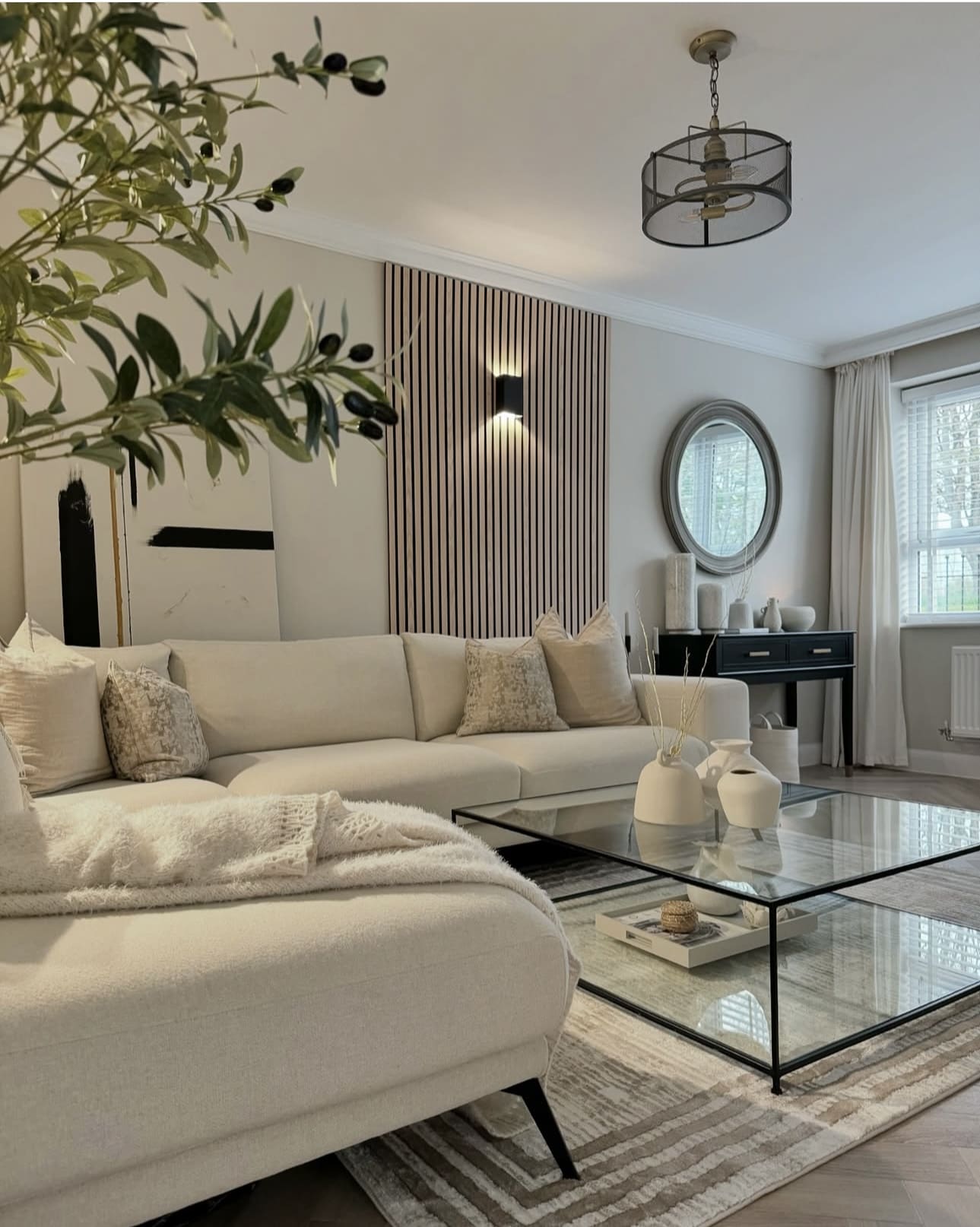
In minimalist living rooms, soft neutral throws provide warmth without overwhelming the space. Shades like beige, gray, and taupe complement the clean, simple lines while adding a subtle layer of texture and comfort. They effortlessly enhance the calm and serene atmosphere typical of minimalist design.
Key Design Elements
- Choose throws in solid neutral tones to maintain a cohesive look.
- Select natural fabrics like cotton or linen for an organic feel.
- Drape throws casually over sofas or chairs to introduce softness without clutter.
Pro Tip: Opt for lightweight throws that can easily be layered or removed to keep the space flexible and airy.
2. Choose Furniture That Does More with Less
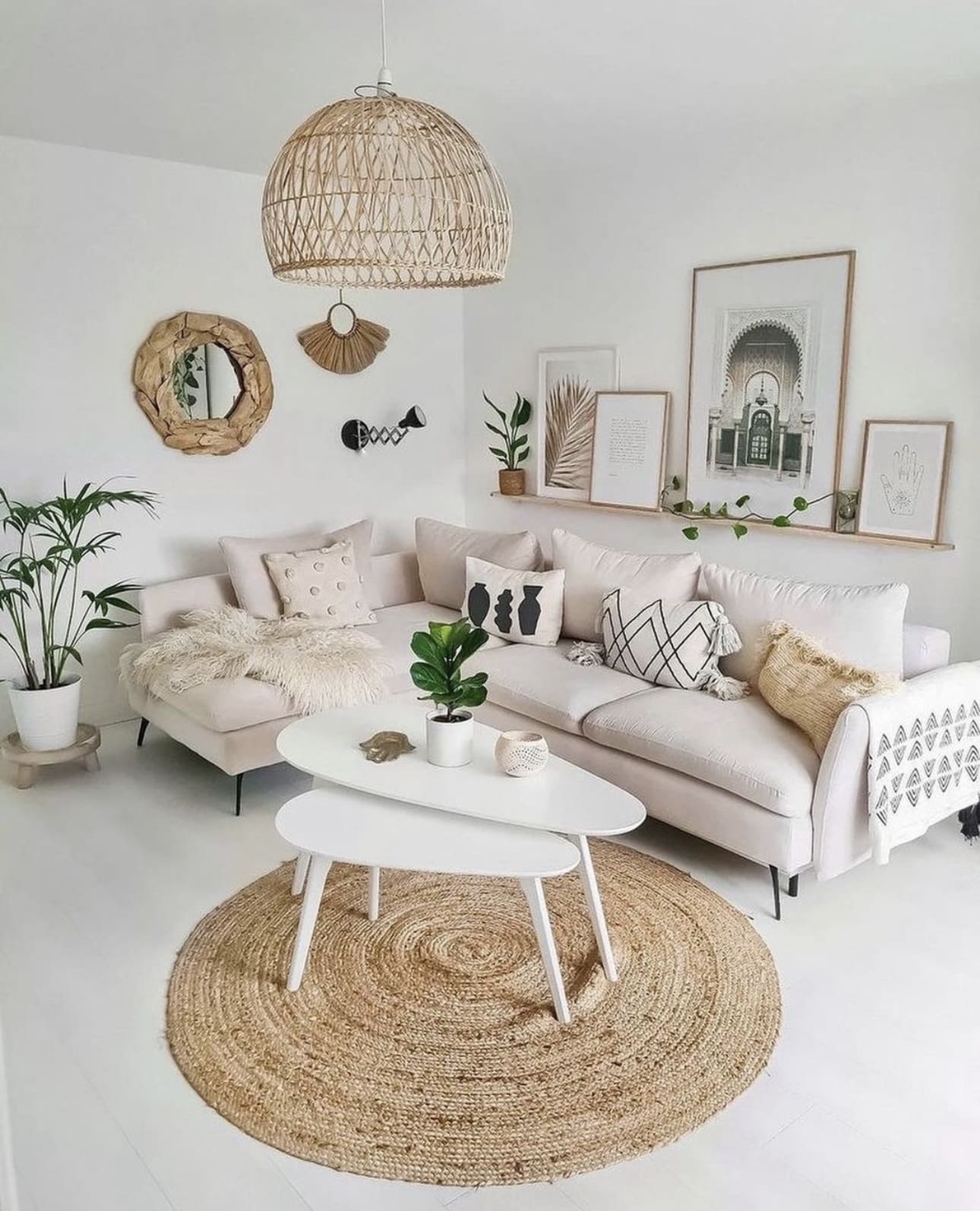
Maximize your minimalist living room by selecting furniture pieces that combine style and functionality. Multi-use items help reduce clutter and create a streamlined, spacious feel without sacrificing comfort or convenience.
Key Design Elements
- Opt for sofa beds to accommodate guests without extra furniture.
- Select ottomans with hidden storage to keep essentials out of sight.
- Choose coffee tables with built-in compartments for magazines, remotes, or blankets.
Pro Tip: Prioritize sleek, modern designs to keep multi-purpose furniture aligned with minimalist aesthetics.
3. Highlight with a Subtle Feature Wall
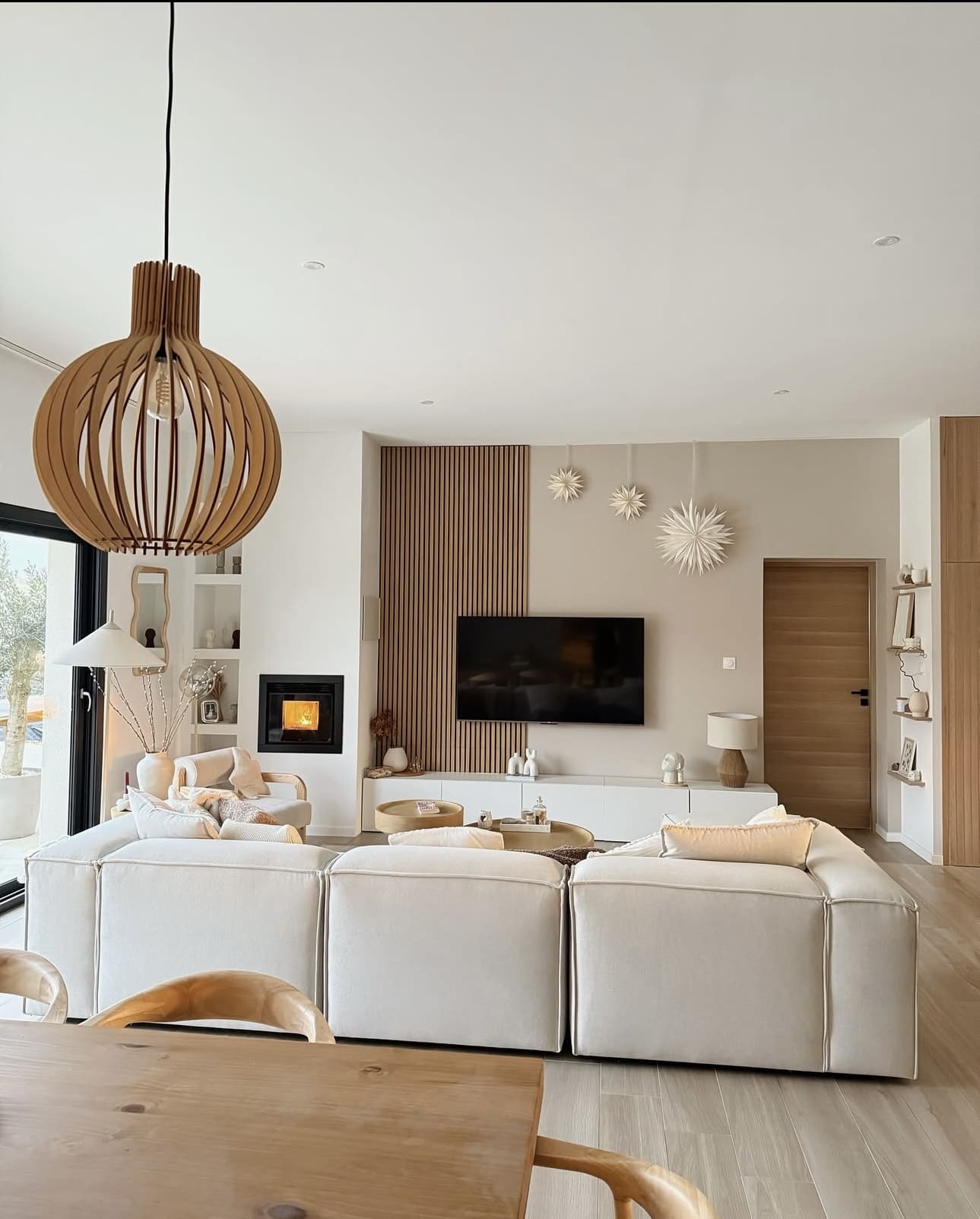
In minimalist living rooms, a subtle feature wall can add depth and character without overwhelming the space. By choosing a restrained approach using texture or muted tones, you create a gentle focal point that enhances simplicity. This technique balances visual interest with the clean, uncluttered look central to minimalist design.
Key Design Elements
- Opt for neutral or soft colors that complement the room’s palette.
- Incorporate natural textures like matte finishes, wood grain, or stone for understated dimension.
- Avoid overly busy patterns to maintain the calm, minimalist atmosphere.
Pro Tip: Use lighting strategically to accentuate the feature wall and create a dynamic yet peaceful ambiance.
4. Incorporate Soft Blue Accents
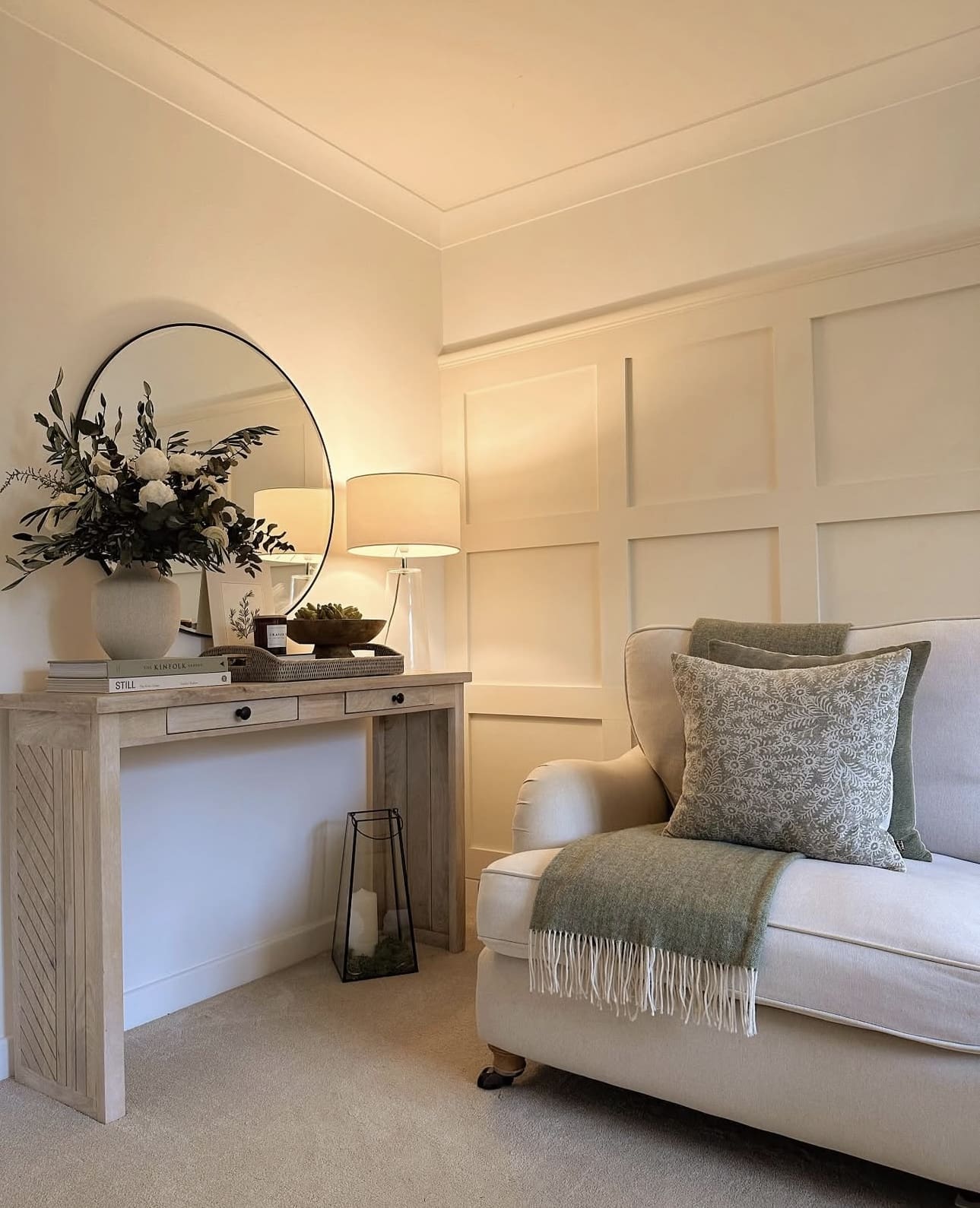
Soft blue hues bring a subtle yet refreshing dimension to minimalist living rooms, enriching the neutral palette without disrupting the calm atmosphere. This gentle color harmonizes with whites, grays, beiges, and natural wood finishes commonly seen in minimalist spaces.
Key Design Elements
- Introduce light blue through cushions or throws for easy updates.
- Choose artwork or ceramics featuring pale blue tones to add visual interest.
- Use light blue rugs or curtains to gently anchor the room without overpowering it.
Pro Tip: Opt for muted blue shades to maintain a serene and cohesive minimalist vibe.
5. Embrace Gentle Color Highlights
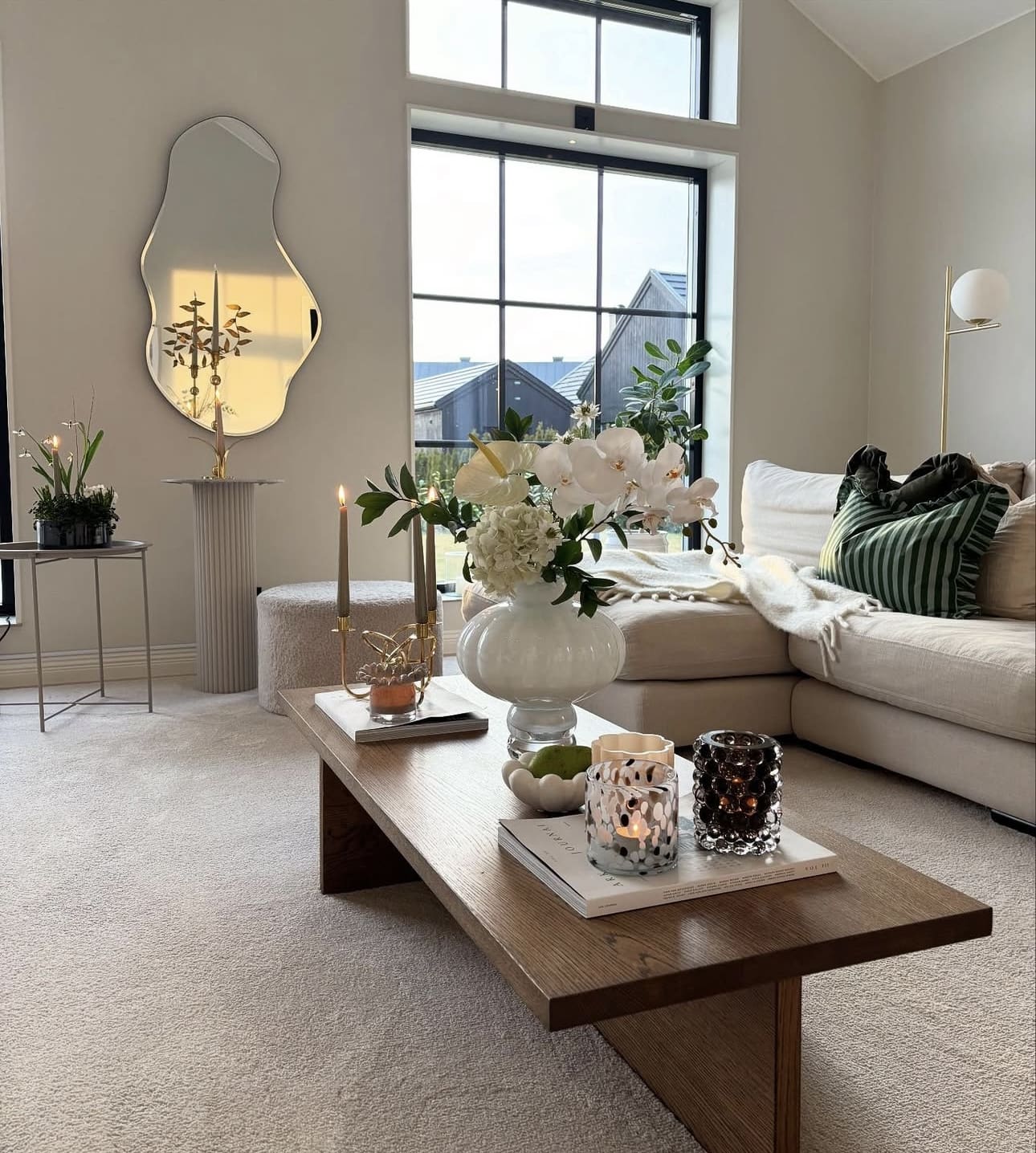
In minimalist living rooms, delicate touches of color can add dimension and warmth while maintaining a serene atmosphere. Thoughtfully chosen accents help create subtle focal points that enhance the space without cluttering it.
Key Design Elements
- Choose soft, muted tones like dusty rose, pale blue, or warm beige for accessories.
- Incorporate color through textiles such as cushions, throws, or rugs rather than large furniture pieces.
- Select artwork with understated hues to add personality without overpowering the room.
Pro Tip: Limit color accents to a few carefully curated items to preserve the minimalist aesthetic and keep the space feeling cohesive.
6. Embrace Warm Neutrals
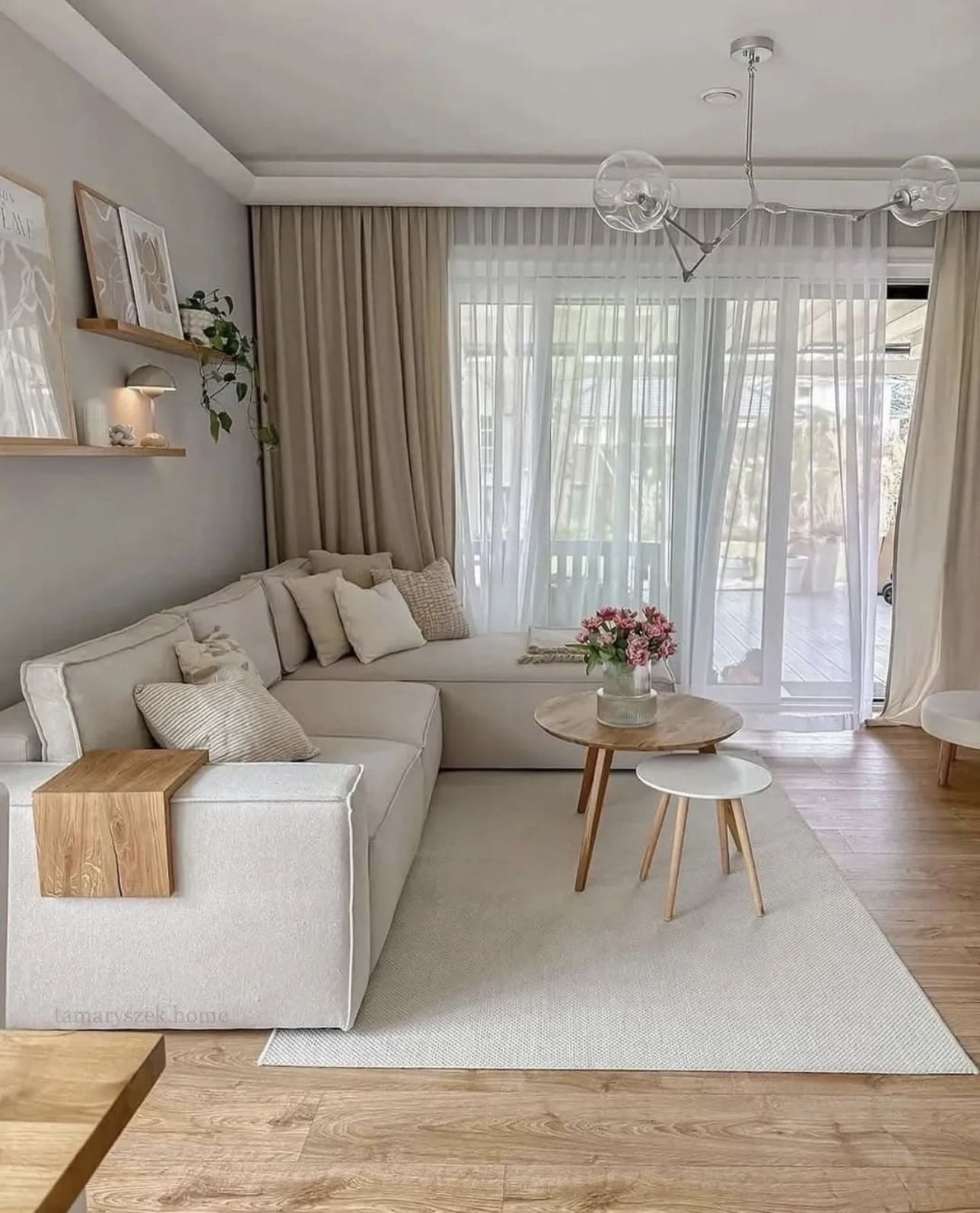
Incorporating warm neutrals like beige and brown can transform your minimalist living room into a cozy and inviting retreat. These colors reflect natural elements and add depth without overwhelming your space. The result is a balanced ambiance that feels both calming and grounded.
Key Design Elements
- Choose furniture with wood tones or natural fibers to enhance the earthy vibe.
- Use varying shades of beige and brown to add subtle contrast and texture.
- Pair warm neutrals with plenty of natural light to keep the space bright and airy.
Pro Tip: Integrate soft textiles like wool or linen in beige and brown hues to add warmth and tactile interest without clutter.
7. Select Subtle Rugs to Enhance Minimalist Spaces
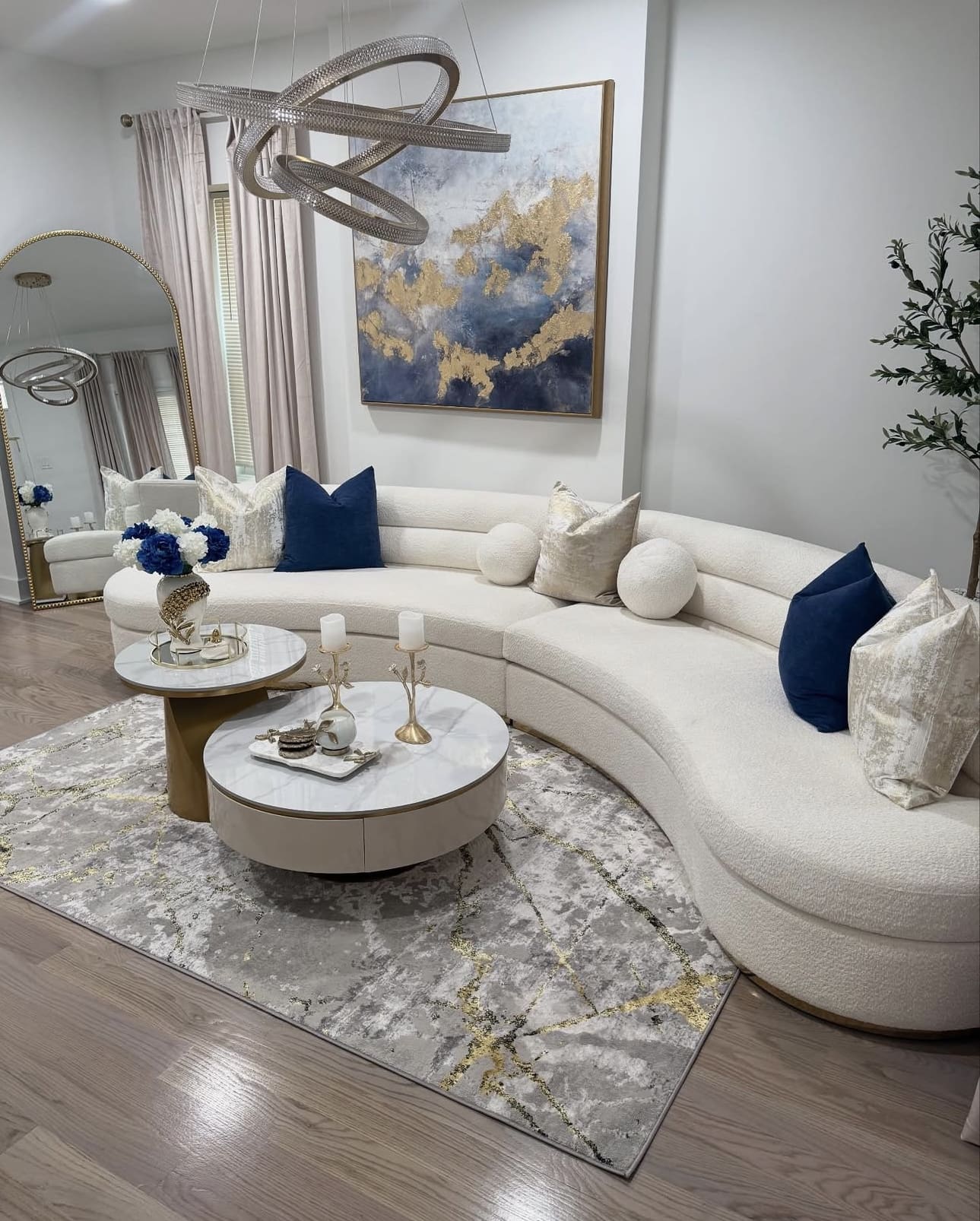
Incorporate rugs that feature gentle textures and understated designs to complement your minimalist living room. Choosing neutral colors and natural materials helps create a calm, cohesive environment while adding comfort underfoot.
Key Design Elements
- Opt for flat-weave or low-pile rugs to maintain a sleek silhouette.
- Choose neutral shades like beige, gray, or soft pastels to blend seamlessly with your decor.
- Select natural fibers such as wool or cotton for durability and tactile appeal.
Pro Tip: Layering a smaller textured rug over a larger neutral one can add subtle dimension without overwhelming the minimalist aesthetic.
8. Maximize Space with Integrated Shelving
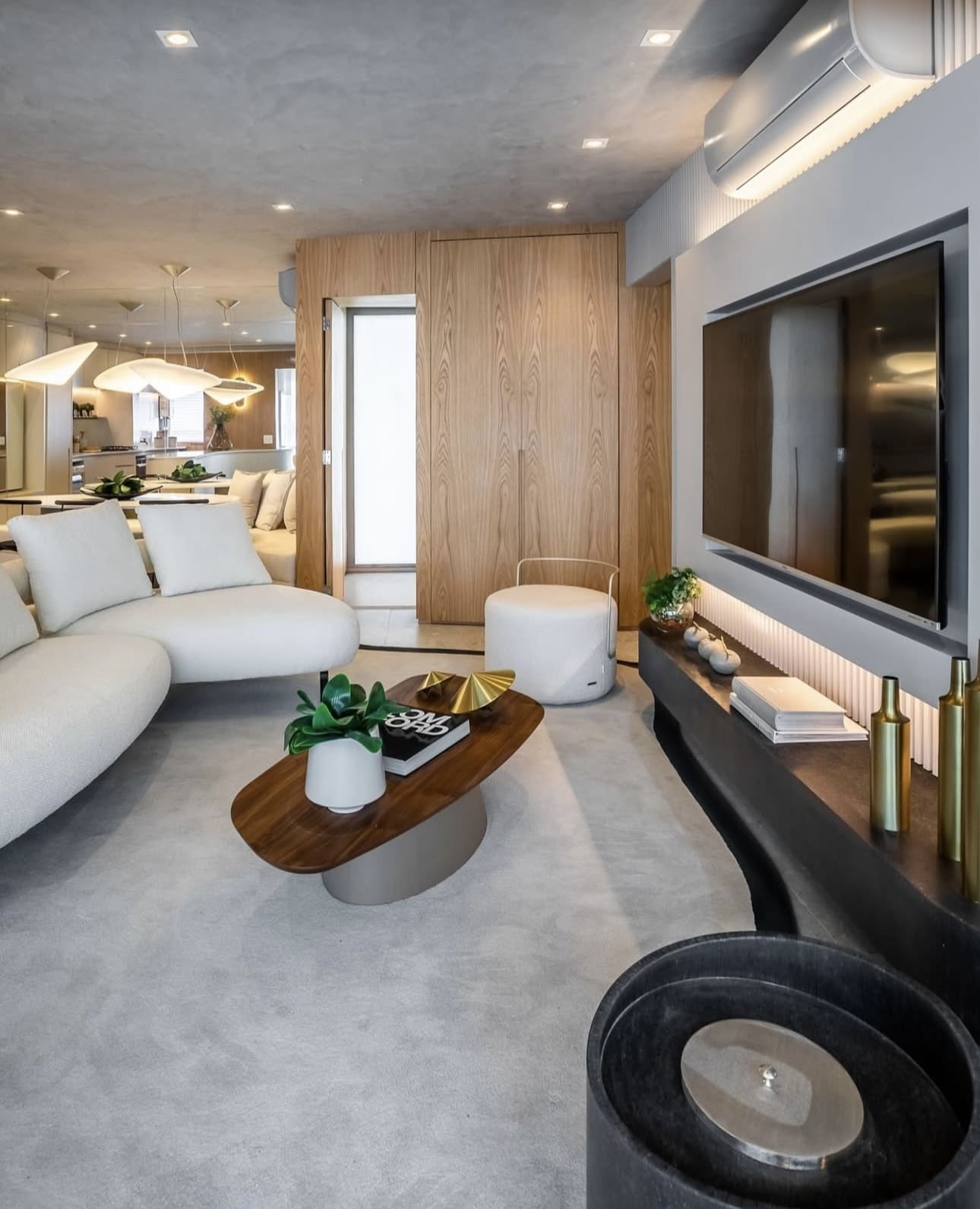
Integrated shelving seamlessly blends storage with your living room’s architecture, enhancing the minimalist aesthetic while maintaining functionality. By carefully selecting lighting and curated decor, these shelves can subtly elevate the room’s style without overwhelming the simplicity.
Key Design Elements
- Choose shelves that match your wall color for a cohesive look.
- Use soft LED lighting to highlight select items and create depth.
- Limit decorative objects to essentials to preserve a clean, uncluttered feel.
Pro Tip: Incorporate open and closed shelving to balance display space with hidden storage for a streamlined appearance.
9. Elevate Comfort with Soft Textures
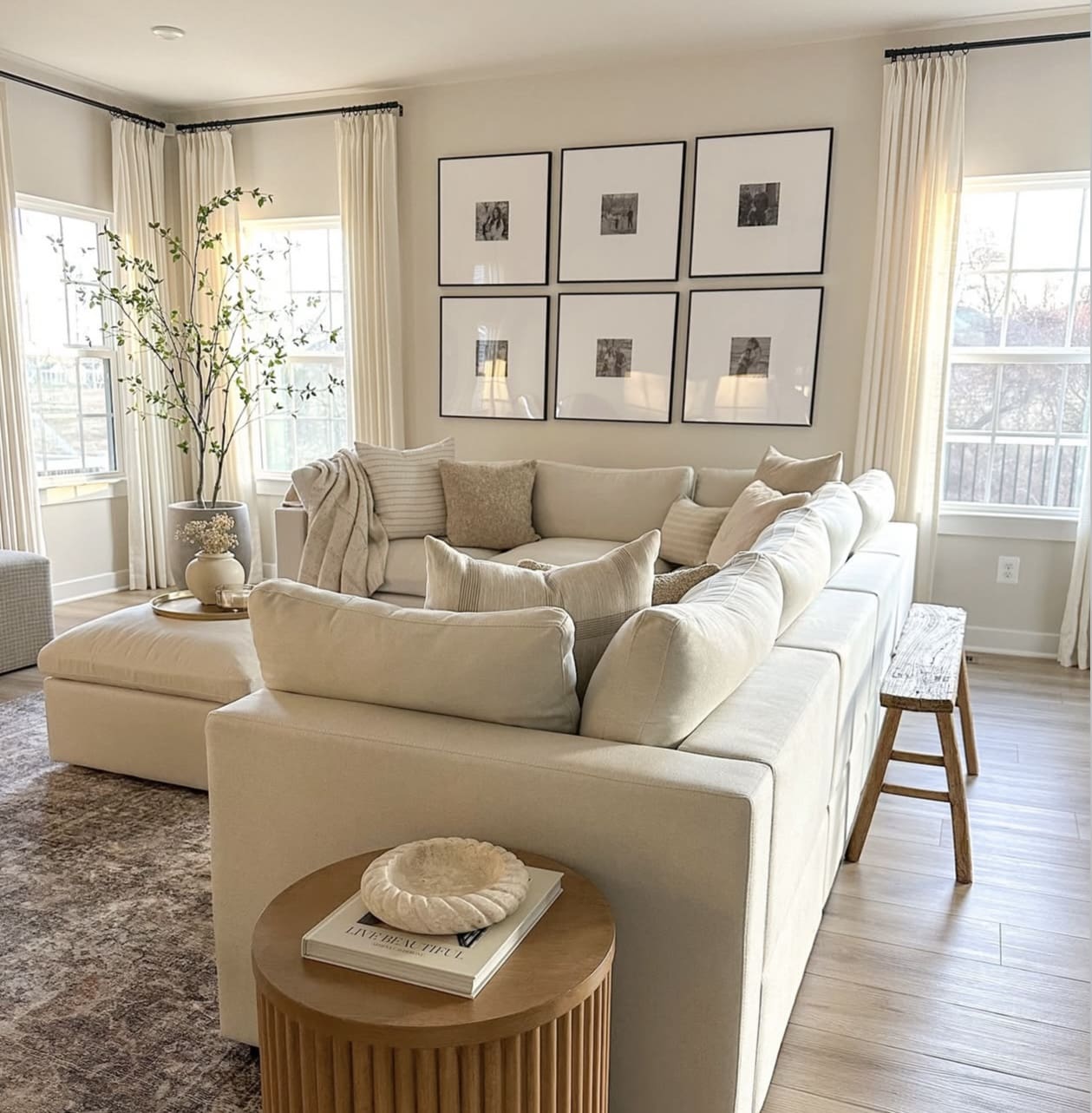
In a minimalist living room, incorporating soft textiles can enhance both comfort and visual appeal without overwhelming the space. Thoughtfully chosen cushions, throws, and rugs add subtle warmth and invite relaxation while maintaining a clean, uncluttered look.
Key Design Elements
- Choose cushions and throws in neutral tones or simple patterns to complement your minimalist palette.
- Opt for natural fabrics like cotton, linen, or wool for added texture and breathability.
- Select a rug with a low pile and muted colors to define the space without drawing too much attention.
Pro Tip: Layer textiles with varying textures but keep colors cohesive to sustain a calm, minimalist atmosphere.
10. Embrace Seamless Space Flow
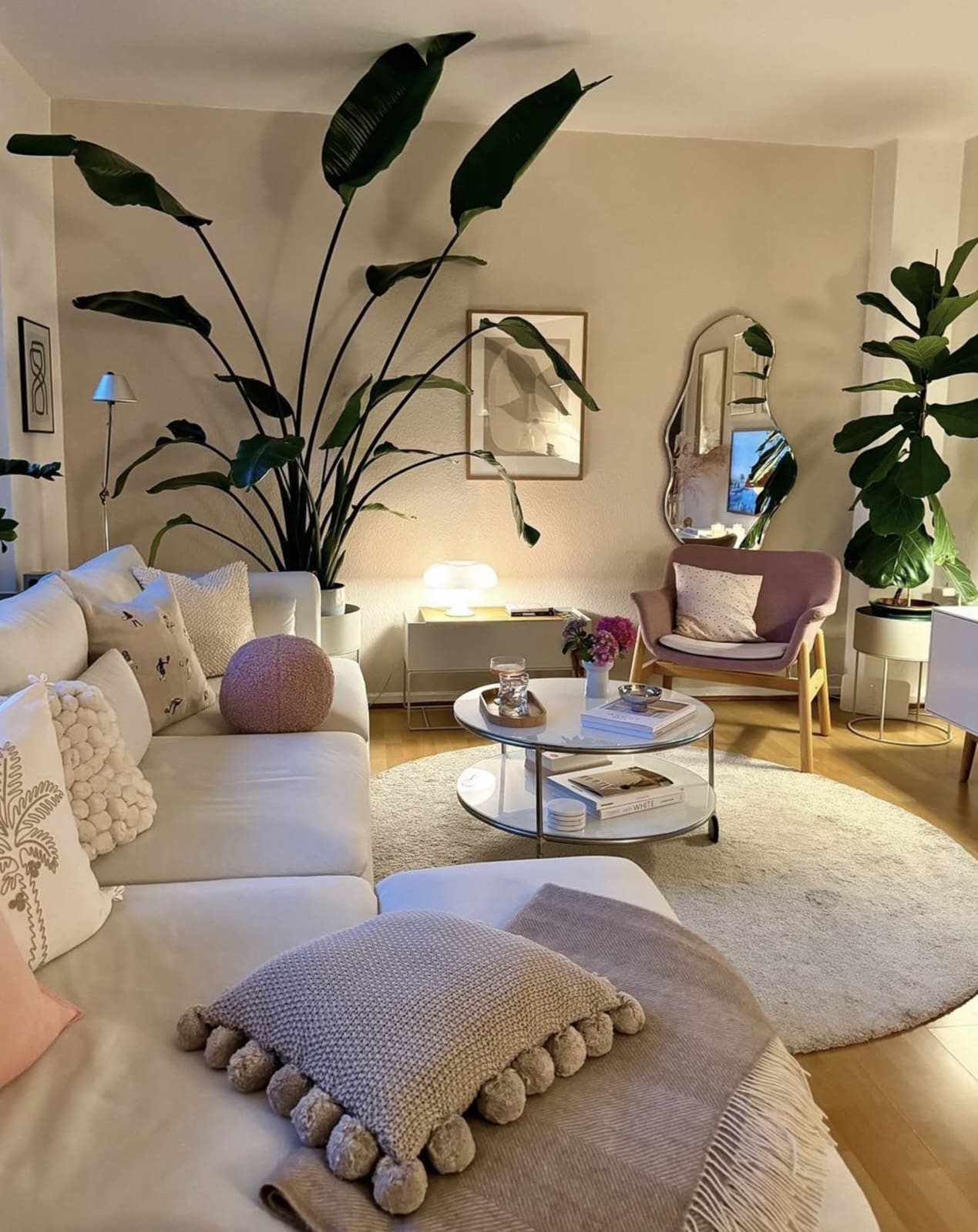
Removing unnecessary walls and partitions creates a continuous, airy environment that amplifies the minimalist aesthetic. This approach enhances natural light and encourages a calm, uncluttered atmosphere ideal for minimalist living rooms.
Key Design Elements
- Opt for multifunctional furniture to define areas without physical barriers.
- Keep the color palette neutral to maintain visual harmony across spaces.
- Use rugs or lighting to subtly differentiate zones while preserving openness.
Pro Tip: Maximize the impact of an open layout by ensuring all furnishings align with minimalist principles—think clean lines and simple forms.
11. Choose Accessories with Intention
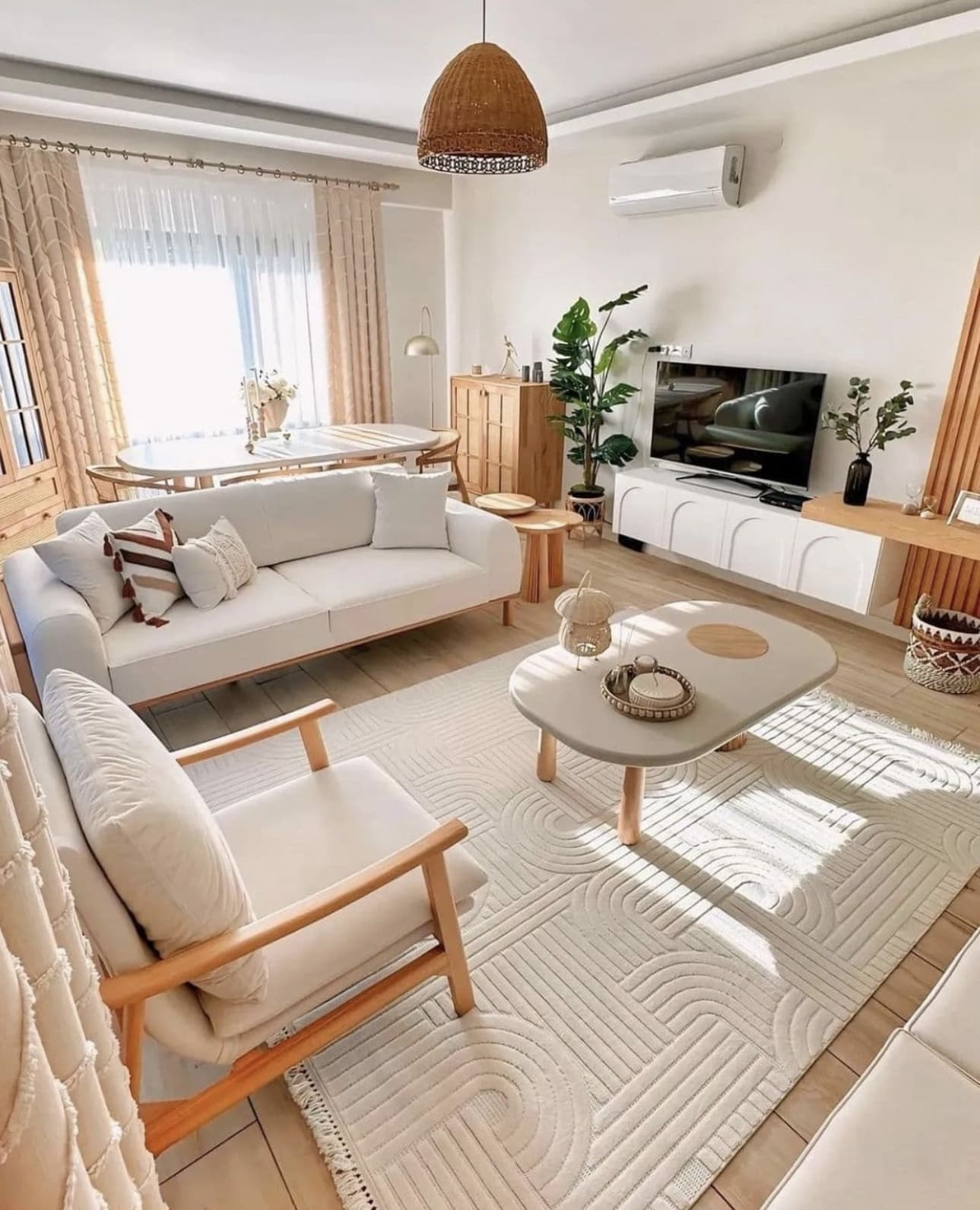
In a minimalist living room, every accessory should serve a purpose or add meaningful beauty without overwhelming the space. By thoughtfully selecting a few key pieces, you can keep the room feeling open and calming. This approach enhances simplicity while allowing your design to breathe.
Key Design Elements
- Select accessories that complement the room’s color palette and style.
- Opt for multifunctional items that blend form and function.
- Regularly assess and remove accessories that no longer serve a purpose.
Pro Tip: Focus on quality over quantity to create a curated and clutter-free environment.
12. Harness Sunlight to Enhance Space
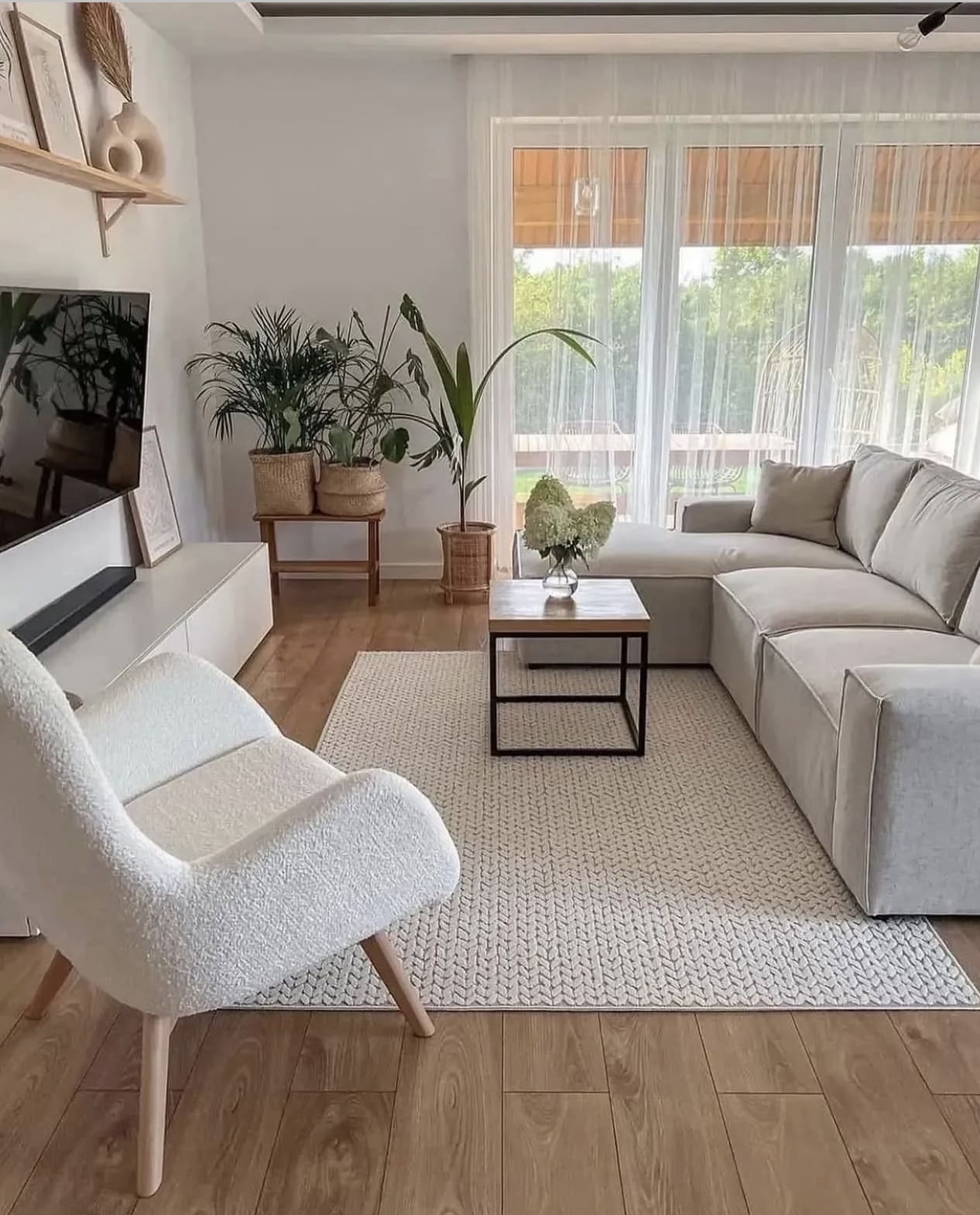
Bringing natural sunlight into your minimalist living room instantly lifts the atmosphere, making the space feel more open and serene. Even compact areas benefit from the warm glow and brightness that daylight provides, contributing to a calm and inviting environment.
Key Design Elements
- Choose light, airy curtains like sheers or linens that diffuse sunlight gently.
- Keep windows clean and unobstructed to maximize the amount of light entering the room.
- Arrange furniture to avoid blocking windows and allow light to travel freely across the space.
Pro Tip: Position mirrors opposite windows to reflect sunlight and amplify brightness throughout the room.
13. Creating a Tranquil Minimalist Space
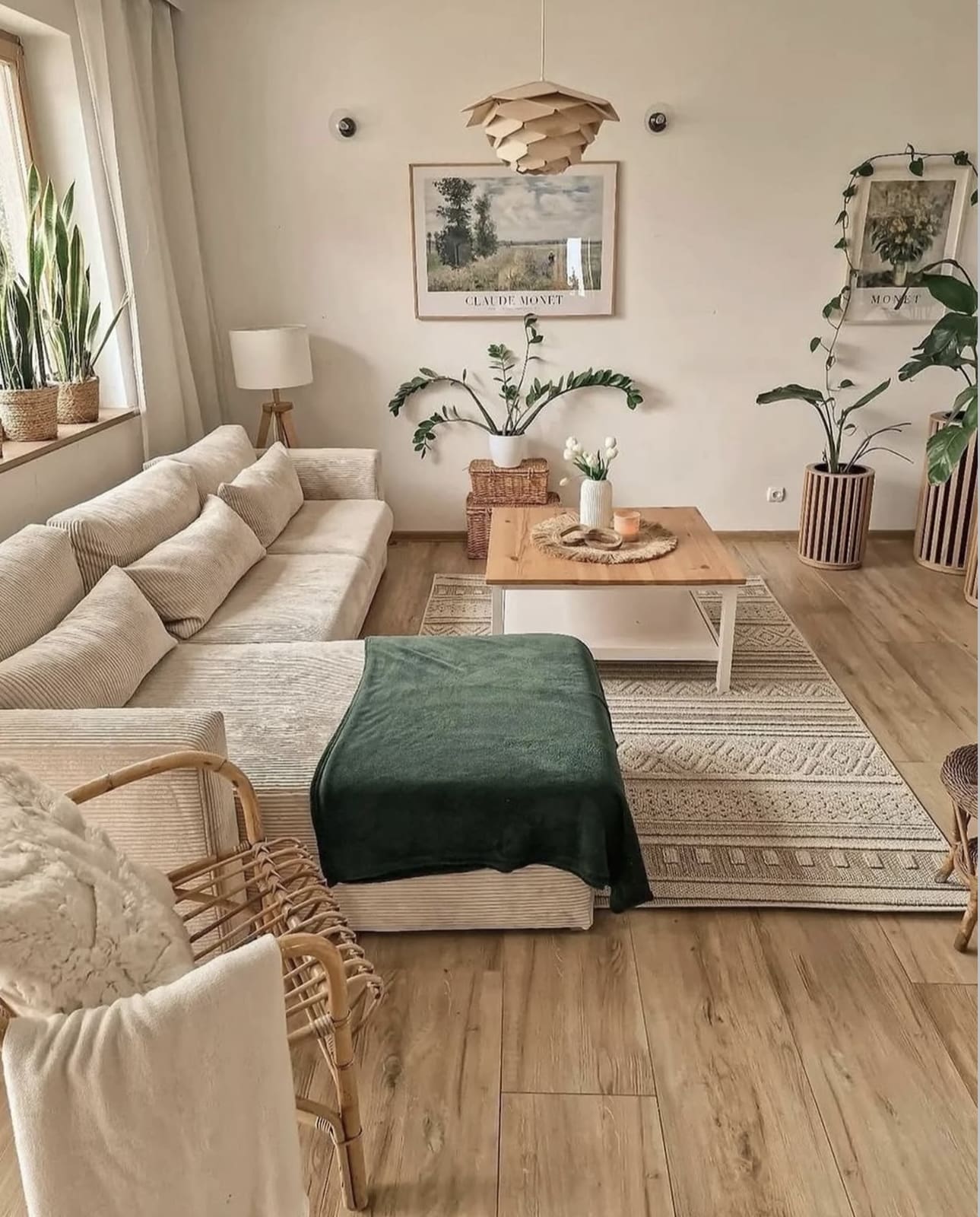
A minimalist living room thrives on simplicity and harmony, drawing inspiration from nature to foster a peaceful atmosphere. By focusing on clean lines and open spaces, you can design an environment that encourages relaxation and clarity.
Key Design Elements
- Choose furniture with simple, streamlined designs to maintain an uncluttered look.
- Incorporate natural materials like wood, stone, or plants to bring warmth and life into the space.
- Keep color palettes neutral to reinforce the sense of calm and openness.
Pro Tip: Use soft, diffused lighting to enhance the room’s serene ambiance without overwhelming the senses.
14. Embrace Light Neutrals for Spaciousness
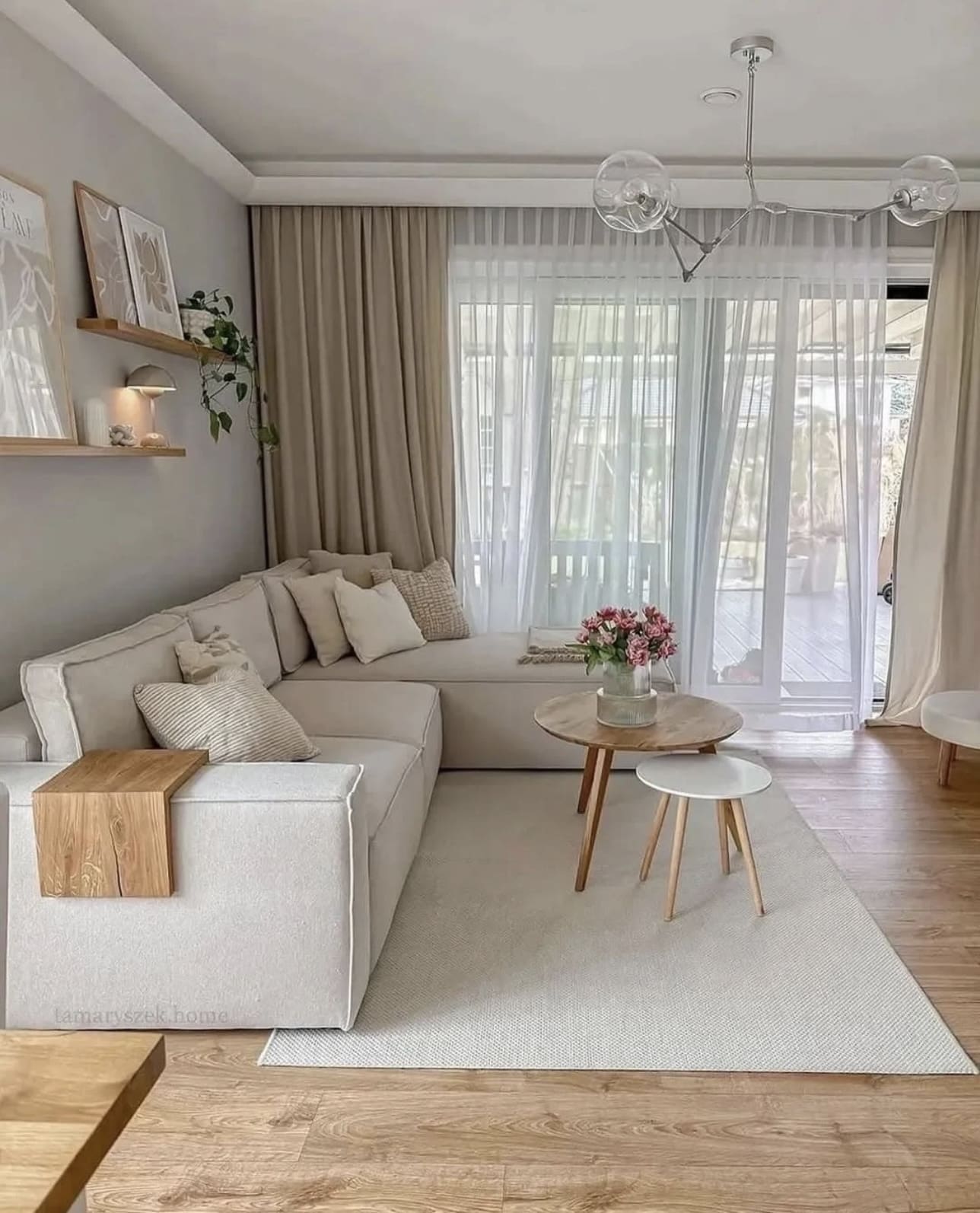
In minimalist living rooms, light neutral tones like white enhance the sense of space and openness. They naturally reflect light, making even compact areas feel airy and inviting while providing a timeless backdrop that adapts to any style.
Key Design Elements
- Choose crisp white walls to maximize natural light reflection.
- Incorporate white furnishings or accents for a cohesive, clean look.
- Balance whites with subtle textures to add warmth without clutter.
Pro Tip: Use varying shades of white and off-white to create depth and avoid a flat appearance.
15. Choose Subtle Curtains for a Calm Canvas
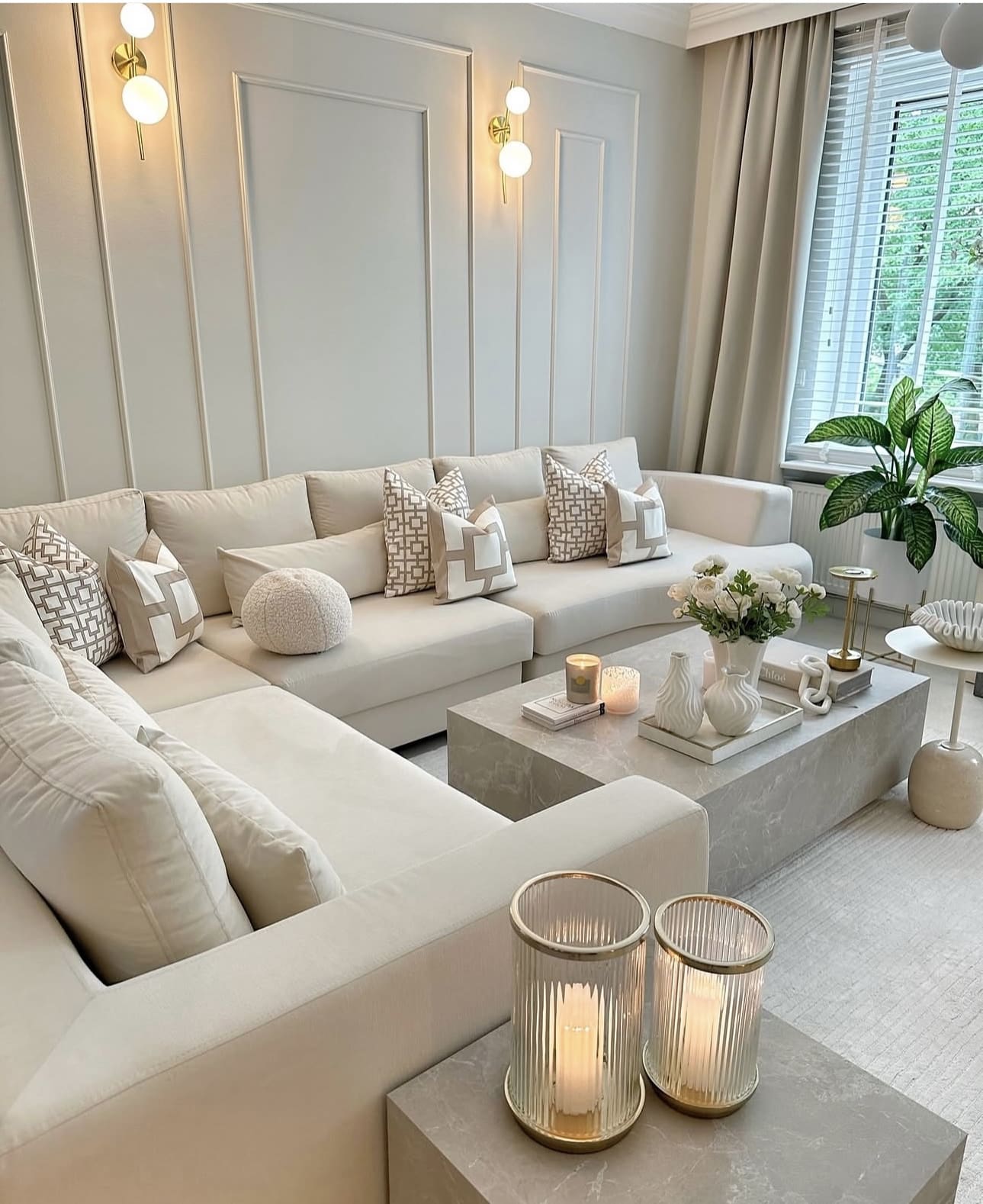
Selecting curtains in soft, neutral shades creates a serene foundation in minimalist living rooms, enhancing the overall harmony without overpowering the space. These understated window treatments help emphasize key design features while maintaining a clean and uncluttered aesthetic.
Key Design Elements
- Pick shades like beige, gray, or off-white to complement existing decor seamlessly.
- Opt for lightweight fabrics like linen or cotton to keep the atmosphere light and airy.
- Ensure curtains are tailored to fit perfectly for a sleek and polished look.
Pro Tip: Use neutral curtains to subtly frame your windows, making natural light and views part of your minimalist design.
16. Incorporate Timeless Pieces
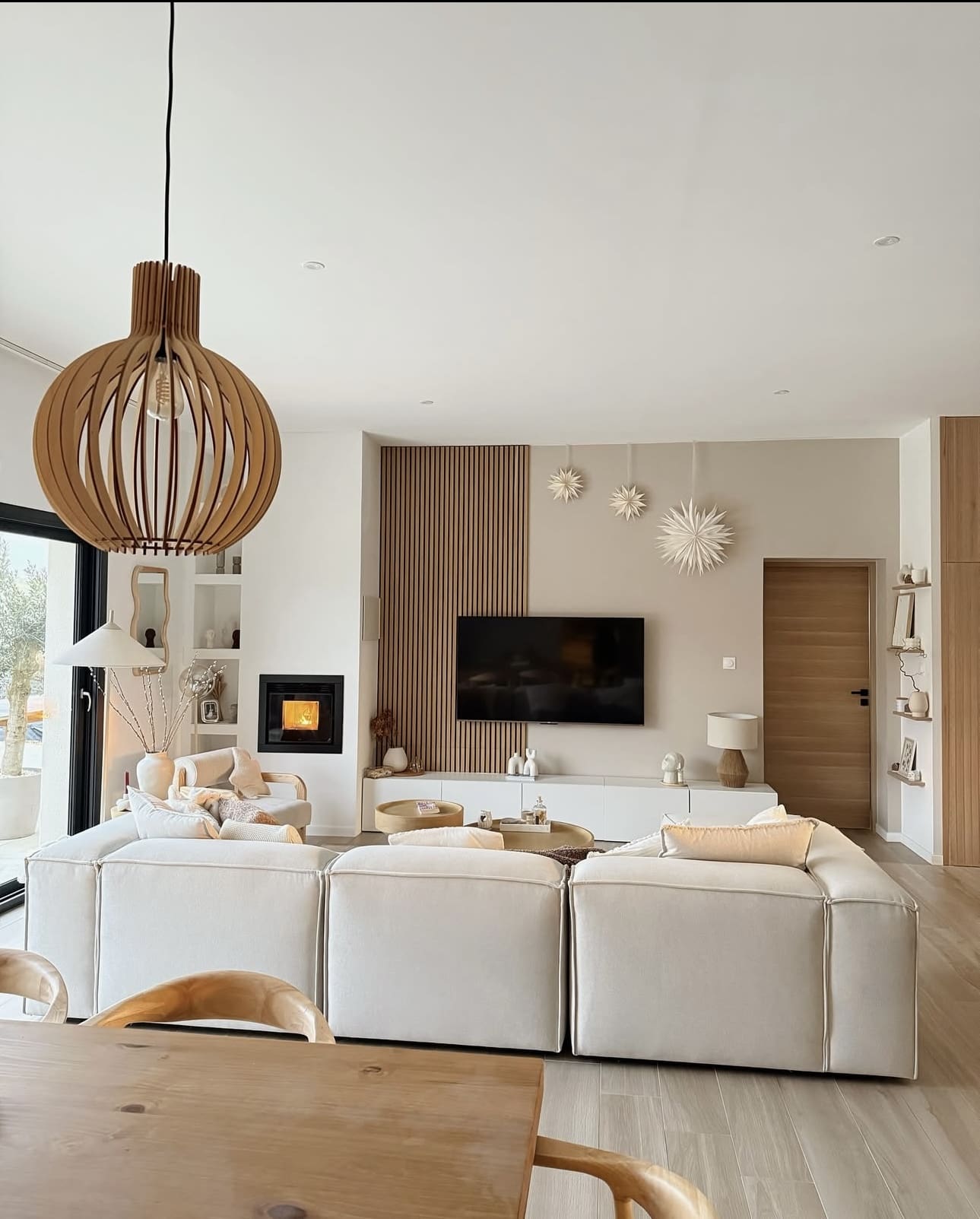
Introducing timeless, vintage elements into a minimalist living room can add character and softness to an otherwise sleek space. These pieces bring warmth and texture, creating a balanced and inviting atmosphere without cluttering the design.
Key Design Elements
- Choose a statement antique that complements your room’s color palette.
- Limit the number of vintage items to maintain a clean, uncluttered look.
- Focus on pieces with unique textures or craftsmanship to add visual interest.
Pro Tip: Pair antiques with modern furniture to create a harmonious blend of old and new that enhances minimalist style.
17. Opt for Modern Minimalist Lighting
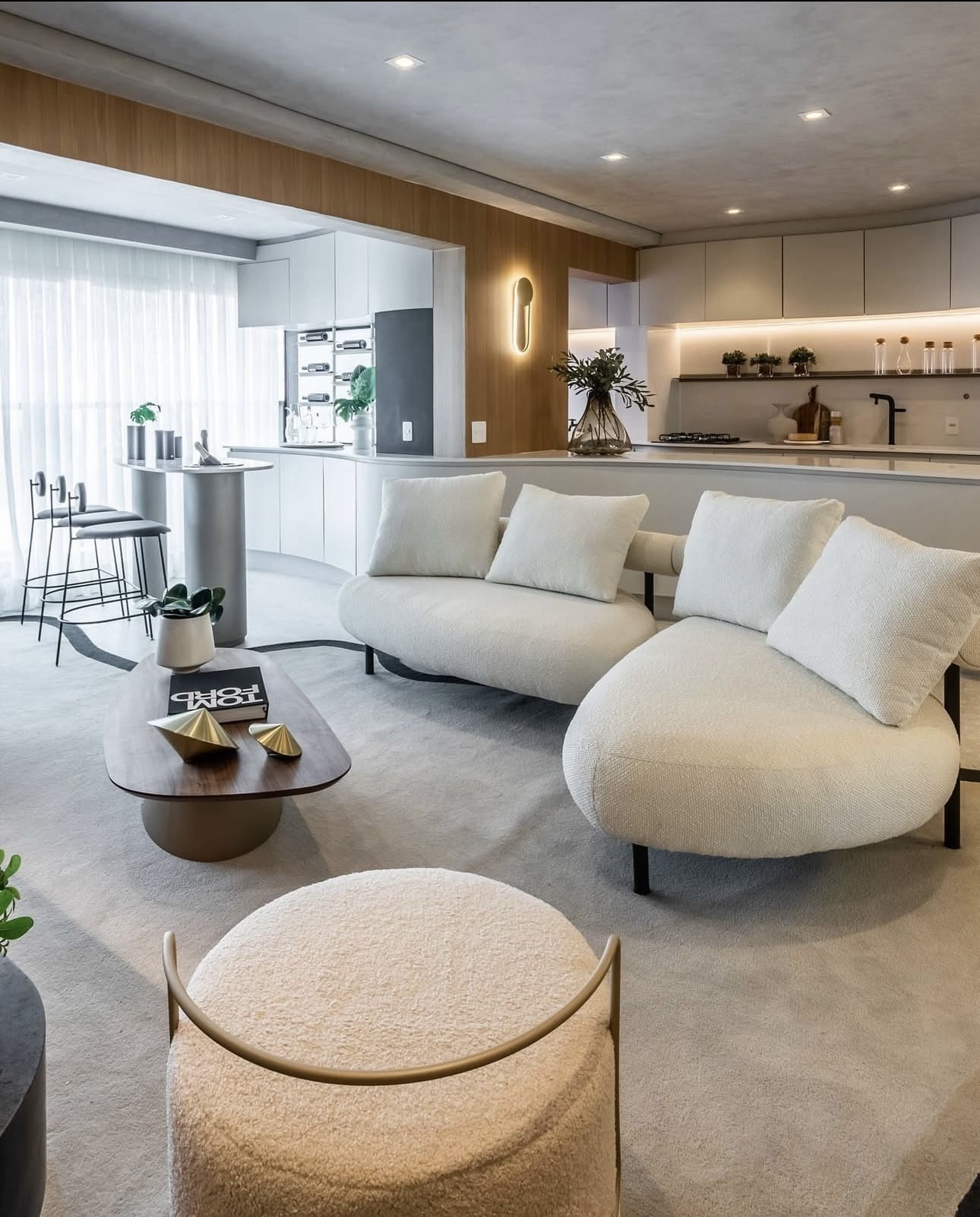
Selecting lighting with clean lines and understated designs can elevate your minimalist living room without overwhelming the space. Favor fixtures that emphasize simplicity and functionality while adding subtle visual interest.
Key Design Elements
- Choose fixtures with smooth surfaces and neutral colors to blend seamlessly with your décor.
- Incorporate geometric shapes to introduce a modern edge without clutter.
- Prioritize lighting that provides ample illumination but maintains a sleek profile.
Pro Tip: Consider dimmable LED lights to adjust ambiance while preserving minimalist aesthetics.
18. Elevate with Marble Accents
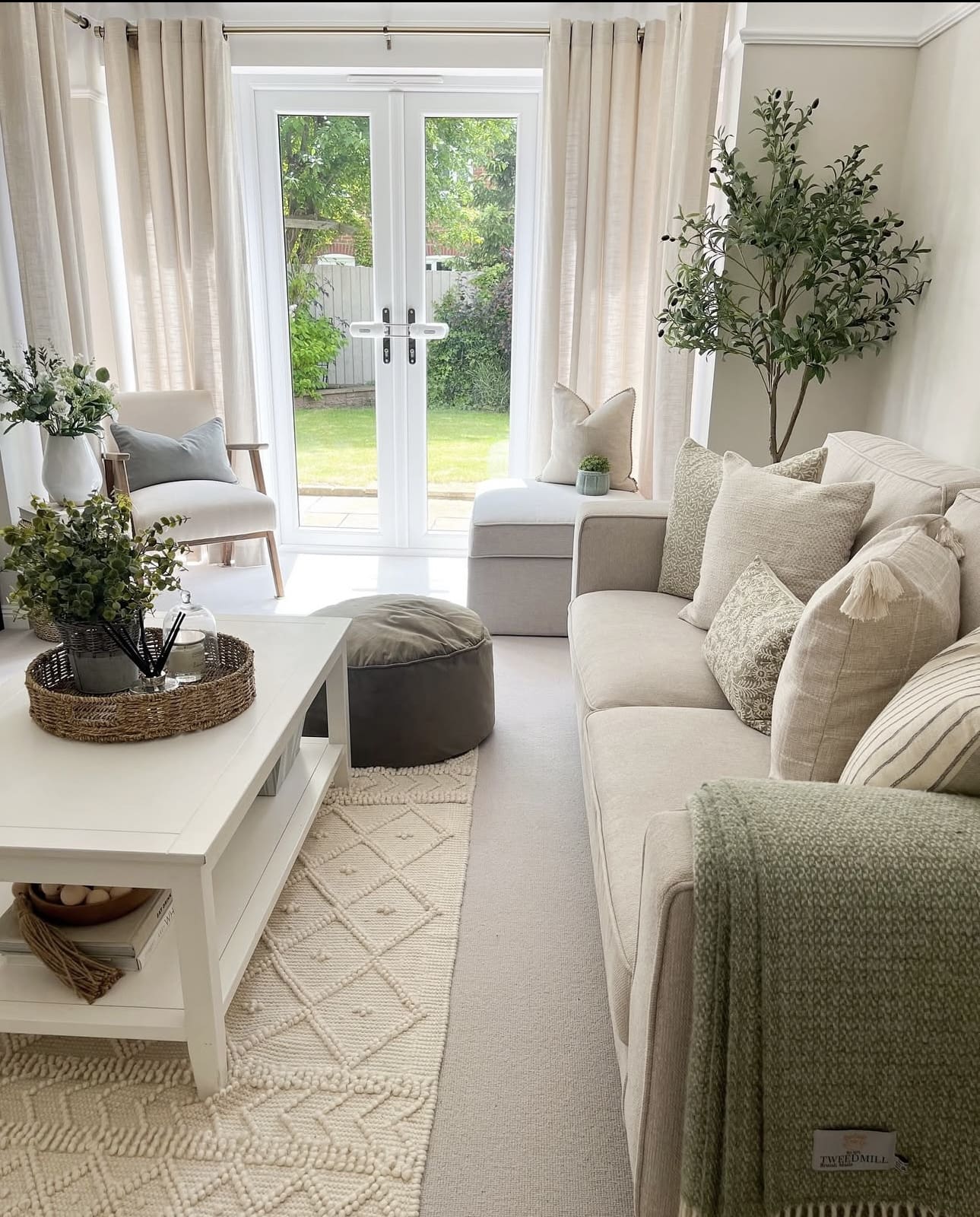
Marble’s sleek texture and unique patterns introduce a subtle sophistication to minimalist living rooms. Its understated elegance complements simple designs without overwhelming the space. Incorporating marble elements can enhance the room’s natural beauty while maintaining clean, modern lines.
Key Design Elements
- Use marble coffee or side tables for functional art pieces.
- Incorporate marble tiles or a fireplace surround to add texture and depth.
- Choose light-colored marble to keep the space bright and airy.
Pro Tip: Pair marble with matte finishes and natural materials like wood to balance luxury with warmth.
19. Choose a Sleek, Unadorned Coffee Table
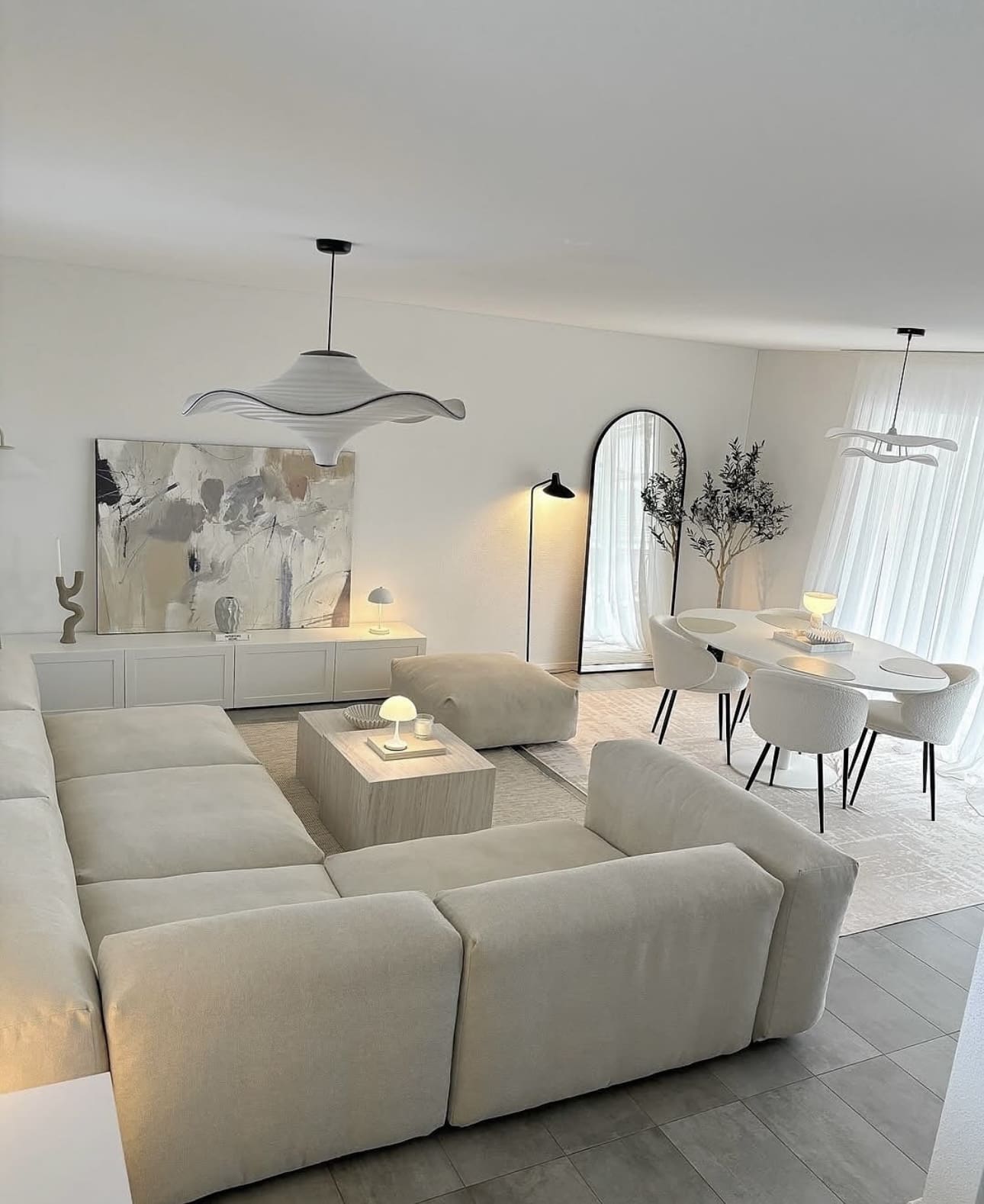
Selecting a streamlined coffee table enhances the minimalist vibe by keeping the space open and airy. Its straightforward design ensures it complements any decor style without overwhelming the room. This versatile piece remains elegant and functional over time.
Key Design Elements
- Opt for neutral colors or natural materials to maintain simplicity.
- Avoid excessive ornamentation or intricate details.
- Pick a size proportional to your seating area to prevent visual clutter.
Pro Tip: Look for coffee tables with built-in storage to keep essentials tucked away and maintain a tidy surface.
20. Embrace Dark Elegance for a Cozy Vibe
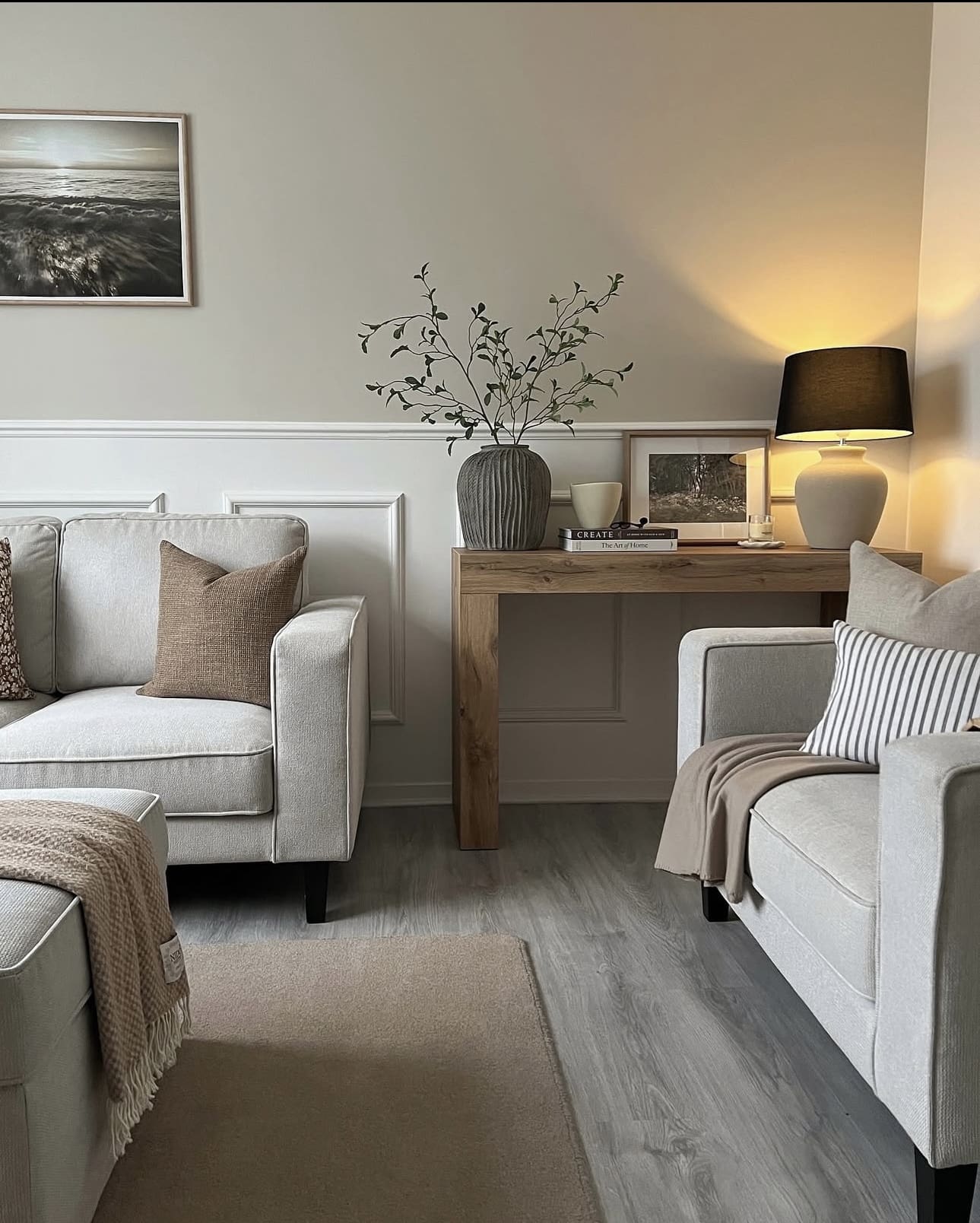
Incorporating darker shades and textured elements can transform your minimalist living room into a warm and inviting retreat. This approach balances simplicity with depth, creating a space that feels both stylish and comfortable.
Key Design Elements
- Choose deep colors like charcoal, navy, or forest green as accent walls or furniture pieces.
- Incorporate rich fabrics such as velvet or suede to add tactile interest without clutter.
- Use layered lighting with dimmers to control the mood and highlight key areas.
Pro Tip: Mix matte and glossy finishes to enhance visual depth while maintaining a minimalist feel.
21. Incorporate Meaningful Details
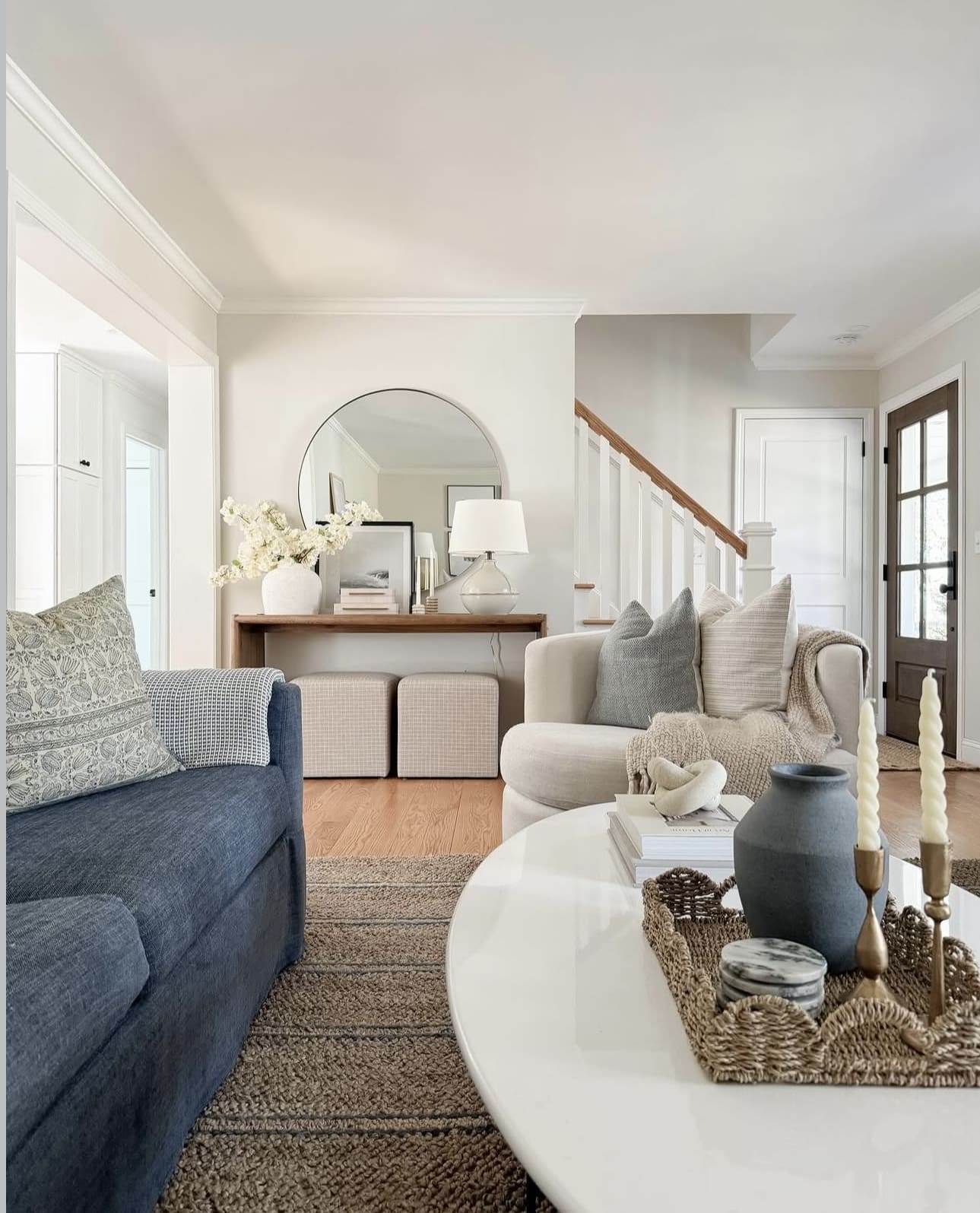
Minimalist living rooms can sometimes feel stark, but adding meaningful details helps create warmth and personality. Thoughtful accents make the space inviting without overwhelming its simplicity.
Key Design Elements
- Display a few cherished objects or artwork that reflect your interests.
- Use textiles like a cozy throw or cushions with subtle patterns.
- Incorporate natural elements such as plants or wooden decor for texture.
Pro Tip: Choose items that resonate personally to maintain authenticity while preserving minimalist balance.
22. Achieve Harmonious Flow
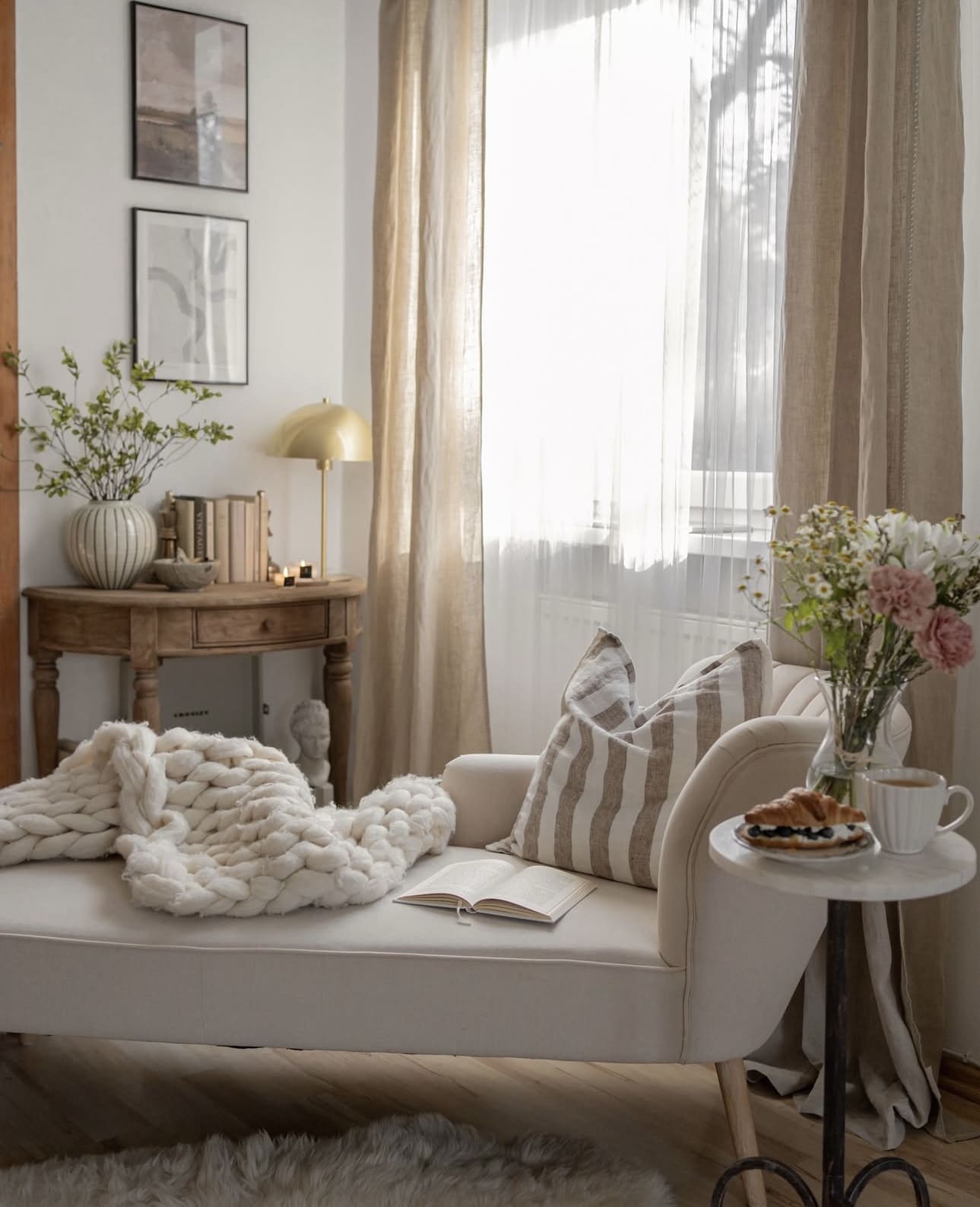
In a minimalist living room, maintaining harmony is key to a calming atmosphere. Distribute colors, patterns, and textures evenly to ensure no single area feels overloaded, allowing each element to enhance the overall aesthetic. This approach creates a cohesive and inviting space without clutter.
Key Design Elements
- Use a limited color palette and repeat tones in different areas to unify the room.
- Incorporate varied textures like soft fabrics and smooth surfaces to add depth without visual noise.
- Space out bold or patterned pieces so they stand out individually rather than compete for attention.
Pro Tip: Step back regularly to assess the room’s flow and adjust placements to keep the design balanced and serene.
23. Opt for a Unified Color Palette
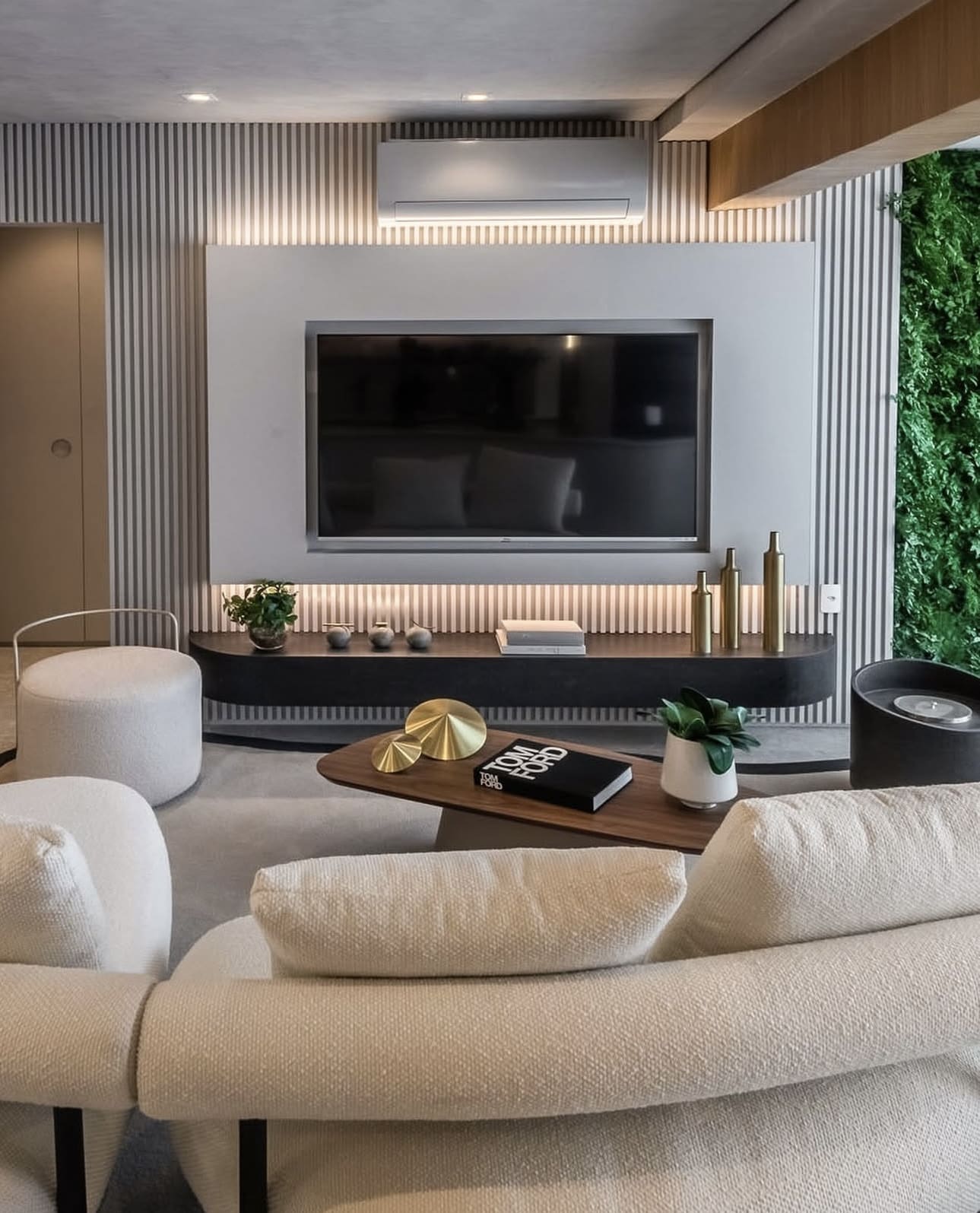
Choosing a single color palette enhances the minimalist aesthetic by promoting harmony and reducing visual clutter. This approach highlights textures and shapes, allowing the room’s design elements to stand out effortlessly.
Key Design Elements
- Select various shades and tones within one color family to add subtle depth.
- Incorporate different materials to create interest without introducing new colors.
- Keep accessories and furniture within the chosen palette for a cohesive look.
Pro Tip: Use varying textures and finishes within your color palette to keep the space dynamic yet serene.
24. Create a Striking Focal Point with a Bold Wall Color
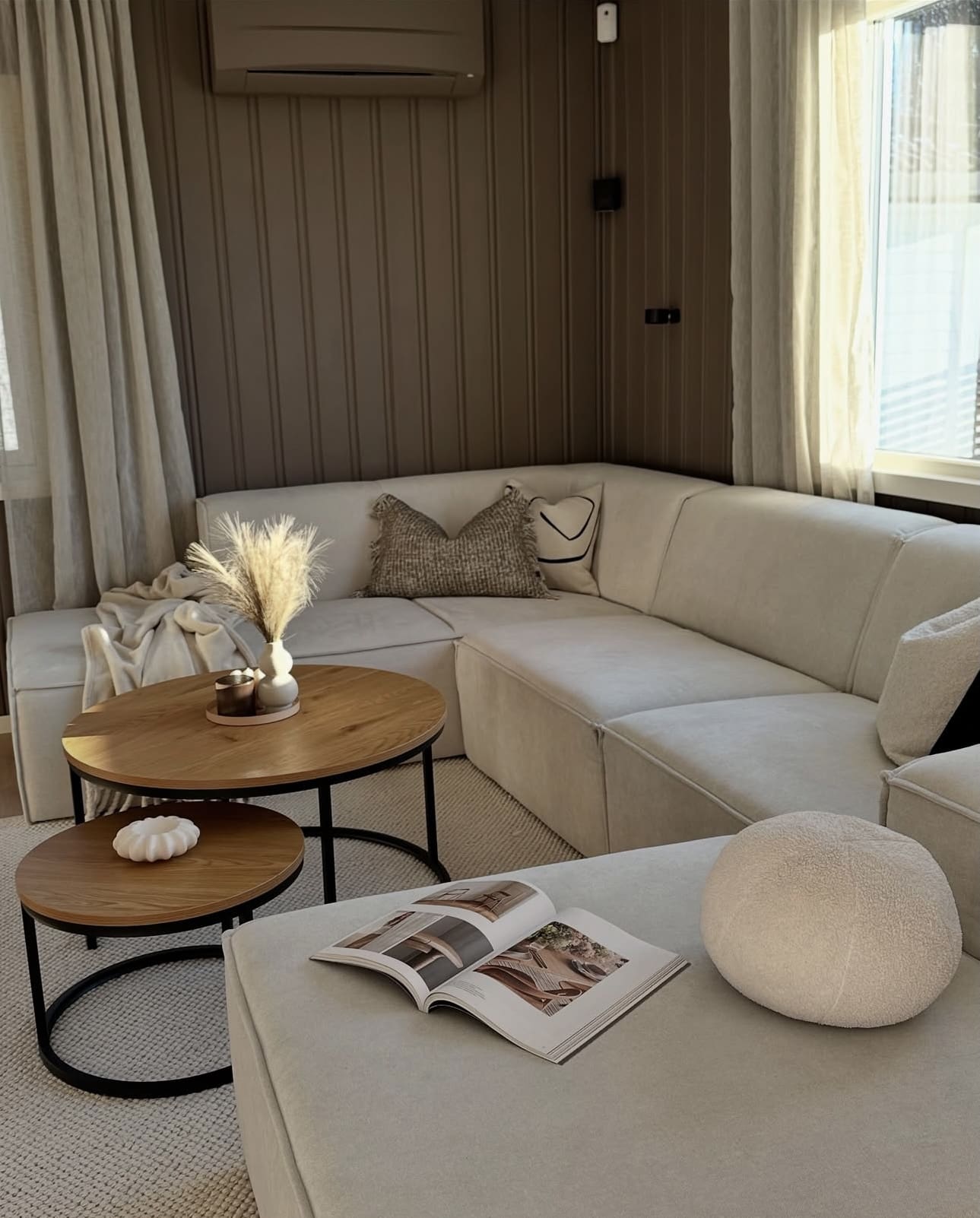
In minimalist living rooms, a single wall painted in a deep black or soft pale green instantly captures attention and adds character without overwhelming the space. This technique introduces depth and a subtle sense of drama, enhancing the overall ambiance while maintaining simplicity.
Key Design Elements
- Choose a wall that naturally draws attention, such as behind the sofa or media unit.
- Pair dark walls with light-colored furniture and decor to maintain balance and openness.
- Use pale green to bring a touch of calm and nature-inspired freshness to the room.
Pro Tip: Test paint samples on your wall and observe them at different times of day to see how natural light affects the color.
25. Add Warmth Through Natural Materials
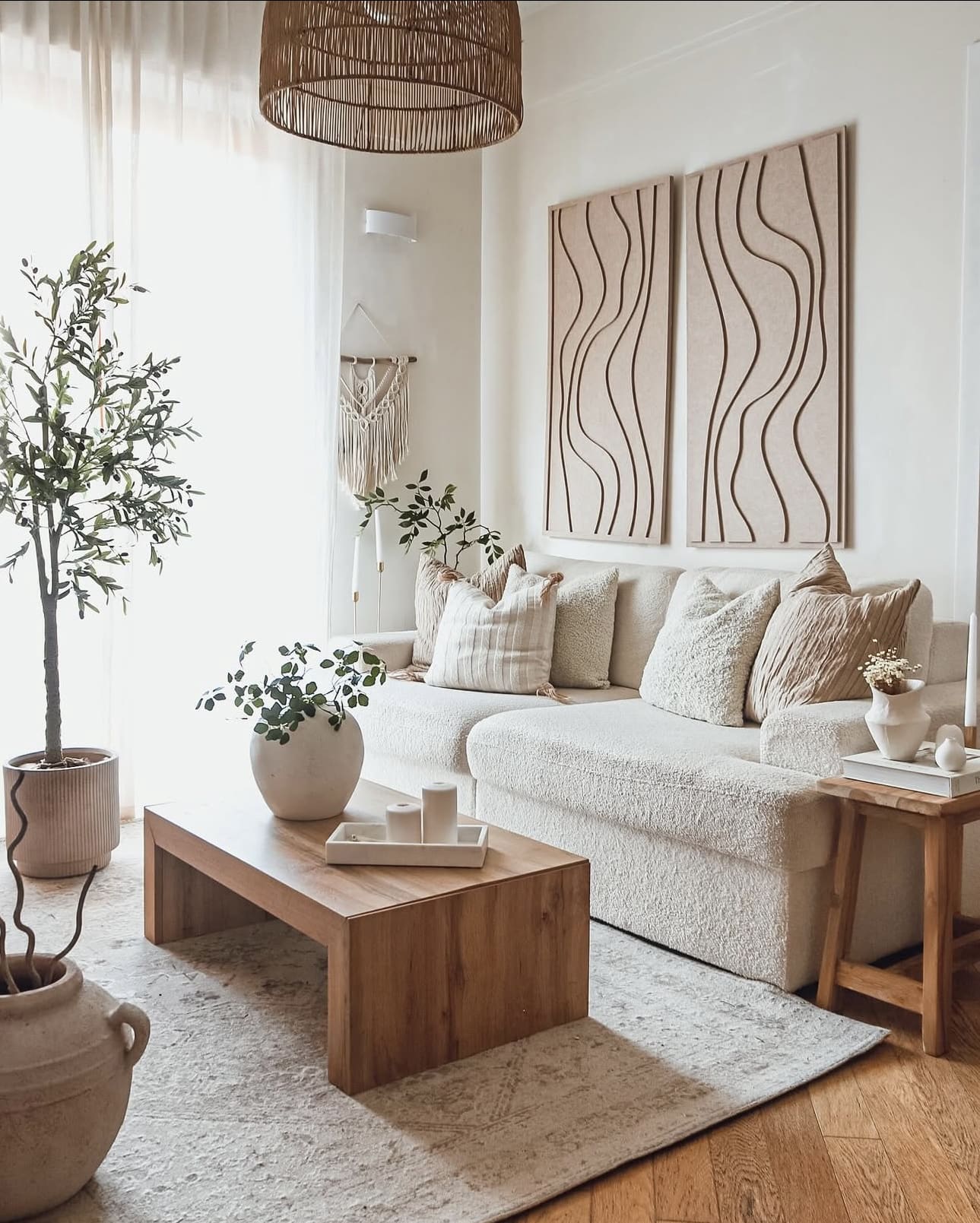
Introducing tactile elements brings warmth and personality to minimalist living rooms without overwhelming the clean design. Using natural fibers and finishes creates inviting spaces that feel both modern and cozy.
Key Design Elements
- Choose furniture crafted from wood or bamboo for organic texture and durability.
- Incorporate woven accents like rattan baskets or jute rugs to add subtle depth.
- Opt for soft textiles such as linen or cotton cushions to maintain simplicity with comfort.
Pro Tip: Select materials that age beautifully to enhance your space’s character over time.
26. Enhance Your Walls with Stylish Open Shelves
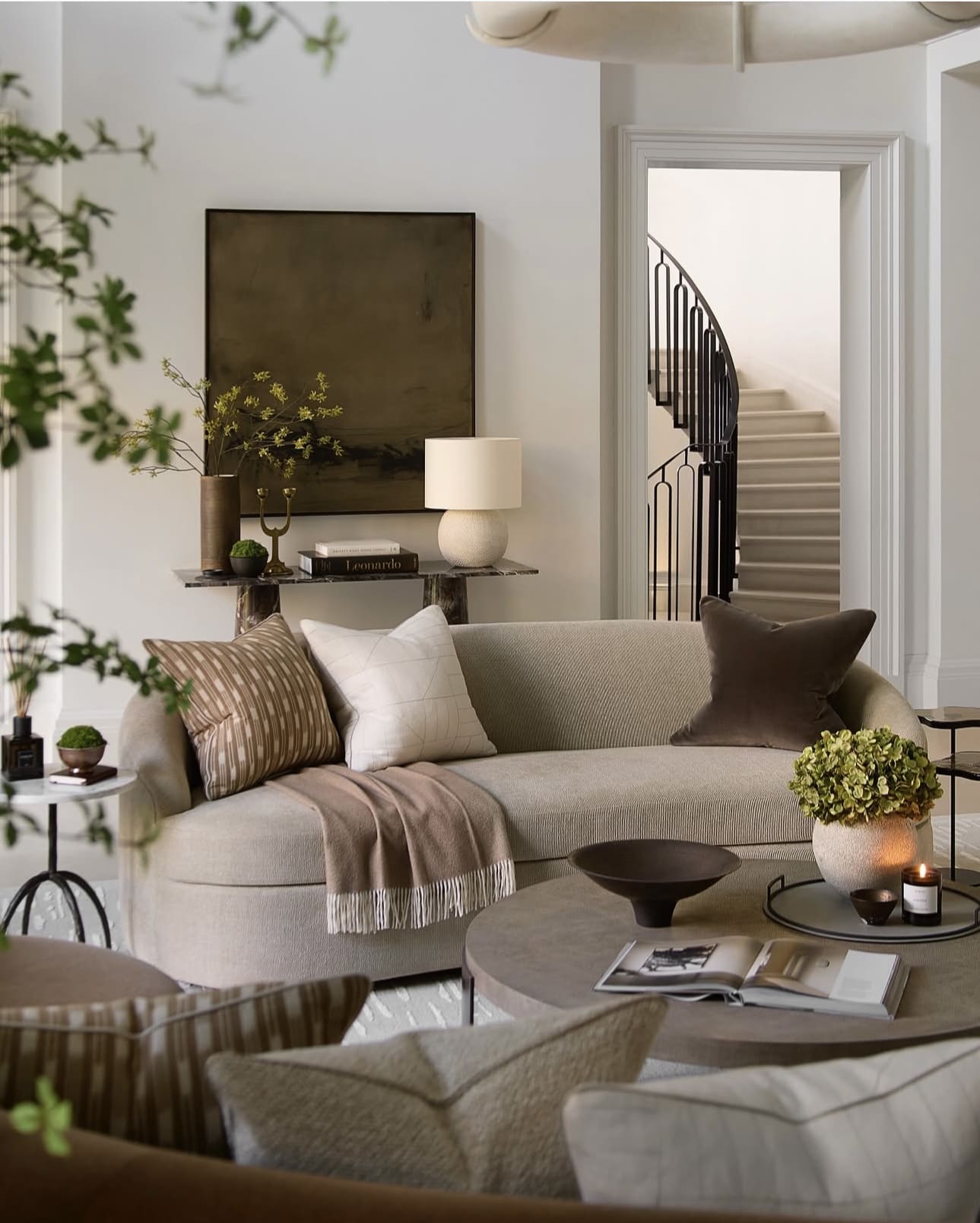
In minimalist living rooms, open shelves offer a sleek way to add depth and character without overwhelming the space. Thoughtfully arranged, they create visual interest and provide a subtle platform to showcase meaningful decor pieces.
Key Design Elements
- Choose floating shelves with clean lines to maintain a minimalist aesthetic.
- Limit the number of items displayed to avoid clutter and preserve simplicity.
- Use shelves to highlight select objects like plants, books, or art pieces for a curated feel.
Pro Tip: Opt for neutral-toned shelves to seamlessly blend with your walls while adding texture and dimension.
27. Create a Serene Seaside Sanctuary
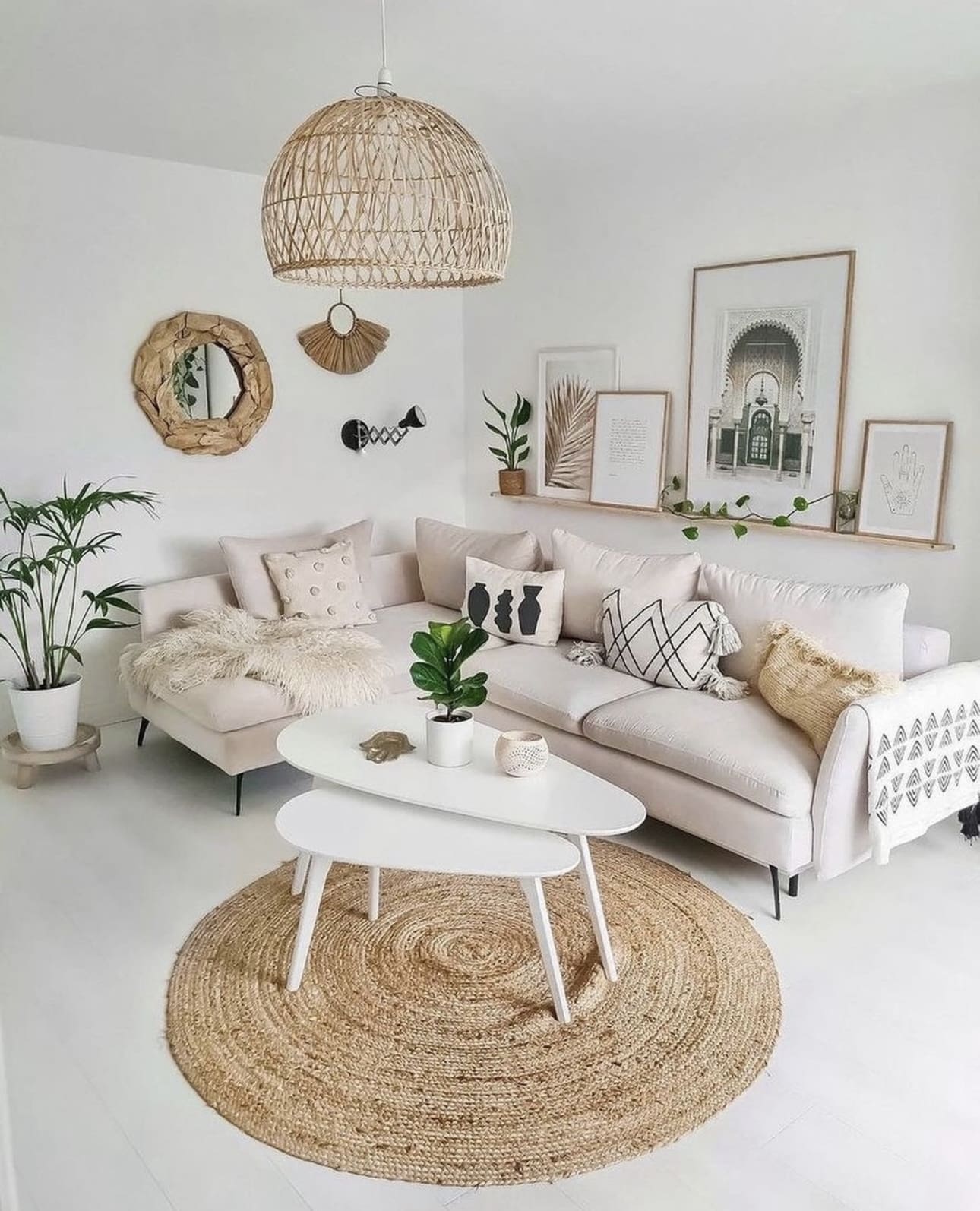
Infuse your minimalist living room with subtle coastal influences to evoke a calm and airy atmosphere. Use soft, natural hues and textures that bring the essence of the ocean indoors while maintaining simplicity. This approach helps craft a peaceful retreat that feels both spacious and inviting.
Key Design Elements
- Choose a palette of whites, soft blues, and sandy neutrals to keep the space light and refreshing.
- Incorporate natural materials like linen, rattan, or light wood for texture without clutter.
- Opt for furniture with clean lines and avoid heavy patterns to maintain a streamlined look.
Pro Tip: Maximize natural light with sheer curtains to enhance the room’s bright and breezy feel.
28. Embrace Soft Neutrals for a Serene Space
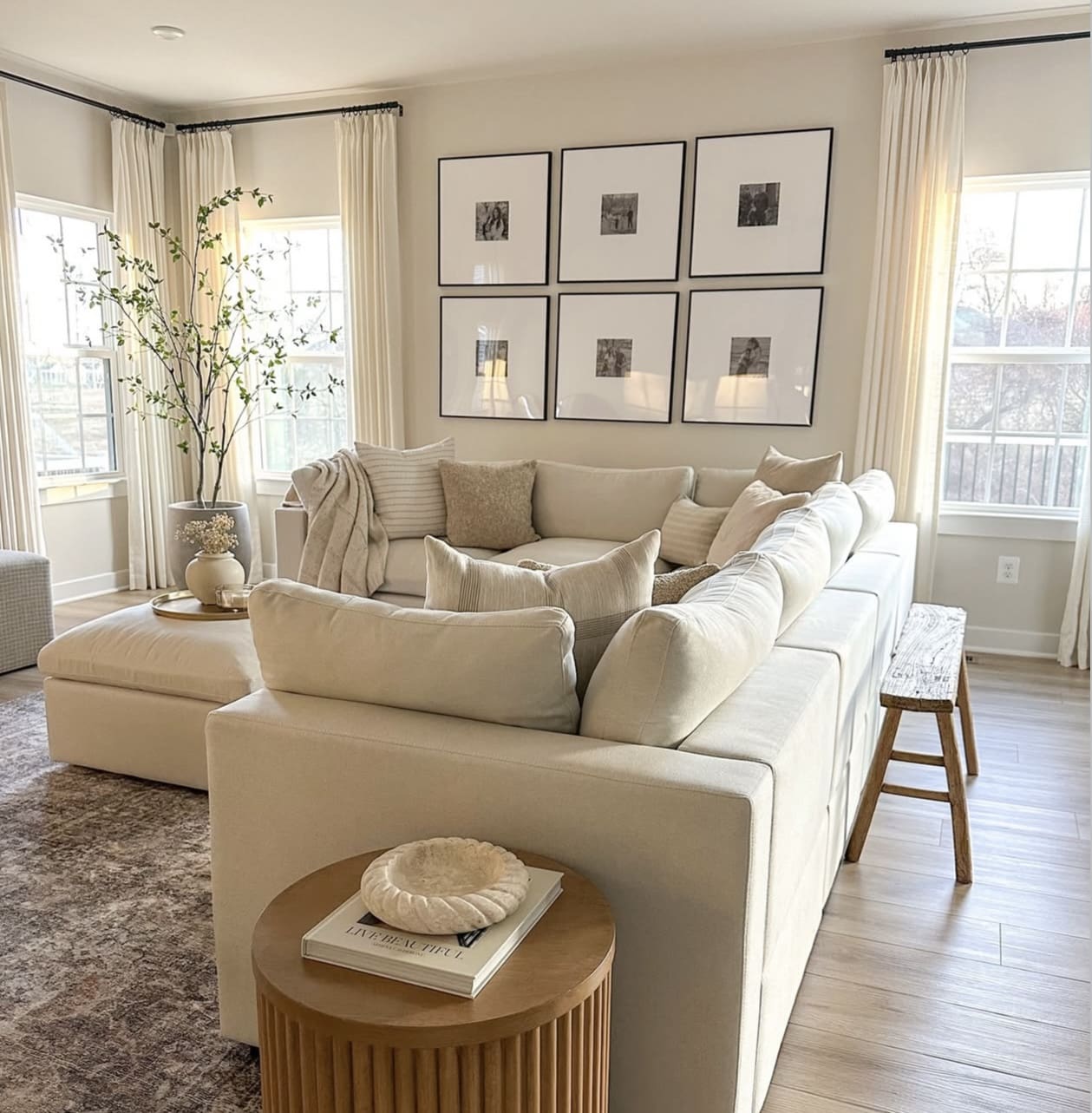
Choosing a palette of soft neutral tones keeps your minimalist living room calm and uncluttered, enhancing the sense of simplicity. Light shades like off-whites, creams, and beiges reflect natural light, opening up the space and making it feel more inviting.
Key Design Elements
- Opt for light-colored walls and furnishings to create an airy atmosphere.
- Mix different textures within the same neutral palette to add subtle depth and interest.
- Avoid bold or dark colors that can disrupt the minimalist harmony and visual flow.
Pro Tip: Use matte finishes on walls and furniture to reduce glare and maintain a soothing, understated look.
29. Enhance Your Coffee Table with Stylish Books
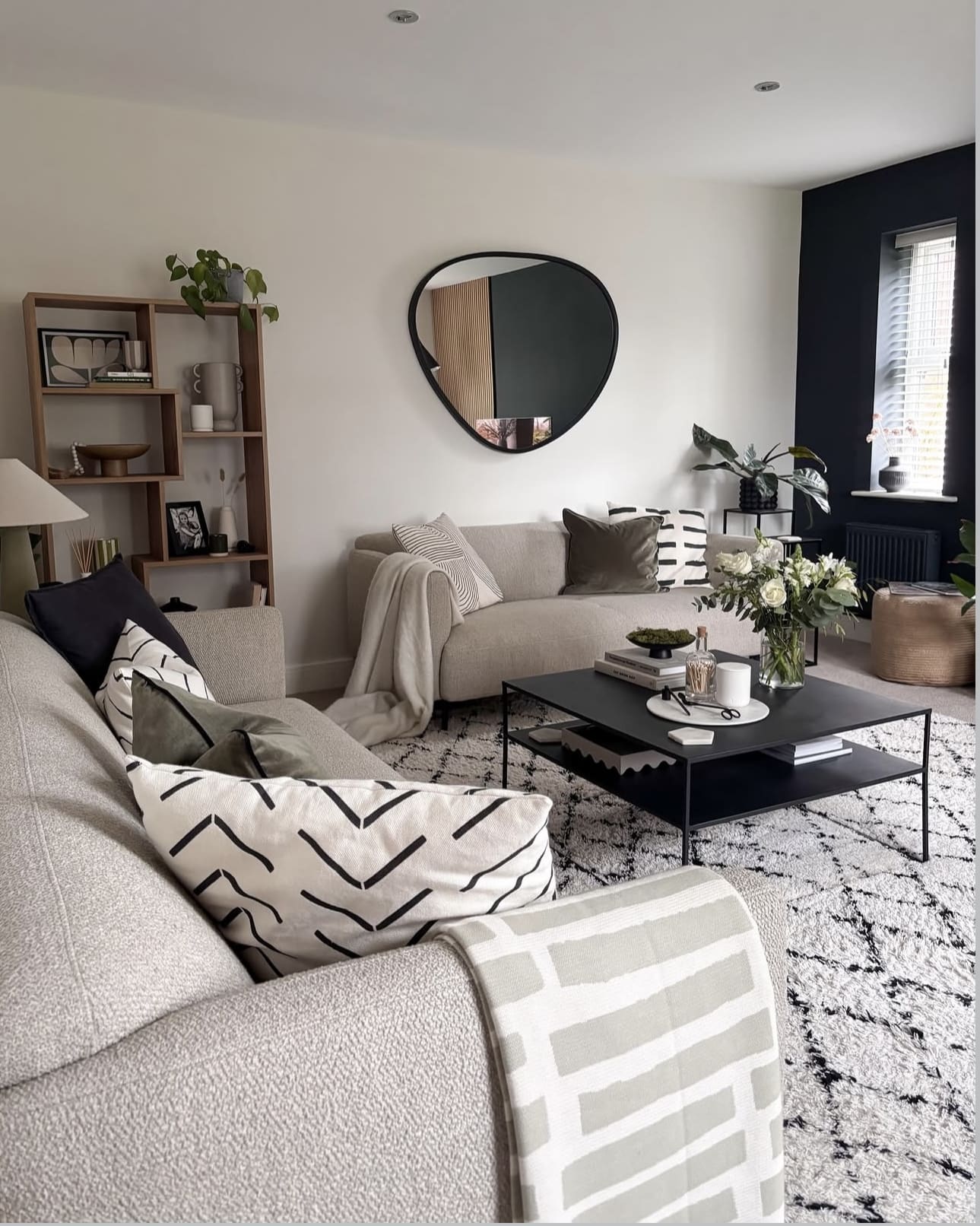
In minimalist living rooms, carefully selected books can serve as subtle yet impactful decor elements. Their covers and titles contribute texture and interest without overwhelming the clean aesthetic. Thoughtful placement of these books adds a refined, personal touch to your space.
Key Design Elements
- Choose books with muted colors or monochromatic covers to maintain a minimalist vibe.
- Stack books in small, neat piles rather than spreading them out for a streamlined look.
- Select titles that reflect your interests to create a meaningful and inviting display.
Pro Tip: Rotate your decorative books seasonally to keep your coffee table feeling fresh and inspired.
30. Highlight a Signature Element
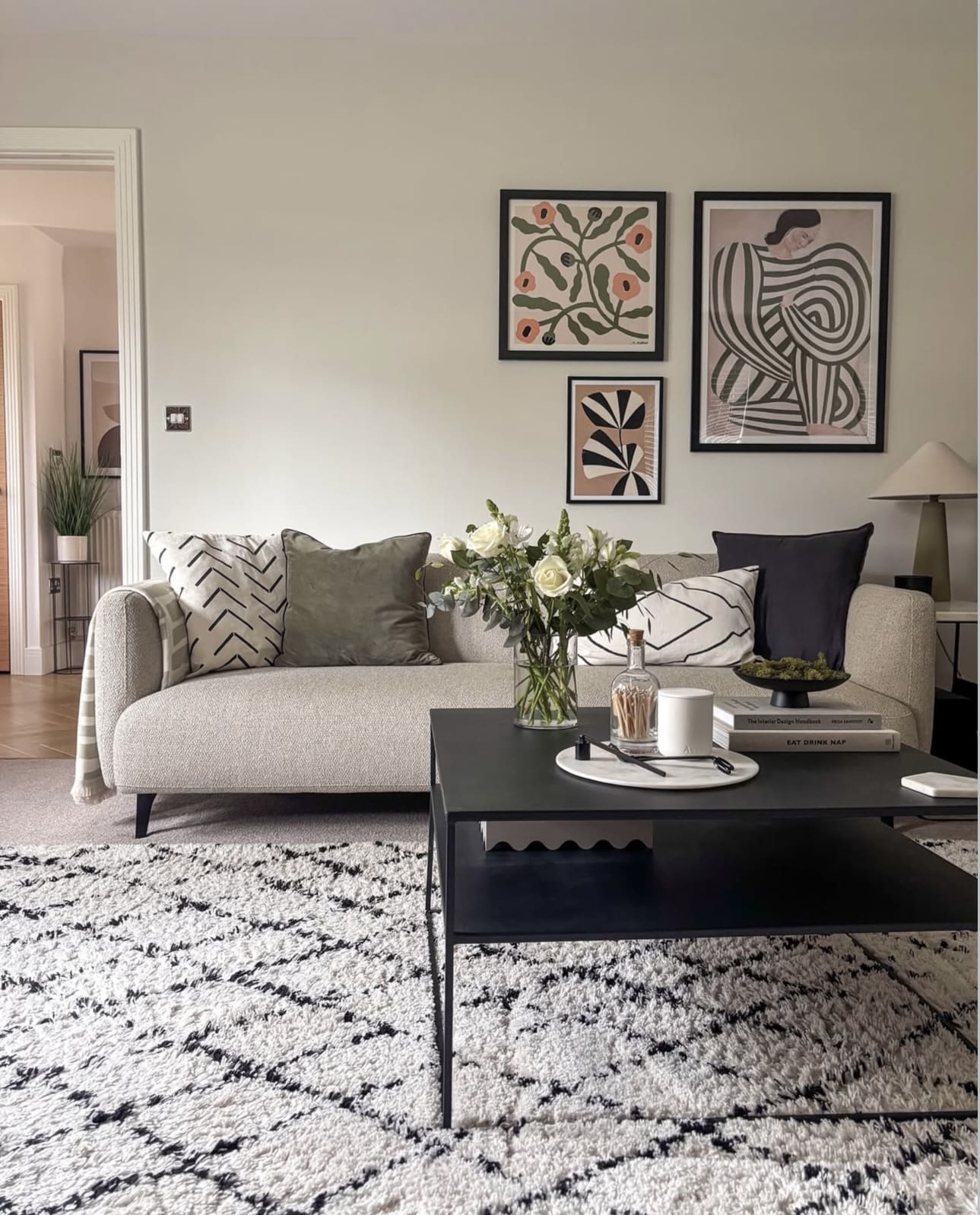
In minimalist living rooms, a standout feature can bring character and focus to an otherwise simple space. Incorporating a unique element like a textured accent wall or a distinctive piece of decor helps create visual interest without overwhelming the clean design.
Key Design Elements
- Choose one eye-catching element to serve as the room’s centerpiece.
- Opt for subtle textures or colors to maintain minimalism while adding depth.
- Use lighting strategically to draw attention to your chosen feature.
Pro Tip: Select a focal piece that complements the room’s color palette to ensure harmony within the minimalist aesthetic.
31. Incorporate a Sleek Fireplace Feature
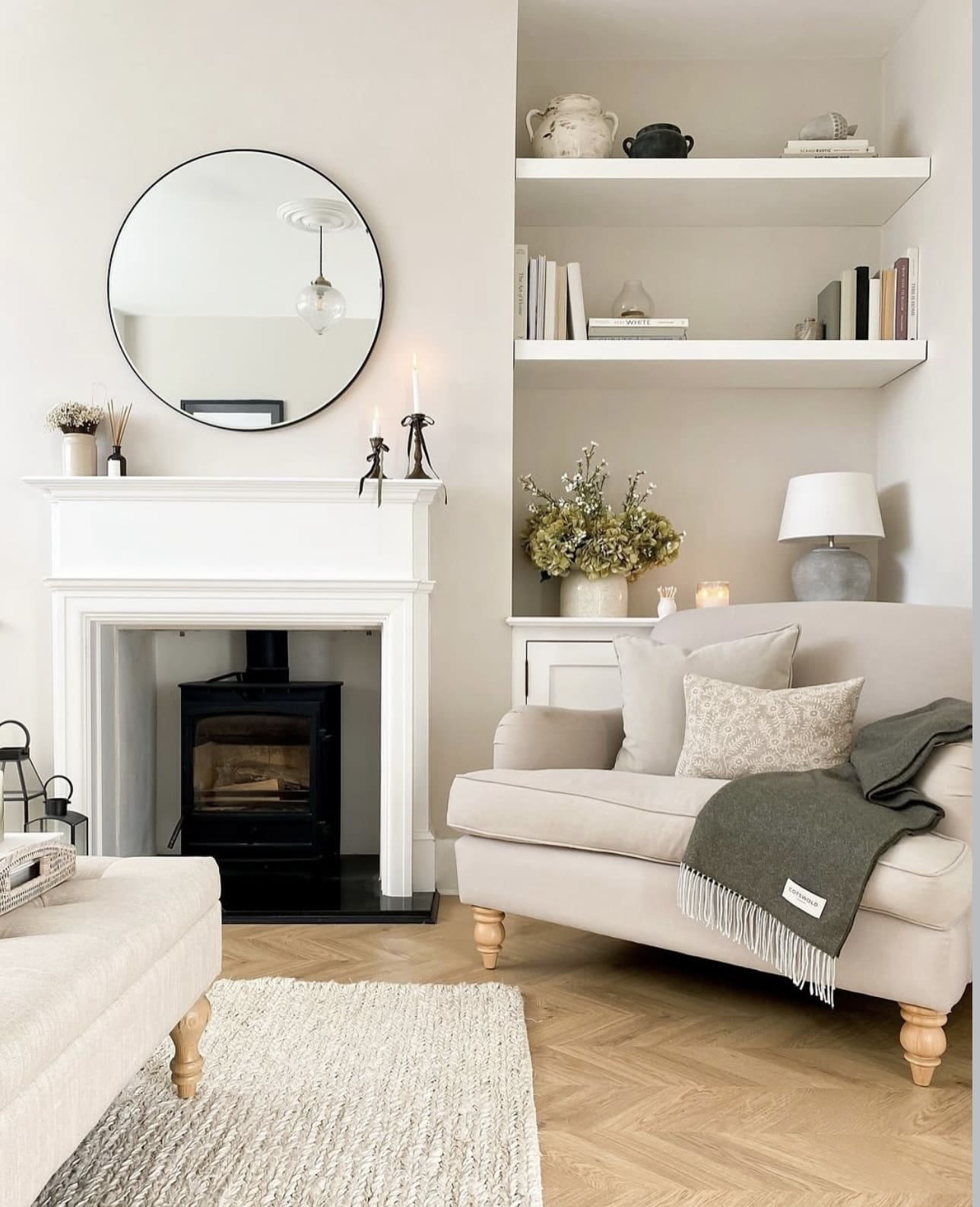
A minimalist fireplace can serve as a captivating focal point without overwhelming your living room’s simplicity. Opt for understated designs that blend seamlessly with your space, enhancing both warmth and style.
Key Design Elements
- Choose fireplaces with clean, straight lines and neutral finishes.
- Use materials like glass, steel, or smooth stone for a contemporary look.
- Keep the surrounding decor minimal to highlight the fireplace’s subtle elegance.
Pro Tip: Select a wall-mounted or built-in fireplace to save space and maintain a streamlined aesthetic.
32. Introduce a Bold Accent
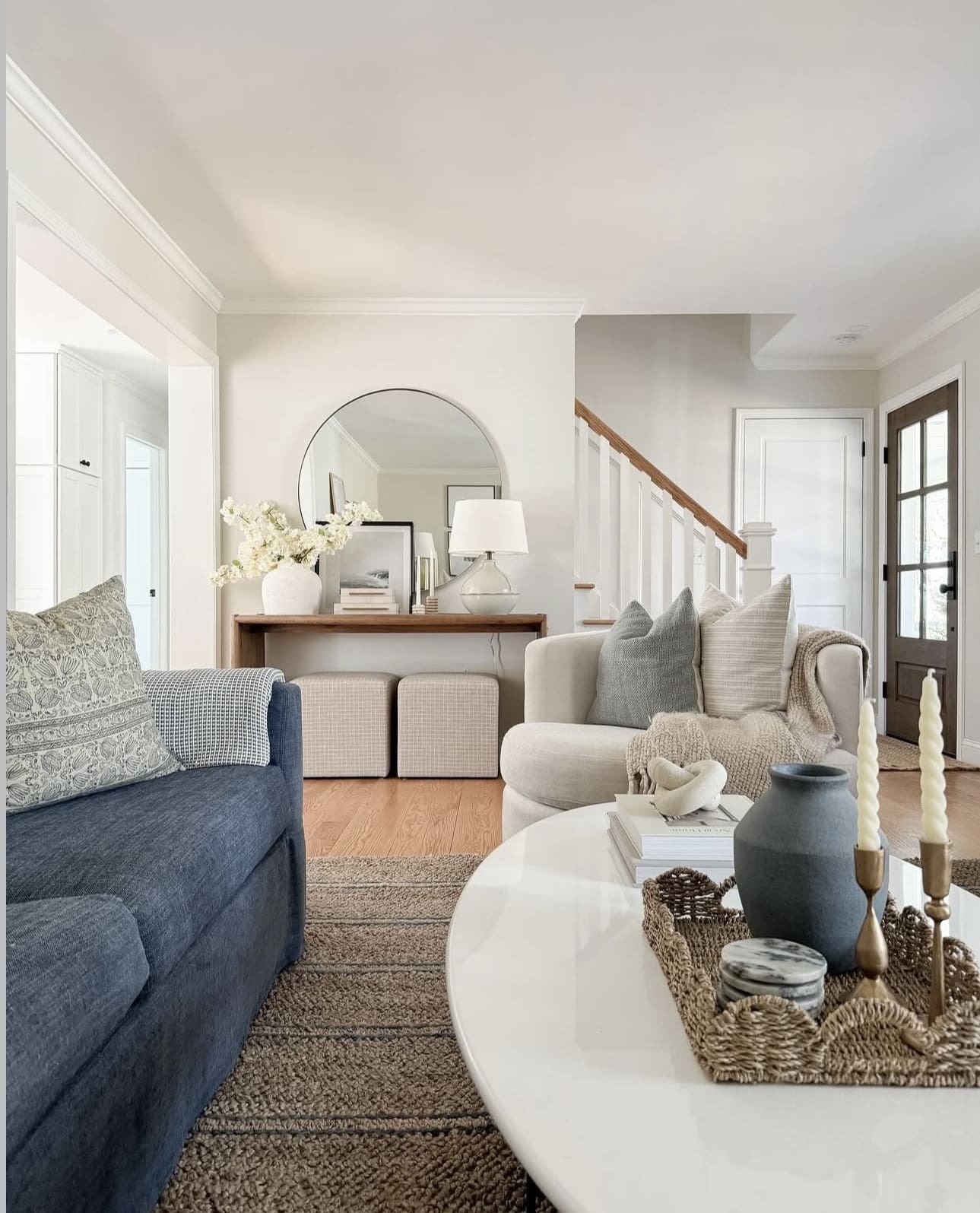
In a minimalist living room, introducing a bold accent can elevate the space by adding a touch of personality and interest. It serves as a subtle contrast to neutral palettes, creating a focal point that feels intentional and balanced.
Key Design Elements
- Choose one vibrant element like a cushion, rug, or artwork to keep the look clean.
- Opt for colors that complement the existing neutral tones to maintain harmony.
- Use color sparingly to avoid disrupting the minimalist aesthetic.
Pro Tip: Select accents in natural materials or textures to enhance depth without clutter.
33. Use Mirrors to Enhance Space and Light
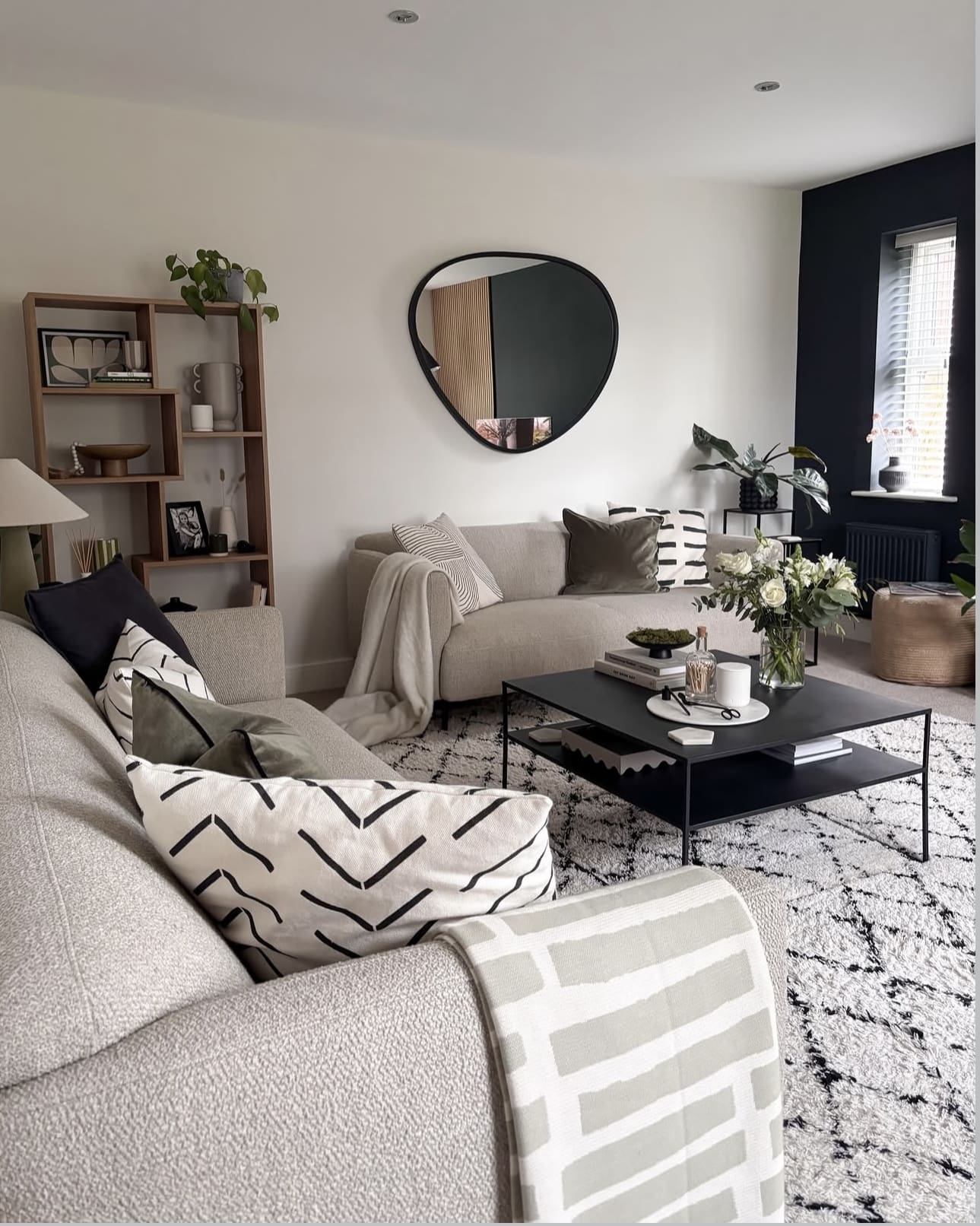
In minimalist living rooms, mirrors serve as powerful tools to create a sense of openness and brightness. Strategically positioned, they reflect natural light and make the space feel more expansive without adding clutter.
Key Design Elements
- Place a large mirror opposite or near a window to maximize natural light reflection.
- Choose simple frames or frameless designs to maintain a clean, minimalist aesthetic.
- Avoid overcrowding walls; one well-placed mirror can create a bigger impact than multiple smaller ones.
Pro Tip: Opt for floor-length mirrors to add vertical dimension and draw the eye upward, enhancing the room’s sense of height.
34. Incorporate Natural Elements
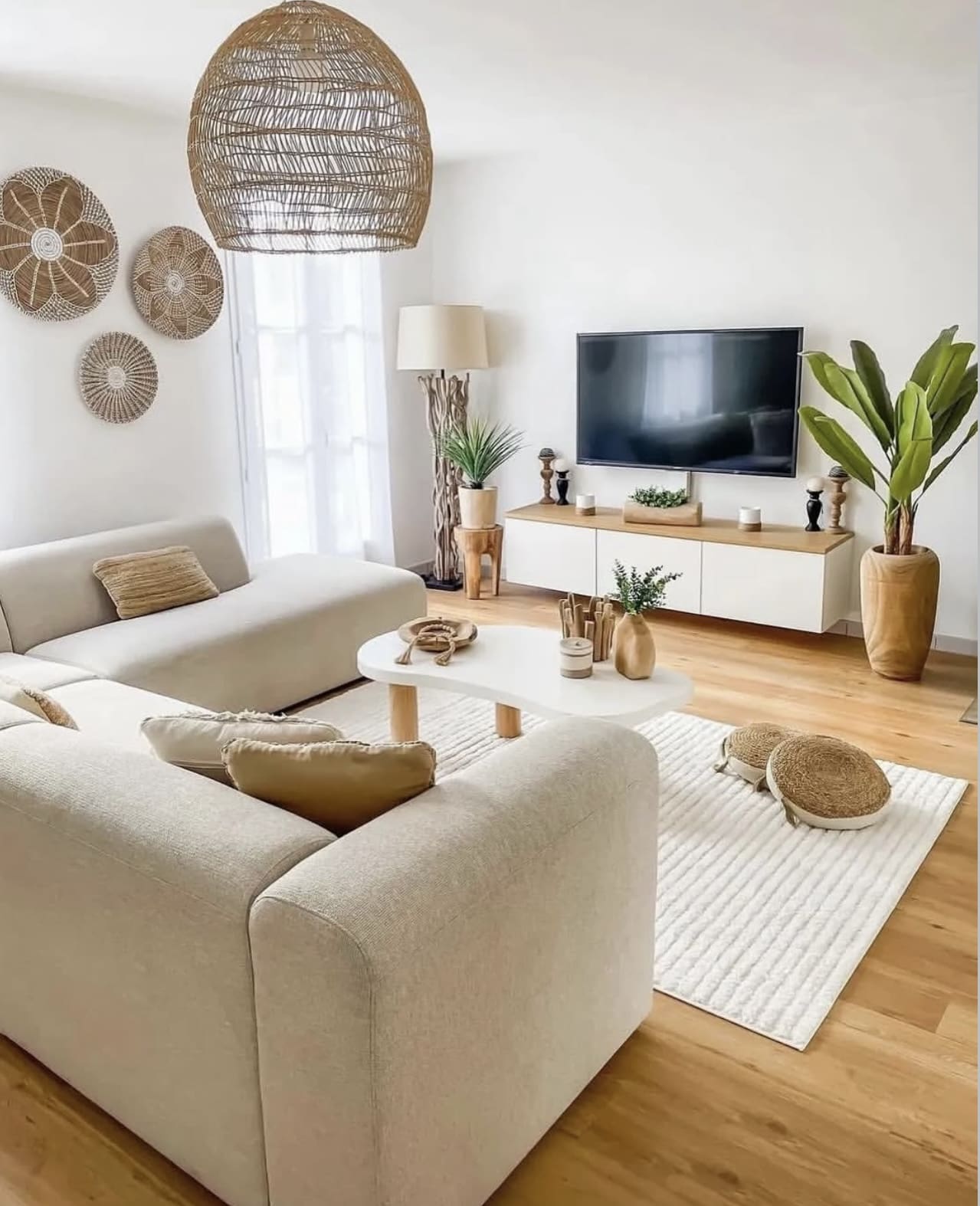
Introducing plants into your minimalist living room can enhance the space with gentle color and organic texture. Their natural presence enriches the environment while maintaining a clean and uncluttered look.
Key Design Elements
- Choose low-maintenance plants like succulents or snake plants for easy care.
- Opt for simple, modern planters that complement your minimalist decor.
- Place plants strategically to create visual interest without overcrowding the room.
Pro Tip: Select plants with architectural shapes to echo minimalist design principles and reinforce a harmonious aesthetic.
35. Incorporate Natural Elements with Preserved Botanicals
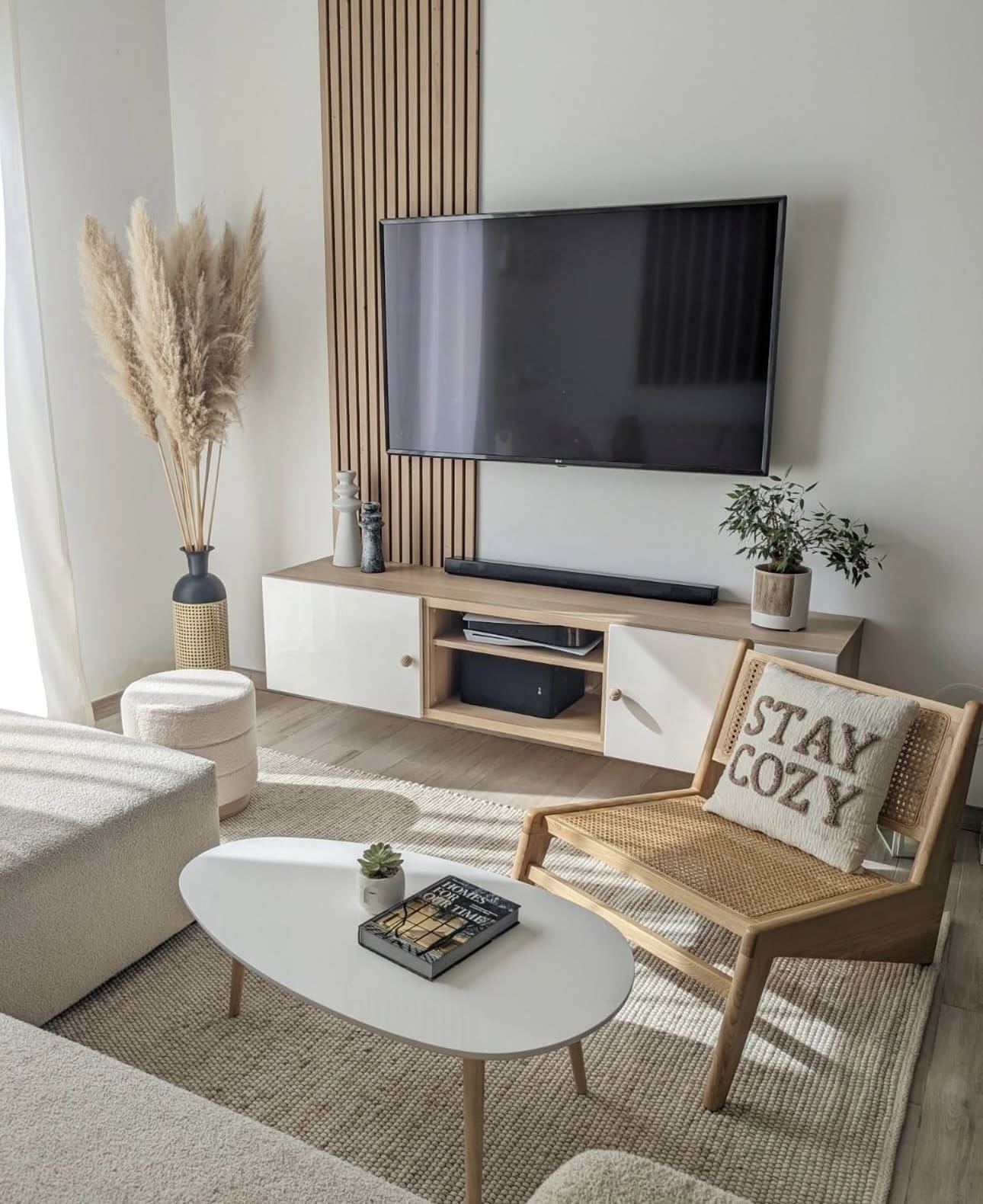
Preserved botanicals introduce subtle natural textures and muted tones that complement a minimalist living room. Their understated beauty enhances the space without adding clutter or distracting from the clean lines.
Key Design Elements
- Choose simple arrangements to maintain a sleek look.
- Display dried plants in neutral-colored vases or containers.
- Position them where natural light highlights their texture without creating visual noise.
Pro Tip: Opt for dried plants in muted, earthy shades to seamlessly blend with minimalist decor themes.
36. Make a Statement with a Bold Art Piece
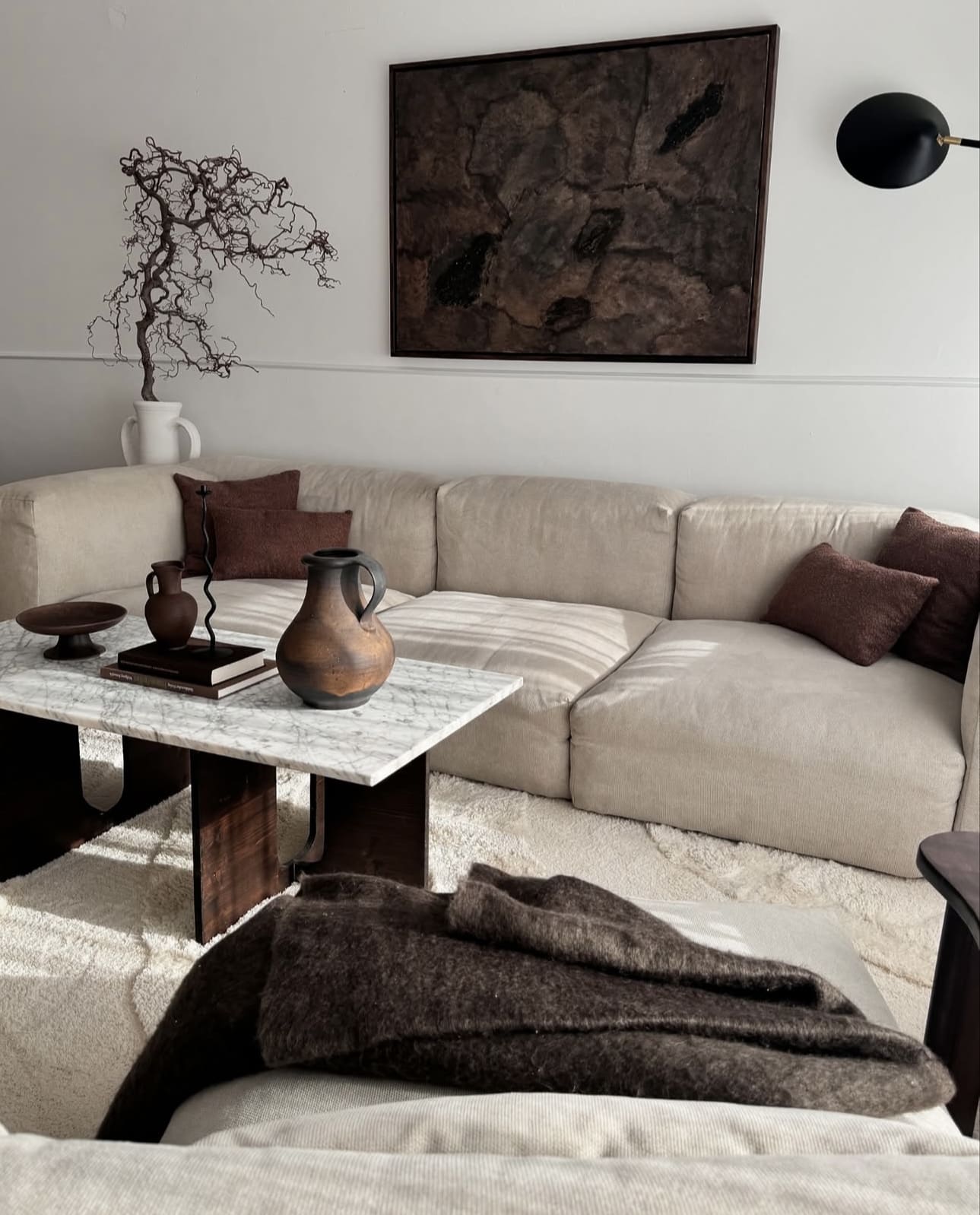
In minimalist living rooms, a bold piece of art can instantly captivate attention and infuse personality without overwhelming the space. It acts as a centerpiece that brings balance and visual intrigue to the simplicity of the room’s design.
Key Design Elements
- Choose artwork with clean lines or simple shapes to complement minimalist aesthetics.
- Opt for a large-scale piece to create a strong focal point on an empty wall.
- Select colors that either contrast with or subtly enhance your room’s color palette.
Pro Tip: Mount your artwork at eye level for maximum impact and harmony within the room.
37. Add Depth with Subtle Texture
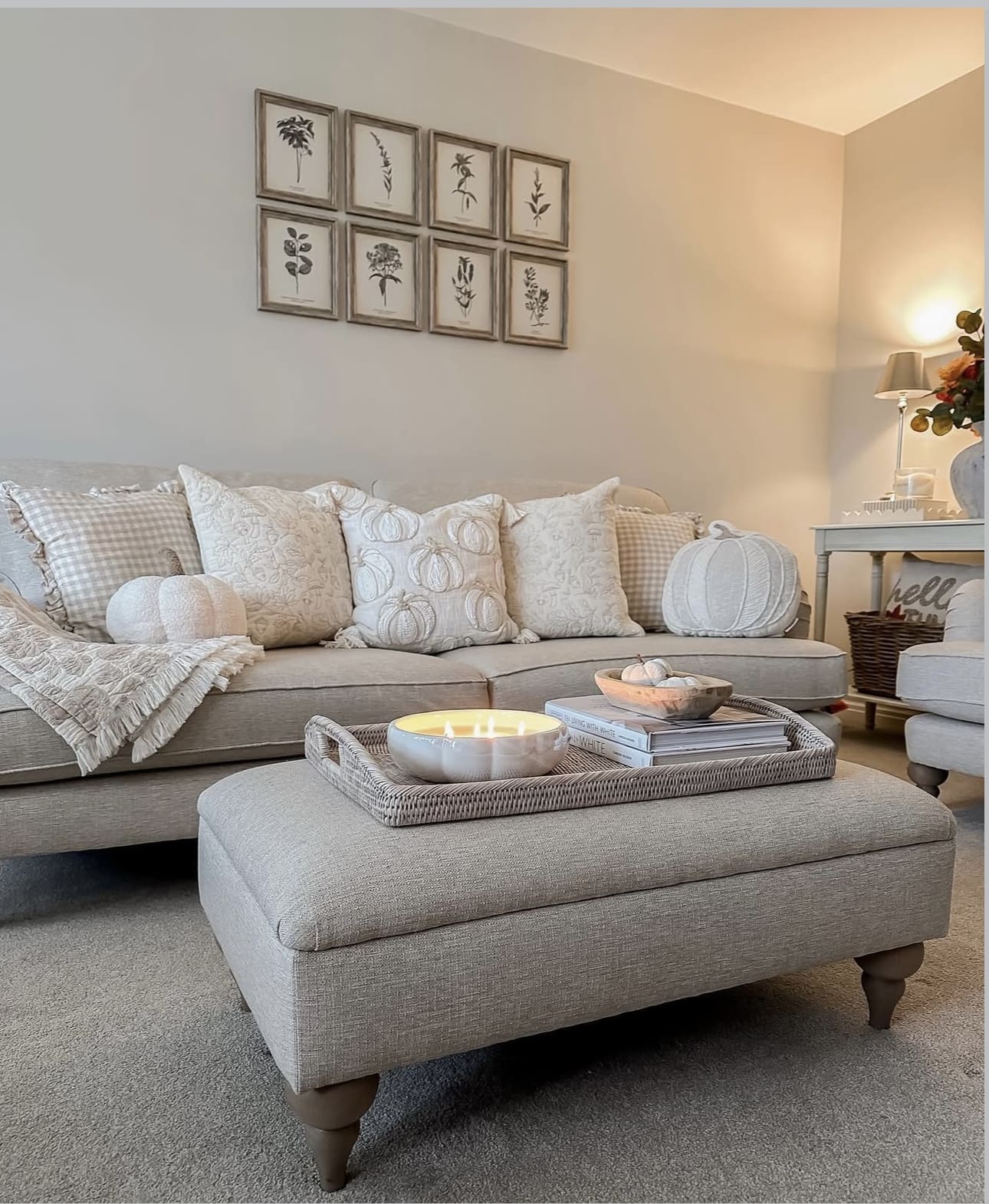
Introducing varied textures can bring warmth and interest to a minimalist living room without disrupting its clean lines. Even with a restrained color scheme, carefully chosen materials create visual depth and a cozy atmosphere. This approach enhances simplicity while avoiding a flat or sterile feel.
Key Design Elements
- Mix fabrics like linen, wool, and cotton for tactile variety.
- Choose rugs or cushions with subtle patterns or raised weaves.
- Incorporate natural elements such as wood or stone finishes for organic texture.
Pro Tip: Opt for matte finishes over glossy ones to maintain understated elegance while adding texture.
38. Choose Streamlined Furniture for Open Spaces
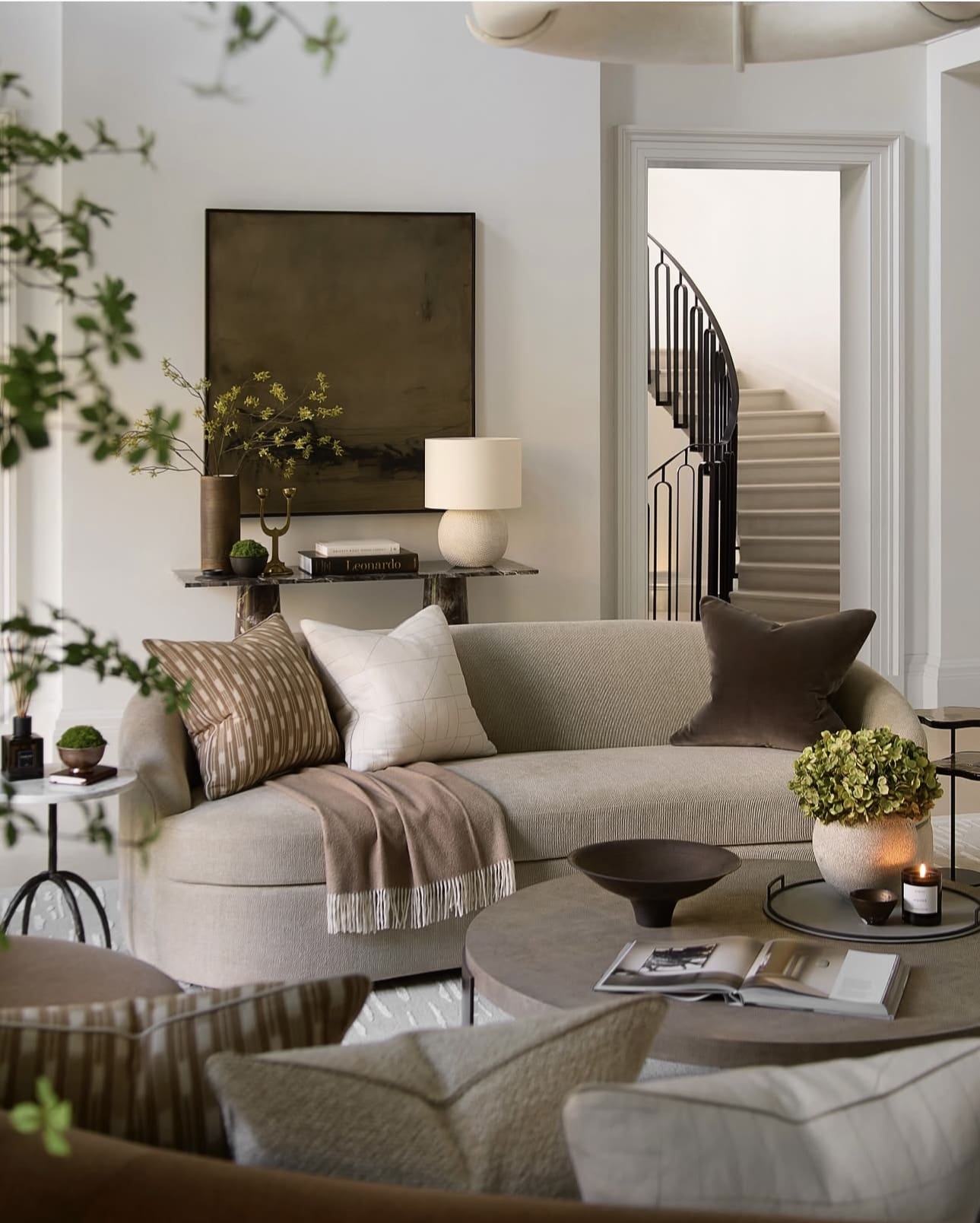
Opting for streamlined furniture with simple shapes and minimal embellishments enhances the sense of openness in your living room. This approach emphasizes functionality while reducing visual clutter, making the space feel calm and inviting.
Key Design Elements
- Select pieces with clean, straight lines to maintain a neat look.
- Prioritize low-profile designs to maximize the perception of space.
- Avoid overly ornate details that can distract from the minimalist aesthetic.
Pro Tip: Focus on quality materials and craftsmanship to ensure your sleek furniture stands the test of time while supporting minimalist style.
39. Incorporate Organic Textures
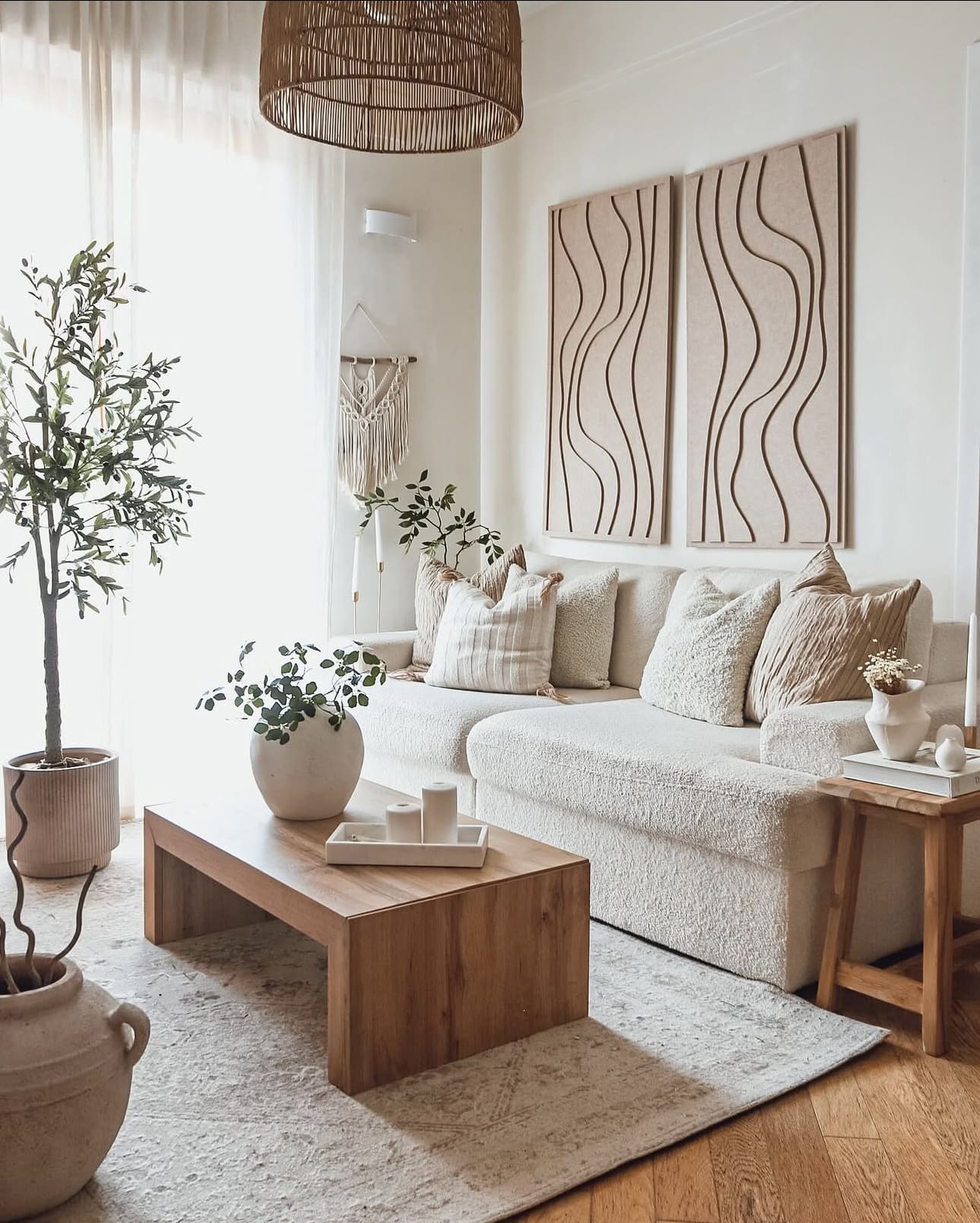
Bringing in natural materials like wood, stone, and linen enhances a minimalist living room by adding subtle warmth and tactile interest. These elements introduce unique patterns and variations that create a sense of depth without overwhelming the simplicity of the space.
Key Design Elements
- Choose furniture pieces with visible wood grain for natural character.
- Use stone or clay accessories to introduce earthy textures.
- Incorporate textiles like linen or jute for softness and organic appeal.
Pro Tip: Opt for sustainably sourced materials to keep your minimalist design eco-friendly and authentic.
Conclusion
Embracing minimalist living room design is less about cutting back and more about creating space for what truly matters. It’s an invitation to live intentionally—curating your surroundings with purpose, clarity, and a touch of modern elegance. By thoughtfully choosing pieces that bring you joy and function, you transform your space into a sanctuary that reflects calm and creativity rather than scarcity.
Remember, minimalist living is a journey, not a race. Start small by decluttering one corner or introducing a statement piece that speaks to your style. Celebrate each step as you design a home that feels both inspiring and effortlessly beautiful. With patience and intention, your living room will become a timeless reflection of your best self—elevated, serene, and truly yours.
Leave a Reply