Blog

  • The Vintage + Modern Trick That Makes Your Home Feel Custom: How To Mix Heirloom Character With Contemporary Simplicity In 2026

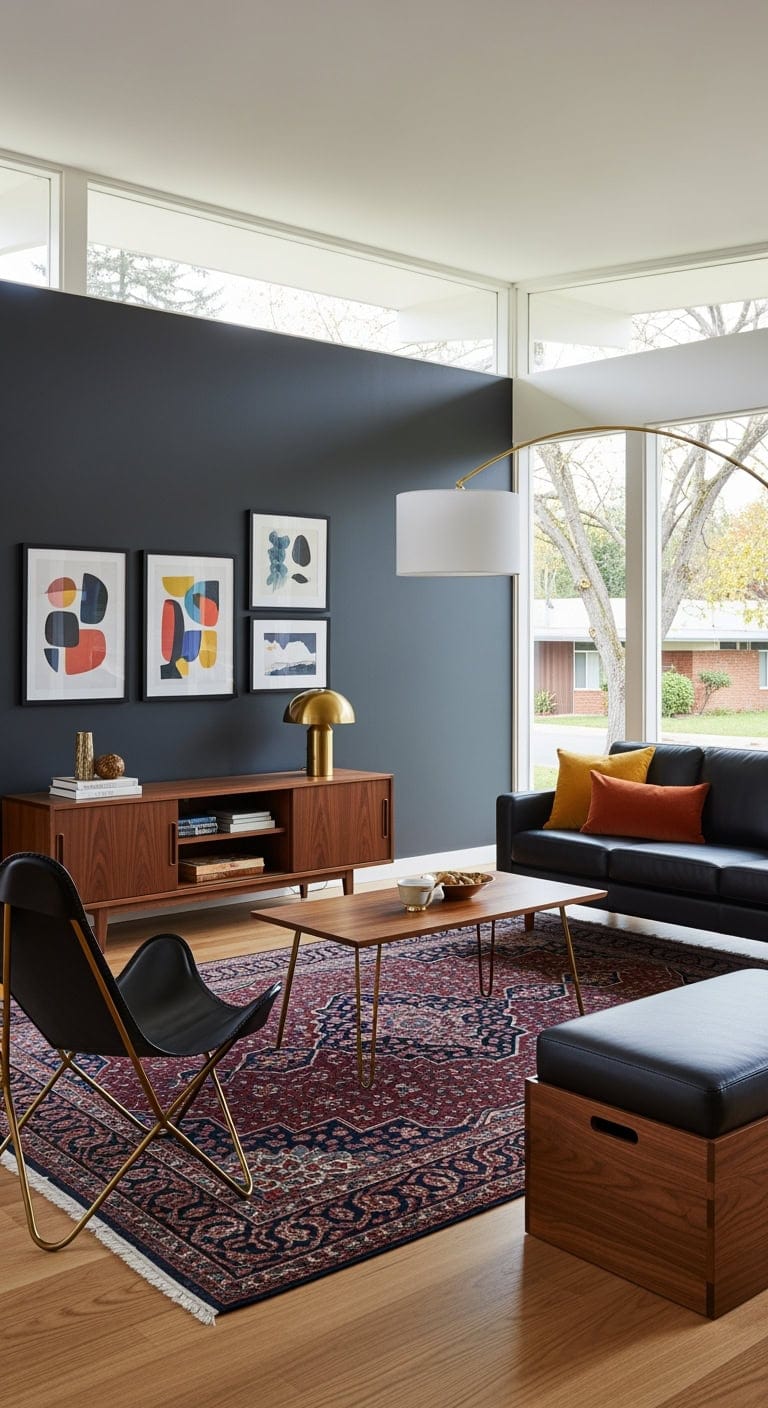
    We’ve all seen homes that look mass-produced, perfectly coordinated but somehow soulless, and others that feel like curated stories told over generations. The trick that reliably turns the former into the latter is deceptively simple: pair a single, thoughtful vintage piece with a modern, pared-back foundation. In 2026, with secondhand markets booming and modern design continuing to favor clean lines and neutral palettes, that one vintage element can act like a punctuation mark: it arrests the eye, suggests provenance, and makes a room read as intentional rather than accidental. In this text we’ll explain why a single vintage choice matters, how to select and place it, and which modern anchors and textural strategies make the pairing feel cohesive and elevated. We’ll also walk through room-by-room placements so you can start applying the approach today.

    The Concept: Why One Vintage Piece Changes Everything

    There’s a psychology behind why one vintage piece radically shifts how a room reads. When we introduce an object with clear history, patina, craft details, or a slightly irregular finish, it signals depth and narrative. Our brains interpret that difference as “story,” which automatically elevates the entire space from showroom to lived-in. Importantly, we don’t need a roomful of antiques to achieve that effect: a single, well-chosen item provides contrast and focal interest without competing with contemporary elements.

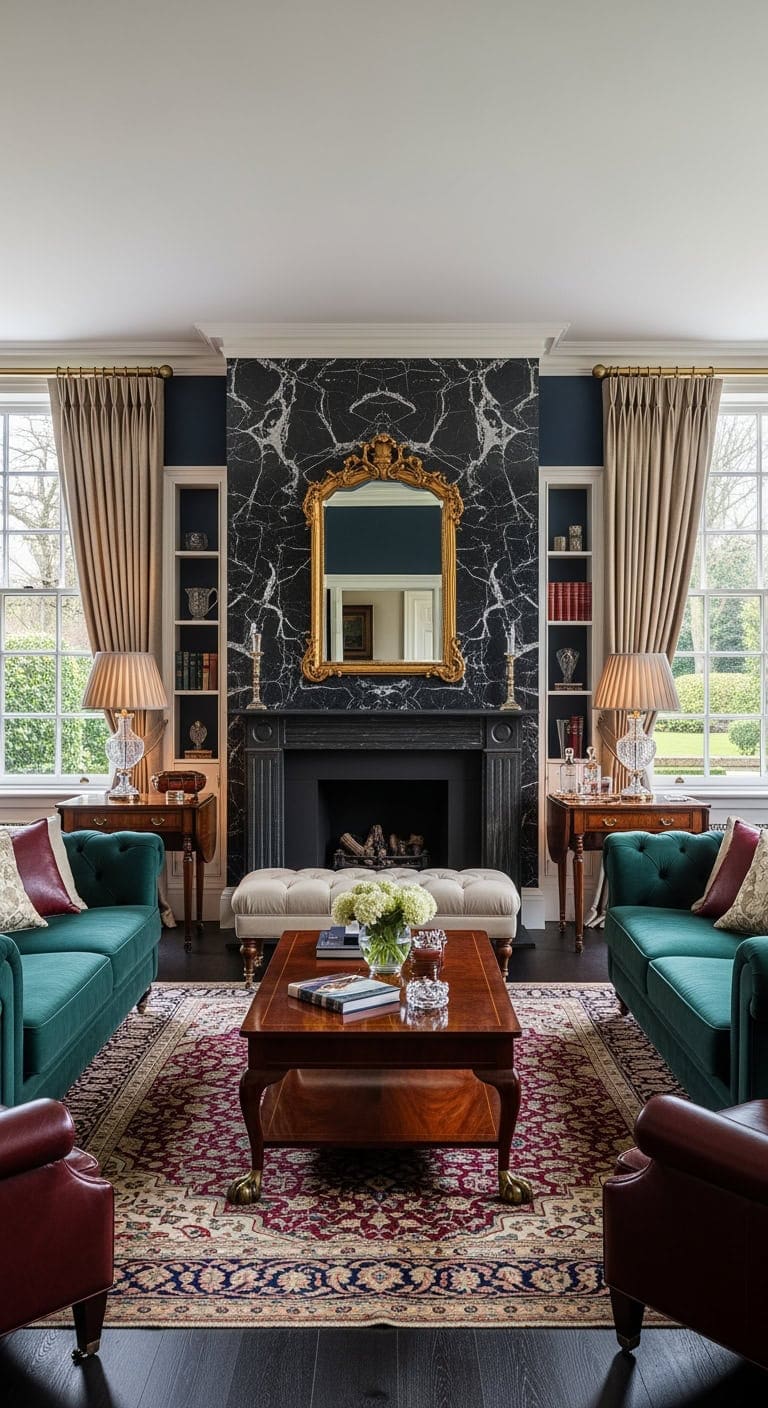
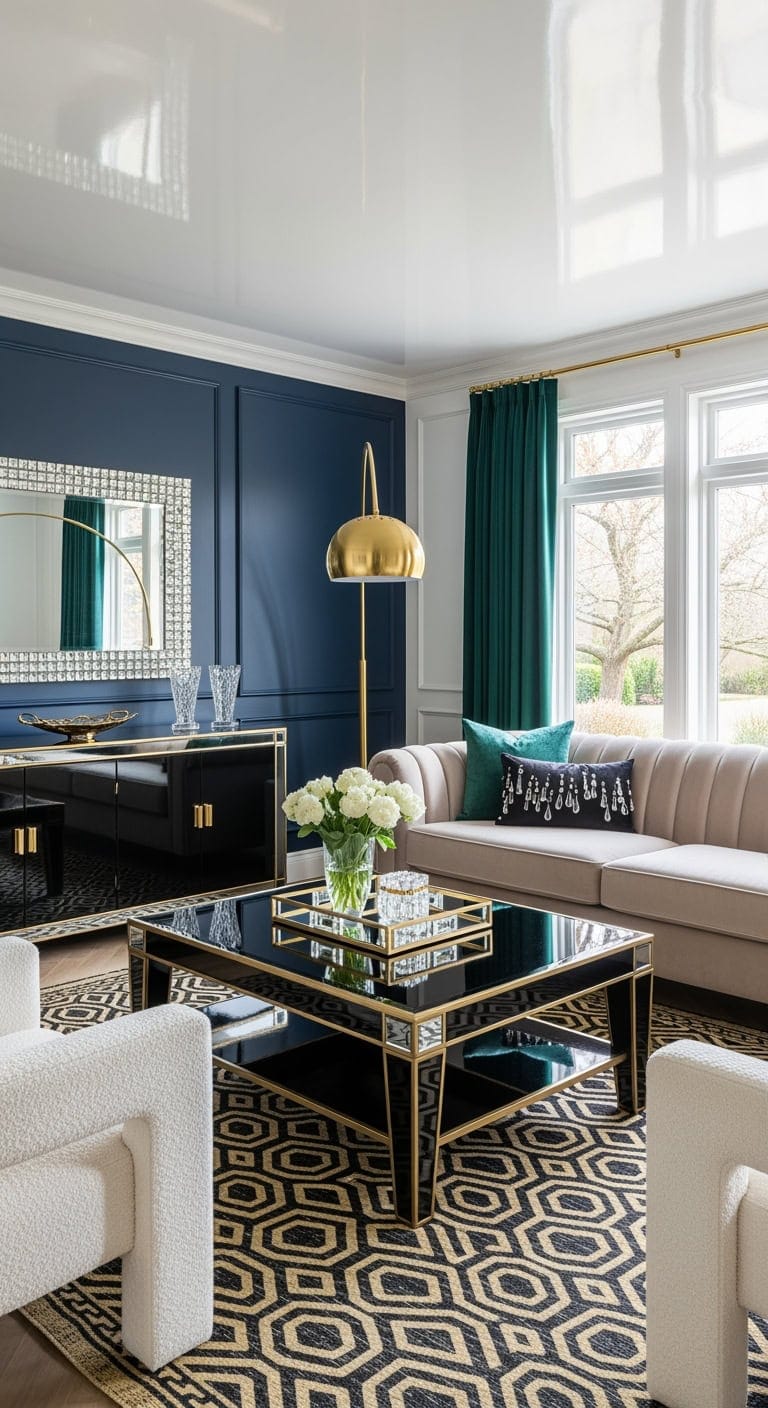
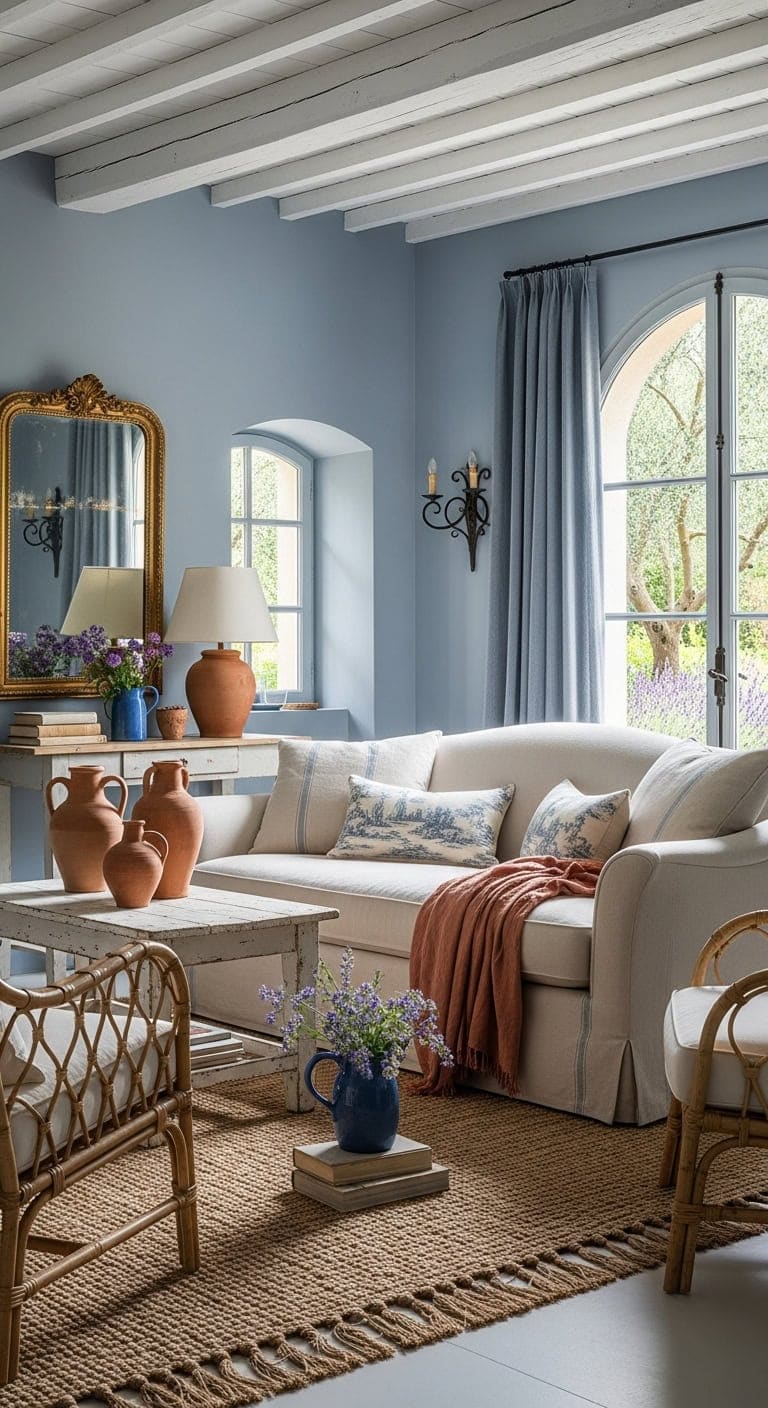
    Practically, one vintage piece works because it introduces texture, line, or color that mainstream modern furniture rarely offers. For example, an Art Deco mirror with brass details gives warmth and visual complexity against a minimalist sofa and white walls. The juxtaposition helps both the vintage and modern pieces read stronger: the vintage feels anchored in place and the modern pieces look intentionally simple rather than generic. Economically and sustainably, buying one quality vintage item can be easier on the budget (and the planet) than overhauling a room.

    Finally, from an interior-design perspective, restraint is a tool. When we limit ourselves to one bold historical element, we retain control over the room’s narrative. That piece becomes our design thesis, everything else is evidence supporting it. This is why the “one vintage + many modern” trick remains a fast, repeatable route to interiors that feel bespoke.

    Why The Vintage + Modern Pairing Feels Intentional (Not Thrifted)

    There’s a fine line between an intentionally curated vintage accent and something that looks like it simply landed in the room. We make that distinction by thinking like storytellers: every item should have a purpose. When a vintage piece looks intentional, it aligns with scale, palette, and function. It’s placed strategically (entry, mantel, console) and paired with modern elements that complement rather than compete.

    We also rely on consistency in finish and restraint in quantity. For a look to feel curated, use vintage sparingly and repeat one or two modern materials, matte black metal, warm oak, or soft linen, across the room. That repetition creates visual rhythm and frames the vintage piece as a deliberate accent. Styling details matter: a single vase, a stack of curated books, and a balanced lamp can turn an old dressing table into a gallery-ready moment.

    Lighting and negative space play a role too. We often spotlight vintage with directional lighting or place it against a simple, uncluttered backdrop so the eye immediately registers it as a composed element. Finally, practical touches like restoring hardware, reupholstering in a contemporary fabric, or pairing a vintage table with modern chairs create harmony. Those small investments transform thrifted finds into heirloom-worthy features that read as custom, not accidental.

    How To Choose The Right Vintage Piece

    Choosing the right vintage item is where the concept becomes craft. We start with clarity: decide what role the piece will play, statement focal point, subtle accent, or functional heirloom. Once we know its role, we evaluate three practical criteria: authenticity and condition, scale and proportion, and how it will resonate with the room’s palette and materials. Below we unpack what to look for and how to assess trade-offs when a perfect piece isn’t pristine.

    Assess Authenticity, Condition, And Value

    When evaluating vintage, authenticity matters for both aesthetics and value. We check maker’s marks, joinery, labels, or provenance when possible, these clues tell us whether a piece is genuinely from its stated era or a later reproduction. Condition is next: wear can be beautiful, but structural issues are not. A loose joint or water damage may be repairable: rot or heavy insect damage is often a deal-breaker.

    We balance sentimental or aesthetic appeal with restoration cost. For example, a mid-century dresser with original chevron veneer might need minor veneer repair and refinishing, reasonable if the form and hardware are desirable. Reupholstery is often a good value: replacing fabric is usually cheaper than buying an original in perfect condition. If value or resale is a concern, we look up comparable sales on auction sites and local vintage dealers to gauge pricing.

    Finally, we consider ethical sourcing: buying from reputable sellers reduces risk of misattribution and supports sustainable reuse. Authentic vintage with honest restoration will last longer and integrate more confidently into our modern interiors.

    Scale, Proportion, And Visual Weight For Balanced Rooms

    Scale and proportion are non-negotiable. A tiny vintage lamp on a vast modern console looks like an afterthought: an oversized armoire can swamp a small apartment. We measure first. Think of visual weight, materials and color affect perceived heft. Dark, dense woods read heavier than glass or brass, and ornate carving draws the eye more than plain surfaces.

    To balance, we match the vintage piece to a dominant modern element. If the sofa anchors the living room, the vintage statement should either echo its height or deliberately contrast in a way that feels intentional. For instance, a compact vintage sideboard works with a low-profile sofa, while a tall, narrow étagère can punctuate a high-ceilinged entry.

    Proportion also extends to detail scale. If the room features thin metal legs and delicate lines, a heavily carved Victorian table might overwhelm. Conversely, a bold, sculptural vintage lamp can become the counterpoint in a room of soft, rounded furniture. We aim for dialogue, each piece should acknowledge the other rather than compete.

    Modern Anchors That Ground The Look

    Modern anchors are the visual scaffolding that let the vintage piece sing. We choose a small palette of contemporary anchors, seating, rugs, lighting, or storage, that provide simplicity and repetition. Their role is to stabilize the room: clean silhouettes, consistent finishes, and contemporary fabrics create the calm backdrop against which the vintage item registers as special.

    Functionally, modern anchors should be comfortable and practical. A minimalist sofa with durable performance fabric, a low-profile media unit with concealed storage, and a neutral area rug form a reliable base. These choices free us to invest in a single striking vintage element without sacrificing everyday usability.

    We also think in terms of rhythm: repeating a modern finish like matte black metal or warm walnut across hardware, legs, and lamp bases ties the room together. That repetition creates coherence, so when we drop in a brass vintage mirror or an antique chest, it reads as a curated accent rather than an isolated relic.

    Materials, Finishes, And Color Choices That Complement Vintage

    Selecting complementary materials is subtle but powerful. Warm woods (walnut, oak) and aged metals (brass, bronze) naturally harmonize with many vintage pieces, while cool metals and glass can create contrast. We often pair a vintage wood piece with modern upholstery in neutral tones, cream, dove gray, or muted olive, to let the wood’s grain and patina stand out.

    Finishes matter: matte modern finishes reduce visual clutter and let a polished vintage brass or lacquered surface become the hero. For color, we typically limit the primary palette to two neutrals and one accent. The accent can be pulled from the vintage piece, a deep teal drawer front or rusted copper tone, and repeated in small doses through pillows, art, or a lamp.

    We’re mindful of texture too: vintage leather, woven cane, or hand-carved wood introduce tactile variety. Counterbalance these with modern textiles, linen curtains, boucle throws, and smooth ceramics, to create depth without chaos. The result is an elevated, layered look that reads cohesive rather than collected at random.

    Mixing Textures, Patterns, And A Cohesive Color Palette

    Texture and pattern are our secret weapons for making vintage-modern mixes feel deliberate. We layer three to four textures in a room, soft upholstery, a structured rug, a tactile vintage surface, and a sleek metal or glass element, to achieve richness without excess. Patterns should be used sparingly: a single bold pattern alongside understated solids usually reads more composed than multiple competing prints.

    When integrating a patterned vintage textile (kilim rug, embroidered cushion), we pull a secondary color from that pattern into modern accessories. This creates visual echoes that make the vintage piece feel embedded in the overall scheme. For wallpapers or accent walls, we avoid busy historical patterns unless the rest of the room is deliberately minimal: the goal is balance, not visual overload.

    Contrast is essential. Pair rough-hewn wood with smooth marble, or a nubby wool rug with satin-finished metals. That tension, raw vs. refined, gives rooms energy. We also monitor value (lightness/darkness): if the vintage piece is dark, introduce lighter textiles and reflective surfaces to prevent the room from feeling heavy. Consistent small repeats, same metal tone, a couple recurring colors, help the composition read cohesive and custom.

    Room-By-Room Applications: Where To Place Vintage Statements

    Placement determines whether vintage reads as a focal, a supporting character, or an afterthought. We prioritize high-impact locations: entryways, living room mantels, dining room walls, and kitchen islands. In each case, the vintage item should serve a purpose, storage, display, mirror, or seating, and be easy to appreciate at a glance. Below we outline practical placement strategies and pairing ideas by room so you can visualize where that single vintage piece will create the most effect.

    Living Room, Entry, And Kitchen/Bath Placement Tips

    Living Room: We often make the vintage element the conversation starter. A vintage coffee table, sculptural floor lamp, or a reclaimed-wood console under a TV creates a point of interest without overwhelming seating. Pair the piece with neutral seating and an area rug that defines the layout. If the vintage item has ornate detail, keep surrounding decor minimal, one or two modern art pieces and simple lighting.

    Entry: The entry is where first impressions form, so a vintage console, mirror, or chest works brilliantly. We place a mirror above a slim vintage table, add a modern tray, a small lamp, and a curated stack of books. This immediately establishes character and can act as a template for the rest of the house.

    Kitchen/Bath: These rooms benefit from vintage hardware, lighting, or a single statement piece like an antique Hutch or a restored sink basin. In kitchens, swap one cabinet facade for a vintage door or incorporate an antique stool at a breakfast counter. In bathrooms, an old brass faucet or a vintage mirror framed by simple modern sconces creates an upscale, collected look. Always ensure functional upgrades (plumbing, electrical) are professionally handled so the piece is both beautiful and safe.

    Across rooms, we recommend testing placement by photographing the item in multiple locations and evaluating it at different times of day. Natural light changes how finishes read, and what looks perfect in the morning may read heavy at night. When in doubt, choose the location where the piece will be seen most and used frequently, rooms that are lived-in reward the investment in a single, well-chosen vintage statement.

  • The Entryway Styling Trick That Instantly Upgrades First Impressions (Simple, Proven, 2026)

    First impressions of a home happen in seconds, often before a guest has even taken off their shoes. We’ve learned that the secret to a welcoming, polished entryway isn’t an expensive renovation or a pile of décor. It’s one deliberate styling decision that anchors everything else and communicates intent, order, and personality the moment someone steps across the threshold. In this text we’ll explain that trick, why it works from a design and psychological perspective, and how to apply it step-by-step. Along the way we’ll cover complementary elements like lighting, rugs, mirrors, and storage, highlight common mistakes (and quick fixes), and give budget-friendly before-and-after ideas you can carry out this weekend. If you want guests, or potential buyers, to feel instantly at ease and impressed, read on.

    The Entryway Styling Trick That Changes First Impressions: What It Is And Why It Works

    The trick is simple and repeatable: choose a single, well-proportioned anchor piece for the entryway and design everything else around its scale, color, and function. By “anchor” we mean a purposeful object that immediately communicates the room’s role, usually a console table, narrow bench, or statement piece of furniture, rather than a cluttered collection of mismatched items. When we start with an anchor, we create a clear focal point, define circulation, and give the eye something intentional to land on.

    Why does this work? First, human perception favors clear hierarchy. When the brain encounters a defined focal point, it interprets the space as curated and cared for. Second, an anchor solves proportional confusion. Entryways are often transitional, small, and awkwardly shaped: without an anchor, homeowners pile functional items, keys, mail, shoes, on top of each other, creating visual noise. An appropriately sized anchor organizes those functions, turning chaos into composed utility. Third, anchors let us control flow. By placing a bench or console in the right spot, we subtly guide how people enter, take off coats, or set down bags, improving both experience and photos (key if you’re selling).

    Beyond psychology and function, the anchor gives us a design rule to follow: match the anchor’s scale to the entry dimensions, echo a dominant color in two other elements, and repeat a material to create cohesion. That triad, scale, color, material, keeps styling decisions coherent. Over years of testing and staging homes, we’ve seen this single decision transform cramped, forgettable entryways into spaces that feel spacious, composed, and instantly inviting.

    How To Apply The Trick — Step-By-Step

    We break the application into a short, repeatable workflow so you can adopt the anchor approach in under an hour, then refine over days. Follow these steps in order: measure, select, position, style, and test. Each step narrows choices and prevents the common temptation to over-accessorize.

    1. Measure: Start with the obvious but overlooked step. Use a tape measure to note the width of the entry wall, depth from door swing to opposite wall, and ceiling height. These numbers dictate the anchor’s maximum dimensions. For example, a console should generally be no more than two-thirds the width of the wall and about 12–16 inches deep in narrow hallways. Benches need to leave 30–36 inches of traffic space in front.
    2. Select: Choose an anchor that fits the proportions and aligns with your home’s style. If the entry is narrow, pick something slim, an open-leg console, a narrow bench, or a floating shelf. For wider foyers, a wider console or a small settee can read as inviting. Material matters: wood introduces warmth, metal reads contemporary, and stone or marble feels luxe. We recommend an anchor with at least one surface for staging and one functional element (drawer, shelf, or storage) to keep clutter off sight.
    3. Position: Center the anchor on the primary wall, not awkwardly off to one side. If the door swings into that wall, leave clearance so it won’t hit handles or clothing. Use painter’s tape on the floor to visualize traffic flow before committing. Height matters: console tabletop should be roughly hip to waist height for most people (about 30–36 inches), while bench height should match comfortable seating (16–20 inches).
    4. Style: Layer accessories thoughtfully, start with a foundation group (lamp or sconce + mirror + small tray), then add one or two personal items (a plant, sculptural object, or a stack of two books). Keep to a simple palette: introduce one accent color and repeat it in two other places (a rug accent, a framed print, or a throw). Resist the urge to place every small object you own on the anchor: negative space increases perceived value.
    5. Test: Walk through the entry both yourself and with a partner carrying items, opening doors, and seating to ensure comfort. Photograph the entry in natural light and in evening light, you’ll often notice balance issues in photos that aren’t obvious in person. Adjust until the anchor feels like it belongs rather than dominates.

    Choosing And Positioning Your Anchor

    Choosing the right anchor starts with the entry’s size and how you use it. If your entry is mostly a pass-through, prioritize depth and clearance: a slim console or floating shelf will do the job. If the entry is a drop zone where we take off shoes and bags, choose a bench with storage or a console that incorporates hooks or drawers.

    Think materials in terms of the story you want the home to tell. Warm wood signals comfort and tradition: dark metal or matte-black frames read modern: natural rattan suggests casual coastal: marble or lacquer reads formal and elegant. We aim to make the anchor feel intentional: if the rest of the home is mid-century modern, a chunky farmhouse bench will clash and confuse visitors.

    Positioning is largely a matter of visual balance. Center the anchor on the main sightline, the wall opposite the front door or the longest visible surface when the door is open. If placing the anchor to one side is necessary (for example around a staircase or coat closet), balance it with a tall plant or artwork on the opposite side so the entry reads composed from multiple angles.

    Keep circulation in mind: the anchor should define, not block, the path. We like to keep 30–36 inches of clear space in front of seating and 28–36 inches for primary walking paths. For entries that double as mudrooms, consider a narrower depth but with built-in hooks and a shoe shelf below the bench. Finally, if you’re in a rental or can’t make permanent changes, a lightweight console or bench that’s easy to move still provides the necessary anchor effect without commitment.

    Layering Accessories And Maintaining Flow

    Once the anchor is placed, accessories are the tools that make the entry feel curated rather than staged. We recommend layering in three planes: vertical (art, mirror, wall lamp), surface (tray, lamp, books, decorative objects), and lower level (basket, shoe tray, storage bench). This creates visual rhythm and prevents everything from sitting at the same height, which flattens the composition.

    Start with a single large vertical element above the anchor, typically a mirror or artwork, to extend the focal point upward and reflect light. Mirrors are particularly powerful in small entries because they double perceived space and improve lighting for last-minute checks. Next, add a functional lamp or sconce to provide warmth in the evening: layered lighting makes an entry feel purposeful and cozy.

    On the surface, divide the tabletop into two zones: functional and decorative. The functional zone (closest to the door) contains a small tray for keys, a shallow bowl for pocket change, and a slim catch-all for sunglasses. The decorative zone can hold a single plant, a stack of two books, or a sculptural object. Keep groupings odd-numbered for visual interest, and vary heights to create a small vignette.

    Below the anchor, introduce practical storage that complements the look: woven baskets, a low shelf with baskets, or hidden drawers. Baskets are forgiving, they hide last-minute clutter while adding texture. Maintain flow by keeping the main walking area clear and using storage as the “drop zone” for daily items. Finally, revisit the setup at night. We often discover items that interrupt flow, a protruding bag strap, a basket that spills into the path, and correcting these small issues preserves the entry’s functionality and aesthetic.

    Styling Elements To Complement The Trick (Lighting, Rug, Mirror, Storage)

    Complementary styling elements turn the anchor from a single object into a cohesive entry experience. Lighting, rug, mirror, and storage are the high-impact items we recommend prioritizing after the anchor.

    Lighting: Layered lighting is essential. If you have good overhead light, add a table lamp on one side of the console or wall sconces flanking a mirror. We prefer warm LED bulbs around 2700K–3000K for entries: they render skin tones and finishes pleasantly and make the space feel inviting. If possible, install a dimmer so the entry’s mood adjusts from morning bustle to evening calm.

    Rug: A rug anchors the floor plane and defines the entry footprint. Choose a rug that fits the door swing and leaves at least 4–6 inches of floor border on either side for balance. In narrow entries, a runner is the obvious choice. For foyer squares, pick a rug proportional to the wall with the anchor. We favor low-pile, durable materials with a pattern that hides traffic stains, indoor-outdoor flatweaves or wool blends are pragmatic and pretty.

    Mirror: Mirrors do double duty: they expand the perceived space and serve a last-second check before leaving. The mirror’s scale should match the anchor, a mirror that’s too small reads tacked-on: one that’s too large overwhelms. Consider vertical mirrors for low ceilings (they draw the eye up) and horizontal mirrors for wide consoles (they emphasize the tabletop). Frames should echo the anchor’s material for cohesion.

    Storage: The anchor reduces visible clutter, but good storage completes the system. Think multifunctional: benches with hidden compartments, consoles with drawers, or open shelves with attractive baskets. For everyday convenience, keep an out-of-sight catch-all for mail and a dedicated spot for umbrellas and shoes. If you have kids or pets, include wash-and-wear bins for leashes and reusable grocery bags. We like labeled baskets for family members, it’s a small behavioral nudge that keeps drop zones orderly.

    Common Mistakes And Easy Fixes

    Even with the right idea, it’s easy to undermine an entry’s potential with a few common missteps. We see the same issues over and over, and they’re all fixable quickly.

    Mistake 1: Wrong scale anchor. People often pick furniture that’s too large or too small. Fix: refer to your measurements and choose an anchor that’s roughly two-thirds of the wall width. Use painter’s tape to mock up the footprint before buying.

    Mistake 2: Visual clutter. Stuffing the tabletop with every small item creates noise. Fix: adopt a “one functional tray + one decorative object” rule. Everything else goes into drawer or basket storage.

    Mistake 3: Poor lighting. Harsh overhead light or no light at all kills ambiance. Fix: add a table lamp or wall sconce and swap to warm bulbs. A motion-sensor LED puck can be a cheap, temporary fix.

    Mistake 4: Ignoring circulation. Anchors that block the path frustrate users. Fix: ensure 30–36 inches of clear walkway: if your entry is tight, choose a shallower piece or wall-mounted shelf.

    Mistake 5: Mismatched styles without cohesion. A high-gloss console next to a rustic farmhouse door can feel disjointed. Fix: create cohesion by repeating one material (wood, metal, or rattan) in at least two places: anchor, mirror frame, rug accents, or storage baskets.

    Mistake 6: Neglecting maintenance. Even the best-styled entry looks bad when shoes and mail pile up. Fix: institute a five-minute nightly tidy: file mail, empty the key tray, and place shoes in baskets. Low-effort rituals keep the space working long-term.

    Most fixes are behavioral rather than expensive. We find we can transform an entry by swapping one piece for proper scale, removing three items, and adding a tray and a lamp, usually under an hour and a modest budget.

    Quick Budget-Friendly Before-And-After Ideas

    You don’t need a big budget to get a dramatic before-and-after. Here are quick, inexpensive interventions that deliver high perceived value.

    1. Swap or add a mirror (Budget: $30–$150). A well-placed mirror instantly enlarges the space. Look for sales at home stores or buy secondhand and refinish the frame for a custom look.
    2. Add a runner or small rug (Budget: $20–$200). A patterned flatweave hides wear and visually anchors the anchor. Measure first so the runner doesn’t look like an afterthought.
    3. Create a DIY console with a shelf and hairpin legs (Budget: $50–$150). A simple pine board and metal legs can replace a cluttered table and give a more intentional focal point.
    4. Use baskets for hidden storage (Budget: $20–$80). Woven baskets under a console or bench hide shoes and gear while adding texture.
    5. Install a hook strip or rail (Budget: $15–$60). Replace a clutter of mismatched hooks with a single rail for a cleaner look and uniform hang height.
    6. Swap bulbs and add a lamp (Budget: $10–$80). Warm LED bulbs and an affordable table lamp change mood immediately.
    7. Curate a simple tabletop vignette (Budget: $0–$50). Use a tray you already own, add a houseplant clipping from another room, and place a stack of two books. The goal is cohesion, not accumulation.

    Before-and-after routine: remove everything, clean the surface, place the anchor, add vertical element (mirror/art), place functional tray, add one decorative object, and add storage beneath. Often a single weekend and under $200 will turn a messy, forgettable entry into an inviting threshold that looks staged by a pro. We’ve applied these quick fixes in rentals, newly purchased homes, and listings with consistent success.

    Conclusion

    The entryway styling trick, selecting a single well-proportioned anchor and designing everything around it, gives us a reliable framework to upgrade first impressions without major expense or upheaval. It addresses perception, proportion, and function all at once, and it’s flexible enough for any home style or budget. Start by measuring, pick an anchor that suits your flow, layer lighting and storage, and enforce a simple nightly tidy ritual. In short order your entry will stop being a catch-all and become a confident, welcoming introduction to the rest of the house, which is precisely the first impression we want guests and buyers to remember.

  • The Oversized Art Trick That Fixes Empty Walls Instantly: How To Choose, Hang, And Style Statement Pieces In 2026

    Empty walls are one of the fastest ways a room feels unfinished, yet they’re also the easiest place to create personality and drama. In 2026, oversized art remains our go-to trick: one well-chosen piece can anchor a living room, elevate a bedroom, or create a gallery-worthy entry without weeks of redesign. In this guide we’ll walk through why oversized art works, how to choose the right size and scale for your space, what to look for in color and material, and practical hanging and styling advice. We’ll include budget-friendly DIY options and lightweight alternatives so you can get the statement look even in tricky spaces like renters’ units. Read on for the measuring rules, placement hacks, and styling moves that make oversized art feel intentional, not just big.

    Why Oversized Art Works So Well

    Oversized art grabs attention the way a headline does in a newspaper: it gives the eye somewhere to land and instantly sets a tone. Psychologically, large-scale pieces help us define space, they create an anchor point that unifies furniture, color, and lighting. That’s why a single large painting, photograph, or textile can solve multiple design problems at once: it fills negative space, introduces scale, and conveys mood.

    There’s also an architectural impact. Walls are vertical planes, when left bare they make rooms feel empty and under-considered. A large artwork transforms a flat plane into a focal wall, improving perceived proportions and making the room feel curated. In open-plan homes, oversized pieces can visually separate zones (dining vs. living) without physical barriers.

    From an aesthetic standpoint, oversized art lends confidence. It reads as intentional design rather than an afterthought. But the success of this trick depends on proportion, placement, and content: size alone won’t rescue a room if the piece competes with furniture or clashes with the palette. That’s why we focus not just on finding big art, but on choosing the right big art for your space and lifestyle.

    How To Choose The Right Size And Scale

    Choosing the right size is more science than guesswork. The core rule we use is simple: large art should relate to the surrounding architecture and furniture. Too small and it looks lost: too big and it overwhelms. Follow these practical, repeatable steps.

    Measure first. Take wall width and height, note nearby furniture, and measure ceiling height. A common living-room guideline: the artwork’s width should be roughly 60–75% of the sofa width when hung above a couch. For example, a 84-inch sofa pairs well with a piece about 50–62 inches wide. For walls without furniture, aim for a piece that leaves a margin of at least 6–12 inches on each side (depending on wall size) so it doesn’t look cramped.

    Vertical scale matters too. Don’t forget sightlines: when hanging above furniture, the bottom edge of the art should sit about 6–10 inches above the furniture top. If the art is the main feature of an empty wall, place its center at eye level, usually around 57–60 inches from the floor, but adjust if you have higher ceilings or primarily seated/viewing positions.

    Consider ceiling height. With low ceilings (8 feet), avoid extremely tall pieces that run into crown molding: horizontal oversized art often works better. With high or vaulted ceilings, lean into vertical formats to emphasize height. In rooms with scale mismatches (tiny furniture with big walls), use multiple stacked pieces, a large textile, or a wide console to bridge proportion.

    Finally, think about balance. If you have a visually heavy piece on one wall, balance it with a grouping or a sculptural object on the opposite side rather than trying to match size exactly. Scale is a relationship, not an isolated number, and once you measure, you’ll be surprised how many oversized pieces actually fit your space perfectly.

    Picking The Perfect Artwork: Color, Style, And Mood

    Once size is settled, color and style determine whether a piece integrates harmoniously or fights the room. We recommend starting with mood: what feeling do we want this wall to evoke? Calm and minimal, bold and dramatic, warm and cozy, or modern and crisp? Your choice guides color, composition, and subject.

    Color strategy matters. Pull one or two accent colors from existing textiles (throw pillows, rugs) and use the oversized art to amplify them. If your palette is neutral, a large, colorful artwork can become the focal point: conversely, if your room already has vibrant patterns, a subdued monochrome piece can provide visual rest.

    We also consider tonal balance. Large fields of high-contrast color read more aggressively at scale: soft gradients and textured neutrals feel more calming. If you have wood tones and warm metals, choose art with warm undertones to create cohesion. For cool, modern rooms with lots of glass and chrome, consider cooler palettes or high-contrast black-and-white photography.

    Choose a style that fits the architecture and your lifestyle. Abstracts are forgiving with scale and can be easier to live with in family homes since they don’t demand narrative. Figurative or landscape works add warmth and storytelling, while graphic prints and typographic pieces give a contemporary edge.

    Finally, consider permanence. Very personal or overly trendy work may feel tiring at scale. If you’re investing in a large piece, we prefer art that can evolve with the room, either because it’s classic in palette and form or because it’s easy to swap out in a large but lightweight format.

    Framing, Hanging, And Lightweight Alternatives

    Framing and hardware choices determine whether an oversized piece looks polished and stays put. Let’s break down framing styles and hanging methods that work in modern homes, including renter-friendly approaches and lightweight alternatives.

    Framing options

    • Floater frames: Give canvases a clean, contemporary border without covering edges.
    • Slim metal frames: Great for prints and photography: they read modern and minimal.
    • No frame (gallery wrap): Can be the freshest look, especially with large canvases where the edge is part of the composition.

    Hanging hardware basics

    • French cleats: Two interlocking angled strips that distribute weight across a wide section of wall, ideal for heavy or large pieces.
    • D-rings and braided steel wire: Common for framed works: ensure wire and screws are rated above the artwork’s weight.
    • Picture rails: Historic and adaptable: they allow easy repositioning without new holes.

    Wall anchors and studs

    • Always anchor heavy pieces into studs when possible. Use a stud finder and lag screws for pieces over ~30–40 pounds.
    • For drywall-only hanging, use heavy-duty hollow-wall anchors rated for the load. Toggle bolts and molly bolts can hold substantial weight if installed correctly.

    Lightweight alternatives that still read oversized

    • Foam core or gatorboard prints: These offer the visual impact of a large print at a fraction of the weight.
    • Fabric prints on dowels: Lightweight and renter-friendly: hang from a single hook or rod.
    • Peel-and-stick murals: Great for renters and temporary needs: they cover large areas without permanent hardware.
    • Paper or vinyl art taped or clipped: Works for gallery walls or layered looks if you want flexibility.

    Lighting and finishing touches

    • Dedicated picture lights or adjustable track lighting can elevate the piece and reduce reflection on glass.
    • For extremely large works, consider mounting a French cleat across two studs and using multiple attachment points to keep the artwork flush to the wall.

    We recommend planning the hanging method before buying. Ask the seller about weight, framing options, and recommended hardware. When in doubt, choose a lightweight substrate or a professional installer, oversized scale looks best when it’s secure and properly framed.

    Styling The Room Around Your Oversized Piece

    Once your oversized artwork is in place, the next step is to style the room so the piece feels integrated rather than pasted on. We think of the artwork as a hub that spokes, furniture, lighting, and accessories should orbit it.

    Anchor with furniture: Place a sofa, console, or credenza beneath the artwork to create a relationship. If the piece is large and heavy on color, keep immediate furnishings simpler in tone and texture to avoid visual competition.

    Layer with lighting: Use directional lighting to highlight surface texture or color shifts. For large pieces, consider two smaller adjustable sconces or a discreet picture light to wash the surface evenly. Avoid single harsh overheads that create glare.

    Echo colors and shapes: Pull one or two colors from the artwork into textiles (a throw, a rug) and a smaller accent piece (vase, lamp) to build cohesion. Repeating a shape, round mirror, angular coffee table, can also reinforce composition and rhythm.

    Balance with negative space: Don’t overfill the wall with too many objects. One oversized piece usually needs breathing room. If you want more visual interest, add a smaller shelf or sculptural object nearby rather than another large framed work.

    Consider scale elsewhere: Large art can make small accessories look out of place, balance by using a few larger decor items (oversized vase, substantial lamp) rather than many tiny knickknacks.

    Create a vignette: If the piece sits above a console, style the surface with layered objects, a stack of books, a medium-height lamp, and a low sculpture, keeping a clear center point beneath the artwork.

    Make it intentional for traffic flow: If the oversized piece sits in a corridor or near a doorway, ensure it won’t be bumped by passing furniture or carted items. If it’s in direct sunlight, consider rotating pieces seasonally or choosing UV-resistant materials.

    By styling around the art thoughtfully we make the piece feel like the room’s deliberate centerpiece, not an afterthought. It’s about rhythm and restraint: let the artwork lead, and let other elements support.

    Conclusion

    Oversized art is a quick, high-impact way to fix empty walls and give a room instant personality. When we measure for proportion, choose materials that fit our lifestyle, and plan hanging and lighting carefully, large pieces elevate a space without feeling showy. Whether we buy, DIY, or use lightweight alternatives, the key is to let scale, color, and placement work together. Try the measuring rules, test with paper templates, and then commit, a single well-placed oversized piece can change how an entire room reads, and in 2026 it remains one of the most efficient design moves we can make.

  • The Cozy Lighting Trick That Makes Your Home Feel Like a Hotel — Layered Warmth Hacks for 2026

    We’ve all walked into a hotel room and felt an almost instant calm: the lighting looks softer, corners feel inviting, and the whole space seems designed to breathe. Replicating that hotel-style comfort at home isn’t about splurging on chandeliers or copying a hospitality designer’s exact plan. It’s about a single, repeatable principle that hotels use everywhere: layered, warm lighting designed with intention. In this guide we’ll explain why hotel lighting feels so comfortable, reveal the one cozy trick that pulls it all together, and show practical, room-by-room ways to carry out layered warmth in 2026, using modern smart controls, dimmers, and fixtures that are actually affordable. If you’re ready to make your home feel more restful, luxe, and effortless, let’s dig in.

    Why Hotel Lighting Feels So Comfortable

    Hotels aren’t comfortable by accident. Hospitality designers think about pace, function, and mood for every square foot. Three core principles explain that “comfort” we notice immediately: warm color temperature, layered sources, and deliberate control. Warm color temperature, usually around 2700K to 3000K, mimics incandescent light and skin tones in a flattering way. That gentle amber quality reduces visual harshness and signals the brain that it’s time to relax.

    Layering means hotels never rely on a single overhead light. Instead, they mix ambient light (overall brightness), task light (for reading or getting ready), and accent light (to highlight objects, textures, or architecture). Each layer has a slightly different intensity and placement so the eye finds rest in the darker planes and focus where needed.

    Finally, hotels use control: dimmers, separate switches, and preset scenes allow staff (and guests) to change mood instantly. The difference between a well-lit hotel suite and a typical home often comes down to this orchestration, not necessarily more fixtures, but smarter placement and control. When we decode these three elements, we can copy what works without copying the look exactly. It’s less about installing more lights and more about arranging them thoughtfully.

    The One Cozy Trick: Strategic Layered Lighting

    If we had to distill hotel lighting into one trick, it would be this: intentionally layer warm light sources so each layer can be used independently or together. That sounds straightforward, but it upends how many people light a room. Most homes use a bright central ceiling lamp for everything: hotels distribute several lower-intensity sources around the room so no single fixture dominates.

    Why does layering work so well? First, it reduces contrast. With multiple low-level lights, shadows are softer and the eye doesn’t have to constantly adjust. Second, layering creates depth, corners recede, textures pop, and surfaces look richer. Third, it gives us choice: we can light only the zone we’re using and keep the rest dim. That economy of light is calming and efficient.

    Practically, the strategy asks us to specify three layers: ambient for general visibility, task for focused activities, and accent for mood. Each layer should be on its own control and use warm color temperatures. When we combine them thoughtfully, say a dimmed overhead plus a bedside lamp and a wall wash on art, we get that hotel-level coziness. We’ll show how to pick fixtures, positions, and controls next so the approach is easy to carry out in real rooms.

    Layering In Practice: Ambient, Task, Accent

    Layered lighting becomes intuitive once we understand the job each layer does and how they interact. Below we break down the three layers, ambient, task, and accent, with practical choices, fixture suggestions, and rules of thumb to translate hotel design into home-friendly moves.

    Ambient Lighting: The Foundation of Hotel Warmth

    Ambient lighting provides the base level of visibility and sets the general mood. In hotels this is often achieved with recessed downlights on a dimmer, concealed cove lighting, or soft ceiling fixtures with frosted diffusers. For homes, we want the same soft, even spread but without glare.

    Fixtures and placement: For living rooms and bedrooms, consider recessed LEDs with wide beam angles, or a central semi-flush fixture paired with wall sconces. Cove lighting or LED tape hidden in crown molding is an elegant way to wash the ceiling and create that floating, spacious feel hotels get. If our ceilings are low, avoid bright, direct fixtures overhead: instead use uplighting (floor lamps that bounce light off the ceiling) to mimic a higher ceiling and distribute light more evenly.

    Color and intensity: Aim for 2700K–3000K color temperature and set ambient levels low enough that individual task lights can be brighter without clashing. In terms of lumens, living room ambient should hover around 1,500–3,000 lumens total (distributed across fixtures), and bedrooms can be lower, 1,000–2,000 lumens, depending on room size.

    Control tip: Put ambient lighting on a dimmer and name that scene “Relax” or “Evening.” Hotels use similar central scenes to quickly shift the entire room’s tone.

    Task Lighting: Practical Comfort Without Glare

    Task lights give us comfortable, shadow-free illumination for reading, cooking, working, or grooming. Hotels often place these as bedside reading lamps, vanity lights around mirrors, and adjustable desk lamps. Our aim is to replicate that focused clarity without adding harshness.

    Fixture choices: For reading and bedside use, go for adjustable swing-arm lamps or small table lamps with opaque shades that direct light downward. In kitchens, under-cabinet LED strips provide even workspace lighting: over stovetops and counters, pendant lights or recessed fixtures positioned to avoid casting shadows are ideal.

    Brightness and placement: Task lighting should be noticeably brighter than ambient in the immediate zone, think 300–500 lumens for bedside reading, 700–1,200 lumens for kitchen counters. Position lights so they illuminate the task surface directly and reduce glare: eyes should not look into the light source when seated at a desk or lying in bed.

    Design note: Choose fixtures with good shielding and consistent color temperature (match to ambient). In bathrooms, place vanity lights at eye level on either side of the mirror or use layered vertical sconces to eliminate shadowing on the face.

    Accent And Decorative Lighting: The Finishing Touch

    Accent lighting is what makes a space feel curated. Hotels use it to highlight artwork, textures, architectural details, and plants, those subtle cues make a room feel considered and lived-in. Accent lights are lower in intensity but high in impact.

    Common accent fixtures: Picture lights, adjustable spotlights, LED strip lighting behind furniture or in shelving, and small recessed eyeballs are all excellent choices. For dramatic effect, a floor uplight behind a plant or a wall washer that emphasizes texture adds depth.

    Placement and intensity: Accent lights should be about one-third to one-half the intensity of task lights in the same visual field. They’re directional and focused: aim beams precisely to avoid eye-level glare. When highlighting art, use narrow beam angles (15–30 degrees) and position fixtures so the brightest area sits slightly below the top third of the artwork for even distribution.

    Stylistic tip: Use accent lighting to create vignettes, a lamp, a stack of books, and a framed photo lit together read like a small scene. Those curated pockets are a big part of the “hotel” feeling because they draw attention to texture and story rather than to utilitarian brightness.

    Where To Place Lights For Maximum Warmth And Flow

    Placement is where layered lighting moves from theoretical to transformational. Hotels plan sightlines and user flow so lighting supports how guests move through the room. We can adopt the same approach in our home, focusing on pathways, focal points, and zones.

    Entry and sightlines: The entry or hallway sets first impressions. A soft overhead or wall sconce paired with a console lamp creates an inviting arrival. Avoid harsh, single-bulb fixtures that reveal every imperfection. Instead, use multiple lower-level sources that create pools of light and shadow: that contrast reads as warmth.

    Living areas and seating: Place task lights next to seating for reading and accent lights to frame artwork or architectural niches. Floor lamps behind sofas that wash light upward are great for rooms with low ceilings, they visually lift the space. Keep the central overhead light optional rather than default: when we entertain, we can use it, but for everyday evenings rely on layers.

    Kitchen and dining flow: The kitchen needs functional task lighting over counters and an ambient layer for the rest of the room. Pendant lights above islands should be hung at 28–34 inches above the counter for balance. In dining areas, a dimmable pendant over the table provides focus, while wall sconces or a buffet lamp provide peripheral warmth.

    Bedroom placement: Bedrooms benefit from symmetrical bedside lamps or wall-mounted sconces with individual switches. Add a low-level floor lamp or cove light to create a glow that helps us wind down. Position closet lighting so it’s triggered by the door or switch and avoids harsh overhead bursts when getting dressed at night.

    Circuits and practicalities: Whenever possible, put layers on separate circuits or switches. That simple wiring decision gives us the flexibility hotels rely on and prevents the temptation to over-illuminate with a single master switch.

    Dimmers, Smart Controls, And Lighting Scenes To Set The Mood

    Control is where layered lighting becomes magical. Hotels use dimmers, preset scenes, and centralized controls so lighting adapts instantly to activity. In 2026, smart lighting technology is affordable and standardized, making it easy to replicate those scenes at home.

    Dimmers first: Always use dimmable fixtures and invest in quality dimmer switches. Dimming not only changes intensity but alters perceived color slightly, making light feel warmer at lower levels. Choose LED-compatible dimmers to avoid flicker and compatibility issues.

    Smart controls and scenes: Smart bulbs, wall controllers, or integrated home automation systems let us create scenes like “Wake,” “Work,” “Dinner,” and “Relax.” For example, a “Relax” scene might set ambient to 25%, bedside lamps to 60%, and accent lights to 20% with 2700K color. Using voice commands or a simple button on a bedside paddle matches the hotel quick-change experience.

    Grouping and scheduling: Group lights by zone (bedside, living, kitchen) and schedule gentle fades in the evening and wake-up scenes in the morning. For instance, schedule ambient lights to slowly brighten over 15 minutes before alarm time: that gentle light transition supports circadian rhythms better than a sudden beeping alarm.

    Practical advice: Keep a manual fallback, labeled physical switches or a simple dimmer, so guests and family members who aren’t tech-savvy can still use the lights with ease. The goal is convenience, not complexity.

    Quick Room‑By‑Room Setup Guide — From Entry To Bedroom

    We’ll walk through a practical, quick setup for each major room so you can start implementing layered warmth this weekend. Each mini-plan lists essential layers, fixture suggestions, and a simple scene to program.

    Entry/Hallway

    • Layers: Ambient (sconce or soft overhead), Accent (console lamp), Motion-triggered pathway lights.
    • Fixtures: Wall sconces at 60–66 inches, small table lamp on console, LED step lights if needed.
    • Scene: “Welcome”, ambient 40%, console lamp 80%.

    Living Room

    • Layers: Ambient (recessed or cove), Task (floor/table lamps), Accent (picture lights or shelf LED).
    • Fixtures: 2–3 floor/table lamps, dimmable recessed for ambient, LED strips in shelving.
    • Scene: “Evening”, ambient 30%, task 60% where occupied, accents 25%.

    Kitchen

    • Layers: Ambient (ceiling), Task (under-cabinet), Accent (over-island pendants, toe-kick LED).
    • Fixtures: Under-cabinet strips, pendants 28–34″ over island, recessed ambient.
    • Scene: “Cooking”, task 100% on counters, ambient 50%, pendants 60%.

    Dining Room

    • Layers: Pendant over table, wall sconces or buffet lamp, optional accent for art.
    • Fixtures: Dimmable pendant centered over table, sconces at 60–66″.
    • Scene: “Dinner”, pendant 40–60% depending on desired mood, sconces 30%.

    Bathroom/Vanity

    • Layers: Ambient (ceiling), Task (mirror/vanity lights), Accent (recessed niche light).
    • Fixtures: Vertical fixtures at eye level or LED mirror lights to avoid shadows.
    • Scene: “Groom”, vanity lights 100%, ambient 50%.

    Bedroom

    • Layers: Ambient (cove or soft overhead), Task (bedside lamps), Accent (reading uplight or art wash).
    • Fixtures: Wall-mounted reading lights or bedside lamps with individual switches: cove lighting behind headboard if possible.
    • Scene: “Wind Down”, ambient 20–30%, bedside 40–60%, accent 20%.

    Office/Workspace

    • Layers: Ambient (ceiling), Task (desk lamp with adjustable color temp), Accent (shelf LED for contrast).
    • Fixtures: High-CRI task lamp at desk, ambient on dimmer.
    • Scene: “Focus”, task 100% (cooler 3000–3500K if needed), ambient 40%.

    Practical rollout: Start with one room, usually the living room or bedroom, and add layers over a few weekends. Swap bulbs to 2700K–3000K and add a dimmer and one task lamp: that small investment yields an outsized feel-good return.

    Conclusion

    Hotel-style lighting isn’t an aesthetic reserved for high-end suites, it’s a practice: warm color, layered sources, and thoughtful control. By prioritizing ambient, task, and accent layers: placing fixtures with intention: and using dimmers or smart scenes, we can recreate that welcoming, restorative atmosphere at home. Start small: swap to warm bulbs, add one quality task lamp, and program a “Relax” scene. Those three moves alone will change how your space feels every evening. Once you begin thinking like a hospitality designer, focusing on flow, choice, and subtle contrast, making your home feel like a hotel becomes simple, enjoyable, and surprisingly affordable.

  • The Mixed Metal Trick Designers Use (Without It Looking Messy): Simple Rules And Room Recipes For 2026

    Mixing metals used to feel risky: a handful of mismatched pieces and suddenly a room reads as chaotic. But over the last few years we’ve watched pro designers refine a repeatable method that keeps spaces cohesive, current, and layered, without the visual noise. In 2026 the mixed metal trick is less about random pairing and more about strategy: pick an anchor, control temperature, repeat rhythmically, and use texture to bridge differences. In this guide we’ll explain why mixed metals work, how to choose a dominant metal, balance warm and cool tones, and give room‑by‑room recipes (kitchen, living room, bathroom, bedroom) that you can copy. We’ll also flag common mistakes we fix on client projects and how to correct them quickly. Read on and you’ll never be afraid to mix metals again, you’ll do it intentionally.

    Why Mixed Metals Work And When To Use Them

    Mixed metals work because they introduce visual contrast and nuance while reflecting a room’s layered history. When we use a single metal too rigidly, spaces can feel flat or overly matched, like a showroom. Mixing metals creates an approachable, collected look that reads as curated rather than manufactured.

    When to use mixed metals:

    • To add warmth or coolness where paint and textiles alone fall short. For example, a cool gray room lifts instantly with brass accents, while a warm taupe room gains sophistication from nickel or chrome.
    • When you want intentional imperfection. A mix suggests that items were gathered over time, which helps residential spaces feel lived‑in and personal.
    • To highlight architectural features. Contrasting hardware or light fixtures draws the eye to islands, mantels, and built‑ins.

    Why the trick works from a design standpoint:

    • Value contrast: Metals reflect light differently. Polished chrome reads brighter than matte black: burnished brass catches warm highlights. We use that to create focal points.
    • Color temperature: Metals carry warm (brass, copper, bronze) or cool (chrome, nickel, stainless, pewter) undertones. Deliberate pairing manipulates the perceived warmth of a room.
    • Texture and finish variance: Satin, matte, brushed, hammered and polished finishes each interact differently with materials like marble, wood, and fabric, creating depth.

    A quick rule of thumb we rely on: pick one dominant metal, introduce a secondary metal in smaller doses, and optionally add a tertiary metal as an accent. That simple hierarchy keeps the mix intentional rather than messy.

    Choosing A Dominant Metal To Anchor The Palette

    Choosing a dominant metal is the single most effective decision we make when mixing metals. The dominant metal acts like the paint color of the palette: it’s the steady, consistent note that grounds everything else.

    How to choose your dominant metal:

    • Start with the largest visible elements. If your kitchen island lighting, cabinet pulls, or a major furniture piece is already in a metal, it’s often easiest to let that be dominant.
    • Match the room’s temperature. In rooms with warm wood floors or warm wall colors, brass, aged bronze, or copper will feel cohesive as the dominant metal. In cool, contemporary spaces with concrete, glass, or cool gray paint, nickel, stainless, or matte black usually read better as the anchor.
    • Consider longevity and resale. Polished nickel and stainless look timeless and are easy to change around: if you want a flexible base choose a neutral metal.

    Practical anchor examples we use:

    • Brass as dominant: great for traditional or transitional rooms. Use brass on lighting, large faucets, and fireplace tools. It makes the space feel curated and warm.
    • Matte black as dominant: ideal for modern or industrial schemes. Black works across hardware, plumbing accents, and window frames, creating a strong graphic backbone.
    • Satin nickel/stainless as dominant: a versatile middle ground. It reads clean and upscale, blending well with both warm and cool secondary metals.

    Once the dominant metal is chosen, limit its use to roughly 60–75% of the metal surfaces in the room. Too much dominance defeats the purpose of mixing: too little means the room lacks cohesion. We suggest mentally inventorying visible metal pieces and keeping a rough count while planning.

    Balancing Warm And Cool Tones

    Balancing warm and cool metals is where the mixed metal trick stops feeling like guesswork and starts functioning as deliberate design. The goal is to make metals speak to each other rather than shout past one another.

    Begin with temperature mapping:

    • Warm metals: brass, antique brass, copper, warm bronze. They bring sunlight and glow.
    • Cool metals: chrome, polished nickel, stainless, pewter, brushed nickel. They lend crispness and modernity.

    Strategies to balance them:

    • 60/30 principle: After choosing a dominant metal, use a secondary metal for about 20–30% of the metal surfaces. The tertiary metal, if used, should be sparingly (5–10%). This keeps visual weight in check.
    • Repeat the secondary metal in at least three separate places to create a rhythm. Humans read patterns: repeating an accent metal across light fixtures, cabinet pulls, and a decor object ties the scheme together.
    • Use bridging finishes: finishes like aged brass with darker patina or warm stainless can visually transition between warm and cool metals. Brushed finishes absorb light and reduce contrast, helping disparate tones coexist.

    Using Accent Pieces To Tie The Palette Together

    Accent pieces are our secret weapon. Small items, vases, picture frames, lamps, mirrors, are the easiest, least expensive ways to introduce a secondary or tertiary metal without committing to large fixtures.

    Tactical use of accents:

    • Place accent metals where the eye naturally rests: tabletop groupings, console tables, and bedside stacks. This creates micro‑moments of cohesion.
    • Use reflective surfaces sparingly. A mirror with a different metal frame can echo fixtures in another part of the room, bridging temperature differences.
    • Consider nonmetallic tie elements: leather straps, woven baskets, or upholstery piping in a color that complements both metals can visually connect them.

    Layering Finishes And Textures For Depth

    Finishes and textures are as important as the metal type. Matte black next to polished brass can feel harsh unless we introduce intermediary textures.

    How we layer:

    • Use matte and brushed finishes as intermediaries. A brushed nickel can soften the jump between polished chrome and burnished brass.
    • Incorporate textured metal objects, hammered copper, fluted brass sconces, or hammered stainless bowls, to add dimension.
    • Pair metals with tactile materials: natural wood, leather, stone, and textiles. These materials absorb and reflect metal tones differently and help anchor the mix.

    Eventually, balancing warm and cool metals is about creating a conversation between elements, not forcing them to match. When we treat metals like members of an ensemble rather than lone stars, the result reads sophisticated and intentional.

    Room‑Specific Recipes: Kitchen, Living Room, Bathroom, Bedroom

    We find that having room‑specific recipes simplifies decision‑making. Below are practical, copy‑ready combinations that work in 2026 interiors, with variations for different styles.

    Kitchen

    • Transitional: Dominant metal, satin brass on cabinet knobs and island pendants (60%). Secondary, brushed nickel for faucets and appliance pulls (30%). Accent, matte black open shelving brackets or light switch plates (10%). Repeat the brushed nickel across three spots: faucet, range hood trim, and small appliance handles.
    • Modern/contemporary: Dominant, matte black or gunmetal (60%). Secondary, polished chrome (25%) on faucets and appliance accents. Accent, warm copper or brass as subtle drawer pulls or a single decorative bowl (15%). Keep countertops neutral (quartz or concrete) to let metals sing.

    Living Room

    • Classic/curated: Dominant, aged brass on lighting and a coffee table base (65%). Secondary, warm bronze on picture frames and mirror trim (25%). Accent, satin nickel on lamp switches or media hardware (10%). Use textiles (wool, linen) in warm neutrals to bridge metals.
    • Minimal/Scandi: Dominant, brushed nickel or satin stainless (55%). Secondary, matte black on legs and trims (30%). Accent, copper or brass in small vases or candle holders (15%). Keep accessories minimal and repeat accent metal in odd numbers.

    Bathroom

    • Spa‑like: Dominant, polished nickel or brushed stainless on faucet and shower hardware (60%). Secondary, warm brass in towel bars and mirror frames (30%). Accent, matte black for a soap pump or small shelf bracket (10%). Avoid mixing three high‑shine metals: instead pair polished with brushed or matte finishes.
    • Vintage glam: Dominant, oil‑rubbed bronze or antique brass (65%). Secondary, porcelain or glass fixtures with small chrome details (25%). Accent, rose gold or copper for light fixtures (10%) to add warmth.

    Bedroom

    • Cozy eclectic: Dominant, warm brass on bedside lamps and drawer pulls (60%). Secondary, matte black on bed frame and picture frames (30%). Accent, brushed nickel or chrome in a mirror or clock (10%). Layer textiles in warm tones to amplify brass.
    • Modern luxe: Dominant, satin nickel on lamps and dresser hardware (55%). Secondary, blackened steel for furniture legs (30%). Accent, polished brass in a single statement chandelier or curtain rods (15%).

    General tips across rooms:

    • Always repeat a secondary metal at least three times. It creates rhythm and familiarity.
    • Use scale to control impact: larger items should stick to the dominant metal: smaller items are for accents.
    • When in doubt, swap one large element (a light fixture or faucet) rather than changing many small pieces. It’s the fastest way to reanchor the palette.

    Common Mistakes Designers Fix (And How To Correct Them)

    We see the same missteps on client projects again and again. The good news: most are simple to correct without a full remodel.

    Mistake 1, Random pairing without hierarchy

    • Problem: No dominant metal, so the room feels scattered.
    • Fix: Choose one anchor metal and swap or repaint a few items to create a 60–75% dominance. For example, spray‑paint small lamp bases or replace a set of knobs to reinforce the anchor.

    Mistake 2, Using only high‑shine finishes that fight for attention

    • Problem: Polished chrome, polished brass, and mirrored surfaces all compete, creating glare.
    • Fix: Introduce brushed or matte finishes to dull the contrast. Replace one polished fixture with a brushed version or add matte black accents to absorb light.

    Mistake 3, Accent metals used in single, isolated spots

    • Problem: A lone copper tray or a single brass picture frame looks like an afterthought.
    • Fix: Repeat the accent in at least two more locations, a small lamp, a faucet lever, or a decorative bookend. Repetition reads intentional.

    Mistake 4, Ignoring scale and placement

    • Problem: Tiny brass knobs next to a massive chrome pendant look visually off‑balanced.
    • Fix: Keep large surfaces aligned with the dominant metal and move accent metals to smaller, peripheral items. Or scale up the secondary metal with a larger decor piece.

    Mistake 5, Forgetting surrounding materials

    • Problem: Metals clash with existing finishes (flooring, countertops, trim) because no one considered the whole material story.
    • Fix: Introduce tie elements like wood tones or textiles that bridge the gap. A walnut shelf or woven rug can reconcile warm and cool metals.

    Quick corrective actions we use in the field:

    • Swap pull hardware on one cabinet run to create a dominant rhythm.
    • Paint a metal item (e.g., spray matte black) to act as a unifying anchor.
    • Add three matching accent objects in a secondary metal to create repetition.
    • Replace a fixture finish (pendant, faucet) rather than upgrading many small items, it’s cost‑efficient and impactful.

    Most fixes are about intention, not expense. Small, strategic swaps yield the biggest visual returns.

    Conclusion

    Mixing metals in 2026 isn’t a trend to fear, it’s a tool for layering personality and depth. When we choose a dominant metal, balance warm and cool tones, repeat accents, and use texture as a bridge, the result is a room that reads considered and effortless. Start small: change a faucet, add two matching metal accessories, or swap a light fixture. Those little moves let you test combinations and build confidence. Follow these simple rules and room recipes, and you’ll have a mixed‑metal scheme that feels modern, intentional, and far from messy.
  • The Accent Wall Trick That Doesn’t Look Cheap: A 2026 Guide To High-End Results On Any Budget

    Accent walls are one of those design moves that can transform a room overnight, when done right. We’ve seen the good, the bad, and the painfully obvious attempts that read as cheap or awkward. This guide exists to help you use the accent wall trick that doesn’t look cheap, whether you’re refreshing a rental, staging to sell, or investing in a forever home. We’ll walk through when an accent wall still makes sense in 2026, the pitfalls to avoid, materials and finishes that read as high‑end, design rules to keep things cohesive, placement and proportion tips, plus budget-friendly, DIY-forward strategies that deliver wow without wasting money. Read on and you’ll be ready to design an accent wall that looks intentional, layered, and, most importantly, expensive.

    Why Accent Walls Still Work — And When To Use One

    Accent walls remain a powerful tool because they alter perception: they highlight, anchor, conceal, or expand a space without the expense of a full‑room overhaul. We still recommend them when you want to create a focal point quickly, define zones in an open plan, or add character to a neutral space that needs personality. But they’re not a universal fix. An accent wall works best when it responds to the room’s architecture, a fireplace wall, the back of a bed, a built‑in bookcase, or the wall behind a dining table. These positions naturally draw the eye and feel purposeful.

    We avoid accent walls when they’re used to mask clutter or when they ignore proportional logic. If you’re in a tiny room with low ceilings, a heavy, dark accent on all four walls will make the space feel boxy. Similarly, painting a single short wall in a narrow room can make the room feel chopped. Instead, opt for finishes or treatments that enhance light and vertical lines if you want the room to feel larger. In 2026, with more open concept living and multifunctional rooms, accent walls are most effective when they define function and speak to the room’s natural focal architecture rather than imposing a trend on the space.

    In short: use accent walls to amplify existing features, create intentional zones, and inject texture or color where it supports circulation and sightlines.

    Common Mistakes That Make Accent Walls Look Cheap

    Some mistakes show instantly: the accent wall that looks slapped on because it’s an afterthought. Here are the frequent errors we see and how to avoid them.

    1. Choosing the wrong wall. Picking the smallest or most hidden wall ruins the purpose, it should be the wall the eye naturally goes to. 2) Overly saturated colors without balance. An ultra‑bright or neon hue can be energetic, but without supportive neutrals and layered textures it reads gimmicky. 3) Using a single flat coat of paint as the only treatment. Cheapness often stems from lack of depth, the finish matters as much as the color. 4) Ignoring scale and proportion. Busy patterns or large panels in a cramped space overwhelm: too-small accents get lost. 5) Poor edges and transitions. Uneven lines, sloppy trim work, and visible seams make even premium materials look budget. 6) Clashing with existing finishes. An accent wall that fights the flooring, moldings, or fixed cabinetry will always look off.

    We recommend a quick checklist before committing: test paint in multiple lights, view wallpaper or panel samples in situ, and consider how furniture or art will sit against the surface. If the treatment can’t hold up under a 30‑second gaze without feeling unresolved, rethink it.

    Materials That Instantly Elevate An Accent Wall

    Materials change everything. Where a single coat of paint can look cheap, well‑chosen materials signal intention and craft. Here are options that read as high‑end even on modest budgets.

    • Real or engineered wood: Thin shiplap, reeded panels, or vertically installed planks add warmth and dimension. We prefer richer grain or painted tones that play with light rather than raw plywood strips that can look DIY.
    • Stone veneer: A stacked stone veneer applied thoughtfully (not over an entire room) brings tactile luxury. Choose slim profiles and muted tones for a modern aesthetic.
    • Plaster and limewash: Venetian plaster or a limewash glaze creates subtle depth and artisanal texture. These finishes refract light differently from paint and age beautifully.
    • High‑quality wallpapers and grasscloths: Modern printed papers with satin or textile blends read expensive. Grasscloth in a restrained palette adds texture and works well behind sofas or beds.
    • Porcelain or large‑format tiles: Tactile tiles installed with narrow grout lines near a fireplace or in a powder room offer durability and polish.

    We like combining materials too, a painted wall with a slim wood-accent band, or wallpaper framed by millwork, to keep the look layered and intentional rather than flat.

    Design Principles For A Cohesive, Sophisticated Look

    A successful accent wall follows design principles that make it feel intentional rather than decorative. Here’s how we think through each project.

    Hierarchy and focus: The accent wall should reinforce a single focal point, not compete with multiple elements. We ask: What do we want your eye to do when it enters the room? The answer defines the finish, scale, and contrast.

    Balance and restraint: Sophistication often equals restraint. One strong wall paired with complementary, subtler textures and colors around the room reads curated. Avoid fighting patterns and colors: instead, echo elements like throw textiles or artwork hues.

    Consistency of finish: If the room has matte wood or satin metals, consider finishes that harmonize, don’t juxtapose matte wallpaper with ultra‑gloss trim unless done intentionally.

    Layering: Treat the accent wall as one layer in a system: paint or panels, a main furniture anchor, lighting, and an accessory layer (art, mirror, shelving). A layered approach makes even inexpensive materials feel considered.

    Proportion and scale: We determine the scale of pattern, groove, or panel based on ceiling height and wall width. Large panels suit tall walls: narrow fluting works for smaller spaces.

    When in doubt, we scale back and create detail through lighting and styling, often a great light fixture or a handful of well‑placed art pieces will make the wall feel deliberate.

    Placement And Proportion: Where An Accent Wall Works Best

    Placement is more important than material if you want a finish that looks intentional. Here are our rules of thumb.

    Anchor the main focal point: Use the accent wall behind the primary piece, sofa, bed, console, or fireplace. This reinforces the functional center of the room.

    Respect sightlines: Consider what visitors see first when they enter. The accent should complement, not confront, that view. In open plans, use an accent to delineate a zone rather than isolate it.

    Vertical versus horizontal emphasis: Tall ceilings benefit from vertical treatments like fluted panels or vertical planks to emphasize height. Low ceilings respond better to horizontal grain or lighter tones that make the room feel wider.

    Partial walls and half treatments: Sometimes a full wall is too much. We use a half-height panel, a framed wallpaper section, or a band of wood behind a headboard. These solutions reduce cost while adding deliberate visual interest.

    Scale the pattern and material: Large‑scale patterns suit big, uninterrupted walls. If the wall has windows, doors, or radiators, choose simpler treatments that won’t compete with interruptions.

    Finally, pair with lighting: A wall looks expensive when it’s lit intentionally. Picture lights, adjustable sconces, or concealed LED strips that wash texture will elevate even economical materials.

    Budget-Friendly, High-Impact Ideas And DIY Tips

    You don’t need a luxury decorator to create a high‑end accent wall. With thoughtful choices and a bit of elbow grease, we achieve big results on small budgets.

    1. Paint techniques over new materials: A layered paint finish (base coat + glaze or soft metallic wash) can mimic plaster or limewash for a fraction of the cost. Practice on boards first.
    2. Framed wallpaper panels: Buy a single roll of premium wallpaper, frame it with inexpensive trim, and mount two or three panels instead of papering a whole wall. It reads curated and saves money.
    3. Reclaimed or engineered wood planks: Instead of full‑thickness hardwood, use engineered planks or thin veneer. Lay them vertically or in chevron for interest. Pre‑finished boards reduce labor.
    4. Temporary peel-and-stick tiles and panels: High‑quality stick‑on tiles have come a long way. Use them behind an entry console or in a powder room: they’re renter‑friendly and easy to replace.
    5. Painted reeding with MDF: We cut thin MDF strips and glue them to the wall to create reeded texture, then paint in a sophisticated matte. It’s inexpensive and looks custom when the seams are filled and sanded.
    6. Add lighting strategically: A directional sconce or uplight transforms texture into luxury. Lighting is one of the highest ROI upgrades for an accent wall, it makes materials sing.

    DIY tips to avoid the “cheap” look: take time on surface prep (patching, sanding, priming), use high‑quality caulk and paint tape for crisp edges, and invest in a good brush for cut‑in work. We also recommend trying a small mock‑up and living with it for a week to ensure the color and material play well with daily light.

    Conclusion

    The accent wall trick doesn’t have to look cheap, it just requires intention. By choosing the right wall, selecting materials that create depth, applying thoughtful finishes, and considering proportion, color, and lighting, we can make an accent wall feel custom and timeless. Even on a modest budget, techniques like framed wallpaper panels, engineered wood, textured paint, and smart lighting turn inexpensive materials into elevated design. Our final piece of advice: always test, edit, and layer. When an accent wall feels like a single thoughtful layer in a well‑curated room, it reads expensive, and that’s the real trick.

  • Raise Your Curtains, Raise Your Room: The Curtain Height Trick That Makes Ceilings Look Taller In 2026

    Ceiling height is one of those room features people notice, even if they can’t name why a space feels cramped. We’ve learned a simple visual hack interior designers use again and again: raising curtain hardware and lengthening drapery to create a powerful vertical illusion. In this guide we’ll explain why the curtain height trick works, show exactly where to place rods (including ceiling-mount options), give practical measurements so the result looks natural, and recommend fabrics, rods, and styling choices that amplify height. We’ll also cover variations for low ceilings, vaulted rooms, and irregular layouts so you can use the trick in almost any home. By the end, you’ll have the confidence to reposition or replace your curtains in a way that lifts the whole room, without construction or renovating the ceiling.

    How The Curtain Height Trick Creates The Illusion Of Taller Ceilings

    Perception is everything. When we look at a room, our eyes naturally follow lines, walls, windows, and vertical elements, toward a vanishing point. The curtain height trick exploits that tendency: by extending fabric and hardware upward, we create continuous vertical lines that suggest the ceiling is farther away than it really is. There are a few visual principles at work here. First, the uninterrupted vertical line. A long panel, hung high, draws the eye upward and reduces the visual emphasis on the actual window edge, which often sits well below the ceiling. Second, scale and proportion. When curtains start closer to the ceiling, the window reads as part of the wall rather than a separate, limiting frame. That shifts perceived scale in favor of height.

    Third, contrast and framing. Dark or clearly defined frames near the ceiling can either shorten a room or create drama, used correctly, a slim rod or discreet cornice close to the ceiling keeps attention moving up instead of stopping at the window. Finally, floor-to-ceiling continuity matters: when both the top and bottom of the drapery connect visual anchors (ceiling line and floor plane), the vertical dimension feels extended. We also see psychological effects: taller rooms feel airier and more elegant, and taller vertical cues give the impression of grandeur even in modest spaces.

    In short, the trick isn’t about magic so much as redirecting how the eye reads architectural proportions. With selective hardware placement, panel length, and styling decisions, a room can feel feet taller without touching a single joist.

    Where To Hang The Rod: Ceiling-Mount Versus High Wall-Mount

    Choosing between a ceiling-mount or a high wall-mount rod is one of the most important decisions we make when applying the curtain height trick. Each option has strengths and constraints.

    Ceiling-mount: This approach attaches the rod or track directly to the ceiling. It offers the strongest illusion because the rod sits at the absolute top of the room, eliminating any visual gap between the curtain and ceiling. Ceiling-mounts work particularly well with lightweight tracks, minimal hardware, or sheer panels that want to appear as though they’re flowing from the ceiling itself. They’re ideal when we want a seamless, airy look or when architectural details (like crown molding) are minimal. Installation typically requires anchors appropriate for the ceiling material: hollow-core or plaster ceilings may need toggle anchors or professional help.

    High wall-mount: This method positions the rod on the wall several inches above the window frame, commonly 4–12 inches up, but sometimes more. High wall-mounts are less invasive to install and offer flexibility when the ceiling prevents a direct mount (for example, heavy crown molding or irregular surfaces). We recommend wall-mounts when hanging over windows with existing casings or when the ceiling is too complex for a safe ceiling attachment. The key with high wall-mounting is to keep the rod close enough to the ceiling line to preserve the illusion. Mounting too low defeats the effect.

    Practical considerations: If insulation, HVAC, or crown molding gets in the way, a high wall-mount is often the pragmatic choice. For renters or those avoiding holes in the ceiling, use high wall-mounts and make sure to place them as high and discreet as structural constraints allow. For the most dramatic lift, we favor ceiling-mounted tracks for their uninterrupted verticality, but both methods can produce excellent results if installed thoughtfully.

    How High To Hang Curtains: Practical Measurements That Always Look Natural

    Measurements turn this trick from guesswork into a repeatable result. We use a few reliable rules of thumb depending on ceiling height and window placement.

    Standard approach (most rooms): Hang the rod 2–4 inches below the ceiling line or crown molding. This keeps hardware close enough to read as part of the ceiling plane without risking scuffs. If your ceiling is 8 feet, placing the rod 2–4 inches from the ceiling still leaves enough fabric to reach the floor elegantly.

    Rental-friendly approach: If you can’t touch the ceiling, mount the rod as high above the window casing as possible, ideally 6–12 inches above the frame. The higher the better within reason: avoid mounting so high it clashes with doorways or feels awkward. Even a 6–8 inch increase over traditional placement creates a noticeable lift.

    Floor clearance: For the bottom, choose one of three looks: 1) floating (1/2″ clearance from the floor) for casual modern spaces, 2) grazing (1/8″–1/4″ clearance) for crisp, tailored rooms, or 3) puddling (2–6 inches on the floor) for romantic, layered interiors. We generally recommend grazing or half-inch clearance because both maintain vertical continuity without collecting dust.

    Panel width and overlap: Each panel should be 1.5–2.5 times the width of the window for proper fullness when closed. That fullness helps maintain the vertical line: too narrow panels look skimpy and reveal the window frame, wasting the height illusion.

    Measure twice: Start by marking the ceiling line and use a laser level for accuracy. If you’re unsure, mock up with inexpensive tension rods or clip-up fabric to test visual effect before committing to screw holes.

    Fabric, Rods, And Hardware That Amplify Vertical Lines

    Not all materials play equally well with vertical illusions. The right fabric, rod finish, and hardware design will either accentuate or undermine the effect.

    Fabric: Choose fabrics with a vertical drape and medium to heavy weight for most rooms. Linen blends, cotton sateen, and wool-rich textiles create straight, uninterrupted lines. Sheers can work if we double-layer them with heavier panels: the sheer gives translucent height while the opaque panel provides the vertical continuity. Avoid overly textured, stiff fabrics (like heavy brocades) that bunch or disrupt vertical flow.

    Pattern and color: Vertical stripes or subtle linear weaves enhance height. Solid, monochromatic panels reduce visual breaks and push the eye upward. For small rooms, lighter tones reflect light and amplify airiness: for grander statements, deep monochromes hung high add drama and still elongate.

    Rods and tracks: Minimal, slim rods keep attention on the fabric rather than the hardware. Concealed tracks installed in the ceiling or slim metal rods painted to match the ceiling color become visually invisible and extend the curtain’s perceived start point. If using decorative rods, select ones with a modest profile, large finials can draw attention back toward the window and shorten the look.

    Hardware placement and accessories: Use rings or gliders that allow the panel to fall evenly. Clip-top rings can create a casual ripple while sewn-in pockets create a staunched, vertical fall. We like curtain hooks that create soft, uniform folds. When using tiebacks, position them lower than mid-height: too-high tiebacks chop the vertical sweep. For a clean, column-like look, consider motorized ceiling tracks which maintain a perfectly straight header and are especially useful for very high installations.

    Styling Tips To Reinforce The Vertical Illusion (Length, Pleats, And Panel Width)

    Styling choices are where the trick starts to feel intentional rather than accidental. We focus on length, pleats, and panel width to keep lines pure and proportion right.

    Length: As noted, panels should either graze or slightly brush the floor. If we’re after a modern, tailored effect, we measure for a 1/8″–1/2″ clearance. For a relaxed or luxurious look, add 2–6 inches of puddling. Whatever we choose, being consistent in all windows in a room preserves the vertical rhythm.

    Pleats and headers: The type of header affects how the fabric falls. Pinch pleats create structured vertical folds that emphasize height. Pencil pleats and ripple folds create smooth, continuous lines, less formal but very effective for elongation. Avoid wide box pleats that create horizontal breaks near the header and can visually cut the room’s height.

    Panel width and stacking: When curtains are open, they should stack neatly to the side without blocking light or creating visual clutter. For larger windows or sliding doors, consider three-panel systems where the center panel stacks between two side panels, this maintains verticality even when open. Overly narrow panels leave gaps and reveal window frames, which reduces the illusion.

    Color blocking and borders: Resist horizontal contrast at the top or bottom of panels. Horizontal bands, bold hem details, or contrasting toppers interrupt the vertical read. If you want interest, add vertical trim or double panels of slightly different tones to keep the eye moving vertically.

    Layering: A sheer underpanel plus an opaque outer panel creates depth without breaking vertical lines. We often use sheers hung from the same high track so they appear as one continuous layer from ceiling to floor.

    Adapting The Trick For Different Ceiling Types

    The curtain height trick needs tweaks depending on ceiling architecture. We break down the practical adaptations for low ceilings and for sloped, vaulted, or irregular ceilings so you can apply the approach in any room without losing style or function.

    Low Ceilings: Small-Room Strategies

    Low ceilings are where this trick can make the biggest psychological difference, if we avoid common mistakes. First, keep rods as close to the ceiling as possible. Even an extra 4–6 inches above a standard window makes a pronounced change. Use lighter fabrics that collect less bulk at the top: heavy pelmets or large valances defeat the purpose by creating horizontal weight near the ceiling.

    We recommend choosing narrow vertical stripes or plain light-colored panels that blend with the wall color to reduce visual breaks. Avoid heavy crown molding or large decorative cornices above the rod, if those exist, mount the rod just under the molding and paint the molding and wall in a continuous tone to visually push the ceiling line upward.

    Another handy trick is to run rods across multiple adjacent windows or across a wall to create a continuous band of fabric. That horizontal continuity across the top can paradoxically make the room read taller because the eye sees a unified vertical field rather than multiple cropped windows.

    Finally, keep furniture low and avoid tall, chunky furniture against the window wall. Low-profile furnishings preserve the new vertical emphasis and prevent the room from feeling top-heavy.

    Sloped, Vaulted, Or Irregular Ceilings: Placement Solutions

    Sloped and vaulted ceilings present both opportunity and complexity. The dramatic height is naturally elongating, but windows under slopes can read oddly if curtains are hung in a conventional way. For vaulted spaces, ceiling-mounted tracks that follow the slope can look spectacular: they allow curtains to hang from the true ceiling line and maintain uninterrupted vertical flow along the wall plane. Motorized flexible tracks are particularly useful here because they handle curves cleanly.

    For triangular or irregular-shaped window openings, we suggest framing the window with a straight horizontal rod placed at the visual apex of the wall (often where the wall meets the ceiling at the highest point). Then use full-length panels on the adjacent flat wall to continue the vertical rhythm. If the slope makes ceiling mounting impossible above the window, mount a continuous track at the highest practical point on either side of the window and let panels hang straight down, this creates the read of a taller vertical field beside the unusual window shape.

    In rooms with exposed beams or complex architectural details, match hardware finish to the beams or ceiling elements so the rod recedes visually. This helps the curtains become the vertical canvas rather than a competing design element. Always test with sample drop cloths or temporary tension rods first: these spaces reward careful mockups before permanent installation.

    Conclusion

    The curtain height trick is one of the highest-return upgrades we can make to a room: minimal cost, reversible installation, and instant visual impact. By choosing the right mounting method, measuring precisely, selecting fabrics and hardware that support continuous vertical lines, and adapting the approach to ceiling type, we can make spaces feel taller, airier, and more composed. Try one change at a time, raise the rod, lengthen the panels, or swap a header style, and you’ll quickly see why this is a favorite tool among designers. In short: hang higher, measure carefully, and let the curtains do the lifting.

  • The Moody Paint Trick That Makes Any Room Look Luxe (How To Do It Right In 2026)

    We’ve all seen rooms that look effortlessly expensive: deep, saturated walls, dramatic contrast, and an overall sense of intention that reads as luxe. The secret in many of those spaces is a specific moody paint technique that balances depth with clarity, not just slapping on a dark color, but manipulating undertone, finish, lighting, and trim to make the entire room sing. In 2026 that trick is more refined: designers are pairing jewel-toned neutrals, updated charcoal blends, and warmer black formulations with modern finishes and strategic lighting to create rooms that feel both cozy and elevated. In this guide we’ll explain exactly what the moody paint trick is, why it works, how to choose the right palette, which surfaces benefit most, step-by-step application tips, and how to style the finished space so the effect reads thoughtful rather than heavy.

    What The Moody Paint Trick Is And Why It Works

    The moody paint trick is a calculated approach to using saturated, low-value paint colors to create perceived luxury. It’s not simply choosing the darkest paint available: it’s about selecting hues with controlled undertones, matching them with finishes and trim treatments, and optimizing light so shadows and highlights sculpt the room. When done right, a moody room feels curated, intimate, and rich, even in modest square footage.

    Why this works: our brains associate depth and restraint with cost and intention. Darker, nuanced walls reduce visual clutter and make furnishings and architectural details pop. A deep charcoal wall behind a gold mirror reads as deliberate and expensive: the same mirror on a pale, busy wallpaper might feel accidental or ordinary. The trick also plays on contrast: pairing moody walls with carefully chosen trim, metallic accents, and lighting creates a layered visual hierarchy that reads as high-end.

    There’s a science to it. Color appearance changes with light temperature, surface sheen, and surrounding materials. A blue-black with a cool undertone can appear flat under warm incandescent light, while a slightly warmer black with brown undertones will feel richer and less like a void. In 2026 we’re seeing smarter pigment blends and formulations that retain chroma in low lighting, meaning moody colors can read luxe without swallowing a room whole.

    We should also call out psychological effect: moody colors encourage focus and calm. They’re commonly used in dining rooms, studies, and master bedrooms because they promote relaxation and intimate conversation, emotional states associated with refined living. When we combine psychological resonance with the visual mechanics above, the result is a room that feels intentionally luxurious rather than merely dark.

    Choosing The Right Moody Palette For Your Space

    Selecting the right palette is the foundation of the moody paint trick. The best moody palettes balance chroma (color intensity), value (lightness/darkness), and undertone (the hidden color that shifts with light). Here’s how we approach palette selection in practice.

    Start with function and mood: what do we want the room to feel like? For intimacy and warmth, we lean toward deep burgundy, warm black, or chocolate-toned paints. For modern drama, cooler navy-blacks, inky teals, and graphite grays work well. For a luxe-but-soft look, muted plum or moss green with low saturation reads elevated without feeling heavy.

    Consider scale and natural light: small, north-facing rooms benefit from moody colors that have warmer undertones or slight reflectance. A pure blue-black in a north-facing room can feel cold and cave-like: a black with brown or red undertones will reflect subtle warmth. Conversely, sunlit rooms can take cooler moody colors, think indigo or slate, because daylight balances the shade.

    Mixing neutrals with jewel tones: one of our favorite strategies is to anchor a room in a moody neutral (charcoal, deep taupe, or blackened gray) and add one or two jewel-toned accents, a sapphire cabinet, a malachite vase, or a ruby cushion. This creates contrast and prevents monotony while reinforcing a luxe palette.

    Palette tools and palettes to try in 2026:

    • Blackened Brown: a near-black with warm brown undertones, immersive and warm.
    • Slate Indigo: deep blue with gray base, modern and calm.
    • Forest Noir: muted deep green with a touch of gray, organic, luxe.
    • Warm Charcoal: charcoal with subtle red or brown undertone, great for living spaces.
    • Dusty Plum: deep plum, low chroma, feminine and sophisticated.

    Undertones, Finishes, And Sample Testing

    We can’t overstate how important sample testing is. Paint swatches in the store rarely tell the full story. Take 12″x12″ samples, paint them on foam core or large poster board, and view them at different times of day and under your room’s lamps. Observe for at least three days: morning daylight, afternoon brightness, and evening artificial lighting. Note how undertones emerge, a green undertone in a gray might appear only in twilight, which could be exactly the look you want or an unwelcome surprise.

    Finish matters. Matte and low-sheen finishes absorb light and deepen color: they’re perfect for walls where we want a velvety, continuous field. Satin and eggshell reflect more light and can enhance depth while adding slight sheen that reads more formal. For trim and doors, we often suggest a higher sheen (semi-gloss or satin) to create crisp contrast and to stand up to wear. In 2026, hybrid finishes that mimic matte depth but are wash-resistant give us the best of both worlds, pick those if you expect wear or moisture exposure.

    Finally, consider color families across connecting rooms. If your hallway flows into a living room, ensure the moody color reads cohesive when seen in sequence: test the most visible vantage points to avoid jarring transitions.

    Best Rooms And Surfaces For The Trick

    Not every surface benefits equally from moody paint. We prioritize rooms and surfaces where moodiness enhances function and looks intentional. Here are the prime candidates and why they work.

    Dining Rooms

    Dining rooms are a classic stage for moody paint. Deep walls make the table, lighting fixture, and tabletop objects the focal point. Moony colors create intimacy for dinner parties and highlight metallic accents and linens. A dark backdrop also makes artwork and mirrors read like editorial statements.

    Bedrooms

    Bedrooms benefit from the calming effects of deep colors. In master suites, a moody palette paired with layered lighting and soft textiles creates a cocooning effect that feels luxurious. We often recommend painting the entire room including the ceiling in an ultra-soft matte to reinforce the enveloping sensation.

    Living Rooms and Libraries

    For living rooms, choose moody colors when you want a dramatic, sophisticated entertaining space. Libraries and home offices, by contrast, gain a studious, archival vibe from dark walls, it feels like a grown-up sanctuary.

    Bathrooms and Powder Rooms

    Small bathrooms and powder rooms are excellent laboratories for moody paint. Because they’re contained and usually have a focal sink or vanity, a dramatic color reads like a design statement rather than an oppressive choice. Pair with lighter stone or metallic fixtures for contrast.

    Built-Ins, Alcoves, and Accent Walls

    Using moody paint on built-ins or alcoves is a smart, lower-commitment way to try the trick. Painted shelves in dark green or navy make books and objects pop. Accent walls behind headboards or sofas create depth without overwhelming the entire room.

    Doors, Ceilings, and Trim

    In 2026, designers increasingly paint ceilings and doors in moody hues to create cohesion. A painted ceiling in a slightly lighter shade than the walls can lift a room while still feeling luxurious. Painting interior doors and built-in cabinetry the same moody color extends the effect and creates a curated, enveloping look.

    Surfaces to Avoid

    We avoid heavy moody paint on cramped, windowless rooms unless balanced with strong artificial lighting and reflective accents. Also be cautious with large patterned textiles or busy wallpaper, pairing them with moody paint can create visual conflict unless carefully curated.

    Overall, the best rooms for the moody paint trick are spaces where you want to slow the pace and make objects and finishes feel intentional. That’s where the trick reads luxe rather than just dark.

    Step-By-Step: Prep, Paint, And Finishing Techniques

    Executing the moody paint trick requires disciplined prep and thoughtful technique. We’ll walk through a reliable process that minimizes surprises and maximizes the high-end look.

    1. Prep the Space
    • Clear and clean: Remove furniture or move it to the center and cover. Clean walls with a mild degreaser: grime shows up more on dark colors. Repair holes and sand rough spots.
    • Prime: Use a high-quality primer, especially if covering a lighter color. For very deep hues, use a tinted primer matched closer to the final color to reduce the number of finish coats. A stain-blocking primer helps with water stains or tannin bleed-through on older walls.
    1. Choose Tools and Paint Quality
    • Paint quality matters more than technique here. Upscale, richly pigmented paints provide better depth and hide: they also tend to level more smoothly. In 2026, many premium lines include pigments that retain chroma in low light, choose those if available.
    • Rollers: Use a high-density microfibre roller for smooth coverage. For a velvet finish, a 1/4″ nap roller often gives the best result. Trim brushes should be high-quality synthetic or natural blends for crisp lines.
    1. Cut In Carefully
    • Cut in around ceilings, corners, and trim with a steady hand. For best results, we like to use painter’s tape sparingly, only where a super-crisp edge is essential. Taping can sometimes lift matte finishes or create seams: a steady brush technique produces a cleaner, more natural edge.
    1. Apply Even Coats
    • Moony colors often need two to three thin coats. Avoid heavy single coats, they dry unevenly and highlight imperfections. Allow proper drying time between coats, and watch for lap marks. Work in small sections and maintain a wet edge.
    1. Blend Sheen and Texture
    • If you’re painting trim in a higher sheen, paint walls first and trim second. Use a light blocking coat between the two if you want perfectly crisp lines. For built-ins or cabinets painted in the same moody hue, consider spraying for a factory-smooth finish.
    1. Special Finishes and Techniques
    • Soft Gradation (Ombre Accent): For a subtle luxe effect, create a soft gradation on an accent wall using the same pigment at varying values. This reads custom and high-end when done by a steady hand or professional.
    • Glaze or Wax: In formal rooms, a very light glaze over a dark paint can add depth and movement. We only recommend this for textured walls or architectural spaces where the extra nuance will be appreciated.
    1. Final Inspection and Touch-Ups
    • Live with the color for a few days and note spots that read uneven. Patch small inconsistencies with a touch-up brush rather than repainting large areas. Clean up edges and remove any tape slowly at a 45-degree angle to avoid peeling.
    1. Maintenance
    • Dark walls show fingerprints more easily in high-traffic zones. Use washable or scrubbable paint in hallways and family rooms. Keep a small touch-up can for future nicks, matching sheen is the main challenge, so store leftover paint properly.

    Follow these steps and the moody paint will look deliberate, flawless, and luxurious rather than rushed or heavy.

    Lighting, Trim, And Styling To Elevate The Effect

    A moody paint job is only as good as the context around it. Lighting, trim choices, and styling decisions make the difference between moody and majestic.

    Lighting: Layered and Intentional

    • Ambient + Accent + Task: Layered lighting is essential. Ambient light provides overall visibility, accent lights highlight artwork and architectural features, and task lighting serves functional areas. In a moody room, accent lights become dramatic players, picture a picture light over a painting or a directional sconce that throws soft pools of light across textured walls.
    • Color Temperature: Choose warmer LEDs (2700–3000K) to keep deep walls feeling cozy. Cooler light (4000K+) can make moody blues and greens feel crisp, but may read clinical in intimate spaces. Use dimmers, they’re non-negotiable: dimming deep colors adds mood and reveals hidden undertones.
    • Reflective Fixtures: Brass, polished nickel, or smoked glass fixtures create interesting reflections against deep walls: use them strategically to add sparkle without overpowering the color.

    Trim and Millwork: Contrast With Purpose

    • Match or Contrast: For a seamless, enveloping look, paint trim the same color as the walls but in a slightly glossier sheen. This creates depth without the hard lines of white trim. Conversely, crisp white trim against moody walls reads modern and graphic: choose the approach that aligns with your design language.
    • Doors and Cabinetry: Painting doors and cabinetry in the same moody color extends the field and creates a built-in feel. For a layered look, paint trim and doors in a slightly lighter or warmer variant of the wall color.

    Styling: Material Choices That Pop

    • Metallics: Gold, brass, and champagne tones contrast beautifully with deep walls. Use them sparingly, a mirror frame, lamp base, or drawer pulls are enough to read luxe.
    • Textiles: Layer tactile fabrics, velvet cushions, wool throws, and silk drapery. Textures read more important against a dark backdrop: even modest pieces will look richer.
    • Art and Accessories: Seek high-contrast artwork or sculptural objects. A large-scale painting with lighter values or a marble sculpture will become an instant focal point. For shelves, arrange objects in small groupings to avoid visual clutter.
    • Flooring: A lighter, neutral floor (wide-plank oak, pale stone) balances deep walls and prevents the room from feeling grounded too low. If you prefer dark floors, introduce area rugs with pattern and light tones to lift the palette.

    Practical Touches

    • Mirrors: Use mirrors to bounce light around and open sightlines. A large mirror opposite a window will amplify daylight and make moody walls feel less confining.
    • Plants: Deep greens, both painted walls and living plants, complement each other. Plants add life and break the visual stillness of moody color.

    When we combine considered lighting, purposeful trim choices, and curated styling, the moody paint trick transcends simple color and becomes a complete design composition that reads truly luxurious.

    Common Mistakes To Avoid

    The moody paint trick is high-reward but also easy to botch if we hurry or skip steps. Here are common mistakes we consistently see and how to avoid them.

    1. Skipping Samples and Relying on Swatches

    Problem: A small paper swatch rarely captures how a color behaves under your light.

    Solution: Paint multiple large samples on poster board and observe at different times and with your room’s lighting. Take photos and live with them for a few days.

    1. Ignoring Undertones

    Problem: Choosing a color based purely on name (“charcoal”) without testing can reveal surprising undertones that clash with furnishings.

    Solution: Look for colors in person and compare against your dominant finishes (floor, upholstery, cabinetry). If your wood has red undertones, choose a wall color with complementary warmth.

    1. Using Wrong Sheen

    Problem: Flat or velvet finishes can look beautiful but are harder to clean and may scuff in high-traffic areas.

    Solution: Use washable matte or low-sheen technology in busy rooms, and reserve true flat sheens for low-traffic zones like adult bedrooms or formal dining rooms.

    1. Over-Contrasting Trim Without Intention

    Problem: Bright white trim against a deep wall can sometimes read too stark or dated if not thoughtfully executed.

    Solution: Decide whether you want the crisp modern contrast or an enveloping tonal look. If the former, choose a warm white that relates to your flooring and furnishings.

    1. Poor Lighting Planning

    Problem: Dark paint plus inadequate lighting turns a room into an uninviting cave.

    Solution: Plan layered lighting before painting. Consider the function of each zone and install dimmers so you can adjust mood easily.

    1. Painting Everything the Same Dark Color Without Texture

    Problem: A uniformly dark room with no texture or contrast can feel flat and heavy.

    Solution: Mix materials, matte walls, glossy trim, metallic accents, textiles, to create dimensionality. Use an accent furniture piece or rug to break the field.

    1. Underestimating Maintenance

    Problem: Dark walls show dust and fingerprints more readily, especially near light switches, doorways, and handrails.

    Solution: Use scrubbable paint and keep a touch-up kit handy. For high-traffic zones, choose a finish that balances depth with durability.

    By recognizing and sidestepping these mistakes, we make the moody paint trick feel intentional and lasting rather than experimental or regrettable.

    Conclusion

    The moody paint trick is a deceptively simple way to make any room feel luxe, but it relies on decisions at every step. We’ve walked through why moodiness works, how to pick the right palette, where to apply it, and the technical and styling moves that elevate the result. When we take time to test samples, plan lighting, choose appropriate finishes, and style with contrast and texture, deep colors don’t close a room down: they lift everything inside it. In 2026 the most successful moody rooms are those that marry pigment technology with thoughtful layering, and the payoff is a space that feels considered, intimate, and unmistakably upscale.

  • The Small-Space Layout Trick That Makes Any Room Feel Bigger (One Simple Shift You Can Do Today)

    We’ve all stood in a compact living room or a snug bedroom and wished for more space. The truth is, bigger square footage helps, but perception is everything. A clever layout shift can make the same four walls read as more open, breathable, and functional without renovation or major expense. In this guide we’ll show the single small-space layout trick that changes how a room feels the moment you apply it, explain why it works, where it’s strongest (and where it can backfire), and give step-by-step instructions you can follow today. Expect practical measuring tips, styling ideas, and common mistakes to avoid so you don’t waste effort on moves that look smart but actually shrink the feel of a room.

    Why Layout, Not Square Footage, Is The Real Influence On Perception

    We often default to square footage as the metric for how spacious a room feels, but our perception of space comes from sightlines, scale, and flow more than sheer area. Two rooms with identical dimensions can feel worlds apart depending on how furniture, pathways, and focal points are arranged. Visual clutter, blocked sightlines, and islands of furniture create perceived density: conversely, a few intentional choices let the eye travel and give a sense of generosity.

    Psychology helps explain this. Our brains use cues like uninterrupted lines, consistent scale, and contrast between foreground and background to judge depth. When we can see across a room, from doorway to window or from sofa to opposite wall, the brain interprets that as openness. If objects interrupt these lines, the space feels chopped up and smaller.

    Lighting also interacts with layout. Natural light becomes an ally when we orient furniture to let it penetrate and reflect, while heavy pieces placed against windows or in the path of light can create pockets of shadow that visually compress the space. Finally, functional zones matter: a room that clearly signals where we sit, work, and move without overlapping functions feels more ordered and hence larger.

    In short: square footage sets the limit, but layout determines the experience. That’s why a layout-focused trick can outperform investments in storage or color alone when our goal is to make a space feel bigger right now.
    The Layout Trick: Anchor, Align, And Clear The Flow

    The core trick we recommend is simple but surprisingly transformative: choose a single anchor piece, align secondary furniture to reinforce sightlines, and deliberately clear primary pathways. We summarize this as Anchor, Align, Clear, three related moves that together create the illusion of space.

    Anchor: Pick one dominant piece, a sofa, bed, or dining table, and make it the visual and functional center. Keep it proportional to the room: too big and it dominates negatively, too small and the space fragments.

    Align: Arrange other elements so they support continuous sightlines. That means avoiding mid-room furniture that interrupts the eye, orienting seating toward natural light or a focal wall, and using parallel or radial alignments that create implied lanes of vision.

    Clear: Designate and maintain unobstructed walkways between entry points, seating areas, and exits. Clearing these routes not only improves flow but lets light and perspective travel across surfaces with minimal interruption.

    When we apply Anchor, Align, Clear together, the room reads as intentional and spacious. Each step alone helps, but the combination multiplies the effect, the anchor gives purpose, alignment creates visual continuity, and clear paths allow perspective to do the rest.

    Where This Trick Works Best — And When To Be Cautious

    This layout approach is highly adaptable, but it performs best in certain contexts and requires caution in others.

    Where it excels:

    • Open-plan living rooms and studio apartments: With fewer fixed walls, anchoring a zone and aligning furniture can dramatically open perceived space. In studios, a single anchor (like a daybed or compact sofa) helps define living and sleeping areas without heavy partitions.
    • Narrow rooms and long corridors: Aligning furniture along the long axis visually stretches the room. Placing major pieces parallel to the longest wall emphasizes depth.
    • Rooms with strong natural light or windows: Anchoring away from the window and aligning elements to let light cross the room amplifies brightness and perceived volume.

    When to be cautious:

    • Rooms with awkward structural features: Low ceilings, numerous columns, or nonstandard alcoves may limit alignment options. Forcing a central anchor piece in these spaces can create congestion rather than clarity.
    • Very small spaces with multifunction needs: If a room must serve multiple functions (sleep, work, dining) and you pick an oversized anchor, you can unintentionally box out other uses. In those cases, choose modular or multi-use anchors.
    • Historic or ornate spaces: When architectural details are the hero, an intrusive modern anchor or overly strict alignment can fight the room’s character. We recommend letting the architecture inform anchor selection.

    The rule: adapt Anchor, Align, Clear to the room’s constraints rather than imposing it rigidly. When we read the space first, the trick enhances it: when we ignore structural realities, it can backfire.

    How To Apply The Trick: Three Practical Steps

    We break application into three pragmatic steps that match Anchor, Align, Clear. Each step is a short exercise you can do in under an hour, and you’ll see the impact immediately.

    Step 1: Measure, map, and choose your anchor piece. Step 2: Align furniture to reinforce sightlines and openness. Step 3: Create and maintain clear pathways for natural flow.

    Below we expand each step into actionable tasks and quick checks so you can carry out the layout change with confidence and minimal effort.

    Measure, Map, And Choose Your Anchor Piece

    Measure, Map, And Choose Your Anchor Piece

    First, measure the room: length, width, ceiling height, window and door locations. Sketch a simple floor plan, you don’t need pro software, a pencil sketch on graph paper works fine. Mark where light comes in and where foot traffic naturally flows.

    Next, pick an anchor. We choose a single piece that will define the room’s purpose: a sofa in a living room, a bed in a bedroom, or a table in a dining area. The right anchor is about proportion. Aim for roughly 60–70% of the room’s usable zone for that function. For example, in a small living room that’s 10×12, choose a sofa that doesn’t exceed the long wall’s comfortable span and leaves breathing room on either end.

    If we need multifunctionality, select an anchor with dual purpose: a daybed that doubles as seating, a desk that tucks under a window, or a foldable dining table. Measure the anchor’s footprint and note where it will sit relative to windows and doors. In our map, draw the anchor first, then other major elements.

    Quick checks: step back and look at your sketch, do you still see lines from entry to window? Is there a visible channel for movement? If yes, your anchor choice is likely appropriate: if not, resize or reposition before moving furniture.

    Styling And Material Tips To Amplify The Effect

    Styling and material choices amplify the Anchor–Align–Clear layout by reinforcing light, depth, and continuity.

    Color and contrast: Use a consistent, lighter palette on walls and larger furniture to expand perceived volume. But don’t go monochrome, introduce contrast in smaller accents to add depth. Dark floors with lighter walls, for instance, draw the eye across the room.

    Reflective and translucent surfaces: Strategically placed mirrors multiply sightlines and bounce light. An oversized mirror opposite a window is classic, but smaller mirrored groupings or metallic accents can achieve similar depth. Glass and acrylic furniture reduce visual weight, making the layout feel less crowded.

    Rug strategy: Use rugs to delineate zones without blocking flow: pick sizes that allow furniture legs to sit on the rug’s surface to avoid floating islands. In narrow rooms, a runner along the axis can accentuate length.

    Vertical rhythm: Create vertical visual continuity with tall, slim elements, floor lamps, vertical artwork, or narrow shelving, positioned where they won’t interrupt cross-vision. This draws the eye upward and adds perceived height.

    Scale and proportion: Keep accessory scale consistent with the anchor. Oversized coffee tables or huge art over a small sofa will make the room feel disproportionate. Conversely, a too-small anchor with huge accessories fragments the space.

    Lighting layering: Combine ambient, task, and accent lighting. Low-level ambient light alone can flatten a room. Instead, use layered sources to model depth, uplights, sconces, and a statement pendant aligned with the anchor help guide sightlines and create depth cues.

    Common Mistakes To Avoid When Reconfiguring Small Rooms

    When we reconfigure small rooms, a few recurring mistakes can undercut the layout gains. Watch for these pitfalls:

    1. Overanchoring with oversized furniture. A massive sofa or bed may feel luxurious, but in a small room it becomes a visual block. Measure first and aim for proportional anchors.
    2. Floating everything in the middle. Placing multiple pieces mid-room creates islands that interrupt flow. Use walls and long axes to anchor secondary pieces when possible.
    3. Ignoring vertical space. We often focus on floor plan alone, but neglecting vertical storage or decorative rhythm wastes volume. Slim shelving or wall-mounted lighting frees floor area and adds height.
    4. Blocking natural light. Positioning tall furniture in front of windows is a fast way to shrink a room. If privacy is needed, choose lower silhouettes or sheer window treatments.
    5. Using too many small, mismatched items. Excessive decor scatters attention. Group smaller objects into curated vignettes so they read as intentional instead of chaotic.
    6. Forgetting circulation widths. Cramped walkways kill the perception of space. Keep primary paths at least 28–32 inches wide.
    7. Over-relying on trends. A trendy oversized chair or dense patterned wallpaper can date a space and make it feel heavy. Prioritize timeless proportion and neutrality, then layer trends through inexpensive accents.

    By anticipating these mistakes, we preserve the benefits of the Anchor, Align, Clear trick and avoid undoing our work with a thoughtless purchase or placement.

    Conclusion

    The small-space layout trick, Anchor, Align, Clear, is one simple shift that yields outsized results. We don’t need to remodel or buy everything new: we need to make deliberate choices about what anchors the room, how secondary pieces align to create continuous sightlines, and how pathways remain unobstructed. With a measuring tape, a quick floor plan, and modest styling edits, we can make rooms feel larger, brighter, and more usable today. Try the three-step process in one room this weekend: measure and place your anchor, align supporting pieces, and clear the main paths. The change is immediate, and once you notice how much more generous the space feels, you’ll start seeing layout opportunities everywhere.

  • The Hidden Storage Trick That Keeps Homes Looking Minimal In 2026: Clever Concealment Ideas That Actually Work

    Minimal homes don’t happen by accident. They’re the result of intentional hiding, not throwing away. In 2026, the most persuasive minimalist interiors rely less on ruthless purging and more on clever concealment: storage that disappears into architecture, furniture, or trim so the eye sees calm surfaces instead of clutter. We’ll unpack the hidden storage trick that keeps homes looking minimal, explain why it works psychologically and practically, and show where to apply it room-by-room. Along the way we’ll share practical design principles, product- and material-focused advice, and budgeting tips so you can make concealed storage both beautiful and affordable. If you want fewer visible bins, better flow, and a cleaner aesthetic without sacrificing everyday function, read on, we’ll give you the tactics that actually work.

    What The Hidden Storage Trick Is And Why It Works

    The hidden storage trick is simple in concept and powerful in effect: store items in places that don’t read as storage. That might mean drawers under stairs, cavities behind trim, integrated lift-top sofas, or toe-kick drawers in the kitchen. The key is concealment that preserves a room’s silhouette and visual rhythm so the brain interprets the space as calm and intentional. Psychologically, decluttered sightlines reduce cognitive load and stress. Behavioral research shows environments with fewer visible objects improve focus and perceived spaciousness. Practically, concealed storage protects belongings from dust and daily chaos and often increases usable space compared with standalone bins.

    Concealment works best when it follows three simple rules: continuity, accessibility, and honesty. Continuity means hidden storage follows the room’s lines and materials so it doesn’t interrupt the aesthetic. Accessibility ensures the storage is used, if something is hard to reach, people stop using it and clutter reappears. Honesty acknowledges that hidden storage should solve real needs rather than be decorative gimmicks: it must fit the items we actually own.

    We should also recognize that “hidden” doesn’t equal “invisible.” Good concealed storage announces itself with subtle cues, a seam in a panel, a handle groove, or an opening reveal, so people know where to put things. In short, the hidden storage trick is about designing storage into the bones of a space, not hiding storage behind a mountain of boxes.

    Core Design Principles For Effective Concealed Storage

    Before we sketch a plan, we need rules that keep concealed storage functional and beautiful. These core design principles guide decisions from placement to materials.

    Function-first: Start with the items you need to store. Measure them and plan compartments accordingly. A drawer sized for throw blankets is different from one for board games or chargers. We recommend creating a “use map” that records who uses what, how often, and where, this prevents awkward, unused compartments.

    Blend with architecture: Concealed storage reads as an integral part of the room when it uses consistent materials, trim heights, and sightlines. Match baseboard profiles and paint colors where possible: consider hiding doors behind continuous paneling or shiplap to preserve visual flow.

    Maintain access: Choose mechanisms that make daily use effortless: full-extension drawers, soft-close slides, lift-assist hinges, and removable dividers. Accessibility also means ergonomics, place heavy or frequently used items at waist height rather than in ceiling-high cabinets.

    Layer types of concealment: Combine visible and invisible solutions. Open shelving can coexist with hidden drawers beneath: a built-in bench with a hinged lid plus cubby niches blends immediate access with concealment for seasonal items.

    Design for maintenance: Use durable, easy-to-clean materials inside concealed storage, laminate, sealed wood, or powder-coated metal. Ventilation is important for textile storage to avoid stale smells: include perforated panels or small vents where appropriate.

    Plan for evolution: Our needs change, babies, hobbies, remote work setups. Design modular concealed storage that can be reconfigured: adjustable shelving, removable dividers, and interchangeable fronts let a system evolve without a full remodel.

    High-Impact Room Applications

    Not all rooms benefit equally from hidden storage. Some spaces give the best return on effort. Below, we break down effective concealment strategies by room so you can prioritize where to focus your budget and time.

    Living Room And Media Areas

    Living rooms are where minimalism is most visible, flat surfaces, electronics, books, and consoles can quickly clutter sightlines. Concealed storage strategies here focus on cleaning the horizontal plane while keeping frequently used items within reach.

    Built-in media walls with flush cabinet doors are a classic solution. We like units with a combination of open display for curated objects and deep concealed drawers for remotes, controllers, cables, and gaming accessories. Integrate wire channels and removable panels for easy equipment access. For sofas, consider models with under-seat storage or lift-top coffee tables that hide blankets and board games. An alternative is a low-profile credenza with soft-close drawers: the continuous top acts as a display space that remains uncluttered because the storage is right beneath.

    If you want a super-sleek look, conceal the TV within a cabinet that rises or slides away when not in use. These systems are pricier but transform the room from media hub to minimal living space instantly. Finally, don’t forget floor-level concealment: hidden drawers under benches or window seats are perfect for throws and magazines without interrupting the room’s visual balance.
    Kitchen And Pantry Hacks

    Kitchens demand clever concealment because function and clutter live so closely together. Small appliances, utensils, and pantry staples can dominate counters: the solution is to integrate storage where it won’t disrupt workflow.

    Toe-kick drawers reclaim wasted space under base cabinets for baking sheets, cutting boards, or rarely used pans. Appliance garages, recessed cabinets with roll-up or lift doors, hide coffee makers and toasters while keeping them accessible. Pull-out pantries and narrow vertical cabinets maximize small gaps, offering neat storage for oils, spices, and canned goods.
    For pantries, we recommend a mix of labeled opaque containers and pull-out shelving. Opaque containers reduce visual clutter and create uniformity: labels ensure functionality. Consider built-in waste and recycling centers behind cabinet fronts to keep bins out of sight. Also, plan for ventilation if you store root vegetables or bulk goods that need air. Finally, magnetic knife strips and under-cabinet rail systems store tools off the counter without adding visual noise.
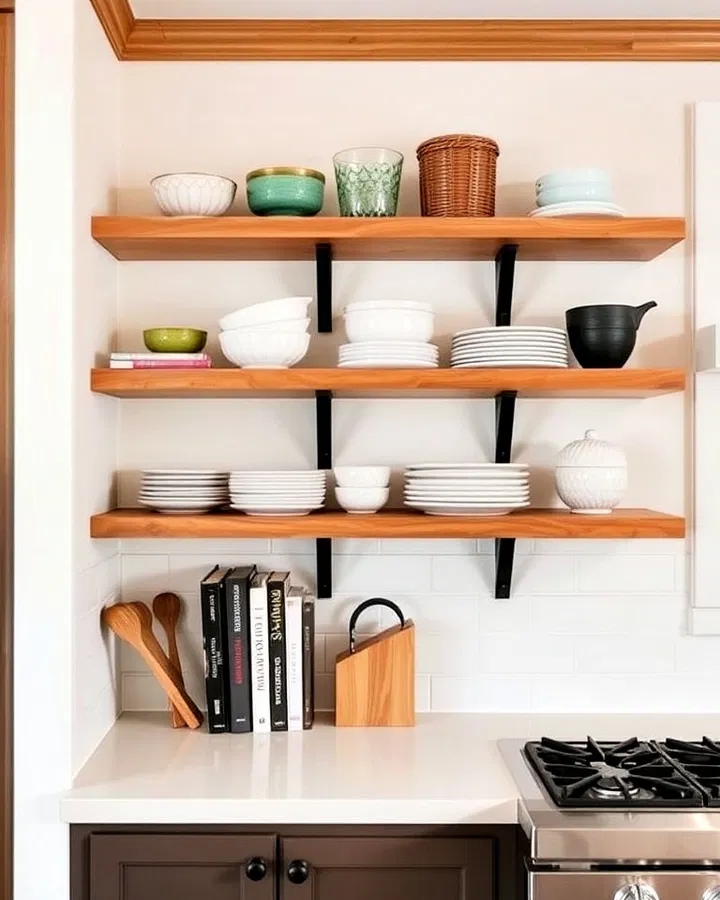
    Entryway, Mudroom, And Drop Zones

    Entryways set the mood of a home, so concealing daily detritus there pays big emotional dividends. The goal is to create a quick action zone where shoes, bags, and mail vanish immediately upon arrival.
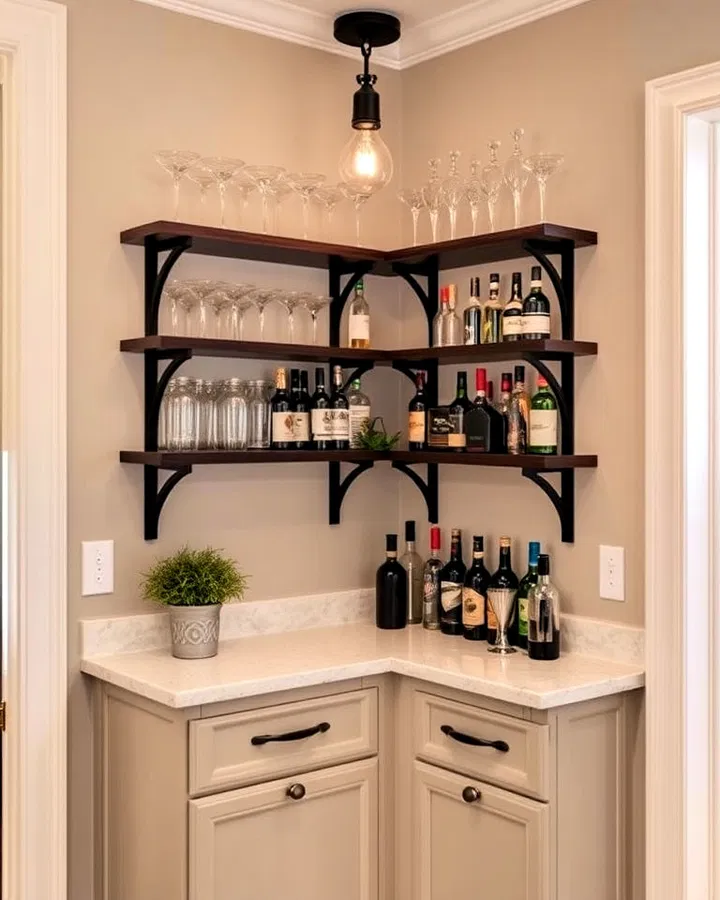
    Built-in benches with cubbies beneath are foundational, use hinged seats or deep drawers for shoes, winter boots, and umbrellas. Wall panels with integrated hooks hide the hardware when not in use: choose recessed niches with sliding doors for a more seamless look. A shallow concealed cabinet or drawer at waist height is perfect for keys, sunglasses, and masks: add a felt-lined tray or divider so small items don’t rattle around.

    For families, consider individual locker systems behind a single facade. Each family member has a labeled compartment for shoes and outerwear, but the exterior reads as a single, tidy wall. Mail organizers that open inward keep paper out of sight and encourage daily sorting rather than piling on top of a console.

    Bedroom And Wardrobe Solutions

    Bedrooms benefit immensely from concealed storage because our sleeping environment should promote rest. Visible clothing, electronics, and accessories undermine a restful atmosphere: integrated storage restores serenity.

    Built-in wardrobes with flush-front panels provide a seamless wall while housing everything from seasonal clothing to luggage. Incorporate modular interiors, shoe racks, tie holders, jewelry drawers, and pull-out shelves, so the exterior can remain minimal while the interior is highly organized. Under-bed drawers or lift-up beds are invaluable for linens and out-of-season clothing: we prefer gas-lift mechanisms for ease.

    Nightstands with concealed compartments, hidden drawers or flip-top sections, allow bedside essentials to be nearby but out of sight. If space is tight, consider a wall niche behind the headboard with sliding panels to hide books and chargers. For smaller apartments, multifunctional furniture like an ottoman with storage or a dresser with a fold-out mirror keeps surfaces clear and provides dedicated places for everyday items.

    Smart Furniture, Built-Ins, And Architectural Trim Options

    Choosing the right mix of furniture, built-ins, and trim details makes concealed storage feel intentional rather than patchy. Let’s break down the best options and how to select them.

    Smart furniture: Look for pieces designed first as furniture, second as storage. Sofas with deep seat storage, lift-top coffee tables, and ottomans with internal compartments offer immediate wins. Choose neutral upholstery and consistent hardware finishes so these pieces blend into the larger palette.

    Built-ins: Custom millwork is the most seamless approach. Bookcases that transition into closed lower cabinets, window seats with hidden lids, and integrated desk nooks with roll-down doors deliver a unified aesthetic. Customization allows for tailored compartments, but it can be costly, consider semi-custom cabinet systems as a lower-cost middle ground.

    Architectural trim tactics: Use reveal lines, continuous panels, and shadow gaps to disguise doors and drawers. Flush doors with magnetic touch latches eliminate visible hardware, while recessed hand grooves read as part of the millwork. We’ve had success using the same veneer or paint across walls and storage fronts: continuity makes the storage recede visually.

    Multifunctional trim: Toe-kick drawers, built-in bench bases, and recessed niches in thick walls transform ordinary architectural elements into storage opportunities. These options are often more budget-friendly than full built-ins and can be added incrementally.

    Installation, Materials, And Budgeting Tips For Hidden Storage

    Concealed storage can be expensive if approached without planning. Here are practical installation, material, and budgeting tips to maximize value and avoid costly mistakes.

    Start with a plan and prioritized list. Audit what you own and decide which hidden solutions will deliver the most benefit. Rank projects, tackle the entry and living areas first if daily clutter is the problem, or prioritize kitchen work if countertops are constantly crowded.

    Materials: For interiors, use plywood or furniture-grade MDF with edge banding rather than cheap particleboard: they resist sagging and handle hardware better. For visible fronts, choose durable finishes, painted MDF for smooth, flat panels: real wood veneer for warmth: or high-pressure laminate for high-traffic rooms. Hardware matters: full-extension ball-bearing slides and soft-close hinges last longer and feel premium.

    Installation: If you’re handy, many solutions are DIY-friendly, toe-kick drawers, bench lids, and simple paneling can be assembled with basic tools. For electrical or structural changes (routed wiring for media walls, lifting mechanisms for TVs), hire pros. Get quotes from multiple contractors and request references for millwork.

    Budgeting: Expect custom built-ins to cost 2–3x more than box-store furniture per linear foot. Set aside 10–20% contingency for unforeseen issues. Consider phased implementation: start with smart furniture purchases, then add semi-custom cabinets, and finally invest in full custom millwork when budget allows.

    Maintenance and longevity: Choose finishes you’ll want to live with for years. Concealed storage is an investment in daily life: spending slightly more on durable materials reduces long-term replacement costs and preserves resale value.

    Conclusion

    The hidden storage trick that keeps homes looking minimal is less about hiding everything and more about designing storage that supports daily life without fighting the room’s aesthetic. When we plan around continuity, accessibility, and durability, concealed storage moves from novelty to essential. Start with small wins, a bench with a hinged seat, a few hidden drawers, or a media wall, and watch how quickly the house feels calmer. Over time, incremental investments in built-ins and smart furniture will compound, giving us a home that feels generous and orderly without sacrificing warmth or function.