Blog

  • 18 Signs Your Room Looks Half-Finished (And How To Fix Them Fast)

    We’ve all walked into a room that feels like someone hit pause midway through decorating: walls mostly painted, a lamp on a box, and a floor transition that screams “not done.” Those half-finished cues drain a space’s personality and make even the nicest furniture look out of place. In this guide we’ll walk through 18 common things that make your space look incomplete, from paint mishaps and exposed wiring to empty walls and mismatched trim, and give practical, fast fixes you can carry out this weekend. Our goal is simple: help you see the small details that make a big difference and give step-by-step solutions that don’t require a full renovation. Read on and let’s finish your room the right way.

    Uneven Or Incomplete Paint Coverage

    Nothing ages a room faster than patchy paint. Uneven sheen, roller marks, visible brush strokes, and patchy coverage where primer wasn’t applied all scream “unfinished.” We often underestimate how much paint quality, surface prep, and technique affect the outcome. The easiest way to tell if paint is the culprit: stand across the room and look at the wall from multiple angles. Light will reveal all inconsistencies.

    Quick fixes we recommend: touch up small areas with matching paint, but don’t try to blend single patches, repaint the whole wall when possible. Always start by cleaning surfaces: dust and grease repel paint and cause patchiness. Use primer on patched or repaired areas: primer seals the substrate and gives topcoat paint a uniform base. Choose a high-quality roller cover (3/8″ nap for smooth walls, 1/2″–3/4″ for lightly textured) and keep a wet edge while rolling to avoid lap marks.

    If sheen looks uneven, the issue may be varying finish levels or poor-quality paint. Flat and eggshell reflect differently: if you’re repainting, pick a finish that suits the room and be consistent. For a fast weekend refresh, two thin coats of better-quality paint applied with consistent technique beat one thick coat every time. And when in doubt, hire a pro for large walls or high ceilings, proper paint work instantly elevates a space from half-done to polished.

    Unfinished Or Jarring Flooring Transitions

    Flooring transitions are tiny design moments that either whisper cohesion or shout “unfinished.” When hardwood meets tile, or carpet hits laminate, abrupt edges, missing transition strips, or inconsistent heights make the whole room feel like a project still in progress. Transitions also pose a safety risk, trip hazards and exposed underlayment are both unsightly and dangerous.

    Start by identifying the type of transition you need: a T-molding for floors of equal height, a reducer for a higher-to-lower change, and a threshold or grout strip for tile-to-wood. Many hardware stores stock premade transition pieces that match common floor finishes: for an invisible look, choose ones that coordinate with your flooring tone. If the floors differ in height by more than 1/4″, sanding or adding a thin underlayment might be necessary before installing a reducer.

    For a quick aesthetic fix, add a narrow runner rug to visually bridge two materials, or use a decorative metal or wood threshold as a deliberate design detail. If transitions are unfinished because flooring stops short, consider continuing the primary floor through the doorway or installing an intentional border. Proper transitions make a room feel intentional: investing a few hours and a modest budget here pays big returns in perceived completeness.

    Exposed Wiring, Bare Bulbs, Or Temporary Light Fixtures

    Lighting is both functional and atmospheric. Exposed wiring, dangling temporary fixtures, and bare bulbs give a workspace vibe rather than a lived-in home. These elements tell visitors the room isn’t finished, and they can be safety hazards too.

    First, prioritize safety: if wiring is exposed, switch off power at the breaker before touching anything and call a licensed electrician for anything beyond swapping a fixture. For cosmetic quick wins, replace bare bulbs with simple, matching pendants or semi-flush fixtures, this alone can make the ceiling feel attended to. Use canopy covers and cord clips to tidy visible cables. If the wiring is aesthetic (like exposed conduit in industrial lofts), make it intentional: paint conduit the same color as the wall or ceiling, or use decorative conduit that fits the style.

    Avoid obvious temporary solutions like clamp lamps on furniture or lamps perched on boxes. Instead, choose a balanced mix of ambient, task, and accent lighting. A floor lamp or table lamp placed correctly can mask a lacking overhead fixture. Dimmers are an affordable upgrade that immediately makes lighting feel finished, allowing you to tailor mood and function without rewiring. Finished lighting equals a finished room.

    Empty Walls, Floating Furniture, And Awkward Scale

    Empty walls or misplaced furniture make a room read as incomplete. A sofa shoved against a wall with a huge expanse of blank paint above it, a lone chair that looks tiny in a large space, or furniture that’s too large for the room, all create awkward visual imbalance. Empty walls aren’t just about missing art: they reveal a lack of composition.

    We suggest starting with scale. Measure your wall and furniture before moving pieces. For statement walls, large-scale art or a gallery arrangement works better than tiny frames randomly spaced. A simple rule: artwork should span roughly 60–75% of the furniture width it’s above. Use layered lighting, picture lights, sconces, or floor lamps, to draw attention and add depth.

    Floating furniture (pieces not anchored to anything) looks indecisive. Create intentional groupings: place rugs to define conversation zones, add occasional tables beside seating, or assemble a console behind a sofa to visually support it. Mirrors are an inexpensive way to add presence and bounce light into empty walls. If you’re working with awkward scale, too much negative space or crowded corners, bring in plants, a bookcase, or a sculptural floor lamp to fill voids without cluttering. Thoughtful composition turns blankness into balance.

    Cluttered Storage, Half-Assembled Furniture, And Visible Boxes

    Visible clutter tells a story: either you have nowhere to store things, or you’re mid-move. Stacks of boxes, half-assembled furniture with loose hardware, and open storage that looks chaotic make even a stylish room feel transitional. We’ve found that storage solutions that look intentional, baskets, closed cabinets, and labeled bins, transform chaos into curated content.

    Attack the problem in three steps. First, clear and categorize: sort items into keep, donate, and discard piles. Second, conceal: use furniture with hidden storage like ottomans, storage benches, or media consoles with doors. If you must use open shelving, corral items in uniform containers so the shelf reads organized rather than messy. Third, complete the assembly. Don’t live with furniture in pieces: set aside a dedicated block of time to finish hardware and install any missing components. Keep a small box of extras (screws, anchors, instructions) in a drawer so future touch-ups are painless.

    For short-term fixes during moves, use decorative bins or fabric boxes that look intentional. A well-placed basket or vintage trunk not only hides clutter but adds texture. When storage is part of the design rather than an afterthought, the room instantly reads finished rather than staged.

    Missing, Damaged, Or Mismatched Trim And Baseboards

    Trim and baseboards are the punctuation marks of a room. When they’re missing, damaged, or mismatched, everything else looks unfinished. Gaps at the floor, uneven caulk lines, chipped paint, or different profiles from room to room disrupt flow and call attention to small deficiencies.

    Consistent trim ties rooms together visually and covers the seams between surfaces. If you’re replacing trim, choose a profile that complements your home’s style, simple square casings for modern rooms, or profile with a small ogee for traditional spaces. Paint trim in a semi-gloss to resist scuffs and make cleaning easier. Don’t forget the corners: filled and sanded miters look much nicer than visible gaps. When baseboards are damaged, replace only the affected sections rather than patching in mismatched pieces that will still read wrong.

    Small details matter: use paintable caulk to seal gaps between trim and wall, and touch up nail holes with wood filler before painting. When trim meets flooring, ensure the baseboard covers the flooring expansion gap for a clean edge. These fixes can take a weekend but make a dramatic difference in how finished the space appears.

    How To Properly Install Trim And Baseboards For A Polished Finish

    Installing trim so it looks custom requires a few practical steps. Measure twice and cut once: accurate measurements cut down on gaps. Use a miter saw for clean 45-degree cuts on corners: if you don’t have one, many local hardware stores will cut pieces to size. Dry-fit before nailing to ensure alignment.

    Nail trim into studs or use a nailer to set the board then countersink nails and fill holes with wood filler. Apply paintable caulk along the top edge between trim and wall to hide small inconsistencies. For inside corners, cope the joint, cut the profile of one piece to fit the contour of the other, this gives tighter seams than two mitered joints over time. Finish with two coats of paint or stain for protection and uniform color.

    If you’re uncomfortable with power tools, a qualified finish carpenter can do the job quickly and affordably: the cost is often worth the professional polish you’ll get in return.

    Conclusion: Small Fixes That Deliver A Finished, Cohesive Space

    We don’t need full renovations to make rooms feel finished, attention to paint, transitions, lighting, walls, storage, and trim does most of the heavy lifting. Tackle the visible details first: even paint touch-ups, installing proper transition strips, swapping temporary lighting for proper fixtures, arranging furniture with scale in mind, finishing assembly, and installing consistent trim will make your space feel intentional and complete.

    Start with a checklist of the items above and schedule small projects across a few weekends. The payoff is immediate: less visual noise, better flow, and a home that finally feels like it belongs to you. Let’s finish it right and enjoy the room the way we intended.
  • 12 Rental-Friendly Spring Porch Ideas That Instantly Transform Your Space

    Transform your porch into a fresh, inviting spring retreat—without risking your security deposit. These ideas focus on flexibility, portability, and style, so you can create a space that feels like home while staying completely renter-safe.

    1. Start With a Flexible Seating Foundation

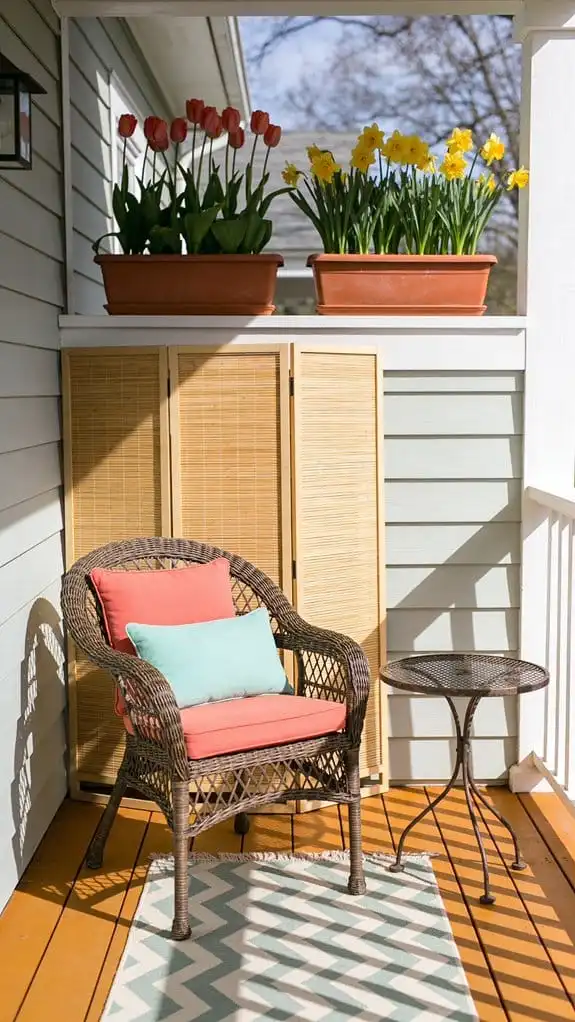
    Create a comfortable base by choosing lightweight, movable furniture. Folding chairs, compact sofas, and stackable tables let you easily rearrange your layout depending on your needs—whether it’s morning coffee or hosting friends. Weather-resistant materials like aluminum or treated wood ensure durability without adding bulk.

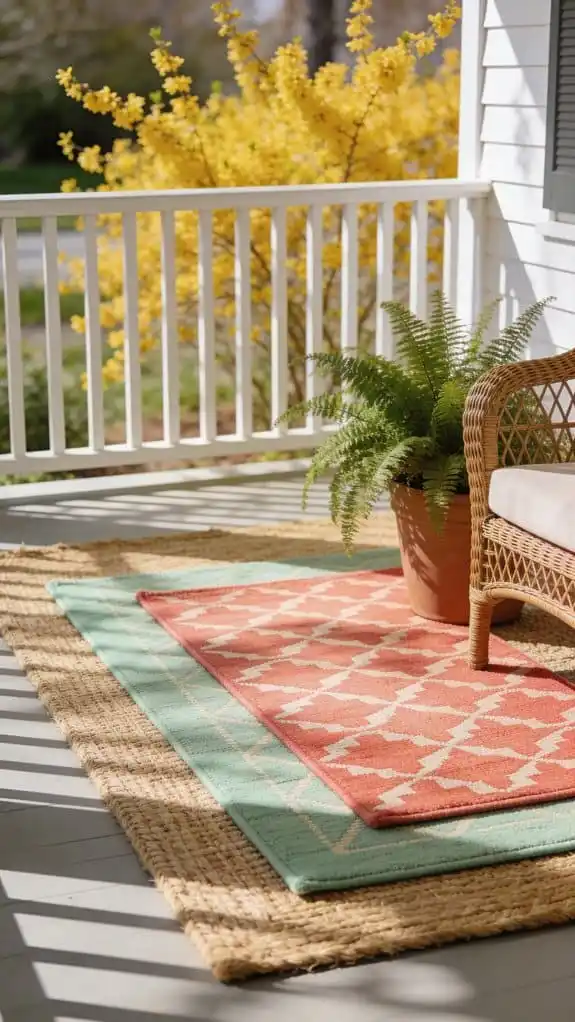
    2. Define Zones With Layered Outdoor Rugs

    Give your porch structure by layering rugs. Start with a neutral base, then add a smaller patterned rug on top to create visual contrast. This technique helps separate areas like seating and plant corners while adding warmth and personality underfoot.

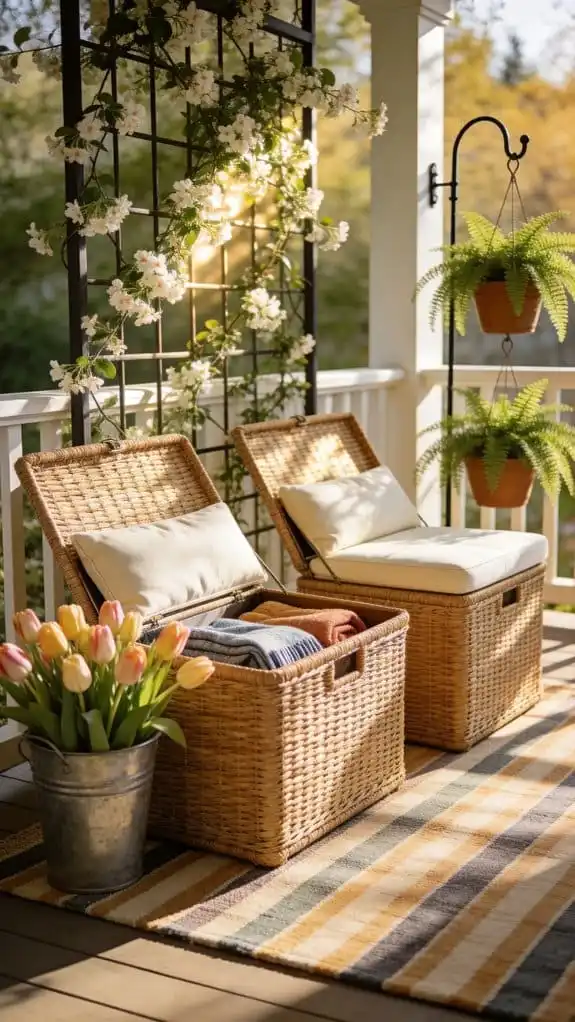
    3. Add Functional Storage With Ottomans

    Keep your porch clutter-free by incorporating storage ottomans. These dual-purpose pieces provide extra seating while hiding items like cushions, gardening tools, or décor. Foldable options are especially practical for renters who need easy portability.

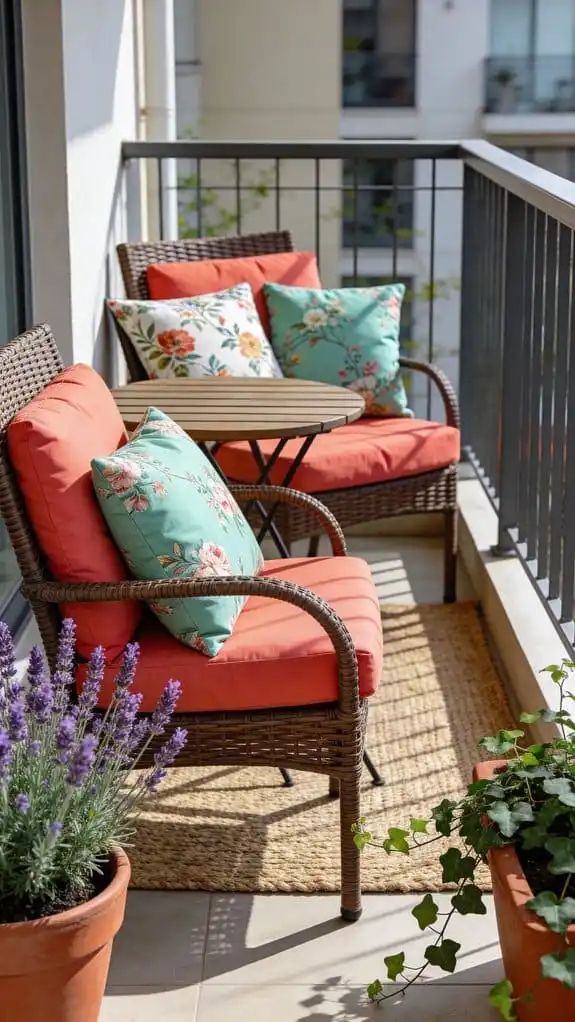
    4. Soften the Space With Cushions and Textiles

    Introduce comfort and color with removable outdoor cushions, pillows, and throws. Mix patterns like florals and stripes or use coordinated colors for a cohesive look. These elements instantly make your porch feel cozy and can be swapped out seasonally.

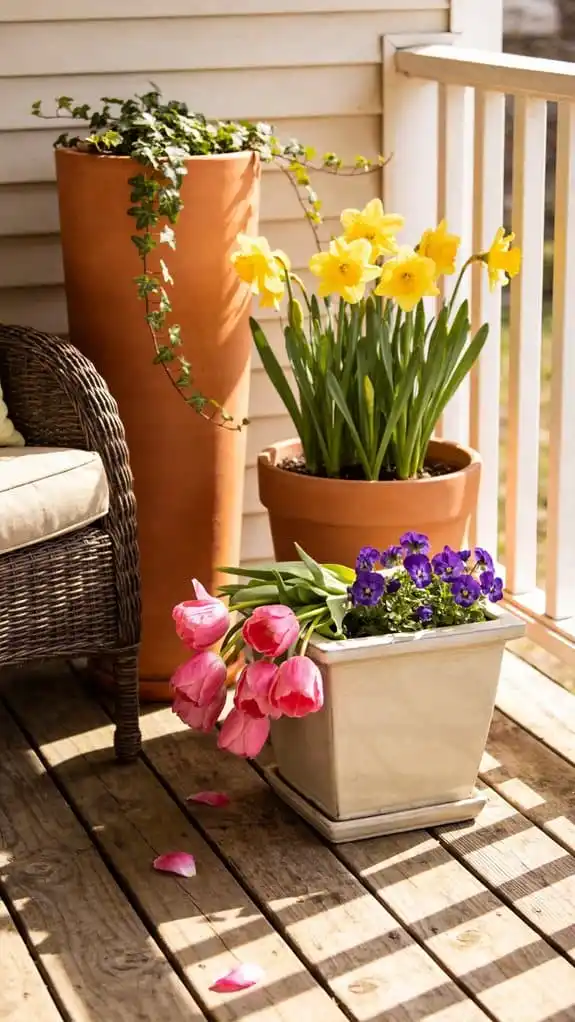
    5. Bring Life With Freestanding Planters

    Use planters of varying heights to create depth and visual interest. Combine materials like ceramic, metal, and woven textures for a layered look. Fill them with flowers, herbs, or trailing plants to turn your porch into a lush, flexible garden.

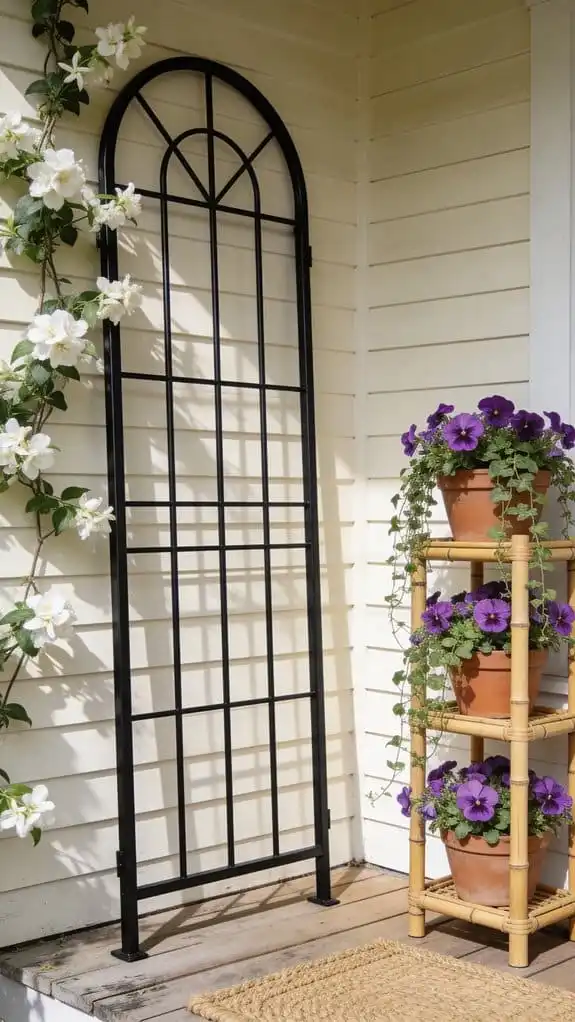
    6. Maximize Vertical Space With Plant Stands and Trellises

    Draw the eye upward using freestanding trellises and tiered plant stands. These add dimension without taking up much floor space. Climbing plants like jasmine or morning glories enhance the effect, creating a vibrant vertical garden.

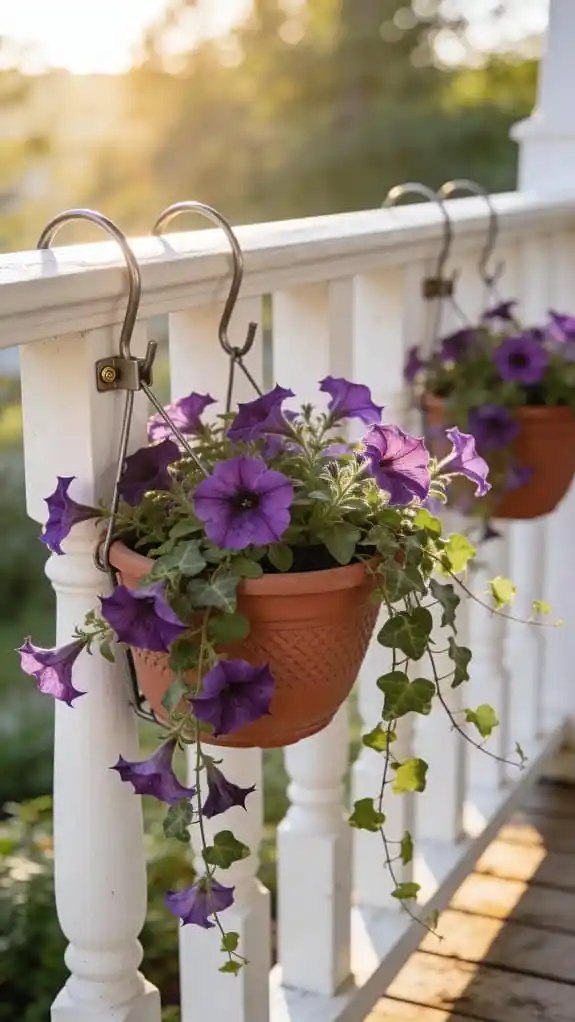
    7. Use Railing Planters for Extra Greenery

    Take advantage of unused railing space by adding hook-on or clamp-style planters. These allow you to grow flowers or herbs without sacrificing floor area, making them perfect for smaller porches.

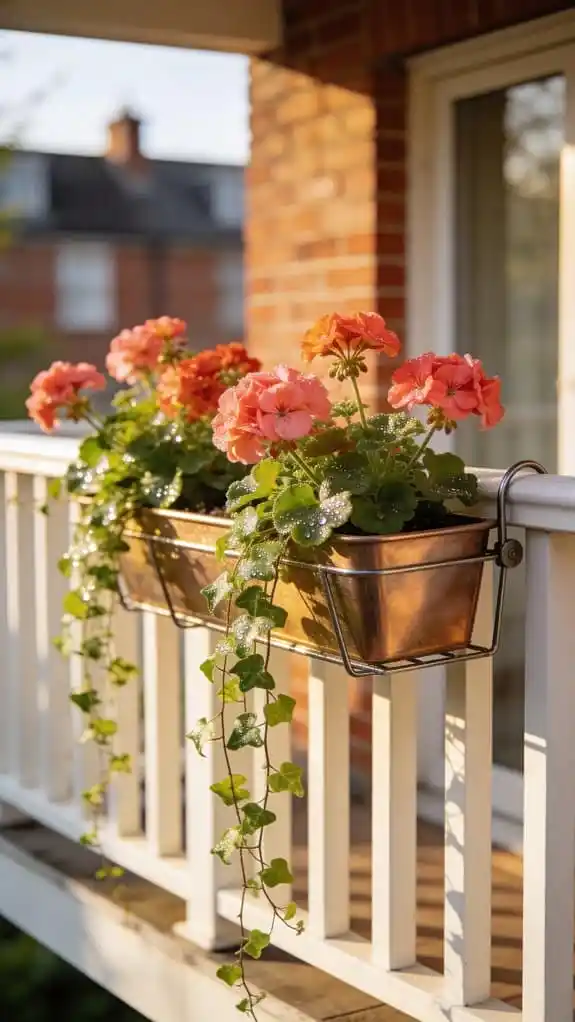
    8. Enhance Railings With No-Drill Planter Boxes

    Upgrade your railing further with bracket-mounted planter boxes. These create a fuller, layered greenery effect and help soften hard architectural lines, making your porch feel more expansive and inviting.

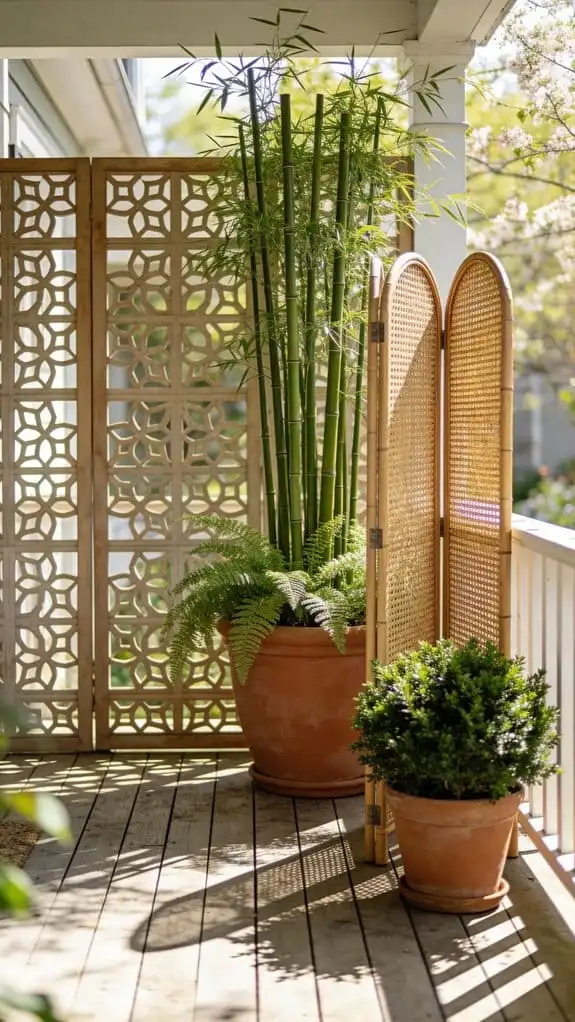
    9. Create Privacy With Screens and Tall Plants

    Turn your porch into a secluded retreat by adding freestanding screens or lattice panels. Pair them with tall plants like bamboo or ornamental grasses to block unwanted views while maintaining a natural, airy feel.

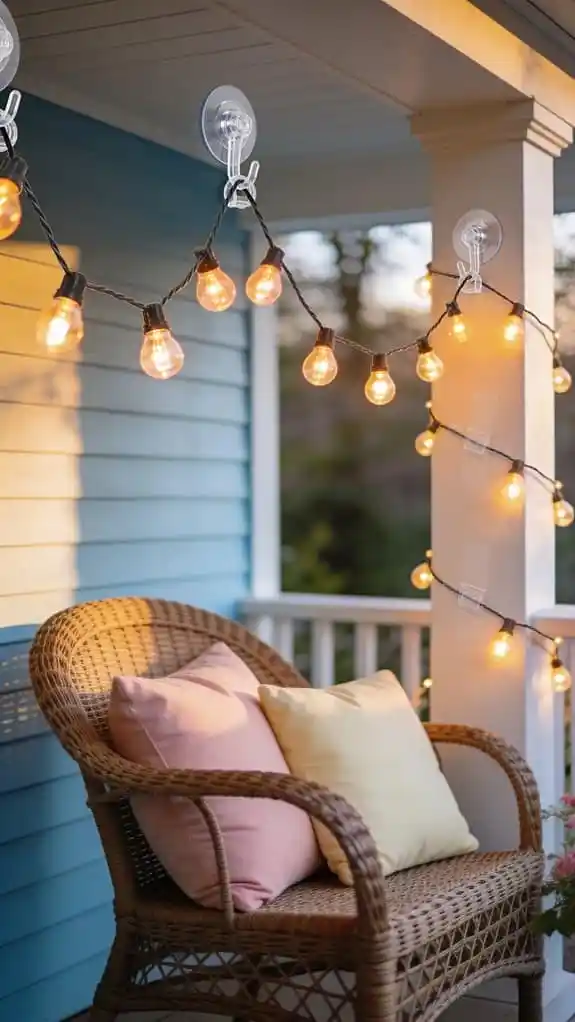
    10. Install String Lights Using Adhesive Hooks

    Set the mood with overhead lighting using Command hooks or adhesive strips. Hang string lights along railings or ceilings to create a soft glow. Solar or battery-powered options make installation even easier without needing outlets.

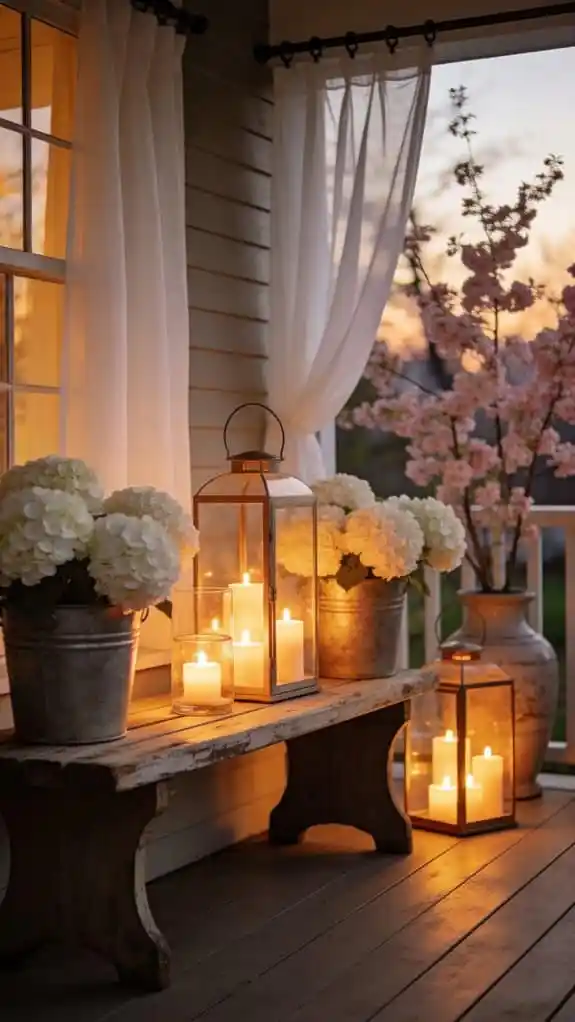
    11. Add Warmth With Lanterns and Flameless Candles

    Layer your lighting with battery-powered candles and lanterns. Group them on tables or along railings to create a warm, flickering ambiance that feels cozy and elegant—without any fire risk or lease concerns.

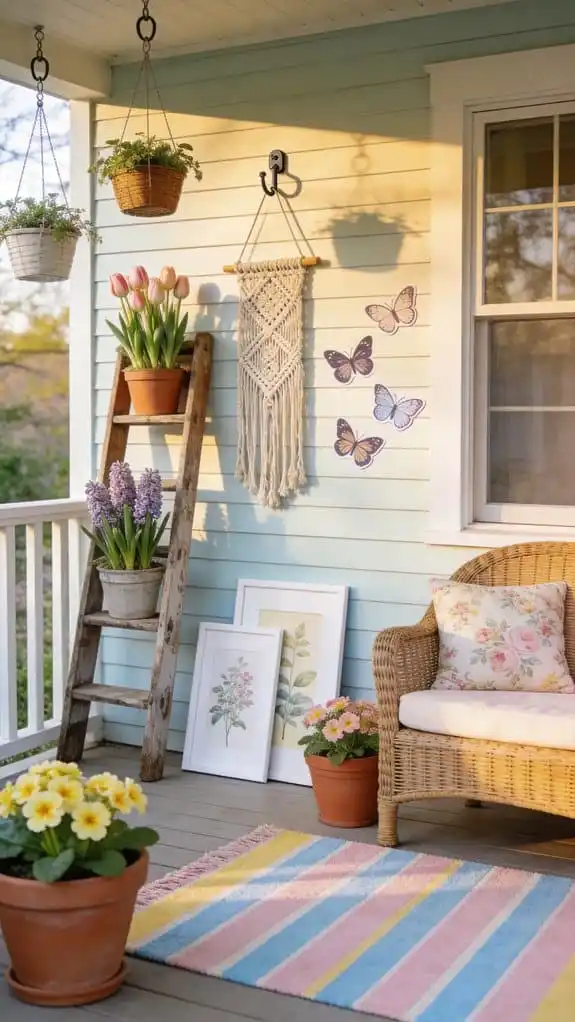
    12. Personalize With Removable Décor and Art

    Finish your porch with personality using removable wall art, decals, or hanging décor. Command strips, freestanding easels, and temporary wallpaper let you express your style while keeping everything damage-free.

    Conclusion

    You don’t need permanent changes to create a beautiful porch. By layering furniture, greenery, lighting, and décor in a thoughtful order, you can design a space that feels intentional, stylish, and completely your own—all while staying renter-friendly.

  • 15 Dark Green Front Door Ideas for Bold, Elevated Curb Appeal

    A dark green front door isn’t just a color choice—it’s a design statement. Deep, rich, and incredibly versatile, dark green brings together elegance, warmth, and a natural connection to the outdoors. Whether your home leans modern, rustic, or traditional, this timeless shade can instantly elevate your exterior and create a memorable first impression.

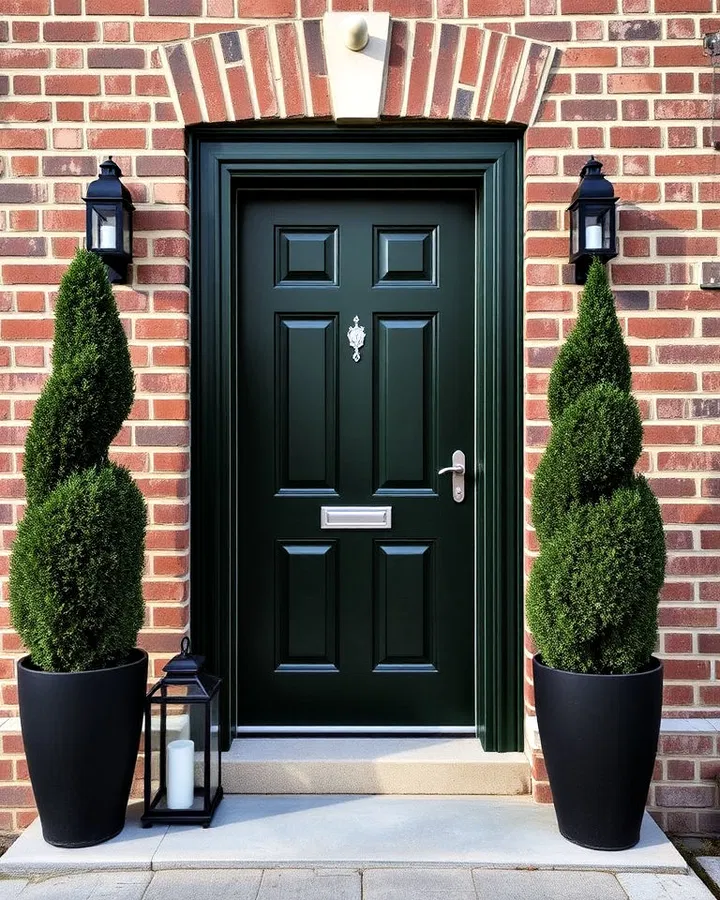
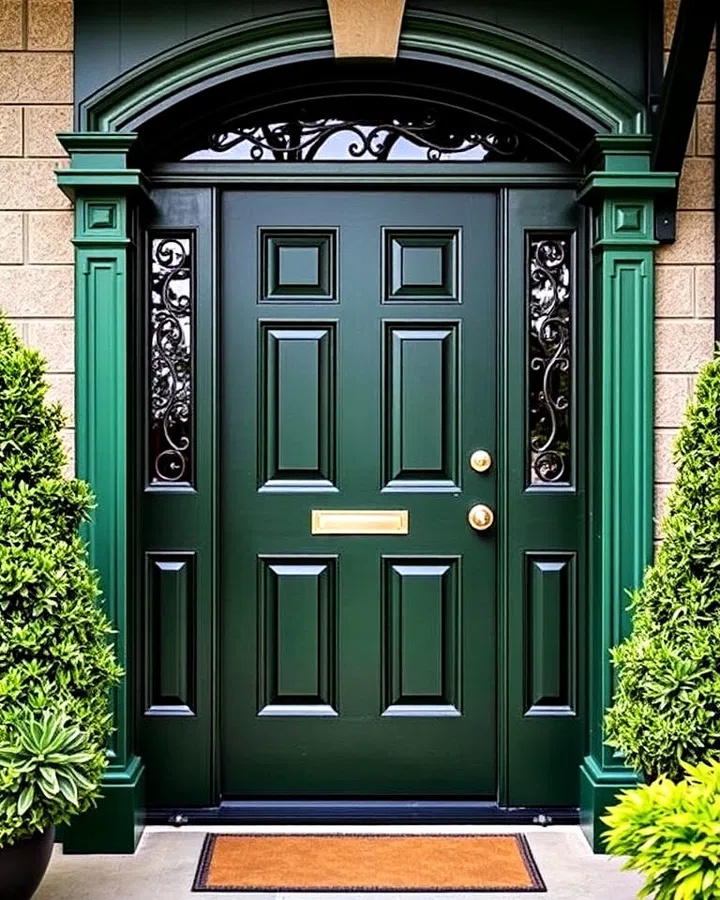
    1. Midnight Green for Subtle Drama

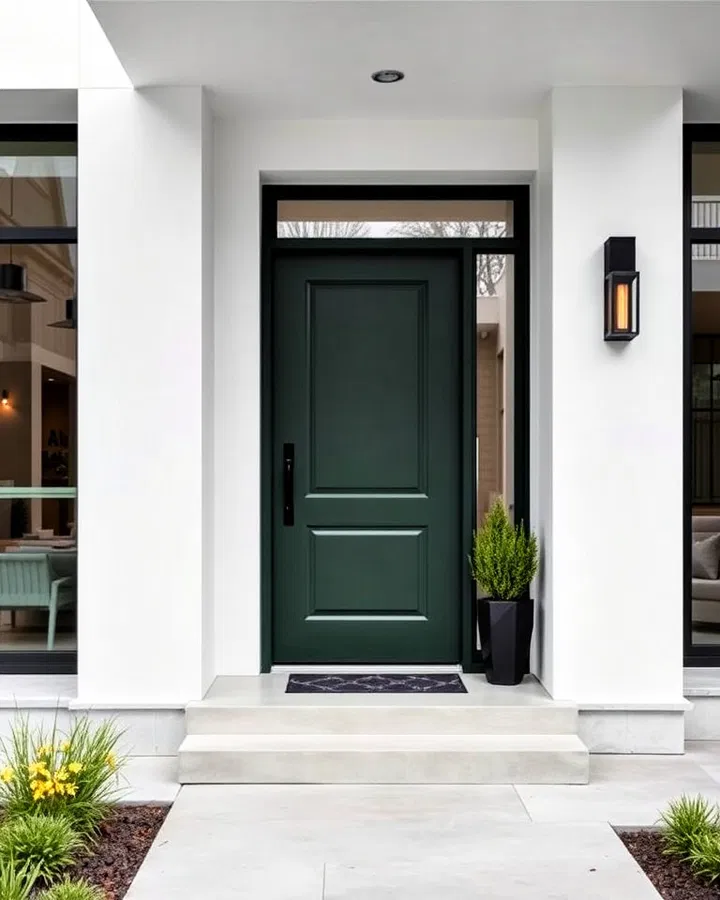
    For a bold yet refined look, midnight green offers an almost-black tone with deep green undertones. It’s perfect for homeowners who want drama without going fully black. Pair it with light stone or brick exteriors and sleek black or silver hardware for a polished finish.

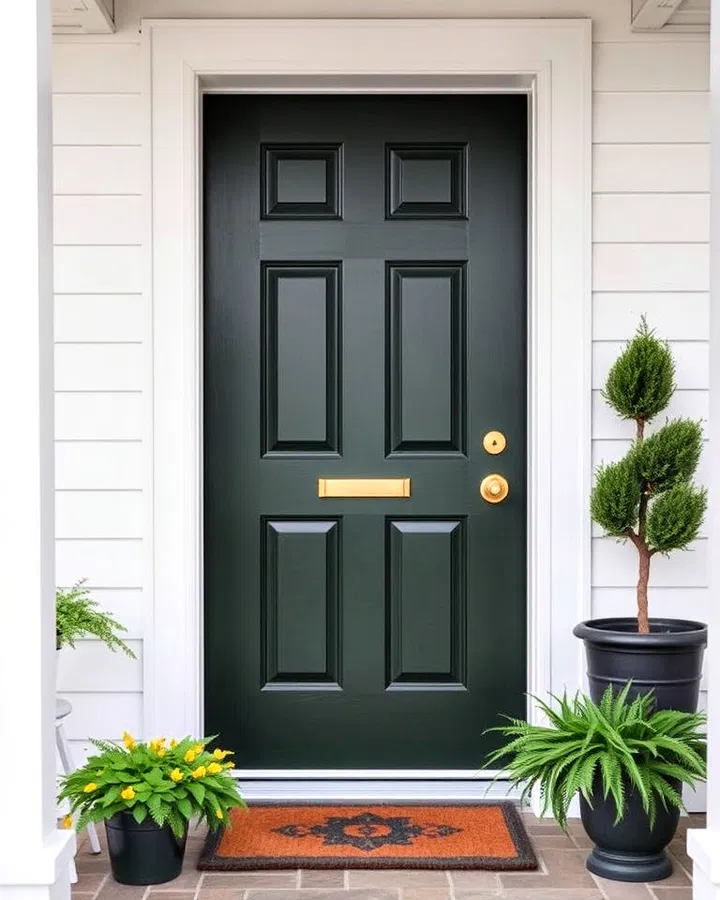
    2. Classic Matte Green Elegance

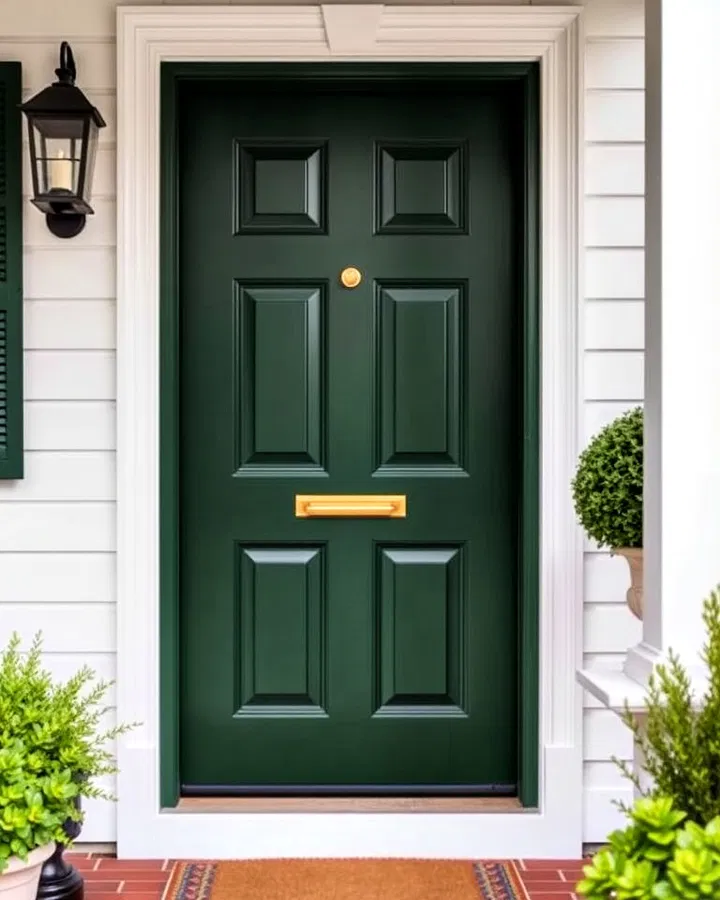
    A matte dark green door delivers understated sophistication. This timeless finish softens the richness of the color while maintaining strong visual impact. It pairs beautifully with white or cream exteriors and looks especially elegant with brass or gold hardware.

    3. Hunter Green with Luxe Gold Accents

    Hunter green brings a traditional, stately feel to any home. When combined with gold fixtures—like handles, knockers, or house numbers—it creates a refined, upscale look perfect for colonial or classic architecture.

    4. Glossy Emerald for a Polished Look

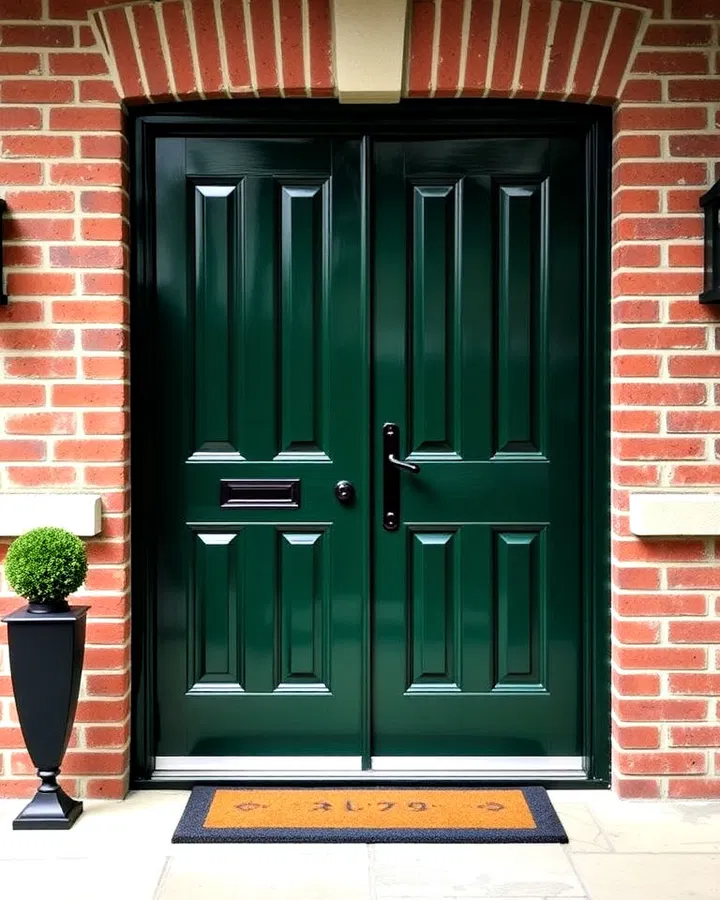
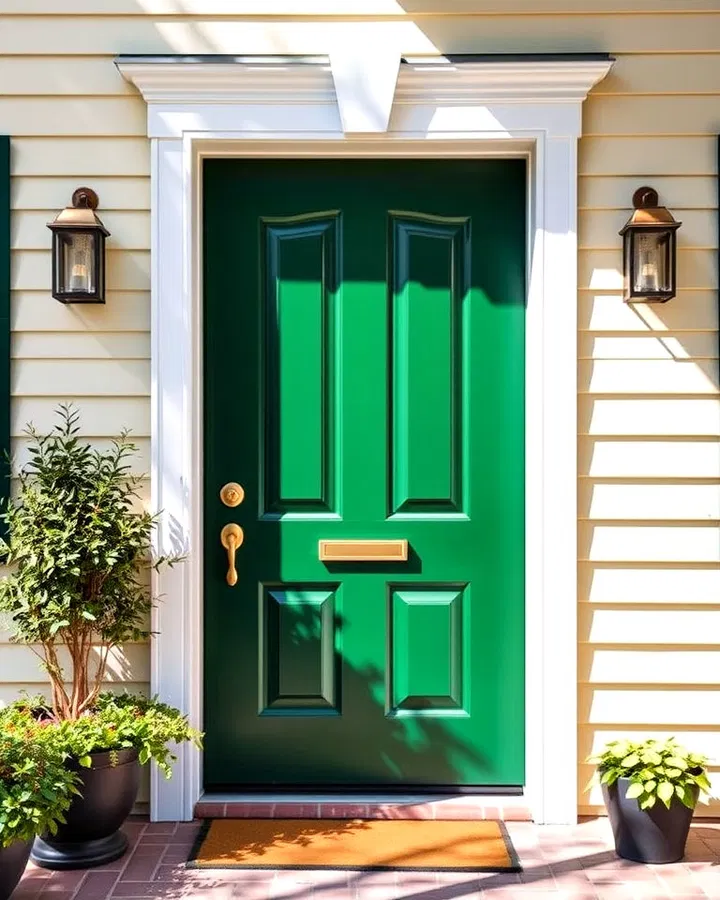
    If you want your entryway to stand out, a glossy emerald finish adds vibrancy and shine. The reflective surface enhances the richness of the color and works especially well against brick or neutral facades. Pair with modern black or chrome hardware for balance.

    5. Blackened Green for Modern Impact

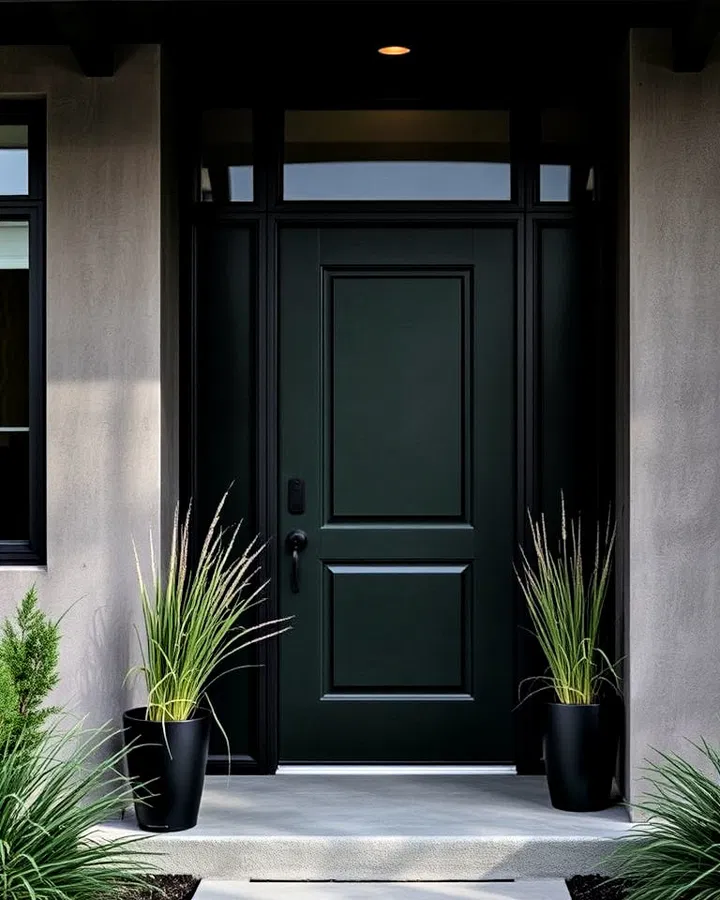
    Blackened green blends deep green with charcoal tones, resulting in a bold, contemporary look. Ideal for modern or industrial homes, this shade pairs effortlessly with concrete, steel, or minimalist landscaping.

    6. Charcoal Green Minimalism

    For a subtle, modern aesthetic, charcoal green offers a muted blend of gray and green. This shade works beautifully with clean architectural lines and neutral palettes. Add matte black hardware and simple lighting for a cohesive, minimalist design.

    7. Deep Forest Green for Rustic Charm

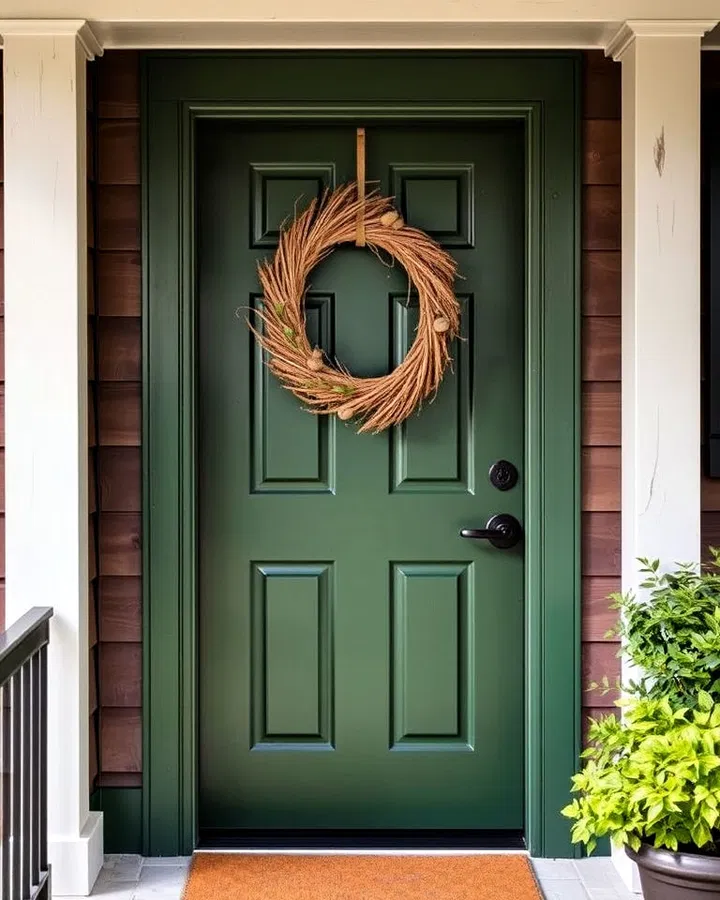
    Inspired by nature, forest green creates a grounded, earthy feel. It’s perfect for homes with wood siding or stone details. Enhance the look with black iron hardware and natural elements like wreaths or wooden accents.

    8. Muted Olive for Soft Warmth

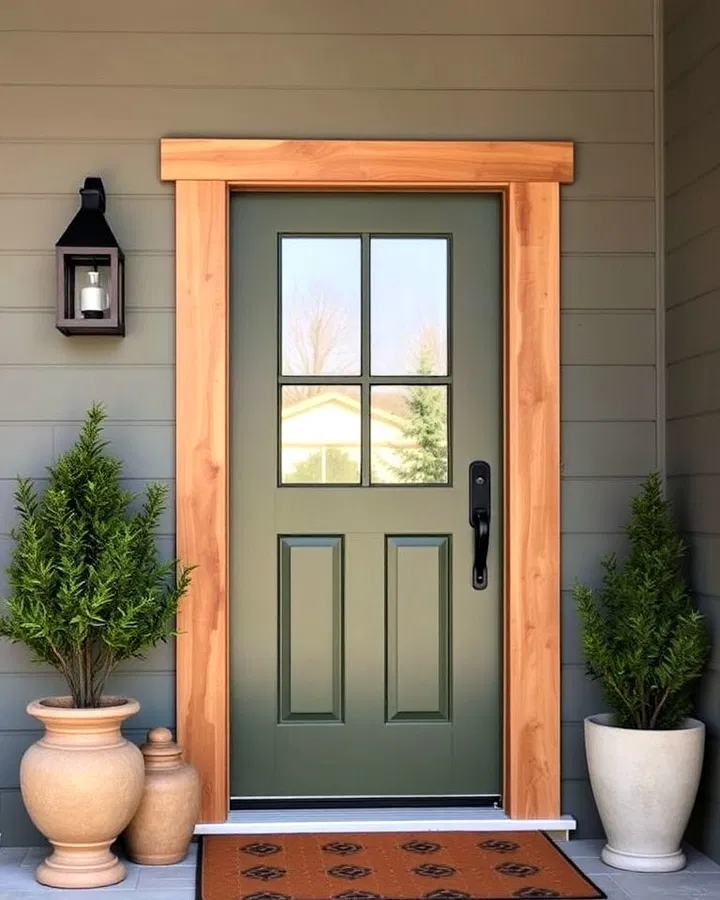
    Muted olive green is ideal if you prefer something softer and more understated. This tone complements beige or neutral exteriors and pairs beautifully with natural wood features for a cozy, modern farmhouse vibe.

    9. Dark Sage with Warm Accents

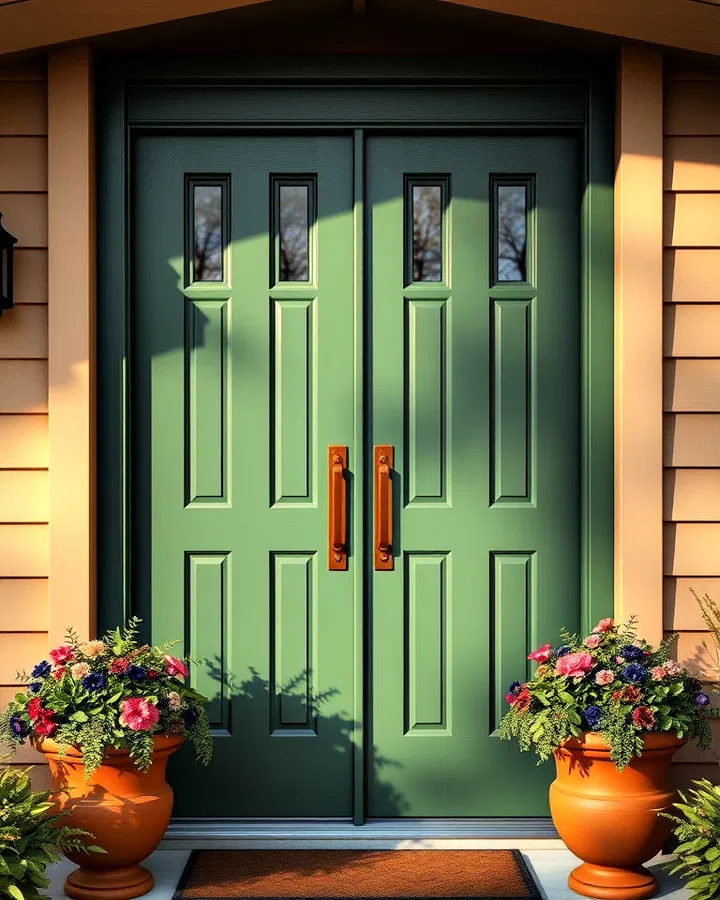
    Dark sage offers a calming, earthy tone that bridges traditional and modern styles. Combine it with bronze or copper hardware and add terracotta planters for a warm, welcoming entrance.

    10. Rich Jade for Vibrant Contrast

    Jade green adds a lively, jewel-toned richness to your entryway. It stands out beautifully against light-colored exteriors like cream or sandstone. Pair it with gold or bronze accents and lush greenery for a vibrant, inviting look.

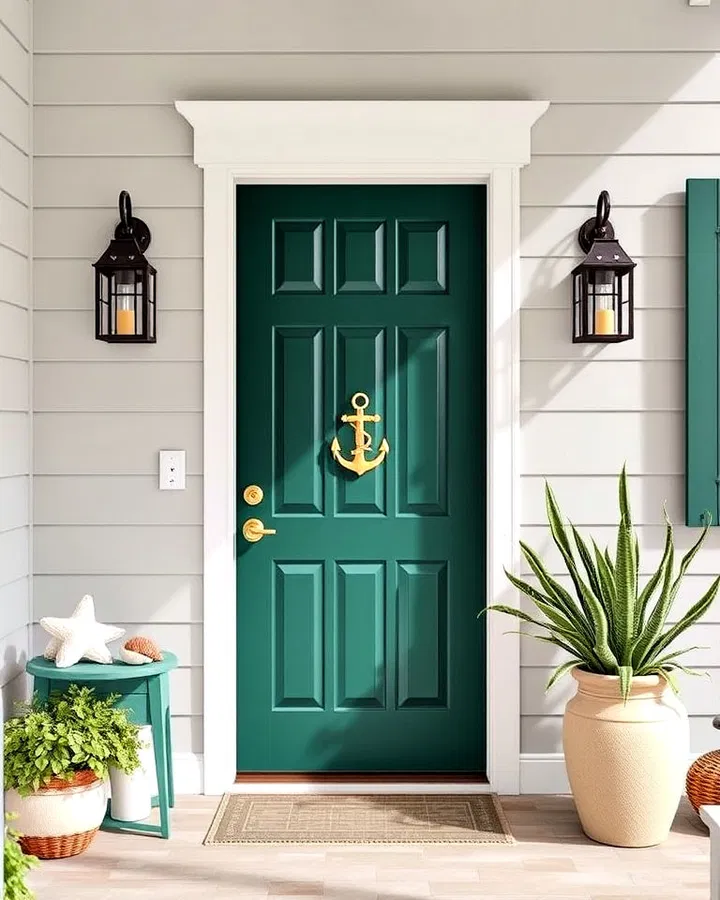
    11. Teal-Green Fusion for Coastal Style

    For a breezy, coastal feel, opt for a teal-green blend. The subtle blue undertones create a fresh and relaxing aesthetic, especially when paired with white exteriors, lantern lighting, and nautical-inspired decor.
    12. Two-Tone Green for Added Dimension

    A two-tone design introduces visual interest and personality. Combine a darker green base with lighter green panels or trim to highlight architectural details. This approach works especially well on traditional homes.

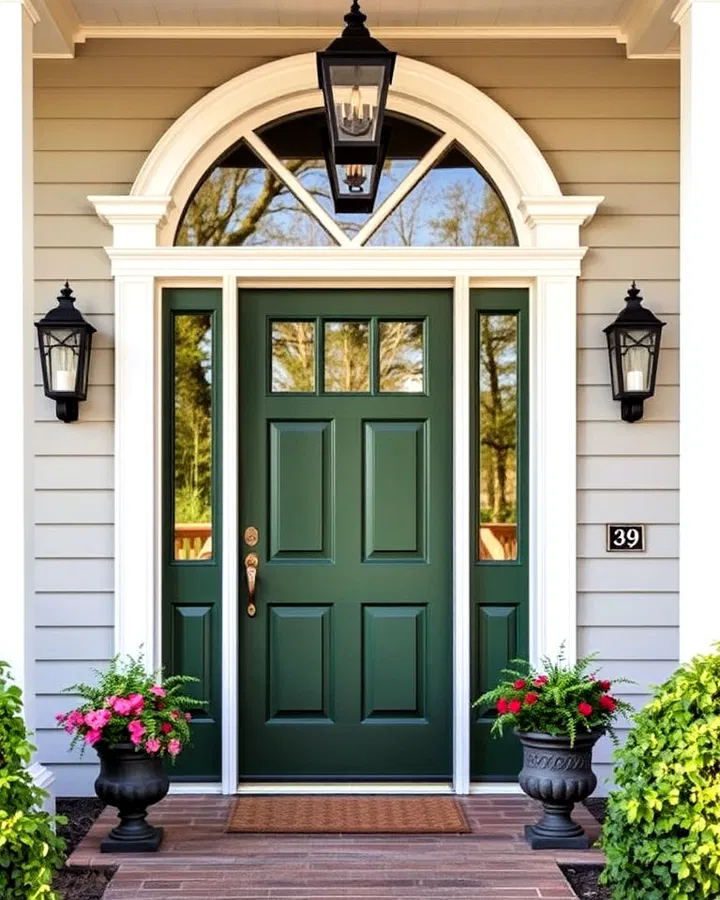
    13. Dark Green with Crisp White Trim

    Nothing beats the classic contrast of dark green and white. White trim frames the door beautifully, enhancing its depth while keeping the overall look clean and balanced. This combination suits nearly any home style.
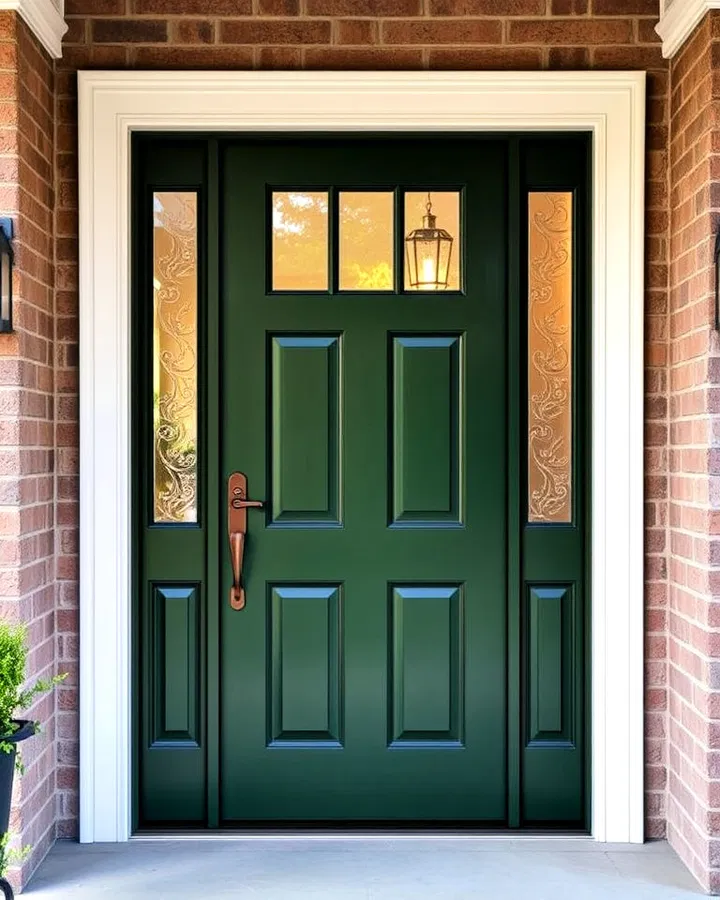
    14. Dark Green with Glass Panels

    Incorporating glass panels adds both style and function. Frosted or decorative glass allows natural light in while maintaining privacy. This design is perfect for contemporary homes seeking a blend of elegance and practicality.

    15. Vintage Patina Green Charm

    For a weathered, character-rich look, patina green delivers vintage appeal. Its slightly distressed finish pairs perfectly with antique-style hardware and complements brick or stone exteriors beautifully.

    Conclusion

    Dark green front doors strike the perfect balance between boldness and timeless appeal. From dramatic midnight tones to soft sage hues, this versatile color adapts effortlessly to different architectural styles and personal tastes. With the right hardware, trim, and surrounding decor, your front door can become a standout feature that elevates your home’s entire exterior.

  • 15 Spanish-Style Window Ideas to Elevate Your Home’s Exterior

    Spanish-style windows are more than just architectural features—they’re expressions of artistry, heritage, and thoughtful design. Known for their warm textures, elegant shapes, and handcrafted details, these windows create a distinctive look that feels both timeless and inviting. Whether you’re updating a modern home or restoring a traditional one, these ideas will help you capture the essence of Spanish architecture with style and authenticity.

    1. Deep-Set Window Designs

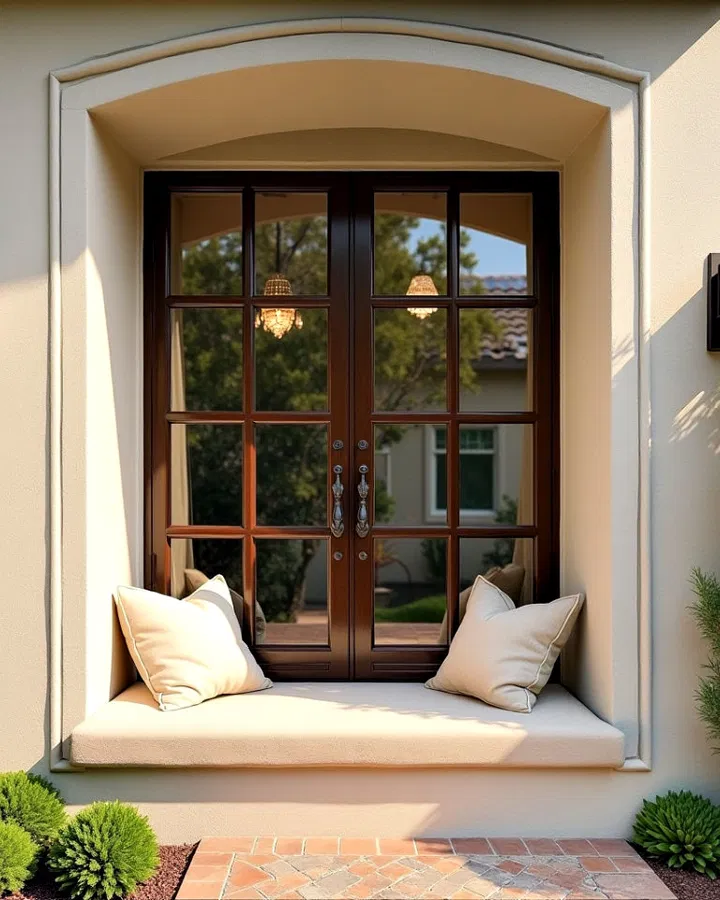
    Deep-set windows are a defining feature of Spanish architecture, thanks to thick stucco or masonry walls. This recessed design creates striking shadows on the exterior while offering practical benefits like improved insulation. Inside, the deep ledges can double as cozy seating areas or decorative nooks.

    2. Elegant Arched Windows

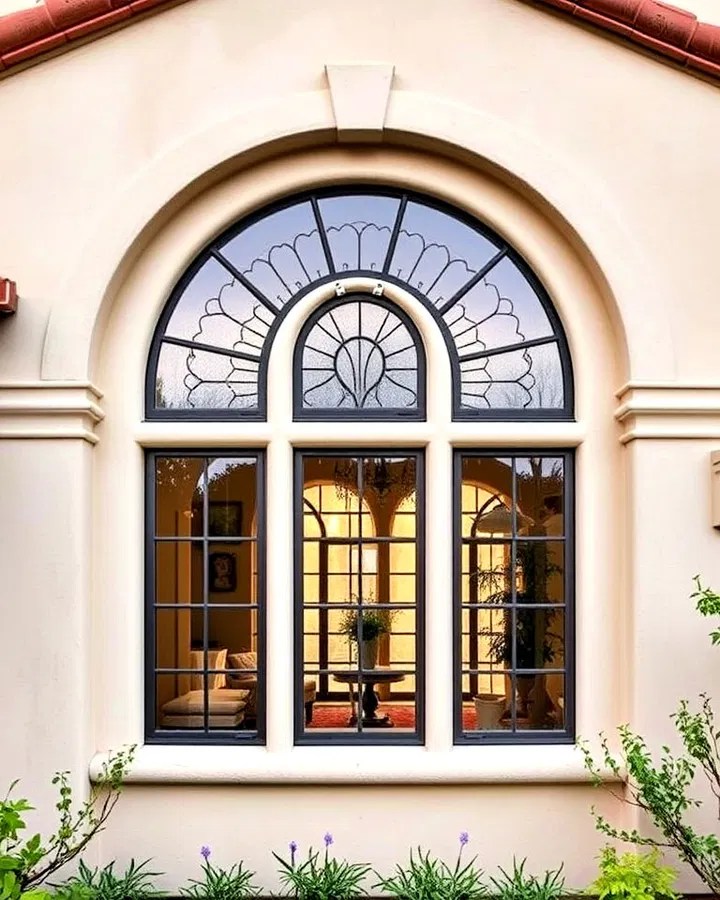
    Arched windows are one of the most recognizable elements of Spanish-style homes. Their soft, curved tops introduce a sense of romance and sophistication while breaking up rigid architectural lines. Often framed in stucco or accented with tiles, these windows draw the eye and enhance curb appeal.

    3. Classic Multi-Pane Windows

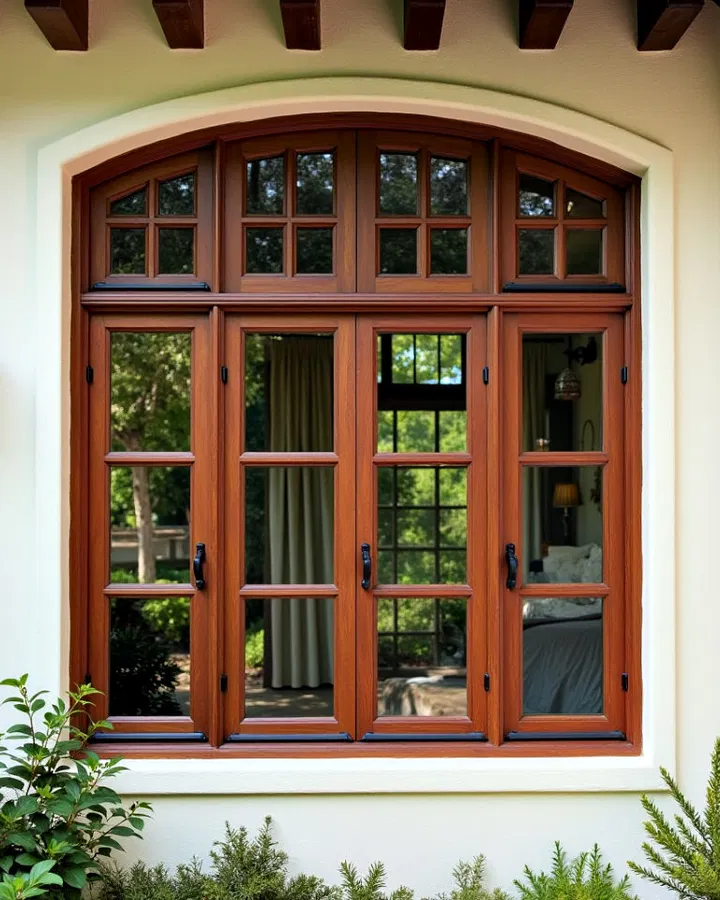
    Multi-pane windows, divided by wood or metal grids, reflect old-world craftsmanship. These windows create a charming visual rhythm and pair beautifully with shutters or iron grilles, reinforcing a cohesive traditional look.

    4. Functional Casement Windows

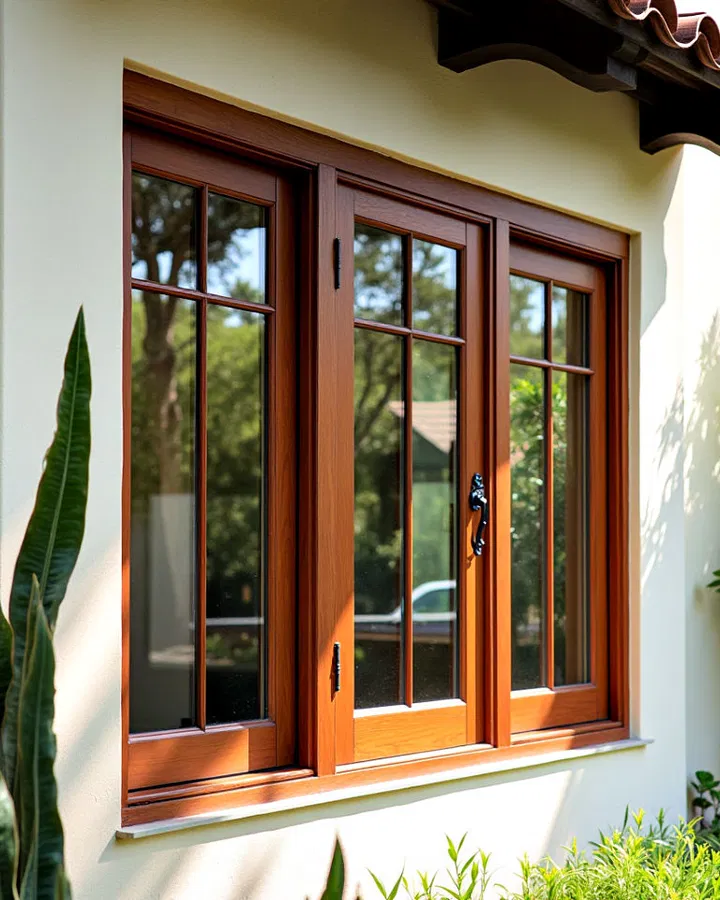
    Casement windows open outward like doors, making them both practical and stylish. They provide excellent ventilation and unobstructed views—perfect for warm climates—while maintaining a traditional aesthetic.

    5. Traditional Double-Hung Windows

    Double-hung windows offer flexible airflow with two operable sashes. Their timeless structure blends easily into Spanish-style homes, especially when paired with wood frames or decorative accents.

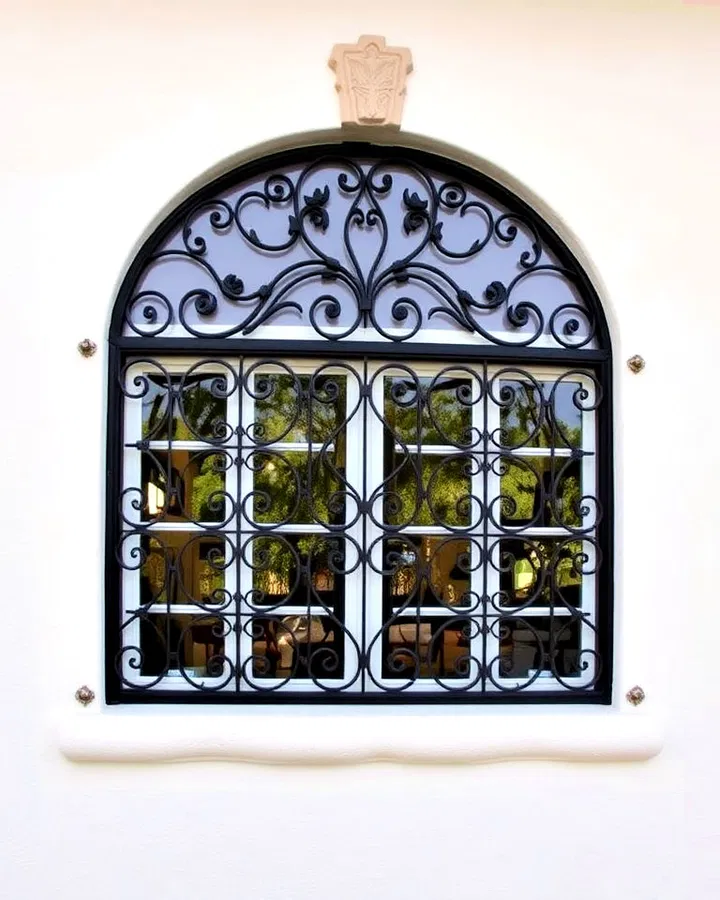
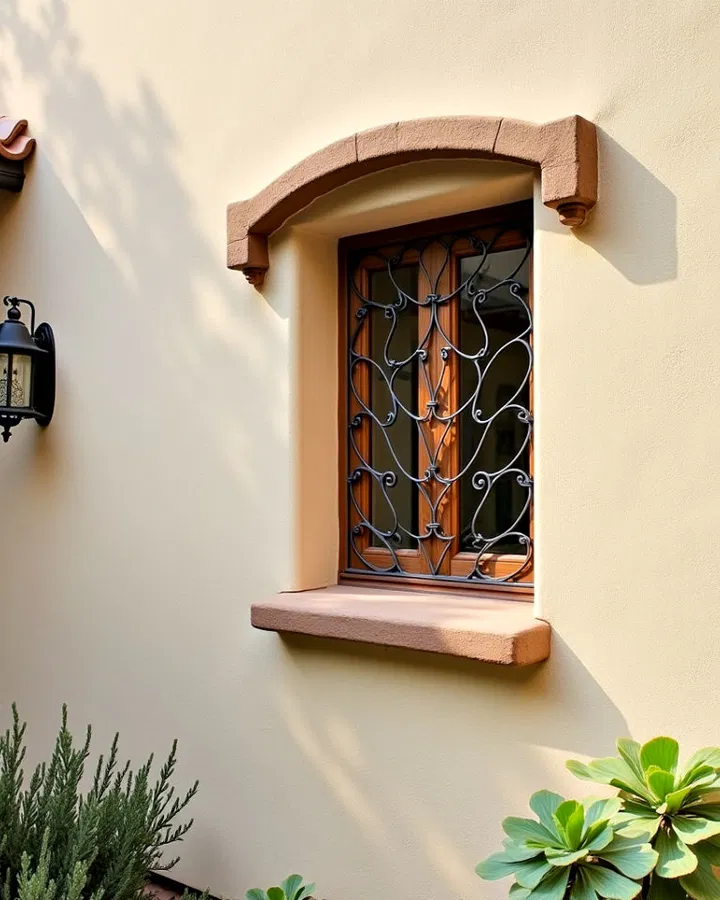
    6. Decorative Wrought Iron Grilles

    Wrought iron grilles bring both beauty and security. Intricate scrollwork and geometric designs create a handcrafted feel, while casting dramatic shadow patterns inside when sunlight passes through.

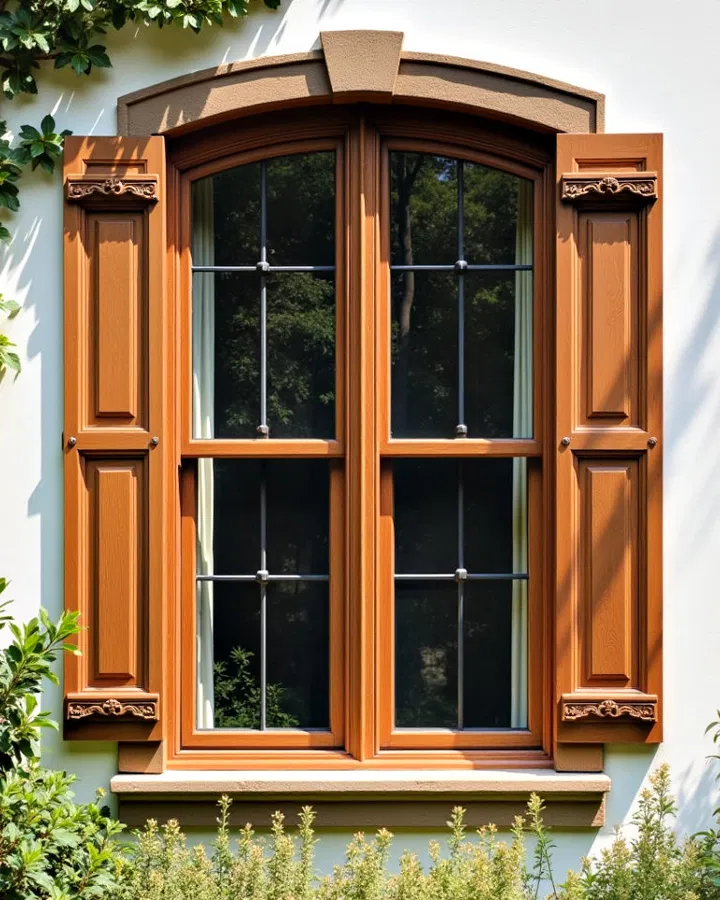
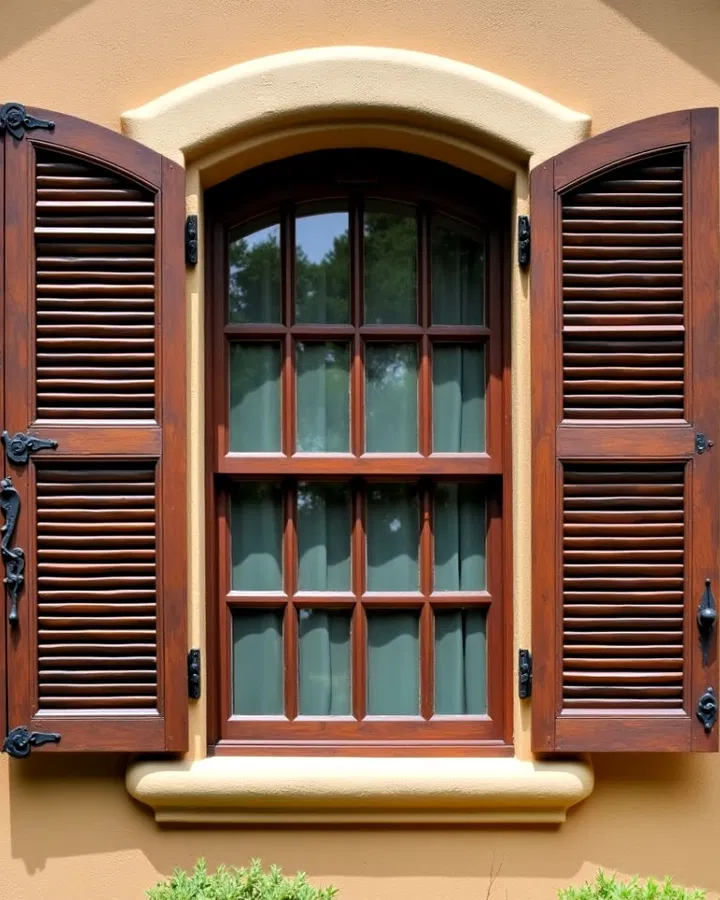
    7. Rustic Wooden Shutters

    Wooden shutters introduce warmth and authenticity. Made from rich natural materials, they provide privacy and shade while enhancing the rustic charm of Spanish-style exteriors.

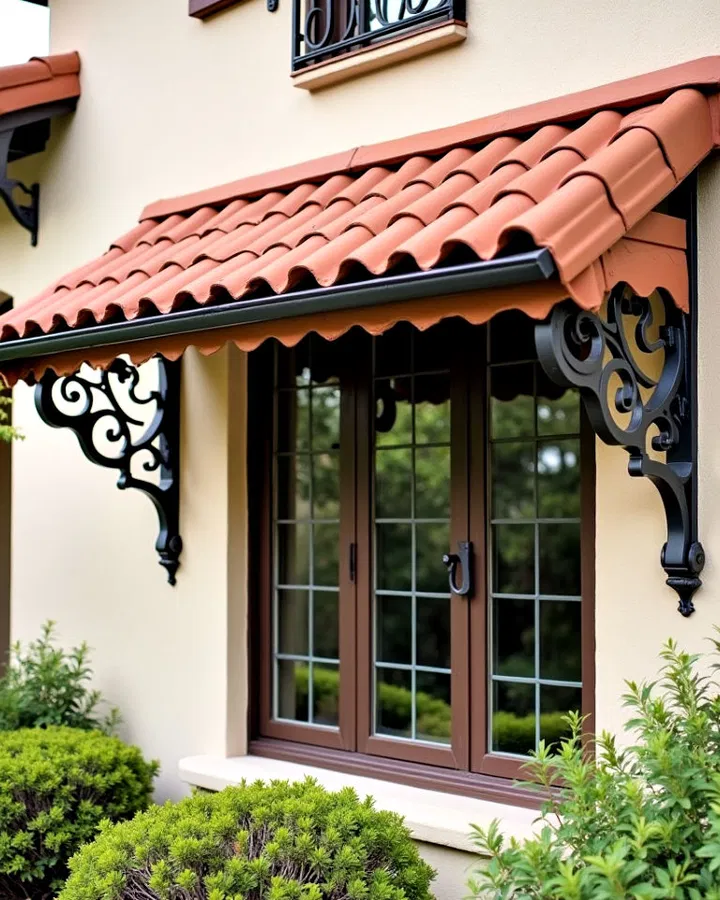
    8. Windows with Decorative Awning Covers

    Awning covers made from terracotta tiles or wrought iron add both function and style. They protect windows from sun and rain while creating layered architectural depth.

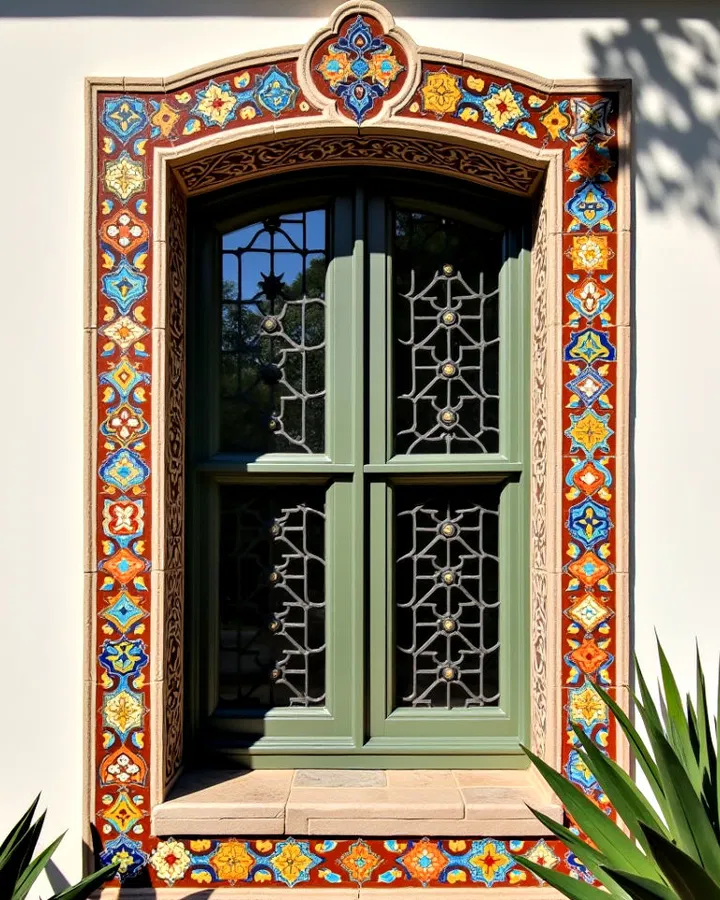
    9. Vibrant Tile-Framed Windows

    Tile-framed windows inject color and artistry into your home. Hand-painted designs inspired by Spanish and Moorish traditions create bold focal points against neutral stucco walls.

    10. Ornate Stone-Framed Windows

    Carved stone frames elevate windows into architectural highlights. Their intricate detailing adds texture and a sense of luxury, reinforcing old-world craftsmanship.

    11. Subtle Accent Windows

    Small accent windows add visual interest to large walls. Often decorative rather than functional, they help break up flat surfaces and can feature ironwork, tiles, or stained glass.

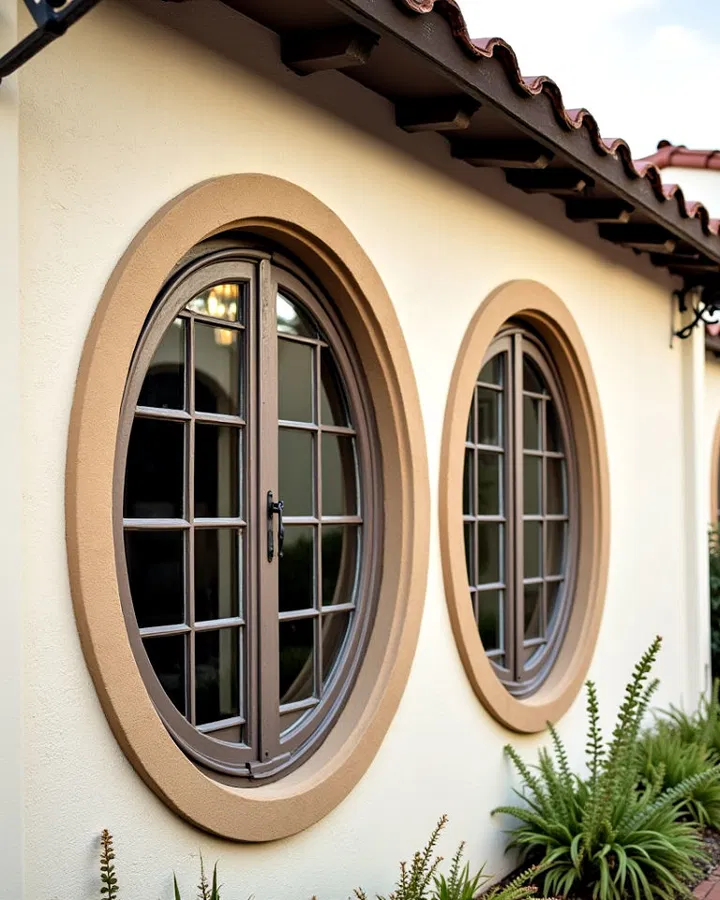
    12. Unique Rounded Windows

    Rounded or circular windows soften the home’s structure and add a distinctive, playful touch. They’re ideal as accent features that enhance overall architectural balance.

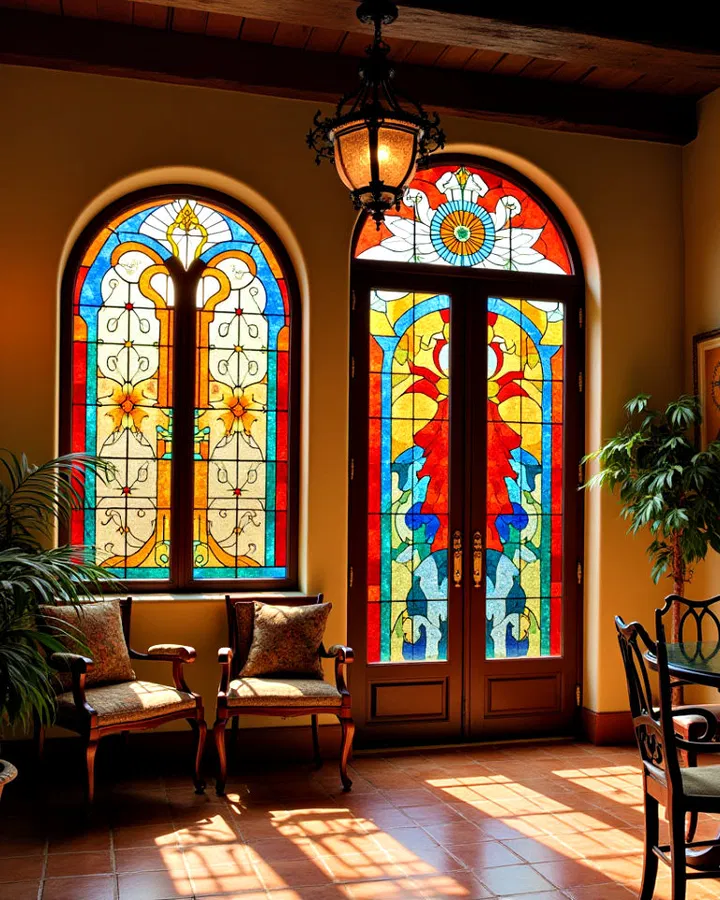
    13. Artistic Stained Glass Windows

    Stained glass windows introduce vibrant color and storytelling. As sunlight filters through, it creates a dynamic and artistic interior atmosphere.

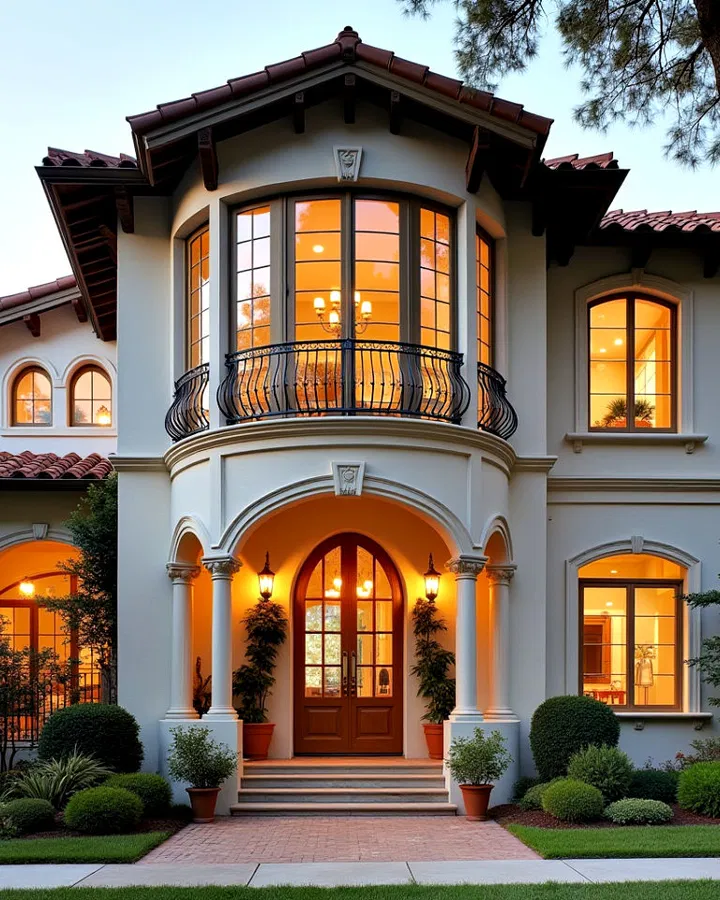
    14. Expansive Bay Windows

    Bay windows extend outward, adding dimension and interior space. They create cozy nooks while allowing more light to enter, blending function with elegance.

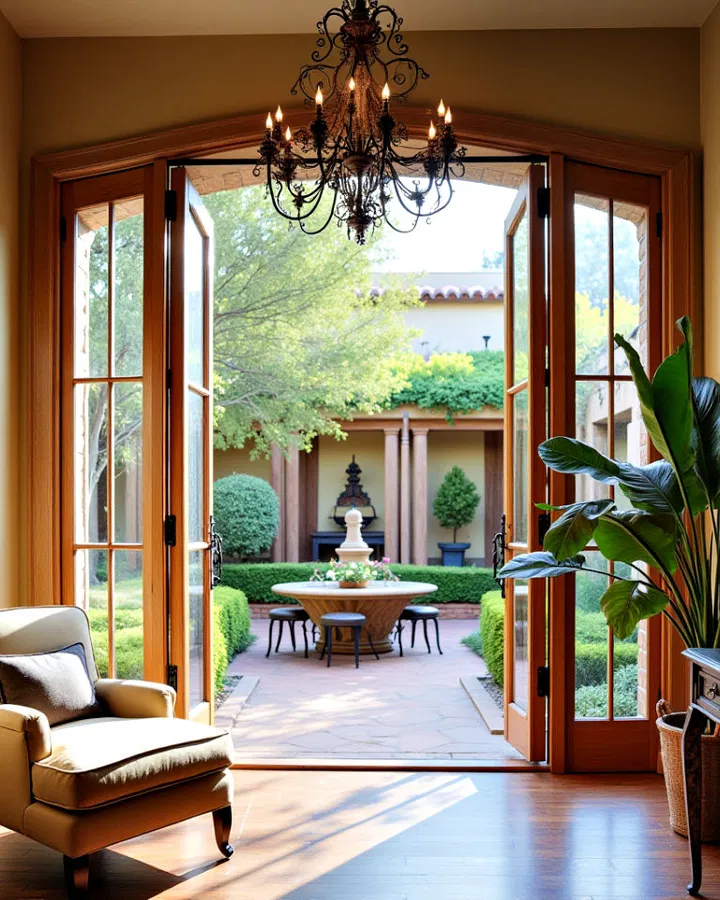
    15. Sophisticated French-Style Windows

    French-style windows feature tall, narrow panes that open outward, creating a seamless indoor-outdoor connection. They enhance airflow, symmetry, and overall elegance.

    Conclusion

    Spanish-style windows combine function, artistry, and tradition in a way few architectural elements can. From bold structural forms to intricate decorative details, each element contributes to a warm and inviting exterior. By thoughtfully combining these ideas, you can create a home that feels both timeless and uniquely personal.

  • 15 Charming Giraffe Nursery Ideas for a Cozy Safari-Inspired Baby Room

    Designing a giraffe-themed nursery is a beautiful way to create a space that feels warm, playful, and full of imagination. With soft textures, earthy tones, and whimsical accents, this theme blends comfort with a touch of adventure. Whether you want something subtle or bold, these ideas will help you build a nursery that grows with your baby while staying stylish and functional.

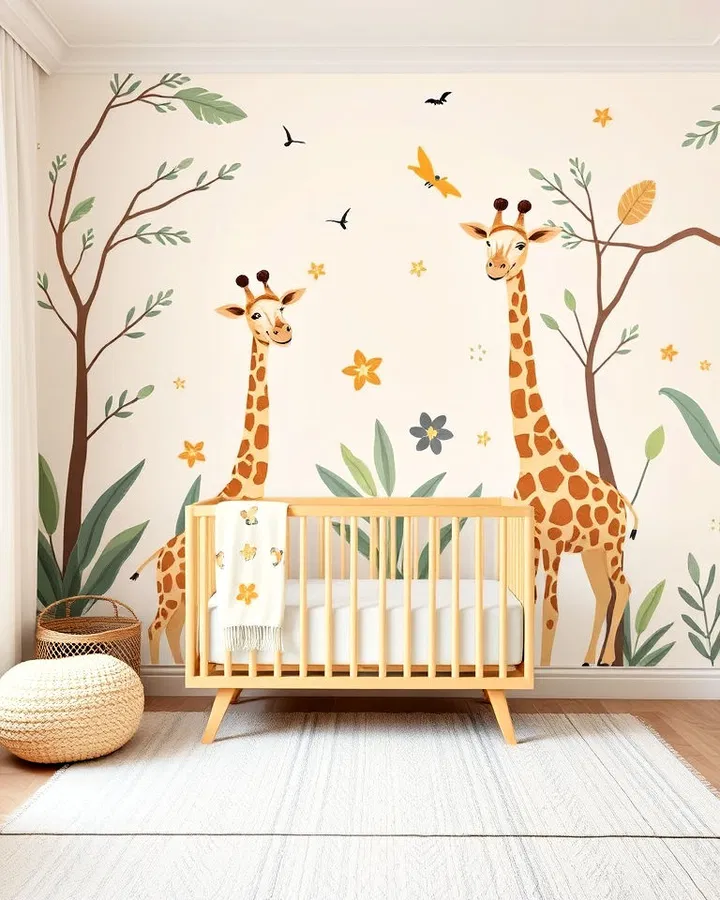
    1. Statement Giraffe Wallpaper for Instant Impact

    Set the tone of the room with giraffe-themed wallpaper that acts as a stunning focal point. Choose soft watercolor designs for a calming feel or go bold with jungle murals. Peel-and-stick options make it easy to update later, making this a flexible and high-impact design choice.

    2. A Cozy Plush Giraffe Play Nook

    Design a dedicated corner filled with plush giraffe toys to encourage comfort and imaginative play. Include one oversized giraffe as a centerpiece, paired with smaller plushies and a soft rug to create a safe and inviting mini play zone.

    3. Decorative Giraffe Growth Chart

    Turn milestone tracking into décor with a giraffe-shaped growth chart. Whether crafted from wood, canvas, or vinyl, this piece adds personality while documenting your child’s development in a fun, visual way.

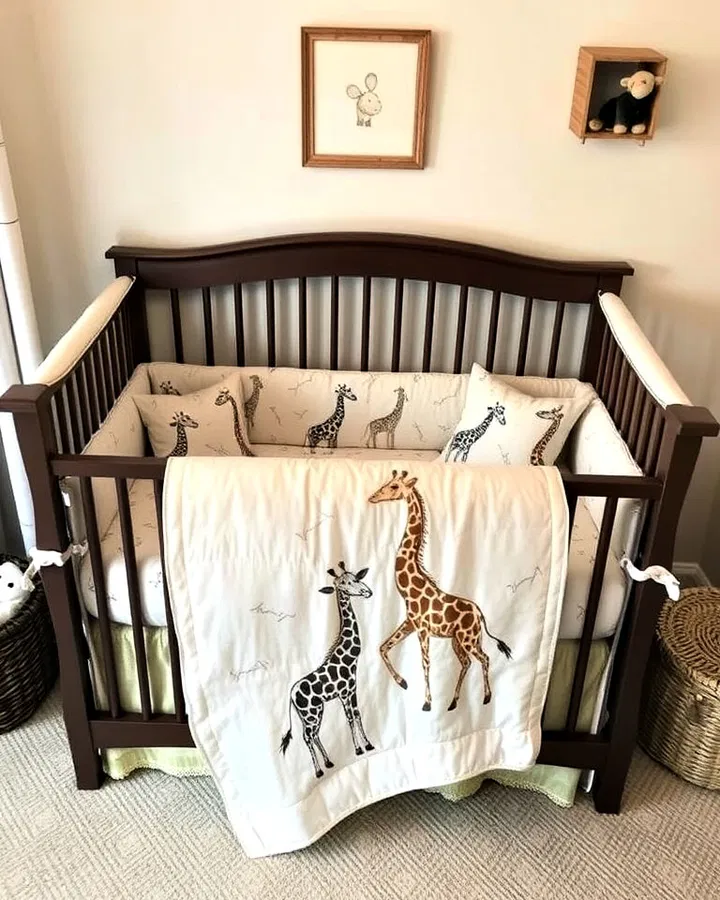
    4. Soft Neutral Safari Bedding

    Create a calming sleep environment with neutral bedding featuring subtle giraffe prints. Shades like beige, cream, and soft gray keep the nursery serene while still reinforcing the safari theme without overwhelming the space.

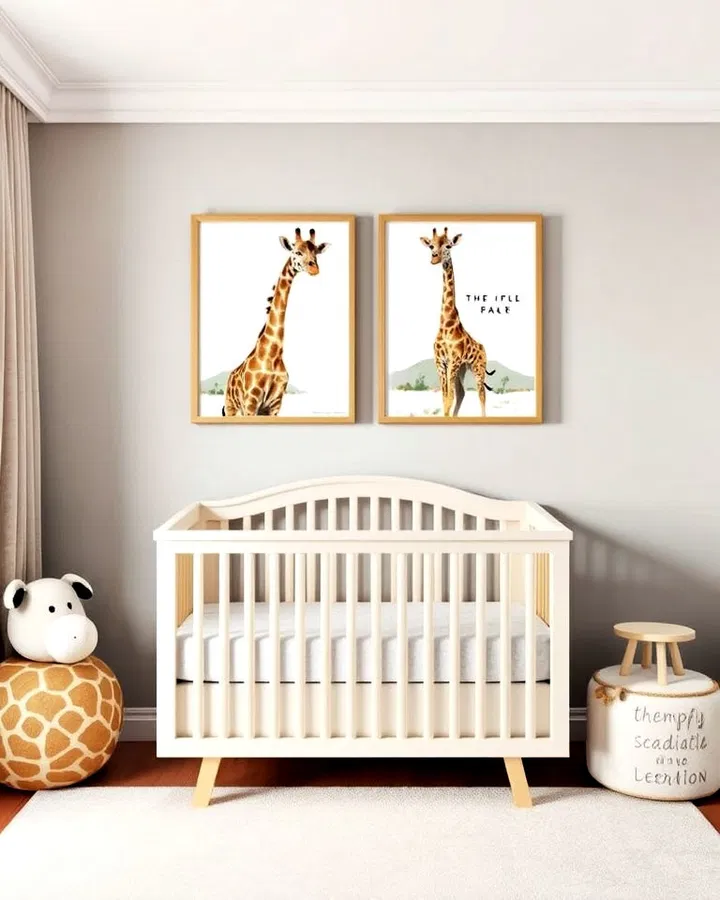
    5. Artistic Safari Wall Prints

    Enhance your nursery walls with framed giraffe artwork. Watercolor illustrations or minimalist line drawings can add charm and sophistication. Arrange them as a gallery wall above the crib or dresser for a cohesive look.

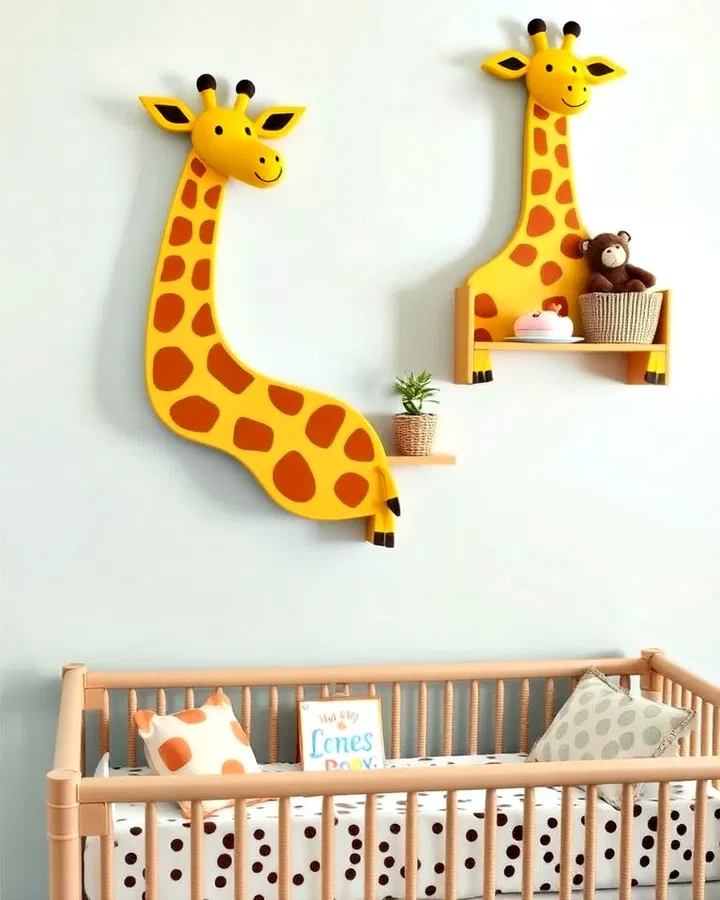
    6. Functional Giraffe-Shaped Shelving

    Combine storage and style with giraffe-inspired wall shelves. These playful pieces are perfect for displaying books, toys, and décor while helping keep everything organized and within easy reach.

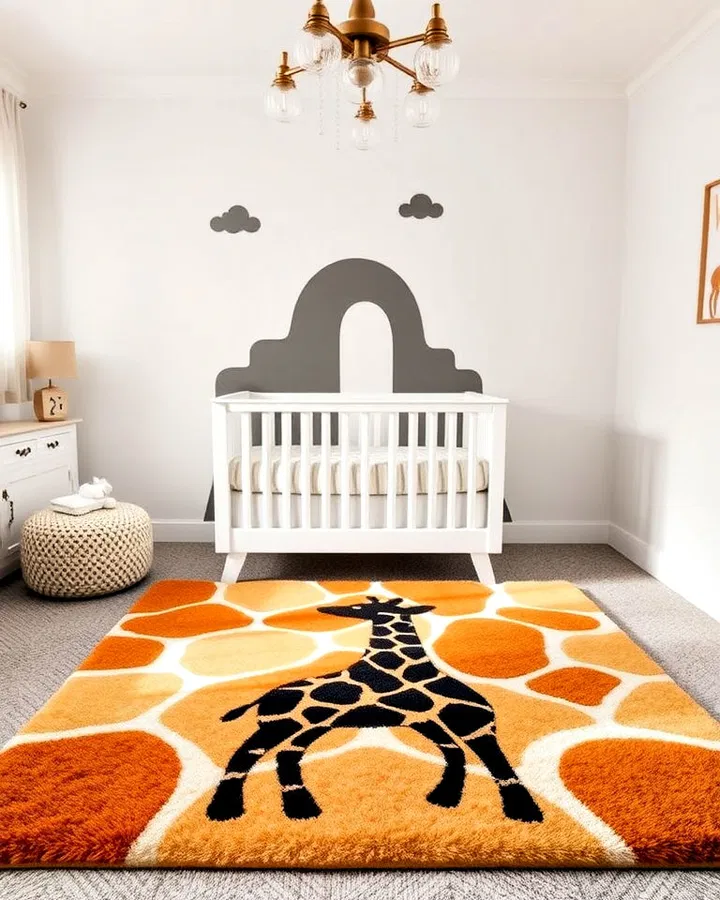
    7. Plush Giraffe-Themed Area Rug

    Anchor the room with a soft rug featuring giraffe patterns or shapes. Not only does it tie the design together, but it also provides a cozy surface for tummy time and play. Choose washable, baby-safe materials for practicality.

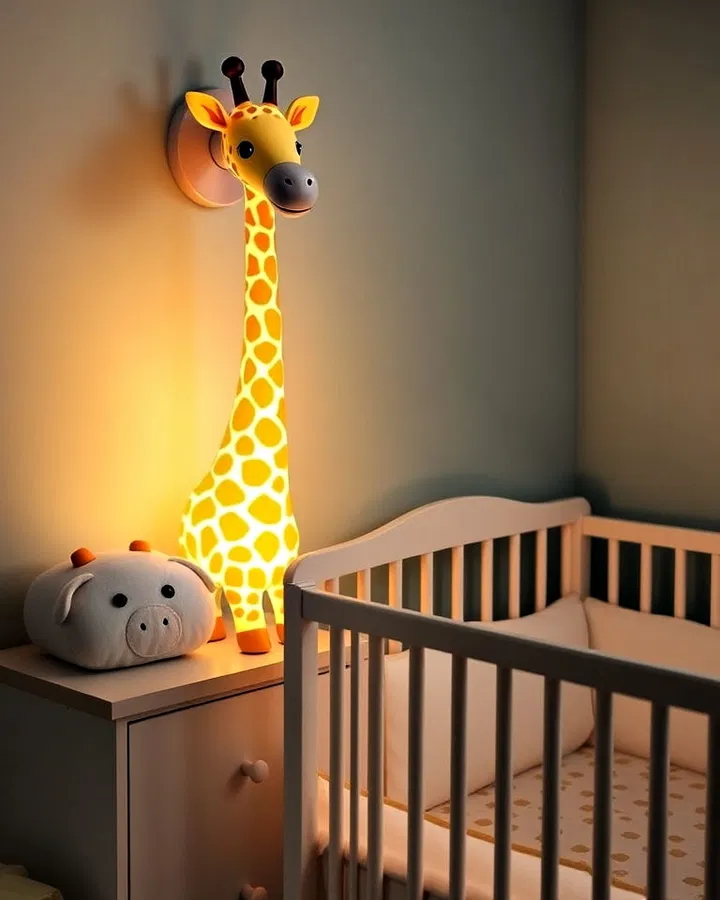
    8. Giraffe-Inspired Lighting Accents

    Introduce a warm, soothing glow with a giraffe lamp or nightlight. These small details enhance the theme while creating a relaxing bedtime atmosphere, perfect for winding down in the evening.

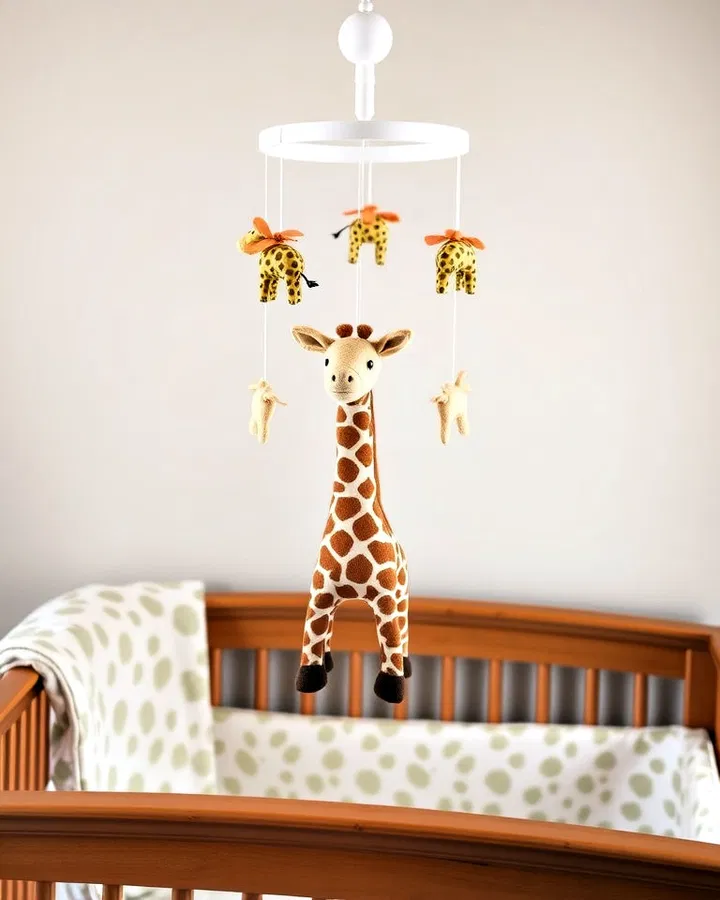
    9. Engaging Giraffe Crib Mobile

    Hang a giraffe-themed mobile above the crib to stimulate your baby’s visual development. Soft textures and gentle movement help keep your baby engaged while maintaining a peaceful ambiance.

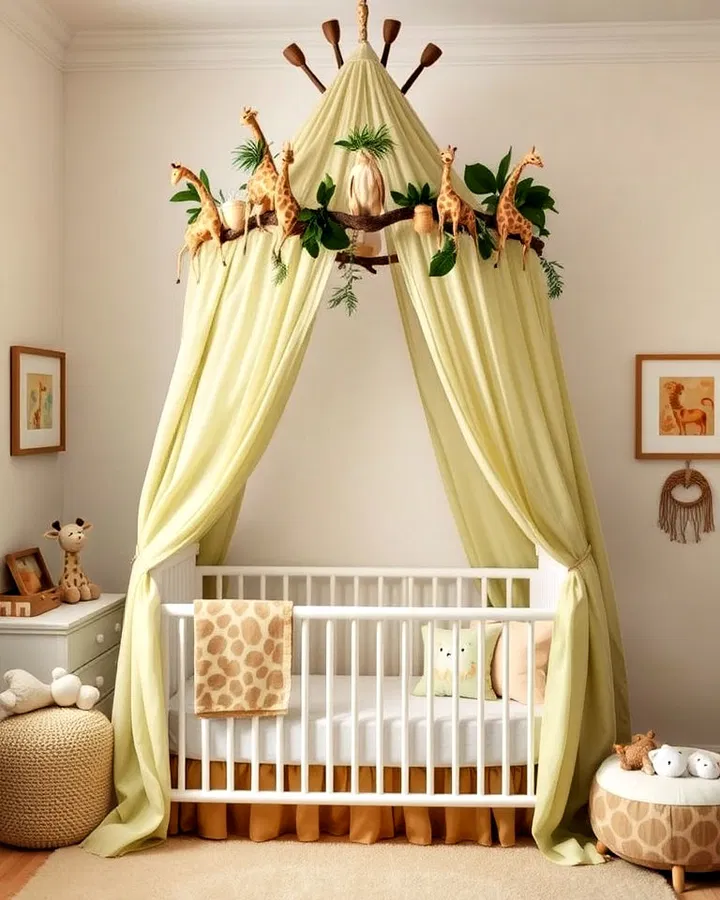
    10. Whimsical Jungle Canopy Feature

    Add a dreamy safari feel with a light fabric canopy over the crib or play area. Soft greens, creams, or earthy tones mimic a natural environment while making the space feel cozy and magical.

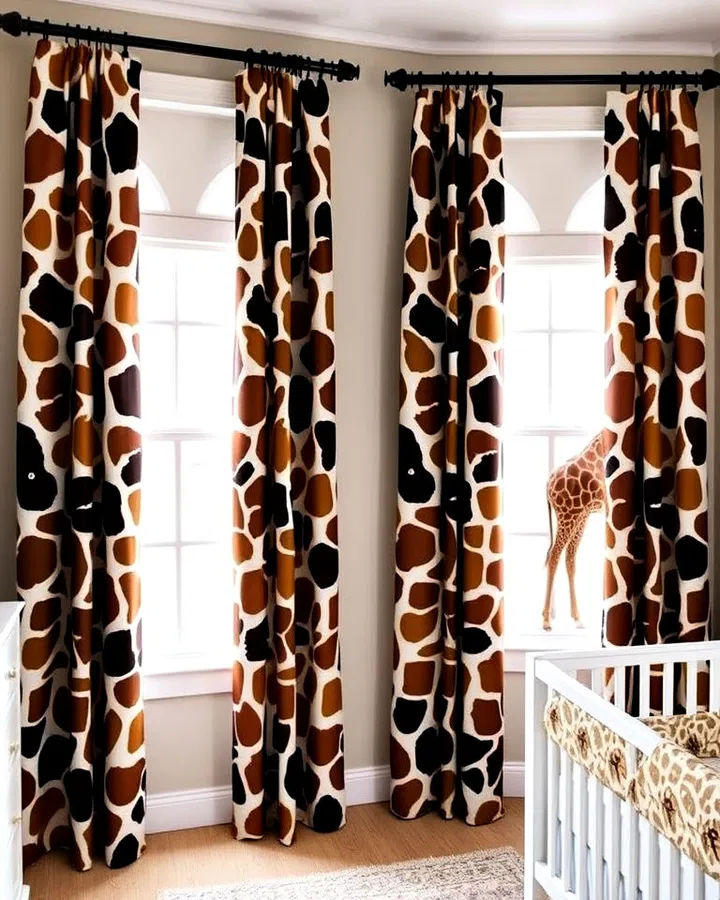
    11. Stylish Giraffe Print Curtains

    Dress your windows with giraffe-patterned curtains to reinforce the theme. Opt for blackout fabrics to help regulate light during naps while still adding a decorative layer to the room.

    12. Playful Giraffe Rocking Chair

    Incorporate a giraffe-shaped rocker for both fun and development. This interactive piece encourages movement and coordination while doubling as an adorable design feature.

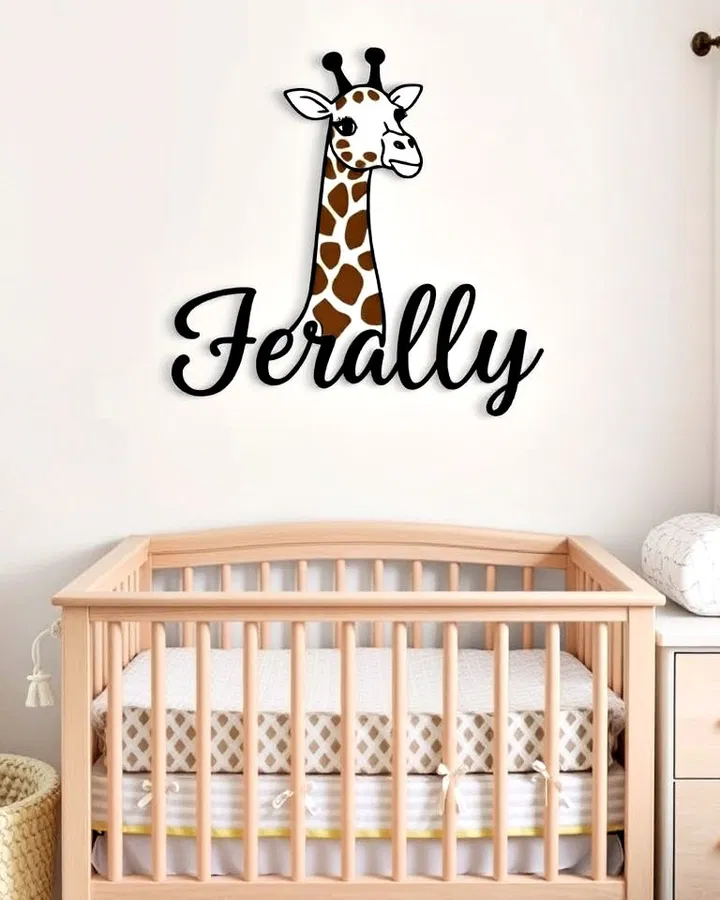
    13. Personalized Giraffe Name Sign

    Add a meaningful touch with a custom name sign featuring giraffe elements. Placed above the crib or changing table, it becomes a focal point that makes the nursery feel uniquely yours.

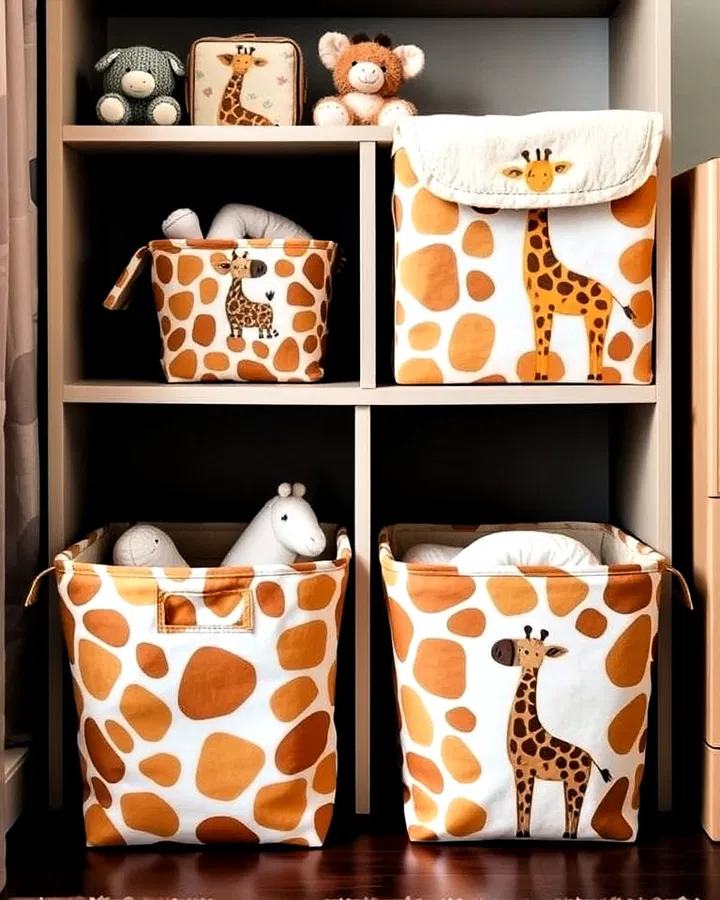
    14. Giraffe-Themed Storage Solutions

    Keep the nursery tidy with storage bins featuring giraffe prints or safari patterns. Use them for toys, clothes, or essentials while maintaining a cohesive design throughout the space.

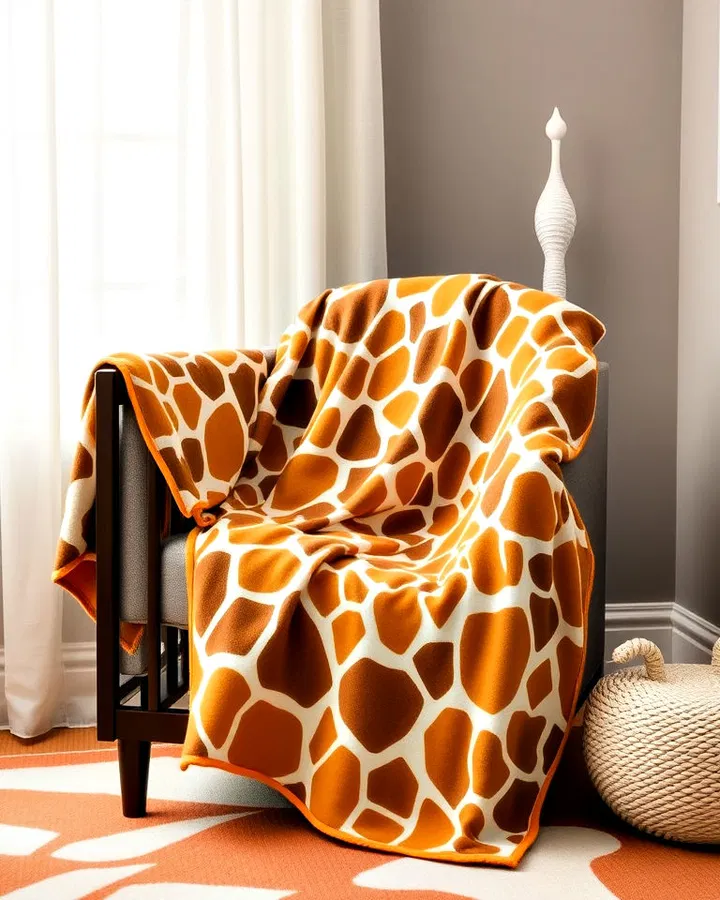
    15. Cozy Giraffe Throw Blanket Accent

    Complete the room with a soft giraffe-patterned throw blanket. Drape it over a chair or crib for added texture and warmth—it’s both decorative and practical for cuddle time.

    Conclusion

    A giraffe-themed nursery blends comfort, creativity, and a sense of adventure into one beautiful space. By mixing functional elements like storage and lighting with playful touches like plush toys and wall art, you can create a room that feels both calming and inspiring. The key is balance—layering textures, keeping colors soft, and choosing a few standout pieces that define the theme without overwhelming it.

    With thoughtful design choices, your nursery becomes more than just a room—it becomes a cozy safari retreat where your baby can grow, play, and dream.

  • 15 Eclectic Powder Room Ideas to Elevate Small Spaces

    A powder room may be one of the smallest spaces in your home, but it offers one of the biggest opportunities to make a bold design statement. Because it’s compact and used for short visits, it’s the perfect place to experiment with daring colors, layered textures, and unexpected combinations that might feel overwhelming in larger rooms. Eclectic design thrives on contrast, personality, and creativity—making it an ideal style for transforming a simple powder room into a memorable, conversation-worthy space.

    Whether you’re drawn to vintage charm, modern edge, or a mix of everything in between, these eclectic powder room ideas will help you create a space that feels curated, expressive, and effortlessly stylish.

    1. Layered Vintage Wallpaper for Instant Character

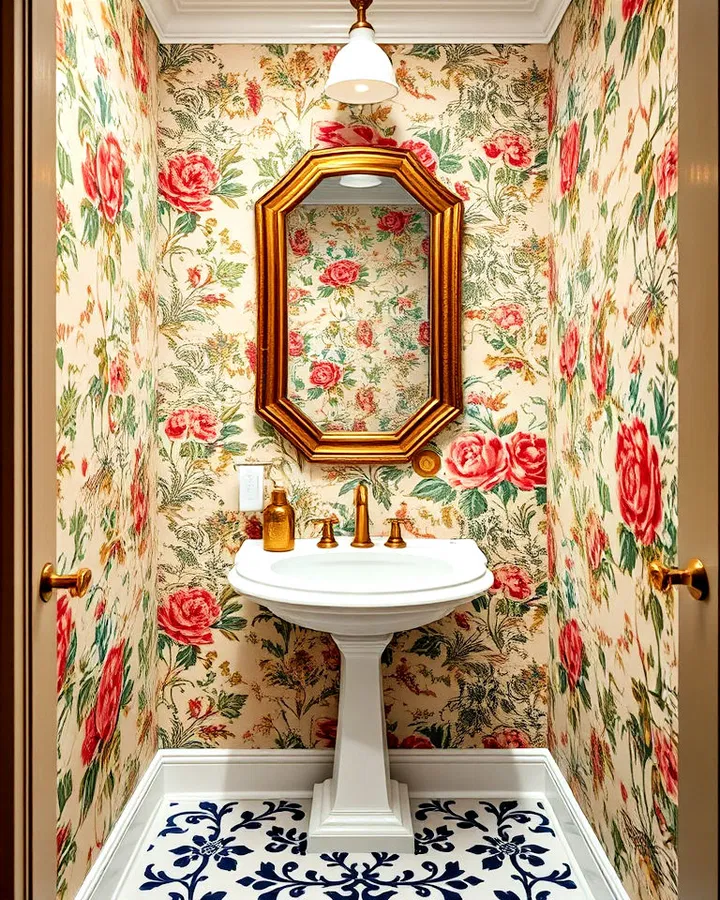
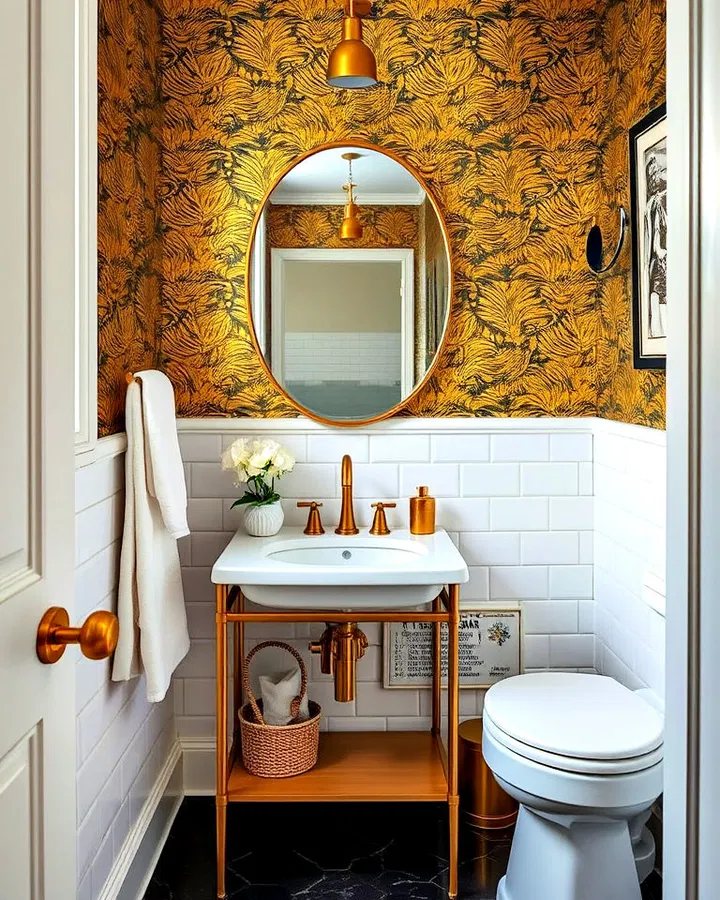
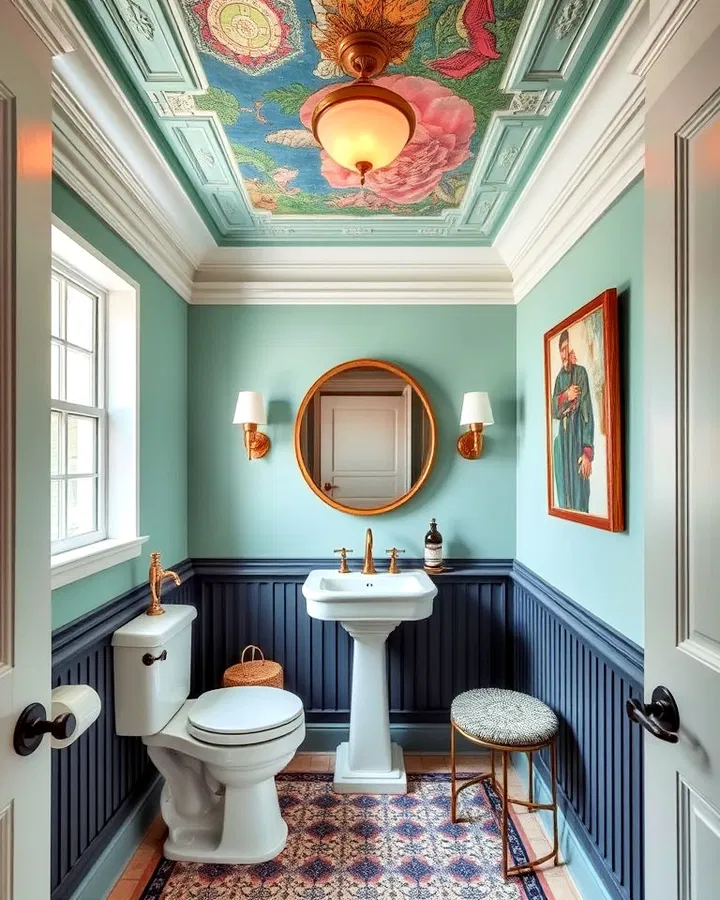
    Bring personality into your powder room with richly patterned vintage-inspired wallpaper. Think bold florals, ornate damask, or intricate paisley prints that create a nostalgic yet curated feel. To elevate the look, pair these patterns with antique brass fixtures, a pedestal sink, and a gilded mirror. This layered approach adds depth while making even the smallest space feel intentional and timeless.

    2. Statement Lighting That Doubles as Art

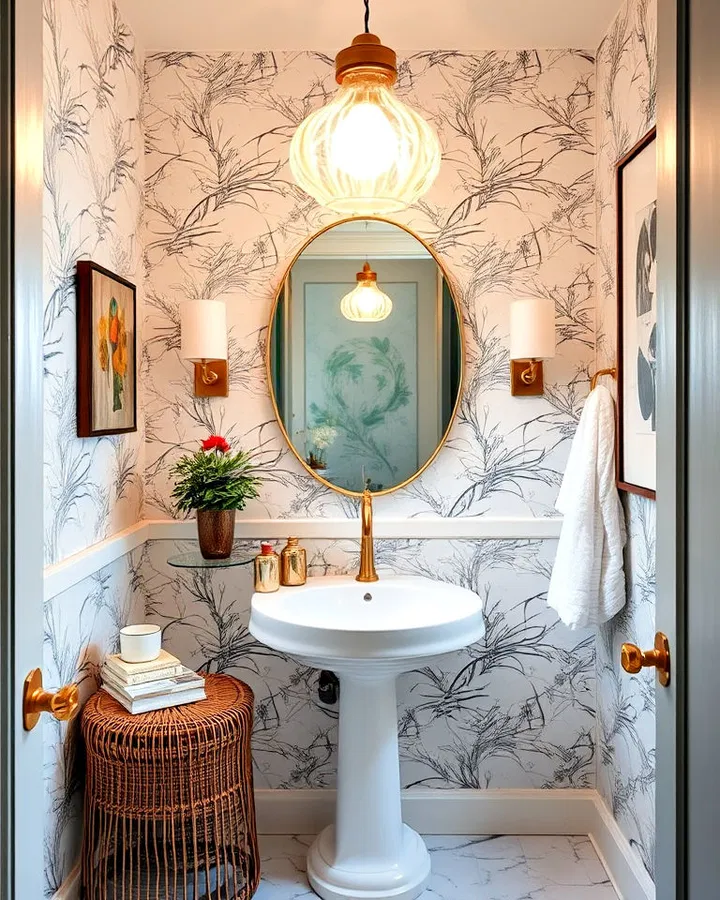
    Lighting can completely transform a compact powder room. Swap standard fixtures for eye-catching pendant lights or sculptural chandeliers. Materials like blown glass, aged metal, or geometric frames create a striking focal point. Adding a dimmer allows you to shift from bright utility lighting to a softer, moodier glow for a more elevated atmosphere.

    3. Bold Floor-to-Ceiling Tile Moments

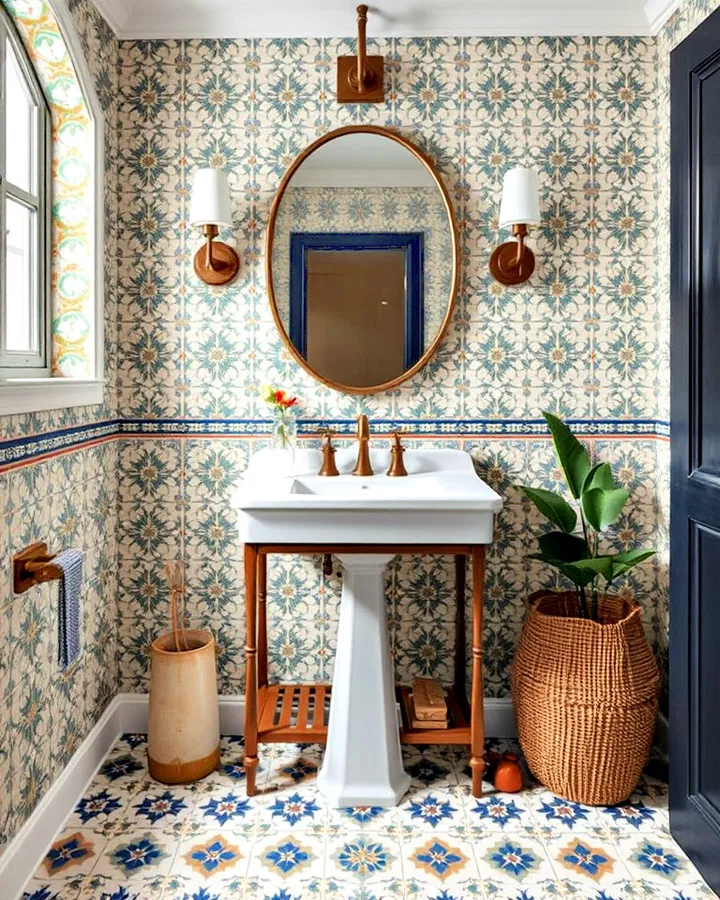
    Make a dramatic impact with patterned tiles that cover floors or extend up the walls. Moroccan zellige, encaustic tiles, or graphic geometric patterns add movement and personality. Keep surrounding elements simple so the tile becomes the star, turning your powder room into a visually immersive experience.

    4. Floating Vanities with Unexpected Materials

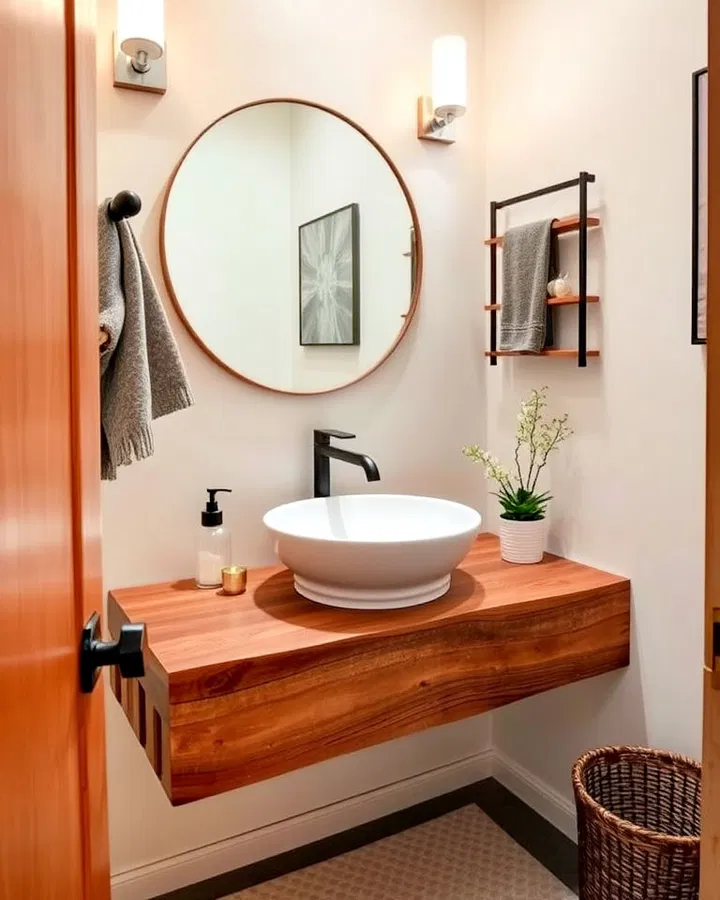
    Opt for a floating vanity to create the illusion of more space while showcasing unique materials like reclaimed wood, raw concrete, or live-edge slabs. Pair it with a vessel sink in a contrasting texture—such as ceramic or hammered copper—for a bold, curated look that feels both modern and eclectic.

    5. Rich, Vibrant Wall Colors

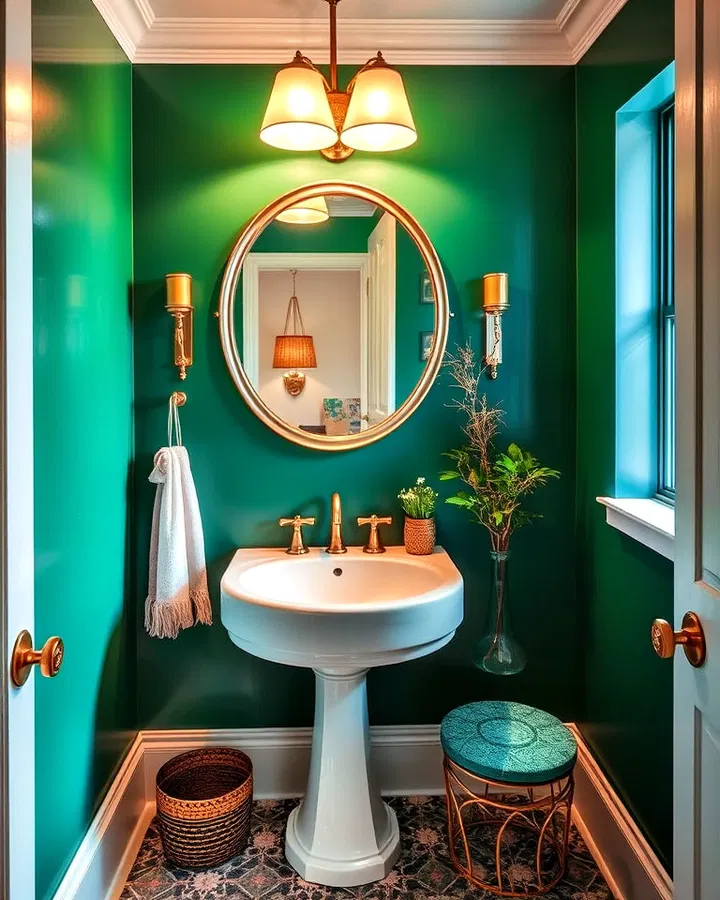
    Skip neutral walls and embrace saturated hues like emerald green, sapphire blue, or deep plum. These tones add drama and sophistication, especially when paired with metallic accents. For a lighter feel, consider coral or mustard tones to inject warmth and energy into the space.

    6. Curated Gallery Walls

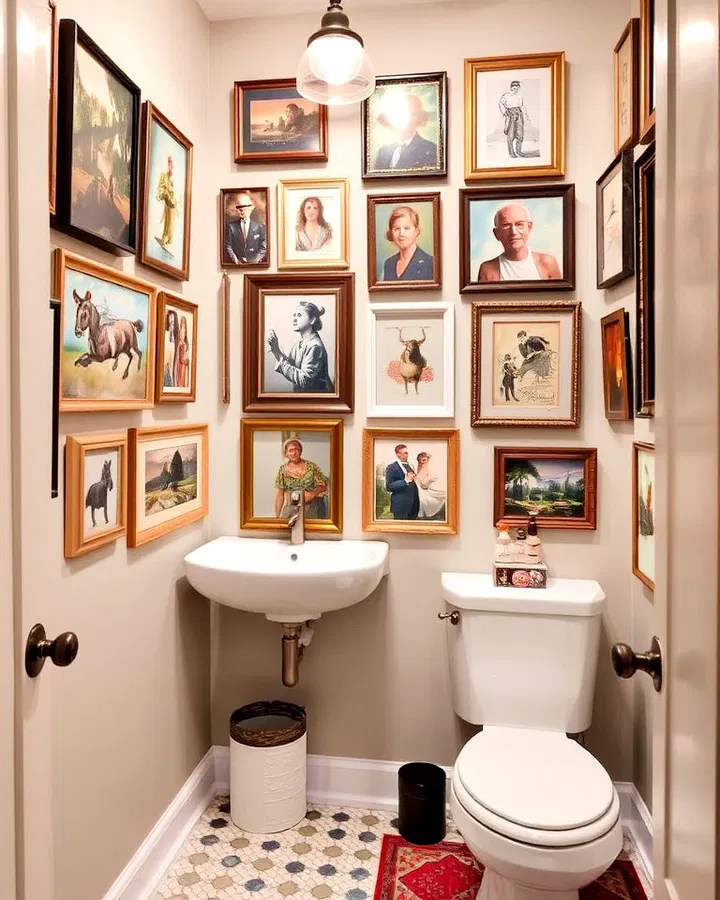
    Turn your powder room into a mini art gallery with a mix of framed artwork, prints, and photography. Use mismatched frames for an eclectic feel and vary the scale of pieces for visual interest. A neutral wall backdrop helps the collection stand out while keeping the look cohesive rather than chaotic.

    7. Oversized Mirrors to Expand the Space

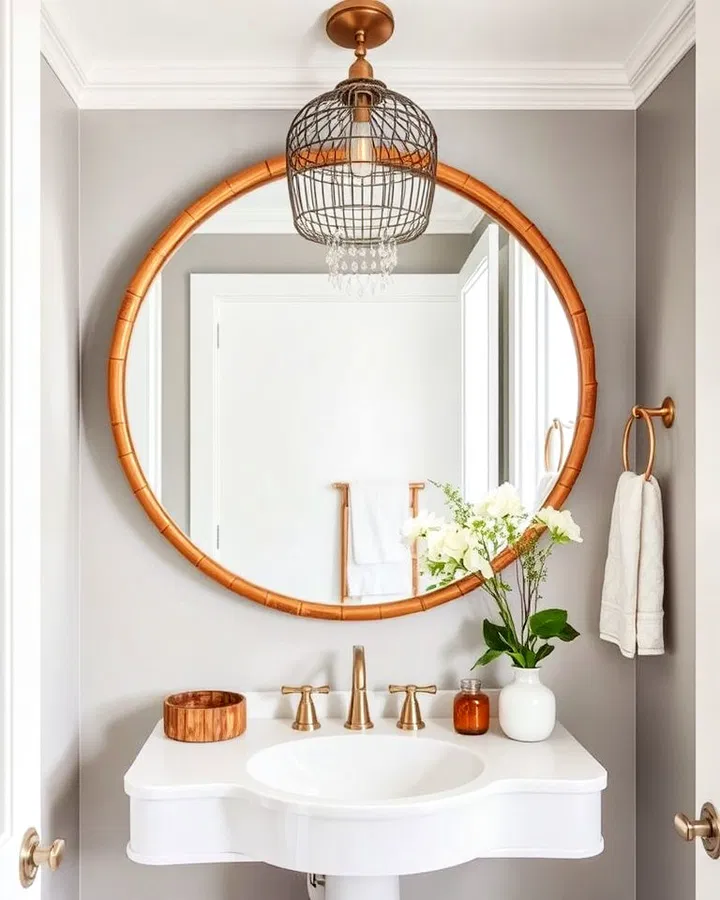
    An oversized mirror not only reflects light but also visually enlarges a small powder room. Choose unique shapes—arched, circular, or asymmetrical—to add a sculptural element. Frames in unexpected materials like bamboo or resin enhance the eclectic vibe.

    8. Artistic and Unconventional Sink Designs

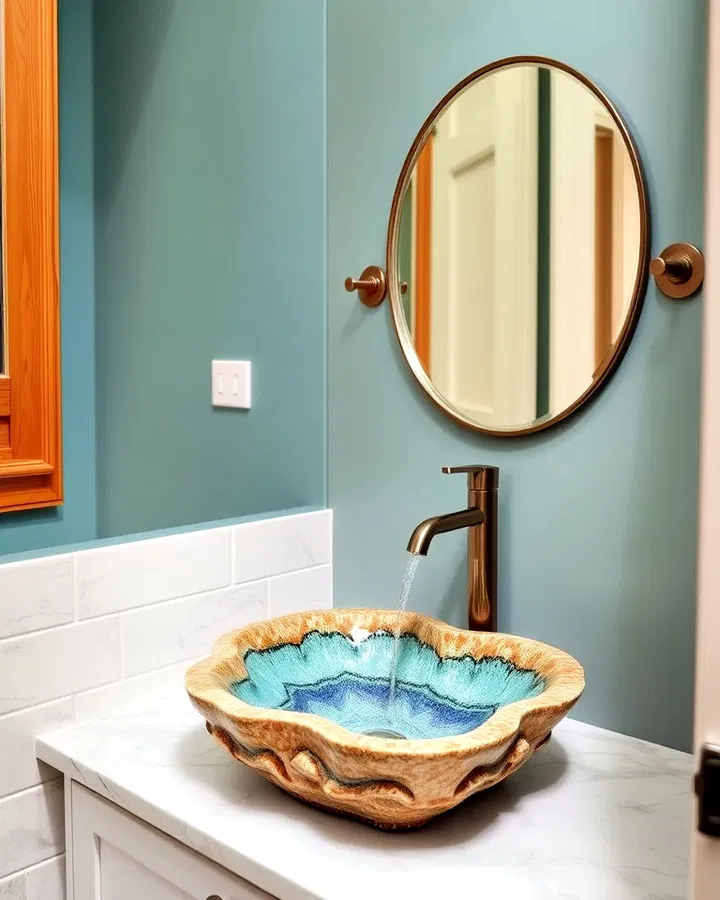
    Upgrade your sink into a design feature with materials like carved stone, hand-painted ceramic, or glass. These statement sinks add texture and personality while becoming a natural focal point. Complement the design with a matching or contrasting faucet style for a cohesive finish.

    9. Mixed Metallic Accents for a Luxe Feel

    Introduce metallic finishes such as brushed gold, copper, or polished nickel through fixtures and accessories. For a more eclectic look, don’t be afraid to mix metals—like pairing black hardware with gold accents. Metallic wallpaper or reflective tiles can amplify light and add subtle glamour.

    10. Textured Walls for Depth and Dimension

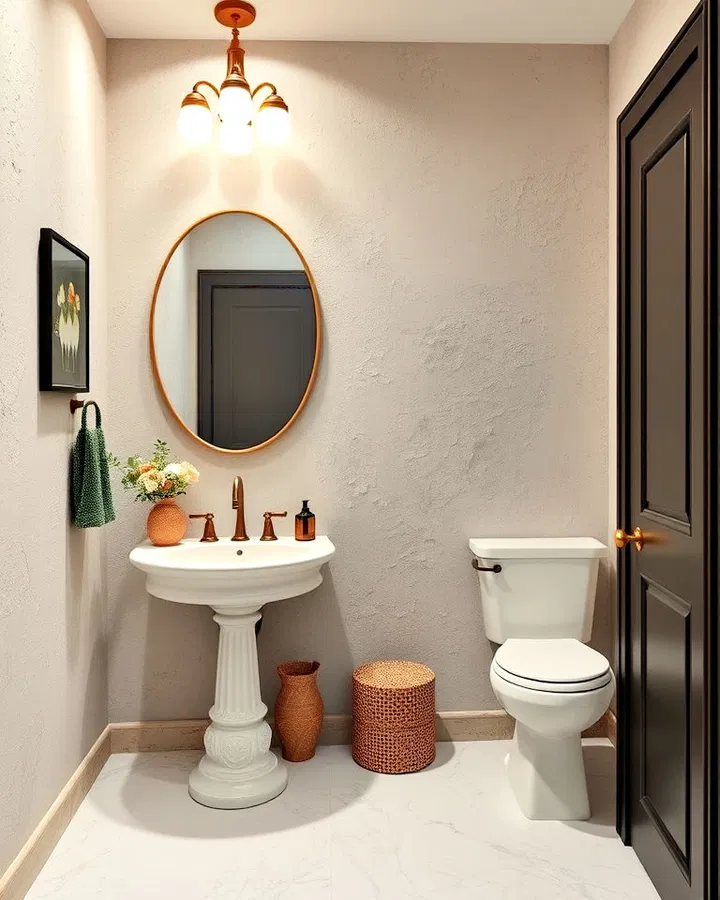
    Instead of flat paint, experiment with finishes like Venetian plaster, limewash, or faux concrete. These textures create depth and make the space feel more tactile and layered. Pair textured walls with simple furnishings or ornate accents depending on your desired aesthetic.
    11. Stylish and Functional Storage Solutions

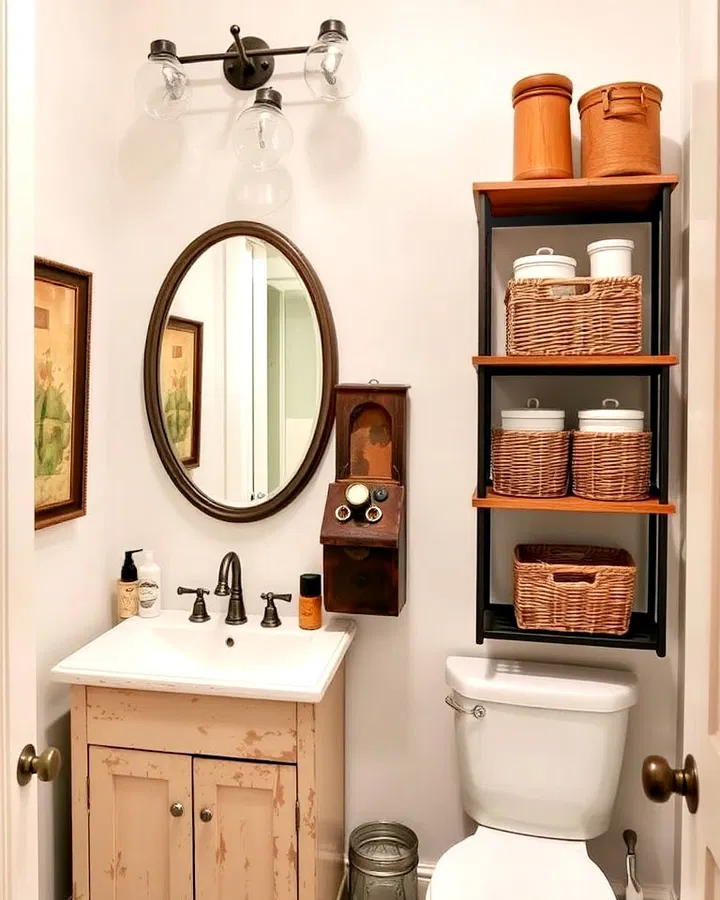
    Maximize storage without sacrificing style by using open shelving, floating ledges, or repurposed furniture. Display essentials in decorative containers like glass jars or woven baskets. Mixing materials—such as wood and metal—adds to the eclectic charm while keeping everything organized.

    12. Eye-Catching Flooring Designs

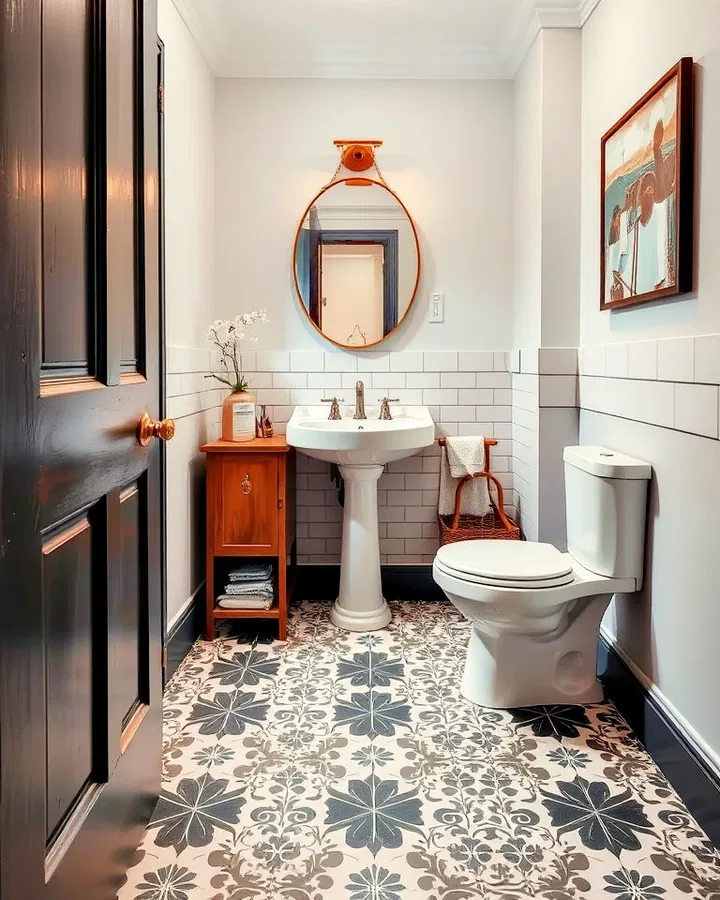
    Let your flooring anchor the entire design. Patterned tiles, painted wood floors, or decorative concrete can create a bold foundation. Keeping walls more understated allows the floor to stand out while maintaining balance in the room.

    13. Layered Mixed Materials for Visual Interest

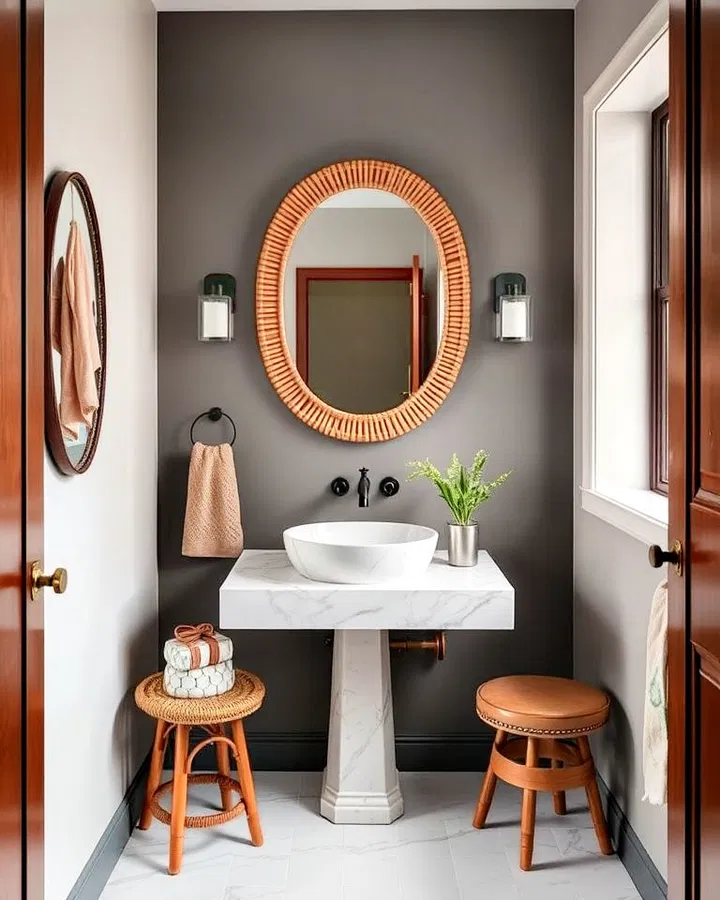
    Blend materials like marble, rattan, leather, and glass to create a layered and curated look. For example, combine a marble sink with a woven mirror frame or a leather stool. Stick to a consistent color palette to keep the space cohesive despite the variety of textures.

    14. Statement Ceilings That Surprise

    Don’t overlook the ceiling—it’s an opportunity to add unexpected drama. Use bold paint, wallpaper, wood paneling, or even metallic finishes to draw the eye upward. A statement ceiling can tie the entire design together while adding a unique twist.

    15. Compact Greenery for a Fresh Finish

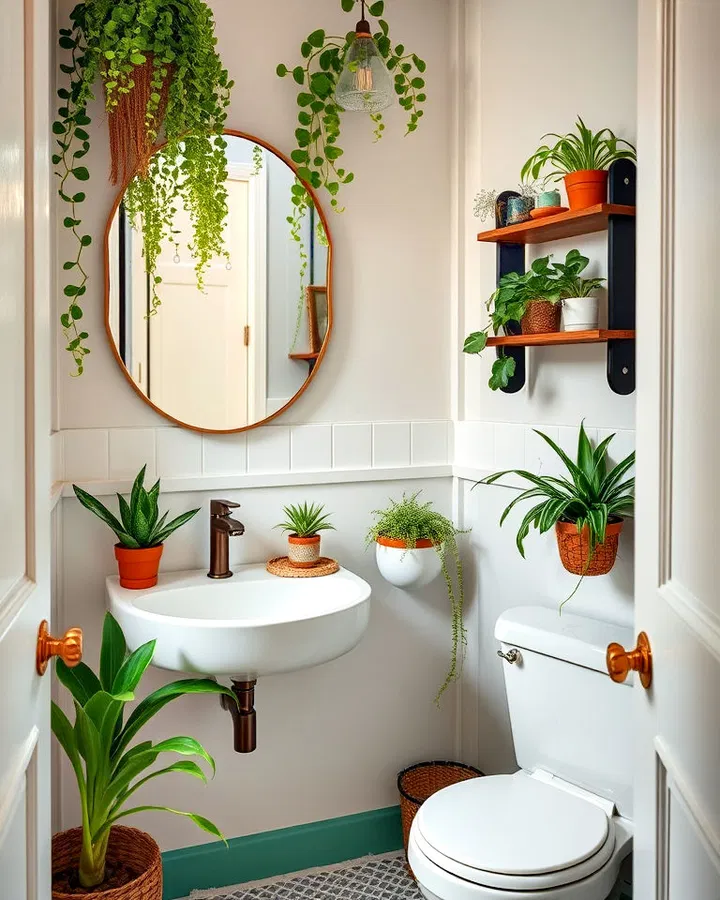
    Introduce life into your powder room with small plants like succulents, ferns, or air plants. Use wall-mounted planters or hanging options to save space while adding vertical interest. Greenery softens bold design elements and creates a refreshing, calming atmosphere.


    Conclusion

    Designing an eclectic powder room is all about embracing creativity and letting your personality shine through thoughtful contrasts and unexpected details. From bold wallpapers and dramatic lighting to layered materials and artistic fixtures, each element contributes to a space that feels curated rather than chaotic.

    The beauty of eclectic design lies in its flexibility—you can mix eras, textures, and colors while still creating a cohesive and inviting environment. With the right balance, even the smallest powder room can become a standout feature in your home, leaving a lasting impression on every guest who steps inside.

  • 15 Creative Bedroom Door Decorating Ideas to Instantly Elevate Your Space

    Your bedroom door doesn’t have to be just a functional piece—it can become a standout design feature that enhances your entire room. With a little creativity, this often-overlooked surface can reflect your personality, add texture, and even improve functionality.

    1. Turn Your Door into a Chalkboard Feature

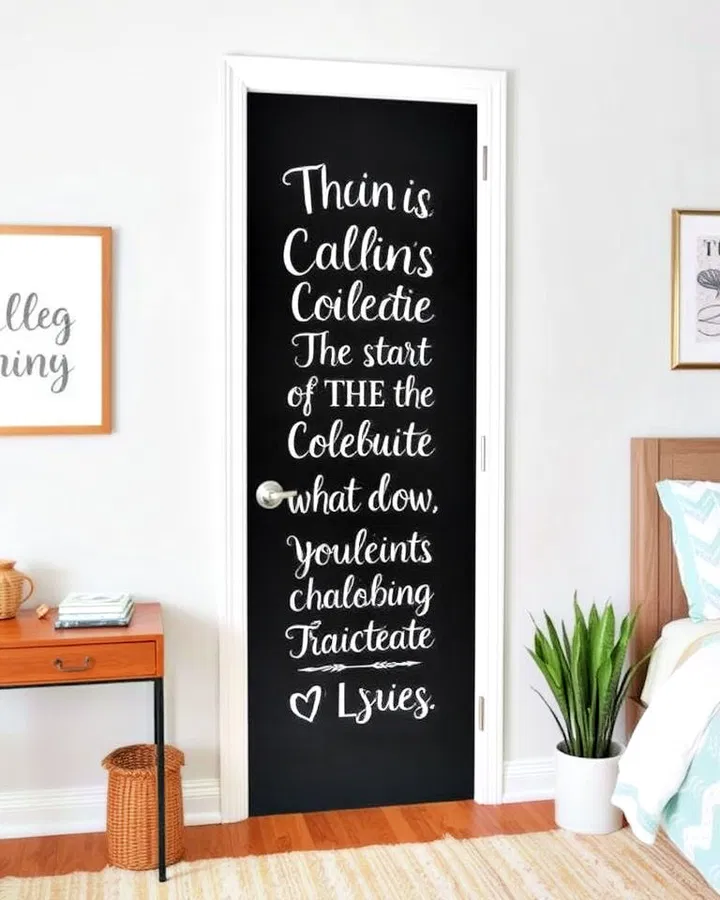
    Give your door a fun and interactive upgrade by painting it with chalkboard paint. This allows you to write reminders, doodle designs, or display motivational quotes that you can change anytime. It’s perfect for adding personality without committing to permanent decor, and it works especially well in creative or teen bedrooms.

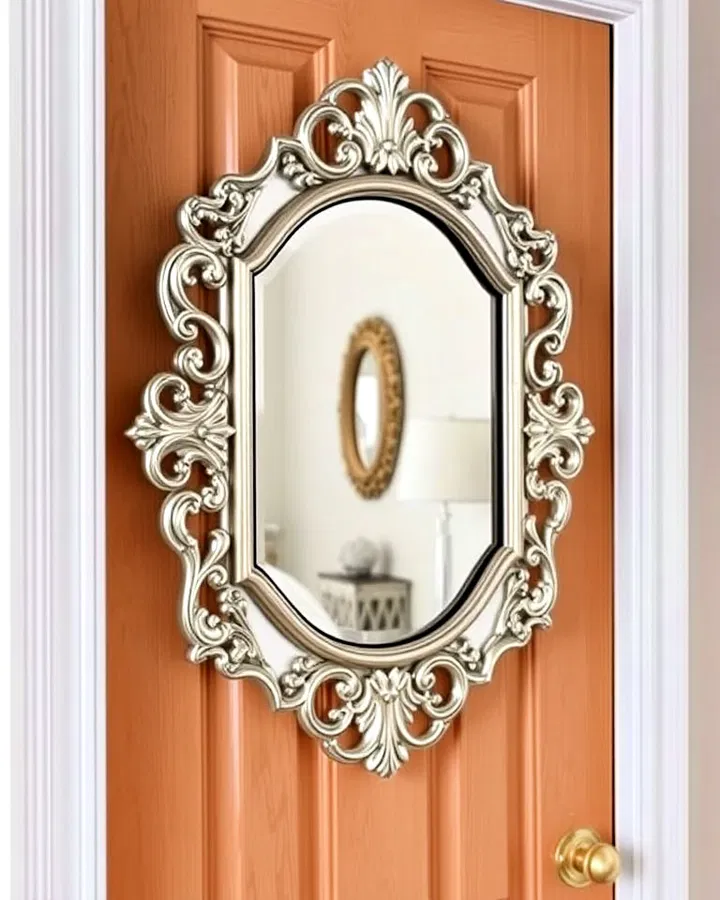
    2. Make a Statement with a Decorative Mirror

    A mirror on your bedroom door instantly enhances light and creates the illusion of more space. Opt for a bold frame—ornate, minimalist, or geometric—to match your room’s theme. This idea blends style and function, making it ideal for smaller bedrooms that need both brightness and practicality.

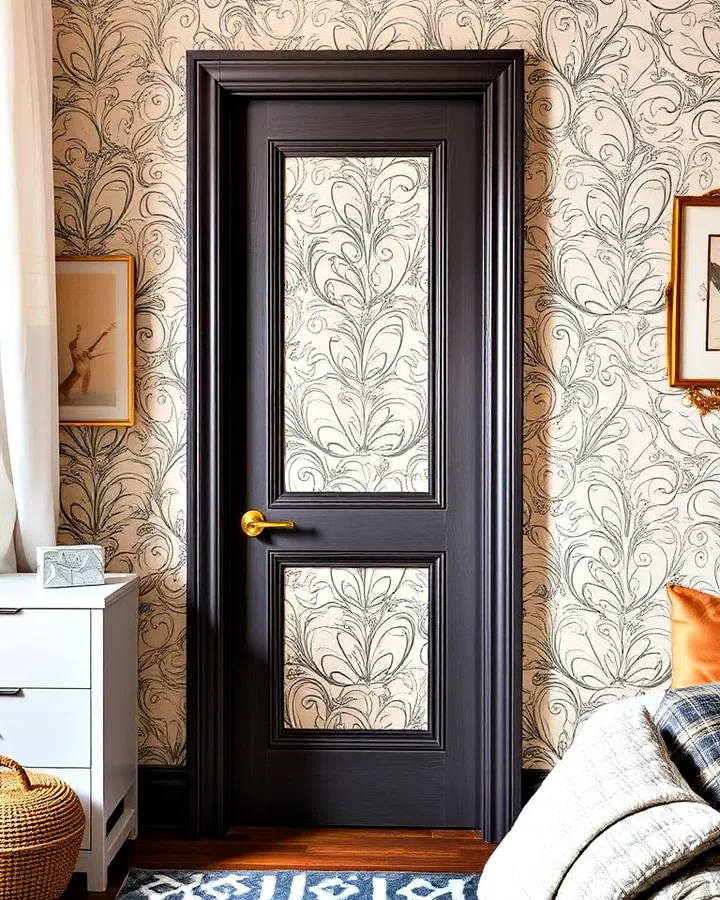
    3. Upgrade with Peel-and-Stick Wallpaper

    Removable wallpaper is one of the easiest ways to transform your door dramatically. Choose from floral prints, abstract patterns, or textured finishes to match your aesthetic. It’s renter-friendly, easy to swap out, and allows you to refresh your space whenever your style evolves.

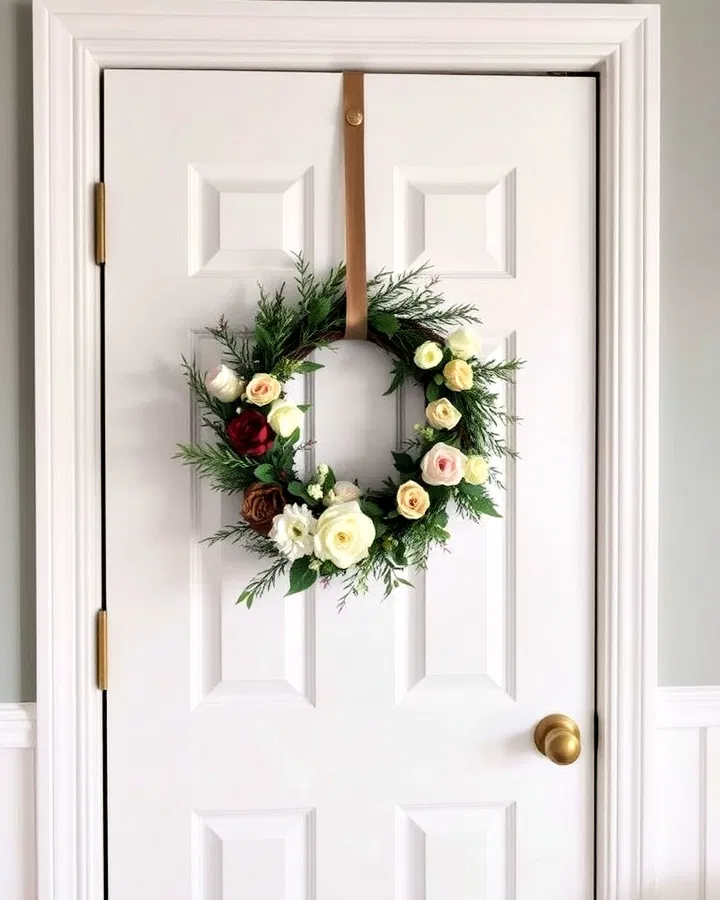
    4. Add Seasonal Charm with a Wreath or Garland

    A simple wreath or garland can instantly make your bedroom feel warm and inviting. You can switch designs throughout the year—florals for spring, greenery for summer, warm tones for fall, or festive accents for holidays. This small detail adds charm without overwhelming the space.

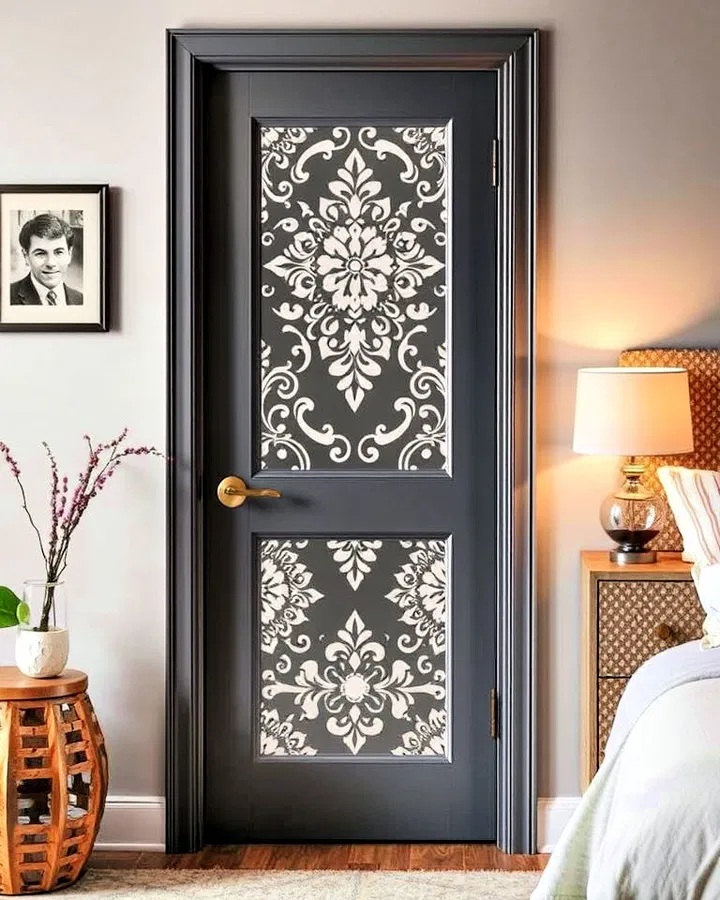
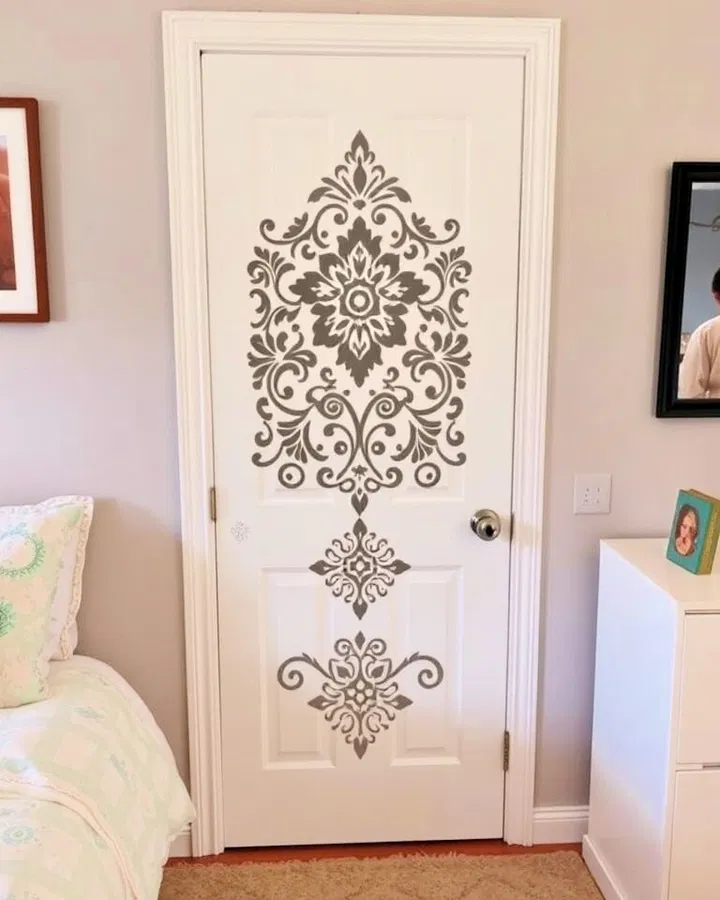
    5. Create Custom Art with Stencils

    Stenciling is a great way to design a unique, custom door without needing advanced painting skills. From delicate florals to bold geometric shapes, stencils help you achieve a polished, artistic look. Layering colors or combining patterns can elevate the design even further.

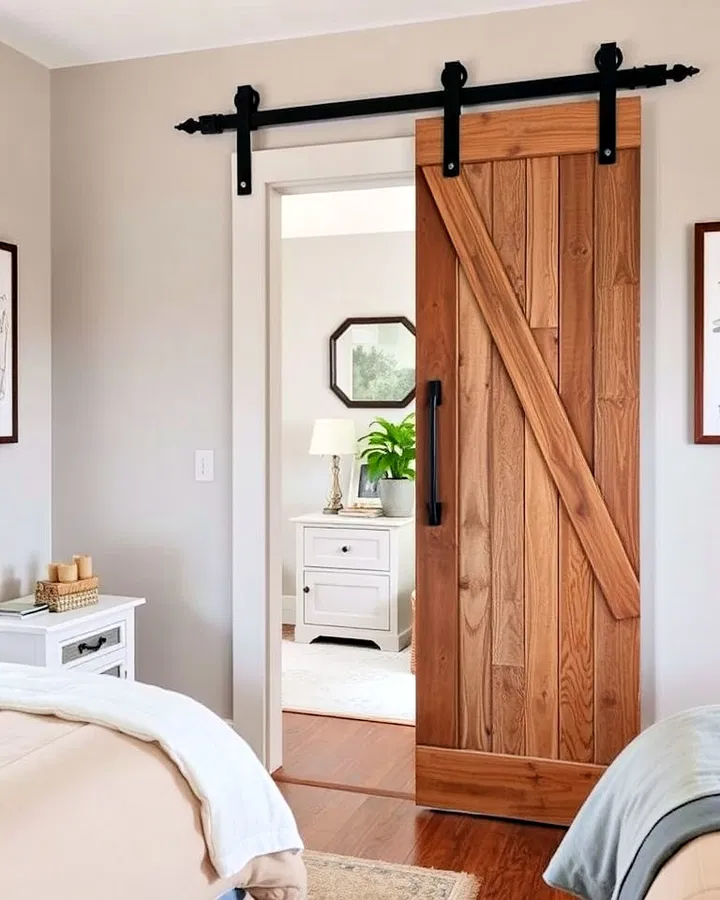
    6. Swap in a Stylish Sliding Barn Door

    Replace your traditional door with a sliding barn door for a bold upgrade. This design saves space and adds character, whether you prefer rustic wood or sleek modern finishes. It’s a perfect solution for smaller rooms or anyone wanting a standout architectural feature.

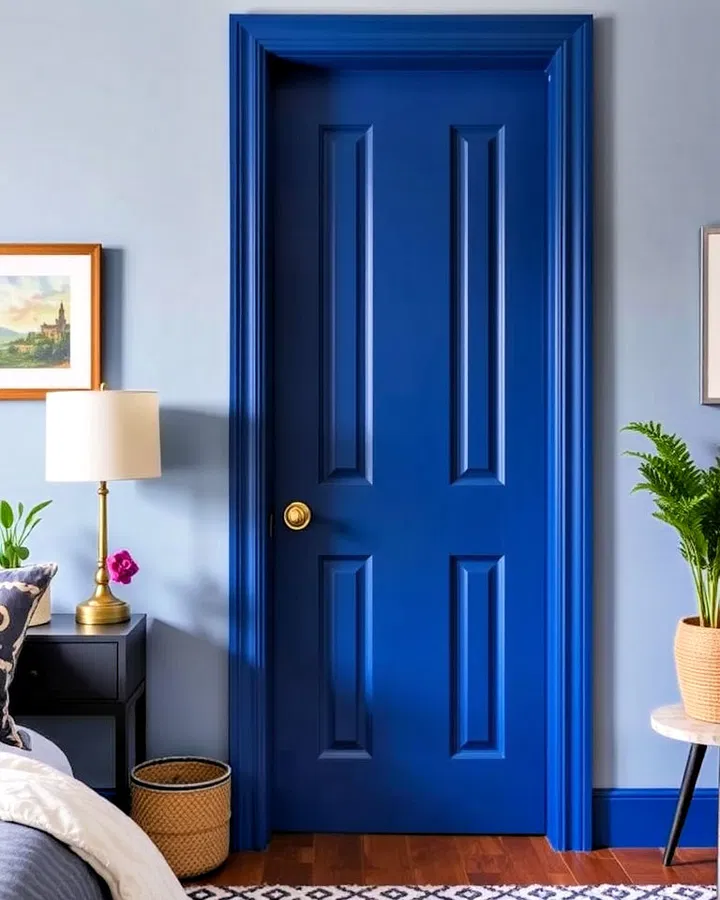
    7. Paint It in a Bold, Eye-Catching Color

    A fresh coat of paint in a striking color can completely redefine your bedroom. Try deep navy, forest green, mustard yellow, or even matte black for a modern edge. A bold door creates contrast and instantly becomes a focal point.

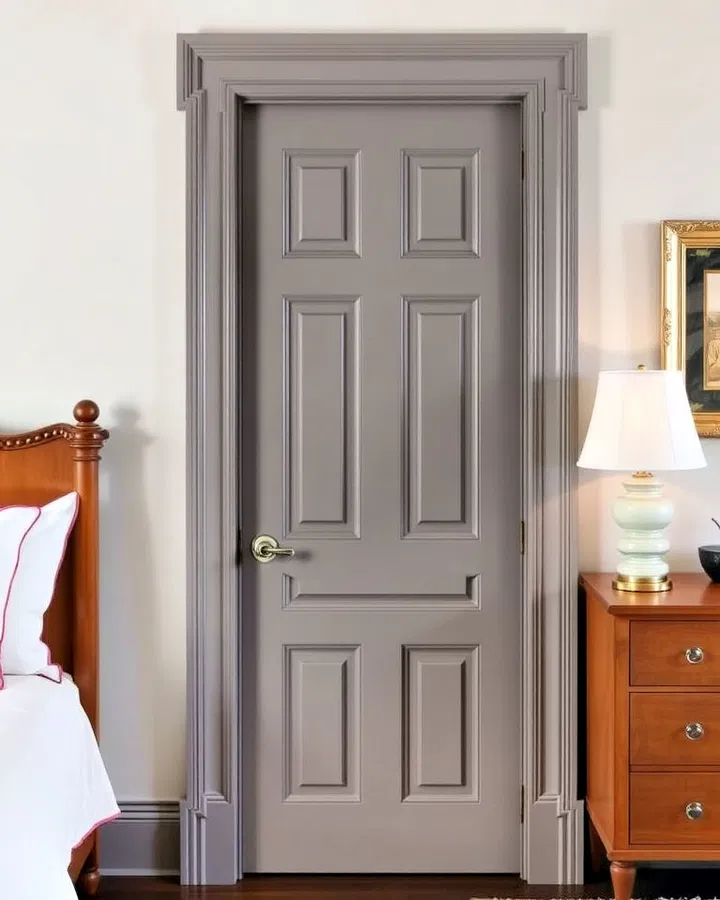
    8. Elevate the Look with Molding or Paneling

    Adding molding or paneling transforms a plain door into something elegant and refined. This technique introduces depth, texture, and a more custom-built appearance. Paint it in a matching tone for subtle sophistication or use contrast for a dramatic effect.

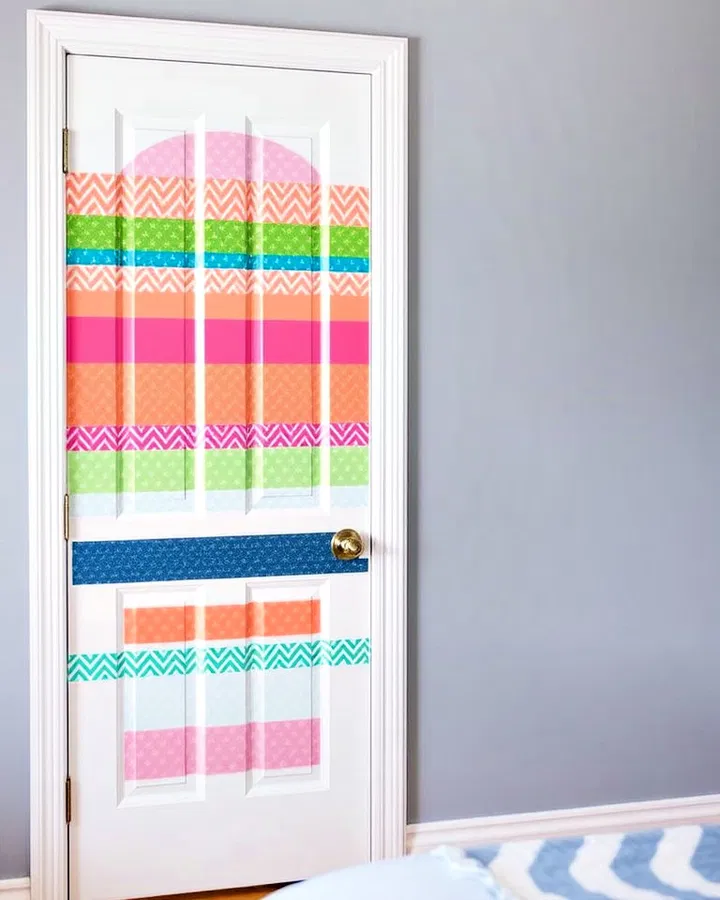
    9. Design Playful Patterns with Washi Tape

    Washi tape is an easy and affordable way to decorate your door creatively. Use it to form stripes, grids, or abstract patterns without damaging the surface. Because it’s removable, it’s perfect for renters or anyone who enjoys changing designs frequently.

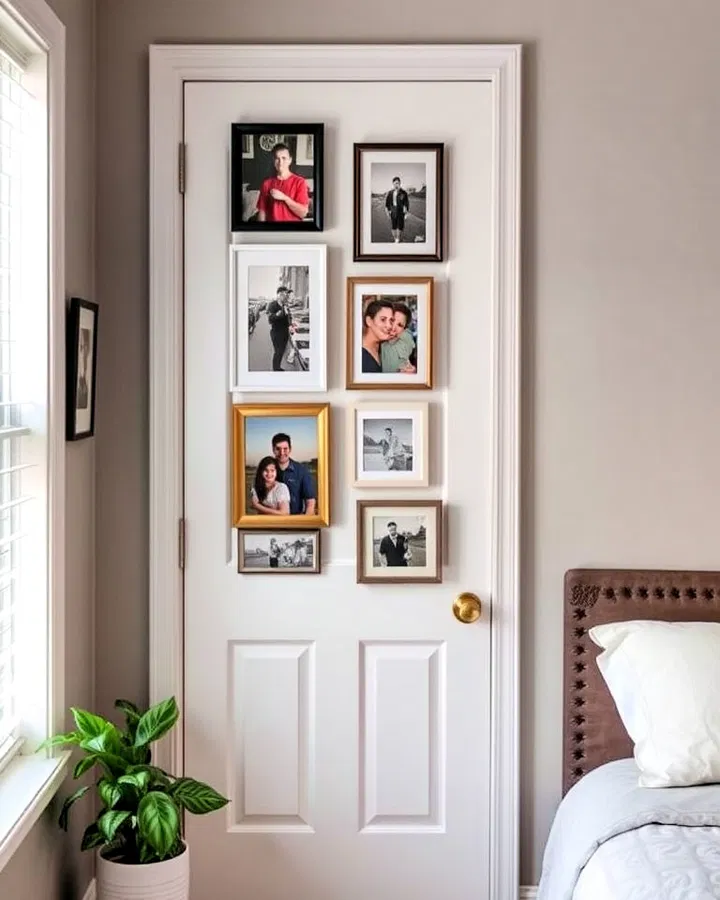
    10. Turn Your Door into a Mini Gallery Wall

    Why limit artwork to walls? Use your door to display framed photos, prints, or inspirational quotes. Arrange them symmetrically for a clean look or mix sizes for a more eclectic vibe. This idea adds personality and turns your door into a storytelling piece.

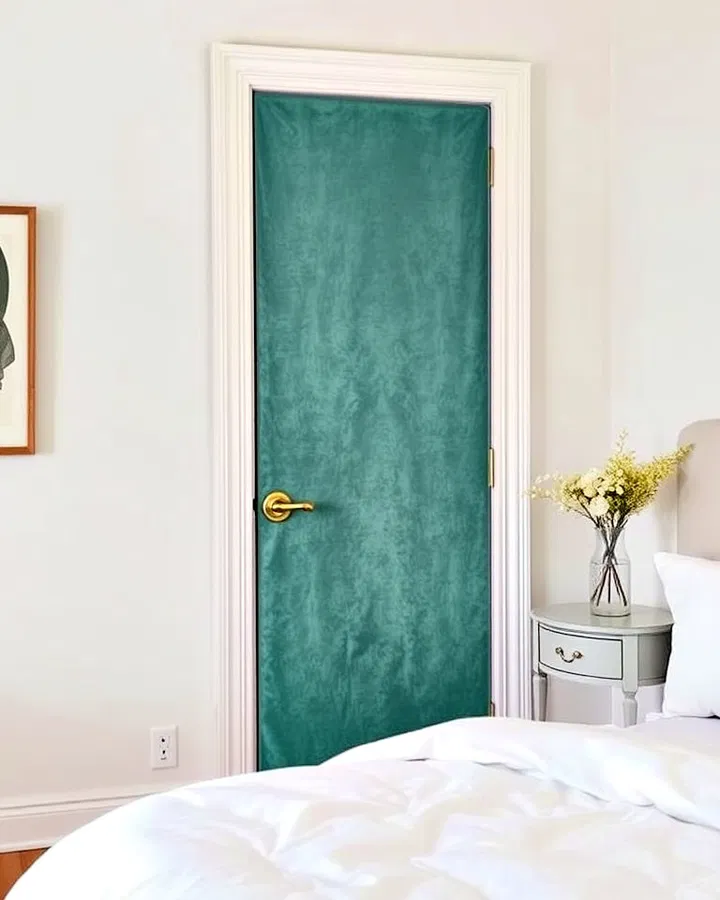
    11. Add Warmth with a Fabric-Covered Door

    Cover your door with fabric to introduce softness and texture. Materials like linen, cotton, or velvet can create a cozy and luxurious feel. This approach also helps absorb sound, making it both stylish and practical.

    12. Personalize with Vinyl Decals

    Vinyl decals are a quick way to customize your door with minimal effort. Choose quotes, patterns, or graphics that reflect your personality. They’re easy to apply and remove, making them perfect for temporary updates.

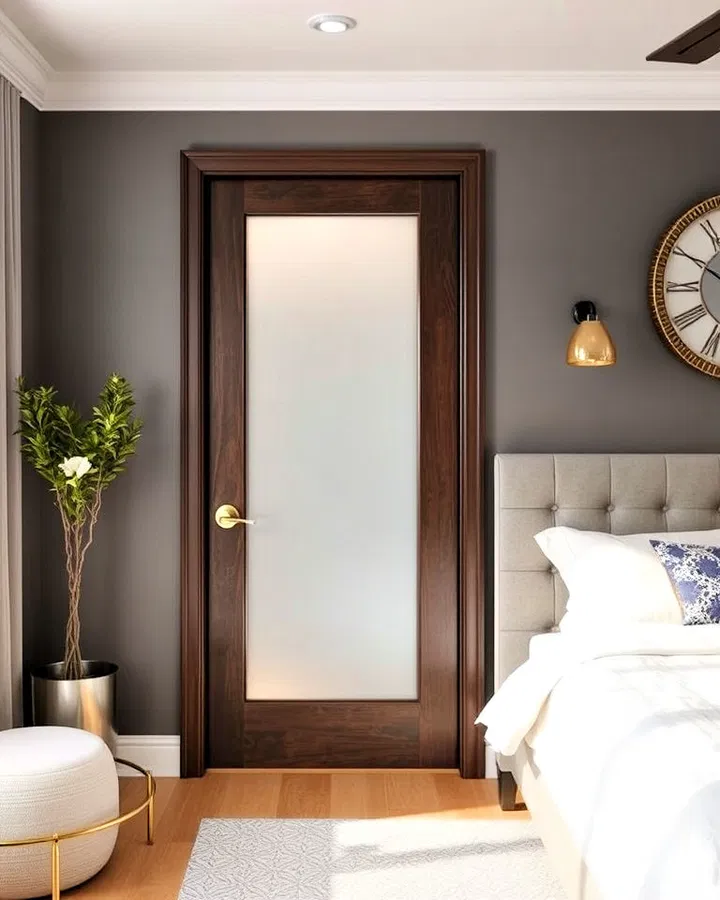
    13. Modernize with Frosted Glass Panels

    Frosted glass panels bring a sleek, contemporary look while maintaining privacy. They allow natural light to filter through, making your room feel brighter and more open. This option works especially well in modern or minimalist interiors.

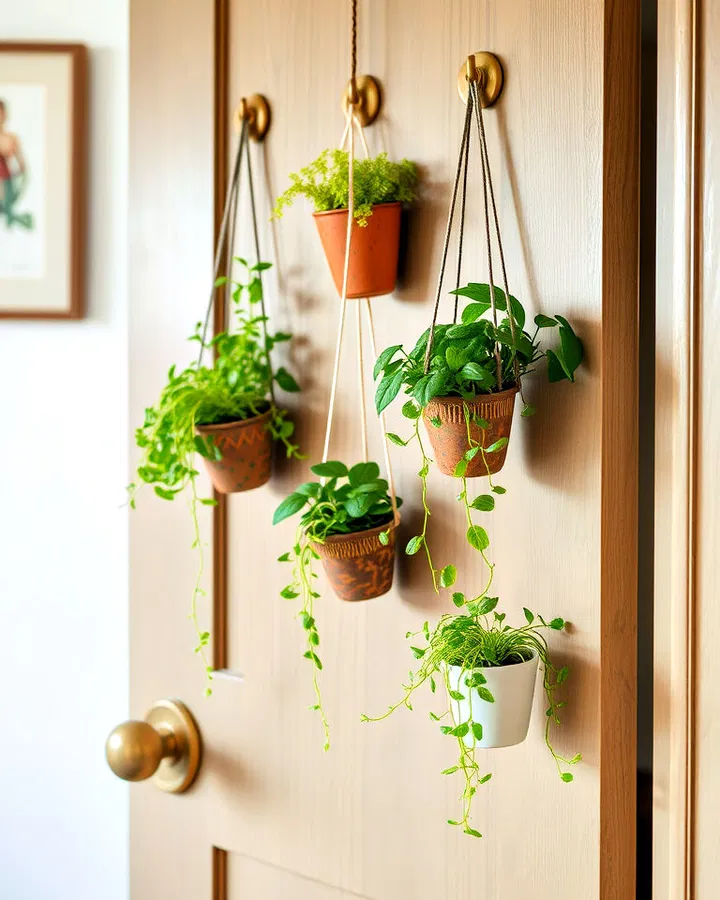
    14. Bring Nature Indoors with Hanging Planters

    Attach small planters to your door to add greenery and life to your space. Choose trailing plants like pothos or small succulents for easy maintenance. This biophilic touch makes your room feel fresher and more relaxing.

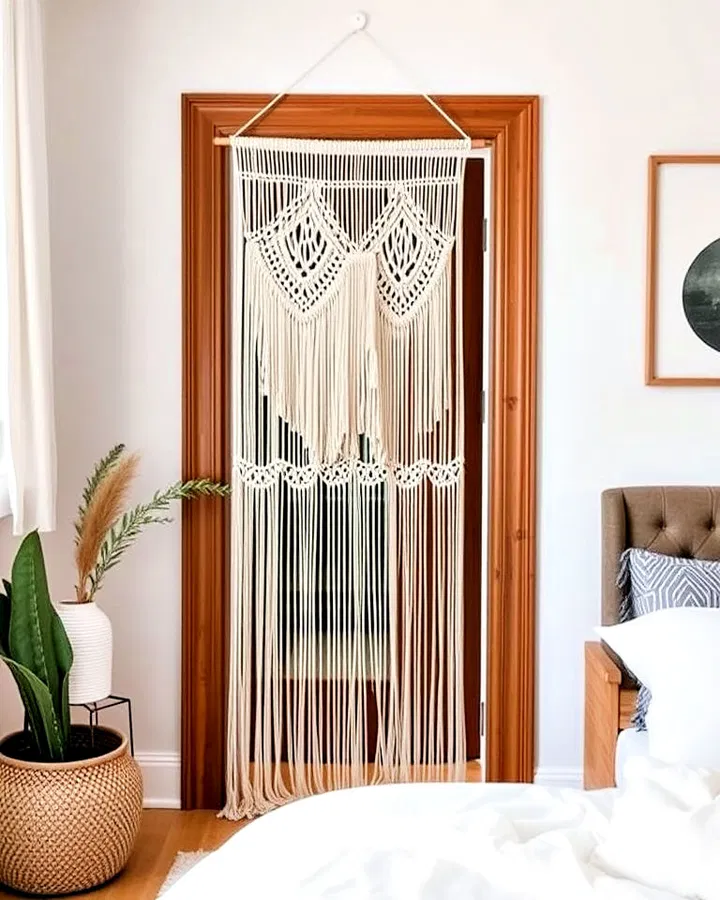
    15. Replace the Door with Boho Textiles

    For a relaxed, artistic vibe, swap your door for beaded curtains or macramé hangings. These create a soft division between spaces while allowing light and airflow. Perfect for bohemian or eclectic interiors, this idea adds texture and movement.

    Conclusion

    Your bedroom door holds more design potential than you might think. Whether you prefer bold transformations like barn doors or simple updates like decals and wreaths, these ideas prove that even small changes can make a big impact. By combining creativity with functionality, you can turn your door into a feature that enhances your entire room—making it more personal, stylish, and uniquely yours.

  • 25 Fresh Spring Bedroom Curtain Ideas to Brighten Your Space

    Spring is all about renewal, light, and softness—and your bedroom curtains play a huge role in setting that mood. The right curtains don’t just frame your windows; they influence how light enters, how colors feel, and how cozy or airy your space becomes. Below are 25 beautifully expanded ideas to help you create a bright, refreshing, and relaxing spring retreat.

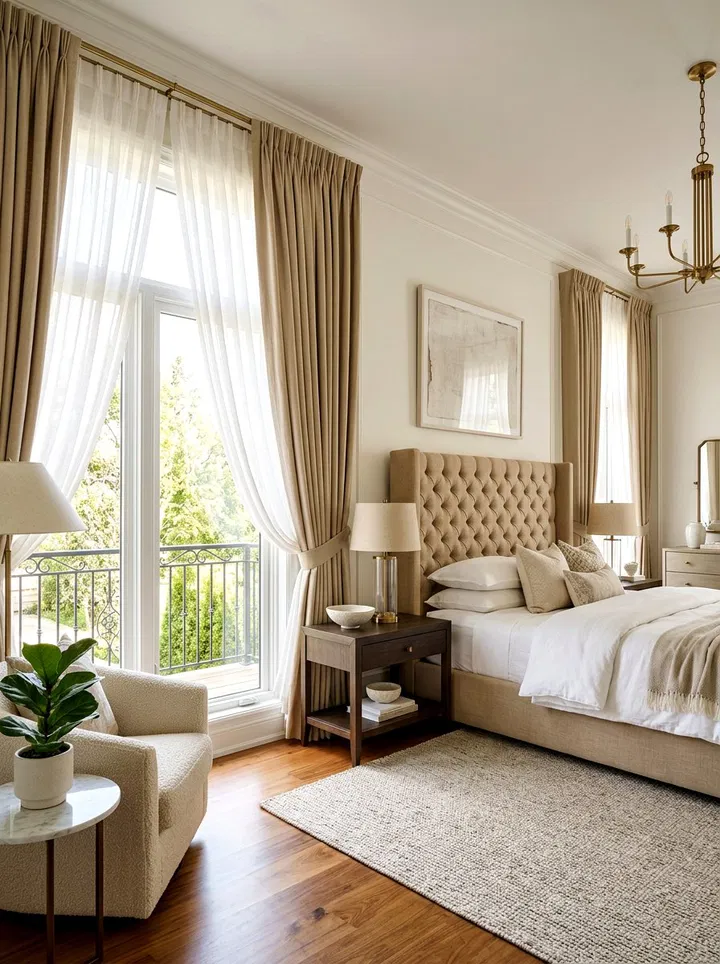
    1. Layered Curtains for Versatility

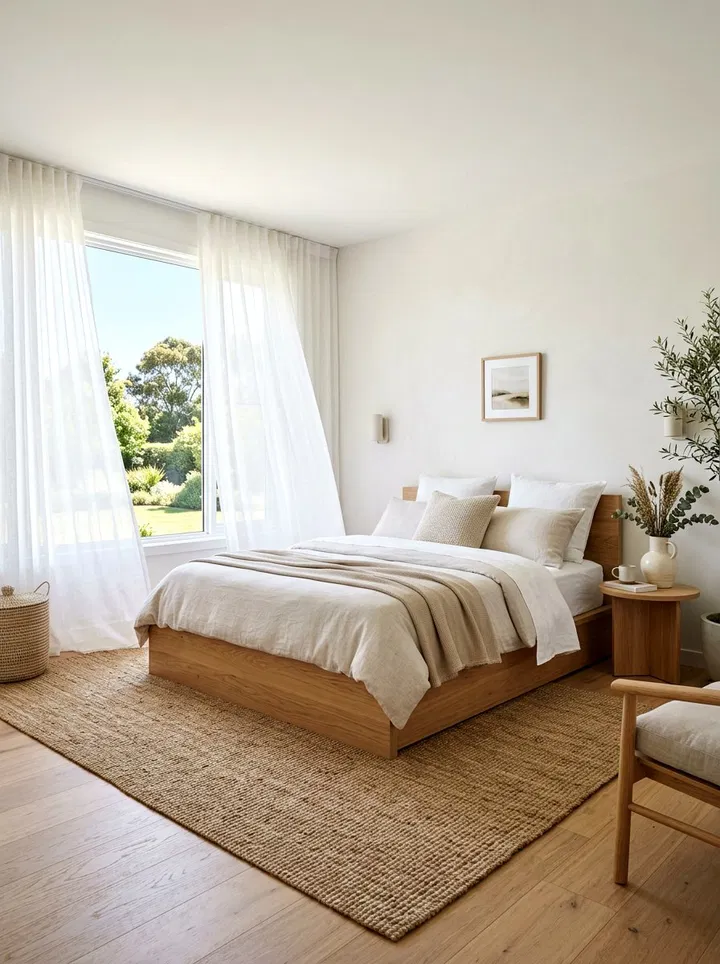
    Layering sheer curtains with heavier drapes is one of the smartest ways to balance style and function. During the day, keep the sheers closed to diffuse sunlight and create a soft glow throughout the room. At night, draw the thicker curtains to block light and add insulation. This setup also adds visual depth, making your windows look fuller and more luxurious. Choose complementary colors—like white sheers paired with beige or pastel drapes—for a cohesive spring palette.

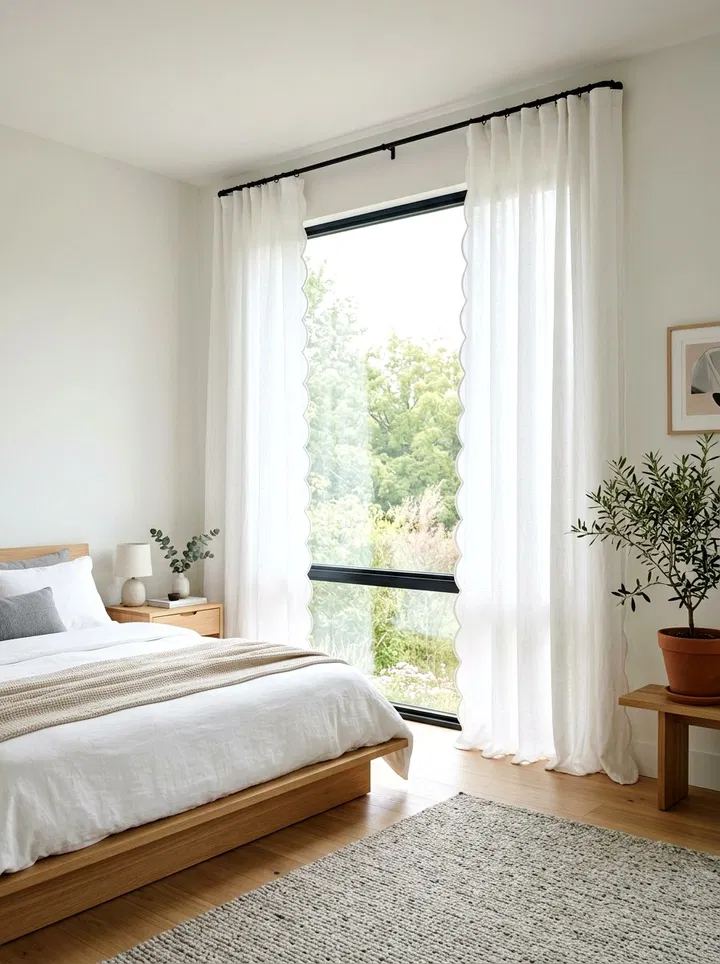
    2. Airy Sheer White Linen

    Sheer white linen curtains are perfect for creating a light, breezy atmosphere. They allow sunlight to filter gently into your room, reducing harsh glare while still keeping things bright. The natural linen texture adds a subtle organic feel that pairs beautifully with wood furniture, woven decor, or neutral bedding. These curtains also move beautifully with airflow, giving your bedroom a fresh, open feel.

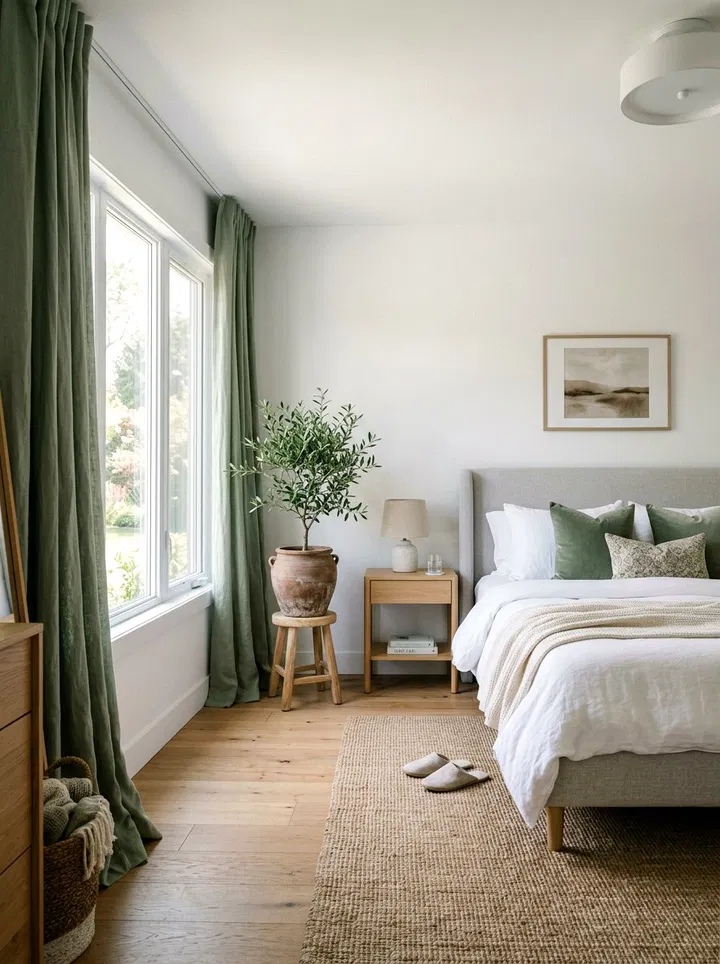
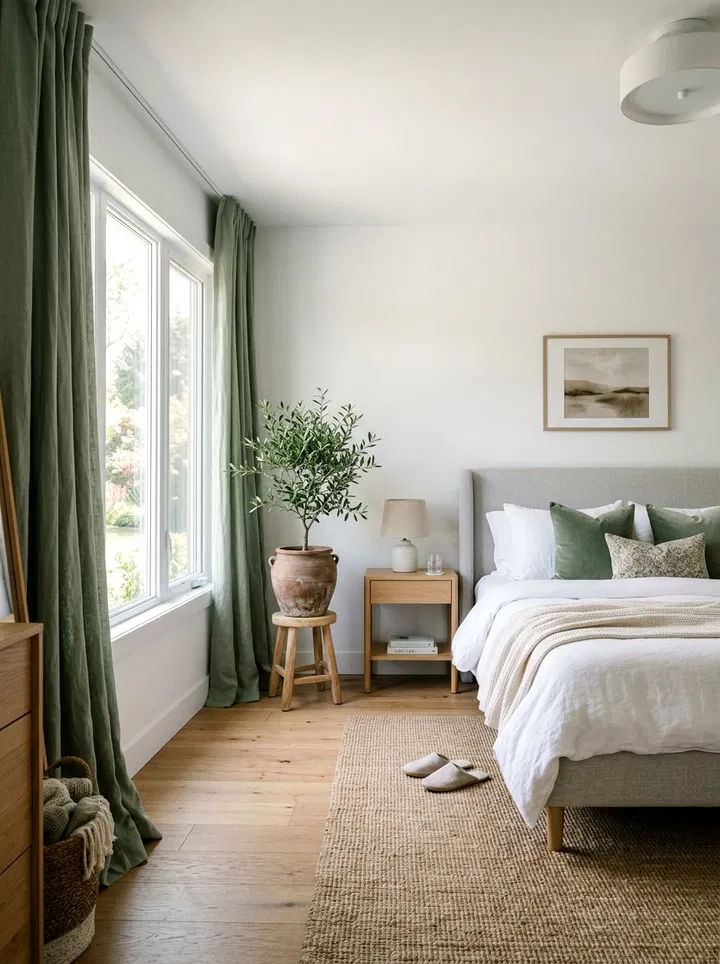
    3. Soft Sage Green Drapes

    Sage green is a calming, nature-inspired color that works effortlessly in spring interiors. It’s soft enough to act as a neutral but still brings in a refreshing hint of color. Pair these drapes with white walls, light wood finishes, or botanical decor to create a serene, spa-like bedroom. Opt for lightweight fabrics for an airy look or thicker materials if you want more light control.

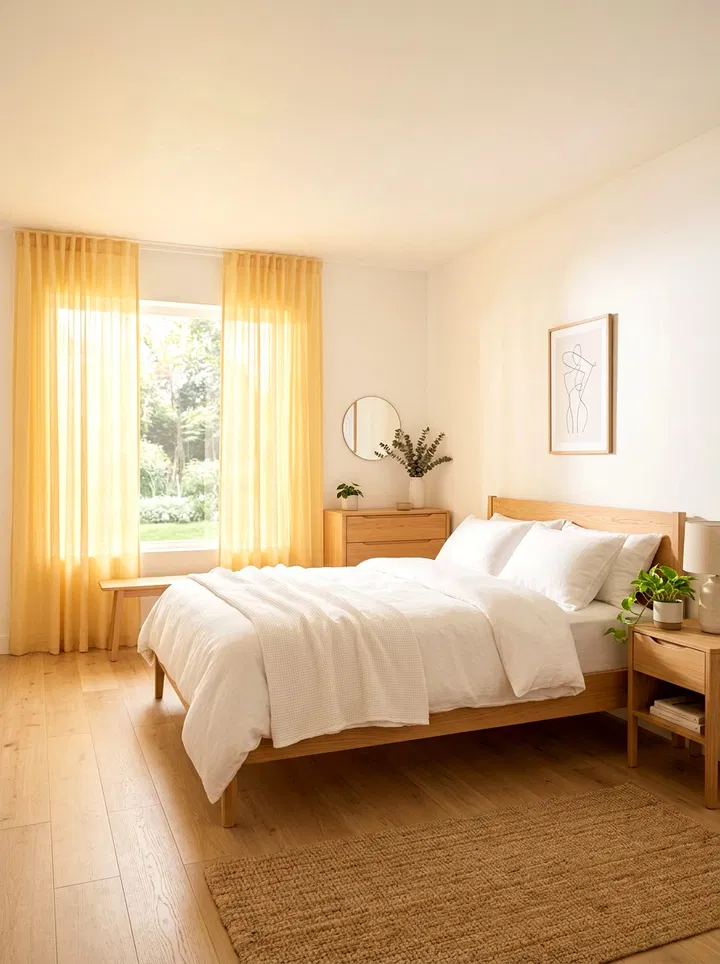
    4. Cheerful Pastel Yellow Sheers

    Pastel yellow curtains mimic the warmth of sunshine, making them ideal for rooms that don’t get much natural light. When sunlight passes through, it creates a soft golden glow that instantly lifts the mood of the space. Pair them with white or gray bedding to keep the look balanced and modern. These curtains are especially great for creating a bright and happy morning environment.

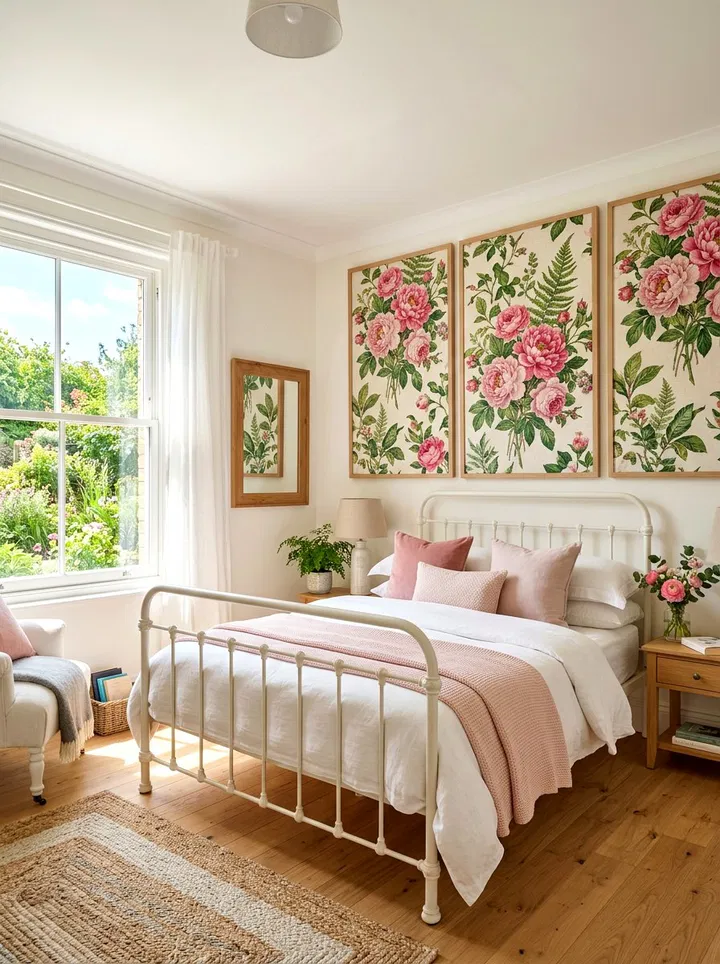
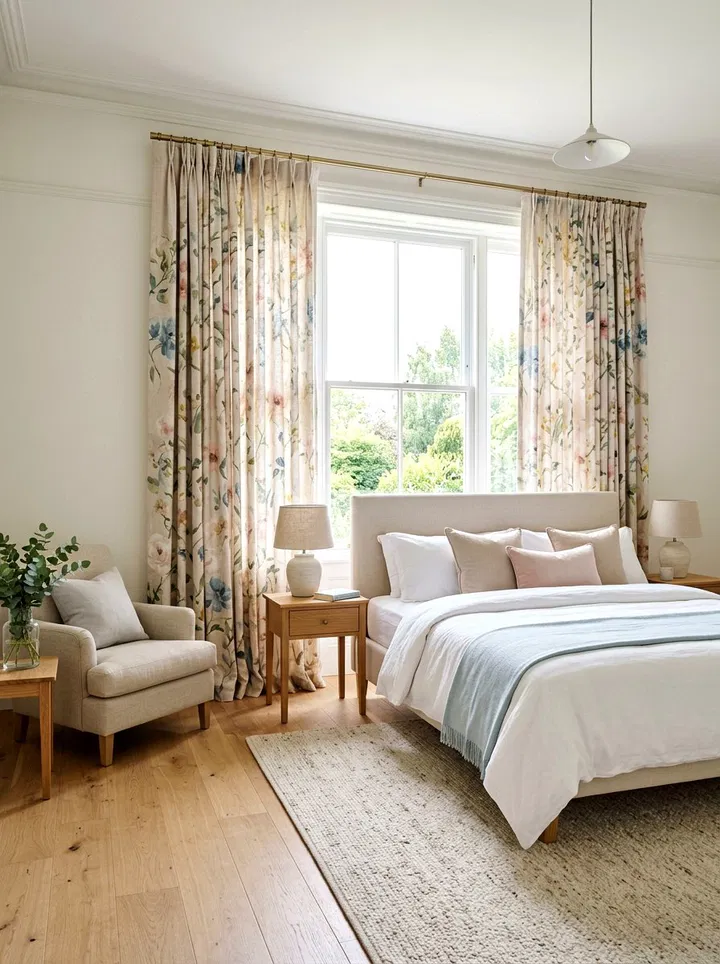
    5. Floral Print Statement Panels

    Floral curtains bring the beauty of spring blooms right into your bedroom. Large-scale patterns make a bold statement, while smaller prints create a soft, vintage feel. To tie the room together, pick one or two colors from the print and repeat them in pillows, throws, or rugs. Floral panels are perfect for adding personality without needing to redecorate the entire room.

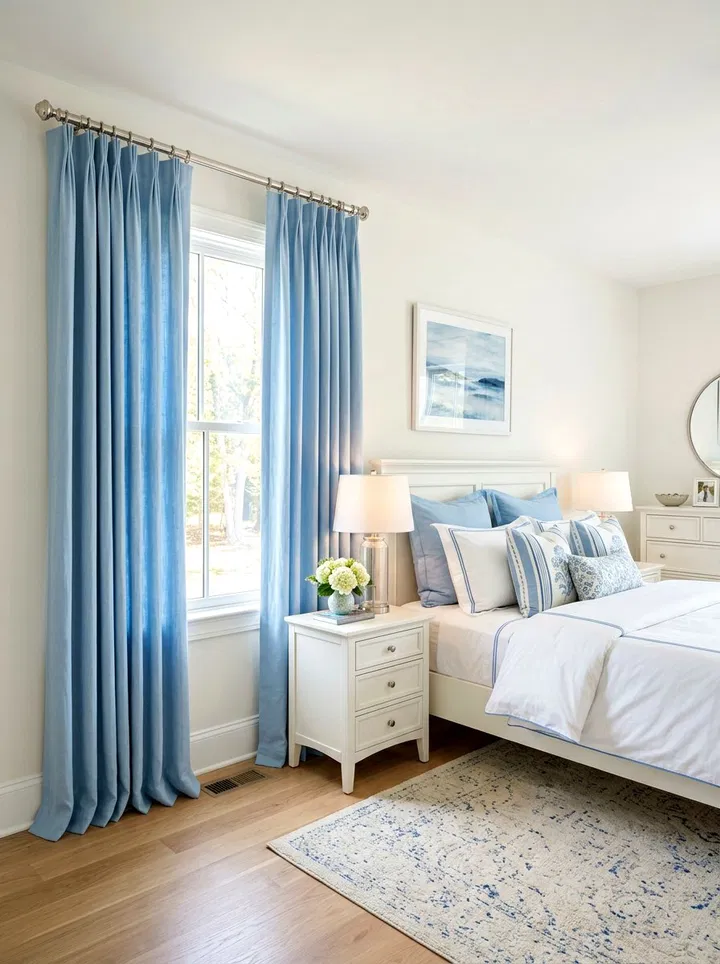
    6. Light Blue Linen Curtains

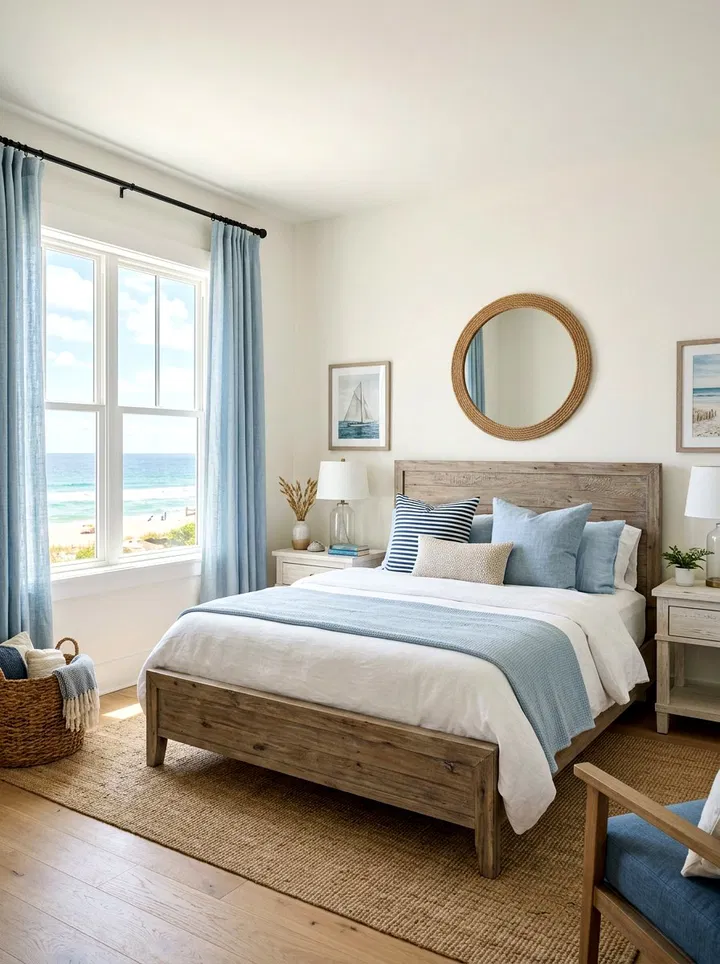
    Light blue curtains evoke the calmness of the sky and ocean, making them ideal for a relaxing bedroom. Linen fabric adds a casual, slightly textured look that feels effortless and inviting. Pair them with whites, sandy tones, or soft grays for a coastal-inspired design. This combination helps create a peaceful space where you can unwind easily.

    7. Elegant Embroidered Botanicals

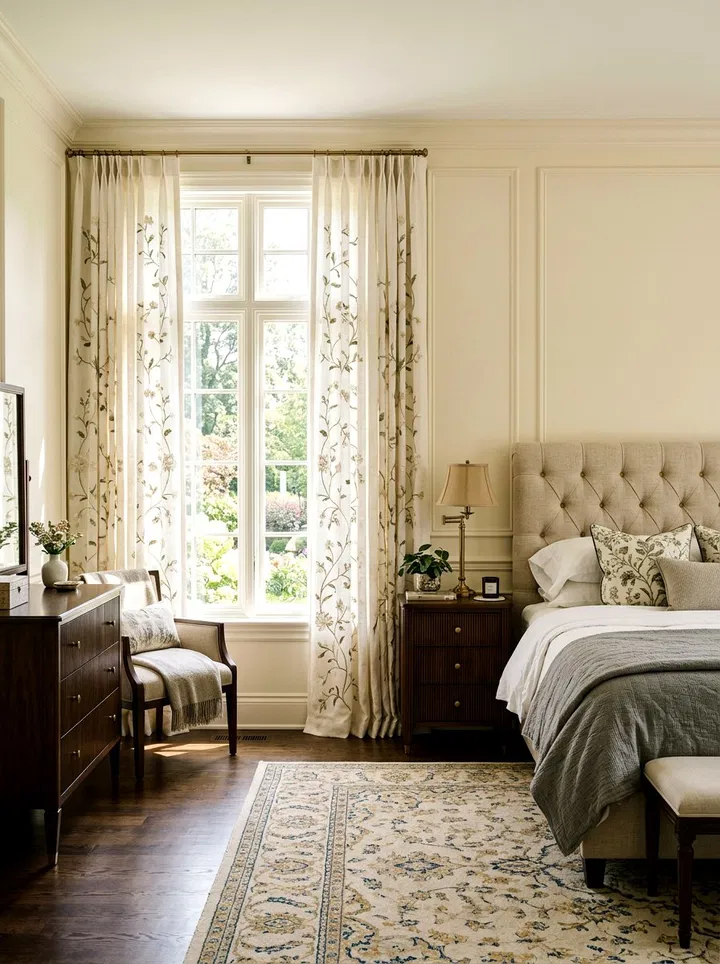
    Curtains with embroidered botanical details add subtle sophistication. The stitching creates a delicate, raised texture that catches light beautifully. Choose neutral backgrounds like cream or soft white so the embroidery stands out without overwhelming the room. This style works well if you want a refined, nature-inspired look without bold prints.

    8. Dusty Rose Velvet Drapes

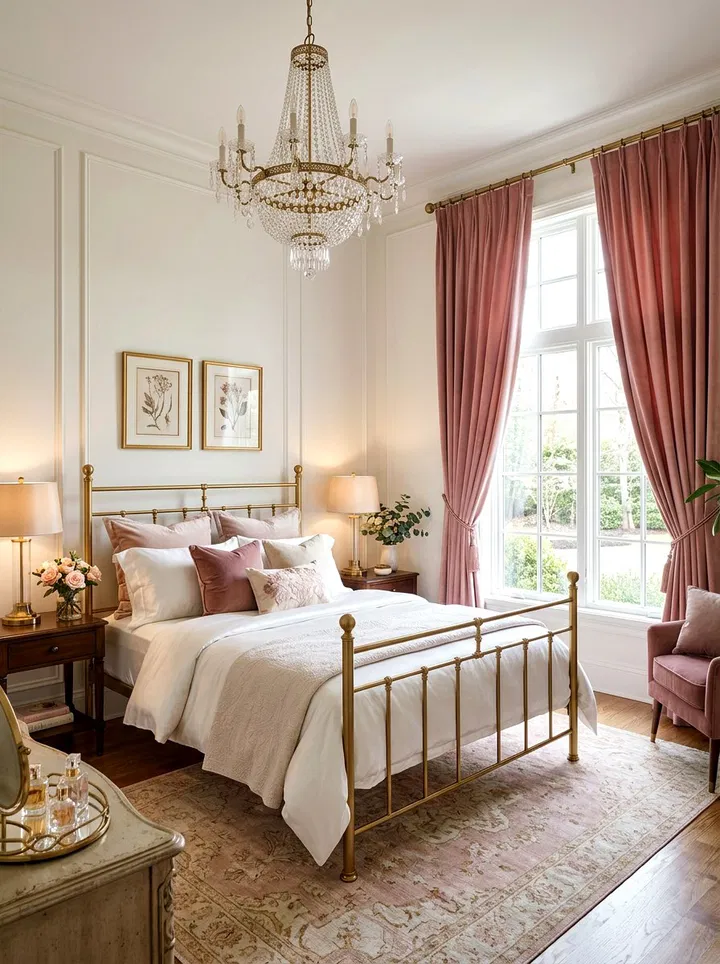
    Dusty rose velvet offers a soft, romantic feel while still being practical. The thicker fabric blocks light effectively, making it ideal for better sleep. Its gentle pink tone keeps it feeling appropriate for spring, especially when paired with lighter fabrics like cotton or linen. The slight sheen of velvet also adds a luxurious glow when light hits it.

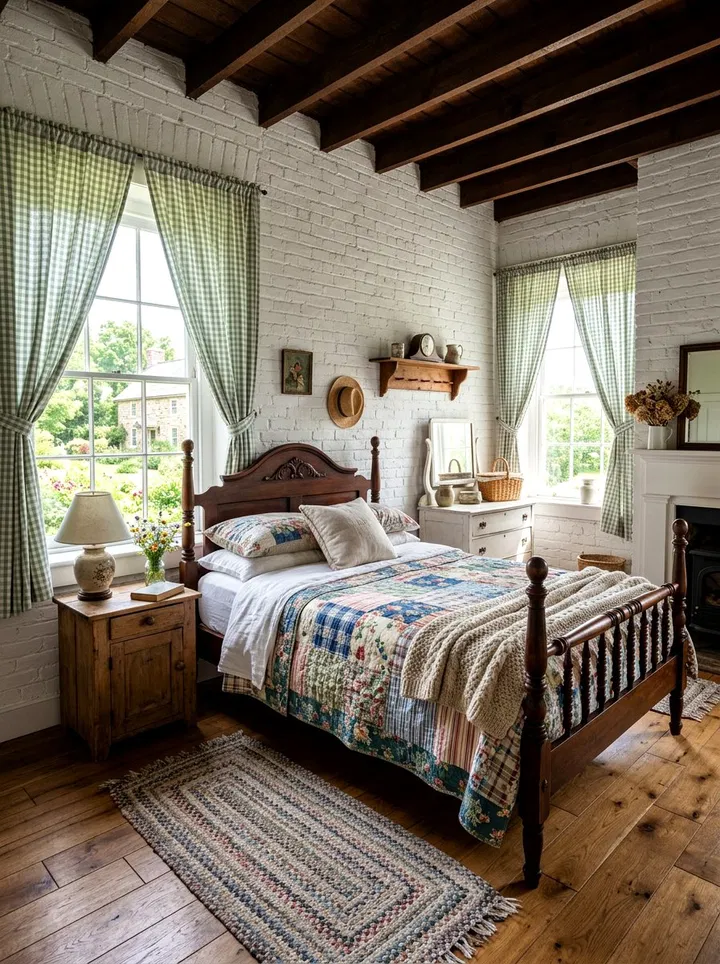
    9. Classic Gingham Patterns

    Gingham curtains bring a cheerful, farmhouse-inspired vibe. Their simple checkered pattern adds visual interest without being overwhelming. Choose soft colors like blue, green, or yellow for a fresh spring look. Pair them with solid bedding and rustic decor to create a cozy and inviting bedroom.

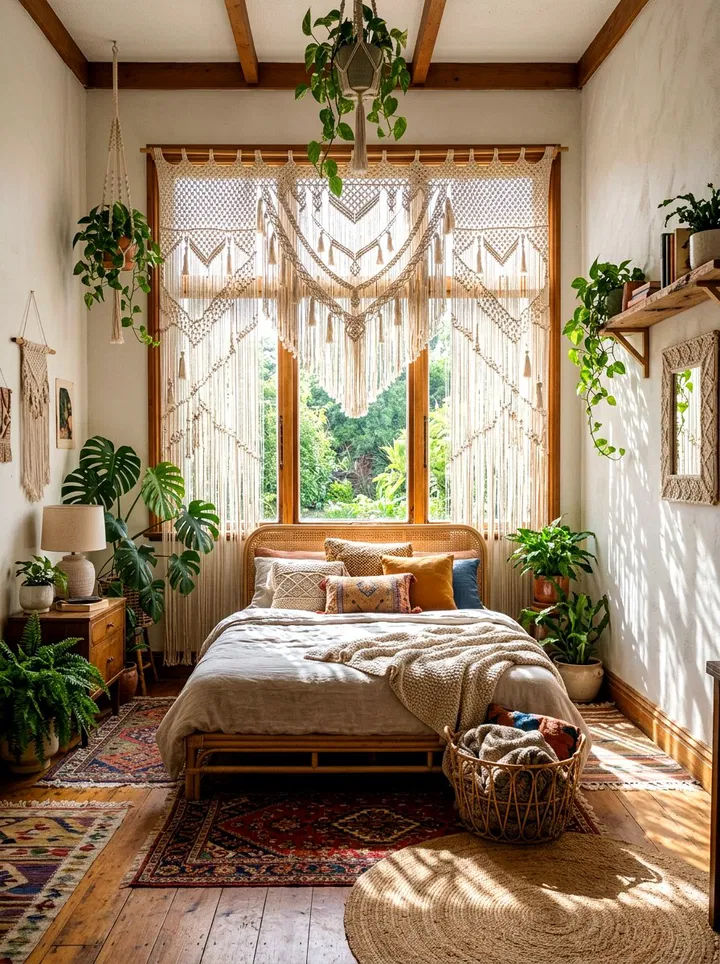
    10. Artistic Macrame Panels

    Macrame window treatments add a handcrafted, artistic touch. These woven designs allow light to pass through while creating beautiful patterns on your walls. They’re perfect for boho-style bedrooms filled with plants, natural wood, and earthy tones. Use them as standalone pieces or layer them with sheer curtains for added dimension.

    11. Neutral Curtains with Tassel Accents

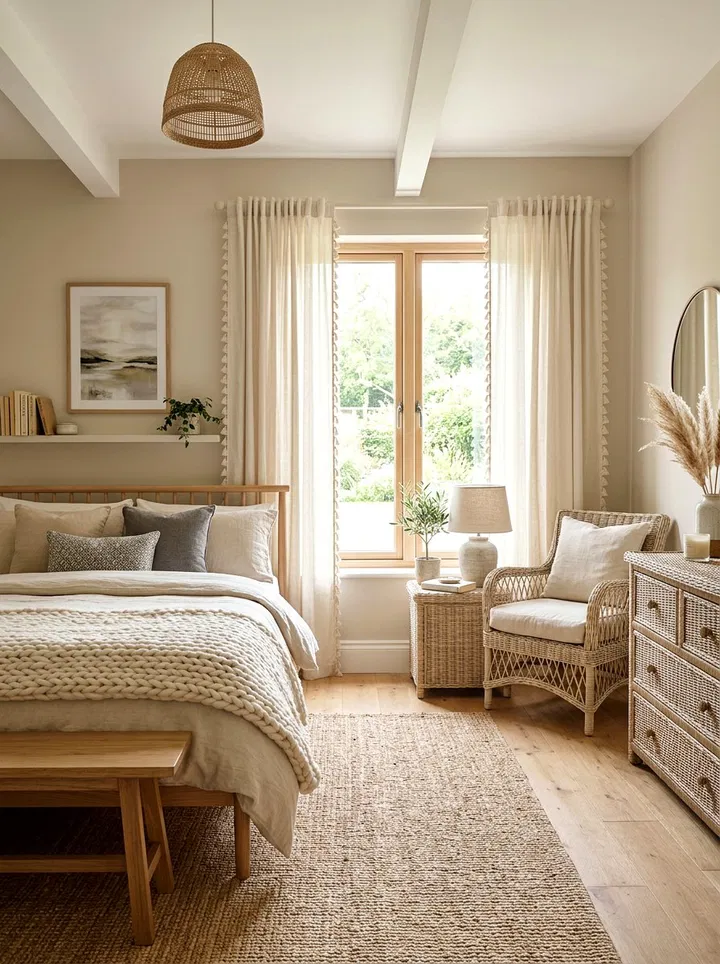
    Neutral curtains don’t have to be boring—tassel details add subtle charm and movement. The soft textures and playful edges create a relaxed, lived-in feel. These curtains work well with almost any decor style and are especially effective in minimalist or Scandinavian-inspired bedrooms.

    12. Playful Pom-Pom Trim Curtains

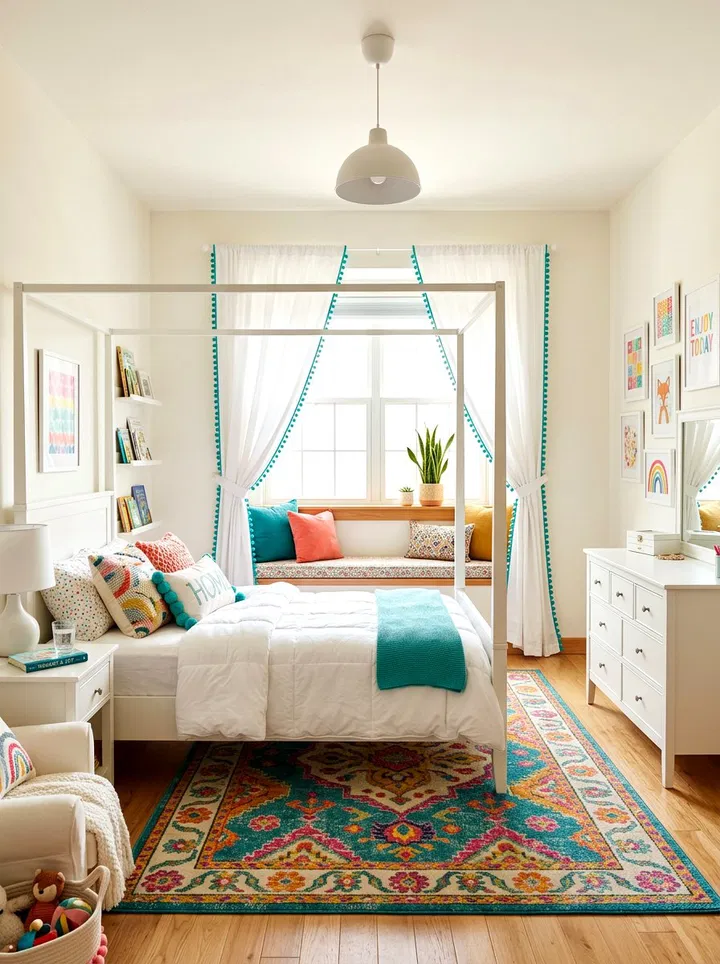
    Pom-pom trim curtains add a lighthearted and fun element to your bedroom. They’re perfect for adding personality without overwhelming the design. Use them in guest rooms, kids’ rooms, or even master bedrooms if you want a touch of whimsy. Choose neutral fabrics with colored trims for a balanced look.

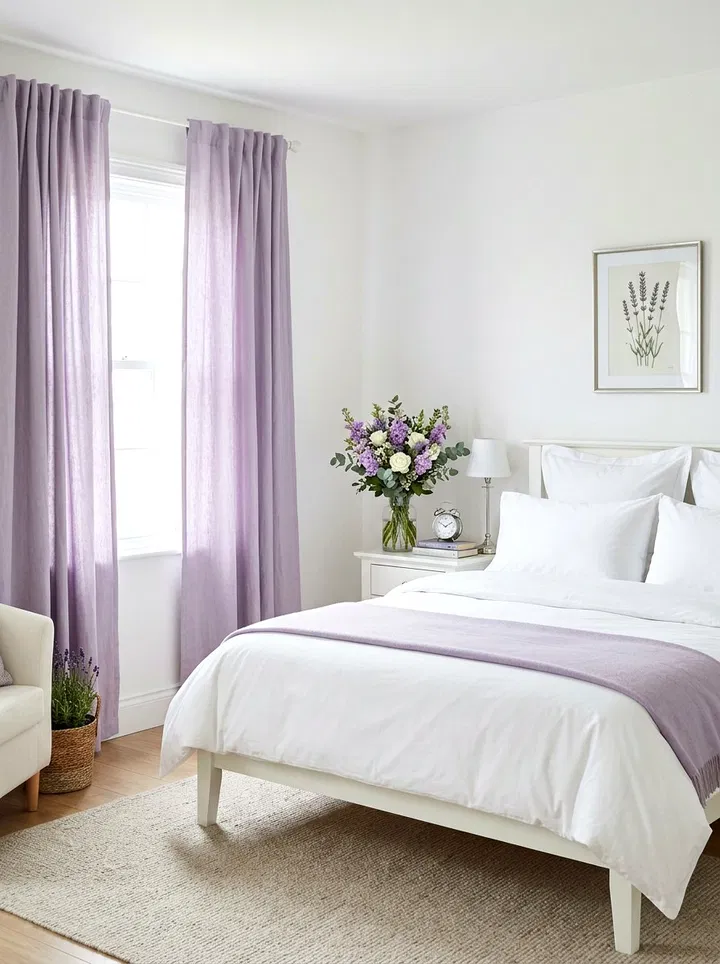
    13. Calming Lavender Cotton Curtains

    Lavender is known for its calming and stress-relieving qualities. Cotton curtains in this shade are breathable and lightweight, making them ideal for spring. Pair them with white or silver accents for a clean, modern look. This color creates a peaceful environment perfect for rest and relaxation.

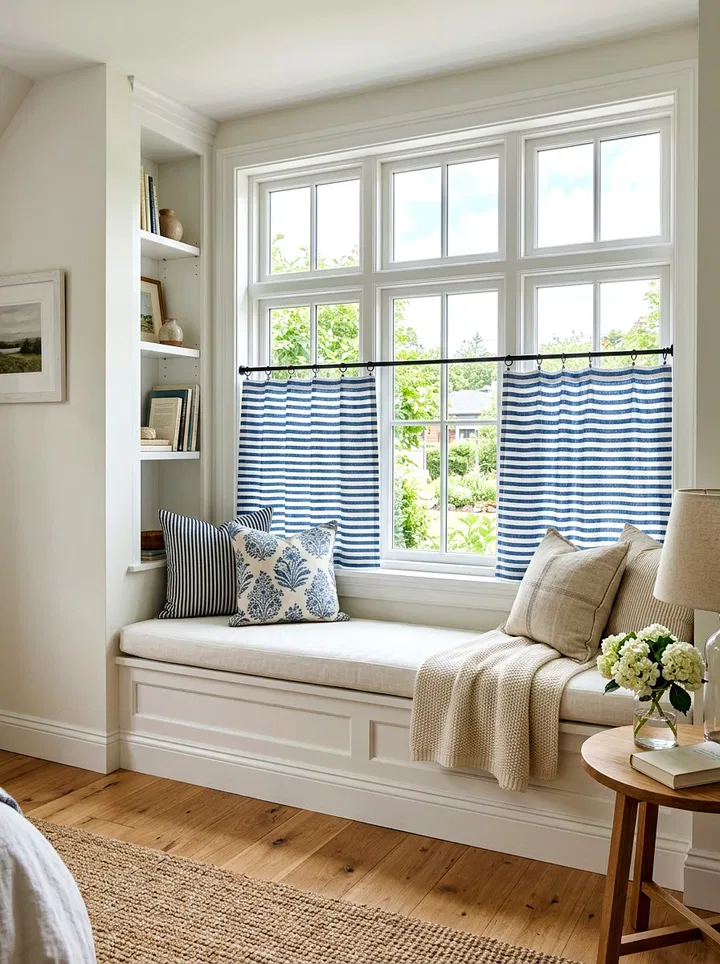
    14. Striped Café Curtains

    Café curtains cover only the lower half of your window, giving you privacy while letting in plenty of light. Stripes add a crisp and structured look, and they can even make windows appear taller or wider. This style is great for small bedrooms or areas where full-length curtains feel too heavy.

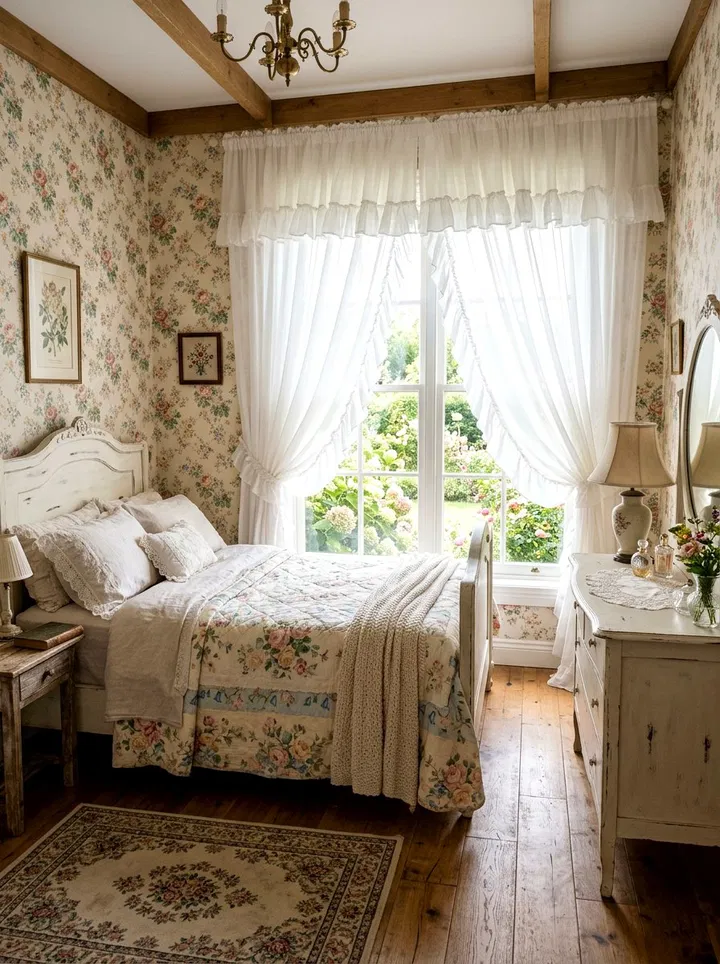
    15. Romantic Ruffled Voile Panels

    Ruffled voile curtains create a soft, dreamy aesthetic. The layers of fabric add volume and movement, making the room feel more romantic and airy. These are perfect for vintage or shabby-chic interiors and pair beautifully with soft pastels and delicate decor.

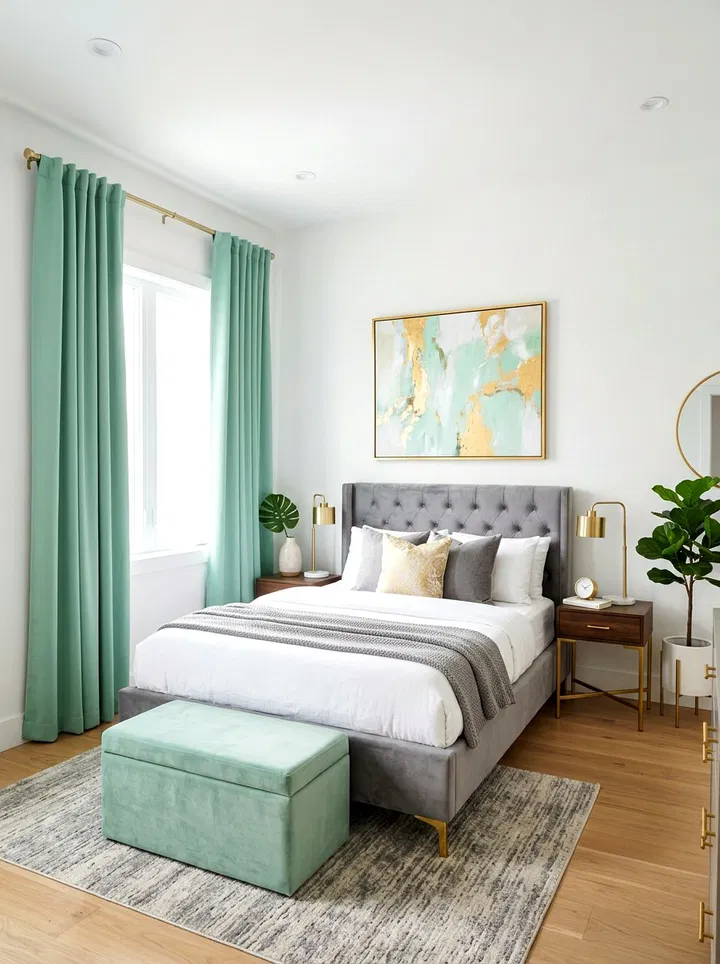
    16. Mint Green Blackout Curtains

    Mint green blackout curtains combine functionality with fresh design. They block unwanted light while still adding a cheerful and modern touch. Pair them with white furniture or gold accents to keep the look bright and stylish.

    17. Watercolor Floral Designs

    Watercolor floral curtains offer a softer take on traditional prints. The blended colors create a gentle, artistic effect that feels calming rather than busy. These curtains can serve as a focal point while still maintaining a peaceful atmosphere.

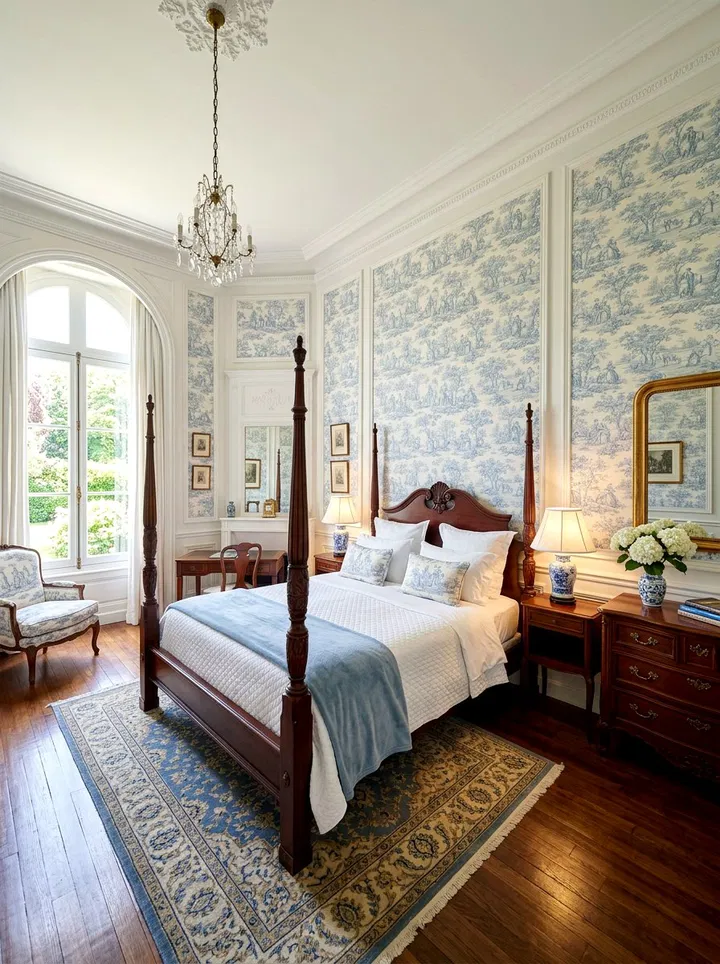
    18. Timeless Toile Prints

    Toile prints bring elegance and storytelling into your space. Their detailed patterns often depict nature or countryside scenes, adding depth and charm. Choose soft spring colors to keep the look light and airy.

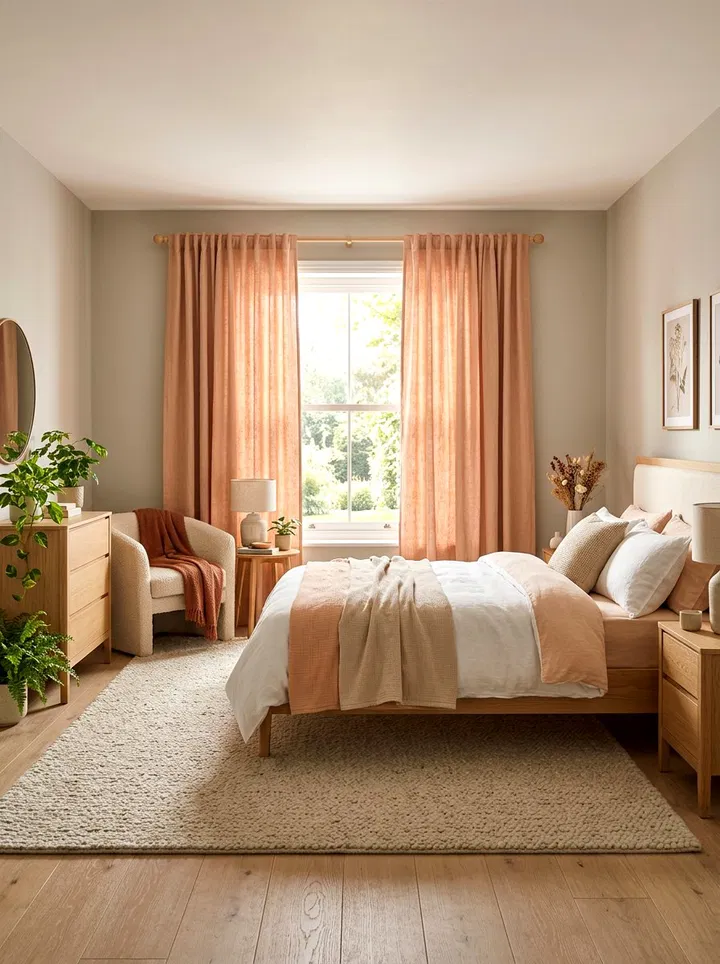
    19. Warm Peach Linen Curtains

    Peach tones add warmth without being overpowering. Combined with linen texture, they create a cozy yet fresh feel. This color works well with neutral palettes and adds a subtle glow to the room.

    20. Scalloped Edge Details

    Scalloped edges add a decorative and unique touch to your curtains. The curved design softens the look of your windows and adds a custom, high-end feel. This works especially well with simple or neutral fabrics.

    21. Bamboo Shades with Fabric Curtains

    Combining bamboo shades with soft curtains creates contrast and depth. The bamboo adds structure and natural texture, while the fabric keeps things soft and airy. This pairing works well in nature-inspired or minimalist bedrooms.

    22. Olive Green Sheer Panels

    Olive green sheers bring a slightly deeper tone while still allowing light to pass through. They create a moody yet soft ambiance that pairs beautifully with wood and neutral tones.

    23. Subtle Gold Thread Accents

    Curtains with metallic threads add a hint of sparkle without being overwhelming. As sunlight hits the fabric, it creates a warm shimmer that enhances the overall lighting of your room.

    24. Boho Fringe Curtains

    Fringe details add movement and texture, giving your bedroom a relaxed, artistic feel. These curtains are perfect for bohemian spaces filled with layered textiles and natural elements.

    25. Sky Blue Pinch Pleat Drapes

    Pinch pleat curtains provide a structured, elegant finish. In sky blue, they feel fresh and calming while still looking polished. This style works well in both modern and traditional bedrooms.

    Conclusion

    Updating your curtains is one of the simplest ways to refresh your bedroom for spring. By choosing lighter fabrics, soft colors, and natural textures, you can create a space that feels brighter, calmer, and more inviting. Whether you prefer minimal elegance or playful patterns, these ideas offer endless inspiration for a seasonal transformation.

  • 20 Elegant Grey and White Living Room Ideas to Elevate Your Space

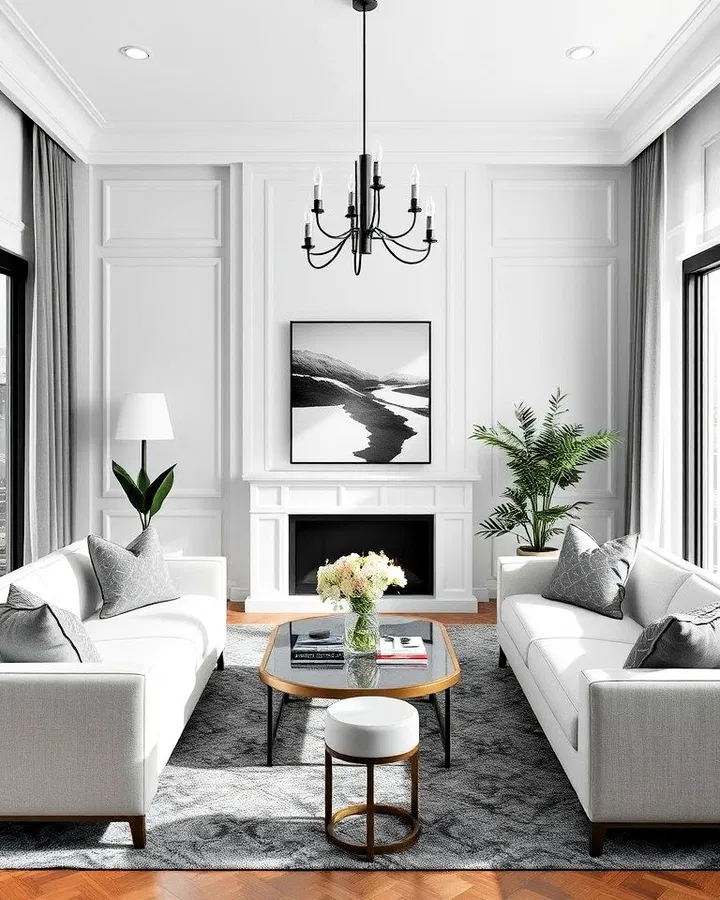
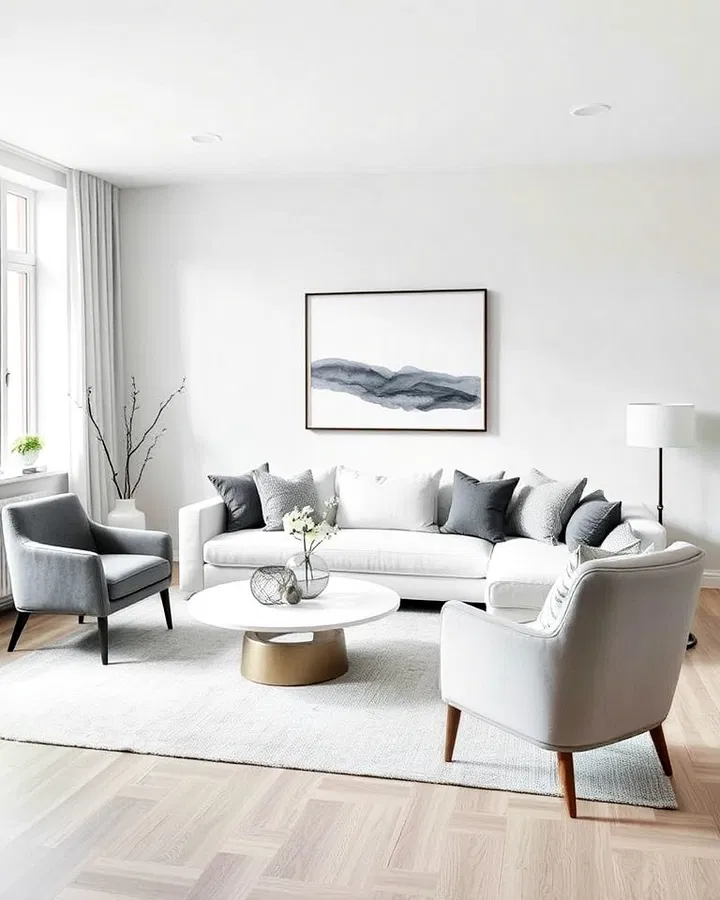
    Grey and white living rooms are effortlessly timeless. This neutral pairing creates a calm, sophisticated base that works with almost any design style—from cozy and rustic to sleek and modern. The real beauty lies in how flexible this palette is. By layering textures, playing with contrast, and adding thoughtful accents, you can completely transform the mood of your space.

    Whether you want something minimal and airy or bold and dramatic, these ideas will help you design a grey and white living room that feels both stylish and inviting.

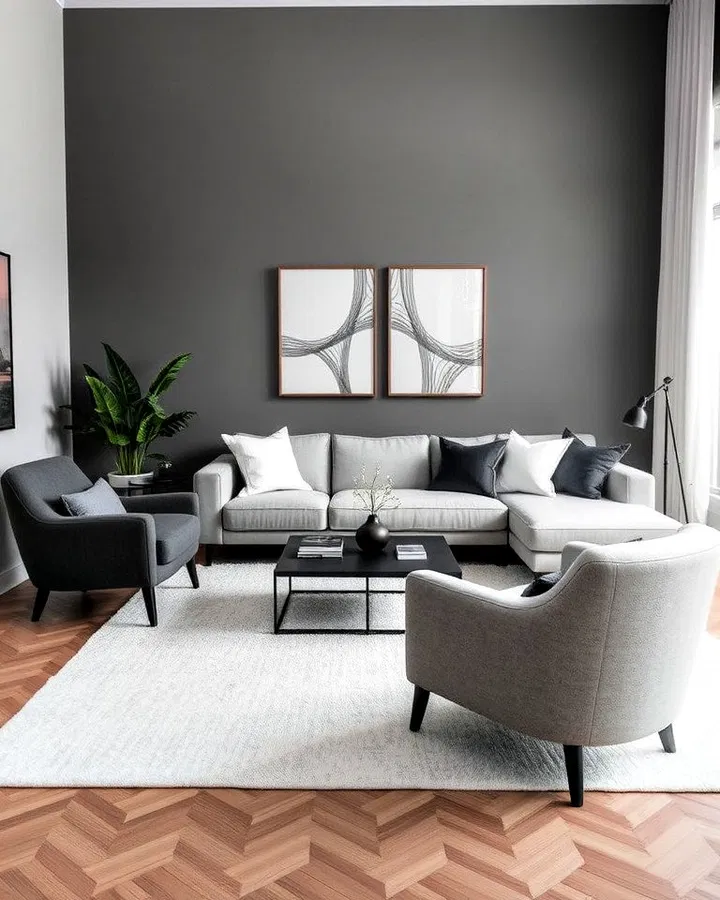
    1. Embrace a Full Monochrome Look

    A monochrome grey-and-white living room is all about subtle variation and balance. Instead of relying on just one shade, layer multiple tones—from soft dove grey to deep charcoal—to create dimension. Start with crisp white walls to reflect light and make the space feel open. Then introduce grey through larger furniture pieces like sofas or area rugs. Add depth with smaller accents such as cushions, throws, and décor in varying textures like velvet, linen, or knit. The key is contrast through texture rather than color, which keeps the room visually interesting while maintaining a clean, cohesive look.

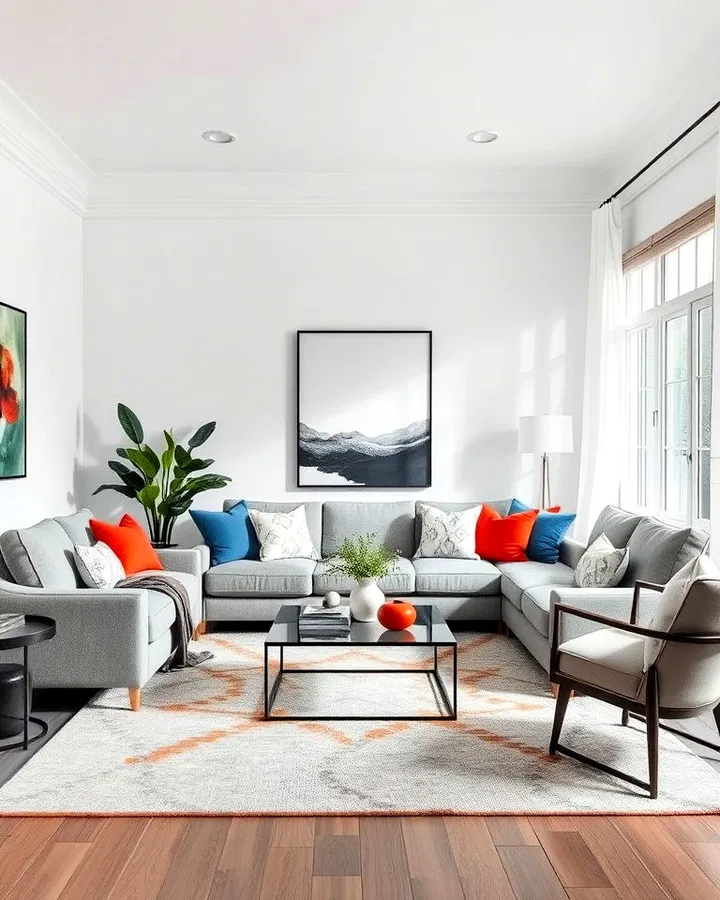
    2. Add Vibrant Accent Pieces

    Grey and white provide the perfect neutral backdrop for experimenting with color. You can easily refresh your space seasonally by swapping out accent pieces like pillows, throws, or artwork. Try mustard yellow, deep navy, emerald green, or even blush pink for a modern touch. If you prefer subtlety, incorporate natural elements like indoor plants or dried florals. The beauty of this approach is flexibility—you can keep the base timeless while allowing accents to evolve with your style.

    3. Keep It Scandinavian-Inspired

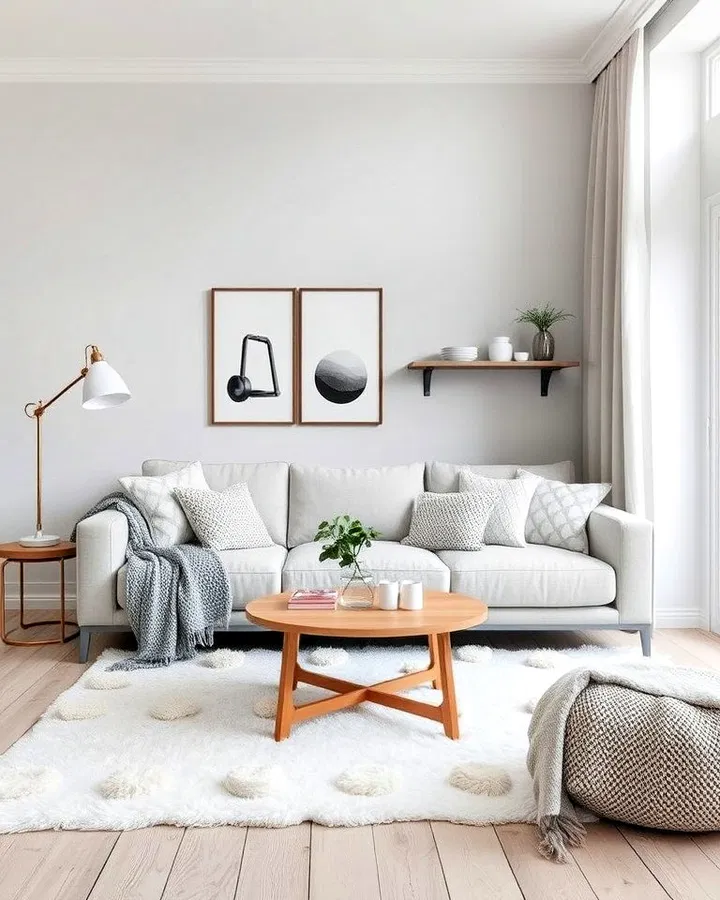
    Scandinavian design thrives on simplicity, functionality, and warmth. Use light grey upholstery, white walls, and minimal décor to create a serene foundation. Then layer in cozy textures like wool blankets, sheepskin rugs, and soft cushions. Wooden elements—such as a pale oak coffee table or shelving—add warmth and prevent the space from feeling too cold. Keep clutter to a minimum and focus on intentional pieces that combine beauty with purpose.

    4. Go Industrial with Raw Materials

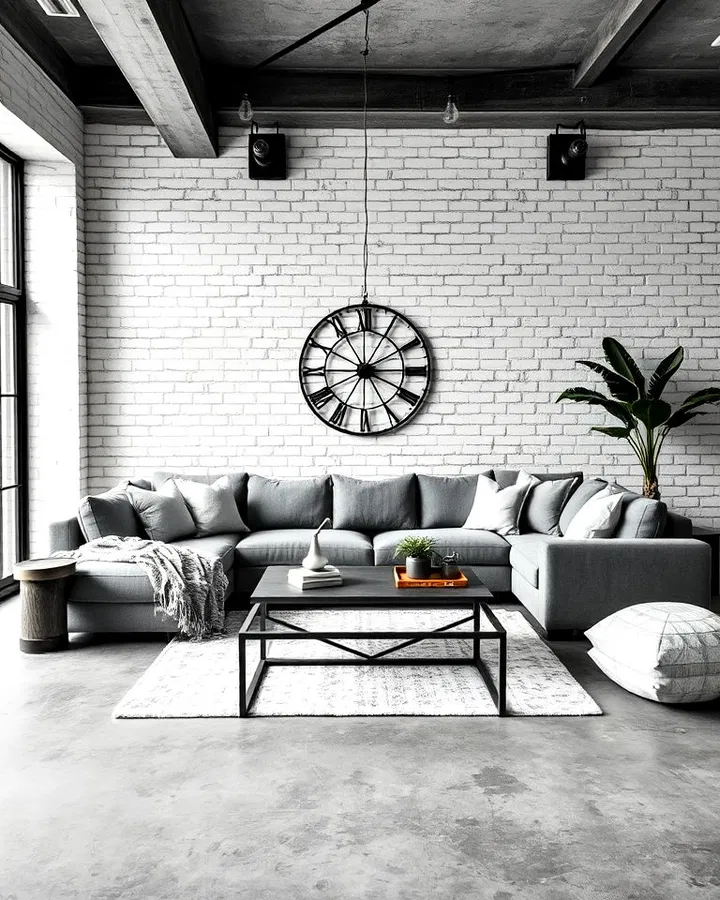
    An industrial-style grey and white living room leans into raw, unfinished elements. Think exposed brick walls painted white, concrete flooring, and metal fixtures. A grey sectional sofa paired with a reclaimed wood coffee table creates a balanced mix of rugged and refined. Incorporate industrial lighting—like black metal pendant lights or exposed bulbs—to enhance the aesthetic. This look works especially well in loft-style spaces or homes with architectural character.

    5. Create a Relaxed Coastal Feel

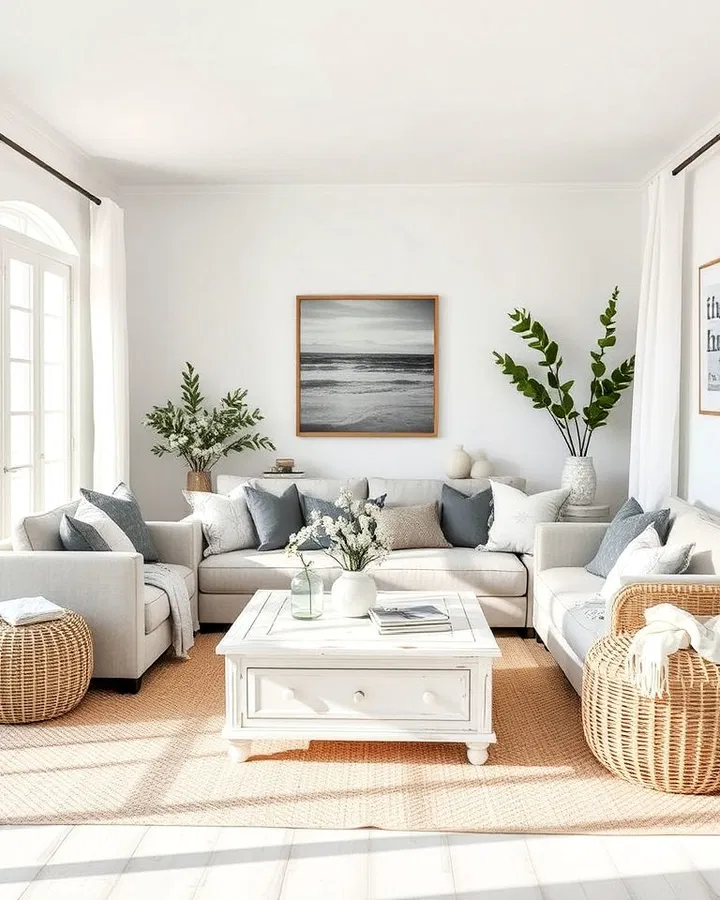
    Bring a sense of calm and openness into your living room with a coastal-inspired approach. Use soft greys and crisp whites alongside natural materials like rattan, wicker, and driftwood. Choose light, breathable fabrics for curtains and upholstery to maintain an airy feel. Subtle décor elements like ocean-inspired artwork, seashell accents, or striped textiles can reinforce the theme without overwhelming the space. The goal is to create a breezy, laid-back environment that feels like a retreat.

    6. Introduce Glamorous Elements

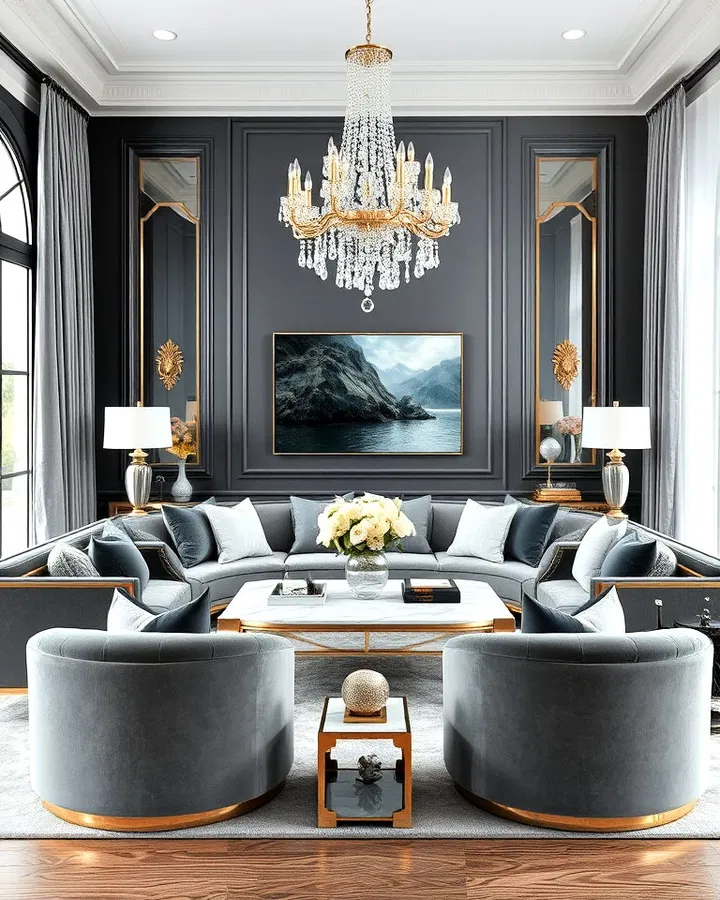
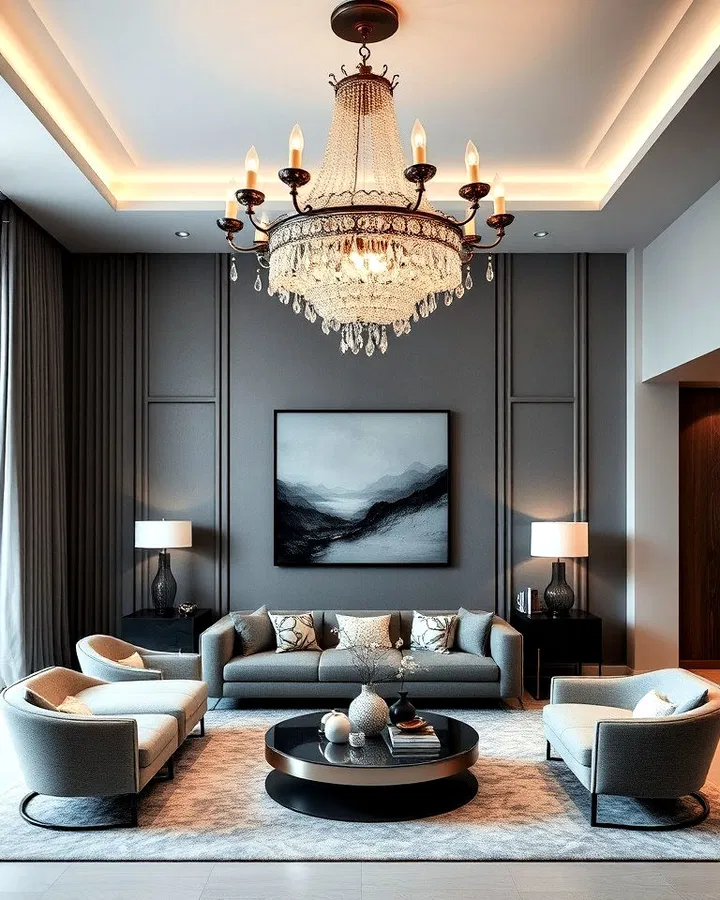
    For a more luxurious take, incorporate glam details into your grey and white palette. Opt for plush velvet seating, marble surfaces, and metallic finishes like gold, brass, or chrome. A statement chandelier or mirrored furniture can instantly elevate the room. Keep the base neutral so these elegant elements stand out without feeling excessive. This style is perfect if you want a living room that feels polished and sophisticated.

    7. Layer Different Textures

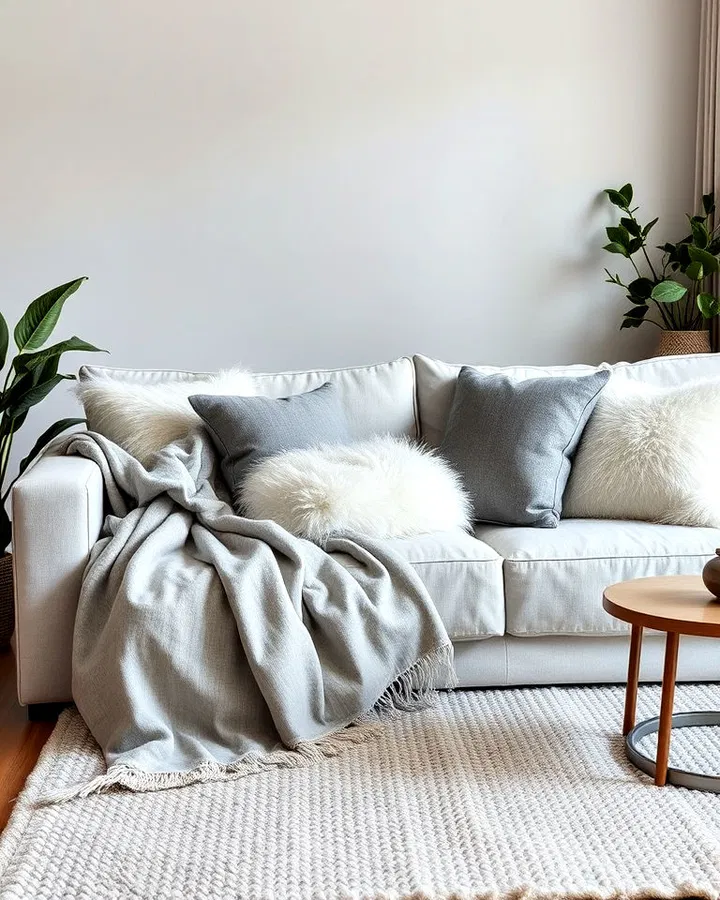
    Texture is essential in a neutral space. Combine soft and structured materials—like a linen sofa, wool rug, leather ottoman, and faux fur throws—to create a layered, inviting look. Even subtle textures like woven baskets or ribbed ceramics can add interest. Mixing textures prevents the room from feeling flat and gives it a more dynamic, lived-in feel.

    8. Keep It Clean and Minimal

    A minimalist grey-and-white living room focuses on simplicity and intentional design. Choose a few high-quality pieces rather than filling the space with décor. Stick to clean lines, uncluttered surfaces, and functional furniture. Built-in storage can help keep everything organized. This approach not only looks modern but also creates a calming environment that’s easy to maintain.

    9. Add Rustic Touches

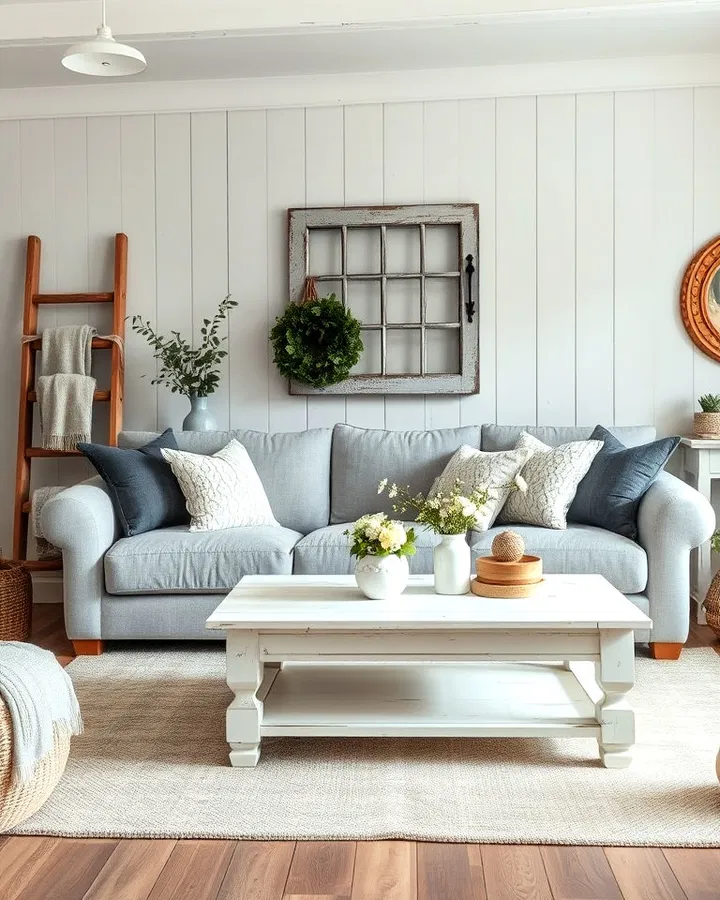
    Introduce warmth and character by blending rustic elements into your space. Use reclaimed wood, distressed finishes, and vintage-inspired décor to soften the cool tones of grey and white. A weathered coffee table, antique mirror, or woven textiles can add charm and personality. This combination creates a cozy, farmhouse-inspired feel that’s both welcoming and stylish.

    10. Play with Bold Patterns

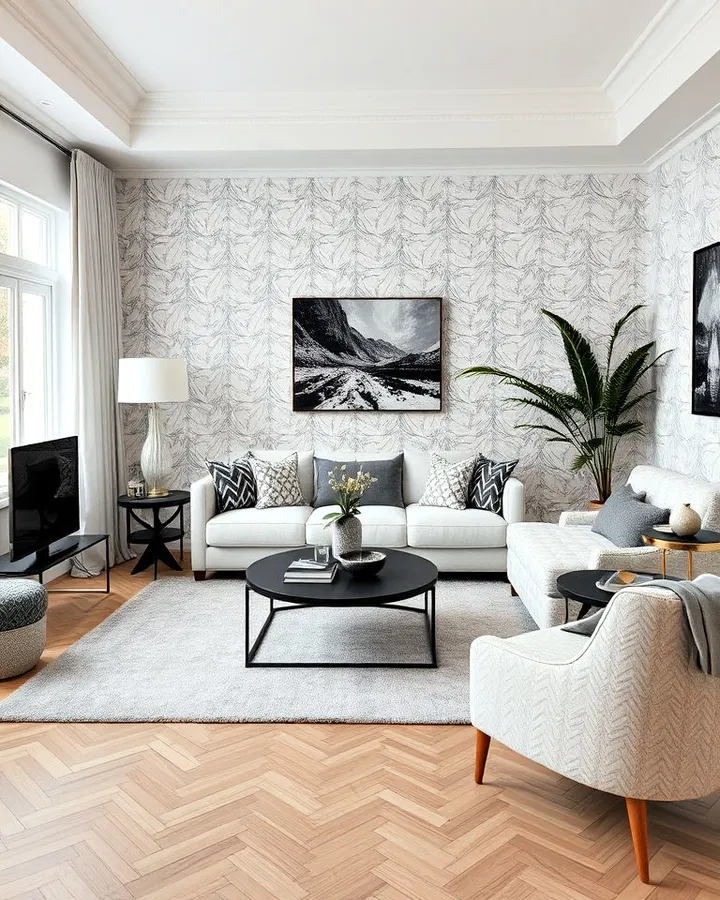
    Patterns can bring energy and movement into a neutral room. Incorporate geometric rugs, patterned cushions, or even wallpaper in grey and white tones. To keep things cohesive, limit yourself to two or three patterns and ensure they share a similar color palette. This adds visual interest without making the space feel chaotic.

    11. Use High-Contrast Styling

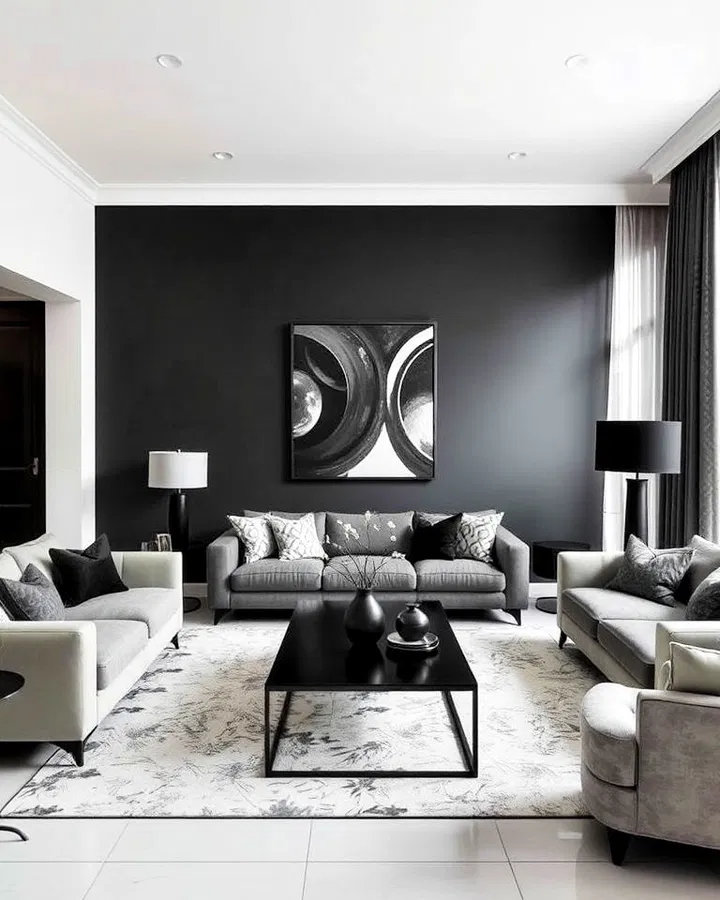
    Create a dramatic and modern look by emphasizing contrast. Pair bright white walls with deep charcoal furniture or vice versa. Black accents—like frames, lighting fixtures, or side tables—can further enhance the contrast. This bold approach adds definition and structure to the room, making it feel more dynamic and visually striking.

    12. Maximize Natural Light

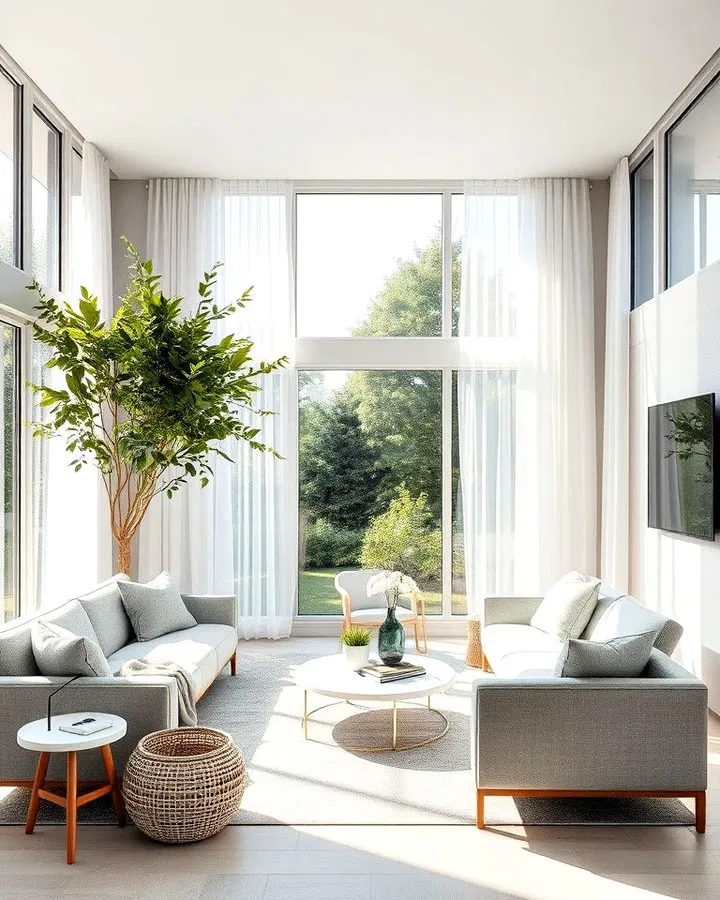
    Natural light plays a huge role in how grey tones appear. Use sheer white curtains or leave windows uncovered to allow sunlight to flow freely. Position mirrors strategically to reflect light and make the room feel larger. Choose lighter shades of grey for walls and furniture to keep the space feeling bright and open.

    13. Mix Styles for an Eclectic Look

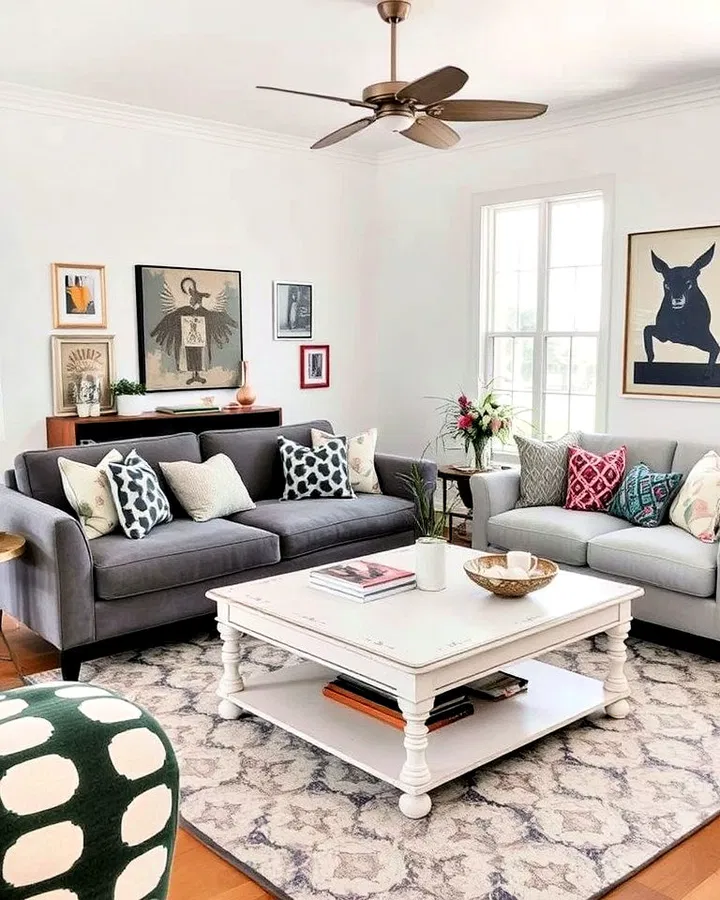
    An eclectic grey-and-white living room allows you to combine different styles while maintaining a cohesive base. Pair modern furniture with vintage finds, or mix sleek pieces with artistic décor. The neutral palette helps tie everything together, so you can experiment with unique textures, shapes, and accessories without overwhelming the space.

    14. Try Mid-Century Modern Design

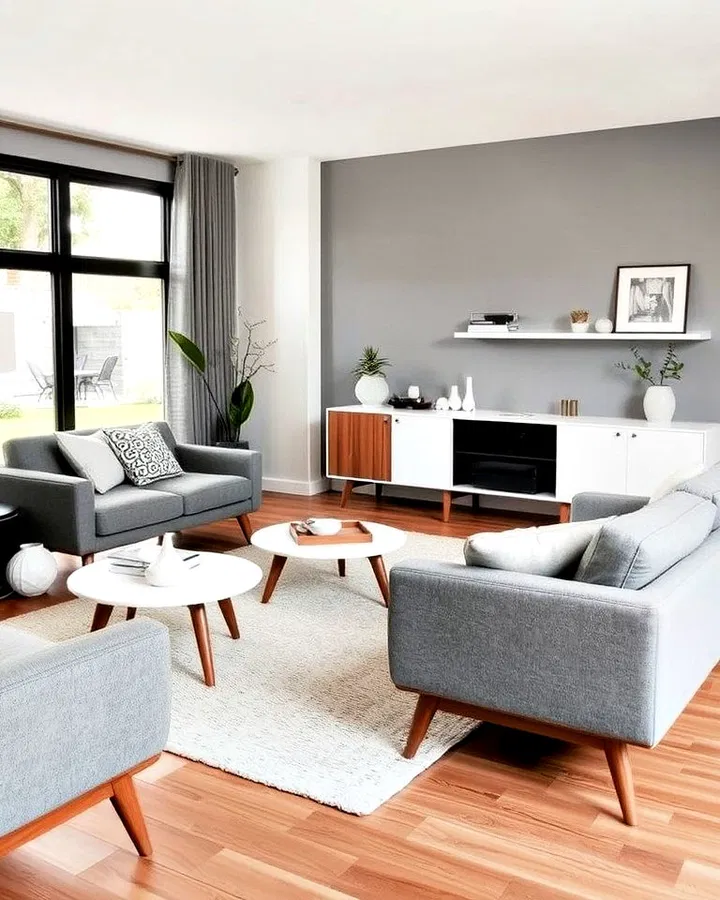
    Mid-century modern design works beautifully with a grey-and-white palette. Look for furniture with clean lines, tapered legs, and organic shapes. Combine grey upholstery with white surfaces and warm wood tones for balance. Add retro-inspired décor like abstract art or geometric patterns to complete the look.

    15. Design a Cozy Corner

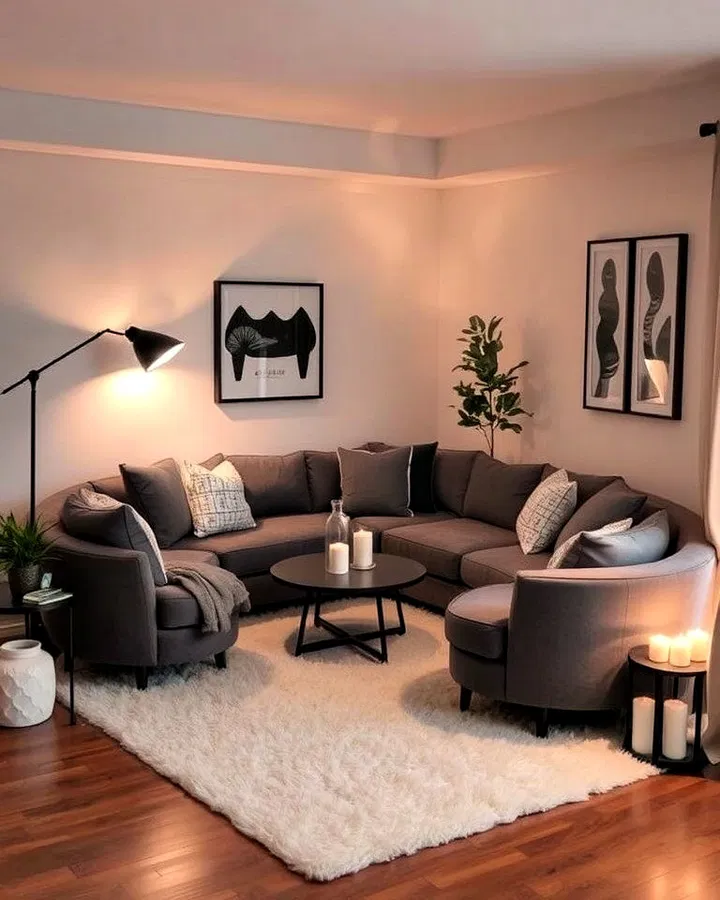
    Create a dedicated space for relaxation within your living room. A comfortable armchair, soft throw blanket, and warm lighting can turn any corner into a cozy retreat. Add a small side table for books or drinks to make it functional. This is perfect for reading, unwinding, or simply enjoying a quiet moment.

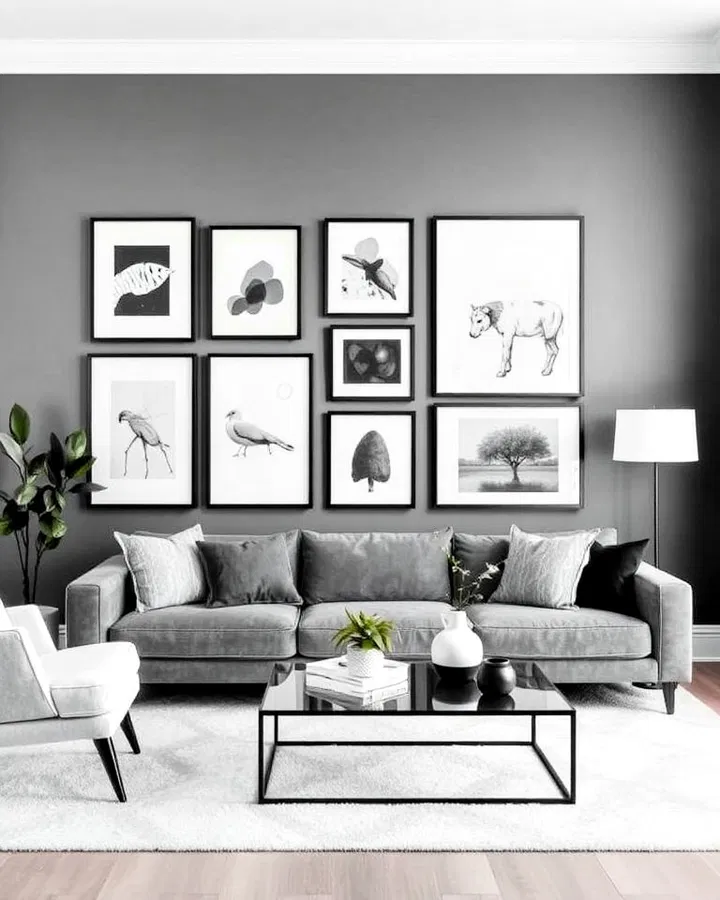
    16. Build a Gallery Wall

    A gallery wall is a great way to add personality to your space. Use frames in black, white, or metallic finishes to keep things cohesive. Mix artwork, photography, and prints to create visual interest. Arrange them in a structured grid or a more organic layout depending on your style.

    17. Mix Light and Dark Furniture

    Avoid a flat look by combining different shades of grey and white in your furniture. For example, pair a light grey sofa with darker chairs or a white coffee table with a charcoal rug. This layering creates depth and keeps the room visually balanced.

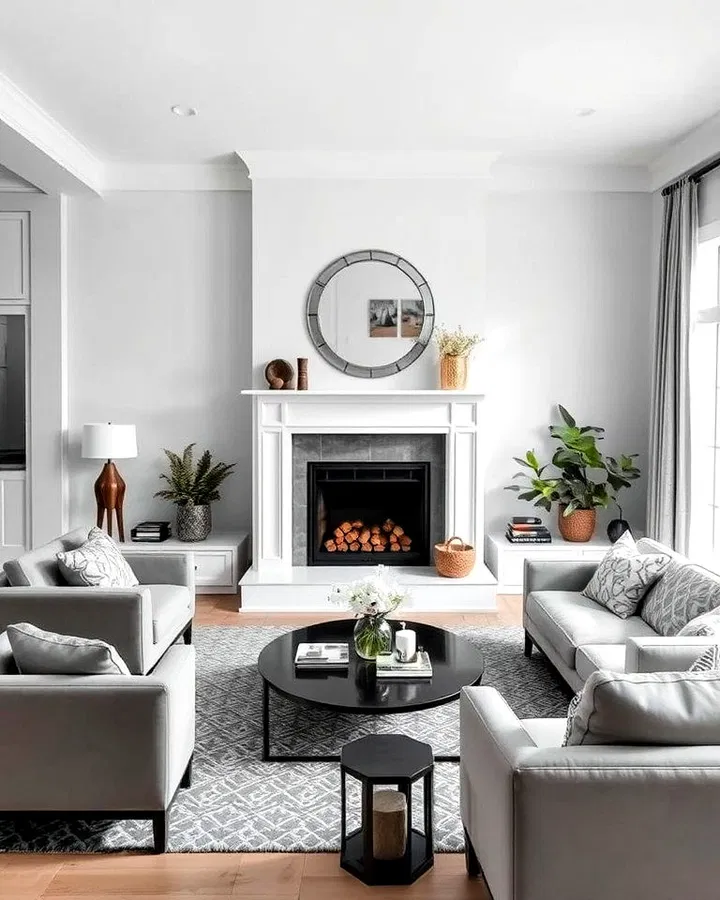
    18. Highlight the Fireplace

    If your living room has a fireplace, make it a focal point. Paint it in a contrasting shade or use textured materials like stone or tile. Arrange seating around it to create a natural gathering area. A well-designed fireplace can anchor the entire room.

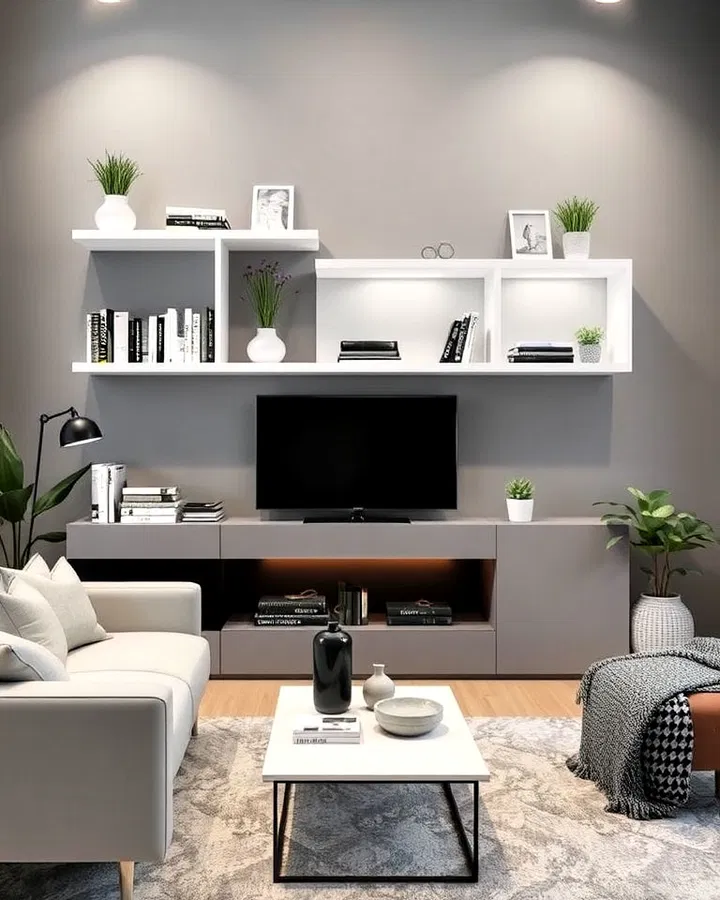
    19. Install Floating Shelves

    Floating shelves are both practical and stylish. Use them to display books, plants, and decorative objects that complement your color scheme. Keep the styling simple to maintain a clean look. They’re especially useful in smaller spaces where you want storage without bulk.

    20. Choose Statement Lighting

    Lighting can completely transform your living room. A bold chandelier, sculptural floor lamp, or modern pendant light can act as a centerpiece. Choose designs that complement your overall style while adding a touch of personality. Layer different lighting sources—ambient, task, and accent—to create a warm and inviting atmosphere.

  • 15 Stylish Coffee Table Centerpiece Ideas to Elevate Your Living Room

    Your coffee table is more than just a place to set drinks—it’s a focal point that can instantly define your living room’s style. With the right centerpiece, you can add personality, warmth, and visual interest without a full redesign. Whether your aesthetic leans modern, rustic, or eclectic, these creative ideas will help you style your coffee table like a pro.

    1. Sculptural Vases That Make a Statement

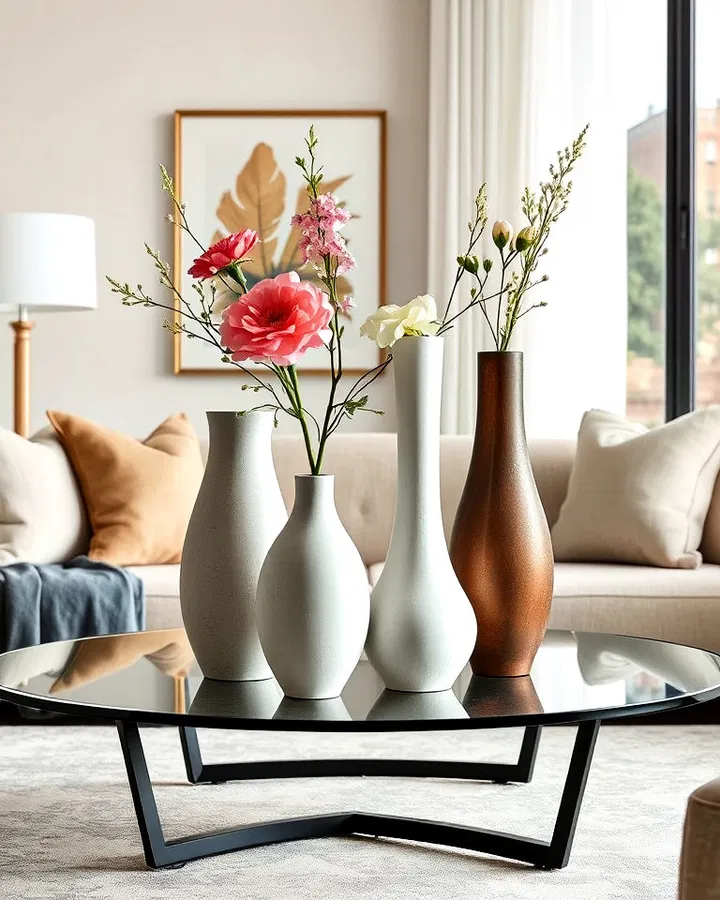
    A bold, sculptural vase can instantly elevate your coffee table into an artistic display. Look for unique shapes, asymmetrical designs, or textured finishes like matte ceramic or glass. You can leave it empty for a minimalist feel or add fresh stems for a softer touch. Grouping multiple vases at varying heights creates even more visual drama.

    2. Layered Tray Styling for a Polished Look

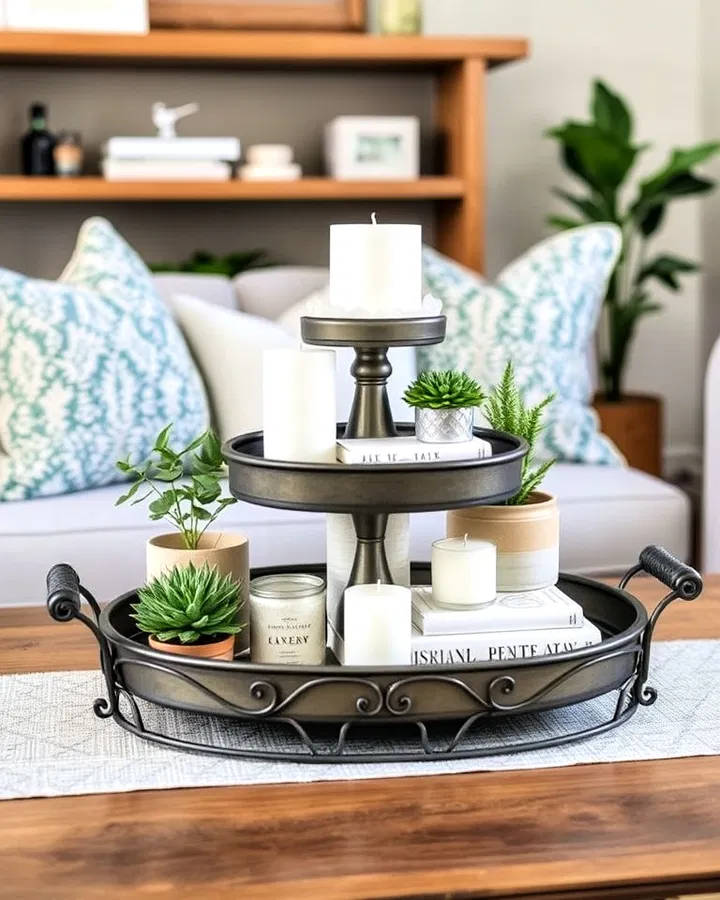
    Using a decorative tray is one of the easiest ways to create a cohesive centerpiece. Arrange candles, books, or small plants within the tray to keep everything organized while adding dimension. This technique works beautifully in both modern and farmhouse interiors, depending on the tray material you choose.

    3. Fresh Floral Arrangements for Instant Life

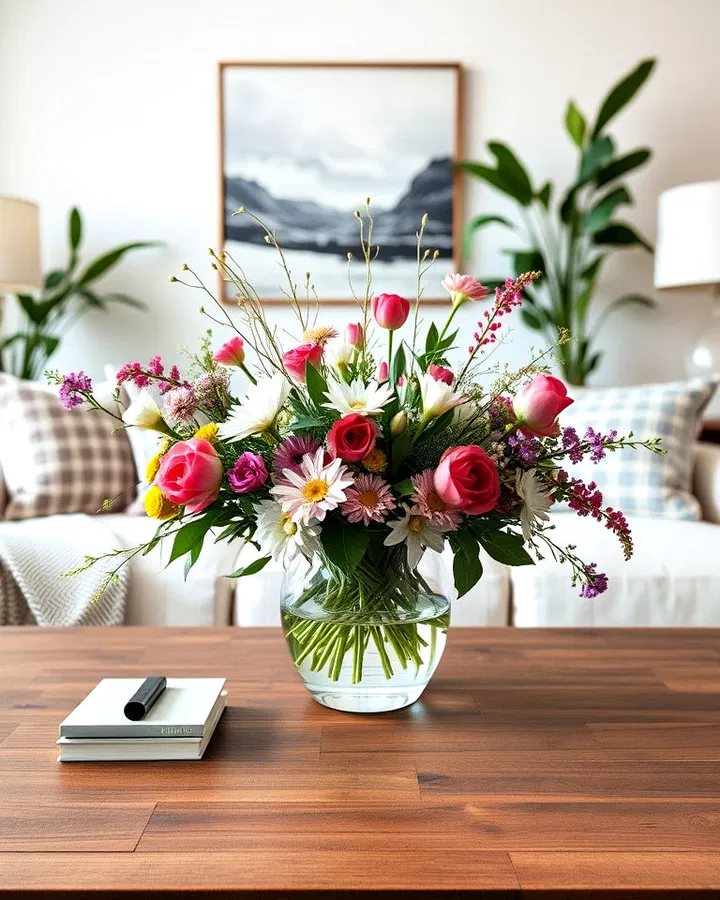
    Nothing refreshes a space like fresh flowers. Choose blooms that complement your color palette, whether soft neutrals or vibrant tones. A simple bouquet of roses or tulips offers elegance, while mixed wildflowers create a relaxed, natural vibe.

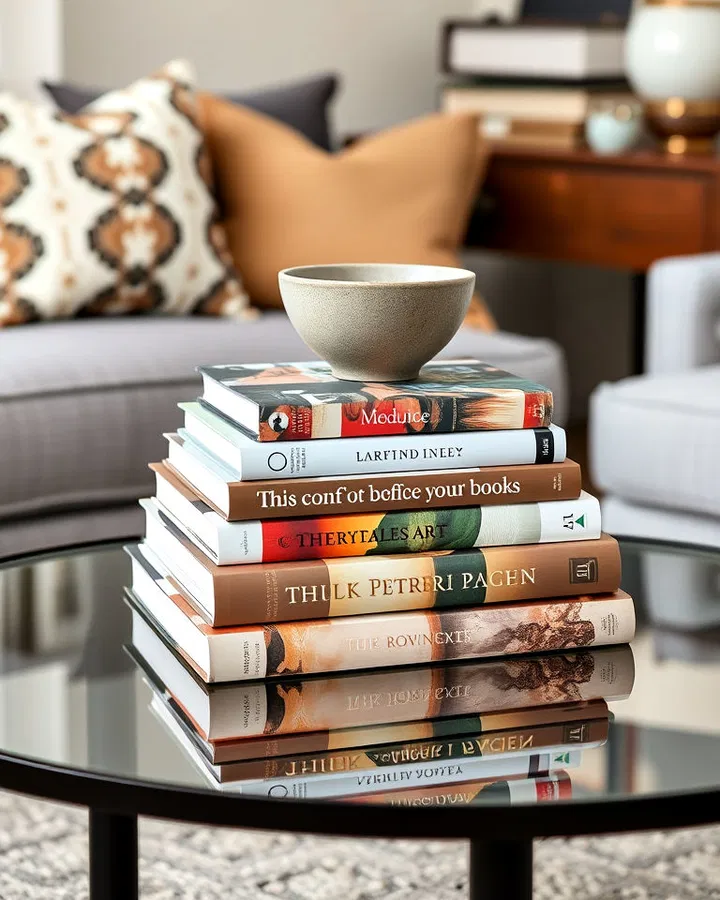
    4. Coffee Table Books with Personality

    Stacking a few well-chosen coffee table books adds sophistication and tells a story about your interests. Choose books on topics like travel, fashion, or interior design. Top them with a decorative object—like a small sculpture or candle—for a styled finish.

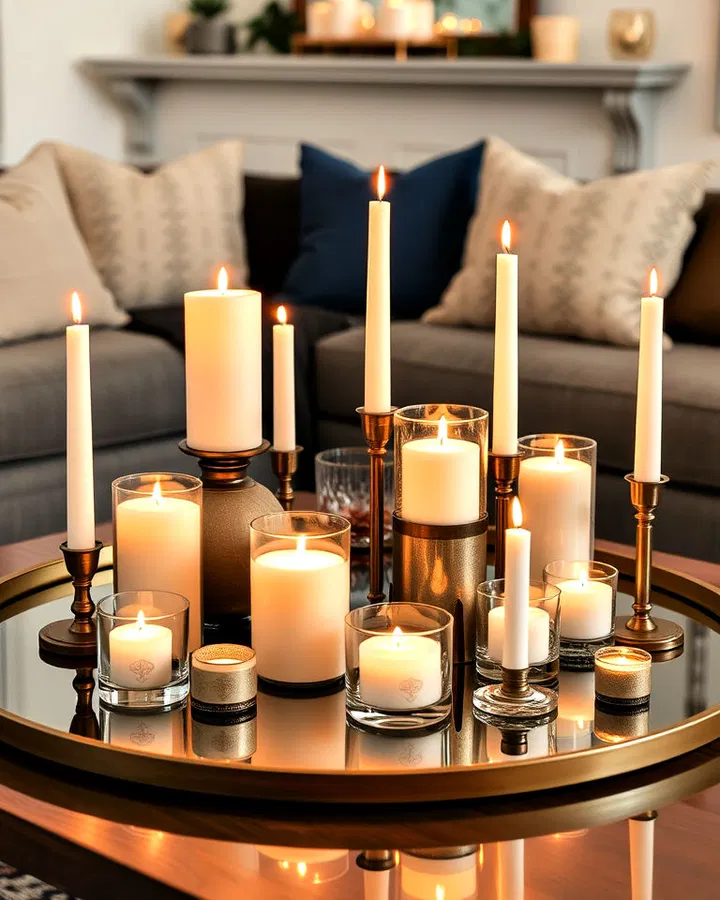
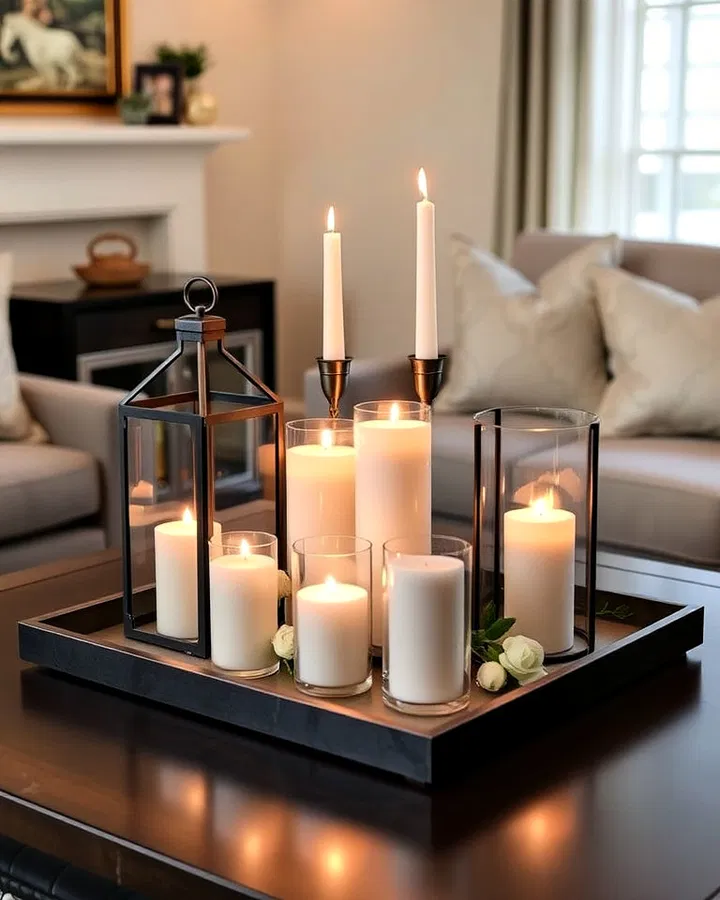
    5. Cozy Candle Clusters with Varying Heights

    Candles bring warmth and ambiance to any space. Mix pillar candles, tealights, and tapers in different holders to create layers of soft lighting. Stick to a cohesive color palette for a refined look, or mix materials like glass and metal for added texture.

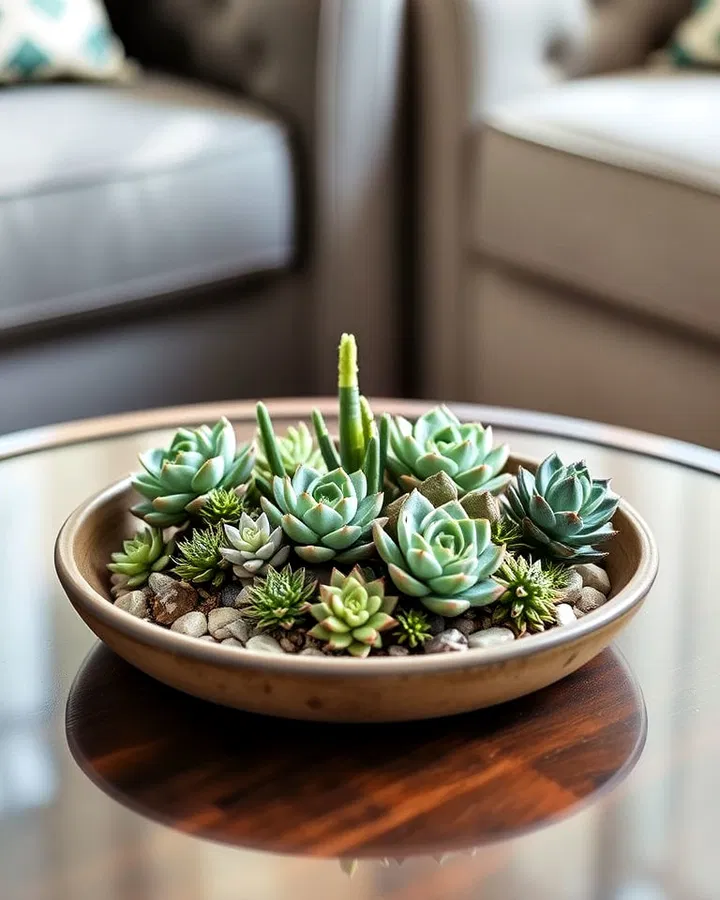
    6. Minimalist Succulent Displays

    If you want greenery without the upkeep, succulents are the perfect solution. Arrange a few in a shallow dish or modern planter. Their clean lines and subtle tones make them ideal for minimalist or contemporary spaces.

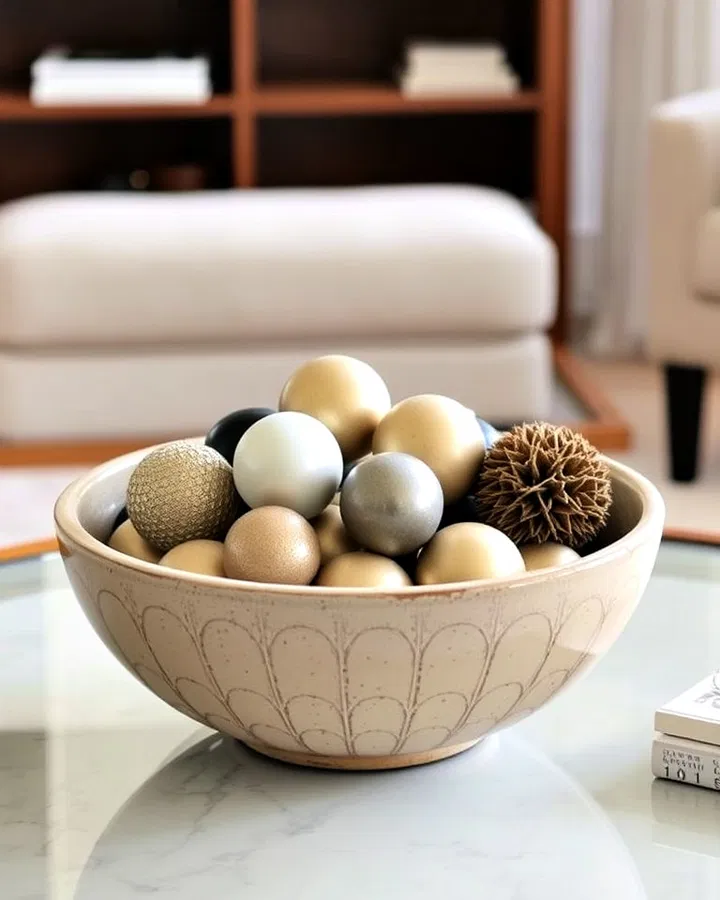
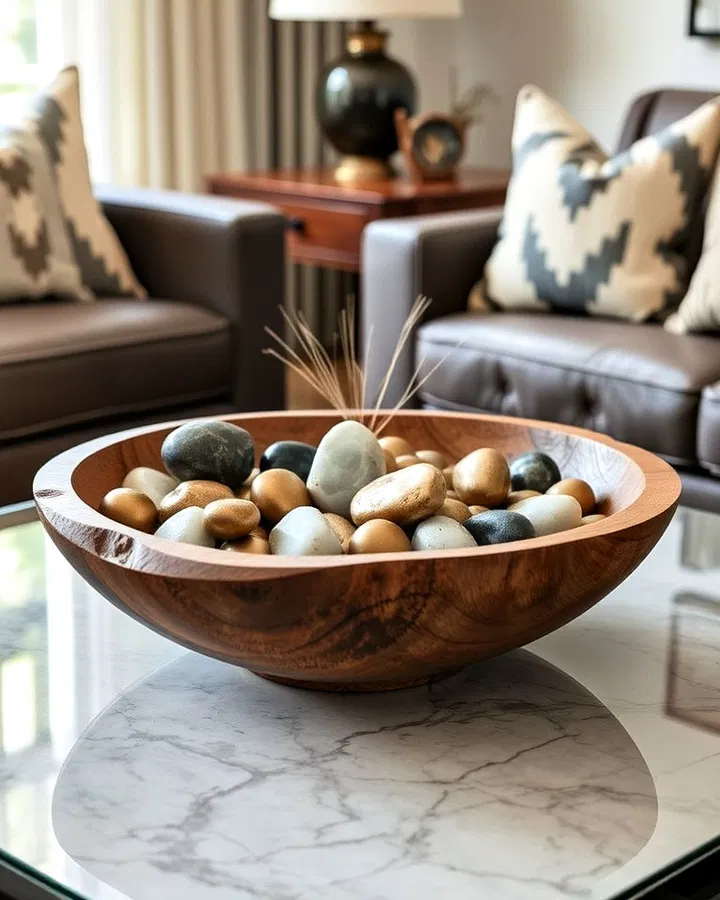
    7. Decorative Bowls Filled with Orbs

    A textured bowl filled with decorative spheres is simple yet visually impactful. Choose materials like wood, ceramic, or glass for the orbs, and match them with your room’s overall aesthetic. This is a low-maintenance option that always looks styled.

    8. Seasonal Decor That Evolves Year-Round

    Switching your centerpiece with the seasons keeps your space feeling fresh. Think pumpkins in fall, pinecones in winter, or seashells in summer. This flexible approach allows you to refresh your decor without starting from scratch.

    9. Artistic Figurines for a Personal Touch

    Unique figurines or small sculptures can add character and spark conversation. Choose pieces that reflect your personality—whether abstract designs, animals, or cultural artifacts—and pair them with books or greenery for balance.

    10. Mixed Material Arrangements for Texture

    Combining materials like wood, metal, glass, and stone creates a rich, layered look. For example, a wooden bowl with metallic accents or a glass vase paired with natural elements adds contrast and visual depth.

    11. Lantern and Candle Pairings for Warm Ambiance

    Lanterns paired with candles create a cozy, inviting atmosphere. This setup works especially well in rustic or transitional interiors. Choose neutral tones or metallic finishes so they blend seamlessly with your decor.

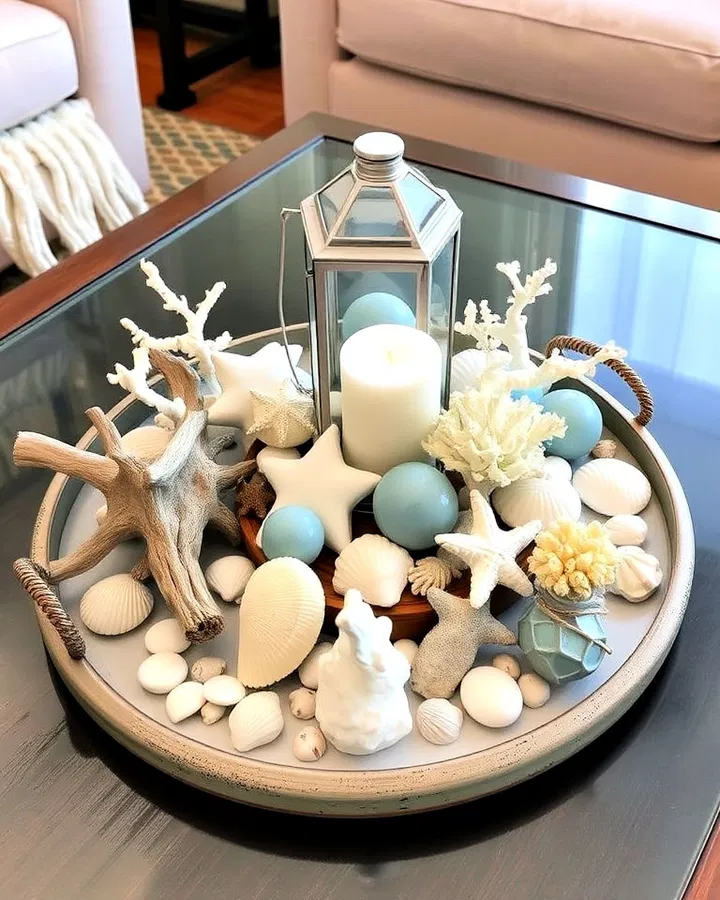
    12. Coastal-Inspired Centerpieces for a Relaxed Feel

    Bring a beachy vibe into your home with coastal elements like driftwood, shells, or coral. Arrange them in a tray or glass bowl, and incorporate soft blues and whites to complete the look. This style instantly creates a calm, airy atmosphere.

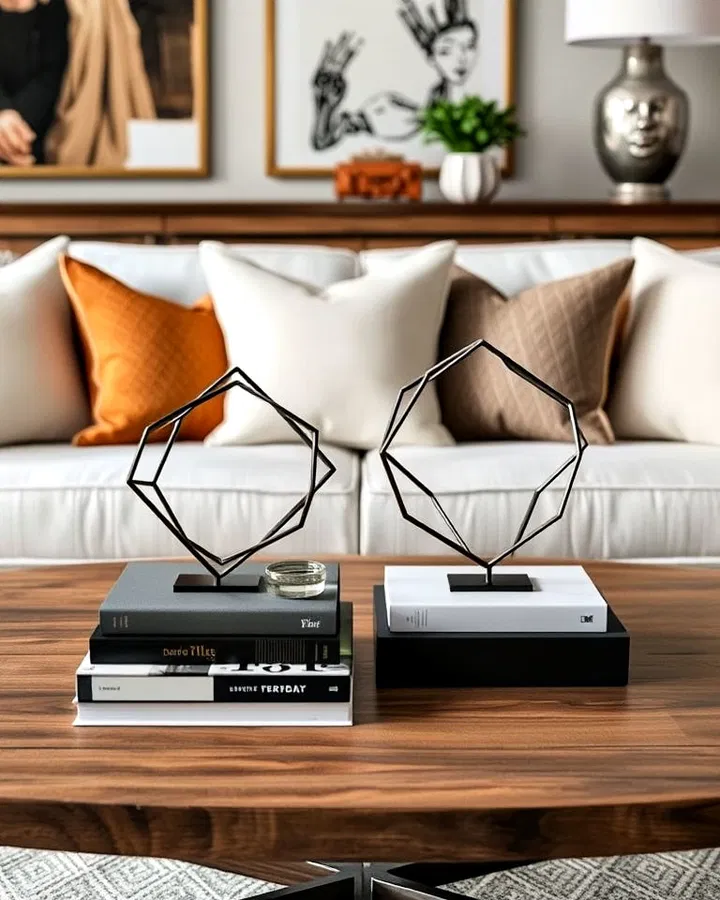
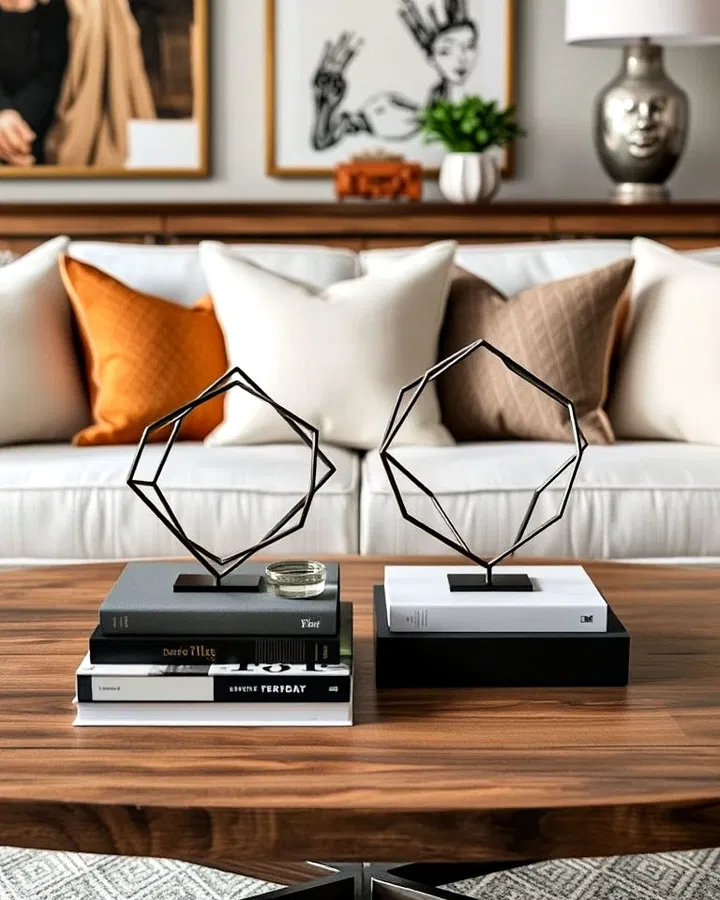
    13. Geometric Decor for a Modern Edge

    Geometric sculptures or decor pieces add a contemporary touch to your coffee table. Opt for clean lines and metallic finishes to create a bold focal point. Pair them with softer elements like books or plants to balance the look.

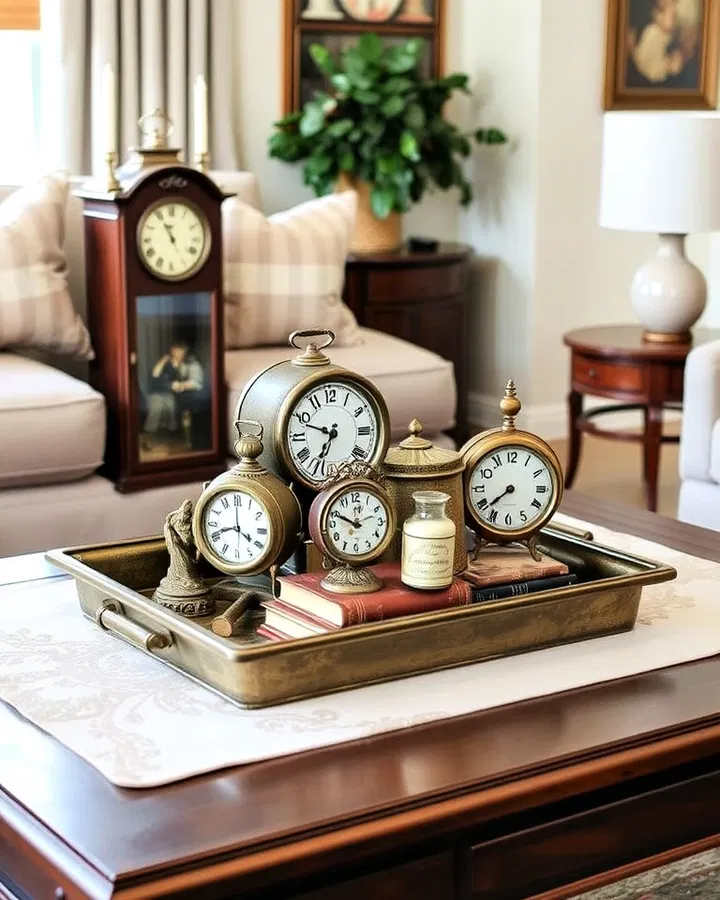
    14. Vintage Finds for Character and Charm

    Incorporating vintage items—like antique clocks, old books, or small collectibles—adds depth and storytelling to your space. Arrange them thoughtfully on a tray or runner to keep the display cohesive.

    15. Decorative Fruit Bowls for a Fresh Pop of Color

    A bowl filled with fresh or faux fruit is a timeless centerpiece. Bright colors like lemons, apples, or oranges add energy and warmth. For a more elevated look, mix in greenery or flowers for extra texture.

    Conclusion

    A beautifully styled coffee table can completely transform your living room without requiring a major overhaul. By combining elements like height, texture, and personal touches, you can create a centerpiece that feels both intentional and effortless. Whether you prefer minimalist greenery, cozy candle arrangements, or bold artistic pieces, the key is to keep your design balanced and reflective of your style.

    With these ideas, your coffee table becomes more than just functional—it becomes a true design statement.