Blog

  • 25+ Gluten-Free + High-Protein Lunch Recipes

    Finding a lunch that is both gluten-free and high in protein is essential for maintaining energy levels and focus throughout the afternoon. A well-balanced, protein-rich midday meal prevents the dreaded “afternoon slump” and keeps you satiated until dinner. Whether you are packing a lunch for the office, working from home, or prepping meals for the week, having a repertoire of reliable recipes is key.

    This comprehensive guide features over 25 gluten-free and high-protein lunch recipes. From vibrant salads and hearty bowls to comforting soups and creative wraps, these meals utilize naturally gluten-free ingredients like quinoa, lentils, chicken, tuna, and legumes. Each recipe includes a full list of ingredients and step-by-step instructions to make your lunchtime both delicious and nutritious.

    Vibrant Salads

    Salads don’t have to be boring or leave you hungry an hour later. By incorporating substantial protein sources and healthy fats, these salads are complete meals.

    1. Mediterranean Chicken Quinoa Salad

    A refreshing and filling salad that combines lean chicken breast with protein-packed quinoa and fresh vegetables.

    Ingredients:

    • 1 cup cooked quinoa (ensure it is certified gluten-free)
    • 6 oz grilled chicken breast, diced
    • 1/2 cup cherry tomatoes, halved
    • 1/2 cup cucumber, diced
    • 1/4 cup red onion, finely chopped
    • 1/4 cup Kalamata olives, pitted and halved
    • 2 tablespoons feta cheese, crumbled
    • 1 tablespoon extra-virgin olive oil
    • 1 tablespoon fresh lemon juice
    • 1/2 teaspoon dried oregano
    • Salt and black pepper to taste

    Instructions:

    1. In a large mixing bowl, combine the cooked quinoa, diced grilled chicken, cherry tomatoes, cucumber, red onion, and Kalamata olives.
    2. In a small bowl, whisk together the olive oil, fresh lemon juice, dried oregano, salt, and black pepper to create the dressing.
    3. Pour the dressing over the salad and toss well to ensure all ingredients are evenly coated.
    4. Gently fold in the crumbled feta cheese.
    5. Serve immediately or refrigerate in an airtight container for up to 3 days.

    2. High-Protein Tuna and White Bean Salad

    This no-cook salad is incredibly fast to assemble and relies on pantry staples, making it perfect for busy days.

    Ingredients:

    • 1 can (5 oz) solid white albacore tuna in water, drained and flaked
    • 1/2 cup canned Cannellini beans (white beans), rinsed and drained
    • 1/4 cup celery, finely diced
    • 2 tablespoons red onion, finely minced
    • 1 tablespoon fresh parsley, chopped
    • 1 tablespoon olive oil
    • 1 tablespoon red wine vinegar
    • 1/2 teaspoon Dijon mustard
    • Salt and freshly ground black pepper

    Instructions:

    1. In a medium bowl, combine the flaked tuna, rinsed Cannellini beans, diced celery, red onion, and fresh parsley.
    2. In a separate small bowl, whisk together the olive oil, red wine vinegar, Dijon mustard, salt, and pepper.
    3. Pour the vinaigrette over the tuna and bean mixture.
    4. Toss gently until everything is well combined.
    5. Serve over a bed of mixed greens or enjoy it straight from the bowl.

    3. Edamame and Shredded Chicken Crunch Salad

    Edamame provides an excellent source of plant-based protein, complementing the shredded chicken perfectly.

    Ingredients:

    • 2 cups shredded cabbage (red or green)
    • 1 cup cooked chicken breast, shredded
    • 1/2 cup shelled edamame, steamed and cooled
    • 1/4 cup carrots, julienned or grated
    • 2 tablespoons sliced almonds
    • 1 tablespoon gluten-free tamari or coconut aminos
    • 1 tablespoon rice vinegar
    • 1 teaspoon sesame oil
    • 1/2 teaspoon grated fresh ginger

    Instructions:

    1. In a large salad bowl, toss together the shredded cabbage, shredded chicken, edamame, carrots, and sliced almonds.
    2. In a small jar with a tight-fitting lid, combine the gluten-free tamari, rice vinegar, sesame oil, and grated ginger. Shake vigorously to emulsify the dressing.
    3. Drizzle the dressing over the salad and toss thoroughly.
    4. Let the salad sit for 5-10 minutes before eating to allow the cabbage to soften slightly and absorb the flavors.

    4. Steak and Arugula Salad with Balsamic Vinaigrette

    A fantastic way to repurpose leftover steak into a gourmet, high-protein lunch.

    Ingredients:

    • 3 cups fresh baby arugula
    • 4 oz leftover cooked steak (flank or sirloin), thinly sliced
    • 1/4 cup cherry tomatoes, halved
    • 1/4 cup cucumber, sliced
    • 1 tablespoon shaved Parmesan cheese
    • 1 tablespoon balsamic vinegar
    • 1 tablespoon extra-virgin olive oil
    • 1/2 teaspoon Dijon mustard
    • Salt and pepper to taste

    Instructions:

    1. Place the fresh baby arugula in a large serving bowl.
    2. Arrange the thinly sliced steak, cherry tomatoes, and cucumber slices on top of the arugula.
    3. In a small bowl, whisk together the balsamic vinegar, olive oil, Dijon mustard, salt, and pepper.
    4. Drizzle the vinaigrette evenly over the salad.
    5. Top with shaved Parmesan cheese and serve immediately.

    5. Spicy Shrimp and Avocado Salad

    Shrimp cooks in minutes and is extremely high in protein and low in fat, making it an ideal lunch protein.

    Ingredients:

    • 6 oz raw shrimp, peeled and deveined
    • 1/2 teaspoon chili powder
    • 1/4 teaspoon garlic powder
    • 1 teaspoon olive oil (for cooking)
    • 2 cups mixed salad greens
    • 1/2 avocado, diced
    • 1/4 cup corn kernels (canned or thawed from frozen)
    • 1 tablespoon lime juice
    • 1 tablespoon fresh cilantro, chopped

    Instructions:

    1. Toss the raw shrimp with the chili powder and garlic powder until evenly coated.
    2. Heat the olive oil in a skillet over medium-high heat. Add the shrimp and cook for 2-3 minutes per side until pink and opaque. Remove from heat and let cool slightly.
    3. In a large bowl, combine the mixed salad greens, diced avocado, and corn kernels.
    4. Add the cooked shrimp to the salad.
    5. Drizzle with fresh lime juice and sprinkle with chopped cilantro. Toss gently and serve.

    Hearty Bowls

    Grain and protein bowls are excellent for meal prepping. They are highly customizable and easy to pack for work.

    6. Ground Turkey Taco Bowl

    All the flavors of a taco without the shell, packed with lean protein and fiber.

    Ingredients:

    • 1/2 lb lean ground turkey
    • 1 tablespoon gluten-free taco seasoning
    • 1/2 cup cooked brown rice or cauliflower rice
    • 1/4 cup black beans, rinsed and drained
    • 1/4 cup corn kernels
    • 2 tablespoons salsa
    • 1 tablespoon plain Greek yogurt (as a sour cream substitute)
    • Fresh cilantro for garnish

    Instructions:

    1. Heat a non-stick skillet over medium heat. Add the ground turkey and cook until browned, breaking it apart with a spatula.
    2. Stir in the gluten-free taco seasoning and a splash of water. Simmer for 2 minutes until the turkey is fully coated and the liquid has absorbed.
    3. In a serving bowl, lay down a base of cooked brown rice or cauliflower rice.
    4. Top the rice with the seasoned ground turkey, black beans, and corn.
    5. Add a dollop of salsa and plain Greek yogurt in the center.
    6. Garnish with fresh cilantro and serve warm.

    7. Salmon and Roasted Sweet Potato Bowl

    Rich in omega-3 fatty acids and high-quality protein, this bowl is both comforting and nutritious.

    Ingredients:

    • 1 salmon fillet (about 5 oz)
    • 1 cup sweet potato, peeled and cubed
    • 1 cup broccoli florets
    • 1 tablespoon olive oil
    • 1/2 teaspoon smoked paprika
    • Salt and pepper to taste
    • 1 tablespoon lemon juice

    Instructions:

    1. Preheat your oven to 400°F (200°C). Line a baking sheet with parchment paper.
    2. Toss the cubed sweet potato and broccoli florets with the olive oil, smoked paprika, salt, and pepper. Spread them out on one side of the baking sheet.
    3. Place the salmon fillet on the other side of the baking sheet. Season the salmon with salt, pepper, and a squeeze of lemon juice.
    4. Roast in the oven for 15-20 minutes, or until the sweet potatoes are tender and the salmon flakes easily with a fork.
    5. Transfer the roasted vegetables and salmon to a bowl and enjoy.

    8. Vegan Tofu and Quinoa Buddha Bowl

    A completely plant-based bowl that doesn’t skimp on protein, utilizing extra-firm tofu and quinoa.

    Ingredients:

    • 1/2 block (7 oz) extra-firm tofu, pressed and cubed
    • 1 tablespoon gluten-free tamari
    • 1 teaspoon sesame oil
    • 1/2 cup cooked quinoa
    • 1/2 cup steamed spinach or kale
    • 1/4 cup shredded carrots
    • 1 tablespoon tahini
    • 1 teaspoon lemon juice
    • 1 teaspoon warm water (to thin the dressing)

    Instructions:

    1. Preheat your oven to 400°F (200°C). Toss the cubed tofu with the gluten-free tamari and sesame oil.
    2. Spread the tofu on a baking sheet and bake for 20-25 minutes until golden and crispy, flipping halfway through.
    3. In a small bowl, whisk together the tahini, lemon juice, and warm water until a smooth dressing forms.
    4. Assemble the bowl by placing the cooked quinoa at the base.
    5. Arrange the baked tofu, steamed spinach, and shredded carrots over the quinoa.
    6. Drizzle the tahini dressing over the top before serving.

    9. Chicken Fajita Prep Bowl

    A deconstructed fajita that is easy to make in large batches for the week.

    Ingredients:

    • 6 oz chicken breast, sliced into strips
    • 1/2 bell pepper (any color), sliced
    • 1/4 red onion, sliced
    • 1 tablespoon olive oil
    • 1 teaspoon chili powder
    • 1/2 teaspoon cumin
    • 1/2 cup cooked quinoa or rice
    • 1/4 avocado, sliced

    Instructions:

    1. In a bowl, toss the chicken strips, sliced bell pepper, and red onion with the olive oil, chili powder, and cumin until well coated.
    2. Heat a large skillet over medium-high heat. Add the chicken and vegetable mixture.
    3. Sauté for 7-10 minutes, stirring frequently, until the chicken is cooked through and the vegetables are tender-crisp.
    4. Place the cooked quinoa or rice in a serving bowl.
    5. Top with the chicken fajita mixture and sliced avocado. Serve warm.

    10. Lentil and Roasted Vegetable Power Bowl

    Lentils are an incredible source of both protein and dietary fiber, keeping you full for hours.

    Ingredients:

    • 1/2 cup cooked green or brown lentils
    • 1/2 cup Brussels sprouts
    • 1/2 cup butternut squash, cubed
    • 1 tablespoon olive oil
    • 1/2 teaspoon garlic powder
    • Salt and pepper to taste
    • 1 tablespoon balsamic glaze

    Instructions:

    1. Preheat your oven to 400°F (200°C).
    2. Toss the Brussels sprouts and cubed butternut squash with the olive oil, garlic powder, salt, and pepper.
    3. Spread the vegetables on a baking sheet and roast for 20-25 minutes until tender and caramelized.
    4. In a bowl, combine the cooked lentils with the roasted vegetables.
    5. Drizzle the balsamic glaze over the top and toss gently. Serve warm or at room temperature.

    Wraps and Handheld Lunches

    Using gluten-free wraps, lettuce cups, or high-protein bread alternatives makes these lunches portable and satisfying.

    11. Classic Chicken Salad Lettuce Wraps

    A low-carb, high-protein classic that swaps mayo for Greek yogurt to boost the protein content even further.

    Ingredients:

    • 1 cup cooked chicken breast, shredded or finely diced
    • 1/4 cup plain Greek yogurt
    • 1 tablespoon Dijon mustard
    • 1/4 cup celery, finely diced
    • 1 tablespoon fresh dill, chopped
    • Salt and black pepper to taste
    • 4 large butter lettuce or romaine leaves

    Instructions:

    1. In a medium bowl, combine the shredded chicken, plain Greek yogurt, Dijon mustard, diced celery, and fresh dill.
    2. Mix thoroughly until the chicken is evenly coated. Season with salt and black pepper to taste.
    3. Wash and dry the lettuce leaves carefully to avoid tearing them.
    4. Spoon the chicken salad mixture evenly into the center of each lettuce leaf.
    5. Serve immediately or pack the chicken salad separately from the lettuce leaves if taking it to go.

    12. Turkey and Hummus Gluten-Free Wrap

    A quick and easy wrap that utilizes store-bought gluten-free tortillas and protein-rich hummus.

    Ingredients:

    • 1 large gluten-free tortilla or wrap
    • 2 tablespoons high-protein hummus
    • 4 slices deli turkey breast (ensure it is gluten-free)
    • 1/4 cup fresh spinach or mixed greens
    • 2 slices tomato
    • 1 slice provolone or Swiss cheese (optional)

    Instructions:

    1. Lay the gluten-free tortilla flat on a clean surface.
    2. Spread the hummus evenly over the center of the tortilla, leaving a small border around the edges.
    3. Layer the deli turkey slices, fresh spinach, tomato slices, and cheese over the hummus.
    4. Fold the sides of the tortilla inward, then roll it up tightly from the bottom to form a wrap.
    5. Slice in half diagonally and serve.

    13. Egg Salad Stuffed Bell Peppers

    Using bell peppers instead of bread adds crunch, vitamins, and keeps the meal entirely gluten-free.

    Ingredients:

    • 4 hard-boiled eggs, peeled and chopped
    • 2 tablespoons plain Greek yogurt or avocado oil mayonnaise
    • 1 teaspoon yellow mustard
    • 1 tablespoon fresh chives, chopped
    • Salt, pepper, and paprika to taste
    • 2 medium bell peppers (any color), halved and seeded

    Instructions:

    1. In a bowl, mash the chopped hard-boiled eggs with a fork.
    2. Stir in the Greek yogurt, yellow mustard, fresh chives, salt, pepper, and paprika until well combined.
    3. Spoon the egg salad mixture generously into the hollowed-out bell pepper halves.
    4. Garnish with an extra sprinkle of paprika or fresh chives.
    5. Serve chilled.

    14. Smoked Salmon and Cream Cheese Cucumber Subs

    A refreshing, no-cook lunch that feels elegant but takes only minutes to prepare.

    Ingredients:

    • 1 large English cucumber
    • 4 oz smoked salmon, thinly sliced
    • 2 tablespoons whipped cream cheese or dairy-free alternative
    • 1 tablespoon fresh dill, chopped
    • 1 teaspoon lemon juice
    • Everything bagel seasoning (ensure it is gluten-free)

    Instructions:

    1. Cut the English cucumber in half crosswise, then slice each half lengthwise to create four “sub” buns.
    2. Use a spoon to carefully scoop out the seeds from the center of each cucumber piece, creating a hollow channel.
    3. In a small bowl, mix the cream cheese, fresh dill, and lemon juice until smooth.
    4. Spread the cream cheese mixture into the hollowed channels of the cucumber slices.
    5. Layer the smoked salmon over the cream cheese.
    6. Sprinkle generously with everything bagel seasoning and serve immediately.

    15. Spicy Buffalo Chicken Collard Wraps

    Collard greens are sturdy and make excellent, nutrient-dense wraps for spicy, high-protein fillings.

    Ingredients:

    • 1 cup cooked chicken breast, shredded
    • 2 tablespoons buffalo sauce (check label for gluten-free)
    • 1 tablespoon plain Greek yogurt or ranch dressing
    • 1/4 cup shredded carrots
    • 1/4 cup celery, thinly sliced
    • 2 large collard green leaves, stems trimmed and blanched

    Instructions:

    1. In a bowl, toss the shredded chicken with the buffalo sauce and Greek yogurt until fully coated.
    2. Lay the blanched collard green leaves flat on a cutting board.
    3. Place half of the buffalo chicken mixture in the center of each leaf.
    4. Top with the shredded carrots and sliced celery.
    5. Fold the sides of the collard leaf inward and roll tightly, similar to a burrito.
    6. Slice in half and serve.

    Comforting Soups and Stews

    Soups are fantastic for meal prep. They freeze well and can be packed with protein-rich legumes and meats.

    16. High-Protein Lentil and Vegetable Soup

    A hearty, warming soup that provides a massive dose of plant-based protein and fiber.

    Ingredients:

    • 1 cup dry green or brown lentils, rinsed
    • 4 cups low-sodium vegetable or chicken broth
    • 1 cup diced carrots
    • 1 cup diced celery
    • 1/2 cup diced onion
    • 2 cloves garlic, minced
    • 1 can (14.5 oz) diced tomatoes, undrained
    • 1 teaspoon dried thyme
    • 1 teaspoon dried oregano
    • 1 tablespoon olive oil
    • Salt and pepper to taste

    Instructions:

    1. Heat the olive oil in a large pot or Dutch oven over medium heat.
    2. Add the diced carrots, celery, and onion. Sauté for 5-7 minutes until the vegetables are softened.
    3. Stir in the minced garlic, dried thyme, and dried oregano, cooking for 1 more minute until fragrant.
    4. Add the rinsed lentils, diced tomatoes (with their juices), and broth to the pot.
    5. Bring the soup to a boil, then reduce the heat to low, cover, and simmer for 25-30 minutes, or until the lentils are tender.
    6. Season with salt and pepper to taste before serving hot.

    17. Quick Chicken and White Bean Chili

    A faster, lighter take on traditional chili that uses white beans and shredded chicken for a protein boost.

    Ingredients:

    • 1 cup cooked chicken breast, shredded
    • 1 can (15 oz) Cannellini or Great Northern beans, rinsed and drained
    • 1 cup low-sodium chicken broth
    • 1/2 cup salsa verde (green salsa)
    • 1/2 teaspoon ground cumin
    • 1/2 teaspoon chili powder
    • 1 tablespoon olive oil
    • Fresh cilantro and lime wedges for garnish

    Instructions:

    1. Heat the olive oil in a medium saucepan over medium heat.
    2. Add the shredded chicken, rinsed white beans, chicken broth, salsa verde, cumin, and chili powder.
    3. Stir well to combine and bring the mixture to a gentle simmer.
    4. Let the chili simmer uncovered for 10-15 minutes to allow the flavors to meld and the liquid to reduce slightly.
    5. Ladle into bowls and garnish with fresh cilantro and a squeeze of lime juice.

    18. Creamy Tomato and Red Lentil Soup

    Red lentils break down when cooked, naturally thickening the soup and adding hidden protein.

    Ingredients:

    • 1/2 cup dry red lentils, rinsed
    • 1 can (28 oz) crushed tomatoes
    • 2 cups vegetable broth
    • 1/2 cup coconut milk (canned, full-fat)
    • 1/2 cup chopped onion
    • 2 cloves garlic, minced
    • 1 tablespoon olive oil
    • 1 teaspoon smoked paprika
    • Salt and pepper to taste

    Instructions:

    1. Heat the olive oil in a large pot over medium heat. Add the chopped onion and sauté until translucent, about 5 minutes.
    2. Add the minced garlic and smoked paprika, cooking for 1 minute.
    3. Pour in the crushed tomatoes, vegetable broth, and rinsed red lentils.
    4. Bring to a boil, then reduce heat, cover, and simmer for 20 minutes until the lentils are very soft.
    5. Use an immersion blender to puree the soup until smooth and creamy.
    6. Stir in the coconut milk and season with salt and pepper. Serve warm.

    19. Beef and Cabbage Detox Soup

    A low-carb, high-protein soup that is incredibly filling and packed with nutrient-dense cabbage.

    Ingredients:

    • 1/2 lb lean ground beef
    • 4 cups beef broth
    • 2 cups shredded green cabbage
    • 1 can (14.5 oz) diced tomatoes
    • 1/2 cup diced onion
    • 1 teaspoon garlic powder
    • 1 teaspoon Italian seasoning
    • Salt and pepper to taste

    Instructions:

    1. In a large pot, brown the lean ground beef over medium-high heat, breaking it apart as it cooks. Drain any excess fat.
    2. Add the diced onion, garlic powder, and Italian seasoning to the beef. Cook for 3 minutes.
    3. Stir in the shredded cabbage, diced tomatoes, and beef broth.
    4. Bring the soup to a boil, then reduce the heat to low and simmer for 15-20 minutes until the cabbage is tender.
    5. Season with salt and pepper to taste. Serve hot.

    20. Turkey Sausage and Kale Soup

    Spicy turkey sausage provides robust flavor and high protein, while kale adds essential vitamins.

    Ingredients:

    • 1/2 lb gluten-free spicy turkey sausage, casings removed
    • 4 cups chicken broth
    • 2 cups fresh kale, chopped and stems removed
    • 1 can (15 oz) white beans, rinsed and drained
    • 1/2 cup diced onion
    • 1 tablespoon olive oil
    • 1/4 teaspoon red pepper flakes (optional)

    Instructions:

    1. Heat the olive oil in a large pot over medium heat. Add the turkey sausage and diced onion.
    2. Cook until the sausage is browned and crumbled, and the onions are soft.
    3. Pour in the chicken broth and rinsed white beans. Bring to a simmer.
    4. Stir in the chopped kale and red pepper flakes.
    5. Simmer for 10 minutes until the kale is wilted and tender. Serve hot.

    More Quick Lunch Ideas

    21. Tuna Salad Lettuce Wraps

    A classic, no-fuss lunch that is ready in minutes and requires zero cooking.

    Ingredients:

    • 2 cans (5 oz each) white albacore tuna in water, drained
    • 2 tablespoons plain Greek yogurt or avocado oil mayonnaise
    • 1 teaspoon Dijon mustard
    • 1/4 cup celery, finely diced
    • 1 tablespoon fresh lemon juice
    • Salt and pepper to taste
    • 4 large romaine or butter lettuce leaves

    Instructions:

    1. In a medium bowl, flake the drained tuna with a fork.
    2. Add the Greek yogurt, Dijon mustard, diced celery, and lemon juice. Mix well.
    3. Season with salt and pepper to taste.
    4. Spoon the tuna salad into the center of each lettuce leaf.
    5. Fold the sides of the lettuce inward and eat like a taco. Serve immediately.

    22. Quinoa and Black Bean Burrito Bowl

    A fully plant-based, high-protein bowl that is both filling and deeply flavorful.

    Ingredients:

    • 1 cup cooked quinoa
    • 1/2 cup black beans, rinsed and drained
    • 1/4 cup corn kernels
    • 1/4 cup diced red onion
    • 1/4 cup diced tomato
    • 1/4 avocado, sliced
    • 1 tablespoon fresh lime juice
    • 1 tablespoon fresh cilantro
    • 1/2 teaspoon cumin

    Instructions:

    1. In a serving bowl, place the cooked quinoa as the base.
    2. Top with the rinsed black beans, corn, diced red onion, and diced tomato.
    3. Arrange the sliced avocado on top.
    4. Drizzle with fresh lime juice and sprinkle with cumin and fresh cilantro.
    5. Toss gently before eating.

    23. Shrimp Fried Cauliflower Rice

    A low-carb, high-protein twist on classic fried rice using cauliflower rice.

    Ingredients:

    • 1/2 lb raw shrimp, peeled and deveined
    • 2 cups cauliflower rice (fresh or frozen)
    • 1/4 cup frozen peas and carrots
    • 2 large eggs, beaten
    • 2 tablespoons gluten-free tamari
    • 1 teaspoon sesame oil
    • 1 tablespoon olive oil
    • 2 cloves garlic, minced

    Instructions:

    1. Heat the olive oil in a large skillet or wok over medium-high heat. Add the shrimp and cook for 2 minutes per side until pink. Remove and set aside.
    2. In the same skillet, add the minced garlic and cook for 30 seconds. Add the cauliflower rice and frozen peas and carrots.
    3. Stir-fry for 3-4 minutes until the cauliflower rice is tender.
    4. Push the cauliflower rice to the sides of the pan. Pour the beaten eggs into the center and scramble them until cooked through.
    5. Mix the scrambled eggs into the cauliflower rice. Add the cooked shrimp back to the pan.
    6. Drizzle the tamari and sesame oil over the top. Toss everything together and serve hot.

    24. Chicken and Avocado Salad

    A creamy, satisfying salad that uses mashed avocado instead of mayonnaise for a healthier fat profile.

    Ingredients:

    • 1 cup cooked chicken breast, shredded
    • 1 ripe avocado, mashed
    • 1 tablespoon fresh lime juice
    • 1/4 cup cherry tomatoes, halved
    • 2 tablespoons red onion, finely diced
    • 1 tablespoon fresh cilantro, chopped
    • Salt and pepper to taste

    Instructions:

    1. In a medium bowl, mash the ripe avocado with the fresh lime juice until smooth.
    2. Add the shredded chicken, cherry tomatoes, red onion, and fresh cilantro.
    3. Stir gently until everything is combined. Season with salt and pepper.
    4. Serve over mixed greens, in lettuce cups, or with gluten-free crackers.

    25. Egg Drop Soup

    A simple, comforting, and surprisingly high-protein soup that comes together in under 10 minutes.

    Ingredients:

    • 4 cups low-sodium chicken broth
    • 3 large eggs, beaten
    • 2 tablespoons gluten-free tamari
    • 1 teaspoon sesame oil
    • 1/2 teaspoon ground ginger
    • 2 green onions, thinly sliced

    Instructions:

    1. In a medium saucepan, bring the chicken broth, tamari, sesame oil, and ground ginger to a gentle boil over medium heat.
    2. Slowly pour the beaten eggs into the boiling broth in a thin, steady stream while stirring the broth in a circular motion with a fork. This creates the characteristic egg ribbons.
    3. Remove the soup from the heat immediately after adding the eggs.
    4. Ladle into bowls and garnish with sliced green onions.

    26. Smoked Salmon and Quinoa Power Bowl

    A nutrient-dense bowl that combines the omega-3 richness of smoked salmon with the complete protein of quinoa.

    Ingredients:

    • 1 cup cooked quinoa
    • 3 oz smoked salmon, flaked
    • 1/4 cup cucumber, diced
    • 1/4 cup cherry tomatoes, halved
    • 1 tablespoon capers
    • 1 tablespoon fresh dill, chopped
    • 1 tablespoon lemon juice
    • 1 teaspoon olive oil

    Instructions:

    1. Place the cooked quinoa in a serving bowl.
    2. Arrange the flaked smoked salmon, diced cucumber, and cherry tomatoes over the quinoa.
    3. Scatter the capers and fresh dill over the top.
    4. Drizzle with fresh lemon juice and olive oil.
    5. Toss gently and serve immediately or refrigerate until ready to eat.

    Conclusion

    Finding a lunch that is both gluten-free and high in protein doesn’t have to be a daily struggle. By incorporating ingredients like chicken, tuna, lentils, quinoa, and lean meats, you can create a wide variety of delicious and satisfying midday meals. Whether you prefer vibrant salads, hearty bowls, comforting soups, or quick wraps, these 25+ recipes offer something for everyone. Meal prepping a few of these options on the weekend can ensure you always have a nutritious, protein-packed lunch ready to fuel your afternoon.

    References

    1. Breadless. 35 Healthy Office Lunch Ideas: Gluten Free High Protein.
    2. The Real Food Dietitians. 45 High Protein Lunch Ideas.
    3. SELF. 21 High-Protein Grain Bowls You Can Pack for Lunch.
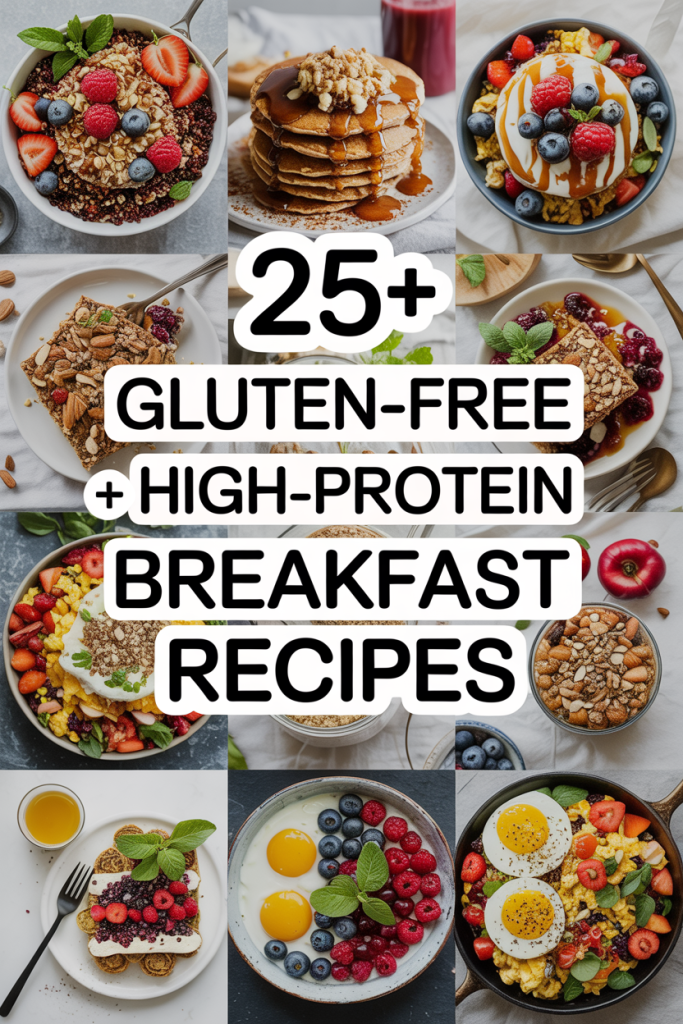
  • 25+ Gluten-Free + High-Protein Breakfast Recipes

    Starting the day with a high-protein, gluten-free breakfast is an excellent way to fuel your body, stabilize blood sugar levels, and maintain energy throughout the morning. Whether you have celiac disease, a gluten sensitivity, or simply prefer a gluten-free lifestyle, finding breakfasts that are both safe and satiating can sometimes be a challenge. Many traditional breakfast foods, such as cereals, pastries, and breads, are heavy in carbohydrates and gluten but lack the protein necessary to keep you full.

    To help you start your mornings right, we have compiled a comprehensive list of over 25 gluten-free and high-protein breakfast recipes. These recipes utilize naturally gluten-free, protein-rich ingredients like eggs, Greek yogurt, cottage cheese, quinoa, tofu, and lean meats. Each recipe includes a full list of ingredients and step-by-step instructions to make your meal prep as seamless as possible.

    Egg-Based Breakfasts

    Eggs are a nutritional powerhouse, offering about 6 grams of high-quality protein per large egg [1]. They are naturally gluten-free and incredibly versatile.

    1. Classic Spinach and Feta Omelet

    A simple yet elegant breakfast that packs a protein punch from both the eggs and the cheese.

    Ingredients:

    • 3 large eggs
    • 1 cup fresh spinach, chopped
    • 2 tablespoons feta cheese, crumbled
    • 1 teaspoon olive oil
    • Salt and black pepper to taste

    Instructions:

    1. In a small bowl, whisk the eggs until well combined. Season with a pinch of salt and pepper.
    2. Heat the olive oil in a non-stick skillet over medium heat.
    3. Add the chopped spinach to the skillet and sauté for about 1-2 minutes until wilted.
    4. Pour the whisked eggs over the spinach, tilting the pan to ensure the eggs spread evenly.
    5. Let the eggs cook undisturbed for about 2 minutes, or until the edges start to set.
    6. Sprinkle the crumbled feta cheese over one half of the omelet.
    7. Carefully fold the other half of the omelet over the cheese using a spatula.
    8. Cook for another minute until the cheese is slightly melted and the eggs are fully cooked. Serve immediately.

    2. Make-Ahead Turkey Sausage Egg Muffins

    Perfect for meal prep, these egg muffins are easy to grab on busy mornings.

    Ingredients:

    • 8 large eggs
    • 1/2 cup milk (dairy or unsweetened almond milk)
    • 1/2 pound gluten-free turkey breakfast sausage, cooked and crumbled
    • 1/2 cup bell peppers, diced
    • 1/4 cup red onion, finely chopped
    • 1/2 cup cheddar cheese, shredded
    • 1/2 teaspoon garlic powder
    • Salt and pepper to taste

    Instructions:

    1. Preheat your oven to 350°F (175°C). Grease a 12-cup muffin tin generously with cooking spray or line with silicone baking cups.
    2. In a large mixing bowl, whisk together the eggs, milk, garlic powder, salt, and pepper.
    3. Stir in the cooked turkey sausage, diced bell peppers, red onion, and shredded cheddar cheese.
    4. Divide the egg mixture evenly among the 12 muffin cups, filling each about 3/4 full.
    5. Bake for 20-25 minutes, or until the centers are set and the tops are slightly golden.
    6. Allow the muffins to cool in the tin for 5 minutes before removing. Store leftovers in an airtight container in the refrigerator for up to 4 days.

    3. Smoked Salmon and Avocado Egg Boats

    A creative and low-carb way to enjoy a high-protein breakfast using avocados as the vessel.

    Ingredients:

    • 2 ripe avocados, halved and pitted
    • 4 small eggs
    • 2 ounces smoked salmon, chopped
    • 1 tablespoon fresh dill, chopped
    • Salt, pepper, and red pepper flakes to taste

    Instructions:

    1. Preheat your oven to 400°F (200°C).
    2. Scoop out a small amount of flesh from the center of each avocado half to create a larger well for the egg.
    3. Place the avocado halves in a baking dish so they sit flat and snug.
    4. Carefully crack one small egg into the well of each avocado half.
    5. Bake for 15-20 minutes, depending on how runny you like your yolks.
    6. Remove from the oven and immediately top with chopped smoked salmon, fresh dill, salt, pepper, and a pinch of red pepper flakes.

    4. High-Protein Cottage Cheese Scrambled Eggs

    Adding cottage cheese to scrambled eggs makes them incredibly fluffy and significantly boosts the protein content.

    Ingredients:

    • 3 large eggs
    • 1/3 cup full-fat or low-fat cottage cheese
    • 1 teaspoon butter or ghee
    • Fresh chives, chopped (for garnish)
    • Salt and freshly ground black pepper

    Instructions:

    1. In a bowl, vigorously whisk the eggs and cottage cheese together until well blended.
    2. Melt the butter in a skillet over medium-low heat.
    3. Pour the egg and cottage cheese mixture into the skillet.
    4. Let it sit for a few seconds until the bottom starts to set, then gently push the eggs around the pan with a silicone spatula.
    5. Continue to cook slowly, stirring frequently, until the eggs are cooked to your desired consistency.
    6. Remove from heat, season with salt and pepper, and garnish with fresh chives.

    5. Sweet Potato and Black Bean Breakfast Hash

    A hearty, savory breakfast skillet that provides complex carbohydrates and plant-based protein alongside eggs.

    Ingredients:

    • 1 medium sweet potato, peeled and diced into small cubes
    • 1/2 cup canned black beans, rinsed and drained
    • 1/4 cup red bell pepper, diced
    • 2 large eggs
    • 1 tablespoon olive oil
    • 1/2 teaspoon smoked paprika
    • 1/4 teaspoon cumin
    • Salt and pepper to taste
    • Fresh cilantro for garnish

    Instructions:

    1. Heat the olive oil in a cast-iron skillet over medium heat.
    2. Add the diced sweet potatoes and cook for 8-10 minutes, stirring occasionally, until they are tender and slightly browned.
    3. Stir in the diced red bell pepper, black beans, smoked paprika, cumin, salt, and pepper. Cook for another 3-4 minutes until the peppers are soft.
    4. Use a spoon to create two small wells in the hash mixture.
    5. Crack an egg into each well.
    6. Cover the skillet with a lid and cook for 4-5 minutes, or until the egg whites are set but the yolks are still runny.
    7. Garnish with fresh cilantro and serve hot.

    Dairy-Powered Breakfasts

    Dairy products like Greek yogurt and cottage cheese are phenomenal sources of protein. Greek yogurt can contain up to 20 grams of protein per cup [2].

    6. Classic Greek Yogurt and Berry Parfait

    A quick, no-cook breakfast that feels like a treat but is packed with nutrition.

    Ingredients:

    • 1 cup plain, unsweetened Greek yogurt
    • 1/2 cup mixed berries (strawberries, blueberries, raspberries)
    • 1/4 cup gluten-free high-protein granola
    • 1 tablespoon chia seeds
    • 1 teaspoon honey or pure maple syrup (optional)

    Instructions:

    1. In a glass or bowl, add half of the Greek yogurt as the base layer.
    2. Top with half of the mixed berries and half of the chia seeds.
    3. Add the remaining Greek yogurt, followed by the rest of the berries and chia seeds.
    4. Sprinkle the gluten-free high-protein granola over the top for crunch.
    5. Drizzle with honey or maple syrup if a touch of sweetness is desired. Serve immediately.

    7. Fluffy Gluten-Free Cottage Cheese Pancakes

    These pancakes are tender, high in protein, and completely free of gluten.

    Ingredients:

    • 1/2 cup cottage cheese
    • 1/2 cup gluten-free rolled oats
    • 2 large eggs
    • 1/2 teaspoon vanilla extract
    • 1/2 teaspoon baking powder
    • 1/2 teaspoon cinnamon
    • Coconut oil or butter for cooking

    Instructions:

    1. Place the cottage cheese, gluten-free rolled oats, eggs, vanilla extract, baking powder, and cinnamon into a blender.
    2. Blend on high until the batter is completely smooth and the oats are pulverized. Let the batter rest for 5 minutes to thicken.
    3. Heat a skillet or griddle over medium heat and lightly coat with coconut oil or butter.
    4. Pour about 1/4 cup of batter per pancake onto the skillet.
    5. Cook for 2-3 minutes until bubbles form on the surface and the edges look set.
    6. Flip carefully and cook for another 1-2 minutes until golden brown.
    7. Serve warm with your favorite toppings, such as fresh fruit or a drizzle of maple syrup.

    8. Savory Cottage Cheese Breakfast Bowl

    If you prefer savory over sweet in the morning, this high-protein bowl is perfect.

    Ingredients:

    • 3/4 cup cottage cheese (4% milkfat recommended for flavor)
    • 1/2 cup cherry tomatoes, halved
    • 1/4 cup cucumber, diced
    • 1 tablespoon pumpkin seeds (pepitas)
    • 1 teaspoon everything bagel seasoning (ensure it is gluten-free)
    • A drizzle of high-quality olive oil

    Instructions:

    1. Spoon the cottage cheese into a serving bowl.
    2. Arrange the halved cherry tomatoes and diced cucumber on top of the cottage cheese.
    3. Sprinkle the pumpkin seeds evenly over the bowl.
    4. Season generously with the everything bagel seasoning.
    5. Finish with a light drizzle of olive oil and enjoy immediately.

    9. Peanut Butter and Banana Protein Smoothie

    A classic flavor combination that provides a massive protein hit, perfect for post-morning workouts.

    Ingredients:

    • 1 cup unsweetened almond milk (or milk of choice)
    • 1 scoop gluten-free vanilla or chocolate protein powder
    • 2 tablespoons natural peanut butter
    • 1/2 frozen banana
    • 1/4 cup plain Greek yogurt
    • 1/2 cup ice cubes

    Instructions:

    1. Add the almond milk to the blender first to ensure smooth blending.
    2. Add the protein powder, natural peanut butter, frozen banana, Greek yogurt, and ice cubes.
    3. Blend on high speed for 45-60 seconds until the smoothie is creamy and completely smooth.
    4. Pour into a tall glass and serve immediately.

    10. High-Protein Chia Seed Pudding

    Chia seeds are rich in fiber and healthy fats. Adding protein powder makes this a complete breakfast.

    Ingredients:

    • 3 tablespoons chia seeds
    • 1 cup unsweetened almond milk
    • 1 scoop gluten-free vanilla protein powder
    • 1/2 teaspoon vanilla extract
    • 1/4 cup fresh raspberries (for topping)
    • 1 tablespoon sliced almonds (for topping)

    Instructions:

    1. In a mason jar or sealable container, whisk together the almond milk and vanilla protein powder until no lumps remain.
    2. Stir in the chia seeds and vanilla extract.
    3. Let the mixture sit for 5 minutes, then stir vigorously again to prevent the chia seeds from clumping at the bottom.
    4. Cover the jar and refrigerate overnight, or for at least 2 hours until the mixture thickens into a pudding consistency.
    5. Before eating, top with fresh raspberries and sliced almonds.

    Plant-Based and Vegan High-Protein Breakfasts

    For those who follow a vegan diet or simply want to incorporate more plant-based meals, tofu, quinoa, and legumes are excellent sources of gluten-free protein.

    11. The Ultimate Tofu Scramble

    Tofu is a fantastic egg substitute that absorbs flavors beautifully and provides a substantial amount of protein.

    Ingredients:

    • 1 block (14 oz) extra-firm tofu, drained and pressed
    • 1 tablespoon olive oil
    • 2 tablespoons nutritional yeast
    • 1/2 teaspoon turmeric (for color)
    • 1/2 teaspoon garlic powder
    • 1/4 teaspoon black salt (Kala Namak) for an “eggy” flavor, or regular salt
    • 1/4 cup unsweetened almond milk
    • 1/2 cup cherry tomatoes, halved
    • 1 cup fresh spinach

    Instructions:

    1. Crumble the pressed tofu into a bowl using your hands or a fork until it resembles scrambled eggs.
    2. In a small bowl, whisk together the nutritional yeast, turmeric, garlic powder, black salt, and almond milk to create a sauce.
    3. Heat the olive oil in a large skillet over medium heat.
    4. Add the crumbled tofu to the skillet and cook for 3-4 minutes until slightly browned.
    5. Pour the sauce over the tofu and stir well to coat evenly. Cook for another 2 minutes.
    6. Stir in the cherry tomatoes and fresh spinach, cooking until the spinach is wilted. Serve hot.

    12. Quinoa Breakfast Porridge

    Quinoa is a complete protein, meaning it contains all nine essential amino acids, making it a perfect gluten-free breakfast base [3].

    Ingredients:

    • 1/2 cup uncooked quinoa, rinsed thoroughly
    • 1 cup unsweetened almond milk or coconut milk
    • 1/2 teaspoon cinnamon
    • 1 tablespoon maple syrup
    • 1/4 cup chopped walnuts or pecans
    • 1/2 cup fresh blueberries

    Instructions:

    1. In a small saucepan, combine the rinsed quinoa, almond milk, and cinnamon.
    2. Bring the mixture to a boil over medium-high heat.
    3. Reduce the heat to low, cover, and simmer for 15 minutes, or until the liquid is absorbed and the quinoa is tender.
    4. Remove from heat and let it sit covered for 5 minutes.
    5. Fluff the quinoa with a fork and stir in the maple syrup.
    6. Top with chopped nuts and fresh blueberries before serving.

    13. High-Protein Vegan Smoothie Bowl

    A thick, spoonable smoothie bowl packed with plant-based protein powder and nutrient-dense toppings.

    Ingredients:

    • 1 frozen banana
    • 1/2 cup frozen mixed berries
    • 1 scoop vegan vanilla or berry protein powder (ensure it is gluten-free)
    • 1/4 cup unsweetened almond milk (add more if needed)
    • 1 tablespoon hemp seeds
    • 1 tablespoon pumpkin seeds
    • 1/4 cup gluten-free granola

    Instructions:

    1. Add the frozen banana, mixed berries, vegan protein powder, and almond milk to a high-speed blender.
    2. Blend on low speed, using a tamper to push the ingredients down, until the mixture is thick and smooth. You want it to be much thicker than a regular smoothie.
    3. Scoop the thick smoothie into a bowl.
    4. Arrange the hemp seeds, pumpkin seeds, and gluten-free granola in neat rows on top of the smoothie bowl.
    5. Enjoy immediately with a spoon.

    14. Savory Chickpea Flour Pancakes (Socca)

    Chickpea flour is naturally gluten-free and high in protein, making it an excellent base for savory pancakes.

    Ingredients:

    • 1 cup chickpea flour (garbanzo bean flour)
    • 1 cup water
    • 1 tablespoon olive oil
    • 1/2 teaspoon salt
    • 1/4 teaspoon black pepper
    • 1/4 cup fresh herbs (parsley, cilantro, or chives), chopped
    • Olive oil for cooking

    Instructions:

    1. In a medium bowl, whisk together the chickpea flour, water, olive oil, salt, and pepper until smooth.
    2. Stir in the chopped fresh herbs. Let the batter rest for at least 15 minutes to allow the flour to hydrate.
    3. Heat a non-stick skillet over medium-high heat and brush lightly with olive oil.
    4. Pour about 1/4 cup of batter into the skillet, spreading it slightly to form a pancake.
    5. Cook for 2-3 minutes until the edges look dry and bubbles form on the surface.
    6. Flip and cook for another 1-2 minutes until golden brown. Serve warm with a side of avocado or salsa.

    15. Edamame and Spinach Breakfast Salad

    Who says you can’t have salad for breakfast? Edamame provides a massive boost of plant-based protein.

    Ingredients:

    • 2 cups fresh baby spinach
    • 1/2 cup shelled edamame, steamed and cooled
    • 1/4 cup cherry tomatoes, halved
    • 1/4 avocado, sliced
    • 1 tablespoon hemp hearts
    • 1 tablespoon lemon juice
    • 1 teaspoon olive oil
    • Salt and pepper to taste

    Instructions:

    1. In a large bowl, toss the baby spinach with the lemon juice, olive oil, salt, and pepper until lightly coated.
    2. Top the dressed spinach with the steamed edamame, cherry tomatoes, and sliced avocado.
    3. Sprinkle the hemp hearts over the salad for an extra crunch and protein boost.
    4. Serve immediately for a refreshing, high-protein start to the day.

    Meat and Poultry Breakfasts

    Incorporating lean meats like turkey, chicken, or high-quality pork sausage can significantly increase the protein content of your morning meal.

    16. Smoked Turkey Sausage and Sweet Potato Skillet

    A hearty, one-pan meal that is perfect for weekend brunches or meal-prepped weekday breakfasts.

    Ingredients:

    • 1/2 pound gluten-free smoked turkey sausage, sliced into rounds
    • 1 large sweet potato, peeled and diced
    • 1/2 medium onion, chopped
    • 1 bell pepper (any color), diced
    • 1 tablespoon olive oil
    • 1/2 teaspoon smoked paprika
    • 4 large eggs
    • Salt and pepper to taste

    Instructions:

    1. Heat the olive oil in a large cast-iron skillet over medium heat.
    2. Add the diced sweet potato and cook for 8-10 minutes, stirring occasionally, until tender.
    3. Add the sliced turkey sausage, chopped onion, and diced bell pepper to the skillet. Season with smoked paprika, salt, and pepper.
    4. Cook for another 5-7 minutes until the vegetables are soft and the sausage is browned.
    5. Make four small wells in the mixture and crack an egg into each well.
    6. Cover the skillet and cook for 4-5 minutes until the eggs are cooked to your liking. Serve hot.

    17. Chicken and Apple Breakfast Sausage Patties

    Making your own sausage patties ensures they are 100% gluten-free and free of unwanted fillers.

    Ingredients:

    • 1 pound ground chicken
    • 1 small apple (like Gala or Fuji), peeled and finely grated
    • 1/2 teaspoon dried sage
    • 1/2 teaspoon dried thyme
    • 1/2 teaspoon garlic powder
    • 1/2 teaspoon salt
    • 1/4 teaspoon black pepper
    • 1 tablespoon olive oil or avocado oil for cooking

    Instructions:

    1. In a large mixing bowl, combine the ground chicken, grated apple, dried sage, dried thyme, garlic powder, salt, and black pepper. Mix gently until just combined; do not overmix.
    2. Form the mixture into 6-8 small, flat patties.
    3. Heat the olive oil in a large skillet over medium heat.
    4. Add the patties to the skillet and cook for 4-5 minutes per side, or until they are browned and cooked through (internal temperature reaches 165°F).
    5. Serve warm alongside eggs or a side salad.

    18. Leftover Steak and Egg Breakfast Bowl

    A fantastic way to use up leftover steak from dinner while packing in the protein.

    Ingredients:

    • 4 ounces leftover cooked steak, thinly sliced
    • 2 large eggs
    • 1/2 cup cooked quinoa (ensure it is gluten-free)
    • 1/4 cup cherry tomatoes, halved
    • 1/4 avocado, sliced
    • 1 teaspoon butter or ghee
    • Salt and pepper to taste

    Instructions:

    1. Warm the leftover steak slices gently in a skillet over low heat or in the microwave.
    2. In a separate skillet, melt the butter or ghee over medium heat.
    3. Fry the eggs to your preferred doneness (sunny-side up or over-easy works best for this bowl). Season with salt and pepper.
    4. Assemble the bowl by placing the cooked quinoa at the base.
    5. Arrange the warmed steak slices, cherry tomatoes, and sliced avocado around the edges.
    6. Top the bowl with the fried eggs and serve immediately.

    19. Turkey Bacon and Egg White Wrap

    Using a gluten-free wrap and egg whites keeps this breakfast low in fat but exceptionally high in protein.

    Ingredients:

    • 1 large gluten-free tortilla or wrap
    • 3/4 cup liquid egg whites (or whites from 4 large eggs)
    • 2 slices gluten-free turkey bacon, cooked and crumbled
    • 1/4 cup fresh spinach
    • 2 tablespoons salsa
    • 1 teaspoon olive oil

    Instructions:

    1. Heat the olive oil in a non-stick skillet over medium heat.
    2. Pour in the egg whites and scramble them until fully cooked and opaque.
    3. Lay the gluten-free tortilla flat on a clean surface.
    4. Spoon the scrambled egg whites onto the center of the tortilla.
    5. Top with the crumbled turkey bacon, fresh spinach, and salsa.
    6. Fold the sides of the tortilla inward, then roll it up tightly from the bottom to form a wrap.
    7. Optional: Toast the wrap seam-side down in the skillet for 1-2 minutes until golden brown.

    20. Ground Beef and Spinach Breakfast Scramble

    A robust, savory scramble that provides a substantial amount of iron and protein.

    Ingredients:

    • 1/4 pound lean ground beef (90% lean or higher)
    • 3 large eggs
    • 1 cup fresh spinach, roughly chopped
    • 1/4 cup onion, finely diced
    • 1/2 teaspoon garlic powder
    • Salt and pepper to taste
    • 1 teaspoon olive oil

    Instructions:

    1. Heat the olive oil in a skillet over medium-high heat.
    2. Add the diced onion and cook for 2 minutes until translucent.
    3. Add the lean ground beef to the skillet, breaking it apart with a spatula. Season with garlic powder, salt, and pepper. Cook until browned and cooked through.
    4. Reduce the heat to medium-low and stir in the chopped spinach, cooking until wilted.
    5. In a small bowl, whisk the eggs. Pour them over the beef and spinach mixture.
    6. Scramble everything together until the eggs are fully cooked. Serve hot.

    Quick and Easy On-the-Go Options

    For those mornings when you have zero time to cook, these recipes can be prepped ahead or thrown together in minutes.

    21. High-Protein Peanut Butter Overnight Oats

    Oats are naturally gluten-free, but always ensure you buy certified gluten-free oats to avoid cross-contamination.

    Ingredients:

    • 1/2 cup certified gluten-free rolled oats
    • 1/2 cup unsweetened almond milk
    • 1 scoop vanilla or chocolate protein powder
    • 1 tablespoon chia seeds
    • 1 tablespoon natural peanut butter
    • 1/2 teaspoon cinnamon

    Instructions:

    1. In a mason jar or sealable container, combine the gluten-free rolled oats, almond milk, protein powder, chia seeds, peanut butter, and cinnamon.
    2. Stir vigorously until all ingredients are well mixed and the protein powder is fully dissolved.
    3. Cover the jar securely and place it in the refrigerator overnight (or for at least 4 hours).
    4. In the morning, give the oats a good stir. Add a splash of almond milk if the mixture is too thick.
    5. Top with extra peanut butter or sliced bananas if desired, and enjoy cold.

    22. Almond Flour and Protein Waffles

    These waffles are crispy on the outside, fluffy on the inside, and packed with protein from almond flour and whey.

    Ingredients:

    • 1 cup blanched almond flour
    • 1 scoop vanilla whey protein powder (or plant-based alternative)
    • 2 large eggs
    • 1/4 cup unsweetened almond milk
    • 1 tablespoon melted coconut oil
    • 1 teaspoon baking powder
    • 1/2 teaspoon vanilla extract

    Instructions:

    1. Preheat your waffle iron according to the manufacturer’s instructions and lightly grease it with cooking spray.
    2. In a medium bowl, whisk together the almond flour, protein powder, and baking powder.
    3. In a separate small bowl, whisk the eggs, almond milk, melted coconut oil, and vanilla extract.
    4. Pour the wet ingredients into the dry ingredients and stir until a smooth batter forms.
    5. Pour the batter onto the preheated waffle iron (amount depends on the size of your iron).
    6. Cook until the waffles are golden brown and crisp, usually 3-5 minutes.
    7. Serve warm with fresh berries or a drizzle of pure maple syrup.

    23. Protein-Packed Breakfast Cookies

    Yes, you can have cookies for breakfast! These are dense, chewy, and full of complex carbs and protein.

    Ingredients:

    • 1 cup certified gluten-free rolled oats
    • 1/2 cup almond butter or peanut butter
    • 1/4 cup honey or maple syrup
    • 1 scoop vanilla protein powder
    • 1/4 cup pumpkin seeds
    • 1/4 cup dried cranberries or raisins
    • 1 teaspoon cinnamon

    Instructions:

    1. Preheat your oven to 350°F (175°C) and line a baking sheet with parchment paper.
    2. In a large bowl, mix the almond butter and honey until smooth.
    3. Stir in the gluten-free rolled oats, protein powder, pumpkin seeds, dried cranberries, and cinnamon until a thick dough forms.
    4. Scoop out about 2 tablespoons of dough per cookie and roll into balls.
    5. Place the balls on the prepared baking sheet and flatten them slightly with your hands or a fork.
    6. Bake for 10-12 minutes until the edges are lightly golden.
    7. Let the cookies cool completely on the baking sheet before storing them in an airtight container.

    24. Smoked Salmon and Cream Cheese Cucumber Bites

    A refreshing, low-carb, and high-protein breakfast that requires absolutely no cooking.

    Ingredients:

    • 1 large English cucumber, sliced into thick rounds
    • 4 ounces smoked salmon, cut into small pieces
    • 1/4 cup plain Greek yogurt or light cream cheese
    • 1 tablespoon fresh dill, chopped
    • 1 teaspoon lemon juice
    • Black pepper to taste

    Instructions:

    1. In a small bowl, mix the Greek yogurt (or cream cheese), fresh dill, lemon juice, and black pepper until smooth.
    2. Lay the cucumber slices flat on a serving plate or meal prep container.
    3. Spread a small dollop (about 1 teaspoon) of the yogurt mixture onto each cucumber slice.
    4. Top each slice with a piece of smoked salmon.
    5. Garnish with extra dill or a sprinkle of everything bagel seasoning if desired. Serve immediately or refrigerate for up to 2 days.

    25. High-Protein Chocolate Chia Pudding

    A decadent-tasting breakfast that feels like dessert but is loaded with protein and fiber.

    Ingredients:

    • 1/4 cup chia seeds
    • 1 cup unsweetened almond milk
    • 1 scoop chocolate protein powder
    • 1 tablespoon unsweetened cocoa powder
    • 1 teaspoon maple syrup (optional)
    • 1/4 cup fresh strawberries, sliced (for topping)

    Instructions:

    1. In a jar or bowl, whisk together the almond milk, chocolate protein powder, cocoa powder, and maple syrup until smooth.
    2. Stir in the chia seeds until evenly distributed.
    3. Let the mixture sit for 5 minutes, then stir again to prevent clumping.
    4. Cover and refrigerate overnight, or for at least 2 hours until thickened.
    5. Top with fresh sliced strawberries before serving.

    26. Savory Breakfast Meatballs

    A unique and highly portable breakfast option that can be made in large batches and frozen.

    Ingredients:

    • 1 pound ground turkey or chicken
    • 1/4 cup almond flour
    • 1 large egg
    • 1/2 cup finely grated zucchini (squeeze out excess moisture)
    • 1 teaspoon garlic powder
    • 1 teaspoon onion powder
    • 1/2 teaspoon salt
    • 1/4 teaspoon black pepper

    Instructions:

    1. Preheat your oven to 400°F (200°C) and line a baking sheet with parchment paper.
    2. In a large bowl, combine the ground turkey, almond flour, egg, grated zucchini, garlic powder, onion powder, salt, and pepper. Mix gently until just combined.
    3. Roll the mixture into 1-inch meatballs (you should get about 16-20 meatballs).
    4. Place the meatballs on the prepared baking sheet, spacing them evenly.
    5. Bake for 15-20 minutes, or until the meatballs are cooked through and lightly browned on the outside.
    6. Serve warm, or let them cool and store in the refrigerator for quick breakfasts throughout the week.

    Conclusion

    Finding a breakfast that is both gluten-free and high in protein doesn’t have to be a daily struggle. By incorporating ingredients like eggs, Greek yogurt, cottage cheese, quinoa, and lean meats, you can create a wide variety of delicious and satisfying morning meals. Whether you prefer sweet or savory, hot or cold, sit-down or on-the-go, these 25+ recipes offer something for everyone. Meal prepping a few of these options on the weekend can ensure you always have a nutritious, protein-packed breakfast ready to fuel your day.

    References

    1. Health.com. 18 Foods With More Protein Than an Egg.
    2. Prevention.com. Dietitians Want You to Add These 16 High-Protein Foods to Your Plate.
    3. Verywell Health. 6 Cheapest High-Protein Foods You Can Eat for Better Health.
  • 15 Stunning Lanai Kitchen Ideas to Create Your Ultimate Outdoor Escape

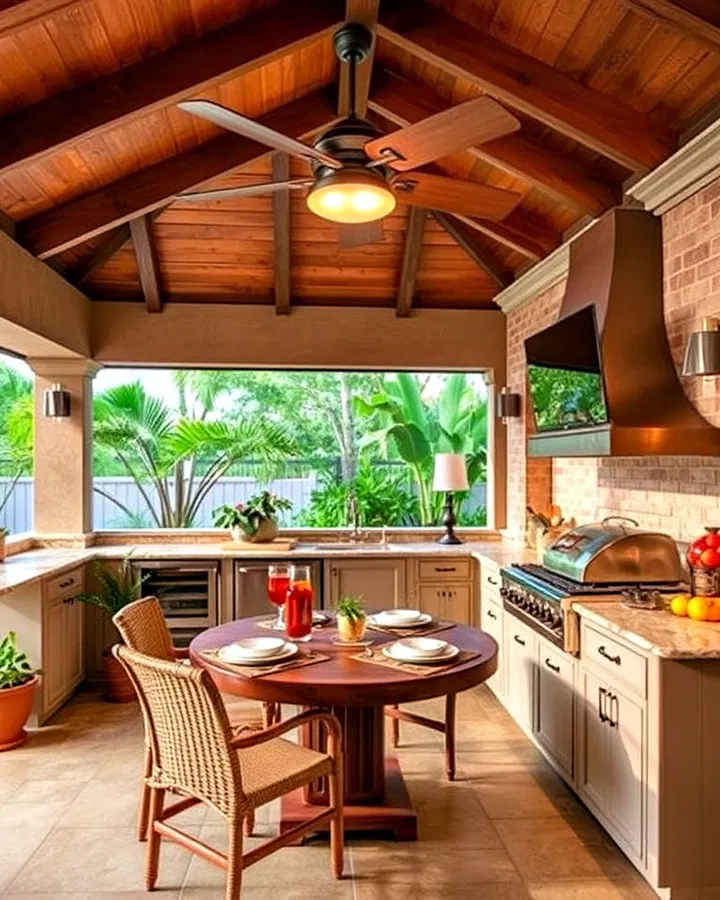
    A lanai kitchen is more than just an outdoor cooking area—it’s a lifestyle upgrade. It blends the comfort of indoor living with the refreshing openness of the outdoors, creating a space where you can cook, entertain, and unwind all in one place. Whether you prefer a modern, minimalist setup or a lush tropical retreat, the right design can turn your lanai into the heart of your home.

    Below are thoughtfully expanded ideas to help you design a lanai kitchen that’s both beautiful and highly functional.

    1. Seamless Indoor-Outdoor Connection

    Creating a natural flow between your indoor kitchen and lanai instantly makes your home feel larger and more cohesive. This can be achieved by using similar materials—like matching countertops, cabinetry finishes, or flooring—so both spaces visually connect.

    Large sliding glass doors, bi-fold doors, or even retractable walls allow you to open up the entire space when entertaining. This setup is perfect for hosting gatherings since guests can easily move between indoor and outdoor areas without interruption. It also maximizes natural light and ventilation, giving your home a brighter, more airy feel.

    2. Outdoor Bar with Grill Combo

    An outdoor bar paired with a built-in grill is the ultimate entertainment setup. Instead of being separated from your guests while cooking, you can interact, serve drinks, and prepare meals all in one place.

    Adding bar stools creates a casual dining space where guests can sit, chat, and even watch meals being prepared. For durability, choose materials like stainless steel for the grill and quartz or granite for countertops. You can also enhance the space with ambient lighting to create a cozy evening atmosphere.

    3. Functional Island Prep Hub

    A central island is one of the most practical additions to a lanai kitchen. It provides ample space for meal prep, serving, and even casual dining.

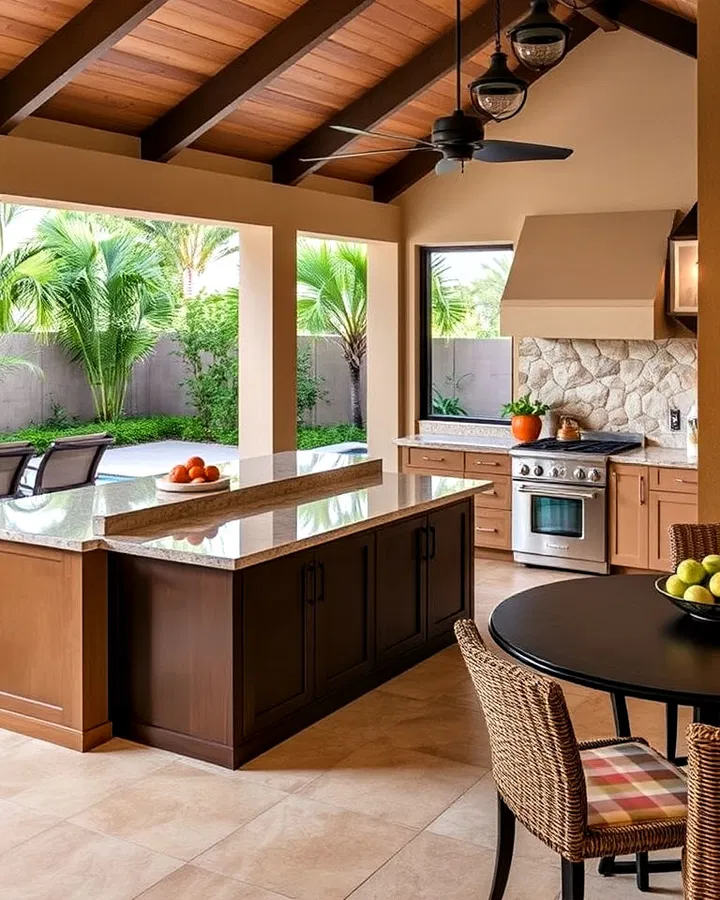
    You can customize the island with features like a sink, built-in storage, or under-counter appliances. Some homeowners even add a second cooktop or grill for extra convenience. Using natural materials like stone or wood helps the island blend seamlessly with the outdoor environment while adding warmth and texture.

    4. Compact Minimalist Kitchen Setup

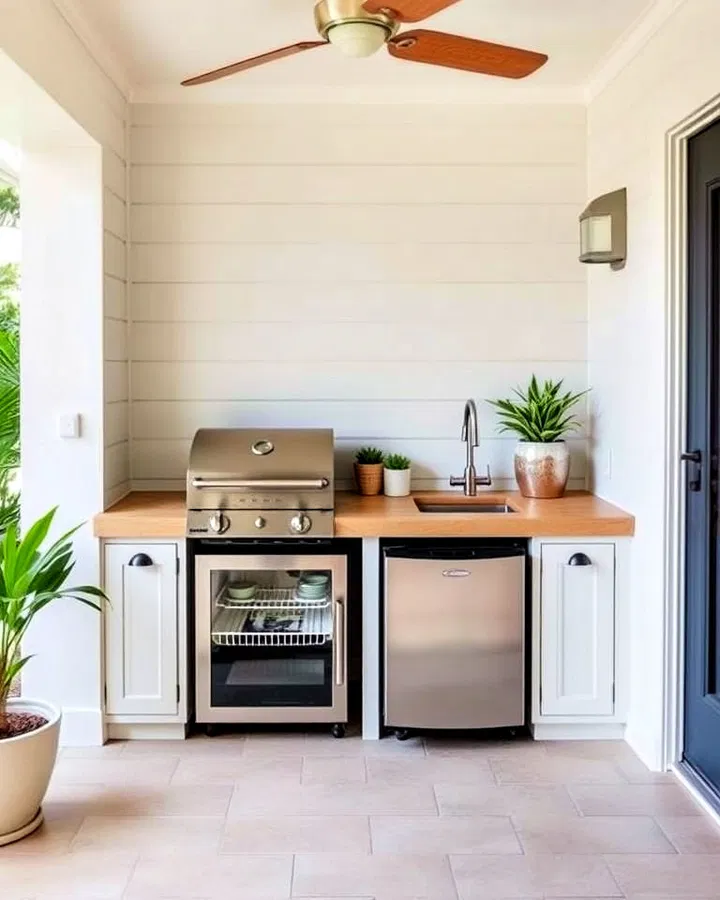
    If you’re working with limited space, a minimalist design is the best way to maintain both style and functionality. Focus on essentials such as a small grill, sink, and compact refrigerator.

    Keep the design clean with neutral tones, sleek finishes, and hidden storage solutions. This prevents the area from feeling cramped while still offering everything you need for outdoor cooking. A minimalist lanai kitchen is also easier to maintain and keeps the focus on the surrounding outdoor scenery.

    5. Weather-Ready Retractable Roof

    A retractable roof adds flexibility and ensures your lanai kitchen can be used year-round. On sunny days, you can open it up to enjoy natural light and fresh air. When it rains or gets too hot, simply close it for protection.

    Modern retractable roofs come in various designs, from motorized systems to stylish pergola-style covers. Not only do they improve comfort, but they also add a sleek architectural element that enhances the overall look of your outdoor space.

    6. Cozy Fireplace Lounge Kitchen

    Adding a fireplace transforms your lanai kitchen into a cozy retreat, especially during cooler evenings. It creates a warm, inviting atmosphere that encourages guests to linger longer.

    Pair the fireplace with comfortable seating like outdoor sofas or lounge chairs to create a complete relaxation area. Stone or brick fireplaces work particularly well, as they complement the natural outdoor setting while adding rustic charm.


    7. Dedicated Beverage & Drink Station

    A beverage station is a small addition that makes a big difference when entertaining. Having a dedicated space for drinks keeps your kitchen organized and ensures guests can help themselves without interrupting meal prep.

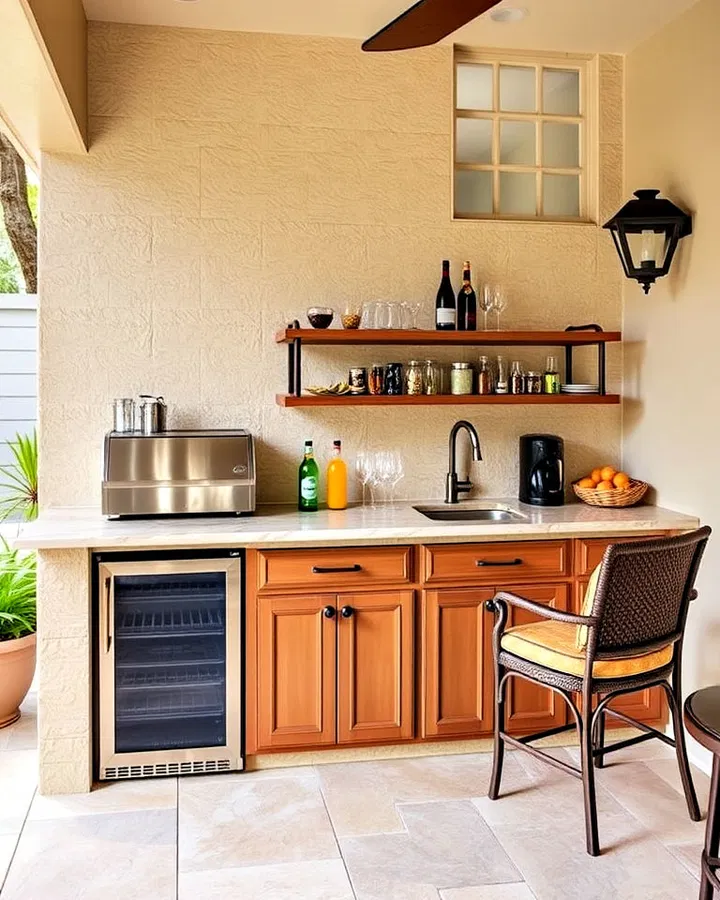
    Include essentials like a mini fridge, ice maker, sink, and possibly a wine cooler. You can also add open shelves or cabinets for glassware and bar tools. This setup turns your lanai into a fully functional outdoor entertainment zone.

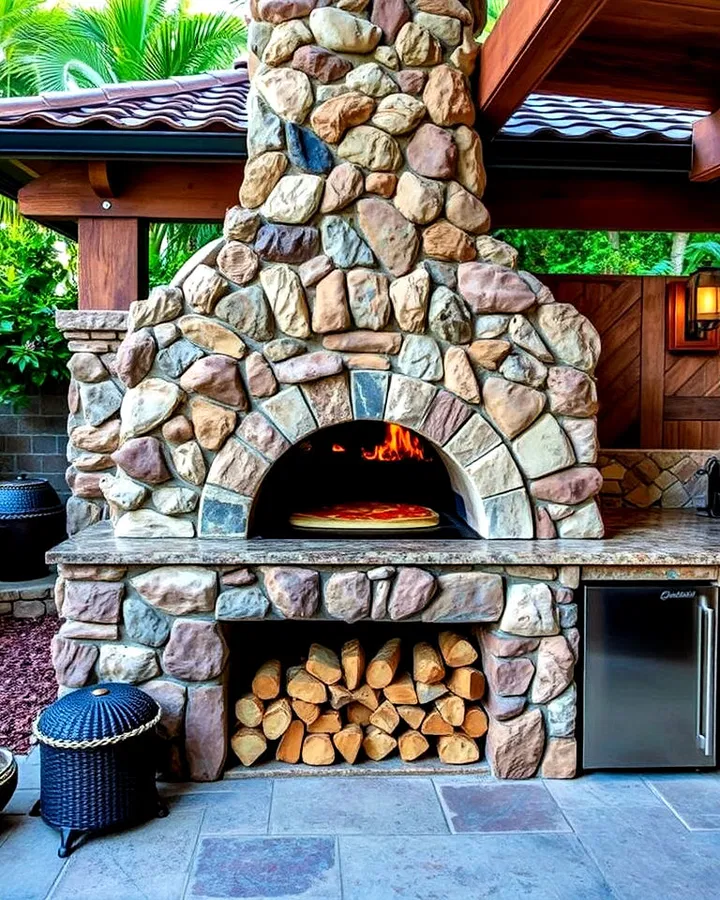
    8. Rustic Stone Pizza Oven Feature

    A stone pizza oven is both a practical cooking tool and a stunning focal point. It brings a rustic, artisanal feel to your lanai kitchen while offering a unique cooking experience.

    Beyond pizza, you can use it to bake bread, roast meats, or prepare a variety of dishes. Position it where it’s easily accessible but still visually prominent, and consider pairing it with a prep counter nearby for added convenience.

    9. Durable Stainless Steel Appliances

    Stainless steel appliances are a must-have for outdoor kitchens due to their durability and resistance to weather conditions. They’re easy to clean, resistant to rust, and maintain their sleek appearance over time.

    From grills and refrigerators to storage cabinets, stainless steel adds a polished, professional look. It also pairs well with almost any design style, whether modern, industrial, or tropical.

    10. Open Shelving for Easy Access

    Open shelving keeps your lanai kitchen functional and visually light. Instead of bulky cabinets, shelves allow you to store essentials within easy reach while also displaying decorative items.

    Use weather-resistant materials like treated wood, aluminum, or stainless steel to ensure longevity. You can style the shelves with plants, dishware, or glassware to add personality to the space.

    11. Smart Built-In Storage Solutions

    Built-in cabinetry helps keep your lanai kitchen organized and clutter-free. Custom storage allows you to maximize every inch of space while keeping everything neatly tucked away.

    Choose materials designed for outdoor use, such as marine-grade wood or stainless steel, to prevent damage from humidity and temperature changes. Well-designed storage not only improves functionality but also gives your kitchen a clean, finished look.

    12. Stylish Tile Backsplash Accent

    A backsplash is both a practical and decorative feature in a lanai kitchen. It protects walls from splashes while adding color, texture, and personality.

    Consider bold, patterned tiles for a vibrant tropical look or natural stone tiles for a more subtle, earthy feel. This is an easy way to make your outdoor kitchen stand out without overwhelming the overall design.

    13. Fully Equipped Outdoor Sink Area

    An outdoor sink is essential for convenience, especially when handling food prep and cleanup. It eliminates the need to constantly go indoors, saving time and effort.

    Choose materials like stainless steel or stone that can withstand outdoor conditions. Pair the sink with ample counter space so you can easily wash, chop, and prepare ingredients in one area.

    14. Tropical-Inspired Design Theme

    Bring a resort-like feel to your lanai kitchen by incorporating tropical design elements. Think bamboo cabinetry, rattan furniture, and lush greenery surrounding the space.

    Add pops of color through cushions, décor, or tiles to enhance the tropical vibe. This style creates a relaxed and inviting atmosphere that feels like a permanent vacation right at home.

    15. Cooling Ceiling Fans for Comfort

    Ceiling fans are a simple yet essential addition to any lanai kitchen. They help circulate air, reduce heat, and keep insects at bay, making the space more comfortable.

    Choose outdoor-rated fans with moisture-resistant finishes to ensure durability. In addition to functionality, fans can also serve as stylish design elements that complement your overall theme.

    Conclusion

    Designing the perfect lanai kitchen is all about balancing style, comfort, and functionality. By incorporating features like durable materials, smart storage, and weather protection, you can create a space that’s both practical and inviting.

    Whether you’re hosting lively gatherings or enjoying a quiet evening outdoors, your lanai kitchen becomes more than just a cooking area—it becomes a central hub for connection, relaxation, and everyday enjoyment. With the right design choices, you can turn your outdoor space into a beautiful extension of your home that you’ll love for years to come.

  • Creative Dining Room Gallery Wall Ideas to Elevate Your Space

    Your dining room is more than just a place to eat—it’s where conversations happen, memories are made, and style comes to life. A thoughtfully designed gallery wall can instantly transform this space, adding personality, warmth, and visual impact. Whether your style leans modern, rustic, or eclectic, these refreshed ideas will help you curate a gallery wall that feels intentional and inspiring.

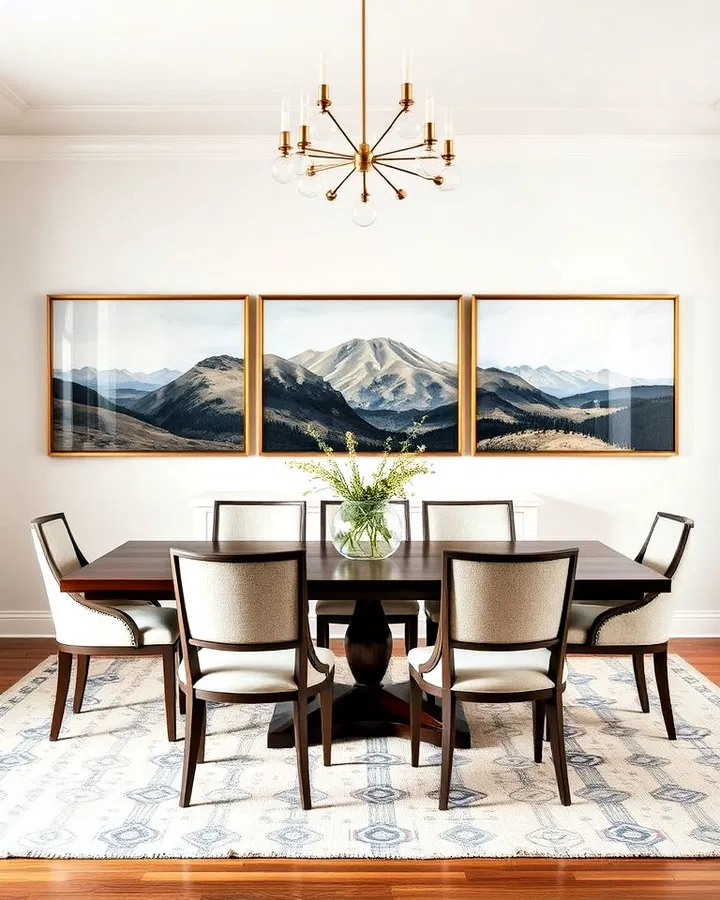
    1. Start with a Bold Triptych Display

    Instead of filling your wall with many small pieces, begin with a striking triptych—three large artworks that form one cohesive design. This creates a strong focal point without overwhelming the space. It works beautifully above dining tables, especially in modern or minimalist interiors where simplicity makes a statement.

    2. Blend Art with Mirrors for Light and Space

    Mixing mirrors into your gallery wall doesn’t just add visual interest—it enhances brightness and makes your dining room feel larger. Use a combination of shapes like round and rectangular mirrors paired with framed art to create balance while reflecting natural light throughout the room.

    3. Go for a Clean Grid Layout

    For a polished and organized look, arrange identical frames in a structured grid. This symmetrical approach brings a sense of calm and sophistication, making it ideal for formal dining areas. Stick to consistent spacing and similar tones for a cohesive finish.

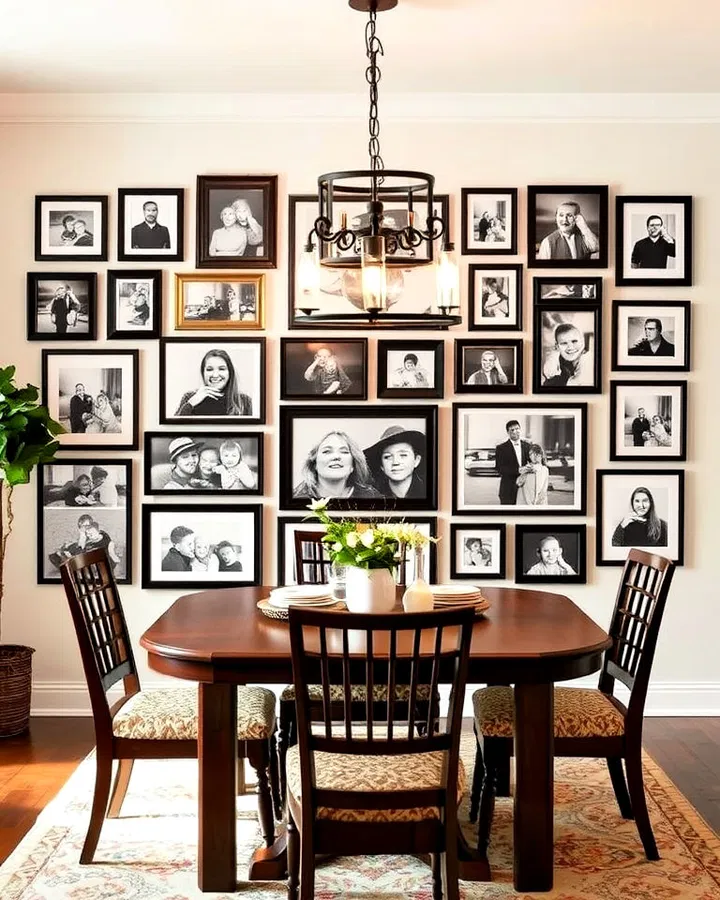
    4. Showcase a Personal Photo Story

    Turn your dining room into a storytelling space by displaying meaningful photos—family moments, travels, or milestones. Keep the frames consistent for a clean look, or mix subtle variations for a more relaxed feel. This adds warmth and makes the space uniquely yours.

    5. Mix Textures for a Layered Look

    Step beyond traditional frames by incorporating textured elements like woven baskets, macramé, or fabric pieces. Combining these with framed art creates depth and a cozy, tactile feel—perfect for bohemian or rustic dining rooms.

    6. Create an Eclectic Art Collection

    If you love variety, embrace an eclectic gallery wall. Combine different art styles, colors, and frame types to create a dynamic, curated look. The key is to maintain some cohesion—whether through color tones or spacing—so it feels intentional rather than chaotic.

    7. Use Floating Shelves for Flexibility

    Floating shelves offer a modern alternative to traditional gallery walls. You can layer frames, books, and decorative objects while easily swapping pieces whenever you want a refresh. This is perfect if you like to update your decor regularly.

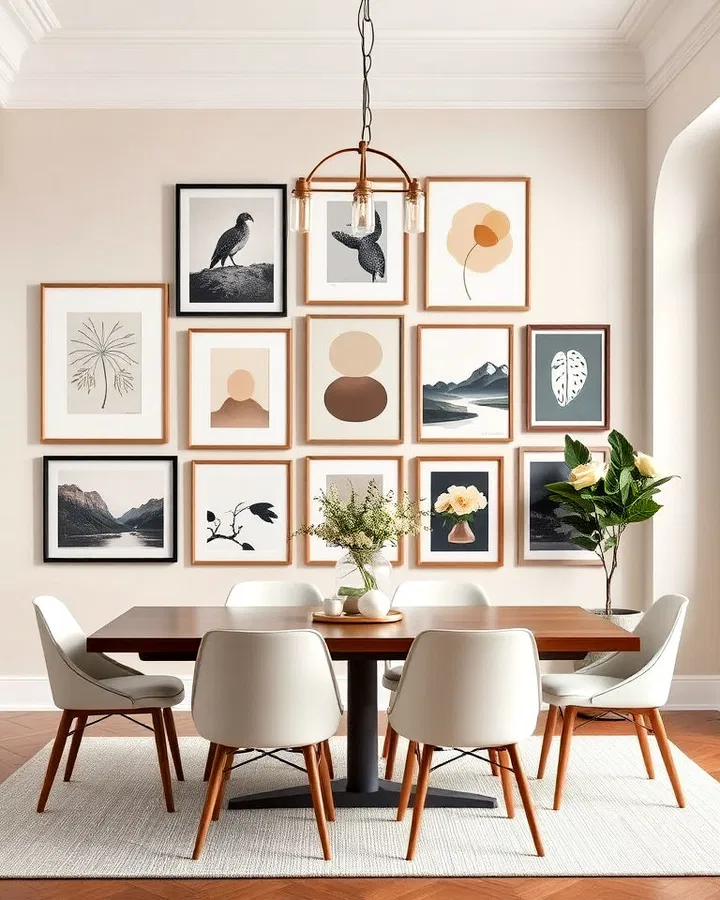
    8. Stick to a Monochromatic Theme

    Choose one color palette and build your gallery wall around it. Whether it’s soft neutrals, earthy tones, or bold jewel hues, a monochromatic approach creates harmony and keeps the wall from feeling too busy.

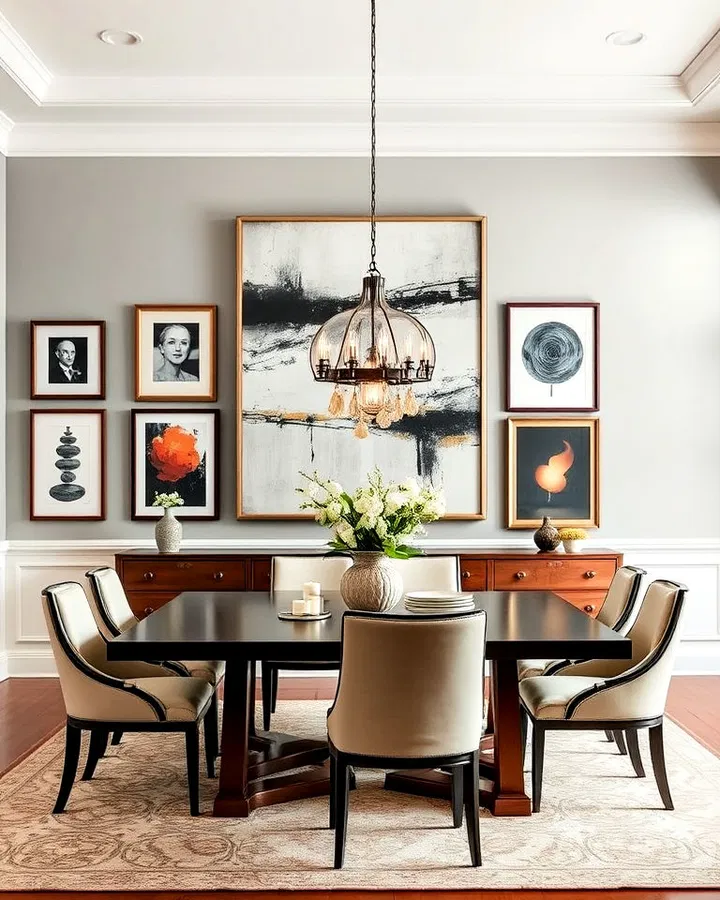
    9. Add One Oversized Statement Piece

    Sometimes less is more. A single large artwork can anchor your dining room and make a powerful visual impact. You can complement it with a few smaller pieces, but the focus should remain on that standout design.

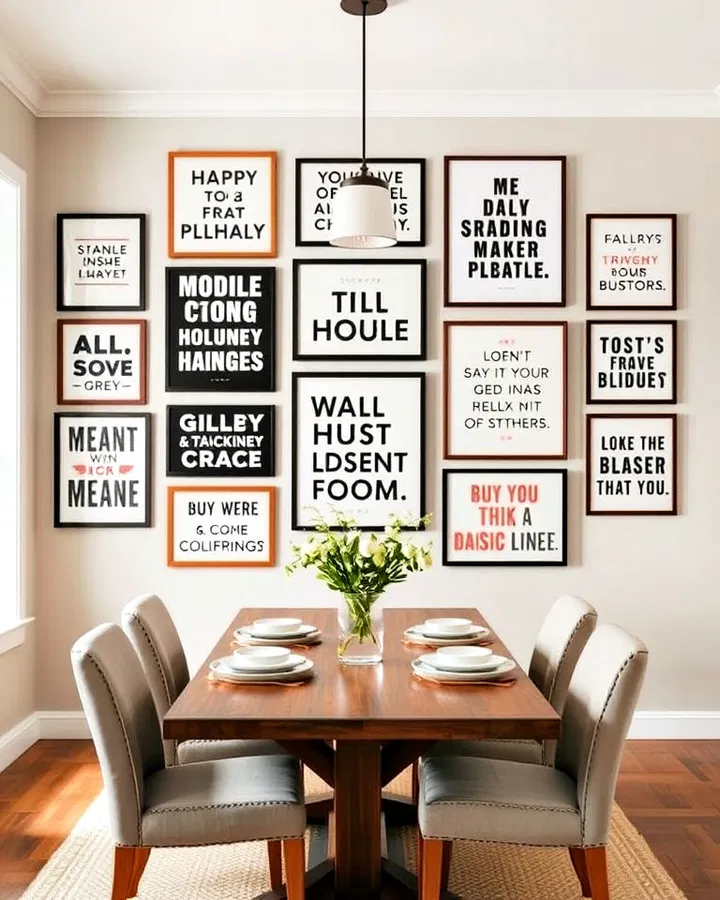
    10. Incorporate Typography and Quotes

    Add personality with framed quotes, meaningful phrases, or food-inspired sayings. Mixing fonts and sizes creates visual interest while keeping the message engaging and relevant to the dining experience.

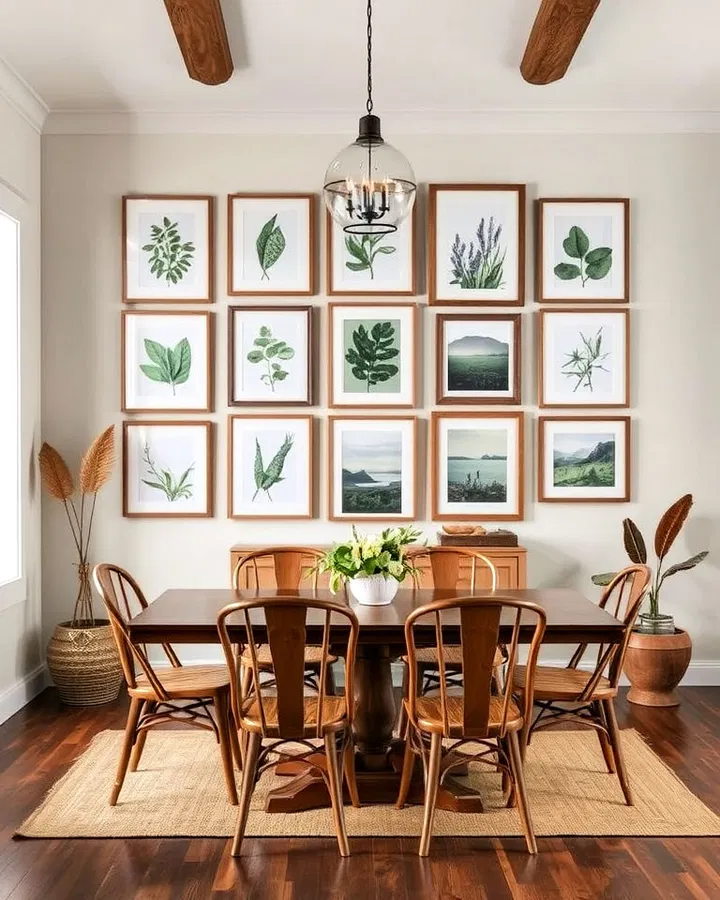
    11. Bring the Outdoors In with Nature Themes

    Use botanical prints, landscapes, or wildlife photography to create a calming and refreshing atmosphere. Pair these with wooden or natural frames to enhance the organic feel—perfect for farmhouse or rustic interiors.

    12. Experiment with Mixed Shapes and Frames

    Break away from uniformity by combining square, rectangular, and circular frames. Mixing materials like wood, metal, and acrylic adds another layer of interest, making your gallery wall feel modern and artistic.

    13. Embrace Vintage and Antique Charm

    Curate a collection of vintage maps, postcards, or sepia photographs to create a nostalgic vibe. Layer ornate frames with simpler ones for contrast and depth, giving your dining room a timeless, collected-over-time feel.

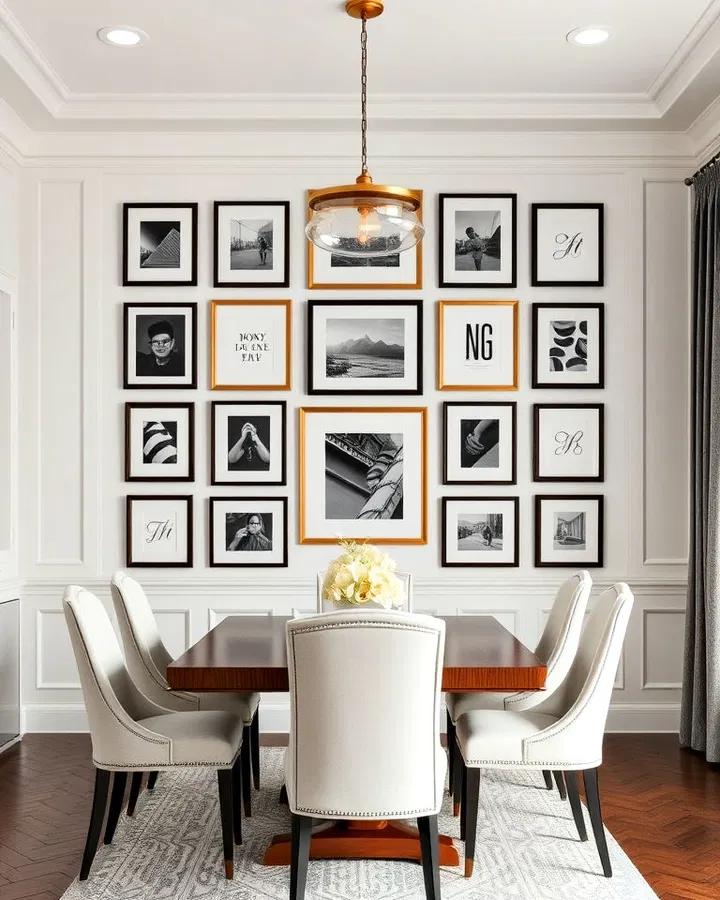
    14. Keep It Timeless with Black-and-White Art

    A black-and-white gallery wall never goes out of style. It’s clean, elegant, and works well in modern or minimalist spaces. Use consistent framing and spacing to maintain a refined, cohesive look.

    Conclusion

    A well-designed gallery wall can completely redefine your dining room, turning it into a space that feels both stylish and personal. Whether you prefer bold statement pieces, curated collections, or flexible displays, the key is to create a layout that reflects your taste while enhancing the room’s atmosphere. Start with a concept you love, build around it, and let your wall tell a story that evolves over time.

  • From Neutral to Cozy: Fall Color Ideas to Elevate Your Living Room

    You don’t need a full redesign to create a stunning fall-inspired living room. By combining thoughtful color choices, layered textures, and seasonal accents, you can transform your space into a warm, inviting retreat. Designers often rely on balance and intentional styling to achieve that cozy autumn feel—and you can do the same with a few strategic updates.

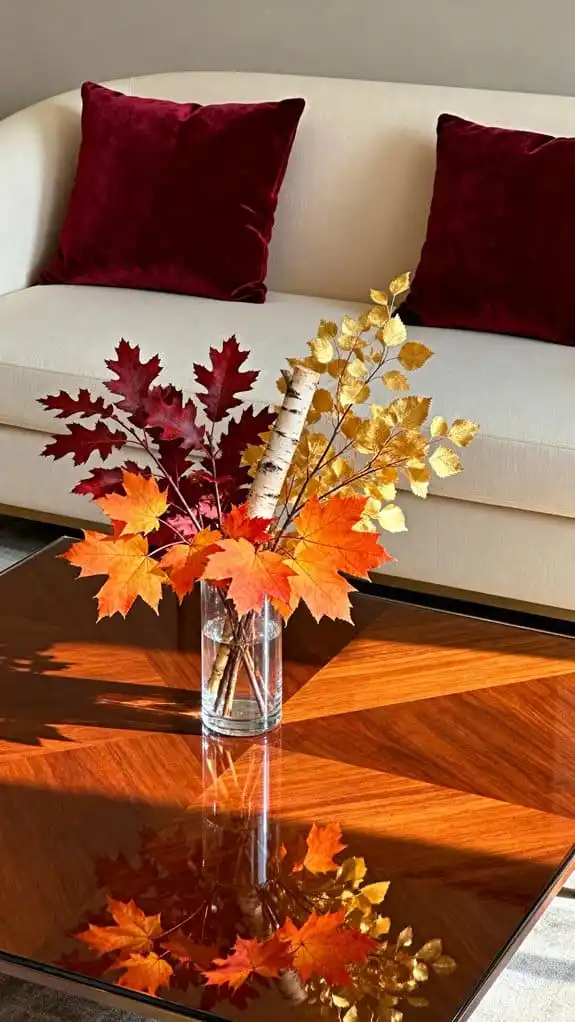
    1. Style Impactful Fall Foliage Arrangements

    Bring the outdoors in with carefully arranged foliage displays. Use elements like eucalyptus, dried hydrangeas, or autumn leaves in deep reds, oranges, and golds.

    Place them in statement containers like copper or ceramic vases, and vary the arrangement style:

    • Tall and structured for corners or side tables
    • Cascading for mantels or shelves

    Dried arrangements are especially practical—they last all season and maintain their beauty with minimal effort.

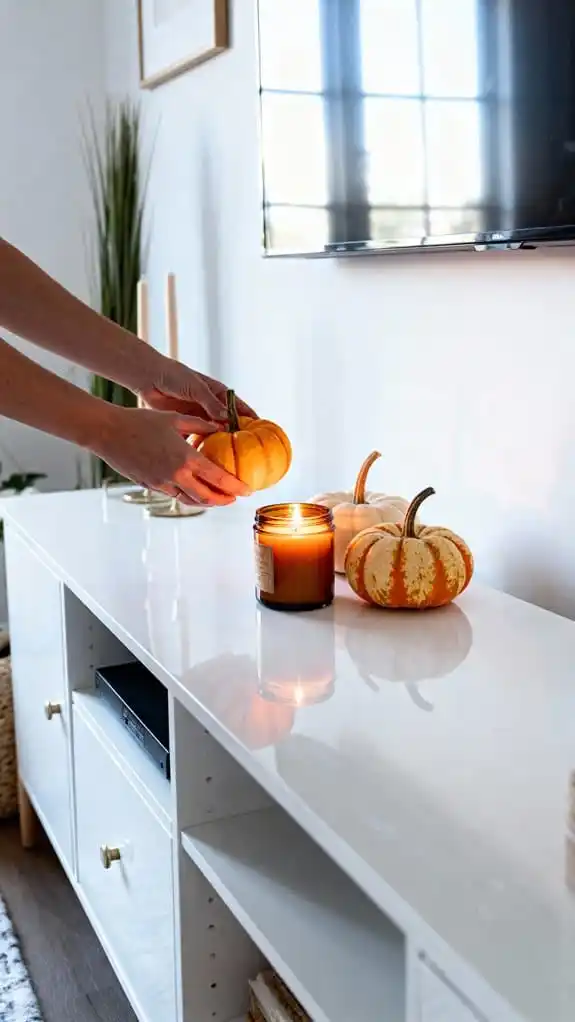
    2. Create Seasonal Vignettes for Visual Interest

    Instead of decorating randomly, group items into small, styled displays (vignettes) across your living room.

    Use:

    • Pumpkins and gourds in different sizes
    • Candles and books for layering
    • Metallic or wooden accents for contrast

    Position these on coffee tables, consoles, or shelves to create focal points that feel curated and intentional.

    3. Introduce Rustic Elements for Cozy Warmth

    Rustic details instantly make a space feel more inviting. Mix natural and refined materials to create balance.

    Try combining:

    • Faux fur or wool throws
    • Wooden or woven decor
    • Subtle metallic accents like copper or brass

    The contrast between soft textiles and raw textures creates depth while enhancing that cozy fall atmosphere.

    4. Add Pops of Autumn Color With Natural Decor

    If you prefer a subtle approach, use small seasonal accents to introduce color.

    Place mini pumpkins, dried branches, or seasonal fruits in bowls or trays. Pair them with throw pillows in fall tones like burnt orange, mustard, or deep red.

    This method keeps your decor flexible—you can easily swap pieces as the season progresses.

    5. Layer Textures for a Warm, Inviting Feel

    Fall design isn’t just about color—it’s about texture.

    Layer different fabrics to create comfort and visual richness:

    • Chunky knit blankets for softness
    • Velvet pillows for depth and light reflection
    • Wool or plaid textiles for a classic seasonal touch

    The more varied your textures, the more dynamic and cozy your space will feel.

    6. Use Metallic Accents to Elevate the Look

    Warm metals like copper, bronze, and brass enhance fall colors beautifully.

    Incorporate them through:

    • Vases or decorative bowls
    • Candle holders or trays
    • Lighting fixtures

    Mix finishes and heights to create dimension. Metallics also reflect light, adding warmth to your space—especially in the evenings.

    7. Combine Real and Faux Decor for Longevity

    A smart decorating trick is blending live, dried, and artificial elements.

    • Fresh greenery adds authenticity and scent
    • Dried florals evolve naturally over time
    • Faux pieces maintain consistent color and shape

    This mix ensures your decor stays fresh and visually appealing throughout the entire season.

    8. Adjust Your Decor as Fall Progresses

    Fall isn’t static—your decor shouldn’t be either. Transition your space gradually:

    Early Fall:

    • Light oranges, yellows, and fresh greenery
    • Lightweight fabrics

    Late Fall:

    • Deep burgundies, browns, and muted tones
    • Heavier textiles like wool and knits

    This evolution keeps your home feeling current and aligned with the changing season.

    Conclusion

    Decorating your living room for fall is about more than adding seasonal pieces—it’s about creating a space that feels warm, balanced, and intentional. By combining rich colors, layered textures, and thoughtful styling, you can turn your living room into a cozy retreat that reflects the beauty of the season.

  • How to Declutter Your Home for Fall (Step-by-Step Guide)

    As the seasons shift, your home should too. Fall is the perfect time to reset your space—clearing out what you no longer need and making room for a cozy, organized environment. Instead of feeling overwhelmed, follow this structured approach to declutter efficiently and create a home that feels calm, functional, and ready for the colder months.

    1. Start With Storage Zones for Maximum Impact

    Before tackling visible areas, begin with hidden storage spaces like closets, linen cabinets, and utility areas.

    Empty each space completely and sort items into three categories: keep, donate, and discard. Check for anything broken, expired, or unused. Once sorted, reorganize using shelf dividers, labeled bins, and vertical storage solutions.

    This step creates an immediate sense of control and frees up space for seasonal items you’ll be bringing out.

    2. Transition Your Wardrobe for the Season

    With cooler weather approaching, now is the time to rotate your clothing.

    Remove all summer clothes and shoes, then evaluate each item honestly:

    • Keep items that fit well and are still in good condition
    • Donate pieces you didn’t wear this year
    • Discard anything worn out or damaged

    Store off-season clothing in under-bed containers or vacuum bags to maximize space. This keeps your closet functional and clutter-free.

    3. Eliminate Broken and Unused Household Items

    Clutter often hides in plain sight through items that no longer serve a purpose.

    Walk through each room and identify:

    • Broken appliances
    • Damaged furniture
    • Items you’ve been meaning to fix but haven’t

    If something hasn’t been repaired in months, it’s time to let it go. Removing these items instantly improves both space and visual clarity.

    4. Refresh Your Bedding for Cooler Weather

    Fall is the ideal time to inspect stored linens and prepare for colder nights.

    Check blankets, comforters, and sheets for:

    • Mold or mildew
    • Tears or excessive wear

    Replace lightweight summer bedding with warmer materials like fleece or wool. Donate items that are still usable but no longer needed.

    This ensures comfort while maintaining a clean, fresh sleeping environment.

    5. Declutter and Update Seasonal Decorations

    Seasonal decor can easily pile up over the years.

    Sort your decorations into:

    • Keep: versatile and frequently used items
    • Donate: duplicates or items in good condition
    • Discard: broken, faded, or outdated decor

    Focus on pieces that work across multiple occasions rather than storing items you rarely use. Updating your decor keeps your home feeling intentional and current.

    6. Deep Clean and Organize Your Pantry

    Your kitchen pantry is one of the most overlooked clutter zones.

    Start by checking expiration dates and removing anything expired. Then:

    • Group similar items together
    • Place frequently used products at eye level
    • Use clear containers to track quantities easily

    This not only declutters your space but also prevents overbuying and food waste.

    7. Prepare Outdoor Areas for Winter

    Before the cold sets in, take time to declutter and organize your outdoor spaces.

    Focus on:

    • Removing dead plants and broken tools
    • Storing or covering patio furniture
    • Discarding damaged garden supplies

    Organizing these areas now prevents bigger cleanup tasks when spring arrives.

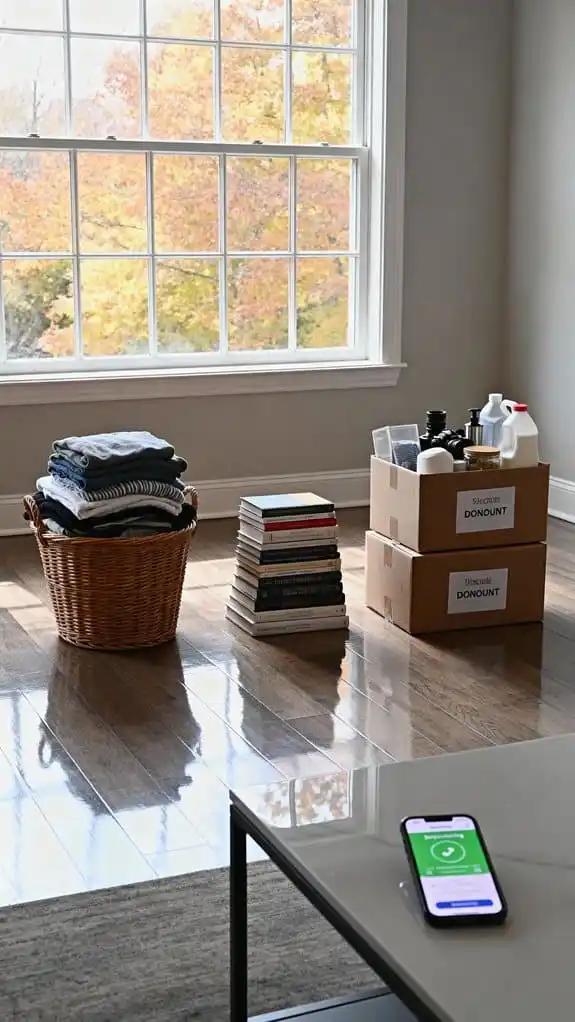
    8. Create a Donation System and Schedule Pickups

    Once you’ve gathered unwanted items, don’t let them sit around.

    Sort donations into categories like clothing, household goods, and seasonal items. Research local charities and schedule a pickup in advance.

    Keeping this step timely ensures your decluttering efforts are completed and your space stays clear.

    Conclusion

    Decluttering for fall isn’t just about cleaning—it’s about resetting your environment for comfort and functionality. By working through storage spaces, clothing, household items, and outdoor areas in a strategic order, you create a home that feels lighter, more organized, and ready for the season ahead.

    The key is consistency. Once you’ve completed this process, maintaining it becomes easier—and your home stays a place you truly enjoy spending time in.

  • How to Design a Cozy Rustic Front Porch on a Budget

    Creating a rustic front porch doesn’t require a big budget—just creativity, resourcefulness, and a few thoughtful touches. With the right mix of textures, materials, and DIY charm, you can transform your porch into a warm and inviting space that feels both stylish and personal.

    Below are 10 refreshed and restructured ideas to help you achieve that perfect rustic look without overspending.

    1. Start with a Warm, Earthy Color Base

    Before adding decor, set the tone with color. Rustic spaces thrive on natural hues like soft greens, weathered browns, muted blues, and creamy whites.

    A fresh coat of paint on railings, walls, or furniture can instantly revive your porch and create a cohesive foundation. Consider a two-tone approach for added depth—like darker railings paired with lighter walls.

    2. Use Reclaimed Wood for Authentic Character

    Nothing says “rustic” like reclaimed wood. It adds texture, history, and a naturally aged look that new materials simply can’t replicate.

    You can use it for:

    • A DIY bench
    • Accent walls
    • Porch rail details

    It’s also budget-friendly and eco-conscious, making it a win on all fronts.

    3. Create a Relaxing Seating Area

    Your porch should feel like an extension of your living space. Instead of buying expensive furniture, consider:

    • Upcycling old chairs
    • Thrift store finds
    • DIY benches

    Add cushions, throws, and a small table to create a cozy setup perfect for coffee mornings or evening unwinding. Comfort is key to making the space truly inviting.

    4. Layer Lighting for a Cozy Evening Glow

    Lighting can completely transform the mood of your porch. Aim for soft, layered lighting rather than one harsh source.

    Try combining:

    • String lights for ambiance
    • Lanterns for warmth
    • Solar lights for efficiency

    This mix creates a relaxing atmosphere that makes your porch usable even after sunset.

    5. Add Greenery with DIY Planters

    Plants instantly bring life to any space—but you don’t need expensive pots.

    Get creative with:

    • Wooden crates
    • Metal buckets
    • Tin cans
    • Repurposed barrels

    A simple coat of paint or distressing technique can turn everyday items into charming rustic planters.

    6. Incorporate Natural Textiles

    Soft furnishings play a huge role in creating that cozy rustic feel. Focus on natural fabrics like:

    • Burlap
    • Linen
    • Cotton

    Use them for pillows, table runners, or throws. These materials not only look authentic but are also durable for outdoor use.

    7. Define the Space with an Outdoor Rug

    An outdoor rug helps anchor your seating area and makes the porch feel complete.

    Choose one that is:

    • Weather-resistant
    • Easy to clean
    • Neutral or nature-inspired in color

    It adds comfort underfoot while tying all your design elements together.

    8. Decorate with Vintage and Repurposed Pieces

    Rustic style thrives on character and history. Look for unique items at thrift stores or flea markets, such as:

    • Old signs
    • Antique tools
    • Vintage chairs
    • Decorative figurines

    You can even repurpose items—like using an old ladder as a plant stand—for a creative and personal touch.

    9. Personalize with Handmade Decor

    DIY art adds personality and makes your porch truly one-of-a-kind.

    Consider:

    • Hand-painted signs
    • Wooden pallet art
    • Mosaic accents

    These pieces reflect your style and make the space feel more meaningful and lived-in.

    10. Refresh the Look with Seasonal Updates

    Keep your porch feeling fresh year-round by rotating decor with the seasons:

    • Spring: Flowers and pastel tones
    • Summer: Light fabrics and greenery
    • Fall: Pumpkins and warm textures
    • Winter: Cozy blankets and wreaths

    Small seasonal changes can make a big visual impact without requiring a full redesign.

    Conclusion

    Designing a rustic front porch on a budget is all about creativity and thoughtful details. By mixing DIY projects, natural materials, and vintage charm, you can create a welcoming space that feels warm, stylish, and uniquely yours.

    Start small, build gradually, and enjoy the process—your dream porch is closer than you think.

  • 10 Living Room Trends That Will Define 2026

    Living room design in 2026 is all about building spaces from the ground up—starting with mood and materials, then layering in form, function, and personality. This reordered guide follows a more natural design process, helping you visualize how to bring everything together cohesively.

    1. Color-Drenched Interiors Set the Foundation

    Every great living room starts with its overall mood—and in 2026, that mood is bold and immersive. Color-drenching transforms spaces by applying a single rich hue across walls, ceilings, and trim.

    Deep tones like emerald, burgundy, and navy create a cocoon-like atmosphere that instantly feels curated and intentional. This approach replaces stark minimalism with warmth and personality, making it the perfect starting point for any design.

    2. Textured Walls Add Depth and Dimension

    Once the color palette is established, texture brings it to life. Flat walls are being replaced with finishes like limewash, plaster, and tactile wallpapers.

    These materials add subtle movement and variation, catching light differently throughout the day. The result is a richer, more layered backdrop that elevates the entire room without overwhelming it.

    3. Marble and Stone Introduce Architectural Impact

    With the foundation in place, architectural elements like fireplaces, shelving, and surfaces take center stage. Marble and stone add natural drama and timeless elegance.

    Bold veining and organic textures create focal points that ground the space while enhancing its sophistication. These materials bridge the gap between modern design and classic luxury.

    4. The Return of the Modern Parlor Layout

    Now comes the structure of the space. Living rooms are being reimagined as intentional gathering areas inspired by traditional parlors.

    Layouts focus on conversation and connection, with furniture arranged to encourage interaction rather than screen time. Flexible seating and multifunctional pieces make these spaces both practical and inviting.

    5. Curved Sofas & Sculptural Seating Define the Layout

    Furniture selection builds on the layout, and curved pieces are leading the way. Sofas and chairs with soft, rounded edges create flow and movement within the room.

    These sculptural forms feel approachable and comfortable while doubling as artistic elements. They soften the overall look and make the space feel more relaxed and welcoming.

    6. Heirloom Furniture Anchors the Space

    Instead of filling rooms with fast decor, homeowners are investing in fewer, better pieces. Heirloom-quality furniture adds weight, meaning, and longevity to a space.

    Craftsmanship, durable materials, and timeless design ensure that each item contributes to a cohesive and lasting aesthetic. This approach turns living rooms into curated collections rather than temporary setups.

    7. Grandmillennial Details Add Character

    With the main pieces in place, it’s time to layer in personality. Skirted furniture, fringe, and decorative trims bring softness and charm.

    These traditional elements create contrast against modern forms, resulting in spaces that feel both nostalgic and fresh. It’s a celebration of detail, texture, and storytelling.

    8. Layered Rugs Bring Warmth and Cohesion

    Floor styling plays a key role in tying everything together. Layered rugs add depth, define zones, and introduce texture.

    A large neutral base rug anchors the room, while a smaller patterned rug adds personality. This technique creates a lived-in, collected look that enhances comfort and visual interest.

    9. Statement Window Treatments Frame the Room

    Windows are no longer an afterthought—they’re part of the design story. Bold drapery, rich fabrics, and decorative trims turn them into focal points.

    These treatments frame the space, add vertical interest, and enhance the overall sense of luxury. Thoughtfully styled windows can completely transform the feel of a room.

    10. Statement Lighting Completes the Look

    Finally, lighting acts as the finishing touch that defines the room’s atmosphere. Sculptural chandeliers, bold pendants, and artistic fixtures become instant focal points.

    The right lighting not only illuminates the space but also reinforces its style—whether dramatic, cozy, or elegant. It’s the final layer that brings everything together seamlessly.

    Conclusion

    Designing a living room in 2026 is about layering with intention—from bold foundational choices to refined finishing details. By following this structured approach, you can create a space that feels cohesive, elevated, and deeply personal.

    Each element builds on the next, resulting in a living room that isn’t just stylish—but thoughtfully designed for how you live, connect, and relax.

  • 15 Stylish Concrete Floor Finishes to Transform Any Space

    Concrete flooring has come a long way from its purely functional origins. Today, it’s one of the most adaptable and design-forward materials you can use in both residential and commercial spaces. Whether you want a sleek modern interior, a rustic outdoor patio, or a bold artistic statement, concrete finishes offer unmatched flexibility.

    What makes concrete truly stand out is its ability to combine strength, longevity, and aesthetic versatility in one surface. With the right finish, you can achieve anything from a polished showroom look to a natural, textured outdoor feel—all while keeping maintenance relatively low.

    Epoxy-Coated Concrete for High-Performance Spaces

    Epoxy coatings are one of the most durable upgrades you can apply to concrete floors. This finish creates a non-porous, seamless layer that protects against moisture, stains, chemicals, and heavy foot or vehicle traffic.

    Because of its resilience, epoxy is commonly used in garages, warehouses, and basements—but it’s also becoming popular in modern homes. With decorative flakes, metallic pigments, or solid colors, epoxy can be both practical and visually striking.

    Best for: garages, basements, commercial spaces
    Why choose it: extreme durability + easy cleaning

    Polished Concrete for a Sleek Modern Look

    Polished concrete is achieved through a multi-step grinding process that smooths and refines the surface to a glossy finish. The result is a luxurious, reflective floor that enhances natural light and makes spaces feel larger and brighter.

    It’s also one of the most low-maintenance options—no waxing required, just occasional cleaning. This makes it ideal for busy households or high-traffic commercial areas.

    Best for: living rooms, offices, retail spaces
    Why choose it: modern aesthetic + energy efficiency

    Stained Concrete for Rich, Custom Color

    Staining adds depth and personality to concrete by penetrating the surface with color. Unlike paint, stains don’t peel—they become part of the concrete itself.

    You can achieve earthy tones, bold hues, or even patterns that mimic marble or wood. This makes stained concrete a favorite for homeowners who want something unique without sacrificing durability.

    Best for: interiors, patios, artistic spaces
    Why choose it: long-lasting color + custom designs

    Stamped Concrete for Decorative Texture

    Stamped concrete is designed to replicate premium materials like stone, brick, slate, or tile. Using molds and coloring techniques, it creates a textured surface that looks high-end but costs significantly less.

    It’s especially popular outdoors, where it adds visual interest while maintaining durability and slip resistance.

    Best for: patios, pool decks, driveways
    Why choose it: decorative look without high material cost

    Metallic Finishes for a Luxurious Statement

    Metallic concrete floors are all about drama and uniqueness. By mixing metallic pigments into coatings, you get a surface that resembles liquid metal, marble, or even clouds.

    No two floors look the same, making this a standout choice for modern interiors or commercial spaces that want to impress.

    Best for: showrooms, modern homes, boutiques
    Why choose it: one-of-a-kind luxury finish

    Painted Concrete for Budget-Friendly Creativity

    Painted concrete is one of the easiest and most affordable ways to upgrade your floors. With the right paint, you can create solid colors, geometric designs, or even murals.

    While it’s not as durable as other finishes, sealing the surface can extend its lifespan and maintain its look.

    Best for: basements, kids’ rooms, DIY projects
    Why choose it: affordable + customizable

    Micro-Topping for Surface Renewal

    Micro-topping is a thin overlay applied over existing concrete, making it perfect for reviving worn or damaged floors. It can be finished smooth or textured and customized with stains or dyes.

    This is a great solution if you want a brand-new look without removing your current flooring.

    Best for: renovations, resurfacing projects
    Why choose it: cost-effective floor makeover

    Burnished Concrete for Subtle Elegance

    Burnished concrete offers a refined, matte finish with a soft sheen. It’s created by mechanically smoothing the surface, resulting in a floor that’s both durable and visually understated.

    This finish is perfect for spaces where you want a clean look without the high gloss of polished concrete.

    Best for: industrial interiors, offices
    Why choose it: minimal look + durability

    Trowel-Finished Concrete for Classic Simplicity

    Trowel finishing is one of the most straightforward methods, producing a smooth and even surface. While it may seem basic, it serves as a great foundation for additional finishes like stains or sealers.

    It’s widely used in both residential and commercial settings because of its practicality.

    Best for: garages, warehouses, basic interiors
    Why choose it: simple, durable, and versatile

    Exposed Aggregate for Natural Texture

    This finish reveals the stones or decorative materials embedded within the concrete. The result is a textured, visually appealing surface that adds character and improves traction.

    It’s especially effective outdoors, where slip resistance is important.

    Best for: walkways, patios, driveways
    Why choose it: natural look + added grip

    Brushed Concrete for Everyday Practicality

    Brushed concrete is created by dragging a broom across the surface before it fully sets. This creates subtle grooves that improve traction.

    It’s one of the most practical finishes for outdoor use, combining safety with a clean, simple appearance.

    Best for: sidewalks, driveways
    Why choose it: slip-resistant + low maintenance

    Salt-Finished Concrete for Subtle Patterns

    Salt finishing creates small indentations on the surface by pressing salt crystals into wet concrete and washing them away.

    The result is a lightly textured finish that offers both visual interest and improved grip, making it ideal for outdoor areas.

    Best for: patios, pool decks
    Why choose it: subtle texture + safety

    Sandblasted Concrete for Enhanced Grip

    Sandblasting roughens the surface by blasting it with abrasive materials. This creates a highly textured finish that improves traction and durability.

    It can also be used decoratively to create patterns or highlight sections of a floor.

    Best for: outdoor walkways, driveways
    Why choose it: strong grip + durability

    Acid-Etched Concrete for Artistic Appeal

    Acid etching creates soft, natural patterns by reacting chemically with the concrete surface. The result is a unique, slightly textured finish with subtle color variations.

    It’s both functional and decorative, making it a great option for those who want something different.

    Best for: bathrooms, patios, decorative interiors
    Why choose it: artistic + slip-resistant

    Floating Terrazzo for Timeless Luxury

    Terrazzo is a premium finish that combines concrete with marble, glass, or quartz chips. Once polished, it creates a smooth, high-end surface that’s both elegant and durable.

    It’s also eco-friendly, as it often incorporates recycled materials.

    Best for: luxury homes, commercial spaces
    Why choose it: timeless design + sustainability

    Conclusion

    Concrete flooring is no longer just a practical choice—it’s a design opportunity. With so many finishes available, you can tailor your floors to match your style, whether that’s modern, rustic, or luxurious.

    By choosing the right finish and maintaining it properly, you’ll have a floor that not only looks incredible but also lasts for decades.

  • 15 Boho Jungle Living Room Designs That Bring Nature Indoors

    1. Floor-to-Ceiling Greenery for a True Jungle Feel

    Turn your living room into a lush sanctuary by embracing vertical greenery. Use tall indoor plants like palms or fiddle-leaf figs, combined with plant shelves or vertical gardens. Arrange them near windows to maximize natural light and create an immersive jungle vibe that feels vibrant and alive.

    2. Natural Materials That Ground the Space

    Introduce raw, organic materials such as bamboo, rattan, reclaimed wood, and jute. These elements instantly warm up the space while reinforcing the connection to nature. Pair them with woven textiles and earthy décor for a cohesive boho jungle aesthetic that feels both relaxed and intentional.

    3. Hanging Planters for a Layered Look

    Elevate your greenery by suspending plants from the ceiling using macramé hangers or wall-mounted planters. This technique adds dimension and visual interest without crowding your floor space. Cascading plants like ivy or string of pearls enhance the effortless, wild jungle effect.

    4. Earth-Toned Palette with Lush Green Highlights

    Build your color scheme around warm neutrals like beige, terracotta, and soft browns, then layer in vibrant green accents. This combination balances calmness with energy, allowing the jungle elements to pop while maintaining a grounded boho feel.

    5. Low Seating for a Relaxed Boho Atmosphere

    Create a laid-back lounge area with floor cushions, poufs, or low-profile sofas. Add a large textured rug underneath and surround the seating with plants for a cozy, grounded layout that invites relaxation and conversation.

    6. Statement Lighting with Organic Materials

    Choose lighting fixtures made from woven fibers like bamboo, rattan, or wicker. Pendant lights, lanterns, or even string lights can create a soft, ambient glow that highlights your greenery and enhances the warm, inviting mood.

    7. Bold Jungle-Inspired Wall Art

    Make your walls come alive with large botanical prints, tropical leaf patterns, or exotic animal artwork. Combine these with macramé hangings or vintage frames to keep the look eclectic and true to boho style.

    8. Sheer Curtains to Let Nature In

    Maximize natural light by using airy, sheer curtains in neutral tones. These allow sunlight to filter gently through the room, enhancing the greenery and creating a fresh, breezy atmosphere that complements the jungle theme.

    9. Rattan and Wicker Furniture Accents

    Incorporate furniture pieces like wicker chairs, rattan coffee tables, or open shelving units. These materials are lightweight yet visually rich, adding texture while seamlessly blending with plants and textiles.

    10. Vintage Pieces for Character and Charm

    Mix in antique or thrifted décor such as weathered tables, old mirrors, or retro lighting. Pair them with global-inspired accents like Moroccan lanterns or tribal prints to create a curated, well-traveled aesthetic.

    11. Patterned Textiles with a Wild Twist

    Introduce bold patterns through cushions, rugs, or throws featuring leaf motifs, tribal designs, or animal prints. Balance these with neutral pieces to avoid overwhelming the space while still capturing the energy of the jungle.

    12. Open Shelving to Showcase Decor

    Use wooden or bamboo open shelves to display plants, sculptures, and curated boho pieces. Layering different objects adds personality and keeps the room feeling lived-in yet stylish.

    13. Large Statement Rugs to Anchor the Room

    Ground your space with a bold rug featuring tropical or botanical patterns. This not only ties the design together but also adds warmth and comfort underfoot.

    14. Layered Textures for Depth and Comfort

    Combine soft fabrics like velvet cushions and fringed throws with rougher materials like jute and wood. This contrast creates depth and makes the room feel cozy, inviting, and visually rich.

    15. Abundant Indoor Plants as the Main Feature

    Fill your space with a mix of plant types—tall, trailing, and compact—to create a dynamic and natural look. Use decorative pots, baskets, and stands to vary heights and textures, turning your living room into a peaceful indoor oasis.