Choosing between light floors and dark floors often starts as an aesthetic decision, but very quickly becomes a practical one: which hides the mess, which shows scratches, and which will make our cleaning routine easier? In this 2026 guide we cut past the design advice and look at real-world maintenance. We’ll compare how dust, dirt, stains, and wear show up on different colors and materials, explain why finish and texture are often more important than color, and give concrete rules for pet owners, families, and low‑maintenance households. Our goal is to leave you with a clear decision framework so you can pick the floor color that fits your lifestyle, not just your Pinterest board. We’ll also cover everyday cleaning, stain removal, and long‑term wear so you know what to expect after the install.
The Visual Reality: How Dust, Dirt, And Scratches Show On Light Versus Dark Floors
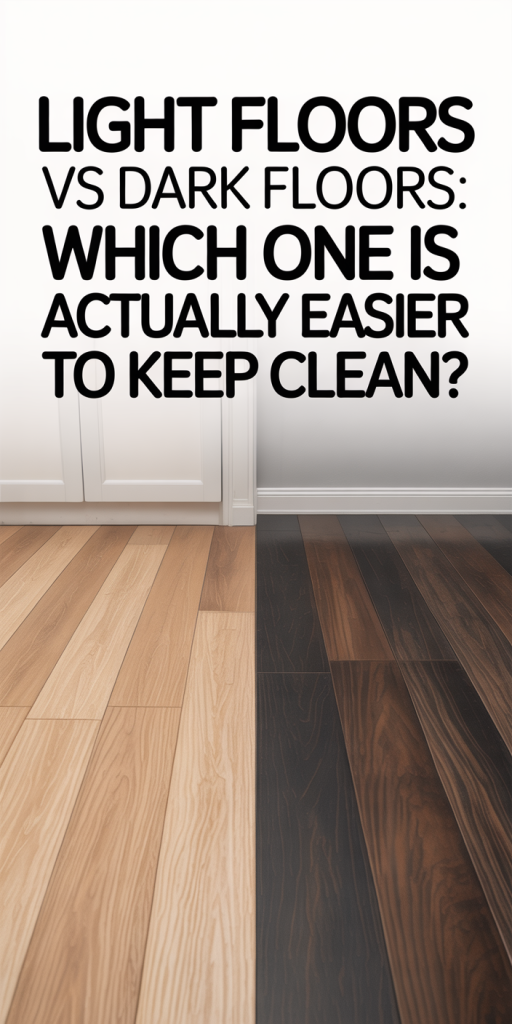
When we talk about visibility, it helps to separate three things: particulate (dust and fine dirt), mud/stains, and surface damage (scratches/scuffs). Light floors reflect more light and can make dark particulates, dust, tracked-in soil, stand out because of the contrast. That’s why pale oak or whitewashed floors can look dusty the morning after a day with pet hair or flour around the kitchen. Dark floors, on the other hand, swallow up fine dust visually but amplify lighter residues: dried water spots, salt, soap scum, and pale pet dander.
Scratches and scuffs behave a bit differently. On light-colored wood, scratches that expose a darker underlayer are more visible: on very dark-stained floors, scratches that reveal lighter wood or the substrate will jump out. The direction of light matters, too: a gloss-finished dark floor under bright angled sun will reveal every nick and scuff through specular highlights. Matte light floors can hide minor wear better because they scatter reflections.
In practice, neither light nor dark floors are universally “cleaner-looking”, they simply show different kinds of dirt. Our takeaway: match the color to the kinds of dirt you expect in your home (e.g., dusty vs muddy) and to how often you’re willing to clean.
Material, Finish, And Surface Texture Matter More Than Color
Color is only one variable. The material (hardwood, laminate, tile, vinyl), finish (matte, satin, gloss), and surface texture (hand-scraped, wire-brushed, smooth) shape how dirt and wear appear and how easy floors are to maintain. We often see people choose a color and later regret overlooking finish and texture.
Think about three practical consequences: durability, visibility, and cleaning technique. Durable finishes resist stains and scratches: textured surfaces can hide small abrasions but trap grit: and some materials respond to cleaners differently. Before we get into material-specific notes, remember: a light glossy laminate might show fingerprints and streaks more than a medium-toned matte hardwood, even though the laminate is lighter in color.
Below we break down common materials and why finish changes what you notice first.
Hardwoods, Laminate, Tile, And Vinyl: How Color Interacts With Each Material
Hardwood: Natural wood varies in grain and undertone. Light hardwoods (maple, ash) show darker grit easily but often hide light dust: dark hardwoods (walnut, stained oak) conceal dark particles but reveal pale scratches. Solid hardwood can be refinished, so long-term wear is less of an aesthetic worry, but it’s still a maintenance concern.
Laminate: Laminate’s printed surface makes color and pattern repeatable. It resists staining but can’t be refinished: deep scratches are permanent. Because laminate often has a protective wear layer, color choice mainly affects how visible crumbs and dust are.
Tile: Porcelain and ceramic tile are forgiving. Grout color is the real visibility problem: white grout with dark tile shows dirt fast, and dark grout can hide stains but collect soap scum. Textured tiles hide slips and scuffs but take more effort to clean.
Luxury Vinyl (LVP/Vinyl plank): Vinyl often mimics wood and is highly stain-resistant. Its wear layer determines scratch resistance. Light vinyl floors feel bright and hide small debris: dark vinyl hides dust but can show water spots.
Across all materials, mid-tones with natural grain/patterning are often the easiest visual compromise, less contrast for both light and dark messes.
Matte Versus Gloss: Why Finish Changes What You Notice First
Finish controls reflection. Glossy floors reflect directional light, which makes scratches, streaks, and scuffs pop. They look dramatic when perfect, but demand more frequent buffing to maintain that mirror finish. Matte finishes scatter light, reducing glare and masking micro-scratches: they’re more forgiving in daily life.
If we’re honest, matte is the practical choice for high-traffic areas. It hides mop streaks, small abrasions, and the constant parade of pet paw marks better than gloss. Satin finishes give a middle ground: a little sheen without the high-maintenance sparkle. For dark floors, we prefer matte or satin to avoid the show-every-defect problem: for very light floors, gloss can look pristine but will require more visible upkeep.
Finish also affects cleaning technique: glossy surfaces show streaking from certain cleaners and require microfiber or squeegee-style tools, whereas matte surfaces tolerate broader cleaning methods with less streak concern.
Common Mess Types And Which Floor Color Masks Them Best
Let’s map common messes to the floor color that typically masks them best.
- Dust and fine debris: Dark floors. Light-colored dust (pollen, flour) appears on dark backgrounds as a high-contrast film: but dark floors visually absorb the common gray house dust better.
- Mud and soil: Mid-tones and patterned floors. Mud is a mix of light and dark: patterned or medium-tone floors hide it better until you notice the texture.
- Pet hair: Depends on pet color. If you have a black dog, dark floors hide fur: a white cat’s hair shows more on dark floors. Neutral mid-tones are often the safest bet for multi-color shedding.
- Water spots and salt: Light floors. Water evaporation leaves pale mineral residue that stands out on dark surfaces: on light floors it’s less noticeable.
- Grease and food stains: Dark floors often hide some food stains, but oily films can appear as darker spots. Light, sealed floors show discoloration more, but many stains wipe away if addressed quickly.
- Scratches and scuffs: If a scratch reveals a different wood tone or lighter substrate it will be most visible on the opposite contrast (light scratch on dark floor, dark scratch on light floor). Again, textured finishes reduce visibility.
That mapping makes it clear: no color is a universal winner. Assess the biggest mess type for your household and choose accordingly.
Daily Maintenance: Sweeping, Vacuuming, And Mopping — What’s Easier On Each Color
Daily maintenance falls into three tasks: removing loose debris (sweeping/vacuuming), spot-cleaning spills, and routine mopping. Color affects our perception of “clean” and hence our tolerance for visible dirt.
Sweeping and vacuuming: Dark floors make dust look less dramatic, so many people vacuum less often. But that’s a false economy: grit that sits on a dark floor still abrades finishes. Light floors show dust quickly, nudging us to sweep more often. We recommend a lightweight cordless vacuum for daily touch-ups regardless of color: it keeps debris from embedding.
Spot-cleaning: On dark floors we often notice water rings or soap film: on light floors we spot dark spills and tracked-in mud faster. Keep a spray bottle with a gentle pH-balanced cleaner and microfibre cloths handy for immediate cleanup.
Mopping: The technical ease of mopping isn’t color-dependent, but streak visibility is. Dark gloss floors show mop streaks and drying rings: use a damp mop and follow with a microfiber pad or squeegee to avoid marks. For light floors, mop residue is usually less obvious, but discolored mop water will show if you aren’t using clean water.
Routine tip: We suggest a scheduled quick sweep every other day and a full vacuum + mop once weekly for average households. Adjust frequency up for pets and kids. A consistent routine matters more than the floor color.
Practical Decision Guide: Choosing The Right Floor Color For Your Lifestyle And Home
We like decision guides that reduce choice anxiety. Here’s a practical flow to match floor color to lifestyle.
- Identify your primary mess type: daily dust, mud, pet hair, or liquid spills. If dust dominates, consider mid-to-dark tones: if mud or light stains dominate, favor mid-tones or light colors with textured finishes.
- Consider foot traffic and furniture: High-traffic zones benefit from textured, matte finishes and mid-tones. If you entertain a lot and prefer a polished look, choose a satin finish that balances elegance and forgiveness.
- Match to lighting: In low-light rooms, very dark floors can make the space feel heavy and reveal scuffs under directional light. In bright, well-lit homes, dark floors create drama but will require closer maintenance to look perfect.
- Evaluate long-term maintenance: If you plan to refinish (solid hardwood), color matters less long-term. For veneer, laminate, or vinyl, choose a tone you can live with because wear patterns are more permanent.
- Test large samples: Bring 2–3 big samples home, observe them at different times of day, and sprinkle flour or dust to preview how each color shows common debris.
This method gets us out of theoretical debates and into a choice that aligns with how we actually live in our homes.
Quick Rules For Pet Owners, Families With Kids, And Low‑Maintenance Households
Pet owners:
- Match floor tone to predominant pet color when possible. Dark pets + dark floors = less visible fur: light pets + light floors = same. Choose matte finishes and robust wear layers: consider urethane or aluminum-oxide finishes for hardwood.
- Opt for textured surfaces or hand-scraped looks to hide claw marks.
Families with kids:
- Choose mid-tone floors with a forgiving pattern, sand, gray-brown, or warm oak hides spills, crumbs, and scuffs well.
- Pick a durable finish and avoid ultra-gloss in play areas. Water-resistant materials like LVP are practical for quick cleanup.
Low-maintenance households:
- Select mid-tones and matte finishes. These hide a broad range of mess types and reduce the pressure to clean daily.
- Prioritize materials with easy-clean warranties (vinyl, porcelain tile) and pick grout colors that won’t demand frequent regrouting or scrubbing.
Across all three groups, we recommend keeping a small cleaning kit in the busiest zone: microfibre cloths, a gentle cleaner, and a compact vacuum. Preparedness beats perfection.
Cleaning Products, Stain Removal, And Long‑Term Wear Considerations
Choosing the right cleaners and techniques is essential no matter the floor color. The wrong product can dull a finish or leave residue that makes streaks more visible on dark floors.
General rules:
- Use pH-neutral cleaners for sealed wood and laminate. Acidic or alkaline cleaners can break down finish layers.
- Avoid oil-based soaps for floors: they leave a film that attracts dirt and darkens over time.
- For tile and grout, use a grout brush and an oxygen-based cleaner for stubborn stains: bleach will whiten grout but can damage surrounding materials if used improperly.
Stain removal: Act quickly. For oil/grease, use an absorbent (baking soda) then a gentle degreaser. For tannin stains (coffee, wine), blot, then use a recommended wood-safe stain remover or oxygenated bleach for tile grout. Dark floors are forgiving on small food stains: light floors require faster response to prevent permanent discoloration on porous materials.
Long-term wear:
- Recoating or refinishing solid wood every 7–15 years (depending on traffic) refreshes color and addresses scratches. Lighter floors sometimes need less visual touch-up because scratches blend more naturally: darker floors often show wear sooner and might be refinished to a slightly different shade to hide accumulated damage.
- For engineered products, follow the manufacturer’s care instructions, many offer repair kits for minor surface damage.
The bottom line: choose products designated for your material, test in a discreet spot, and set a renewal schedule that fits your household’s use.
Conclusion
Deciding between light floors and dark floors isn’t just about looks, it’s about matching color, material, and finish to the types of mess we face and the time we’ll spend cleaning. Light floors make dust and dark stains more visible: dark floors hide dust but reveal water spots, light hair, and scratches. In our experience, mid-tones with textured, matte finishes offer the best compromise for most households: they reduce contrast for common messes and make daily maintenance less punishing. Eventually, test samples at home, consider your family’s habits, and pick materials and finishes that align with how you live. That’s how we guarantee a floor that stays beautiful with realistic upkeep.
Leave a Reply