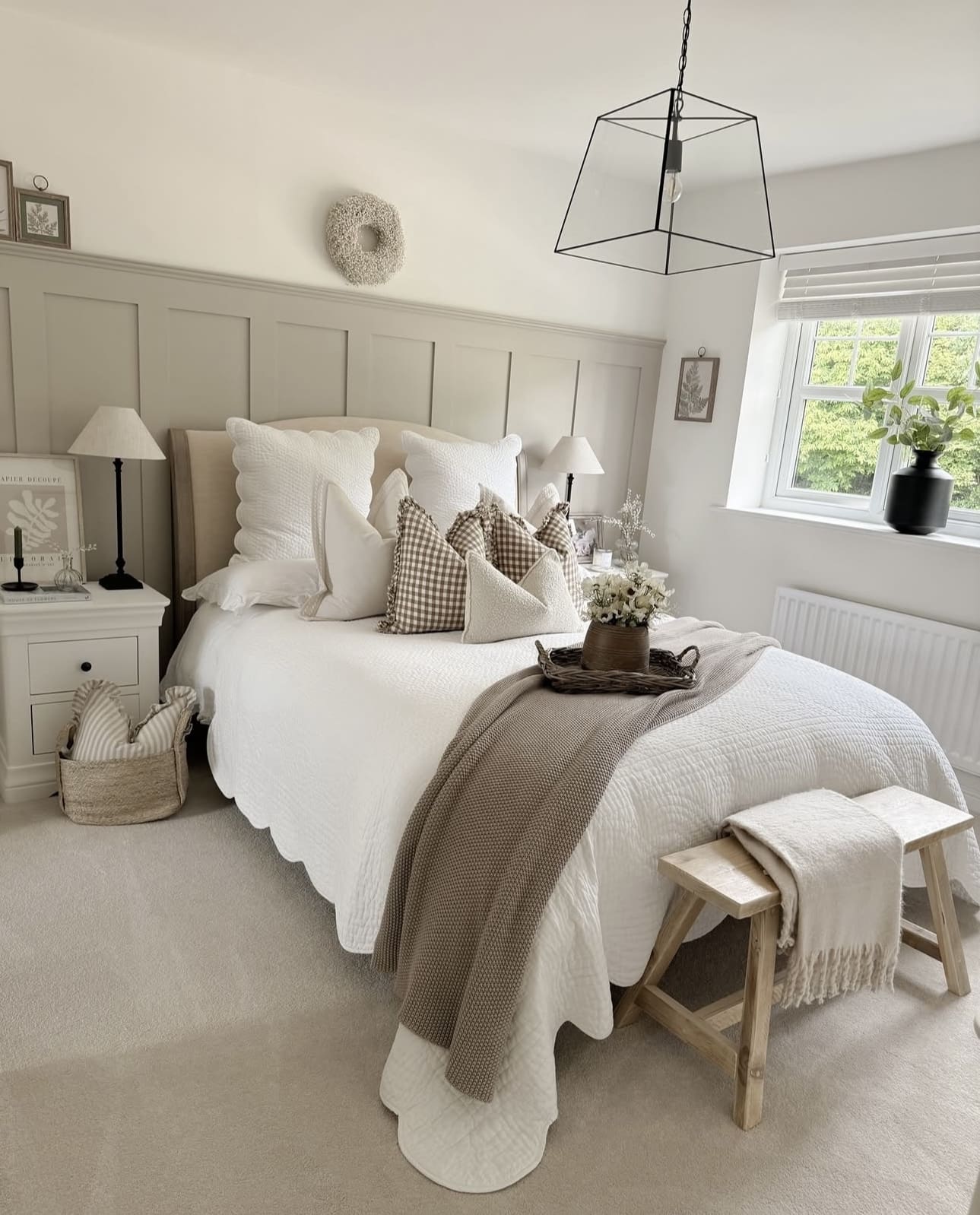
Nothing says summer luxury quite like a beautifully designed swimming pool. Whether you want a sleek modern retreat, a tropical-inspired oasis, or a cozy plunge pool for cooling off on hot afternoons, the right design can completely transform your outdoor space. Today’s pool trends focus on blending comfort, style, and relaxation to create backyards that feel like private resorts.
From dramatic lighting to natural landscaping and resort-inspired features, these swimming pool ideas will inspire your next outdoor makeover.
1. Create a Resort-Style Infinity Pool
Infinity pools instantly add a luxurious, high-end feel to any backyard. The seamless edge creates the illusion that the water stretches endlessly into the horizon, making the entire space feel larger and more peaceful.
Pair the pool with minimalist lounge chairs, oversized umbrellas, and clean stone decking for a polished resort aesthetic. This style works especially well in homes with scenic views or elevated landscapes.
2. Add a Baja Shelf for Relaxed Lounging
A Baja shelf, also called a tanning ledge, is one of the most popular modern pool features. This shallow area allows you to relax partially submerged while enjoying the sun.
Place waterproof loungers or small side tables on the shelf to recreate the atmosphere of a luxury hotel pool. Families also love Baja shelves because they provide a safe splash zone for kids.
3. Embrace Natural Lagoon-Inspired Designs
Freeform pools with curved edges and lush landscaping create a tropical escape right at home. Instead of sharp geometric lines, these pools use natural stone, waterfalls, and greenery to mimic a hidden lagoon.
Add palm trees, ornamental grasses, and layered plants around the perimeter to make the space feel immersive and relaxing.
4. Install Dramatic Pool Lighting
The right lighting can completely transform your pool after sunset. LED underwater lights, pathway lighting, and illuminated water features create a magical nighttime atmosphere perfect for entertaining.
Soft lighting also highlights landscaping details and gives the backyard a warm, inviting glow. Modern smart lighting systems even allow you to control colors and brightness from your phone.
5. Choose a Sleek Geometric Pool Shape
Rectangular and geometric pools remain timeless because of their clean and modern appearance. These pools work beautifully with contemporary homes and structured landscaping.
Sharp lines, large concrete pavers, and monochromatic color palettes create a sophisticated outdoor environment that feels calm and uncluttered.
6. Build a Cozy Courtyard Plunge Pool
Not every backyard needs a massive swimming pool. Compact plunge pools are perfect for small spaces while still delivering a luxurious experience.
A smaller pool surrounded by textured walls, greenery, and warm lighting can feel incredibly intimate and relaxing. This setup works especially well for urban homes or courtyard-style layouts.
7. Add Waterfalls for a Spa-Like Atmosphere
Waterfalls instantly elevate the visual appeal of a pool while adding soothing sound and movement. Natural rock waterfalls create a tropical vibe, while sleek sheet waterfalls complement modern designs.
Even a small waterfall feature can make your pool feel more dynamic and luxurious.
8. Incorporate Fire Features for Contrast
Combining fire and water creates a dramatic backyard focal point. Fire bowls, linear fire pits, or torches around the pool add warmth and sophistication, especially at night.
This combination works beautifully in modern and Mediterranean-inspired outdoor spaces where entertaining is a priority.
9. Design an Indoor-Outdoor Pool Experience
Indoor-outdoor pool concepts blur the boundaries between interior and exterior living spaces. Large sliding glass doors allow the pool area to feel connected to the home while maintaining an airy, open atmosphere.
This design works particularly well in modern architecture and homes focused on year-round entertaining.
10. Surround the Pool With Lush Landscaping
Landscaping can make a simple pool feel like a private vacation retreat. Dense greenery, layered textures, and tropical plants soften hard surfaces and create visual depth.
Consider mixing palms, ferns, flowering shrubs, and ornamental grasses to create a balanced and natural-looking environment.
11. Create a Luxury Pool Lounge Area
A pool becomes far more inviting when paired with a thoughtfully designed lounge space. Outdoor sectionals, shaded pergolas, cabanas, and dining areas help transform the backyard into a complete entertainment zone.
Use soft neutral tones, textured fabrics, and natural materials to maintain a relaxed resort-inspired look.
12. Try a Dark Pool Finish for Modern Drama
Dark pool interiors are becoming increasingly popular because they create a striking reflective effect. Deep charcoal, navy, or black finishes give the water a rich and sophisticated appearance.
These darker tones also pair beautifully with minimalist architecture and modern landscaping.
13. Incorporate Smart Pool Technology
Smart pools make maintenance and comfort easier than ever. Automated systems allow homeowners to control lighting, temperature, filtration, and cleaning directly from mobile devices.
This technology adds convenience while also improving energy efficiency and overall usability.
14. Blend the Pool Into the Landscape
One of the most elegant approaches to pool design is making it feel naturally integrated into the backyard. Use materials that complement your home’s exterior and surrounding environment.
Stone pathways, matching decking materials, and cohesive landscaping help the pool feel intentional rather than separate from the overall design.
15. Add a Swim-Up Bar for Entertaining
A swim-up bar instantly turns your backyard into a vacation-inspired entertainment hub. Built-in stools, shaded counters, and nearby outdoor kitchens create the perfect setup for summer gatherings.
This feature works especially well for homeowners who love hosting pool parties and outdoor dinners.
Final Thoughts
The best swimming pool designs go beyond aesthetics — they create a space where relaxation, entertainment, and outdoor living come together seamlessly. Whether you prefer sleek modern lines, tropical landscaping, or cozy resort-inspired details, the right pool design can completely transform your backyard into a personal summer sanctuary.
Focus on features that match your lifestyle, available space, and overall home design to create a pool area you’ll enjoy for years to come.
Choosing the right color can completely transform a small bathroom. The perfect shade can make a cramped space feel airy, cozy, elegant, or even luxurious without requiring a full renovation. Whether you love soft neutrals, bold statement colors, or calming spa-inspired palettes, the right paint choice helps set the mood while maximizing the feeling of space.
In this guide, you’ll discover 25 beautiful small bathroom color ideas that can instantly refresh your bathroom. From timeless whites to dramatic charcoals, these colors are designed to add personality while keeping compact spaces feeling open and inviting.
1. Chic Charcoal for Modern Drama
Charcoal gray creates a sophisticated and moody atmosphere without making a small bathroom feel too enclosed. Unlike pure black, charcoal has softer undertones that add depth while still maintaining elegance.
Pair this rich shade with brushed gold fixtures, white countertops, or bright mirrors to balance the darkness. Adding layered lighting also helps prevent the room from feeling too heavy. Charcoal works especially well in modern and industrial-inspired bathrooms.
2. Refreshing Seafoam Green for a Spa-Like Feel
Seafoam green instantly brings a calm and airy vibe to compact bathrooms. Inspired by ocean tones, this gentle color promotes relaxation while making the room feel clean and fresh.
Combine seafoam green walls with natural wood accents, white tiles, and woven textures for a spa-inspired retreat. This shade is ideal for bathrooms with limited natural light because it keeps the space feeling soft and bright instead of dull.
3. Elegant Taupe for Warm Sophistication
Taupe is one of the most versatile colors for small bathrooms because it blends warmth and neutrality beautifully. It creates a cozy atmosphere while remaining timeless and refined.
This shade works well with stone countertops, beige tiles, and matte black fixtures. Taupe also allows you to experiment with different textures, such as wood, marble, or metallic finishes, without overwhelming the space.
4. Soft Pistachio to Brighten Tight Spaces
Pistachio green offers a cheerful yet subtle touch that instantly freshens up a bathroom. Its muted green tone reflects light well, helping compact bathrooms appear larger and more inviting.
Use pistachio alongside crisp white trim and light-colored flooring for a clean and uplifting design. This color is perfect if you want something playful but still calming and sophisticated.
5. Rich Plum for a Luxurious Touch
Plum may seem bold for a small bathroom, but when styled correctly, it creates a cozy and elegant atmosphere. Deep plum tones add richness and character, especially in powder rooms or guest bathrooms.
Balance the darker shade with silver fixtures, mirrors, and light-colored accessories to maintain brightness. Plum pairs beautifully with velvet textures and warm lighting for a dramatic boutique-hotel aesthetic.
6. Refreshing Mint Green for an Airy Look
Mint green remains one of the best colors for small bathrooms because of its fresh and uplifting quality. Its soft green undertones mimic nature and instantly make the room feel more open and breathable.
White cabinets and chrome fixtures pair beautifully with mint green walls. Adding plants or natural décor can further enhance the refreshing atmosphere. This color is especially effective for bathrooms that need a clean and rejuvenating update.
7. Serene Powder Blue for a Relaxing Retreat
Powder blue creates a soothing environment that feels peaceful and timeless. Its light tone reflects natural light beautifully, making compact bathrooms appear larger and brighter.
To create a coastal-inspired look, pair powder blue with white subway tiles and light wood accents. Soft textiles like white towels and woven baskets can complete the calm and airy aesthetic.
8. Warm Sunset Orange for a Cozy Glow
Sunset orange brings warmth and personality into a small bathroom without feeling overwhelming. This vibrant color creates an energetic atmosphere that instantly livens up the space.
To avoid making the room feel too busy, balance the orange with cream, beige, or white accents. This shade works especially well in bathrooms that receive a lot of natural light.
9. Classic Crisp White for Timeless Brightness
White remains one of the most popular small bathroom colors for good reason. It reflects light better than any other shade, instantly creating the illusion of a larger room.
Layering textures is key to keeping an all-white bathroom from feeling sterile. Incorporate textured towels, patterned rugs, or natural wood elements to add warmth and depth while maintaining the bright and spacious feel.
10. Soothing Slate Gray for Subtle Elegance
Slate gray offers a modern neutral option that feels refined and calming. It creates a soft contrast against white fixtures while adding sophistication to compact bathrooms.
This shade works beautifully with marble countertops, metallic accents, and glass shower enclosures. Slate gray also provides flexibility, allowing you to switch décor styles easily over time.
11. Cheerful Butter Yellow for Sunny Energy
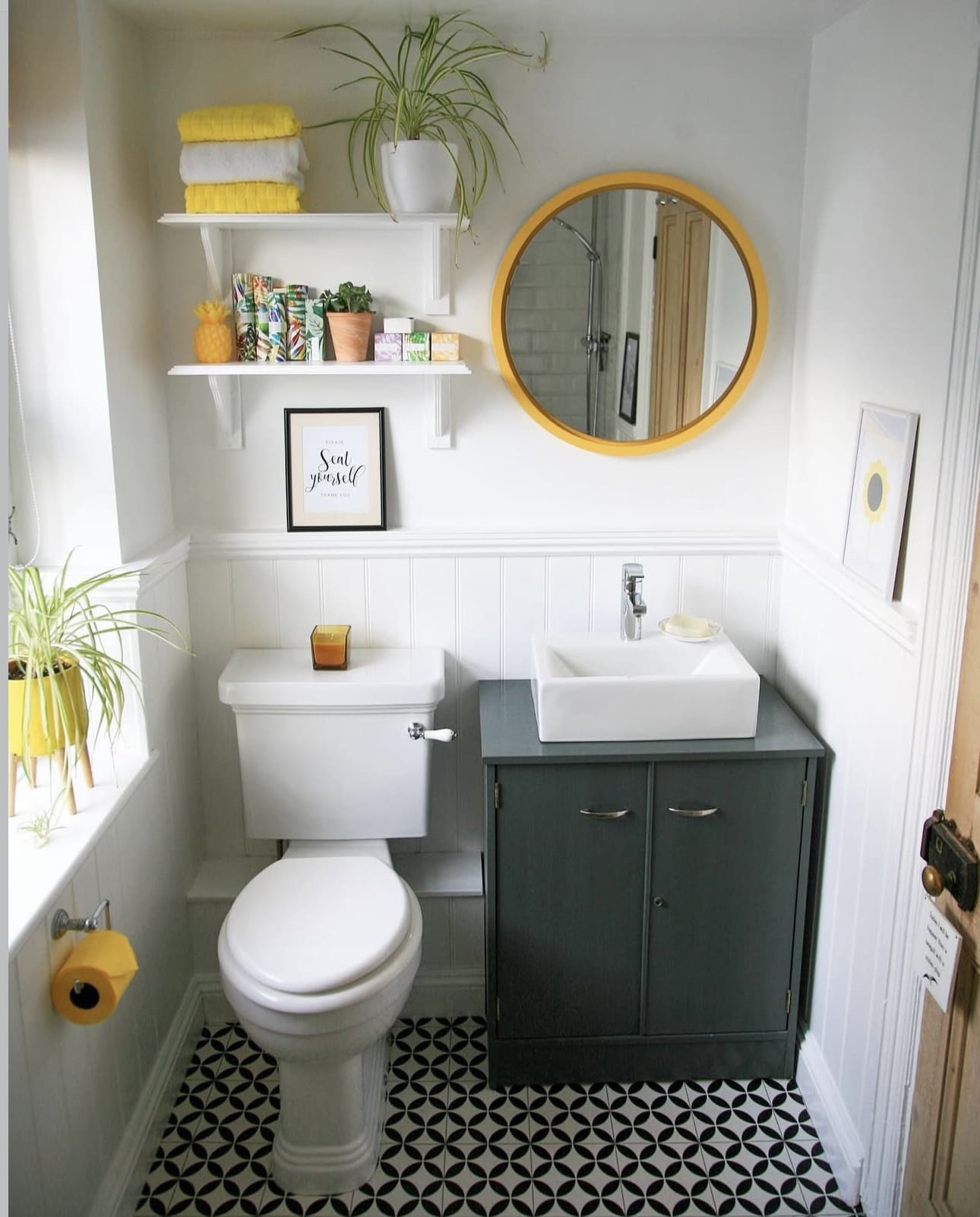
Butter yellow instantly brightens small bathrooms by adding warmth and positivity. Its soft golden tone reflects light beautifully, making the room feel cheerful and welcoming.
Pair butter yellow with white cabinetry and light gray accents for a balanced look. This shade is especially ideal for bathrooms with limited sunlight because it naturally creates a brighter atmosphere.
12. Bold Black for Dramatic Contrast
Black can make a surprisingly stylish statement in small bathrooms when used strategically. Instead of covering every wall, consider using black as an accent color or feature wall.
Combining black with white tiles, mirrors, and metallic fixtures creates strong contrast while maintaining balance. Matte black hardware can also add a sleek and contemporary feel.
13. Earthy Terracotta for Warm Rustic Charm
Terracotta introduces warmth and natural character into compact bathrooms. Its earthy orange-brown tones create a cozy and grounded atmosphere inspired by Mediterranean design.
Pair terracotta with wooden shelves, woven baskets, and cream-colored accents for a welcoming look. This shade works particularly well in bathrooms with boho or rustic décor styles.
14. Soft Lavender for a Gentle and Calming Space
Lavender adds a subtle touch of color while maintaining a relaxing ambiance. Its soft purple tones feel airy and elegant without overpowering a small room.
White fixtures and silver hardware pair beautifully with lavender walls. Adding candles, fresh flowers, or plush towels can enhance the calming atmosphere even further.
15. Nautical Navy Blue for Timeless Style
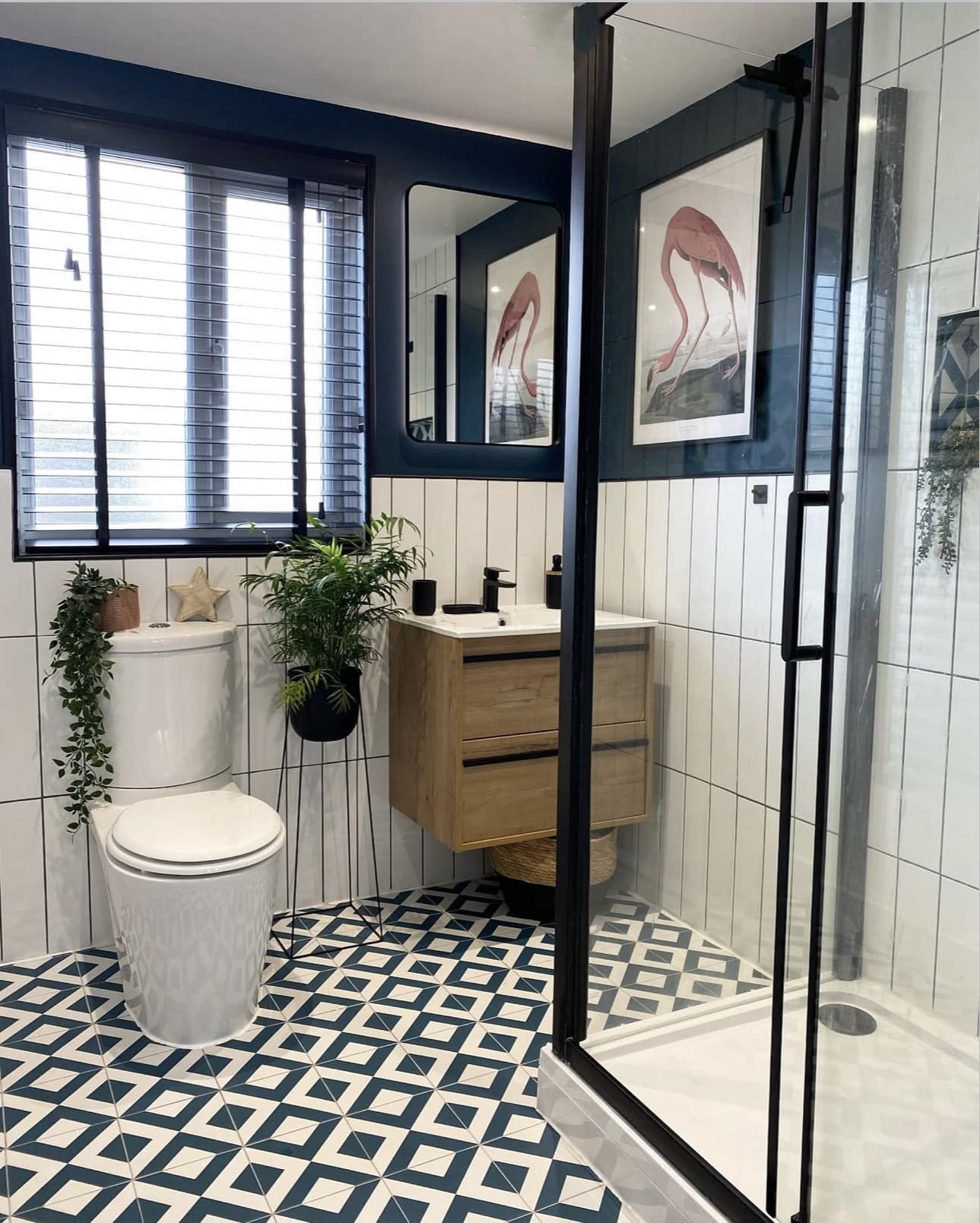
Navy blue brings depth and sophistication to a bathroom while maintaining a classic feel. Although darker than other shades, navy creates a striking contrast that can actually make a room feel more layered and dimensional.
Balance navy walls with bright white vanities, mirrors, and linens to keep the bathroom feeling crisp and open.
16. Lively Coral for Playful Personality
Coral blends the warmth of orange with the softness of pink, creating a lively and energetic color palette. It adds personality without feeling overpowering.
This color pairs beautifully with neutral tiles, brass fixtures, and natural textures. Coral is perfect for homeowners who want a cheerful and modern bathroom design.
17. Vibrant Teal for Bold Elegance
Teal combines calming blue and refreshing green tones, making it both dramatic and inviting. This jewel-toned shade instantly creates a designer-inspired bathroom.
To prevent the room from feeling dark, combine teal with white trim, mirrors, and light flooring. Gold accents also complement teal beautifully and add extra luxury.
18. Cozy Peach for Soft Warmth
Peach tones create a welcoming and comfortable atmosphere that flatters nearly every bathroom style. This gentle shade adds warmth without overwhelming the room.
Soft peach walls look especially beautiful alongside cream tiles, warm wood finishes, and soft lighting. The result is a bathroom that feels bright, cozy, and relaxing.
19. Muted Bronze for Understated Luxury
Muted bronze offers a unique alternative to traditional neutrals. Its metallic-inspired warmth creates an elegant and upscale feel while remaining subtle enough for smaller spaces.
Pair muted bronze with beige tones, marble finishes, and soft lighting to create a luxurious yet inviting bathroom aesthetic.
20. Crisp Cotton Blue for an Open Feel
Cotton blue has a light and breezy quality that helps compact bathrooms feel airy and spacious. Its soft sky-inspired tone creates a refreshing atmosphere perfect for everyday relaxation.
This color pairs effortlessly with white fixtures and light wood accents for a clean and coastal-inspired look.
21. Pale Periwinkle for Delicate Charm
Periwinkle blends soft blue and lavender tones to create a dreamy and tranquil atmosphere. This subtle shade adds character while maintaining brightness in smaller bathrooms.
White cabinetry and light gray accents work beautifully with periwinkle walls, creating a balanced and soothing design.
22. Sunny Marigold for a Bold Statement
Marigold delivers warmth, happiness, and vibrant energy. This cheerful shade instantly brightens small bathrooms and creates a welcoming atmosphere.
To keep the room from feeling too intense, combine marigold with crisp white walls, neutral flooring, and simple décor elements.
23. Timeless Beige for Effortless Versatility
Beige remains a reliable favorite because it works with nearly every design style. Its soft neutral tone creates warmth while keeping the room feeling calm and open.
Layering different textures, such as wood, linen, or stone, helps beige bathrooms feel rich and visually interesting instead of plain.
24. Dusty Rose for Vintage Elegance
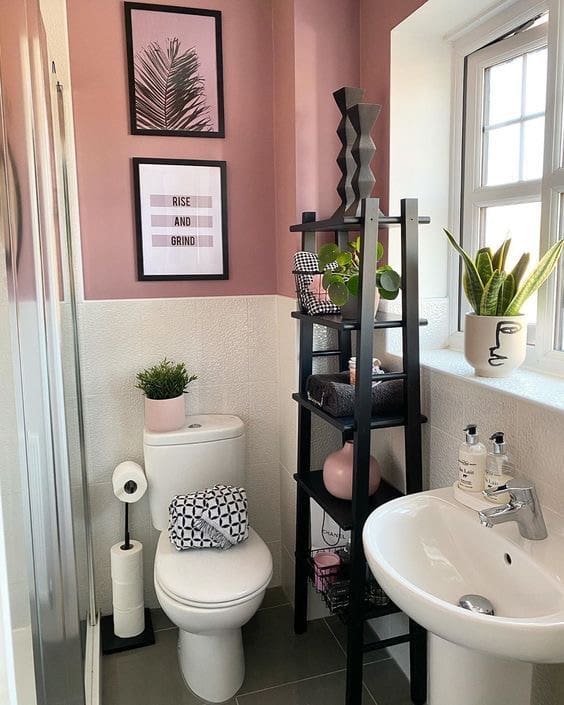
Dusty rose offers a romantic and soft appearance that works beautifully in small bathrooms. Its muted pink tone creates warmth and charm without feeling overly feminine.
Pair dusty rose with gold fixtures, white trim, and vintage-inspired accessories for a sophisticated and cozy atmosphere.
25. Soothing Slate Gray for Contemporary Style
Slate gray deserves another spotlight because of how adaptable it is in modern bathroom designs. Its cool undertones create a calm and polished appearance while serving as the perfect backdrop for colorful accessories or metallic details.
Adding layered lighting and reflective surfaces helps slate gray bathrooms feel sleek and spacious instead of dark.
Final Thoughts
The right bathroom color can completely change how a small space feels. Light shades can create openness and brightness, while deeper tones add coziness and sophistication when balanced correctly. Whether you prefer calming blues, earthy neutrals, dramatic dark hues, or cheerful warm colors, there’s a palette that can transform your bathroom into a stylish and comfortable retreat.
By combining the right paint color with smart lighting, mirrors, and textures, even the smallest bathroom can feel elegant, welcoming, and surprisingly spacious.
We know how frustrating it is to love hosting but not have the square footage to match the ambition. Small dining rooms can feel like a design puzzle: we want to seat more people, serve food comfortably, and keep movement easy, without turning the space into a cramped afterthought. In this guide we’ll walk through 25 practical, stylish strategies that make small dining rooms feel larger and work harder. We’ll start with measurement and planning, move into furniture choices and layouts that increase seating, then cover lighting, color, storage, and entertaining hacks. Each idea is something we’ve tested (or seen work) in real rooms, no vague platitudes, only approaches that actually help you fit more without feeling crowded.
Measure, Prioritize, And Plan Your Layout
Before buying anything we always measure, and we recommend you do the same. Start with a simple sketch: note wall lengths, window and door placement, radiators, and any architectural details (columns, niches, or half-walls). Measure the width of clearances you have for walkways: aim for a minimum 36 inches where people pass behind chairs, and 24–30 inches (60–75 cm) from table edge to wall when chairs are tucked in. Those numbers guide what table sizes and shapes will actually fit.
Next, prioritize how you use the room. Is it primarily a formal dining space used once a week, or do you need everyday family dining, a assignments station, or a home office corner? Decide the primary function and secondary functions, that dictates which compromises to make. For instance, if daily family dinners are essential, allow more circulation space and pick a table that’s comfortable for frequent use rather than a showy centerpiece.
We also map sightlines. A tight room becomes claustrophobic when furniture blocks windows or meaningful visual breaks. Place larger pieces against walls that don’t interrupt views. If you have a focal point, a fireplace, built-in shelving, or a window, orient seating to highlight it: the eye will travel outward and the room will feel more open.
Finally, mock the layout in real scale. Tape the floor to outline the table and chair footprint, or use cardboard templates. It’s an old trick but invaluable: suddenly you can feel exactly how much movement remains. We often discover that swapping the table shape or moving a buffet to another wall gains the exact inches needed for comfortable traffic flow.
Choose Multipurpose And Properly Scaled Furniture
In a small dining room we believe furniture should earn its keep. Multipurpose pieces and smaller scale items let us seat more people without crowding the room.
Start with the table. Round and oval tables often fit better in tight spaces because they eliminate corners and shorten the visual footprint. A 36–44 inch round table is ideal for cozy four-seaters: a 60-inch round will seat six if the room allows. Extendable tables are another favorite: they act compact most days and expand when guests arrive. Choose models with easy leaf storage or leaves that slide into the base, that convenience makes you more likely to use the extension regularly.
Benches trump chairs in terms of fit, more on that later, but even when we use chairs, we pick armless, slim-profile designs. Look for chairs with exposed legs (not skirted or bulky), which preserve sightlines and reduce visual weight. Consider ghost chairs or transparent acrylic options for a modern look that literally takes up less visual space.
Buffets and sideboards should be narrow yet tall, combining serving surface and storage vertically. A piece 14–18 inches deep is usually enough to hold dishes, linens, and a few appliances without encroaching on circulation. Wall-mounted or floating storage is even better: it frees floor space and creates the illusion of a larger room.
Finally, keep proportions consistent. Oversized furniture in any small room reads as clutter. Measure the table-to-room ratio: ideally the table should take no more than 60% of the room’s floor area when chairs are pushed in. If you need to seat eight in a small footprint, prioritize an extendable table plus benches or slim chairs rather than a bulky formal table and armchairs.
Smart Layouts That Maximize Seating
When space is the constraint, layout choices determine how many people we can seat and how comfortable everyone feels. There’s no single right answer, we choose a layout based on room shape, traffic patterns, and primary uses. Below are high-impact layouts that repeatedly win in small dining rooms.
Flexible Seating Solutions (Benches, Stools, And Foldables)
Flexible seating is a small-room game-changer. Benches, stools, and foldable chairs compress seating footprint and add adaptability.
Benches: A bench along one side of the table can typically seat as many as two chairs in the same length because people squeeze in more comfortably without armrests. For a narrow room, consider a built-in banquette along a wall or beneath a window. Banquettes not only maximize seating but also offer hidden storage beneath the seat for linens, boards, or kid paraphernalia. Remember to keep seat depth comfortable, 16–18 inches is standard, and leave at least 12–15 inches from the seat back to the wall for the cushion and posture.
Stools: Backless stools tuck entirely under the table when not in use, reclaiming floor space. Use stools at the ends of rectangular tables or pair them with a bench for mixed seating. Choose stools with slim profiles and padded tops for comfort.
Foldable Chairs and Stackables: For occasional entertaining, we like sleek foldables or stackable chairs that live in a closet and appear when needed. Modern folding chairs are surprisingly chic: choose versions with padded seats and neutral finishes so they don’t feel like temporary guests.
Mix-and-match: Combine seating types for a relaxed, layered look, a bench on one side, chairs on the other, and a stool at the end. This mix increases capacity without adding visual bulk. Also, when planning, count the actual usable seats: an armless dining chair typically occupies 18–20 inches of table edge, while a bench can be counted at roughly 12–16 inches per person depending on spacing.
Traffic Flow And Zoning Tips For Comfortable Movement
Seating matters, but so does how people move. We always design with clear circulation paths and subtle zoning to keep the room functional during gatherings.
Prioritize a main traffic corridor: keep at least one 36-inch path from entry to exit that avoids the primary serving area. If your room connects to the kitchen, ensure the route between counter/server and table is unobstructed: passing dishes across cramped spaces is the quickest way to ruin a dinner party.
Create a service zone: designate one side of the room for serving and storage. Place a small buffet or bar cart there so dishes and drinks won’t cross traffic lanes. Using vertical storage, like a tall but shallow cabinet, keeps the service zone compact while still accessible.
Use rugs to define zones: a rug sized correctly under the table (table plus chairs pulled out) visually anchors the dining area. For narrow rooms, a runner or rug strip can present an axis that guides movement and separates dining from other functions.
Position chairs to allow backs to slide out without hitting walls or doorways. If space is tight, angle chairs slightly toward the center or choose chairs with casters for easier maneuvering. During parties we shift a few chairs away from walls and bring in stools or folding chairs to ease seating transitions.
Lighting, Color, And Visual Tricks To Open The Space
Light and color change perception dramatically, and those are tools we use first when making a small dining room feel larger.
Layered lighting: Combine ambient, task, and accent lighting. A central pendant defines the table and draws the eye upward. Choose a pendant proportionate to the table (about 1/2 to 2/3 the table width) and hang it 28–34 inches above the tabletop to provide intimate illumination without blocking sightlines. Add wall sconces or picture lights to create depth: light on multiple planes makes walls recede.
Natural light: Maximize it by keeping window treatments minimal. Sheer panels, blinds that tuck away, or curtains mounted high and wide all increase the perceived window size. If privacy is a concern, consider top-down shades that let light in while screening lower sightlines.
Color strategies: Lighter hues open a room, but that doesn’t mean the space must be sterile. We often use a light, warm neutral on walls and add contrast with a darker accent on one wall, a painted ceiling, or trim in a complementary tone. Using the same color family for trim, doors, and built-ins reduces visual breaks and creates an uninterrupted flow.
Reflective surfaces: Mirrors are classic because they double perceived space and bounce light. Place a mirror opposite a window or behind a buffet. Glossy finishes on cabinets, glass tabletops, and metallic accents also help. But, avoid too many busy patterns which can feel cluttered: keep patterns for textiles like seat cushions or a single artwork.
Vertical emphasis: Painting the ceiling a slightly lighter shade than the walls or adding vertical striped wallpaper on one wall draws the eye up, making ceilings feel higher. Slim vertical moldings or floor-to-ceiling shelves work similarly: they add storage while stretching the perceived height of the room.
Clever Storage, Serving, And Entertaining Hacks
To fit more people comfortably, we reduce tabletop clutter and keep serving streamlined. Smart storage and service strategies are essential.
Hidden storage: Choose furniture with built-in storage, benches with lift-up seats, tables with drawers, or consoles with cubbies. These hide napkins, placemats, and serving utensils so the table stays clear during meals.
Wall-mounted solutions: Floating shelves, plate racks, and narrow peg rails keep frequently used items within reach without using floor space. A shallow wall-mounted cabinet near the dining table can store seasonal serving ware and double as a display area.
Rolling service carts: A compact bar or serving cart is one of our favorite entertainment hacks. It acts as mobile storage and a staging area during meals. When not in use it tucks into a corner or hallway: during meals it travels between kitchen and table, removing the need for a large buffet.
Pre-plating and family-style balance: To minimize passing and congestion, pre-plate salads or desserts, or serve family-style from a cart or two smaller dishes placed strategically around the table. Encourage guests to pass dishes toward the center rather than standing and reaching across the table: this small etiquette change reduces chair movement and accidental elbows.
Use door and behind-chair space: The inside of a closet or pantry door can hold a slim organizer for placemats and table linens. Behind a chair, a narrow ladder shelf can hold water pitchers, extra glassware, or a pitcher of iced tea.
Smart servingware: Invest in stackable serving bowls and nesting platters, they save storage and make buffet setups faster. Consider durable, attractive melamine or porcelain that looks good on the table and is easy to stack in tight cabinets.
Conclusion
Small dining rooms ask us to be intentional: we measure, choose multifunctional furniture, and design layouts that prioritize circulation and sightlines. By combining benches and slim chairs, using extendable tables, layering light, and adding clever storage and serving hacks, we can seat more people without sacrificing comfort or style. The solutions we’ve shared are practical and flexible, mix them to match your space and hosting habits, and you’ll find your small dining room doing a lot more than it used to. Let’s reclaim those square feet and make every meal feel like an occasion.
We’ve all felt the squeeze of small-square-foot living: a kitchen that crowds when two people cook, a living room that’s more obstacle course than relaxation zone, and closets that refuse to cooperate. But tiny apartment living doesn’t have to mean compromise. With a mix of ruthless editing, smarter furniture choices, visual techniques, layered lighting, and disappearing storage, we can make even the smallest floor plans feel open, breathable, and intentional. In this guide, updated for 2026 trends and materials, we share practical, low-effort hacks that create measurable gain in perceived space. These are tactics we’ve tested in real layouts, ranging from studio micro-units to narrow one-bedrooms. No renovation blueprints required: just sensible decisions, a little creativity, and a focus on consistency. Read on and pick the few changes that fit your budget and lifestyle: applied together, they add up to a home that feels much larger than its footprint.
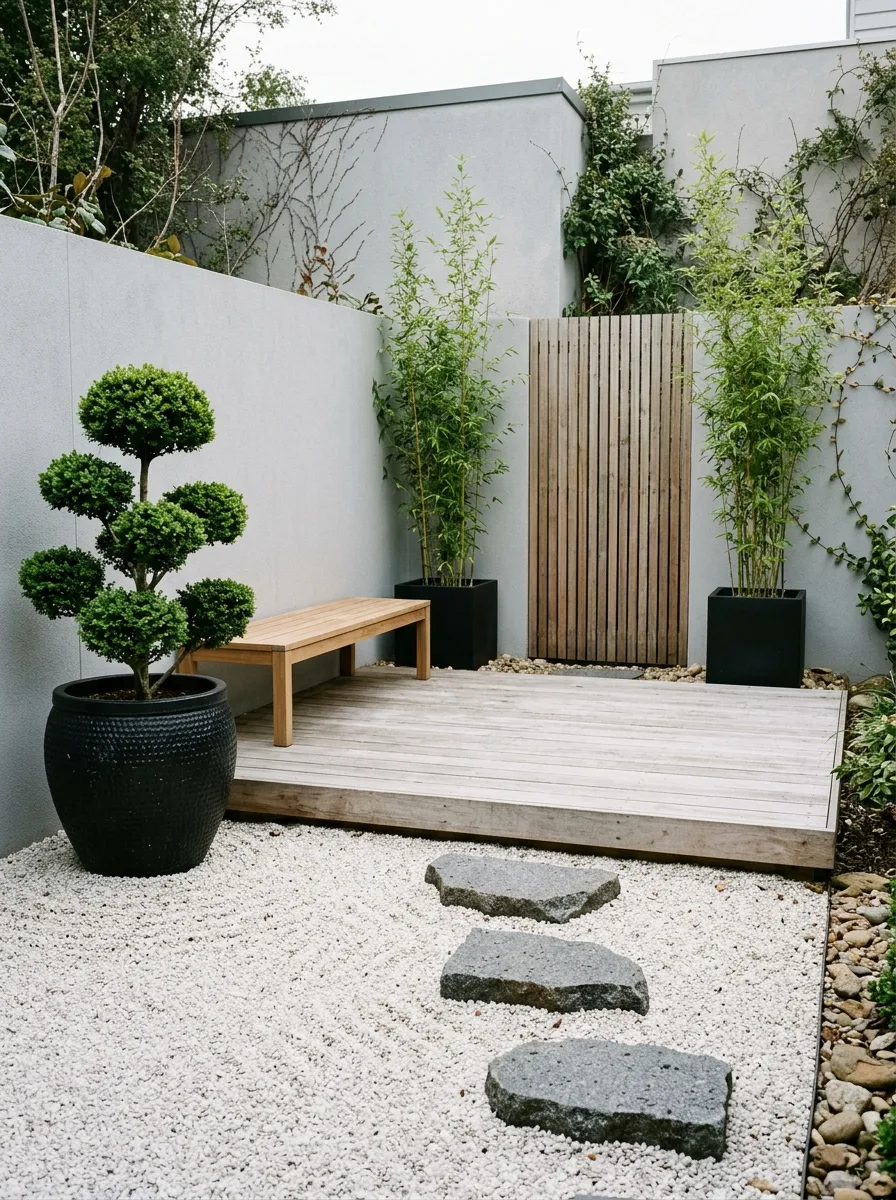
Edit Ruthlessly: Declutter, Curate, And Keep Only What Matters
First things first: the single fastest way to make a tiny apartment feel huge is to reduce clutter. We edit ruthlessly by asking three simple questions for every item: Do we use it regularly? Does it bring us joy or serve a clear purpose? Is it replaceable? If the answer is no twice, it goes. That doesn’t mean a sterile place, it means curation. Keep a small number of artful, meaningful pieces rather than a scatter of half-loved objects.
Practical steps we use: set a 15-minute daily tidy window, do a quarterly purge of clothing and kitchenware, and apply the “one-in, one-out” rule for purchases. Use transparent bins and labeled containers inside drawers so surfaces stay clear without losing access. We also recommend consolidating like items: a single good set of knives beats three cheap sets shoved in different drawers.
For sentimental items, photograph them and store the images digitally. A single curated display, a shelf or gallery wall of favorites, reads as intentional design rather than clutter. Editing is maintenance, not a one-off event: done consistently, it immediately increases perceived floor space and reduces visual noise.
Choose Right-Scale, Multipurpose Furniture (And Where To Place It)
Furniture choice determines flow. In tiny apartments, scale and multipurpose design trump style statements. We prioritize pieces that do double (or triple) duty: seating that stores, tables that expand, and beds that hide when not in use. Avoid oversized sofas and bulky dressers, they eat sightlines and block circulation.
When shopping, measure twice and consider circulation paths: leave at least 24–30 inches for primary walkways and smaller clearance where necessary. Opt for furniture with slender legs and open bases: visible floor beneath pieces makes rooms feel airier. Choose mid-height storage rather than floor-to-ceiling in main living zones to prevent a boxed-in feeling. Lightweight materials (metal frames, low-profile upholstery) read less visually heavy.
We also recommend a staged approach: start with essential pieces (bed, seating, table) in scale, live with them for a month, and then layer in storage and accents. This prevents overfurnishing and helps you notice which multipurpose items actually get used. In tiny spaces, restraint plus intelligent selection equals more room to breathe.
Foldaway, Modular, And Convertible Pieces — Pros, Cons, And Best Uses
Foldaway and convertible furniture are the backbone of functional tiny-home living. Pros: they free floor area, adapt to changing activities, and often add built-in storage. Cons: some budget options sacrifice comfort or durability: mechanisms can fail if overloaded: and certain pieces add visual bulk when closed.
Best uses we’ve found:
Wall beds (Murphy beds): excellent in studio apartments where sleeping needs to tuck away. Look for models with integrated shelving to avoid extra dressers.
Drop-leaf and extendable tables: ideal for flexible dining and workspace needs. Keep a compact version permanently and expand only when guests arrive.
Modular seating: configurable sofas allow us to reconfigure a lounge into a guest bed or sectional based on need. Choose pieces with removable covers for easy cleaning.
Nesting tables and stools: provide occasional surfaces without permanent footprint.
Tips: test mechanisms in person if you can, choose quality hardware, and plan for maintenance access. Convertible pieces should feel like real furniture, comfortable and reliable, not novelty items. When they work, they dramatically increase usable square footage without renovations.
Anchor With Scale: How To Pick And Position Furniture To Maximize Perceived Space
Anchoring a room correctly shapes how we perceive its size. We pick one or two anchor pieces, typically the bed or sofa and a table, and build around them. Choose anchors that match the room’s proportions: a low-profile sofa for low ceilings, a slim platform bed for narrow bedrooms.
Placement rules that change everything:
Float the sofa away from walls where possible. Pulling a seating piece a few inches from the wall creates depth and allows light to circulate behind it.
Align furniture with long sightlines. Position the longest piece so that you can see across the room: this creates a visual corridor.
Keep tall pieces (bookcases, wardrobes) to one side rather than scattered. A single vertical mass reads as intentional and balances the space.
Angling a single piece slightly can sometimes increase perceived area by breaking predictable grids, but use this sparingly, too many angles feel chaotic.
We avoid blocking natural walk paths and ensure that sightlines to windows are clean. Thoughtful scale and placement make rooms feel organized and much larger than their square footage suggests.
Use Visual Tricks To Open Up The Room
Visual tricks manipulate perception without changing the layout. They’re inexpensive and high-impact. We use color, texture, and negative space to craft depth and lightness. Pale, warm neutrals on walls reflect more light and make ceilings feel higher. Alternatively, a single darker accent wall can create a perceived depth if used thoughtfully behind a bed or sofa.
Minimize busy, small-scale patterns. Tiny patterns tend to clutter a room visually: instead, choose larger-scale prints sparingly. Use rugs to define areas, but keep them appropriately sized: a rug that’s too small fragments the floor, making the room feel chopped up. Mirrored or glossy surfaces can amplify light but should be positioned to reflect pleasing scenes, not messy counters.
Consistent palettes and material repeats (wood tone banding, metal accents) create continuity and make separate zones feel connected. Finally, negative space is a design decision: leave breathing room around furniture and artwork so each element can register. That white space is as important as the objects, it’s how perception of spaciousness is built.
Lines, Patterns, And Negative Space: What To Use And What To Avoid
Lines guide our eyes: used well, they lengthen the room. Horizontal stripes on walls or long, low furniture emphasize width. Conversely, vertical lines draw the eye upward, useful for low ceilings. But avoid combining both in the same small area, that creates visual tension.
Patterns: prefer fewer, larger-scale patterns over lots of tiny motifs. A single bold patterned pillow or a larger geometric rug reads as curated rather than chaotic. Textural variety (woven baskets, a boucle chair) adds depth without competing for attention.
Negative space: intentionally leave areas uncluttered. For example, leave a gap around a bed or couch, and resist filling every wall with art. Empty space helps the brain interpret the room as larger. When placing art, align pieces at eye level and in odd-numbered groupings for a relaxed, expansive feel.
Avoid busy wallpaper in multiple small rooms and excessive wall-to-wall shelving in living spaces. The rule of thumb: if an element makes you feel visually crowded, remove or scale it back. Less frequently equals more spacious.
Optimize Lighting, Mirrors, And Window Treatments
Light transforms perception. Natural light is ideal, but we can amplify it with the right fixtures and window treatments. Start by maximizing window access: remove obstructive furniture from directly in front of windows and keep sill clutter minimal. Choose lightweight curtains or sheer panels that let daylight in while providing privacy.
Layered artificial lighting compensates where daylight is limited. Combine ambient (overhead), task (under-cabinet, reading lamps), and accent (picture lights, small uplights) to avoid a single flat illumination that shrinks rooms. Use warm white LEDs (2700–3000K) in living areas for a cozy yet open feel.
Mirrors are cheap spatial multipliers. A strategically placed mirror opposite a window effectively doubles incoming light and expands depth. Consider a full-length mirror along a narrow wall or mirrored closet doors when appropriate. Reflective surfaces, glossy tiles, metallic accents, also help, but balance them to avoid a clinical look.
Window treatments should hang high and wide: mount rods several inches above the frame and extend them beyond the jamb so curtains stack outside the opening when open, revealing the full window and maximizing light.
Layer Lighting And Mirror Placement To Multiply Light And Depth
Layered lighting is non-negotiable. We start with ambient overhead light, then add task lighting where we work or cook, and finish with accent lights to highlight art or architectural features. Dimmable circuits or smart bulbs give us control over mood and perceived space, brighter for activity, softer for evenings.
Placement tips:
Task lights: under-cabinet strips in kitchens, swing-arm lamps by reading chairs, and directional track lights over work desks.
Accent lights: small wall washers or picture lights to add depth and sculpt surfaces.
Ambient options: flush-mounts or semi-flush fixtures that don’t hang low in tight ceiling heights.
For mirrors: place one opposite or adjacent to the primary window to capture and return daylight. In narrow rooms, a long horizontal mirror visually doubles width: in compact entryways, a tall, slim mirror stretches height. Avoid placing mirrors where they reflect cluttered views, they’ll just multiply the mess.
Combine lighting and reflective surfaces thoughtfully: light hitting a mirror should create pleasant highlights, not glare. Done right, this combo multiplies both light and perceived depth in small apartments.
Smart Storage That Disappears: Vertical, Hidden, And Dual-Purpose Solutions
In tiny apartments, storage that disappears is essential. We think vertically and inside the furniture. Vertical storage uses wall height without encroaching on floor space: floating shelves, tall narrow cabinets, and pegboards. Choose open shelving sparingly and pair it with boxes or baskets to hide visual clutter.
Hidden storage options: ottomans with cavities, beds with drawers, and sofas with under-seat compartments. These allow frequently used items to be kept handy but out of sight. Built-ins are ideal but not mandatory, freestanding pieces can be combined and finished to look integrated.
Dual-purpose solutions include kitchen islands on casters that function as prep space, dining table, and extra storage: entry benches that store shoes: and wall-mounted desks that fold away. Use clear labeling inside concealed storage so items remain accessible without opening every box.
We recommend a storage audit: map where items are used and place storage there. For example, keep seasonal items high and off-season clothing in vacuum bags under the bed. Invisible storage keeps surfaces clean and maintains the illusion of space while preserving functionality.
Creative Nooks: Under-Bed, Above-Doors, And Behind-Closet Storage Ideas
Creative nooks are where we reclaim lost inches. Under-bed storage remains one of the best untapped resources: shallow rolling bins for linens, shoe organizers, and slim luggage-style boxes for infrequently used items. For higher clearance beds, modular drawer units provide easy access and look tidy.
Above-door and high-shelf storage capture vertical real estate. Install a shelf above door frames for luggage, seasonal decor, or rarely used electronics. Use attractive baskets or labeled boxes to keep these high spots organized and visually consistent.
Behind-closet and door-back organizers multiply usable area. Slim hanging shoe pockets, hook systems, and narrow rail organizers store accessories and cleaning supplies. We also convert closet doors into micro command centers, slim shelves for mail, keys, and small electronics. In kitchens, magnetic strips on the inside of cabinet doors secure knives and tools without using counter space.
The takeaway: treat every surface as potential storage, but prioritize accessibility. If an out-of-the-way nook becomes a dumping ground, it’s defeating the purpose. Make these solutions visible and pleasant so we’ll use them consistently.
Conclusion: When combined, these tactics, ruthless editing, right-scale multipurpose furniture, visual tricks, layered lighting, and invisible storage, transform tiny apartments into calm, adaptable homes. We don’t need to increase square footage to live bigger: we need purposeful decisions that expand how we use the space. Start with one change this week, observe how it affects daily flow, and build from there. Small shifts add up quickly, and before long, your apartment will feel unexpectedly roomy and very much yours.
Living well in a smaller footprint doesn’t mean sacrificing comfort, style, or function. In this 2026 guide, we break down practical, high-impact compact home ideas that help us squeeze every useful inch out of our homes. Whether we’re downsizing to a tiny house, rethinking a city apartment, or optimizing a cozy suburban bungalow, the strategies here focus on smart planning, clever storage, and design decisions that make small spaces feel generous. We’ll walk through the core principles, show how to zone and layer spaces, and highlight built-in, vertical, and convertible solutions that actually work in daily life. Expect actionable tips, real-world examples, and a few design rules we rely on when tackling compact interiors.
Design Principles For Compact Homes
Small spaces demand intention. When we design compact homes, we start with three guiding principles: clarity of purpose, simplicity of form, and flexibility of use. Clarity of purpose means every room or zone must serve one or two primary functions. If a corner doubles as a workspace and an entry, we intentionally plan for both rather than expecting one to hide in the other.
Simplicity of form reduces visual clutter. Choosing fewer materials and cleaner silhouettes lets surfaces breathe, so the space reads as larger. We prefer unbroken sightlines and minimize heavy patterns, subtle texture wins over bold prints in small rooms.
Flexibility of use is the most powerful principle. Furniture that can pivot between roles, rooms that accept different activities at different times, and storage designed for both daily items and seasonal overflow all let a compact home do more with less.
We also consider movement. Efficient circulation avoids wasted transitional space: hallways longer than necessary are luxury we can’t afford. In small homes, circulation becomes part of the room rather than a separate element: we schedule furniture and openings so people can move naturally without creating dead zones.
Smart Space Planning And Zoning
Zoning turns a single room into distinct areas that feel purposeful. We start by mapping activities, sleeping, cooking, working, relaxing, and then place primary elements to support those activities while keeping clear pathways. For example, in a studio we might position the bed near a corner with a low headboard to create a separate sleeping niche while using shelving to define the boundary.
Open plans can be effective in compact homes if we manage visual separation. Rugs, lighting, and changes in material define zones without building walls. A kitchen island acts as a boundary and workspace: an area rug anchors the living area: a pendant light marks the dining spot.
We also plan for time-based zoning: the same surface used for daytime work can convert to a dining table at night. That requires thoughtful dimensions, work surfaces should be ergonomic while remaining compact, and nearby storage for items that need to be cleared quickly.
Circulation paths should connect the most-used nodes directly. If we find ourselves walking through a bedroom to reach the bathroom, we redesign the plan. Compact plans benefit from radial layouts or L-shaped arrangements that reduce corridor length and bring everything within easy reach.
Built-In And Hidden Storage Solutions
Built-in and hidden storage are essential for keeping compact homes tidy and functional. We aim to integrate storage where furniture or structural elements already exist to avoid adding bulky standalone pieces.
Understair areas, recessed niches, and the depth beneath window seats are prime real estate. When we design built-ins, we think vertically and in layers, deep drawers for bulky items, shallow shelves for books and display, and specific cubbies for shoes or electronics.
Incorporating storage into fixtures keeps lines clean: a bench that opens for shoe storage, a headboard with concealed compartments, or kitchen kickboards fitted with pull-out trays. Hidden storage reduces visual clutter because possessions remain out of sight yet close at hand.
We recommend using consistent hardware and finishes so built-ins read as part of the architecture rather than retrofit furniture. The result feels purposeful and custom, which elevates the perceived size and organization of the home.
Understairs, Nooks, And Built-In Seating
Understairs zones are an underused advantage in compact homes. We often convert them into a laundry alcove, pet area, pantry, or mini office. Fitted cabinetry with pull-out shelves makes access easy: for laundry, a slim stacking machine and fold-down drying rack maximize utility.
Nooks and window bays become cozy built-in seating when fitted with a cushioned bench and integrated storage beneath. These seats create a sense of place without eating into floor area. We add task lighting and a narrow shelf for books to make the nook functional as reading or working space.
Built-in seating along walls can double as storage, lift-up benches or drawers beneath the seat are excellent for linens, toys, or seasonal clothes. When we design these, we keep seat heights standardized so they work with occasional tables or stools, multiplying their usefulness.
Multifunction Furniture And Convertible Pieces
Selecting the right multifunction pieces is a game-changer in compact homes. We look for items that perform reliably across uses rather than gimmicky products that fail after a season. Good multifunction furniture is robust, easy to change, and attractive in both configurations.
A well-designed sofa bed, an extendable dining table, or a console that becomes a desk can free up significant square footage. We prioritize pieces with simple mechanisms and solid warranties, ease of transformation matters more than novelty. When possible, choose modular systems that let you add or remove components as needs change.
We also layer furniture functions: a bookshelf that conceals a Murphy bed, a coffee table with storage and adjustable height, or ottomans that shift from footrest to extra seating. These choices help maintain a clean look while giving us the flexibility to host guests, work from home, or rearrange for different activities.
Murphy Beds, Expandable Tables, And Modular Sofas
Murphy beds are a reliable way to reclaim floor area during the day. Modern versions integrate shelving and desks so the bed becomes part of a multifunction wall. We recommend units with gas-strut mechanisms and secure latching for safety and ease.
Expandable tables come in many forms: drop-leaf, butterfly leaf, and fold-out panels. We pick tables sized for our usual household and plan storage for the extra leaves. A console that unfolds into a dining table works particularly well in narrow entryways or behind a sofa.
Modular sofas offer configurability that fixed pieces can’t. We favor units that allow reorientation, chaise on either side, removable ottomans, or individual seating modules, so we can adapt to guests or new room layouts. Durable upholstery and replaceable covers keep these pieces looking fresh over time.
Vertical And Wall-Mounted Solutions
When floor area is scarce, we build upwards. Vertical storage and wall-mounted systems free up circulation space and create a layered interior that feels organized and intentional.
Open shelving up to the ceiling stores rarely used items on higher shelves while keeping everyday things within reach at lower levels. We use a step stool that tucks away to access upper shelves safely. Wall-mounted desks and fold-down workstations are excellent for remote work: they retract when not in use and keep cables and supplies contained.
Pegboards and rail systems in kitchens and bathrooms turn walls into flexible, reconfigurable storage. Hooks, baskets, and magnetic strips organize tools, cookware, and toiletries without taking up counter space. For electronics, wall-mounted monitors or TVs allow furniture to be placed more strategically and reduce the need for bulky media units.
To keep vertical solutions from feeling heavy, we mix open and closed storage and use light-reflecting back panels or paint the highest shelves the same color as the wall so they recede visually.
Lighting, Color, And Visual Tricks To Open Small Rooms
Light and color are among the most cost-effective tools to make compact homes feel larger. We start with layering: ambient, task, and accent lighting give depth and keep corners from collapsing into shadow. Recessed or track lighting preserves headroom, while wall sconces free up surfaces.
Color choices shape perception. We usually favor a restrained palette, three main tones at most, with low-contrast transitions between floors, trim, and walls. Monochromatic schemes elongate sightlines: warm accents add personality without chopping the space into smaller visual zones.
Mirrors are classic for a reason: a strategically placed mirror doubles perceived space and amplifies natural light. We often use a tall mirror opposite a window or incorporate mirrored cabinet fronts in bathrooms and entryways.
Scale is critical. Oversized art or heavy drapery will overwhelm: instead we select slim frames, lightweight fabrics, and slender furniture legs to maintain a sense of airiness. Finally, we let daylight lead, arranging seating and work areas to benefit from natural light reduces the need for excessive artificial lighting and makes rooms feel bigger and healthier.
Compact Kitchen And Bathroom Strategies
Kitchens and bathrooms are where compact living often faces its biggest challenges because of required appliances and fixtures. We approach these rooms by prioritizing essentials, shrinking footprints smartly, and choosing multifunction systems.
In the kitchen, an efficient triangle, fridge, sink, and cooktop, still applies but at a compressed scale. We favor integrated appliances like slimline dishwashers, undercounter fridges, and two-burner induction cooktops. Vertical storage for pans and pull-out spice racks save counter space. A single deep sink with an over-sink cutting board or drying rack multiplies workspace.
Bathrooms benefit from wet-room thinking: glass shower screens or half-walls create a continuous visual plane that makes the room feel less chopped up. Wall-hung toilets and vanities free up floor area and make cleaning easier. We choose pocket doors where possible to eliminate swing space or use sliding barn doors with soft-close hardware.
Shared surfaces help: a vanity with a flush-mounted medicine cabinet keeps toiletries accessible without adding clutter. For laundry, a stacked washer-dryer behind a louvered door or integrated within a bathroom cabinet often makes more sense than a separate utility room.
Conclusion
Compact home ideas are less about making everything smaller and more about making choices that increase usefulness and comfort. By combining clear design principles, intentional zoning, built-in storage, multifunction furniture, vertical solutions, and smart lighting and finishes, we can create homes that feel larger than their square footage.
If we prioritize adaptability and quality over gimmicks, small spaces reward us with greater efficiency, lower cost, and a calmer daily life. Start with one change, a built-in bench, an expandable table, or a new lighting plan, and build from there. Over time, these small interventions compound into a living environment that truly maximizes every square foot.
Living in a small house doesn’t mean sacrificing style or a sense of spaciousness. In our work designing and renovating compact homes, we’ve learned that clever visual tricks do more than decorate, they fundamentally change how a space feels. This article distills 12 proven designer techniques that make tiny rooms feel larger, brighter, and more intentional. We’ll explain why these approaches work, how to apply them without very costly, and the small decisions that yield the biggest perception gains. Whether you’re tackling a studio, a narrow rowhouse, or a tiny suburban cottage, these small house design ideas will help you get more room for living, and for living well.
Why Visual Tricks Matter In Small Homes
When square footage is limited, visual perception becomes the most valuable currency we have. People tend to evaluate a room by depth, light, continuity, and focal points, not by the exact number of square feet. That’s good news: designers can manipulate those cues. A single uninterrupted sightline, a high-contrast focal wall, or the strategic placement of light can shift your brain’s sense of scale.
We think of these techniques as optical investments. They don’t literally add area, but they reduce visual clutter, guide the eye, and create implied space. For example: a uniform floor material between kitchen and living area erases an artificial boundary: a mirror doubles perceived depth: layered lighting collapses shadowed nooks into the whole. These are inexpensive moves with outsized returns.
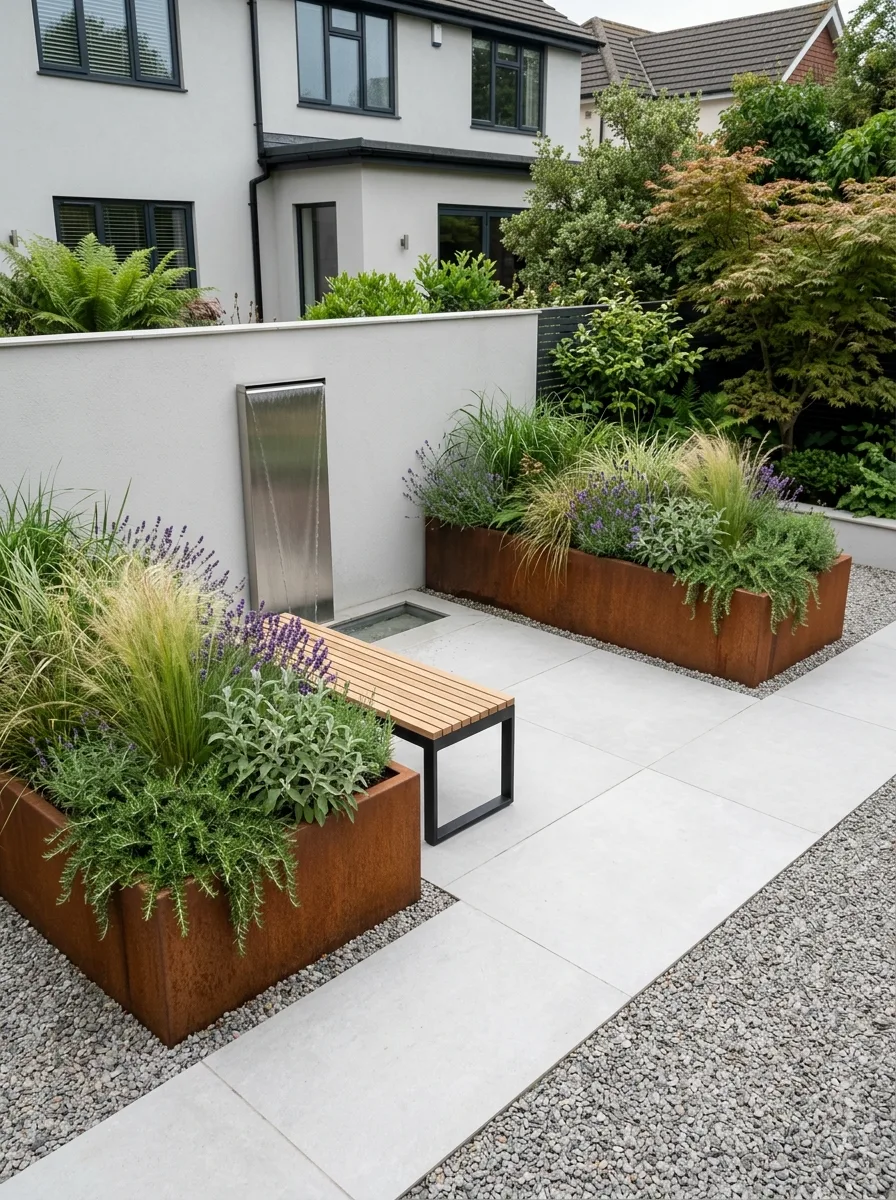
Beyond scale, visual tricks also increase comfort. A room that reads as airy and coherent makes daily routines feel less cramped. Over time, the psychology of space matters as much as the measurements, and that’s why small house design ideas that focus on perception are essential.
Light And Color To Visually Expand Space
We often start small-house projects with two straightforward questions: how can we increase perceived light, and how can color make surfaces recede rather than shout? Light and color are the foundation of many visual tricks because they alter depth cues and contrast relationships, the same visual signals the brain uses to judge size.
Bright, reflective surfaces combined with coordinated color flow push walls and ceilings further away in the mind’s eye. But it isn’t just about white paint or brighter bulbs: it’s about controlled contrast and continuity. When we layer natural and artificial light, use colors that create depth, and keep transitions smooth, tiny spaces breathe.
Below we break down practical, designer-level tactics for paint, accent walls, and lighting that make the biggest difference without a major renovation.
Paint, Accent Walls, And Color Flow
Paint is the easiest large-scale change we can make, and it’s surprisingly powerful. To visually expand a room, we favor low-contrast palettes with variations on the same hue. A continuous color from one room to the next creates a visual flow that removes perceived barriers. For open-plan small homes, painting the connected spaces in related tones makes the whole feel like one larger room.
Accent walls still have a role if used sparingly. Instead of a dark, saturated wall that closes space, choose a slightly warmer or cooler tint of the base color to create depth without interruption. Horizontal stripes are a classic trick for widening narrow rooms: vertical stripes can lift a low ceiling if you keep them subtle and soft-edged.
Don’t forget trim and ceiling strategy: painting the ceiling a shade lighter than walls raises the perceived height, while matching trim to the wall color reduces the number of visual edges the eye must process. Those fewer edges equal more perceived space.
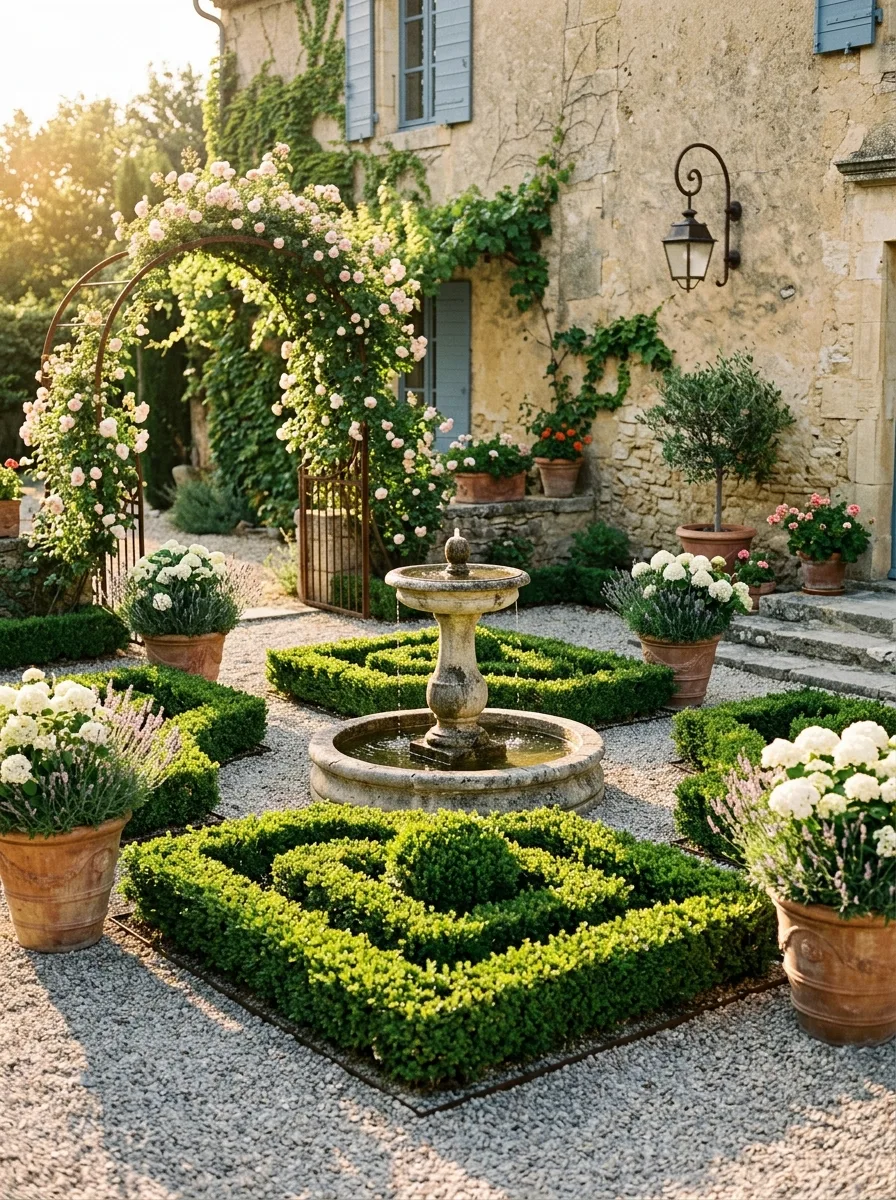
Natural And Layered Lighting Strategies
Natural light is the most persuasive spatial enhancer. We prioritize maximizing daylight with unobstructed windows, slimline window treatments, and trimmed landscaping outside to allow deeper light penetration. Skylights or solar tubes are worth considering in dark corridors or central zones, they introduce a vertical source of light that tricks the eye into feeling more volume.
Indoors, layered lighting eliminates shadow pockets that make rooms feel boxed in. We use a three-tier approach: ambient (ceiling or recessed), task (pendants, under-cabinet lighting), and accent (wall sconces, picture lights). Dimmers are essential: they let us dial contrast down in the evening so the room reads softer and larger.
Finally, choose color temperature carefully. Warm light can cozy up a big room, but for small spaces, neutral-to-cool (2700–3500K) tends to feel cleaner and more open. Consistent temperature across fixtures prevents jarring shifts that break the visual flow.
Mirrors, Glass, And Reflective Surfaces
Reflective surfaces are an obvious, and enduring, trick for small houses. Mirrors duplicate views and light, effectively doubling perceived depth when placed opposite windows or long sightlines. We like full-height mirrors on closets or a gallery of smaller mirrors arranged to suggest a larger opening rather than a single heavy mirror that reads as decor.
Glass is also a visual equalizer. Interior glass doors, clear balustrades, and glass cabinet fronts maintain sightlines while still providing function. Frosted or textured glass preserves privacy but keeps light moving. In kitchens, glass-front upper cabinets reduce the visual mass of wall units and make the space feel airier.
Subtler reflective tactics include glossy backsplashes, high-sheen paint on trim, and metallic accents that catch light without becoming the focal point. The key is to use reflectivity to scatter light and soften edges, not to create small, glaring highlights that become distracting.
Smart Layouts, Zoning, And Sightlines
A smart layout is less about cramped efficiency and more about choreographing how the eye moves through space. We aim to create clear sightlines and purposeful zones so the brain reads the home as deliberately arranged, which feels inherently larger. Visual order beats a handful of square feet every time.
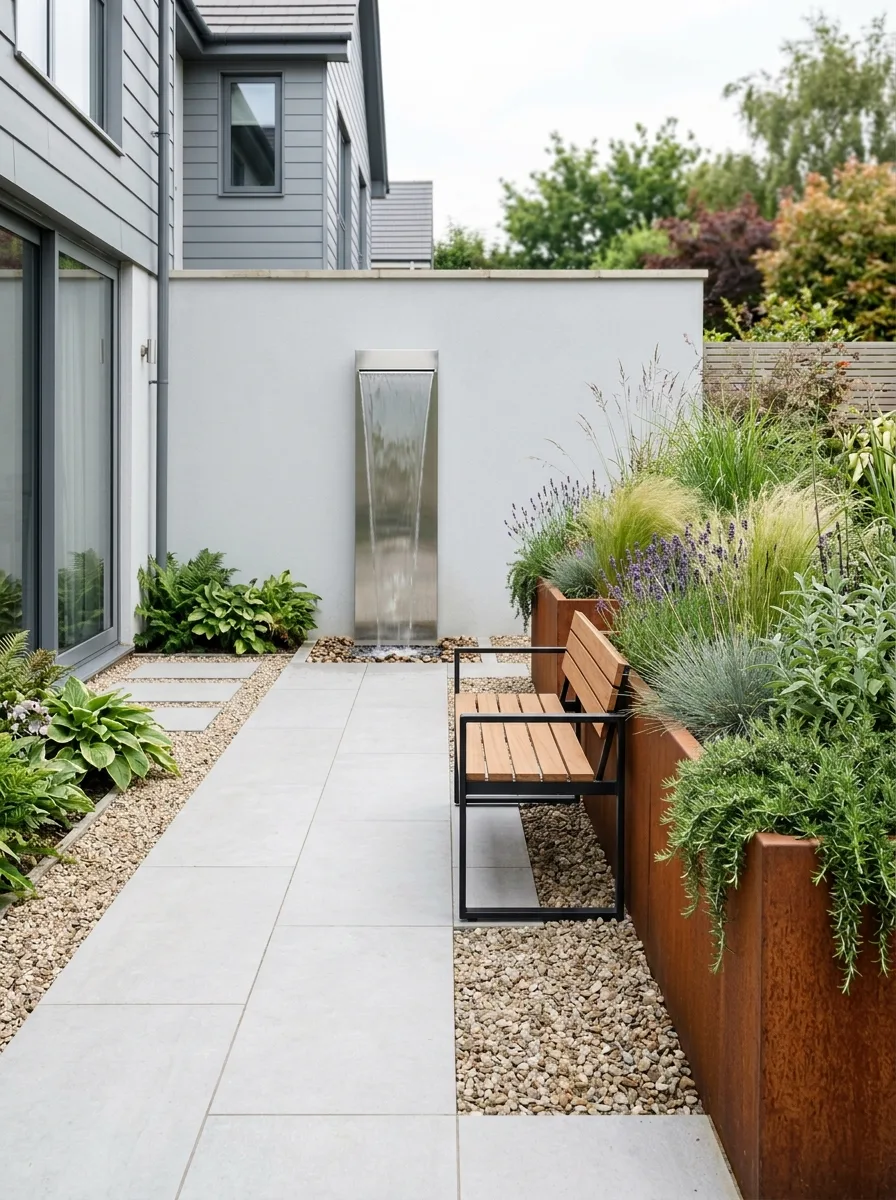
Open-plan living often benefits small houses, but we avoid removing every dividing element. Partial walls, low bookshelves, or a change in floor texture can delineate zones while preserving sightlines. We place the largest furniture parallel to the longest wall to maintain a flowy central path and keep circulation clutter-free.
Consider how doors and furniture align: a centered doorway framed by furniture creates a composed view: a zigzag of mismatched pieces fragments the eye. Stacking visual cues, repetition of materials, aligned vertical elements, and coordinated colors, helps knit separate areas into one coherent whole.
Layout Tips For Small Rooms
In small rooms, every inch of layout counts. We use a few layout rules repeatedly because they work: keep pathways at least 30 inches where possible, orient seating toward the room’s most generous anchor (a window, fireplace, or media wall), and leave a modest foreground zone in front of focal points so the eye can register depth.
Floating furniture, pushing pieces slightly away from walls, can paradoxically create the sense of more space by revealing baseboards and floor continuity. Multi-zone furniture like a sofa with a thin console behind or an open-backed bookshelf as a room divider provides function without visually chopping the room.
When arranging, we test different orientations by tape-marking furniture footprints on the floor. It’s a low-effort way to see which configuration preserves sightlines and clears circulation. Often the best layout feels obvious once you can walk through it.
Multifunctional Furniture, Storage, And Vertical Tricks
Furniture in a small house needs to earn its keep. Multifunctional pieces, sofa beds, extendable tables, nesting side tables, let us reduce visual noise and free up floor area when items aren’t in use. We encourage flexible furniture that adapts to different activities: a dining table that doubles as a workspace, or ottomans with hidden compartments that work as seating and storage.
Visual trickery also occurs vertically. Drawing the eye upward makes rooms feel taller, so tall, slim storage feels less heavy than wide, squat units. Open shelving arranged asymmetrically can create a sense of height while keeping things accessible. We prefer slender legs on sofas and tables to reveal the floor plane underneath, which keeps the room feeling open.
Modular furniture that can be reconfigured seasonally gives a small home longevity, and keeps layouts fresh without major expense.
Built-In, Hidden, And Vertical Storage Solutions
Built-ins are a small-house superpower because they convert awkward pockets into purposeful storage while blending with the architecture. Window seats with drawers, recessed shelving flanking a media niche, and under-stair cabinetry all remove standalone pieces that would otherwise crowd the floor.
Hidden storage, benches with lift tops, plinths that open, or hollow ottomans, reduces visible clutter: and since clutter is one of the biggest factors that shrinks a space visually, hidden solutions are high-impact. We like toe-kick drawers under kitchen cabinets and built-in wardrobes that reach the ceiling to use vertical volume.
When custom built-ins aren’t possible, we recommend high-reaching open shelving combined with matching storage boxes to keep a clean line. The goal is to present one continuous surface rather than a patchwork of items that break the eye’s path.
Conclusion
We’ve found that making a small house feel grand is mostly about focused decisions rather than bigger budgets. By controlling light, color, reflections, sightlines, and storage, we can alter perception dramatically. The twelve visual tricks above are flexible tools, mix and match them to suit your layout, lifestyle, and budget. Start with the moves that are easiest to carry out (paint, lighting, and decluttering) and then layer mirrored surfaces, built-ins, and multifunctional furniture as needed. With intention and a few designer tricks, tiny spaces stop feeling limiting and start feeling expansive, purposeful, and comfortable.
Narrow rooms have a reputation for being awkward, long hallways that try to be living rooms, slim bedrooms where furniture fights for breathing room, or compact dining areas that feel more like a corridor. In 2026, with smaller urban footprints and more people working from home, we’re seeing narrow spaces more often. The good news is that narrow doesn’t have to mean cramped or unbalanced. With the right principles, planning, and a few visual tricks, we can make these rooms feel intentional, comfortable, and even spacious. In this guide we’ll walk through practical, modern solutions, from measuring and zoning to furniture selection, built-ins, and lighting, so you can transform awkward narrow rooms into balanced, livable spaces.
Principles For Balancing Narrow Rooms
Narrow rooms demand an approach that’s part architecture, part interior design psychology. Before we pick furniture or colors, we rely on a handful of guiding principles that keep the space functional and visually balanced.
Prioritize circulation over symmetry. In a narrow footprint, movement is king. Rather than forcing matching pieces on either side of the room, we focus on clear, unobstructed pathways. That often means centering circulation along a single axis and arranging furniture to support it.
Think of scale as the language of comfort. Oversized sofas or bulky armoires will dominate: too many small pieces create clutter. We aim for a measured scale, pieces that relate to the length and width of the room. In practice that means longer, lower furniture rather than deep, high forms.
Create a hierarchy of zones. Even in a single narrow room, we can define zones: a seating cluster, a workspace, a reading nook, or storage. Giving each zone a clear purpose reduces visual noise and increases usability.
Embrace vertical strategy, not just horizontal. When floor area is limited, the walls become prime real estate. Vertical storage, integrated shelving, and tall art can shift emphasis upward, making the floor plan feel less tight.
Use repetition and rhythm for calm. Repeating elements, a consistent leg height across furniture, a single material for storage fronts, or a continuous runner, creates visual rhythm. Rhythm reduces the perception of chaos in tight spaces.
Balance contrast with continuity. High-contrast accents bring energy, but too many competing contrasts make a narrow room feel fragmented. We pair a restrained base palette with purposeful accents to maintain cohesion.
These principles guide every subsequent decision we make: measuring, choosing furniture, and applying lighting and color. They ensure our interventions are deliberate and that every piece earns its place.
Measure And Plan Before You Buy
We can’t overstate this: measuring is the step most people skip and later regret. Narrow rooms exaggerate scale mistakes, so a precise plan prevents wasted purchases and awkward returns. This section covers the essential measuring and planning practices we rely on before buying or moving anything.
Furniture Choices, Scale, And Placement
Furniture is where narrow room strategies become tactile. Our goal is to pick pieces that respect the room’s proportions while delivering comfort and storage. The right choices make the room feel purposeful rather than improvised.
Lighting, Mirrors, Color, And Visual Tricks
Perception shapes experience. In narrow rooms we use lighting, mirrors, and color strategically to influence how wide and deep the space feels. These are visual tools that reinforce our physical layout decisions.
Conclusion
Narrow rooms are not design failures: they’re opportunities to be intentional. By measuring carefully, defining circulation and zones, choosing furniture with appropriate scale and multi-function, and using lighting, mirrors, and color to guide perception, we can turn awkward footprints into balanced, efficient, and attractive spaces. Start with a clear plan, test layouts with tape and mockups, and embrace built-ins and floating furniture where possible. With these strategies, narrow rooms can feel purposeful, and even welcome, rather than a compromise.
We’ve all felt the frustration of trying to cook, store, and move in a kitchen that seems to shrink around us. Tiny kitchen solutions aren’t about settling for less, they’re about applying smart layout thinking so a small space feels efficient, calm, and even a little luxurious. In this text we’ll walk through the core design principles that govern successful tiny kitchens, show layouts that work for very small footprints, and give practical tactics for storage, surfaces, lighting, and visual tricks you can carry out now. Whether you’re renovating a studio, reconfiguring a galley, or fitting a kitchen into an odd nook, these ideas are proven in real homes and adaptable to different budgets. Let’s get started, and let’s make your small kitchen do more for you.
Core Design Principles For Tiny Kitchens
When we design for small kitchens, a few principles guide every decision. First: prioritize function over form. That doesn’t mean aesthetics get ignored, it means every beautiful choice must also earn its keep. We focus on sightlines, circulation, and workflow before choosing finishes.
Simplicity is another central idea. Clean lines, limited material palettes, and consistent hardware reduce visual clutter and make the space feel larger. In practice we might limit cabinet door styles to one profile, use the same countertop edge throughout, and keep trim minimal.
Scale matters. Appliances, sinks, and islands should be chosen to match the room’s proportions, oversized items will dominate and erode usable space. We favor compact appliances (24″ or smaller) and shallow cabinets for narrow areas.
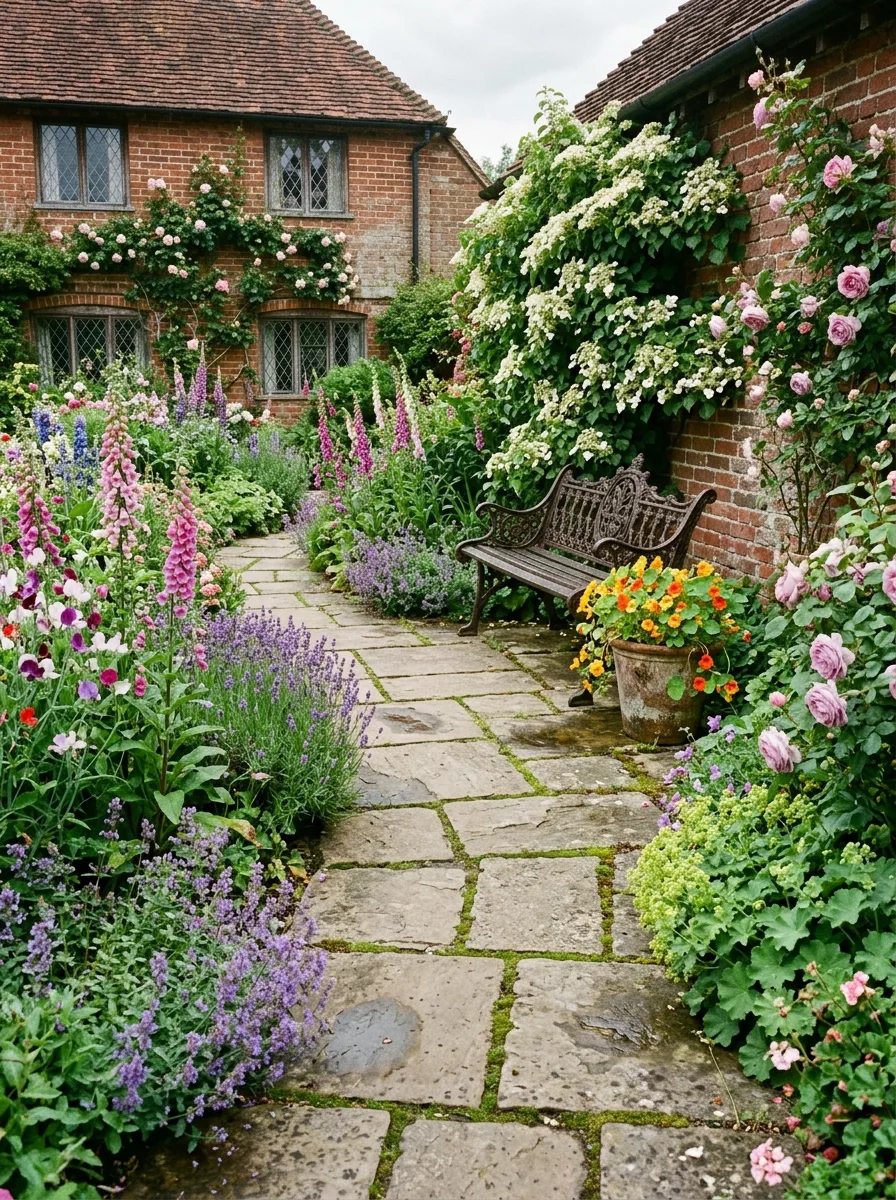
Zoning is subtle but powerful: define prep, cooking, and cleanup zones so tasks don’t overlap. Even in a tiny footprint, a clear zone layout prevents traffic jams. We layer storage by frequency of use, everyday items at arm’s reach, infrequently used gear higher or lower.
Finally, think adaptability. Tiny kitchens must meet changing needs: drop-in cutting boards, removable shelves, or reversible islands extend the kitchen’s usefulness. If we build with adaptability in mind, the kitchen evolves instead of forcing us to rework it.
Best Layouts For Very Small Kitchens
Choosing the right layout is the biggest lever we have in a tight space. The proven options are galley, single-wall, compact L-shaped, and corridor variations. Each has trade-offs tied to circulation and storage.
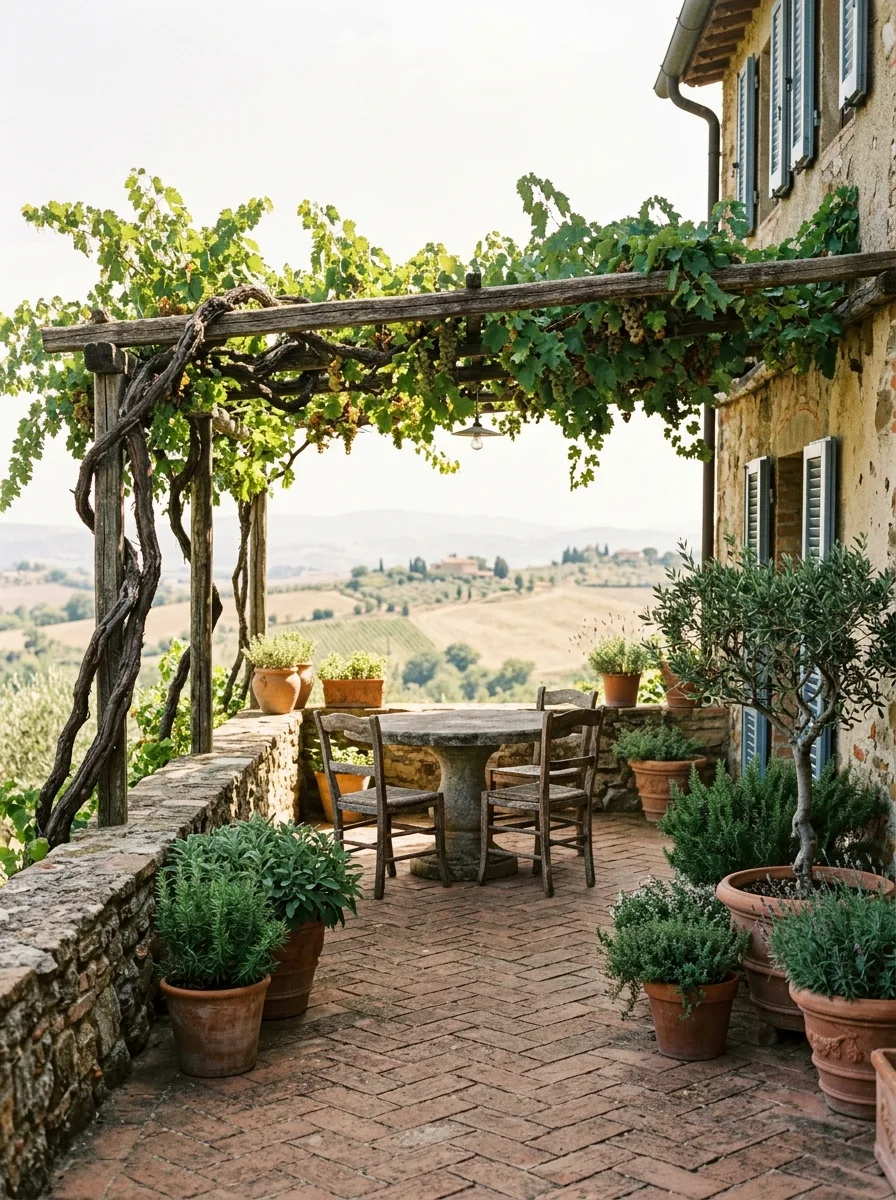
Single-wall layouts maximize openness but require disciplined storage, we compensate with tall cabinets, open shelving, and smart appliance placement. Galley and corridor formats deliver excellent workflow because the work triangle is tight: they can feel cramped unless we optimize sightlines and lighting. Compact L-shapes with a slim island or peninsula give a bit more counter area and can create a social edge without consuming square footage.
When we compare layouts, we test for: unobstructed paths (at least 30 inches of clear walkway where possible), counter adjacency between sink and cooktop, and vertical storage potential. For very small kitchens we often hybridize layouts, a short run of cabinets plus a narrow peninsula, for example, to balance prep space and circulation.
Below we cover the two most common, effective small-kitchen variants and how to make them work in real life.
Adapting The Work Triangle For Tight Footprints
The classic work triangle (sink, stove, refrigerator) still matters, but in tiny kitchens we adapt it into a line or small polygon rather than a wide triangle. Our goal is to minimize steps and avoid cross-traffic.
In single-wall kitchens the triangle becomes a linear workflow: we arrange primary tasks left-to-right or right-to-left based on plumbing and ventilation. For galley kitchens the triangle tightens between the two runs: we make sure paths don’t cross by scheduling zones, prep near the sink, cooking on one side, cleanup consolidated.
We pay attention to functional distances: ideally, no leg of of the adapted triangle exceeds about 8–12 feet in larger small kitchens: in very compact spaces 3–6 feet is common. If the fridge is far from the prep area, we create a mini landing station near the fridge with a cutting board and small drawer for utensils to prevent repeated trips.
We also consider vertical workflow: place frequently used items (pots, oils, utensils) in reachable drawers or open shelves adjacent to the cooktop. For safety and speed, maintain clear counter space beside the stove for staging and cooling. Where possible, we incorporate pull-out surfaces that extend work area temporarily without stealing permanent room.
High-Impact Storage Strategies For Maximum Function
Storage is the battleground where small kitchens win or lose. We prioritize solutions that increase usable capacity without making the room feel crowded: think vertical, pull-out, and hidden storage.
Start by mapping every item you own and grouping by frequency of use. That informs whether something belongs in a drawer, cabinet, or elsewhere. We often eliminate duplicate gadgets and adopt multifunctional tools, a single good food processor replaces several niche appliances and frees shelf space.
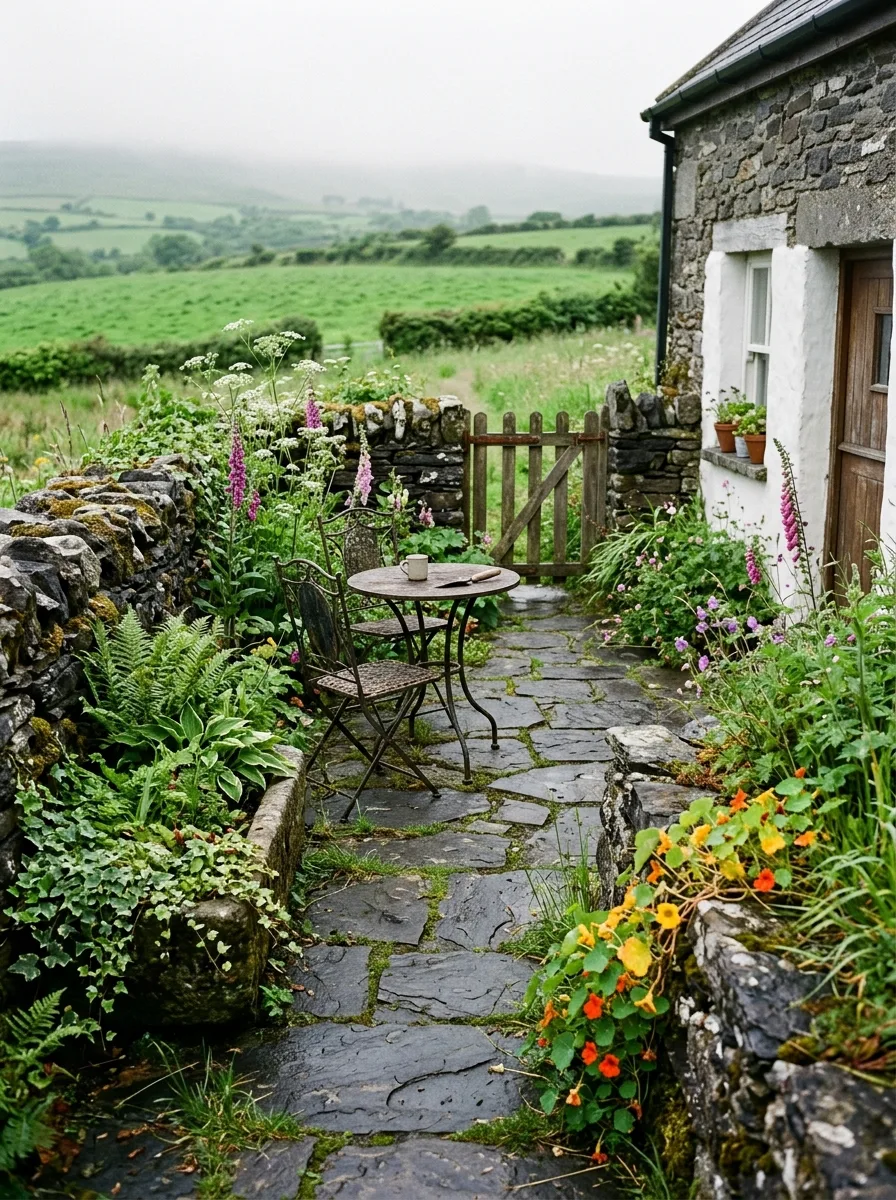
Investing in customized inserts and pull-outs yields huge returns. Drawer organizers, roll-out trays in lower cabinets, and tilt-out sink trays make all the difference. Pull-out pantries and narrow sliding cabinets tucked beside appliances turn dead space into valuable storage.
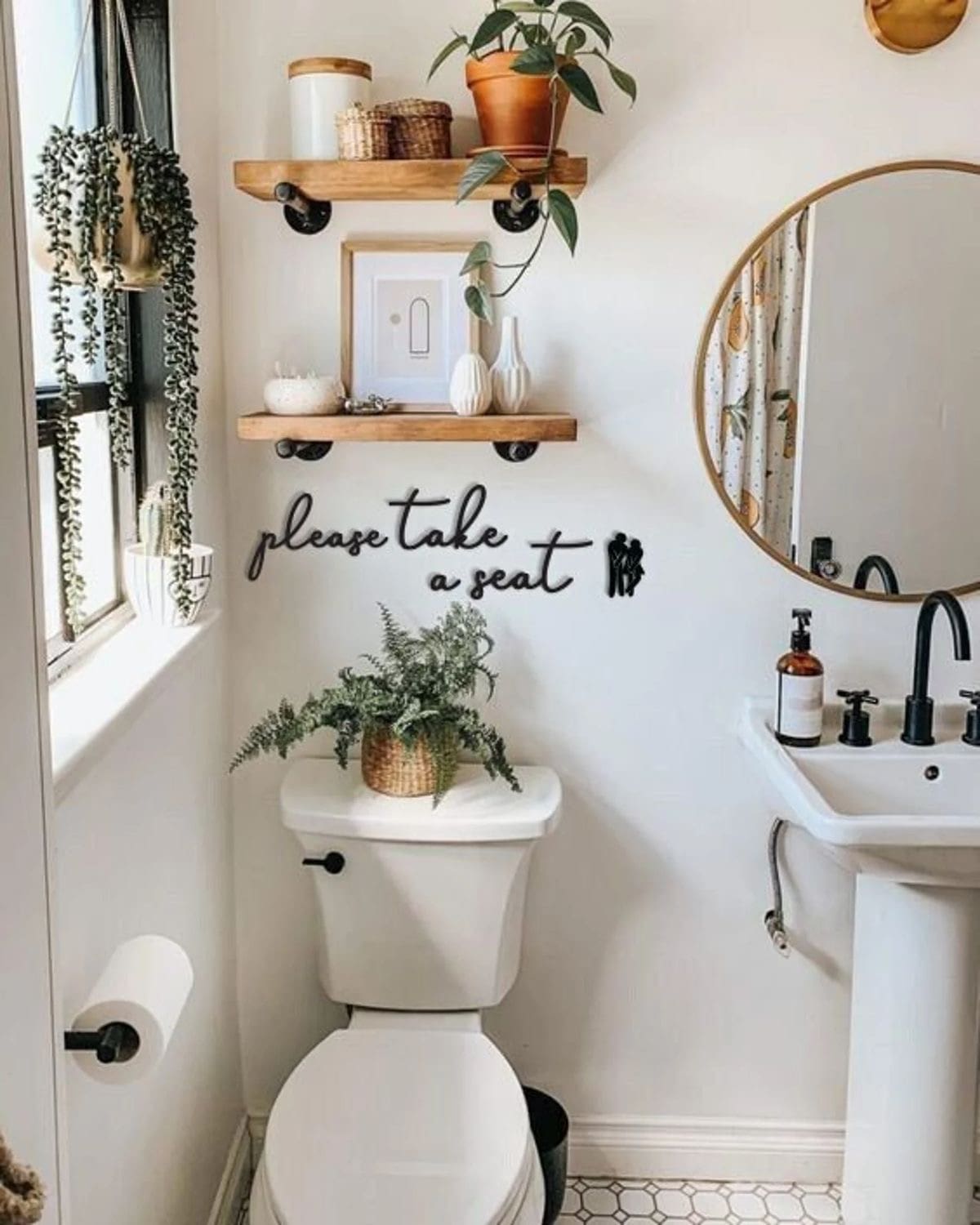
Consider open shelving strategically: it keeps everyday items accessible and lightens visual weight, but it requires discipline. Use matching containers and limit what’s displayed. For rarely used items, higher cabinets or ceiling-mounted racks (for pots) reclaim otherwise unused vertical real estate.
We also recommend using cabinet doors for storage: magnetic knife strips, spice racks, or small baskets mounted behind doors keep counters clear. Finally, if built-ins aren’t an option, look for furniture with storage, benches, narrow buffets, or wall-mounted cabinets that don’t intrude on flow.
Multi-Functional Surfaces And Flexible Furniture
We’re big proponents of surfaces that do double or triple duty. In a small kitchen every inch of counter is precious, so islands, tables, and counters should serve multiple roles.
A drop-leaf or flip-top counter can expand when we need extra prep or seating and fold down when we don’t. Pull-out cutting boards that tuck under counters are practically invisible until they’re needed. Integrated dish-draining racks over the sink free counter space and speed cleanup.
Flexible furniture helps too. A slim, mobile island with lockable casters becomes extra prep, a buffet, or a coffee station that moves out of the way. Nesting stools slide under counters for seating without taking permanent floor space. We prefer pieces with built-in storage: drawers, shelves, or hooks.
Multifunctional appliances also reduce clutter. Two-burner induction cooktops with an integrated griddle, combination microwave-convection ovens, and under-counter dishwashers conserve space and maintain capability. When selecting multiuse items, prioritize quality, we’d rather have one reliable combo appliance than several fragile single-use gadgets.
Finally, design for temporary expansion. A rollaway table can host a holiday buffet: a wall-mounted drop-leaf table creates a dining spot that disappears when not needed. These small mechanisms give us the feeling of a larger kitchen without demanding permanent square footage.
Lighting, Color, And Visual Tricks To Make Space Feel Bigger
Perception can be as influential as actual square footage. Thoughtful lighting, color, and visual tricks make tiny kitchens read as bigger and airier.
We layer lighting into ambient, task, and accent. Bright, even ambient light eliminates shadows that make spaces feel cramped: under-cabinet task lighting opens up work areas: and accent lights (inside glass-front cabinets or along toe kicks) add depth and dimension. Use warm-white LEDs for a welcoming feel and flexible dimming to change moods.
Color choices matter: light, neutral tones with selective contrast work best. We usually recommend a dominant pale hue on walls and ceilings, a slightly darker durable counter, and strategic contrast in cabinetry or backsplash to add personality without narrowing the room. Glossy or semi-gloss finishes reflect light: matte finishes hide wear but can absorb light, so balance accordingly.
Mirrors and reflective surfaces are classic tricks, mirrored backsplashes or glass-front cabinets reflect light and extend sightlines. Vertical patterns or long horizontal subway tiles laid in a stacked bond can visually lengthen or widen a kitchen depending on placement. Keeping the ceiling a shade lighter than walls also lifts the room.
Finally, minimize visual clutter. Keep countertops clear, conceal small appliances when not in use, and choose a consistent hardware finish. Those small restraints make the room read as intentional and roomy rather than just small.
Conclusion
Tiny kitchen solutions aren’t a checklist, they’re a design mindset. When we apply core principles, choose the right layout, adapt the work triangle, and prioritize storage, a small kitchen becomes highly functional and enjoyable. Light, color, and flexible surfaces amplify the effect. Start by mapping how you actually use your kitchen, pick one layout change or storage upgrade, and test it for a month. Small tweaks compound quickly: a pull-out pantry, a slim island, or better lighting will change how the space works for you. With thoughtful choices, tiny kitchens don’t limit us, they invite smarter living.
We’ve all been there: an apartment that feels cozy until the clutter makes it claustrophobic. The good news is you don’t need a renovation or a storage unit to reclaim space. With a few smart apartment storage hacks, the right mindset, a handful of multipurpose pieces, and creative use of overlooked vertical and under-furniture space, we can dramatically increase usable room. In this guide we’ll walk through how to assess what matters, squeeze storage out of walls, doors, ceilings, and underbeds, and choose hidden-storage furniture that actually works. These are practical, renter-friendly strategies you can carry out in a weekend with basic tools and a modest budget. Read on to learn 25 clever ways to create more room without remodeling, including tips that save time, keep things visible yet tidy, and preserve your security deposit.
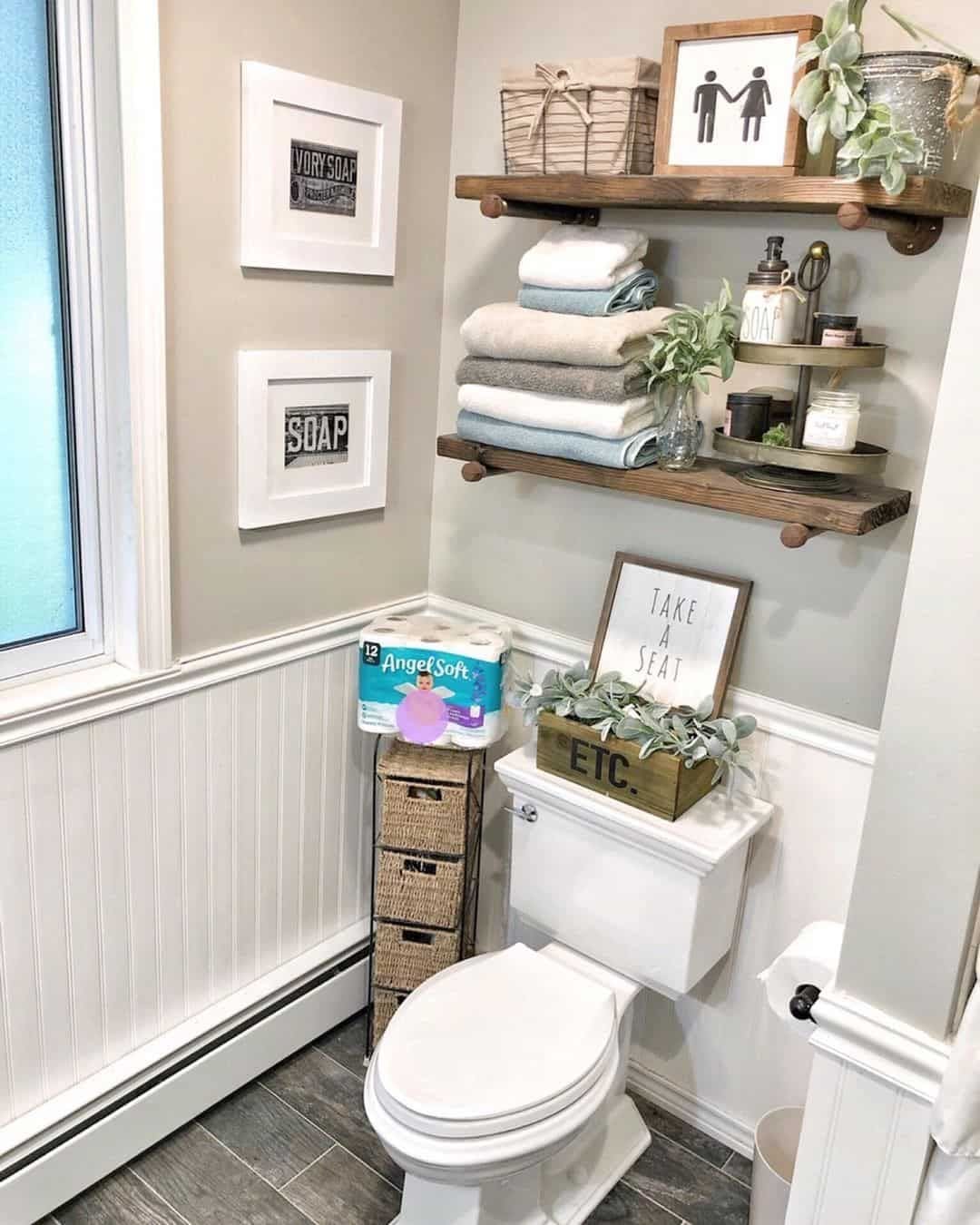
Take Stock: How To Assess Space, Priorities, And Storage Needs
Before we buy baskets or hang shelves, we take stock. A quick, honest assessment saves money and prevents trial-and-error. Start with three simple steps:
Map the space. Walk through your apartment with a notebook or phone and note every underused zone, tops of closets, the space above the fridge, corners, the area under the bed, blank wall runs. Take photos so you can compare “before” and “after.”
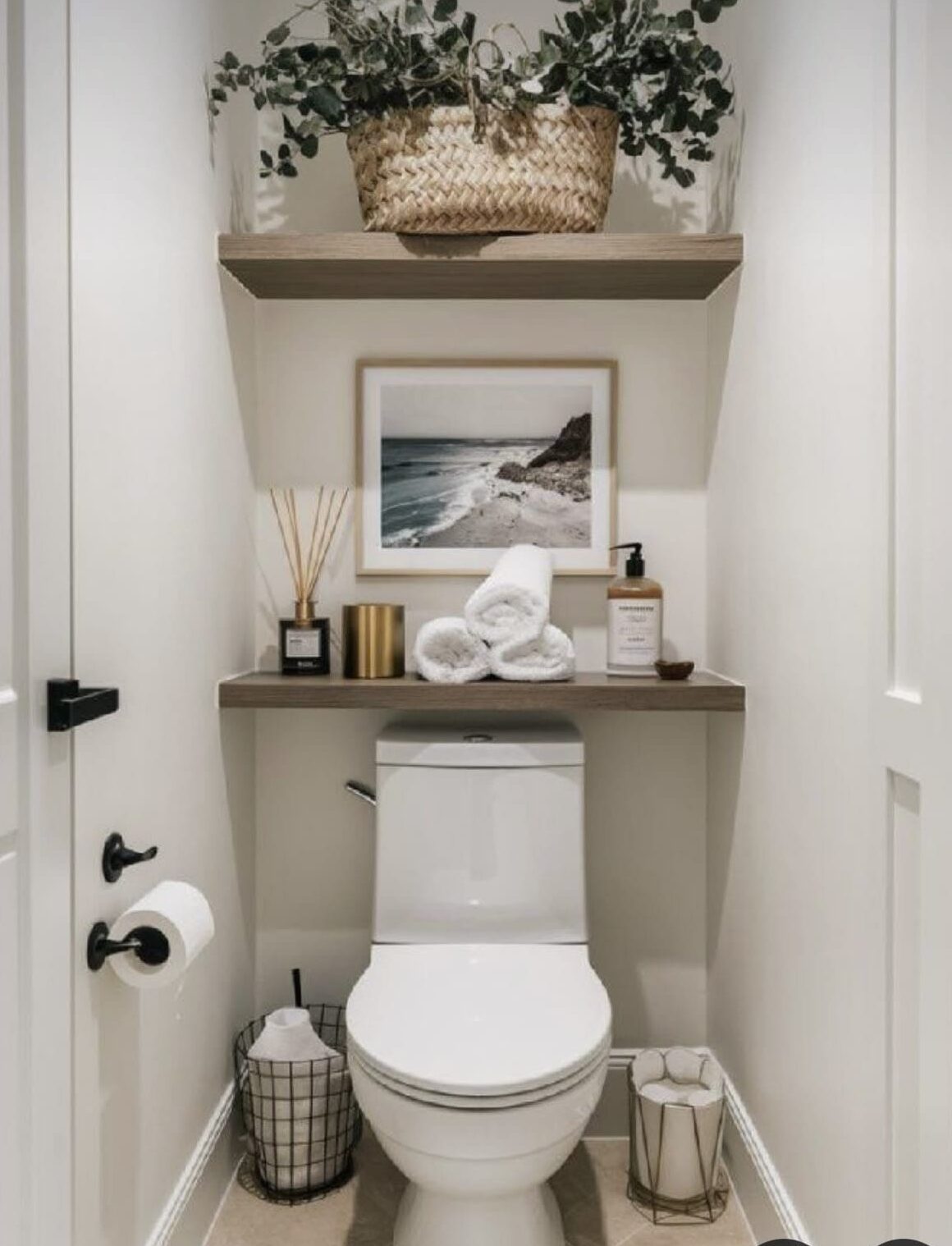
Audit your belongings. Sort items into four piles: keep (daily use), seasonal, sentimental, donate/sell. Be ruthless. If something hasn’t been used in 12–18 months and doesn’t carry real sentimental value, it’s a candidate for donation. We often overestimate what we need: an audit reveals the real demand for storage.
Prioritize by frequency and visibility. Store daily-use items within easy reach: tuck seldom-used or seasonal items into harder-to-access spots. Make a running list of problem areas (e.g., shoes by the front door, cookware crowding cabinet shelves) and assign a priority score: high (fix now), medium (fix soon), low (defer).
Measure before you buy. We always measure heights, widths, and depths of potential storage zones, door frames, closet interiors, alcoves, then shop with those dimensions. That avoids returns and ensures solutions like under-bed boxes, tall shelving units, or over-the-door organizers really fit.
Finally, set simple rules to keep clutter from returning: a one-in-one-out policy for duplicates, a monthly 10-minute tidy, and labeled bins so everyone in the household knows where things go. These governance steps make physical hacks effective over time.
Go Vertical: Shelving, Hooks, And Tall Storage Strategies
Vertical real estate is the low-hanging fruit in small apartments. When floor space is scarce, look up.
Install tall shelving. A 7–8 foot tall open shelving unit uses the same footprint as a small bookcase but multiplies storage. Place heavier items on lower shelves and lightweight or decorative boxes up top. Use matching bins or woven baskets to keep the visual clutter down, uniform containers make tall shelves appear intentional rather than chaotic.
Create a wall ladder. Leaning ladder shelves or wall-mounted ladder racks bring storage and style. They’re perfect for bathrooms (towels, baskets), living rooms (plants, books), and entryways (hats, mail trays). Choose thin profiles to keep the aisle clear.
Use hooks strategically. Install heavy-duty hooks behind doors, on entryway walls, and inside closets for bags, jackets, hats, and belts. A row of staggered hooks on a narrow wall can hold multiple items without taking up depth. For renters, use removable adhesive hooks rated for the load to avoid drilling.
Think modular. Modular wall systems or floating shelving panels let us customize spacing for books, plants, and decor. Systems with adjustable brackets let us adapt as storage needs change.
Stack vertically inside cabinets. Add a stackable shelf or riser in kitchen cabinets to double shelf capacity for mugs and plates. Similarly, tiered organizers in the pantry make cans visible and accessible without wasted vertical space.
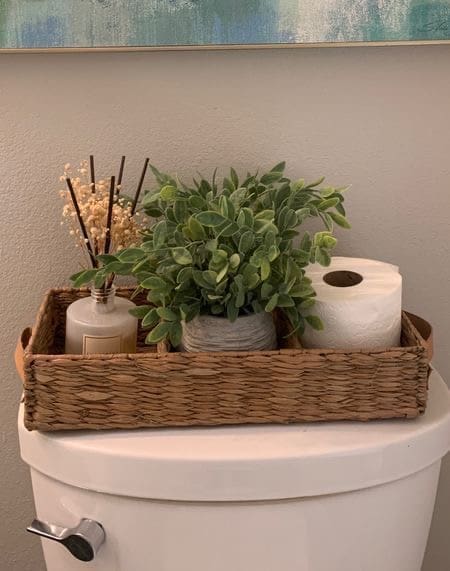
Small touches: use door-top shelves (for light items), magnetic knife strips in kitchens, and vertical file holders on desks to keep counters clear. By consistently thinking upward, we multiply storage without eating valuable floor space.
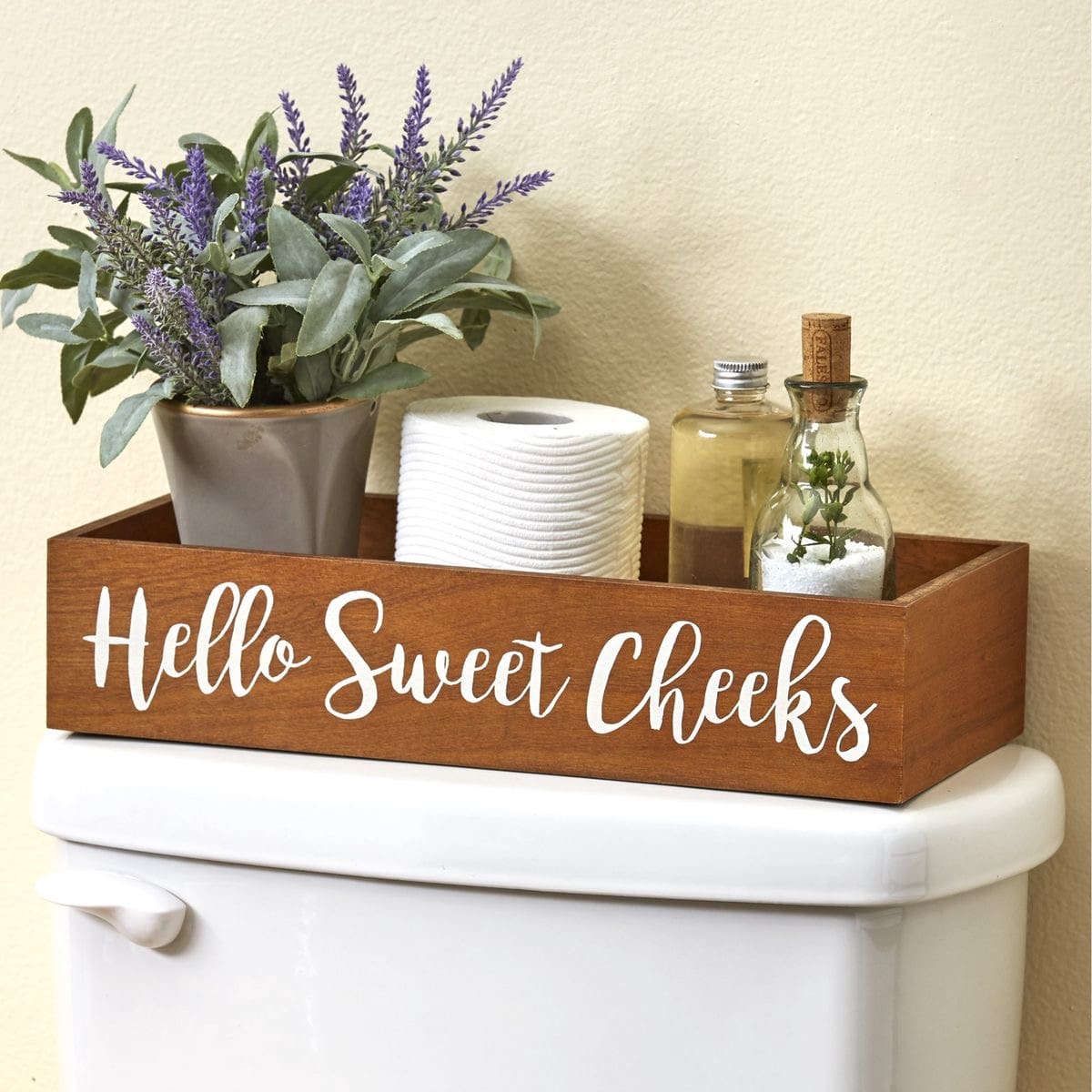
Hidden-Storage Furniture: Dual-Purpose Pieces That Save Space
Hidden-storage furniture is the backbone of efficient apartment living. We want pieces that serve at least two functions, sitting plus storing, sleeping plus stashing, so every square foot works harder.
Ottomans with storage. A large upholstered ottoman with a lift-top stores blankets, books, or board games while doubling as seating or a coffee table. Look for models with hinges and a gas-lift mechanism for easy access.
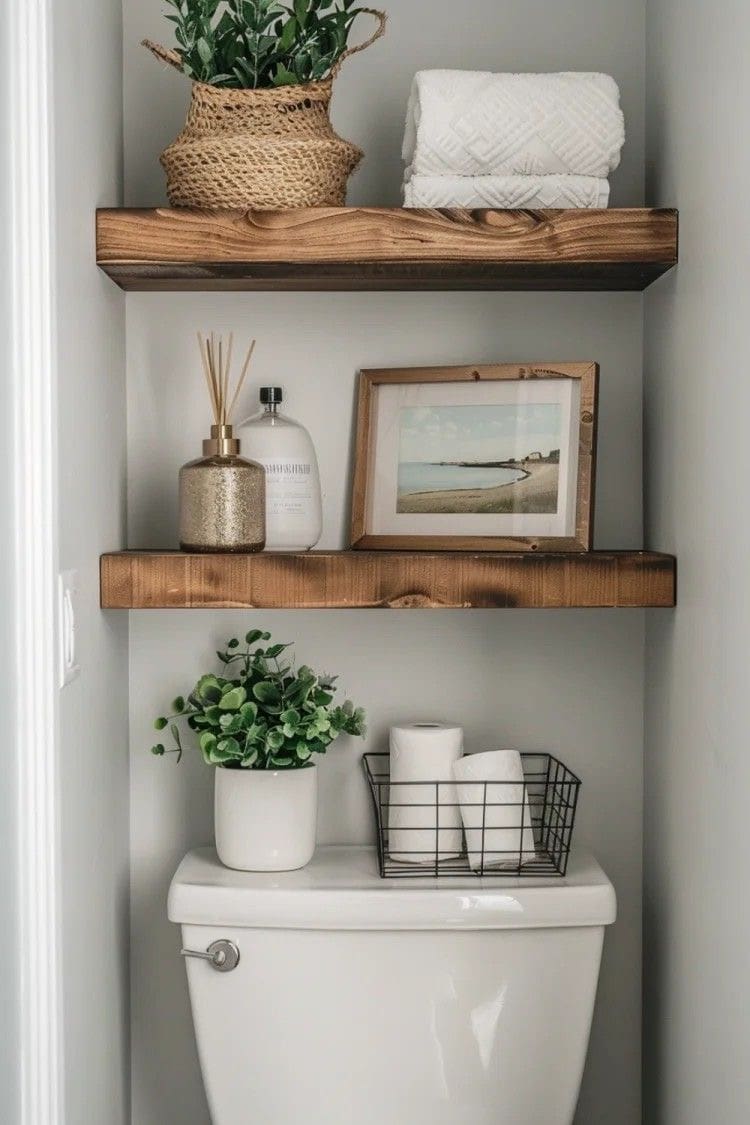
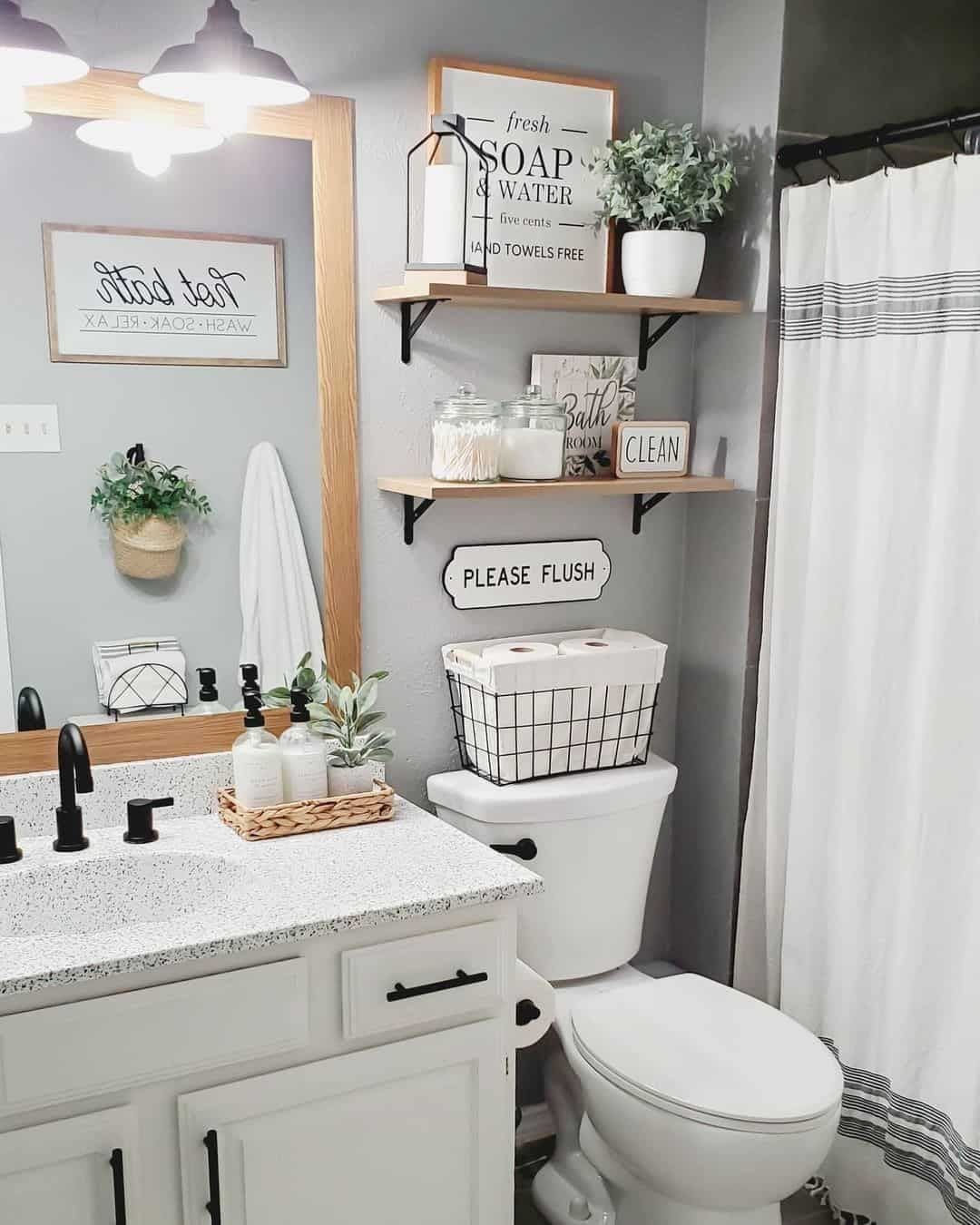
Beds with drawers or platforms. Platform beds with integrated drawers or a slatted base that accommodates rolling bins reclaim under-bed volume while offering a solid sleep surface. For renters who can’t switch beds, under-bed rolling containers with low profiles and wheels are a great alternative.
Sofa beds and daybeds. Choose sofas with built-in storage beneath the seat cushions or convertible daybeds that tuck extra bedding into their frames. These pieces are essential in studios where the living room doubles as a bedroom.
Nesting and folding furniture. Nesting tables and drop-leaf tables expand for guests and tuck away when not in use. Folding desks or wall-mounted desks that fold into a cabinet keep work setups contained. We opt for pieces that look good folded and functional when open.
Entryway benches with cubbies. A slim bench with open cubbies or covered storage beneath gives us a place to sit while putting shoes on and holds bins for scarves, mittens, and shoe care.
Look for hidden compartments. Some modern furniture incorporates secret drawers or shallow compartments ideal for documents, chargers, or jewelry. These are especially useful in small rentals because they keep valuables out of sight without additional space.
When choosing hidden-storage furniture, we balance aesthetics with accessibility. Deep chests store more but are harder to retrieve from: shallow compartments are easier to use daily. Wherever possible, test functionality in-store or check measurements and hinge quality before ordering online.
Door, Wall, And Ceiling Hacks To Reclaim Wasted Space
Doors, walls, and even ceilings are often ignored storage opportunities. With a few renter-friendly solutions, they become powerful space multipliers.
We’ll break this into two focused tactics: over-the-door and behind-the-door organizers, and magnetic, pegboard, and floating panel solutions for walls and ceilings.
Under-Bed, Sofa, And Nook Storage Techniques
Under-utilized zones, underbeds, under sofas, and awkward nooks, are reservoirs of hidden capacity. We can reclaim them with a few targeted hacks.
Under-bed solutions. Low-profile rolling bins are the classic answer: choose clear or labeled fabric bins for easy retrieval. Vacuum-seal bags reduce the volume of bulky bedding and seasonal clothes for long-term storage. If we have a bit more budget, a bed riser (2–4 inches) increases clearance for larger wheeled bins or a small trunk.
Sofa storage hacks. Look for sofas with removable skirts or bottom panels that hide storage beneath. If our sofa doesn’t have built-in storage, shallow rolling crates or decorative boxes can slide under while still allowing airflow. Another trick: use slim, flat boxes to store remotes, board games, or extra cushions.
Make use of alcoves and nooks. Narrow alcoves beside radiators or between windows are perfect for custom slim shelving or a vertical shoe rack. Even a tall, skinny dresser can turn a useless niche into organized storage.
Corner storage units. Triangular corner shelves or rotating corner carousels maximize dead corners in kitchens and bathrooms. These units hold glassware, spices, or toiletries without requiring additional wall space.
Multi-level risers. In living rooms, stack low-profile trays or nesting crates for a layered look that adds storage without bulk. We like to use matching baskets for a cohesive aesthetic that hides visual clutter while keeping items accessible.
Remember airflow and pest prevention. Keep fabrics in breathable containers when possible and avoid storing food in nooks without airtight protection. Regularly inspect hidden spaces and rotate items seasonally to avoid mildew or pests.
Kitchen, Bathroom, And Closet Micro-Storage Tricks
Micro-storage is about small interventions with outsized impact. Kitchens, bathrooms, and closets react well to focused organization because small items often cause the most visible clutter.
Kitchen: use vertical dividers. Cutlery trays and vertical dividers for baking sheets and cutting boards transform drawer and cabinet depth into order. Magnetic spice jars on the wall or the inside of a cabinet door free counter and shelf space. Under-shelf baskets clip onto existing shelves to add a hidden tier for mugs or snacks.
Bathroom: tiered shower caddies and suction solutions. A tension rod across the shower with hanging baskets keeps bottles off the tub rim. Suction caddies and adhesive hooks provide storage for razors and loofahs, choose rustproof materials. Over-the-toilet shelving units use the vertical real estate above the tank for towels and bins.
Closet: slim hangers and shelf dividers. Swap bulky plastic hangers for slim, non-slip velvet ones to increase hanger count by up to 30%. Use shelf dividers to keep sweaters in neat stacks and prevent front-to-back collapse. Hanging organizers with compartments handle shoes, hats, and accessories without stealing floor space.
Add small labels. A label on a pantry bin or bathroom basket speeds retrieval and reduces re-cluttering. Clear containers make contents visible, but we often prefer washable fabric bins with tags for a cleaner look.
Portable caddies. Keep a small rolling caddy for cleaning supplies or cosmetics. We move it to wherever we’re working and return it to a slim closet or under-sink cabinet when finished, convenience encourages upkeep.
These micro-steps are cheap and often renter-safe, but they compound. A dozen micro-upgrades across kitchen, bath, and closet free more visual and usable space than one major purchase.
Conclusion
We don’t need a remodel to make our apartments feel larger, just better organized. By taking stock, going vertical, choosing hidden-storage furniture, and exploiting doors, walls, ceilings, and nooks, we can create room for the life we actually live. Start with one or two hacks that solve your highest-priority pain points: a tall shelf, an under-bed system, or an over-the-door organizer. Those small changes compound quickly. Over time, maintaining simple rules, labeling, seasonal audits, and one-in-one-out, keeps the gains. Try three of these apartment storage hacks this weekend: you’ll be surprised how much space you reclaim without a single hammer stroke.
A small entryway doesn’t have to feel cramped or cheap. In 2026 we’re seeing a clear shift: thoughtful details, deliberate storage, and a few investment pieces give even the tiniest entrance an unmistakably luxe vibe. In this guide we’ll walk through 15 practical design moves, organized around function, scale, materials, lighting, and curated styling, that help small entryways read as expensive without requiring a full remodel. Whether you’re in a studio, a narrow foyer, or a condo hallway, these ideas are easy to adapt and prioritize, so you get maximum impact from minimal square footage. Let’s start by planning around how you actually use the space.
Plan Around Function First
When we approach a small entryway, function must come before aesthetics. If the basic circulation, storage, and drop zones aren’t resolved, even the prettiest finishes will look forced. Start by mapping how people use your entry: do you need a place to stash shoes, a landing spot for keys, a pet station, or a micro bench for putting on boots? Make a short list of the primary tasks and set them as non-negotiables.
We recommend sketching a 2D plan to scale, even a quick tape measure and paper diagram helps. Note door swing, sightlines from the living room, and any built-ins or niches. From there, prioritize solutions that serve multiple needs: a bench with hidden shoe storage, a shallow console that doubles as a mail catcher, or a wall hook rail that also displays art.
Think vertical first. In tiny entryways floor space is precious: we lean on walls for storage and staging. Floating shelves, vertically stacked baskets, and slim hooks let us keep the floor visually light while providing real utility. A narrow runner rug defines circulation without overwhelming the footprint, and a small rug pad keeps it from slipping.
Finally, plan lighting and power placement early, where you put a lamp or hardwire a sconce changes what furniture types will work. When function comes first, every decorative choice supports usefulness, and the result reads deliberate and expensive rather than cluttered.
Use Scale, Color, And Materials To Create Depth
Scale, color, and materials work together to make small entryways feel layered and expensive. We always consider the scale of furniture relative to the room: a bulky console will crush a tight entry, while a too-tiny side table will look underwhelming. Aim for pieces scaled to the width of the walkway, narrow, but with some presence: think 10–14 inches deep consoles or benches that match the door width proportionally.
Color can expand or contract a space. A monochromatic palette with one contrasting focal color creates cohesion and perceived depth. For example, painting the door in a deep, saturated hue while keeping walls in a warm off-white draws attention without shrinking the space. Dark lower walls or a painted wainscot anchor the space and make the upper area feel taller.
Materials signal quality. We favor natural textures, stone or terrazzo tile at the threshold, matte oak or walnut wood for furniture, and brushed brass or blackened steel hardware. Mixing one luxe material (marble-topped console, brass hook rail) with simpler supporting materials elevates the look without feeling overdone. A small glass vase, a leather tray for keys, or a felt-lined drawer adds tactile richness that suggests an expensive sensibility.
Add Statement Lighting And Mirrors For Illusion
Lighting and mirrors are essential for making small entryways feel expensive and larger than they are. We plan lighting in layers: ambient overhead illumination, task lighting for drop zones, and accent lighting to show off art or material details. A single striking fixture, a sculptural pendant or a low-profile chandelier, becomes a focal point and signals investment.
Consider scale: pendants should be proportionate to ceiling height and walkway width. In narrow entries we prefer linear flush or semi-flush fixtures, or a small cluster of bulbs on a slim track. For low ceilings, a shallow drum fixture in a luxe finish like aged brass instantly elevates the space without encroaching.
Mirrors double light and expand depth. A tall, narrow mirror opposite the door reflects arrival views and creates the illusion of depth. Round mirrors with a floating frame, or an oversized mirror with a thin metal edge, read expensive and keep the look airy. We often pair a mirror with an integrated shelf or slim console to create a purposeful vignette that’s both pretty and practical.
Invest In High-Quality Small Details
Small details are where an entryway truly reads as expensive. We encourage investing in a handful of quality touches rather than many cheap ones. Hardware is a quick confidence booster: upgrade door hardware, cabinet pulls, and hooks to cohesive finishes. A weighted doorstop, a solid brass key bowl, or a linen-lined drawer shows attention without shouting.
Textiles add softness and tactile richness. A handwoven runner or a runner with a subtle pattern can be expensive-looking: choose natural fibers like wool or cotton with a low, durable pile for entry durability. Leather or brass-accented trays for keys, a felt pad for sunglasses, or a bespoke doormat signal care.
Don’t forget scents and sound. A simple diffuser, a small candle in a matte ceramic vessel, or a compact Bluetooth speaker that plays soft music on arrival contributes to a sensory experience aligned with high-end spaces. These details compound: individually modest, together they shape the perception of quality and make a tiny entrance feel intentionally luxe.
Create A Cohesive, Curated Look
Cohesion is the final polish. We aim for a curated, edited look that feels lived-in rather than staged. Start by limiting your palette to two or three finishes (for example, warm wood, matte black, and aged brass) and repeat them in small doses so the eye reads consistency. Repeat textures, wood grain, woven fibers, matte metal, across the space to create a unified narrative.
Edit down objects. Instead of scattering many small items, select two to three meaningful pieces: a sculptural lamp, a framed print, and a bowl for keys. Rotating objects seasonally keeps the space fresh without adding clutter. When art is small-scale, place it low, at eye level when seated on the bench, to make the entry feel intentional and human-scaled.
We also think about the transition between entry and adjacent rooms. Match trim details or color accents to the next space so the entry reads like a natural extension of the home. Finally, incorporate one personal touch, a vintage mirror, a handmade ceramic vase, a family photo, to make the luxe look feel personal rather than catalog-like.
Conclusion
A tiny entryway can feel expensive when we prioritize function, choose proportionate furnishings, and layer materials and lighting thoughtfully. Small investments, quality hardware, a standout light, a well-chosen mirror, and restrained storage, deliver big returns in perceived value. By planning around how we use the space, editing carefully, and repeating a brief palette of finishes, we create tight, intentional entries that welcome and impress. Try one or two of these ideas first, then build on them as you go. The result will be a small entrance that feels unmistakably luxe.