Author: Nick Garcia

  • Space-Saving Decor Ideas: Stylish Tricks To Reduce Visual Clutter In Every Room (2026 Guide)

    Small spaces don’t have to look cramped. In fact, with the right space-saving decor ideas we can make tiny rooms feel calm, functional, and intentionally styled, not like a storage unit. This 2026 guide focuses on practical, stylish tricks that reduce visual clutter while keeping living areas usable and inviting. We’ll explain why visual clutter makes small rooms feel worse, outline core design principles, and give hands-on solutions: multifunctional furniture, vertical storage strategies, decorative containers, and smart use of color and lighting. Read on and you’ll come away with actionable ideas you can apply today, whether you’re in a studio, a narrow hallway, or a family home with tight corners.

    Why Visual Clutter Hurts Small Spaces — And How Better Design Helps

    Visual clutter is more than an aesthetic gripe: it changes how we perceive space and how we feel inside it. When surfaces are piled, walls are busy, and items are uncontained, our brains register chaos. That adds stress and makes rooms feel smaller than they are. In small apartments and modest rooms, every object competes for attention: a mismatched stack of books, cords, random décor, and overflowing furniture can fragment sightlines and make circulation feel awkward.

    Better design reduces competing elements and creates intentional focal points. Instead of trying to cram storage solutions everywhere, we prioritize a few tidy zones: a clear pathway, one accent wall, and designated storage that hides what we don’t need every day. This is where space-saving decor ideas earn their keep, they combine function with restraint. For example, selecting furniture with hidden storage or choosing consistent containers means fewer visual interruptions. The result is a space that reads as larger, calmer, and more thoughtfully curated. We’ll show practical tactics that accomplish that balance without turning your home into a minimalist showroom you can’t actually live in.

    Core Principles Of Clutter-Minimizing Decor

    Before choosing pieces, we follow a set of core principles that guide every decision and keep clutter at bay.

    1. Edit ruthlessly: The single most effective move is removing what we don’t use. Less stuff equals fewer visual interruptions. We recommend a seasonal edit, quarterly quick passes to purge and rehome extras.
    2. Group and contain: Objects that belong together should live together. Grouping reduces the visual rhythm of small items and creates tidy islands of purpose: a reading nook, a coffee station, a kid’s play corner.
    3. Prioritize multifunction: When furniture doubles as storage or a surface becomes a sculptural container, we reduce the number of standalone items that crowd a room.
    4. Consistent visual language: Choose a limited palette of materials and finishes. When baskets, trays, and furniture share tones or textures, the eye reads them as a cohesive system rather than competing pieces.
    5. Maintain sightlines and negative space: Leave breathing room around furniture and artwork. Negative space helps the eye rest and makes key pieces feel intentional instead of crowded.

    These principles inform the tactical ideas we cover next, each recommendation is meant to be combined rather than applied in isolation.

    Choose Multifunctional Furniture That Hides And Serves

    Multifunctional furniture is the backbone of most space-saving decor ideas. The right piece gives us storage without adding visual weight.

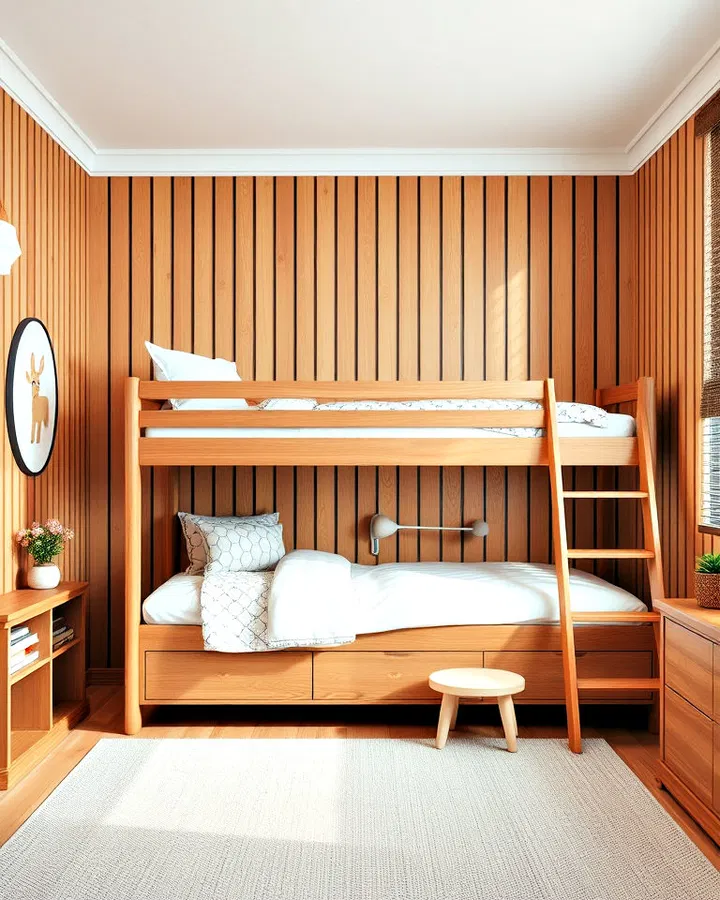
    Start with beds: lift-up platform storage or beds with built-in drawers reclaim under-bed volume that often becomes wasted. Daybeds and sleeper sofas provide seating by day and guests’ beds by night. For living rooms, ottomans with internal storage or coffee tables with drawers keep remotes, throws, and magazines out of sight but within reach.

    Dining spaces benefit from extendable tables and benches with hidden compartments. In small kitchens, a cart on casters can store prep gear and tuck against a wall when not in use. Floating desks and wall-mounted fold-down tables create work zones that disappear visually when closed.

    When selecting multifunctional pieces, watch for two pitfalls: oversized silhouettes that overwhelm the room and visible clutter inside open storage. Choose streamlined profiles in lighter finishes for small spaces, and pair hidden storage with a disciplined approach to what we store. Functionality is vital, but the goal is to reduce the number of visible objects, not replace them with bulky furniture.

    Maximize Vertical Real Estate With Smart Wall Storage

    In tight rooms, the floor is precious, we reclaim it by building up. Vertical storage shifts storage load to walls, freeing circulation and expanding perceived space.

    The trick is layering: a mix of open shelves for display, closed cabinets for hidden items, and hooks or rails for everyday essentials. Done well, vertical systems become architectural features rather than afterthoughts.

    We recommend planning height zones: lower storage for heavier, frequently used items: mid-level for reachable display: and higher shelves for seasonal or infrequent belongings. Use a step stool that tucks away to maintain access without cluttering the floor. Paint higher shelving the same color as the wall to visually push it back: contrast for lower shelves to create intentional focal points.

    Vertical storage also helps define zones in open-plan spaces. A tall bookcase with backboard can act as a divider that contains items on both sides while keeping the floor largely open. Next we’ll get specific about shelf types and overhead options that work best.

    Decorative Storage That Doubles As Art

    Storage doesn’t have to be hidden to reduce visual clutter, it can be beautiful and purposeful. Decorative storage items act like functional art, giving us contained utility while contributing to a curated aesthetic.

    Baskets woven in natural tones add warmth and texture, and grouped in sets they look intentional. Trunks serve as coffee tables and hold blankets: choose one with a low profile so it reads as furniture rather than a pile. Stylish bins and lidded boxes in matching colors unify odd-sized items and keep surfaces visually calm.

    We can also display select items in deliberate ways: a row of matching glass jars for pantry staples, or a neatly arranged stack of suitcases at the foot of a bed for a travel-inspired vignette. When we display storage, the rule is consistency, common material, color, or scale ties the composition together and prevents it from appearing chaotic.

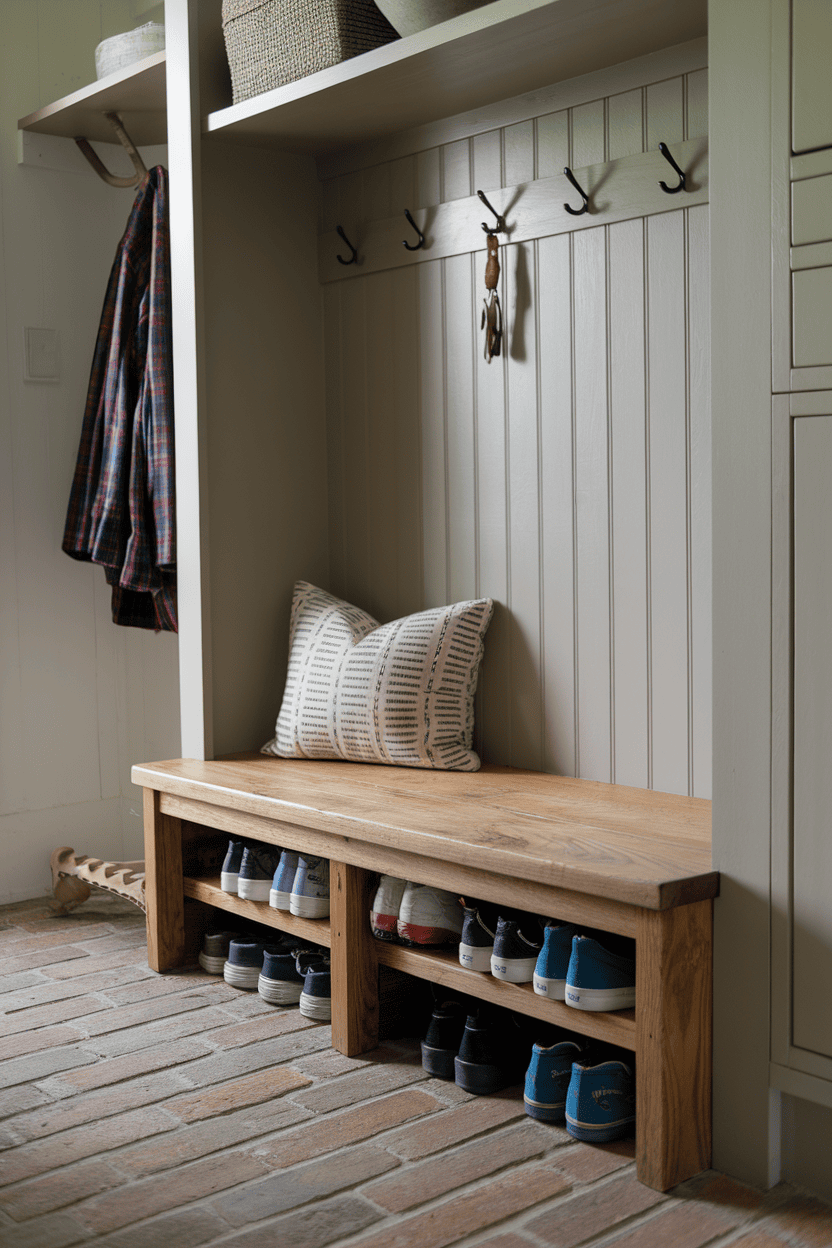
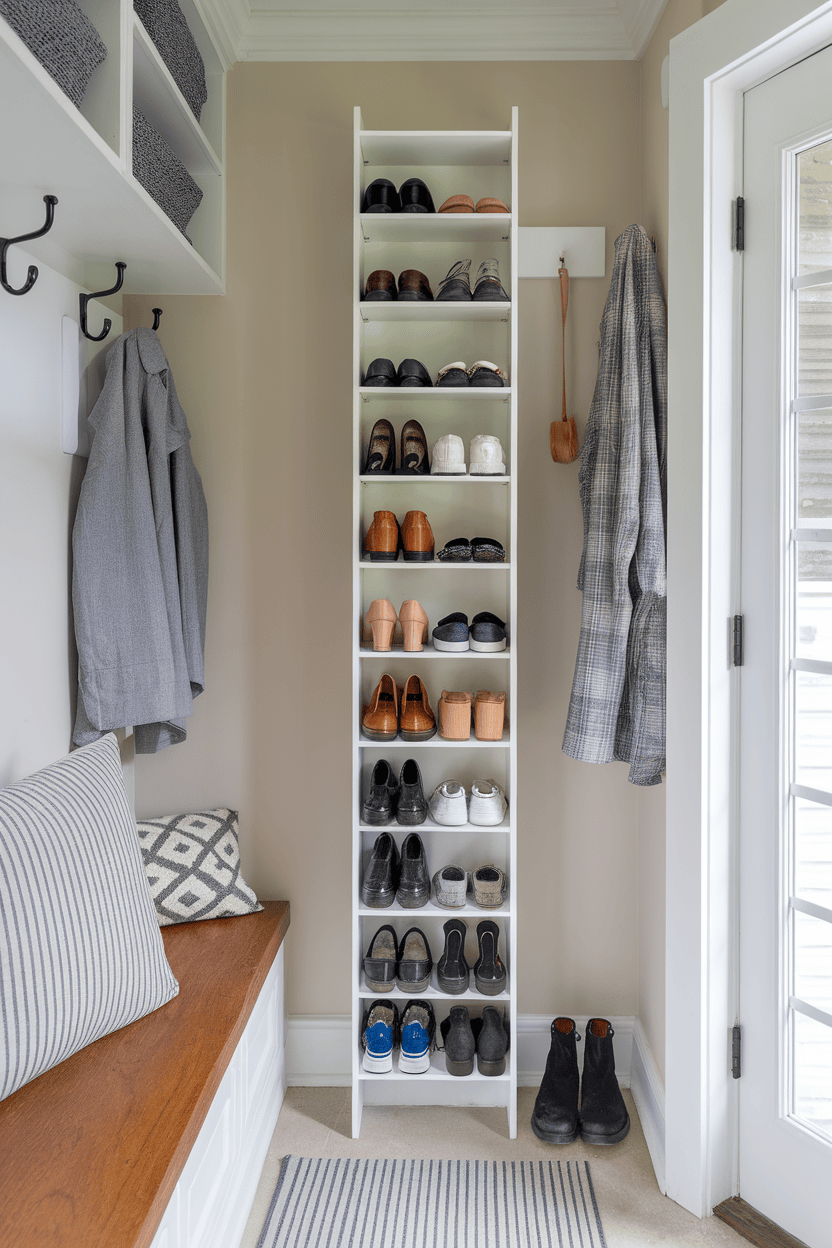
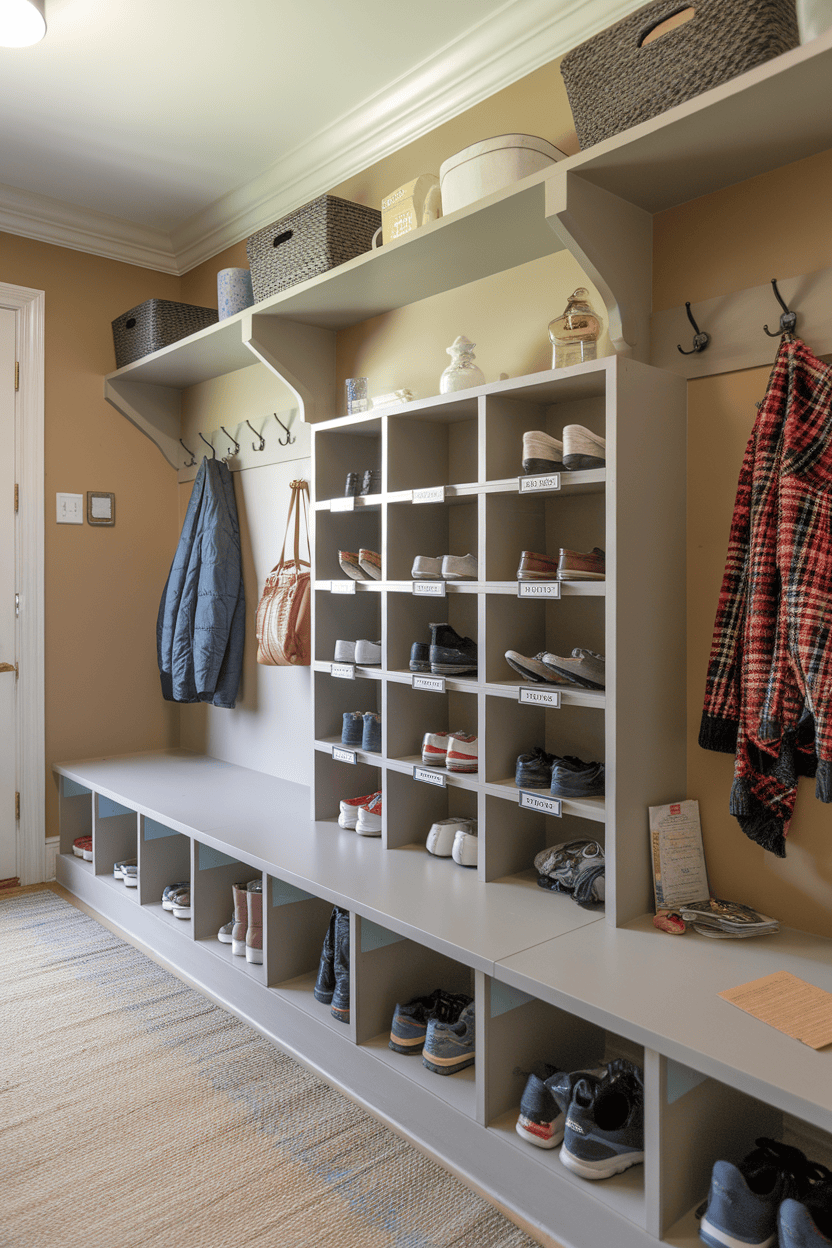
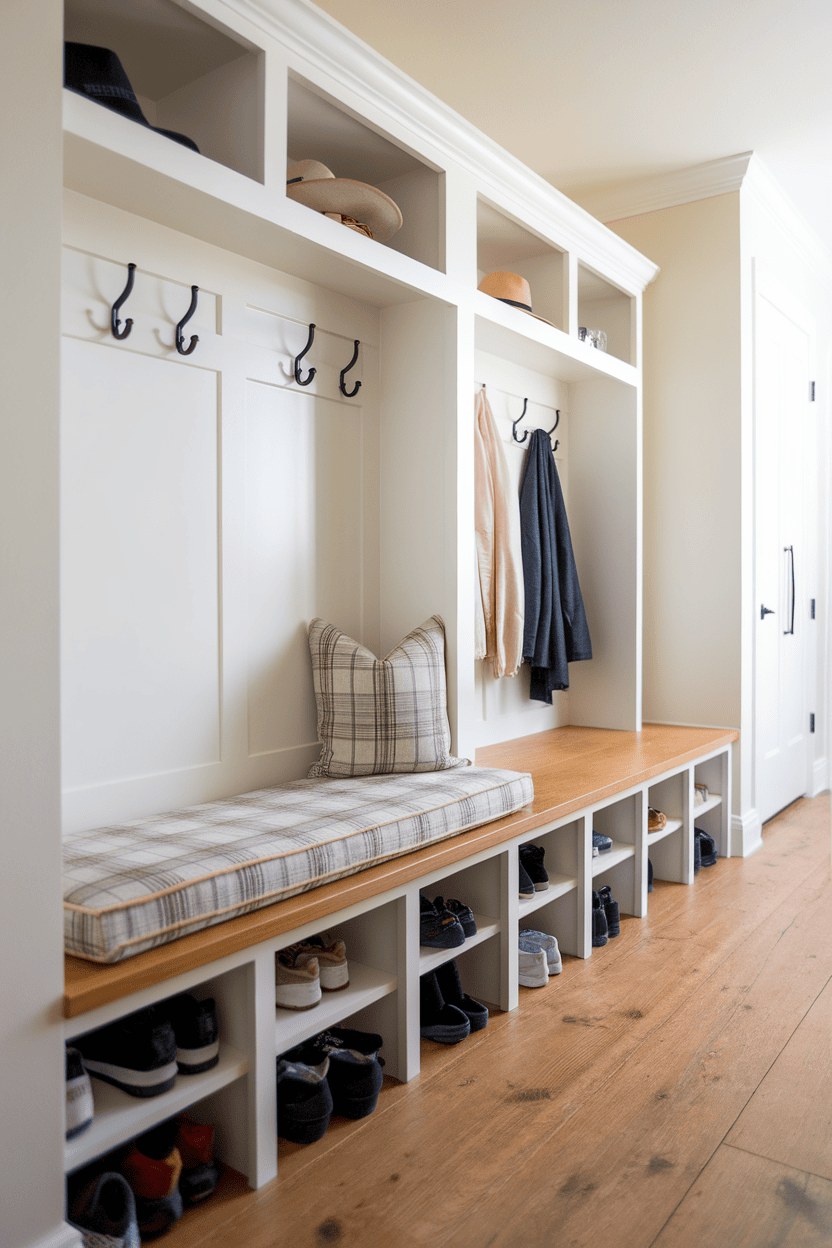
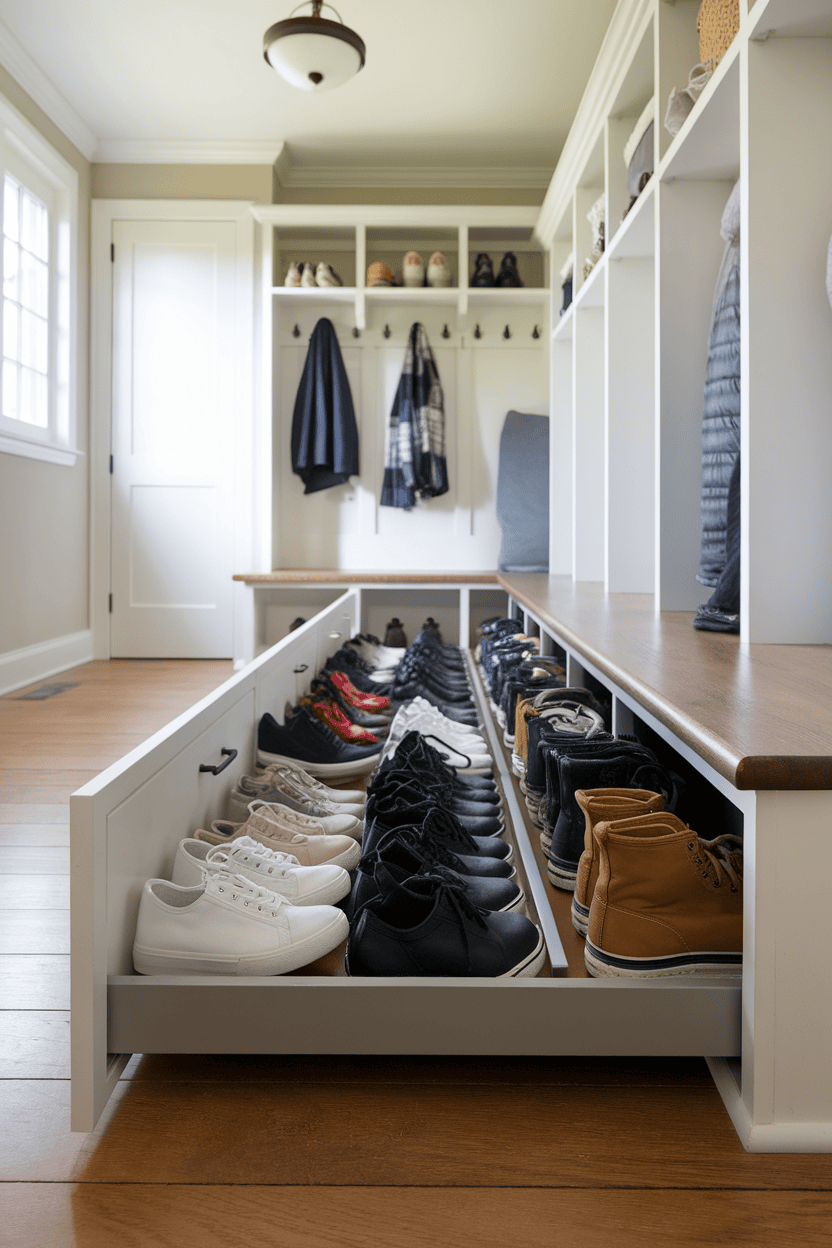
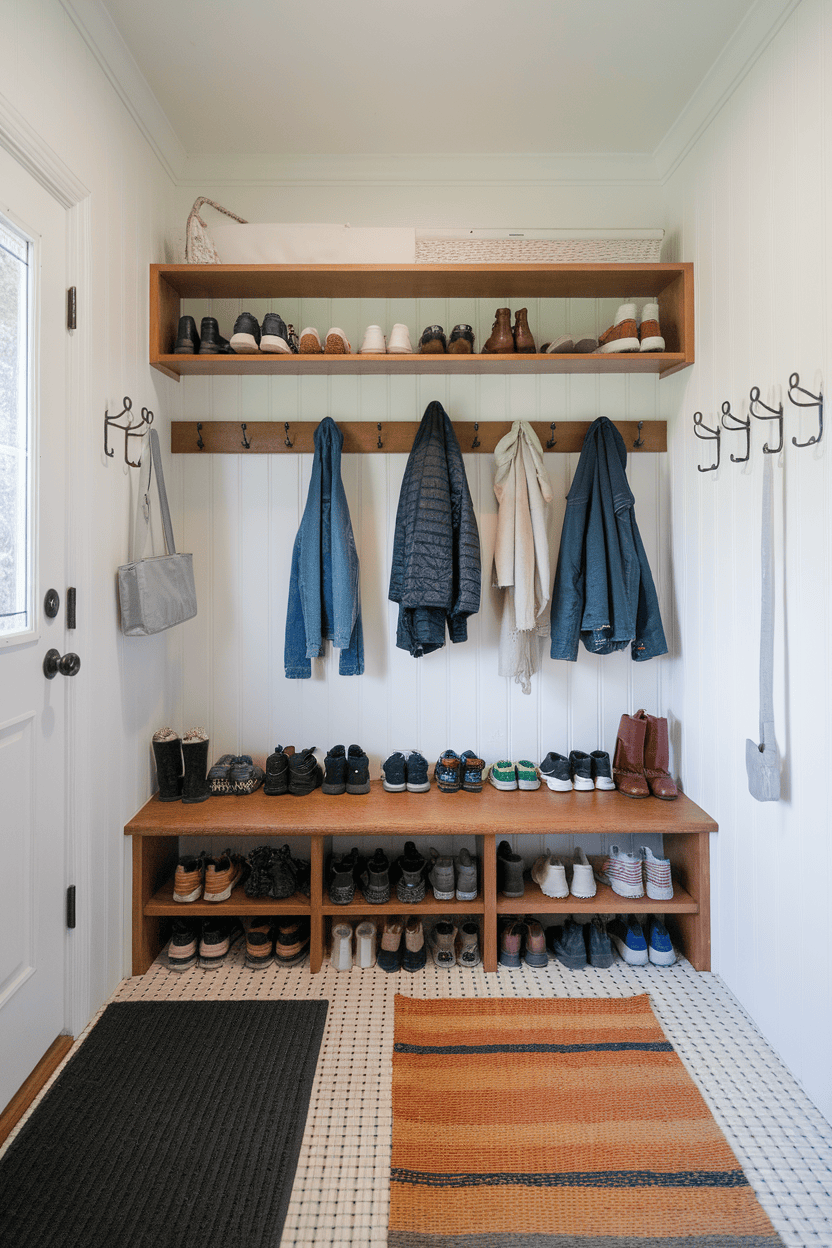
    Decorative storage becomes especially powerful in entryways and open shelving, where it transforms necessary containment into part of the room’s design language.

    Use Color, Pattern, And Lighting To Minimize Visual Noise

    Color, pattern, and lighting are powerful tools for reducing visual clutter without removing items. A limited color palette ties a room together and reduces the number of competing focal points. We suggest choosing two dominant neutrals and one accent color: repeat them across textiles, containers, and furniture.

    Patterns should be scaled and used sparingly. In a small room, large-scale patterns can make surfaces feel busy: instead, opt for subtle textures or one patterned element like a rug or throw. Patterns that echo the room’s color palette feel cohesive rather than chaotic.

    Lighting changes perception: well-placed lights create depth and highlight key zones. Layer ambient light with task and accent lighting, a narrow floor lamp near a reading chair, under-cabinet LEDs in the kitchen, or picture lights to draw attention to a single art piece. Good lighting reduces reliance on multiple small lamps or decorative items that contribute to clutter.

    Finally, paint storage interiors the same color as their doors to disguise them when closed. When we control color and light carefully, the room feels intentionally edited instead of overwhelmed.

    Right-Size Furniture Placement, Scale, And Negative Space

    Proper placement and scale turn good pieces into great layouts. A too-large sofa or an awkwardly placed side table can break circulation and create visual crowding. We prioritize appropriately scaled furniture and deliberate spacing to preserve negative space, the unoccupied areas that let the room breathe.

    Start by measuring. Know the dimensions of your room and furniture before buying or rearranging. Leave at least 24–30 inches of clear pathway in high-traffic routes: in very tight zones, aim for a minimum of 18 inches but compensate by simplifying surrounding elements.

    Orientation matters: floating a sofa away from the wall can create an open, conversational layout, while anchoring a rug under key pieces helps define zones without extra furnishings. Use low-profile furniture to maintain sightlines: legs that expose floor beneath pieces give the impression of more space than solid bases.

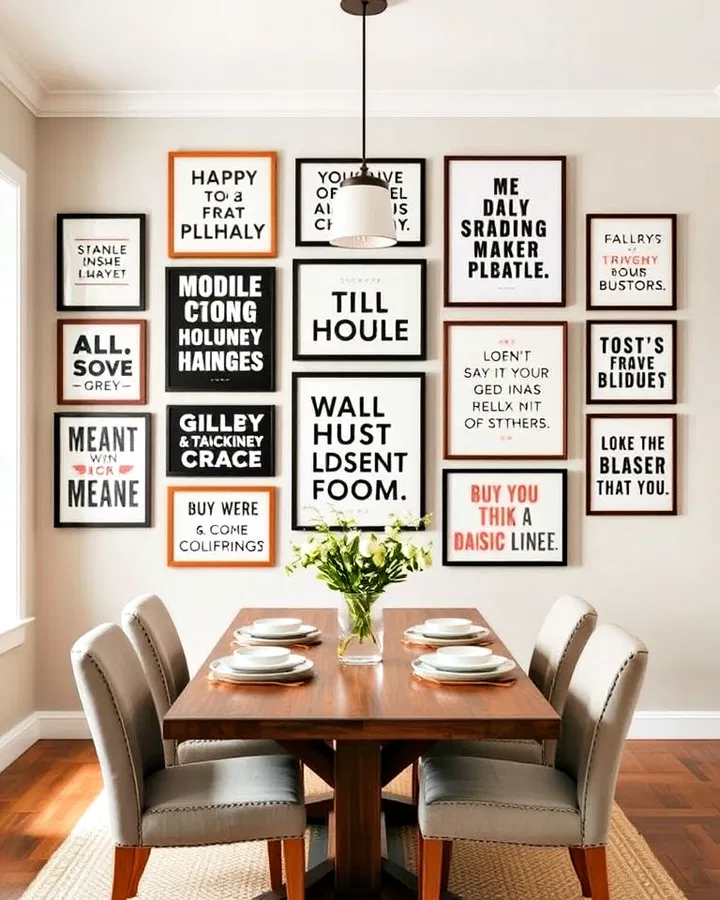
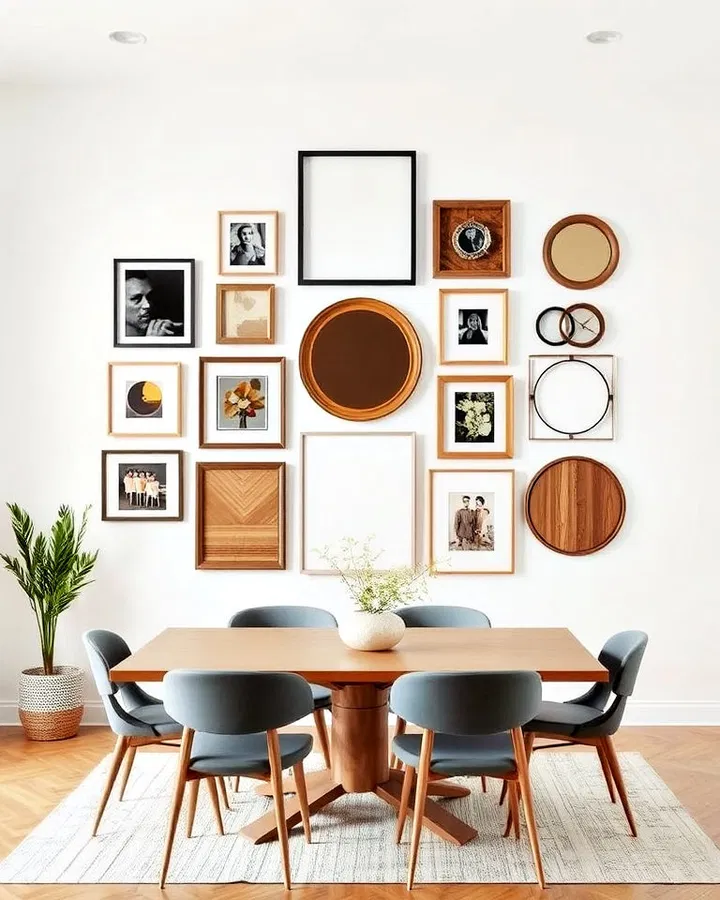
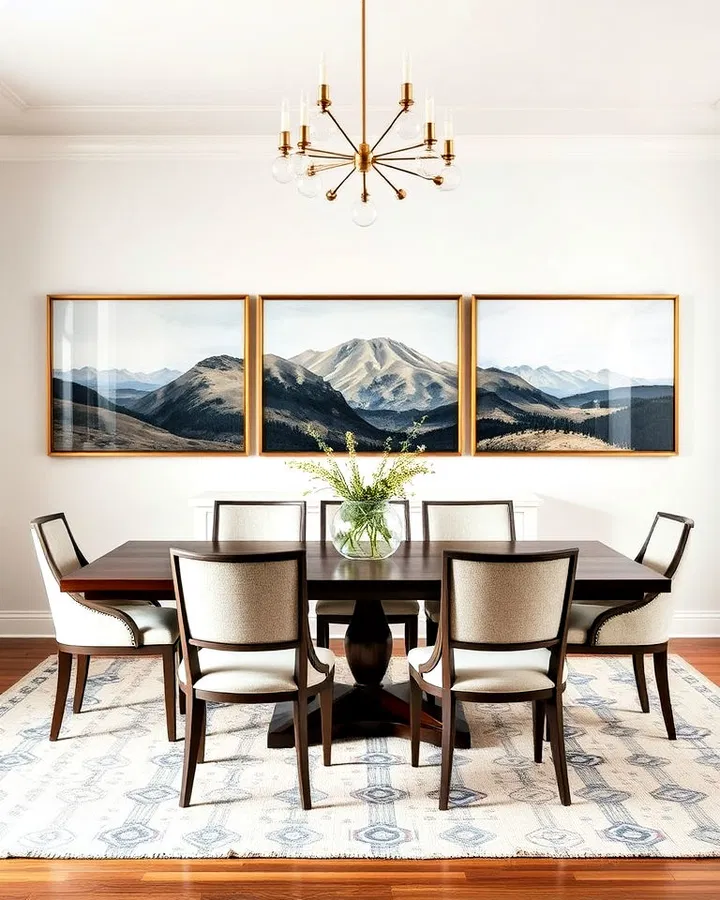
    We also recommend single-purpose focal points: a statement mirror can reflect light and amplify perceived size, while a single oversized artwork creates drama without visual clutter. Resist the urge to fill every wall, negative space is an intentional design choice. In practice, right-sizing is about restraint and clarity: choose fewer, better things and position them to honor movement, light, and sightlines.

    Conclusion, Quick Takeaways and Next Steps

    We’ve covered a toolkit of space-saving decor ideas that reduce visual clutter while keeping spaces warm and functional. To start: edit belongings, invest in multifunctional pieces, build upward with vertical storage, and use decorative containers that unify rather than scatter. Pay attention to color, scale, and lighting, those subtle moves deliver big perceptual gains. Try one change this weekend: swap a messy coffee table for a storage ottoman or add a row of hooks in your entry. Small, consistent edits compound quickly, and before long, your place will feel calmer, larger, and more intentionally yours.

  • Small Bedroom Fixes: 15 Clever Design Tricks To Make Any Tiny Room Feel Bigger In 2026

    When a bedroom feels cramped, it affects sleep, mood, and how we use the rest of the home. We’ve learned that making a small bedroom feel larger isn’t about knocking down walls, it’s about how we design, edit, and light the space so our eyes perceive more room. This guide compiles 15 practical, contemporary tricks that work together: color, furniture choices, storage, lighting, mirrors, flooring, and daily habits. Each tactic is actionable, budget-aware, and suited to modern 2026 aesthetics, whether you’re renting, staging for resale, or finally tackling a long-postponed makeover. Read on and pick the three changes we can carry out this weekend to start seeing immediate visual gain.

    Why Visual Space Matters: Function, Comfort, And Resale Value

    Perceived space, what our eyes tell our brains, is arguably more important than square footage. When a bedroom looks open, it changes how we use the room: we sleep better, we can add a workspace or reading nook, and guests feel welcome. For homeowners, visual space impacts resale. Listings that photograph as airy and uncluttered consistently attract more views and higher offers. From an emotional standpoint, cramped bedrooms elevate stress and inhibit restful routines. Practically, small but smart design choices allow us to fit essentials without creating visual noise. That means prioritizing multifunctional furniture, streamlining patterns and colors, and preserving clear sightlines. We’ll cover solutions that increase perceived roominess without costly renovations, strategies that realtors, designers, and rental-minded owners can carry out quickly. The aim isn’t deception: it’s making the most of what we have so the room supports sleep, storage, and style. Throughout this piece we’ll balance aesthetics with function, offering tricks that look intentional rather than “small-space afterthoughts.”

    Use A Light, Cohesive Color Palette To Open The Room

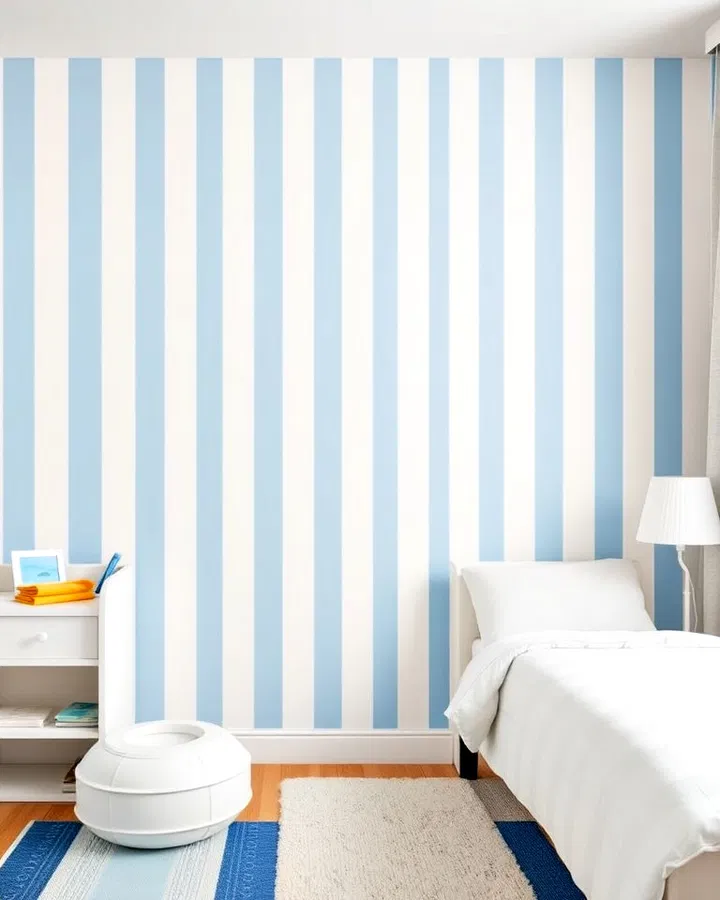
    Color is the single most efficient visual trick to enlarge a room. Light, cohesive palettes reflect more light and blur boundaries between floor, walls, and ceiling, so walls seem to recede and ceilings feel higher. We recommend starting with a dominant neutral (soft white, warm cream, pale greige) and introducing one or two muted accent tones in linens or art. Keep contrast low to moderate: high-contrast stripes or dark feature walls close space: subtle tonal contrasts expand it. For a modern 2026 update, try warm off-whites paired with a single desaturated color, sage, dusty blue, or blush, used sparingly. Maintain consistent trim and door colors instead of painting them dark: uniformity lengthens sightlines. If you crave pattern, choose large-scale, low-contrast patterns rather than busy small prints. Finally, test paint colors in the room at different times of day: natural and artificial light change how a shade reads, and the wrong “light” color can appear dingy. With a cohesive palette, our furnishings read as part of one continuous environment rather than competing visual elements.

    Furniture Strategy: Create Flow Without Clutter

    Furniture dictates how our eyes travel through a room. In small bedrooms, the wrong pieces or placement kill flow and make the space feel congested. We should prioritize a calm arrangement that preserves walking paths and visual breathing room. Start by measuring the room and the bed: a queen in a very narrow room may feel overpowering, consider a full-size bed or a low-profile platform instead. Keep larger pieces against walls to open central floor space, and avoid floating too many items in the middle. Choose furniture with exposed legs or slender frames to increase the sense of openness: solid, blocky silhouettes sit visually heavy. Finally, create purposeful negative space: an intentionally empty corner or a clear pathway near the door gives the eye room to rest, which contributes disproportionately to perceived spaciousness.

    Multi-Functional Pieces That Save Space And Look Intentional

    We can dramatically reduce clutter by choosing furniture that earns its place. Think storage beds with drawers, headboards with built-in shelving, or nightstands that double as slim desks. Wall-mounted fold-down desks and Murphy beds are more refined than they used to be, many modern options are streamlined and look built-in rather than mechanical. Bench storage at the foot of the bed provides seating and hides bulky items. Look for ottomans with removable tops, nesting tables, and slender chests that can function as nightstands and dressers. When selecting multi-use pieces, favor consistent materials and finishes to avoid a mismatched, ad-hoc feel. The key is to design solutions that read like intentional furniture choices, not last-minute hacks.

    Scale And Placement: How To Choose And Position Furniture For Maximum Visual Space

    Scale matters. Oversized headboards, thick mattresses, and deep armchairs shrink visual space. We recommend a low-profile headboard and a shallower mattress depth (but not at the expense of comfort). Place the bed so the longer side faces into the room rather than the foot, this reduces the sensation of a barrier at the doorway. Keep nightstands small and avoid blocking windows with tall dressers. If we must include a dresser, place it opposite the bed to create balance and reflective sightlines. Floating shelves are preferable to bulky bookcases because they preserve wall continuity. As we reposition, we should walk the path ourselves to ensure movement feels natural: if our route requires sidestepping furniture, it’s a sign we need to scale down or relocate pieces.

    Smart Storage Solutions That Hide Stuff And Free Visual Real Estate

    Visible clutter is one of the fastest ways to make a room look small. Storage that hides belongings while staying accessible improves both function and perception. Under-bed storage is the most underused asset: shallow rolling bins hold out-of-season clothes, while deeper drawers store bulky bedding. Built-in wardrobes with flush doors create a monolithic wall that reads as architecture rather than furniture. For renters, sleek armoires or tall narrow dressers provide vertical storage with a small footprint. Use uniform baskets or bins inside open shelving to avoid visual chaos. Another trick: move the laundry basket out of view, placing it inside a closet or a storage bench maintains calm. We also recommend a dedicated drop zone, one slim tray or shallow wall hook near the door, so small items don’t accumulate on surfaces. When storage looks organized and consistent, the room breathes.

    Layered Lighting, Mirrors, And Reflective Surfaces To Expand Depth

    Lighting and reflection manipulate depth more convincingly than expensive renovations. Layered lighting, ambient, task, and accent, adds dimension. Overhead fixtures should be soft and diffuse: combine them with bedside sconces or pendant lights to free up nightstand surface area. Task lighting for reading or dressing keeps activity zones defined. Mirrors are essential: a full-length mirror placed opposite a window or behind a light source doubles perceived depth by bouncing light and sightlines. Consider mirrored closet doors for a large visual punch, or a strategically hung horizontal mirror above the headboard to widen the room. Reflective surfaces don’t have to be full mirrors: glossy lacquered furniture, a polished metal lamp, or even a subtle metallic wallpaper on one wall can increase brightness and perceived space. Use mirrors thoughtfully, avoid placing them where they simply reflect clutter. The goal is depth and light, not visual repetition of mess.

    Flooring, Rugs, And Visual Lines That Extend The Room

    The floor is an underappreciated tool for elongating a bedroom. Continuous flooring throughout the apartment or from the hallway into the bedroom creates flow and seamless transition, making the room feel like part of a larger whole. Choose long planks or narrow tiles laid lengthwise with the longest dimension of the room, the resultant lines guide the eye outward. Rugs should be large enough so at least the front two-thirds of the bed sit on them: a tiny rug isolates the bed and fragments the visual field. If using multiple rugs, keep textures and tones similar to avoid a patchwork effect. For renters, a single neutral rug and consistent flooring tones in visible adjoining spaces will yield the best optical expansion. We also recommend minimizing abrupt thresholds, raised door sills or mismatched flooring breaks create perceived boundaries that shrink space.

    Edit, Declutter, And Maintain Clear Sightlines Daily

    Design tricks work best when paired with simple daily habits. We advocate a five-minute nightly reset: clear surfaces, fold or hang clothes, stash anything left out in designated bins. A nightly ritual resets our visual field and prevents cumulative clutter. We should be ruthless about what stays on display, limit surfaces to a lamp, one framed photo, and perhaps a plant. Keep windows unobstructed: curtains that pool or heavy drapery block light and shrink the room. For artwork, one large, well-placed piece creates a stronger sense of scale than multiple small frames. Maintain sightlines by avoiding stacks of items in corners or on window sills: if we can see from one side of the room to the other without interruption, the space will feel larger. Finally, schedule quarterly purges: clothing that hasn’t been worn, accessories we don’t use, and décor that doesn’t contribute to function should go. Small, consistent housekeeping beats occasional deep cleans for preserving perceived space.

    Conclusion

    Small bedroom fixes compound. When we pair a light, cohesive palette with scaled furniture, smart hidden storage, layered lighting, and disciplined editing, the room reads larger even without structural changes. Start with two visible wins, a lighter paint and a large mirror, and layer in functional pieces like a storage bed or wall-mounted lights. These choices deliver immediate visual payoff and long-term comfort, increasing both daily satisfaction and market appeal. Remember: perceived space is as much about restraint as it is about design savvy. With a few intentional swaps and simple habits, any tiny bedroom can feel open, restful, and distinctly ours.

  • Big Windows vs Privacy: What Nobody Tells You About The Hidden Trade-Offs In 2026

    We love natural light. In 2026, architects, homeowners, and builders are still pushing ever-larger panes of glass into houses, apartments, and offices, and with good reason: daylight improves mood, reduces energy use, and makes spaces feel expansive. But when we talk about big windows vs privacy, there’s a quieter conversation we rarely hear. Oversized glazing changes how our homes behave at night, how neighbors and passersby relate to our lives, and how data flows around our property. In this text we’ll walk through why large windows appeal to us, the privacy downsides most people miss, real-world scenarios where those downsides become problems, and practical solutions, from design tweaks to tech, that let us enjoy daylight without giving away our lives.

    Why Big Windows Are So Appealing

    Big windows have dominated residential design for a reason: they deliver immediate, visceral benefits that small openings can’t match. First, there’s the psychological impact. A floor-to-ceiling window or a large clerestory floods a room with daylight, making spaces look larger and improving our mood and circadian regulation. Studies over the last decade continue to link daylight exposure to better sleep, higher productivity, and even faster recovery in healthcare settings, benefits we feel without thinking.

    Second, aesthetics and resale value. Contemporary buyers equate glass expanses with modernity and luxury. From an architectural perspective, glazing dissolves visual boundaries between interior and exterior, creating the coveted indoor-outdoor connection. That connection sells: homes with thoughtful daylighting often command higher prices and shorter market times.

    Third, energy considerations. When placed and shaded correctly, big windows can reduce daytime lighting loads and provide passive solar gains during cooler months. Advances in low-E coatings, triple glazing, and thermally broken frames make large windows more energy-efficient than they used to be, allowing us to justify larger apertures without paying the historical thermal penalty.

    Finally, lifestyle shifts drive demand. We’re spending more time at home and want spaces that feel open, connected to nature, and amenity-rich. Big windows are shorthand for that lifestyle. But these advantages come with trade-offs, especially around privacy and control, that we need to acknowledge before committing to a wall of glass.

    The Hidden Privacy Downsides Most Homeowners Miss

    When we choose large windows, we usually picture bright mornings and panoramic views. We often forget that glazing is also a two-way lens: it lets us see out, but it also lets others see in. That symmetrical transparency creates privacy risks that are subtle, cumulative, and rarely factored into design decisions.

    First, the day-to-night inversion. During daylight the brighter exterior tends to obscure interior details: at night, interior lighting makes the opposite true. This simple physics flips our privacy assumptions and can expose activities we assumed were private. Second, the proximity problem: large windows change the home’s relationship to the public realm. A dining room window that faces a sidewalk or a neighbor’s yard turns private conversations, routines, and even clothing choices into semi-public performances. Third, pattern recognition and surveillance: repeated, high-quality visual access makes it trivial for neighbors, delivery drivers, or opportunists to learn our habits, who’s home, when we leave, where we sit most often.

    We also ignore non-visual privacy risks associated with big windows. Exterior cameras or doorbell cams with wide fields of view may inadvertently record interior activity reflected in glass. Smart-home devices that rely on line-of-sight sensors can leak presence data. And aesthetic decisions that prioritize transparency may conflict with safety, consider a sleeping child visible from the street, or valuables displayed on an entryway table.

    Finally, social friction is underappreciated. We assume good neighbors will avert their gaze, but curiosity is human. What starts as casual observation can spiral into awkwardness or, worse, nuisance behavior. When we choose large glazing, we’re altering social boundaries, and we should do so consciously.

    Real-World Privacy Risks

    Big windows multiply realistic, traceable privacy risks in ways that planning pages and glossy brochures don’t show. Below we break down the most common and consequential scenarios we encounter in real homes and urban projects.

    Practical Design, Tech, And Behavioral Solutions

    The good news is we don’t have to choose between daylight and discretion. A layered approach combining design decisions, technology, and daily habits gives us control without sacrificing the benefits of big windows. Below are practical, tested strategies we can apply at different scales and budgets.

    Conclusion

    When we weigh big windows vs privacy, the right choice isn’t binary. Large glazing can transform a home, but it also alters boundaries, visual, social, and digital. The smart approach is intentionality: map sightlines, prioritize which spaces must remain private, and use layered defenses, landscaping, layout, treatments, and measured technology, to keep light without relinquishing control. If we plan for the night as deliberately as we do for the day, we can enjoy the airy, sunlit spaces we crave without inviting unwanted observation into our lives.

  • Open Concept Kitchens vs Hidden Kitchens: The Unexpected Pros and Cons (Which One Fits Your Life in 2026)

    Kitchen layout trends come and go, but the debate between open concept kitchens and hidden kitchens feels as alive now as ever. As we rethink how we live, work, and entertain at home in 2026, the choice between blowing walls open or keeping cooking out of sight is no longer purely stylistic, it’s about daily habits, family dynamics, resale strategy, and even mental energy. In this guide we’ll define both approaches, dig into practical design considerations, and uncover advantages and disadvantages you probably haven’t considered. Our goal is to give you a clear framework so you can decide which kitchen type fits your life, not a passing trend. Let’s walk through the trade-offs with real-world logic, targeted questions, and actionable takeaways.

    What Defines An Open Concept Kitchen? Key Features And Variations

    Open concept kitchens remove barriers between cooking, dining, and living areas to create a shared, continuous space. The hallmark is visual and spatial integration: islands that face living rooms, continuous flooring, and sightlines that allow conversation across zones. We typically see a few consistent variations:

    • The Great Room Kitchen: Fully integrated with the living area, often centered around a multifunctional island used for prep, dining, and assignments.
    • The Island-as-divider: A large island marks the kitchen boundary without walls, providing storage, seating, and a gentle visual separation.
    • The L-shaped Open Plan: Keeps one side of the kitchen dedicated to appliances and storage while opening the other side to the living area for flow.

    Key features that distinguish open concept kitchens are uninterrupted sightlines, multipurpose islands, consistent finishes across spaces, and flexible lighting schemes. Because the cooking area is exposed, venting, flooring durability, and noise control become more important. Open designs favor social cooking, entertaining, and homes where we want constant visibility, for supervising kids or staying connected while we cook. In 2026, open plans also commonly integrate hybrid work nooks, charging stations, and intentional tech placement so the kitchen isn’t just for food but for daily life.

    What Defines A Hidden Kitchen? From Galley To Scullery And Everything In Between

    Hidden kitchens range from enclosed traditional kitchens to modern takes like sculleries and butler’s pantries that conceal mess and systems. The defining trait is separation, walls, doors, or architectural buffers that keep cooking activity out of primary living sightlines. Popular variations include:

    • The Galley Kitchen: Efficient, narrow, and typically enclosed, great for focused cooks who want everything within reach.
    • The Enclosed U-Shaped Kitchen: Offers abundant counter and storage while keeping noise and smells contained.
    • Scullery or Butler’s Pantry: A secondary prep and cleanup zone that hides the dirty work while the main kitchen or serving area remains tidy.
    • The Pocket Kitchen: A compact, doorable cabinet-style kitchen that tucks away in a living space when not in use.

    Hidden kitchens prioritize function and containment. They make it easier to keep clutter and cooking smells out of sight, which appeals to people who entertain formally or want a calmer living room. In modern renovations we increasingly pair a modest show-kitchen, a curated area for serving and socializing, with a functional hidden kitchen behind it for heavy tasks. That hybrid approach gives us both presentation and practicality without exposing the full scope of kitchen activity.

    Design And Layout Considerations: Flow, Sightlines, And Zoning

    Choosing between open and hidden kitchens starts with three design fundamentals: flow, sightlines, and zoning. Each influences how we move through the house and how the kitchen interacts with daily life.

    Flow: We map circulation paths around work triangles, islands, and dining seating. Open plans favor free movement and social flow: hidden kitchens often restrict traffic to purposeful paths, which can improve efficiency for multi-cook households.

    Sightlines: Open layouts require intentional aesthetics because the kitchen is constantly visible. That means cohesive materials, concealed appliances, and thoughtful storage. Hidden kitchens allow more utilitarian finishes out of sight, often prioritizing durability and task lighting over visual harmony with adjacent rooms.

    Zoning: This is about defining activity areas. In open plans we rely on furniture, rugs, and lighting to create zones: islands become multifunctional anchors. In hidden kitchens we can zone vertically and horizontally, dedicate counters for baking, a scullery for prep and cleanup, and keep a pantry-station isolated to avoid cross-contamination.

    Other practical considerations include mechanical systems (venting and HVAC), acoustic buffering, and electrical placement for smart appliances. For example, an open kitchen needs stronger range hood ventilation to protect living room air quality: hidden kitchens let us contain odors more easily. Finally, consider adaptability: if we plan to age in place or want flexible multi-use rooms, layouts that allow future wall additions or removals give us long-term options.

    Unexpected Advantages Of Open Concept Kitchens

    We often celebrate open kitchens for sociability, but some advantages are less obvious until we live with them.

    1. Multitasking Made Real: With direct sightlines to living areas, we can supervise kids, keep an eye on virtual meetings, or watch TV while prepping dinner. That reduces task-switching friction and saves time.
    2. Perceived Space and Light: Removing walls lets natural light travel further and makes even modest homes feel larger. This perceived spaciousness often improves mood and lowers stress, a subtle but meaningful benefit.
    3. Flexible Entertaining: Open kitchens let gatherings flow organically: guests can chat while we cook, and buffet setups are simpler. That flexibility translates to fewer separate serving pieces and more relaxed hosting.
    4. Better Social Inclusion: Open plans support communal living arrangements and multigenerational homes. Whether we’re helping a teenager with assignments or hosting a potluck, the kitchen becomes a social hub rather than a workspace hidden away.
    5. Increased Visibility of Upgrades: High-end finishes, statement islands, and designer lighting are more impactful in open plans, potentially enhancing perceived value during viewings or open houses.

    These advantages make open kitchens compelling for families who prioritize connection, daylight, and flexible entertaining.

    Unseen Drawbacks Of Open Concept Kitchens

    Open kitchens aren’t without downsides. Beyond the obvious loss of privacy or noise, there are several less visible costs we should weigh.

    1. Acoustic Spillover: Cooking, dishwasher cycles, and conversations travel. Without walls, sound control requires better acoustic planning, soft furnishings, ceiling treatments, and appliance selection to reduce noise.
    2. Constant Visibility of Clutter: Because the kitchen is always on display, daily messes feel more stressful. That can pressure us into continual tidiness or attract cleaning service costs.
    3. Ventilation Load: Open plans demand more powerful range hoods and thoughtful HVAC zoning to prevent food odors and humidity from migrating into living spaces.
    4. Design Compromises: Making a kitchen visually consistent with a living room limits some practical choices, exposed storage, industrial finishes, or heavy-duty surfaces might clash with a relaxed living palette.
    5. Higher Renovation Complexity: Removing load-bearing walls or rerouting mechanicals to create openness often increases project complexity and cost. Even if we love the look, the structural or permitting hurdles can be significant.
    6. Resale Polarization: While many buyers prefer open plans, some segments, particularly in certain regions or older buyer demographics, still value enclosed kitchens. Going fully open risks narrowing appeal.

    Knowing these trade-offs helps us plan mitigations: invest in quiet appliances, create hidden storage strategies, and ensure ventilation capacity aligns with the openness of the design.

    Surprising Benefits Of Hidden Kitchens

    Hidden kitchens deliver predictability and control in ways that pleasantly surprise once we live with them.

    1. Stress Reduction: Out-of-sight cooking reduces visual clutter, which in turn lowers cognitive load. We notice this when hosting, dishes can be washed and stored out of view while guests remain in a calm living room.
    2. Better Scent and Air Management: Enclosed layouts naturally contain smells, making them a boon for homes that cook strongly flavored cuisines or frequently use deep-frying methods.
    3. Focused Culinary Workflows: For serious cooks, a hidden kitchen allows specialized zones (baking center, prep island, heavy-duty range) without worrying about aesthetics in the main living area. We can have industrial-style shelving, hanging pots, and heavy-duty counters that wouldn’t work visually in an open plan.
    4. Improved Safety and Containment: With doors or partitions, we can keep pets and small children out of dangerous areas more easily. That’s practical for households with curious toddlers.
    5. Easier Clean-up and Maintenance: Because the kitchen doesn’t need to always be presentation-ready, we can store frequently used tools and leave small projects in progress without social pressure to tidy immediately.
    6. Architectural Character: Enclosed kitchens often sit in older homes as intact rooms with defined scale, windows, and built-in features. Restoring or updating these spaces can preserve character that open plans might erase.

    Those benefits show why hidden kitchens remain a strong option for people who cook intensely, prefer formal entertaining, or want strict separation between life and workspaces at home.

    Challenges And Tradeoffs Of Hidden Kitchens

    Hidden kitchens come with their own compromises, mobility, social disconnection, and sometimes inefficient use of space.

    1. Social Isolation: When we shut the kitchen away, cooks can feel cut off from guests or family. That’s a real consideration if we enjoy social cooking or need to supervise activities while we work.
    2. Space Perception: Enclosed kitchens can make homes feel compartmentalized and smaller, especially if natural light is limited. That reduction in perceived space can affect mood and how we use adjacent rooms.
    3. Workflow Constraints: Traditional closed layouts like narrow galley kitchens may hinder multiple cooks. Tight corridors and lack of island space can create bottlenecks during busy meal prep.
    4. Underused Rooms: If the kitchen is too isolated, it risks becoming a back-of-house area that family members avoid, reducing interaction opportunities and amortized value of the footprint.
    5. Lighting and Ventilation Needs: Enclosed kitchens often require more artificial lighting and mechanical ventilation solutions, which can marginally increase operating costs and energy use.
    6. Resale Considerations: While many buyers appreciate a concealed kitchen, others, particularly younger buyers and those who value open living, may see it as dated. We need to balance current lifestyle benefits against potential buyer preferences in our market.

    We can address some trade-offs by designing openings, pass-throughs, or glazed doors that allow light and partial connectivity without full exposure, achieving compromise between privacy and inclusion.

    Cost, Renovation Complexity, And Resale Impact For Both Styles

    Budget and future resale value are pivotal when choosing a kitchen layout. The financial picture differs markedly between open and hidden designs.

    Costs and Complexity:

    • Open Concept: Creating an open plan often involves removing load-bearing walls, upgrading floor joists, and rerouting HVAC and electrical systems. These structural and mechanical changes raise renovation budgets significantly. Expect higher upfront costs for structural engineering, permits, and robust ventilation systems. That said, the visibility of premium finishes in an open plan can justify spending on high-end cabinetry and appliances.
    • Hidden Kitchens: Enclosed kitchens usually avoid structural work but may require investments in lighting, ventilation, and cabinetry optimized for storage. If we add sculleries or butler’s pantries, incremental cabinetry and plumbing costs rise, but complexity often stays moderate compared with wall removals.

    Resale Impact:

    • Market Preference: In many urban and suburban markets, open concept kitchens are still widely favored and can positively influence appraisal perceptions. But, market nuance matters: in areas with traditional homebuyers or where formal entertaining is common, a hidden kitchen or hybrid solution may attract a premium.
    • Flexibility Sells: Homes that offer adaptability, e.g., an open plan with the option to reintroduce doors or a hidden scullery paired with a show-kitchen, appeal to a broader buyer pool. That flexibility can protect resale value and reduce the risk of alienating buyers.

    Return on Investment:

    • We generally see better ROI by improving functionality and flow rather than chasing stylistic extremes. Investing in good ventilation, durable surfaces, and smart storage provides steady value regardless of the chosen layout.

    In sum, budget for structural work and mechanical upgrades if going open, and consider hybrid approaches to balance cost with market appeal.

    How To Choose Based On Lifestyle, Family, And Cooking Habits

    The right choice hinges on how we actually use our kitchen day-to-day. To decide, ask practical, personal questions and test assumptions.

    Questions to Guide Us:

    • How often do we entertain? Frequent hosts who favor casual entertaining lean toward open kitchens: formal hosts often prefer hidden or hybrid setups.
    • Do we need to supervise children or work from home while cooking? Open plans help visibility and multitasking.
    • How intense is our cooking? If we regularly cook complex meals or use heavy equipment, a hidden kitchen or scullery protects living spaces from mess and odor.
    • What’s our tolerance for clutter? If we prefer tidy living rooms and relax into mess behind closed doors, hidden kitchens align with that preference.
    • How important is natural light and perceived space? Open plans amplify both.

    Design Strategies Based on Answers:

    • For Families with Kids: Open plan with dedicated zones works well, but add ample concealed storage and noise damping.
    • For Serious Home Chefs: Enclosed prep areas or sculleries with heavy-duty appliances provide functional advantage.
    • For Entertainers: An open show-kitchen plus hidden prep scullery gives the best of both worlds: guests see a polished space while we pair it with a functional back kitchen.
    • For Tight Budgets: Retaining existing walls and upgrading inside the envelope is often more cost-effective: choose hidden or partial openness depending on natural light and circulation.

    We recommend prototyping with simple visualizations: mark the proposed island, furniture, and traffic paths on the floor with tape for a week. Living with a mockup surfaces issues you won’t see on paper, it’s the fastest way to validate whether an open or hidden layout truly fits your rhythm.

    Conclusion: Making The Right Call For Your Home And Future Needs

    There’s no universal winner between open concept kitchens and hidden kitchens, only the right fit for how we live now and how we expect to live in the years ahead. Open kitchens reward connection, light, and flexible entertaining but demand acoustic planning, stronger ventilation, and constant visual upkeep. Hidden kitchens offer containment, focused workflows, and lower social pressure at the cost of potential isolation and perceived smaller space.

    Practically, hybrid approaches often deliver the best balance: a curated show-kitchen for guests paired with a hidden scullery for prep and cleanup, or glazed doors that allow light and sightlines without full exposure. Our final recommendation is to prioritize everyday function over aesthetic trend, budget realistically for the mechanical work an open plan requires, and prototype layouts before committing. If we design around how we actually cook, host, and live, not just what looks trendy, we’ll make a choice that serves our home well into the future.

  • Open Floor Plans Vs Defined Rooms: Which Feels Better To Live In Daily — A Practical 2026 Guide

    We’ve all walked into a home and felt an immediate emotional reaction, light flooding a single, open space: or the calm of a series of smaller, purpose-built rooms. In 2026, with more people working from home, multi-generational households, and a renewed interest in wellness at home, the question of whether an open floor plan or defined rooms feel better to live in daily matters more than ever. In this guide we’ll cut through the design clichés and look at the psychology, everyday pros and cons, and practical strategies for choosing, or adapting, a layout that actually supports how we live. Expect research-backed observations, real-life trade-offs, and actionable suggestions you can use whether you’re buying, remodeling, or simply rearranging. Our aim is to help you decide which layout will make routine life easier, calmer, and more enjoyable for your household.

    The Psychology Of Space: How Layout Shapes Everyday Comfort

    Space isn’t just architecture: it’s an emotional regulator. When we talk about how a home feels, we’re describing cognitive and sensory reactions, perceived safety, social connectedness, control over stimuli, and the ability to focus. Neuroscience and environmental psychology show that spatial configuration influences stress, attention, and social behavior. For example, visual openness tends to increase feelings of freedom and social possibility, while defined rooms often create clear behavioral scripts: we eat in the dining room, sleep in the bedroom, work in an office. Those scripts reduce decision fatigue and can improve routines.

    Beyond scripts, our sensory thresholds vary. Some people need visual boundaries to feel secure: others feel confined by walls. Light, sightlines, and acoustics modify perception deeply. Natural light exposure correlates with better mood and sleep patterns, and open plans often maximize daylight penetration. But noise travels more in open layouts, elevating chronic stress for those sensitive to sound. Control is another psychological variable: the more control we have over our environment, closing a door, dimming a lamp, or carving out a quiet corner, the more restorative the space becomes. That’s why we should evaluate layouts not only by aesthetics, but by who we are, how we use time at home, and which daily stresses a layout must help manage.

    Finally, social dynamics matter. Open spaces encourage spontaneous interaction and supervision (vital for families with kids), while defined rooms support privacy and concentrated work. As we weigh open versus defined plans, we must map layout traits to our household’s rhythms, sensory tolerance, and social needs to predict which will feel better day-to-day.

    Open Floor Plans — Benefits That Make Daily Life Easier

    Open floor plans dominated new construction and remodels for years because they solve practical problems: they connect people, simplify flow, and maximize daylight. When we evaluate the benefits, three stand out, social flow, light and flexibility, entertaining and visual spaciousness, each of which directly affects daily living.

    Social Flow, Light, And Flexibility

    An open plan naturally merges cooking, dining, and living zones so we can cook while watching kids, socialize while prepping dinner, or keep an eye on a video call without feeling boxed into a separate room. This visibility reduces friction in multitasking and helps households run more smoothly. Open plans also improve daylight distribution: fewer partitions mean sunlight penetrates deeper into the footprint, reducing reliance on artificial lighting and enhancing circadian benefits. Flexibility is another practical upside: furniture arrangements can be swapped to suit changing needs, home gym one month, play area the next, without structural changes.

    Entertaining And Visual Spaciousness

    For anyone who entertains, an open plan simplifies hosting logistics. Guests flow from kitchen to seating areas without bottlenecks: cooks aren’t isolated: and the visual continuity creates a perceived increase in square footage that makes daily life feel less cramped. Even for smaller homes, a well-executed open plan can feel luxurious by eliminating narrow corridors and awkwardly sized rooms.

    These benefits translate directly into daily convenience: fewer closed doors to manage, more social connection during routine tasks, and a heightened sense of light and space. That said, the conveniences carry trade-offs we need to weigh next.

    Open Floor Plans — Everyday Drawbacks To Consider

    Open plans aren’t a universal solution. The very features that make them appealing, connectivity, light, and openness, create problems that affect daily comfort.

    First, acoustics. Sound carries in open spaces, so ordinary activities, cooking, conversations, television, can interfere with concentration or sleep when rooms aren’t isolated. For households with remote workers or students, that’s a real day-to-day annoyance. Second, scent and visual clutter. Cooking odors and messes are harder to contain: an unwashed sink or laundry basket is visible from multiple sightlines, adding to mental load. Third, temperature control. Larger contiguous volumes can be harder to heat or cool efficiently, especially in older homes without zoned HVAC. That raises energy costs and sometimes creates persistent hot or cold pockets.

    Privacy is another consideration. We may like seeing family members, but we also need spots to retreat. Open layouts reduce opportunities for private phone calls, quiet reading, or focused work unless we create intentional nooks. Also, storage can be a challenge, open spaces push storage needs into furniture solutions rather than built-in closets, which may not match how we organize daily life.

    Finally, aesthetics vs. function: open plans require discipline about tidiness and design cohesion. Without consistent finishes and clutter control, the openness amplifies mess instead of making a space feel larger. In short, open plans simplify some aspects of daily life but complicate others, especially in households with mixed needs for focus, privacy, and environmental control.

    Defined Rooms — Benefits For Privacy, Focus, And Routine

    Defined rooms, distinct spaces delineated by walls and doors, offer features that support focused, lower-stress daily living. The primary benefits we see are improved privacy, better conditions for concentration, and more intentional routines.

    Privacy matters for adults and kids alike. Bedrooms, studies, and dedicated workrooms allow us to close a door and create psychological separation between activities: work stays in the office, sleep happens in the bedroom. That separation helps us disengage mentally, improving sleep quality and work-life balance. For households with multiple adults or frequent remote work, defined rooms reduce interruptions and enable scheduled quiet times.

    Defined rooms also foster focus. Acoustically and visually isolated spaces minimize distractions, which boosts productivity and reduces cognitive load. If you’re on an important call or deep into a concentrated task, having a room to retreat into is invaluable. Purpose-built rooms let us design for specific needs: blackout shades in the bedroom, bookshelves and task lighting in the study, or soundproofing where necessary.

    Routine and habit formation benefit too. When activities consistently occur in specific rooms, meals in the dining room, reading in a den, our brains build habits faster and with less conscious effort. That predictability makes daily logistical decisions easier and reduces decision fatigue. For families, defined rooms can also support different schedules: a teenager’s music practice won’t carry into a sleeping adult’s space as easily.

    In short, if our daily life demands focused work, clear boundaries between functions, or lower sensory load, defined rooms typically feel better and more sustainable over time.

    Acoustics, Temperature Control, And Purposeful Storage

    When we pick defined rooms, we gain several technical advantages that influence everyday comfort: better acoustics, easier temperature zoning, and more effective storage solutions.

    Acoustics: Walls and doors are simple, effective noise barriers. They let us isolate sound-generating activities and maintain quieter zones for sleep or focused work. We can enhance this further with soft finishes, rugs, curtains, upholstered furniture, or add targeted soundproofing where needed. For families or people who need to record audio or participate in frequent video calls, this separation is often non-negotiable.

    Temperature control: Smaller, compartmentalized rooms are simpler to heat or cool individually. Zoned HVAC systems or even portable heaters/coolers work more efficiently in defined rooms because there’s less wasted air exchange. That translates to lower utility bills and more consistent thermal comfort in everyday life, especially in climates with large seasonal swings.

    Purposeful storage: Defined rooms encourage built-in storage, walk-in closets, pantry rooms, mudrooms, and dedicated laundry spaces, that keep daily clutter out of sight. When storage is integrated into the architecture, we spend less time moving items around or staging for guests. Purpose-built storage supports specific routines: a mudroom for shoes and coats, a pantry organized for weekly meal prep, or a craft room with labeled bins. Those habits reduce friction in day-to-day tasks.

    All of these practical technical benefits add up: when acoustics, thermal comfort, and storage are addressed, daily life feels more controlled, less noisy, and easier to manage.

    Common Limitations And Workarounds For Defined Rooms

    Defined rooms aren’t without limits. They can fragment social life, reduce perceived space, and sometimes make small homes feel compartmentalized. Fortunately, there are intelligent workarounds that preserve the advantages of defined rooms while mitigating downsides.

    First, fragmented social interaction. We can address this by creating intentional transition zones: a breakfast nook that opens to the kitchen through a wide doorway, or a half-wall that provides sightlines without removing all separation. Pocket doors and wide cased openings allow rooms to be opened for gatherings and closed for privacy. Second, lighting and daylight. Smaller rooms can feel dim: we offset this with strategic skylights, clerestory windows, or light wells that channel daylight into interior rooms. Mirrors and reflective finishes also help redistribute natural light.

    Third, perceived crampedness. Removing unnecessary corridors and using multifunctional furniture (daybeds, fold-down desks, integrated storage) increases usable square footage. Open shelving or glass doors on cabinets can visually expand a room without compromising function. We can also choreograph color and material palettes across rooms to maintain cohesion and avoid a choppy visual experience.

    Fourth, flexibility. If adaptability is a concern, we recommend modular solutions: movable partitions, sliding doors, or furniture that defines zones without permanent walls. These let us toggle between privacy and openness depending on the occasion.

    By thinking like both designers and psychologists, we can retain the control and focus benefits of defined rooms while keeping life sociable and bright, often achieving the best of both worlds with modest investments.

  • Light Floors vs Dark Floors: Which One Is Actually Easier to Keep Clean? A Practical 2026 Guide

    Choosing between light floors and dark floors often starts as an aesthetic decision, but very quickly becomes a practical one: which hides the mess, which shows scratches, and which will make our cleaning routine easier? In this 2026 guide we cut past the design advice and look at real-world maintenance. We’ll compare how dust, dirt, stains, and wear show up on different colors and materials, explain why finish and texture are often more important than color, and give concrete rules for pet owners, families, and low‑maintenance households. Our goal is to leave you with a clear decision framework so you can pick the floor color that fits your lifestyle, not just your Pinterest board. We’ll also cover everyday cleaning, stain removal, and long‑term wear so you know what to expect after the install.

    The Visual Reality: How Dust, Dirt, And Scratches Show On Light Versus Dark Floors

    When we talk about visibility, it helps to separate three things: particulate (dust and fine dirt), mud/stains, and surface damage (scratches/scuffs). Light floors reflect more light and can make dark particulates, dust, tracked-in soil, stand out because of the contrast. That’s why pale oak or whitewashed floors can look dusty the morning after a day with pet hair or flour around the kitchen. Dark floors, on the other hand, swallow up fine dust visually but amplify lighter residues: dried water spots, salt, soap scum, and pale pet dander.

    Scratches and scuffs behave a bit differently. On light-colored wood, scratches that expose a darker underlayer are more visible: on very dark-stained floors, scratches that reveal lighter wood or the substrate will jump out. The direction of light matters, too: a gloss-finished dark floor under bright angled sun will reveal every nick and scuff through specular highlights. Matte light floors can hide minor wear better because they scatter reflections.

    In practice, neither light nor dark floors are universally “cleaner-looking”, they simply show different kinds of dirt. Our takeaway: match the color to the kinds of dirt you expect in your home (e.g., dusty vs muddy) and to how often you’re willing to clean.

    Material, Finish, And Surface Texture Matter More Than Color

    Color is only one variable. The material (hardwood, laminate, tile, vinyl), finish (matte, satin, gloss), and surface texture (hand-scraped, wire-brushed, smooth) shape how dirt and wear appear and how easy floors are to maintain. We often see people choose a color and later regret overlooking finish and texture.

    Think about three practical consequences: durability, visibility, and cleaning technique. Durable finishes resist stains and scratches: textured surfaces can hide small abrasions but trap grit: and some materials respond to cleaners differently. Before we get into material-specific notes, remember: a light glossy laminate might show fingerprints and streaks more than a medium-toned matte hardwood, even though the laminate is lighter in color.

    Below we break down common materials and why finish changes what you notice first.

    Hardwoods, Laminate, Tile, And Vinyl: How Color Interacts With Each Material

    Hardwood: Natural wood varies in grain and undertone. Light hardwoods (maple, ash) show darker grit easily but often hide light dust: dark hardwoods (walnut, stained oak) conceal dark particles but reveal pale scratches. Solid hardwood can be refinished, so long-term wear is less of an aesthetic worry, but it’s still a maintenance concern.

    Laminate: Laminate’s printed surface makes color and pattern repeatable. It resists staining but can’t be refinished: deep scratches are permanent. Because laminate often has a protective wear layer, color choice mainly affects how visible crumbs and dust are.

    Tile: Porcelain and ceramic tile are forgiving. Grout color is the real visibility problem: white grout with dark tile shows dirt fast, and dark grout can hide stains but collect soap scum. Textured tiles hide slips and scuffs but take more effort to clean.

    Luxury Vinyl (LVP/Vinyl plank): Vinyl often mimics wood and is highly stain-resistant. Its wear layer determines scratch resistance. Light vinyl floors feel bright and hide small debris: dark vinyl hides dust but can show water spots.

    Across all materials, mid-tones with natural grain/patterning are often the easiest visual compromise, less contrast for both light and dark messes.

    Matte Versus Gloss: Why Finish Changes What You Notice First

    Finish controls reflection. Glossy floors reflect directional light, which makes scratches, streaks, and scuffs pop. They look dramatic when perfect, but demand more frequent buffing to maintain that mirror finish. Matte finishes scatter light, reducing glare and masking micro-scratches: they’re more forgiving in daily life.

    If we’re honest, matte is the practical choice for high-traffic areas. It hides mop streaks, small abrasions, and the constant parade of pet paw marks better than gloss. Satin finishes give a middle ground: a little sheen without the high-maintenance sparkle. For dark floors, we prefer matte or satin to avoid the show-every-defect problem: for very light floors, gloss can look pristine but will require more visible upkeep.

    Finish also affects cleaning technique: glossy surfaces show streaking from certain cleaners and require microfiber or squeegee-style tools, whereas matte surfaces tolerate broader cleaning methods with less streak concern.

    Common Mess Types And Which Floor Color Masks Them Best

    Let’s map common messes to the floor color that typically masks them best.

    • Dust and fine debris: Dark floors. Light-colored dust (pollen, flour) appears on dark backgrounds as a high-contrast film: but dark floors visually absorb the common gray house dust better.
    • Mud and soil: Mid-tones and patterned floors. Mud is a mix of light and dark: patterned or medium-tone floors hide it better until you notice the texture.
    • Pet hair: Depends on pet color. If you have a black dog, dark floors hide fur: a white cat’s hair shows more on dark floors. Neutral mid-tones are often the safest bet for multi-color shedding.
    • Water spots and salt: Light floors. Water evaporation leaves pale mineral residue that stands out on dark surfaces: on light floors it’s less noticeable.
    • Grease and food stains: Dark floors often hide some food stains, but oily films can appear as darker spots. Light, sealed floors show discoloration more, but many stains wipe away if addressed quickly.
    • Scratches and scuffs: If a scratch reveals a different wood tone or lighter substrate it will be most visible on the opposite contrast (light scratch on dark floor, dark scratch on light floor). Again, textured finishes reduce visibility.

    That mapping makes it clear: no color is a universal winner. Assess the biggest mess type for your household and choose accordingly.

    Daily Maintenance: Sweeping, Vacuuming, And Mopping — What’s Easier On Each Color

    Daily maintenance falls into three tasks: removing loose debris (sweeping/vacuuming), spot-cleaning spills, and routine mopping. Color affects our perception of “clean” and hence our tolerance for visible dirt.

    Sweeping and vacuuming: Dark floors make dust look less dramatic, so many people vacuum less often. But that’s a false economy: grit that sits on a dark floor still abrades finishes. Light floors show dust quickly, nudging us to sweep more often. We recommend a lightweight cordless vacuum for daily touch-ups regardless of color: it keeps debris from embedding.

    Spot-cleaning: On dark floors we often notice water rings or soap film: on light floors we spot dark spills and tracked-in mud faster. Keep a spray bottle with a gentle pH-balanced cleaner and microfibre cloths handy for immediate cleanup.

    Mopping: The technical ease of mopping isn’t color-dependent, but streak visibility is. Dark gloss floors show mop streaks and drying rings: use a damp mop and follow with a microfiber pad or squeegee to avoid marks. For light floors, mop residue is usually less obvious, but discolored mop water will show if you aren’t using clean water.

    Routine tip: We suggest a scheduled quick sweep every other day and a full vacuum + mop once weekly for average households. Adjust frequency up for pets and kids. A consistent routine matters more than the floor color.

    Practical Decision Guide: Choosing The Right Floor Color For Your Lifestyle And Home

    We like decision guides that reduce choice anxiety. Here’s a practical flow to match floor color to lifestyle.

    1. Identify your primary mess type: daily dust, mud, pet hair, or liquid spills. If dust dominates, consider mid-to-dark tones: if mud or light stains dominate, favor mid-tones or light colors with textured finishes.
    2. Consider foot traffic and furniture: High-traffic zones benefit from textured, matte finishes and mid-tones. If you entertain a lot and prefer a polished look, choose a satin finish that balances elegance and forgiveness.
    3. Match to lighting: In low-light rooms, very dark floors can make the space feel heavy and reveal scuffs under directional light. In bright, well-lit homes, dark floors create drama but will require closer maintenance to look perfect.
    4. Evaluate long-term maintenance: If you plan to refinish (solid hardwood), color matters less long-term. For veneer, laminate, or vinyl, choose a tone you can live with because wear patterns are more permanent.
    5. Test large samples: Bring 2–3 big samples home, observe them at different times of day, and sprinkle flour or dust to preview how each color shows common debris.

    This method gets us out of theoretical debates and into a choice that aligns with how we actually live in our homes.

    Quick Rules For Pet Owners, Families With Kids, And Low‑Maintenance Households

    Pet owners:

    • Match floor tone to predominant pet color when possible. Dark pets + dark floors = less visible fur: light pets + light floors = same. Choose matte finishes and robust wear layers: consider urethane or aluminum-oxide finishes for hardwood.
    • Opt for textured surfaces or hand-scraped looks to hide claw marks.

    Families with kids:

    • Choose mid-tone floors with a forgiving pattern, sand, gray-brown, or warm oak hides spills, crumbs, and scuffs well.
    • Pick a durable finish and avoid ultra-gloss in play areas. Water-resistant materials like LVP are practical for quick cleanup.

    Low-maintenance households:

    • Select mid-tones and matte finishes. These hide a broad range of mess types and reduce the pressure to clean daily.
    • Prioritize materials with easy-clean warranties (vinyl, porcelain tile) and pick grout colors that won’t demand frequent regrouting or scrubbing.

    Across all three groups, we recommend keeping a small cleaning kit in the busiest zone: microfibre cloths, a gentle cleaner, and a compact vacuum. Preparedness beats perfection.

    Cleaning Products, Stain Removal, And Long‑Term Wear Considerations

    Choosing the right cleaners and techniques is essential no matter the floor color. The wrong product can dull a finish or leave residue that makes streaks more visible on dark floors.

    General rules:

    • Use pH-neutral cleaners for sealed wood and laminate. Acidic or alkaline cleaners can break down finish layers.
    • Avoid oil-based soaps for floors: they leave a film that attracts dirt and darkens over time.
    • For tile and grout, use a grout brush and an oxygen-based cleaner for stubborn stains: bleach will whiten grout but can damage surrounding materials if used improperly.

    Stain removal: Act quickly. For oil/grease, use an absorbent (baking soda) then a gentle degreaser. For tannin stains (coffee, wine), blot, then use a recommended wood-safe stain remover or oxygenated bleach for tile grout. Dark floors are forgiving on small food stains: light floors require faster response to prevent permanent discoloration on porous materials.

    Long-term wear:

    • Recoating or refinishing solid wood every 7–15 years (depending on traffic) refreshes color and addresses scratches. Lighter floors sometimes need less visual touch-up because scratches blend more naturally: darker floors often show wear sooner and might be refinished to a slightly different shade to hide accumulated damage.
    • For engineered products, follow the manufacturer’s care instructions, many offer repair kits for minor surface damage.

    The bottom line: choose products designated for your material, test in a discreet spot, and set a renewal schedule that fits your household’s use.

    Conclusion

    Deciding between light floors and dark floors isn’t just about looks, it’s about matching color, material, and finish to the types of mess we face and the time we’ll spend cleaning. Light floors make dust and dark stains more visible: dark floors hide dust but reveal water spots, light hair, and scratches. In our experience, mid-tones with textured, matte finishes offer the best compromise for most households: they reduce contrast for common messes and make daily maintenance less punishing. Eventually, test samples at home, consider your family’s habits, and pick materials and finishes that align with how you live. That’s how we guarantee a floor that stays beautiful with realistic upkeep.

  • Modern Farmhouse Vs Organic Modern: Which Style Will Survive The Next 5 Years (And How To Future‑Proof Your Home)

    The debate between modern farmhouse and organic modern feels less like interior-design posturing and more like a fork in the road for anyone who owns a home or plans to sell one in the near future. As designers, buyers, and platform algorithms evolve, the choices we make now about finishes, furnishings, and layouts will influence comfort and resale value for years to come. In this piece we’ll unpack both styles, where they came from, what they stand for visually and materially, who’s buying them, and which one looks most resilient through 2026–2031. Then we’ll give practical, actionable tactics to blend or future‑proof a space so it stays relevant without forcing a full remodel every few years.

    Why This Style Debate Matters In 2026

    We’ve seen design trends come and go, but the stakes feel higher today. Real estate markets are more competitive, buyers are savvier about lifestyle-driven listings, and sustainability has moved from niche to mainstream. That combination means the look of a home can materially affect selling speed and perceived value. In 2026, platforms like Pinterest and Instagram still shape discovery, but search intent has matured, people want homes that feel authentic, comfortable, and low‑maintenance.

    Beyond curb appeal, the debate matters because each style signals different priorities. Modern farmhouse says warmth, heritage, and approachable simplicity. Organic modern signals sustainability, material honesty, and a quieter, nature‑connected aesthetic. Buyers hungry for nostalgia and family-friendly layouts tend to gravitate to farmhouse cues: younger, eco‑conscious buyers increasingly prefer the restrained, tactile language of organic modern.
    We also need to consider supply-chain and material trends. Wood species, engineered materials, and textile sourcing affect cost and availability: what was easy to source in 2018 isn’t necessarily so today. Regulations and buyer awareness about VOCs (volatile organic compounds) and sustainable manufacturing have nudged demand toward naturally finished woods, plant-based fabrics, and low‑emission paints, elements that tend to favor organic modern’s premise.

    Finally, longevity comes down to adaptability. A style that’s easy to layer, update, and personalize without major structural change will fare better in five years. That’s the lens we’ll use: not just which style looks good now, but which one is easier to evolve as tastes and priorities shift.

    What Is Modern Farmhouse? Origins, Core Principles, And Visual Language

    Modern farmhouse is a hybrid: the rustic, utilitarian roots of rural American homes married to streamlined, contemporary proportions. The style exploded into mainstream awareness in the 2010s, helped by TV renovators and social media, and persisted because it promises comfort without clutter. Its essence is familiarity: exposed structural elements, generous gathering spaces, and a palette that balances light neutrals with earthy textures.
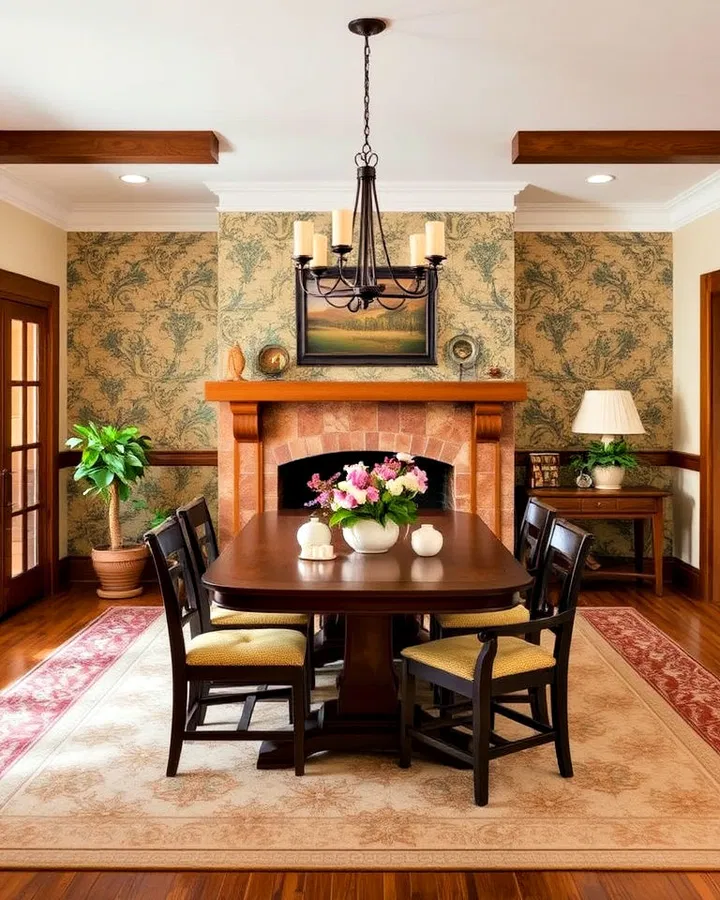
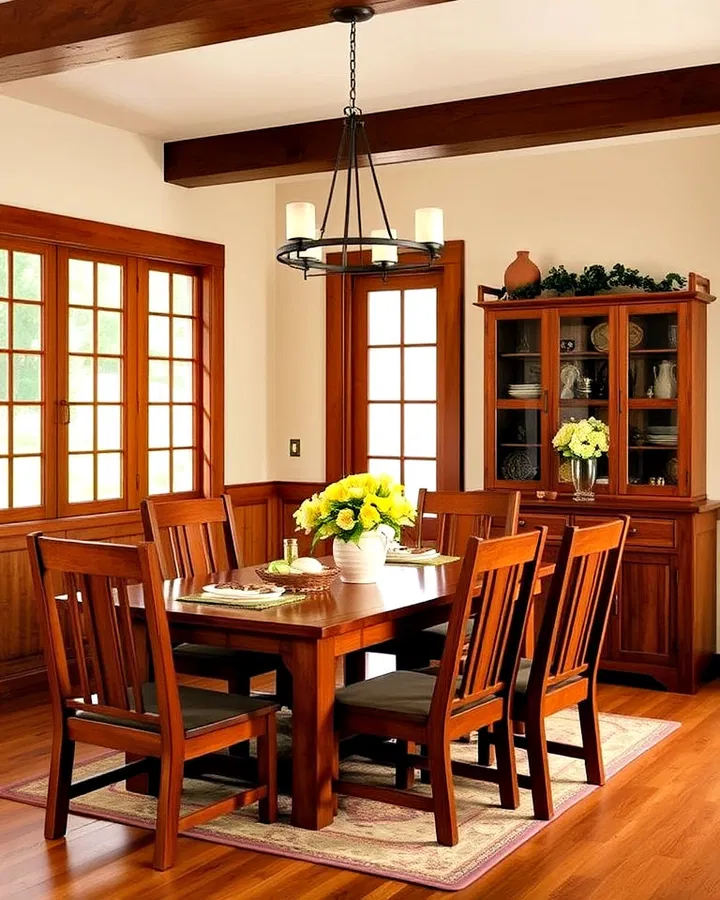
    Core principles of modern farmhouse include convivial spaces (think large kitchen islands and open-plan living), a focus on function-forward details (aprons, utility sinks, built-in storage), and an aesthetic that reads as collected rather than precious. The architecture often features pitched roofs, board-and-batten or shiplap siding, and large, multi‑paned windows. Inside, you’ll find a mix of antique or vintage pieces with new, durable finishes, an intentional patina that suggests history.
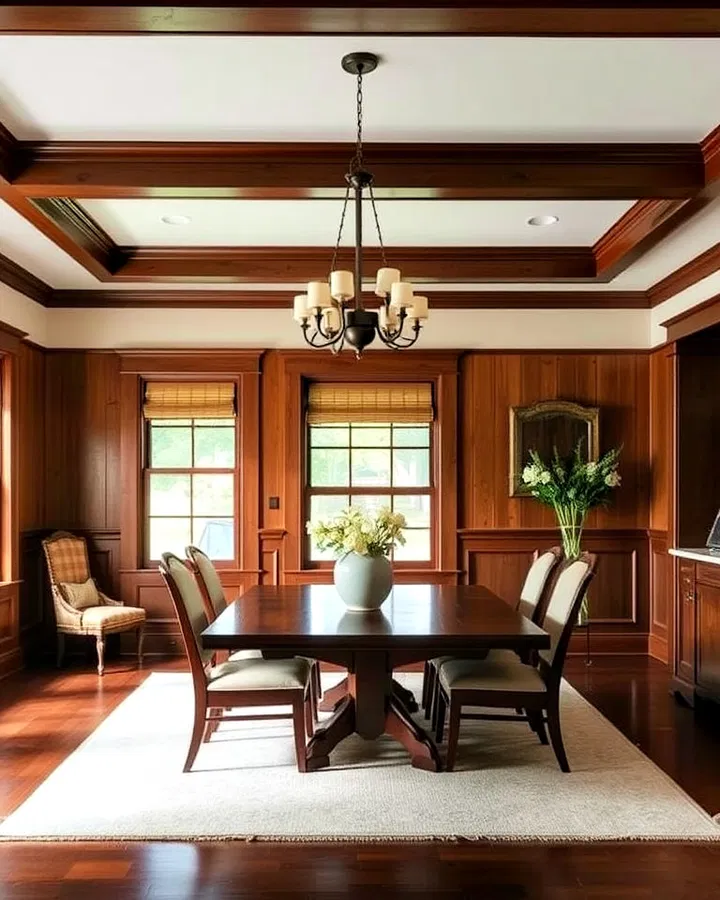
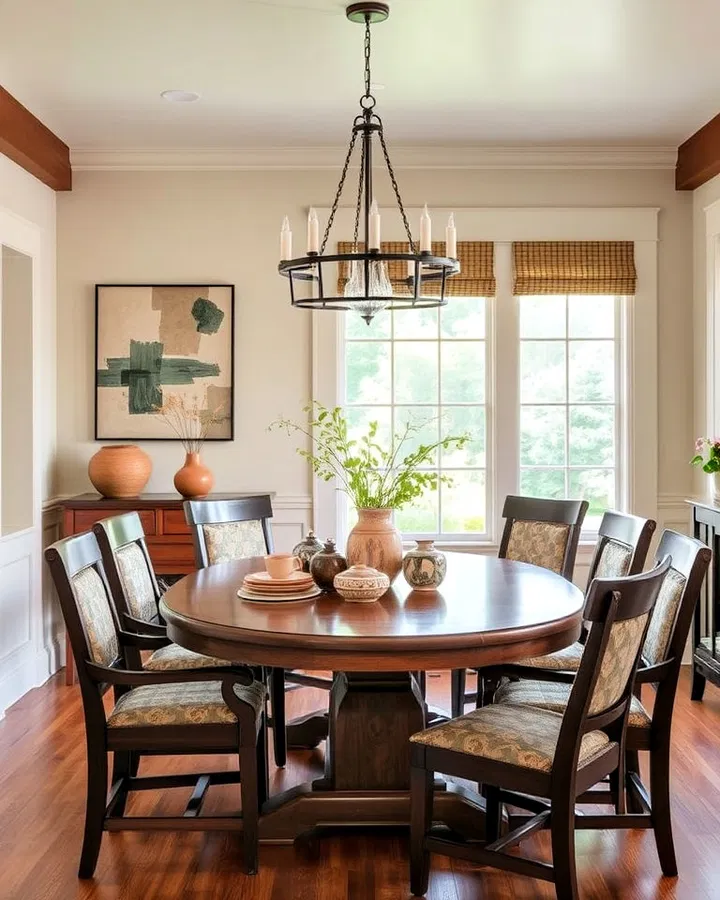
    Visually, the style favors contrast: white or cream backdrops against matte‑black or oil‑rubbed bronze hardware, wide‑plank flooring that shows grain, and layered textiles for a cozy effect. Rather than minimalism, modern farmhouse celebrates warmth and a lived‑in look that says “we use this house.” That’s a big part of its appeal to families and buyers seeking psychological comfort from their environment.

    Signature Materials, Colors, And Furnishings Of Modern Farmhouse

    • Materials: Reclaimed or distressed wood, shiplap, painted brick, galvanized metal, and simple ceramic tiles. Engineered materials are often finished to emulate aged wood when budget or durability requires.
    • Colors: Warm whites, soft creams, taupes, and charcoal accents. Pastels are rare: the palette skews toward muted, earthy tones that read as timeless rather than trendy.
    • Furnishings: Oversized, comfortable sofas: farmhouse tables with bench seating: wrought‑iron chandeliers or simple pendant lighting: open shelving in kitchens: built‑in banquettes. Accessories are curated to suggest family life, heavy linen throws, woven baskets, and vintage ceramics.

    The modern farmhouse’s resilience comes from its emotional resonance: it looks like a place where memories are made. The challenge for longevity is avoiding over‑themed execution, when every room feels like a staged barn. When done with restraint and high‑quality materials, the style can be updated incrementally and remain desirable for years.

    What Is Organic Modern? Origins, Core Principles, And Visual Language

    Organic modern emerged as a counterpoint to stark minimalism and maximalist pattern trends. It blends mid‑century modern simplicity with biophilic design, prioritizing natural materials, curves, and a soft, tactile aesthetic. The movement gained traction as sustainability and wellness became central to design conversations: materials with lower environmental impact and spaces that foster calm began to matter as much as style.

    The core principles are restraint, connection to nature, and sensory comfort. Organic modern reduces visual noise but replaces coldness with texture, soft plaster walls, tactile linens, and sculptural furniture that invites touch. The forms are often rounded rather than rectilinear, and the layout emphasizes flow and daylight.

    Visually, organic modern reads like a curated gallery that still feels lived in. Neutral tones dominate, but they are warmer and richer: terracotta, clay, muted sage, and sand. Wood tones are honest and varied, oiled oak, walnut, and bamboo appear alongside renewable materials like cork and hemp. The movement also leans into artisan-made pieces and natural fibers, which align with consumers’ increasing appetite for transparency about origins and manufacturing.

    Signature Materials, Colors, And Furnishings Of Organic Modern

    • Materials: Oiled and unfinished woods, stone (limestone, travertine), natural plaster, cork, leather, wool, and plant‑based textiles. Recycled glass and low‑VOC finishes are common.
    • Colors: Earthy neutrals, sand, clay, warm grays, olive greens, and muted rusts. Accent tones are drawn from nature rather than saturated pigments.
    • Furnishings: Sculptural sofas with rounded profiles, low‑slung lounge chairs, simple wooden dining tables with tapered legs, organic ceramic tableware, and woven rugs with subtle texture. Lighting is soft and sculptural, paper shades, blown glass, and hand‑forged metal in muted finishes.

    Organic modern’s strength is its alignment with emergent values: wellness, sustainability, and authenticity. Its vulnerability is price and availability, authentic, sustainably sourced materials and artisan pieces can be cost‑prohibitive for mass adoption. Still, the style’s emphasis on longevity and material honesty gives it an advantage when buyers prioritize health and environmental footprint.

    Market Trends, Sales Data, And A 5‑Year Forecast

    Reading market signals in 2026, we find both styles maintaining strong niches but with different growth vectors. Modern farmhouse retains a broad base, especially in suburban single‑family markets, because it maps neatly onto family‑oriented floor plans and mainstream staging imagery. Organic modern is growing faster in urban and high‑income suburban pockets, driven by younger buyers who prize sustainability and curated simplicity.

    Search and social metrics show a slower decline for farmhouse terms than many expected: phrases like “modern farmhouse kitchen” still generate substantial monthly searches. But engagement rates for organic modern content, pins saved, time on page, and shoppable lookbooks, have climbed year over year. That indicates not just curiosity but purchasing intent.

    From a resale perspective, homes that feel intentionally designed but not overly themed tend to sell faster. Real estate agents report that neutral, high‑quality finishes (e.g., oiled wood floors, stone countertops, neutral plaster walls) outperform trend‑heavy statements. In practical terms, a modern farmhouse with high‑end, subdued finishes will hold similarly to an organic modern home with durable, low‑VOC materials.

    Forecast for the next five years (2026–2031):

    • Continued coexistence: Both styles will remain relevant. Modern farmhouse will keep appeal in family-focused markets: organic modern will expand with eco-conscious buyers and urban renovations.
    • Niche growth for organic modern: Expect higher year‑over‑year interest in sustainable materials, artisan furnishings, and biophilic features. Incentives for energy efficiency and healthy materials may accelerate this.
    • Hybridization: The dominant movement won’t be one style replacing the other but a blending of principles, simplicity, natural materials, and adaptable layouts.

    We should note economic variables: material costs, interest rates, and supply chains could shift adoption velocities. If budgets tighten, expect more accessible farmhouse-inspired finishes (painted shiplap, laminate surfaces that mimic wood), which risks visual saturation. Conversely, if sustainability incentives become more mainstream (tax credits, local rebates for healthy materials), organic modern could transition from niche to mainstream more rapidly.
    Buyer Demographics, Resale Impact, And Where Demand Is Headed

    Buyer profiles are clear: Modern farmhouse skews toward middle‑aged buyers and families seeking functional, warm spaces, often in suburban or exurban locations. These buyers prioritize storage, flexible rooms, and cozy communal areas. On the other hand, organic modern appeals to younger urban professionals, creative households, and buyers willing to invest more in material quality and sustainable credentials.

    Resale impact depends on execution. A well‑executed farmhouse remodel that uses neutral, wearable finishes will attract a wide buyer pool. Over‑themed choices, excessive barn doors, heavy shiplap, or overly literal décor, can narrow appeal. Organic modern properties that demonstrate material authenticity, good daylighting, and low‑emission products can command premiums in markets where buyers value health and sustainability.

    Where demand is headed:

    • Suburbs and family markets: Continued appetite for farmhouse cues, but buyers will expect higher performance (durable surfaces, efficient HVAC, smart storage).
    • Urban and affluent markets: Growing demand for organic modern, especially in communities where walkability and sustainable living are selling points.
    • Hybrid seekers: A rising segment wants the warmth of farmhouse plus the material honesty of organic modern, think warm wood floors with simple, sculptural furniture and houseplants. This overlap is where most savvy sellers should position properties to maximize buyer reach.

    Eventually, demand will reward adaptability. Homes that can be updated with inexpensive surface swaps (paint, lighting, switch plates, textiles) while maintaining a durable, health‑forward baseline will outperform those that require costly overhauls.

    How To Decide, Blend, Or Future‑Proof Your Home For Longevity

    We recommend a three‑step approach: assess, choose intentionally, and layer for flexibility.

    1. Assess: Start with your market and lifestyle. Who is most likely to buy your house if you move? If you plan to stay long term, prioritize comfort and values (sustainability, family function). For short‑term resale, aim for broad appeal: neutral palettes, durable materials, and uncluttered spaces.
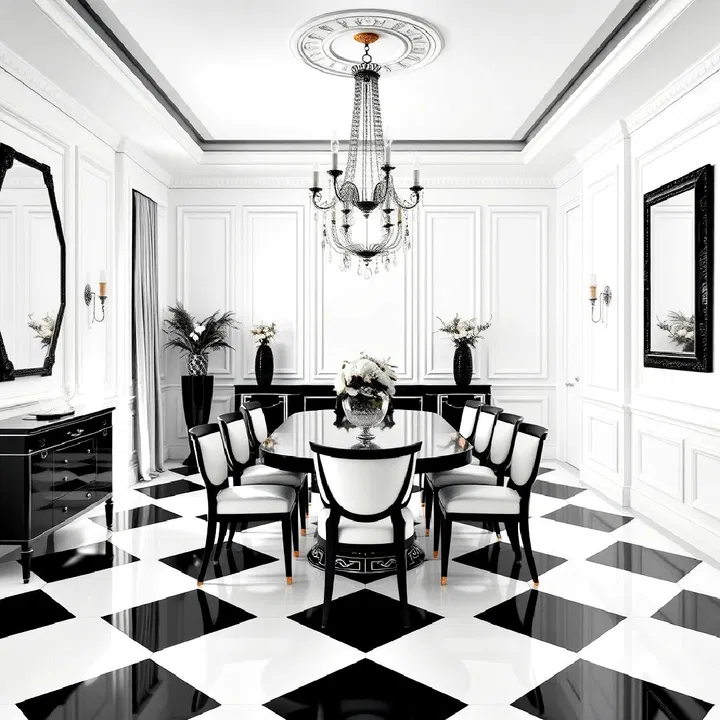
    2. Choose intentionally: If you favor modern farmhouse, dial back on literal motifs. Keep the warm neutrals and robust textiles, but pick hardware, lighting, and cabinetry styles that read as contemporary rather than period costume. If you prefer organic modern, invest in tactile finishes and a few statement pieces rather than furnishing the whole house with high‑cost artisanal items. Choose timeless proportions: a well‑proportioned island, generous windows, and a logical flow between rooms.
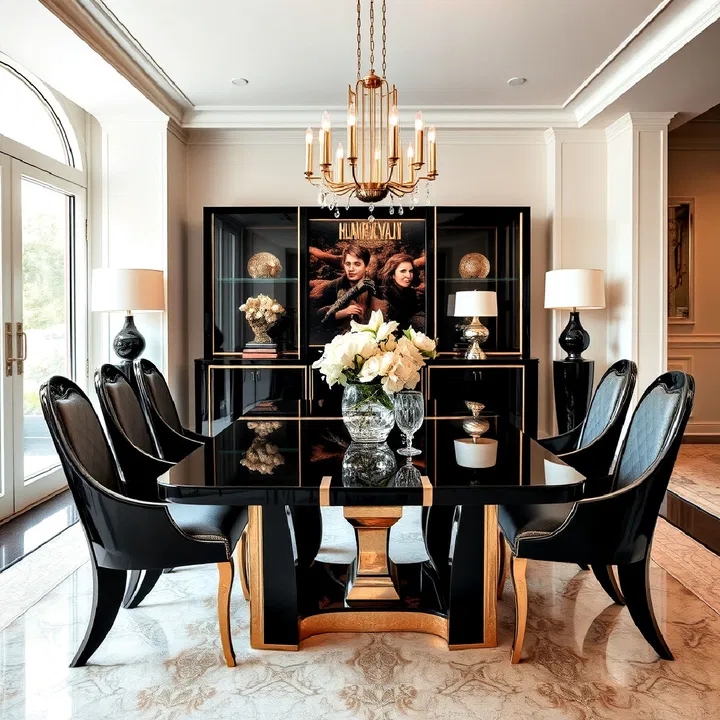
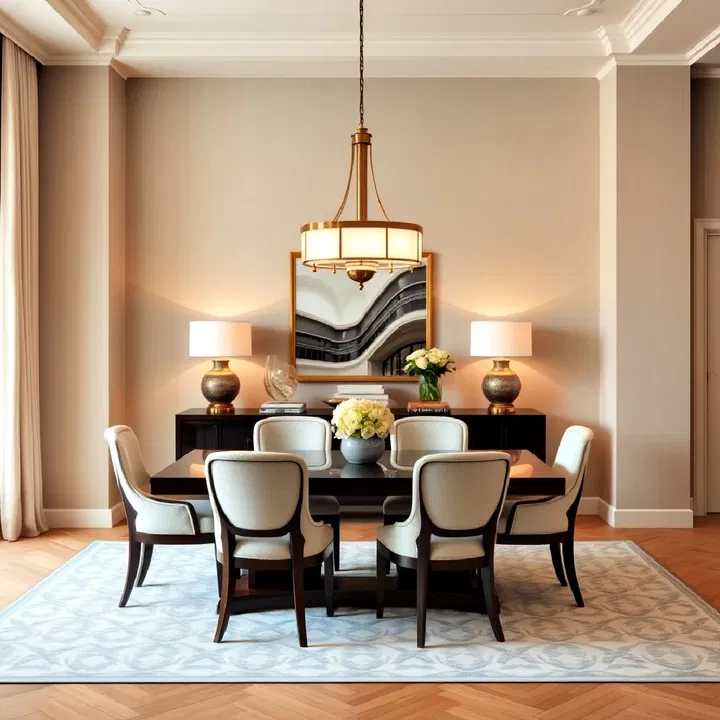
    3. Layer for flexibility: This is the future‑proofing sweet spot. Use changeable elements to communicate style and reserve permanent, high‑cost choices for neutral, long‑wearing options.
    • Paint and wall finishes: Opt for neutral or slightly warm bases. Consider plaster or low‑sheen paints that feel tactile. Paint is the easiest, cheapest rebrand.
    • Hardware and lighting: These are quick swaps. Matte‑black or brushed‑nickel can read modern farmhouse or organic modern depending on surrounding textures.
    • Flooring: Choose durable wood or engineered wood in mid tones. Wide planks with natural grain read well for both aesthetics and resale.
    • Textiles and furniture: Use these to pivot a room’s identity. Linen slipcovers, woven baskets, and a reclaimed‑wood table lean farmhouse: sculptural sofas, clay pottery, and a sisal rug tip toward organic modern.
    • Greenery and biophilic touches: Houseplants, living walls, and natural daylight are universal value‑adds. They signal health and care regardless of stylistic camp.

    Practical examples:

    • Kitchen: Pair a simple shaker or slab‑front cabinet in a warm off‑white with an oiled‑wood butcher‑block shelf and a stone composite countertop. That combination reads as both approachable and material‑honest.
    • Living room: Keep a neutral, tactile base (wool rug, linen sofa) and swap accent tables, an antique pine trestle table for farmhouse warmth or a sculptural walnut table for organic modern refinement.

    Budgeting tip: Spend where it matters long-term, flooring, windows, and HVAC, and save on decorative items that can be replaced for a few hundred dollars. This strategy lets us adapt to shifting tastes with minimal investment.

    Finally, document choices. Keep receipts, material names, and care instructions for sustainable or specialty items, buyers and future owners will value provenance and maintenance clarity.

    Conclusion

    Both modern farmhouse and organic modern are here to stay, but not in isolation. The coming five years will favor homes that combine the emotional warmth and functionality of farmhouse design with the material integrity and wellness focus of organic modern. Our best advice is pragmatic: choose durable, health‑forward materials for permanent elements and use paint, lighting, hardware, and textiles to express style. That way, whether trends shift toward nostalgia or nature, your home remains comfortable, marketable, and genuinely yours.

  • Pendant Lights Vs Recessed Lighting: The Design Mistake People Keep Repeating — How To Get It Right In 2026

    We keep seeing the same lighting error in renovated homes and new builds: choosing pendant lights OR recessed lighting as if they’re mutually exclusive statements about good design. In 2026 the tools, bulbs, and fixture styles have evolved, but the mistake hasn’t. The truth is simpler and more useful, lighting is about layers, intent, and proportion, not a binary choice.

    In this text we’ll explain why designers and homeowners keep repeating this mistake, break down the real strengths and limitations of pendant lights and recessed downlights, and show the practical, room-by-room specs that let you get it right. Whether you’re planning a kitchen overhaul or just swapping fixtures, we’ll give clear rules for placement, bulb selection, beam angles, and spacing so your lighting looks intentional and performs well. Read on to stop guessing and start lighting like you mean it.

    Why Designers And Homeowners Keep Making The Same Lighting Mistake

    We see three recurring causes behind the pendant-versus-recessed mistake.

    First: aesthetic fixation. Pendant lights are photogenic, striking silhouettes, decorative shades, and dramatic drops photograph well on social media and in magazines. That visual appeal pushes people to prioritize pendants as the room’s signature element, then try to make them do everything: ambient, task, and accent lighting. But pendants excel at shaping zones and creating focal points: they’re not automatically sufficient for even general illumination.

    Second: cost and retrofit constraints. Recessed lighting feels like a large, invasive upgrade, cutting ceilings, running wiring, and meeting insulation or IC-rated requirements. Homeowners often opt for pendants because they’re cheaper and easier to install. That practical decision becomes a design decision when the pendants are expected to replace a full lighting plan.

    Third: misunderstanding of light layering. We still meet many clients who think a single fixture type equals a complete solution. The result is underlit work zones, harsh shadows, or dead spots. Good lighting design uses ambient, task, and accent layers. Choosing pendants OR recessed lights instead of combining them is the core misstep, we’ll unpack why each fixture type belongs in a layered plan and how to do that without overcomplicating the ceiling.

    Throughout the rest of this guide we’ll use clear placement rules, fixture choices, and practical specs so you can avoid these pitfalls in your own projects.

    Pendant Lights: Strengths, Limitations, And When They Shine

    Pendants are about presence. They define zones, kitchen islands, dining tables, reading nooks, and create visual hierarchy. Their strengths include directional lighting, decorative impact, and the ability to hang at precise heights for task illumination.

    Where pendants shine:

    • Zone definition: A trio above an island anchors the space: a single pendant over a bedside table makes a statement and frees up surface area.
    • Task emphasis: With the right shade and bulb they provide focused light for chopping, reading, or grooming.
    • Aesthetic flexibility: Materials, shapes, and finishes let us tailor pendants to any style, from industrial to minimalist.

    Limitations to account for:

    • Coverage: One or several pendants won’t evenly light a whole room. They create pools of light and shadows between fixtures.
    • Glare and sightlines: Improper height or transparent shades cause uncomfortable glare, especially when seated across a table.
    • Scale mistakes: Too-large pendants overwhelm: too-small ones look lost.

    When to choose pendants: we recommend them whenever you need a focal point, localized task light, or a stylistic accent. But they should rarely be the only source of general light.

    Pendant Placement And Scale Rules That Designers Use

    • Height rules: Over dining tables or islands, hang pendants 28–34 inches above the surface for standard ceiling heights (8–9 ft). For taller ceilings, add 3 inches per extra foot. If multiple pendants are used, keep consistent height for rhythm.
    • Spacing: Center pendants evenly across the zone. For islands, allow 12–18 inches from the island edge to the nearest pendant edge, and 24–30 inches between multiple pendants depending on diameter.
    • Proportion: A quick rule is that a pendant’s diameter should be about one-third the width of the table or island it serves. In open-plan rooms, scale pendants to the furniture, not just the ceiling.

    Light Quality, Bulbs, And Shade Choices For Pendant Fixtures

    • Bulb type: Choose LEDs with CRI 90+ for accurate color and 2700–3000K for warm, flattering light in living/dining spaces: 3000–3500K for kitchens where clarity matters.
    • Diffusion: Opaque or lined shades provide soft downward light and reduce glare. Clear glass or exposed bulbs work for decorative effect but need careful positioning or frosted bulbs to avoid eye strain.
    • Beam control: Use directional inserts, reflectors, or internal baffles if you need concentrated task light. Avoid wide, shallow shades over tasks that require even illumination.

    Pendants are powerful tools. When we treat them as part of a layered plan, paired with ambient sources and accent lights, they transform both the look and function of a space.

    Recessed Lighting: Strengths, Limitations, And Best Uses

    Recessed downlights are the stealth players of a lighting scheme: they disappear into the ceiling yet deliver broad ambient light. Their low visual impact makes them ideal when we want the architecture, art, or furniture to stand out instead of the fixtures.

    Strengths:

    • Even ambient illumination: Properly spaced, recessed fixtures eliminate shadows and provide consistent baseline light across a room.
    • Minimalist aesthetic: No hanging fixtures, clean lines, and flexibility for orientation and dimming.
    • Layering compatibility: They pair well with pendants and wall sconces to build depth without visual clutter.

    Limitations:

    • “Hospital” feel risk: Too many downlights or the wrong color temperature make spaces feel flat and clinical.
    • Installation complexity: New construction is straightforward: retrofits require ceiling access, IC-rated fixtures near insulation, and sometimes insulation contact considerations.
    • Glare and beam overlap: Incorrect spacing or narrow beam angles produce bright hotspots and uneven light.

    Best uses: Recessed lights are ideal for uniform ambient lighting in living rooms, kitchens (general illumination), hallways, and basements. They’re also excellent for highlighting artwork when used with adjustable trims.

    Layout, Beam Angle, And Spacing Considerations For Recessed Downlights

    • Spacing rule of thumb: For general ambient light, divide the ceiling height by two to get the spacing (for a 9-foot ceiling, aim for 4.5 feet between fixtures). This is a quick-start rule: adjust based on lumens and beam angles.
    • Beam angles: Use 60°–90° trims for ambient lighting to avoid hot spots. For accenting art or pendant-mixed schemes, 24°–36° directional trims work well.
    • Lumens per fixture: For kitchens and active spaces aim for 700–1,000 lumens per downlight if they’re the primary ambient source: reduce to 400–600 lumens when combined with other layers.
    • Dimming and controls: Put recessed lighting on a dimmer or zone control so we can tune overall brightness without altering pendant mood lighting.

    When planned thoughtfully, recessed lighting gives us a neutral, reliable backdrop that lets targeted fixtures, pendants, sconces, track heads, do the expressive work.

    The Core Design Mistake: Choosing One Fixture Type Instead Of Layering

    This is the hard lesson: treating pendant lights and recessed downlights as either/or makes the lighting do less than it could, and often leads to a room that looks great in photos but feels wrong in daily life.

    Why layering matters:

    • Functionality: Tasks require directed light: ambient layers reduce contrast and eye strain: accent layers add depth and drama. No single fixture covers all three well.
    • Flexibility: Layered systems let us change mood and function, bright for cooking, dimmed for dinner, and accent lighting for a movie, without rewiring or swapping fixtures.
    • Visual comfort: Combining diffuse recessed light with targeted pendants prevents harsh shadows and keeps faces well-lit during conversation.

    Common mistakes we encounter:

    • Relying solely on pendants: Islands with three pendant fixtures but no ambient lighting create dark perimeters and require high wattage bulbs that glare.
    • Overcrowding the ceiling with recessed cans: When every square foot has a can light, the room loses texture and personality: plus, costs balloon and insulation performance can be impacted.
    • Mismatched color temperatures: Mixing warm pendants with cool recessed lights without coordination creates visual dissonance. Always plan CCT (correlated color temperature) and CRI together.

    How we fix it: start by defining the room’s primary activities. Specify a baseline ambient level (recessed or uplighting), add focused task lighting (pendants, under-cabinet, sconces), and sprinkle accents (wall washers, picture lights). Keep color temperature and dimming compatibility consistent across layers so everything blends. Layering isn’t indulgent, it’s how we make spaces usable and beautiful.

    Room-By-Room Fixes: Practical Specs For Kitchen, Living Areas, And Bedrooms

    Here are practical, plug-and-play specs we use on projects to get lighting right quickly.

    Kitchen

    • Ambient: Recessed downlights spaced using the ceiling-height/2 rule. Aim for total kitchen lumens of 5,000–7,000 depending on size and finishes.
    • Task: Pendants above islands, hang 30–32 inches above the countertop (for 8–9 ft ceilings): choose 3000–3500K, CRI 90+, 400–700 lumens per pendant for targeted work.
    • Under-cabinet: Continuous LED strips or puck lights at 3000K for countertop illumination: 200–400 lumens per linear foot.
    • Controls: Two circuits, one for recessed ambient (dimmable), one for pendants/task lights, let us set bright cooking scenes and cozy dining scenes.

    Living / Dining Areas

    • Ambient: Recessed lights with wide trims or a central ceiling fixture if the room is small. Target 1,500–3,000 lumens total for living rooms, higher for open-plan spaces.
    • Accent: Pendant over dining table at 28–34 inches above the surface: consider a dimmer to shift from dinner to ambient mood.
    • Layer: Add wall washers or picture lights for art: table/floor lamps for reading nooks. Match CCT across all fixtures, 2700–3000K for warm, relaxing spaces.

    Bedrooms

    • Ambient: Fewer recessed fixtures or a central semi-flush fixture to avoid a ‘lit like an exam room’ feel, target 1,000–1,500 lumens total.
    • Task: Pendant or wall-mounted swing arms beside the bed. Position pendants about 28–30 inches above nightstand surfaces to clear sightlines when seated.
    • Accent: Low-level night lighting (step lights, LED strips) for wayfinding at 2–10% of main lighting: use warm 2700K to preserve sleep-friendly atmosphere.

    We also recommend specifying dimmable, high-CRI LEDs and keeping all layers on compatible control systems (preferably with scene presets). That allows us to change a room’s function without swapping fixtures.

    Conclusion: A Simple Checklist To Avoid The Pendant Vs Recessed Trap

    Here’s a compact checklist to help us stop treating pendant lights and recessed lighting as rivals and start using them as partners:

    • Define activities first: list tasks, focal points, and mood for the room.
    • Establish an ambient baseline: use recessed or central fixtures to remove dark spots.
    • Add targeted task pendants where focused light is needed, follow placement and scale rules.
    • Coordinate CCT and CRI across all fixtures (2700–3500K: CRI 90+ for true color).
    • Put major layers on separate circuits and dimmers for flexible scenes.
    • Avoid over- or under-lighting: use lumens/room-size guidelines above and adjust for finishes.

    When we design with layers in mind, pendant lights and recessed downlights stop competing and start complementing each other. The result is a room that looks intentional, photographs well, and, most importantly, works for how we actually live in it.

  • All-White Bathrooms Vs Warm Earth Tones: Which One Really Feels More Expensive?

    We often get asked whether an all-white bathroom or a warm earth-toned design reads as more luxurious. The quick answer is: it depends. Luxury isn’t a single color or finish: it’s an orchestration of materials, light, scale, and detail. In this text we’ll walk through the design mechanics that create perceived value, compare the strengths and weaknesses of crisp white schemes versus richer, earthy palettes, and give practical guidance to help you choose based on budget, maintenance, and resale priorities. Along the way we’ll share hands-on strategies to make each approach feel intentionally high-end rather than merely trendy.

    What Makes A Bathroom Feel Luxurious?

    There’s a short list of repeatable factors that make any bathroom feel expensive, and they’re mostly about sensory cues and craftsmanship rather than color alone. When we evaluate a bathroom’s perceived quality, we look for coherence across three broad categories: materials and finishes, lighting and spatial proportion, and detail work.

    Materials, Finish Quality, And Color Psychology

    High-end bathrooms lean on honest materials with tactile presence. Natural stone, honed or polished porcelain, solid-surface countertops, brass or matte-black hardware, and high-density cabinetry read as premium because they age well and reveal craftsmanship. Finish quality matters: tight grout lines, consistent polish, and continuous veining in stone signal attention to specification and installation.

    Color plays a psychological role. White communicates cleanliness, clarity, and quiet luxury when paired with substantial materials. Warm earth tones, think terracotta, ochre, deep taupe, olive, and warm greys, evoke comfort, heritage, and boutique hotel or spa vibes. Neither palette is inherently more luxurious: it’s how color integrates with materiality and texture. We look for palettes that support the materials rather than compete with them.

    Lighting, Scale, And Detail Work

    Lighting converts good finishes into gorgeous ones. Layered lighting, ambient overhead, task lighting at vanities, and accent or grazing lights on textured walls, creates depth and emphasizes chosen materials. Scale matters too: large-format tiles, generous countertops, and properly proportioned fixtures make a room feel spacious and intentional. Conversely, undersized fixtures or cramped layouts read cheap, regardless of finishes.

    Detail work is the tie-breaker. Grout color choices, shadow gaps around cabinetry, integrated drains, concealed fasteners, harmonized trim, and consistent hardware finishes communicate craftsmanship. We always advise clients: spend on the small details that are highly visible, a well-detailed edge profile or a high-quality shower valve, and the room will read far more expensive than its nominal cost.

    Bringing these elements together, premium-feeling materials, layered lighting, correct scale, and considered detailing, is what eventually determines whether a bathroom feels luxurious, not just whether it’s white or warm-toned.

    Why All-White Bathrooms Read As High-End — When Done Right

    An all-white bathroom can feel unequivocally luxe when executed with restraint and quality. White’s advantage is its ability to elevate contrast, highlight texture, and let form speak. But if we simply slap white tiles everywhere without thought, the space can quickly feel clinical.

    Design Strategies For A High-End All-White Scheme

    • Layer textures: Combine polished marble, honed stone, matte subway tiles, and satin cabinetry finishes to give white surfaces depth. A honed marble vanity top against matte tile walls creates a whisper of contrast that reads expensive.
    • Use large-format materials: Fewer grout lines mean a cleaner, more continuous surface that reads as custom. Large slabs of porcelain or bookmatched marble introduce drama and reduce the “busy” look small tiles can create.
    • Invest in quality fixtures: In an all-white setting, metal finishes and fittings become focal points. We recommend spending on a statement faucet, solid brass hardware, and a substantial mirror. These items anchor the room and provide the tactile cues of luxury.
    • Control gloss and reflectivity: Too much high-gloss white becomes glaring. Pair glossy elements with satin or matte surfaces to balance reflectivity and prevent sterilization.
    • Accent subtly: Use soft neutrals or natural woods sparingly, on a vanity face, floating shelf, or bench, to warm the space without shattering the all-white aesthetic.
    • Pay attention to grout: Match or very slightly contrast grout color to tile for a refined look. Pixel-perfect, narrow grout lines feel bespoke.

    Common Pitfalls And How To Avoid A Sterile Look

    The biggest risk with white is sterility. We’ve seen hundreds of white bathrooms that look like hospital wings: the difference between hospital-clean and hotel-chic is richness of material and warmth of light. To avoid a sterile result:

    • Avoid uniform gloss: Mix finishes so white reads layered. Use a matte tile on the floor and a semi-polished slab on the vanity.
    • Don’t overuse bright, cool lighting: Cooler LEDs heighten clinical vibes. Opt for tunable or warm white (2700K–3000K) with layered sources to produce flattering skin tones and softer shadows.
    • Introduce texture and pattern: A subtly patterned mosaic or a honed stone wall gives complexity without adding color. Texture sells tactile luxury.
    • Include warmth through metals: Brass, bronze, or aged nickel introduce a lived-in richness that counters sterility.

    When we design high-end all-white bathrooms, we treat white as the canvas for material richness rather than the design goal itself. That mindset keeps the result elevated rather than antiseptic.

    Why Warm Earth Tones Can Look Richer — Context Matters

    Warm earth tones can create instant perception of luxury because they echo natural materials and cultural craft traditions: plastered lime walls, handmade terracotta, warm wood, and patinated metals. These tones feel layered and soulful in ways white sometimes struggles to achieve. But wealth of result hinges on restraint and context.

    Earthy palettes read expensive for several reasons:

    • They mask wear: Slight staining or water marks are more forgiving on warm surfaces, which can make finishes appear older and hence more curated.
    • They reference artisan craft: Natural pigments and textured plasters communicate a handcrafted quality that many perceive as bespoke and high-end.
    • They produce a mood: Warm palettes convey comfort and timelessness, often associated with boutique hotels, restored country homes, or upscale spas.

    Context is crucial. A warm-toned bathroom in a home with contemporary minimal architecture can feel unexpectedly sumptuous, but the same palette in a small, poorly lit bathroom can feel dull or dated. Proportion, light, and material choices determine whether earth tones look rich or simply dark.

    Design Strategies For A Luxurious Earth-Tone Bathroom

    • Prioritize natural, tactile surfaces: Venetian plaster, tadelakt, honed travertine, and matte-glazed ceramic tiles give earth tones depth. We prefer finishes with subtle variation, it reads like craftsmanship rather than paint-by-number.
    • Layer tonal variations: Use a dominant warm neutral (e.g., warm greige) with deeper accents (burnt umber or olive) and lighter highlights (creamy off-white) to create dimension. Avoid a single flat tone across every surface.
    • Add refined metals: Aged brass, oil-rubbed bronze, or muted golds warm the palette and provide a luxe contrast to matte earth finishes.
    • Use warming lighting: Slightly warmer color temperature (2700K–3000K) brings out deep hues and makes the space feel cozy and curated.
    • Balance with negative space: Even a warm scheme needs quiet areas, a white sink basin or a lighter ceiling can prevent the room from feeling heavy.
    • Consider patterned textiles: Natural-fiber towels, linen shower curtains, and woven bath mats add an artisanal layer that amplifies the perceived richness.

    When we get these moves right, a warm, earthy bathroom can feel like a high-end retreat: inviting, layered, and precisely considered. But the margin for error is smaller than people assume, poorly chosen pigments or flat finishes can tip a room toward gloom rather than grandeur.

    Cost, Maintenance, And Longevity: Practical Comparisons

    When choosing between all-white and warm earth tones, we have to factor in real homeowner concerns: budget, maintenance, and how finishes age.

    Cost

    • Materials: Cost variance is driven more by material choice than color. Large-format porcelain slabs and bookmatched marble (often used in white schemes) can be expensive. Similarly, tadelakt or polished travertine for an earthy look can be costly. You can achieve either palette on a budget with quality-engineered porcelain or high-grade ceramic, but the perceived luxury remains linked to finish quality and installation.
    • Labor: Specialized finishes (e.g., tadelakt plastering or precision stone bookmatching) require skilled labor, adding to cost. All-white schemes often demand equally meticulous work if you want narrow grout lines and seamless transitions.

    Maintenance

    • Cleaning: White surfaces show soap scum, hard-water spots, and grout discoloration more readily, which drives ongoing maintenance. That said, if grout is narrow and matched, and if you select vapor-resistant grout and sealed stone, upkeep is manageable.
    • Stain tolerance: Warm earth tones conceal minor staining and patina better, which can be an advantage in family homes. Natural materials like unsealed lime plaster will require re-waxing or resealing over time.

    Longevity and Aging

    • White: Crisp white can feel timeless in minimalist settings, but if it lacks texture, it risks aging faster as trends shift. A well-detailed white bathroom with classic elements (freestanding tub, high-quality plumbing fixtures) retains value because buyers see the neutral canvas as adaptable.
    • Earth tones: These can feel timeless if they reference traditional materials and restrained palettes, yet they’re slightly more subjective. A bold terracotta tile may feel dated in a decade, while a muted warm greige will likely age well.

    Practical Recommendations

    • For resale-focused projects: Neutral whites with high-quality finishes tend to appeal to a broader pool of buyers. We recommend an elegant white canvas with warm metal accents if resale is a priority.
    • For personal, long-term enjoyment: If you’re designing for your own lifestyle and prefer mood and warmth, invest in durable earthy materials and professional finishes. You’ll likely appreciate the character they develop.
    • Hybrid approach: Consider a largely white scheme with earth-tone accents (vanity faces, alcove walls, or textiles) or a predominantly warm palette punctuated with white fixtures to balance maintenance and longevity concerns.

    Both palettes can deliver long life and good return on investment if materials are chosen wisely and installation is executed well. The smart move is to prioritize finishes and workmanship over strict adherence to color.

    How To Choose For Your Home: Style, Resale, And Personal Use

    Choosing between all-white and warm earth tones comes down to three practical filters: our home’s architecture and natural light, our lifestyle and maintenance tolerance, and whether resale is an important horizon.

    Assess the architecture and light

    • Bright, high-ceiling spaces: All-white schemes excel in rooms with ample natural light and generous proportions, white amplifies brightness and emphasizes scale. We often recommend white in modern, airy homes where the architecture itself is a selling point.
    • Low-light or cozy footprints: Warm earth tones perform better in intimate or north-facing bathrooms. They make small spaces feel intentional and designed rather than cramped.

    Match choice to lifestyle and maintenance

    • Busy households with kids or active use: Earth tones and textured surfaces will hide wear better and reduce the stress of constant cleaning. Durable glazed tiles and sealed stone are practical here.
    • Owners who want a spa-like, pristine aesthetic: A white scheme with matched grout and high-quality fixtures delivers a calm, hotel-like experience, provided you’re comfortable with slightly more upkeep.

    Resale considerations

    • Broader appeal: Neutral white is often the safer bet for resale because it’s a blank canvas for buyers. If we were renovating to flip or to maximize buyer interest, we’d select a restrained white with warm metal accents and quality finishes.
    • Distinctive value: If our market leans toward design-forward buyers or if our property is a custom, high-end home, a tasteful warm palette can differentiate the listing and attract buyers seeking a curated look.

    Practical decision steps we recommend

    1. Audit the natural light and room proportions: take photos at different times of day. This informs whether white will brighten or whether earth tones will add welcome warmth.
    2. Set a maintenance threshold: how often will we realistically clean and reseal surfaces? Be honest: maintenance appetite should shape material choices.
    3. Identify priority features: are we investing in long-term enjoyment (materials and finishes that age gracefully) or in resale (neutral, widely appealing choices)?
    4. Test full-scale samples: Tape up 4×8 sheets or install large tile mockups. Color and texture behave differently at scale and under bathroom lighting.
    5. Consider a hybrid: Use white on major surfaces and earth tones as accents (or vice versa). It often yields the best of both worlds, timeless resale appeal plus warm personality.

    Final takeaways (100 words)

    We’ve found that neither all-white nor warm earth tones are universally more “expensive”, perceived luxury comes from materiality, lighting, scale, and the precision of execution. White excels at clarity and timelessness: warm earth tones offer depth and a curated mood. For resale, a neutral white canvas with thoughtful warm accents is safest. For long-term personal enjoyment, embrace the palette that resonates with how you want to feel every morning. Whatever direction we choose, prioritizing quality finishes, layered lighting, and thoughtful detailing will ensure the bathroom reads as intentionally high-end rather than simply fashionable.

  • Minimalist Homes vs Cozy Spaces: Why Your “Perfect” Style Might Secretly Be Wearing You Out (And What To Do About It)

    We’ve all been seduced by interior-design aesthetics that promise calm, order, or warmth. Minimalist homes allure with clean lines and invisible breathing room: cozy spaces promise softness, nostalgia, and an enveloping sense of safety. But after living in one style or the other, some of us discover a surprise: the very environment we chose to soothe us can quietly drain our energy. In this text we’ll define what each approach really aims to deliver, explore why minimalism can feel exhausting and why coziness can also sap us, and map personality, life-stage, and environmental triggers that change how spaces affect mood and productivity. Most importantly, we’ll share practical, room-by-room strategies for finding a sustainable middle ground, small experiments you can run this weekend to test what actually helps you feel better. Our goal: help you keep the benefits of both styles while avoiding the hidden costs.

    Understanding Minimalist And Cozy Design—Definitions, Origins, And What People Aim To Get From Each

    Minimalism and cozy design come from different cultural lineages and answer different emotional needs. Minimalism, in the modern Western context, traces its lineage to early 20th-century movements, Bauhaus, Japanese wabi‑sabi interpretations, and post‑war modernism, that elevated function, negative space, and material honesty. When people pursue a minimalist home they’re often looking for fewer decisions, clearer visual focus, and the psychological benefits of order: less distraction, easier cleaning, and a sense of control.

    Cozy design (think hygge, cottagecore, or boho comfort) is the opposite on the surface: warm textures, layered textiles, curated clutter, and objects with history. Its cultural revival responds to urban stress and digital overload, people want places that feel tactile, safe, and emotionally resonant. The aim is intimacy, sensory richness, and a slow-down effect.

    Both styles promise wellbeing but via different pathways. Minimalism promises cognitive relief through reduction: cozy spaces promise emotional replenishment through presence. The mismatch between promised benefits and lived experience is where problems arise: what helps one person recharge might overtax another. Understanding the origins and intended outcomes sets us up to diagnose why either approach can sometimes backfire.

    Why Minimalist Homes Can Feel Exhausting

    Minimalist homes look serene in photos, but living in them long-term can produce a surprising fatigue. There are psychological dynamics behind that phenomenon: the constant enforcement of restraint, the narrowness of sensory input, and the pressure to keep surfaces and choices pared down. Minimalism reduces external clutter, but sometimes also reduces emotional anchors and spontaneous sensory cues that help us feel grounded.

    When the visual palette is limited and every object is purposeful, small decisions, what to leave out, what to keep, carry disproportionate weight. That pressure can become tiring, especially for people who draw identity from objects or who live in fluctuating seasons of life.

    Also, a minimalist environment demands an ongoing maintenance of discipline. This emotional labor is invisible but real: it’s not just tidying, it’s curating an identity and a look. Over time, that effort can result in a low‑grade exhaustion: everything is controlled, but there’s less room for surprise, comfort, or sensory variation, and that can make the home feel more like a showroom than a refuge.

    Decision Fatigue And The Pressure To Edit

    When we commit to minimalism, every possession becomes a deliberate choice. That sounds freeing, but the day‑to‑day reality is a steady stream of micro‑decisions: will this item stay? How does it fit the aesthetic? Do we keep sentimental pieces that don’t “match”? These micro‑choices add up and create decision fatigue, the mental exhaustion that comes from repeatedly evaluating options.

    Decision fatigue affects executive function and emotional resilience: we make poorer choices, feel irritable, and avoid social hosting because the work of editing is emotionally costly. Minimalism’s invisible maintenance often falls disproportionately on one household member, too, creating relational friction. The cure isn’t abandoning the aesthetic entirely, but reframing the approach: create high‑tolerance zones (a drawer or bin for items in transition), set seasonal review rituals rather than constant editing, and delegate judgment calls so the cognitive load is shared.

    Those small policy changes reduce daily friction and restore the promise of minimalism, clarity without constant policing.

    Sensory Flatness And Emotional Disconnection

    Minimalism often prioritizes visual quiet, neutral palettes, smooth surfaces, and limited textures. That visually calm environment can paradoxically create sensory flatness: the home stops offering tactile or olfactory cues that register as comforting or stimulating. We rely on subtle sensory input, rug underfoot, warm wood grain, the smell of old paper, to feel attached to a space. When those cues are minimized, emotional connection can falter.

    This sensory austerity can also blunt mood regulation. If our environment isn’t providing small pleasures, we must seek stimulation elsewhere, screens, impulsive purchases, or social outings, leading to burnout. To avoid emotional disconnection while keeping a clean aesthetic, we can introduce curated texture and scent, rotate personal objects, or use lighting layers to add warmth. These interventions maintain minimalist principles but reintroduce humane sensory anchors that keep us engaged and at ease.

    Why Cozy Spaces Can Also Drain Energy

    Cozy spaces feel inviting in snapshots and for weekend hibernation, but their abundance of fabrics, objects, and layered elements carries hidden costs. The emotional comfort cozy design offers comes with maintenance demands: washing throw blankets, dusting knickknacks, managing textiles that attract odors, and constantly negotiating space with items that claim sentimental value.

    There’s also a cognitive angle: when every surface holds a memory or story, our brains are continuously processing those associations. That ongoing processing burns cognitive resources. In social terms, cozy homes can feel like theatrical stages, perfect for hosting but exhausting to maintain as a genuine living environment.

    Finally, cozy aesthetics sometimes hide disorganization: what looks purposefully collected can be functionally chaotic. When we can’t find things or have to tidy before guests, the emotional ease evaporates and effort rises. Cozy design’s warmth is powerful, but without simplified systems and acceptance of imperfection, the style can become a slow leak on our time and energy budgets.

    Hidden Clutter, Maintenance, And Cognitive Load

    Cozy spaces often accumulate “soft clutter”: textiles, stacks of books or magazines, layered décor, craft supplies, and sentimental objects. These items create a visual and practical density that increases maintenance time. Soft clutter may not look messy at first glance, but it increases the effort required to clean, relocate, or refresh a room.

    Maintenance demands translate to cognitive load. When our surroundings require frequent upkeep, we constantly allocate mental energy to managing them, remembering to launder pillows, deciding where new items will live, and coping with the friction of partial organization. That persistent background task list reduces mental bandwidth for creative or restorative activities.

    Practical systems can minimize load without stripping away warmth: create designated rotation zones for textiles, establish a simple declutter rhythm (for example, a monthly 15‑minute shelf sweep), and use storage that preserves the look but reduces visible chaos. Doing so keeps the cozy character while lowering the invisible tax on attention.

    Personality, Life Stage, And Environmental Triggers That Shape How Spaces Affect You

    Not all people respond to the same environment. Personality traits, life stage, and environmental triggers strongly influence whether minimalism or coziness energizes or drains us. People high in openness may relish eclectic, cozy stimuli, while those high in conscientiousness might prefer the order and predictability of minimalist spaces. Introverts may prioritize sensory solitude: extroverts might want more social cues and tactile surfaces.

    Life stage matters: new parents often need functional minimalism for sleep and safety, readers or creatives might crave cozy nooks for long focus periods, and empty‑nesters could swing toward curated minimalism for low‑maintenance living. Environmental triggers, seasonal affective patterns, local climate, urban noise, or home layout, change what feels restorative. A sunny airy minimal apartment may soothe someone in a temperate climate but feel cold to someone who needs warmth in a rainy season.

    The point: design isn’t one‑size‑fits‑all. We recommend running short experiments tailored to personality and stage rather than wholesale adoption of a style. This helps us learn which sensory inputs sustain our energy and which sap it.

    Practical Strategies To Find A Sustainable Middle Ground

    A middle path lets us keep minimalism’s clarity and cozy design’s emotional warmth without their downsides. Start with values: list the three things you want your home to provide (for example: restful sleep, easy hosting, concentrated work). Use these values as tiebreakers for decisions.

    Adopt “selective layering”: maintain a neutral base, simple furniture and uncluttered surfaces, then add pockets of texture and meaningful objects in targeted zones: a reading corner with a plush throw, a kitchen shelf with a favorite mug collection, or a bedside ritual stack. This preserves visual calm while allowing sensory anchors.

    Set maintenance thresholds that match your capacity. If daily tidying isn’t realistic, design for weekly rituals. Use closed storage to hide higher‑effort items and open display only for things you genuinely enjoy. Invest in a few multipurpose, easy‑care textiles (washable rugs, removable cushion covers) to get cozy benefits without the upkeep.

    Finally, treat design like an experiment: try changes for a month and note mood and energy impacts. Use small, reversible steps, swap a lamp, rotate art, or introduce a scent, so we can learn without high emotional cost.

    Room-By-Room Checklist And Small Experiments To Test What Works

    Living rooms

    • Keep a neutral anchor (sofa, coffee table) and add a single cozy zone: one textured throw, two pillows, and a side lamp on a dimmer. Experiment: remove all textiles for a week, then reintroduce one item and track mood changes.

    Bedrooms

    • Prioritize sleep hygiene: declutter surfaces, invest in layered lighting, and choose one comforting object (a favorite blanket or book). Experiment: swap heavy curtains for lighter fabric for two weeks to see if light changes sleep quality.

    Kitchens

    • Embrace functional minimalism: visible surfaces clear, everyday tools accessible. Keep a small rotating display of sentimental items. Experiment: limit countertop décor to three items and observe cleaning time savings.

    Home offices

    • Optimize for focus: clear desk, one plant, a tactile object to ground during breaks. Experiment: alternate between minimalist desk setup and a slightly cozier desk for a week each, tracking productive hours.

    Entryways and circulation spaces

    • Use hooks, a simple bench, and a ‘landing’ basket for transition clutter. Experiment: carry out a five‑minute nightly reset for a month and note stress before bedtime.

    Across all rooms, document subjective energy and practical time spent on maintenance. Small, measurable experiments let us refine a personalized blend of minimal and cozy that supports daily life.

    Conclusion

    Minimalist homes and cozy spaces each offer genuine benefits, clarity and warmth, but both can secretly exhaust us if we accept them as absolute rules rather than tools. By understanding the psychological tradeoffs, acknowledging personality and life‑stage influences, and running small, reversible experiments, we can craft homes that serve our energy rather than chew it up. Our recommendation: define what you want your home to do, test targeted changes room by room, and adopt maintenance rhythms that match your real life. That way, we keep what restores us and let go of what doesn’t, without guilt.