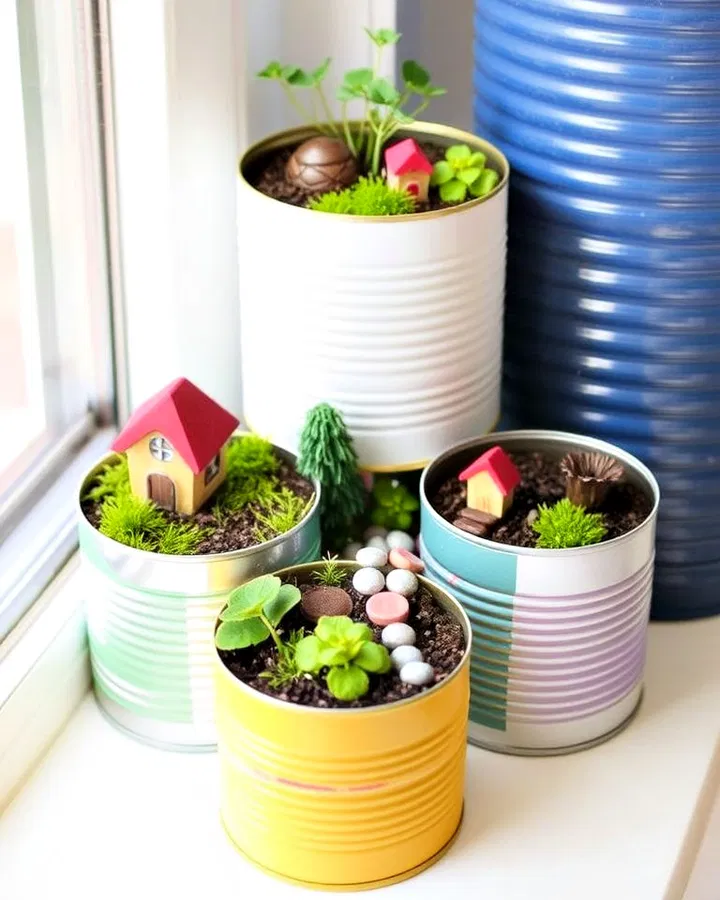
A powder room may be one of the smallest spaces in your home, but it offers one of the biggest opportunities to make a bold design statement. Because it’s compact and used for short visits, it’s the perfect place to experiment with daring colors, layered textures, and unexpected combinations that might feel overwhelming in larger rooms. Eclectic design thrives on contrast, personality, and creativity—making it an ideal style for transforming a simple powder room into a memorable, conversation-worthy space.
Whether you’re drawn to vintage charm, modern edge, or a mix of everything in between, these eclectic powder room ideas will help you create a space that feels curated, expressive, and effortlessly stylish.
1. Layered Vintage Wallpaper for Instant Character
Bring personality into your powder room with richly patterned vintage-inspired wallpaper. Think bold florals, ornate damask, or intricate paisley prints that create a nostalgic yet curated feel. To elevate the look, pair these patterns with antique brass fixtures, a pedestal sink, and a gilded mirror. This layered approach adds depth while making even the smallest space feel intentional and timeless.
2. Statement Lighting That Doubles as Art
Lighting can completely transform a compact powder room. Swap standard fixtures for eye-catching pendant lights or sculptural chandeliers. Materials like blown glass, aged metal, or geometric frames create a striking focal point. Adding a dimmer allows you to shift from bright utility lighting to a softer, moodier glow for a more elevated atmosphere.
3. Bold Floor-to-Ceiling Tile Moments
Make a dramatic impact with patterned tiles that cover floors or extend up the walls. Moroccan zellige, encaustic tiles, or graphic geometric patterns add movement and personality. Keep surrounding elements simple so the tile becomes the star, turning your powder room into a visually immersive experience.
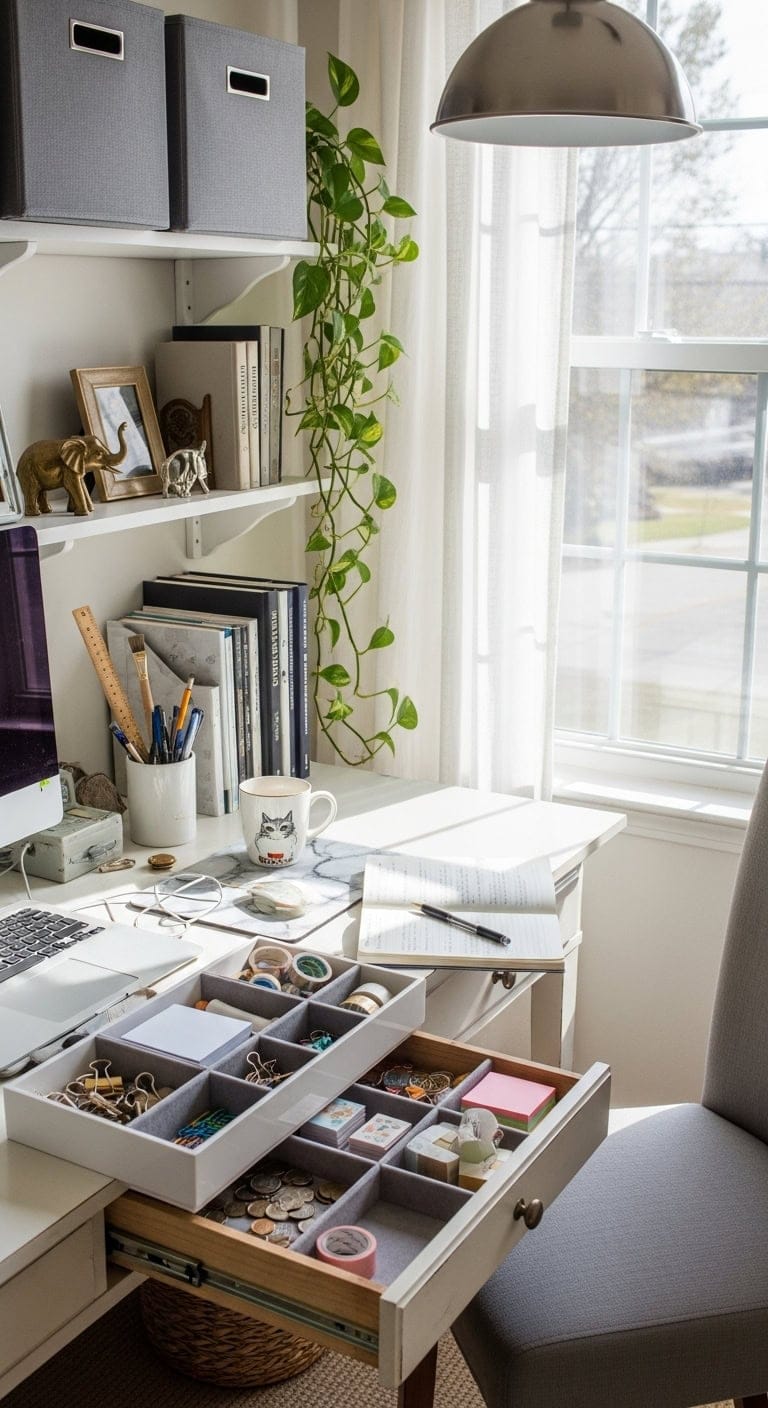
4. Floating Vanities with Unexpected Materials
Opt for a floating vanity to create the illusion of more space while showcasing unique materials like reclaimed wood, raw concrete, or live-edge slabs. Pair it with a vessel sink in a contrasting texture—such as ceramic or hammered copper—for a bold, curated look that feels both modern and eclectic.
5. Rich, Vibrant Wall Colors
Skip neutral walls and embrace saturated hues like emerald green, sapphire blue, or deep plum. These tones add drama and sophistication, especially when paired with metallic accents. For a lighter feel, consider coral or mustard tones to inject warmth and energy into the space.
6. Curated Gallery Walls
Turn your powder room into a mini art gallery with a mix of framed artwork, prints, and photography. Use mismatched frames for an eclectic feel and vary the scale of pieces for visual interest. A neutral wall backdrop helps the collection stand out while keeping the look cohesive rather than chaotic.
7. Oversized Mirrors to Expand the Space
An oversized mirror not only reflects light but also visually enlarges a small powder room. Choose unique shapes—arched, circular, or asymmetrical—to add a sculptural element. Frames in unexpected materials like bamboo or resin enhance the eclectic vibe.
8. Artistic and Unconventional Sink Designs
Upgrade your sink into a design feature with materials like carved stone, hand-painted ceramic, or glass. These statement sinks add texture and personality while becoming a natural focal point. Complement the design with a matching or contrasting faucet style for a cohesive finish.
9. Mixed Metallic Accents for a Luxe Feel
Introduce metallic finishes such as brushed gold, copper, or polished nickel through fixtures and accessories. For a more eclectic look, don’t be afraid to mix metals—like pairing black hardware with gold accents. Metallic wallpaper or reflective tiles can amplify light and add subtle glamour.
10. Textured Walls for Depth and Dimension
Instead of flat paint, experiment with finishes like Venetian plaster, limewash, or faux concrete. These textures create depth and make the space feel more tactile and layered. Pair textured walls with simple furnishings or ornate accents depending on your desired aesthetic.
11. Stylish and Functional Storage Solutions
Maximize storage without sacrificing style by using open shelving, floating ledges, or repurposed furniture. Display essentials in decorative containers like glass jars or woven baskets. Mixing materials—such as wood and metal—adds to the eclectic charm while keeping everything organized.
12. Eye-Catching Flooring Designs
Let your flooring anchor the entire design. Patterned tiles, painted wood floors, or decorative concrete can create a bold foundation. Keeping walls more understated allows the floor to stand out while maintaining balance in the room.
13. Layered Mixed Materials for Visual Interest
Blend materials like marble, rattan, leather, and glass to create a layered and curated look. For example, combine a marble sink with a woven mirror frame or a leather stool. Stick to a consistent color palette to keep the space cohesive despite the variety of textures.
14. Statement Ceilings That Surprise
Don’t overlook the ceiling—it’s an opportunity to add unexpected drama. Use bold paint, wallpaper, wood paneling, or even metallic finishes to draw the eye upward. A statement ceiling can tie the entire design together while adding a unique twist.
15. Compact Greenery for a Fresh Finish
Introduce life into your powder room with small plants like succulents, ferns, or air plants. Use wall-mounted planters or hanging options to save space while adding vertical interest. Greenery softens bold design elements and creates a refreshing, calming atmosphere.
Conclusion
Designing an eclectic powder room is all about embracing creativity and letting your personality shine through thoughtful contrasts and unexpected details. From bold wallpapers and dramatic lighting to layered materials and artistic fixtures, each element contributes to a space that feels curated rather than chaotic.
The beauty of eclectic design lies in its flexibility—you can mix eras, textures, and colors while still creating a cohesive and inviting environment. With the right balance, even the smallest powder room can become a standout feature in your home, leaving a lasting impression on every guest who steps inside.
Your bedroom door doesn’t have to be just a functional piece—it can become a standout design feature that enhances your entire room. With a little creativity, this often-overlooked surface can reflect your personality, add texture, and even improve functionality.
1. Turn Your Door into a Chalkboard Feature
Give your door a fun and interactive upgrade by painting it with chalkboard paint. This allows you to write reminders, doodle designs, or display motivational quotes that you can change anytime. It’s perfect for adding personality without committing to permanent decor, and it works especially well in creative or teen bedrooms.
2. Make a Statement with a Decorative Mirror
A mirror on your bedroom door instantly enhances light and creates the illusion of more space. Opt for a bold frame—ornate, minimalist, or geometric—to match your room’s theme. This idea blends style and function, making it ideal for smaller bedrooms that need both brightness and practicality.
3. Upgrade with Peel-and-Stick Wallpaper
Removable wallpaper is one of the easiest ways to transform your door dramatically. Choose from floral prints, abstract patterns, or textured finishes to match your aesthetic. It’s renter-friendly, easy to swap out, and allows you to refresh your space whenever your style evolves.
4. Add Seasonal Charm with a Wreath or Garland
A simple wreath or garland can instantly make your bedroom feel warm and inviting. You can switch designs throughout the year—florals for spring, greenery for summer, warm tones for fall, or festive accents for holidays. This small detail adds charm without overwhelming the space.
5. Create Custom Art with Stencils
Stenciling is a great way to design a unique, custom door without needing advanced painting skills. From delicate florals to bold geometric shapes, stencils help you achieve a polished, artistic look. Layering colors or combining patterns can elevate the design even further.
6. Swap in a Stylish Sliding Barn Door
Replace your traditional door with a sliding barn door for a bold upgrade. This design saves space and adds character, whether you prefer rustic wood or sleek modern finishes. It’s a perfect solution for smaller rooms or anyone wanting a standout architectural feature.
7. Paint It in a Bold, Eye-Catching Color
A fresh coat of paint in a striking color can completely redefine your bedroom. Try deep navy, forest green, mustard yellow, or even matte black for a modern edge. A bold door creates contrast and instantly becomes a focal point.
8. Elevate the Look with Molding or Paneling
Adding molding or paneling transforms a plain door into something elegant and refined. This technique introduces depth, texture, and a more custom-built appearance. Paint it in a matching tone for subtle sophistication or use contrast for a dramatic effect.
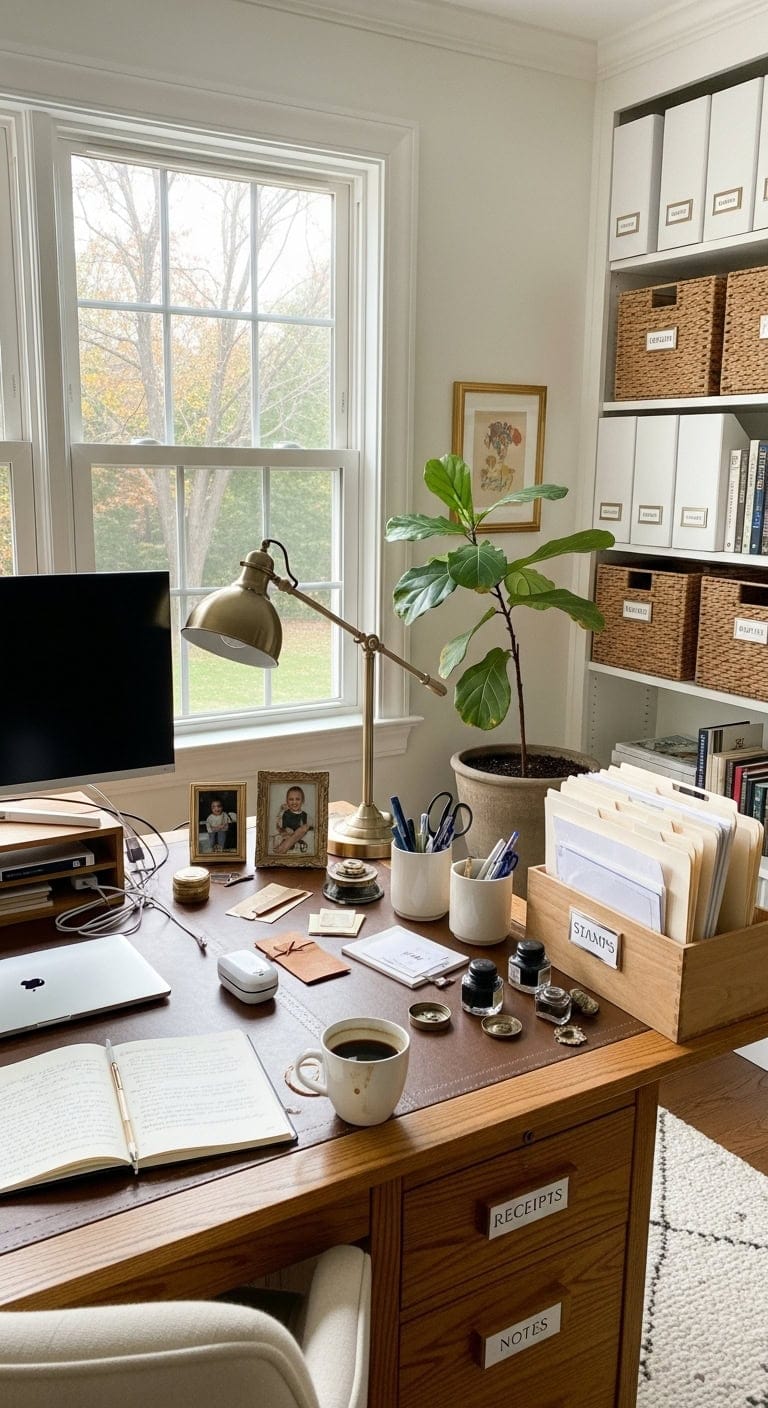
9. Design Playful Patterns with Washi Tape
Washi tape is an easy and affordable way to decorate your door creatively. Use it to form stripes, grids, or abstract patterns without damaging the surface. Because it’s removable, it’s perfect for renters or anyone who enjoys changing designs frequently.
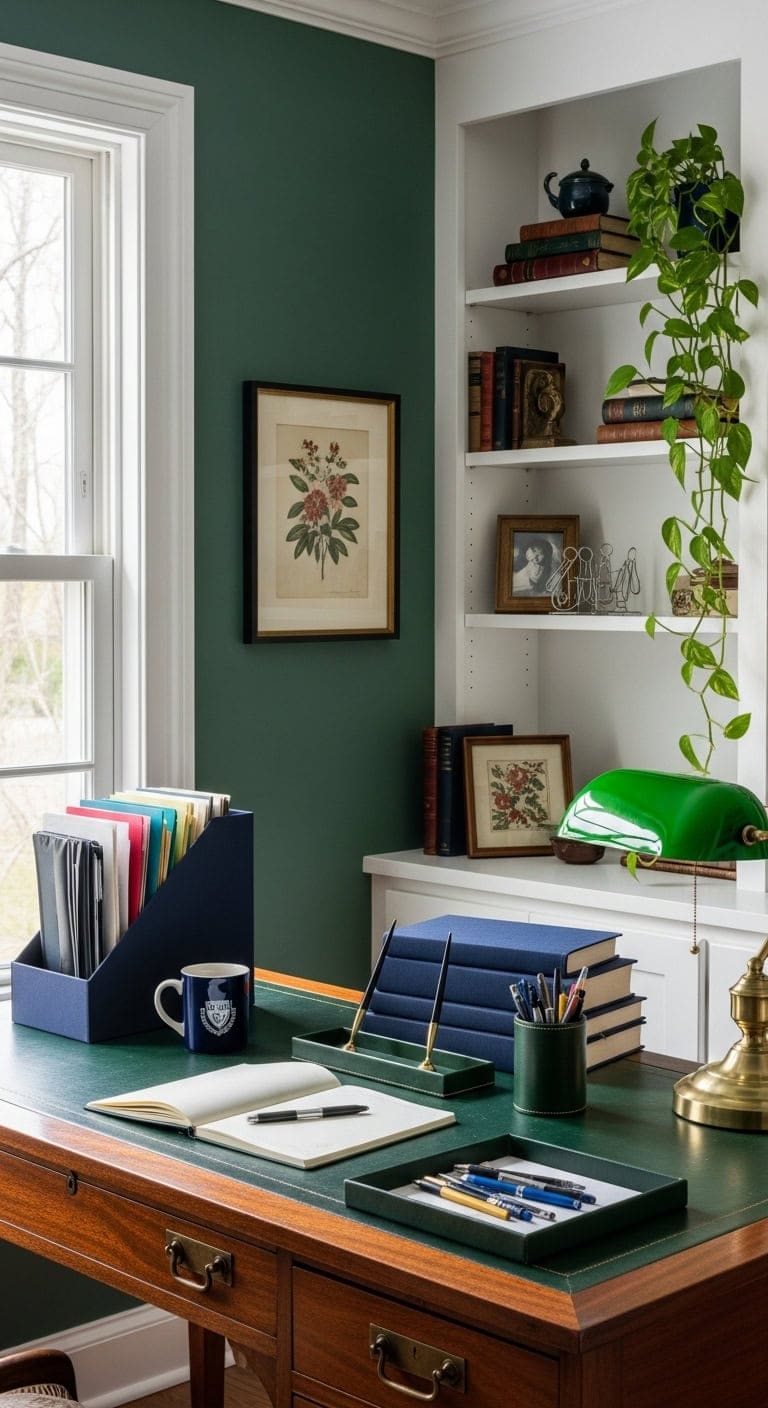
10. Turn Your Door into a Mini Gallery Wall
Why limit artwork to walls? Use your door to display framed photos, prints, or inspirational quotes. Arrange them symmetrically for a clean look or mix sizes for a more eclectic vibe. This idea adds personality and turns your door into a storytelling piece.
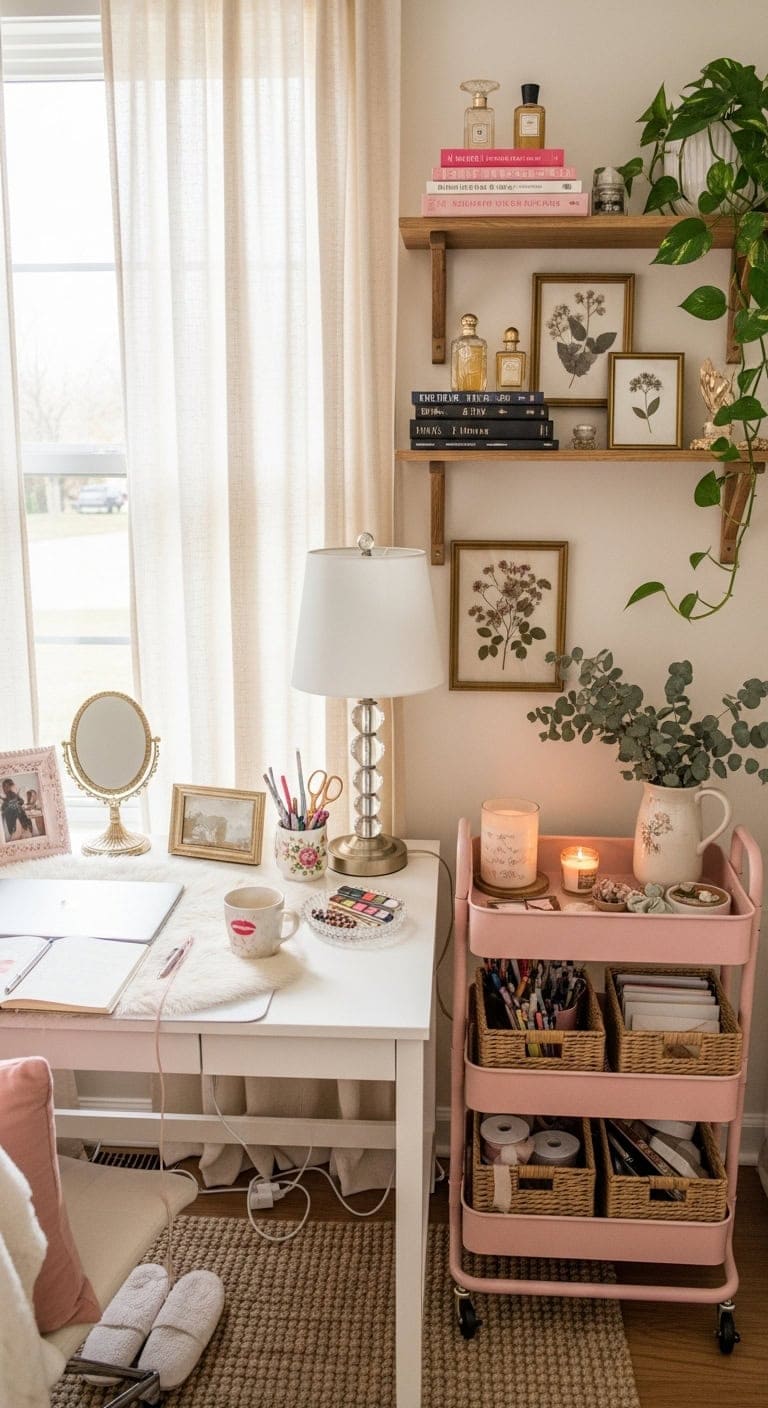
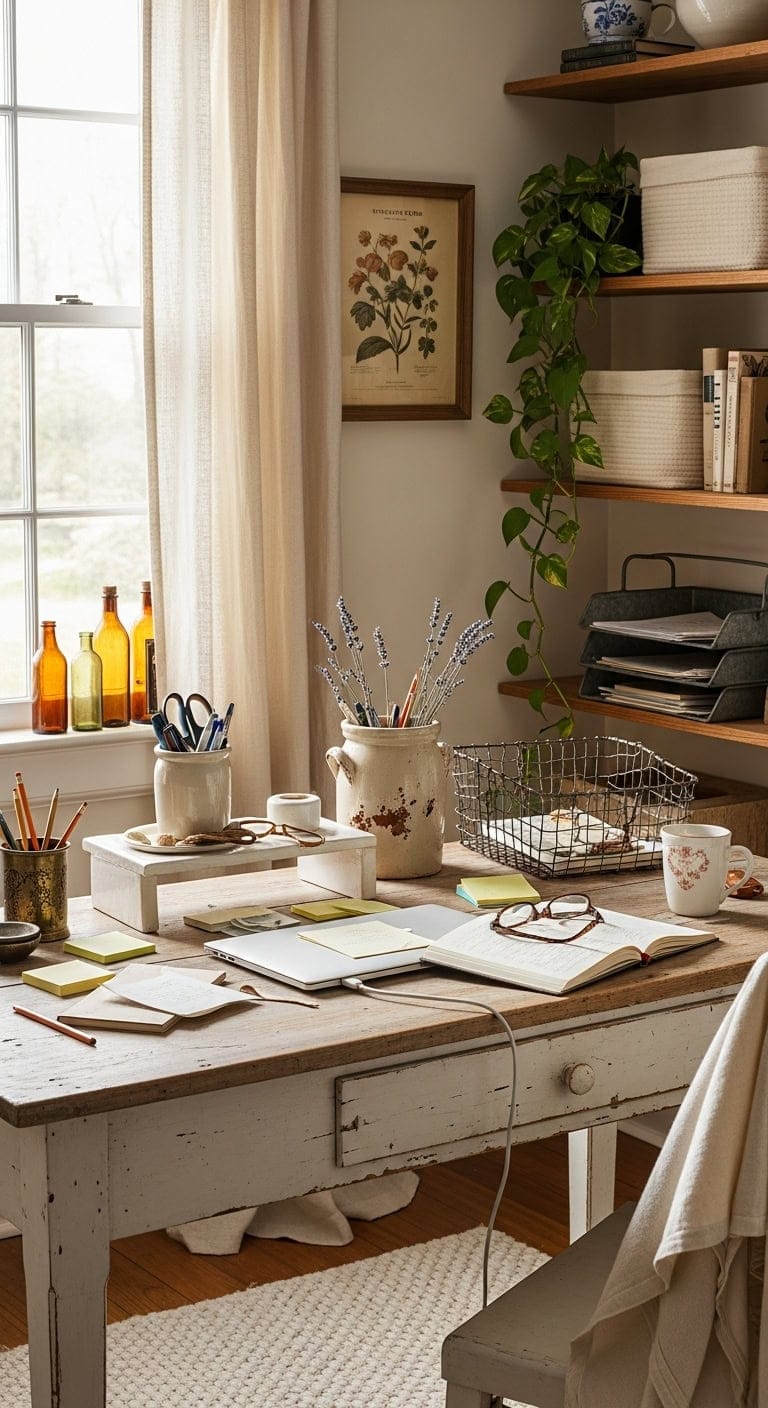
11. Add Warmth with a Fabric-Covered Door
Cover your door with fabric to introduce softness and texture. Materials like linen, cotton, or velvet can create a cozy and luxurious feel. This approach also helps absorb sound, making it both stylish and practical.
12. Personalize with Vinyl Decals
Vinyl decals are a quick way to customize your door with minimal effort. Choose quotes, patterns, or graphics that reflect your personality. They’re easy to apply and remove, making them perfect for temporary updates.
13. Modernize with Frosted Glass Panels
Frosted glass panels bring a sleek, contemporary look while maintaining privacy. They allow natural light to filter through, making your room feel brighter and more open. This option works especially well in modern or minimalist interiors.
14. Bring Nature Indoors with Hanging Planters
Attach small planters to your door to add greenery and life to your space. Choose trailing plants like pothos or small succulents for easy maintenance. This biophilic touch makes your room feel fresher and more relaxing.
15. Replace the Door with Boho Textiles
For a relaxed, artistic vibe, swap your door for beaded curtains or macramé hangings. These create a soft division between spaces while allowing light and airflow. Perfect for bohemian or eclectic interiors, this idea adds texture and movement.
Conclusion
Your bedroom door holds more design potential than you might think. Whether you prefer bold transformations like barn doors or simple updates like decals and wreaths, these ideas prove that even small changes can make a big impact. By combining creativity with functionality, you can turn your door into a feature that enhances your entire room—making it more personal, stylish, and uniquely yours.
Spring is all about renewal, light, and softness—and your bedroom curtains play a huge role in setting that mood. The right curtains don’t just frame your windows; they influence how light enters, how colors feel, and how cozy or airy your space becomes. Below are 25 beautifully expanded ideas to help you create a bright, refreshing, and relaxing spring retreat.
1. Layered Curtains for Versatility
Layering sheer curtains with heavier drapes is one of the smartest ways to balance style and function. During the day, keep the sheers closed to diffuse sunlight and create a soft glow throughout the room. At night, draw the thicker curtains to block light and add insulation. This setup also adds visual depth, making your windows look fuller and more luxurious. Choose complementary colors—like white sheers paired with beige or pastel drapes—for a cohesive spring palette.
2. Airy Sheer White Linen
Sheer white linen curtains are perfect for creating a light, breezy atmosphere. They allow sunlight to filter gently into your room, reducing harsh glare while still keeping things bright. The natural linen texture adds a subtle organic feel that pairs beautifully with wood furniture, woven decor, or neutral bedding. These curtains also move beautifully with airflow, giving your bedroom a fresh, open feel.
3. Soft Sage Green Drapes
Sage green is a calming, nature-inspired color that works effortlessly in spring interiors. It’s soft enough to act as a neutral but still brings in a refreshing hint of color. Pair these drapes with white walls, light wood finishes, or botanical decor to create a serene, spa-like bedroom. Opt for lightweight fabrics for an airy look or thicker materials if you want more light control.
4. Cheerful Pastel Yellow Sheers
Pastel yellow curtains mimic the warmth of sunshine, making them ideal for rooms that don’t get much natural light. When sunlight passes through, it creates a soft golden glow that instantly lifts the mood of the space. Pair them with white or gray bedding to keep the look balanced and modern. These curtains are especially great for creating a bright and happy morning environment.
5. Floral Print Statement Panels
Floral curtains bring the beauty of spring blooms right into your bedroom. Large-scale patterns make a bold statement, while smaller prints create a soft, vintage feel. To tie the room together, pick one or two colors from the print and repeat them in pillows, throws, or rugs. Floral panels are perfect for adding personality without needing to redecorate the entire room.
6. Light Blue Linen Curtains
Light blue curtains evoke the calmness of the sky and ocean, making them ideal for a relaxing bedroom. Linen fabric adds a casual, slightly textured look that feels effortless and inviting. Pair them with whites, sandy tones, or soft grays for a coastal-inspired design. This combination helps create a peaceful space where you can unwind easily.
7. Elegant Embroidered Botanicals
Curtains with embroidered botanical details add subtle sophistication. The stitching creates a delicate, raised texture that catches light beautifully. Choose neutral backgrounds like cream or soft white so the embroidery stands out without overwhelming the room. This style works well if you want a refined, nature-inspired look without bold prints.
8. Dusty Rose Velvet Drapes
Dusty rose velvet offers a soft, romantic feel while still being practical. The thicker fabric blocks light effectively, making it ideal for better sleep. Its gentle pink tone keeps it feeling appropriate for spring, especially when paired with lighter fabrics like cotton or linen. The slight sheen of velvet also adds a luxurious glow when light hits it.
9. Classic Gingham Patterns
Gingham curtains bring a cheerful, farmhouse-inspired vibe. Their simple checkered pattern adds visual interest without being overwhelming. Choose soft colors like blue, green, or yellow for a fresh spring look. Pair them with solid bedding and rustic decor to create a cozy and inviting bedroom.
10. Artistic Macrame Panels
Macrame window treatments add a handcrafted, artistic touch. These woven designs allow light to pass through while creating beautiful patterns on your walls. They’re perfect for boho-style bedrooms filled with plants, natural wood, and earthy tones. Use them as standalone pieces or layer them with sheer curtains for added dimension.
11. Neutral Curtains with Tassel Accents
Neutral curtains don’t have to be boring—tassel details add subtle charm and movement. The soft textures and playful edges create a relaxed, lived-in feel. These curtains work well with almost any decor style and are especially effective in minimalist or Scandinavian-inspired bedrooms.
12. Playful Pom-Pom Trim Curtains
Pom-pom trim curtains add a lighthearted and fun element to your bedroom. They’re perfect for adding personality without overwhelming the design. Use them in guest rooms, kids’ rooms, or even master bedrooms if you want a touch of whimsy. Choose neutral fabrics with colored trims for a balanced look.
13. Calming Lavender Cotton Curtains
Lavender is known for its calming and stress-relieving qualities. Cotton curtains in this shade are breathable and lightweight, making them ideal for spring. Pair them with white or silver accents for a clean, modern look. This color creates a peaceful environment perfect for rest and relaxation.
14. Striped Café Curtains
Café curtains cover only the lower half of your window, giving you privacy while letting in plenty of light. Stripes add a crisp and structured look, and they can even make windows appear taller or wider. This style is great for small bedrooms or areas where full-length curtains feel too heavy.
15. Romantic Ruffled Voile Panels
Ruffled voile curtains create a soft, dreamy aesthetic. The layers of fabric add volume and movement, making the room feel more romantic and airy. These are perfect for vintage or shabby-chic interiors and pair beautifully with soft pastels and delicate decor.
16. Mint Green Blackout Curtains
Mint green blackout curtains combine functionality with fresh design. They block unwanted light while still adding a cheerful and modern touch. Pair them with white furniture or gold accents to keep the look bright and stylish.
17. Watercolor Floral Designs
Watercolor floral curtains offer a softer take on traditional prints. The blended colors create a gentle, artistic effect that feels calming rather than busy. These curtains can serve as a focal point while still maintaining a peaceful atmosphere.
18. Timeless Toile Prints
Toile prints bring elegance and storytelling into your space. Their detailed patterns often depict nature or countryside scenes, adding depth and charm. Choose soft spring colors to keep the look light and airy.
19. Warm Peach Linen Curtains
Peach tones add warmth without being overpowering. Combined with linen texture, they create a cozy yet fresh feel. This color works well with neutral palettes and adds a subtle glow to the room.
20. Scalloped Edge Details
Scalloped edges add a decorative and unique touch to your curtains. The curved design softens the look of your windows and adds a custom, high-end feel. This works especially well with simple or neutral fabrics.
21. Bamboo Shades with Fabric Curtains
Combining bamboo shades with soft curtains creates contrast and depth. The bamboo adds structure and natural texture, while the fabric keeps things soft and airy. This pairing works well in nature-inspired or minimalist bedrooms.
22. Olive Green Sheer Panels
Olive green sheers bring a slightly deeper tone while still allowing light to pass through. They create a moody yet soft ambiance that pairs beautifully with wood and neutral tones.
23. Subtle Gold Thread Accents
Curtains with metallic threads add a hint of sparkle without being overwhelming. As sunlight hits the fabric, it creates a warm shimmer that enhances the overall lighting of your room.
24. Boho Fringe Curtains
Fringe details add movement and texture, giving your bedroom a relaxed, artistic feel. These curtains are perfect for bohemian spaces filled with layered textiles and natural elements.
25. Sky Blue Pinch Pleat Drapes
Pinch pleat curtains provide a structured, elegant finish. In sky blue, they feel fresh and calming while still looking polished. This style works well in both modern and traditional bedrooms.
Conclusion
Updating your curtains is one of the simplest ways to refresh your bedroom for spring. By choosing lighter fabrics, soft colors, and natural textures, you can create a space that feels brighter, calmer, and more inviting. Whether you prefer minimal elegance or playful patterns, these ideas offer endless inspiration for a seasonal transformation.
Grey and white living rooms are effortlessly timeless. This neutral pairing creates a calm, sophisticated base that works with almost any design style—from cozy and rustic to sleek and modern. The real beauty lies in how flexible this palette is. By layering textures, playing with contrast, and adding thoughtful accents, you can completely transform the mood of your space.
Whether you want something minimal and airy or bold and dramatic, these ideas will help you design a grey and white living room that feels both stylish and inviting.
1. Embrace a Full Monochrome Look
A monochrome grey-and-white living room is all about subtle variation and balance. Instead of relying on just one shade, layer multiple tones—from soft dove grey to deep charcoal—to create dimension. Start with crisp white walls to reflect light and make the space feel open. Then introduce grey through larger furniture pieces like sofas or area rugs. Add depth with smaller accents such as cushions, throws, and décor in varying textures like velvet, linen, or knit. The key is contrast through texture rather than color, which keeps the room visually interesting while maintaining a clean, cohesive look.
2. Add Vibrant Accent Pieces
Grey and white provide the perfect neutral backdrop for experimenting with color. You can easily refresh your space seasonally by swapping out accent pieces like pillows, throws, or artwork. Try mustard yellow, deep navy, emerald green, or even blush pink for a modern touch. If you prefer subtlety, incorporate natural elements like indoor plants or dried florals. The beauty of this approach is flexibility—you can keep the base timeless while allowing accents to evolve with your style.
3. Keep It Scandinavian-Inspired
Scandinavian design thrives on simplicity, functionality, and warmth. Use light grey upholstery, white walls, and minimal décor to create a serene foundation. Then layer in cozy textures like wool blankets, sheepskin rugs, and soft cushions. Wooden elements—such as a pale oak coffee table or shelving—add warmth and prevent the space from feeling too cold. Keep clutter to a minimum and focus on intentional pieces that combine beauty with purpose.
4. Go Industrial with Raw Materials
An industrial-style grey and white living room leans into raw, unfinished elements. Think exposed brick walls painted white, concrete flooring, and metal fixtures. A grey sectional sofa paired with a reclaimed wood coffee table creates a balanced mix of rugged and refined. Incorporate industrial lighting—like black metal pendant lights or exposed bulbs—to enhance the aesthetic. This look works especially well in loft-style spaces or homes with architectural character.
5. Create a Relaxed Coastal Feel
Bring a sense of calm and openness into your living room with a coastal-inspired approach. Use soft greys and crisp whites alongside natural materials like rattan, wicker, and driftwood. Choose light, breathable fabrics for curtains and upholstery to maintain an airy feel. Subtle décor elements like ocean-inspired artwork, seashell accents, or striped textiles can reinforce the theme without overwhelming the space. The goal is to create a breezy, laid-back environment that feels like a retreat.
6. Introduce Glamorous Elements
For a more luxurious take, incorporate glam details into your grey and white palette. Opt for plush velvet seating, marble surfaces, and metallic finishes like gold, brass, or chrome. A statement chandelier or mirrored furniture can instantly elevate the room. Keep the base neutral so these elegant elements stand out without feeling excessive. This style is perfect if you want a living room that feels polished and sophisticated.
7. Layer Different Textures
Texture is essential in a neutral space. Combine soft and structured materials—like a linen sofa, wool rug, leather ottoman, and faux fur throws—to create a layered, inviting look. Even subtle textures like woven baskets or ribbed ceramics can add interest. Mixing textures prevents the room from feeling flat and gives it a more dynamic, lived-in feel.
8. Keep It Clean and Minimal
A minimalist grey-and-white living room focuses on simplicity and intentional design. Choose a few high-quality pieces rather than filling the space with décor. Stick to clean lines, uncluttered surfaces, and functional furniture. Built-in storage can help keep everything organized. This approach not only looks modern but also creates a calming environment that’s easy to maintain.
9. Add Rustic Touches
Introduce warmth and character by blending rustic elements into your space. Use reclaimed wood, distressed finishes, and vintage-inspired décor to soften the cool tones of grey and white. A weathered coffee table, antique mirror, or woven textiles can add charm and personality. This combination creates a cozy, farmhouse-inspired feel that’s both welcoming and stylish.
10. Play with Bold Patterns
Patterns can bring energy and movement into a neutral room. Incorporate geometric rugs, patterned cushions, or even wallpaper in grey and white tones. To keep things cohesive, limit yourself to two or three patterns and ensure they share a similar color palette. This adds visual interest without making the space feel chaotic.
11. Use High-Contrast Styling
Create a dramatic and modern look by emphasizing contrast. Pair bright white walls with deep charcoal furniture or vice versa. Black accents—like frames, lighting fixtures, or side tables—can further enhance the contrast. This bold approach adds definition and structure to the room, making it feel more dynamic and visually striking.
12. Maximize Natural Light
Natural light plays a huge role in how grey tones appear. Use sheer white curtains or leave windows uncovered to allow sunlight to flow freely. Position mirrors strategically to reflect light and make the room feel larger. Choose lighter shades of grey for walls and furniture to keep the space feeling bright and open.
13. Mix Styles for an Eclectic Look
An eclectic grey-and-white living room allows you to combine different styles while maintaining a cohesive base. Pair modern furniture with vintage finds, or mix sleek pieces with artistic décor. The neutral palette helps tie everything together, so you can experiment with unique textures, shapes, and accessories without overwhelming the space.
14. Try Mid-Century Modern Design
Mid-century modern design works beautifully with a grey-and-white palette. Look for furniture with clean lines, tapered legs, and organic shapes. Combine grey upholstery with white surfaces and warm wood tones for balance. Add retro-inspired décor like abstract art or geometric patterns to complete the look.
15. Design a Cozy Corner
Create a dedicated space for relaxation within your living room. A comfortable armchair, soft throw blanket, and warm lighting can turn any corner into a cozy retreat. Add a small side table for books or drinks to make it functional. This is perfect for reading, unwinding, or simply enjoying a quiet moment.
16. Build a Gallery Wall
A gallery wall is a great way to add personality to your space. Use frames in black, white, or metallic finishes to keep things cohesive. Mix artwork, photography, and prints to create visual interest. Arrange them in a structured grid or a more organic layout depending on your style.
17. Mix Light and Dark Furniture
Avoid a flat look by combining different shades of grey and white in your furniture. For example, pair a light grey sofa with darker chairs or a white coffee table with a charcoal rug. This layering creates depth and keeps the room visually balanced.
18. Highlight the Fireplace
If your living room has a fireplace, make it a focal point. Paint it in a contrasting shade or use textured materials like stone or tile. Arrange seating around it to create a natural gathering area. A well-designed fireplace can anchor the entire room.
19. Install Floating Shelves
Floating shelves are both practical and stylish. Use them to display books, plants, and decorative objects that complement your color scheme. Keep the styling simple to maintain a clean look. They’re especially useful in smaller spaces where you want storage without bulk.
20. Choose Statement Lighting
Lighting can completely transform your living room. A bold chandelier, sculptural floor lamp, or modern pendant light can act as a centerpiece. Choose designs that complement your overall style while adding a touch of personality. Layer different lighting sources—ambient, task, and accent—to create a warm and inviting atmosphere.
Your coffee table is more than just a place to set drinks—it’s a focal point that can instantly define your living room’s style. With the right centerpiece, you can add personality, warmth, and visual interest without a full redesign. Whether your aesthetic leans modern, rustic, or eclectic, these creative ideas will help you style your coffee table like a pro.
1. Sculptural Vases That Make a Statement
A bold, sculptural vase can instantly elevate your coffee table into an artistic display. Look for unique shapes, asymmetrical designs, or textured finishes like matte ceramic or glass. You can leave it empty for a minimalist feel or add fresh stems for a softer touch. Grouping multiple vases at varying heights creates even more visual drama.
2. Layered Tray Styling for a Polished Look
Using a decorative tray is one of the easiest ways to create a cohesive centerpiece. Arrange candles, books, or small plants within the tray to keep everything organized while adding dimension. This technique works beautifully in both modern and farmhouse interiors, depending on the tray material you choose.
3. Fresh Floral Arrangements for Instant Life
Nothing refreshes a space like fresh flowers. Choose blooms that complement your color palette, whether soft neutrals or vibrant tones. A simple bouquet of roses or tulips offers elegance, while mixed wildflowers create a relaxed, natural vibe.
4. Coffee Table Books with Personality
Stacking a few well-chosen coffee table books adds sophistication and tells a story about your interests. Choose books on topics like travel, fashion, or interior design. Top them with a decorative object—like a small sculpture or candle—for a styled finish.
5. Cozy Candle Clusters with Varying Heights
Candles bring warmth and ambiance to any space. Mix pillar candles, tealights, and tapers in different holders to create layers of soft lighting. Stick to a cohesive color palette for a refined look, or mix materials like glass and metal for added texture.
6. Minimalist Succulent Displays
If you want greenery without the upkeep, succulents are the perfect solution. Arrange a few in a shallow dish or modern planter. Their clean lines and subtle tones make them ideal for minimalist or contemporary spaces.
7. Decorative Bowls Filled with Orbs
A textured bowl filled with decorative spheres is simple yet visually impactful. Choose materials like wood, ceramic, or glass for the orbs, and match them with your room’s overall aesthetic. This is a low-maintenance option that always looks styled.
8. Seasonal Decor That Evolves Year-Round
Switching your centerpiece with the seasons keeps your space feeling fresh. Think pumpkins in fall, pinecones in winter, or seashells in summer. This flexible approach allows you to refresh your decor without starting from scratch.
9. Artistic Figurines for a Personal Touch
Unique figurines or small sculptures can add character and spark conversation. Choose pieces that reflect your personality—whether abstract designs, animals, or cultural artifacts—and pair them with books or greenery for balance.
10. Mixed Material Arrangements for Texture
Combining materials like wood, metal, glass, and stone creates a rich, layered look. For example, a wooden bowl with metallic accents or a glass vase paired with natural elements adds contrast and visual depth.
11. Lantern and Candle Pairings for Warm Ambiance
Lanterns paired with candles create a cozy, inviting atmosphere. This setup works especially well in rustic or transitional interiors. Choose neutral tones or metallic finishes so they blend seamlessly with your decor.
12. Coastal-Inspired Centerpieces for a Relaxed Feel
Bring a beachy vibe into your home with coastal elements like driftwood, shells, or coral. Arrange them in a tray or glass bowl, and incorporate soft blues and whites to complete the look. This style instantly creates a calm, airy atmosphere.
13. Geometric Decor for a Modern Edge
Geometric sculptures or decor pieces add a contemporary touch to your coffee table. Opt for clean lines and metallic finishes to create a bold focal point. Pair them with softer elements like books or plants to balance the look.
14. Vintage Finds for Character and Charm
Incorporating vintage items—like antique clocks, old books, or small collectibles—adds depth and storytelling to your space. Arrange them thoughtfully on a tray or runner to keep the display cohesive.
15. Decorative Fruit Bowls for a Fresh Pop of Color
A bowl filled with fresh or faux fruit is a timeless centerpiece. Bright colors like lemons, apples, or oranges add energy and warmth. For a more elevated look, mix in greenery or flowers for extra texture.
Conclusion
A beautifully styled coffee table can completely transform your living room without requiring a major overhaul. By combining elements like height, texture, and personal touches, you can create a centerpiece that feels both intentional and effortless. Whether you prefer minimalist greenery, cozy candle arrangements, or bold artistic pieces, the key is to keep your design balanced and reflective of your style.
With these ideas, your coffee table becomes more than just functional—it becomes a true design statement.
Bathrooms aren’t just functional—they’re personal spaces where style and comfort come together. One of the most impactful ways to refresh your bathroom without a full renovation is by updating your cabinet color. The right shade can instantly change the mood of the room, making it feel brighter, cozier, more modern, or more luxurious.
From timeless neutrals to bold statement hues, these expanded bathroom cabinet color ideas will help you create a space that truly reflects your style.
1. Navy Blue Elegance
Navy blue cabinets bring depth and refinement to your bathroom. This rich color adds a luxurious feel without being overly dramatic. It pairs beautifully with gold or brass hardware for a high-end look, while white countertops help balance its intensity. Navy works especially well in both classic and modern spaces, offering versatility with a bold edge.
2. Soft Sage Serenity
Sage green is a soothing, nature-inspired color that instantly creates a relaxing environment. Its muted tone makes it perfect for those who want subtle color without overwhelming the space. Pair sage cabinets with natural wood accents, stone countertops, and soft whites to enhance that calm, spa-like atmosphere.
3. Matte Black Statement
Matte black cabinets are sleek, modern, and undeniably bold. Unlike glossy finishes, matte black feels more refined and less harsh. It works best when balanced with lighter walls, mirrors, and countertops to avoid making the room feel too dark. Add metallic accents like chrome or brushed gold for a sophisticated finish.
4. Warm Beige Comfort
Warm beige cabinets create a cozy and welcoming feel. This neutral shade is ideal if you want a soft, timeless look that doesn’t feel cold or stark. It blends beautifully with natural textures like wood and stone, making it perfect for rustic, traditional, or transitional bathroom designs.
5. Crisp White Classic
White cabinets are a forever favorite—and for good reason. They reflect light, making even the smallest bathrooms feel larger and brighter. White cabinetry pairs effortlessly with any color palette, allowing you to easily update other elements like hardware, walls, or décor over time.
6. Forest Green Depth
Forest green offers a rich, earthy tone that adds both drama and tranquility. It creates a strong visual impact while still feeling grounded and natural. Pair it with wood finishes, marble countertops, or brass fixtures to achieve a luxurious yet organic look.
7. Charcoal Gray Modernity
Charcoal gray strikes the perfect balance between bold and neutral. It adds contrast without being as intense as black, making it a great option for modern bathrooms. Combine it with matte black fixtures or stainless steel accents for a cohesive, contemporary aesthetic.
8. Blush Pink Charm
Blush pink cabinets introduce a soft, warm glow to your bathroom. This color feels elegant and slightly playful, especially when paired with gold or brass details. It works beautifully in both modern and vintage-inspired spaces, offering a unique twist on traditional neutrals.
9. Light Oak Natural Warmth
Light oak cabinetry highlights the beauty of natural wood grain, bringing warmth and texture into your bathroom. It’s perfect for minimalist, Scandinavian, or rustic designs. Pair it with white walls and simple décor to let the natural material shine.
10. Teal Vibrance
Teal is a bold, eye-catching color that adds personality without feeling overwhelming. It strikes a balance between blue and green, making it versatile for different styles. Teal cabinets stand out best against neutral backgrounds and pair well with gold or black hardware.
11. Pale Blue Calmness
Pale blue cabinets create a light, airy feel that’s perfect for relaxing spaces. This soft shade reflects light beautifully and works well in coastal, classic, or minimalist bathrooms. Pair it with white accents and natural textures for a fresh, calming vibe.
12. Creamy Soft Neutral
Cream cabinets offer a warmer alternative to pure white. They maintain brightness while adding a hint of softness and comfort. This shade works well in traditional or farmhouse-style bathrooms and pairs nicely with warm-toned fixtures and finishes.
13. Deep Burgundy Luxury
Burgundy cabinets bring richness and elegance to your bathroom. This deep, wine-inspired color feels bold and dramatic while still maintaining sophistication. Pair it with metallic accents and lighter surfaces to keep the space balanced.
14. Light Gray Simplicity
Light gray cabinets provide a subtle and refined look. This versatile neutral complements both warm and cool tones, making it easy to match with various materials and finishes. It’s perfect for achieving a clean, modern, and calming aesthetic.
15. Dusty Rose Vintage Touch
Dusty rose is a muted pink that offers a romantic, vintage-inspired feel. It adds color without being too bold, making it a great option for those who want something unique yet understated. Pair it with marble surfaces and metallic hardware for a polished look.
16. Slate Blue Sophistication
Slate blue is a muted, slightly gray-toned blue that feels both modern and timeless. It adds depth without overpowering the space and works well with both warm and cool accents.
17. Rich Espresso Boldness
Espresso cabinets provide a deep, coffee-toned richness that enhances warmth and depth. They’re perfect for creating contrast in lighter bathrooms and pair beautifully with cream, beige, or white finishes.
18. Soft Yellow Glow
Soft yellow cabinets bring warmth and cheerfulness into your bathroom. This subtle hue brightens the space while maintaining a gentle, welcoming feel. It works best when paired with neutral tones to keep the look balanced.
19. Pearl Gray Elegance
Pearl gray adds a hint of shimmer and softness to your bathroom. It’s a refined neutral that feels modern yet subtle, perfect for smaller spaces that need light without stark brightness.
20. Classic Black Contrast
Classic black cabinets create a bold, dramatic look. When paired with white countertops or light walls, they offer a striking contrast that feels clean and modern. This choice is ideal for those who want a strong visual statement.
21. Sky Blue Airiness
Sky blue cabinets give your bathroom a fresh, breezy feel. This light tone helps open up the space, making it ideal for smaller bathrooms. It pairs beautifully with white and silver accents for a crisp finish.
22. Mocha Brown Warmth
Mocha brown cabinets bring warmth and richness to your bathroom. This earthy tone creates a cozy and grounded atmosphere, especially when combined with natural materials like wood and stone.
23. Muted Lavender Softness
Muted lavender adds a gentle, calming touch with a slightly unique twist. It’s perfect for creating a relaxing, spa-like environment while still offering a hint of color.
24. Pastel Mint Freshness
Pastel mint is light, playful, and refreshing. It adds personality to your bathroom without overwhelming the design. This shade works especially well in smaller spaces, helping them feel more open and lively.
25. Warm Taupe Balance
Taupe blends gray and beige tones, making it one of the most versatile neutrals. It adds warmth while maintaining a modern edge, making it suitable for a wide range of bathroom styles.
Conclusion
Your bathroom cabinet color plays a major role in shaping the overall look and feel of your space. Whether you prefer calming tones like sage and pale blue, timeless neutrals like white and beige, or bold choices like navy and black, there’s a perfect shade for every style.
The key is not just choosing a color—but pairing it thoughtfully with the right hardware, countertops, and textures. With the right combination, even a simple cabinet update can completely transform your bathroom into a space that feels stylish, comfortable, and uniquely yours.
Corners are often the most underutilized areas in a home—but with the right design approach, they can become some of the most eye-catching features in any room. A thoughtfully styled corner accent wall adds dimension, personality, and purpose, turning empty nooks into intentional design moments.
Whether you prefer bold statements or subtle textures, these reimagined ideas will help you elevate your space with style and creativity.
1. Create a Statement with a Hand-Painted Mural
Turn your corner into a true work of art with a custom-painted mural. From abstract designs to nature-inspired scenes, murals instantly personalize your space and create a one-of-a-kind focal point. This works especially well in creative spaces, kids’ rooms, or home offices where visual inspiration matters most.
2. Add Depth with 3D Wall Panels
For a modern and architectural feel, install 3D wall panels. These textured surfaces create movement and visual interest, especially when paired with strategic lighting. Choose geometric or wave patterns to give your corner a sleek, contemporary edge.
3. Bring Nature Indoors with a Vertical Garden
A living wall transforms any corner into a refreshing, calming feature. Use vertical planters, preserved moss, or low-maintenance greenery to add life and improve air quality. This idea is perfect for small spaces where traditional plants might not fit.
4. Elevate the Space with a Metallic Finish
Metallic paints in shades like gold, bronze, or silver reflect light beautifully, adding a subtle glow to your corner. This design works best in modern or glam interiors and can instantly make the area feel more luxurious without needing extra decor.
5. Add Warmth with Vertical Wood Paneling
Wood paneling brings natural warmth and texture while visually elongating your walls. Light wood tones create a modern, airy feel, while darker finishes add depth and sophistication. It’s a timeless solution that works in almost any room.
6. Design a Cozy Corner with Woven Textures
Introduce organic materials like rattan, bamboo, or woven panels for a soft, earthy aesthetic. This style pairs beautifully with bohemian or tropical interiors, creating a relaxed and inviting atmosphere.
7. Make It Functional with a Chalkboard or Dry Erase Wall
Combine style with practicality by turning your corner into a writable surface. Perfect for kitchens, home offices, or kids’ rooms, this idea keeps notes, reminders, and creativity all in one place while adding a playful touch.
8. Brighten the Room with a Mirror Mosaic
Mirrors are a powerful design tool, especially in small or dim spaces. A mosaic or large mirrored panels can reflect natural light, making the room feel bigger and brighter while adding a sophisticated shine.
9. Add Character with a Brick or Faux Brick Finish
Brick walls introduce texture and timeless appeal. Whether you go for real brick or a lightweight faux version, this look adds rustic charm and works beautifully in industrial or farmhouse-style interiors.
10. Play with Color Using a Two-Tone Effect
A two-tone painted corner adds subtle contrast and dimension. Try pairing a darker lower half with a lighter upper section to ground the space while keeping it airy. This is a simple yet effective way to modernize any room.
11. Showcase Personality with a Minimalist Gallery Wall
Turn your corner into a curated display of art or photos. Keeping the layout clean and cohesive ensures it enhances the space without overwhelming it. Black-and-white prints or neutral frames create a timeless look.
12. Go Bold with Geometric Patterns
Geometric designs add energy and a modern edge. Whether painted or applied with decals, bold patterns instantly draw attention and make your corner feel dynamic and unique.
13. Experiment with Ombre Gradient Effects
An ombre wall blends colors seamlessly from dark to light, creating a calming and sophisticated look. This works especially well in bedrooms or relaxation spaces where a soft visual flow enhances the ambiance.
14. Add Artisanal Charm with Textured Plaster
Textured plaster finishes bring depth and character through subtle imperfections. Earthy tones like beige or terracotta can create a Mediterranean-inspired feel, while white plaster keeps things minimal and refined.
15. Refresh Instantly with Vibrant Wallpaper
Wallpaper is one of the easiest ways to transform a corner. Choose bold florals, abstract prints, or tropical patterns to inject personality into your space. Peel-and-stick options make it renter-friendly and easy to update.
Conclusion
With a little creativity, even the smallest corner can become a standout feature in your home. From bold murals and geometric patterns to natural textures and functional designs, these corner accent wall ideas prove that no space has to go to waste.
By choosing a style that reflects your personality and complements your existing decor, you can turn overlooked corners into beautiful, purposeful design elements that truly elevate your entire room.
We often think finishing a room is all about paint color or furniture placement, but the secret most designers lean on is texture. Texture gives depth, tells a room’s story, and, done right, cements a space so it reads as intentional rather than incidental. In this 2026 guide we’ll show the simple texture mixing trick that consistently moves a room from “nice” to “finished.” We’ll explain why texture matters, unpack the core principle of balancing contrast with cohesion, and give concrete steps for choosing, layering, and correcting textures in living rooms, bedrooms, kitchens, and bathrooms. Follow along and you’ll have a repeatable method to make any space feel polished without overhauling your budget.
Why Texture Matters In Interior Design
Texture is one of those design elements people sense before they can name. It affects how light behaves, how we perceive scale, and how comfortable we feel in a space. When we think of texture, we shouldn’t limit ourselves to fabrics: texture includes wall finishes, floor materials, trim, metal sheens, weave types, and even the negative space created by shadows.
Why do we care so much? First, texture provides visual contrast without changing color. A matte plaster wall beside a glossy tile floor reads richer than two surfaces painted the same shade. Second, texture influences temperature perception: smooth, reflective surfaces tend to feel cooler, while nubby, tactile textiles make a place feel warm and lived-in. Third, texture anchors style. A room with layered textures reads intentional, think a mid-century sofa with a bouclé throw and a leather ottoman, because the variety signals thoughtfulness.
We also need to consider touch. Even if occupants rarely run their hands along the walls, implied touchability matters. Textural variety invites interaction and suggests comfort. In retail and hospitality design, this principle is used to slow people down, luxury boutiques layer textures to make shoppers linger. At home, layering textures helps us feel grounded and at ease.
Finally, texture helps with cohesion across different design pieces. A common mistake is matching colors closely but ignoring texture, leaving a room that feels flat. When we mix textures deliberately, color and pattern become more forgiving: a varied tactile palette makes diverse colors harmonize more easily. In short: texture matters because it delivers depth, comfort, and coherence, three pillars of a finished room.
The Texture Mixing Trick: Balance Contrast With Cohesion
At the heart of the texture mixing trick is a simple rule: balance contrast with cohesion. We want enough contrast to keep the eye moving, but enough cohesion so the room reads as a single, curated composition. Think of it like a musical arrangement, you need high notes and low notes, but they must share a key.
Contrast comes from differences in scale, sheen, and material. Pair a large-scale, coarse element like reclaimed wood beams with finer, softer elements like linen cushions. The juxtaposition creates interest. Cohesion comes from repeating at least one common thread across those contrasts: a color, a pattern motif, or a material family. For instance, a brass lamp, brass drawer pulls, and a brass-accented mirror create a unifying echo that ties disparate textures together.
We recommend using a three-tier texture strategy: anchor, mid-layer, and accents. The anchor is the dominant texture, flooring, large upholstery, or a statement wall. The mid-layer adds comfort and scale, rugs, curtains, and medium-sized furniture. Accents are small, tactile details, throws, pillows, decorative objects, and hardware. If we maintain contrast across tiers (rough anchor, soft mid-layer, smooth accents) while repeating one cohesive element (color, finish, or pattern), the room will feel polished.
Another useful approach is the 60-30-10 idea adapted for texture: 60% anchor, 30% mid-layer, 10% accent. It’s not literal surface area but a visual weight guideline. We avoid overwhelming a room with too many dominant textures: instead, we let one texture lead while the others respond. That creates clarity.
Finally, lighting is part of the trick. Texture is revealed by light, directional lighting emphasizes weave and relief, while diffused light softens them. We’re careful to test textures in the room’s actual lighting conditions before committing. The result of balancing contrast and cohesion is a layered space that looks effortless because every piece seems to belong.
How To Choose Complementary Textures
Choosing textures starts with understanding the mood we want. Do we aim for cozy warmth, modern crispness, or an eclectic collected look? Our choices should reinforce that intention. From there, we evaluate four key characteristics: scale, sheen, temperature, and density.
Scale refers to the visual size of the texture’s pattern or surface variation. Large-scale textures, wide wood planks, oversized boucle, we’ll use sparingly as anchors: small-scale textures, fine linen, micro-knit, work well as accents. We avoid placing two large-scale textures next to each other unless one is muted: otherwise they compete.
Sheen defines how reflective a surface is. High-gloss finishes bounce light and read contemporary: matte finishes absorb light and read calm. Mixing sheen creates depth, pairing a matte plaster wall with a satin wood tabletop, for example. We aim for a contrast in sheen but tie them together through color or material family.
Temperature is more subtle but influential. Materials can read warm (wood, wool, terracotta) or cool (concrete, chrome, marble). We balance warm and cool textures for equilibrium. If a room skews warm, a cool metal or stone accessory can prevent it from feeling cloying.
Density concerns how visually heavy a texture appears. A dense weave or heavy stone feels substantial: open weaves and glass feel light. Layering densities prevents a room from becoming monotonous, a heavy sofa offset by an airy rattan chair can breathe life into the layout.
We find it helpful to create a quick texture inventory before shopping: list anchor, mid-layer, and accents, then note desired scale, sheen, temperature, and density for each. This checklist keeps purchases intentional. When in doubt, bring samples home, swatches, small material fragments, even a corner of fabric, and test them together in the space’s light. That physical comparison is worth more than any online photo.
Layering Order: Walls To Accessories
The order in which we layer textures matters because it sets visual hierarchy. We recommend working from the largest, least-changeable surfaces to the smallest details: walls → floors → major furniture → textiles → accessories. This order ensures foundational textures anchor the room and smaller textures refine the mood.
Walls: Start with walls because their finish defines background texture. Options include smooth paint, plaster, textured wallpaper, wood paneling, or exposed brick. A textured wall can become an anchor, but if you choose it, keep other anchors simpler. For example, a limewash or Venetian plaster wall pairs well with streamlined furniture.
Floors: Flooring is the second anchor. Natural hardwood, wide planks, or patterned tile set tone. If floors are visually rich, we often select a simpler wall finish and then use rugs for a contrasting mid-layer. Rugs are a powerful tool to introduce texture, they can be natural fiber, shaggy, flatweave, or kilim, each conveying a distinct character.
Major Furniture: Large upholstered pieces should complement but not overpower the anchor textures. A leather sofa introduces smoothness and sheen: a linen sofa offers a softer, breathable texture. Keep the furniture scale in mind: a large sectional in a heavy weave will dominate and limit other textural choices.
Textiles: Curtains, throws, and pillows are where we get playful. Curtains control the room’s vertical texture: heavier drapery feels formal, while lightweight sheers feel casual. Throws and pillows provide immediate, interchangeable texture updates, swap a chunky knit throw seasonally to shift warmth.
Accessories: Finally, add metal finishes, ceramics, glass, baskets, and art. Accessories should echo one or two textures found earlier to maintain cohesion. For example, woven baskets can repeat the rug’s natural fiber, while brass picture frames can reflect a lamp’s finish.
We always step back and edit. Too many textures without a repeated thread feel chaotic. We look for opportunities to repeat a shape, color, or material at least three times across the room, this repetition is the glue that makes layered textures read as intentional.
Practical Texture Combinations For Common Rooms
Living Room
The living room benefits from a mix of comforting textiles and durable surfaces. A reliable combination is: hardwood floors (anchor), a low-pile wool or flatweave rug (mid-layer), a linen or leather sofa (major furniture), a boucle chair or chunky knit throw (textiles), and brass or matte-black metal accents (accessories). We like pairing smooth leather with nubby boucle because the contrast feels both modern and tactile.
Bedroom
Bedrooms should feel restful, so we prioritize softness with strategic contrast. Start with a painted or plastered wall in a soft matte finish (anchor), hardwood or sisal flooring with a plush underfoot rug (mid-layer), and an upholstered bed, linen for cool climates, velvet for drama. Layer cotton or linen bedding over a wool blanket, and use a mix of pillow textures: sateen, dobby weave, and embroidery. Add wood bedside tables and a ceramic lamp to balance tactile variety.
Kitchen
Kitchens are high-function areas where texture must be both aesthetic and practical. Choose a durable tile or stone floor (anchor) and consider a subtle textured backsplash, subway tile with a hand-glazed finish, for example. Countertops can be honed stone for a matte look or polished for reflection. Bar stools in leather or rattan add a human scale to hard surfaces. Metallic hardware, brass, nickel, or blackened steel, introduces sheen without competing with primary textures.
Bathroom
Bathrooms read as spa-like when soft and reflective textures are in balance. Use large-format matte tiles on the floor (anchor) and a slightly reflective subway or glazed tile for the shower wall (mid-layer). Towels and bathmats in thick cotton or bamboo terry provide plushness. Introduce wood or stone shelving and a glass or mirrored accessory to keep the space feeling open.
Home Office
An effective home office combines professionalism with comfort. Start with a smooth painted wall or subtle wallpaper (anchor), a medium-pile rug for acoustic damping (mid-layer), a leather or upholstered desk chair (major furniture), linen window treatments to diffuse light, and a mix of metal and wooden desktop accessories. Textural balance helps with focus, a tactile desk surface and comfortable chair make long hours more sustainable.
Outdoor-Adjacent Spaces
Porches and sunrooms need weather-appropriate textures: slate or concrete floors, outdoor-grade wicker or teak furniture, quick-dry cushions, and woven rugs designed for moisture resistance. Mix in glazed ceramics and metal planters for contrast. Outdoor textures should be rugged but layered for comfort.
Common Mistakes And Quick Fixes
Mistake: Too Many Dominant Textures
Fix: Choose one dominant anchor and simplify surrounding elements. If your reclaimed wood wall and heavy-patterned tile both compete for attention, mute one, paint the wood a soft tone or swap the tile for a simpler floor. Remember the 60-30-10 visual-weight idea.
Mistake: Matching Color But Missing Texture
Fix: If everything is the same shade but still feels flat, introduce a contrasting sheen or weave. A matte wall with a glossy lamp or a velvet pillow next to a linen duvet creates depth without changing the palette.
Mistake: Overuse of Identical Materials
Fix: Repetition can be powerful, but too much of one material (e.g., all chrome finishes) can feel sterile. Break it up with organic textures, wood, woven fibers, or a single warm metal like brass to provide contrast.
Mistake: Ignoring Scale and Proportion
Fix: If a room feels visually out of balance, reassess scale. Large-scale textures need room to breathe. Swap a large-patterned rug for one with a subtler repeat, or add a few small-scale textures (throws, pillows) to offset a heavy sectional.
Mistake: Not Testing in Real Light
Fix: Always view samples in the room’s actual lighting, morning and evening. A plaster finish that looks warm under midday sun may read flat in the evening: add a reflective accent or a warmer lamp to correct for ambient shifts.
Quick Fixes We Use Regularly
Swap pillows: Changing two or three pillow covers is the fastest way to shift a room’s texture story.
Add a single woven basket: It introduces natural fiber and storage without commitment.
Layer a runner or small rug over a larger rug: It adds immediate scale contrast and can define zones.
Introduce one reflective object: A mirror, tray, or lamp can lift a flat composition.
These small edits let us correct texture missteps without a full redesign. We aim to edit ruthlessly: if an item doesn’t reinforce the room’s texture narrative, it goes.
Conclusion
Layering textures is a deceptively simple way to make rooms feel finished, and the best part is it’s repeatable. By balancing contrast with cohesion, working from walls to accessories, and applying the anchor/mid-layer/accents strategy, we can craft spaces that look curated yet lived-in. Start small: pick one room, identify your anchor texture, and introduce two contrasting textures with a shared thread. With practice, texture mixing becomes our go-to trick for polished, welcoming spaces that hold up over time.
We’ve all been in a room that feels sharp, clinical, or just… uninviting. Often it’s not the furniture or the paint, it’s the lighting. In 2026, with more lighting options and smarter bulbs than ever, a simple shift to warm lighting can transform a harsh room into a cozy, flattering space in minutes. In this guide we’ll show why cool, blue-heavy light creates that unfriendly vibe, what the “warm lighting trick” really is, and how to apply it fast with bulbs, fixtures, and layering tactics that work in real homes. No jargon, no expensive renovations, just practical, design-backed steps that give immediate results.
Why Harsh Lighting Makes Rooms Feel Cold And Unwelcoming
Harsh lighting usually means light that’s too bright, too blue, or too focused in the wrong places. Commercial-grade fluorescent tubes, high-Kelvin LEDs, and unshaded recessed cans are common culprits. Psychologically, blue-white light stimulates alertness and mimics daylight: that’s useful in offices, but in living rooms, bedrooms, and dining areas it can make surfaces look washed-out and people appear sallow.
There are three overlapping reasons a room feels “harsh.” First, color temperature: light above ~4000K tends toward blue, which reduces warmth and intimacy. Second, contrast and glare: a single bright source in a dark room produces sharp shadows and visual discomfort. Third, spectral quality: cheap bulbs with poor color rendering can distort colors and skin tones, making everything look unnatural.
We should also account for context. A room painted in cool grays or whites will accentuate blue lighting: conversely, warm-toned walls can clash with cool bulbs and create visual dissonance. Reflective surfaces, glossy floors, mirrors, stainless steel, amplify glare and make light feel clinical. Finally, our expectations matter: we associate warm light with evening, comfort, and relaxation, whereas bright white light reads as “task mode.” When those cues clash with a room’s function, it feels unwelcoming.
Understanding these causes helps us fix the problem without gutting the space. The warm lighting trick targets color temperature, diffusion, and layering, the three levers that change a room’s mood quickly and cost-effectively.
The Warm Lighting Trick: What It Is And Why It Works
The warm lighting trick is straightforward: shift primary light sources toward warmer color temperatures (lower Kelvin), improve diffusion to reduce glare, and layer light so illumination feels even and intentional. It’s not about making everything dim, it’s about changing the quality of light so materials and faces look better.
Why this works comes down to perception and physiology. Warm light (roughly 2200K–3000K) increases perceived coziness because it contains more red and amber wavelengths that our brains associate with sunsets, firelight, and candlelight. These wavelengths flatter skin tones, deepen textures, and soften shadows. Diffused light spreads more evenly, reducing hard-edged shadows that feel “harsh.” Layering provides the right brightness where we need it while keeping the overall scene gentle and three-dimensional.
We’ve seen this in practice: swapping a single cool 4000K fixture for a 2700K pendant plus table lamps and an accent fixture instantly changed a room from sterile to hospitable. The trick is efficient and reversible, no repainting required. It’s compatible with smart bulbs too, so you can tune scenes for day and night. The rest of the article breaks the trick into actionable steps so we can assess, pick products, and carry out changes based on room function and budget.
How To Assess Your Room’s Lighting Needs Quickly
Before buying bulbs or fixtures, take a quick diagnostic tour. We recommend a 7-point assessment that takes less than ten minutes and gives a clear plan.
Identify the room’s primary functions. Is it for relaxing, dining, working, or circulating? Rooms used for relaxation benefit most from warm light: task areas may need a warmer ambient layer plus cooler task lighting.
Note current bulb temperatures and types. Look at existing bulbs or fixtures, plastic diffusers, exposed LEDs, fluorescent tubes. If a bulb is labeled 4000K or higher, it’s likely contributing to a harsh feel.
Observe glare and shadows. Stand in different parts of the room and look for bright spots, reflections in glass or TVs, and deep shadows behind furniture. Harsh rooms often have high contrast ratios between bright sources and dim areas.
Check color rendering (CRI). If colors look “off” or skin tones appear washed, the CRI may be low. We prefer CRI 90+ for living spaces to maintain natural color.
Assess wall and surface tones. Cool-toned walls or reflective surfaces amplify blue light. Make note of significant reflective elements, large windows, mirrors, glossy floors, or metal appliances.
Measure light levels roughly. Use your phone’s light meter app or estimate: a bright living room might be ~150–300 lux, while task zones like kitchens need more. The exact numbers aren’t critical here: we just want to know whether the room is underlit, overlit, or patchy.
Consider fixture placement and switches. Do you have flexible circuits or only a single central switch? Can you add plugs, floor lamps, or smart bulbs? Layering relies on ergonomic control, so wiring limits will guide our approach.
After this quick assessment we should have a checklist: current Kelvin/CRI, problem areas (glare/shadow), surface tones, and control limitations. Armed with that, we can choose bulbs and layering strategies that deliver the warm lighting trick without guesswork.
Practical Steps To Implement The Warm Lighting Trick
Now we convert the assessment into action. The implementation has three parallel tracks: swap or adjust bulbs, change diffusion and fixtures, and layer light for flexibility. We’ll walk through budget-friendly to premium options so you can apply the trick immediately.
Common Mistakes That Undermine Warm Lighting Efforts
Even with good intentions, people often make predictable errors when trying to warm up a room. We want to call these out so we can avoid them.
Mistake 1: Replacing only one bulb and calling it a day. A single warm bulb in a sea of cool sources will create mismatched color and uneven lighting. Aim to change the primary ambient sources first.
Mistake 2: Choosing the wrong Kelvin for the room. Over-warm bulbs (below 2200K) can make a room feel orange and gloomy, while too-cool bulbs (4000K+) keep the space feeling clinical. For most living areas, 2700K–3000K hits the sweet spot.
Mistake 3: Ignoring CRI. Low-CRI bulbs save money but make colors and skin tones look off. For living rooms and kitchens, we recommend CRI 90 or higher.
Mistake 4: Forgetting diffusion. Exposed LEDs or bare bulbs cause glare and harsh shadows even if the Kelvin is warm. Use shades, diffusers, or frosted bulbs to soften the beam.
Mistake 5: Not layering. Relying on a single overhead fixture creates flat, utilitarian light. Combine ambient, task, and accent light to add depth and control.
Mistake 6: Dimming without the right dimmer. Not all dimmers work with all LEDs. Use compatible LED dimmers or smart bulbs to avoid flicker or limited dimming ranges.
Mistake 7: Overcompensating with décor. Changing wall colors, rugs, or furniture can help, but these are costly ways to fix what lighting can solve more simply. Start with the bulbs and layering first.
By spotting these common missteps up front we save time and money. The warm lighting trick isn’t a mystery: it’s a sequence: choose the right Kelvin and CRI, diffuse and soften, then layer and control. Skip a step and the room won’t reach its potential.
Conclusion
The warm lighting trick is one of the fastest, most cost-effective ways to change how a room feels. We’ve seen how cool, high-contrast light makes spaces feel harsh, why lower Kelvin and high CRI recreate a natural, flattering glow, and how diffusion and layering complete the transformation. Start with a quick assessment, swap primary bulbs to 2700K–3000K (CRI 90+), add soft diffuse fixtures and targeted task lights, and use dimmers or smart scenes to tune mood. In minutes you’ll soften the room, flatter people and surfaces, and create a space we’d actually want to spend time in. Try it tonight: swap one offending bulb, add a lamp, and notice how different the room feels.
Microcement has become one of the most ubiquitous finishes in contemporary interiors, and for good reason. In 2026, designers are using this ultra-thin cementitious coating not just for its smooth, minimalist aesthetic but for its versatility, speed of application, and ability to create continuous surfaces that read as luxury. We’ll walk you through what microcement is, how it’s made and applied, and, crucially, the aesthetic tricks professionals use to make it sing. Whether you’re renovating a bathroom, specifying finishes for a hospitality project, or just curious about trending materials, this guide breaks down practical tips and real-world uses so you can get the seamless modern look without guessing.
What Is Microcement And Why Designers Love It
Microcement is a decorative cement-based coating, typically applied in very thin layers, usually between 2 and 3 millimeters total, over an existing substrate. It’s composed of cement, fine aggregates, polymers, and additives that improve adhesion, flexibility, and water resistance. Designers favor it for the way it creates continuous, monolithic surfaces that erase the visual interruptions of grout lines, baseboards, and threshold transitions.
Why do designers love it? First, it delivers that modern, pared-back aesthetic instantly: surfaces look like polished concrete but without the need for heavy structural topping or saw-cut joints. Second, the system is adaptable, applied over concrete, tiles, drywall, plywood, and even radiant-heated floors, which keeps demo costs down and timelines tight. Third, it’s highly customizable: pigments, sealers, and application techniques allow us to dial tone and texture with precision. Finally, when specified correctly, microcement performs well in high-traffic spaces and wet areas, making it a practical as well as an aesthetic choice. In short, it’s the shortcut to seamless modernism that still allows genuine craft and nuance.
The Aesthetic Tricks Designers Use To Make Microcement Pop
What separates a factory-finish surface from a truly compelling microcement application isn’t just the material, it’s the strategies designers and skilled applicators use to shape light, depth, and tactile perception. We focus on layering color, manipulating tool marks, and designing transitions so surfaces feel intentional rather than insipid. These are the subtle moves that make microcement read as high-end rather than just a cheap overlay.
A few recurring tactics have emerged in our projects: using underlayers of contrasting tones to give depth, selectively burnishing or dulling areas to direct reflection, and aligning float direction or subtle veins with architecture to make the space feel cohesive. Lighting strategy is another non-negotiable, microcement responds to light differently than tile or wallpaper, so we coordinate finish sheen and color with daylight and fixture positioning. Below we explore the specific techniques, color layering, texture control, and seamless transitions, that deliver the polished, modern look clients increasingly want.
Practical Applications Around The Home And Commercial Spaces
Microcement is versatile enough to be applied across residential and commercial contexts, and designers are experimenting with it in ways that go beyond floors and walls. Because it adheres to many substrates and comes in a range of finishes, we use it to unify disparate materials, create integrated fixtures, and deliver a consistent material language across an entire project. Below we outline the most successful applications and what to watch for in each scenario.