The choice between a walk-in shower and a bathtub is one of those home-improvement debates that sparks strong opinions, and with good reason. It affects daily routines, resale value, accessibility, design, and even how we relax after a long day. As we head into 2026, trends, materials, and buyer expectations have shifted enough that the right choice for one household can be the wrong choice for another. In this text we’ll cut through the noise. We’ll weigh practical pros and cons, compare costs and maintenance, and give a room-by-room checklist to help you decide when you’re renovating or staging a home to sell. By the end you’ll have a clear, evidence-based view of which option makes the most sense for your lifestyle, budget, and long-term goals.
Why This Debate Matters For Homeowners And Buyers
This debate isn’t just about personal preference, it’s about value, safety, and long-term utility. Walk-in showers and bathtubs influence several measurable outcomes: how a home performs on the market, who can comfortably use the bathroom, and how much upkeep we’ll face over time. For sellers, bathrooms are high-ROI areas: remodeling a bathroom often recoups a substantial portion of cost at resale, and the presence or absence of a tub can shift buyer interest depending on the market segment. For families and long-term homeowners, daily functionality and future-proofing matter more. Aging-in-place trends and multi-generational living are pushing accessibility higher on the priority list, while design-forward buyers seek a modern aesthetic that photos well for listings.
We also need to account for lifestyle: do we soak to unwind, or are quick showers the norm? Do we have children or pets who need baths? And what about space constraints, small urban condos can’t always accommodate both options. In short, the decision affects comfort, convenience, cost, and resale. Framing the debate around these concrete stakes helps us make a choice that’s rational, not just fashionable.
Pros Of Walk-In Showers
Walk-in showers have surged in popularity, and for several practical reasons. They’re often seen as the default for contemporary bathrooms, but the appeal goes deeper than aesthetics. Below we break the biggest advantages into accessibility and design categories so we can evaluate them on their merits.
Pros Of Bathtubs
Even though the march of walk-in showers, bathtubs continue to hold important advantages we shouldn’t dismiss. They’re not merely decorative relics: tubs serve functional, emotional, and family-oriented needs. Below we separate the biggest benefits into wellness/relaxation and family-use categories to make the comparison straightforward.
Cost, Installation, And Maintenance Comparison
Cost and upkeep are pivotal. Let’s compare typical price ranges, installation complexity, and ongoing maintenance for both options so we can judge long-term value, not just initial sticker price.
Initial costs: Basic prefabricated shower stalls often start lower than mid-range tub-and-shower combos, but high-end custom showers, zero-threshold pans, frameless glass, premium tile, and linear drains, can push well past the price of a standard tub installation. A mid-range bathtub (with surround) usually has predictable installation costs, but specialty tubs (freestanding soakers, whirlpools) can be expensive to plumb and support structurally.
Installation complexity: Walk-in showers that require curb removal, subfloor adjustments, or concrete pans are more invasive and costly than drop-in tub installs in many cases. Conversely, if we’re converting a tub to a shower, we may incur demolition and waterproofing expenses. Timeframes differ too, custom showers typically take longer due to tile work and waterproofing.
Maintenance: Showers generally demand more frequent grout and glass cleaning: soap scum and mineral buildup show quickly on glass. Bathtubs, especially acrylic or enameled models, can scratch or chip but are easier to wipe down for quick use. From a durability standpoint, tile showers depend on proper waterproofing, if that fails, repairs are costly. Overall, the cheapest upfront option isn’t always the most economical over a decade: we recommend estimating lifecycle costs (materials, potential repairs, and cleaning) when deciding.
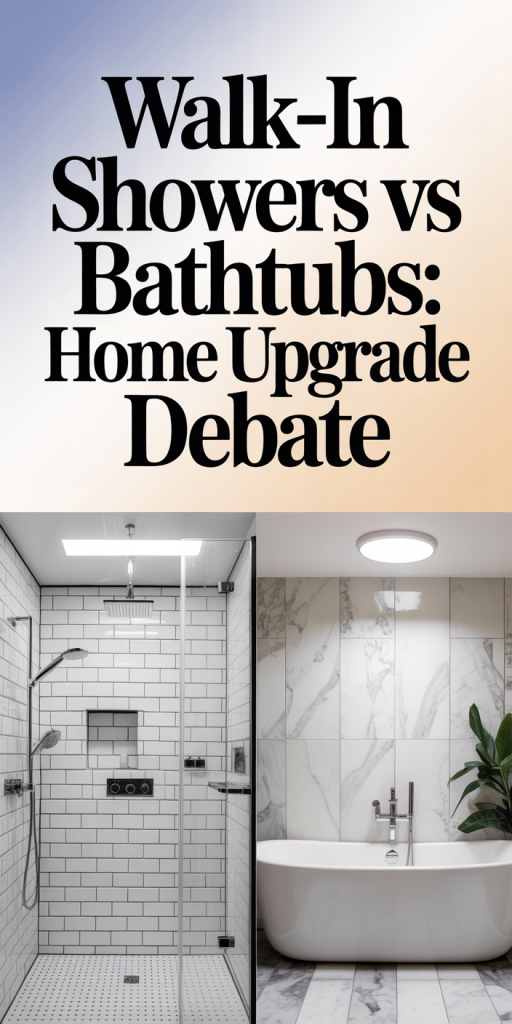
How To Decide: A Room-By-Room Checklist
Choosing room-by-room helps reconcile competing needs. We suggest a practical checklist to assess each bathroom and make targeted decisions rather than a one-size-fits-all approach.
Primary bathroom (master): Prioritize your daily habits. If we love long soaks and have space, keep or add a freestanding tub alongside a separate walk-in shower for best-of-both-worlds luxury, this configuration scores highly with buyers in many markets. If space or budget is constrained, decide based on who primarily uses the room: couples who prefer showers should lean toward a high-end walk-in: those who prioritize relaxation should retain a tub.
Secondary bathrooms (hall baths): These should serve family and guests. If the household includes young children or frequent pet baths, keep at least one tub. Otherwise, a stylish shower can save space and modernize the home.
Guest and powder rooms: Skip tubs here. These spaces benefit most from compact, well-appointed fixtures and a clean, accessible layout.
Small apartments and condos: Space efficiency is king. A walk-in shower typically maximizes usable space and visual openness, improving perceived square footage, often a decisive selling point.
Aging-in-place areas: If we think long-term, parents moving in, future mobility issues, installing at least one curbless shower with grab bars and a bench is wise. Consider installing reinforced walls for future grab-bar placement even if we don’t add them immediately.
Practical tip: Don’t make the decision in a vacuum, consider regional resale expectations. In family-heavy suburbs, a tub can be a checklist item for buyers: in urban rentals or luxury condos, a large walk-in shower may be more attractive.
Conclusion
There’s no universal winner in the walk-in showers vs bathtubs debate, only the right choice for a given home and household. If accessibility, modern aesthetics, and space efficiency top our priorities, a walk-in shower is often the smarter upgrade. If relaxation, family needs, or therapeutic bathing matter, a bathtub remains indispensable. Our recommendation: evaluate each bathroom individually, factor in resale expectations for your neighborhood, and balance upfront cost against long-term maintenance and lifestyle value. When possible, include at least one of each in the home plan: that flexibility appeals to the widest range of buyers and ensures our home serves us well today and into the future.

Leave a Reply