Category: Interior Design

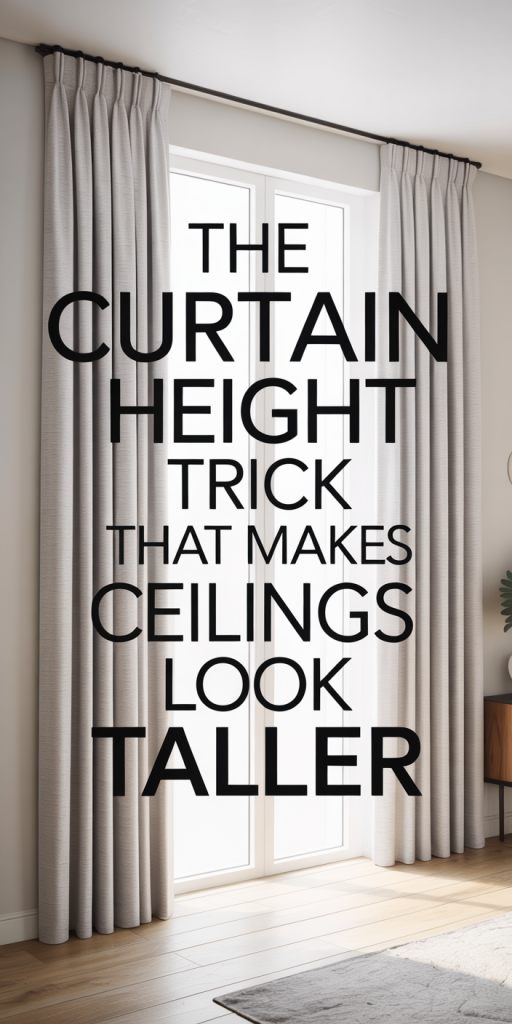
  • Raise Your Curtains, Raise Your Room: The Curtain Height Trick That Makes Ceilings Look Taller In 2026

    Ceiling height is one of those room features people notice, even if they can’t name why a space feels cramped. We’ve learned a simple visual hack interior designers use again and again: raising curtain hardware and lengthening drapery to create a powerful vertical illusion. In this guide we’ll explain why the curtain height trick works, show exactly where to place rods (including ceiling-mount options), give practical measurements so the result looks natural, and recommend fabrics, rods, and styling choices that amplify height. We’ll also cover variations for low ceilings, vaulted rooms, and irregular layouts so you can use the trick in almost any home. By the end, you’ll have the confidence to reposition or replace your curtains in a way that lifts the whole room, without construction or renovating the ceiling.

    How The Curtain Height Trick Creates The Illusion Of Taller Ceilings

    Perception is everything. When we look at a room, our eyes naturally follow lines, walls, windows, and vertical elements, toward a vanishing point. The curtain height trick exploits that tendency: by extending fabric and hardware upward, we create continuous vertical lines that suggest the ceiling is farther away than it really is. There are a few visual principles at work here. First, the uninterrupted vertical line. A long panel, hung high, draws the eye upward and reduces the visual emphasis on the actual window edge, which often sits well below the ceiling. Second, scale and proportion. When curtains start closer to the ceiling, the window reads as part of the wall rather than a separate, limiting frame. That shifts perceived scale in favor of height.

    Third, contrast and framing. Dark or clearly defined frames near the ceiling can either shorten a room or create drama, used correctly, a slim rod or discreet cornice close to the ceiling keeps attention moving up instead of stopping at the window. Finally, floor-to-ceiling continuity matters: when both the top and bottom of the drapery connect visual anchors (ceiling line and floor plane), the vertical dimension feels extended. We also see psychological effects: taller rooms feel airier and more elegant, and taller vertical cues give the impression of grandeur even in modest spaces.

    In short, the trick isn’t about magic so much as redirecting how the eye reads architectural proportions. With selective hardware placement, panel length, and styling decisions, a room can feel feet taller without touching a single joist.

    Where To Hang The Rod: Ceiling-Mount Versus High Wall-Mount

    Choosing between a ceiling-mount or a high wall-mount rod is one of the most important decisions we make when applying the curtain height trick. Each option has strengths and constraints.

    Ceiling-mount: This approach attaches the rod or track directly to the ceiling. It offers the strongest illusion because the rod sits at the absolute top of the room, eliminating any visual gap between the curtain and ceiling. Ceiling-mounts work particularly well with lightweight tracks, minimal hardware, or sheer panels that want to appear as though they’re flowing from the ceiling itself. They’re ideal when we want a seamless, airy look or when architectural details (like crown molding) are minimal. Installation typically requires anchors appropriate for the ceiling material: hollow-core or plaster ceilings may need toggle anchors or professional help.

    High wall-mount: This method positions the rod on the wall several inches above the window frame, commonly 4–12 inches up, but sometimes more. High wall-mounts are less invasive to install and offer flexibility when the ceiling prevents a direct mount (for example, heavy crown molding or irregular surfaces). We recommend wall-mounts when hanging over windows with existing casings or when the ceiling is too complex for a safe ceiling attachment. The key with high wall-mounting is to keep the rod close enough to the ceiling line to preserve the illusion. Mounting too low defeats the effect.

    Practical considerations: If insulation, HVAC, or crown molding gets in the way, a high wall-mount is often the pragmatic choice. For renters or those avoiding holes in the ceiling, use high wall-mounts and make sure to place them as high and discreet as structural constraints allow. For the most dramatic lift, we favor ceiling-mounted tracks for their uninterrupted verticality, but both methods can produce excellent results if installed thoughtfully.

    How High To Hang Curtains: Practical Measurements That Always Look Natural

    Measurements turn this trick from guesswork into a repeatable result. We use a few reliable rules of thumb depending on ceiling height and window placement.

    Standard approach (most rooms): Hang the rod 2–4 inches below the ceiling line or crown molding. This keeps hardware close enough to read as part of the ceiling plane without risking scuffs. If your ceiling is 8 feet, placing the rod 2–4 inches from the ceiling still leaves enough fabric to reach the floor elegantly.

    Rental-friendly approach: If you can’t touch the ceiling, mount the rod as high above the window casing as possible, ideally 6–12 inches above the frame. The higher the better within reason: avoid mounting so high it clashes with doorways or feels awkward. Even a 6–8 inch increase over traditional placement creates a noticeable lift.

    Floor clearance: For the bottom, choose one of three looks: 1) floating (1/2″ clearance from the floor) for casual modern spaces, 2) grazing (1/8″–1/4″ clearance) for crisp, tailored rooms, or 3) puddling (2–6 inches on the floor) for romantic, layered interiors. We generally recommend grazing or half-inch clearance because both maintain vertical continuity without collecting dust.

    Panel width and overlap: Each panel should be 1.5–2.5 times the width of the window for proper fullness when closed. That fullness helps maintain the vertical line: too narrow panels look skimpy and reveal the window frame, wasting the height illusion.

    Measure twice: Start by marking the ceiling line and use a laser level for accuracy. If you’re unsure, mock up with inexpensive tension rods or clip-up fabric to test visual effect before committing to screw holes.

    Fabric, Rods, And Hardware That Amplify Vertical Lines

    Not all materials play equally well with vertical illusions. The right fabric, rod finish, and hardware design will either accentuate or undermine the effect.

    Fabric: Choose fabrics with a vertical drape and medium to heavy weight for most rooms. Linen blends, cotton sateen, and wool-rich textiles create straight, uninterrupted lines. Sheers can work if we double-layer them with heavier panels: the sheer gives translucent height while the opaque panel provides the vertical continuity. Avoid overly textured, stiff fabrics (like heavy brocades) that bunch or disrupt vertical flow.

    Pattern and color: Vertical stripes or subtle linear weaves enhance height. Solid, monochromatic panels reduce visual breaks and push the eye upward. For small rooms, lighter tones reflect light and amplify airiness: for grander statements, deep monochromes hung high add drama and still elongate.

    Rods and tracks: Minimal, slim rods keep attention on the fabric rather than the hardware. Concealed tracks installed in the ceiling or slim metal rods painted to match the ceiling color become visually invisible and extend the curtain’s perceived start point. If using decorative rods, select ones with a modest profile, large finials can draw attention back toward the window and shorten the look.

    Hardware placement and accessories: Use rings or gliders that allow the panel to fall evenly. Clip-top rings can create a casual ripple while sewn-in pockets create a staunched, vertical fall. We like curtain hooks that create soft, uniform folds. When using tiebacks, position them lower than mid-height: too-high tiebacks chop the vertical sweep. For a clean, column-like look, consider motorized ceiling tracks which maintain a perfectly straight header and are especially useful for very high installations.

    Styling Tips To Reinforce The Vertical Illusion (Length, Pleats, And Panel Width)

    Styling choices are where the trick starts to feel intentional rather than accidental. We focus on length, pleats, and panel width to keep lines pure and proportion right.

    Length: As noted, panels should either graze or slightly brush the floor. If we’re after a modern, tailored effect, we measure for a 1/8″–1/2″ clearance. For a relaxed or luxurious look, add 2–6 inches of puddling. Whatever we choose, being consistent in all windows in a room preserves the vertical rhythm.

    Pleats and headers: The type of header affects how the fabric falls. Pinch pleats create structured vertical folds that emphasize height. Pencil pleats and ripple folds create smooth, continuous lines, less formal but very effective for elongation. Avoid wide box pleats that create horizontal breaks near the header and can visually cut the room’s height.

    Panel width and stacking: When curtains are open, they should stack neatly to the side without blocking light or creating visual clutter. For larger windows or sliding doors, consider three-panel systems where the center panel stacks between two side panels, this maintains verticality even when open. Overly narrow panels leave gaps and reveal window frames, which reduces the illusion.

    Color blocking and borders: Resist horizontal contrast at the top or bottom of panels. Horizontal bands, bold hem details, or contrasting toppers interrupt the vertical read. If you want interest, add vertical trim or double panels of slightly different tones to keep the eye moving vertically.

    Layering: A sheer underpanel plus an opaque outer panel creates depth without breaking vertical lines. We often use sheers hung from the same high track so they appear as one continuous layer from ceiling to floor.

    Adapting The Trick For Different Ceiling Types

    The curtain height trick needs tweaks depending on ceiling architecture. We break down the practical adaptations for low ceilings and for sloped, vaulted, or irregular ceilings so you can apply the approach in any room without losing style or function.

    Low Ceilings: Small-Room Strategies

    Low ceilings are where this trick can make the biggest psychological difference, if we avoid common mistakes. First, keep rods as close to the ceiling as possible. Even an extra 4–6 inches above a standard window makes a pronounced change. Use lighter fabrics that collect less bulk at the top: heavy pelmets or large valances defeat the purpose by creating horizontal weight near the ceiling.

    We recommend choosing narrow vertical stripes or plain light-colored panels that blend with the wall color to reduce visual breaks. Avoid heavy crown molding or large decorative cornices above the rod, if those exist, mount the rod just under the molding and paint the molding and wall in a continuous tone to visually push the ceiling line upward.

    Another handy trick is to run rods across multiple adjacent windows or across a wall to create a continuous band of fabric. That horizontal continuity across the top can paradoxically make the room read taller because the eye sees a unified vertical field rather than multiple cropped windows.

    Finally, keep furniture low and avoid tall, chunky furniture against the window wall. Low-profile furnishings preserve the new vertical emphasis and prevent the room from feeling top-heavy.

    Sloped, Vaulted, Or Irregular Ceilings: Placement Solutions

    Sloped and vaulted ceilings present both opportunity and complexity. The dramatic height is naturally elongating, but windows under slopes can read oddly if curtains are hung in a conventional way. For vaulted spaces, ceiling-mounted tracks that follow the slope can look spectacular: they allow curtains to hang from the true ceiling line and maintain uninterrupted vertical flow along the wall plane. Motorized flexible tracks are particularly useful here because they handle curves cleanly.

    For triangular or irregular-shaped window openings, we suggest framing the window with a straight horizontal rod placed at the visual apex of the wall (often where the wall meets the ceiling at the highest point). Then use full-length panels on the adjacent flat wall to continue the vertical rhythm. If the slope makes ceiling mounting impossible above the window, mount a continuous track at the highest practical point on either side of the window and let panels hang straight down, this creates the read of a taller vertical field beside the unusual window shape.

    In rooms with exposed beams or complex architectural details, match hardware finish to the beams or ceiling elements so the rod recedes visually. This helps the curtains become the vertical canvas rather than a competing design element. Always test with sample drop cloths or temporary tension rods first: these spaces reward careful mockups before permanent installation.

    Conclusion

    The curtain height trick is one of the highest-return upgrades we can make to a room: minimal cost, reversible installation, and instant visual impact. By choosing the right mounting method, measuring precisely, selecting fabrics and hardware that support continuous vertical lines, and adapting the approach to ceiling type, we can make spaces feel taller, airier, and more composed. Try one change at a time, raise the rod, lengthen the panels, or swap a header style, and you’ll quickly see why this is a favorite tool among designers. In short: hang higher, measure carefully, and let the curtains do the lifting.

  • The Accent Wall Trick That Doesn’t Look Cheap: A 2026 Guide To High-End Results On Any Budget

    Accent walls are one of those design moves that can transform a room overnight, when done right. We’ve seen the good, the bad, and the painfully obvious attempts that read as cheap or awkward. This guide exists to help you use the accent wall trick that doesn’t look cheap, whether you’re refreshing a rental, staging to sell, or investing in a forever home. We’ll walk through when an accent wall still makes sense in 2026, the pitfalls to avoid, materials and finishes that read as high‑end, design rules to keep things cohesive, placement and proportion tips, plus budget-friendly, DIY-forward strategies that deliver wow without wasting money. Read on and you’ll be ready to design an accent wall that looks intentional, layered, and, most importantly, expensive.

    Why Accent Walls Still Work — And When To Use One

    Accent walls remain a powerful tool because they alter perception: they highlight, anchor, conceal, or expand a space without the expense of a full‑room overhaul. We still recommend them when you want to create a focal point quickly, define zones in an open plan, or add character to a neutral space that needs personality. But they’re not a universal fix. An accent wall works best when it responds to the room’s architecture, a fireplace wall, the back of a bed, a built‑in bookcase, or the wall behind a dining table. These positions naturally draw the eye and feel purposeful.

    We avoid accent walls when they’re used to mask clutter or when they ignore proportional logic. If you’re in a tiny room with low ceilings, a heavy, dark accent on all four walls will make the space feel boxy. Similarly, painting a single short wall in a narrow room can make the room feel chopped. Instead, opt for finishes or treatments that enhance light and vertical lines if you want the room to feel larger. In 2026, with more open concept living and multifunctional rooms, accent walls are most effective when they define function and speak to the room’s natural focal architecture rather than imposing a trend on the space.

    In short: use accent walls to amplify existing features, create intentional zones, and inject texture or color where it supports circulation and sightlines.

    Common Mistakes That Make Accent Walls Look Cheap

    Some mistakes show instantly: the accent wall that looks slapped on because it’s an afterthought. Here are the frequent errors we see and how to avoid them.

    1. Choosing the wrong wall. Picking the smallest or most hidden wall ruins the purpose, it should be the wall the eye naturally goes to. 2) Overly saturated colors without balance. An ultra‑bright or neon hue can be energetic, but without supportive neutrals and layered textures it reads gimmicky. 3) Using a single flat coat of paint as the only treatment. Cheapness often stems from lack of depth, the finish matters as much as the color. 4) Ignoring scale and proportion. Busy patterns or large panels in a cramped space overwhelm: too-small accents get lost. 5) Poor edges and transitions. Uneven lines, sloppy trim work, and visible seams make even premium materials look budget. 6) Clashing with existing finishes. An accent wall that fights the flooring, moldings, or fixed cabinetry will always look off.

    We recommend a quick checklist before committing: test paint in multiple lights, view wallpaper or panel samples in situ, and consider how furniture or art will sit against the surface. If the treatment can’t hold up under a 30‑second gaze without feeling unresolved, rethink it.

    Materials That Instantly Elevate An Accent Wall

    Materials change everything. Where a single coat of paint can look cheap, well‑chosen materials signal intention and craft. Here are options that read as high‑end even on modest budgets.

    • Real or engineered wood: Thin shiplap, reeded panels, or vertically installed planks add warmth and dimension. We prefer richer grain or painted tones that play with light rather than raw plywood strips that can look DIY.
    • Stone veneer: A stacked stone veneer applied thoughtfully (not over an entire room) brings tactile luxury. Choose slim profiles and muted tones for a modern aesthetic.
    • Plaster and limewash: Venetian plaster or a limewash glaze creates subtle depth and artisanal texture. These finishes refract light differently from paint and age beautifully.
    • High‑quality wallpapers and grasscloths: Modern printed papers with satin or textile blends read expensive. Grasscloth in a restrained palette adds texture and works well behind sofas or beds.
    • Porcelain or large‑format tiles: Tactile tiles installed with narrow grout lines near a fireplace or in a powder room offer durability and polish.

    We like combining materials too, a painted wall with a slim wood-accent band, or wallpaper framed by millwork, to keep the look layered and intentional rather than flat.

    Design Principles For A Cohesive, Sophisticated Look

    A successful accent wall follows design principles that make it feel intentional rather than decorative. Here’s how we think through each project.

    Hierarchy and focus: The accent wall should reinforce a single focal point, not compete with multiple elements. We ask: What do we want your eye to do when it enters the room? The answer defines the finish, scale, and contrast.

    Balance and restraint: Sophistication often equals restraint. One strong wall paired with complementary, subtler textures and colors around the room reads curated. Avoid fighting patterns and colors: instead, echo elements like throw textiles or artwork hues.

    Consistency of finish: If the room has matte wood or satin metals, consider finishes that harmonize, don’t juxtapose matte wallpaper with ultra‑gloss trim unless done intentionally.

    Layering: Treat the accent wall as one layer in a system: paint or panels, a main furniture anchor, lighting, and an accessory layer (art, mirror, shelving). A layered approach makes even inexpensive materials feel considered.

    Proportion and scale: We determine the scale of pattern, groove, or panel based on ceiling height and wall width. Large panels suit tall walls: narrow fluting works for smaller spaces.

    When in doubt, we scale back and create detail through lighting and styling, often a great light fixture or a handful of well‑placed art pieces will make the wall feel deliberate.

    Placement And Proportion: Where An Accent Wall Works Best

    Placement is more important than material if you want a finish that looks intentional. Here are our rules of thumb.

    Anchor the main focal point: Use the accent wall behind the primary piece, sofa, bed, console, or fireplace. This reinforces the functional center of the room.

    Respect sightlines: Consider what visitors see first when they enter. The accent should complement, not confront, that view. In open plans, use an accent to delineate a zone rather than isolate it.

    Vertical versus horizontal emphasis: Tall ceilings benefit from vertical treatments like fluted panels or vertical planks to emphasize height. Low ceilings respond better to horizontal grain or lighter tones that make the room feel wider.

    Partial walls and half treatments: Sometimes a full wall is too much. We use a half-height panel, a framed wallpaper section, or a band of wood behind a headboard. These solutions reduce cost while adding deliberate visual interest.

    Scale the pattern and material: Large‑scale patterns suit big, uninterrupted walls. If the wall has windows, doors, or radiators, choose simpler treatments that won’t compete with interruptions.

    Finally, pair with lighting: A wall looks expensive when it’s lit intentionally. Picture lights, adjustable sconces, or concealed LED strips that wash texture will elevate even economical materials.

    Budget-Friendly, High-Impact Ideas And DIY Tips

    You don’t need a luxury decorator to create a high‑end accent wall. With thoughtful choices and a bit of elbow grease, we achieve big results on small budgets.

    1. Paint techniques over new materials: A layered paint finish (base coat + glaze or soft metallic wash) can mimic plaster or limewash for a fraction of the cost. Practice on boards first.
    2. Framed wallpaper panels: Buy a single roll of premium wallpaper, frame it with inexpensive trim, and mount two or three panels instead of papering a whole wall. It reads curated and saves money.
    3. Reclaimed or engineered wood planks: Instead of full‑thickness hardwood, use engineered planks or thin veneer. Lay them vertically or in chevron for interest. Pre‑finished boards reduce labor.
    4. Temporary peel-and-stick tiles and panels: High‑quality stick‑on tiles have come a long way. Use them behind an entry console or in a powder room: they’re renter‑friendly and easy to replace.
    5. Painted reeding with MDF: We cut thin MDF strips and glue them to the wall to create reeded texture, then paint in a sophisticated matte. It’s inexpensive and looks custom when the seams are filled and sanded.
    6. Add lighting strategically: A directional sconce or uplight transforms texture into luxury. Lighting is one of the highest ROI upgrades for an accent wall, it makes materials sing.

    DIY tips to avoid the “cheap” look: take time on surface prep (patching, sanding, priming), use high‑quality caulk and paint tape for crisp edges, and invest in a good brush for cut‑in work. We also recommend trying a small mock‑up and living with it for a week to ensure the color and material play well with daily light.

    Conclusion

    The accent wall trick doesn’t have to look cheap, it just requires intention. By choosing the right wall, selecting materials that create depth, applying thoughtful finishes, and considering proportion, color, and lighting, we can make an accent wall feel custom and timeless. Even on a modest budget, techniques like framed wallpaper panels, engineered wood, textured paint, and smart lighting turn inexpensive materials into elevated design. Our final piece of advice: always test, edit, and layer. When an accent wall feels like a single thoughtful layer in a well‑curated room, it reads expensive, and that’s the real trick.

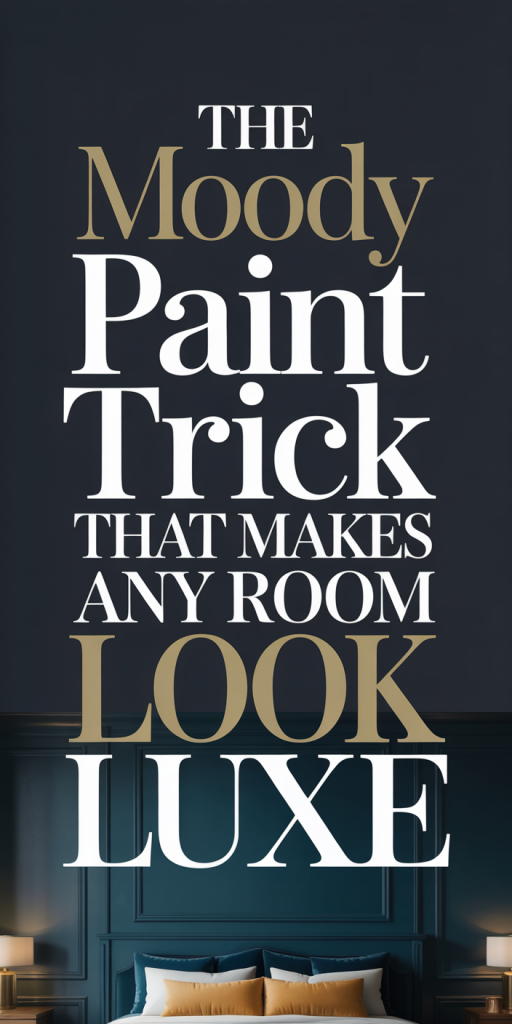
  • The Moody Paint Trick That Makes Any Room Look Luxe (How To Do It Right In 2026)

    We’ve all seen rooms that look effortlessly expensive: deep, saturated walls, dramatic contrast, and an overall sense of intention that reads as luxe. The secret in many of those spaces is a specific moody paint technique that balances depth with clarity, not just slapping on a dark color, but manipulating undertone, finish, lighting, and trim to make the entire room sing. In 2026 that trick is more refined: designers are pairing jewel-toned neutrals, updated charcoal blends, and warmer black formulations with modern finishes and strategic lighting to create rooms that feel both cozy and elevated. In this guide we’ll explain exactly what the moody paint trick is, why it works, how to choose the right palette, which surfaces benefit most, step-by-step application tips, and how to style the finished space so the effect reads thoughtful rather than heavy.

    What The Moody Paint Trick Is And Why It Works

    The moody paint trick is a calculated approach to using saturated, low-value paint colors to create perceived luxury. It’s not simply choosing the darkest paint available: it’s about selecting hues with controlled undertones, matching them with finishes and trim treatments, and optimizing light so shadows and highlights sculpt the room. When done right, a moody room feels curated, intimate, and rich, even in modest square footage.

    Why this works: our brains associate depth and restraint with cost and intention. Darker, nuanced walls reduce visual clutter and make furnishings and architectural details pop. A deep charcoal wall behind a gold mirror reads as deliberate and expensive: the same mirror on a pale, busy wallpaper might feel accidental or ordinary. The trick also plays on contrast: pairing moody walls with carefully chosen trim, metallic accents, and lighting creates a layered visual hierarchy that reads as high-end.

    There’s a science to it. Color appearance changes with light temperature, surface sheen, and surrounding materials. A blue-black with a cool undertone can appear flat under warm incandescent light, while a slightly warmer black with brown undertones will feel richer and less like a void. In 2026 we’re seeing smarter pigment blends and formulations that retain chroma in low lighting, meaning moody colors can read luxe without swallowing a room whole.

    We should also call out psychological effect: moody colors encourage focus and calm. They’re commonly used in dining rooms, studies, and master bedrooms because they promote relaxation and intimate conversation, emotional states associated with refined living. When we combine psychological resonance with the visual mechanics above, the result is a room that feels intentionally luxurious rather than merely dark.

    Choosing The Right Moody Palette For Your Space

    Selecting the right palette is the foundation of the moody paint trick. The best moody palettes balance chroma (color intensity), value (lightness/darkness), and undertone (the hidden color that shifts with light). Here’s how we approach palette selection in practice.

    Start with function and mood: what do we want the room to feel like? For intimacy and warmth, we lean toward deep burgundy, warm black, or chocolate-toned paints. For modern drama, cooler navy-blacks, inky teals, and graphite grays work well. For a luxe-but-soft look, muted plum or moss green with low saturation reads elevated without feeling heavy.

    Consider scale and natural light: small, north-facing rooms benefit from moody colors that have warmer undertones or slight reflectance. A pure blue-black in a north-facing room can feel cold and cave-like: a black with brown or red undertones will reflect subtle warmth. Conversely, sunlit rooms can take cooler moody colors, think indigo or slate, because daylight balances the shade.

    Mixing neutrals with jewel tones: one of our favorite strategies is to anchor a room in a moody neutral (charcoal, deep taupe, or blackened gray) and add one or two jewel-toned accents, a sapphire cabinet, a malachite vase, or a ruby cushion. This creates contrast and prevents monotony while reinforcing a luxe palette.

    Palette tools and palettes to try in 2026:

    • Blackened Brown: a near-black with warm brown undertones, immersive and warm.
    • Slate Indigo: deep blue with gray base, modern and calm.
    • Forest Noir: muted deep green with a touch of gray, organic, luxe.
    • Warm Charcoal: charcoal with subtle red or brown undertone, great for living spaces.
    • Dusty Plum: deep plum, low chroma, feminine and sophisticated.

    Undertones, Finishes, And Sample Testing

    We can’t overstate how important sample testing is. Paint swatches in the store rarely tell the full story. Take 12″x12″ samples, paint them on foam core or large poster board, and view them at different times of day and under your room’s lamps. Observe for at least three days: morning daylight, afternoon brightness, and evening artificial lighting. Note how undertones emerge, a green undertone in a gray might appear only in twilight, which could be exactly the look you want or an unwelcome surprise.

    Finish matters. Matte and low-sheen finishes absorb light and deepen color: they’re perfect for walls where we want a velvety, continuous field. Satin and eggshell reflect more light and can enhance depth while adding slight sheen that reads more formal. For trim and doors, we often suggest a higher sheen (semi-gloss or satin) to create crisp contrast and to stand up to wear. In 2026, hybrid finishes that mimic matte depth but are wash-resistant give us the best of both worlds, pick those if you expect wear or moisture exposure.

    Finally, consider color families across connecting rooms. If your hallway flows into a living room, ensure the moody color reads cohesive when seen in sequence: test the most visible vantage points to avoid jarring transitions.

    Best Rooms And Surfaces For The Trick

    Not every surface benefits equally from moody paint. We prioritize rooms and surfaces where moodiness enhances function and looks intentional. Here are the prime candidates and why they work.

    Dining Rooms

    Dining rooms are a classic stage for moody paint. Deep walls make the table, lighting fixture, and tabletop objects the focal point. Moony colors create intimacy for dinner parties and highlight metallic accents and linens. A dark backdrop also makes artwork and mirrors read like editorial statements.

    Bedrooms

    Bedrooms benefit from the calming effects of deep colors. In master suites, a moody palette paired with layered lighting and soft textiles creates a cocooning effect that feels luxurious. We often recommend painting the entire room including the ceiling in an ultra-soft matte to reinforce the enveloping sensation.

    Living Rooms and Libraries

    For living rooms, choose moody colors when you want a dramatic, sophisticated entertaining space. Libraries and home offices, by contrast, gain a studious, archival vibe from dark walls, it feels like a grown-up sanctuary.

    Bathrooms and Powder Rooms

    Small bathrooms and powder rooms are excellent laboratories for moody paint. Because they’re contained and usually have a focal sink or vanity, a dramatic color reads like a design statement rather than an oppressive choice. Pair with lighter stone or metallic fixtures for contrast.

    Built-Ins, Alcoves, and Accent Walls

    Using moody paint on built-ins or alcoves is a smart, lower-commitment way to try the trick. Painted shelves in dark green or navy make books and objects pop. Accent walls behind headboards or sofas create depth without overwhelming the entire room.

    Doors, Ceilings, and Trim

    In 2026, designers increasingly paint ceilings and doors in moody hues to create cohesion. A painted ceiling in a slightly lighter shade than the walls can lift a room while still feeling luxurious. Painting interior doors and built-in cabinetry the same moody color extends the effect and creates a curated, enveloping look.

    Surfaces to Avoid

    We avoid heavy moody paint on cramped, windowless rooms unless balanced with strong artificial lighting and reflective accents. Also be cautious with large patterned textiles or busy wallpaper, pairing them with moody paint can create visual conflict unless carefully curated.

    Overall, the best rooms for the moody paint trick are spaces where you want to slow the pace and make objects and finishes feel intentional. That’s where the trick reads luxe rather than just dark.

    Step-By-Step: Prep, Paint, And Finishing Techniques

    Executing the moody paint trick requires disciplined prep and thoughtful technique. We’ll walk through a reliable process that minimizes surprises and maximizes the high-end look.

    1. Prep the Space
    • Clear and clean: Remove furniture or move it to the center and cover. Clean walls with a mild degreaser: grime shows up more on dark colors. Repair holes and sand rough spots.
    • Prime: Use a high-quality primer, especially if covering a lighter color. For very deep hues, use a tinted primer matched closer to the final color to reduce the number of finish coats. A stain-blocking primer helps with water stains or tannin bleed-through on older walls.
    1. Choose Tools and Paint Quality
    • Paint quality matters more than technique here. Upscale, richly pigmented paints provide better depth and hide: they also tend to level more smoothly. In 2026, many premium lines include pigments that retain chroma in low light, choose those if available.
    • Rollers: Use a high-density microfibre roller for smooth coverage. For a velvet finish, a 1/4″ nap roller often gives the best result. Trim brushes should be high-quality synthetic or natural blends for crisp lines.
    1. Cut In Carefully
    • Cut in around ceilings, corners, and trim with a steady hand. For best results, we like to use painter’s tape sparingly, only where a super-crisp edge is essential. Taping can sometimes lift matte finishes or create seams: a steady brush technique produces a cleaner, more natural edge.
    1. Apply Even Coats
    • Moony colors often need two to three thin coats. Avoid heavy single coats, they dry unevenly and highlight imperfections. Allow proper drying time between coats, and watch for lap marks. Work in small sections and maintain a wet edge.
    1. Blend Sheen and Texture
    • If you’re painting trim in a higher sheen, paint walls first and trim second. Use a light blocking coat between the two if you want perfectly crisp lines. For built-ins or cabinets painted in the same moody hue, consider spraying for a factory-smooth finish.
    1. Special Finishes and Techniques
    • Soft Gradation (Ombre Accent): For a subtle luxe effect, create a soft gradation on an accent wall using the same pigment at varying values. This reads custom and high-end when done by a steady hand or professional.
    • Glaze or Wax: In formal rooms, a very light glaze over a dark paint can add depth and movement. We only recommend this for textured walls or architectural spaces where the extra nuance will be appreciated.
    1. Final Inspection and Touch-Ups
    • Live with the color for a few days and note spots that read uneven. Patch small inconsistencies with a touch-up brush rather than repainting large areas. Clean up edges and remove any tape slowly at a 45-degree angle to avoid peeling.
    1. Maintenance
    • Dark walls show fingerprints more easily in high-traffic zones. Use washable or scrubbable paint in hallways and family rooms. Keep a small touch-up can for future nicks, matching sheen is the main challenge, so store leftover paint properly.

    Follow these steps and the moody paint will look deliberate, flawless, and luxurious rather than rushed or heavy.

    Lighting, Trim, And Styling To Elevate The Effect

    A moody paint job is only as good as the context around it. Lighting, trim choices, and styling decisions make the difference between moody and majestic.

    Lighting: Layered and Intentional

    • Ambient + Accent + Task: Layered lighting is essential. Ambient light provides overall visibility, accent lights highlight artwork and architectural features, and task lighting serves functional areas. In a moody room, accent lights become dramatic players, picture a picture light over a painting or a directional sconce that throws soft pools of light across textured walls.
    • Color Temperature: Choose warmer LEDs (2700–3000K) to keep deep walls feeling cozy. Cooler light (4000K+) can make moody blues and greens feel crisp, but may read clinical in intimate spaces. Use dimmers, they’re non-negotiable: dimming deep colors adds mood and reveals hidden undertones.
    • Reflective Fixtures: Brass, polished nickel, or smoked glass fixtures create interesting reflections against deep walls: use them strategically to add sparkle without overpowering the color.

    Trim and Millwork: Contrast With Purpose

    • Match or Contrast: For a seamless, enveloping look, paint trim the same color as the walls but in a slightly glossier sheen. This creates depth without the hard lines of white trim. Conversely, crisp white trim against moody walls reads modern and graphic: choose the approach that aligns with your design language.
    • Doors and Cabinetry: Painting doors and cabinetry in the same moody color extends the field and creates a built-in feel. For a layered look, paint trim and doors in a slightly lighter or warmer variant of the wall color.

    Styling: Material Choices That Pop

    • Metallics: Gold, brass, and champagne tones contrast beautifully with deep walls. Use them sparingly, a mirror frame, lamp base, or drawer pulls are enough to read luxe.
    • Textiles: Layer tactile fabrics, velvet cushions, wool throws, and silk drapery. Textures read more important against a dark backdrop: even modest pieces will look richer.
    • Art and Accessories: Seek high-contrast artwork or sculptural objects. A large-scale painting with lighter values or a marble sculpture will become an instant focal point. For shelves, arrange objects in small groupings to avoid visual clutter.
    • Flooring: A lighter, neutral floor (wide-plank oak, pale stone) balances deep walls and prevents the room from feeling grounded too low. If you prefer dark floors, introduce area rugs with pattern and light tones to lift the palette.

    Practical Touches

    • Mirrors: Use mirrors to bounce light around and open sightlines. A large mirror opposite a window will amplify daylight and make moody walls feel less confining.
    • Plants: Deep greens, both painted walls and living plants, complement each other. Plants add life and break the visual stillness of moody color.

    When we combine considered lighting, purposeful trim choices, and curated styling, the moody paint trick transcends simple color and becomes a complete design composition that reads truly luxurious.

    Common Mistakes To Avoid

    The moody paint trick is high-reward but also easy to botch if we hurry or skip steps. Here are common mistakes we consistently see and how to avoid them.

    1. Skipping Samples and Relying on Swatches

    Problem: A small paper swatch rarely captures how a color behaves under your light.

    Solution: Paint multiple large samples on poster board and observe at different times and with your room’s lighting. Take photos and live with them for a few days.

    1. Ignoring Undertones

    Problem: Choosing a color based purely on name (“charcoal”) without testing can reveal surprising undertones that clash with furnishings.

    Solution: Look for colors in person and compare against your dominant finishes (floor, upholstery, cabinetry). If your wood has red undertones, choose a wall color with complementary warmth.

    1. Using Wrong Sheen

    Problem: Flat or velvet finishes can look beautiful but are harder to clean and may scuff in high-traffic areas.

    Solution: Use washable matte or low-sheen technology in busy rooms, and reserve true flat sheens for low-traffic zones like adult bedrooms or formal dining rooms.

    1. Over-Contrasting Trim Without Intention

    Problem: Bright white trim against a deep wall can sometimes read too stark or dated if not thoughtfully executed.

    Solution: Decide whether you want the crisp modern contrast or an enveloping tonal look. If the former, choose a warm white that relates to your flooring and furnishings.

    1. Poor Lighting Planning

    Problem: Dark paint plus inadequate lighting turns a room into an uninviting cave.

    Solution: Plan layered lighting before painting. Consider the function of each zone and install dimmers so you can adjust mood easily.

    1. Painting Everything the Same Dark Color Without Texture

    Problem: A uniformly dark room with no texture or contrast can feel flat and heavy.

    Solution: Mix materials, matte walls, glossy trim, metallic accents, textiles, to create dimensionality. Use an accent furniture piece or rug to break the field.

    1. Underestimating Maintenance

    Problem: Dark walls show dust and fingerprints more readily, especially near light switches, doorways, and handrails.

    Solution: Use scrubbable paint and keep a touch-up kit handy. For high-traffic zones, choose a finish that balances depth with durability.

    By recognizing and sidestepping these mistakes, we make the moody paint trick feel intentional and lasting rather than experimental or regrettable.

    Conclusion

    The moody paint trick is a deceptively simple way to make any room feel luxe, but it relies on decisions at every step. We’ve walked through why moodiness works, how to pick the right palette, where to apply it, and the technical and styling moves that elevate the result. When we take time to test samples, plan lighting, choose appropriate finishes, and style with contrast and texture, deep colors don’t close a room down: they lift everything inside it. In 2026 the most successful moody rooms are those that marry pigment technology with thoughtful layering, and the payoff is a space that feels considered, intimate, and unmistakably upscale.

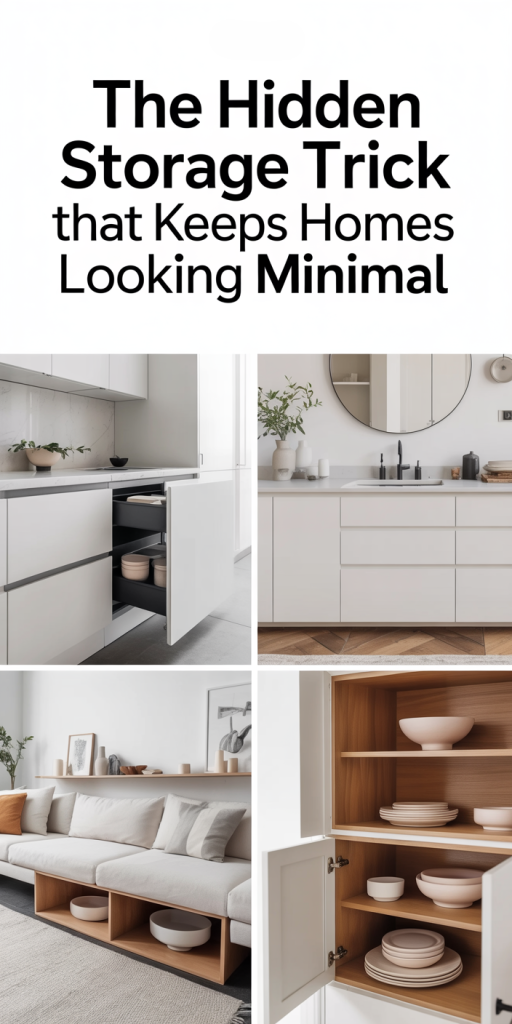
  • The Hidden Storage Trick That Keeps Homes Looking Minimal In 2026: Clever Concealment Ideas That Actually Work

    Minimal homes don’t happen by accident. They’re the result of intentional hiding, not throwing away. In 2026, the most persuasive minimalist interiors rely less on ruthless purging and more on clever concealment: storage that disappears into architecture, furniture, or trim so the eye sees calm surfaces instead of clutter. We’ll unpack the hidden storage trick that keeps homes looking minimal, explain why it works psychologically and practically, and show where to apply it room-by-room. Along the way we’ll share practical design principles, product- and material-focused advice, and budgeting tips so you can make concealed storage both beautiful and affordable. If you want fewer visible bins, better flow, and a cleaner aesthetic without sacrificing everyday function, read on, we’ll give you the tactics that actually work.

    What The Hidden Storage Trick Is And Why It Works

    The hidden storage trick is simple in concept and powerful in effect: store items in places that don’t read as storage. That might mean drawers under stairs, cavities behind trim, integrated lift-top sofas, or toe-kick drawers in the kitchen. The key is concealment that preserves a room’s silhouette and visual rhythm so the brain interprets the space as calm and intentional. Psychologically, decluttered sightlines reduce cognitive load and stress. Behavioral research shows environments with fewer visible objects improve focus and perceived spaciousness. Practically, concealed storage protects belongings from dust and daily chaos and often increases usable space compared with standalone bins.

    Concealment works best when it follows three simple rules: continuity, accessibility, and honesty. Continuity means hidden storage follows the room’s lines and materials so it doesn’t interrupt the aesthetic. Accessibility ensures the storage is used, if something is hard to reach, people stop using it and clutter reappears. Honesty acknowledges that hidden storage should solve real needs rather than be decorative gimmicks: it must fit the items we actually own.

    We should also recognize that “hidden” doesn’t equal “invisible.” Good concealed storage announces itself with subtle cues, a seam in a panel, a handle groove, or an opening reveal, so people know where to put things. In short, the hidden storage trick is about designing storage into the bones of a space, not hiding storage behind a mountain of boxes.

    Core Design Principles For Effective Concealed Storage

    Before we sketch a plan, we need rules that keep concealed storage functional and beautiful. These core design principles guide decisions from placement to materials.

    Function-first: Start with the items you need to store. Measure them and plan compartments accordingly. A drawer sized for throw blankets is different from one for board games or chargers. We recommend creating a “use map” that records who uses what, how often, and where, this prevents awkward, unused compartments.

    Blend with architecture: Concealed storage reads as an integral part of the room when it uses consistent materials, trim heights, and sightlines. Match baseboard profiles and paint colors where possible: consider hiding doors behind continuous paneling or shiplap to preserve visual flow.

    Maintain access: Choose mechanisms that make daily use effortless: full-extension drawers, soft-close slides, lift-assist hinges, and removable dividers. Accessibility also means ergonomics, place heavy or frequently used items at waist height rather than in ceiling-high cabinets.

    Layer types of concealment: Combine visible and invisible solutions. Open shelving can coexist with hidden drawers beneath: a built-in bench with a hinged lid plus cubby niches blends immediate access with concealment for seasonal items.

    Design for maintenance: Use durable, easy-to-clean materials inside concealed storage, laminate, sealed wood, or powder-coated metal. Ventilation is important for textile storage to avoid stale smells: include perforated panels or small vents where appropriate.

    Plan for evolution: Our needs change, babies, hobbies, remote work setups. Design modular concealed storage that can be reconfigured: adjustable shelving, removable dividers, and interchangeable fronts let a system evolve without a full remodel.

    High-Impact Room Applications

    Not all rooms benefit equally from hidden storage. Some spaces give the best return on effort. Below, we break down effective concealment strategies by room so you can prioritize where to focus your budget and time.

    Living Room And Media Areas

    Living rooms are where minimalism is most visible, flat surfaces, electronics, books, and consoles can quickly clutter sightlines. Concealed storage strategies here focus on cleaning the horizontal plane while keeping frequently used items within reach.

    Built-in media walls with flush cabinet doors are a classic solution. We like units with a combination of open display for curated objects and deep concealed drawers for remotes, controllers, cables, and gaming accessories. Integrate wire channels and removable panels for easy equipment access. For sofas, consider models with under-seat storage or lift-top coffee tables that hide blankets and board games. An alternative is a low-profile credenza with soft-close drawers: the continuous top acts as a display space that remains uncluttered because the storage is right beneath.

    If you want a super-sleek look, conceal the TV within a cabinet that rises or slides away when not in use. These systems are pricier but transform the room from media hub to minimal living space instantly. Finally, don’t forget floor-level concealment: hidden drawers under benches or window seats are perfect for throws and magazines without interrupting the room’s visual balance.

    Kitchen And Pantry Hacks

    Kitchens demand clever concealment because function and clutter live so closely together. Small appliances, utensils, and pantry staples can dominate counters: the solution is to integrate storage where it won’t disrupt workflow.

    Toe-kick drawers reclaim wasted space under base cabinets for baking sheets, cutting boards, or rarely used pans. Appliance garages, recessed cabinets with roll-up or lift doors, hide coffee makers and toasters while keeping them accessible. Pull-out pantries and narrow vertical cabinets maximize small gaps, offering neat storage for oils, spices, and canned goods.

    For pantries, we recommend a mix of labeled opaque containers and pull-out shelving. Opaque containers reduce visual clutter and create uniformity: labels ensure functionality. Consider built-in waste and recycling centers behind cabinet fronts to keep bins out of sight. Also, plan for ventilation if you store root vegetables or bulk goods that need air. Finally, magnetic knife strips and under-cabinet rail systems store tools off the counter without adding visual noise.

    Entryway, Mudroom, And Drop Zones

    Entryways set the mood of a home, so concealing daily detritus there pays big emotional dividends. The goal is to create a quick action zone where shoes, bags, and mail vanish immediately upon arrival.

    Built-in benches with cubbies beneath are foundational, use hinged seats or deep drawers for shoes, winter boots, and umbrellas. Wall panels with integrated hooks hide the hardware when not in use: choose recessed niches with sliding doors for a more seamless look. A shallow concealed cabinet or drawer at waist height is perfect for keys, sunglasses, and masks: add a felt-lined tray or divider so small items don’t rattle around.

    For families, consider individual locker systems behind a single facade. Each family member has a labeled compartment for shoes and outerwear, but the exterior reads as a single, tidy wall. Mail organizers that open inward keep paper out of sight and encourage daily sorting rather than piling on top of a console.

    Bedroom And Wardrobe Solutions

    Bedrooms benefit immensely from concealed storage because our sleeping environment should promote rest. Visible clothing, electronics, and accessories undermine a restful atmosphere: integrated storage restores serenity.

    Built-in wardrobes with flush-front panels provide a seamless wall while housing everything from seasonal clothing to luggage. Incorporate modular interiors, shoe racks, tie holders, jewelry drawers, and pull-out shelves, so the exterior can remain minimal while the interior is highly organized. Under-bed drawers or lift-up beds are invaluable for linens and out-of-season clothing: we prefer gas-lift mechanisms for ease.

    Nightstands with concealed compartments, hidden drawers or flip-top sections, allow bedside essentials to be nearby but out of sight. If space is tight, consider a wall niche behind the headboard with sliding panels to hide books and chargers. For smaller apartments, multifunctional furniture like an ottoman with storage or a dresser with a fold-out mirror keeps surfaces clear and provides dedicated places for everyday items.

    Smart Furniture, Built-Ins, And Architectural Trim Options

    Choosing the right mix of furniture, built-ins, and trim details makes concealed storage feel intentional rather than patchy. Let’s break down the best options and how to select them.

    Smart furniture: Look for pieces designed first as furniture, second as storage. Sofas with deep seat storage, lift-top coffee tables, and ottomans with internal compartments offer immediate wins. Choose neutral upholstery and consistent hardware finishes so these pieces blend into the larger palette.

    Built-ins: Custom millwork is the most seamless approach. Bookcases that transition into closed lower cabinets, window seats with hidden lids, and integrated desk nooks with roll-down doors deliver a unified aesthetic. Customization allows for tailored compartments, but it can be costly, consider semi-custom cabinet systems as a lower-cost middle ground.

    Architectural trim tactics: Use reveal lines, continuous panels, and shadow gaps to disguise doors and drawers. Flush doors with magnetic touch latches eliminate visible hardware, while recessed hand grooves read as part of the millwork. We’ve had success using the same veneer or paint across walls and storage fronts: continuity makes the storage recede visually.

    Multifunctional trim: Toe-kick drawers, built-in bench bases, and recessed niches in thick walls transform ordinary architectural elements into storage opportunities. These options are often more budget-friendly than full built-ins and can be added incrementally.

    Installation, Materials, And Budgeting Tips For Hidden Storage

    Concealed storage can be expensive if approached without planning. Here are practical installation, material, and budgeting tips to maximize value and avoid costly mistakes.

    Start with a plan and prioritized list. Audit what you own and decide which hidden solutions will deliver the most benefit. Rank projects, tackle the entry and living areas first if daily clutter is the problem, or prioritize kitchen work if countertops are constantly crowded.

    Materials: For interiors, use plywood or furniture-grade MDF with edge banding rather than cheap particleboard: they resist sagging and handle hardware better. For visible fronts, choose durable finishes, painted MDF for smooth, flat panels: real wood veneer for warmth: or high-pressure laminate for high-traffic rooms. Hardware matters: full-extension ball-bearing slides and soft-close hinges last longer and feel premium.

    Installation: If you’re handy, many solutions are DIY-friendly, toe-kick drawers, bench lids, and simple paneling can be assembled with basic tools. For electrical or structural changes (routed wiring for media walls, lifting mechanisms for TVs), hire pros. Get quotes from multiple contractors and request references for millwork.

    Budgeting: Expect custom built-ins to cost 2–3x more than box-store furniture per linear foot. Set aside 10–20% contingency for unforeseen issues. Consider phased implementation: start with smart furniture purchases, then add semi-custom cabinets, and finally invest in full custom millwork when budget allows.

    Maintenance and longevity: Choose finishes you’ll want to live with for years. Concealed storage is an investment in daily life: spending slightly more on durable materials reduces long-term replacement costs and preserves resale value.

    Conclusion

    The hidden storage trick that keeps homes looking minimal is less about hiding everything and more about designing storage that supports daily life without fighting the room’s aesthetic. When we plan around continuity, accessibility, and durability, concealed storage moves from novelty to essential. Start with small wins, a bench with a hinged seat, a few hidden drawers, or a media wall, and watch how quickly the house feels calmer. Over time, incremental investments in built-ins and smart furniture will compound, giving us a home that feels generous and orderly without sacrificing warmth or function.

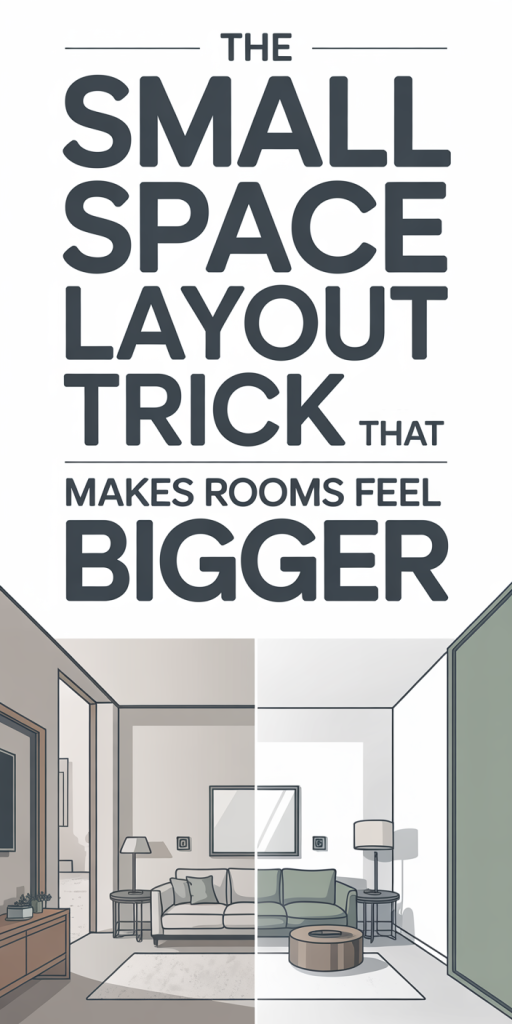
  • The Small-Space Layout Trick That Makes Any Room Feel Bigger (One Simple Shift You Can Do Today)

    We’ve all stood in a compact living room or a snug bedroom and wished for more space. The truth is, bigger square footage helps, but perception is everything. A clever layout shift can make the same four walls read as more open, breathable, and functional without renovation or major expense. In this guide we’ll show the single small-space layout trick that changes how a room feels the moment you apply it, explain why it works, where it’s strongest (and where it can backfire), and give step-by-step instructions you can follow today. Expect practical measuring tips, styling ideas, and common mistakes to avoid so you don’t waste effort on moves that look smart but actually shrink the feel of a room.

    Why Layout, Not Square Footage, Is The Real Influence On Perception

    We often default to square footage as the metric for how spacious a room feels, but our perception of space comes from sightlines, scale, and flow more than sheer area. Two rooms with identical dimensions can feel worlds apart depending on how furniture, pathways, and focal points are arranged. Visual clutter, blocked sightlines, and islands of furniture create perceived density: conversely, a few intentional choices let the eye travel and give a sense of generosity.

    Psychology helps explain this. Our brains use cues like uninterrupted lines, consistent scale, and contrast between foreground and background to judge depth. When we can see across a room, from doorway to window or from sofa to opposite wall, the brain interprets that as openness. If objects interrupt these lines, the space feels chopped up and smaller.

    Lighting also interacts with layout. Natural light becomes an ally when we orient furniture to let it penetrate and reflect, while heavy pieces placed against windows or in the path of light can create pockets of shadow that visually compress the space. Finally, functional zones matter: a room that clearly signals where we sit, work, and move without overlapping functions feels more ordered and hence larger.

    In short: square footage sets the limit, but layout determines the experience. That’s why a layout-focused trick can outperform investments in storage or color alone when our goal is to make a space feel bigger right now.

    The Layout Trick: Anchor, Align, And Clear The Flow

    The core trick we recommend is simple but surprisingly transformative: choose a single anchor piece, align secondary furniture to reinforce sightlines, and deliberately clear primary pathways. We summarize this as Anchor, Align, Clear, three related moves that together create the illusion of space.

    Anchor: Pick one dominant piece, a sofa, bed, or dining table, and make it the visual and functional center. Keep it proportional to the room: too big and it dominates negatively, too small and the space fragments.

    Align: Arrange other elements so they support continuous sightlines. That means avoiding mid-room furniture that interrupts the eye, orienting seating toward natural light or a focal wall, and using parallel or radial alignments that create implied lanes of vision.

    Clear: Designate and maintain unobstructed walkways between entry points, seating areas, and exits. Clearing these routes not only improves flow but lets light and perspective travel across surfaces with minimal interruption.

    When we apply Anchor, Align, Clear together, the room reads as intentional and spacious. Each step alone helps, but the combination multiplies the effect, the anchor gives purpose, alignment creates visual continuity, and clear paths allow perspective to do the rest.

    Where This Trick Works Best — And When To Be Cautious

    This layout approach is highly adaptable, but it performs best in certain contexts and requires caution in others.

    Where it excels:

    • Open-plan living rooms and studio apartments: With fewer fixed walls, anchoring a zone and aligning furniture can dramatically open perceived space. In studios, a single anchor (like a daybed or compact sofa) helps define living and sleeping areas without heavy partitions.
    • Narrow rooms and long corridors: Aligning furniture along the long axis visually stretches the room. Placing major pieces parallel to the longest wall emphasizes depth.
    • Rooms with strong natural light or windows: Anchoring away from the window and aligning elements to let light cross the room amplifies brightness and perceived volume.

    When to be cautious:

    • Rooms with awkward structural features: Low ceilings, numerous columns, or nonstandard alcoves may limit alignment options. Forcing a central anchor piece in these spaces can create congestion rather than clarity.
    • Very small spaces with multifunction needs: If a room must serve multiple functions (sleep, work, dining) and you pick an oversized anchor, you can unintentionally box out other uses. In those cases, choose modular or multi-use anchors.
    • Historic or ornate spaces: When architectural details are the hero, an intrusive modern anchor or overly strict alignment can fight the room’s character. We recommend letting the architecture inform anchor selection.

    The rule: adapt Anchor, Align, Clear to the room’s constraints rather than imposing it rigidly. When we read the space first, the trick enhances it: when we ignore structural realities, it can backfire.

    How To Apply The Trick: Three Practical Steps

    We break application into three pragmatic steps that match Anchor, Align, Clear. Each step is a short exercise you can do in under an hour, and you’ll see the impact immediately.

    Step 1: Measure, map, and choose your anchor piece. Step 2: Align furniture to reinforce sightlines and openness. Step 3: Create and maintain clear pathways for natural flow.

    Below we expand each step into actionable tasks and quick checks so you can carry out the layout change with confidence and minimal effort.

    Measure, Map, And Choose Your Anchor Piece

    Measure, Map, And Choose Your Anchor Piece

    First, measure the room: length, width, ceiling height, window and door locations. Sketch a simple floor plan, you don’t need pro software, a pencil sketch on graph paper works fine. Mark where light comes in and where foot traffic naturally flows.

    Next, pick an anchor. We choose a single piece that will define the room’s purpose: a sofa in a living room, a bed in a bedroom, or a table in a dining area. The right anchor is about proportion. Aim for roughly 60–70% of the room’s usable zone for that function. For example, in a small living room that’s 10×12, choose a sofa that doesn’t exceed the long wall’s comfortable span and leaves breathing room on either end.

    If we need multifunctionality, select an anchor with dual purpose: a daybed that doubles as seating, a desk that tucks under a window, or a foldable dining table. Measure the anchor’s footprint and note where it will sit relative to windows and doors. In our map, draw the anchor first, then other major elements.

    Quick checks: step back and look at your sketch, do you still see lines from entry to window? Is there a visible channel for movement? If yes, your anchor choice is likely appropriate: if not, resize or reposition before moving furniture.

    Styling And Material Tips To Amplify The Effect

    Styling and material choices amplify the Anchor–Align–Clear layout by reinforcing light, depth, and continuity.

    Color and contrast: Use a consistent, lighter palette on walls and larger furniture to expand perceived volume. But don’t go monochrome, introduce contrast in smaller accents to add depth. Dark floors with lighter walls, for instance, draw the eye across the room.

    Reflective and translucent surfaces: Strategically placed mirrors multiply sightlines and bounce light. An oversized mirror opposite a window is classic, but smaller mirrored groupings or metallic accents can achieve similar depth. Glass and acrylic furniture reduce visual weight, making the layout feel less crowded.

    Rug strategy: Use rugs to delineate zones without blocking flow: pick sizes that allow furniture legs to sit on the rug’s surface to avoid floating islands. In narrow rooms, a runner along the axis can accentuate length.

    Vertical rhythm: Create vertical visual continuity with tall, slim elements, floor lamps, vertical artwork, or narrow shelving, positioned where they won’t interrupt cross-vision. This draws the eye upward and adds perceived height.

    Scale and proportion: Keep accessory scale consistent with the anchor. Oversized coffee tables or huge art over a small sofa will make the room feel disproportionate. Conversely, a too-small anchor with huge accessories fragments the space.

    Lighting layering: Combine ambient, task, and accent lighting. Low-level ambient light alone can flatten a room. Instead, use layered sources to model depth, uplights, sconces, and a statement pendant aligned with the anchor help guide sightlines and create depth cues.

    Common Mistakes To Avoid When Reconfiguring Small Rooms

    When we reconfigure small rooms, a few recurring mistakes can undercut the layout gains. Watch for these pitfalls:

    1. Overanchoring with oversized furniture. A massive sofa or bed may feel luxurious, but in a small room it becomes a visual block. Measure first and aim for proportional anchors.
    2. Floating everything in the middle. Placing multiple pieces mid-room creates islands that interrupt flow. Use walls and long axes to anchor secondary pieces when possible.
    3. Ignoring vertical space. We often focus on floor plan alone, but neglecting vertical storage or decorative rhythm wastes volume. Slim shelving or wall-mounted lighting frees floor area and adds height.
    4. Blocking natural light. Positioning tall furniture in front of windows is a fast way to shrink a room. If privacy is needed, choose lower silhouettes or sheer window treatments.
    5. Using too many small, mismatched items. Excessive decor scatters attention. Group smaller objects into curated vignettes so they read as intentional instead of chaotic.
    6. Forgetting circulation widths. Cramped walkways kill the perception of space. Keep primary paths at least 28–32 inches wide.
    7. Over-relying on trends. A trendy oversized chair or dense patterned wallpaper can date a space and make it feel heavy. Prioritize timeless proportion and neutrality, then layer trends through inexpensive accents.

    By anticipating these mistakes, we preserve the benefits of the Anchor, Align, Clear trick and avoid undoing our work with a thoughtless purchase or placement.

    Conclusion

    The small-space layout trick, Anchor, Align, Clear, is one simple shift that yields outsized results. We don’t need to remodel or buy everything new: we need to make deliberate choices about what anchors the room, how secondary pieces align to create continuous sightlines, and how pathways remain unobstructed. With a measuring tape, a quick floor plan, and modest styling edits, we can make rooms feel larger, brighter, and more usable today. Try the three-step process in one room this weekend: measure and place your anchor, align supporting pieces, and clear the main paths. The change is immediate, and once you notice how much more generous the space feels, you’ll start seeing layout opportunities everywhere.

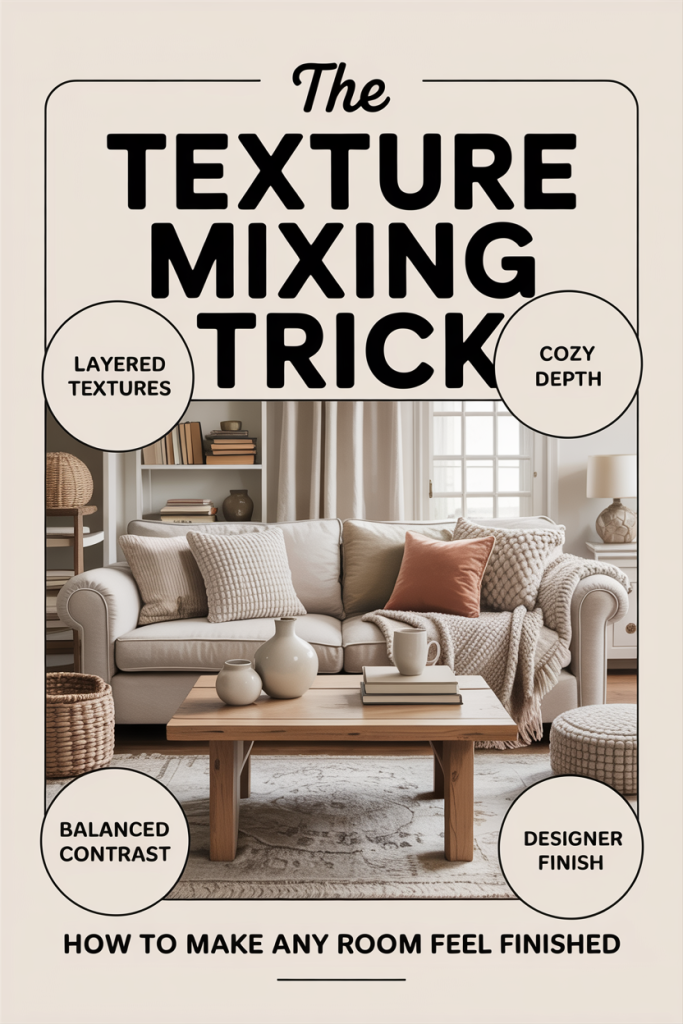
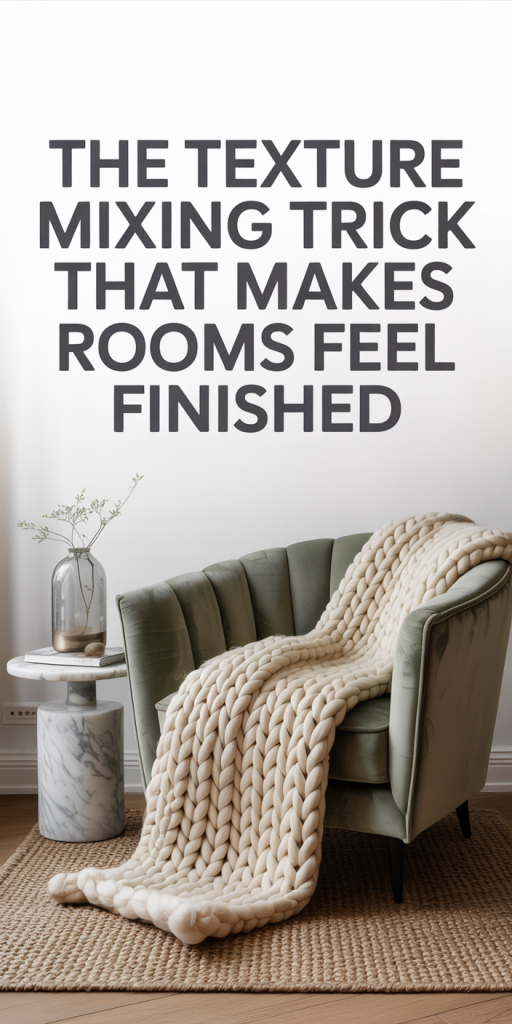
  • The Texture Mixing Trick That Makes Rooms Feel Finished: How To Layer Textures For Polished Spaces

    We often think finishing a room is all about paint color or furniture placement, but the secret most designers lean on is texture. Texture gives depth, tells a room’s story, and, done right, cements a space so it reads as intentional rather than incidental. In this 2026 guide we’ll show the simple texture mixing trick that consistently moves a room from “nice” to “finished.” We’ll explain why texture matters, unpack the core principle of balancing contrast with cohesion, and give concrete steps for choosing, layering, and correcting textures in living rooms, bedrooms, kitchens, and bathrooms. Follow along and you’ll have a repeatable method to make any space feel polished without overhauling your budget.

    Why Texture Matters In Interior Design

    Texture is one of those design elements people sense before they can name. It affects how light behaves, how we perceive scale, and how comfortable we feel in a space. When we think of texture, we shouldn’t limit ourselves to fabrics: texture includes wall finishes, floor materials, trim, metal sheens, weave types, and even the negative space created by shadows.

    Why do we care so much? First, texture provides visual contrast without changing color. A matte plaster wall beside a glossy tile floor reads richer than two surfaces painted the same shade. Second, texture influences temperature perception: smooth, reflective surfaces tend to feel cooler, while nubby, tactile textiles make a place feel warm and lived-in. Third, texture anchors style. A room with layered textures reads intentional, think a mid-century sofa with a bouclé throw and a leather ottoman, because the variety signals thoughtfulness.

    We also need to consider touch. Even if occupants rarely run their hands along the walls, implied touchability matters. Textural variety invites interaction and suggests comfort. In retail and hospitality design, this principle is used to slow people down, luxury boutiques layer textures to make shoppers linger. At home, layering textures helps us feel grounded and at ease.

    Finally, texture helps with cohesion across different design pieces. A common mistake is matching colors closely but ignoring texture, leaving a room that feels flat. When we mix textures deliberately, color and pattern become more forgiving: a varied tactile palette makes diverse colors harmonize more easily. In short: texture matters because it delivers depth, comfort, and coherence, three pillars of a finished room.

    The Texture Mixing Trick: Balance Contrast With Cohesion

    At the heart of the texture mixing trick is a simple rule: balance contrast with cohesion. We want enough contrast to keep the eye moving, but enough cohesion so the room reads as a single, curated composition. Think of it like a musical arrangement, you need high notes and low notes, but they must share a key.

    Contrast comes from differences in scale, sheen, and material. Pair a large-scale, coarse element like reclaimed wood beams with finer, softer elements like linen cushions. The juxtaposition creates interest. Cohesion comes from repeating at least one common thread across those contrasts: a color, a pattern motif, or a material family. For instance, a brass lamp, brass drawer pulls, and a brass-accented mirror create a unifying echo that ties disparate textures together.

    We recommend using a three-tier texture strategy: anchor, mid-layer, and accents. The anchor is the dominant texture, flooring, large upholstery, or a statement wall. The mid-layer adds comfort and scale, rugs, curtains, and medium-sized furniture. Accents are small, tactile details, throws, pillows, decorative objects, and hardware. If we maintain contrast across tiers (rough anchor, soft mid-layer, smooth accents) while repeating one cohesive element (color, finish, or pattern), the room will feel polished.

    Another useful approach is the 60-30-10 idea adapted for texture: 60% anchor, 30% mid-layer, 10% accent. It’s not literal surface area but a visual weight guideline. We avoid overwhelming a room with too many dominant textures: instead, we let one texture lead while the others respond. That creates clarity.

    Finally, lighting is part of the trick. Texture is revealed by light, directional lighting emphasizes weave and relief, while diffused light softens them. We’re careful to test textures in the room’s actual lighting conditions before committing. The result of balancing contrast and cohesion is a layered space that looks effortless because every piece seems to belong.

    How To Choose Complementary Textures

    Choosing textures starts with understanding the mood we want. Do we aim for cozy warmth, modern crispness, or an eclectic collected look? Our choices should reinforce that intention. From there, we evaluate four key characteristics: scale, sheen, temperature, and density.

    Scale refers to the visual size of the texture’s pattern or surface variation. Large-scale textures, wide wood planks, oversized boucle, we’ll use sparingly as anchors: small-scale textures, fine linen, micro-knit, work well as accents. We avoid placing two large-scale textures next to each other unless one is muted: otherwise they compete.

    Sheen defines how reflective a surface is. High-gloss finishes bounce light and read contemporary: matte finishes absorb light and read calm. Mixing sheen creates depth, pairing a matte plaster wall with a satin wood tabletop, for example. We aim for a contrast in sheen but tie them together through color or material family.

    Temperature is more subtle but influential. Materials can read warm (wood, wool, terracotta) or cool (concrete, chrome, marble). We balance warm and cool textures for equilibrium. If a room skews warm, a cool metal or stone accessory can prevent it from feeling cloying.

    Density concerns how visually heavy a texture appears. A dense weave or heavy stone feels substantial: open weaves and glass feel light. Layering densities prevents a room from becoming monotonous, a heavy sofa offset by an airy rattan chair can breathe life into the layout.

    We find it helpful to create a quick texture inventory before shopping: list anchor, mid-layer, and accents, then note desired scale, sheen, temperature, and density for each. This checklist keeps purchases intentional. When in doubt, bring samples home, swatches, small material fragments, even a corner of fabric, and test them together in the space’s light. That physical comparison is worth more than any online photo.

    Layering Order: Walls To Accessories

    The order in which we layer textures matters because it sets visual hierarchy. We recommend working from the largest, least-changeable surfaces to the smallest details: walls → floors → major furniture → textiles → accessories. This order ensures foundational textures anchor the room and smaller textures refine the mood.

    Walls: Start with walls because their finish defines background texture. Options include smooth paint, plaster, textured wallpaper, wood paneling, or exposed brick. A textured wall can become an anchor, but if you choose it, keep other anchors simpler. For example, a limewash or Venetian plaster wall pairs well with streamlined furniture.

    Floors: Flooring is the second anchor. Natural hardwood, wide planks, or patterned tile set tone. If floors are visually rich, we often select a simpler wall finish and then use rugs for a contrasting mid-layer. Rugs are a powerful tool to introduce texture, they can be natural fiber, shaggy, flatweave, or kilim, each conveying a distinct character.

    Major Furniture: Large upholstered pieces should complement but not overpower the anchor textures. A leather sofa introduces smoothness and sheen: a linen sofa offers a softer, breathable texture. Keep the furniture scale in mind: a large sectional in a heavy weave will dominate and limit other textural choices.

    Textiles: Curtains, throws, and pillows are where we get playful. Curtains control the room’s vertical texture: heavier drapery feels formal, while lightweight sheers feel casual. Throws and pillows provide immediate, interchangeable texture updates, swap a chunky knit throw seasonally to shift warmth.

    Accessories: Finally, add metal finishes, ceramics, glass, baskets, and art. Accessories should echo one or two textures found earlier to maintain cohesion. For example, woven baskets can repeat the rug’s natural fiber, while brass picture frames can reflect a lamp’s finish.

    We always step back and edit. Too many textures without a repeated thread feel chaotic. We look for opportunities to repeat a shape, color, or material at least three times across the room, this repetition is the glue that makes layered textures read as intentional.

    Practical Texture Combinations For Common Rooms

    Living Room

    The living room benefits from a mix of comforting textiles and durable surfaces. A reliable combination is: hardwood floors (anchor), a low-pile wool or flatweave rug (mid-layer), a linen or leather sofa (major furniture), a boucle chair or chunky knit throw (textiles), and brass or matte-black metal accents (accessories). We like pairing smooth leather with nubby boucle because the contrast feels both modern and tactile.

    Bedroom

    Bedrooms should feel restful, so we prioritize softness with strategic contrast. Start with a painted or plastered wall in a soft matte finish (anchor), hardwood or sisal flooring with a plush underfoot rug (mid-layer), and an upholstered bed, linen for cool climates, velvet for drama. Layer cotton or linen bedding over a wool blanket, and use a mix of pillow textures: sateen, dobby weave, and embroidery. Add wood bedside tables and a ceramic lamp to balance tactile variety.

    Kitchen

    Kitchens are high-function areas where texture must be both aesthetic and practical. Choose a durable tile or stone floor (anchor) and consider a subtle textured backsplash, subway tile with a hand-glazed finish, for example. Countertops can be honed stone for a matte look or polished for reflection. Bar stools in leather or rattan add a human scale to hard surfaces. Metallic hardware, brass, nickel, or blackened steel, introduces sheen without competing with primary textures.

    Bathroom

    Bathrooms read as spa-like when soft and reflective textures are in balance. Use large-format matte tiles on the floor (anchor) and a slightly reflective subway or glazed tile for the shower wall (mid-layer). Towels and bathmats in thick cotton or bamboo terry provide plushness. Introduce wood or stone shelving and a glass or mirrored accessory to keep the space feeling open.

    Home Office

    An effective home office combines professionalism with comfort. Start with a smooth painted wall or subtle wallpaper (anchor), a medium-pile rug for acoustic damping (mid-layer), a leather or upholstered desk chair (major furniture), linen window treatments to diffuse light, and a mix of metal and wooden desktop accessories. Textural balance helps with focus, a tactile desk surface and comfortable chair make long hours more sustainable.

    Outdoor-Adjacent Spaces

    Porches and sunrooms need weather-appropriate textures: slate or concrete floors, outdoor-grade wicker or teak furniture, quick-dry cushions, and woven rugs designed for moisture resistance. Mix in glazed ceramics and metal planters for contrast. Outdoor textures should be rugged but layered for comfort.

    Common Mistakes And Quick Fixes

    Mistake: Too Many Dominant Textures

    Fix: Choose one dominant anchor and simplify surrounding elements. If your reclaimed wood wall and heavy-patterned tile both compete for attention, mute one, paint the wood a soft tone or swap the tile for a simpler floor. Remember the 60-30-10 visual-weight idea.

    Mistake: Matching Color But Missing Texture

    Fix: If everything is the same shade but still feels flat, introduce a contrasting sheen or weave. A matte wall with a glossy lamp or a velvet pillow next to a linen duvet creates depth without changing the palette.

    Mistake: Overuse of Identical Materials

    Fix: Repetition can be powerful, but too much of one material (e.g., all chrome finishes) can feel sterile. Break it up with organic textures, wood, woven fibers, or a single warm metal like brass to provide contrast.

    Mistake: Ignoring Scale and Proportion

    Fix: If a room feels visually out of balance, reassess scale. Large-scale textures need room to breathe. Swap a large-patterned rug for one with a subtler repeat, or add a few small-scale textures (throws, pillows) to offset a heavy sectional.

    Mistake: Not Testing in Real Light

    Fix: Always view samples in the room’s actual lighting, morning and evening. A plaster finish that looks warm under midday sun may read flat in the evening: add a reflective accent or a warmer lamp to correct for ambient shifts.

    Quick Fixes We Use Regularly

    • Swap pillows: Changing two or three pillow covers is the fastest way to shift a room’s texture story.
    • Add a single woven basket: It introduces natural fiber and storage without commitment.
    • Layer a runner or small rug over a larger rug: It adds immediate scale contrast and can define zones.
    • Introduce one reflective object: A mirror, tray, or lamp can lift a flat composition.

    These small edits let us correct texture missteps without a full redesign. We aim to edit ruthlessly: if an item doesn’t reinforce the room’s texture narrative, it goes.

    Conclusion

    Layering textures is a deceptively simple way to make rooms feel finished, and the best part is it’s repeatable. By balancing contrast with cohesion, working from walls to accessories, and applying the anchor/mid-layer/accents strategy, we can craft spaces that look curated yet lived-in. Start small: pick one room, identify your anchor texture, and introduce two contrasting textures with a shared thread. With practice, texture mixing becomes our go-to trick for polished, welcoming spaces that hold up over time.

  • The Warm Lighting Trick That Fixes Harsh Rooms Fast: How To Soften Any Space

    We’ve all been in a room that feels sharp, clinical, or just… uninviting. Often it’s not the furniture or the paint, it’s the lighting. In 2026, with more lighting options and smarter bulbs than ever, a simple shift to warm lighting can transform a harsh room into a cozy, flattering space in minutes. In this guide we’ll show why cool, blue-heavy light creates that unfriendly vibe, what the “warm lighting trick” really is, and how to apply it fast with bulbs, fixtures, and layering tactics that work in real homes. No jargon, no expensive renovations, just practical, design-backed steps that give immediate results.

    Why Harsh Lighting Makes Rooms Feel Cold And Unwelcoming

    Harsh lighting usually means light that’s too bright, too blue, or too focused in the wrong places. Commercial-grade fluorescent tubes, high-Kelvin LEDs, and unshaded recessed cans are common culprits. Psychologically, blue-white light stimulates alertness and mimics daylight: that’s useful in offices, but in living rooms, bedrooms, and dining areas it can make surfaces look washed-out and people appear sallow.

    There are three overlapping reasons a room feels “harsh.” First, color temperature: light above ~4000K tends toward blue, which reduces warmth and intimacy. Second, contrast and glare: a single bright source in a dark room produces sharp shadows and visual discomfort. Third, spectral quality: cheap bulbs with poor color rendering can distort colors and skin tones, making everything look unnatural.

    We should also account for context. A room painted in cool grays or whites will accentuate blue lighting: conversely, warm-toned walls can clash with cool bulbs and create visual dissonance. Reflective surfaces, glossy floors, mirrors, stainless steel, amplify glare and make light feel clinical. Finally, our expectations matter: we associate warm light with evening, comfort, and relaxation, whereas bright white light reads as “task mode.” When those cues clash with a room’s function, it feels unwelcoming.

    Understanding these causes helps us fix the problem without gutting the space. The warm lighting trick targets color temperature, diffusion, and layering, the three levers that change a room’s mood quickly and cost-effectively.

    The Warm Lighting Trick: What It Is And Why It Works

    The warm lighting trick is straightforward: shift primary light sources toward warmer color temperatures (lower Kelvin), improve diffusion to reduce glare, and layer light so illumination feels even and intentional. It’s not about making everything dim, it’s about changing the quality of light so materials and faces look better.

    Why this works comes down to perception and physiology. Warm light (roughly 2200K–3000K) increases perceived coziness because it contains more red and amber wavelengths that our brains associate with sunsets, firelight, and candlelight. These wavelengths flatter skin tones, deepen textures, and soften shadows. Diffused light spreads more evenly, reducing hard-edged shadows that feel “harsh.” Layering provides the right brightness where we need it while keeping the overall scene gentle and three-dimensional.

    We’ve seen this in practice: swapping a single cool 4000K fixture for a 2700K pendant plus table lamps and an accent fixture instantly changed a room from sterile to hospitable. The trick is efficient and reversible, no repainting required. It’s compatible with smart bulbs too, so you can tune scenes for day and night. The rest of the article breaks the trick into actionable steps so we can assess, pick products, and carry out changes based on room function and budget.

    How To Assess Your Room’s Lighting Needs Quickly

    Before buying bulbs or fixtures, take a quick diagnostic tour. We recommend a 7-point assessment that takes less than ten minutes and gives a clear plan.

    1. Identify the room’s primary functions. Is it for relaxing, dining, working, or circulating? Rooms used for relaxation benefit most from warm light: task areas may need a warmer ambient layer plus cooler task lighting.
    2. Note current bulb temperatures and types. Look at existing bulbs or fixtures, plastic diffusers, exposed LEDs, fluorescent tubes. If a bulb is labeled 4000K or higher, it’s likely contributing to a harsh feel.
    3. Observe glare and shadows. Stand in different parts of the room and look for bright spots, reflections in glass or TVs, and deep shadows behind furniture. Harsh rooms often have high contrast ratios between bright sources and dim areas.
    4. Check color rendering (CRI). If colors look “off” or skin tones appear washed, the CRI may be low. We prefer CRI 90+ for living spaces to maintain natural color.
    5. Assess wall and surface tones. Cool-toned walls or reflective surfaces amplify blue light. Make note of significant reflective elements, large windows, mirrors, glossy floors, or metal appliances.
    6. Measure light levels roughly. Use your phone’s light meter app or estimate: a bright living room might be ~150–300 lux, while task zones like kitchens need more. The exact numbers aren’t critical here: we just want to know whether the room is underlit, overlit, or patchy.
    7. Consider fixture placement and switches. Do you have flexible circuits or only a single central switch? Can you add plugs, floor lamps, or smart bulbs? Layering relies on ergonomic control, so wiring limits will guide our approach.

    After this quick assessment we should have a checklist: current Kelvin/CRI, problem areas (glare/shadow), surface tones, and control limitations. Armed with that, we can choose bulbs and layering strategies that deliver the warm lighting trick without guesswork.

    Practical Steps To Implement The Warm Lighting Trick

    Now we convert the assessment into action. The implementation has three parallel tracks: swap or adjust bulbs, change diffusion and fixtures, and layer light for flexibility. We’ll walk through budget-friendly to premium options so you can apply the trick immediately.

    Common Mistakes That Undermine Warm Lighting Efforts

    Even with good intentions, people often make predictable errors when trying to warm up a room. We want to call these out so we can avoid them.

    Mistake 1: Replacing only one bulb and calling it a day. A single warm bulb in a sea of cool sources will create mismatched color and uneven lighting. Aim to change the primary ambient sources first.

    Mistake 2: Choosing the wrong Kelvin for the room. Over-warm bulbs (below 2200K) can make a room feel orange and gloomy, while too-cool bulbs (4000K+) keep the space feeling clinical. For most living areas, 2700K–3000K hits the sweet spot.

    Mistake 3: Ignoring CRI. Low-CRI bulbs save money but make colors and skin tones look off. For living rooms and kitchens, we recommend CRI 90 or higher.

    Mistake 4: Forgetting diffusion. Exposed LEDs or bare bulbs cause glare and harsh shadows even if the Kelvin is warm. Use shades, diffusers, or frosted bulbs to soften the beam.

    Mistake 5: Not layering. Relying on a single overhead fixture creates flat, utilitarian light. Combine ambient, task, and accent light to add depth and control.

    Mistake 6: Dimming without the right dimmer. Not all dimmers work with all LEDs. Use compatible LED dimmers or smart bulbs to avoid flicker or limited dimming ranges.

    Mistake 7: Overcompensating with décor. Changing wall colors, rugs, or furniture can help, but these are costly ways to fix what lighting can solve more simply. Start with the bulbs and layering first.

    By spotting these common missteps up front we save time and money. The warm lighting trick isn’t a mystery: it’s a sequence: choose the right Kelvin and CRI, diffuse and soften, then layer and control. Skip a step and the room won’t reach its potential.

    Conclusion

    The warm lighting trick is one of the fastest, most cost-effective ways to change how a room feels. We’ve seen how cool, high-contrast light makes spaces feel harsh, why lower Kelvin and high CRI recreate a natural, flattering glow, and how diffusion and layering complete the transformation. Start with a quick assessment, swap primary bulbs to 2700K–3000K (CRI 90+), add soft diffuse fixtures and targeted task lights, and use dimmers or smart scenes to tune mood. In minutes you’ll soften the room, flatter people and surfaces, and create a space we’d actually want to spend time in. Try it tonight: swap one offending bulb, add a lamp, and notice how different the room feels.

  • The Floating Shelf Trick That Makes Kitchens Look Custom: Simple Design Hacks To Elevate Any Space

    Floating shelves are arguably the easiest trick to make a kitchen look like it was custom-built for your home. They read as intentional, architectural, and, when done right, seamless with surrounding millwork. In this guide we’ll walk through why the floating shelf trick that makes kitchens look custom works so reliably, how to pick the right materials and sizes, where to place shelves for a built‑in feel, installation details that hide the hardware, and styling rules that keep the result elegant instead of cluttered. We’ll also flag common mistakes we see (so you don’t repeat them). Whether you’re updating a rental kitchen or planning a full remodel in 2026, these practical tips will help us get the high-end look without the high-end price tag.

    Why Floating Shelves Instantly Read As Custom Millwork

    Floating shelves have a visual simplicity that mimics custom cabinetry because they reduce visual noise and emphasize horizontal lines, the same traits architects use in built-in millwork. When a shelf appears to emerge directly from the wall with no visible brackets, our brains interpret that as a deliberate, permanent element rather than a temporary accessory. That permanence is a huge part of why the floating shelf trick that makes kitchens look custom is so effective.

    There are a few psychological and design reasons floating shelves read as custom: first, they create uninterrupted sightlines. Without bracket clutter, cabinets and countertops connect visually, which makes the whole run of kitchen elements feel unified. Second, they create shadow gaps that mimic inset cabinetry details and reveal crisp edges, small signals that suggest precision carpentry. Third, they encourage curated display rather than crowded storage, which aligns with the tidy, integrated aesthetic homeowners associate with custom work.

    Practically, floating shelves also allow us to extend materials and finishes into previously unused vertical space. Matching a simple wood shelf to a countertop or cabinet face ties elements together the same way a built-in open box would. In short, a well-chosen floating shelf reads like millwork because it borrows the visual language of custom design: continuity, restraint, and precision.

    How To Choose The Right Floating Shelf For Your Kitchen

    Choosing the right floating shelf is about three core decisions: material and finish, size and thickness, and load capacity. Each choice affects whether the shelf will feel integrated or out of place.

    We recommend starting with the room’s primary finishes. If your countertops are quartz, a painted or stained wood shelf can add warmth and contrast. If your cabinets are a warm wood tone, a shelf in the same species, or a close match, will make the shelving feel like a deliberate extension of the cabinetry. Conversely, a metal or painted shelf can serve as a subtle accent against wood cabinets if you want contrast. Remember the floating shelf trick that makes kitchens look custom often relies on harmony rather than loud contrast: the shelf should look like it belongs.

    The second decision is scale. Oversized, thick shelves can feel heavy and custom, but they demand strong anchors and can crowd small kitchens. Narrow, thin shelves read delicate and can vanish in a busy space. Measure the distance between countertops, upper cabinets, and the ceiling. A general rule is to keep shelf depth at least 6–12 inches for practical storage: for heavy items or cookbooks, plan 10–12 inches. Thickness between 1 to 2 inches looks modern: thicker planks (2–3 inches) look substantial and intentional.

    Finally, consider load capacity. Floating shelves use internal brackets or reinforced cleats, and the shelf material affects how much weight they can safely hold. MDF or plywood cores with a veneer layer are stable and resist bowing: solid wood looks great but can warp if not properly sealed. If you plan to store heavy pottery, mixing bowls, or stacked plates, design for at least 20–30 pounds per linear foot, and consult the manufacturer’s rating or a carpenter if you’re unsure. Choosing wisely here keeps the aesthetic we want and prevents sagging, the quickest way to ruin a custom look.

    Placement And Layout Strategies For A Built‑In Look

    Placement is where the floating shelf trick that makes kitchens look custom really becomes a craft. A shelf that’s misplaced will read as an afterthought: the right placement makes it look intentional and built-in.

    We begin by mapping sight lines. When you stand in a kitchen, your eye follows horizontal planes: counter, backsplash, open shelves, and upper cabinets. Align shelf runs with existing horizontal elements whenever possible. For example, placing a shelf so its underside lines up with the bottom of upper cabinets or the top of the backsplash creates a continuous profile that reads as designed.

    Consider the concept of negative space. Built-in millwork often balances open and closed storage: continuous base cabinets grounded on the floor, closed upper cabinets for concealed storage, with a deliberate open niche for display. We suggest using floating shelves to create that niche, group shelves across one run and keep the adjacent run closed. That contrast enhances the feeling that the open shelves are an architectural feature rather than random wall storage.

    Another tactic: staggered runs. On a long wall, break the length into sections with vertical anchors like a clock, a pendant, or a piece of art. Three shorter shelf runs with consistent depth feel more curated than one long shelf that collects clutter. Also, respect appliance clearance and functional zones, don’t place a shelf directly above a stove unless the shelf is heat-resistant and you’re intentional about what sits there. Finally, factor in human scale: shelves should be reachable for everyday items (about 48–52 inches from the floor for primary access) while higher shelves can serve decorative roles.

    Installation Tips For A Seamless, Built‑In Appearance

    Installation quality is where the floating shelf trick that makes kitchens look custom succeeds or fails. We can replicate a millwork look only if fastenings are invisible, edges are crisp, and shelves are perfectly level.

    Hidden fixings are your friend. There are a few reliable systems: internal steel brackets that slide into a hollow shelf, threaded rod inserts anchored into studs, or recessed cleats glued and screwed to the wall with the shelf fitted over them. The cleat method is time-tested for a sturdy, invisible look. Whatever system we pick, fasten into studs or use high-quality anchors rated for the expected load, sheetrock alone won’t cut it for most kitchen uses.

    Wall prep matters. Remove old drywall anchors and patch uneven surfaces. For tile backsplashes, consider placing shelves in grout lines or use a French cleat that spans multiple studs and hides minor irregularities. When mounting to plaster, pre-drill and use appropriate anchors to avoid cracking. We also recommend using a laser level and a straightedge during layout: a shelf off by even a quarter-inch will read as DIY.

    Reinforcement techniques: if you want long spans without visible supports, consider adding a slim steel rod through the shelf anchored into studs at both ends. For heavy loads, build a plywood core inside a veneer shelf and reinforce the internal bracket points with blocking. During finishing, fill and sand mounting seams, and caulk the back where the shelf meets the wall to create that continuous, built-in shadow line. The small finishing touches, tight joints, consistent paint or stain, and clean caulking, make the floating shelf trick that makes kitchens look custom truly convincing.

    Styling And Function: Decorating Floating Shelves Without Clutter

    Styling is where the floating shelf trick that makes kitchens look custom really shines. The goal is to create a curated display that feels functional and intentional rather than a catchall for everything.

    We use the rule of threes and consistent color stories. Group items in odd numbers and vary heights to create rhythm. For instance: a pair of stacked bowls, a medium vase, and a small stack of cookbooks create balance without looking staged. Stick to a limited palette, two neutrals and one accent color, so the shelf visually reads as part of the kitchen’s architecture.

    Mix function and decor. Alternate practical items (mugs, bowls, canisters) with decorative objects (small plants, a framed photo, a ceramic pitcher). Use matching containers for pantry items: clear glass jars with uniform lids or labeled canisters create visual cohesion and hide the mess. Consider baskets or boxes on lower shelves to store out-of-sight items while maintaining the tidy effect.

    Leave breathing room. A common mistake is to pack every inch, open shelves need negative space to feel high-end. Aim to fill roughly 60–70% of the shelf and rotate items seasonally. Lighting helps: under-shelf LEDs or a nearby pendant can highlight the display and create the shadow lines that mimic inset cabinetry. Finally, resist the urge to place too many small items together: a few well-chosen objects will always feel more intentional than a crowded mantel of miscellaneous items.

    Common Mistakes To Avoid When Using Floating Shelves In Kitchens

    Even small missteps can betray the built-in illusion. Here are the common mistakes we consistently advise clients to avoid so the floating shelf trick that makes kitchens look custom actually works.

    1. Skimping on Anchors: Relying on drywall anchors for anything beyond light decorative items is asking for sagging and disaster. Always anchor to studs or use heavy-duty anchors rated for the intended load.
    2. Picking the Wrong Depth: Too shallow and the shelf is useless: too deep and it overwhelms the space. Test with a cardboard mock-up before committing. Depth should align with intended use, 8–12 inches covers most kitchen needs.
    3. Ignoring Finish Consistency: A shelf that clashes with cabinet finishes or hardware will read as an add-on. Match undertones (warm vs. cool) rather than exact colors, and keep finishes matte or low-sheen to echo cabinetry.
    4. Overcrowding: Open shelves invite curation. If everything is visible, nothing reads as special. Keep only items you’d use or display confidently, and hide the rest.
    5. Poor Spacing and Leveling: Uneven gaps, crooked shelves, or inconsistent spacing between tiers instantly date the installation. Measure twice, level once, and have patience during layout.
    6. Placing Shelves Over Hazardous Zones Without Thought: Shelves above high-heat areas or where steam accumulates need appropriate materials and distance. Also consider grease buildup and how it will affect both the shelf surface and the items on display.

    Avoiding these mistakes keeps the floating shelf trick that makes kitchens look custom from becoming a cautionary tale. Careful planning and honest assessment of usage will pay off.

  • The Microcement Trick Designers Are Using Everywhere: How To Get The Seamless Modern Look

    Microcement has become one of the most ubiquitous finishes in contemporary interiors, and for good reason. In 2026, designers are using this ultra-thin cementitious coating not just for its smooth, minimalist aesthetic but for its versatility, speed of application, and ability to create continuous surfaces that read as luxury. We’ll walk you through what microcement is, how it’s made and applied, and, crucially, the aesthetic tricks professionals use to make it sing. Whether you’re renovating a bathroom, specifying finishes for a hospitality project, or just curious about trending materials, this guide breaks down practical tips and real-world uses so you can get the seamless modern look without guessing.

    What Is Microcement And Why Designers Love It

    Microcement is a decorative cement-based coating, typically applied in very thin layers, usually between 2 and 3 millimeters total, over an existing substrate. It’s composed of cement, fine aggregates, polymers, and additives that improve adhesion, flexibility, and water resistance. Designers favor it for the way it creates continuous, monolithic surfaces that erase the visual interruptions of grout lines, baseboards, and threshold transitions.

    Why do designers love it? First, it delivers that modern, pared-back aesthetic instantly: surfaces look like polished concrete but without the need for heavy structural topping or saw-cut joints. Second, the system is adaptable, applied over concrete, tiles, drywall, plywood, and even radiant-heated floors, which keeps demo costs down and timelines tight. Third, it’s highly customizable: pigments, sealers, and application techniques allow us to dial tone and texture with precision. Finally, when specified correctly, microcement performs well in high-traffic spaces and wet areas, making it a practical as well as an aesthetic choice. In short, it’s the shortcut to seamless modernism that still allows genuine craft and nuance.

    The Aesthetic Tricks Designers Use To Make Microcement Pop

    What separates a factory-finish surface from a truly compelling microcement application isn’t just the material, it’s the strategies designers and skilled applicators use to shape light, depth, and tactile perception. We focus on layering color, manipulating tool marks, and designing transitions so surfaces feel intentional rather than insipid. These are the subtle moves that make microcement read as high-end rather than just a cheap overlay.

    A few recurring tactics have emerged in our projects: using underlayers of contrasting tones to give depth, selectively burnishing or dulling areas to direct reflection, and aligning float direction or subtle veins with architecture to make the space feel cohesive. Lighting strategy is another non-negotiable, microcement responds to light differently than tile or wallpaper, so we coordinate finish sheen and color with daylight and fixture positioning. Below we explore the specific techniques, color layering, texture control, and seamless transitions, that deliver the polished, modern look clients increasingly want.

    Practical Applications Around The Home And Commercial Spaces

    Microcement is versatile enough to be applied across residential and commercial contexts, and designers are experimenting with it in ways that go beyond floors and walls. Because it adheres to many substrates and comes in a range of finishes, we use it to unify disparate materials, create integrated fixtures, and deliver a consistent material language across an entire project. Below we outline the most successful applications and what to watch for in each scenario.

  • The Layered Rug Trick Designers Don’t Talk About: How To Add Depth, Warmth, And Style To Any Room

    Layering rugs used to be a fringe decorator move reserved for high-end showrooms and daring stylists. In 2026 it’s mainstream, and for good reason. When done right, layered rugs add depth, temperature, sound control, and a tactile complexity that a single rug rarely achieves. We’ll walk through why the trend works, where it genuinely improves a space, how to execute it step-by-step, and the practical rules that keep layered rugs looking intentional rather than chaotic. This guide is for people who want bold, lived-in rooms that feel curated but comfortable, no mystifying jargon, just clear rules and creative options you can try this weekend.

    Why Layered Rugs Work: The Design Principles Behind The Trend

    Layering rugs isn’t just a visual trick, it’s grounded in basic design principles that affect proportion, texture, color, and the way we move through space. First, layering creates depth. Much like a vignette of furniture or a gallery wall, overlapping surfaces signal intentionality: our eyes read multiple planes as richness rather than clutter.

    Second, layered rugs enhance scale and proportion. A small rug on a large floor can feel lost: placing a smaller, patterned rug over a larger neutral one anchors seating areas without forcing a single oversized piece. This solves a common problem in rooms with unconventional dimensions.

    Third, texture contrast is powerful. Combining a low-pile jute with a plush wool or a flatweave with a knotted rug builds tactile interest. Texture cues tell our brain what area is for lounging, what’s transitional, and what’s decorative.

    Fourth, acoustic and thermal benefits are real. Layered rugs add insulation in cold climates and reduce echo in open-plan homes, practical reasons beyond aesthetics. And finally, layering lets us mix price points: an affordable washable rug can take the daily wear while a more expensive antique or artisanal piece provides pattern and character.

    Taken together, these principles explain why designers have quietly adopted rug layering: it’s a flexible, cost-effective way to solve multiple problems at once, visual, functional, and lived-in comfort.

    Rooms And Layouts Where Layering Actually Makes Sense

    Layered rugs aren’t for every room or every homeowner. We recommend they when they solve clear spatial or functional needs.

    Living rooms: This is the most obvious candidate. In open-plan living, a base rug can define the zone while a secondary rug creates a focal area around the coffee table or seating cluster. In sectional layouts, layering allows the front legs of furniture to sit on a larger neutral layer while a smaller patterned rug marks the conversation area.

    Dining rooms: Layering under a dining table can work if there’s a larger flatweave underneath to protect floors and a smaller, patterned rug centered under the table to add character. But ensure chair movement won’t catch on fringe or thick piles, the top layer should be low-profile or tacked down.

    Bedrooms: Layering works beautifully here. Place a large neutral rug under the bed with a cozy, textured runner or small rug at the foot or bedside. It creates a hotel-like feel and soft landing spots for bare feet.

    Entryways and hallways: Layering in transitional spaces helps with wear management. A robust base rug handles traffic: a decorative runner on top provides style. This approach also helps visually guide circulation paths.

    Home offices and reading nooks: Layering can delineate a work zone inside a larger room. Use a neutral base to anchor furniture with a smaller patterned piece beneath a desk or chair to add personality without overwhelming the workspace.

    Where to avoid layering: Small rooms with limited floor area, very high-traffic spots where rug edges will be a trip hazard, and rooms with delicate furniture that can’t accommodate mixed pile heights. If the floor itself is an architectural highlight (polished concrete, vintage hardwood), layering can obscure that character, so proceed only if the rug enhances, not hides, the room.

    How To Layer Rugs: A Step-By-Step Practical Guide

    We prefer a pragmatic, rule-based approach. Follow these steps to layer rugs confidently.

    Step 1, Define the purpose. Are you creating a seating anchor, adding warmth, protecting floors, or introducing pattern? Your purpose shapes size and material choices.

    Step 2, Start with a base rug. Choose something larger than the intended focal zone. Neutral colors and simple weaves work well as foundational layers because they recede visually and allow the top rug to pop.

    Step 3, Pick the top rug for character. This is where pattern, color, and texture come in. Smaller, patterned, or higher-pile rugs tend to read as the decorative layer. Make sure the edges of the top rug sit comfortably within the base, typically leaving a 6–18 inch border of the base visible depending on room size.

    Step 4, Test placement physically. We like to use painter’s tape to outline rug dimensions before committing. Move furniture pieces and see how legs interact with the layered rugs, front legs on the top rug often feel most anchored.

    Step 5, Secure and stabilize. Use rug pads that add grip between layers to prevent slipping. For top rugs, consider double-sided rug tape in high-traffic areas. If the top rug has fringe, trim or tuck it to avoid catching on chairs.

    Step 6, Adjust scale and balance. If the arrangement feels top-heavy, switch to a wider base border or a lower-contrast top rug. Conversely, if it reads flat, introduce a textured or brighter top layer.

    Step 7, Live with it for a week. Rugs settle and rooms feel different with daily use. We recommend living with the configuration and making minor tweaks (rotation, repositioning) after a few days.

    Following these steps gives a repeatable pathway from concept to confident execution, so layering feels intentional, not accidental.

    Choosing Rug Sizes, Shapes, And Placement Rules

    Size and shape matter more than most people realize, these choices determine how the eye reads a room.

    Rule 1, Anchor first, accent second. The base rug should anchor the major furniture group (sofa, chairs, coffee table). For living rooms, that commonly means a rug size that allows at least the front legs of major seating pieces to sit on it, 8×10 or 9×12 for larger rooms, 5×8 or 6×9 for smaller spaces. The top rug should be noticeably smaller to create a visible border.

    Rule 2, Keep proportional borders. In small rooms, leave a 6–8 inch border of base visible. In medium rooms aim for 10–12 inches. Large rooms can show 12–18 inches. The visible border creates breathing space and keeps the composition balanced.

    Rule 3, Play with shapes. Don’t be afraid to mix shapes, an oval or round top rug over a rectangular base introduces movement. We love circular rugs under round dining tables layered onto rectangular bases for visual tension.

    Rule 4, Consider furniture relationship. Dining chairs should remain on the base rug when pulled out: if layering would cause chairs to catch the top layer, either skip the top layer or use a low-profile flatweave.

    Rule 5, Use symmetry and intentional offset. Centering the top rug works for formal layouts: offset placement feels more relaxed and contemporary. Try shifting the top rug toward the seating cluster or doorway to emphasize flow.

    Rule 6, Scale patterns to room size. Large-scale patterns require larger rug areas to “read.” If your top rug has a bold motif, ensure it’s big enough to show the repeat: otherwise, a busy pattern will feel cramped.

    These rules keep layering purposeful, each dimension and shape choice should support how the room functions and feels.

    Materials, Texture Pairings, And Practical Durability Tips

    Material selection is where design meets lifecycle. We want rugs that look good and stand up to real life.

    Base rug materials: For the base layer prioritize durability and flat profile. Jute, sisal, wool flatweaves, and durable synthetic blends are excellent. They resist crushing, perform well under furniture, and provide a tactile grounding without competing with the top layer.

    Top rug materials: This is the playground for pattern and plush. Hand-knotted wool, hand-tufted shag, vintage Persian or Anatolian rugs, and even indoor/outdoor synthetics can work depending on use. For high-traffic zones choose low to medium pile with tighter knots: for bedrooms or sitting nooks, we’ll often go for plusher textures.

    Texture pairings that work:

    • Flatweave base + plush wool top: soft on the feet, visually layered.
    • Natural fiber base (jute) + patterned vintage runner: organic meets ornate.
    • Low-pile base + high-pile top: creates a luxurious island effect.

    Durability tips:

    • Always use a rug pad between layers. It prevents slippage, reduces wear, and protects hardwood. Choose rubber or felt depending on the rug materials and floor type.
    • Rotate rugs periodically to even out wear, especially the top layer.
    • For spills, know your material’s cleaning needs. Wool tolerates spot-cleaning well: natural fibers like jute can stain and may be harder to clean.
    • In dining areas prefer washables or synthetics for ease of maintenance, or keep the decorative layer small and easily removable.

    By matching materials to function, and using simple maintenance habits, we keep layered rugs both beautiful and practical.

    Color, Pattern, And Scale: Creating Visual Harmony

    Layering rugs gives us a rare chance to mix patterns and colors without overwhelming a room. The trick is control.

    Start with a dominant palette: Pull two or three colors from the room (wall color, sofa, or artwork). Let the base rug be a neutral or a muted tone from that palette. Reserve brighter or more complex patterns for the top rug so it reads as an accent.

    Pattern hierarchy: Treat patterns like voices. The base rug sings a low note, subtle geometric weaves, tonal stripes, or faded vintage fields. The top rug can be louder: a saturated kilim, a floral Persian medallion, or a bold modern abstract. If both rugs are highly patterned, scale them differently, large-scale motif on the base, small repeat motif up top, to prevent pattern fighting.

    Contrast and cohesion: Contrasting textures or colors create interest, but cohesion keeps the look intentional. Use a shared color across both layers, a navy line in the base that appears in the top rug’s accent color ties them together. Metallic accents and small accessories that echo rug colors reinforce the tie.

    Light and value: Consider value (lightness/darkness) before hue. A very dark top rug on a dark base will disappear: a very light top rug on a light base will float. We aim for mid-value differences so shapes read clearly. For example, a mid-gray sisal base with a faded rust patterned top rug offers readable contrast without jarring the eye.

    Finally, use scale to your advantage. In big rooms, large pattern repeats feel appropriate: in small rooms, tight repeats and finer detail read better. When in doubt, photograph the layered setup to check how patterns read from different angles and distances.

    Common Mistakes, Quick Fixes, And When To Avoid Layering

    There are predictable pitfalls, let’s call them out and give straight fixes.

    Mistake 1, Too-similar patterns. When both rugs fight for attention the result feels chaotic. Fix: swap one for a solid or tonal weave, or choose a top rug with a single accent color that ties to the base.

    Mistake 2, Wrong scale. Small rugs on tiny bases or tiny patterns on huge areas look awkward. Fix: Ensure the top rug is proportionate to the furniture cluster, follow the border width rules we outlined earlier.

    Mistake 3, Slippage and safety hazards. Rugs that slide are both annoying and dangerous. Fix: use layered rug pads and double-sided tape in high-traffic spots.

    Mistake 4, Fringe and chair movement. Fringe can catch. Fix: remove fringe, tuck it, or avoid fringed rugs in dining areas.

    Mistake 5, Hiding beautiful floors. If your floors are a feature, layering can be counterproductive. Fix: limit layers to small areas or use transparent rug materials sparingly.

    When to avoid layering altogether:

    • Extremely small rooms where layers will make the space feel crowded.
    • Rooms with too many competing patterns or textures already, layering can tip the balance toward chaos.
    • Spaces with heavy machinery or furniture that needs stable, even flooring (e.g., certain workshop-like home gyms).

    With quick fixes and awareness, most layering problems are reversible. The goal is to enhance, not complicate, the room.

    Maintenance, Care, And Long-Term Planning For Layered Rugs

    Layering requires a maintenance plan to protect both rugs and floors. Here’s what we recommend for practical long-term care.

    Routine care:

    • Vacuum both layers weekly. Use a suction-only setting on delicate top layers: rotate rugs periodically to reduce uneven wear.
    • Spot clean immediately. Blot spills with a clean cloth: avoid rubbing which pushes stains deeper.

    Deep cleaning and professional care:

    • For wool and vintage rugs, schedule professional cleaning every 2–3 years depending on traffic. Natural fiber bases like jute may not tolerate heavy professional wet-cleaning: instead, use dry methods and spot care.
    • If the top rug is washable, remove it seasonally and launder according to label directions. This reduces grit transfer to the base and floor.

    Protecting floors and prolonging life:

    • Use a quality rug pad sized to the base layer. The pad should prevent migration, allow ventilation, and protect hardwood finishes from trapped moisture.
    • Avoid prolonged sun exposure, rotate rugs seasonally to minimize fading.
    • Inspect edges and fringe annually. Repair minor frays before they worsen: small repairs extend lifespan.

    Storage tips:

    • Clean rugs before storage to prevent moths and staining.
    • Roll (don’t fold) with acid-free paper and store in a climate-controlled space. Avoid attics and basements prone to humidity.

    Budgeting for longevity:

    • Plan for replacement cycles: high-traffic top rugs may need replacement every 3–7 years: durable bases last longer. Factor this into your décor budget so the layered look remains fresh without surprise costs.

    A small maintenance routine makes layered rugs not only beautiful but sustainable over time.

    Conclusion

    Layered rugs are a quietly transformative design tool, practical, expressive, and surprisingly forgiving when we apply a few core rules. We’ve covered why layering works, where it’s most effective, and how to choose sizes, materials, and patterns so the outcome feels intentional rather than accidental. Start with purpose, anchor with a durable base, pick a characterful top rug, and secure everything with the right padding. With minimal upkeep and a little experimentation, layered rugs will give any room dimension, warmth, and personality we can live with for years.